
Assistant Principal at Sycamore Middle School
Joined February 2012
- Tweets 335
- Following 290
- Followers 139
- Likes 1,122
12 Photos and videos


Justin Hames retweeted

26 Mar 2024
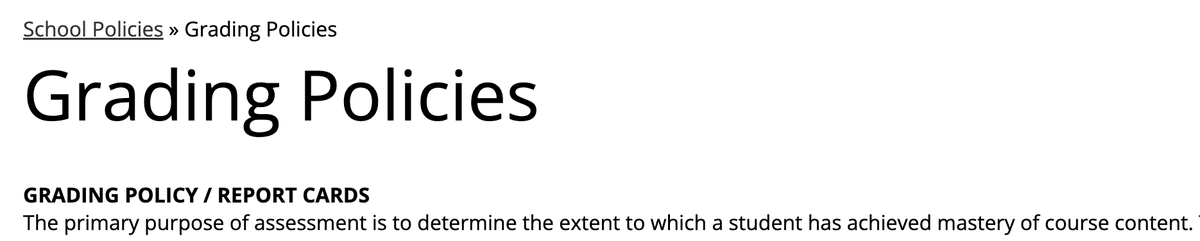
I really like the assessment purpose statement that Bishop Memorial High School includes on its website:
"The primary purpose of assessment is to determine the extent to which a student has achieved mastery of course content." 👌👌👍
2
4
27
2,063
Justin Hames retweeted

5 Jan 2024
Education TRUTH not a TREND
Relationships in the classroom isn’t a buzz word.
Relationships with students isn’t a hot topic.
Relationships in schools isn’t the new thing.
Relationships with kids has been important forever!
It’s just now more important than it ever has been
1
2
6
523

4 Jan 2024
Interesting, exciting, a little mind boggling. 😬 Appreciating these predictions from AJ Juliani as we embrace another year of immense change ahead.
3 Jan 2024

Last year I created a list of 10 predictions for education in the new year. I'm running it back this year with a new list and video, breaking down my Top 10 predictions.
We got #1 right last year (A.I. goes mainstream) but missed a few others.
loom.ly/90q2hgg
90
Justin Hames retweeted

27 Dec 2023
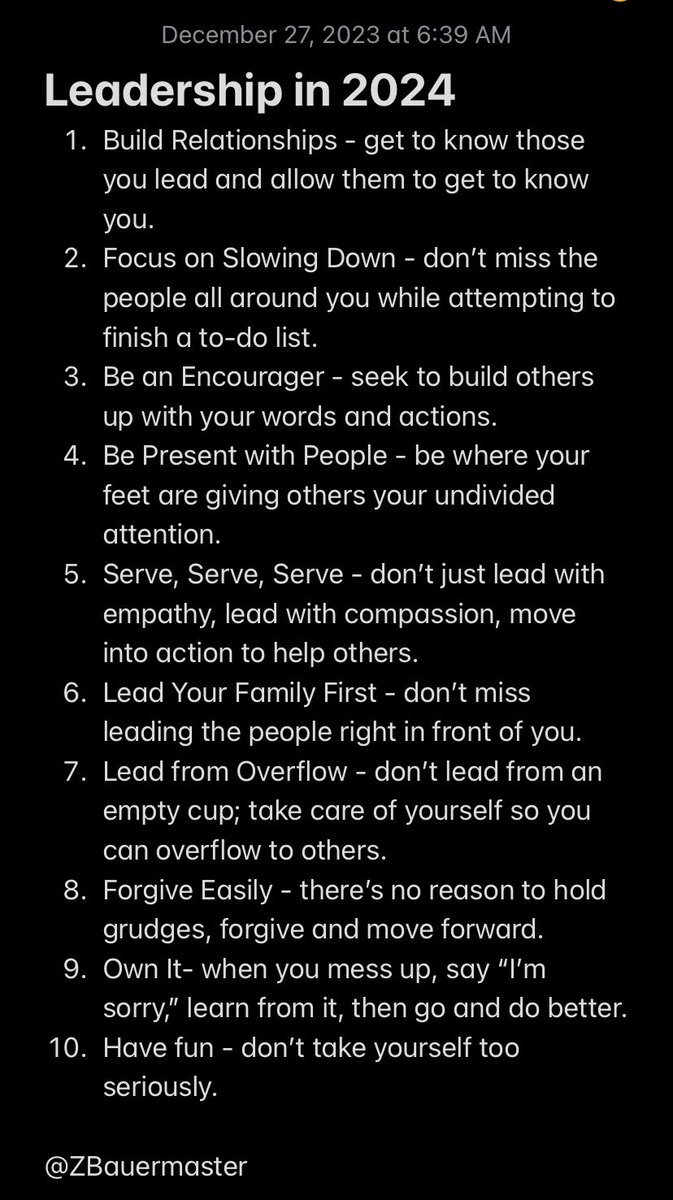
Make 2024 your best year of leadership yet👇🏻
What would you add to the list?
15
82
281
37,302

Justin Hames retweeted

8 Oct 2023
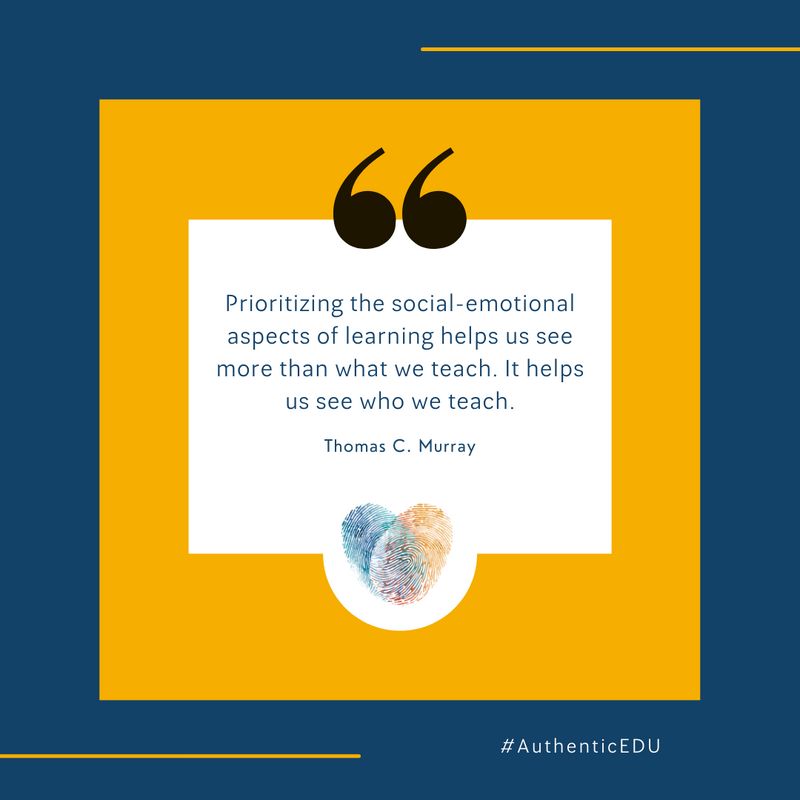
How do you handle things when they don't go your way? How do you keep moving forward when things fall apart?
Every time we fail, it’s an opportunity to model how to get up and keep trying, to those that look to us for direction.
More: thomascmurray.com/speaking
#AuthenticEDU #FutureReady
17
42
19,271
Justin Hames retweeted

2 Oct 2023
Much as doctors practice medicine and lawyers, law, we practice education.
It's a practice.
Purposeful. Professional.
But, practice.
In teaching humans.
And that's gonna take some practice.
Maybe a career's worth.
Practice purposefully.
Practice passionately.
Teach.
2
32
131
11,637
Justin Hames retweeted
12 Sep 2023
Grades should be communication, not classification.
#Project180
4
11
86
5,167
Justin Hames retweeted
8 Sep 2023
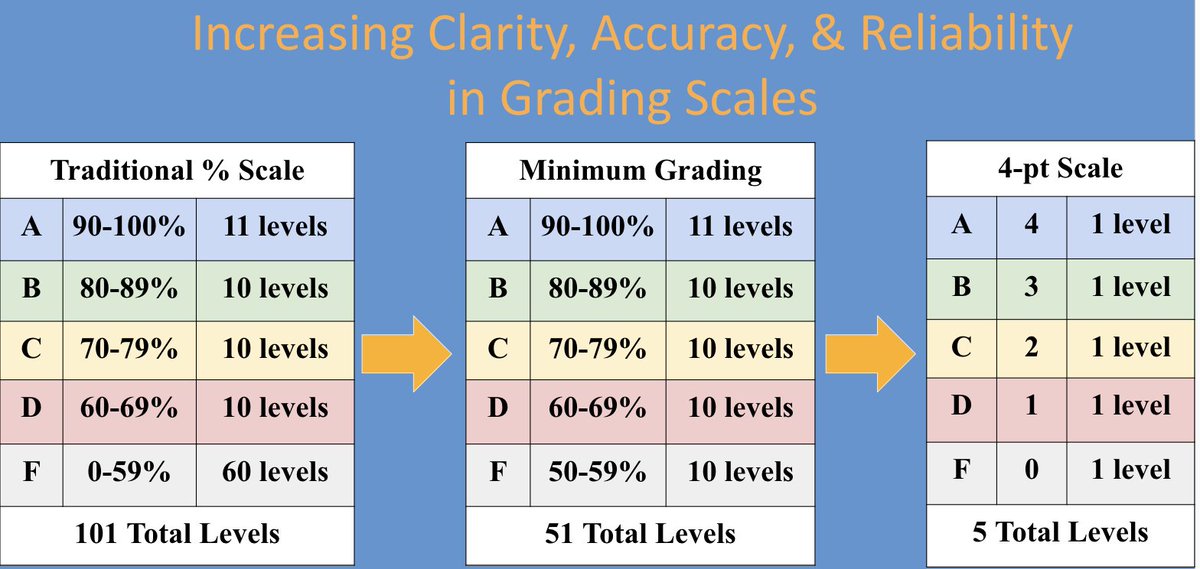
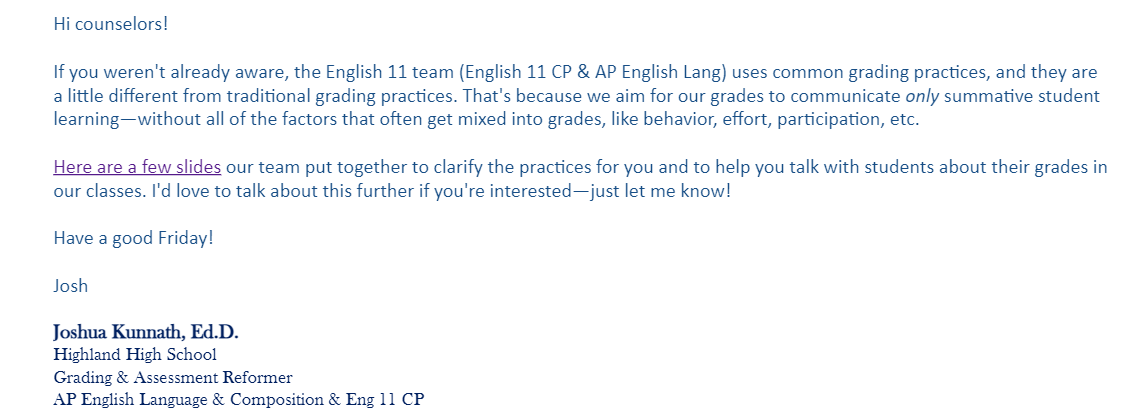
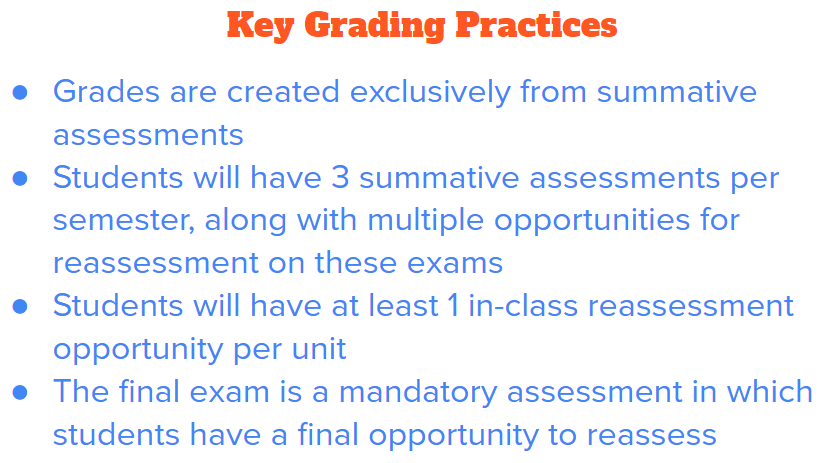
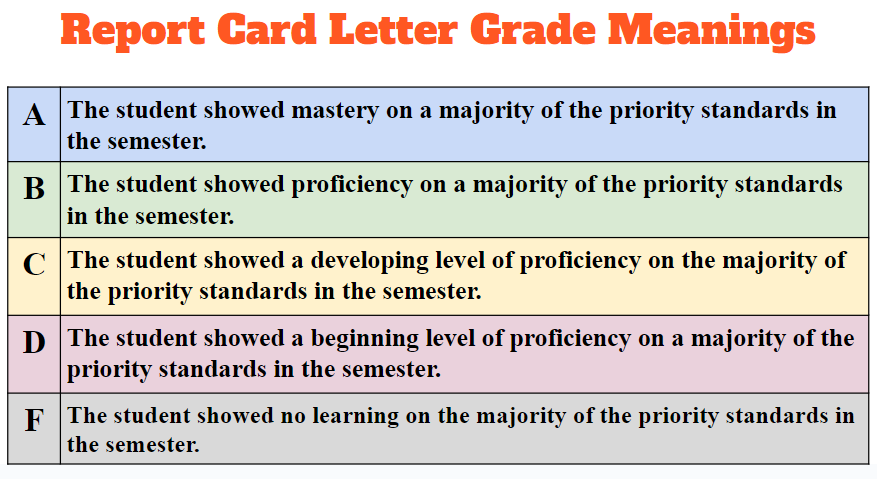
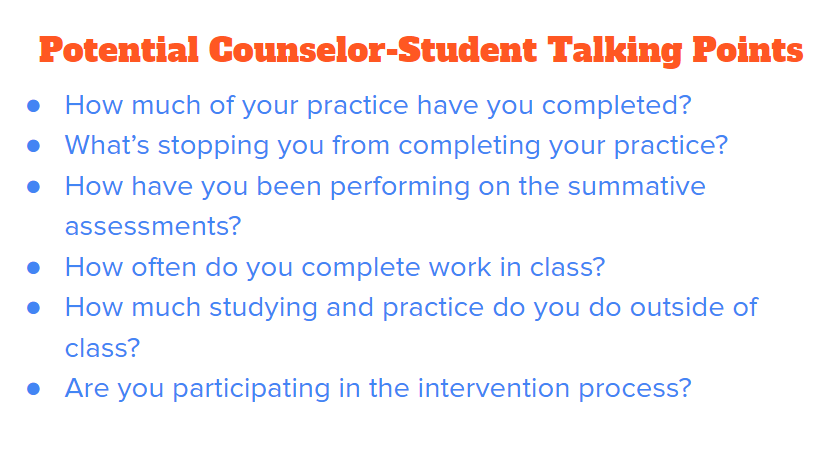
Communication is key at the beginning of the school year--especially in grading reform. 🔑
Here are a few things I shared w/ my school counselors today to help them understand my learning team's grading practices AND to help them talk to students about grades in our classes. 😎
1
4
376
Justin Hames retweeted
26 Aug 2023
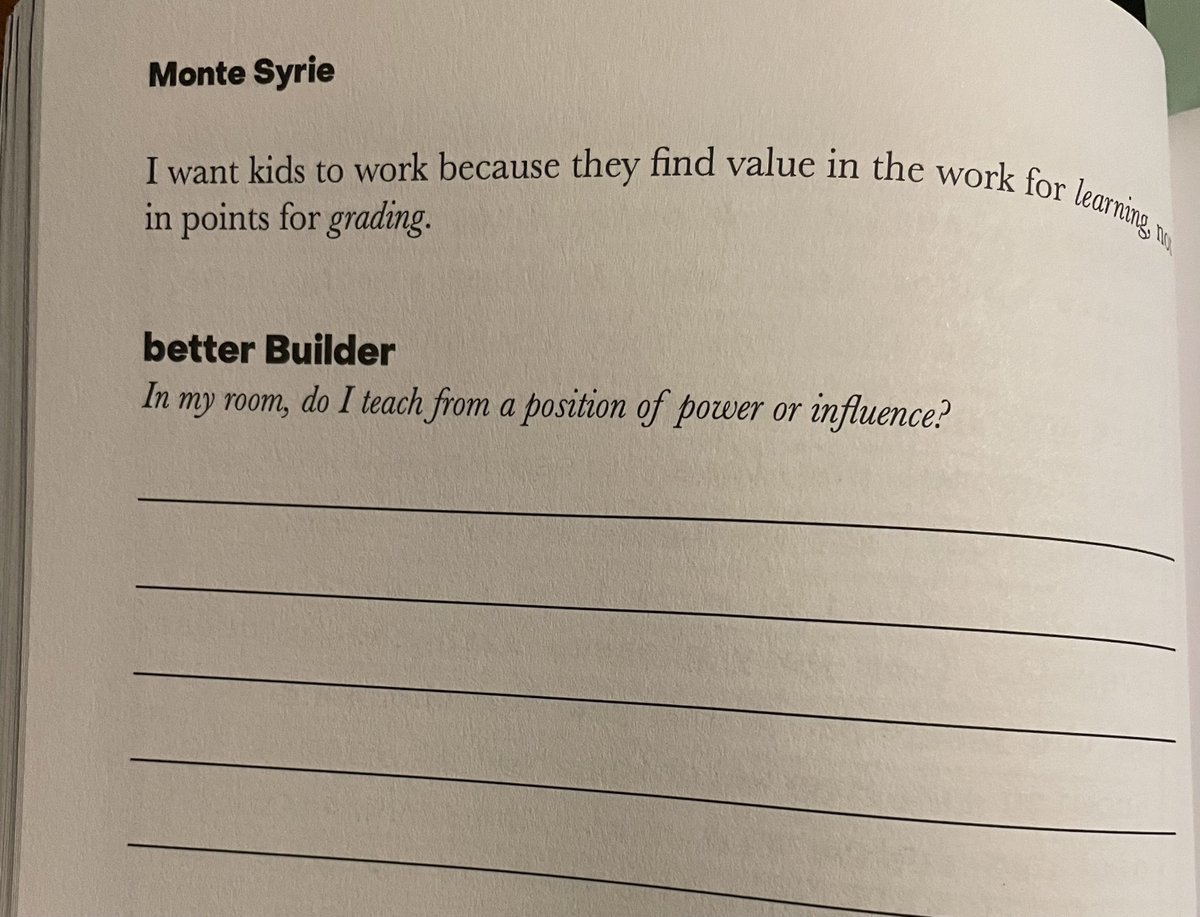
Power or Influence?
better Builder #4
In my room, do I teach from a position of power or influence?
from "better: A Teacher's Journey"
Available here: project180thebook.com/
#betterBuilder
#Project180
#codebreaker
@codebreakeredu
2
3
4
1,940
Justin Hames retweeted
21 Aug 2023
She needs a reteach.
He needs food.
They need sleep.
She needs empathy.
He needs attention.
They need directions.
She needs time.
He needs therapy.
They need a shower.
She needs friends.
He needs money.
They need a smile.
And that's just one fraction of one period of one day.
22
203
1,224
83,612
12 Aug 2023
Really love this mindset!
12 Aug 2023

It’s all practice.
Students are practicing learning.
Teachers are practicing teaching.
Administrators are practicing leading.
I’ll take a practice perspective over a mastery mindset any day.
Do. Reflect. Do Better.
#Project180
1
86
19 Jul 2023
Incredibly excited to begin my next chapter as an assistant principal! So grateful for this opportunity.
19 Jul 2023

Congratulations to Justin Hames, our new Assistant Principal for Sycamore Middle School! To read the full announcement: syc427.co/i7m #Empowering2Succeed

5
234
Justin Hames retweeted

28 Jun 2023
The reason a lot of teachers impose a, "cost," is often to teach responsibility and to affirm those who got their act together and turned it in on time. The concern with this approach, however, is that we're saying that the cost comes in the form of falsifying the report of student learning, which is not helpful or ethical, and it definitely doesn't teach personal responsibility or time management. The research is quite clear that punitive grades and falsifying learning reports by conflating compliance or timeliness with learning does not teach build maturity the way many think it does. It would be worth looking at those other elements for teaching these virtues and work habits, such as student agency, executive function, fostering independence, self-monitoring learning progress, meaning-making, and more. For now, though, let's make the "cost" of being late sacrificing other, preferred activities for sake of needing to finish work in a timely manner, requiring student reflection on decisions made that did not yield mature results, building executive function skills, helping to remove biases and obstacles that keep students from focusing on learning, reporting on personal work habits separately from academic proficiency in content, and similar. They do a much better job of student personal growth and accountability.
5
43
92
42,467
Justin Hames retweeted

22 Jun 2023
In the early 1970s, a Stanford researcher gave markers to some children who loved drawing.
He split them into two groups:
• Group 1 expected a reward for drawing
• Group 2 did not expect a reward
A few weeks later, they returned to observe.
The results were fascinating…

44
213
1,186
1,240,481
Justin Hames retweeted

22 Jun 2023
Focus on Unit Planning As Opposed to Lesson Planning
"I believe it is an ineffective practice to plan one lesson at a time. Instead, teachers should plan from the perspective of a unit, which should provide and overarching framework for instruction. I like to refer to this initial plan as a draft unit plan. This name helps communicate the fact that a unit of instruction is always a work in progress." Marzano, pl.107
This is from Marzano's New Art and Science of Teaching. While it's only one of his many recs, it speaks to teams planning a unit collaboratively rather than focusing only on a lesson plan. @robertjmarzano #ArtAndScienceOfTeaching @plugusin
1
13
42
12,281