
2,063 Photos and videos



Pinned Tweet

19 Nov 2025
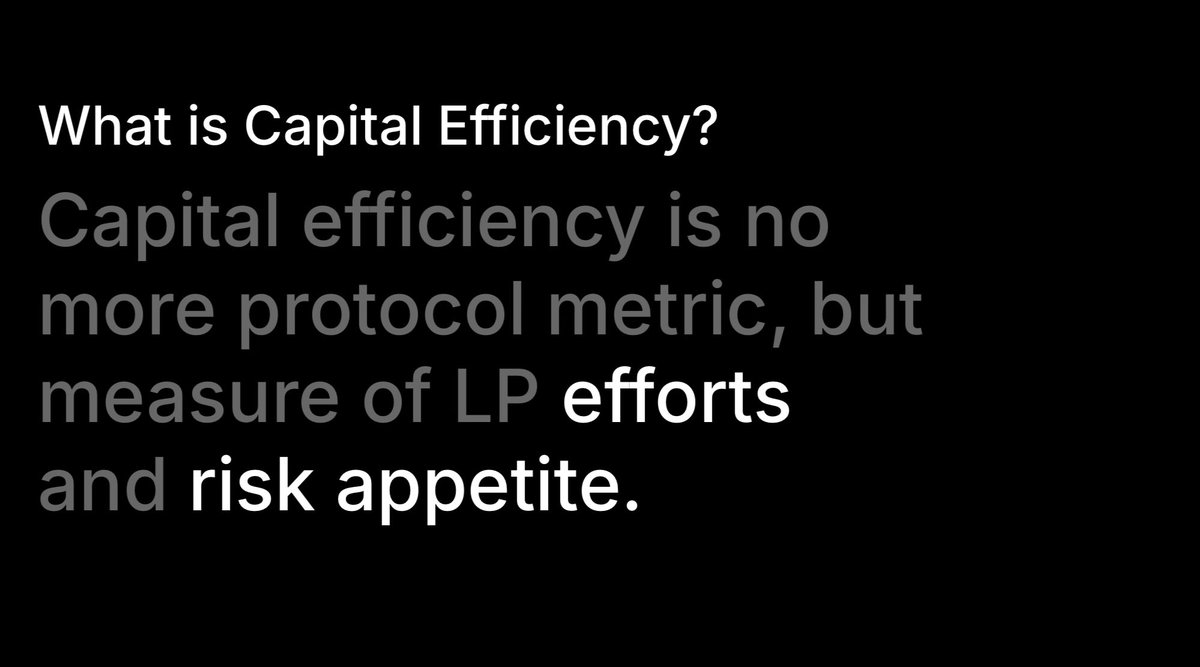
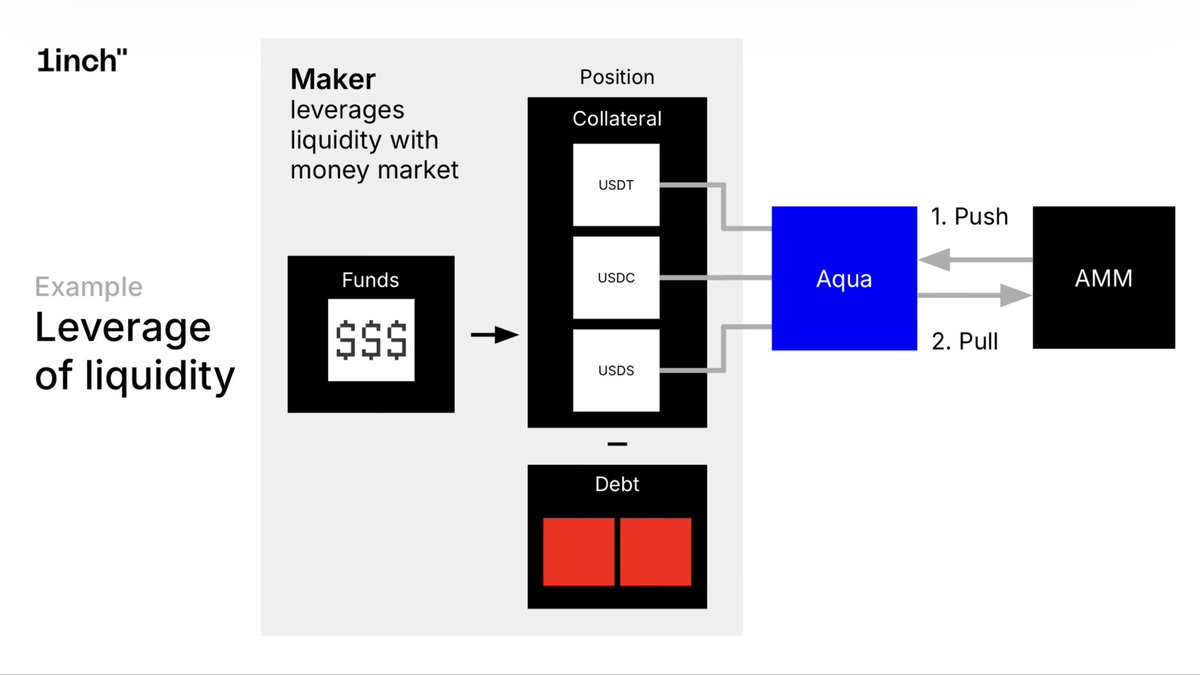
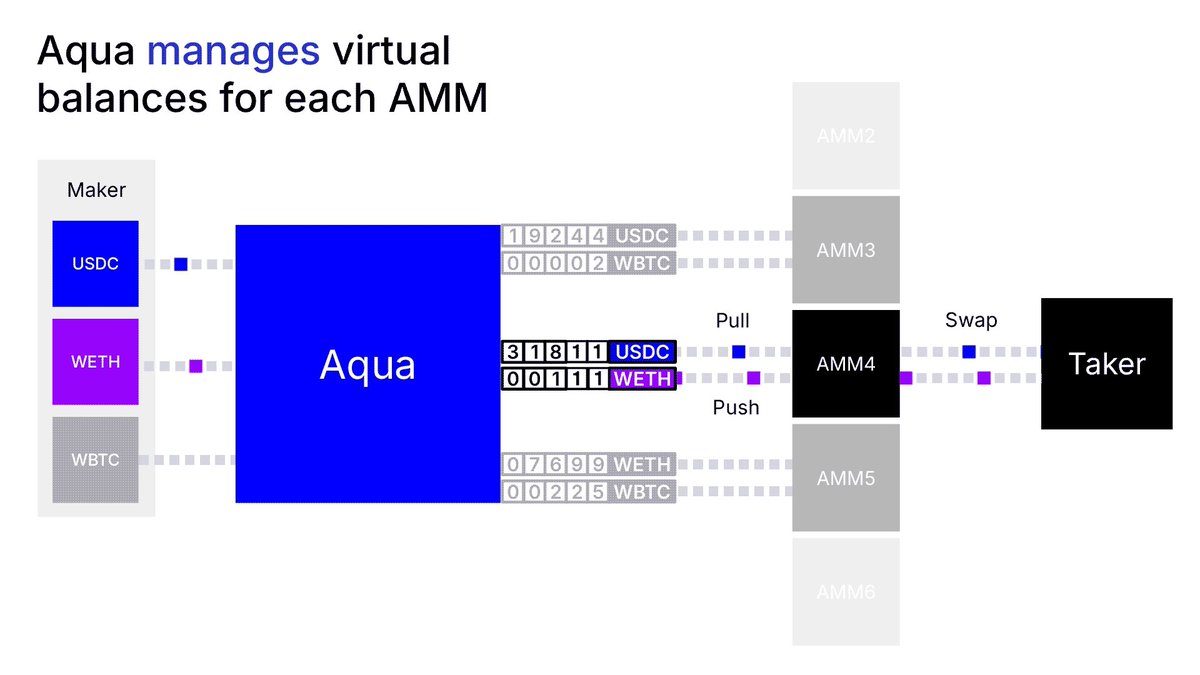
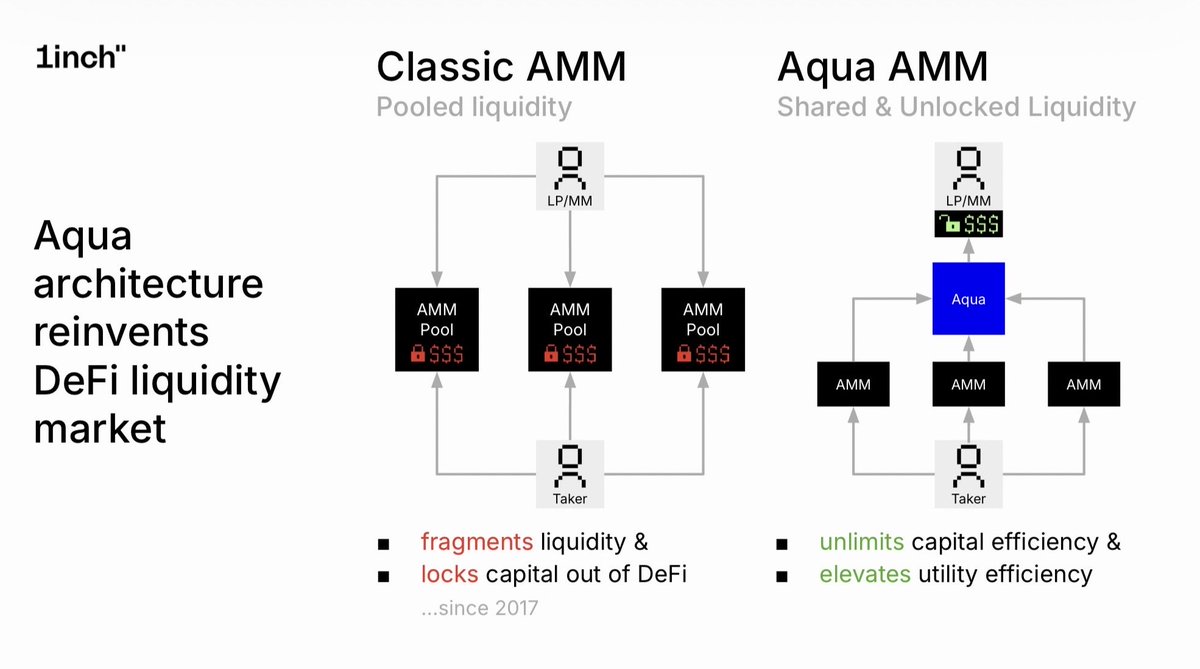
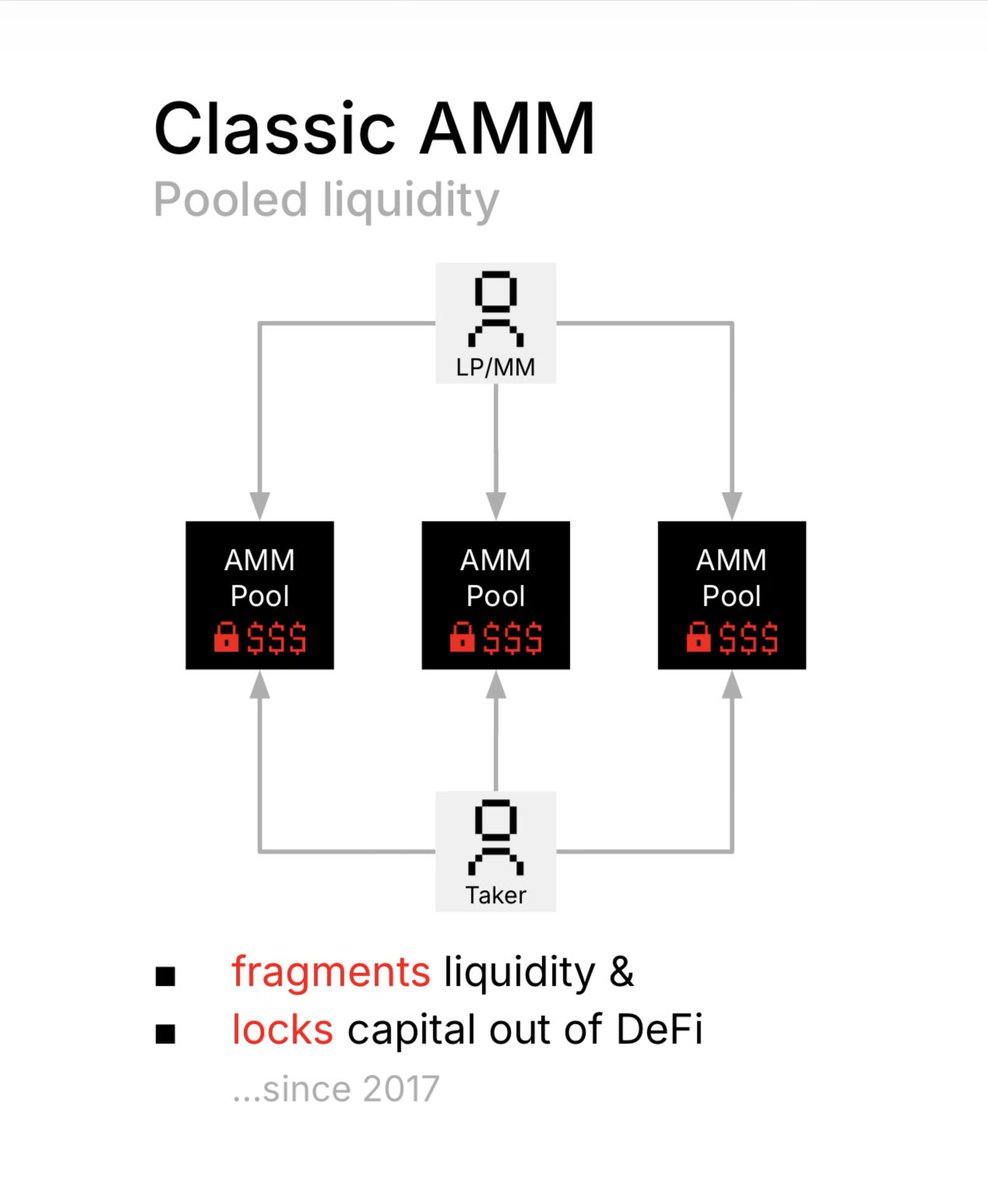
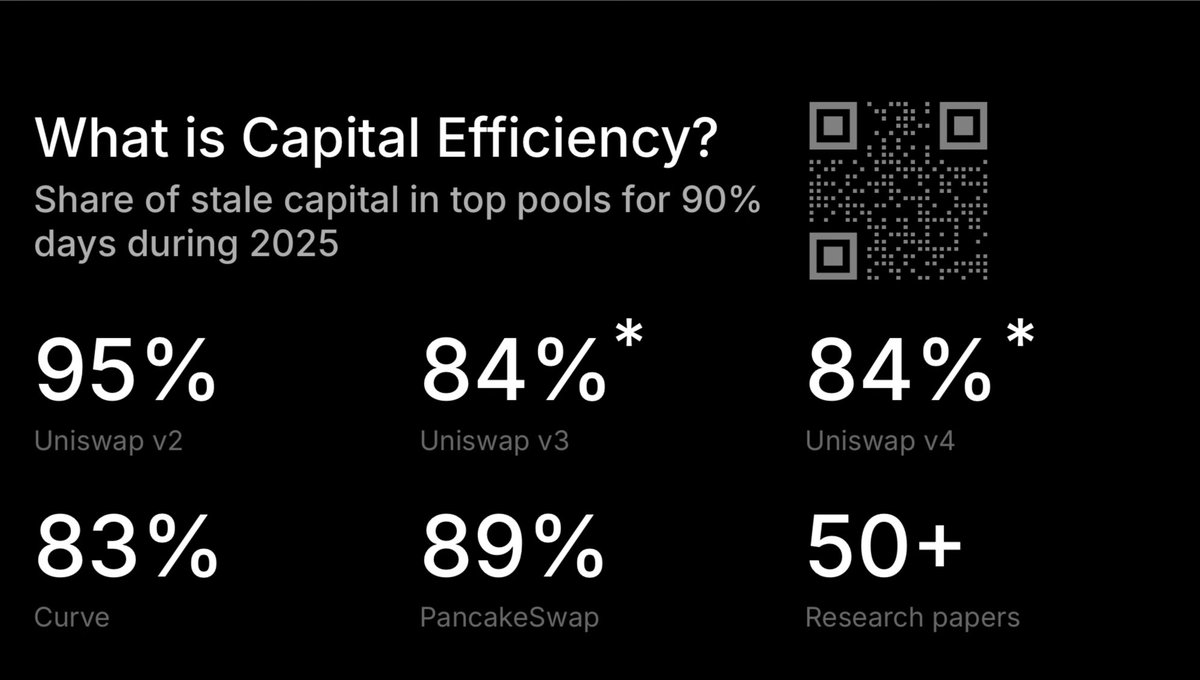
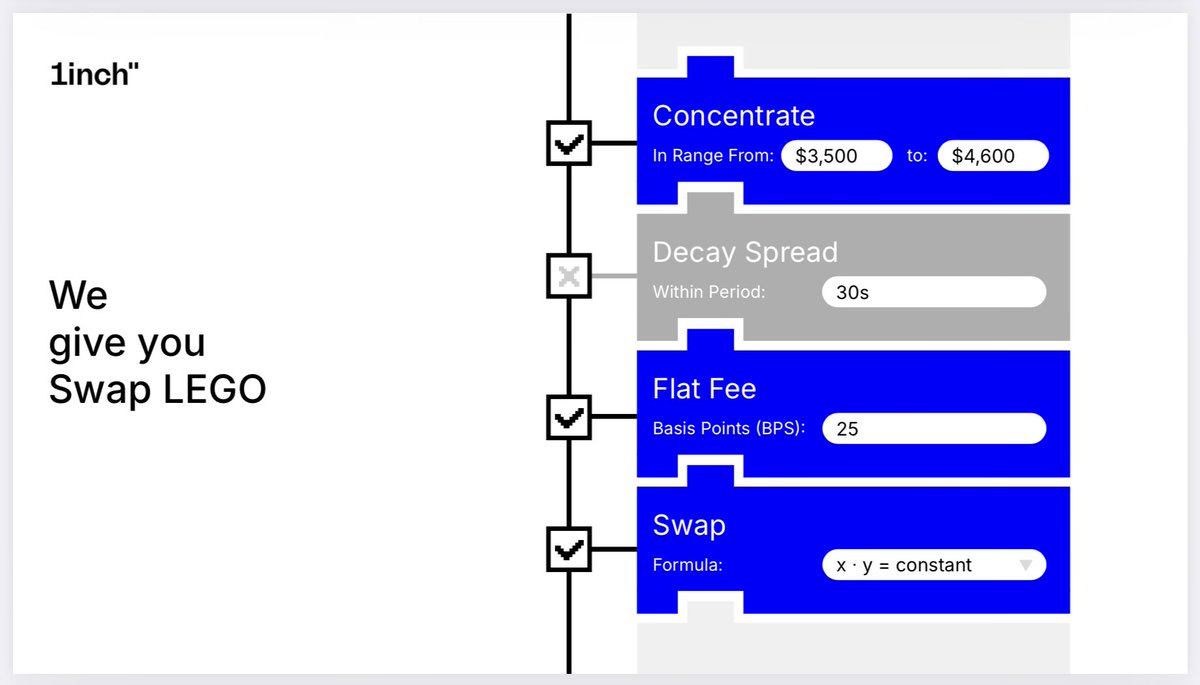
Meet @1inch Aqua - your new shared liquidity protocol.
19 Nov 2025

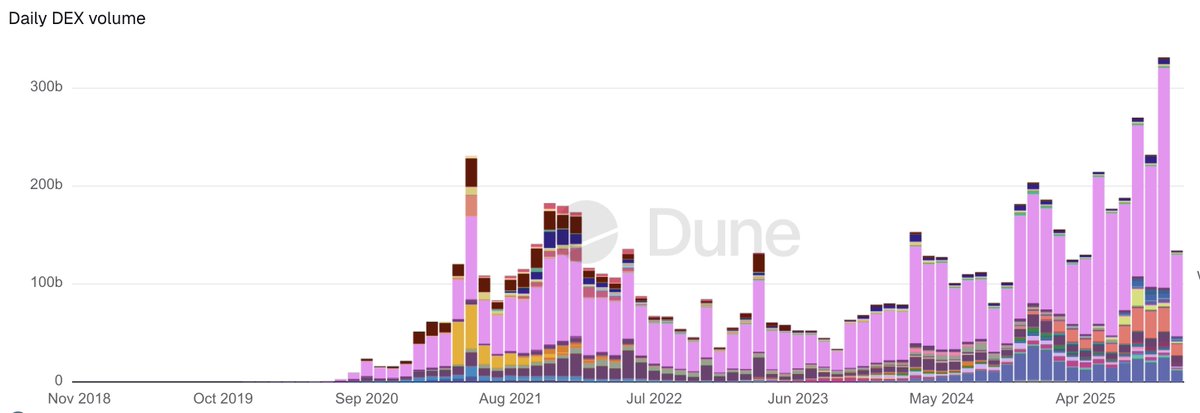
Sometimes a new competitor pops up, talking a big game about dethroning Uniswap
We welcome the competition, the arena gets boring without it
Maybe they're right, maybe this time its different
But I doubt it
59
10
143
19,070
Anton Bukov (e/acc)🦇🔊 retweeted

Jun 12
Prepare for takeoff. ✈️ Flight simulator is now available globally on web to all users. goo.gle/4fBYnWO
We've recently added many our most powerful professional desktop features to web. Elevation profiles, new import types, but there's always been one other feature you've been asking us to add to the web version of Google Earth, just for fun...
Where will you fly? Share your best maneuvers, views, and flyovers with us!
444
3,984
31,010
9,083,578
Jun 13
This could be the biggest push for open-weight models yet 👀
Jun 13

The US government, citing national security authorities, has issued an export control directive to suspend all access to Fable 5 and Mythos 5 by any foreign national, whether inside or outside the United States, including foreign national Anthropic employees.
The net effect of this order is that we must abruptly disable Fable 5 and Mythos 5 for all our customers to ensure compliance.
Access to all other Claude models is not affected.
We apologize for this disruption to our customers. We believe this is a misunderstanding and are working to restore access as soon as possible.
Read our full statement: anthropic.com/news/fable-myt…
4
8
1,032
Anton Bukov (e/acc)🦇🔊 retweeted

26 Feb 2024
“Coding” was never the source of value, and people shouldn’t get overly attached to it. Problem solving is the core skill. The discipline and precision demanded by traditional programming will remain valuable transferable attributes, but they won’t be a barrier to entry.
Many times over the years I have thought about a great programmer I knew that loved assembly language to the point of not wanting to move to C. I have to fight some similar feelings of my own around using existing massive codebases and inefficient languages, but I push through.
I had somewhat resigned myself to the fact that I might be missing out on the “final abstraction”, where you realize that managing people is more powerful than any personal tool. I just don’t like it, and I can live with the limitations that puts on me.
I suspect that I will enjoy managing AIs more, even if they wind up being better programmers than I am.
526
2,539
16,677
2,749,738


Cross-chain bridges remain critical infrastructure, proof verification is the core of their security model.
New disclosure on our research page: a vulnerability in the Polygon Plasma bridge that allowed transaction proofs to be forged.
At the time of discovery, $800M in POL was at risk, exploitable in a single transaction with no prerequisites.
The research covers how the proof verification breaks, how the exploit was built, and what it means for bridge security.
Full technical deep-dive: hexens.io/research/polygon-b…
7
16
80
11,662
Mar 31
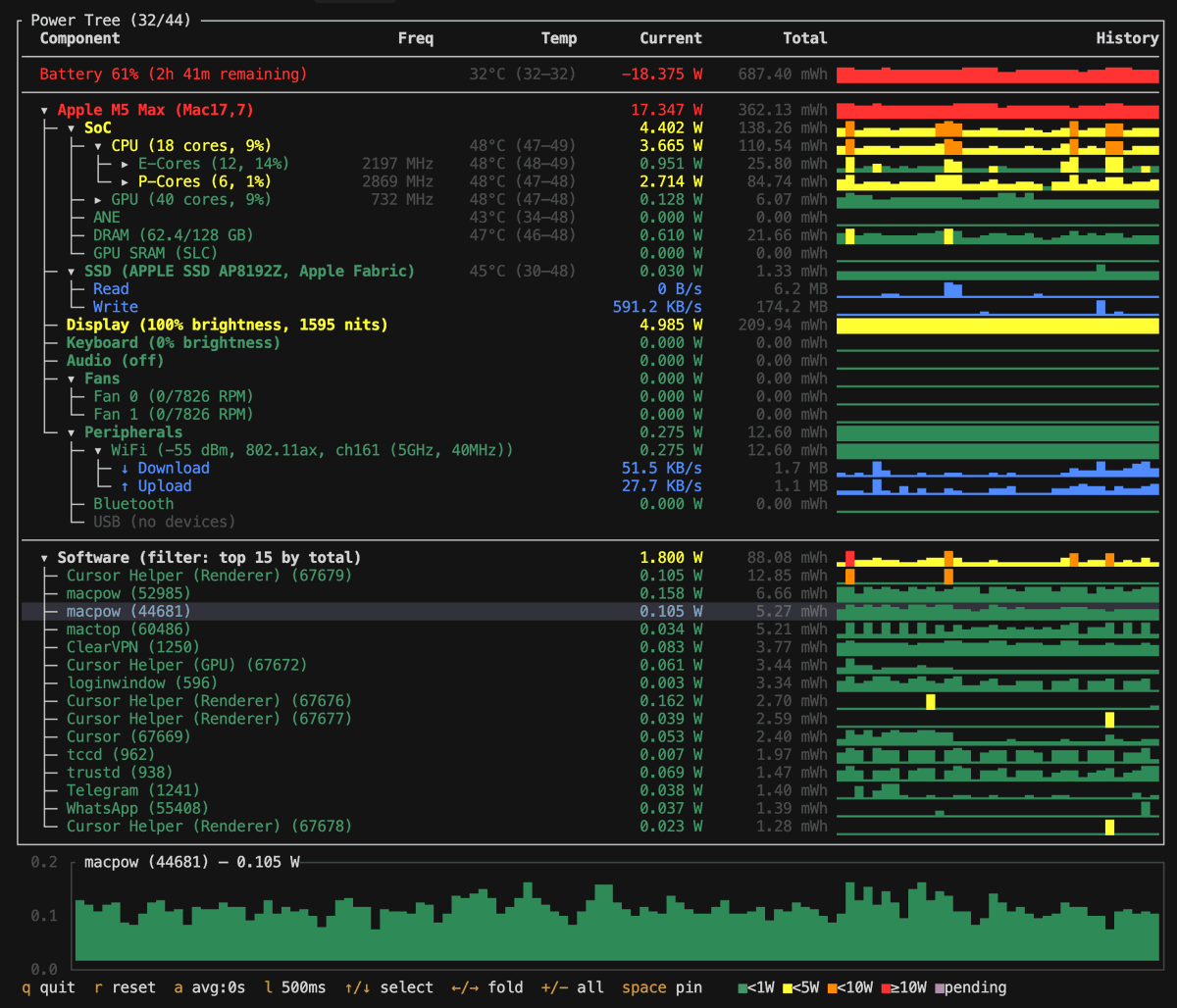
- No sudo required
- Install via Rust: cargo install macpow
- Install via Homebrew: brew tap k06a/tap && brew install macpow
2
4
527
Anton Bukov (e/acc)🦇🔊 retweeted

Mar 28
Excited to back @papaya_fi as an angel investor.
They’re building recurring payment infrastructure for the stablecoin economy — subscriptions, DCA, and AI agent payments, all onchain.
What caught my attention: their O(1) settlement architecture processes millions of recurring transactions in a single onchain tx, with gas under $0.01.
The stablecoin payment layer is being built right now. Papaya is one of the teams doing it right.
11
3
18
1,301
Anton Bukov (e/acc)🦇🔊 retweeted

Feb 25
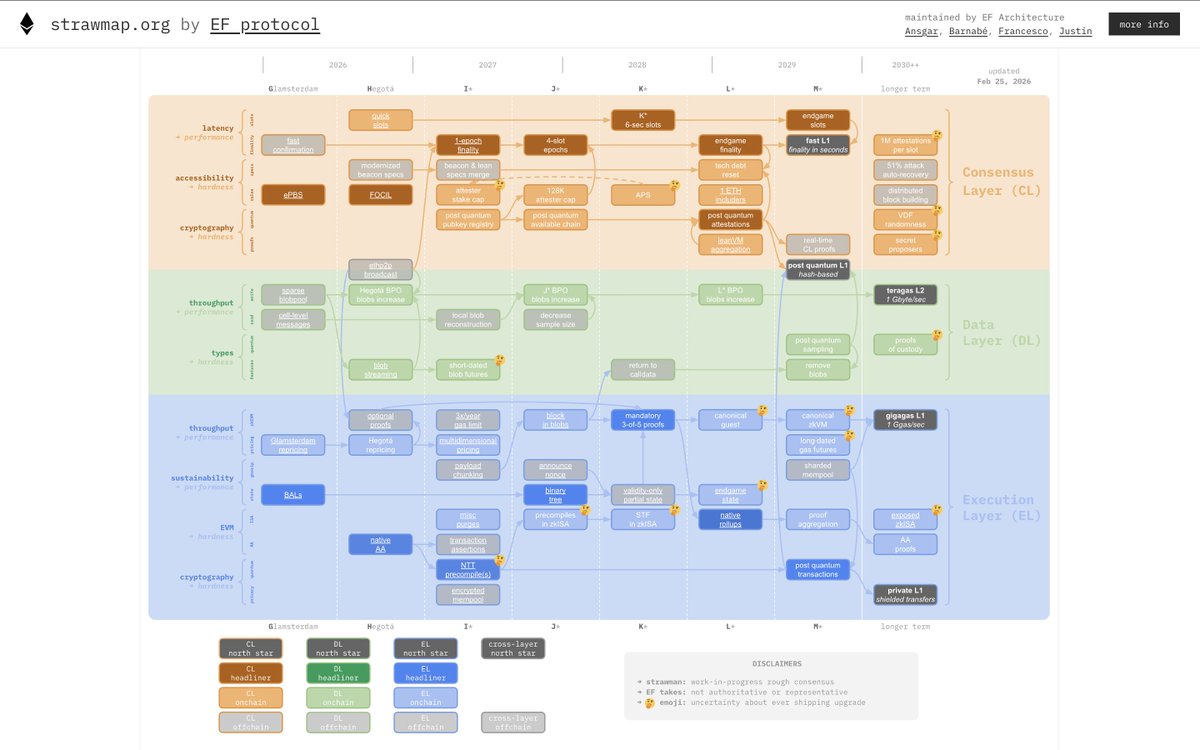
Introducing strawmap, a strawman roadmap by EF Protocol.
Believe in something. Believe in an Ethereum strawmap.
Who is this for?
The document, available at strawmap[.]org, is intended for advanced readers. It is a dense and technical resource primarily for researchers, developers, and participants in Ethereum governance. Visit ethereum[.]org/roadmap for more introductory material. Accessible explainers unpacking the strawmap will follow soon™.
What is the strawmap?
The strawmap is an invitation to view L1 protocol upgrades through a holistic lens. By placing proposals on a single visual it provides a unified perspective on Ethereum L1 ambitions. The time horizon spans years, extending beyond the immediate focus of All Core Devs (ACD) and forkcast[.]org which typically cover only the next couple of forks.
What are some of the highlights?
The strawmap features five simple north stars, presented as black boxes on the right:
→ fast L1: fast UX, via short slots and finality in seconds
→ gigagas L1: 1 gigagas/sec (10K TPS), via zkEVMs and real-time proving
→ teragas L2: 1 gigabyte/sec (10M TPS), via data availability sampling
→ post quantum L1: durable cryptography, via hash-based schemes
→ private L1: first-class privacy, via shielded ETH transfers
What is the origin story?
The strawman roadmap originated as a discussion starter at an EF workshop in Jan 2026, partly motivated by a desire to integrate lean Ethereum with shorter-term initiatives. Upgrade dependencies and fork constraints became particularly effective at surfacing valuable discussion topics. The strawman is now shared publicly in a spirit of proactive transparency and accelerationism.
Why the "strawmap" name?
"Strawmap" is a portmanteau of "strawman" and "roadmap". The strawman qualifier is deliberate for two reasons:
1. It acknowledges the limits of drafting a roadmap in a highly decentralized ecosystem. An "official" roadmap reflecting all Ethereum stakeholders is effectively impossible. Rough consensus is fundamentally an emergent, continuous, and inherent uncertain process.
2. It underscores the document's status as a work-in-progress. Although it originated within the EF Protocol cluster, there are competing views held among its 100 members, not to mention a rich diversity of non-EFer views.
The strawmap is not a prediction. It is an accelerationist coordination tool, sketching one reasonably coherent path among millions of possible outcomes.
What is the strawmap time frame?
The strawmap focuses on forks extending through the end of the decade. It outlines seven forks by 2029 based on a rough cadence of one fork every six months. While grounded in current expectations, these timelines should be treated with healthy skepticism. The current draft assumes human-first development. AI-driven development and formal verification could significantly compress schedules.
What do the letters on top represent?
The strawmap is organized as a timeline, with forks progressing from left to right. Consensus layer forks follow a star-based naming scheme with incrementing first letters: Altair, Bellatrix, Capella, Deneb, Electra, Fulu, etc. Upcoming forks such as Glamsterdam and Hegotá have finalized names. Other forks, like I* and J*, have placeholder names (with I* pronounced "I star").
What do the colors and arrows represent?
Upgrades are grouped into three color-coded horizontal layers: consensus (CL), data (DL), execution (EL). Dark boxes denote headliners (see below), grey boxes indicate offchain upgrades, and black boxes represent north stars. An explanatory legend appears at the bottom.
Within each layer, upgrades are further organized by theme and sub-theme. Arrows signal hard technical dependencies or natural upgrade progressions. Underlined text in boxes links to relevant EIPs and write-ups.
What are headliners?
Headliners are particularly prominent and ambitious upgrades. To maintain a fast fork cadence, the modern ACD process limits itself to one consensus and one execution headliner per fork. For example, in Glamsterdam, these headliners are ePBS and BALs, respectively.
(L* is an exceptional fork, displaying two headliners tied to the bigger lean consensus fork. Lean consensus landing in L* would be a fateful coincidence.)
Will the strawmap evolve?
Yes, the strawmap is a living and malleable document. It will evolve alongside community feedback, R&D advancements, and governance. Expect at least quarterly updates, with the latest revision date noted on the document.
Can I share feedback?
Yes, feedback is actively encouraged. The EF Protocol strawmap is maintained by the EF Architecture team: @adietrichs, @barnabemonnot, @fradamt, @drakefjustin. Each has open DMs and can be reached at first.name@ethereum[.]org. General inquiries can be sent to strawmap@ethereum[.]org.
208
420
1,633
622,394
Anton Bukov (e/acc)🦇🔊 retweeted

Mar 3
I’m officially opening my calendar for new technical engagements and consulting via RStormLabs.
Whether you are building a new DeFi protocol from the ground up or need an expert to consult on your existing architecture, I’m available to help harden your stack.
Services include:
🛠️ DeFi Architecture & Building Support
🧠 Strategic Security Consulting
🔍 Blockchain Forensics & Audits
If your protocol or fund has >$10M TVL, let’s talk.
📩 DM me to discuss your project or fill out the form below 👇
26
66
360
30,530
Anton Bukov (e/acc)🦇🔊 retweeted

15
17
84
14,980
Anton Bukov (e/acc)🦇🔊 retweeted
Mar 10
Today, the SDNY prosecutors filed a letter to Judge Failla requesting a retrial date. They want to go again in October. The prosecutors want to retry me on 2 counts the jury couldn't unanimously decide on. A jury of 12 Americans heard 4 weeks of evidence and deadlocked: no verdict on money laundering, and no verdict on sanctions violations. The government's response? Try again to make writing code a crime.
@realDonaldTrump declared the "War on Crypto is over." 🇺🇸
AG @DAGToddBlanche's memo: DOJ "is not a digital assets regulator" and won't target mixers for end-user acts. @USTreasury lifted Tornado Cash sanctions entirely. ✅ Also Treasury, March 2026: "Lawful users of digital assets may leverage mixers to enable financial privacy." — official report to Congress under the GENIUS Act. But the SDNY prosecutors — same country, same DOJ — just filed to retry me anyway. 🤔
⠀ The 2 counts = up to 40 years in federal prison. ⛓️ For writing open-source code. For a protocol I don't control. For transactions I never touched. A jury already couldn't agree this was criminal. But the SDNY prosecutors want to keep trying with the hope of getting a different answer.
⠀ I have a daughter. I have a life in Seattle. I will never stop fighting for freedom. ❤️ But I need to be honest with you: Four weeks of trial. A hung jury. Now they want to do it all over again in October. I have basically exhausted my legal defense funds. And I'm staring down another full federal trial. 😔 Every dollar raised goes directly to keeping this fight alive — attorneys, experts, the full defense apparatus it takes to stand up to the SDNY prosecutors. This isn't abstract. If I can't fund a defense, they win by default. If you care about financial privacy, if you write code and believe that code is speech — this is the moment. 💻🔐 👇

117
500
1,696
195,497
Mar 3
Most meetings feel productive in the moment, but days later we forget our promises.
Pocket is my AI device for analyzing meetings. It’s the key to truly productive meetings where no promises are forgotten.
Happy to reveal I’m backing @heypocket. The $27M ARR is just the start
Mar 3

Pocket (@heypocket) is your notetaker for real world meetings.
In the last 5 months, the team has delivered over 30k units with a $27M annualized run rate, growing 50% month over month.
Congrats on the launch, @AkshayNarisetti and @gabrieldymowski!
ycombinator.com/launches/PaX…
9
1
37
5,691

A big week ahead. It all starts Monday morning! #AppleLaunch
2,601
5,322
58,087
9,917,500
Anton Bukov (e/acc)🦇🔊 retweeted

Feb 18
Full bug explainer: soliditylang.org/blog/2026/0…
Thanks to @hexens for the discovery and thorough report, @_SEAL_Org and @dedaub for their swift response and help in identifying affected contracts.
3
11
63
20,800
Anton Bukov (e/acc)🦇🔊 retweeted

Feb 16
1) Hello World 🌍
Meet Diffuse Prime - the Uncustodial Prime Broker.
👉 app.prime.diffuse.fi
A new DeFi primitive designed for capital efficiency, verified risk, and transparent yield.
5
13
44
3,355
Anton Bukov (e/acc)🦇🔊 retweeted

Jan 18
An important, and perenially underrated, aspect of "trustlessness", "passing the walkaway test" and "self-sovereignty" is protocol simplicity.
Even if a protocol is super decentralized with hundreds of thousands of nodes, and it has 49% byzantine fault tolerance, and nodes fully verify everything with quantum-safe peerdas and starks, if the protocol is an unwieldy mess of hundreds of thousands of lines of code and five forms of PhD-level cryptography, ultimately that protocol fails all three tests:
* It's not trustless because you have to trust a small class of high priests who tell you what properties the protocol has
* It doesn't pass the walkaway test because if existing client teams go away, it's extremely hard for new teams to get up to the same level of quality
* It's not self-sovereign because if even the most technical people can't inspect and understand the thing, it's not fully yours
It's also less secure, because each part of the protocol, especially if it can interact with other parts in complicated ways, carries a risk of the protocol breaking.
One of my fears with Ethereum protocol development is that we can be too eager to add new features to meet highly specific needs, even if those features bloat the protocol or add entire new types of interacting components or complicated cryptography as critical dependencies. This can be nice for short-term functionality gains, but it is highly destructive to preserving long-term self-sovereignty, and creating a hundred-year decentralized hyperstructure that transcends the rise and fall of empires and ideologies.
The core problem is that if protocol changes are judged from the perspective of "how big are they as changes to the existing protocol", then the desire to preserve backwards compatibility means that additions happen much more often than subtractions, and the protocol inevitably bloats over time. To counteract this, the Ethereum development process needs an explicit "simplification" / "garbage collection" function.
"Simplification" has three metrics:
* Minimizing total lines of code in the protocol. An ideal protocol fits onto a single page - or at least a few pages
* Avoiding unnecessary dependencies on fundamentally complex technical components. For example, a protocol whose security solely depends on hashes (even better: on exactly one hash function) is better than one that depends on hashes and lattices. Throwing in isogenies is worst of all, because (sorry to the truly brilliant hardworking nerds who figured that stuff out) nobody understands isogenies.
* Adding more _invariants_: core properties that the protocol can rely on, for example EIP-6780 (selfdestruct removal) added the property that at most N storage slots can be changedakem per slot, significantly simplifying client development, and EIP-7825 (per-tx gas cap) added a maximum on the cost of processing one transaction, which greatly helps ZK-EVMs and parallel execution.
Garbage collection can be piecemeal, or it can be large-scale. The piecemeal approach tries to take existing features, and streamline them so that they are simpler and make more sense. One example is the gas cost reforms in Glamsterdam, which make many gas costs that were previously arbitrary, instead depend on a small number of parameters that are clearly tied to resource consumption.
One large-scale garbage collection was replacing PoW with PoS. Another is likely to happen as part of Lean consensus, opening the room to fix a large number of mistakes at the same time ( youtube.com/watch?v=10Ym34y3… ).
Another approach is "Rosetta-style backwards compatibility", where features that are complex but little-used remain usable but are "demoted" from being part of the mandatory protocol and instead become smart contract code, so new client developers do not need to bother with them. Examples:
* After we upgrade to full native account abstraction, all old tx types can be retired, and EOAs can be converted into smart contract wallets whose code can process all of those transaction types
* We can replace existing precompiles (except those that are _really_ needed) with EVM or later RISC-V code
* We can eventually change the VM from EVM to RISC-V (or other simpler VM); EVM could be turned into a smart contract in the new VM.
Finally, we want to move away from client developers feeling the need to handle all older versions of the Ethereum protocol. That can be left to older client versions running in docker containers.
In the long term, I hope that the rate of change to Ethereum can be slower. I think for various reasons that ultimately that _must_ happen. These first fifteen years should in part be viewed as an adolescence stage where we explored a lot of ideas and saw what works and what is useful and what is not. We should strive to avoid the parts that are not useful being a permanent drag on the Ethereum protocol.
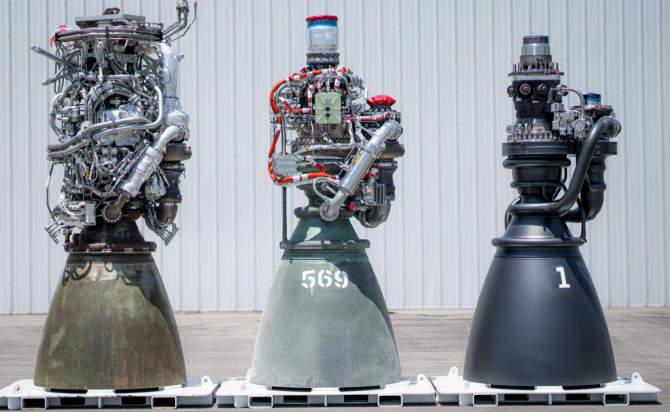
Basically, we want to improve Ethereum in a way that looks like this:
650
522
3,680
382,162
Anton Bukov (e/acc)🦇🔊 retweeted

Jan 12
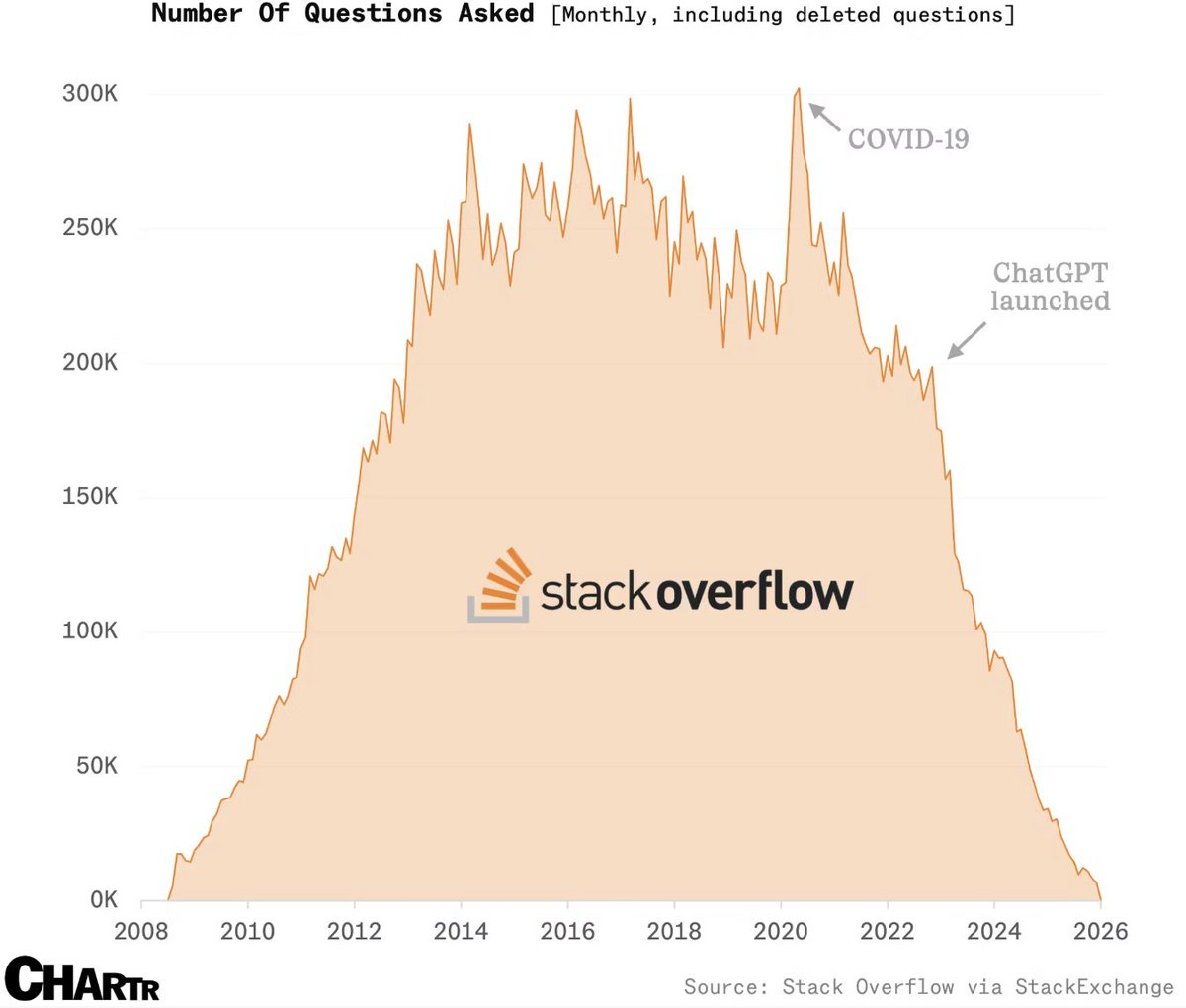
RIP Stack Overflow.
785
1,900
19,748
4,667,109
Anton Bukov (e/acc)🦇🔊 retweeted
Jan 3
Now that ZKEVMs are at alpha stage (production-quality performance, remaining work is safety) and PeerDAS is live on mainnet, it's time to talk more about what this combination means for Ethereum.
These are not minor improvements; they are shifting Ethereum into being a fundamentally new and more powerful kind of decentralized network.
To see why, let's look at the two major types of p2p network so far:
BitTorrent (2000): huge total bandwidth, highly decentralized, no consensus
Bitcoin (2009): highly decentralized, consensus, but low bandwidth - because it’s not “distributed” in the sense of work being split up, it’s *replicated*
Now, Ethereum with PeerDAS (2025) and ZK-EVMs (expect small portions of the network using it in 2026), we get: decentralized, consensus and high bandwidth
The trilemma has been solved - not on paper, but with live running code, of which one half (data availability sampling) is *on mainnet today*, and the other half (ZK-EVMs) is *production-quality on performance today* - safety is what remains.
This was a 10-year journey (see the first commit of my original post on DAS here: github.com/ethereum/research… , and ZK-EVM attempts started in ~2020), but it's finally here.
Over the next ~4 years, expect to see the full extent of this vision roll out:
* In 2026, large non-ZKEVM-dependent gas limit increases due to BALs and ePBS, and we'll see the first opportunities to run a ZKEVM node
* In 2026-28, gas repricings, changes to state structure, exec payload going into blobs, and other adjustments to make higher gas limits safe
* In 2027-30, large further gas limit increases, as ZKEVM becomes the primary way to validate blocks on the network
A third piece of this is distributed block building.
A long-term ideal holy grail is to get to a future where the full block is *never* constituted in one single place. This will not be necessary for a long time, but IMO it is worth striving for us at least have the capability to do that.
Even before that point, we want the meaningful authority in block building to be as distributed as possible. This can be done either in-protocol (eg. maybe we figure out how to expand FOCIL to make it a primary channel for txs), or out-of-protocol with distributed builder marketplaces. This reduces risk of centralized interference with real-time transaction inclusion, AND it creates a better environment for geographical fairness.
Onward.
1,053
1,377
7,221
1,286,688