
ソフトウェアエンジニア。新潟県長岡市出身、大阪市在住。Emacs/Org Mode/Apple/David Bowie/Prince/THE YELLOW MONKEY/関西オープンフォーラム/任天堂など。Postは個人のものです。
Joined July 2008
- Tweets 18,665
- Following 872
- Followers 850
- Likes 10,703
496 Photos and videos








Tetsuya Kaneuchi (金内 哲也) retweeted

Jun 13
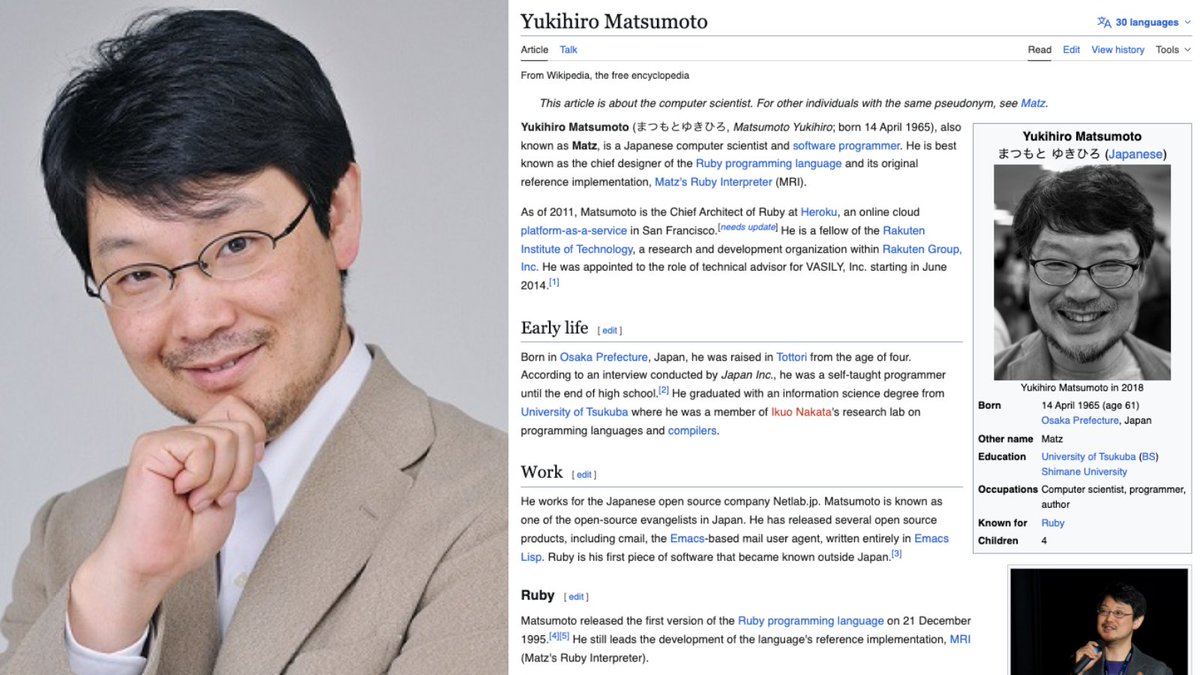
A Japanese programmer looked at every existing programming language in 1993, decided none of them made him happy, and spent two years building his own the language he built became the foundation GitHub, Shopify, Airbnb, and Coinbase were all built on.
His name is Yukihiro Matsumoto.
Everyone in the programming world calls him Matz. He was born in 1965, studied information science at the University of Tsukuba, and graduated in 1990 with a head full of ideas about what programming languages could be and a quiet frustration with what they actually were.
He knew Perl. He did not like it. He said it had the smell of a toy language. He knew Python. He did not like it either, because he felt its object-oriented features were add-ons bolted onto a language that was not designed around them from the start. He wanted something that was genuinely, completely object-oriented, easy to use, and built for the person writing the code rather than the machine running it.
He looked for that language. He could not find it.
So on February 24, 1993, he opened a chat window with his colleague Keiju Ishitsuka and typed: "Let us decide the codename now."
They wanted to name it after a gemstone, inspired by Perl. Ishitsuka suggested Coral. Matsumoto suggested Ruby. Ruby was shorter by one letter. Ruby won.
He spent the next two years building it alone, working through the architecture piece by piece. The object system. The string class. The IO streams. He later said he talked through specific features while speaking to his baby daughter, using her as a sounding board the way programmers use rubber ducks. In August 1993, he finally wrote the line of code that produced "Hello, world." on the screen.
The first public version, Ruby 0.95, was released to Japanese domestic newsgroups on December 21, 1995. No press release. No launch event. Just a quiet post to a mailing list.
The design principle underneath everything was the one nobody else had ever made primary. Matsumoto called it programmer happiness. He believed programming languages should be built for the joy and productivity of the person writing the code, not optimized purely for machine efficiency. Every decision in Ruby's design ran through that filter. If it made the programmer's life harder, it was wrong.
That philosophy attracted a small but devoted following in Japan through the late 1990s. Then in 2003, a Danish programmer named David Heinemeier Hansson discovered Ruby and used it to build an internal project management tool for his company. He called the tool Basecamp. He extracted the framework underneath it and released it publicly in 2004.
He called it Ruby on Rails.
Within a year of that release, the framework had changed how web applications were built. Rails introduced the principle of convention over configuration, meaning developers could make decisions about structure quickly because the framework had already made sensible defaults. What used to take weeks of setup took days. What used to take days took hours.
Shopify started on Rails in 2005. GitHub built on Rails a couple of years later. Airbnb, Twitch, Coinbase, SoundCloud, and Zendesk all followed. The first generation of consumer internet companies that defined how people think about software products were largely built by small teams moving fast on a framework that traced directly back to one Japanese programmer who was dissatisfied with his tools in 1993.
Shopify now processes over $200 billion in annual commerce volume. It still runs on Rails. GitHub became the largest code hosting platform on earth and was acquired by Microsoft for $7.5 billion in 2018. It started on Rails.
Matsumoto has said many times that he created Ruby for selfish reasons. He was so underwhelmed by every available option that he built something that would make himself happy. The programmer happiness he was chasing was his own.
The community that grew around Ruby adopted a motto that says everything about who he is. Matz is nice and so we are nice. They abbreviated it MINASWAN. It spread because it was true. He answered emails from strangers. He engaged with the community with patience. He treated the language as a gift, not a product.
He is still the chief designer of Ruby today. The language is 31 years old. It is still being improved.
The last stable release was Ruby 4.0.4, shipped on May 11, 2026.
One programmer, unhappy with his tools, built something better in the evenings in 1993. The companies you use to buy things, to store code, to book travel, and to watch streams were built on top of what he made.
He just wanted to be happy while he worked.
Did you know Ruby was behind the tools you use every day?
40
723
3,712
363,885
Tetsuya Kaneuchi (金内 哲也) retweeted

Jun 13
Claude Fable5と4〜5回やりとりしてブラシュアップしたサグラダ・ファミリアの3D模型アプリ。自分が見ている状態を保存して共有できる仕様にしてある。
個人的に17:45頃の太陽の位置でワイヤーフレーム表示にするのが好き。
nobi.com/sagradafamilia/?lan…
2
11
1,744
Tetsuya Kaneuchi (金内 哲也) retweeted

Jun 13
The US government, citing national security authorities, has issued an export control directive to suspend all access to Fable 5 and Mythos 5 by any foreign national, whether inside or outside the United States, including foreign national Anthropic employees.
The net effect of this order is that we must abruptly disable Fable 5 and Mythos 5 for all our customers to ensure compliance.
Access to all other Claude models is not affected.
We apologize for this disruption to our customers. We believe this is a misunderstanding and are working to restore access as soon as possible.
Read our full statement: anthropic.com/news/fable-myt…
12,584
25,774
88,046
90,052,405
Tetsuya Kaneuchi (金内 哲也) retweeted
Jun 12
アーティスト、デビッド・ホックニー氏逝去。
ご冥福をお祈りします。
@MOT_art_museum で展覧会が開かれ記事を書いたのが3年前:
現代美術における最も革新的な画家はiPadで描き続ける86歳 ホックニーがiPad絵画に魅せられる理由
itmedia.co.jp/pcuser/article…

🔴 BREAKING - British artist David Hockney has died at 88, his agent says f24.my/Bz6a.x

11
36
4,867

nobi さんの投稿で、昔美術館で見た水滴の絵を思い出した。板にびっしり、まるで本物。みんな横から覗き込んで、平面であることを確かめていた。調べてみたら金昌烈(キム・チャンヨル)だったようだ。ずっと水滴を描き続けた人。
note.com/luciaaki/n/n5d6dcc1…
Jun 10

1
1
379
Tetsuya Kaneuchi (金内 哲也) retweeted

Jun 11
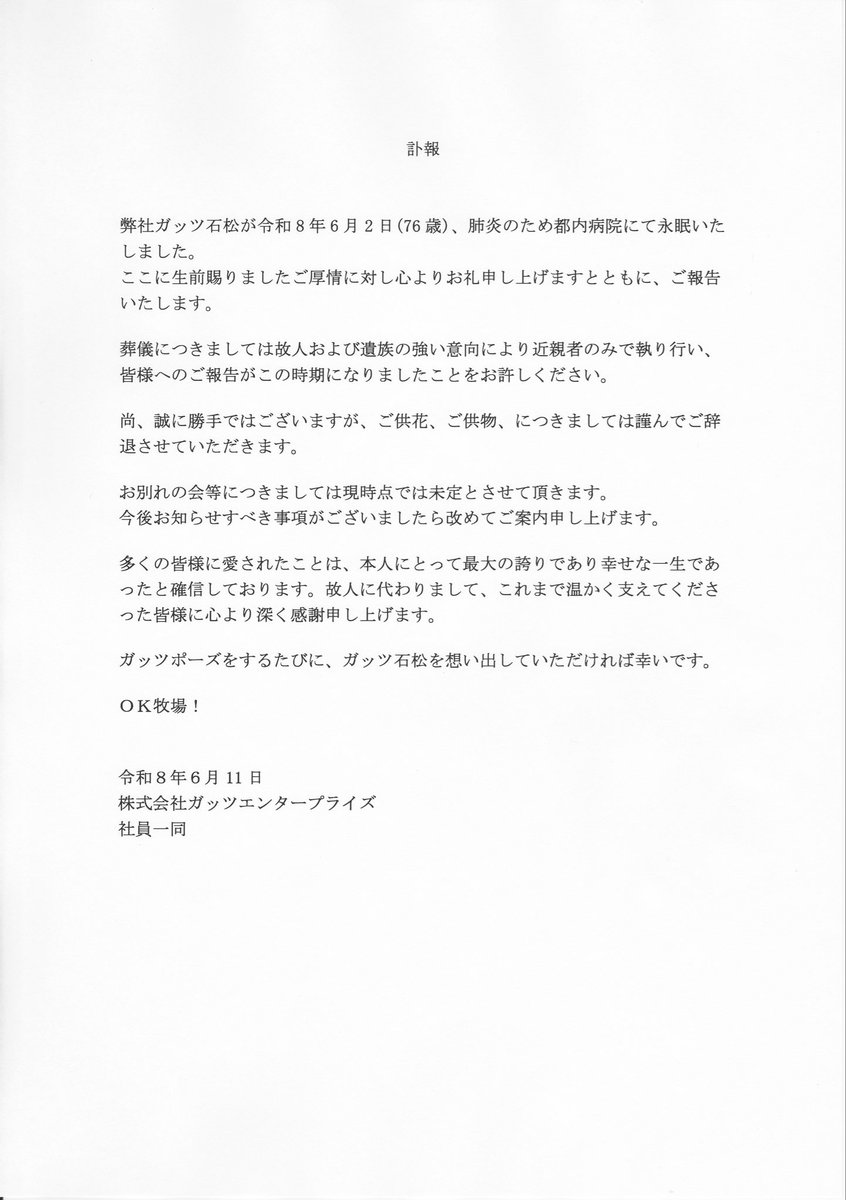
訃報
ガッツ石松が令和8年6月2日(76歳)、肺炎のため都内病院にて永眠いたしました。
ここに生前賜りましたご厚情に対し心よりお礼申し上げますとともに、ご報告いたします。
ガッツポーズをするたびに、ガッツ石松を想い出していただければ幸いです。
OK牧場!
2,630
55,322
189,855
11,755,612
Tetsuya Kaneuchi (金内 哲也) retweeted

Jun 11
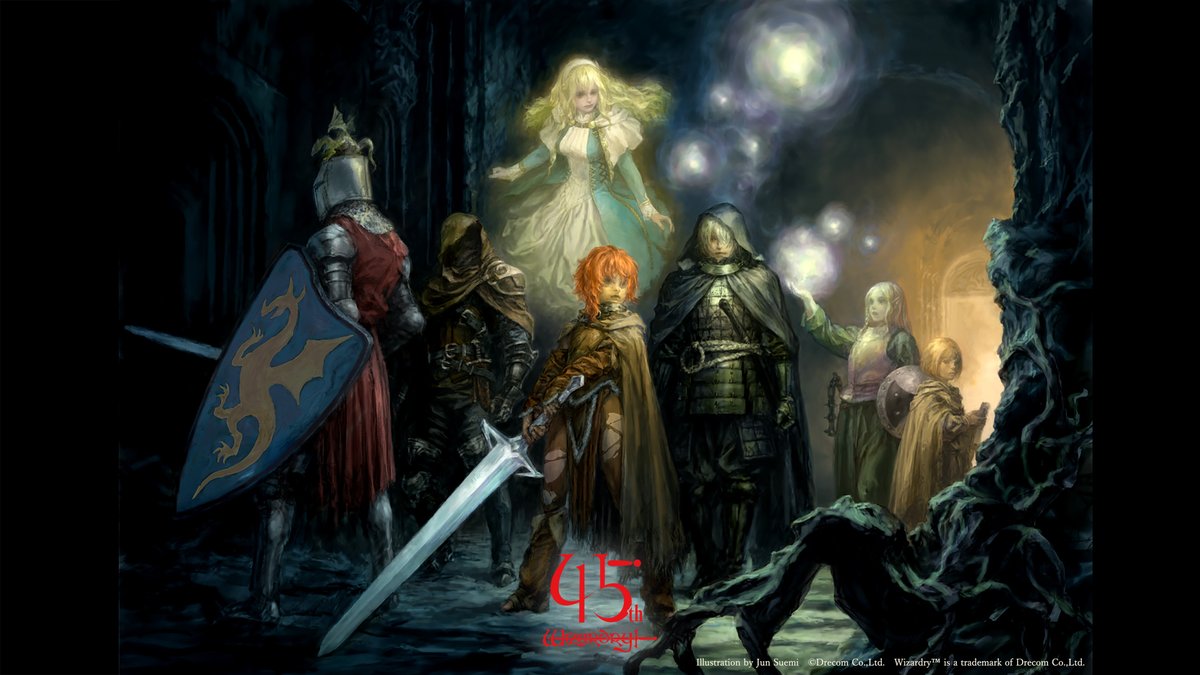
『Wizardry』の45周年記念メインビジュアルが公開。末弥純氏が手がける美麗イラスト
news.denfaminicogamer.jp/new…
『Wizardry Variants Daphne』や『ブレイド&バスタード』のキャラクターが共演。公式サイトでは、かつて迷宮に挑んだ思い出や、「心に深く刻まれたエピソード」を募集中
22
665
1,804
213,915
Tetsuya Kaneuchi (金内 哲也) retweeted
Jun 10
6
27
7,933

4
2
201
Tetsuya Kaneuchi (金内 哲也) retweeted

Jun 8
さっきからずっと WWDC をみていて感じていたのですが、家族の写真をAIで「完璧」な構図に修正するという発想まできて、なんかもうお腹いっぱいになった
自分の家族写真はその不完全さも込みで宝物なので。寝ます
3
30
2,267
Tetsuya Kaneuchi (金内 哲也) retweeted

1 May 2024
何度でも説明したいんだけれども、書店減少に電子書籍はほとんど関係ない。ネット書店もそこまで関係ない。なぜなら、これらは「本読み」という一部の層に大きく影響するものだから。(コミックはコロナ禍で一般化するが、その話は後ほど)
書店減少の軸は雑誌販売の減少にある。
なぜなら、書店を支えているのは「本読み」だけでなく、雑誌によって書店に来る習慣を持っていた=そのついでに時々本を買った人だったから。
雑誌が活況を呈し、書店だけでなくコンビニで扱われるようになって来店習慣と動線が変わり始め、携帯電話・スマホの影響で雑誌が売れなくなっていくと雑誌自体が厳しくなる。コンビニは別の商材があるので来店習慣が維持されるが、書店はそうではない。
結果として、定期的に書店に行くのは「本読み」だけになり、それでは書店を支えられなくなる。
さらに、コロナ禍で雑誌を買いに行く習慣の中で残っていた「地方」「コミック」がネットの方向へ向い、書店来店者が減る。
これが書店減少の(ざっくりとした)構造。
なお、大型書店が文房具扱いを増やしたけれど、これは売り上げというよりも、雑誌の代わりに来店する理由を用意するためだったりもした。
1
832
1,530
267,391
Tetsuya Kaneuchi (金内 哲也) retweeted

May 31
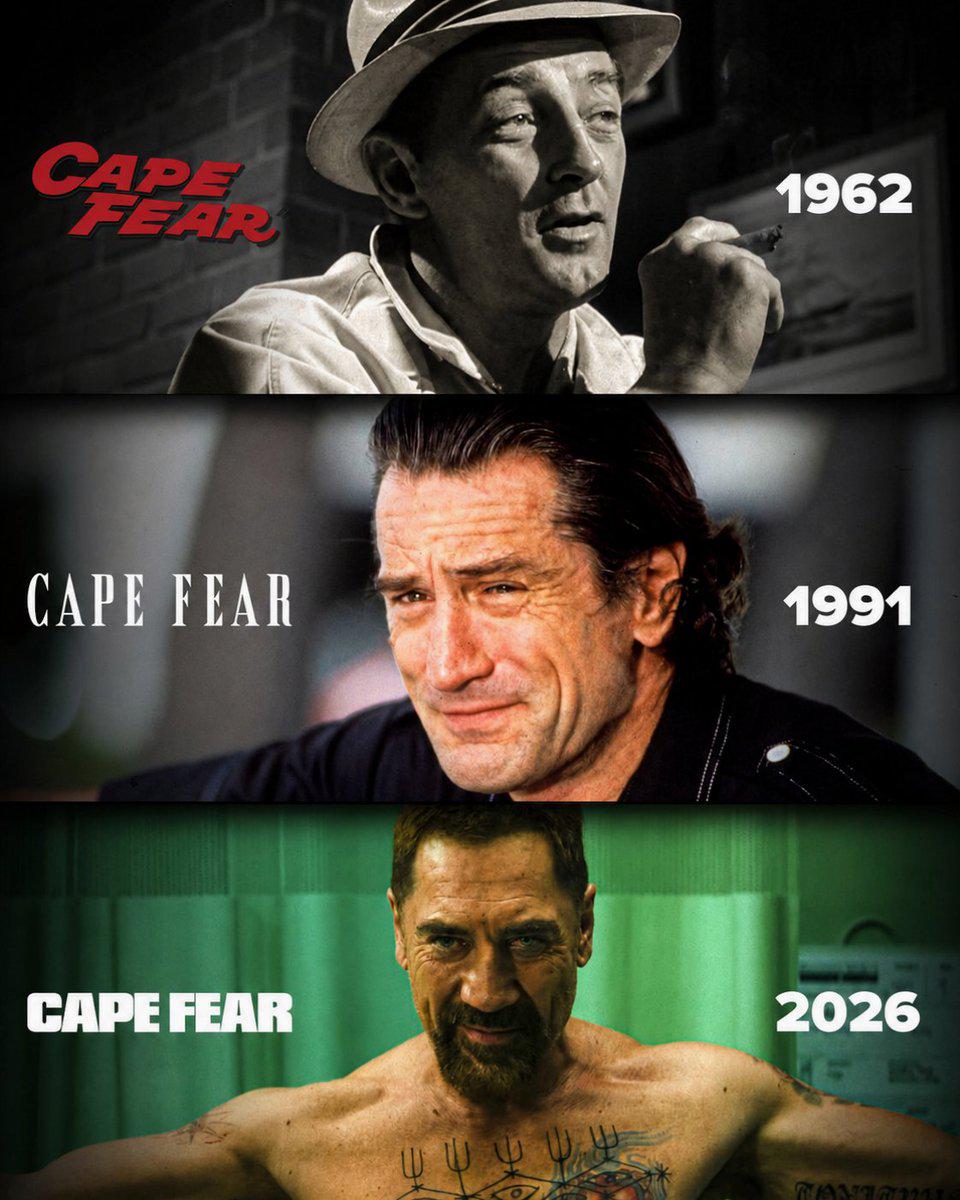
『ケープ・フィアー』(91')
#映画好きと繋がりたい
執念深いサイコパスが復讐のため弁護士一家を恐怖に陥れる「ケープ・フィアー」は「恐怖の岬」62'のリメイクだったが今回3回目のドラマリメイク決定
犯人役には映画「ノー・カントリー」のあのハビエル・バルデム。壮絶な悪になるとのことで怖そう!
1
1
25
266