Language Apps and Digital Humanities at Modern Languages and Basque Studies, University of Deusto. Also helping natouring.net
Joined March 2007
- Tweets 37,784
- Following 1,947
- Followers 2,487
- Likes 110,182
3,487 Photos and videos
Pinned Tweet

15 Nov 2016
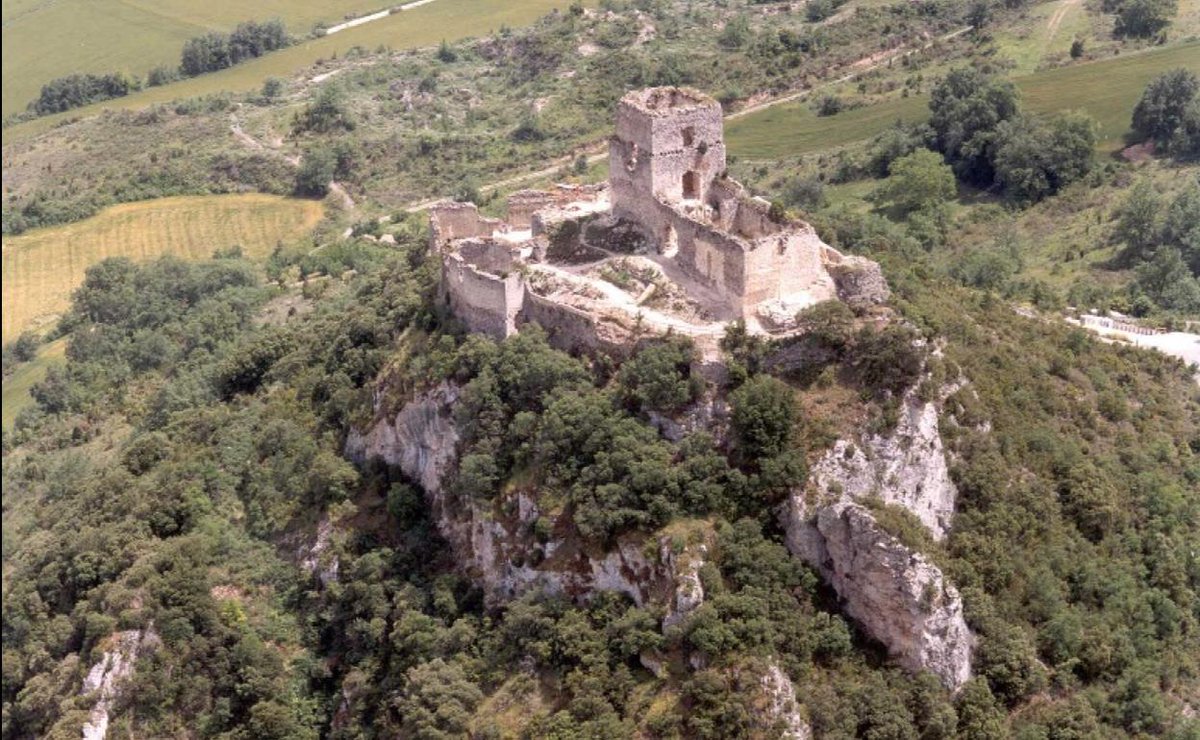
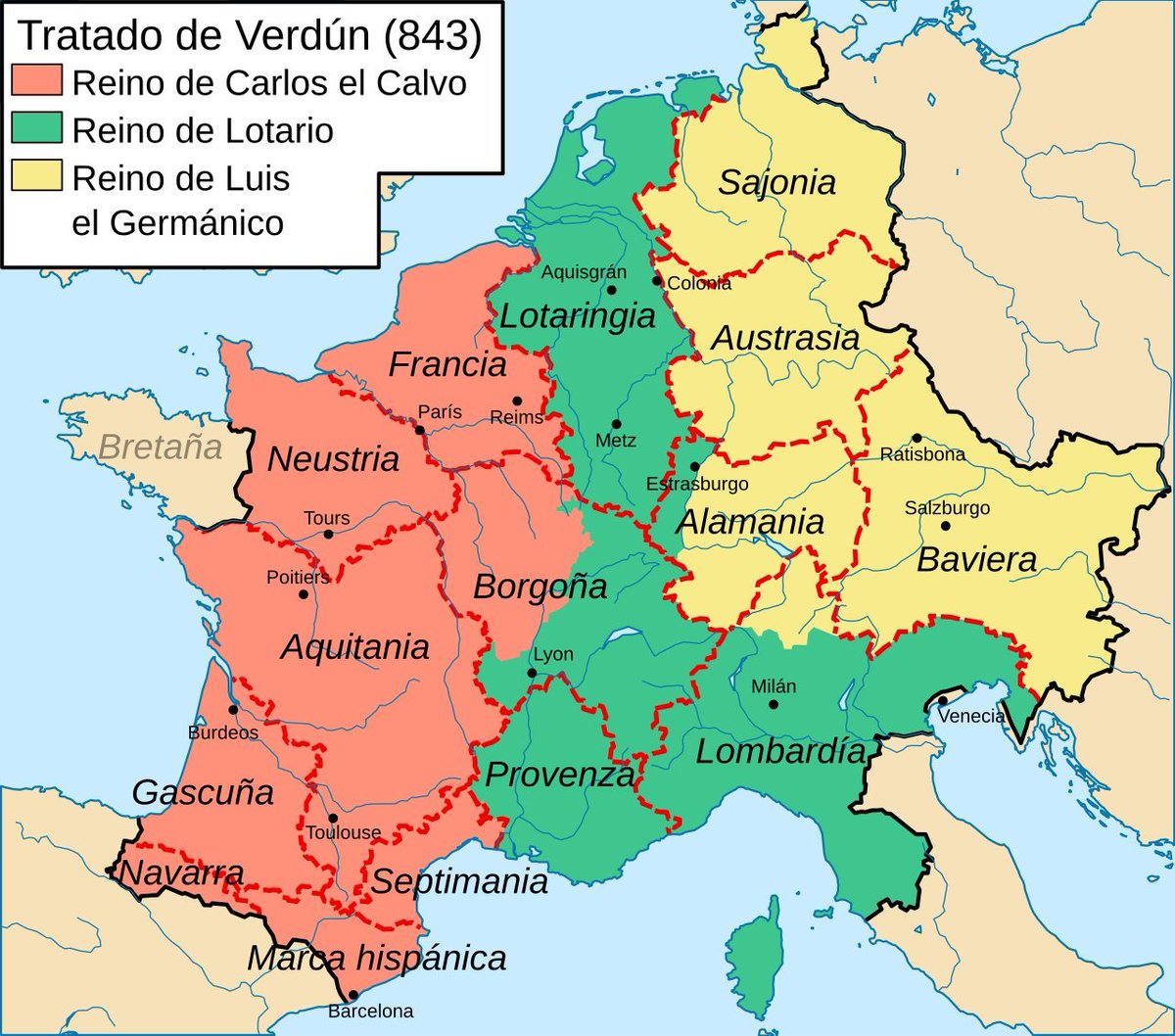
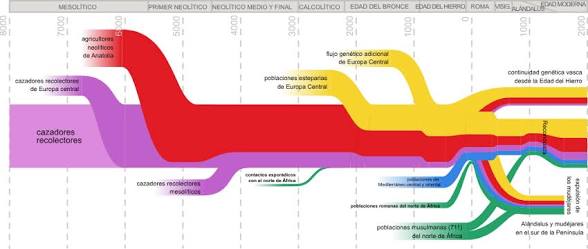
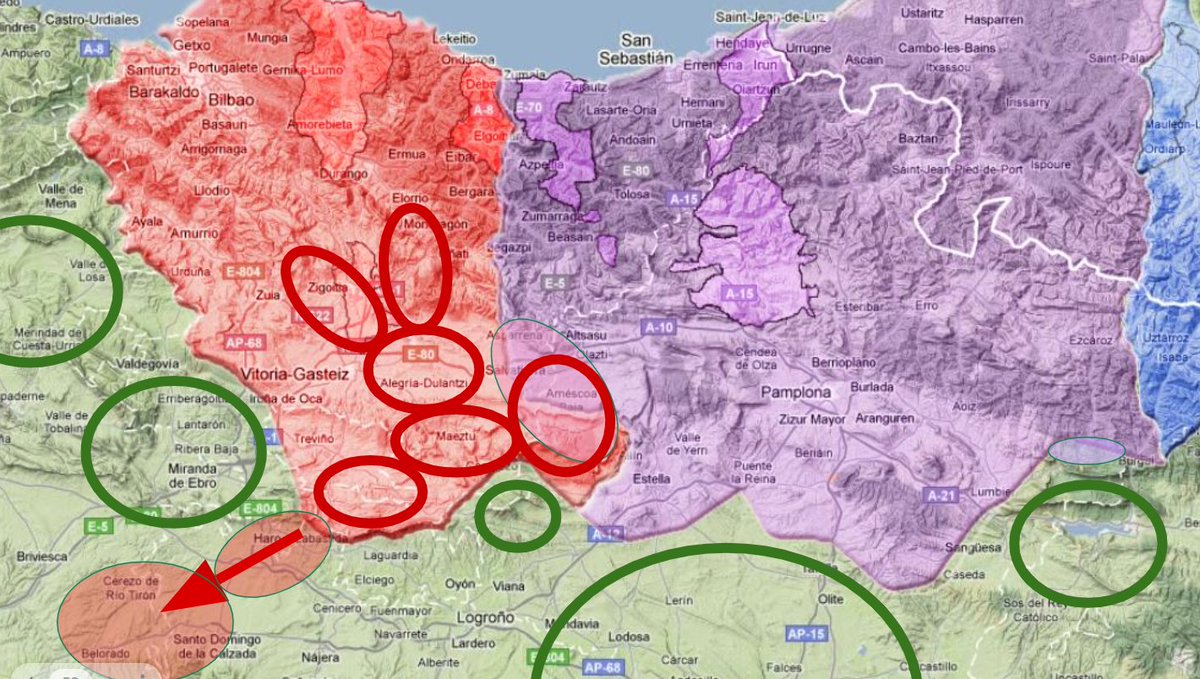
⚡️ “Cartografía vasca” es.pinterest.com/kavango/car…
x.com/i/moments/798591826013…
4
24
56
Jun 10
RT @isantossalazar: Maravilloso.
No me extraña que un senador como Quinto Aurelio Símaco (c. 340-402), cónsul y prefecto de Roma, estuvier…
3
Joseba Abaitua retweeted

Jun 9
Descubren en Soissons un raro mosaico romano de excepcional factura y conservación que mezcla dos técnicas constructivas labrujulaverde.com/2026/06/d…
4
6
243
Joseba Abaitua retweeted

Jun 8
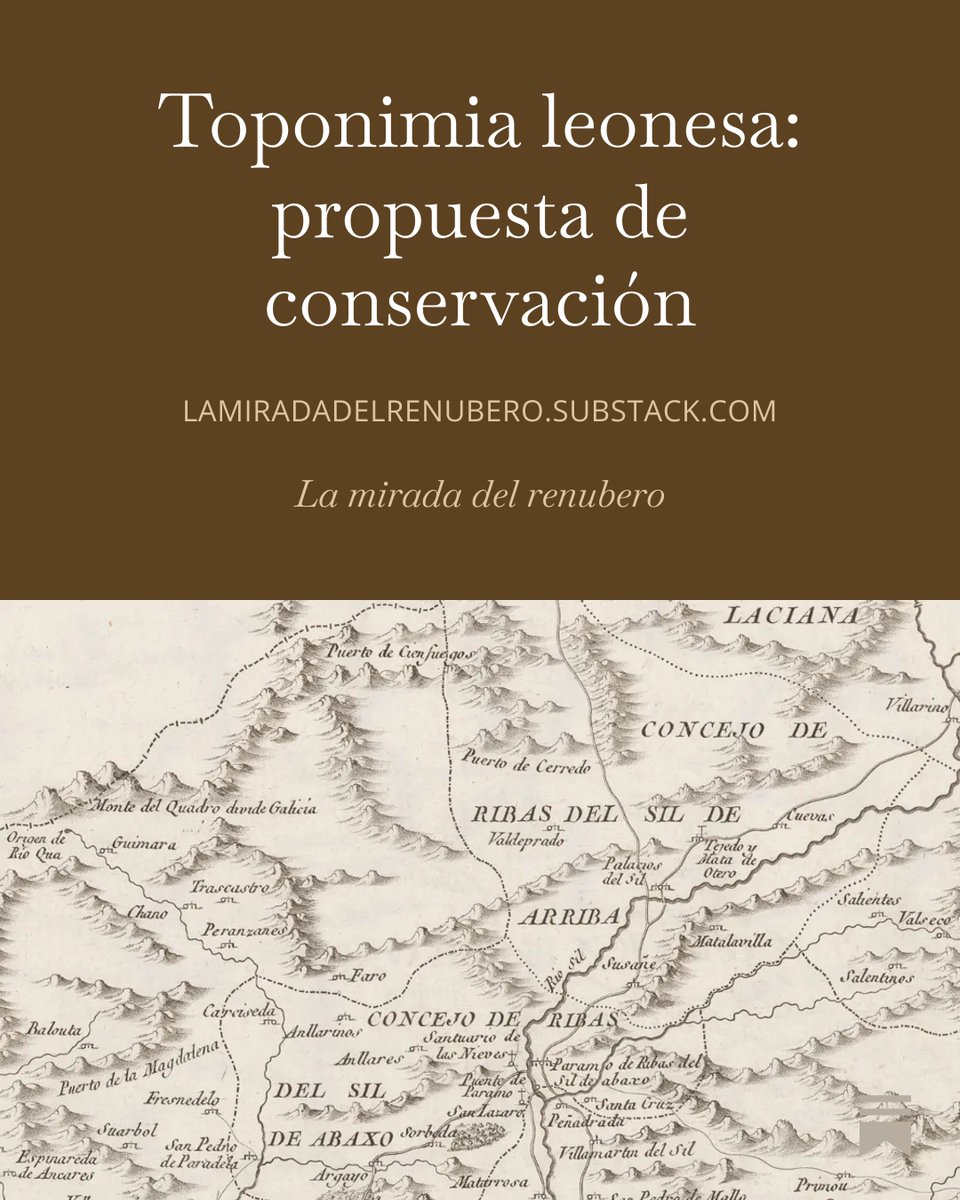
La #toponimia son los fósiles lingüísticos de un lugar, nombres que nos explican aspectos geográficos, históricos y culturales.
✍️ Aquí escribo una humilde propuesta para intentar conservar todo este saber y conocimiento tradicional.
➡️ open.substack.com/pub/lamira…
6
31
102
3,809
Jun 8
Euskaraz: tomateak 🍅🍅🍅
#trifiniumEH

Interesante palabra… tomates 🍅 🍅 🍅
Suena casi igual en diferentes idiomas (muy diferentes!!)
Español: tomates
Gallego: tomates
Francés: tomates
Inglés: tomatoes
Alemán: tomaten
Turco: domates
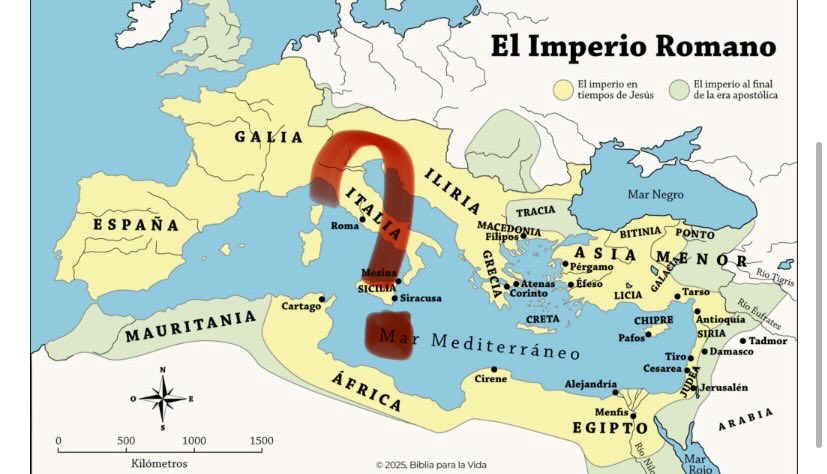
Italiano: pomodori ¿¿??
Lo de Italia es una “anomalía”… por qué?🤔
1
2
411
Joseba Abaitua retweeted

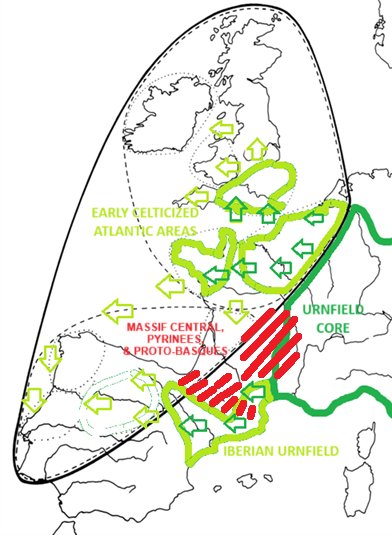
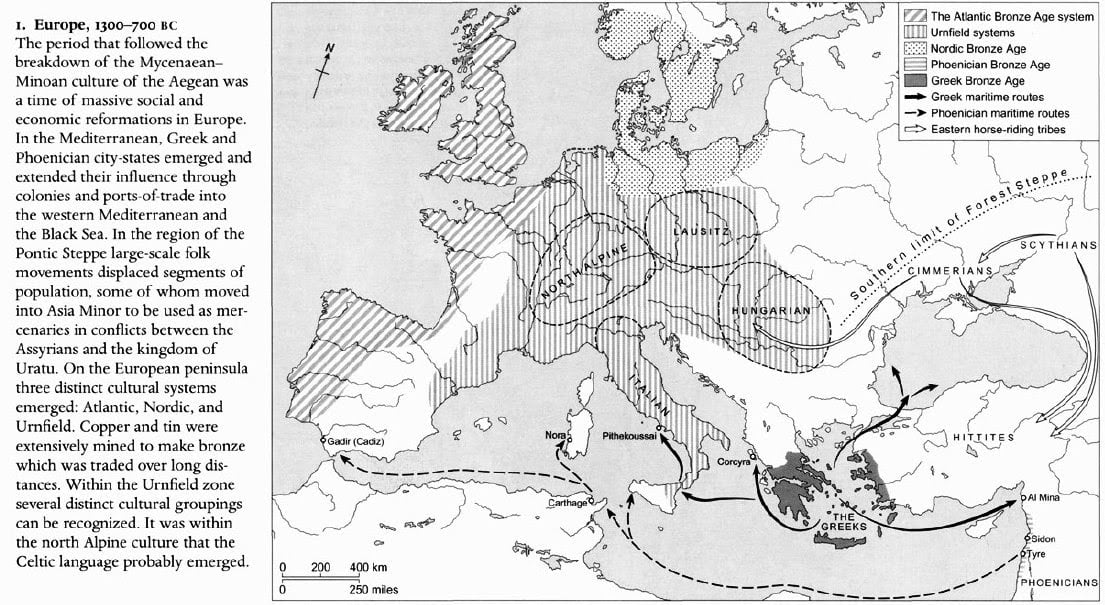
Celticity is not what they have in common. Also, the ancient Celts who peopled Galicia belonged to a different branch than Gaels & Brits. If those mythological figures have anything to do with substrates, you should trace them to the pre-Celtic Atlantic system, not to the Celts.
2
1
15
377

📚 ¿Aún no has descargado este volumen?
"Nuevas fuentes documentales y recursos lexicográficos para el estudio diacrónico del léxico iberorrománico de especialidad (siglos XIV-XXI)".
📥 Disponible en acceso abierto.
Descarga gratuita aquí: cilengua.es/tienda/publicaci…
2
2
166
Joseba Abaitua retweeted

Jun 7
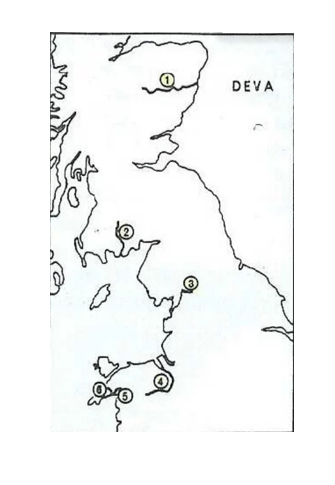
The following river names in Britain are also derived from Celtic *Dēuā:
1. Dee;
2. Dee;
3. Dee (Dent);
4. Dee;
5. Afon Dwyfawr;
6. Afon Dwyfach
brewminate.com/goddesses-in-…
Jun 7

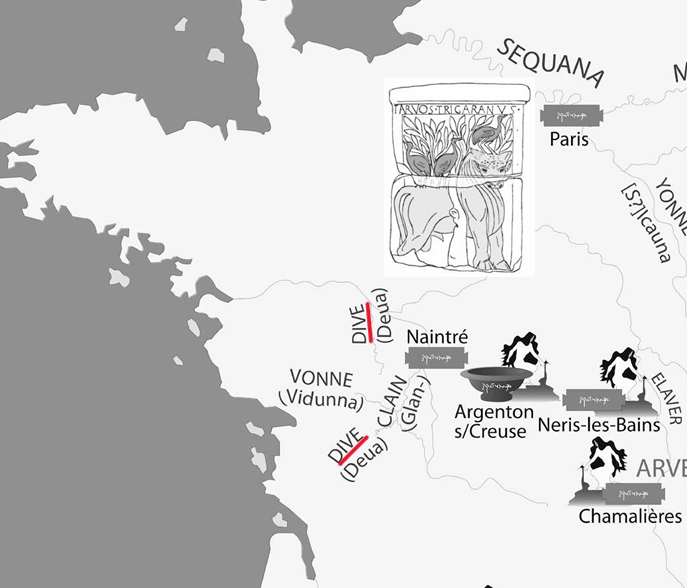
The many rivers called "Dive" in France, and the "Divette" in Normandy come from Celtic *Dēuā « divine, God», and may have refered to sacred waters.
4
6
41
1,528
Joseba Abaitua retweeted

Jun 6
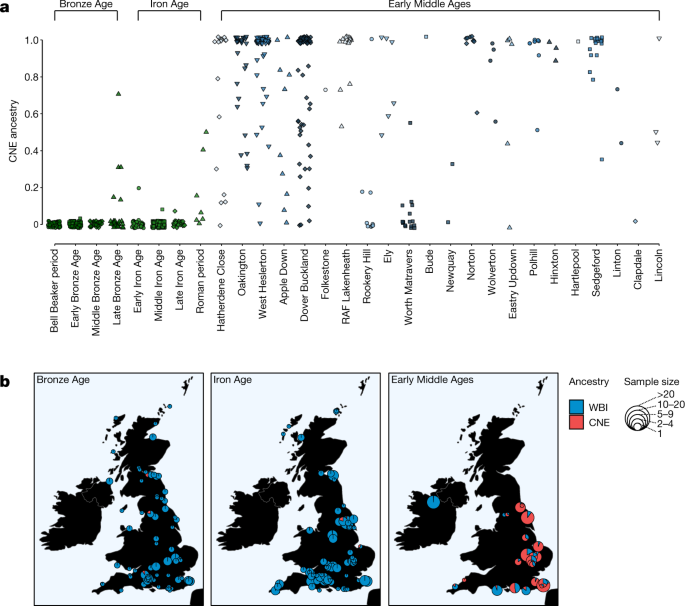
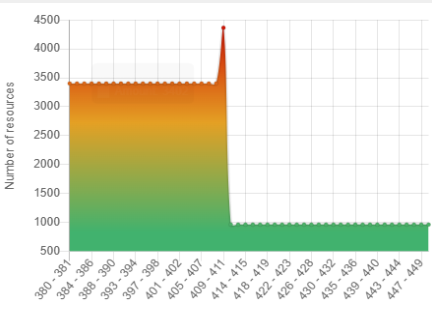
During the fall of Roman Britain to the Anglo-Saxon invasions, around 3/4 of settlements in England came to an end, and from ancient DNA, we can see that the resulting population of early medieval England became roughly 50% Anglo-Saxon.
If the population of Roman Britain was around 2 million people and 3/4 of the native Britons died out, that leaves a remaining population of 500,000 Britons. The number of Anglo-Saxon migrants required to cause a 50% genetic replacement in a base population of 500,000 is also 500,000.
One can play around with these Fermi estimates, perhaps the population of Britain was lower, or perhaps mortality was higher during the collapse of Romano-Britian (although hard to believe), we can play around with differential reproduction although since the transformation happened fairly quickly and the groups became admixted early on, this probably wasn't too much of a factor.
Basically, whatever assumptions you use, it's hard to think of a model in which the barbarian migrations into Britain weren't very numerically significant.
20
37
380
24,687
Jun 8
La cronología del edificio coincide con el ascenso político de familias originarias de Tusculum, vg las gens Mamilia, Fulvia o Porcia, a la que perteneció Marco Porcio Catón, célebre por decir “Carthago delenda est” en vísperas de la Tercera Guerra Púnica
labrujulaverde.com/2026/06/a…
1
3
273
Jun 8
Jun 6

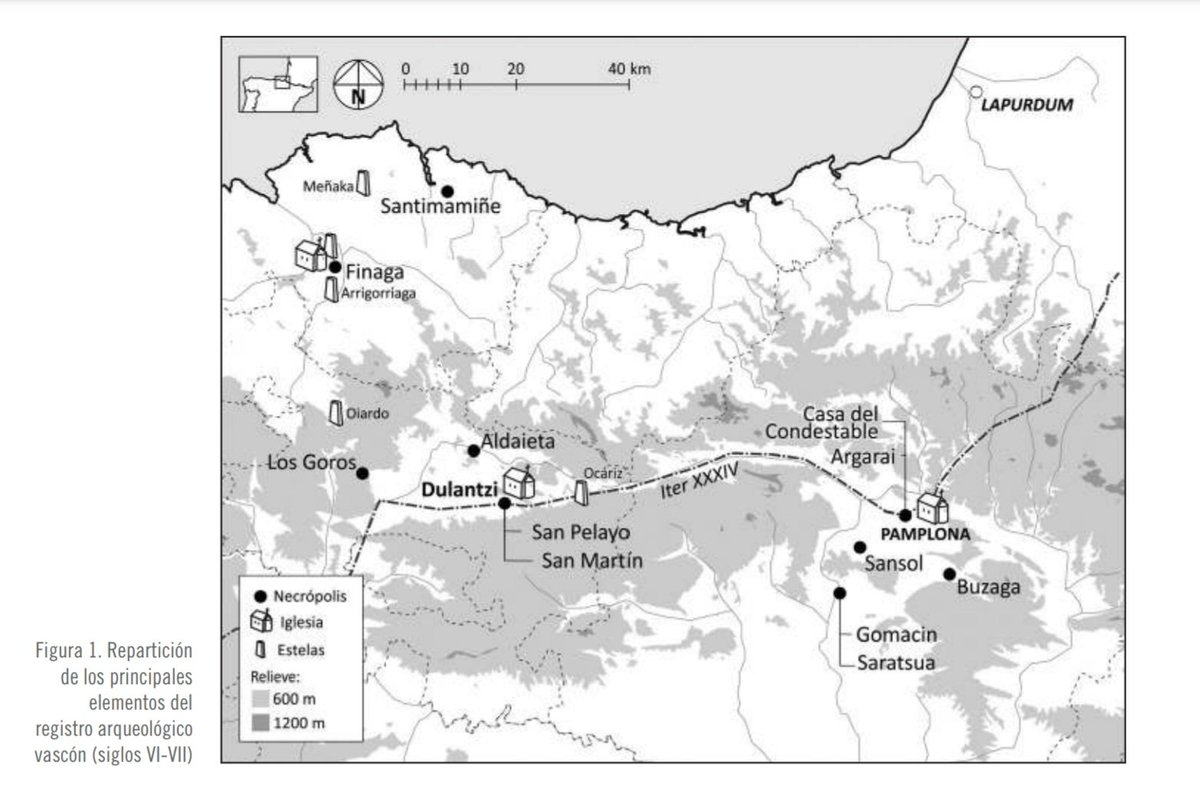
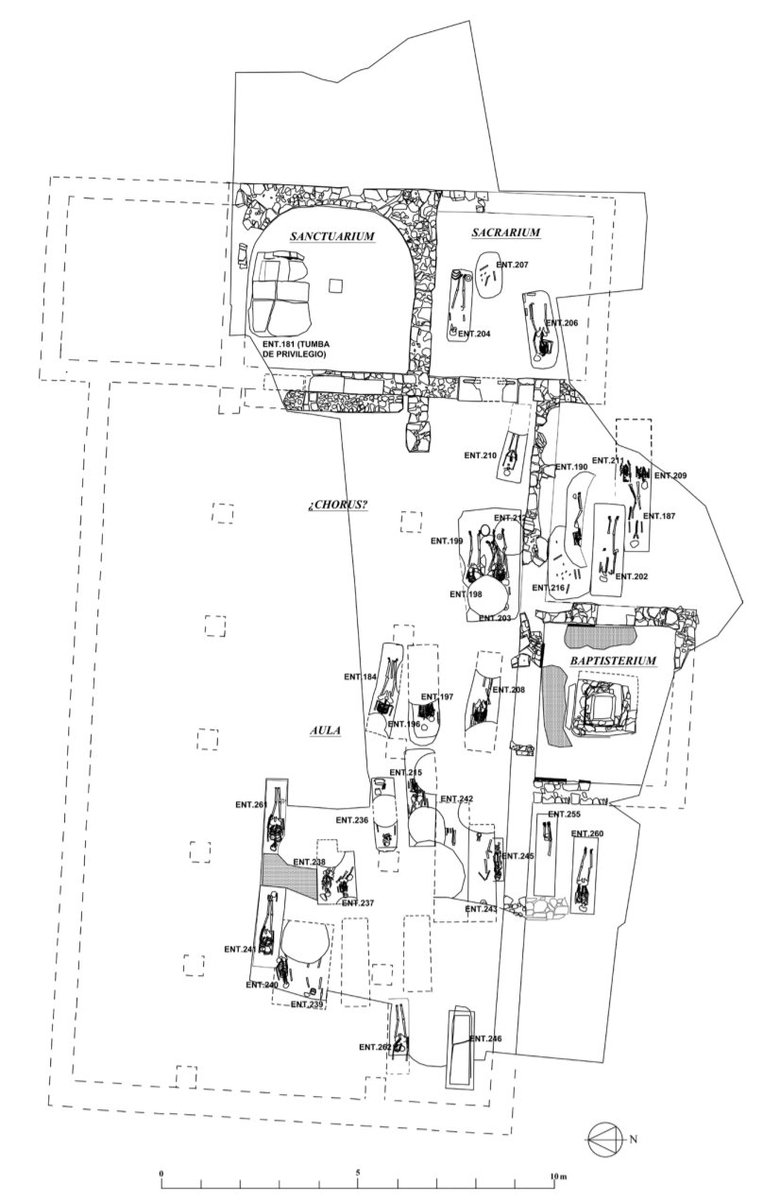
Hombre, paganos, paganos, cuando en el siglo VI ya existían iglesias en el territorio, es mucho decir... De hecho, en San Martín de Dulantzi (Álava) se ha localizado una basílica bautismal.
Hablé de ello hace un tiempo ⬇️⬇️
x.com/i/status/1956318088883…
1
1
218
Jun 8

Unos arqueólogos se topan con una villa romana oculta desde hace 2.000 años en una parcela de cereal de Segovia
El sorpresivo hallazgo se ha logrado gracias a un fenómeno meteorológico y se suma a la nómina de yacimientos investigados en el valle de Eresma eldebate.com/espana/castilla…
49
Joseba Abaitua retweeted

Unos arqueólogos se topan con una villa romana oculta desde hace 2.000 años en una parcela de cereal de Segovia
El sorpresivo hallazgo se ha logrado gracias a un fenómeno meteorológico y se suma a la nómina de yacimientos investigados en el valle de Eresma eldebate.com/espana/castilla…
9
35
765


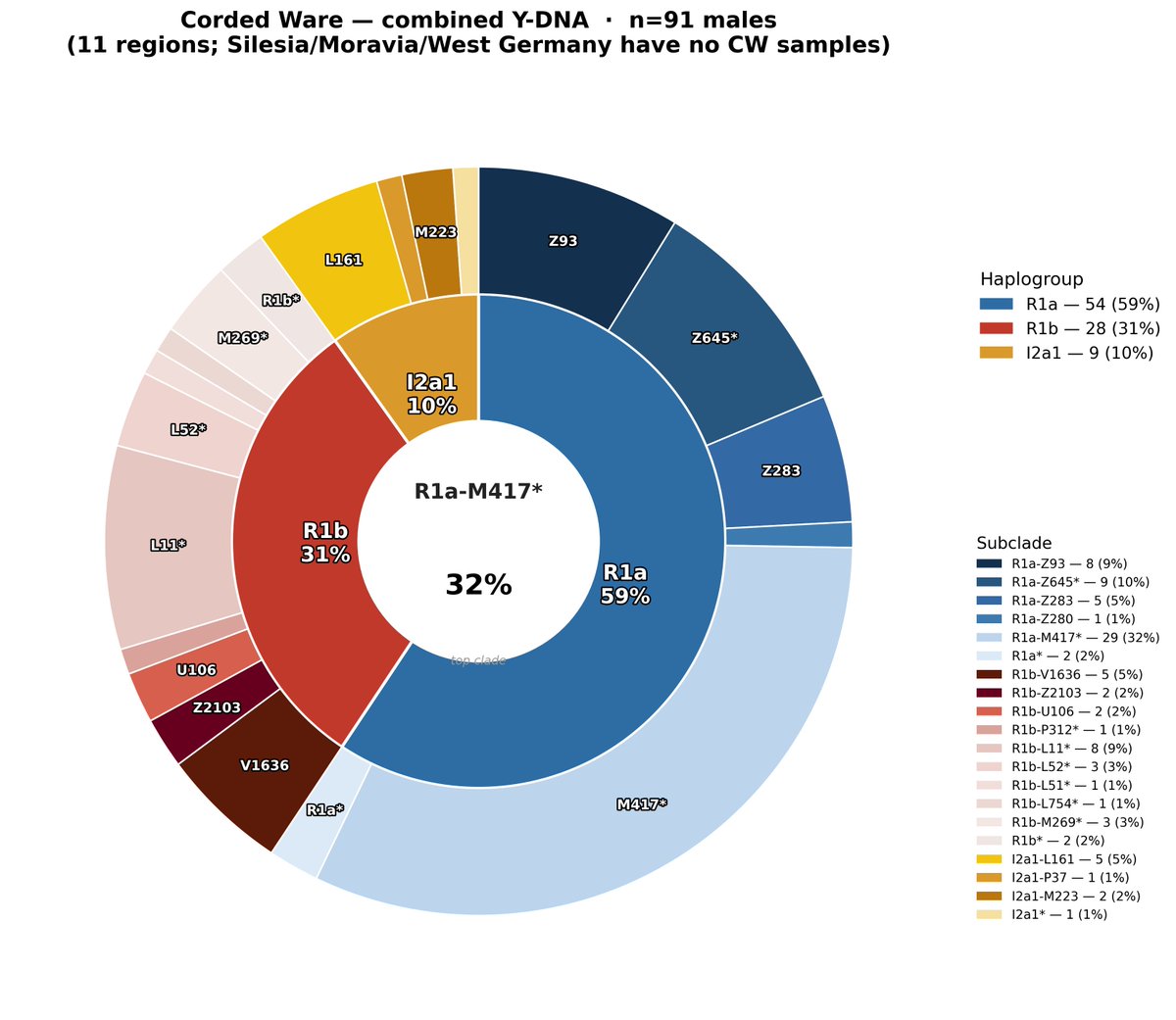
Joseba Abaitua retweeted

Jun 8
On the Evolution of the Southern Arc Hypothesis
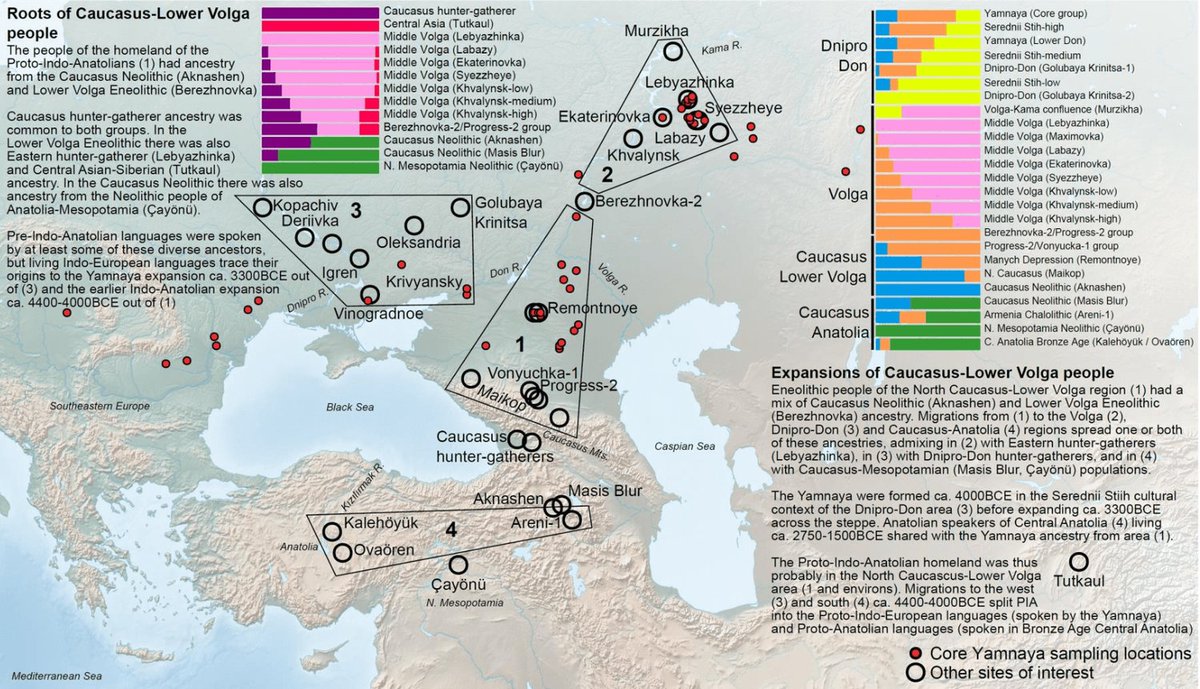
There’s something rare and beautiful in science, and you don’t see it happen this publicly very often. In August 2022, a landmark trio of papers drops in Science under the banner of the Southern Arc. The lead author is Iosif Lazaridis, working with David Reich’s ancient DNA lab at Harvard. The big, splashy claim: the homeland of Indo-European languages - the entire family, including the Anatolian branch that gave us Hittite - lay south of the Caucasus. The evidence pointed to a genetic continuum running from eastern Anatolia through northern Mesopotamia into western Iran, a southern arc where the first Indo-Anatolian speech supposedly emerged. The steppe, in this model, was just a secondary staging ground for the later branches. News outlets run with it. Books get rewritten. The southern homeland looks settled.
Then, barely a year later, a preprint surfaces on bioRxiv in late 2023 titled "The Genetic Origins of the Indo-Europeans." Same lead author, Lazaridis. Same lab. But the conclusion has shifted dramatically. By the time the peer-reviewed version lands in Nature in early 2024, the southern arc as an ultimate origin is gone. The new root is placed further north, in something they call the Caucasus-Lower Volga cline, or CLV. This is a genetic and cultural gradient stretching from the northern foothills of the Caucasus into the lower Volga steppe, dated to roughly 4400-4000 BC. The deepest ancestor of all Indo-European languages, including Anatolian, was spoken right there, north of the mountains. The south didn't birth the family; it received an early offshoot.
The shift is not a small tweak. It’s a fundamental reorientation. In the 2022 model, Anatolian languages like Hittite were essentially stay-at-home southerners, remnants of a deep population that never left the original homeland. In the 2024 model, Anatolian is instead an early emigrant. The scenario now goes like this: the Proto-Indo-Anatolian community lived in the CLV cline. Sometime before 4000 BC, a group breaks south, crosses the Caucasus, and settles in eastern Anatolia. They carry the ancestor of Hittite, Luwian, and Palaic with them. Genetically, these people were mostly Caucasus-derived, without the full steppe ancestry package that would later define the Yamnaya. That explains why Bronze Age Hittites show zero steppe ancestry, a fact the 2022 papers had also established. The new model just flips the direction of movement and redefines the homeland.
What I love about this is how clearly it shows the self-correcting machinery of ancient DNA research. The data that forced the revision wasn't some ideological squabble; it was new samples and better models. The team kept finding that South Caucasus populations alone couldn't serve as the root for all the later Indo-European branches. The steppe groups didn't just spring from a fully southern source. They were an integral part of a cline that stretched north-south, and the linguistic root sat smack in the middle of that cline, not at its southern tip. The 2024 paper explicitly states that the South Caucasus was too genetically isolated and too diverged to be the fount of the entire language family. So the homeland walked north.
This has a pleasing symmetry. The Anatolian branch remains the first to split, the most archaic, the one that preserves sounds like the laryngeals that Saussure theorized decades before anyone dug up a Hittite tablet. But now its origin story mirrors its linguistic character: early, isolated, moving into Anatolia before the wagons and the kurgans and the massive steppe expansions, while the rest of the family stayed behind in the CLV cline and eventually gave rise to Yamnaya and all its thunderous consequences. The southern arc as a concept isn’t dead - it’s still the bridge - but it’s no longer the cradle.
For anyone following this stuff outside academia, the speed of the reversal is dizzying. Two years. That’s all it took for the same team to publish a blockbuster, then revisit their own evidence and publish a correction that reshuffles the map of the world’s largest language family. That’s not a sign of weakness. It’s what happens when the bones keep talking and you’re actually listening. The prehistory of language is being written and rewritten in real time, and the CLV cline is now the name you need to know, a corridor of grass and mountains north of the Caucasus where someone first said the words that would become "water," "night," and "daughter" in a hundred tongues.
An updated overview of aDNA relevant to Proto-Indo-European origins
8
5
46
2,859
Joseba Abaitua retweeted

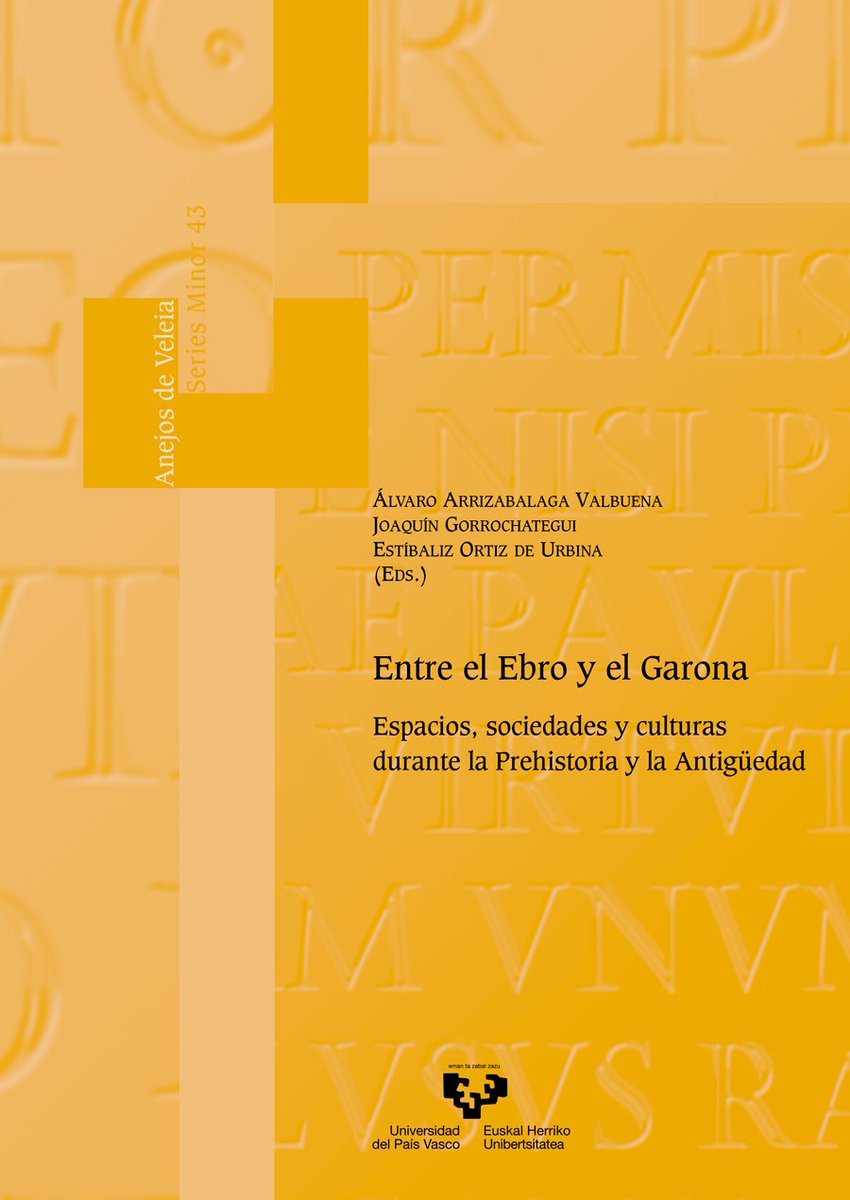
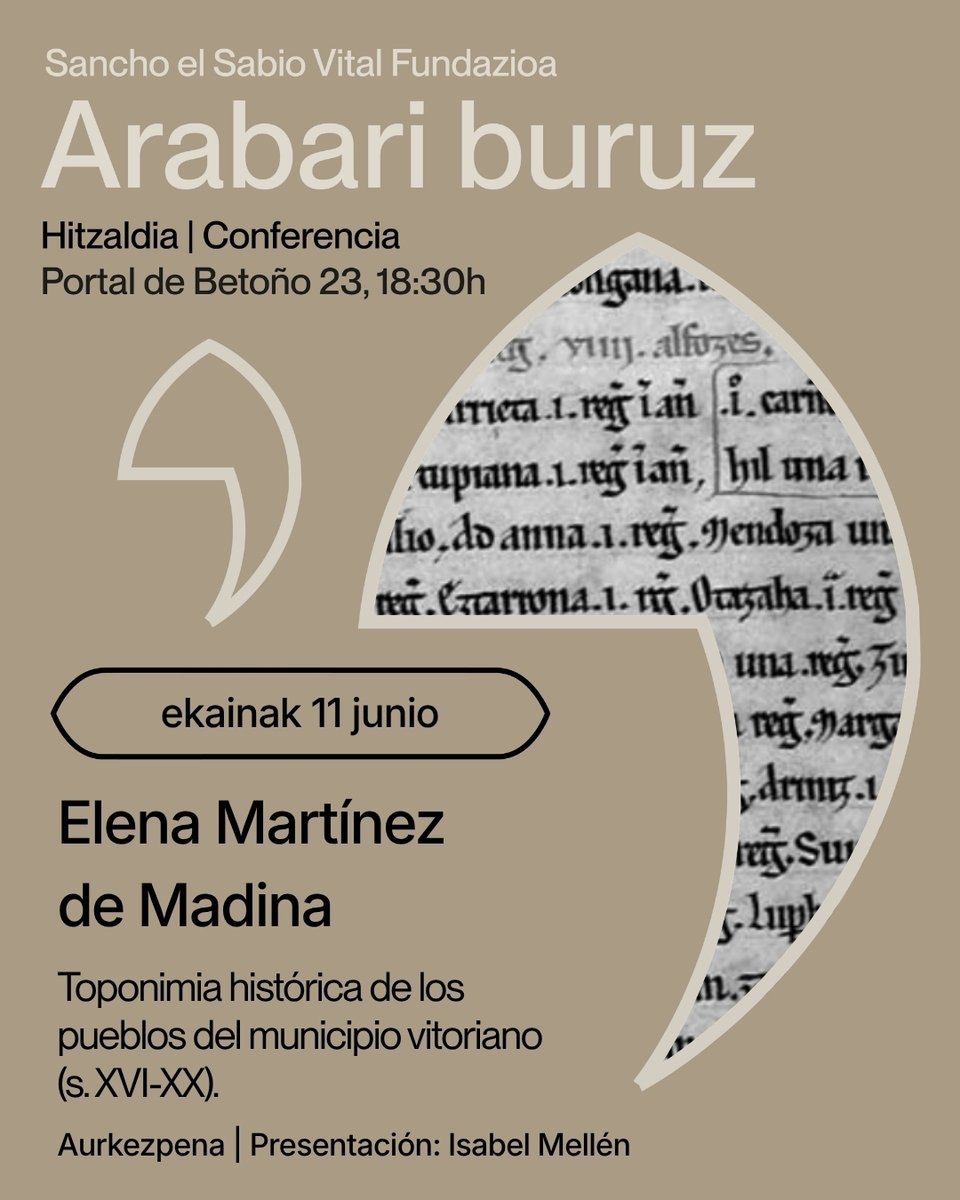
🗪 "Toponimia histórica de los pueblos del municipio vitoriano (siglos XVI-XX)"
Última conferencia del ciclo #Arabariburuz, impartida por Elena Martínez de Madina.
#Arabariburuz zikloaren azken hitzaldia, Elena Martinez de Madinak emana.
sanchoelsabio.eus/
5
7
462
Joseba Abaitua retweeted

May 31
7
6
262

Joseba Abaitua retweeted

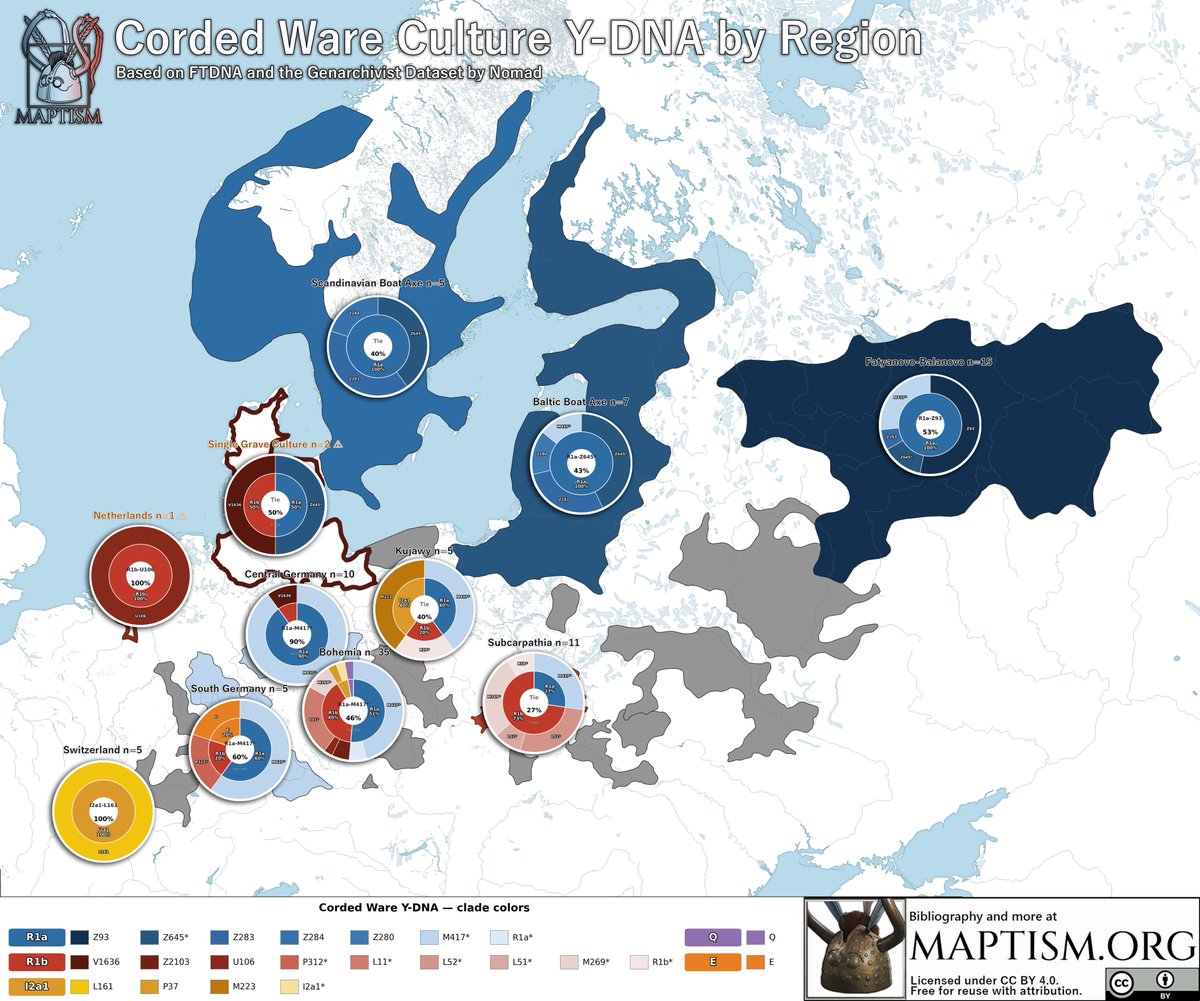
Map of "Yamnaya" ancestry in modern populations.
Most of this ancestry derives from Corded Ware who technically is not the same as Yamnaya but instead a patchwork of multiple different tribes who were apart of the same LPIE ethnic group as Yamnaya.
35
45
586
64,230
Joseba Abaitua retweeted

not mine, but I think there is a fair bit wrong with this phylogeny, its an edit of Reichs version with extra lineages added.
the first problem is if you want a LCA for moderns, Neanderthal and denisovan, it should include Yunxian not exclude it
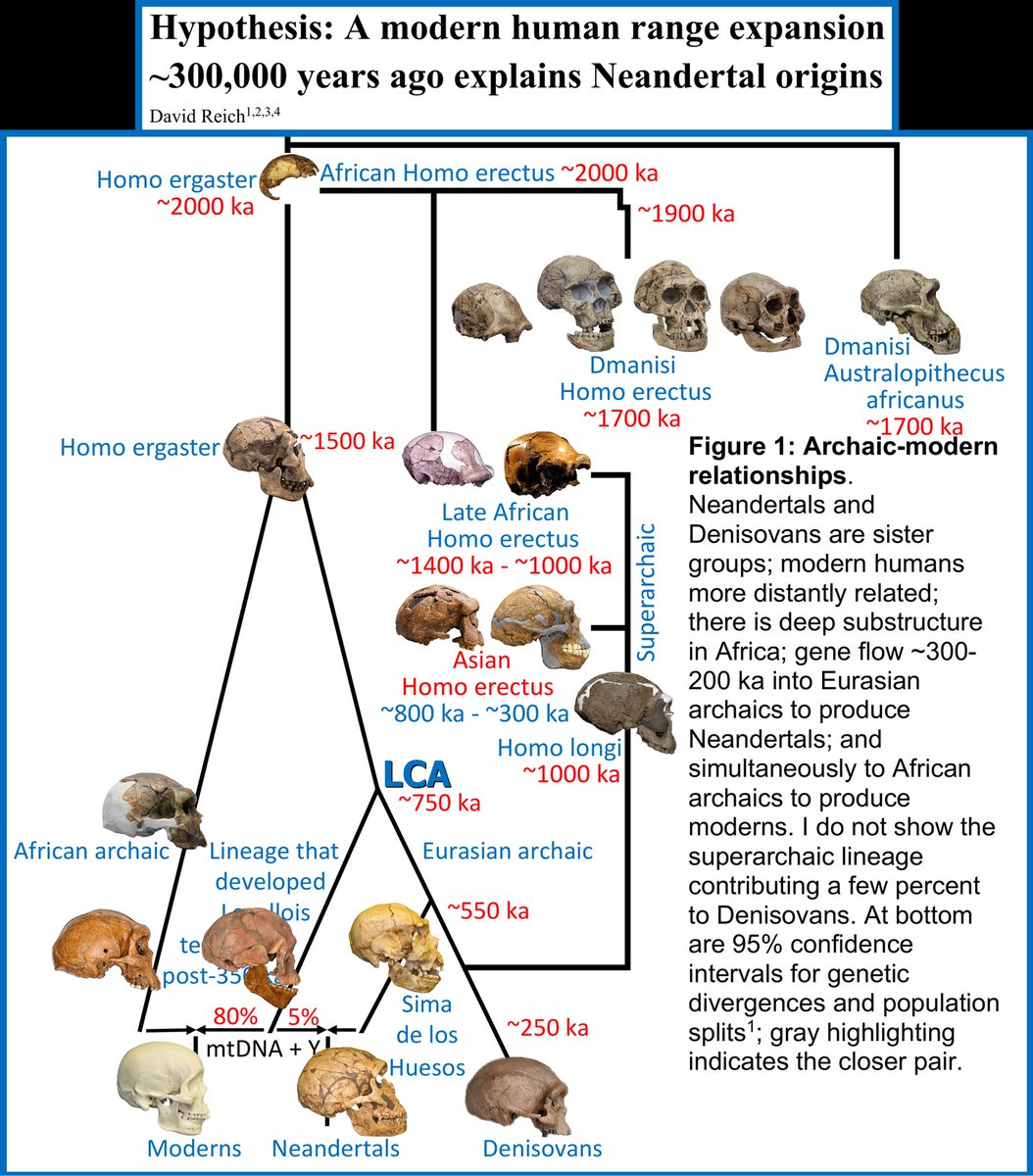
3
3
11
1,190