
frontier operator, energy abundance, deep tech research, wellness stacks, 1 acre, 100-year plan ⚕️founding coo @elasticenergy_ 🇨🇦 born lucky
Joined June 2011
- Tweets 4,385
- Following 5,434
- Followers 2,152
- Likes 29,527
102 Photos and videos







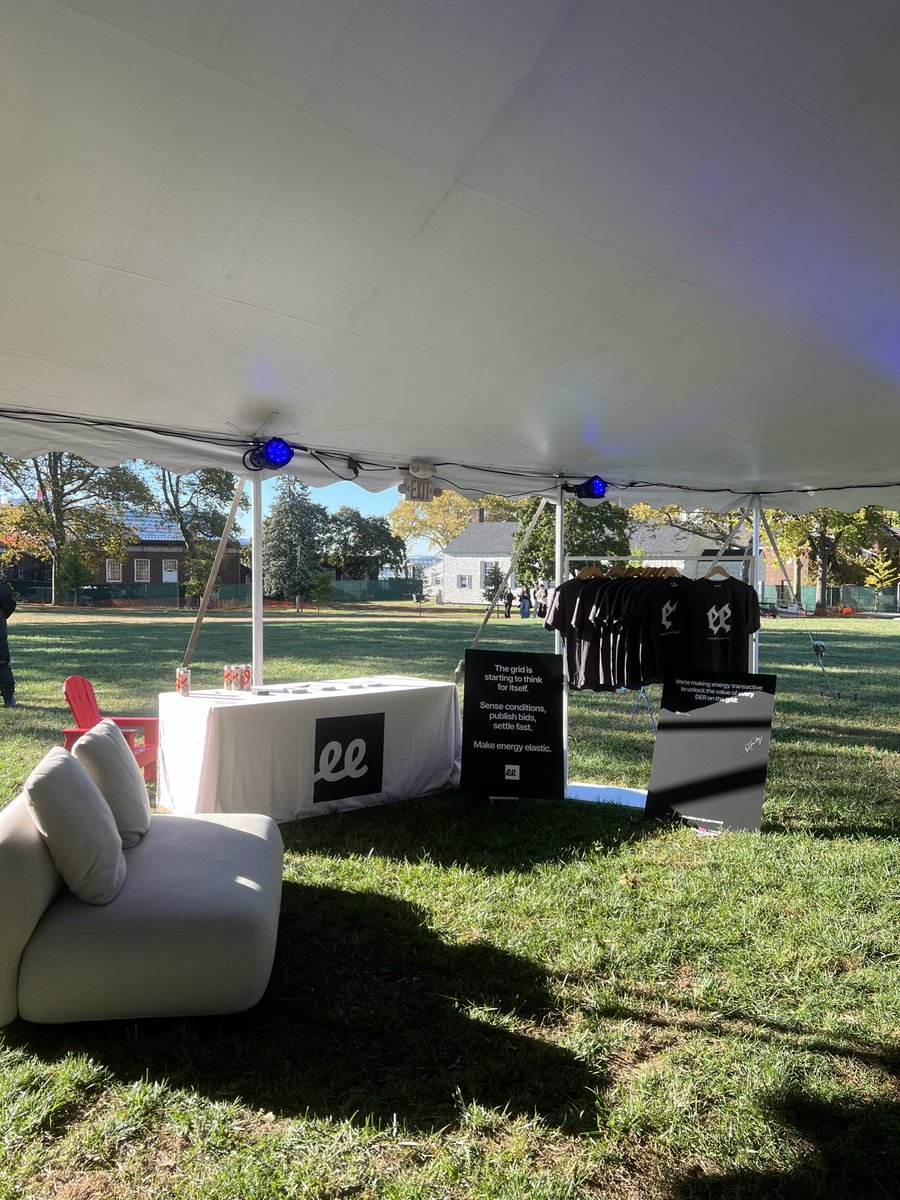



revelation 21:4 but for utility innovation teams

1
2
144
Every day I stay in Victoria I gain at least 10 things to be grateful for.
Jun 5

Every day I stay in Toronto I lose at least 10 grand.
1
135
never take no for an answer

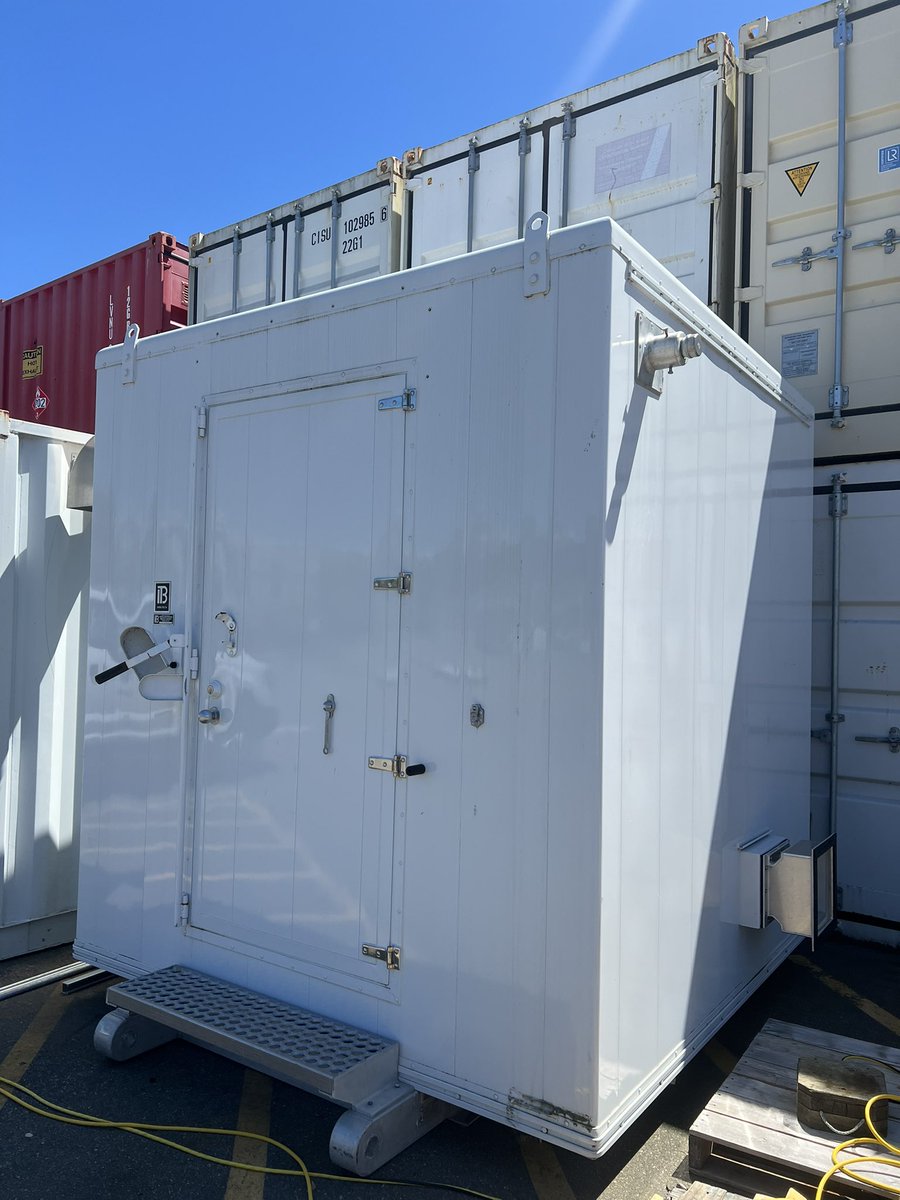
soon: power systems for remote critical infrastructure made intelligent by yours truly
1
62
lucy’s being super nice rn btw

Canada’s not going for gold with this strategy.
On the consumer side, this strategy gets a lot of things right and this government deserves credit for that.
But from a digital and economic sovereignty perspective I think it falls short. What the AI industry most needs is for governments to create the free market conditions for AI companies to start, scale and thrive here.
There are important elements in the strategy: sovereign compute, a public supercomputer, AI Missions starting in health care, a fund to scale Canadian champions, commercializing the Photonics Fabrication Centre, and the government as an anchor customer. Members of the Build Canada community have publicly written about many of these ideas and it's good to see these show up in the plan.
But we have to be honest about what this strategy is – and what it isn't.
This is primarily a strategy to help Canada use artificial intelligence, with government in a main character role in framing public perception.
It is not a strategy to make Canada the best place on earth to build it. Its own organizing goal – adoption, moving Canadian businesses from 12% to 60% uptake – is necessary but not sufficient to make Canada a global AI leader.
The strategy says it wants Canadian champions. But you don't build champions with government cheques and deferred studies – you build them by making Canada the best place on earth to start and scale a company.
Using AI and Building AI are different goals, and they require different instincts.
The companies that will define this century will get built where four things are true:
1. founders and engineers keep what they create;
2. capital is deep enough to write billion-dollar cheques; 3. energy and compute are cheap and fast to build; and 4. the rules are light enough to move at the speed of the technology.
Measure this strategy against those conditions and the pattern is clear:
On founder and employee economics – the single biggest reason talent leaves Canada – it does nothing now. The one capital-gains idea it raises, a reinvestment rollover, is deferred to a study due by Budget 2026.
On capital, it makes the government the venture capitalist instead of unleashing private capital to back Canadian companies.
On energy, it promises to double the grid by 2050. The build is needed this decade – and the strategy offers no permitting reform to get there.
On regulation, it adds a new layer – a trusted-AI certification program, watermarking, plus new privacy and online-safety laws – and compliance always lands hardest on the startups least able to carry it.
And it adds a dozen new programs on top of the 130-plus innovation programs founders already can't navigate. The answer was always fewer and faster, not more.
Prosperity is not something that the state can spend into existence. Prosperity is what happens when you clear the runway and let the free market work. No government can subsidize its way past the friction it is responsible for creating.
Playing to win would look different. It would look like:
--> Let founders defer capital gains reinvested in Canadian companies, and fix how we tax employee equity – now, not in a future budget.
--> Treat energy and permitting like the emergency they are. Approve power and data centres in months, not years, and build at wartime speed.
--> Set a hard speed limit on regulation: apply the laws we have, and clear new products fast.
--> Collapse the ~130-plus innovation programs into fewer than ten – and cut the friction founders hit at every step.
Canada invented modern AI. We have the talent, one of the cleanest grids in the world, and the research base to win. The opportunity is ours to lose.
This strategy is a genuine start – but a country that wants to win doesn't plan to be the world's best customer. It plans to build the companies the world cannot live without.
2
109

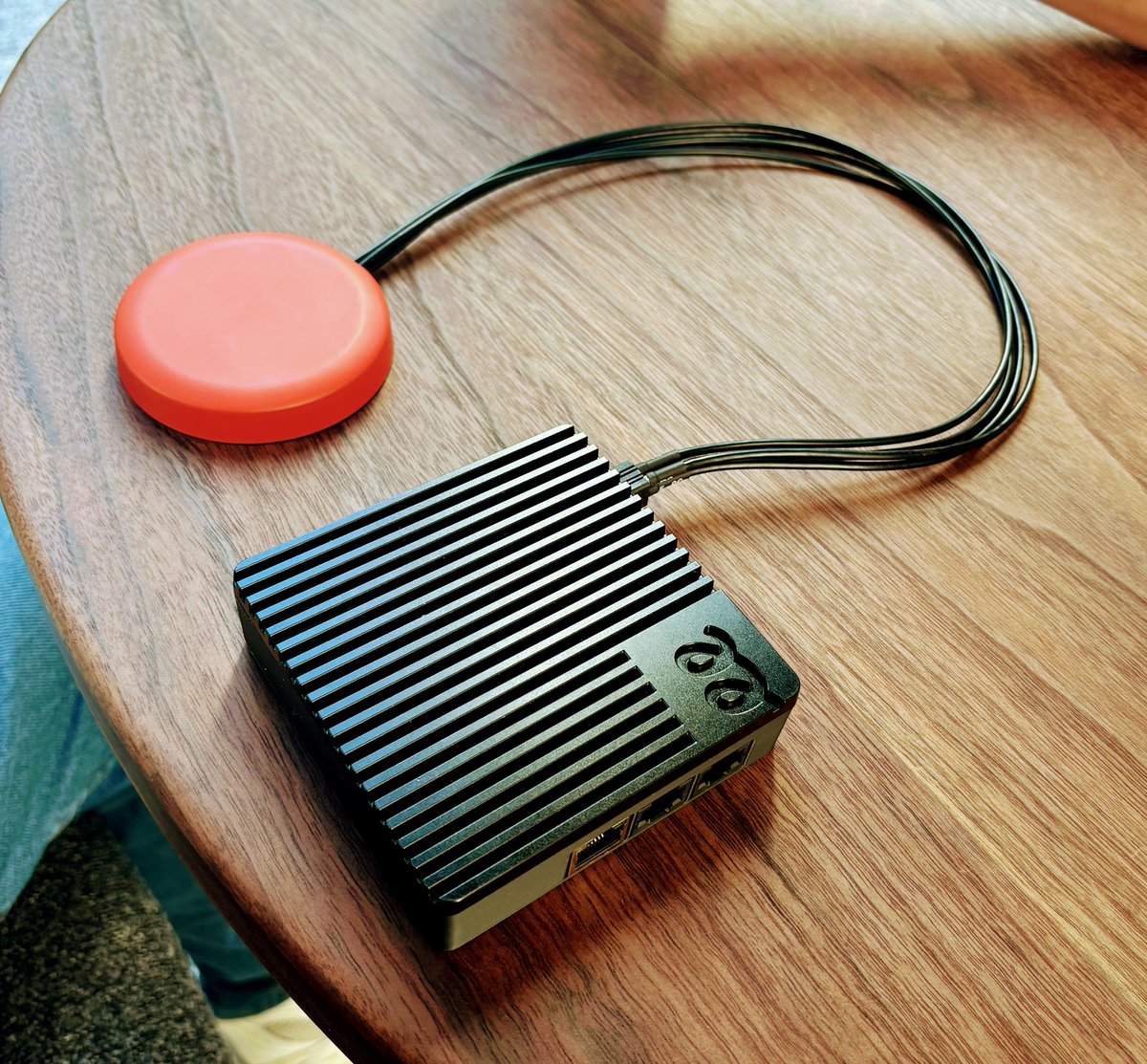
keiver retweeted
rare artifact unlocked: original ee sticky note

1
1
7
281
keiver retweeted

Apr 29
“untapped flexibility”
my brother in christ it is literally plugged in
Apr 29
firmware update but it’s emotional
1
8
921
keiver retweeted

Apr 30
we should build datacenters in the canadian arctic
65
12
323
20,661
mission: build the worlds smartest microgrid
Apr 25
sending a delegation to @Proto_Town asap
1
6
287
somewhere a vc is asking why this isn’t just software
1
1
5
384

keiver retweeted
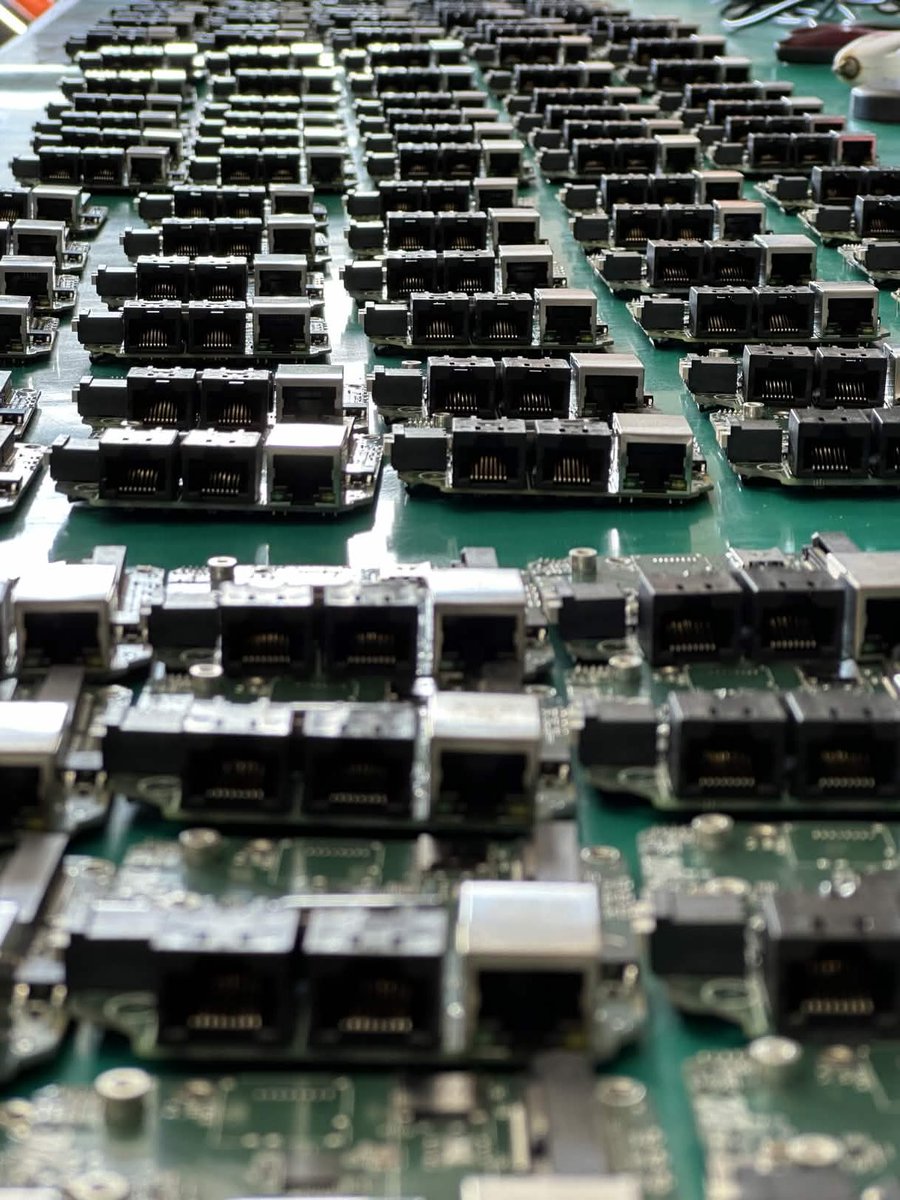
everyone’s pitching the future of energy
here it is
2
8
1,552
keiver retweeted

Mar 26
here's the thing -- @socraticainfo’s Symposium was deeply inspiring -- from mini TPUs and animatronics, to omni-directional treadmills and MacBooks that acted like samplers.
so…@robjama, @maanavsunman and I asked ourselves how we could keep the momentum going?
we landed on belief capital, and we’re calling it United Builders 🌐.
we want to see what happens when we fund some of Canada's most curious builders with non-strings attached grants, along with belief and community.
If you’re builder, comment "BUILDER" and I'll dm you a link to apply.
If you want to support, comment "BACKER" and I'll dm you a link to support.

Excited to announce United Builders 🌐 🟢
A microgrant program backing ambitious young builders with up to $1,000 community. Software, hardware, creative projects, all welcome.
Every founder I know has someone who bet on them before they were ready. That early belief changes everything. We call it Belief Capital.
What shifts a young person's trajectory isn't just money. It's someone believing in their potential long before the world says they're ready.
If you've had success, it's our duty to pay it forward. 100% of donations go directly to builders.
BUILDERS → reply 🌐🌐 and I'll DM the application
BACKERS → reply 🟢🟢 and I'll DM how to contribute
@united_builder
14
9
61
8,061
keiver retweeted
Mar 27
your outie cares deeply about increasing grid utilization
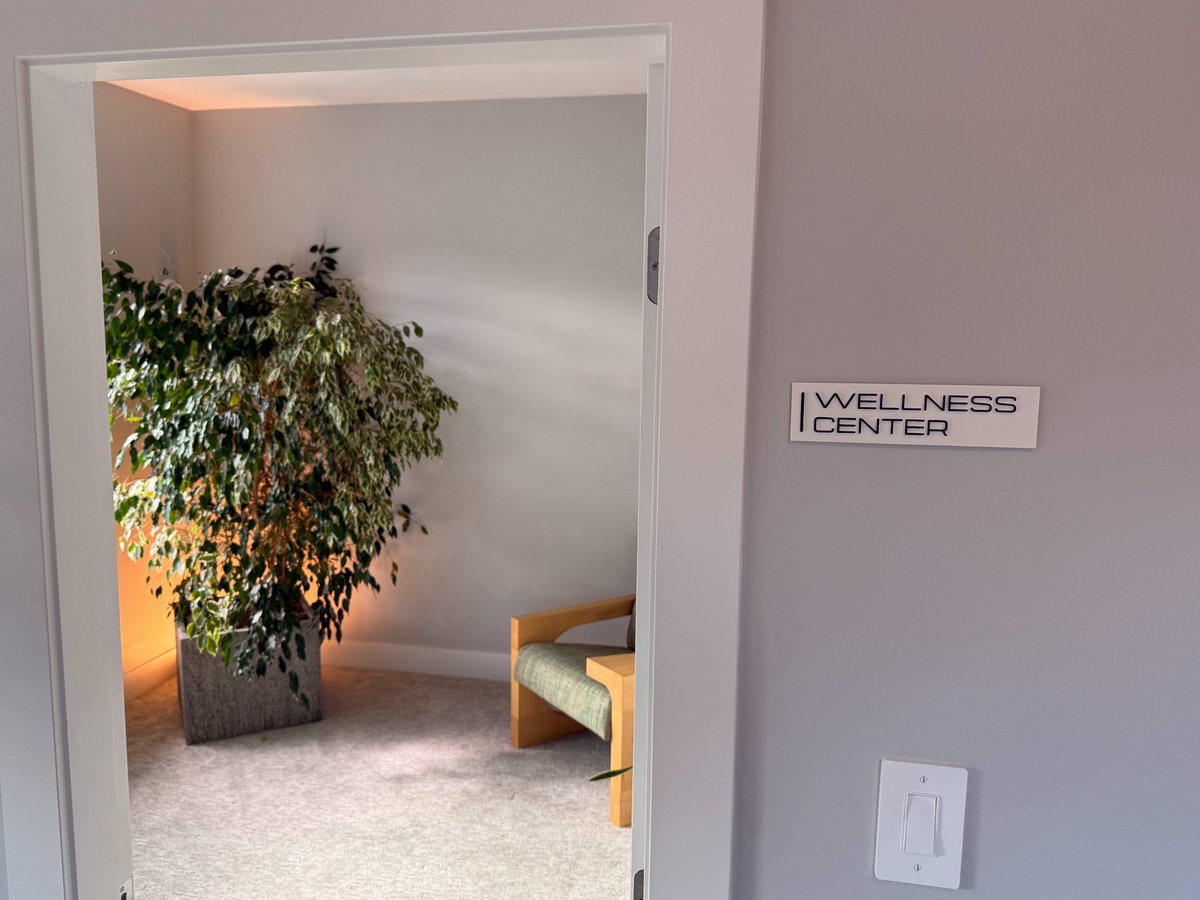
ALT The photo depicts a doorway into a room with a fig tree and a single chair. To the right of the doorway there is a plaque that has "Wellness Center" written on it.
2
7
451