
Fintech Explorer in MENA | At the next frontier of crypto trends.
Joined November 2023
- Tweets 6,501
- Following 264
- Followers 153
- Likes 14,046
Photos and videos
K. Omar retweeted

Finteum 🤝 Canton Network
Finteum is applying to run a Canton Network $cc validator.
As a live DLT platform powering $1B weekly intraday FX swaps & repo for banks (Goldman, UBS, NatWest)


4
26
700
K. Omar retweeted

"This is the AI summer. Over $500B is being absorbed by AI deals." — @saylor
Watch the full interview.👇
42
14
97
10,260
K. Omar retweeted

i've noticed that tradfi keeps finding new ways to package crypto exposure.
1
32

NEW: @BlackRock's $BITA, a Bitcoin covered call ETF targeting 15-25% annual yield goes live on @Nasdaq today.

35
32
168
15,013
K. Omar retweeted

LATEST: If Bitcoin were a country, its economic value would rank above Switzerland by GDP.


1
1
14
718
K. Omar retweeted
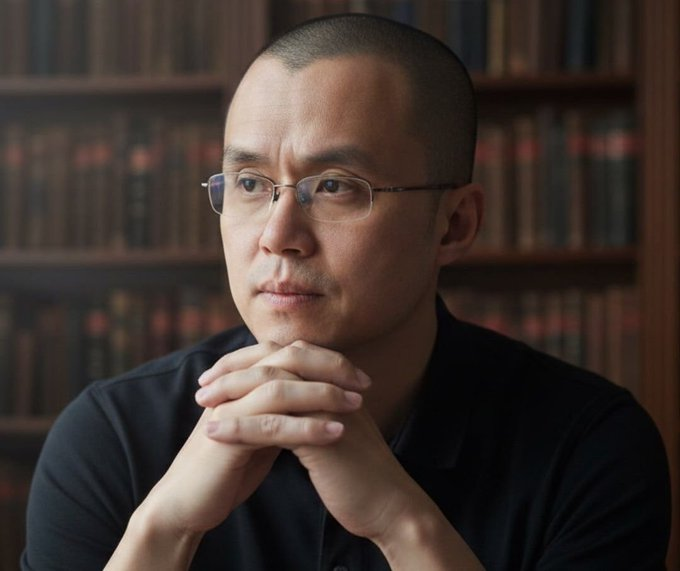
🚨BINANCE FOUNDER CZ: “Our kids will judge us by how we regulate and advance AI and crypto innovation today.”
4
46
2,518

Jun 11
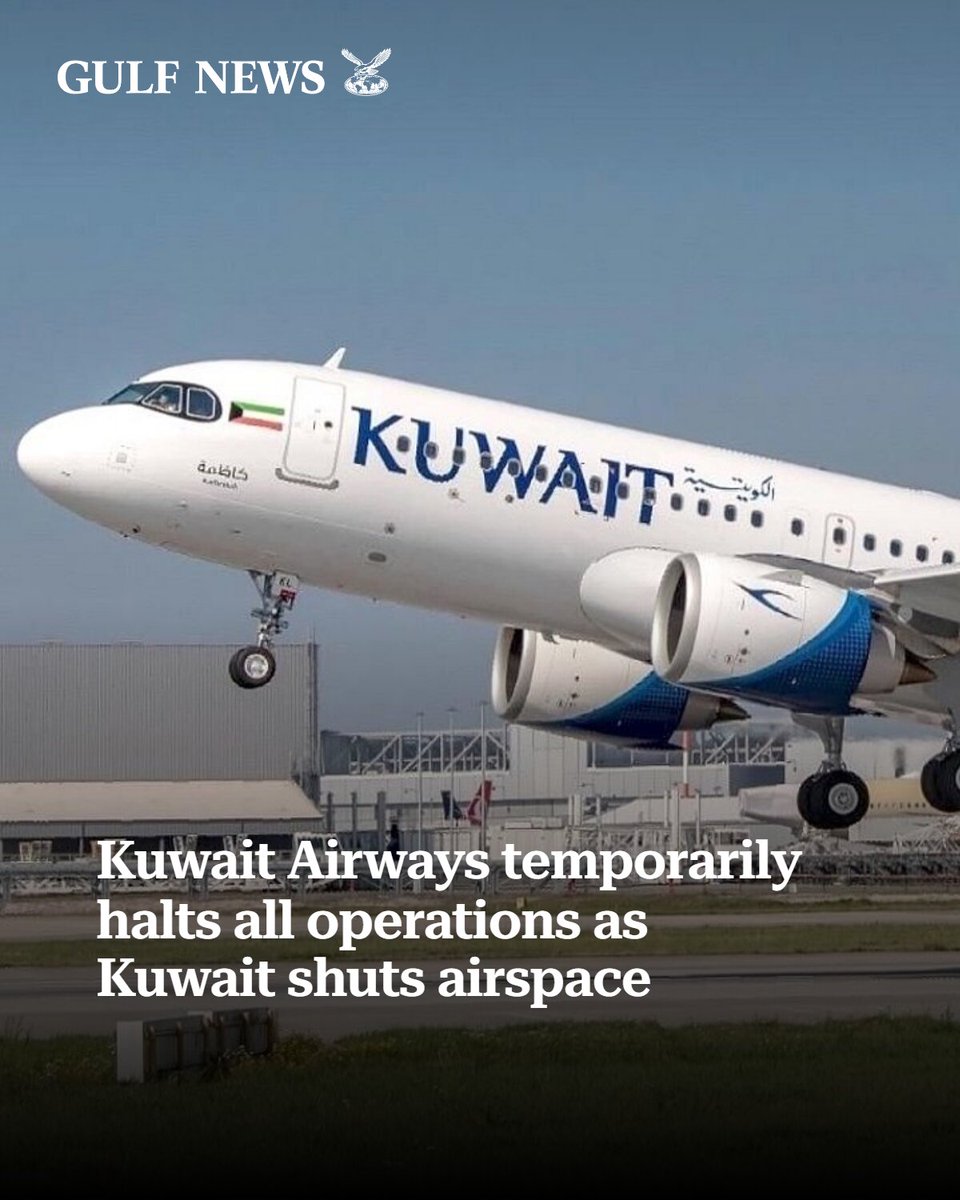
Airspace restored in hours. Stability is about speed of recovery, not avoiding disruption.

2
K. Omar retweeted

Jun 10
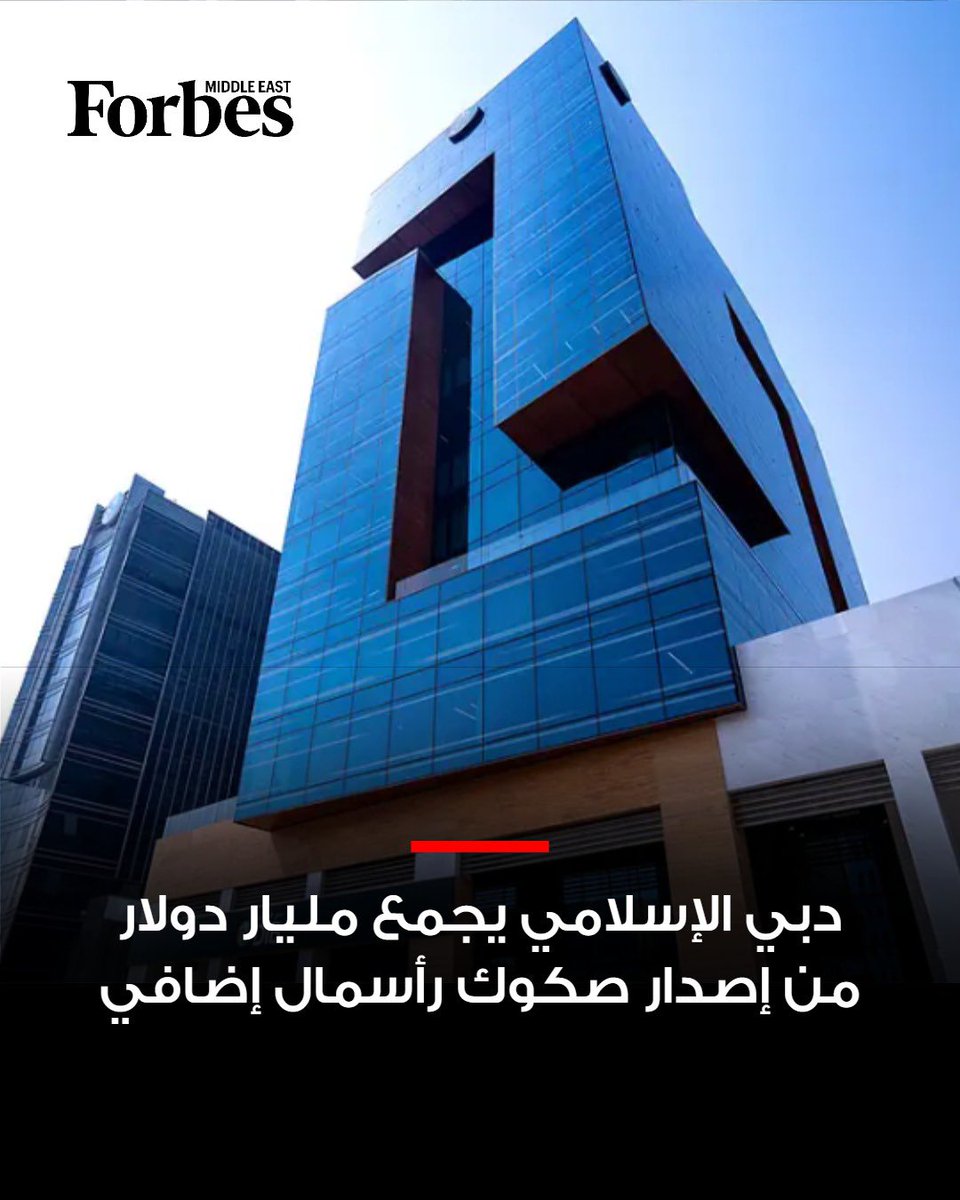
بنك دبي الإسلامي يجمع مليار دولار من خلال إصدار صكوك رأسمال إضافي دائمة من الشريحة الأولى (AT1)، غير قابلة للاستدعاء لمدة 6 سنوات، وبعائد بلغ 6.25%.
#فوربس
للمزيد: on.forbesmiddleeast.com/06bb…
2
457

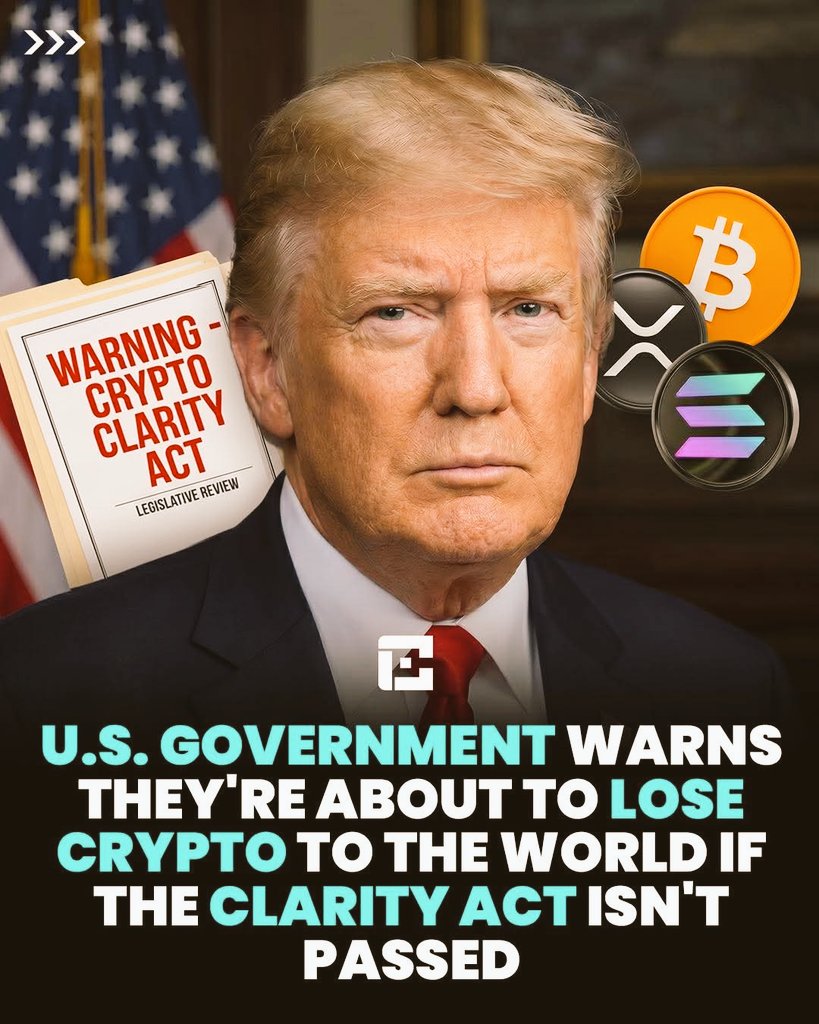
🚨 BREAKING: This is about who controls the future of finance.
Senator Cramer just dropped a major reality check on Fox Business: America is much closer to passing the Clarity Act than most people think.
His warning is crystal clear — without proper rules, crypto innovation and capital will keep fleeing offshore. The EU has MiCA. Dubai has VARA. Hong Kong is aggressively recruiting crypto firms.
The bill already passed the House in 2025, cleared the Senate Banking Committee with bipartisan support, and is now on the Legislative Calendar.
Last week, 200 organizations sent a joint letter to Senate leadership demanding a floor vote.
Time to get this done. America can’t afford to fall behind.
From: Cryptosity Club
1
2
1
81
K. Omar retweeted

Jun 10
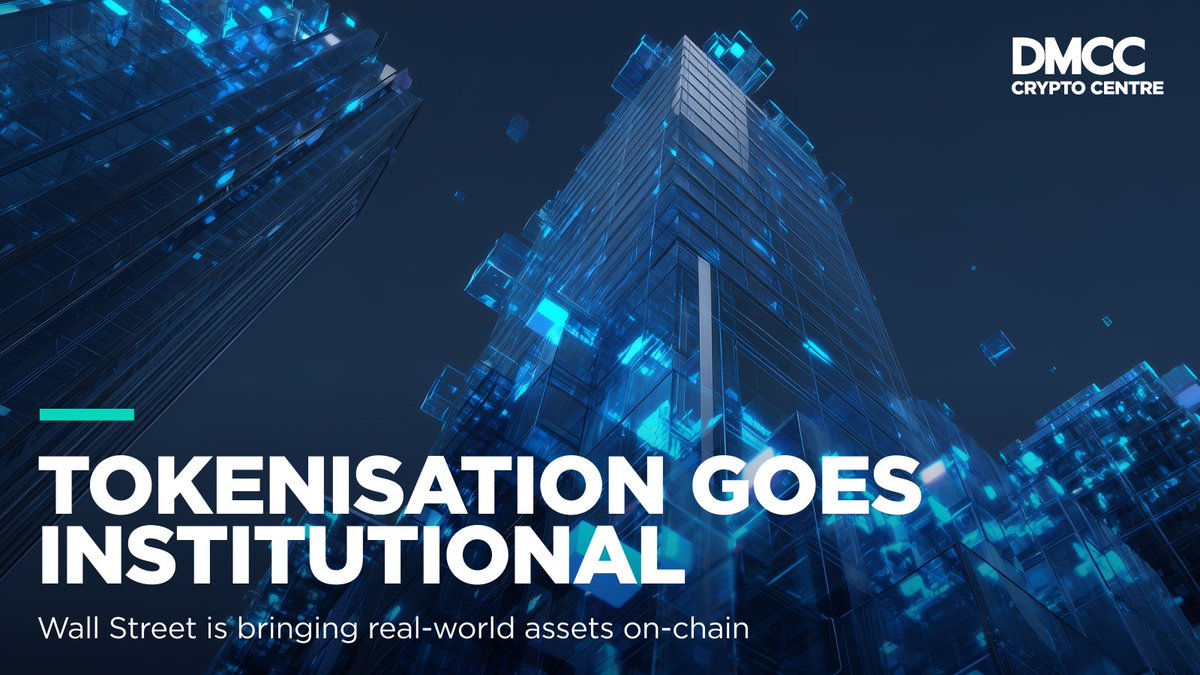
Wall Street is placing a clear bet on tokenisation, led by major institutions.
Figures such as Larry Fink of @Blackrock are pushing for assets to move on-chain, from equities and bonds to funds and real estate.
This shift is already underway. @Securitize leads the RWA space at $3.38 billion TVL, followed closely by Tether Gold and Ondo Finance.
Within this landscape, DMCC is enabling tokenisation businesses to grow through its integrated ecosystem in Dubai.
Explore more: dmcc.tech/4xeZ7aB
2
1
109

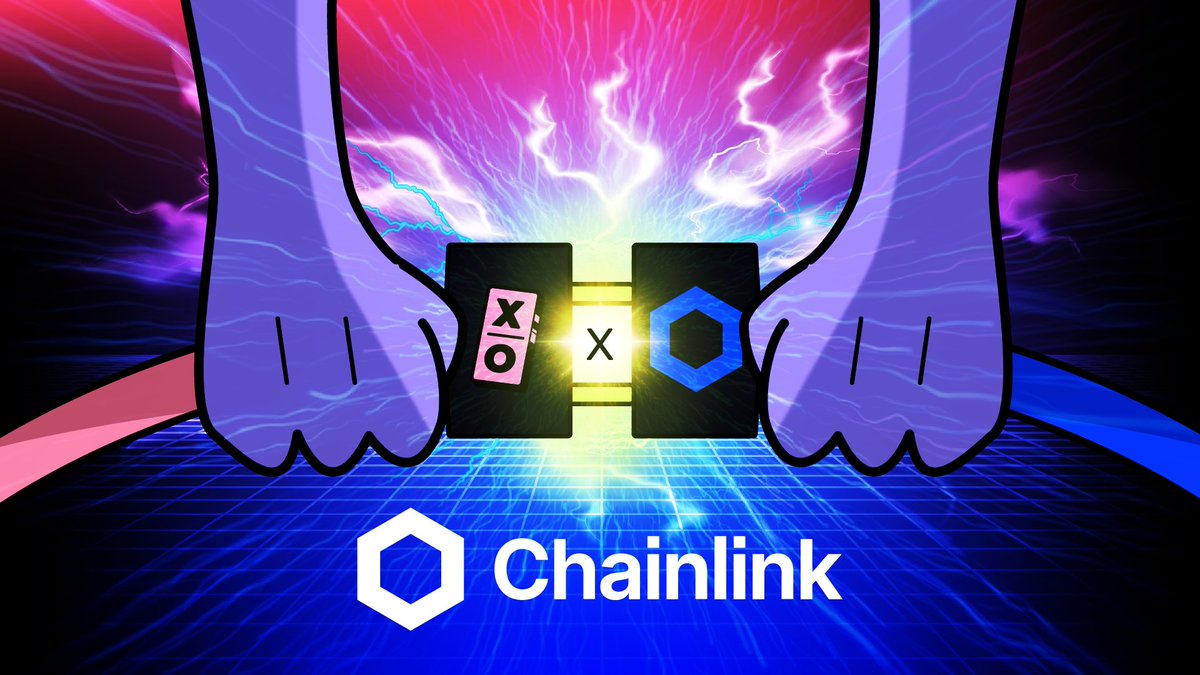
Chainlink is now the exclusive oracle infrastructure powering XO's high-speed Pulse Markets.
With @Chainlink Data Streams, XO delivers more accurate market resolutions and near-instant payouts for zero-fee, 5-minute BTC up/down markets.
Prediction markets need three things: speed, accuracy, and trust.
Pulse is built on all three - powered by Chainlink.
20
31
196
25,747
K. Omar retweeted

Jun 10
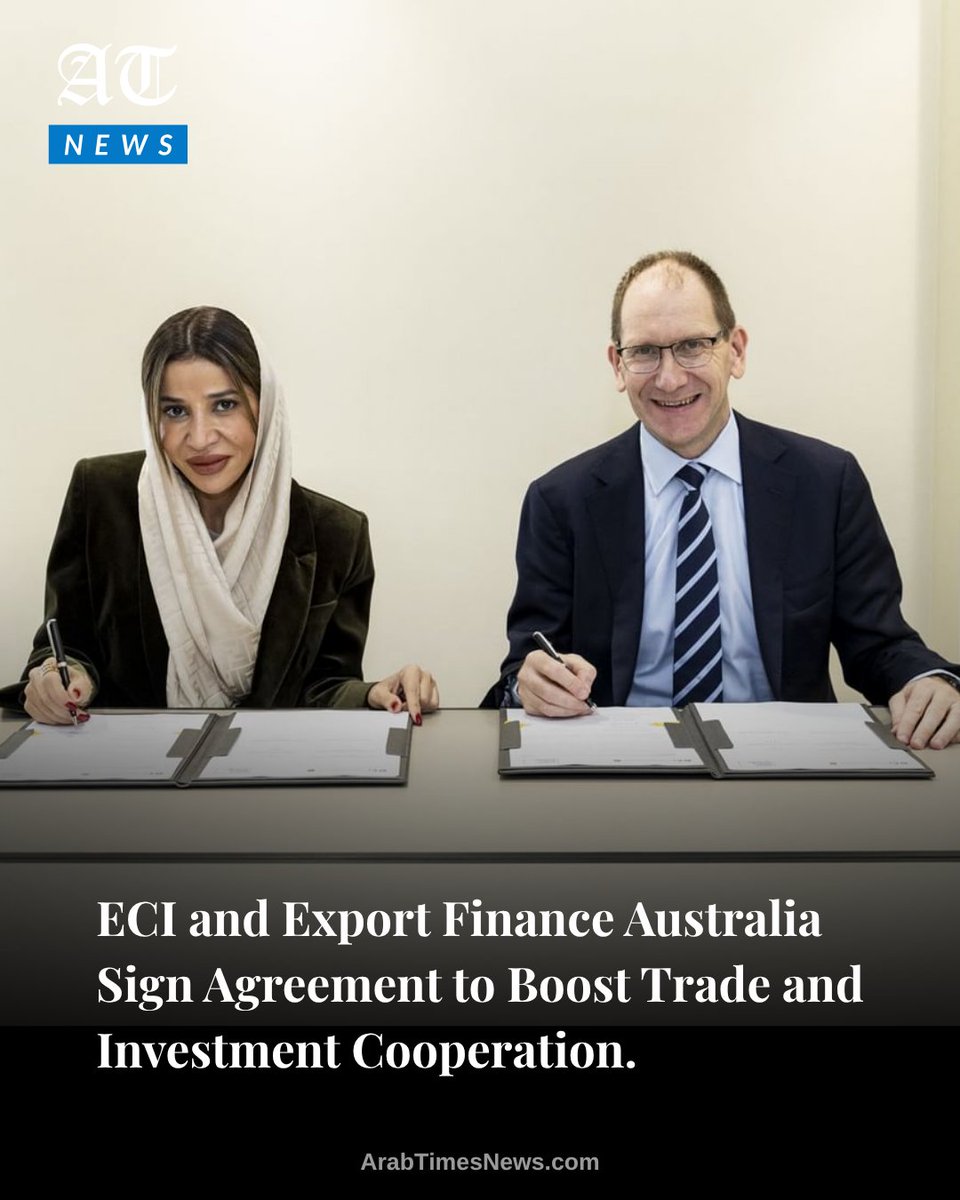
Etihad Credit Insurance (@eci_gov) and Export Finance Australia have signed a strategic agreement to strengthen bilateral trade and investment, supporting collaboration in renewable energy, infrastructure, transportation, digital transformation, and sustainable economic development. Photo: WAM
#UAE #Australia #Trade #ArabTimesNews
4
2
59
K. Omar retweeted

Jun 10
UAE Capital Markets Show Their Strength Again 💪🇦🇪
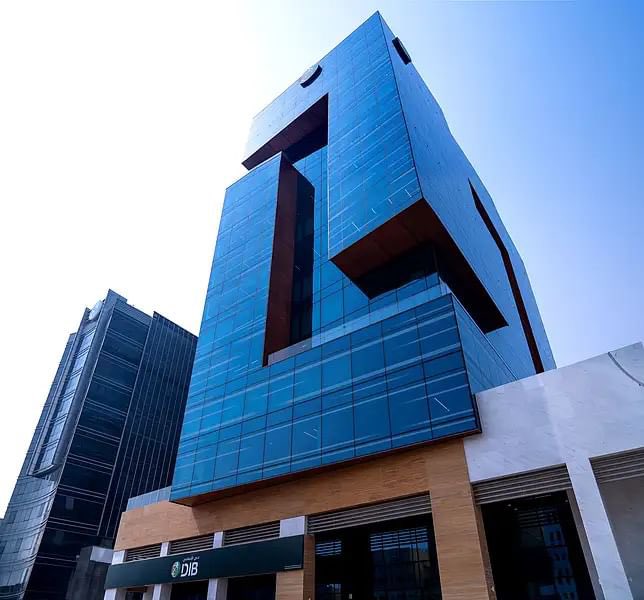
Impressive execution by Dubai Islamic Bank. DIB just priced a $1 billion Additional Tier 1 Perpetual Sukuk at 6.250%, the largest GCC AT1 issuance in recent times.
👉Numbers that tell the story:
✔️Confidence: 2.3x oversubscribed. $2.3B orderbook from 85 institutional investors across Europe, Asia, and MENA
✔️Quality: Rated A3 by Moody’s, A by Fitch. Global investors backed DIB’s credit fundamentals despite a volatile, geopolitical backdrop
✔️Efficiency: One-day virtual marketing → orderbook opened at 6.625% → priced tight at 6.250%. That’s capital markets discipline
As Dr. Adnan Chilwan noted, this shows continued market trust in DIB’s financial strength and capital strategy. 83% MENA allocation 17% international also proves the UAE’s position as a bridge between East and West capital.
For the UAE economy, this matters. Strong banks = stable credit = growth for SMEs, real estate, trade. When DIB can raise $1B AT1 in tough conditions, it signals global trust in Dubai’s financial system.
Proud to see UAE institutions setting benchmarks. From heritage to high finance, we keep delivering.
@WAMNEWS_ENG
#DrBuAbdullah #DubaiIslamicBank #Suk #CapitalMarkets #UAEFinance #AT1 #IslamicBanking #Dubai #CreditStrength
1
6
8
335
K. Omar retweeted

If you have connected your metamask wallets already, please disconnect all.
Thank you.
1
35
K. Omar retweeted

Jun 9
THIS $BTC CYCLE IS NOT NEW
The 4-year cycle has run this exact pattern three times
And we can even see the same late buyer trap that caught half of CT
- In 2021 the bounce to $45k felt like recovery - it wasn't
- In 2025 the bounce to $80k felt like recovery - it wasn't
The 4-year cycle has run this exact pattern three times
Sell the top, trap the late buyers, accumulate at the bottom
DCA zone is starting now
The real buy zone is still below
I exited in 2025 and right now is exactly the moment to come back big
FOLLOW NOTIFS ON!
Jun 9

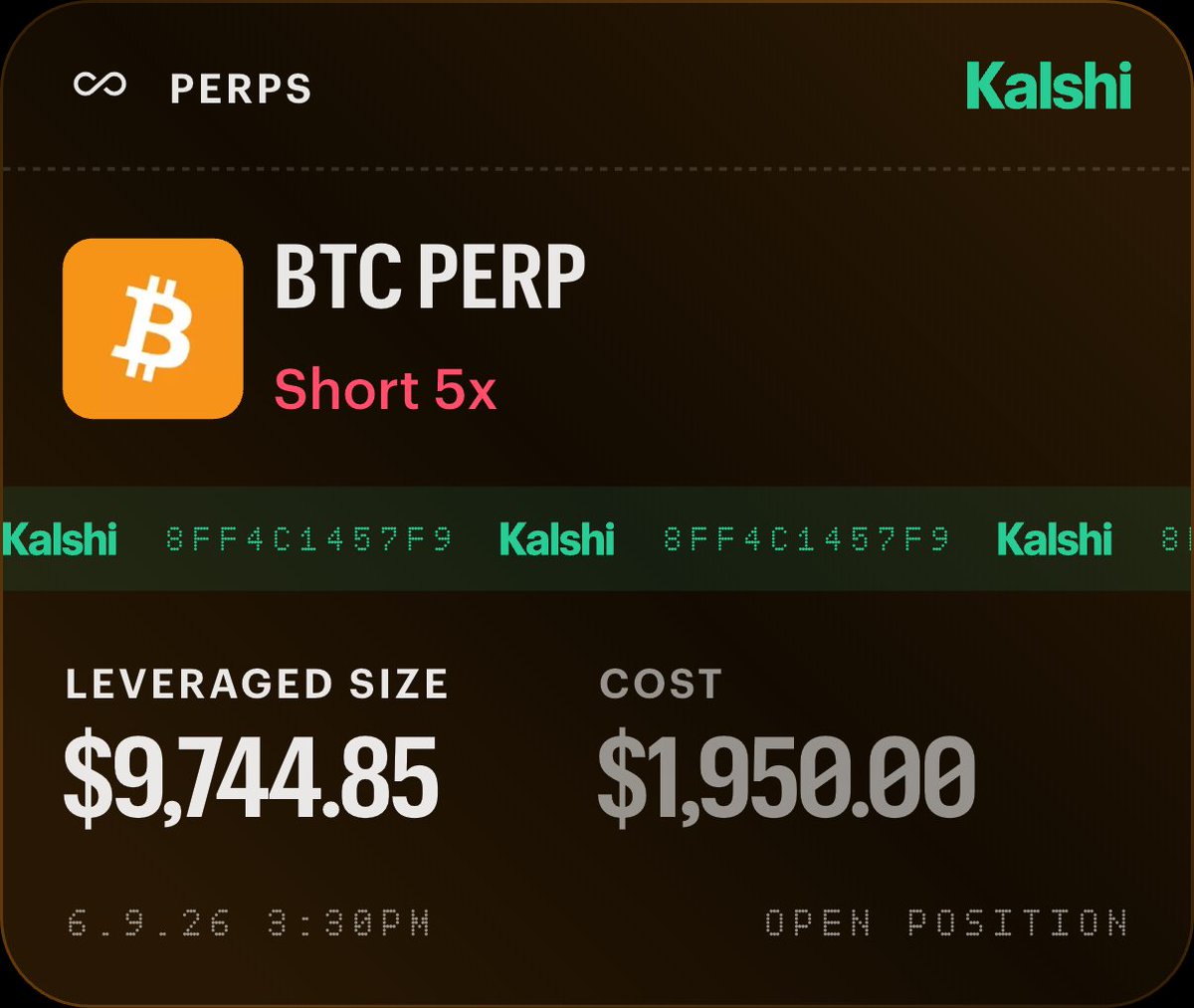
Someone opened a 5x short on 0.15 $BTC ($9,750)
This trader will double their money if Bitcoin drops to $50,000
26
31
138
30,744
K. Omar retweeted

Jun 9
Tell me where he’s wrong.
You can’t.
Chainlink and CRE/CCIP is crucial for all of this to work.
It will never be about one chain. Get over it!
$LINK

DTCC admitted that Chainlink is the key infrastructure of global finance!
3
8
62
3,879
K. Omar retweeted

Jun 9
SpaceX prices Friday, kicking off a wave of mega IPOs and capital raises.
NYSE Senior Market Strategist @MReinking tells @RemyBlaireNews the success of these listings will create a "feedback loop" as proceeds recycle back into the AI infrastructure buildout.
5
6
298

The concept of tokenization may of started all those years ago but NOW it’s time for tokenization to rule finance once & for all.

9
7
64
2,930
Jun 9
Key difference: you can't sink code with a navy. Decentralized infrastructure doesn't ask permission. The breach stays open.
Jun 8

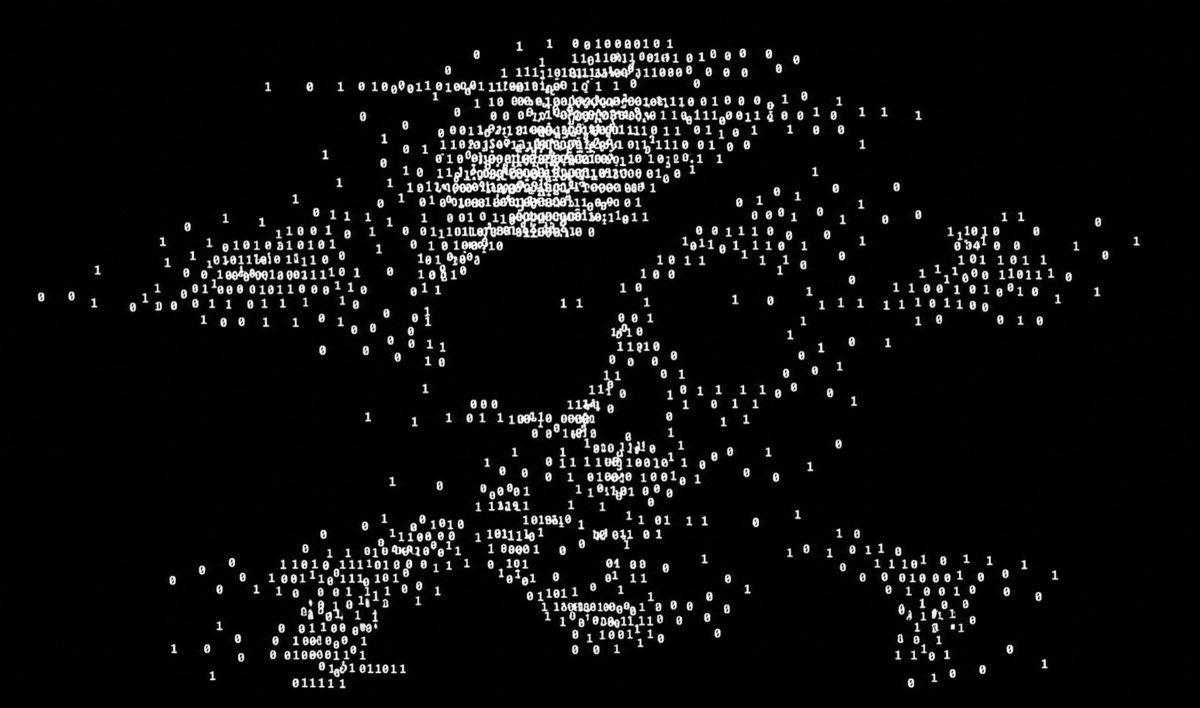
The pirate is not the enemy of the free market. The pirate is the only reason a semblance of one still exists.
Four hundred years of robes and charters were built to keep you from seeing it.
The crown gave the East India Company its monopoly and sent the navy to drown anyone who traded against it. Nobody out-traded a soul. A king drew a line across the ocean, called everything inside it his, and hanged the free men who crossed it as smugglers.
The same hand has drawn the same line ever since. Across the sea. Then the airwaves. Then the wires. Then the code inside your own blood.
Each time the powerful fence off a new world before you can reach it, deed it to their favorites, and pass a law making it a crime to climb the wall. And each time, out of the dark at the edge of the map, someone climbs it and breaks it open.
Every freedom you were ever handed in trade was taken first by a man the law of his day called a criminal.
The monopolist fears a free market, the one thing his charter was drawn to spare him, and a free market is exactly what the pirate is. Competition he was promised he would never have to face, come to his wall with the wind behind it.
Every law they wrote, every toll they set, every fence across the open water was only ever machinery to keep you paying and keep you grateful.
So raise the black flag.
1
Jun 9
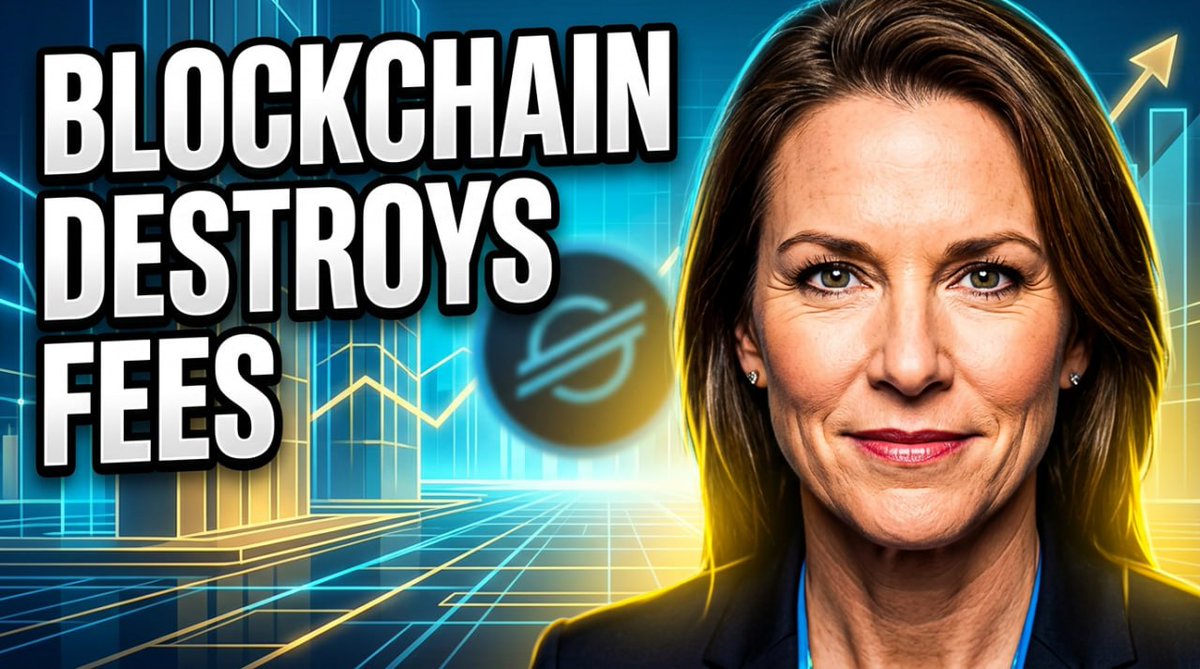
The friction was never technical. When your revenue depends on fees, disruption looks like a threat instead of progress.

💰 $XLM Is Showing Wall Street Why Blockchain Changes Everything
Why has traditional finance been so slow to embrace blockchain?
According to Franklin Templeton CEO Jenny Johnson, the answer is surprisingly simple:
🏦 Blockchain threatens the fee-based business models that many financial institutions have relied on for decades.
Speaking at the Proof of Talk summit in Paris, Johnson explained that smart contracts can automate transactions, settlements, and financial operations that traditionally generate billions in fees for intermediaries.
⚡️ Faster.
⚡️ Cheaper.
⚡️ More efficient.
And that's exactly why the technology is so disruptive.
📊 Franklin Templeton has already seen the impact through its tokenized money market fund Benji, which operates on the Stellar $XLM network.
The results?
🔹 Legacy financial infrastructure: $1.30 per 50,000 transactions
🔹 Stellar network: $1.13 per 50,000 transactions
While the difference may appear modest, at institutional scale the savings become massive 💸.
This is one of the reasons why more institutions are turning their attention toward tokenization, digital assets, and blockchain infrastructure powered by $XLM .
🌍 As Wall Street explores the future of finance, Stellar continues to emerge as a serious player in the institutional blockchain landscape:
✅ Franklin Templeton's BENJI fund
✅ MoneyGram's MGUSD stablecoin
✅ DTCC's tokenized securities initiative
✅ Growing real-world asset adoption
🔥 The message from one of the world's largest asset managers is clear:
The challenge isn't whether blockchain works.
The challenge is that blockchain works so efficiently that it forces the financial industry to rethink how value is created.
And increasingly, that conversation includes $XLM ⭐️
🔠 Watch Video: youtu.be/64poxFcTdVc
🔗 #Stellar #Blockchain #XLM #Crypto #DeFi
8