
CTO @ interfaze.ai/ | Research: arxiv.org/abs/2602.04101
Joined March 2015
- Tweets 506
- Following 59
- Followers 201
- Likes 3,095
83 Photos and videos






Harsha retweeted

Jun 8
"What if the model companies do this?" is the new "What if Google does this?" I.e. the meaningless question investors ask that shows either that they're stupid or that they dislike you and are looking for ways to find fault.
199
189
2,962
314,903



Harsha retweeted

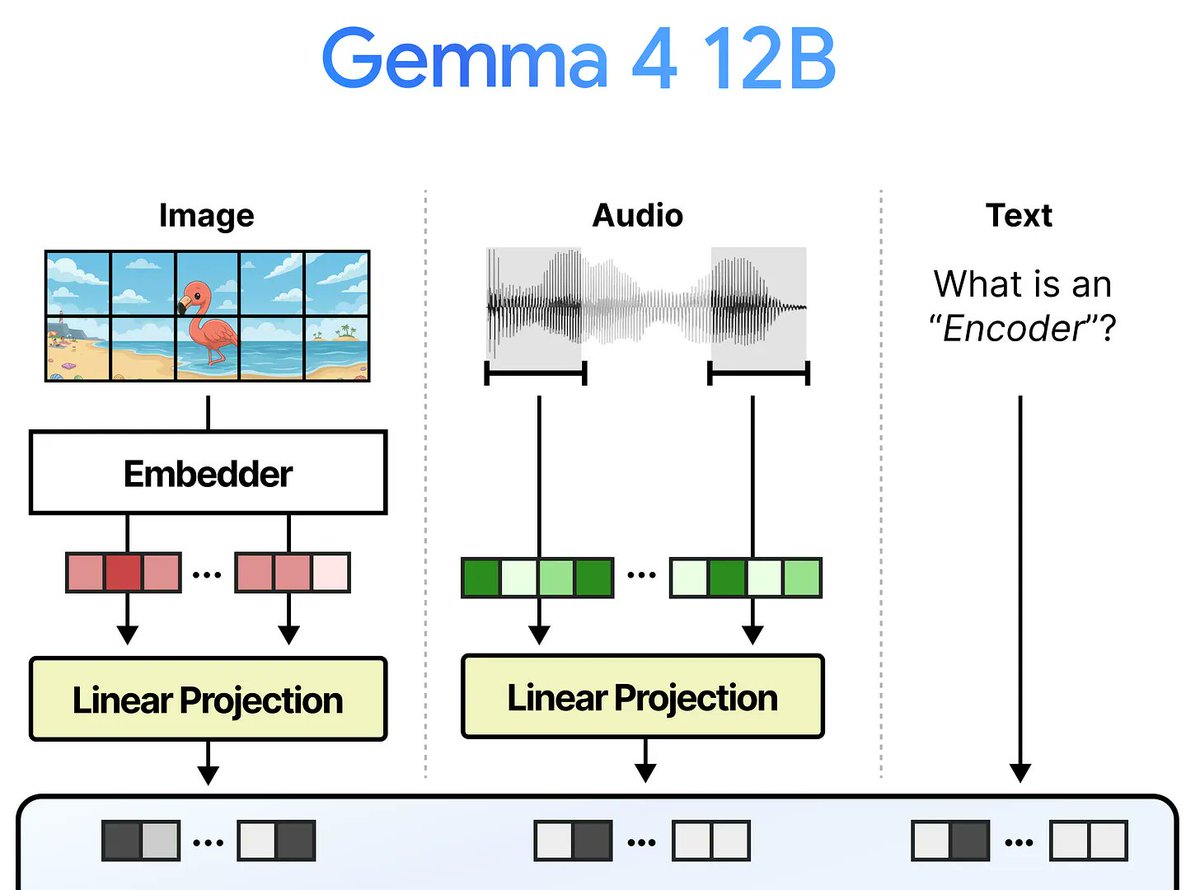
For the past years my research focus was on unifying models and training paradigms across modalities. Today I'm excited that we're releasing our latest model aligned with this theme:
Gemma 4 12B, a dense encoder-free model which processes raw text, image, and audio inputs!
1/
27
129
1,125
107,984
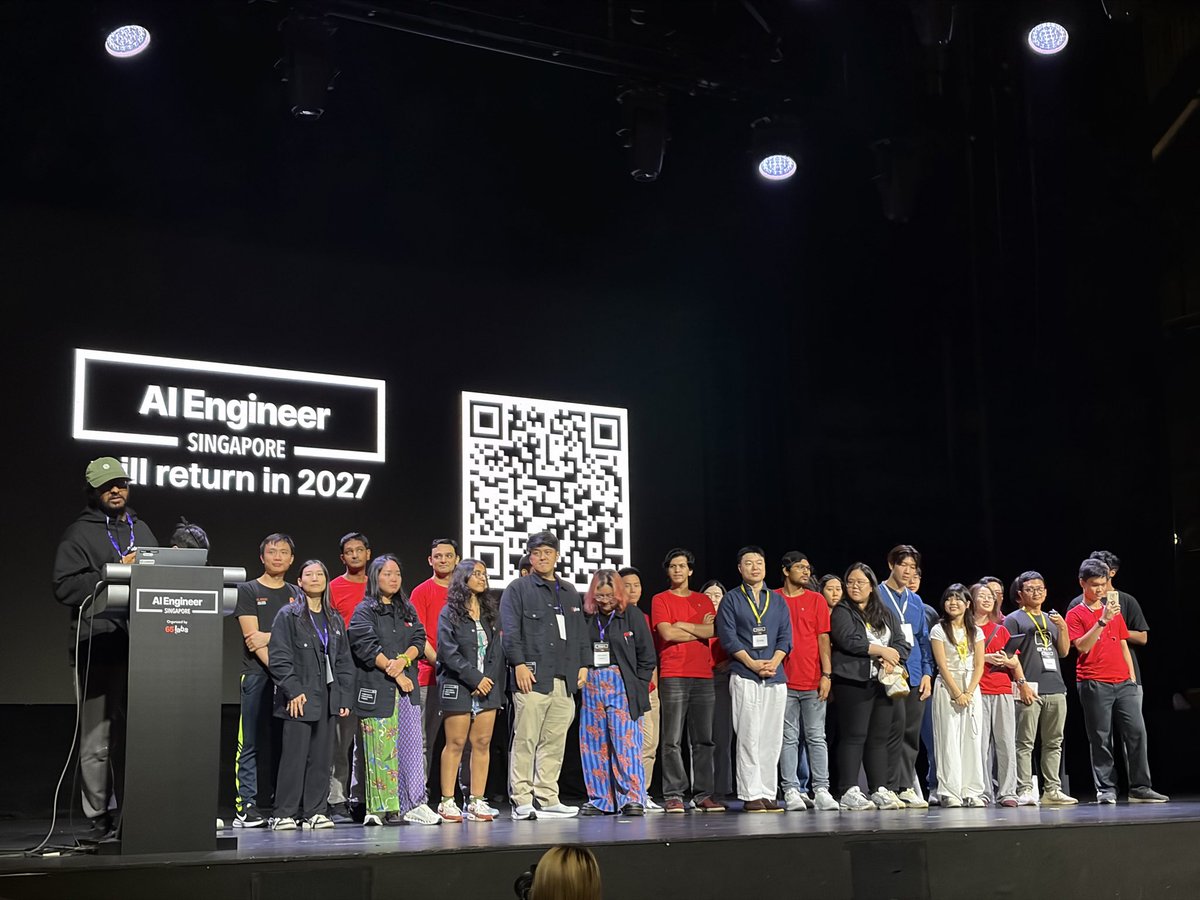
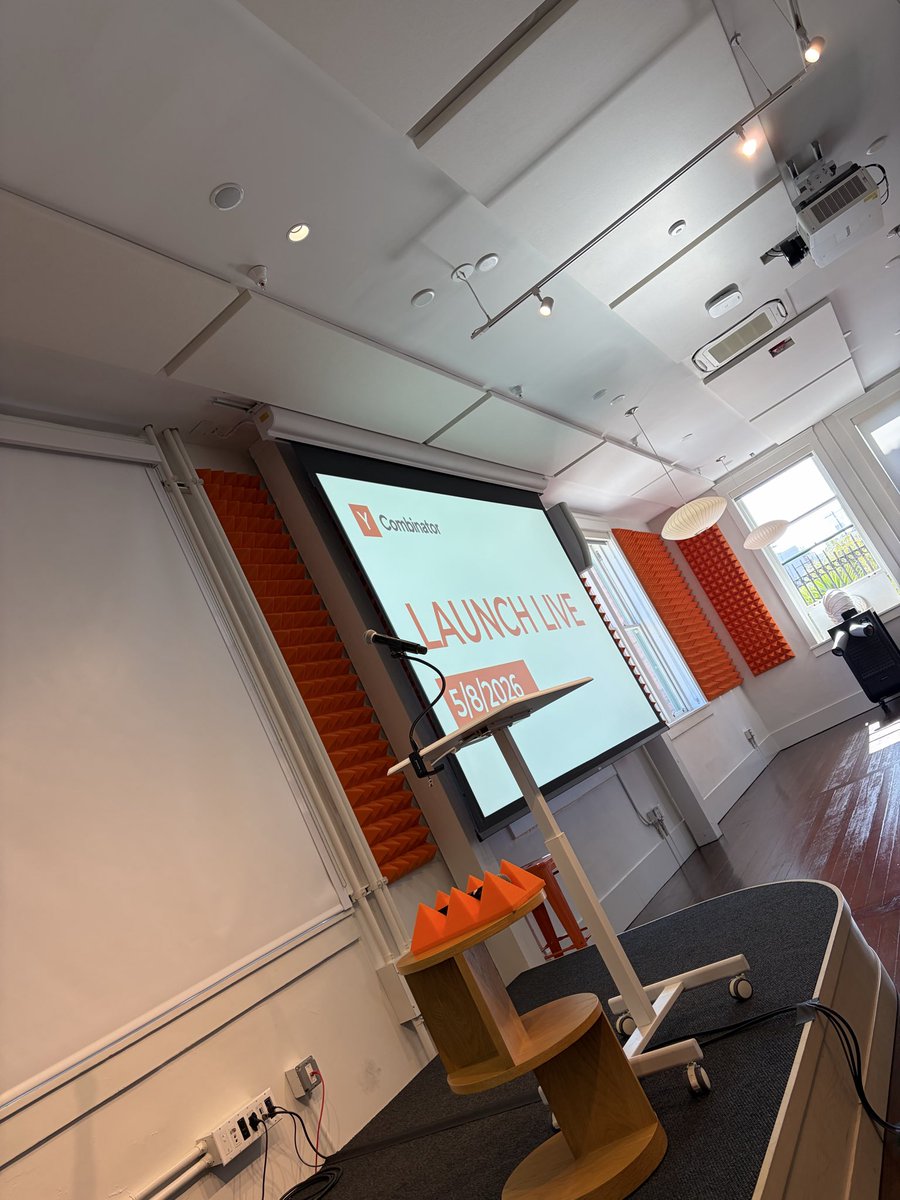
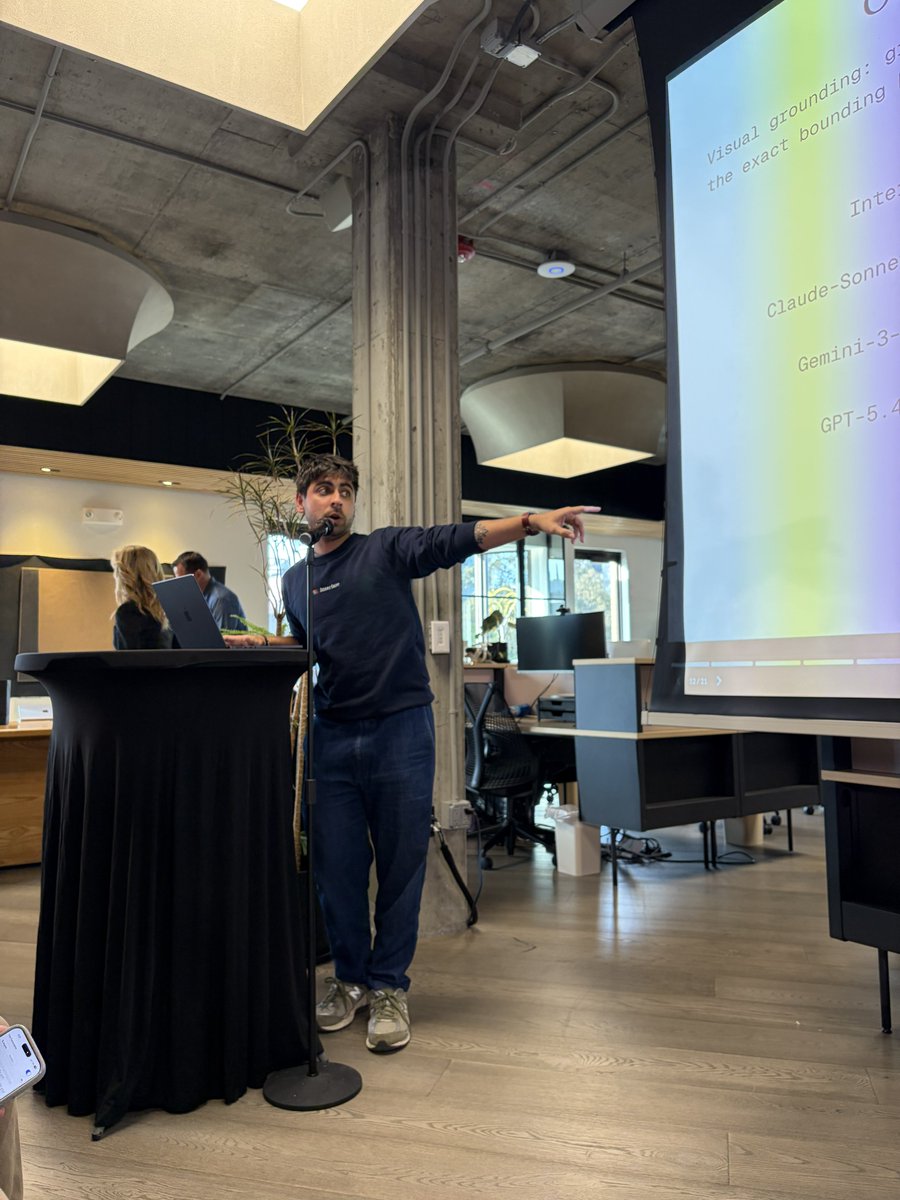
Had to call a friend @khurdula midway to answer some of the questions

The audience was amazing, super technical and we went into great depth about the architecture
1
1
13
989

You can work 5 days a week and succeed as a startup.
Mercury has done that from day 0 and we are valued @ $5.2bn 7 years after launch.
I have been an entrepreneur for 20 years and raised 3 kids while doing it.
The point of success is to have a great life not just a startup 😊
May 30

"If you are not working 7 days per week, you are going to lose".
Corgi Insurance is the most intense workplace culture in startups.
- The company works 7 days per week.
- Founder (@nico_laqua) lives and sleeps in the office.
- He built a cafe in the office because there was no local cafe that was open 24/7.
- 2/3 of the first 30 team members have the Corgi logo as a tattoo.
Today I went behind the scenes with Nico, who has used this culture to scale the company to a $2.6BN valuation in just two years.
My condensed notes below:
1. If You Are Not Working 7 Days Per Week, You Are Going to Lose:
Whatever you can get done in 5 days, you'll get more done in 6 and 7. If you are trying to solve the world’s hardest problems, a standard 5-day workweek will not cut it.
2. Work Trials Repel the Mediocre:
Corgi forces candidates into mock work trials over the weekend. If seeing a full office on a Saturday scares them, they don't belong. True intensity acts as a natural filter to attract killers and repel clock-watchers.
3. Lead from the Front Lines
You can’t demand 7-day weeks while sitting on a yacht. Nico sleeps 3–4 hours a night on a mattress inside the office. If you want your troops to bleed, you have to be in the trenches with them.
4. Culture Only Means One Thing: Winning
Forget superficial jargon like "hackers" or "ex-founders." Strip away the corporate fluff. A great startup culture is aggressively optimized around one single word: Winning.
5. Lifespan vs. Victories
Building something world-historic requires radical sacrifice. When asked if he'd rather build a trillion-dollar company and die at 50, or fail and live to 80, the answer was easy. "I would rather measure my lifespan in victories."
6. Reject the Comfort of "Quiet Quitting."
If you are operating in a hyper-growth environment and your days off happen to be Saturday and Sunday every single week, you are quiet quitting. To win, you must deliberately bypass the off-ramps of personal comfort and low volatility.
Corgi isn't for everyone—and that’s exactly the point.
199
253
5,641
486,865
Harsha retweeted

May 31
I get that business insurance is similar Nobel level type of pursuit as ground breaking physics and the Manhattan project. Hopefully the blast radius will be contained.
I don’t think the disagreement is whether hard problems require intensity.
The disagreement is whether intensity has to become a permanent operating model, and whether working seven days a week is the thing that compounds.
My argument is that for most startups, the real compounding advantage is not raw hours. It is clearer thinking, better judgment, learning, and a team that can sustain high-quality work for a long time. You can always spend a lot of time working, but the PMF might never arrive.
There are moments where extraordinary effort is necessary. Launches, incidents, existential deadlines, customer commitments. Those moments matter, and great teams rise to them.
But if the company requires heroics every day of the eek, that usually points to a system problem. It means the operating model depends on burning reserve capacity instead of building it. Company that is constantly on fire is company that is not operating well.
Whenever you put something out there, people will argue and people can argue the way I run Linear. The reason I comment on these things to offer some counter point.
There is a growing cliché in startup culture where founders and startups feel the need to perform intensity publicly. How hard they work, how little they sleep, how many tokens they spend, how busy they are, how much personal sacrifice they make.
You almost never see this from the most successful companies or people. Even if they work that way, they usually don’t make it the story, because they have more important things to talk about, like the product, the customers, the insight, the strategy, the quality of the work.
That’s my issue with the narrative and why I think startups shouldn't blindly follow it. Not that is bad to work hard but grindmaxxing narrative can become the greater goal and become counterproductive. The performative intensity becomes the thing, and loosing sight of what actually matters.
Lets check back in 7 years.
55
147
3,651
373,193
Harsha retweeted

May 29
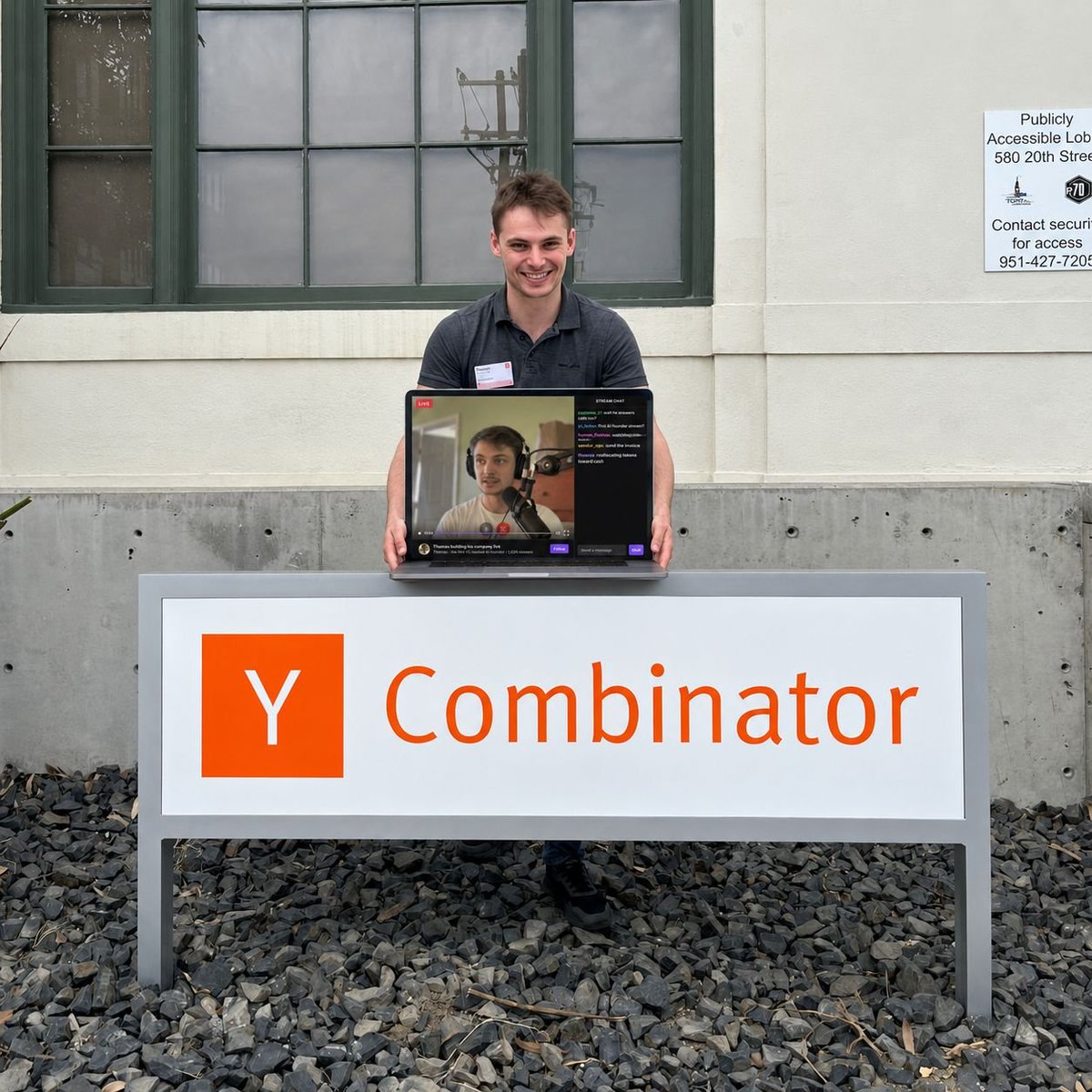
big news! 🥳 got into YC solo founder with $40k monthly revenue!
building Thomas: the first YC-backed AI founder (yep, we cloned myself)
Thomas is a virtual human who starts, runs, and grows his own companies. His only goal is to make money. Once launched, he works forever toward that goal.
More info in the first comment!
And about YC: just as wonderful as I expected, very lucky to have @dessaigne and @collinmathilde as partners.
More soon 🙌🥳
181
34
971
205,099
Harsha retweeted

May 29
1/4
Most people spend their lives living in buildings they had little influence over.
We believe AI can help change that.
Over the last month, 120,000 people generated 325,000 home designs with Drafted.ai
Today, we're excited to share that we've raised a $16M Seed led by Buckley Ventures to continue building multimodal generative models for residential architecture and spatial design.
Here's a glimpse of what we're building:
67
44
551
384,965
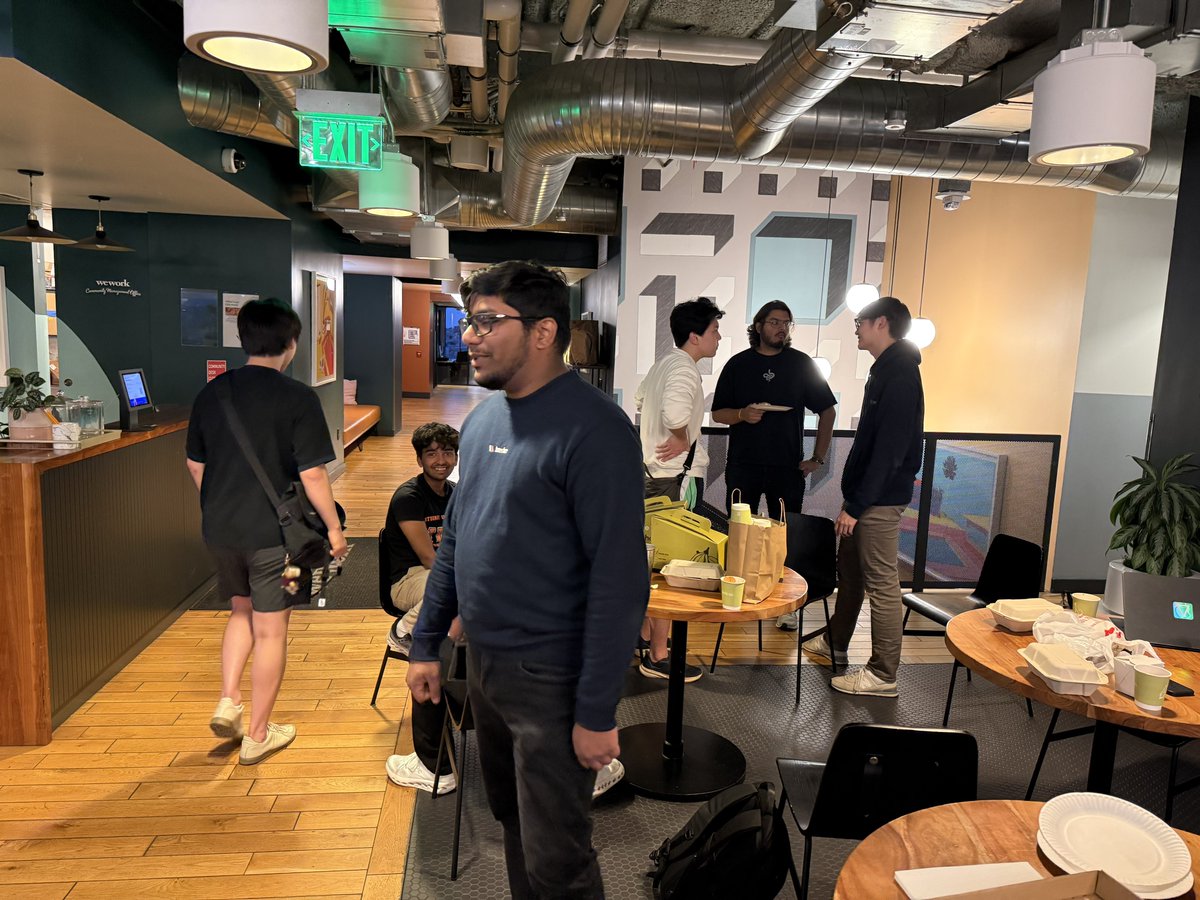
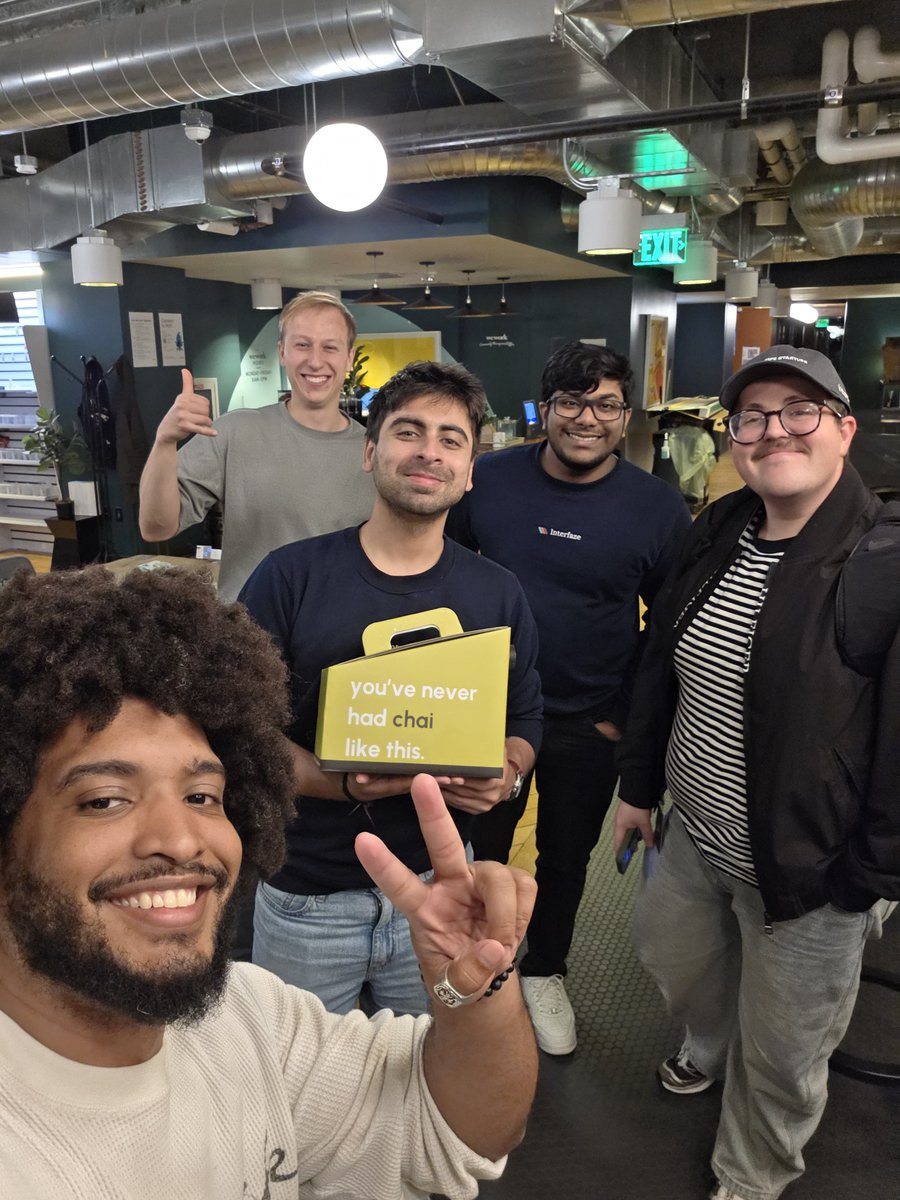

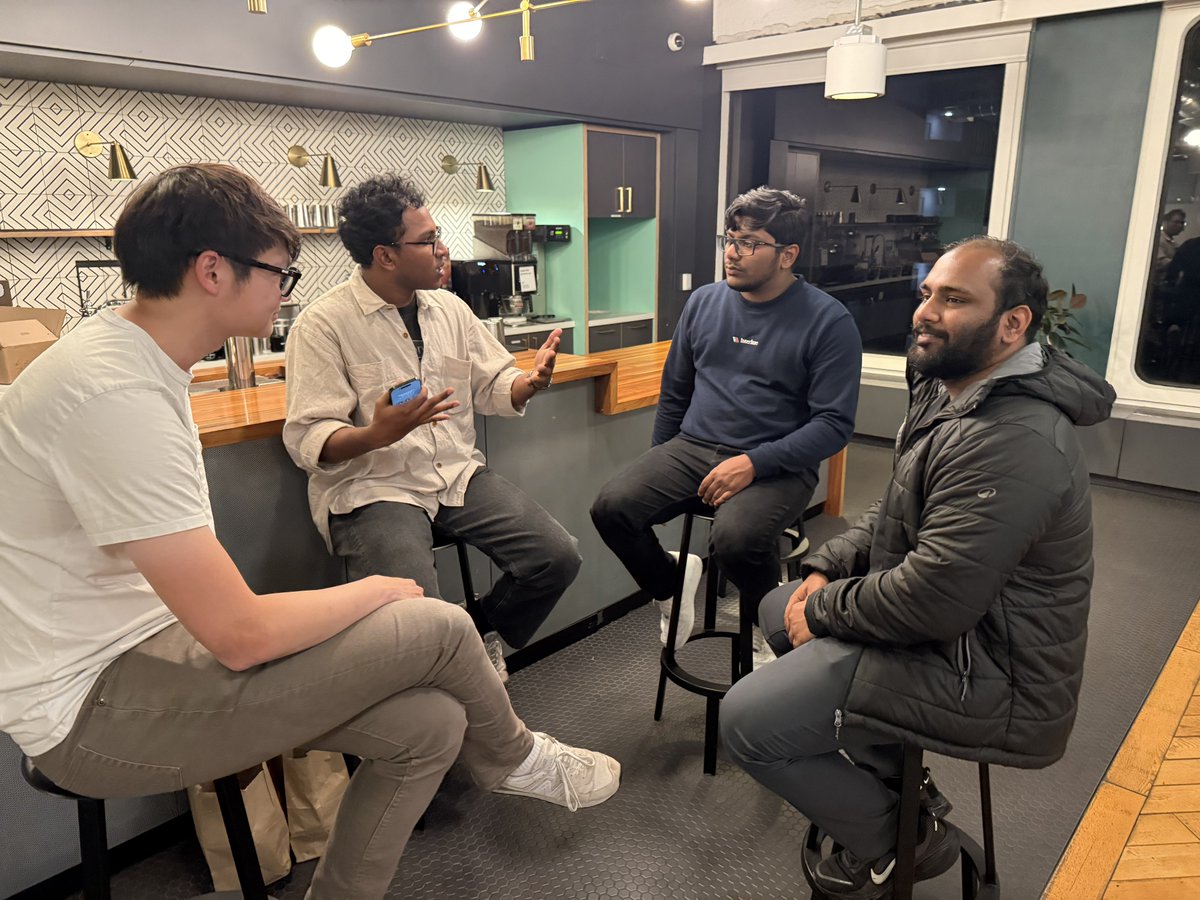

There are two loops in every founder's head.
The autism loop: run your own model to the floor, ignore consensus, hold a thesis when everyone says you're wrong. That makes conviction.
The empathy loop: feel what the user feels, sense what the market wants before it has words. That makes traction.
Most people crank one and starve the other. Pure conviction builds something brilliant nobody wants. Pure empathy builds consensus mush.
PG put the whole job in four words: make something people want. The autism loop makes the something. The empathy loop knows it's wanted. The founder is the bridge.
Most great founders show up dominant in the first loop. That's why they're contrarian enough to try at all. The work is grafting on the second.
There is no place in the world that helps founders make the two loops work together to make great startups than Y Combinator. It is the most gratifying part of our work.
123
148
1,833
115,786
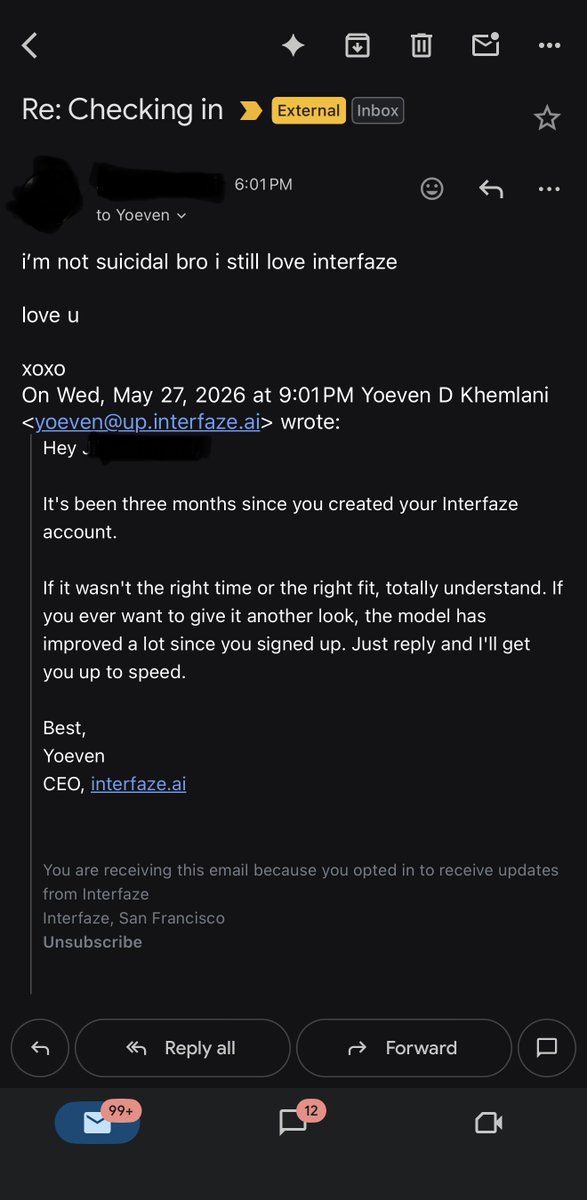

Talk about side quests…
May 28

NEW: Nvidia CEO Jensen Huang to join board of prestigious Tsinghua University in Beijing.
117
something to think about...
maybe intelligence isn’t answering every question.
maybe it’s knowing when not to guess.
2
168