Interests: Plasma proteomics/cellular/mitochon./exosome deliv. in regen. med. šŸ„šŸ‚šŸ» 🤿

Joined April 2020
80 Photos and videos
kipling_r retweeted
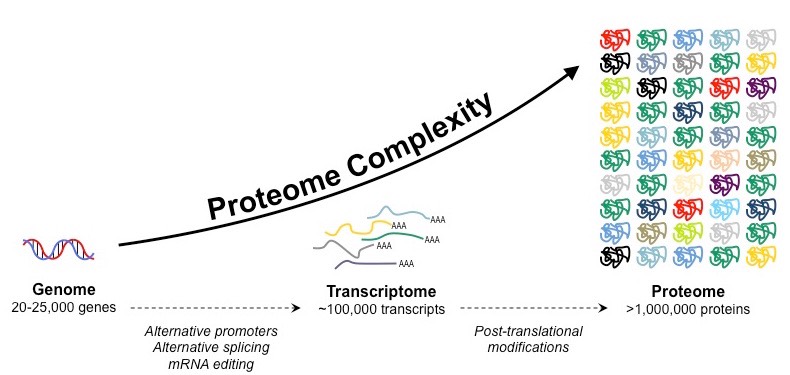
We have studied proteins and proteomes for decades. Yet, our studies and methods have been rather limited to hypothesis testing. As a result, the proteome remains a frontier that awaits to be investigated with discovery-driven methods. nikolai.slavovlab.net/Proteo…
4
14
739
kipling_r retweeted
Important new Nature paper (Alexander Tyshkovskiy, Vadim Gladyshev lab): universal transcriptomic clocks of aging and mortality across mice, rats, macaques and humans, from more than 11,000 transcriptomes. The aging field has long wanted robust multi-species transcriptomic clocks, this seems to fit the bill. I also liked that their chromatin-modification module clock tracks DNA methylation clocks most closely which hints at a transcriptome-epigenome link. nature.com/articles/s41586-0…
5
62
258
20,478
kipling_r retweeted
Pretty interesting story in @ScienceMagazine this week on what looks like a serious problem in the senescence field. More than 400 papers apparently used the wrong antibody for p16-INK4a — an antibody that actually recognizes a completely different, unrelated protein (a component of the actin cytoskeleton). This affects work on senescent cell accumulation in aging and disease, and most critically, some of the evidence base for senolytic drug research. What concerns me most is that many of these papers somehow got the "right" answer using the wrong antibody. That's not just an innocent reagent mix-up — it raises real questions about data fabrication or selective reporting in at least some of these labs. I've commented before about how ignoring data that doesn't fit the narrative is a major problem in certain areas of the longevity literature (e.g. sirtuins and NAD), and here a potentially widespread example in senescence. Hopefully journals will investigate and retract as necessary, but based on my experience that seems optimistic. One concrete fix is that journals should flag problematic antibody product codes at submission so reviewers can catch this before publication. Reviewers should absolutely be on the lookout for this going forward. However, these fixes won't address the larger problem. We need to understand how these scientists got the results they wanted and published them over 400 times (!!!): whether through intentional deception, incompetence, accident, or some legitimate explanation. Credit for discovering this goes to @addictedtoigno1 who wrote about it first on his blog: For Better Science science.org/content/article/…?
23
92
367
98,191
kipling_r retweeted
Doing good science is 90% finding a science buddy to constantly talk to about the project. The Postdoc Night Science NYC club met last week in a Manhattan bar for 5 rounds of scientific buddy speed-dating discussions. Contact me with questions on how to organize such an event in your city! To sign up in NYC: docs.google.com/forms/d/e/1F…
2
5
113
8,229
kipling_r retweeted
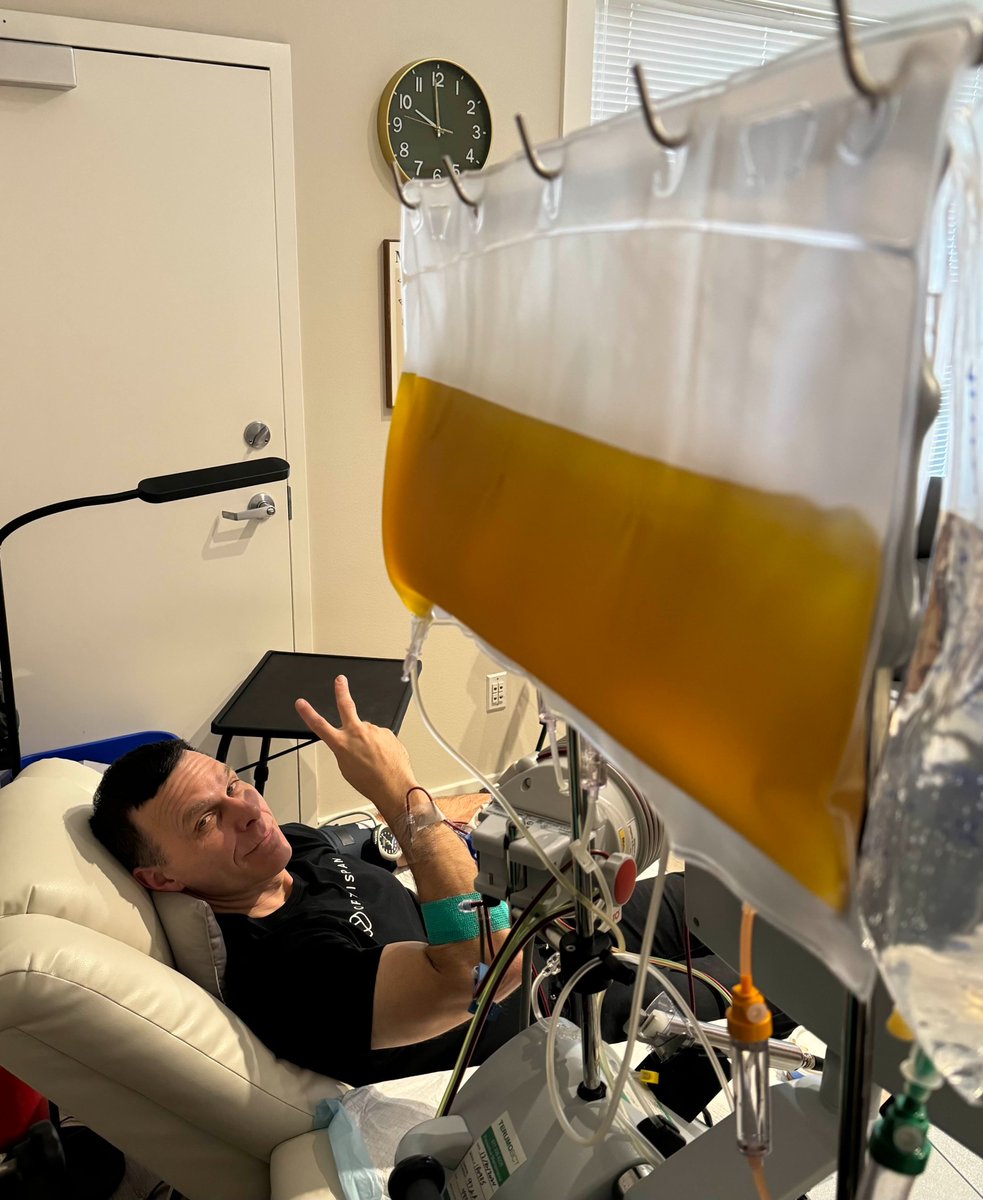
Is therapeutic plasma exchange (TPE) a legitimate longevity intervention? The rationale makes sense. The mouse studies are intriguing. And we’re just starting to get human data to fill out the picture. In my latest episode of Longevity Science, I sat down with Dr. Dobri Kiprov, one of the pioneers of plasma exchange in the United States, to discuss what we actually know about this fascinating and controversial therapy. We cover: 🩸 The difference between plasma donation, plasmapheresis, and therapeutic plasma exchange 🩸 Why the original heterochronic parabiosis studies may have been more about removing harmful factors than adding "young blood" 🩸 The evidence that plasma exchange can alter age-associated changes in the plasma proteome 🩸 Clinical trial data suggesting reductions in biological age measures following treatment from @CirculateHealth 🩸 The AMBAR Alzheimer's disease studies and why the results deserve more attention than they've received 🩸 The role of chronic inflammation in aging and age-related disease 🩸 Why Dr. Kiprov believes plasma exchange may be most powerful as an anti-inflammatory intervention 🩸 What the ideal large-scale clinical trial would look like One of the most compelling parts of the conversation was hearing from a patient who suffered for years with severe autoimmune symptoms, chronic pain, hives, eczema, and migraines before experiencing a dramatic improvement following therapeutic plasma exchange. To be clear, there are still many unanswered questions. We do not yet have definitive evidence that plasma exchange slows biological aging or extends healthspan generally in humans. The treatment is expensive, moderately invasive, and not yet ready for routine use as a preventive longevity intervention. But after this conversation, I'm more convinced than ever that plasma exchange both deserves serious scientific attention and is likely to be a big lever that some people can pull to improve their quality of life. Check out the full episode, and I'd love to hear your thoughts. youtube.com/watch?v=wTJntjG_…
1
4
10
2,197
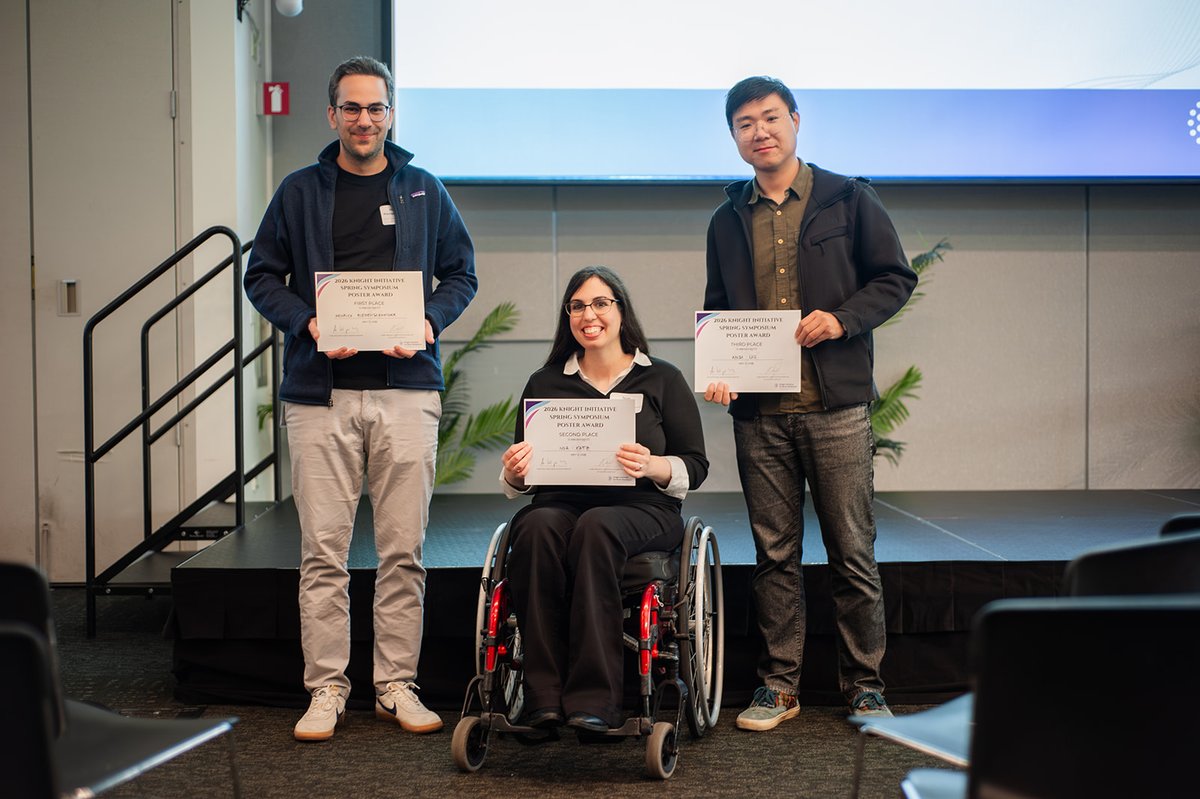
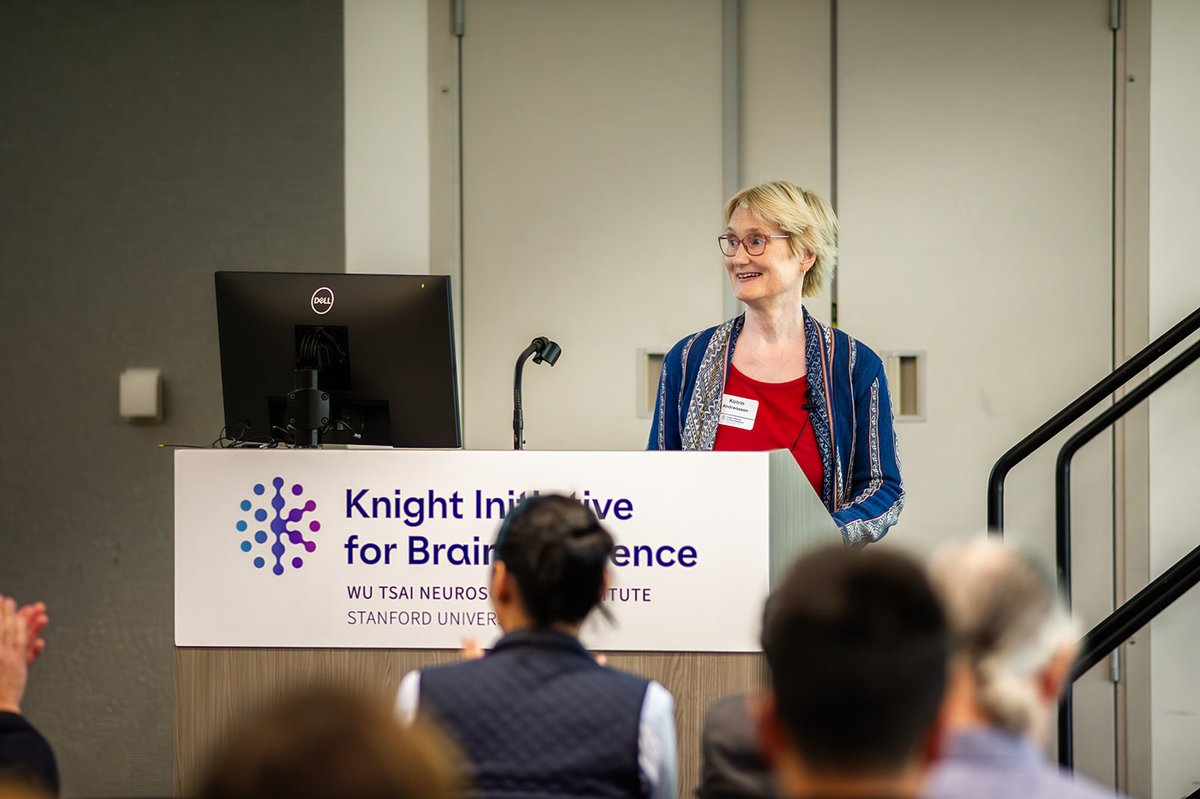
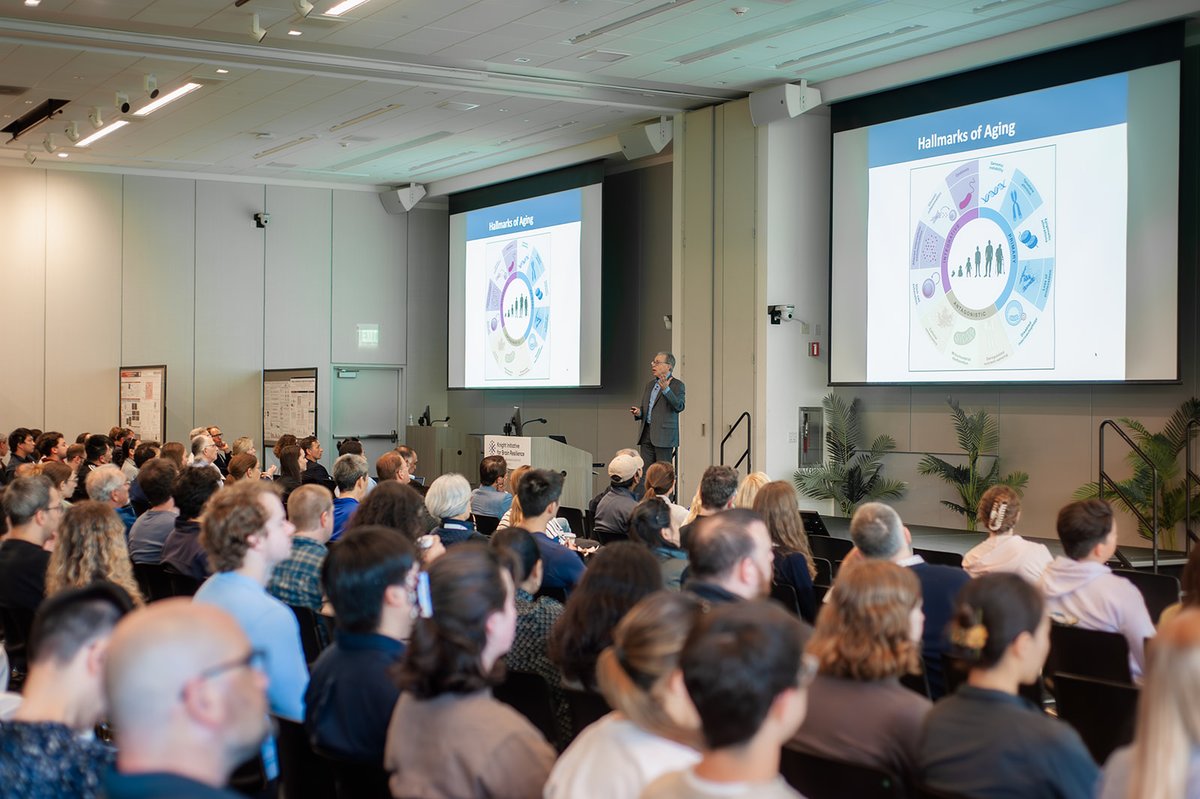
What makes some brains resilient to the stresses of aging, and how can we help more people develop that resilience? Our Spring Symposium showcased research ranging from rejuvenating the brain’s immune system to predicting cognitive health. Learn more: brainresilience.stanford.edu…
6
20
5,166
kipling_r retweeted
May 26
Research lab tech II position at USC in LA to take care of a research killifish colony, involved in cutting-edge aging research! Research Lab Technician II - Killifish (Benayoun lab) @BBParis1984 University of Southern California / Benayoun lab See the full job description on jobRxiv: jobrxiv.org/job/university-o… #animalhusbandry #animalmodelsmicefish #Aquaculture #aquaticbiology #ScienceJobs jobrxiv.org/job/university-o…
2
1
541
kipling_r retweeted
New research at the intersection of environmental medicine and therapeutic apheresis: onlinelibrary.wiley.com/doi/… A paper just published in the Journal of Clinical Apheresis (Weinstein et al., 2026) reports the first deliberate attempt to remove circulating microplastics from human blood using therapeutic plasma exchange (TPE). Across 174 procedures in 114 patients, the results showed that TPE can significantly reduce circulating microplastic burden, but only in patients who start with higher levels (≄20 particles/100µL). This is a novel finding and, to the best of my knowledge, the first demonstration of a technology that effectively reduces microplastic burden in people with high exposure. We've known since 2022 (Leslie et al., Environment International) that microplastics circulate in most people's blood, and additional studies (e.g. Marfella et al. NEJM 2924) have suggested a potential connection between microplastics and cardiovascular disease, coagulation, and chronic inflammation. Importantly, we don’t yet know the extent to which microplastics contribute to disease pathology, the levels of exposure necessary to cause pathology, and which individuals are at highest risk. Nonetheless, it seems reasonable that reducing exposure and lowering circulating levels of microplastics should be beneficial, or at least net neutral, for future health risks. In that light, the TPE results here are encouraging for patients presenting with high circulating microplastics burden. For those starting at ≄30 particles/100µL, the mean level dropped from ~52 to ~21 - a large, statistically significant reduction. But there’s a critical caveat that also deserves attention: patients who started with *low* microplastic levels (0–9/100µL) ended the procedure with *more* microplastics in their blood than they started with. The plastic apheresis tubing and saline bags were leaching particles into the circulation during treatment. Again, we don’t know whether this exposure from the TPE itself is meaningful or not, from a health perspective. But it is a finding that should be taken into consideration if considering TPE as a routine "detox" for people without a demonstrated high burden. One underappreciated implication: if TPE can reduce circulating microplastics, it likely has similar potential for other lipophilic or plasma-bound environmental toxins, such as persistent organic pollutants, heavy metals, PFAS, and other endocrine-disrupting compounds that accumulate over a lifetime. The plasma exchange mechanism is not specific to microplastics. This opens an interesting research agenda that goes well beyond plastics alone. **Where I land** I would characterize this paper as an important proof of concept, not a treatment protocol. I personally tried TPE about a year ago through @CirculateHealth . My microplastic burden going in was 1 particle / 100 uL, and it was 5 particles / 100 uL coming out. So, I’m not surprised by these results. I’m also not concerned that my circulating microplastic levels went up a bit from the procedure, as I’m not doing TPE or other i.v. procedures frequently. We need larger studies with outcome data to understand whether reducing microplastic burden actually moves the needle on health. For people carrying a genuinely high environmental toxin burden, TPE is a plausible and increasingly evidence-supported tool. It’s also worth noting that there is early, but very intriguing, evidence that TPE may offer broader benefits beyond reducing circulating environmental toxins. I’m particularly interested in the effects of TPE in patients with autoimmunity/high chronic inflammation, ME/CFS, and those at high risk for dementia. I recently had a chance to record an episode for @longevityscipod with Dr. Dobri Kiprov and one of his patients at his clinic in Mill Valley, CA. That video should drop next week: youtube.com/@mkaeberlein. Worth watching. Full disclosure: The new study was funded by Circulate Health, and I am a Scientific Advisor for Circulate Health.
11
6
64
8,862
kipling_r retweeted
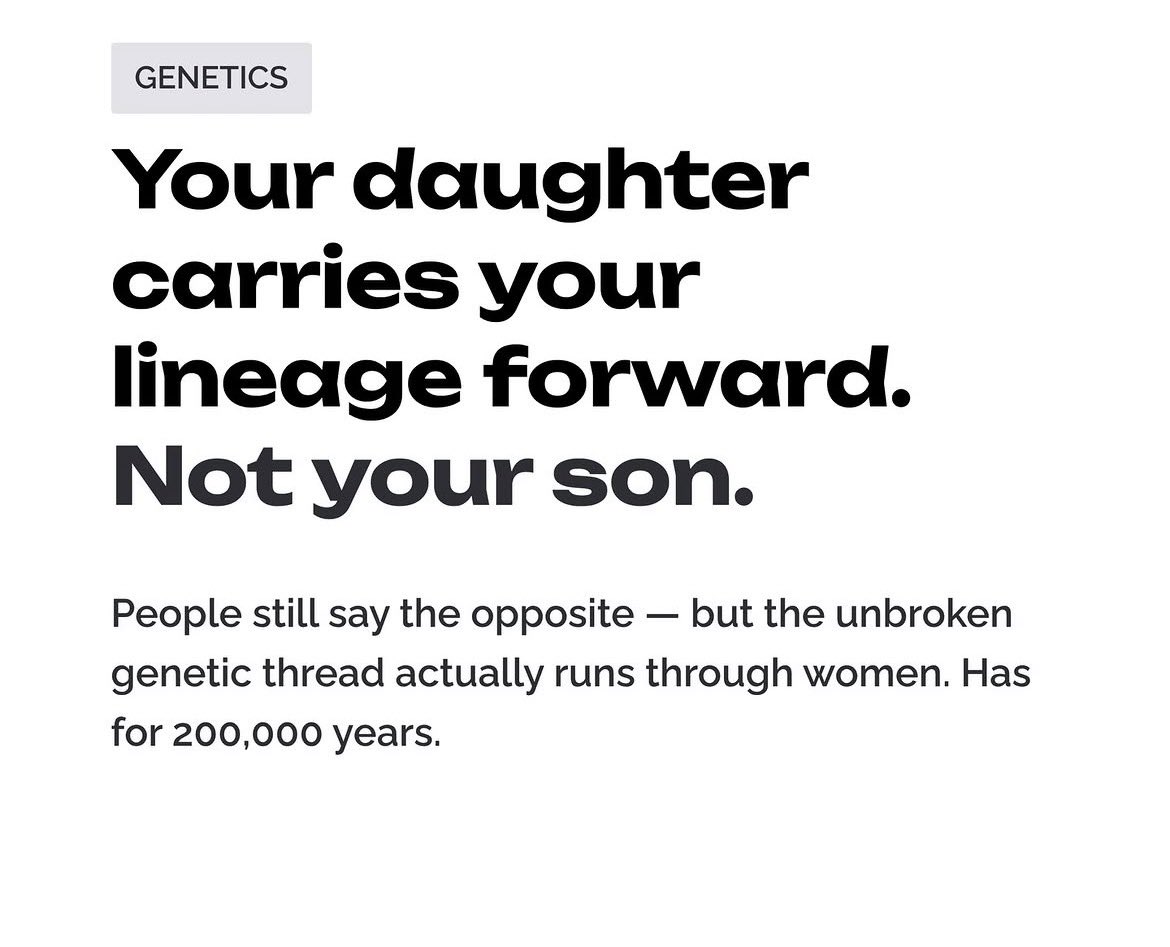
The power is in women and their mitochondria.
How hard it would be for some people to accept this information
12
28
193
16,080
kipling_r retweeted
šŸ“£ We are recruiting postdocs to lead projectsĀ on mechanisms ofĀ microbiome-gut–brain signalingĀ &Ā microbial regulation of brain-body interactions in disease, w supportive clinical collaborators. Expertise inĀ gut–brain,Ā systems neuro, orĀ neuroimmunology preferred. Please email šŸ“§
1
20
63
9,803
kipling_r retweeted
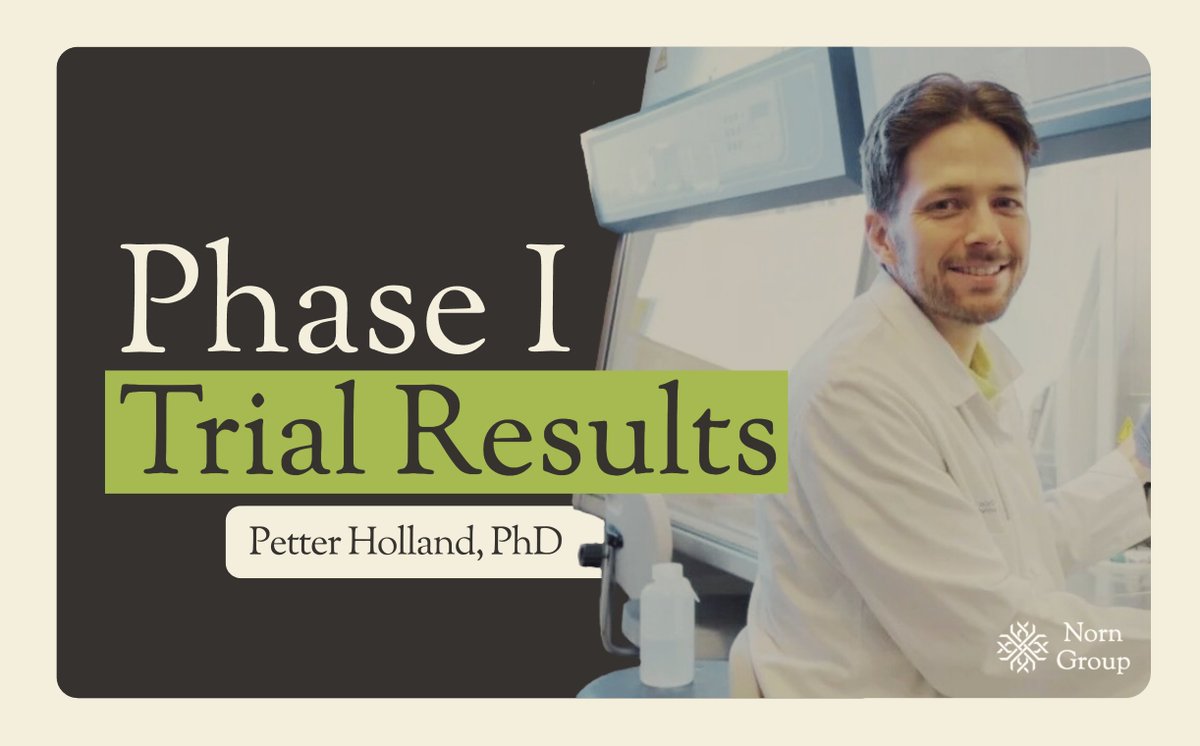
Aging and age-related disease may be driven in part by systemic factors circulating in the blood. That idea has been supported by heterochronic parabiosis experiments, where young and old mice are surgically connected to share a circulatory system. We funded Petter Holland at Oslo University Hospital via @impetusgrants to test whether a human analogue of these experiments using plasma transfusions could be done safely. Results are now out from the Early Phase I trial, and they are encouraging. The procedure was found to be safe and feasible, supporting further investigation of treatment efficacy in a larger controlled trial. Learn more about the trial here: clinicaltrials.gov/study/NCT… Read the preprint here: medrxiv.org/content/10.64898…
6
8
19
1,273
kipling_r retweeted
...here's the latest update on my page at @SemanticScholar. Semantic Scholar, from @AllenInstitute, is an excellent resource for alternate data retrieval that I use on a daily basis - you should give it a go! semanticscholar.org/author/S…
2
1
3
439
kipling_r retweeted
The Global Neurodegeneration Proteomics Consortium gathered a trove of data on potential signs of neurological disease—and researchers including Knight Initiative director Tony Wyss-Coray are already using it to make new discoveries. brainresilience.stanford.edu…
3
5
449
kipling_r retweeted
How do you explain that this came out of someone's head in 1720?
83
302
2,127
122,660
kipling_r retweeted
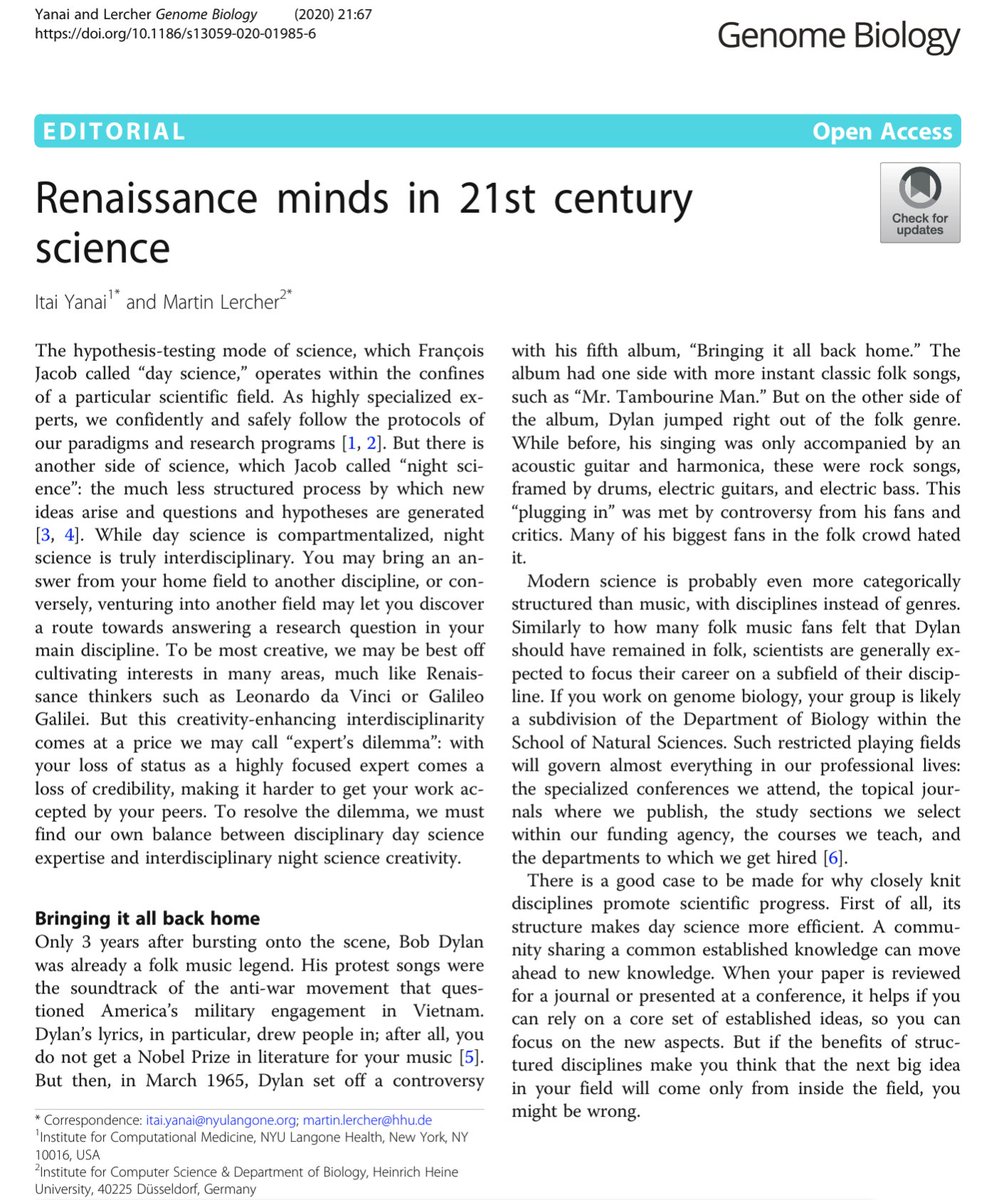
Expert's Dilemma: the more specialized you become, the less open you are to creative solutions from other fields. But the more you explore other fields, the more you risk losing credibility in your home field. (Night Science recap, Day 3)
30
184
813
44,094
kipling_r retweeted
The idea of generating ā€œbrainless clonesā€ for use as organ donors is getting a lot of flak recently but it made me wonder — we already accept organ donation from brain-dead individuals. So where exactly does the ethical red line fall when it comes to growing organs? Genuinely curious — where do people draw that line, ie which of these organ sources would you NOT be ok with? 1ļøāƒ£ 3D-printing organs from your own cells (iPSCs) 2ļøāƒ£ Growing your organs inside a xeno pig 3ļøāƒ£ A headless clone of you (never develops a head) 4ļøāƒ£ A clone body with a skull but no face or brain 5ļøāƒ£ A clone body with a head and face but no brain 6ļøāƒ£ I am ok with all of the above
31
4
60
5,605
kipling_r retweeted
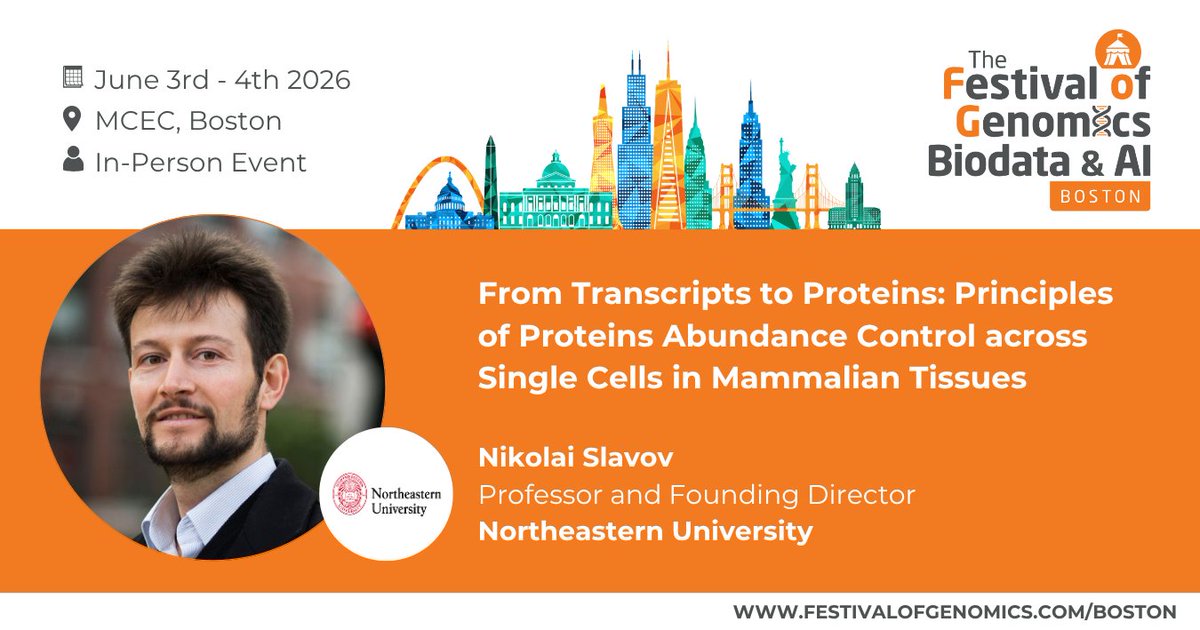
We can’t wait to hear from @Slavov_N (Professor, Northeastern University and Founding Director, Parallel Squared Technology Institute) at #FOGBoston! He’ll explore principles governing gene expression and protein abundance in single cells. More info: hubs.la/Q048ScpZ0
7
11
804
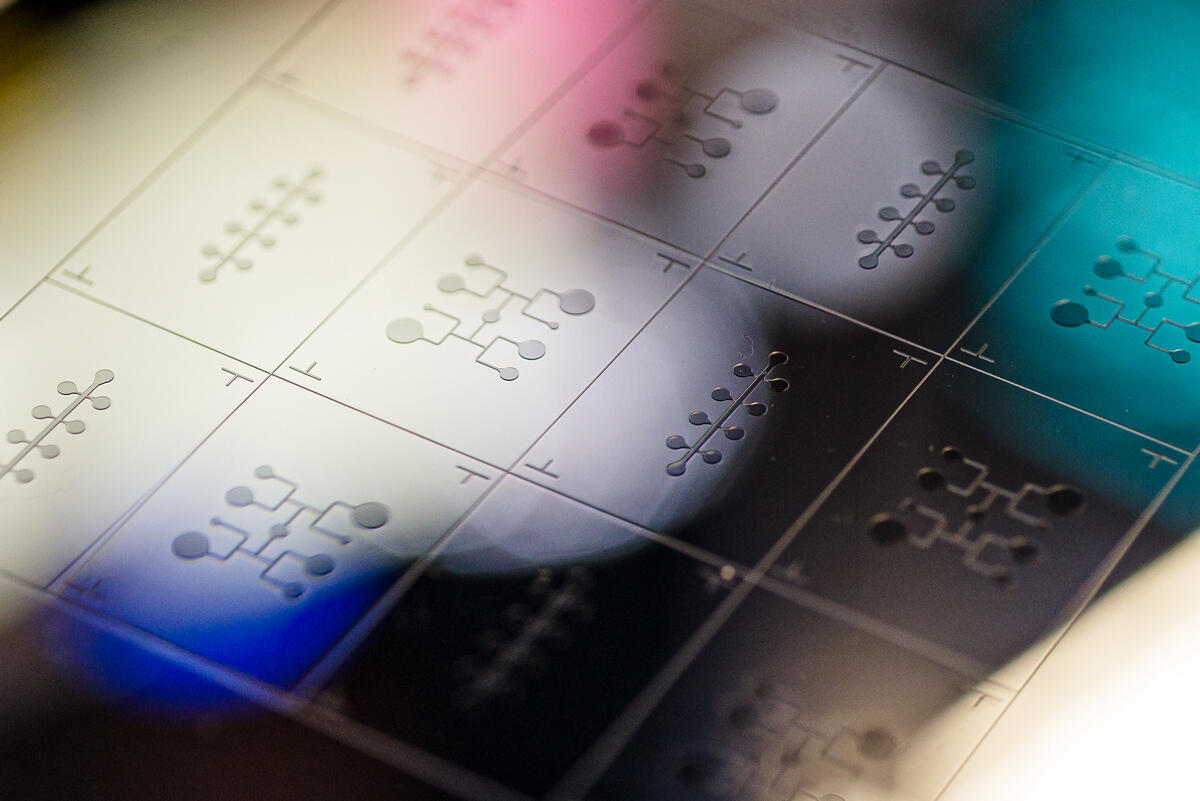
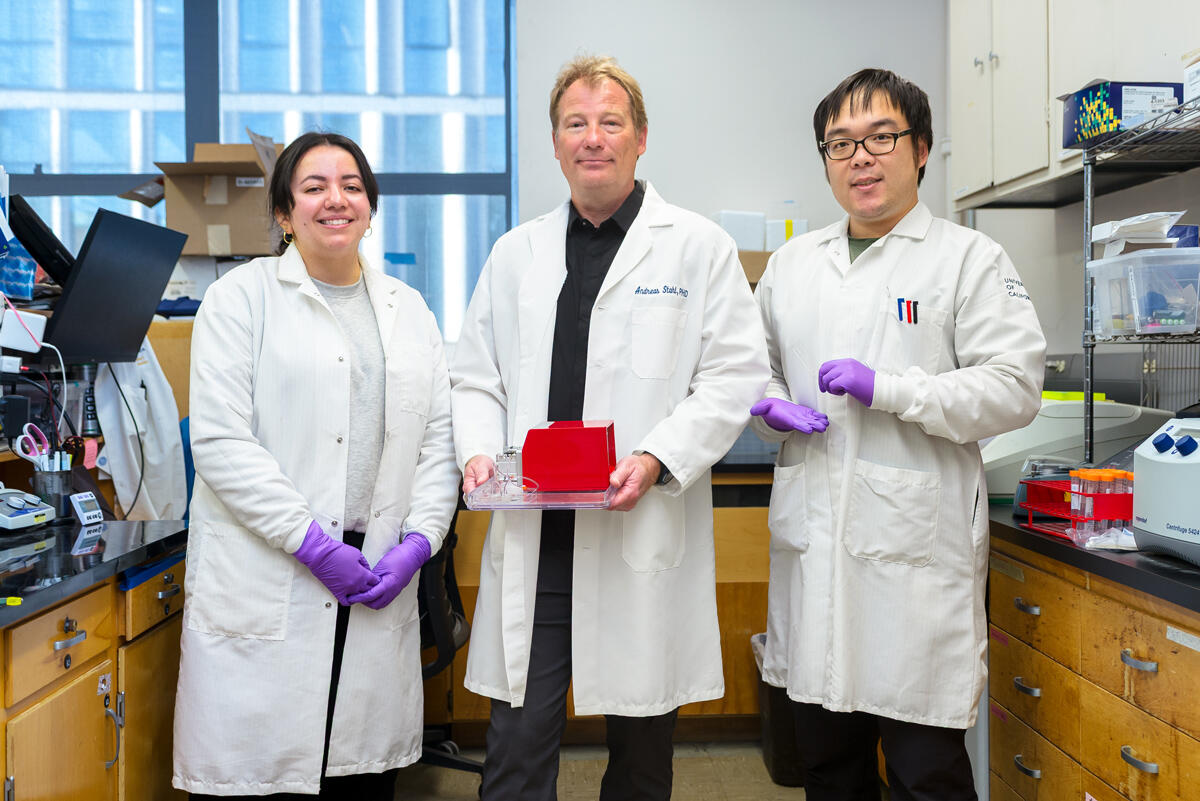
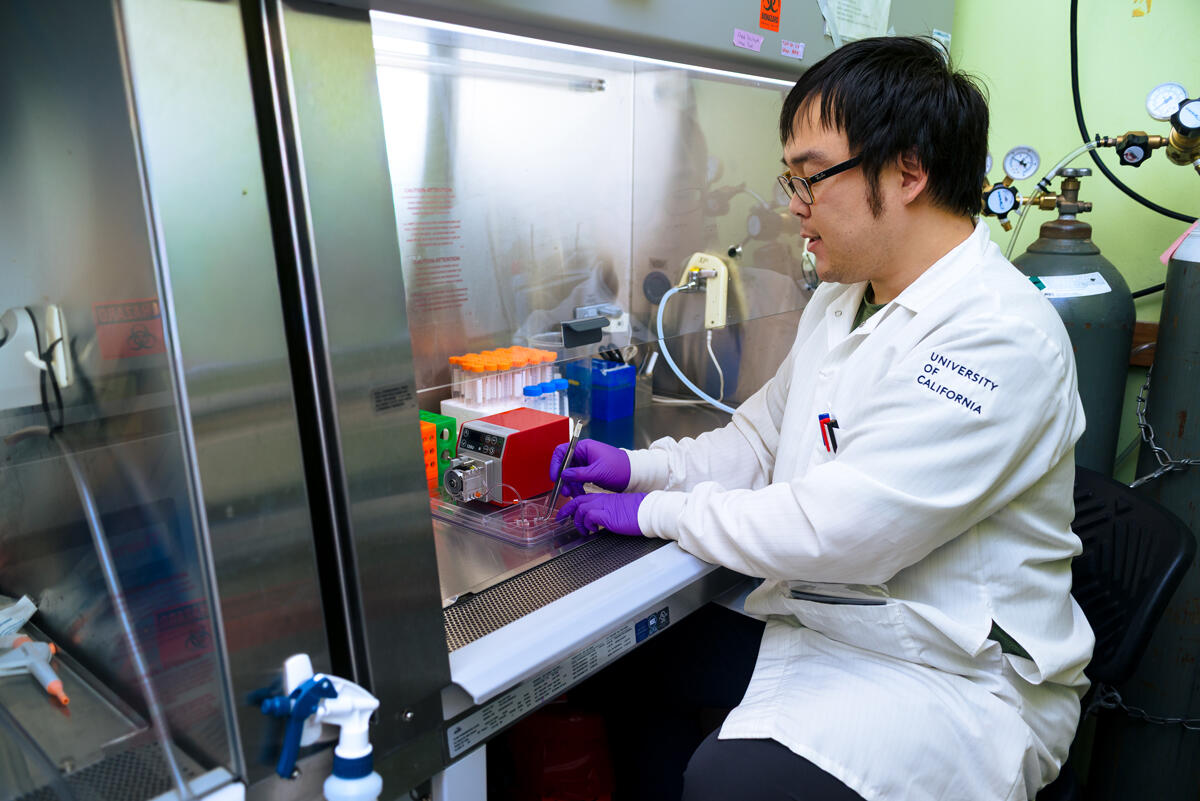
Stahl/Conboy lab - novel organoid/chip rapid aging of liver/adipose tissue -in Nat.Biomed.Eng.: nature.com/articles/s41551-0…
In a first-of-its-kind study published today in @natBME, @UCBerkeley researchers detail how they can accelerate the biological age of stem-cell-derived fat and liver tissue by 40 years—all in as little as four days. Learn more about their findings: nature.berkeley.edu/news/202…
78
kipling_r retweeted
I've never heard Vivaldi played on a xylophone before; amazing job, guys!!!šŸ‘šŸ‘šŸ’
62
618
2,461
66,952