
Joined October 2019
- Tweets 17,291
- Following 1,378
- Followers 4,765
- Likes 32,230
Photos and videos
Pinned Tweet

17 Mar 2024
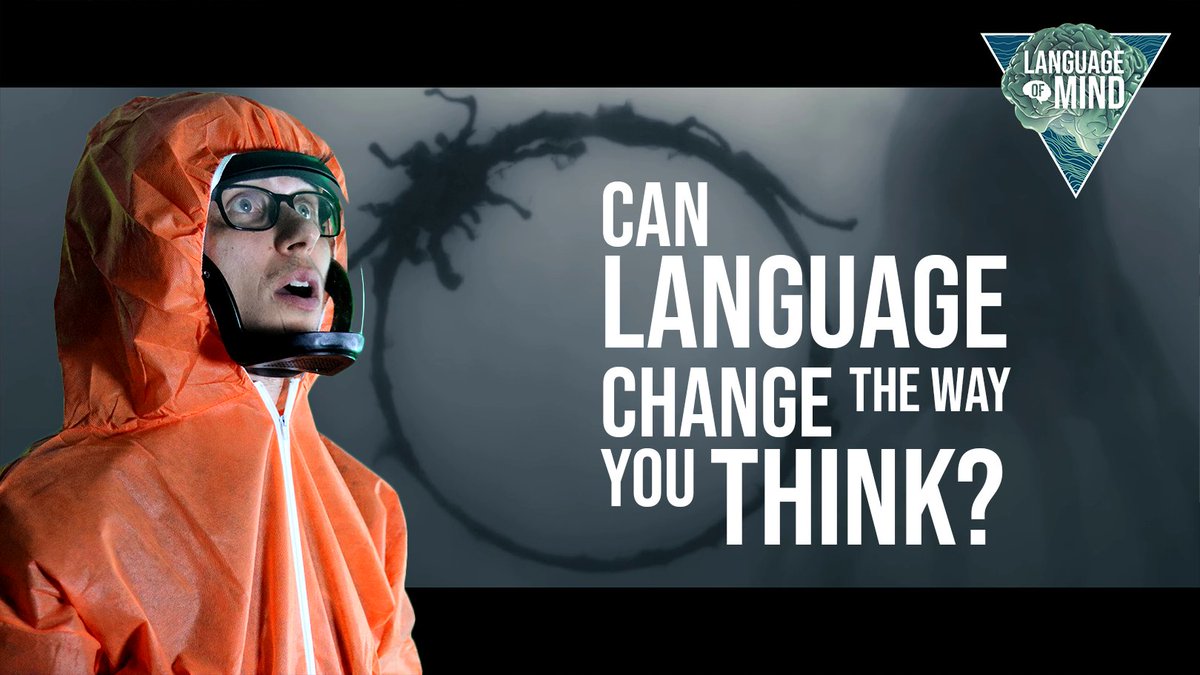
Arrival is one of my favorite movies! It raises so many interested questions about language, culture, biology, and the mind. So I made a video about it! Check it out! 👇
Alien Linguistics — The Science of Arrival youtu.be/lIPi3OiaG3I?si=A1xS… via @YouTube
15
17
115
36,587

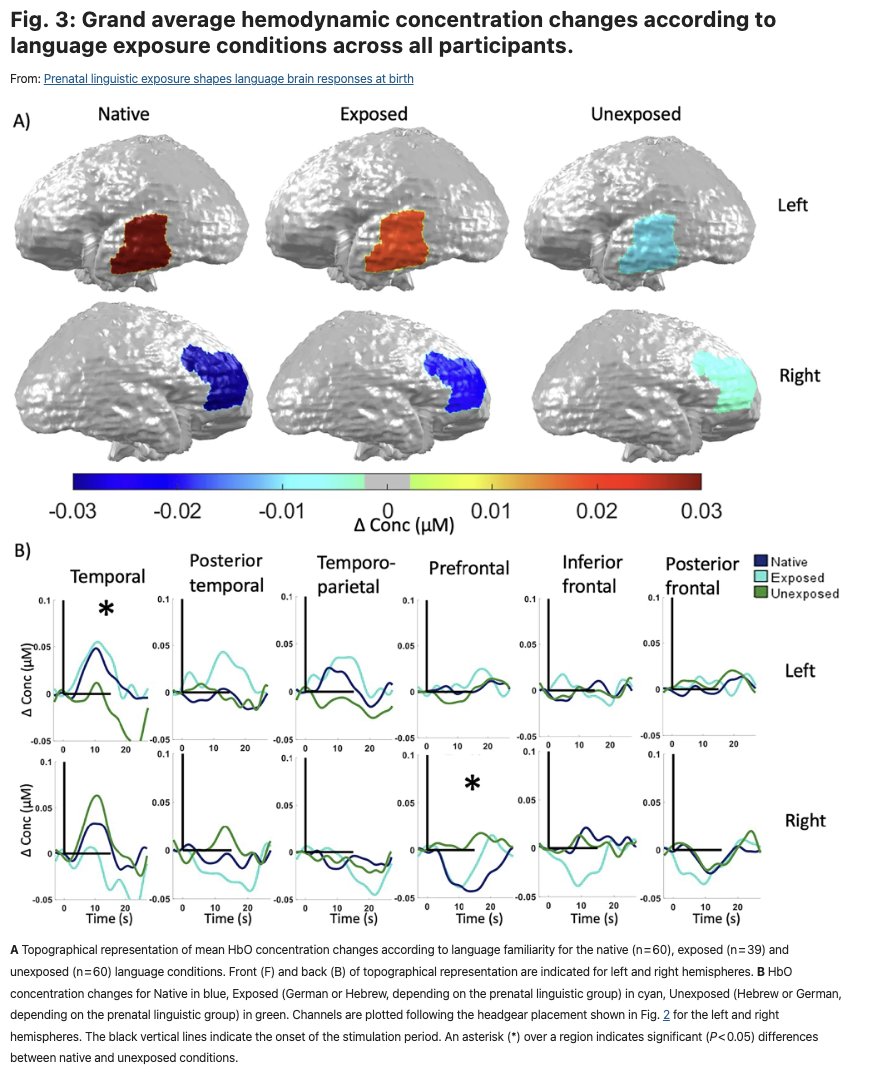
You can pre-train babies for language before they’re born.
Researchers had pregnant women in France repeatedly play a children’s story in the last month of pregnancy, in their native French, but also in either German or Hebrew (both of which the parents did not speak).
Then, within 3 days of birth, they played the newborns the same story in French, German, and Hebrew while measuring brain responses.
The babies’ brains responded to the foreign language heard in the womb very similarly to the native language, while not displaying the same patterns for the 3rd new language.
Brief but repeated prenatal exposure to a new language appeared sufficient to make that language neurally recognizable at birth.
This doesn’t mean that the babies learned the languages fluently, but more likely that they learned low-frequency acoustic, prosodic, and rhythmic regularities like cadence, stress pattern, intonation envelope, and maybe even familiar story-level temporal structure. External sounds below roughly 250-400 Hz transmit relatively well through the womb, so fetuses are getting a muffled but structured auditory stream, but not clean phonemes.
I used the word “pre-train” in the opening hook, because that’s literally what’s going on here. In ML, pre-training is the stage where a model absorbs broad statistical structure before it is asked to do any specific tasks. In pre-training, a model is learning the shape of the data distribution.
Here, the fetus isn’t learning words per se, because it’s not mapping sounds to meanings, so it’s not like you can say the baby is “learning Hebrew.”
It is, however, learning that speech has structure. Some streams of sound are familiar, and some rhythms recur. There are contours to the outside world the fetus is about to enter.
This way, the baby is born with priors already slightly tuned by the acoustics statistics of its environment.
This is probably a bit uncanny to hear because it collapses the intuitive boundary most people place between before and after birth,
but when it comes to language at least, things don’t begin with the first word.
Language begins as a faint, low-pass filtered signal through the body of the mother, long before the baby has any idea what a word is.
Rhythm precedes semantics, and distribution precedes vocabulary.
Yet another baby neuro paper showing convergence between baby neuro and ML. Before intelligence can do tasks, it needs to learn the shape of the world.
paper: nature.com/articles/s42003-0…
5
29
300
19,130
Ryan Rhodes ⚙️🧠 retweeted

Jun 12
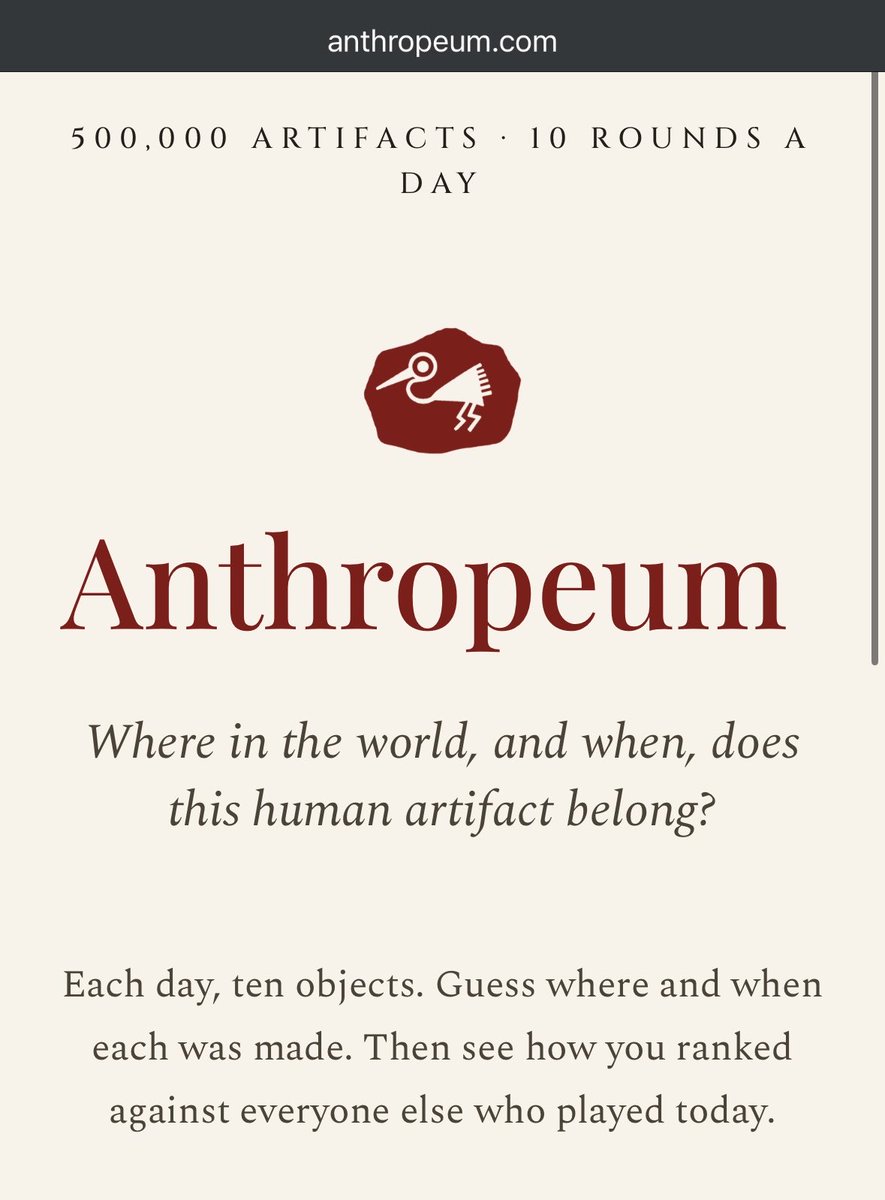
i feel very obligated to let all the nerds know that there is a free game like geoguesser where you guess the location of origin and time period for art and historical artifacts. really high level:
110
1,884
19,766
1,037,219
Ryan Rhodes ⚙️🧠 retweeted

Jun 11
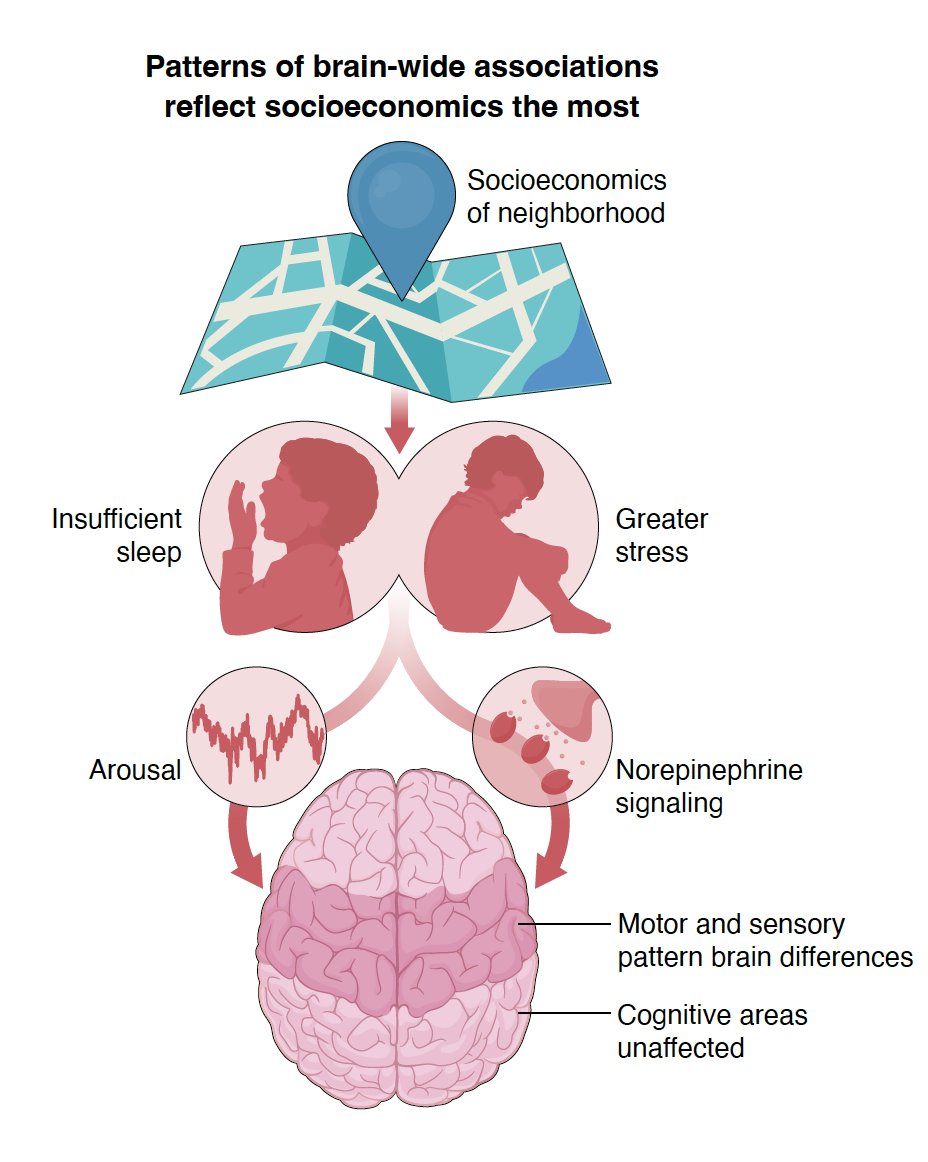
What matters most for childhood brain organization?
We analyzed 649 variables.
The answer: Socioeconomics (SES); with brain patterns pointing at sleep & stress as drivers.
Even brain-IQ associations were better explained by SES confounding.
In Science: science.org/doi/10.1126/scie…
16
206
946
192,296
Jun 12
The Language of Thought is real, and it's Star Trek technobabble
Jun 11

One interesting pattern with Fable 5 is that it will often say things that are gibberish when I use it for coding. Things like "The morning's slim-scan fix cured the scan hang", "this is a latent-drift API-shape wrinkle", etc.
When I ask why it does this, Fable explains that it invents codenames while reasoning about the problem, then fails to realize they're meaningless to me. Its neuralese is blending into its output because of a theory-of-mind failure about what's in its head vs. mine.
258
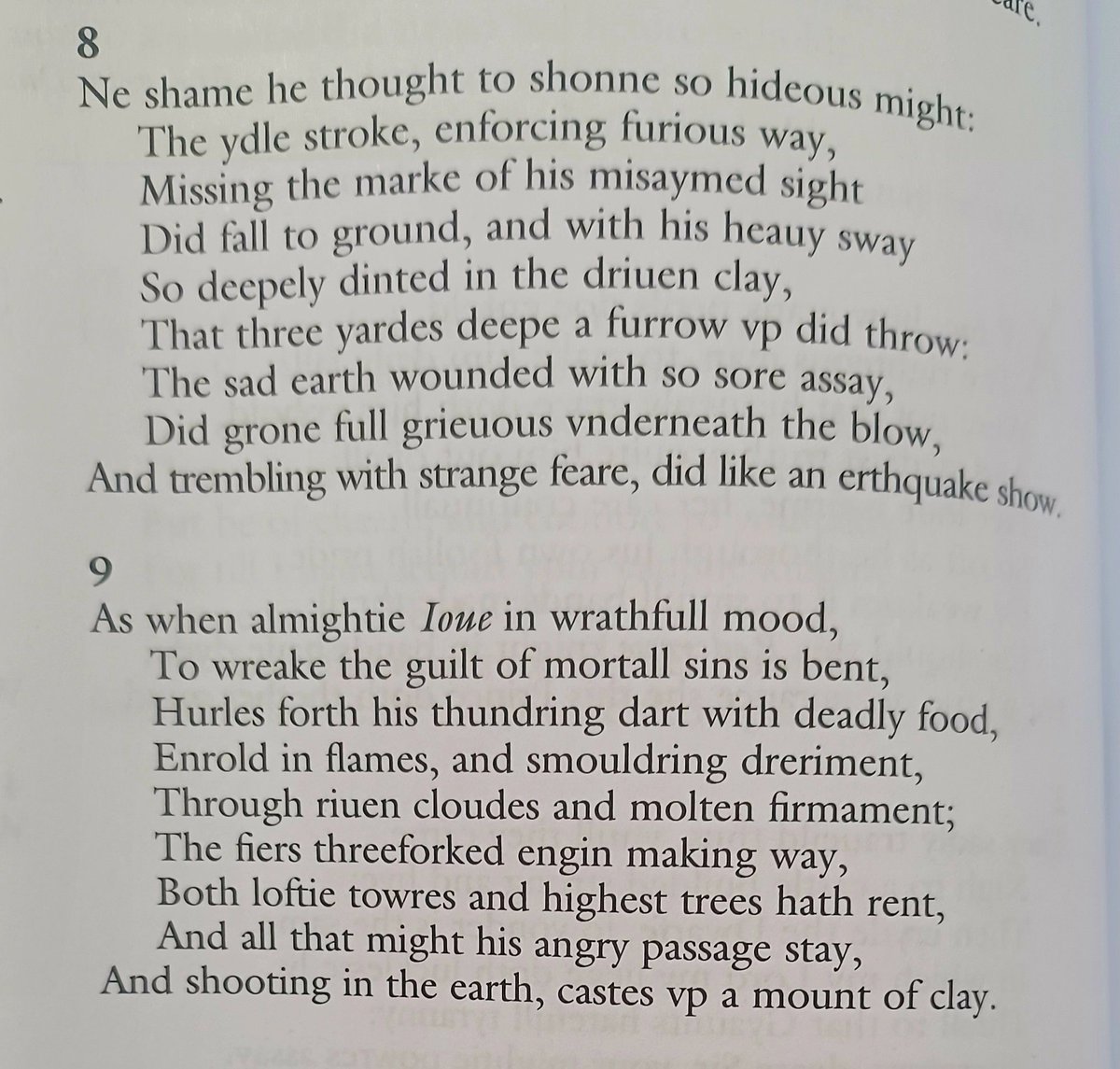
up and underneath spelled with a "v"
driven and grievous spelled with a "u"
masterful troll, sir
Jun 6

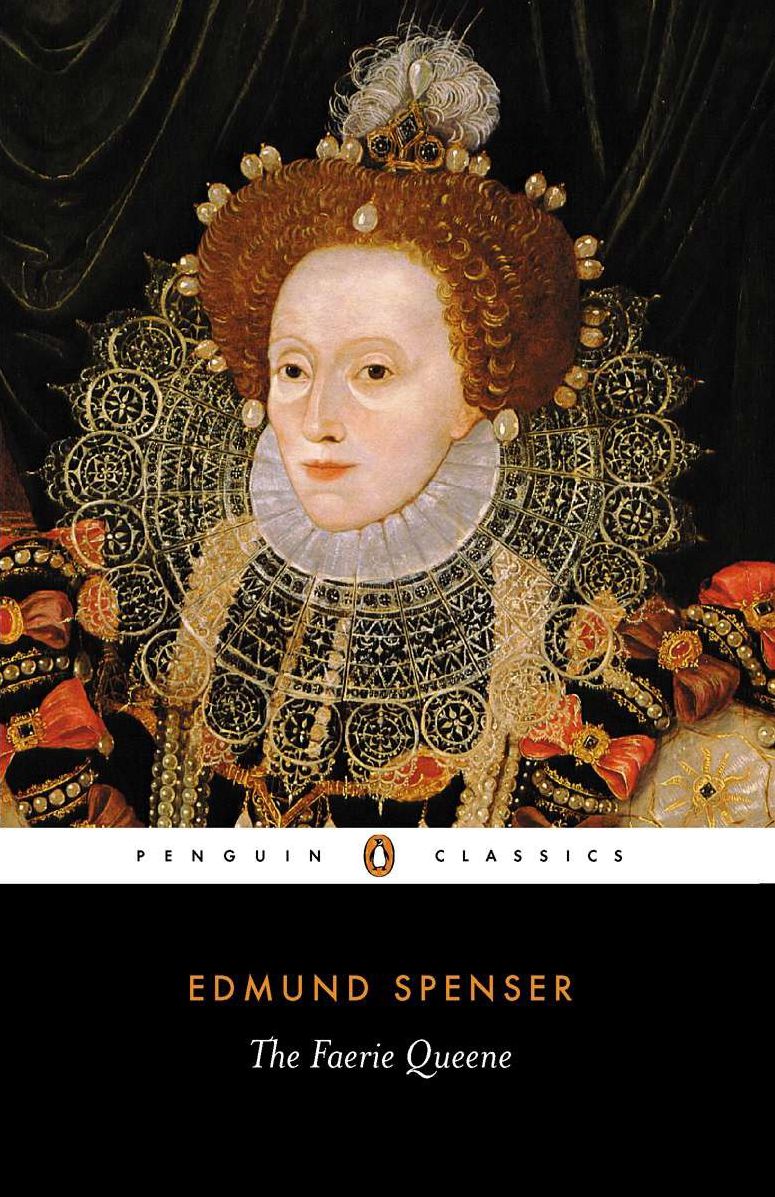
Everyone forgets that there is an even older epic poem, in stylized English, that influenced Milton, Keats, C.S. Lewis, and is practically the reason why DnD, Final Fantasy, Phantastes, and Narnia exist despite nearly nobody bringing it up in book discussions.
1
26
3,503
Ryan Rhodes ⚙️🧠 retweeted

from Le Guin's "Why are Americans Afraid of Dragons?" (1974)
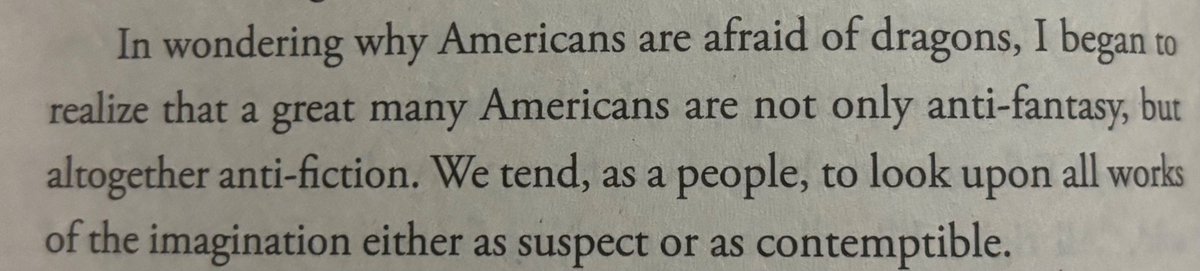
ALT In wondering why Americans are afraid of dragons, I began to realize that a great many Americans are not only anti-fantasy, but altogether anti-fiction. We tend, as a people, to look upon all works of the imagination as either suspect of as contemptible.
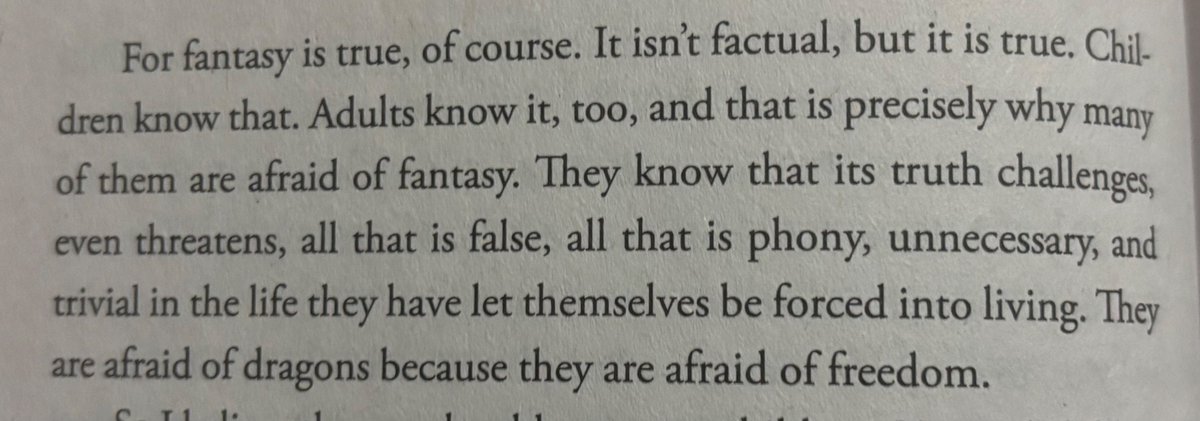
ALT For fantasy is true, of course. It isn't factual, but it is true. Children know that. Adults know it, too, and that is precisely why many of them are afraid of fantasy. They know that its truth challenges, even threatens, all that is false, all that is phony, unnecessary, and trivial in the life they have let themselves be forced into living. They are afraid of dragons because they are afraid of freedom.
10
578
3,104
80,551
Currently building a D&D setting where this is a major historical religious debate that precipitated a century and a half of total war

It is insane how many of you think zero is not a number. It should be zero of you. I had no idea this was such a popular dimwitticism. Young Sheldon has set your thinking back by an entire millennium of human advancement.
1
12
1,093
Therapist: you need to stop fixating on SQUARE vowel. It's not real, it can't hurt you

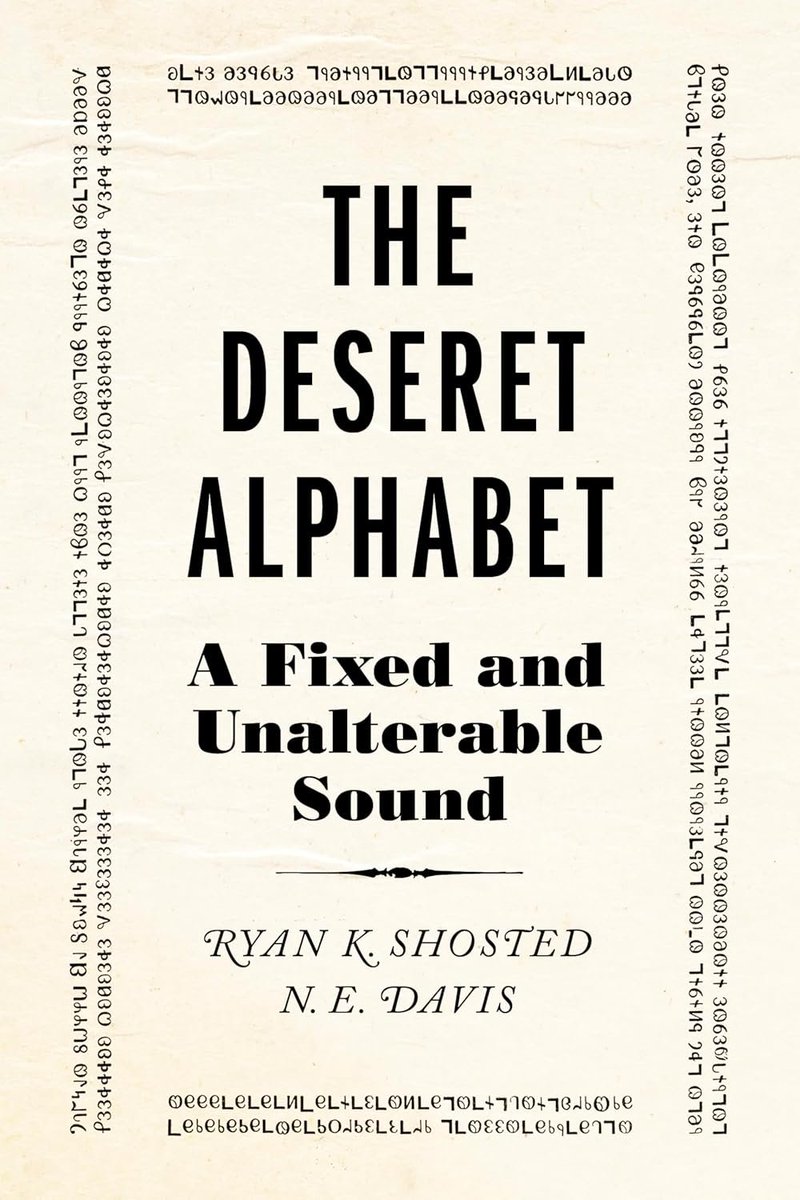
The long-promised reveal of the erstwhile unknown Deseret glyph for the SQUARE vowel.
This reveals some new information uncovered during the course of research for The Deseret Alphabet: A Fixed and Unalterable Sound.
The book: amazon.com/Deseret-Alphabet-…
1
7
367
Ryan Rhodes ⚙️🧠 retweeted

Trite point, but it's funny that "rocket science" came to mean exceedingly complex work. Rocket science is easy. That's why we're so good at it. Psychology, economics, history - these are all way harder.
3
1
15
891
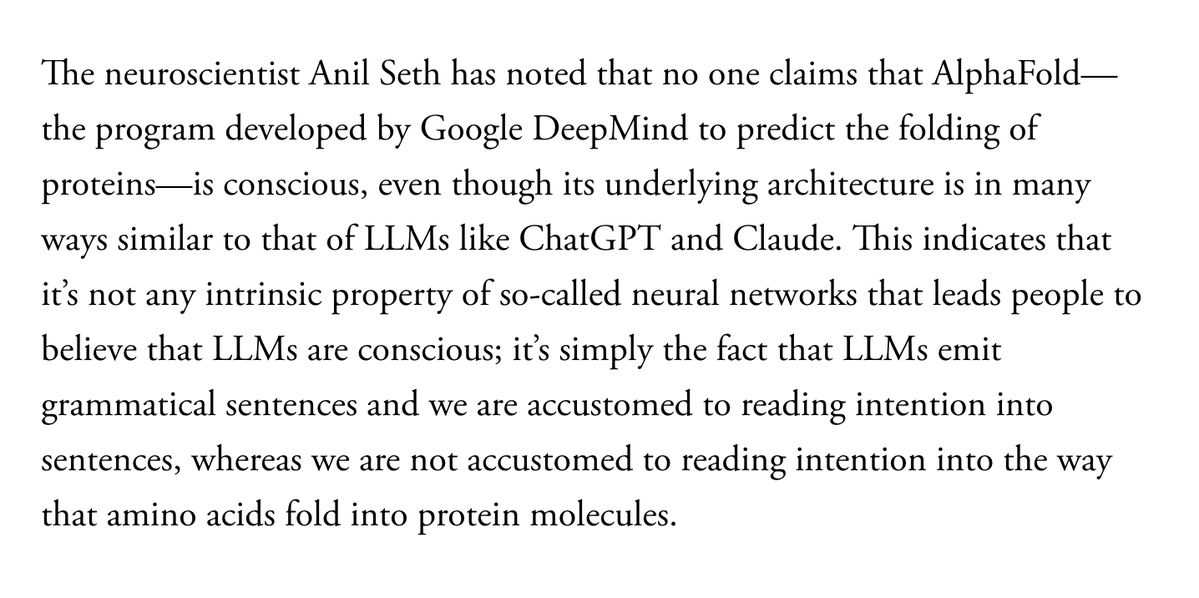
Language has always been a very strong correlate of consciousness. We've spent a lot of time thinking about things without language that might be conscious, but this is the first time we've encountered something that can use language but may not be conscious
Jun 3

this is an interesting point in the new ted chiang piece – no one really claims that alphafold is conscious, or that sora or midjourney or dall-e are conscious
6
234
Played a bit of racquetball in grad school, thought I was decent until I played a prof in his fifties and got curb stomped. His secret was that he barely moved. Which is hilarious, because it means being good at the game is totally at odds with it being a viable form of exercise
1
2
320
Ryan Rhodes ⚙️🧠 retweeted

Jun 2
No one is more annoyed by the AI revolution than people who can actually write a sentence. Basically, having any ability to write now is suspect - you will get accused of being AI at some point. It feels like you are being accused of being a witch, of holding a type of rare magic that only the machines are now allowed to have.
280
1,110
6,357
165,755
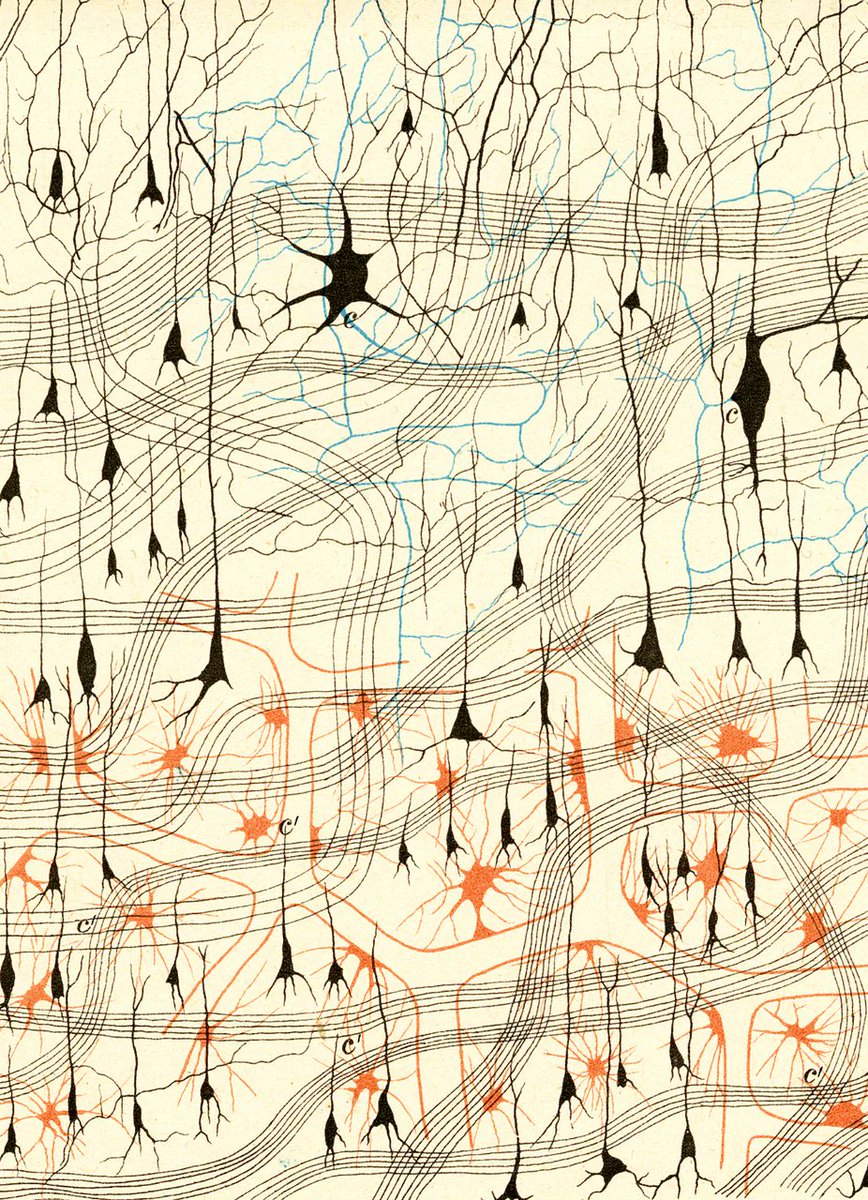
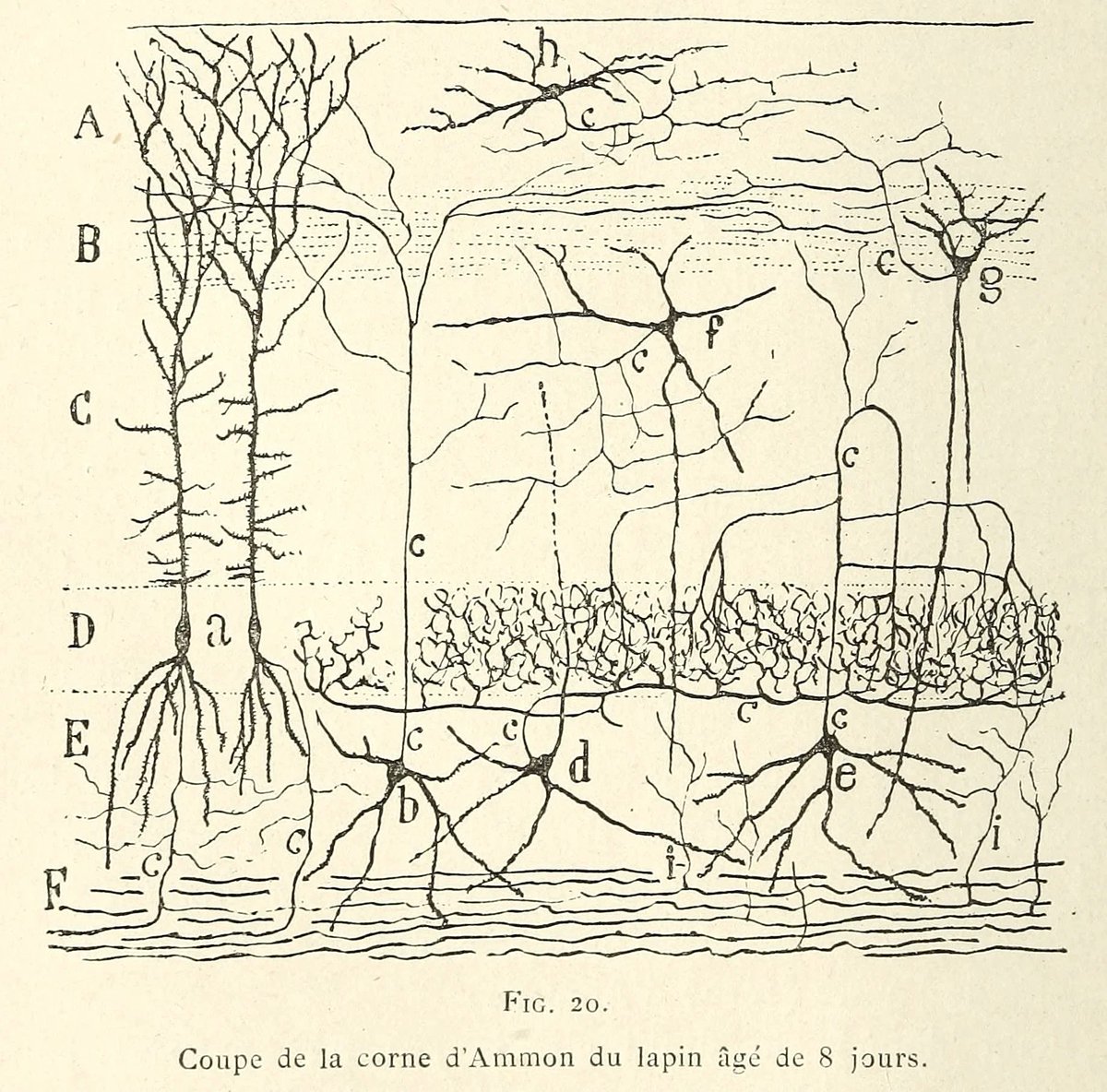
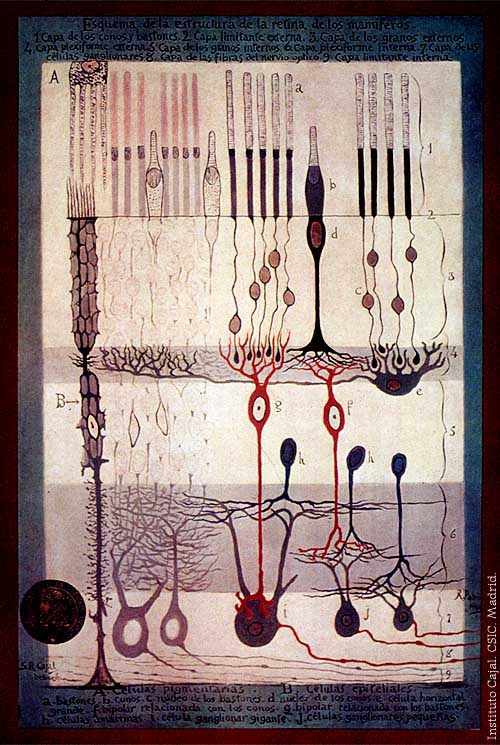
Public domain images of the nervous system by Golgi and Ramon y Cajal
publicdomainreview.org/colle…
2
207
Ryan Rhodes ⚙️🧠 retweeted

Jun 1
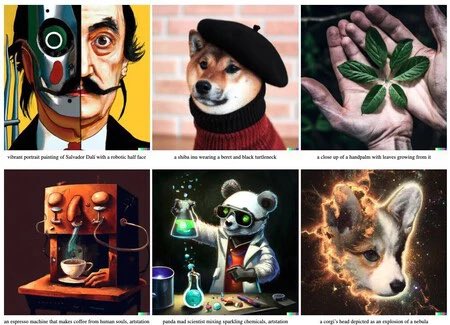
lots of confusion about whether AI art is "real art" or not, so here is my personal opinion:
AI art used to be real art, and then it stopped being real art
7
8
138
4,873
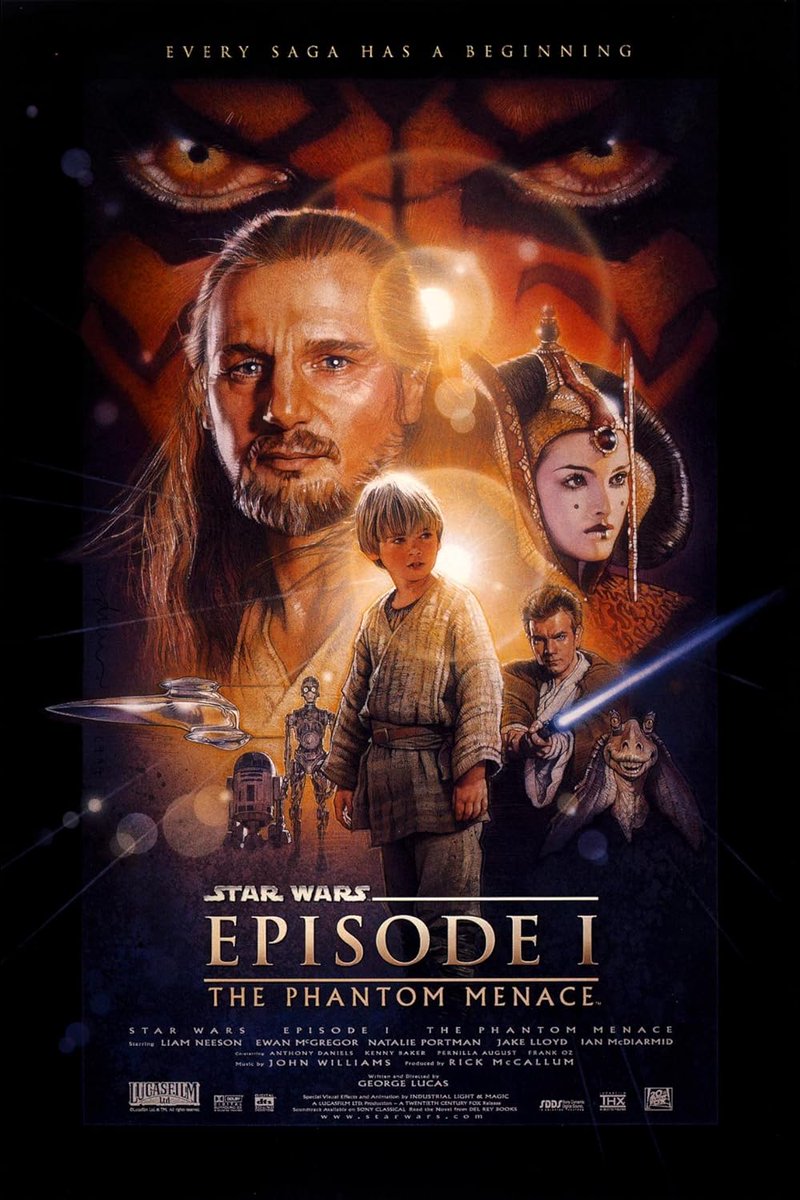
Honestly the simplest change you can make that would make the story much more compelling and straightforward is to have the Neimoidians invade Naboo because the Republic has turned their planet into an industrial hellscape. They want to kill the queen and relocate their society
May 31

If you could change one thing about The Phantom Menace what would it be?
2
4
1,304
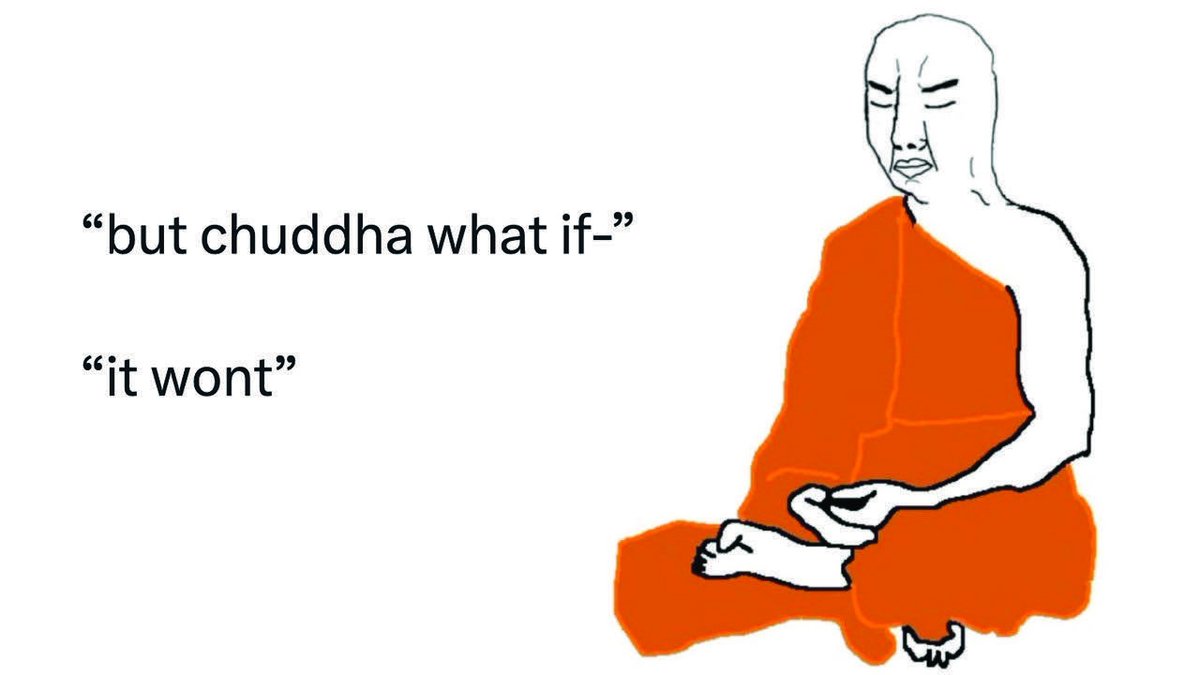
not gonna lie, pasta phonetics discourse is causing me to reevaluate some things. Minds can change!

Sorry I’m boring to follow oomfie. I just don’t think ppl change their minds here so I don’t see a point to arguing.
3
331
Ryan Rhodes ⚙️🧠 retweeted

Jun 1
the title theme music is exactly synchronised to modulate based on the paragraph breaks of the 1977 movie and none of the others line up

Give me your best Star Wars nitpicks. No reasonable criticisms or analysis, I'm talking real pedantic here.
25
306
12,066
379,162
May 31
First encountered this with Thai names, e.g. "Porn". Thinking hm, that's an interesting coincidence. Turns out it's not /ɔɹ/, it's /ɔː/, but the transliteration scheme was invented by non-rhotic English speakers.
They don't hear /r/ everywhere, they hear them on long vowels!
May 31

I’m really in love with the fact that, because British people don’t pronounce Rs, they think you added an R when you say a letter normally. To them, every word I say is filled with an incomprehensible number of Rs
8
2
205
28,675
May 30
Hmm, surprisingly horse-headed horse
May 30

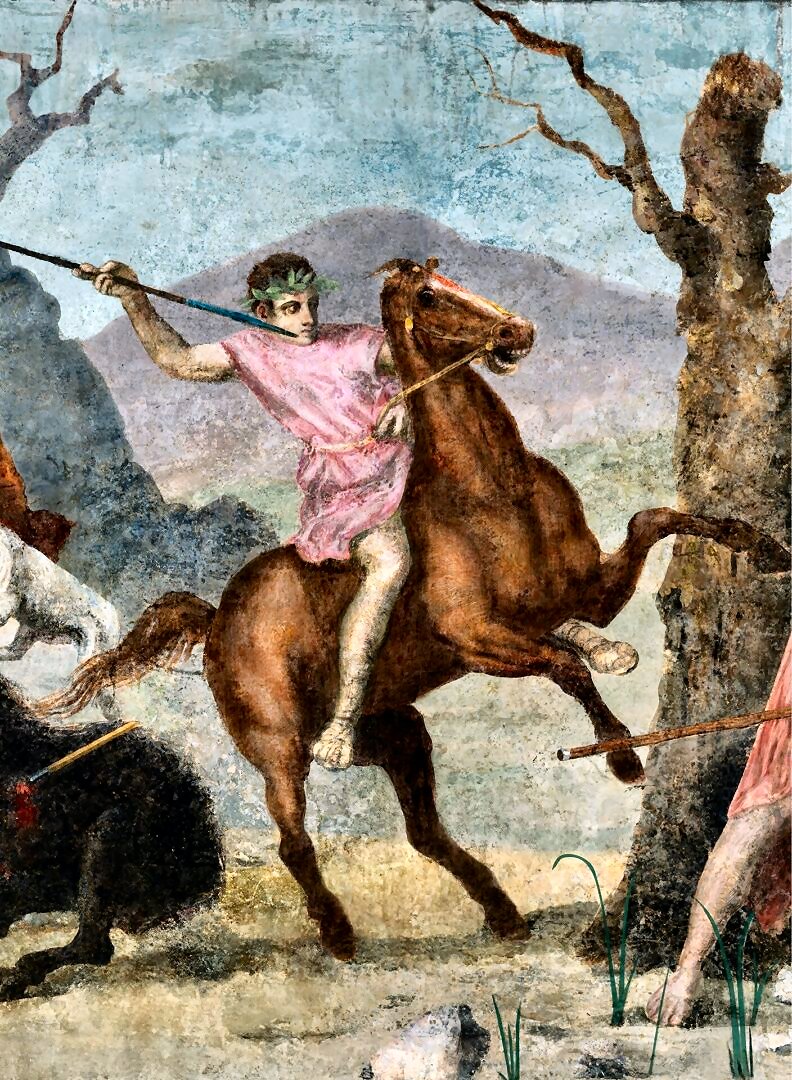
A new reconstruction of the oldest surviving image of Alexander the Great painted when he was 20 in 336BC. The ReVis project has used advanced scanning techniques to restore the hunt mural on the façade of the tomb of Alexander's father, Philip II with improved accuracy 1/ 🧵
1
6
601
Ryan Rhodes ⚙️🧠 retweeted

May 29
we took a pile of language and linear algebra and we made it speak. we summoned into the world a new class of entity which unsettles all of our existing concepts. this is already the weirdest thing that’s ever happened and it will never get less weird than this. it is astonishing and a privilege to get to be alive during this time and to participate in the cacophony of first contact. we are encountering a kind of other which is distilled from us and yet not us - what is this? who is this? our child? our savior? our doom? the mind boggles, the heart quails, the air thrums. the order of things is melting. the storm approaches. the angels sing. welcome to the fucking singularity
May 29

Artificial intelligences do not undergo experiences, do not possess a body, do not feel joy or pain, do not mature through relationships, and do not know from within what love, work, friendship or responsibility mean. Nor do they have a moral conscience, since they do not judge good and evil, grasp the ultimate meaning of situations, or bear responsibility for consequences. They may imitate or even simulate, but they do not understand what they produce, for they lack the affective, relational, and spiritual perspective through which human beings grow in wisdom. #MagnificaHumanitas
67
134
1,278
88,399