Multiplex techs for human immunology at scale. JHU PI, Founder. MIPSA, PhIP-Seq, VirScan, LASSO, PLATO, LISH, cRASL, FR3AK-Seq, SEPARATE...
Joined October 2016
- Tweets 334
- Following 350
- Followers 727
- Likes 426
Photos and videos


19 Jun 2025
We are thrilled to announce that Infinity Bio has closed our Series A investment, led by the amazing team at Illumina Ventures. As part of the deal, Infinity Bio has acquired Serimmune Inc, a complementary antibody reactome service provider. This event marks a major milestone towards better understanding human immune responses and their role in health and disease. Please contact @InfinityBioInc to learn more about how the antibody reactome can advance your research!
businesswire.com/news/home/2…
2
3
22
2,035
Ben Larman retweeted

2 Apr 2025
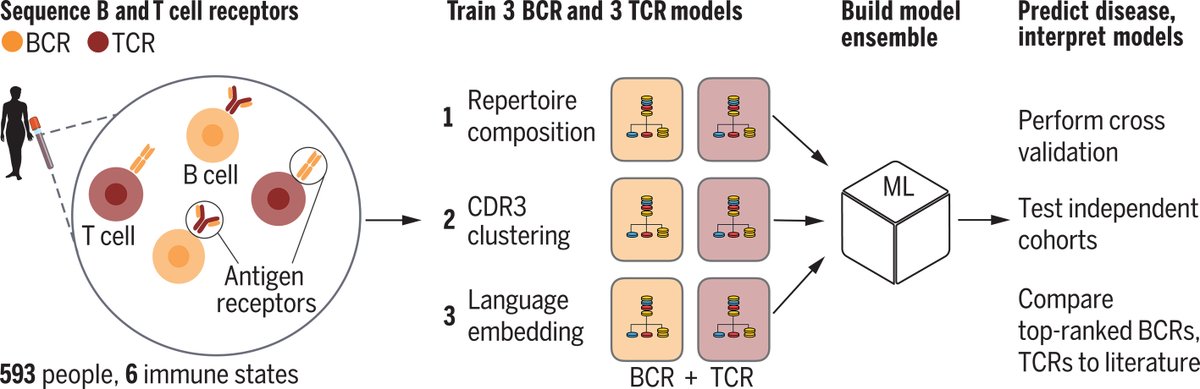
𝗖𝗼𝗵𝗼𝗿𝘁 𝘀𝘁𝘂𝗱𝘆 𝗼𝗳 𝘁𝗵𝗲 𝘄𝗲𝗲𝗸 - The article “𝘋𝘪𝘴𝘦𝘢𝘴𝘦 𝘥𝘪𝘢𝘨𝘯𝘰𝘴𝘵𝘪𝘤𝘴 𝘶𝘴𝘪𝘯𝘨 𝘮𝘢𝘤𝘩𝘪𝘯𝘦 𝘭𝘦𝘢𝘳𝘯𝘪𝘯𝘨 𝘰𝘧 𝘉 𝘤𝘦𝘭𝘭 𝘢𝘯𝘥 𝘛 𝘤𝘦𝘭𝘭 𝘳𝘦𝘤𝘦𝘱𝘵𝘰𝘳 𝘴𝘦𝘲𝘶𝘦𝘯𝘤𝘦𝘴” published in @ScienceMagazine from corresponding authors Anshul Kundaje, @ScottBoydLab and first authors @zazius and Erin Craig developed an integrative model, Mal-ID (Machine Learning for Immunological Diagnosis), to address a gap in current diagnostic medical practices, which do not yet utilize the adaptive immune system’s B cell receptor (BCR) and T cell receptor (TCR) sequences in diagnosis. Mal-ID integrates three models: analysis of overall repertoire composition, convergent clustering of antigen-specific sequences by edit distance and immune receptor sequence features extracted from a large protein language model.
Mal-ID outperformed similar classification approaches with AUROCs up to 0.98, representing a major advancement in diagnostic accuracy when applied to a study cohort of 542 samples. This high level of performance was supportive of the model’s analysis of both BCR and TCR repertoire data, which provided more accurate classification than either receptor type alone, potentially reflecting variation in the roles of B cell and T cell responses in different diseases.
A diagram of a diagram of a computer model
𝗞𝗲𝘆 𝗙𝗶𝗻𝗱𝗶𝗻𝗴𝘀:
𝗛𝗶𝗴𝗵 𝗗𝗶𝗮𝗴𝗻𝗼𝘀𝘁𝗶𝗰 𝗔𝗰𝗰𝘂𝗿𝗮𝗰𝘆: Mal-ID uses BCR and TCR repertoire data to effectively distinguish six distinct immune states—COVID-19, HIV, lupus, type 1 diabetes, recent influenza vaccination responses, and healthy controls—in a study involving 542 individuals.
𝗨𝘀𝗲 𝗼𝗳 𝗟𝗮𝗿𝗴𝗲-𝗦𝗰𝗮𝗹𝗲 𝗣𝗿𝗼𝘁𝗲𝗶𝗻 𝗟𝗮𝗻𝗴𝘂𝗮𝗴𝗲 𝗠𝗼𝗱𝗲𝗹𝘀 𝗳𝗼𝗿 𝗙𝗲𝗮𝘁𝘂𝗿𝗲 𝗘𝘅𝘁𝗿𝗮𝗰𝘁𝗶𝗼𝗻: Mal-ID leveraged advanced protein language models to extract meaningful immune receptor sequence features for improved diagnostic classification.
𝗧𝗮𝗸𝗲 𝗵𝗼𝗺𝗲: By applying protein language models to BCR and TCR sequence data, Mal-ID demonstrates that AI can be used to realize powerful repertoire-based diagnostics.
science.org/doi/epdf/10.1126…
1
2
219
12 Feb 2025
Thank you for highlighting our work @us_hupo ! We’re very grateful for this recognition, especially since the project was such a labor of love that spanned many years and collaborations – most notably with the amazing Martin Steinegger @thesteinegger .

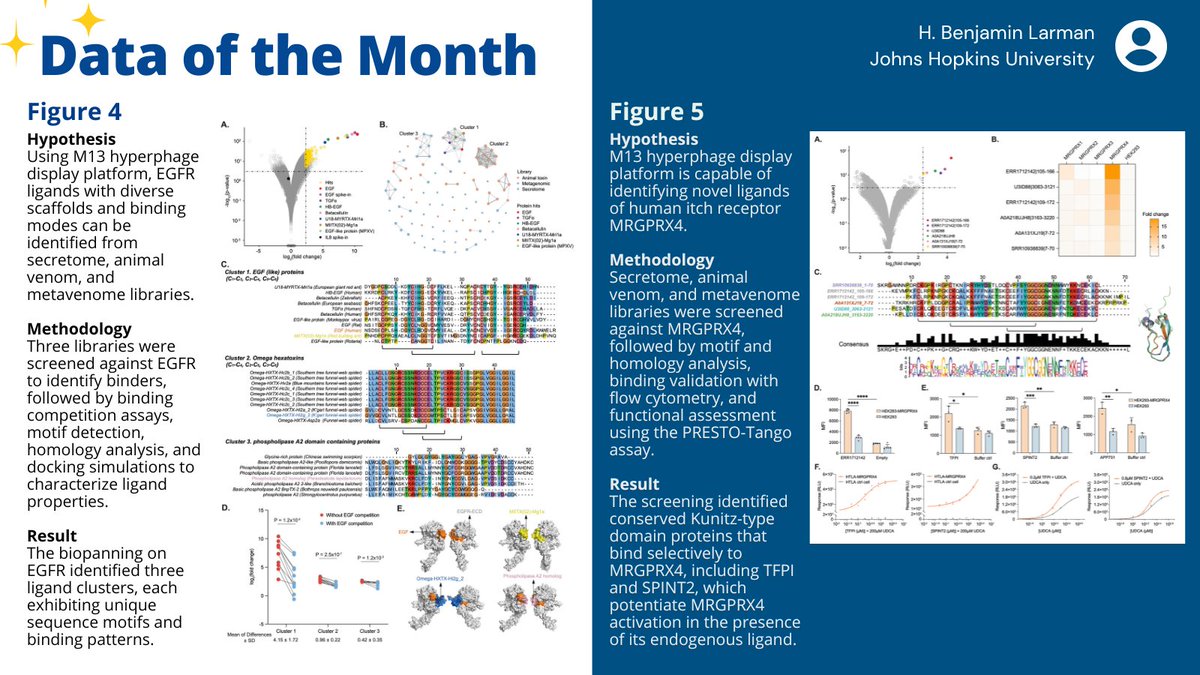
The Larman lab developed a novel M13 phage display platform to screen venom libraries for therapeutic potential. They identified Kunitz-domain proteins that potentiate the human itch receptor MRGPRX4. doi.org/10.1016/j.mcpro.2024…
1
2
2
996
12 Feb 2025
This paper is the culmination of a herculean effort to enable peptide therapeutic discovery using M13 hyperphage, which involved the development of new library design principles, and new cell-based panning and NGS analysis workflows.
1
113
12 Feb 2025
There is an incredible amount “under the hood” here, which we hope will accelerate discovery of novel venom-derived lead compounds. Congrats to all involved for bringing this important project to fruition!
98
5 Feb 2025
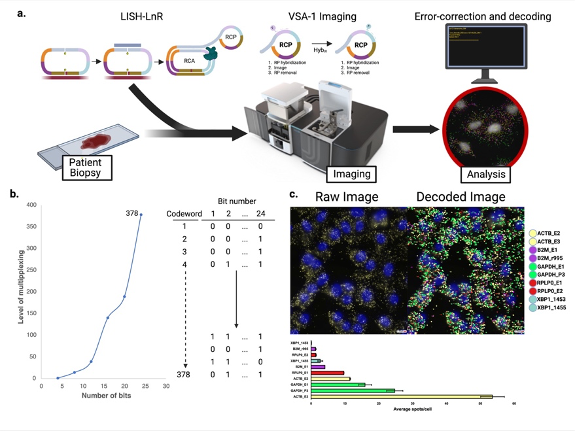
We’re so excited to present LISH-LnR, a powerful spatial transcriptomic platform spawned in my lab at Johns Hopkins and then spun into a startup company called Portal Bioscience. biorxiv.org/content/10.1101/…
1
3
11
1,587
5 Feb 2025
We also report a system of “molecular rheostats” for tuning LISH-LnR assay performance, a complementary LISH-seq assay for probe panel qualification, and a QC method to determine the quality and availability of fixed tissue RNA.
1
130
5 Feb 2025
Portal and Veranome are currently considering strategic opportunities to advance the LISH-LnR technology and the adjacent supporting assays. If interested in learning more, please reach out!
120
Ben Larman retweeted
5 Aug 2024
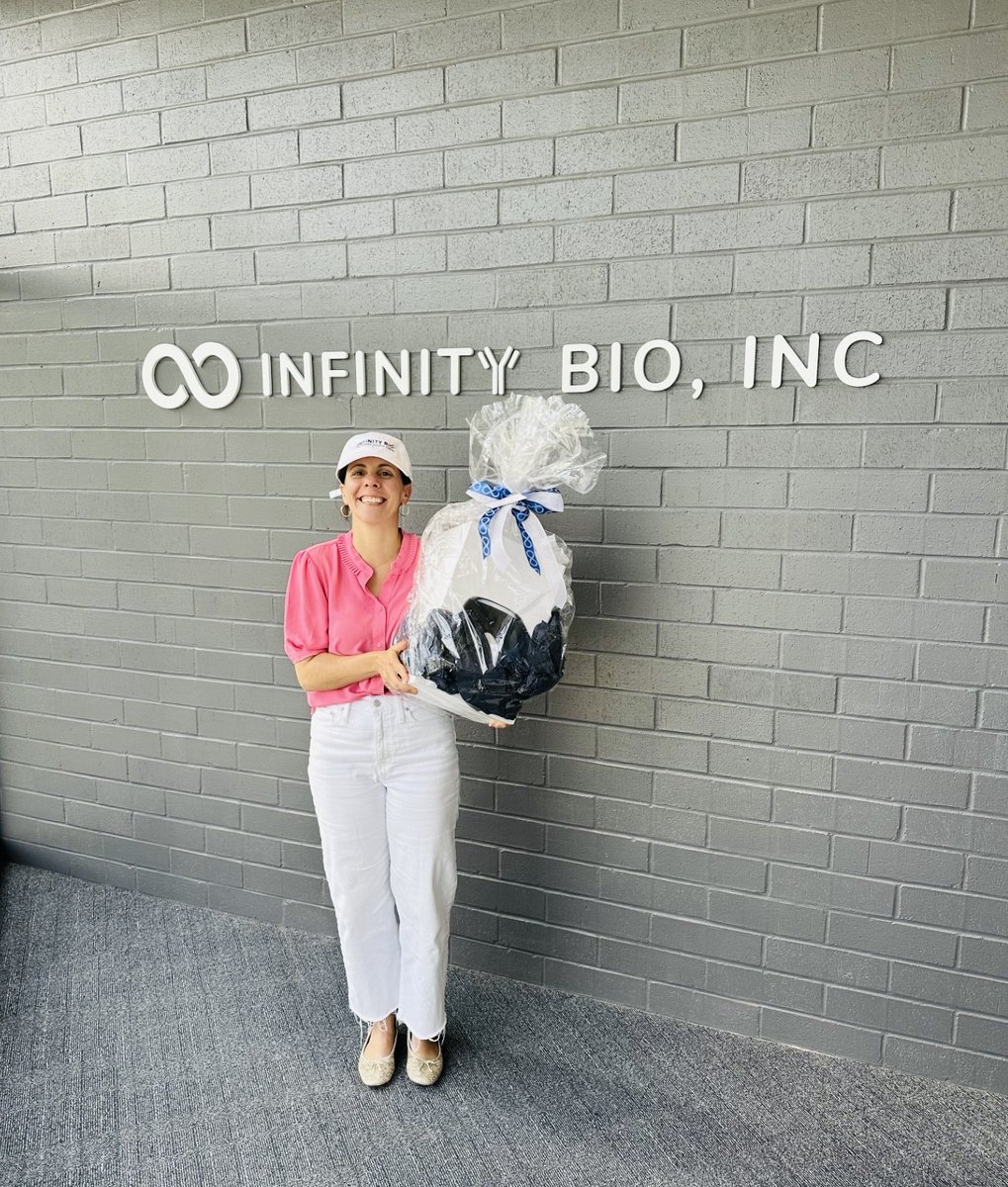
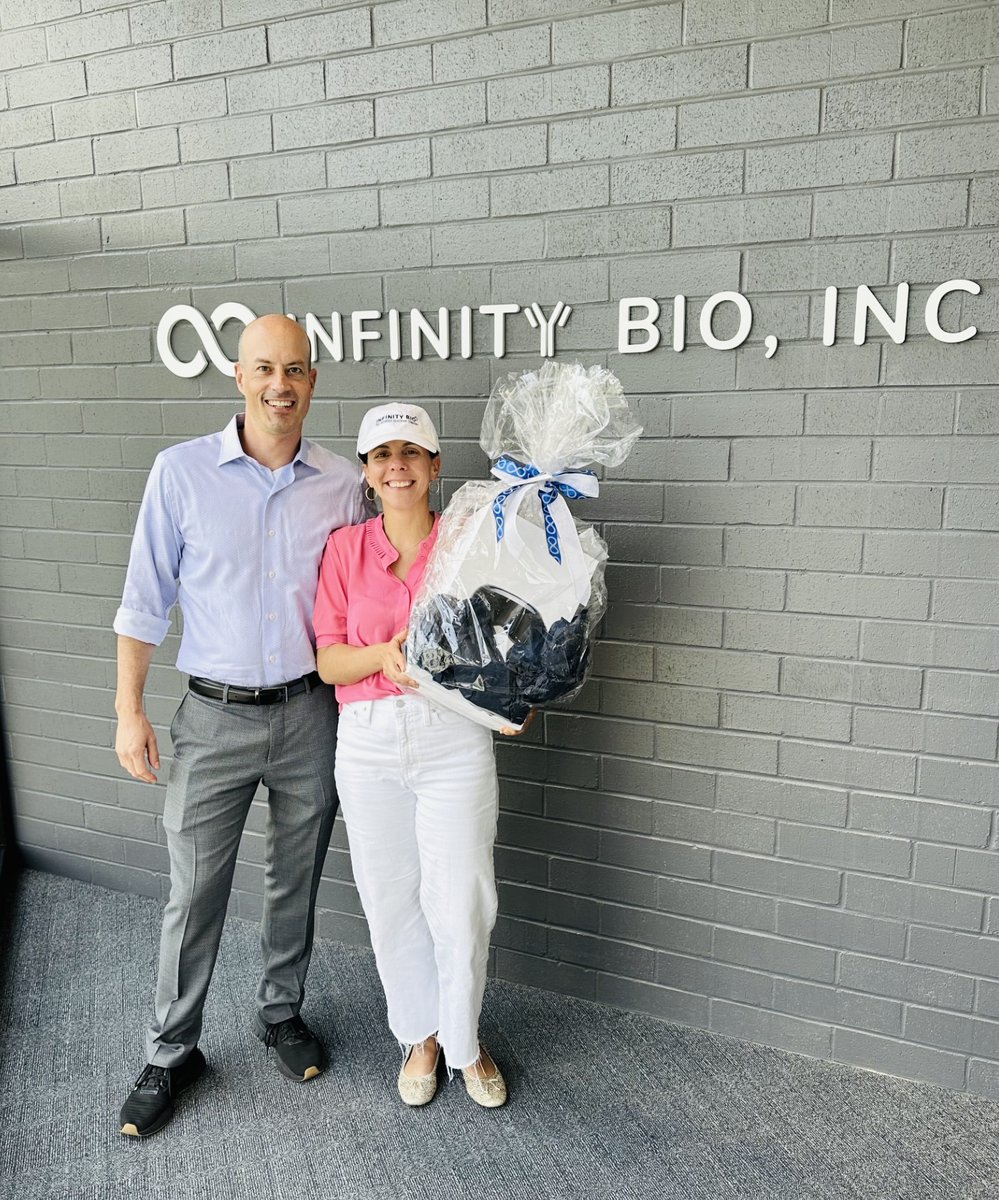
🎉 Congratulations to @KateGrabowski , PhD (Associate Professor of Pathology, Johns Hopkins School of Medicine Faculty) for winning the Apple Vision Pro raffle at our Open House! 🥳 Thank you to everyone who joined us to explore our innovative MIPSA technology and antibody reactome profiling. Follow us and stay tuned for more exciting updates from Infinity Bio! ♾️
#RaffleWinner #Innovation #Biotech #AntibodyProfiling #Antibody #BaltimoreEvents #Baltimore #BiotechStartups
1
1
4
570
Ben Larman retweeted
31 Jul 2024
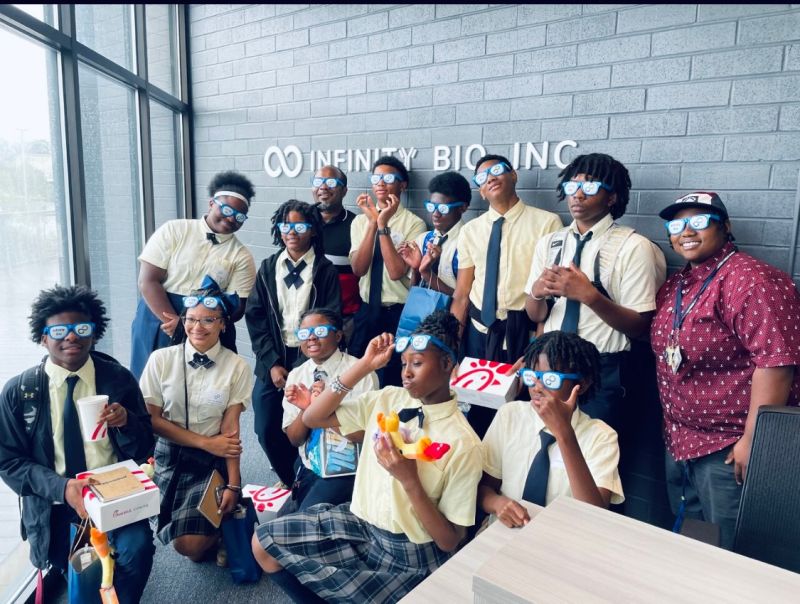
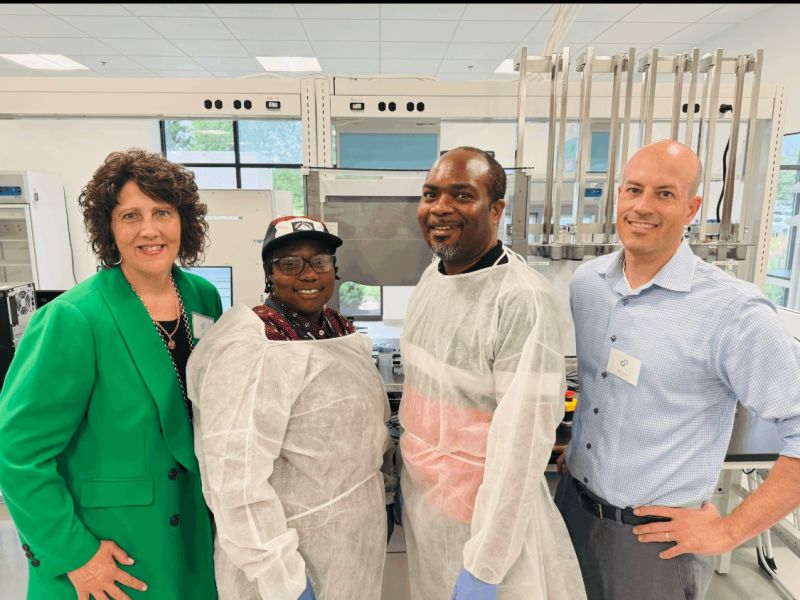
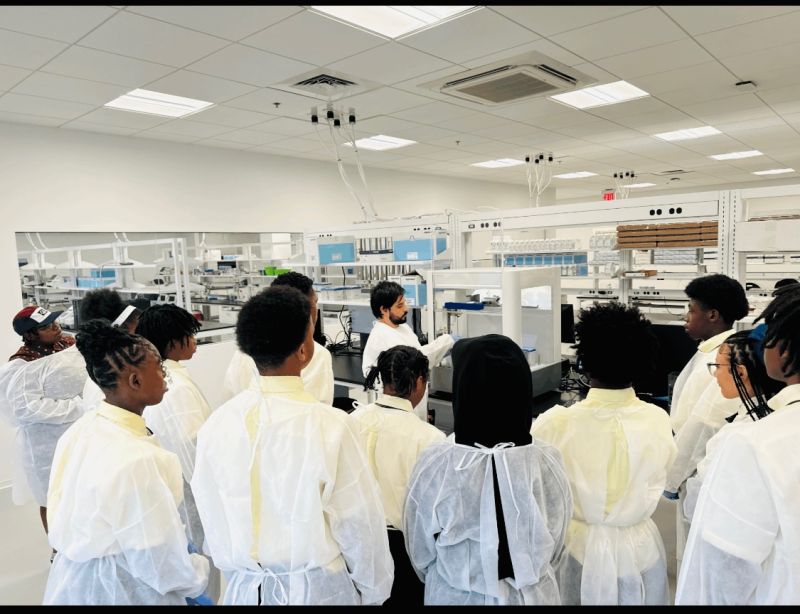
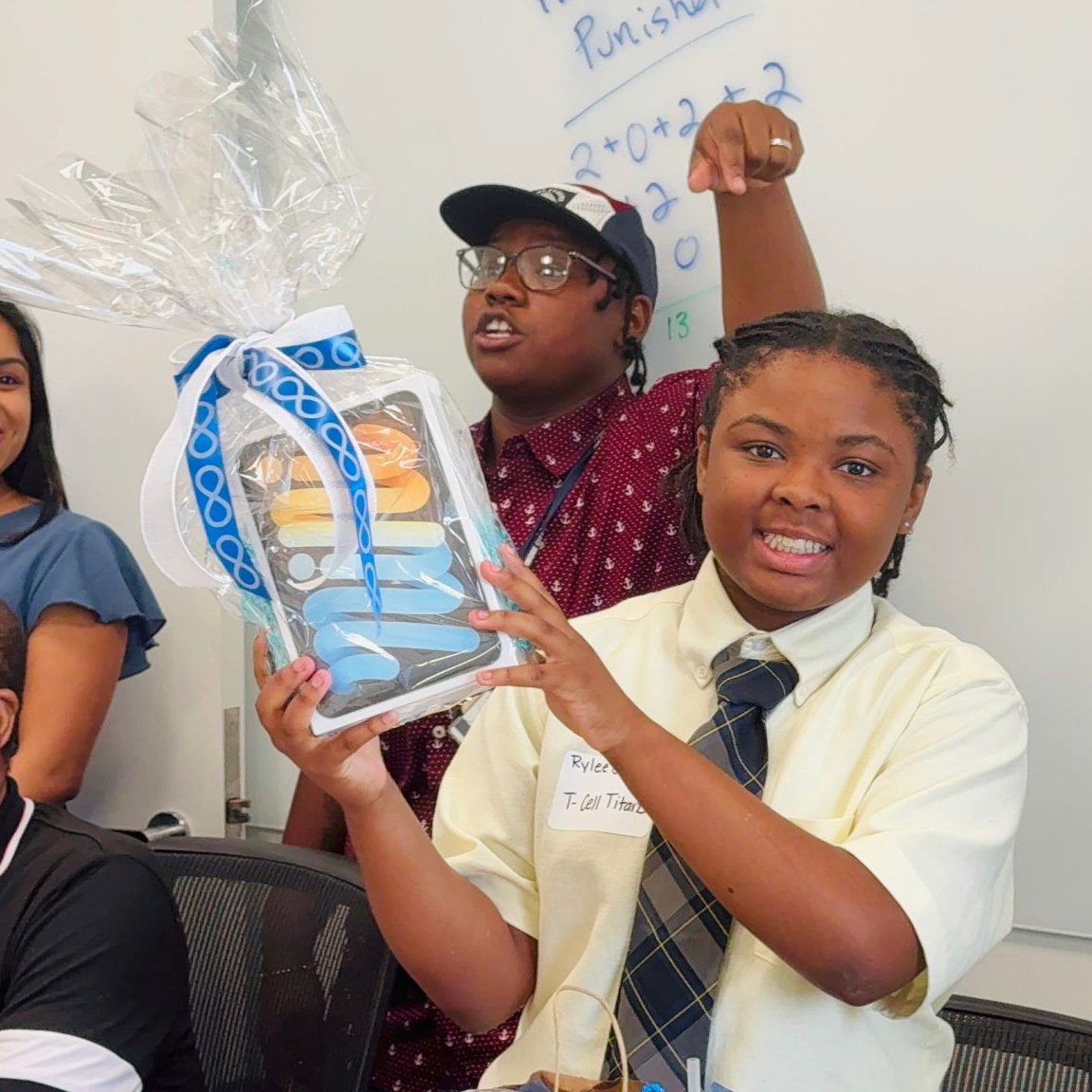
Last week, we hosted students and faculty from Coppin Academy High School. It was inspiring to see Baltimore's best and brightest experience hands-on STEM experiments and immunology learnings- the future looks bright! 💫
#STEM #Baltimore #Immunology #Reactome
1
2
268
Ben Larman retweeted
24 Jul 2024
Absolutely agree with @EricTopol ! 🙌 Characterizing the "immunome"—from lifetime viral exposures to autoantibody reactivities—provides critical insights into disease mechanisms and biomarker development. We are the leader in comprehensive antibody reactome profiling, and are actively supporting academic and industry translational discovery research 🤝 with our RUO assays: VirSIGHT (all human viruses) and HuSIGHT (all human protein isoforms). While direct-to-consumer applications are certainly on the horizon, today we are helping researchers lay the groundwork for better understanding of antibody reactomes.
Check out our RUO libraries here: infinitybio.com/infinity-pro…. 👏♾️
#academia #Antibody #AntibodyReactomeProfiling #AntibodyResearch #BiotechInnovations #HumanStudies #Immunotherapy #BiotechStartups #Biotech
1
2
276
15 Jul 2024
Calling local biomedical professionals!
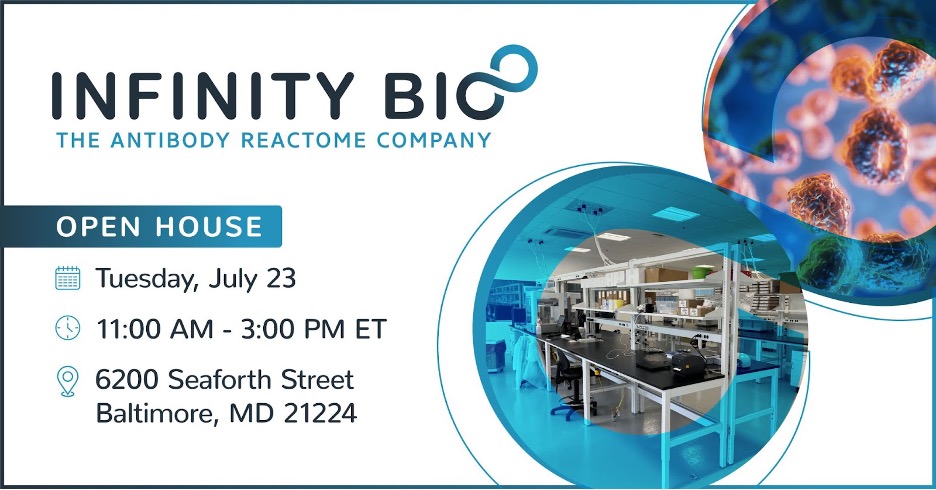
Please attend our open house to learn how your cohort study can benefit from antibody reactome profiling. You'll get to see our beautiful Baltimore lab and can enter to win a new Apple Vision Pro 🤯
Please RT to help spread the word!
10 Jul 2024

Calling all #biotech leaders and researchers in the greater Baltimore area! Get a behind-the-scenes look at the latest innovations in antibody profiling. Tour our state-of-the-art facility on July 23, during our open house.
For more details visit: infinitybio.com/open-house-r…
1
2
833
Ben Larman retweeted

15 Jul 2024
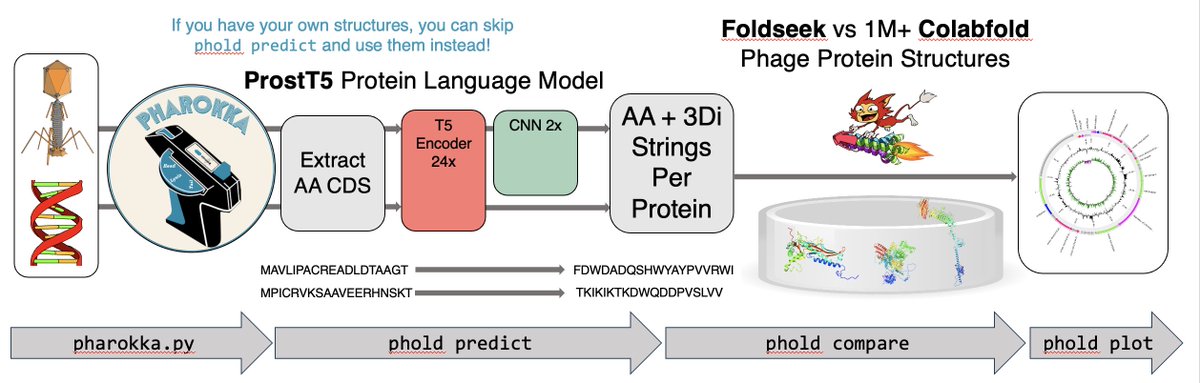
Taking Pharokka output as input, Phold uses the ProstT5 protein language model to rapidly convert amino acid sequences to Foldseek 3Di structural tokens, & then searches these with Foldseek against a database of 1M phage protein structures folded with Colabfold (2/n)
1
1
5
1,346
4 Jun 2024
A fantastic collaboration with @thesteinegger and very excited about future projects using this type of approach to discover novel peptide therapeutics. If you have ideas for applications or indications, please reach out to us!
2
1
27
3,270
14 Mar 2024
Leveraging antibody profiling for advanced healthcare insights lifesciencesintelligence.com…
1
7
549
Ben Larman retweeted

1 Mar 2024
New paper (bit.ly/3TdtbS5) in @AdvSciNews (Advanced Materials) describes novel biomaterial scaffold, the “artificial lymph node matrix,” to stimulate production of antigen-specific T immune cells. @Natalie_K_L @HopkinsMedicine @JHUPath @JHUBME @JHUMaterials @TTECJHU
2
10
22
7,192
1 Feb 2024
Our novel MIPSA technique is used to create large libraries of DNA-barcoded peptides or full-length proteins. Both catalog libraries (currently virome, human proteome, allergome) and customer designed libraries can be mixed and matched for small to large scale studies.
1
1
6
508
1 Feb 2024
Check us out at infinitybio.com/. We have a state-of-the art purpose-built lab in Baltimore, MD, USA. Our quality assurance system and management team ensure that your samples and data are tracked safely and securely throughout the entire process.
1
3
321
1 Feb 2024
If you do epi or work on a cohort study, you’ve probably captured nature (genetics 🧬) --- now it’s time to capture nurture (exposures and infections 🦠), through the lens of the immune system! Please reach out to jp.laine@infinitybio.com for more info!
2
247