Interested in #Biophysics #Nanotech #3Dgenome #Epigenetics #TEs #Scicomm #SciArt #openScience
Joined September 2020
- Tweets 91
- Following 668
- Followers 110
- Likes 1,641
11 Photos and videos


Rosalind Skłodowska-Dresselhaus retweeted

21 Nov 2025
How small is a transistor on a modern processors?
252
2,369
15,727
1,005,629
Rosalind Skłodowska-Dresselhaus retweeted

17 Nov 2025
The Fourier transform, visualized.
23
249
1,360
67,317
Rosalind Skłodowska-Dresselhaus retweeted

18 Nov 2025
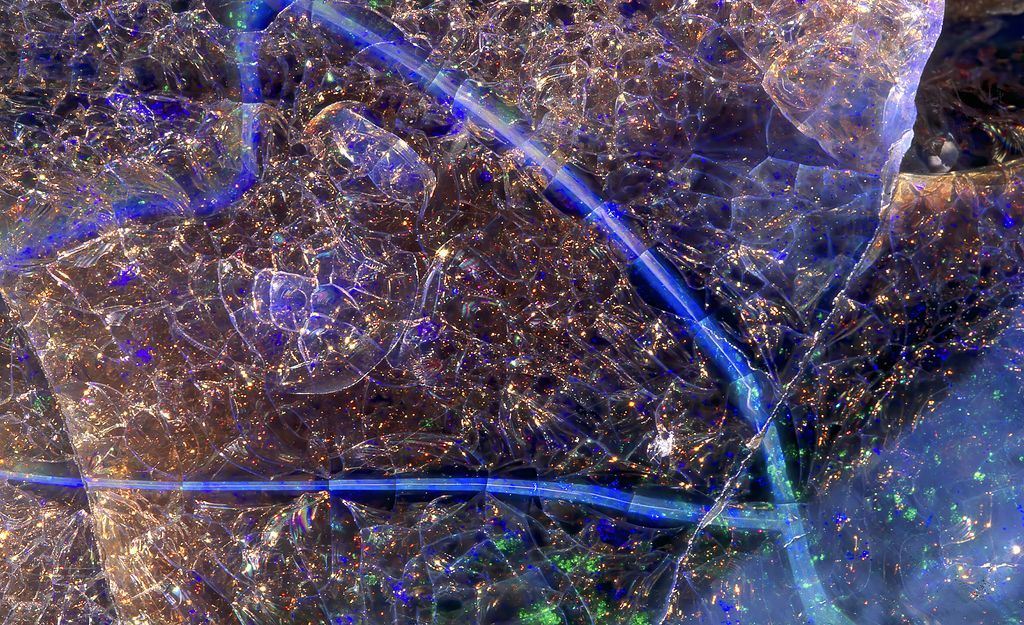
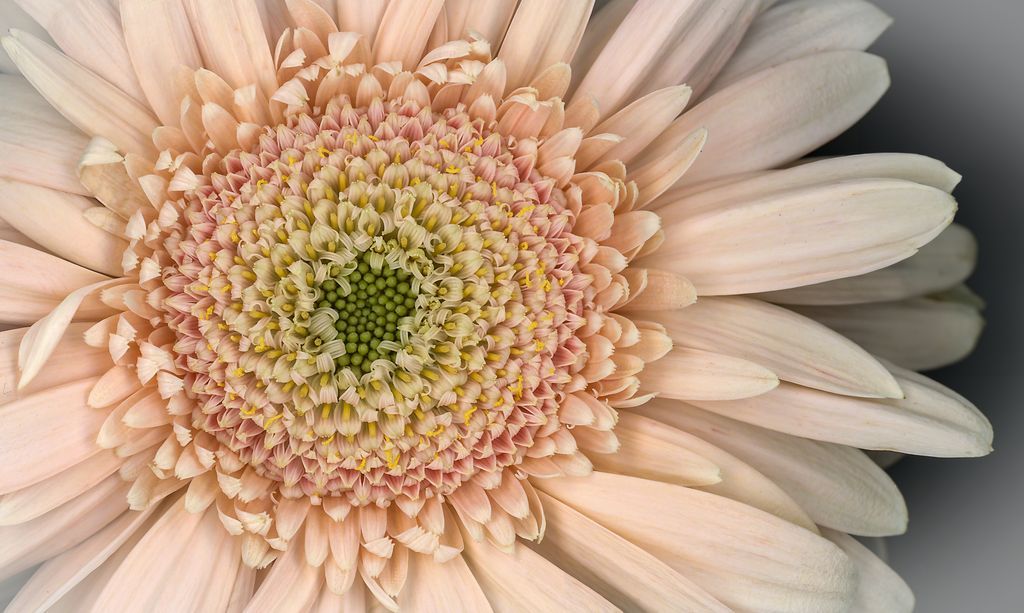
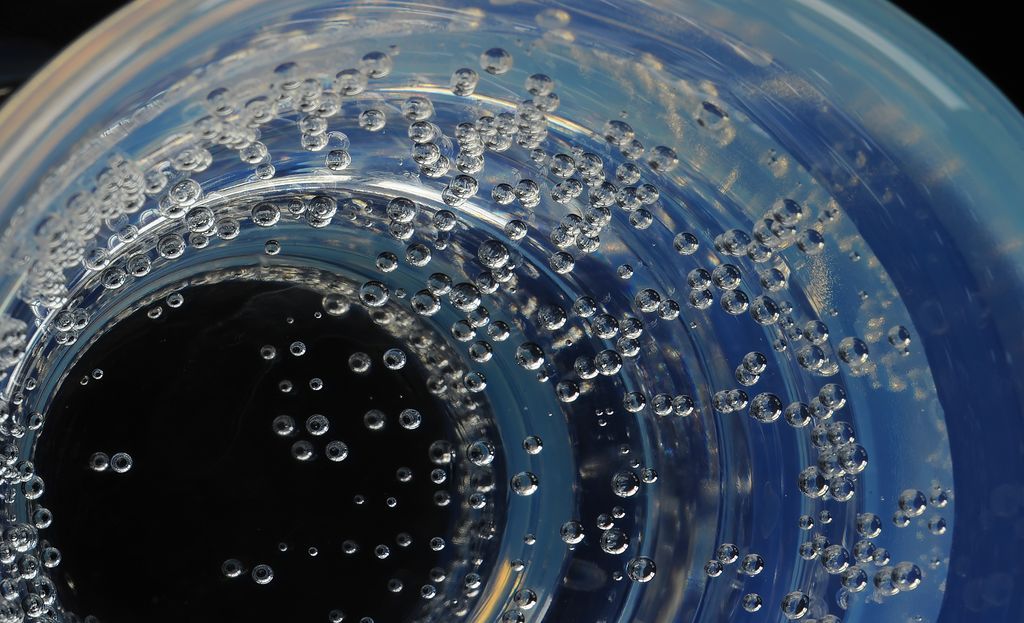
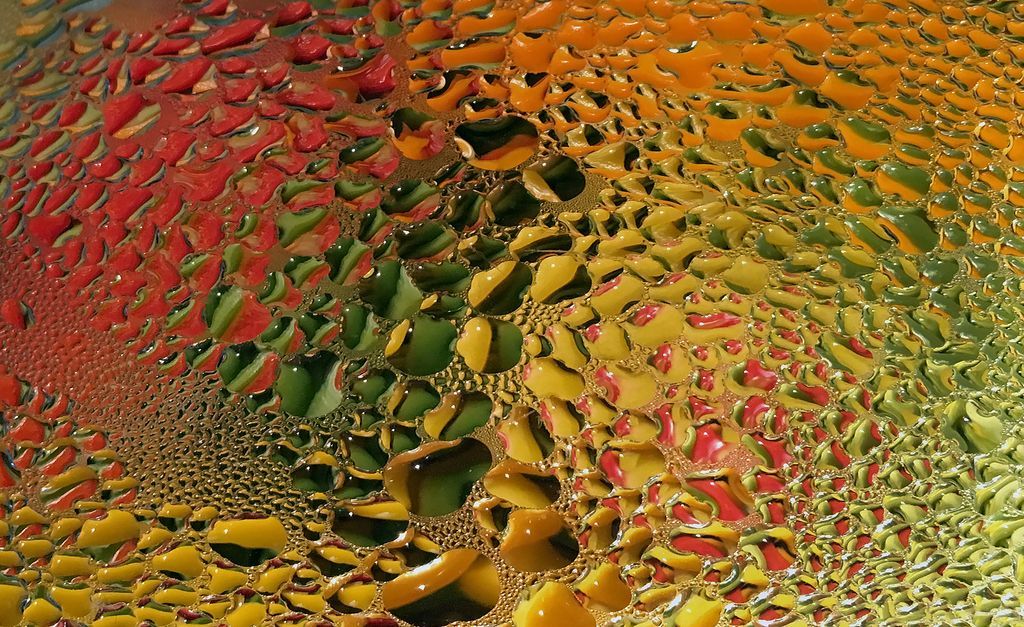
MIT research scientist and science photographer Felice Frankel has released a book, Phenomenal Moments, showcasing striking images of natural phenomena that invite viewers to uncover the scientific processes at work. Read more in @PopSci and @NextAvenue: buff.ly/3D4mQj5
1
5
293
Rosalind Skłodowska-Dresselhaus retweeted

7 Nov 2025
Our PLAMseq paper is out today in @ScienceAdvances . We developed a TurboID-based protein-genomic approach to map proteins and protein interactions in the genome. Validated with CTCF and RNApolII. Applied to map Histone H1 SUMOylation genomic loci.
science.org/doi/10.1126/scia…
5
35
143
14,455
Rosalind Skłodowska-Dresselhaus retweeted

17 Oct 2025
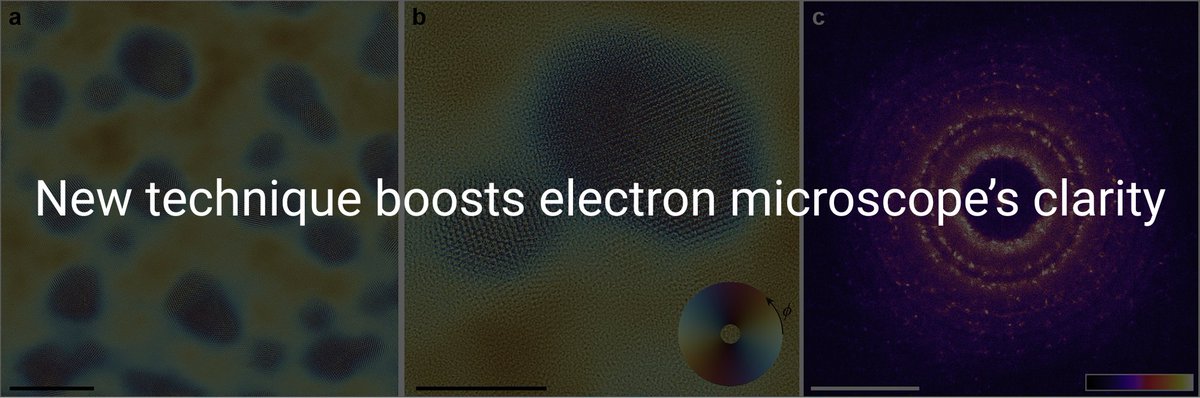
A team of researchers at the University of Victoria (UVic) have achieved a major breakthrough in electron microscopy that will allow scientists to visualize atomic-scale structures with unprecedented clarity using lower-cost and lower-energy microscopes than ever before.
Led by Arthur Blackburn, co-director of UVic’s Advanced Microscopy Facility, the team developed a novel imaging technique that allowed them to achieve sub-Ångström resolution (less than one ten-billionth of a meter) using a compact, low-energy scanning electron microscope (SEM)—a feat previously possible only with a large, high-cost transmission electron microscope (TEM).
nanotechnologyworld.org/post…
8
24
1,523

15 Sep 2025
Building your own Science Hub to share your research and networking is a fantastic idea! I might try it #phdlife #SciComm
14 Sep 2025

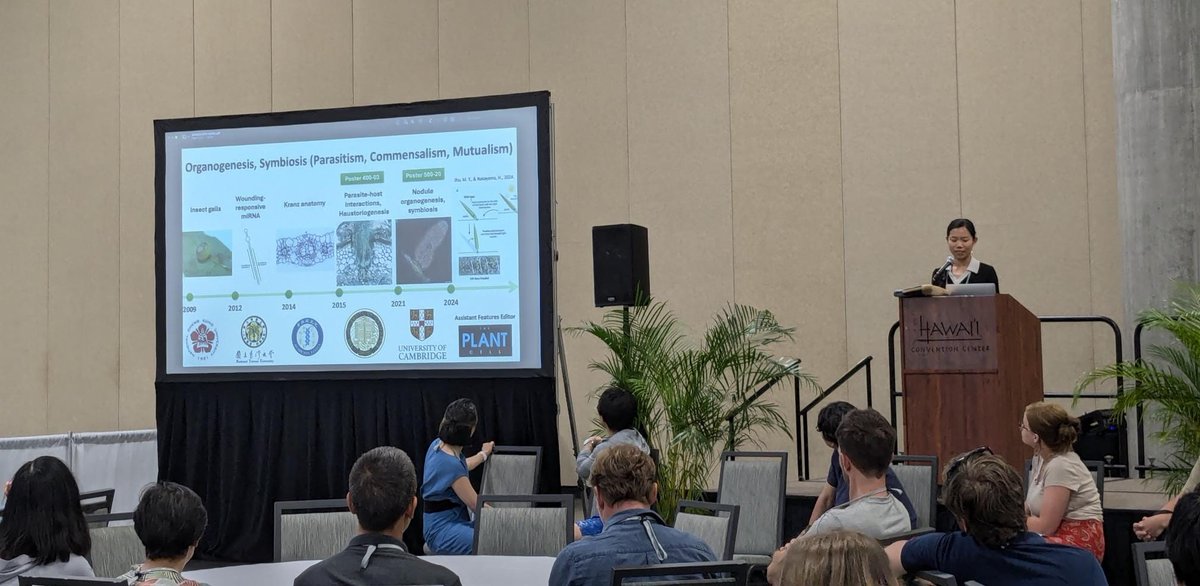
🌱 Excited to share my new personal academic website! 👉 minyaojhu.com
Inspired by the Nature Index article "Build-your-own website for scientists", I wanted to create a hub to present my research & foster collaborations.
1
49
Rosalind Skłodowska-Dresselhaus retweeted

31 Jul 2025
Following on from their successful meeting in 2023, @J_Cell_Sci are delighted to announce a second iteration of the Imaging Cell Dynamics meeting to be held in 2026. Find out more and sign up for registration and abstract updates at
biologists.com/meetings/jcsi…
#JCSimaging
7
19
1,260
Rosalind Skłodowska-Dresselhaus retweeted

18 May 2025
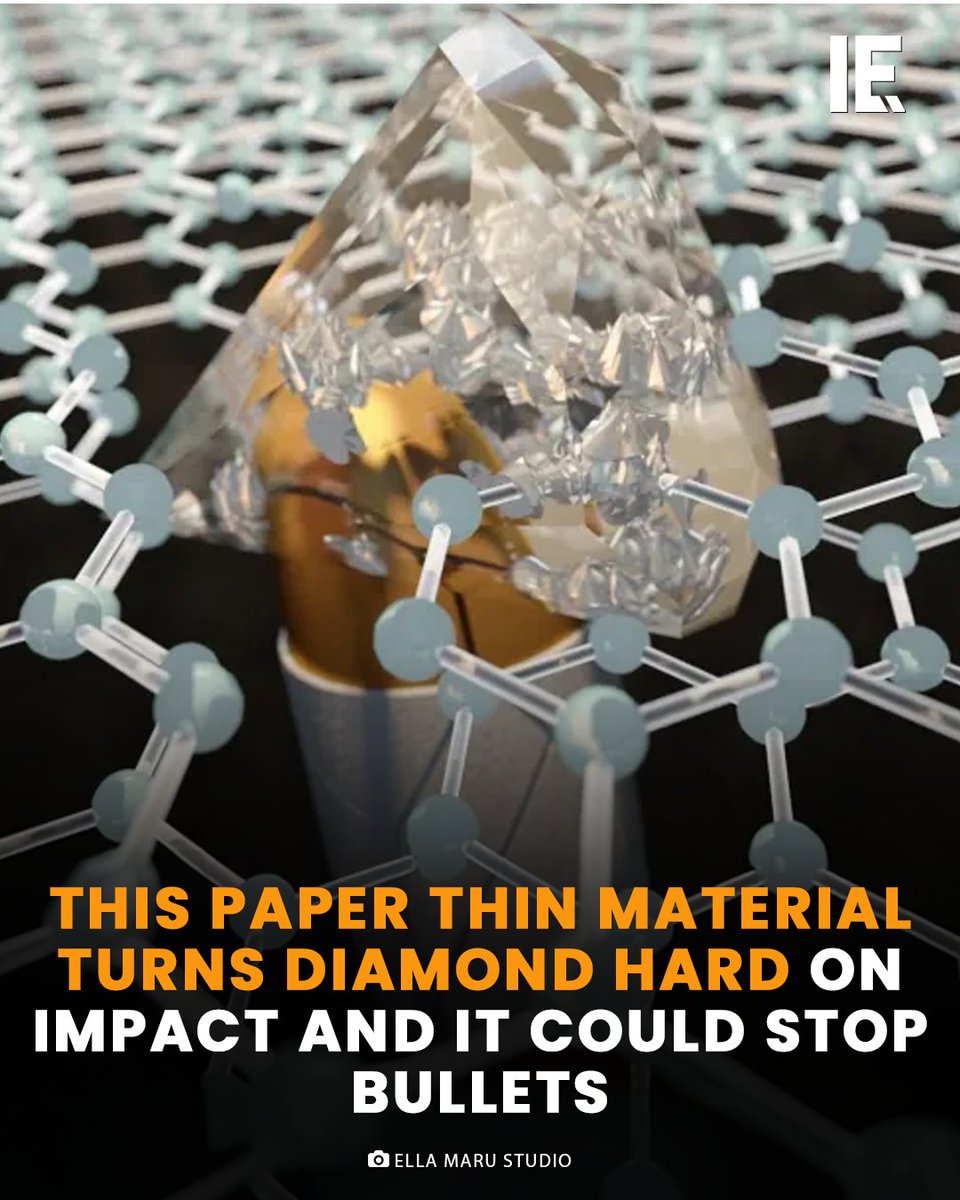
Researchers at CUNY have developed diamene, a groundbreaking material formed by stacking two graphene layers. Under sudden pressure, diamene transforms into a diamond-like structure, offering exceptional hardness while remaining incredibly thin and flexible. This innovation holds potential for revolutionizing protective gear, providing lightweight yet robust defense against high-impact forces.
For more content like this, please visit: link.ie.social/YlcMZo
#Diamene #GrapheneInnovation #MaterialsScience #BulletproofTechnology #CUNYResearch
10
71
186
15,862
Rosalind Skłodowska-Dresselhaus retweeted

4 May 2025
So cool - Yang et al. used microfabrication techniques to make microscale and nanoscale patterns on frozen tardigrades before successfully reviving them!
pubs.acs.org/doi/10.1021/acs…
1
3
187
Rosalind Skłodowska-Dresselhaus retweeted

21 Feb 2025
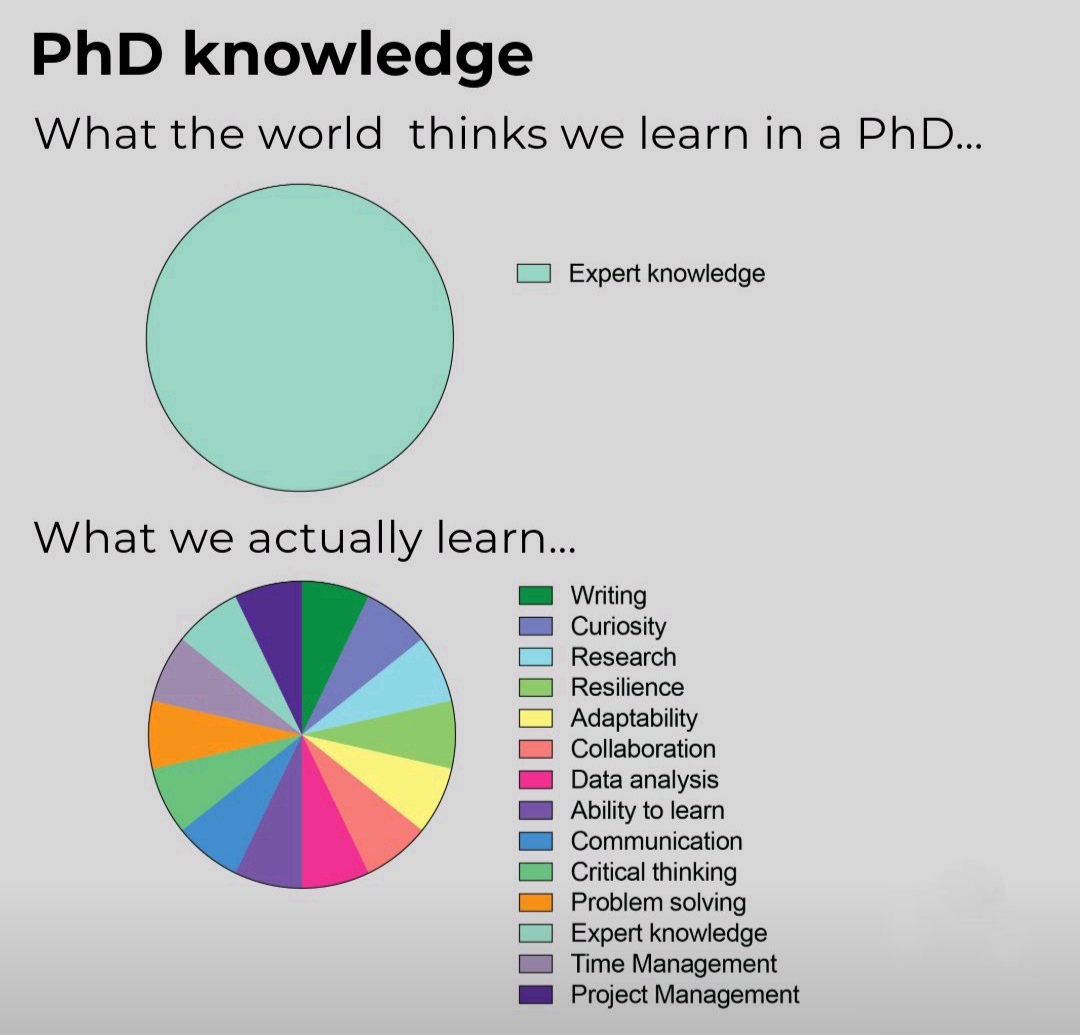
What you think about the PhD it's your thinking.. What we learn and do in PhD is my thinking 🤔. So, we are not the same
1
57
Rosalind Skłodowska-Dresselhaus retweeted

25 Feb 2025
Experiments and simulations of DNA nanostar hydrogels reveal that microscopic topology determines macroscale elasticity in amorphous networks. @Dmichiel1
nature.com/articles/s41563-0…
8
15
1,942
Rosalind Skłodowska-Dresselhaus retweeted

15 Jan 2025
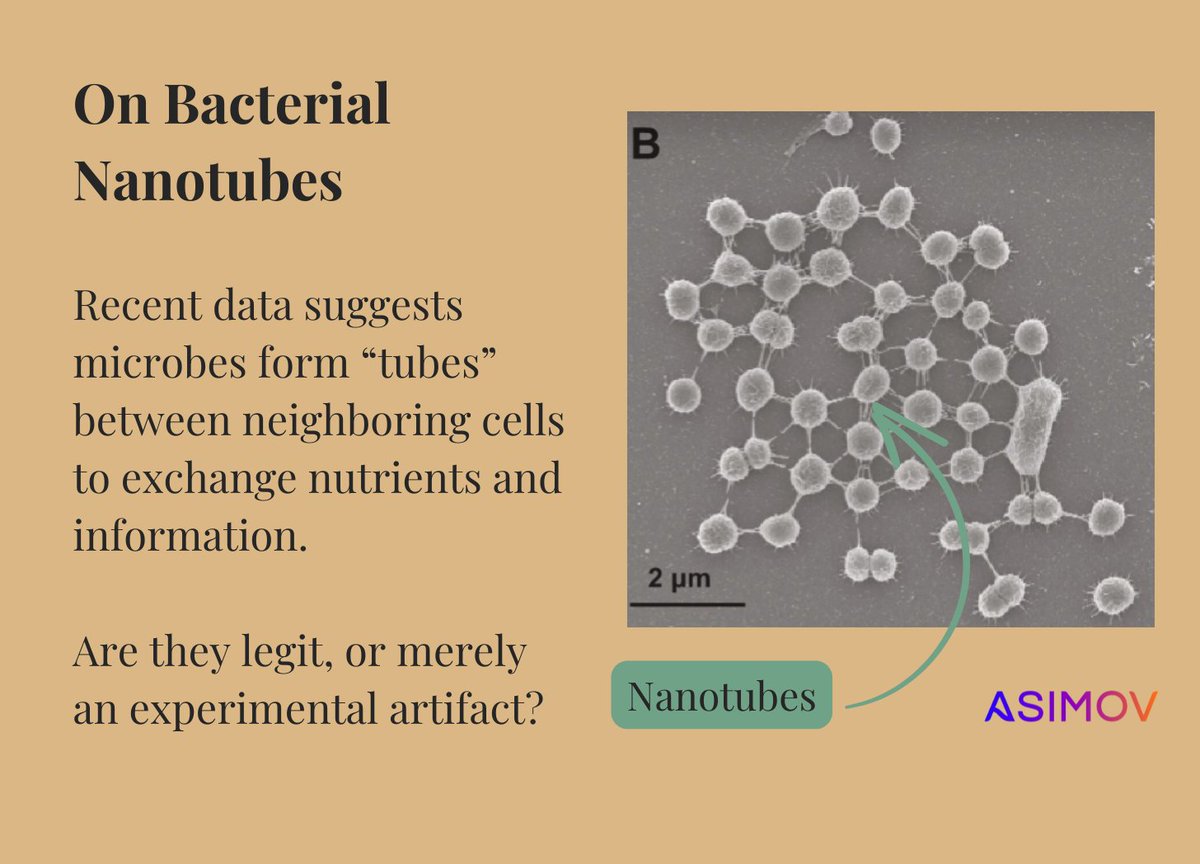
Recent data suggests microbes form nanotubes with neighbors. This occurs not only between members of the same species, but also between different species.
Other research, though, suggests that nanotubes only emerge from DYING cells. So who's right, and how might we find out? 🔻
5
14
80
16,094
Rosalind Skłodowska-Dresselhaus retweeted

25 Dec 2024
Happy #Newtonmas! Isaac Newton was born Christmas Day, 1642. The apple tree in MIT's President's Garden is a direct descendant of the actual tree believed to have inspired Newton's theory of gravity.
24
114
407
27,766
Rosalind Skłodowska-Dresselhaus retweeted

3 Feb 2023
What makes our cells human? The evolution of human development is undeniably fascinating. It is an exciting time to explore the details! We, @brainevodevo, @craiglowe, @KlkUmut, @NatureRevGenet review and suggest new inroads: rdcu.be/c4Pno #sapiens #evodevo #organoids
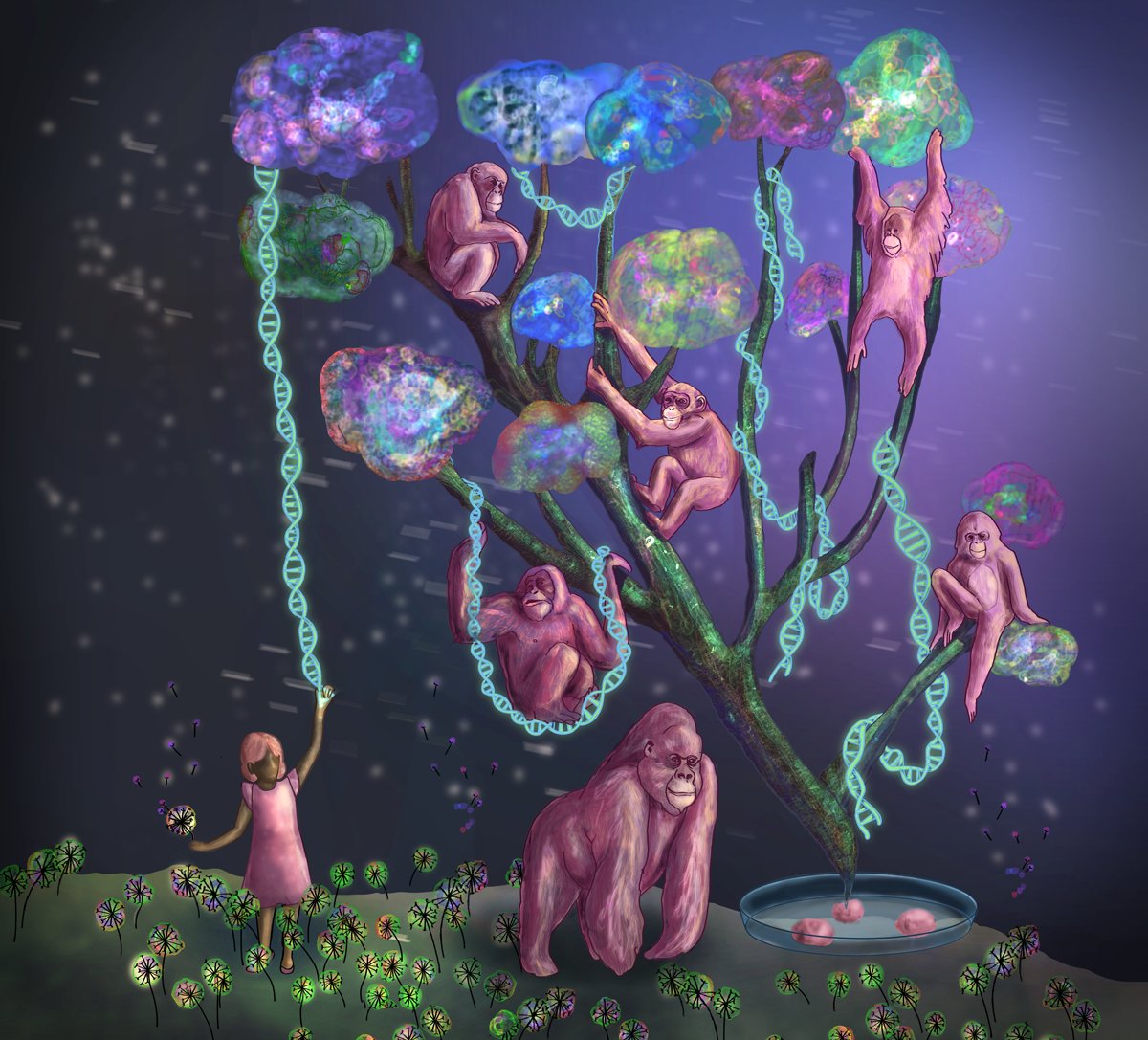
ALT Striking artwork by the one and only Emma Vidal @DrawImpacts!
4
43
244
47,684
Rosalind Skłodowska-Dresselhaus retweeted

17 Dec 2024
Physicists measure quantum geometry for first time physics.mit.edu/?p=20352 @ScienceMIT
15
134
558
30,798
Rosalind Skłodowska-Dresselhaus retweeted

10 Dec 2024
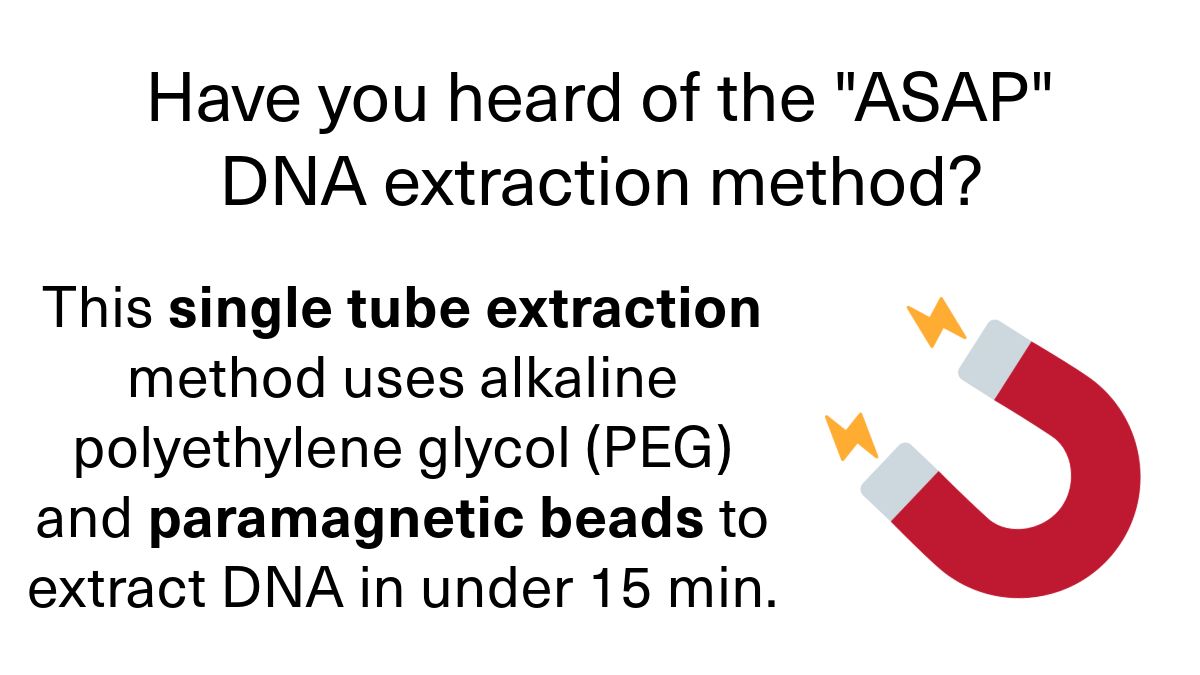
Here’s a great one-tube, four-step, 5–15 min DNA extraction method for on-bead PCR using alkaline polyethylene glycol (PEG) and paramagnetic beads. It could be very useful for point-of-need testing or other rapid field research.
The method, by Lee et al. (2024), is called ASAP (Abridged Solid-phase extraction with Alkaline Polyethylene glycol lysis). It was developed for the detection of bacteria in saliva, sweat, and urine, and it simultaneously lyses cells and binds DNA to magnetic beads.
Once the DNA is bound the reagent can be removed (leaving the magnetic beads) and a PCR mix can be added directly to the tube without washing. It’s reportedly capable of detecting single copies of E. coli DNA in 20 µL biological fluid when using qPCR.
ASAP works by exploiting the fact that PEG is the main component of the alkaline PEG DNA extraction method, while also being a major component of the binding buffer in magnetic bead cleanup suspensions.
PEG’s role in the alkaline PEG lysis method is to induce a molecular crowding effect that increases the pH (improving cell lysis), but it allows the pH to drop significantly when the reagent is diluted, making it suitable for direct PCR.
Similarly, PEG and NaCl are used together as a crowding agent that reversibly binds DNA to the coatings of paramagnetic beads.
By using the same PEG for both extraction and binding (15% PEG-8000), and by including an alkali (3.5 mM KOH) and paramagnetic beads in the same reagent, cells can be lysed and DNA bound during a single room-temperature incubation. Sensitivity can be increased by extending the incubation time from 5 to 15 minutes.
The authors found that no paramagnetic bead washing step was necessary due to the compatibility of the reagent with qPCR, simplifying the procedure, saving time, and reducing opportunities for DNA loss.
In their tests, the authors found ASAP to have 10x the sensitivity over commercial kits and 100x sensitivity over the original alkaline PEG extraction method, detecting as few as 15 colony-forming units in 50 uL of saliva, sweat, and urine.
The ASAP reagent consists of 15% PEG-8000, 0.5 M NaCl, and 3.5 mM KOH, with 1.5 µg paramagnetic beads per 20 µL PCR for optimised sensitivity. KOH is added separately to the reaction tubes to avoid storage issues. So it’s easy to source the reagents, and it’s easy to make.
Its ease of use, low cost, and quick extraction also compare favourably with other methods based on the World Health Organisation’s REASSURED criteria for point-of-need nucleic acid amplification testing.
5
77
299
24,204
27 Nov 2024
Amazing #knots #MegerSponge
26 Nov 2024

Three high schoolers proved that a fractal called the Menger sponge can contain any knot. @GregoryJBarber reports: quantamagazine.org/teen-math…
1
54
Rosalind Skłodowska-Dresselhaus retweeted

22 Nov 2024
The researchers are now investigating how the starch-based nanofibers could be used for medical purposes such as wound dressing, for scaffolds in tissue regrowth and even in drug delivery ow.ly/QLhg50UcOr7
4
6
19
3,487
22 Nov 2024
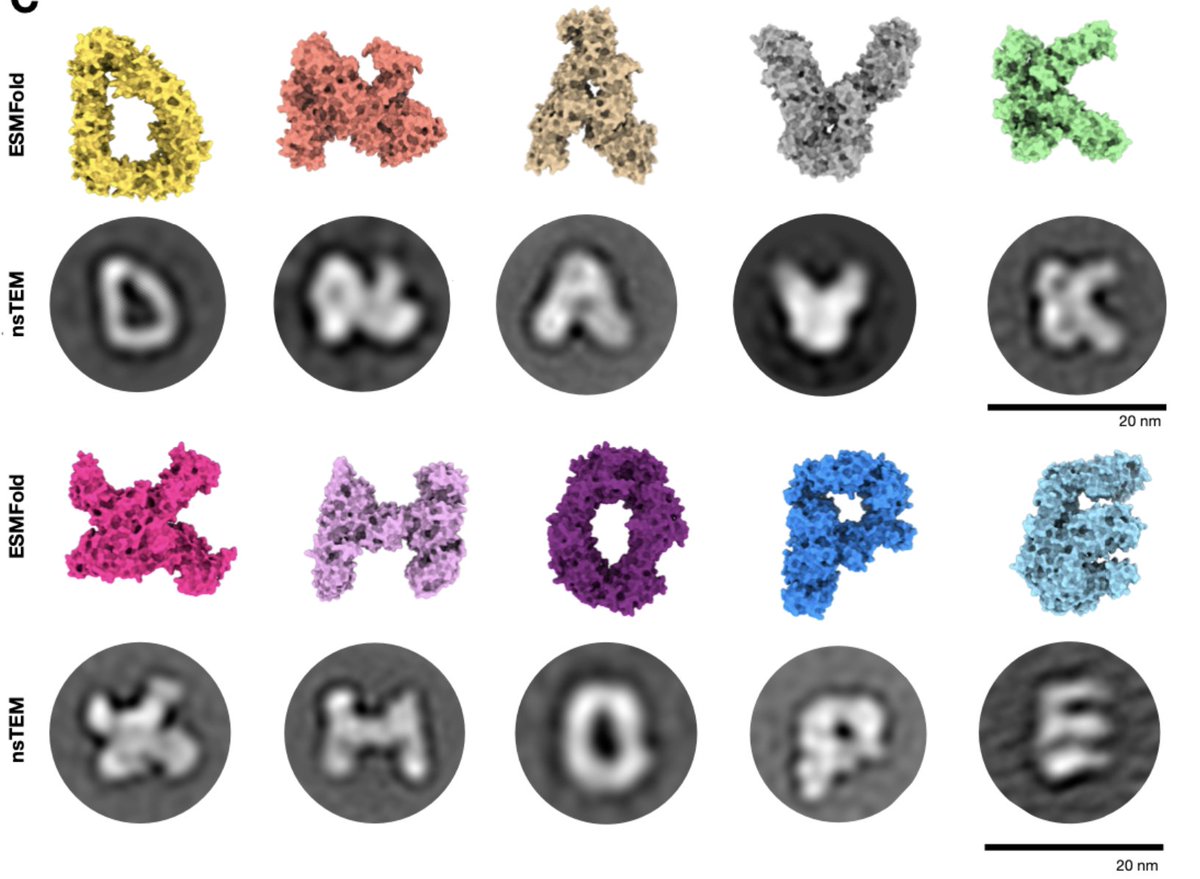
Wow amazing Science typography with protein structure #SciArt #AlphaFold 2
22 Nov 2024

A few more letters... and we can finally write amino acid sequence with protein structure encoded by amino acid sequence? 🧬🤔😀
@chrisfrank662 @DominikSchiwie0 Lara Fuss @hendrik_dietz
biorxiv.org/content/10.1101/…
2
97
Rosalind Skłodowska-Dresselhaus retweeted

28 Oct 2024
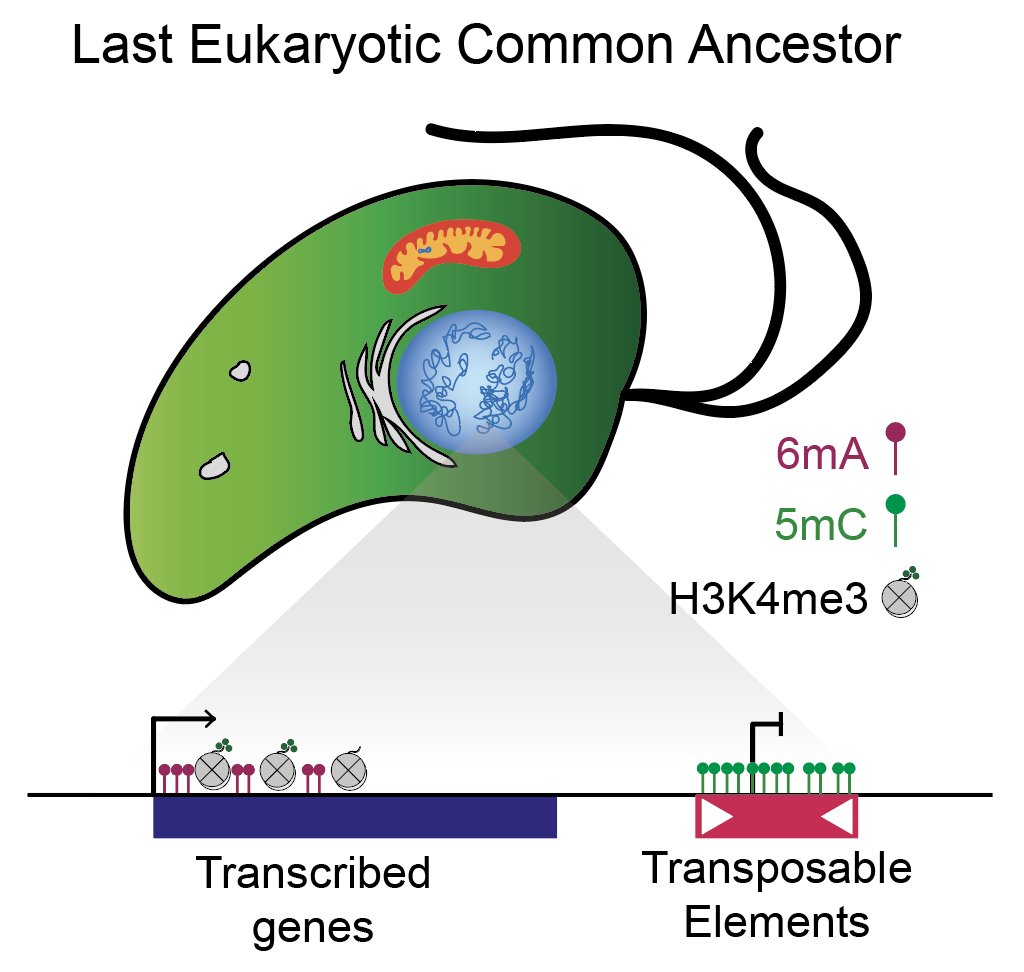
So, we're no longer allowed to say that 5mC is the most common base modification in eukaryotes. Yes, it is the most common in multicellular eukaryotes, but the ancestor of eukaryotes most certainly had both marks, one associated with transcription, the other with silencing. 6/6
1
5
18
1,182