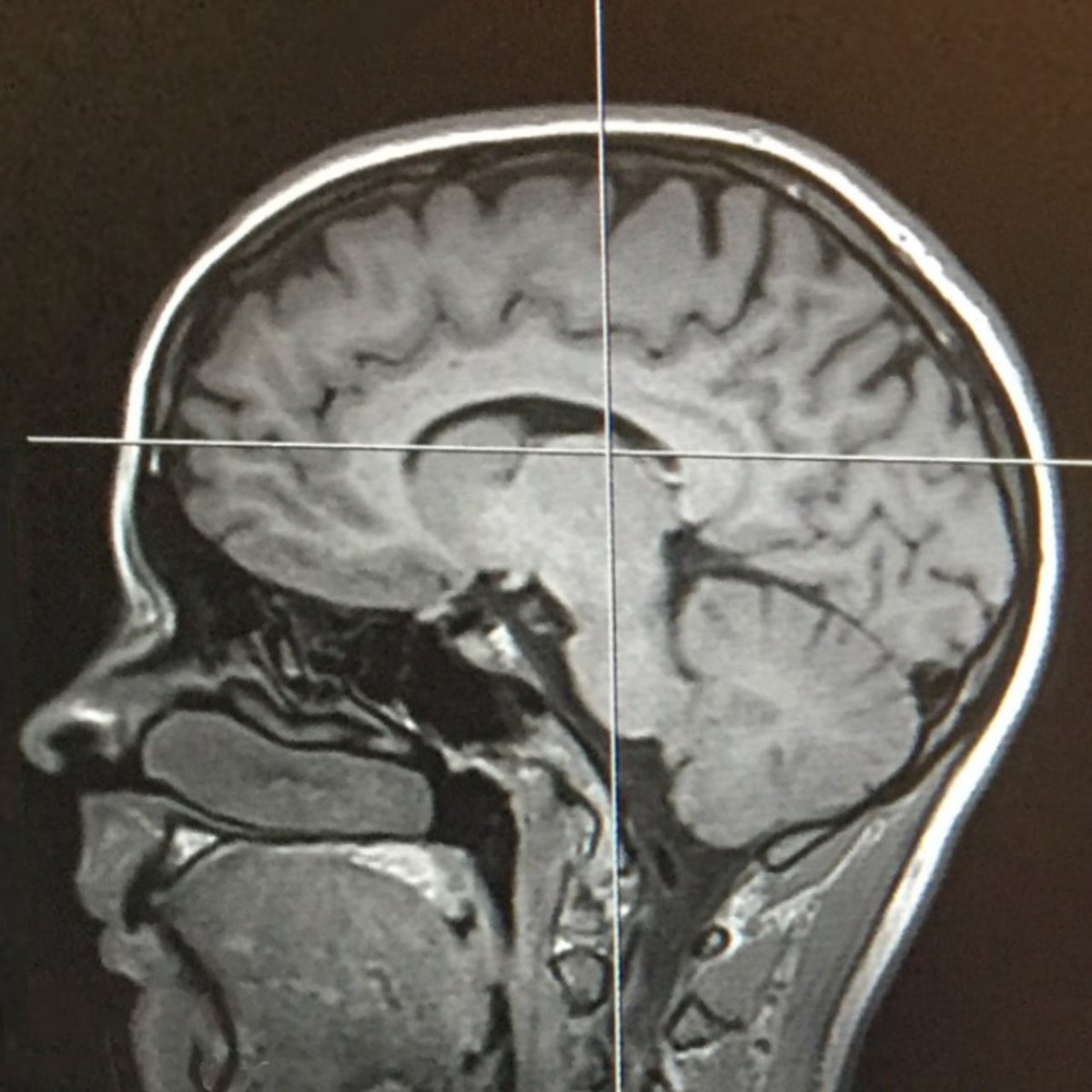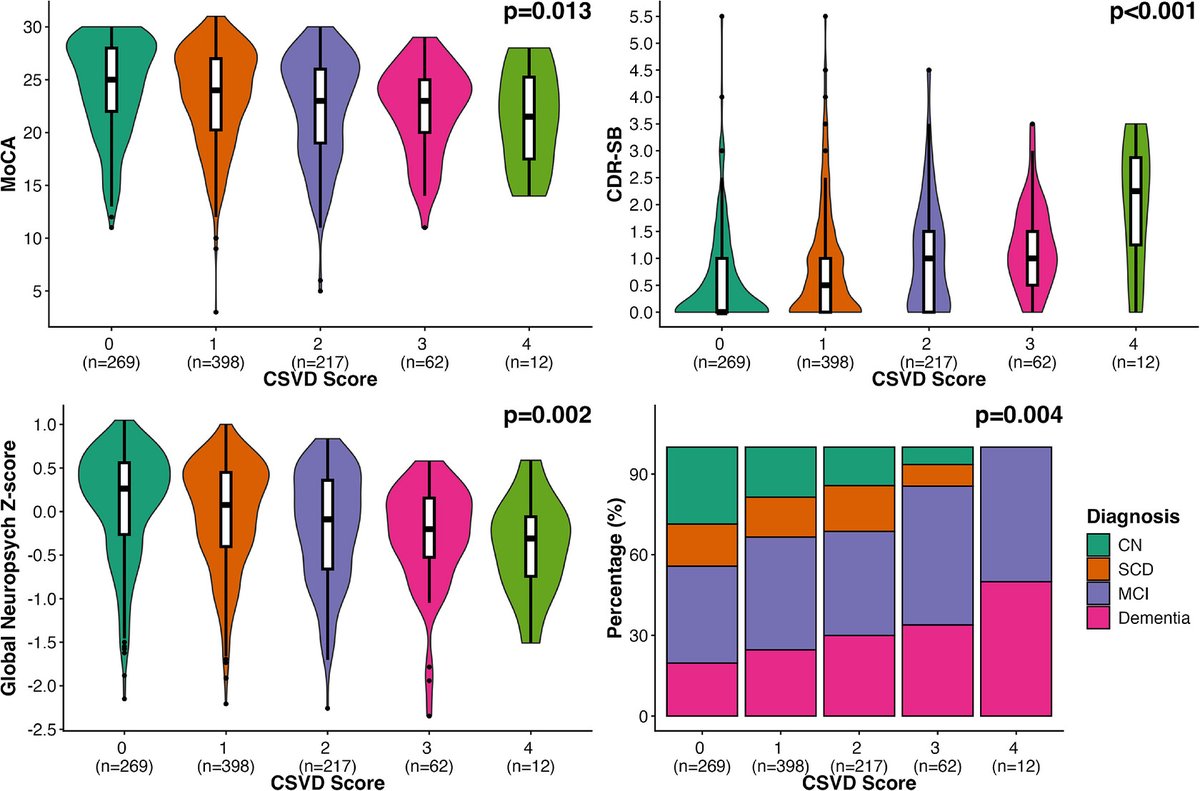
🚨In this detailed analysis of imaging features of small vessel disease (CSVD) in the national COMPASS-ND cohort, we show how CSVD burden contributes to poorer cognition across neurodegenerative conditions and cognitive profiles alz-journals.onlinelibrary.w…@alzdemjournals@ccna_ccnv
ALT Violin-box and stacked bar plots of cognitive outcomes as a function of CSVD scores showing worsening outcomes with higher CSVD burden. Raw unadjusted data are shown. Corresponding p values are shown in top right of plot and were extracted from linear or median quantile regression, as appropriate, adjusted for age, sex, and years of education. Better cognitive function is indicated by higher MoCA scores, lower CDR-SB scores, and higher neuropsychological composite z-scores. MoCA, Montreal Cognitive Assessment; CDR-SB, Clinical Dementia Rating-Sum of Boxes; CSVD, cerebral small vessel disease.
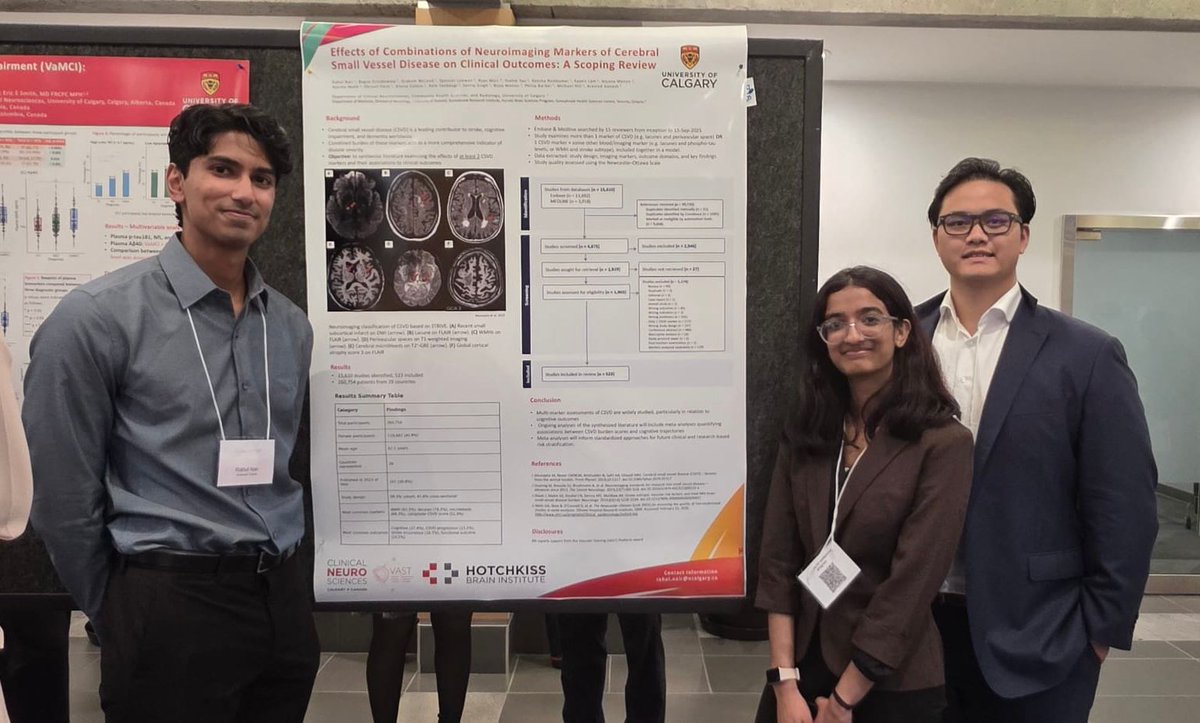
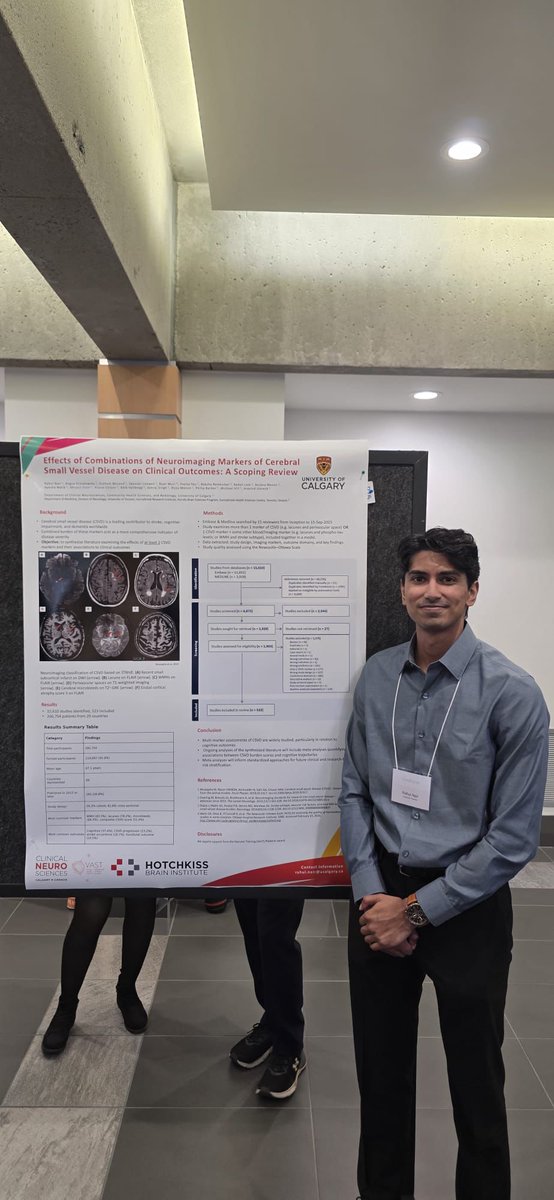
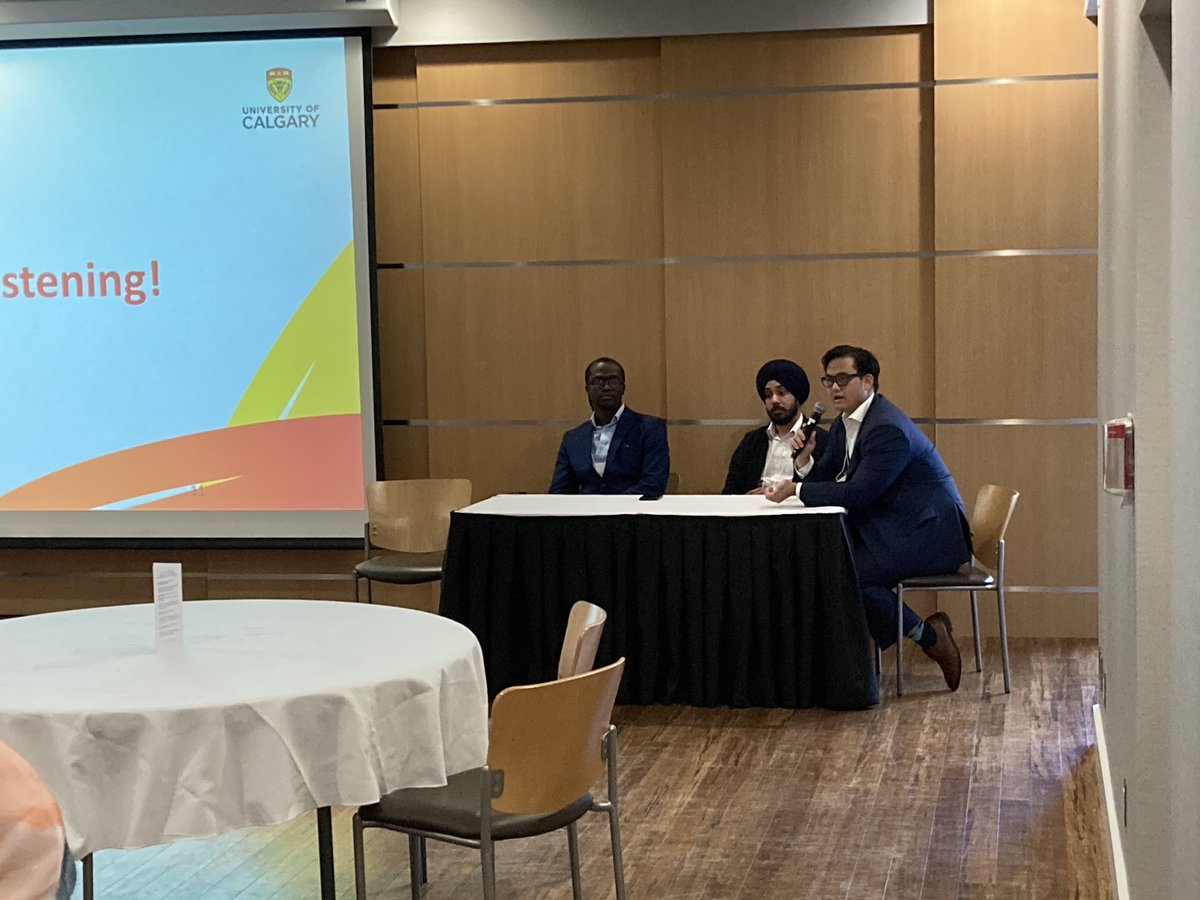
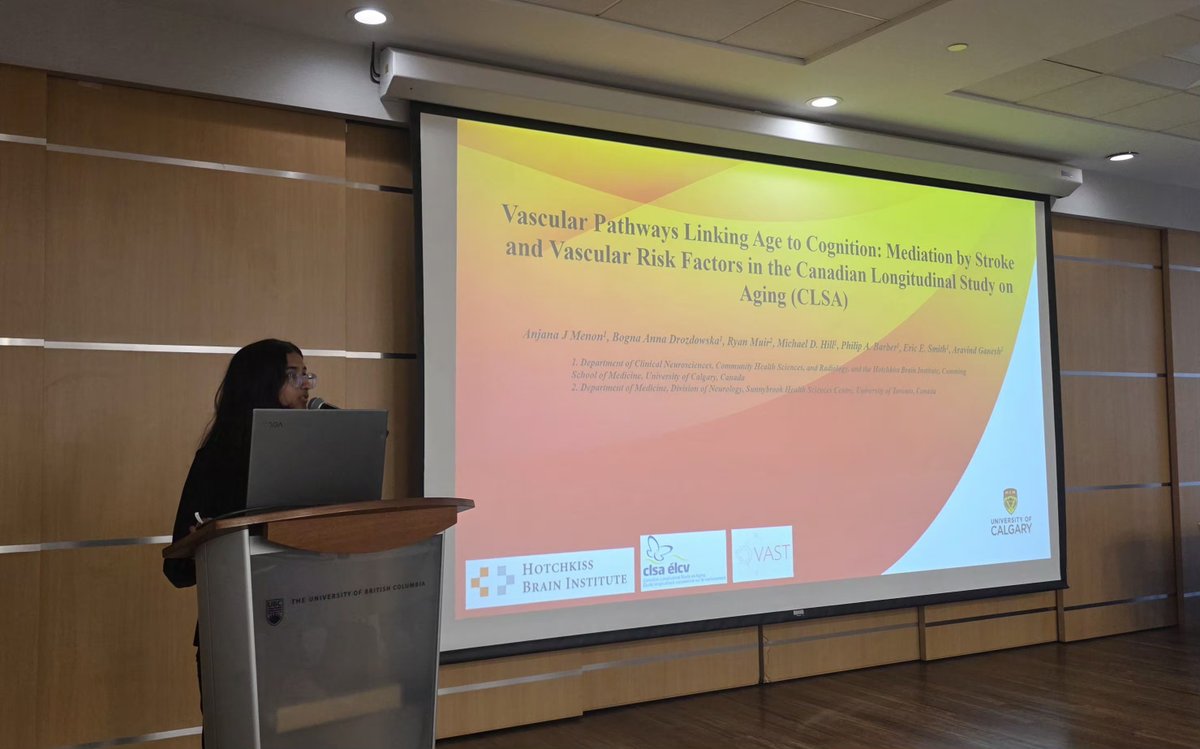
Kudos to grad students @kadenlam8@rahulnair320 and Anjana Menon @HotchkissBrain for representing our lab at the 2026 @VAST_training conference with their work on small vessel disease and vascular contributions to dementia!
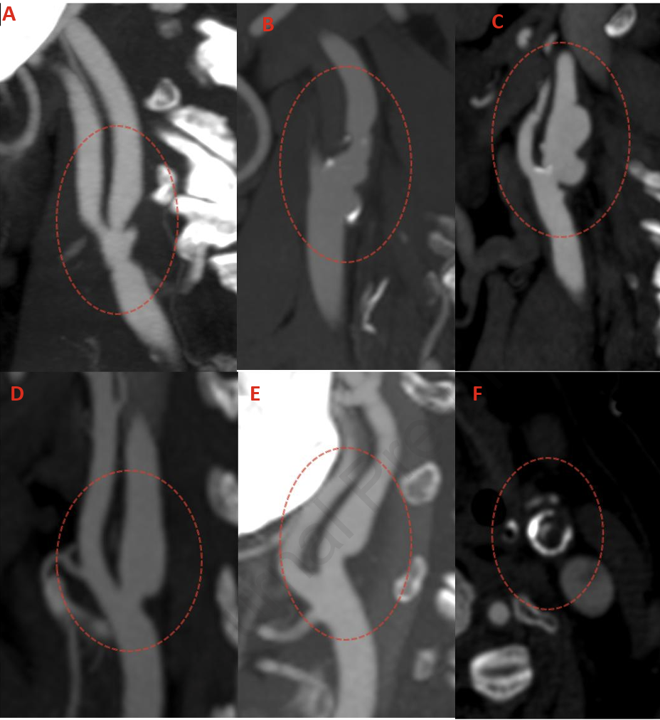
🚨In this study of nonstenotic carotid disease in Manitoba, we show the role of plaque thickness ulceration in⏫risk of recurrent stroke. Kudos to @nishita_singh3 for building this team from the ground up & to med student Kamran on the paper! @NimaKashanijvsvi.org/article/S2949-9127…
Proud to share our latest in @JournalCJNS 🧠
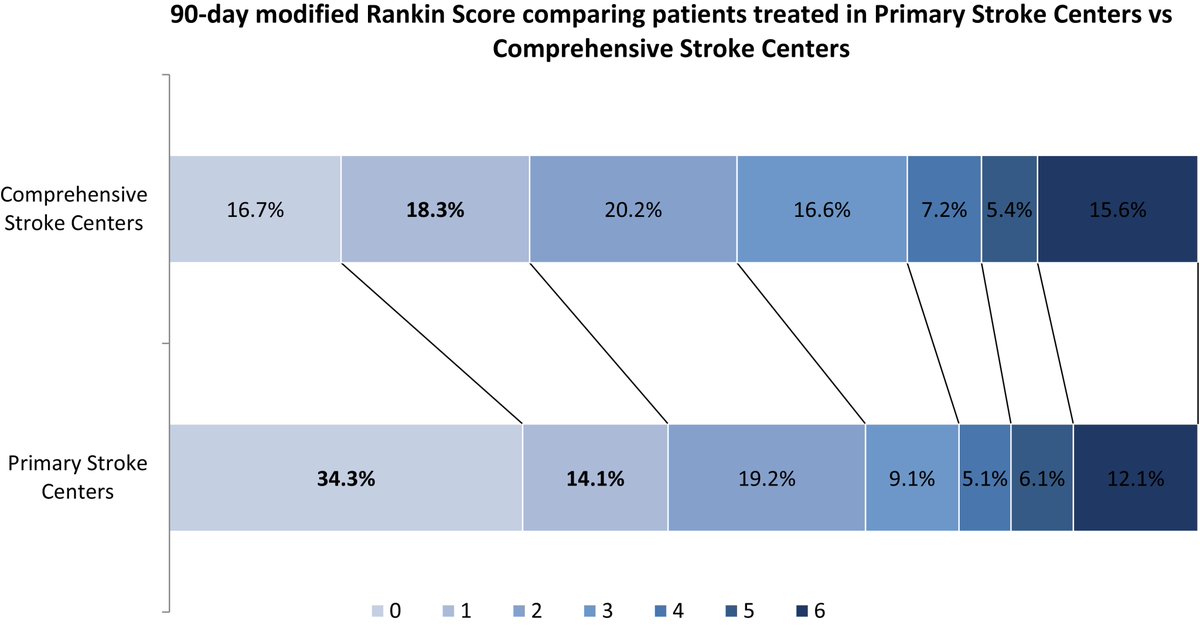
Secondary analysis of the large phase 3 AcT Trial shows:
➡️Patients treated at PSCs achieve outcomes comparable to CSCs
➡️Despite longer DNTs times,
➡️Tenecteplase may facilitate faster transfer workflows in EVT candidate
OA link👇
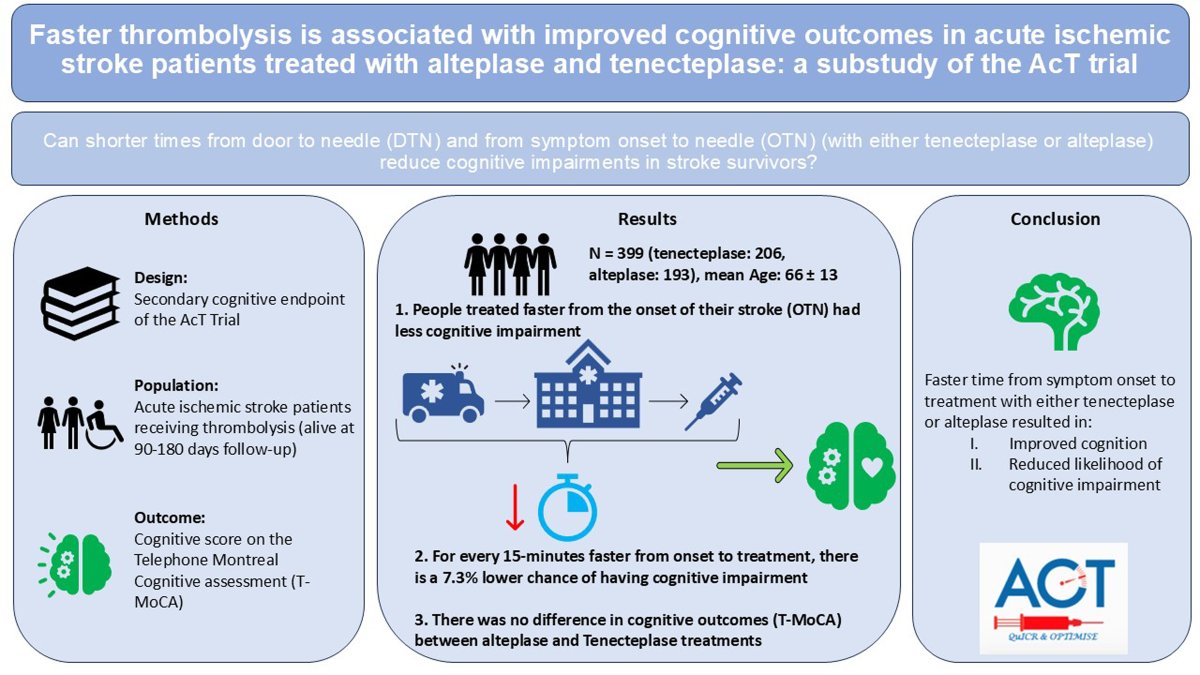
Faster Thrombolysis, Sharper Minds: Early Alteplase or Tenecteplase Linked to Better Poststroke Cognition
In this #BloggingStroke post, Anel Karisik discusses #Stroke article by Sujanthan et al. ahajournals.org/do/10.1161/b…
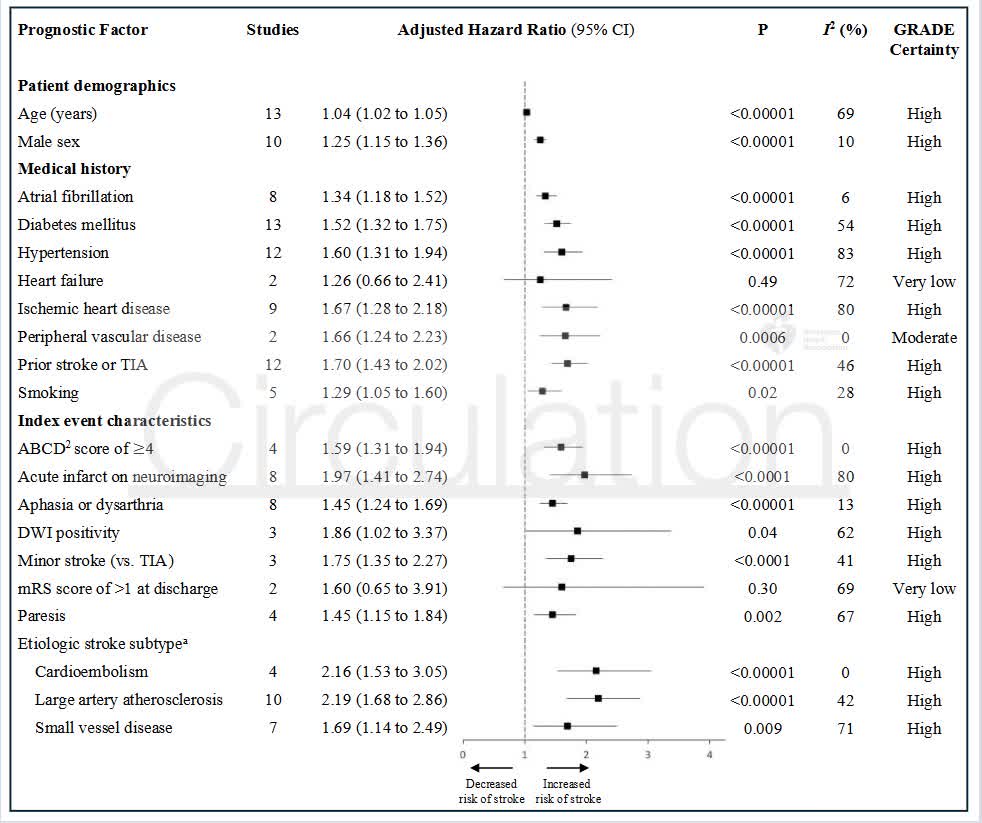
#Systematic Review and Meta-analysis quantifies the relative contribution of prognostic factors to long-term stroke risk in patients with TIA or mini stroke, emphasizing the need for comprehensive assessment and individualized management. ahajrnls.org/3PjczsI
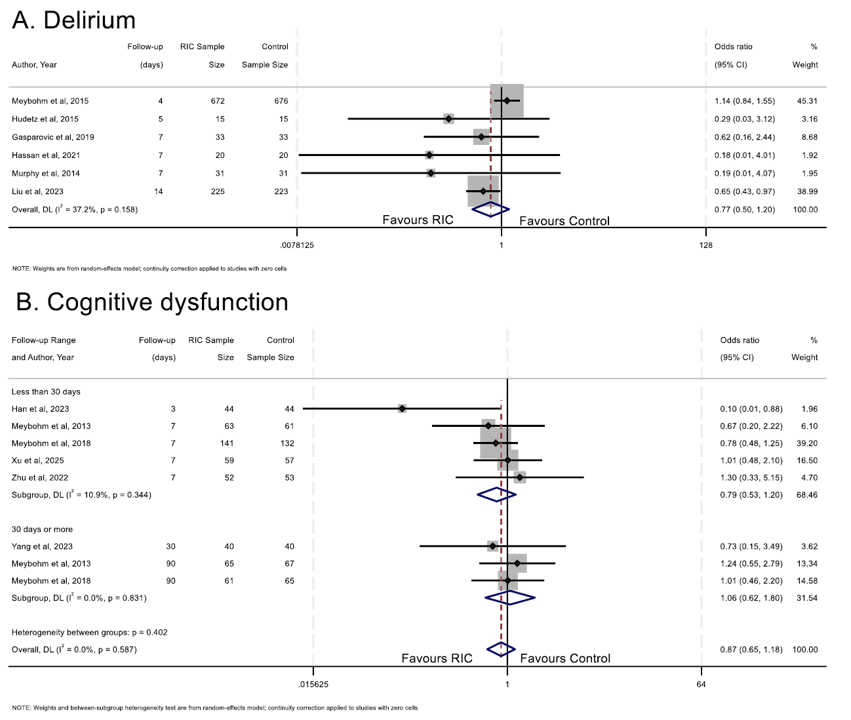
🚨Our meta-analysis on trials of remote ischemic conditioning for mitigation of postoperative cognitive dysfunction and delirium, led by @kadenlam8, is now officially out in press in @journal_aps! @DCNSNeuro@HotchkissBrain
🧠Can RIC really protect the brain? New meta-analysis just dropped!
📊15 RCTs, ~3000 patients:
❌No reduction in POD
❌No reduction in POCD
⚠️Slight improvement in global cognition (MMSE/MoCA ↑)
🤔 Neuroprotection ≠ clinical benefit?
link.springer.com/article/10…#POCD#Delirium
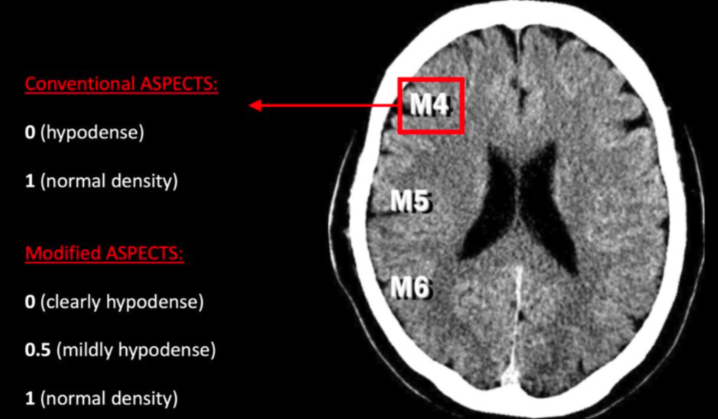
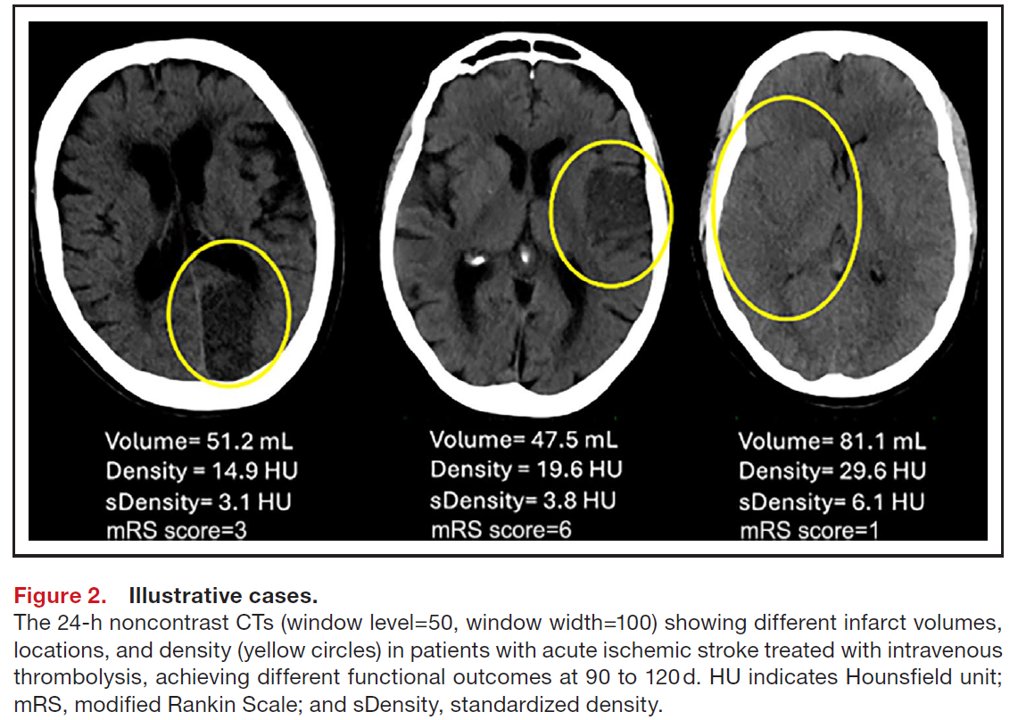
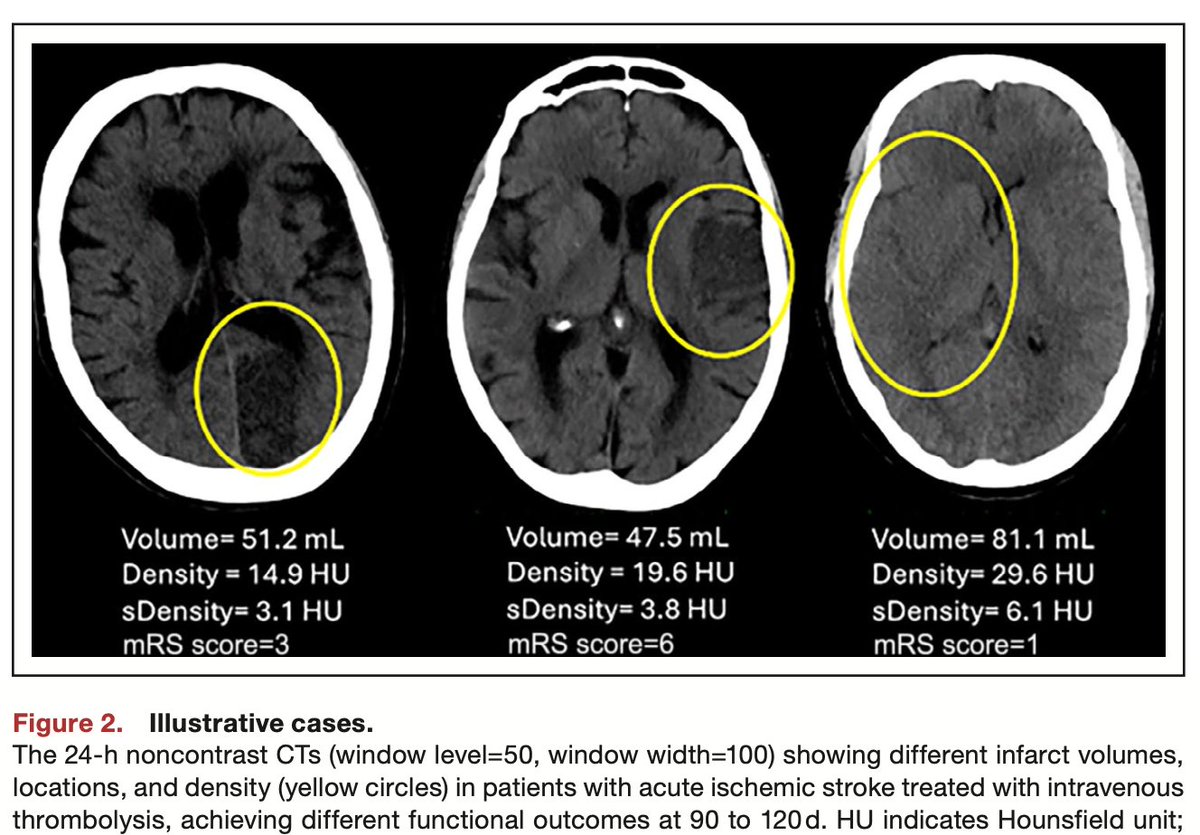
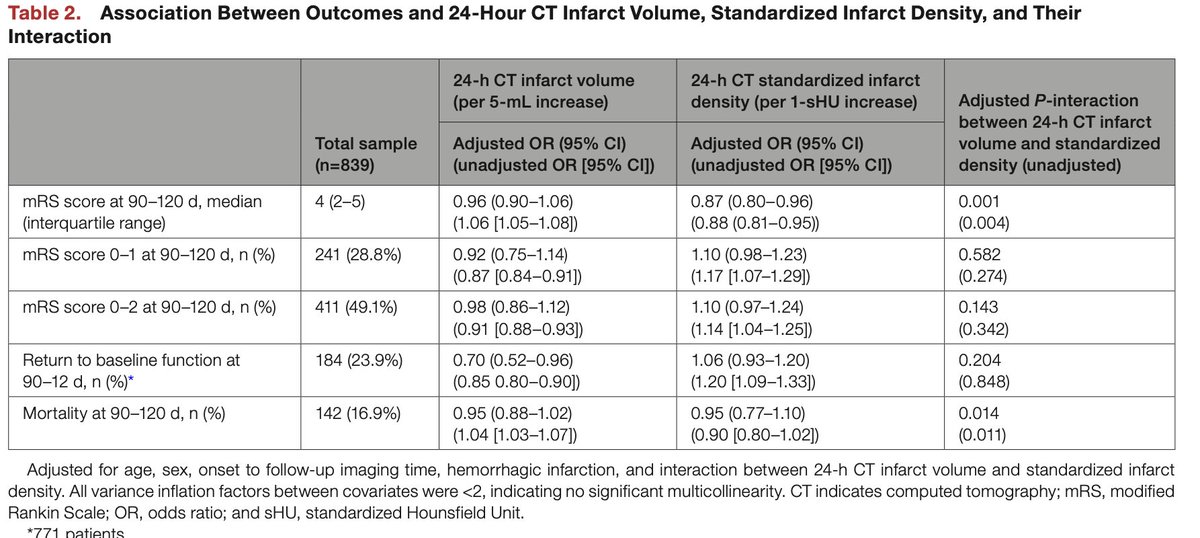
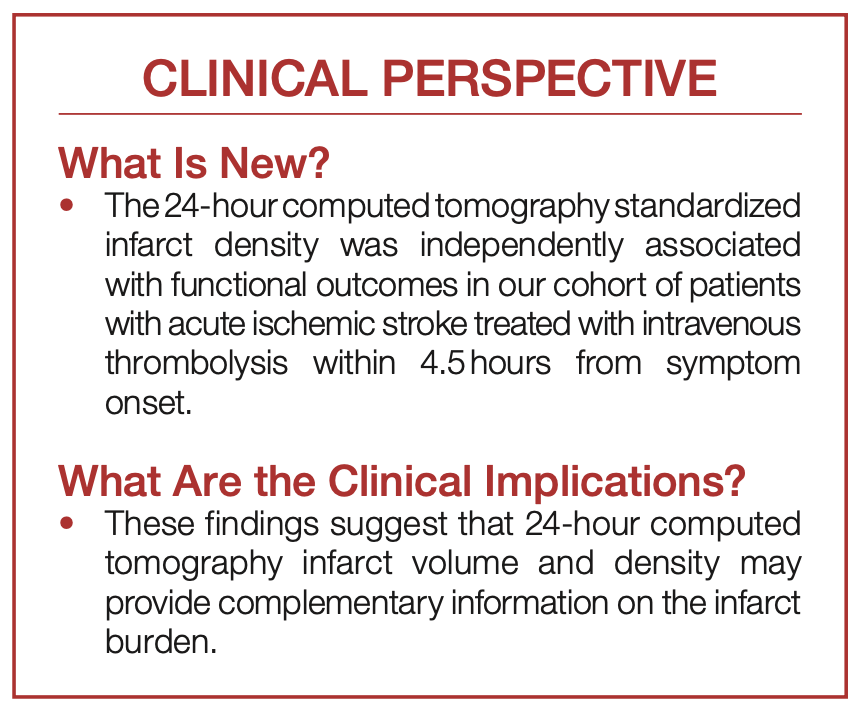
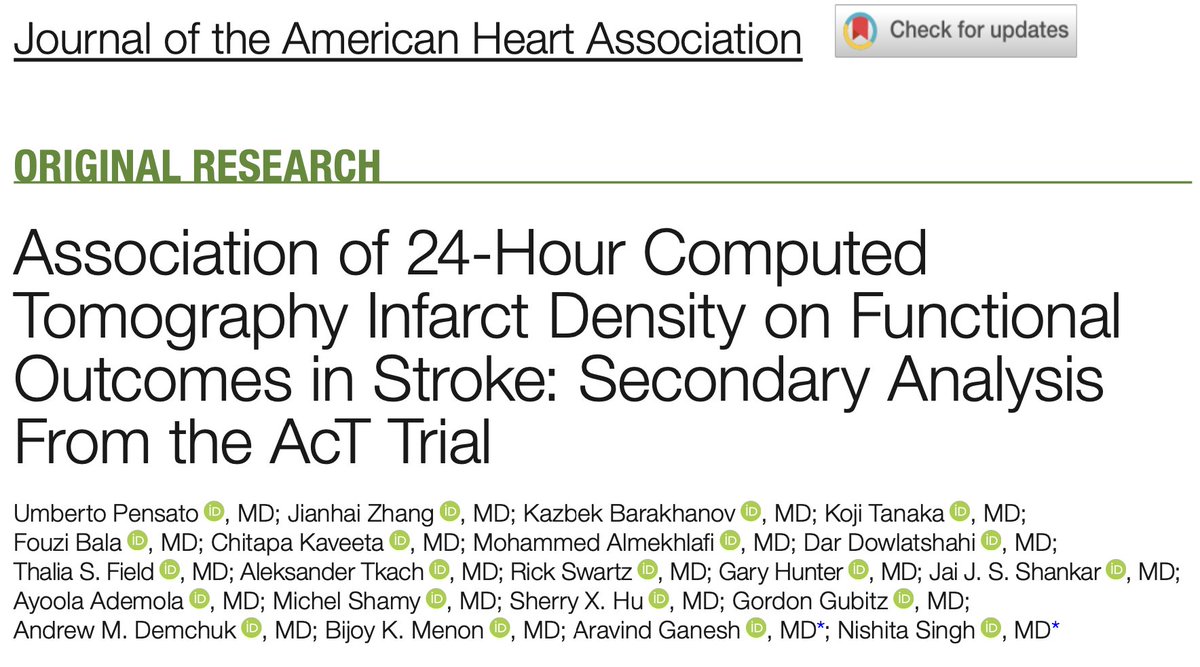
🚨Infarct density on follow-up imaging determines stroke outcomes independent of infarct volume, as we show in this analysis of @ActRrct, co-led with @UPensato@nishita_singh3: ahajournals.org/doi/10.1161/…. We can automatically determine density standardized across the infarct extent!
ALT Illustrative examples of cases with different volumes and infarct densities showing how smaller infarcts can lead to worse outcomes when more hypodense, whereas larger infarcts can have good outcomes when less hypodense.
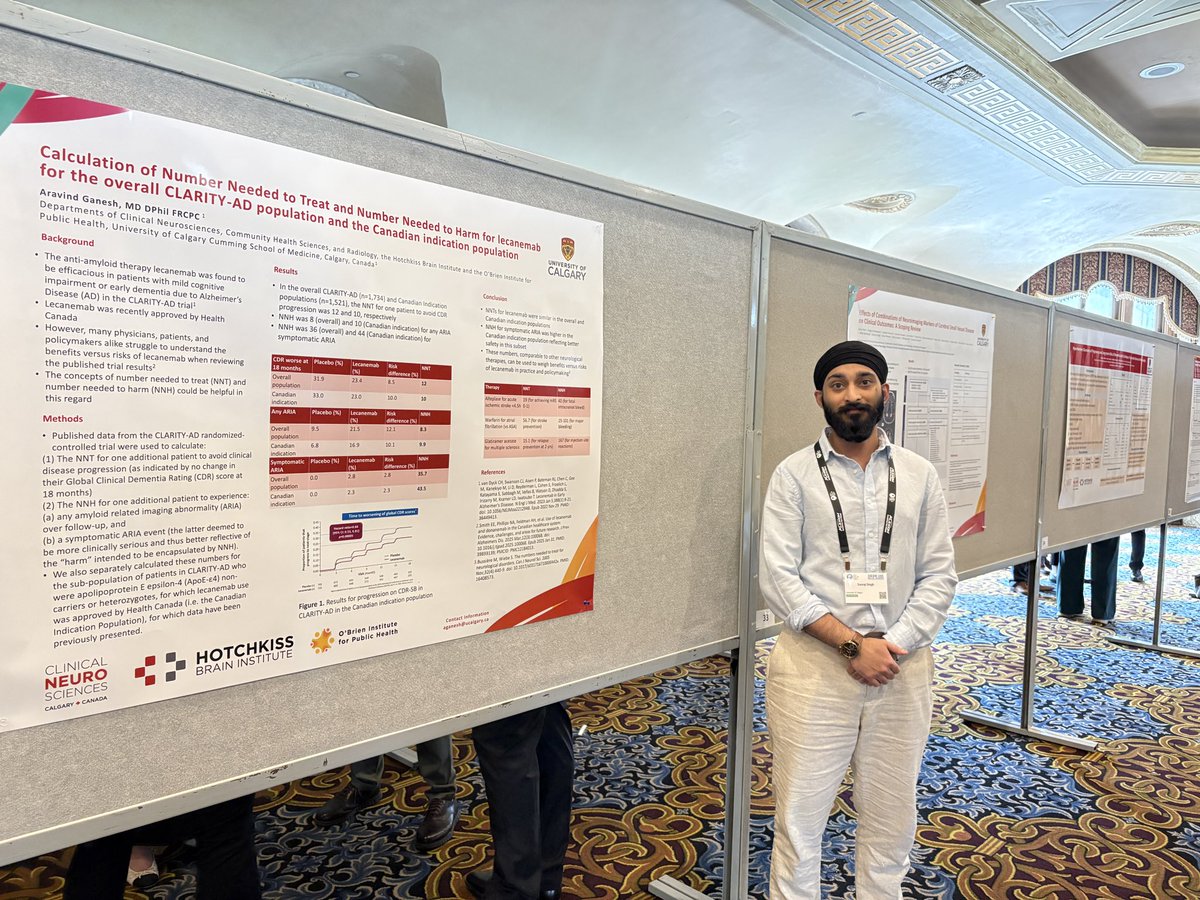
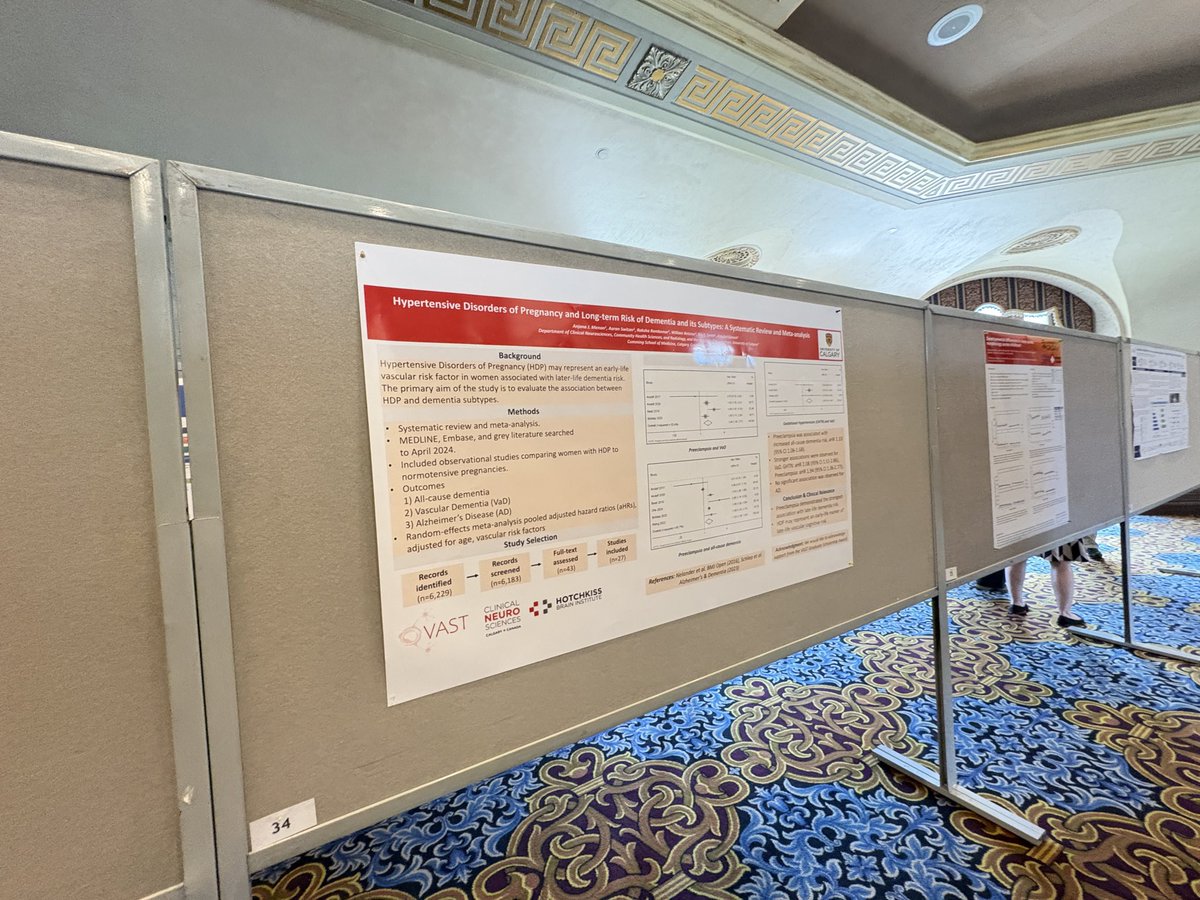
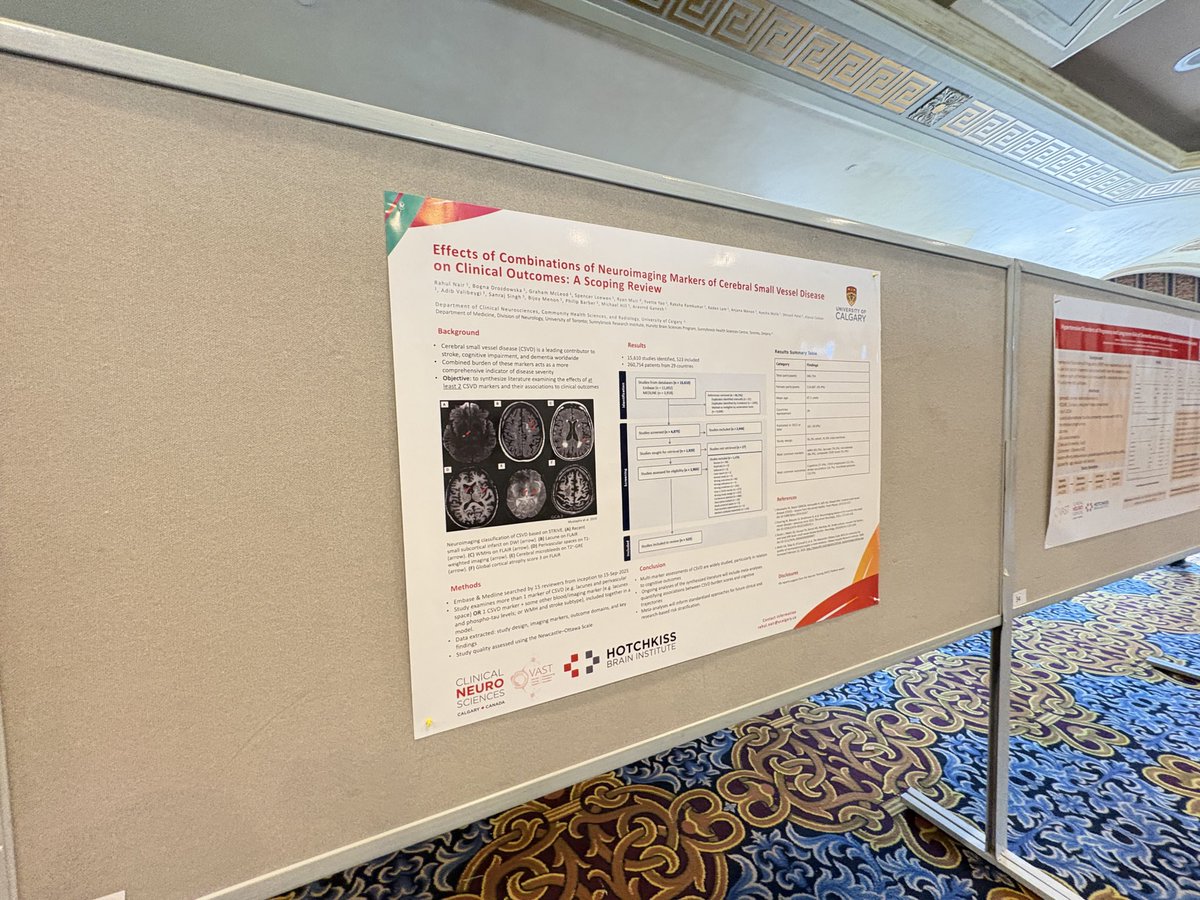
Our intrepid MSc student @SanrajSingh4 is presenting 3 posters from our lab at @CNSFNeuroLinks on lecanemab in AD, hypertensive disorders in pregnancy, and cerebral small vessel disease! Thanks Sanraj! @HotchkissBrain@DCNSNeuro
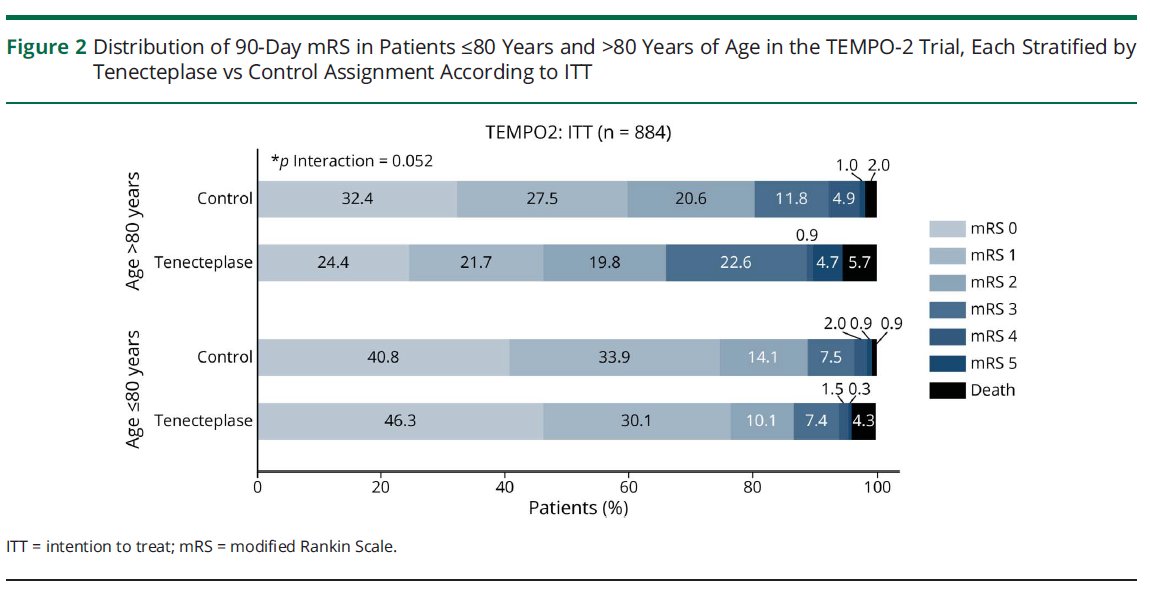
🚨In the TEMPO-2 RCT, older patients (>80y) with minor stroke & visible occlusion/perfusion lesion assigned to TNK were more likely to achieve recanalization of occlusions & short-term neuro recovery, as were younger patients, but they experienced worse 90d outcomes @GreenJournal
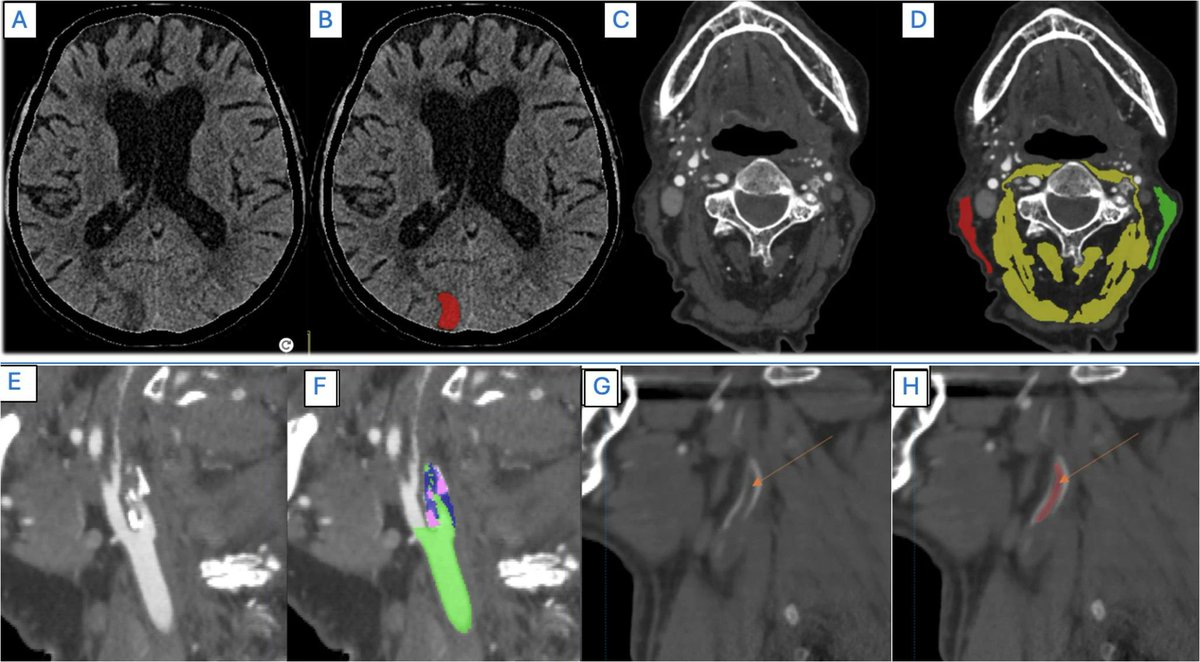
🚨We review the role of AI-based imaging tools in stroke care, focusing on automated detection of imaging abnormalities & emerging tools that provide quantitative imaging biomarkers to support treatment decisions @SpringerNature : link.springer.com/article/10… Led by @barakhanov!
🚨 Could periop Remote Ischemic Conditioning reduce postop delirium or cognitive dysfunction? In this meta-analysis led by @kadenlam8 & @StrokeCogCanada postdoc Bogna Drozdowska, we saw no clear benefit of RIC for these indications... @SpringerNaturelink.springer.com/article/10… 1/2
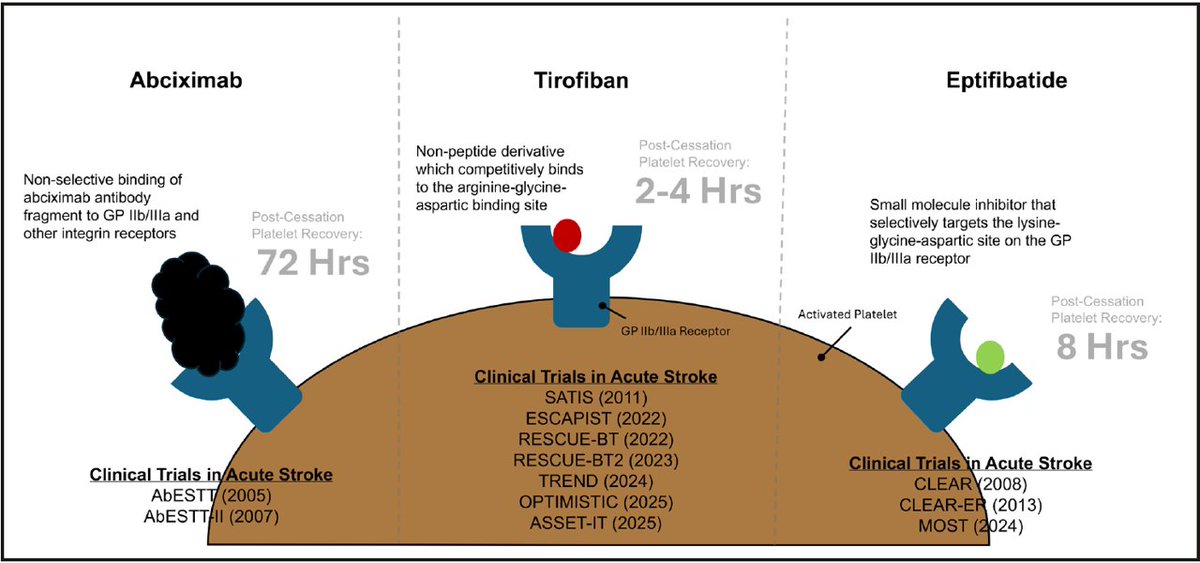
🚨 Glycoprotein IIb/IIIa agents offer hope for enhancing clot dissolution & outcomes in ischemic stroke. We discuss promising therapeutic candidates & evaluate the clinical contexts in which they are likely to be beneficial: doi.org/10.1161/strokeaha.12…@HotchkissBrain@StrokeAHA_ASA
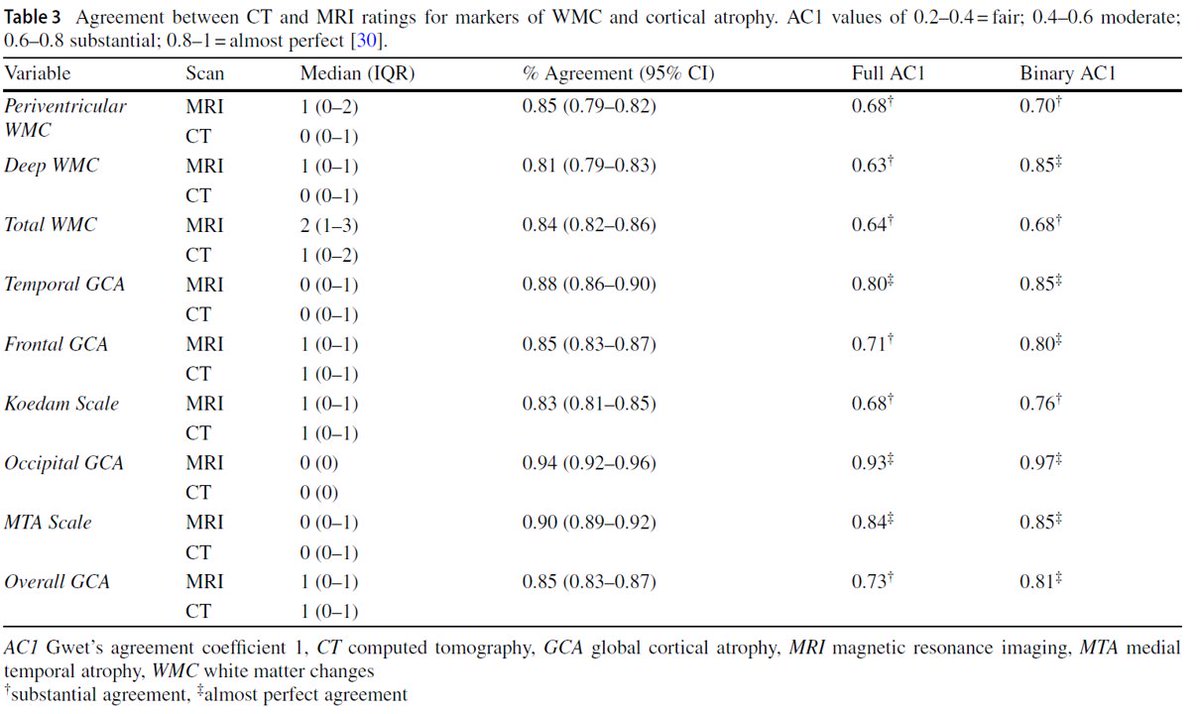
🚨 Brain frailty predicts stroke outcomes. We show that CT ratings of atrophy & white matter changes agree well w/ MRI ratings, w/ similar 90d outcome prediction- so CTs can be reasonably used to assess these features in practice & trials: doi.org/10.1007/s00062-026-0…@HotchkissBrain