Critical Care physician. Emergency physician. Researcher interested in all things resuscitation and critical care. Learning every day.
Joined February 2017
- Tweets 1,308
- Following 261
- Followers 1,183
- Likes 3,804
134 Photos and videos
Pinned Tweet

26 Oct 2022
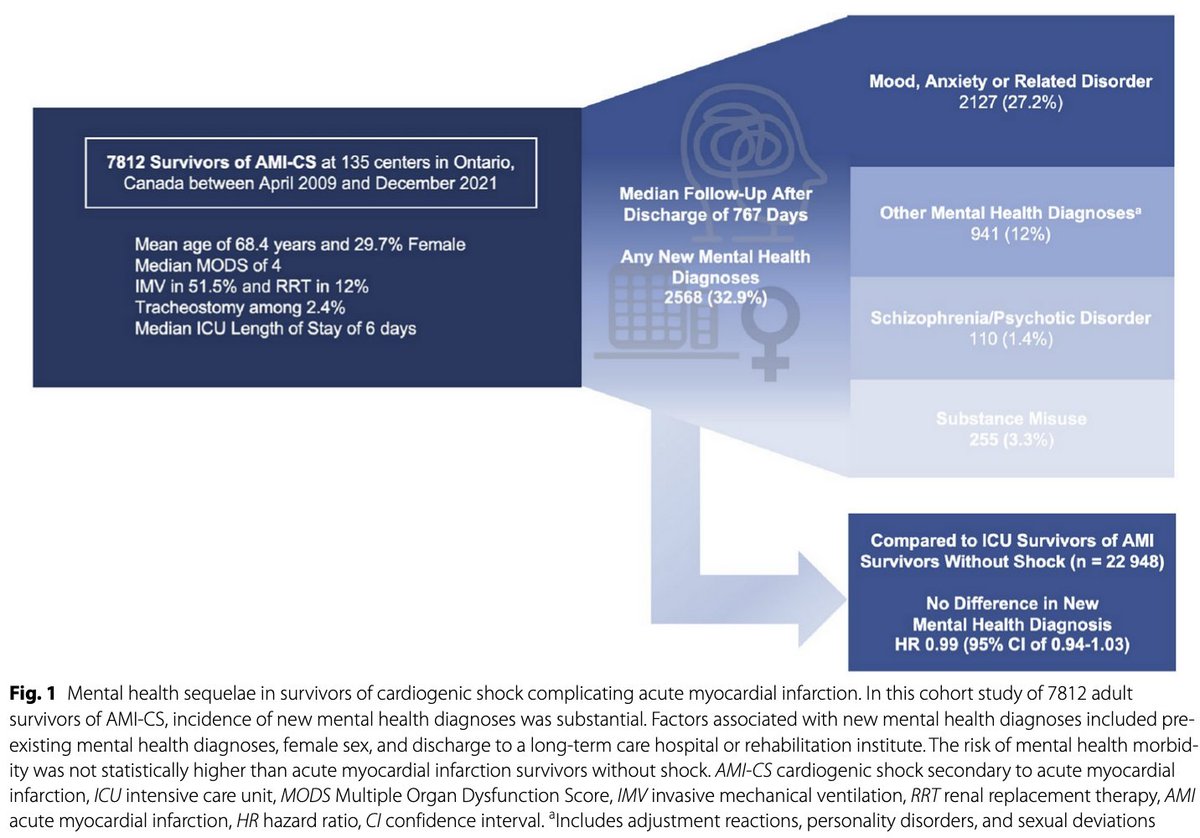
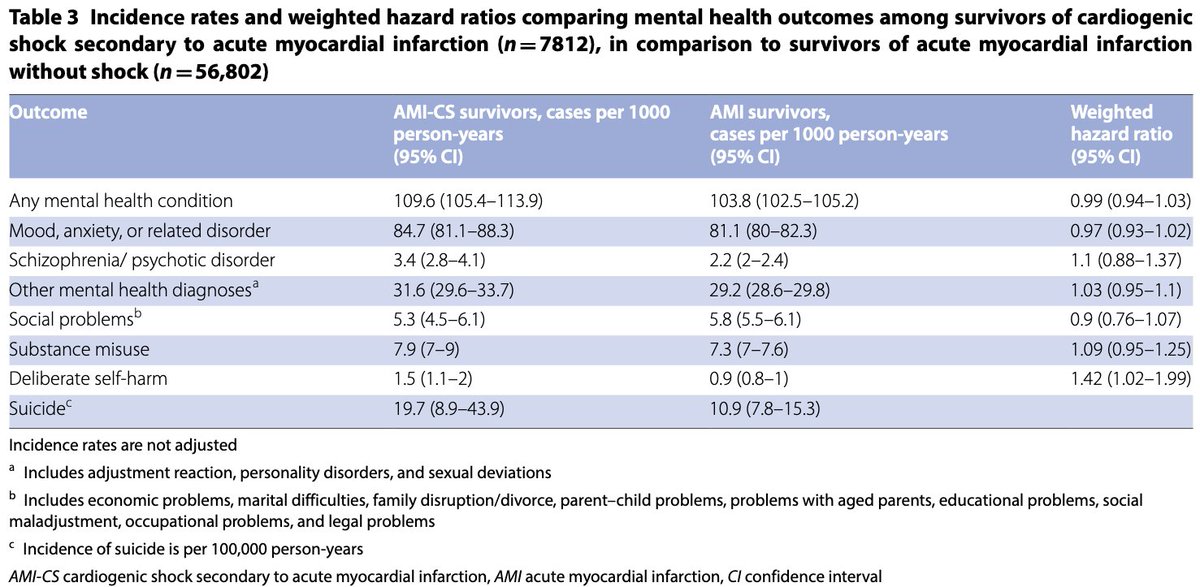
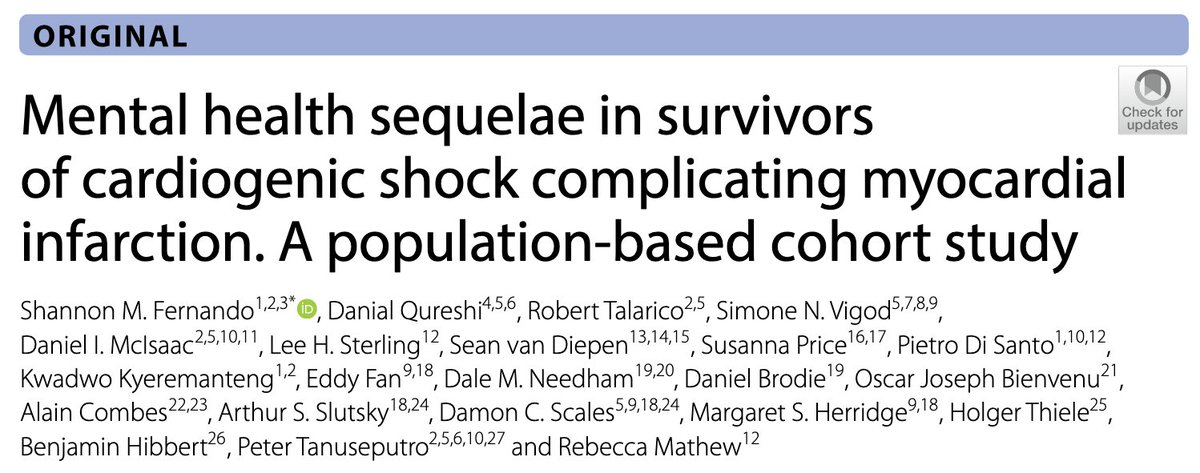
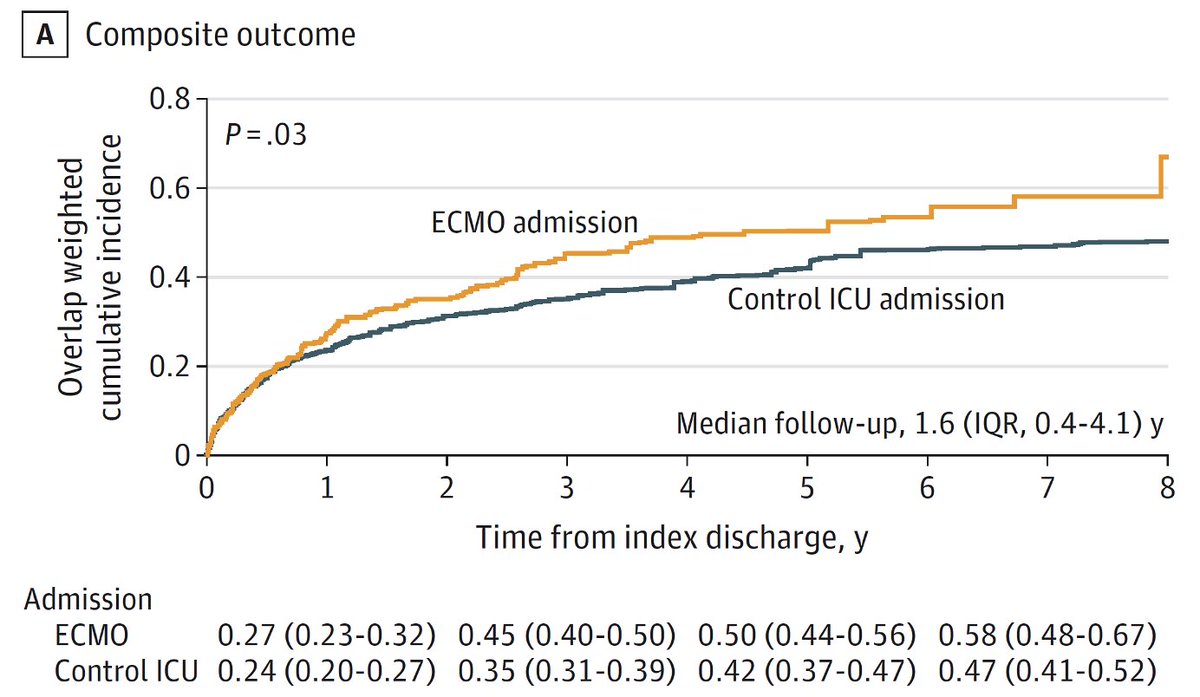
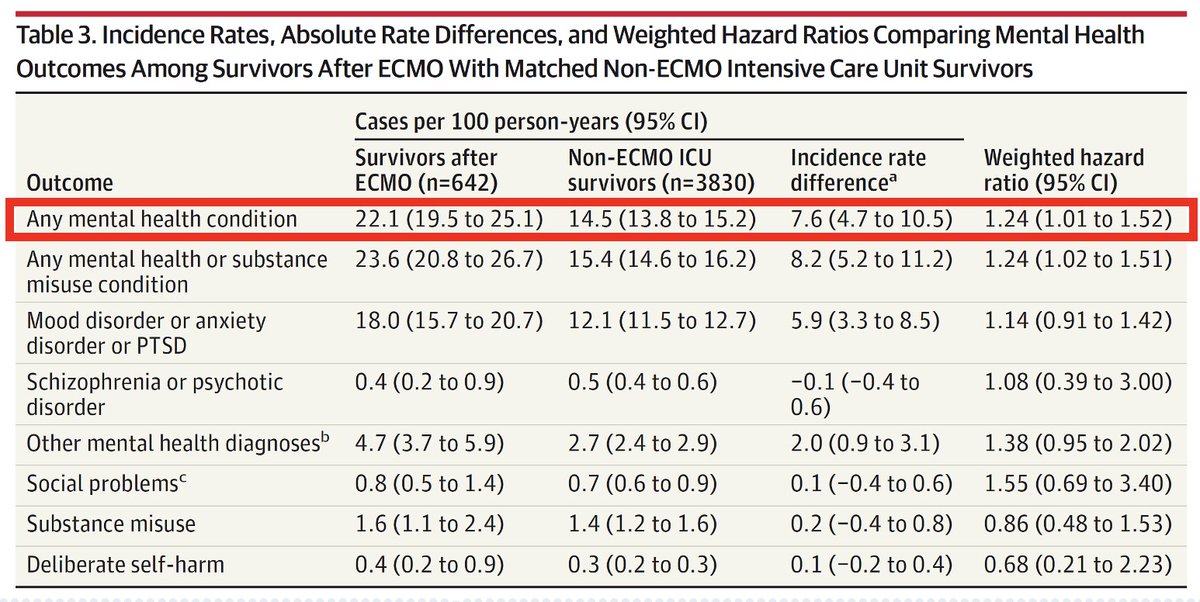
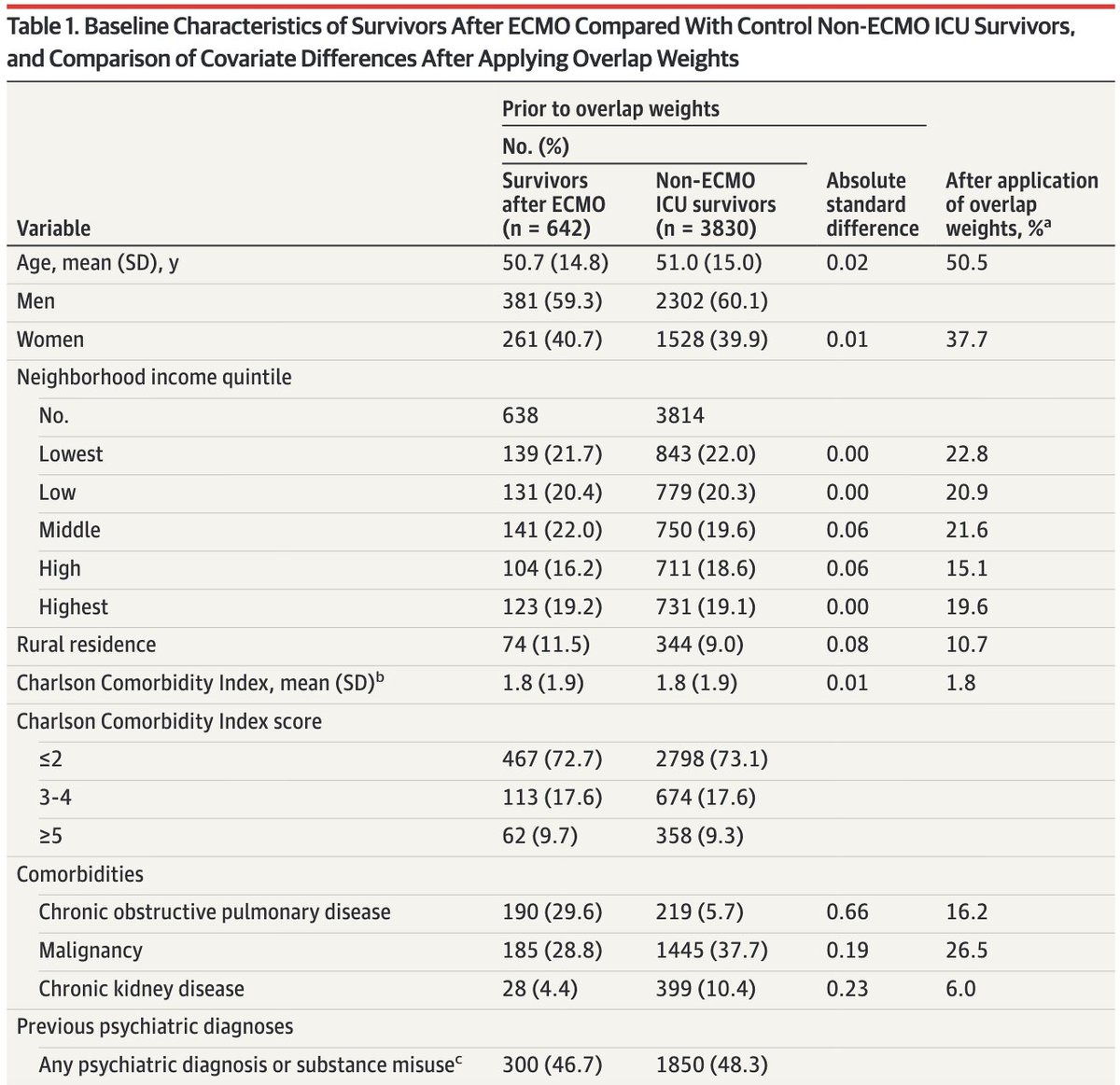
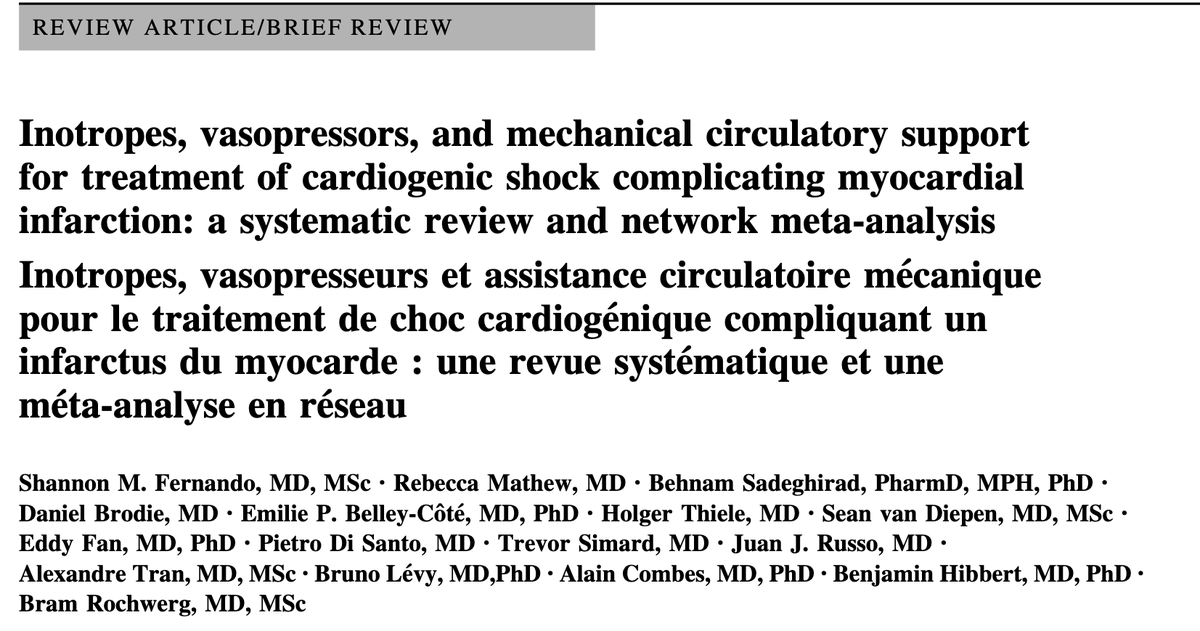
🧵 Long-term outcomes after #ECMO are lacking in the literature.
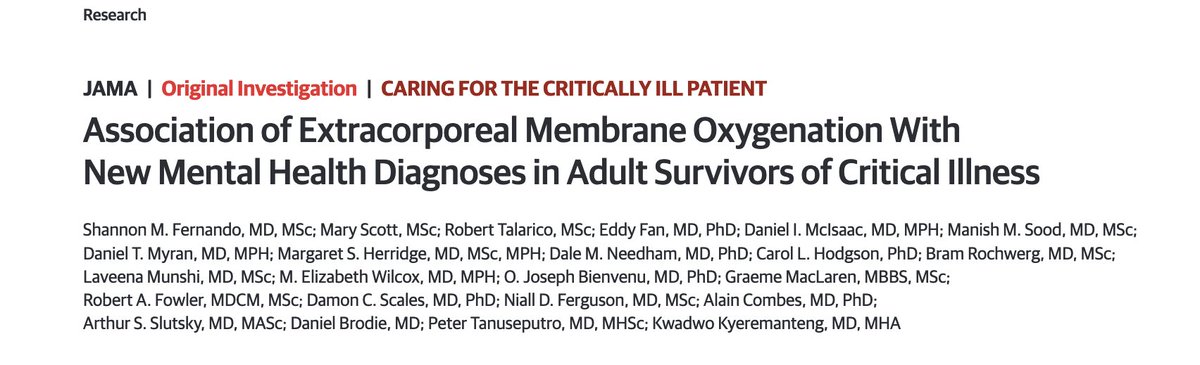
A brief thread on our new paper in @JAMA_current, looking at mental health outcomes in survivors after ECMO (OPEN ACCESS).
Thrilled to have presented the results live @ESICM #LIVES2022
jamanetwork.com/journals/jam…
3
42
104
Shannon Fernando retweeted

May 5
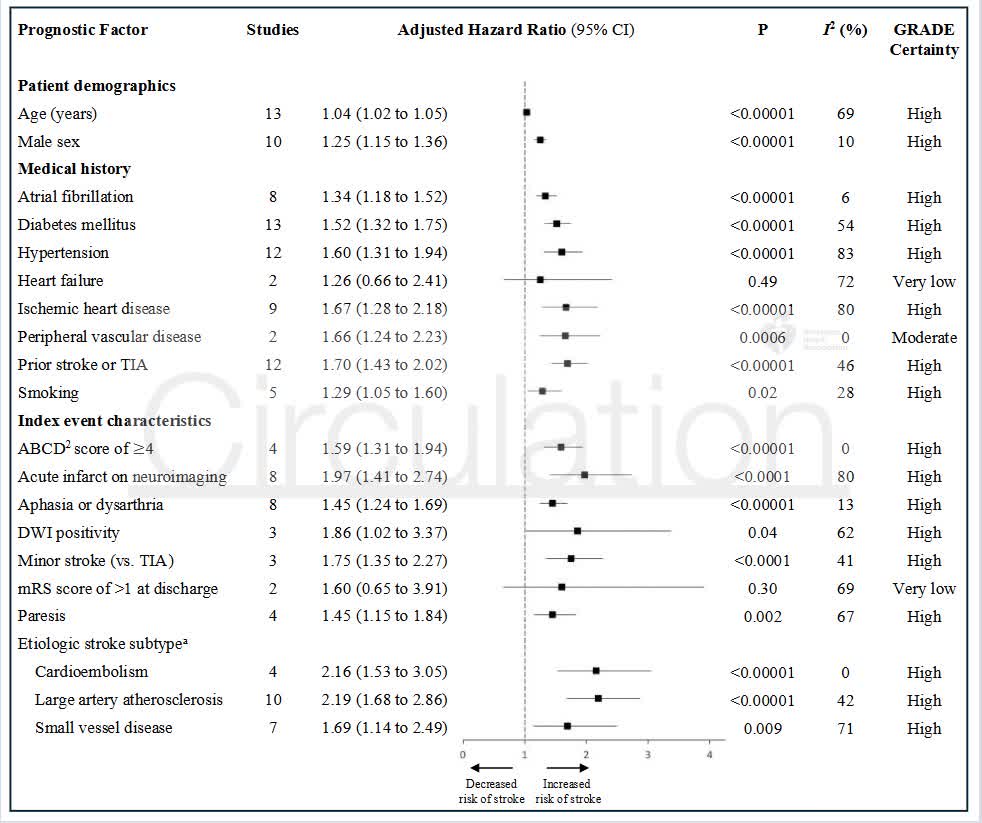
#ICYMI: Long-Term Risk of Stroke After TIA or Minor Stroke @FaizanK91 @HotchkissBrain @UCalgaryMed
@mihill68 @VYogendrakumar
@draravindganesh @SimonFaHo
@shanfernands @khanevski @rondalun1
Mar 20

#Systematic Review and Meta-analysis quantifies the relative contribution of prognostic factors to long-term stroke risk in patients with TIA or mini stroke, emphasizing the need for comprehensive assessment and individualized management. ahajrnls.org/3PjczsI
1
12
13
4,143
Shannon Fernando retweeted

The mic cut out during O Canada, and the Buffalo crowd didn’t miss a beat 🇨🇦
927
2,126
23,232
1,272,991
Shannon Fernando retweeted

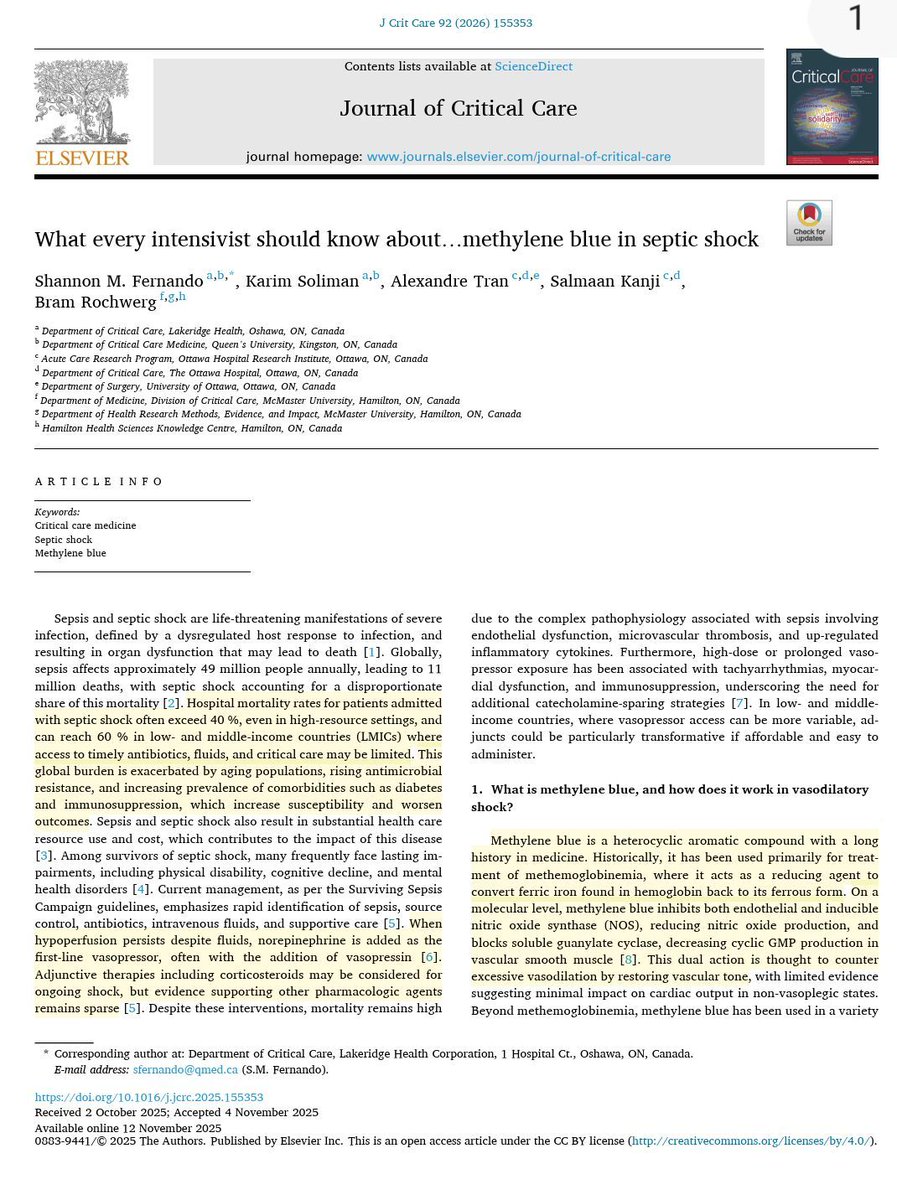
💙 Methylene blue in septic shock: miracle, myth… or misunderstood tool?
We all know the scenario:
👉 Refractory vasoplegic shock
👉 Escalating norepinephrine
👉 Vasopressin, steroids… still hypotensive
At some point, the question comes:
Should we use methylene blue?
⚡ Mechanism
Septic shock = NO-driven vasoplegia
Methylene blue acts by:
❌ Inhibiting nitric oxide synthase (NOS)
❌ Blocking soluble guanylate cyclase
⬇️ Reducing cGMP
➡️ Restoring vascular tone
👉 A true catecholamine-sparing strategy
📊 What does the evidence say?
Reality check:
Use in practice is rare (~0.5% of septic shock patients)
Often used as late salvage therapy
Dosing strategies = highly variable
But RCT signals are interesting:
↓ Vasopressor duration
↓ ICU / hospital length of stay
Possible ↓ mortality (low certainty)
👉 Evidence is promising… but still weak
🚨 The clinical dilemma
Timing is everything:
Early use → potential physiologic benefit
Late use → often too late to change trajectory
👉 Current practice is probably backwards
⚠️ What about safety?
Potential concerns:
Serotonin syndrome (with SSRIs)
Pulmonary vasoconstriction
G6PD-related hemolysis
Interference with pulse oximetry
👉 Most serious effects seen with high doses
🧠 Take-home message
> Methylene blue is not a “magic drug”
but it may be a physiology-driven adjunct in vasoplegic shock
❓The real questions are:
Who benefits?
When to give it?
At what dose?
🚀 Where we’re heading
Ongoing trials (e.g., BLUSH trial) will clarify:
✔️ Early vs late use
✔️ Optimal dosing strategy
✔️ True impact on mortality
👉 This could redefine vasoplegic shock management
💡 Clinical reflection
Next time you face refractory shock, ask:
👉 Is this still “fluid catecholamine problem”…
👉 or already a NO-mediated vasoplegia problem?
📚 Reference
Fernando, S. M.et al. Journal of Critical Care, 92, 155353.
doi.org/10.1016/j.jcrc.2025.…
ALT
3
66
250
15,839
Shannon Fernando retweeted

Mar 5
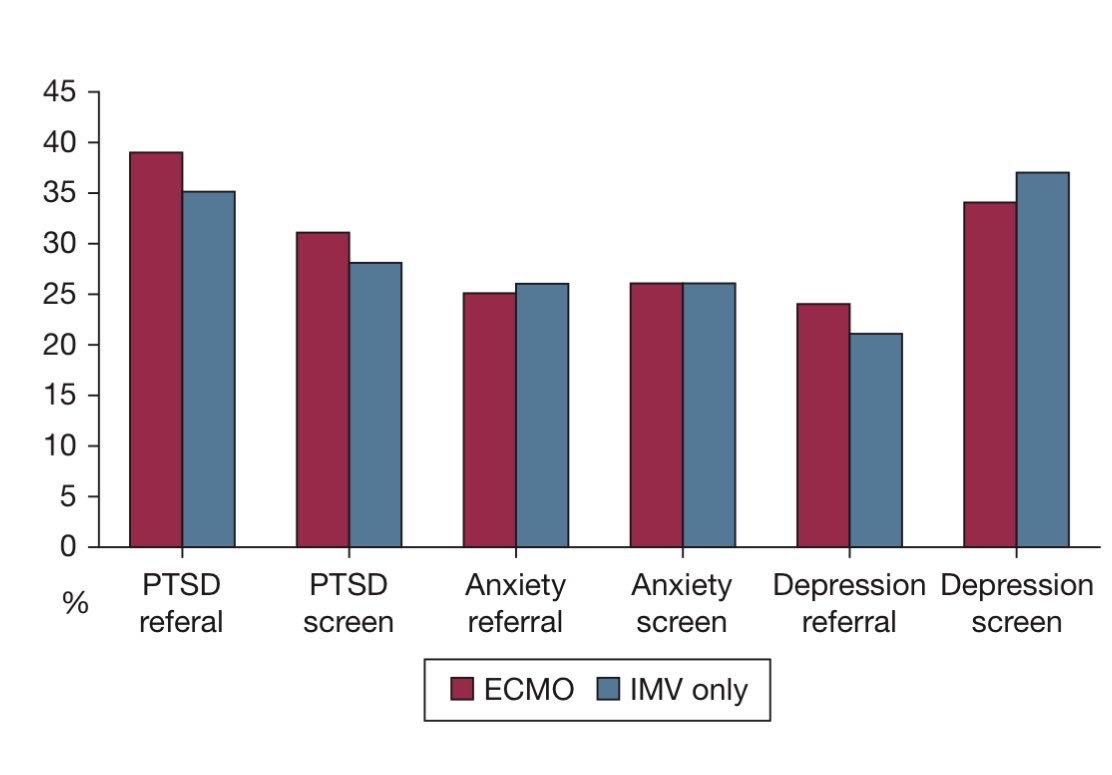
⚙️ Curious re the long term outcomes of ECMO & iMV? 🫁
👀 Check out N Jawa & @shanfernands’s new 🌟editorial🌟 on L Rose et al’s study in #journal_CHESTCritCare:
Ed: chestcc.org/article/S2949-78…
Art: chestcc.org/article/S2949-78…
5
6
774
Shannon Fernando retweeted

We're expanding our group! If you want to work with an amazing team in a terrific city, please consider applying! Please share widely.
canadiancriticalcare.org/Job…
1
6
10
986
A devastating loss. A brilliant clinician-scientist, and a genuinely amazing human being. I have no words.
Feb 4

It is so painful to share the news of @FralickMike sudden and unexpected passing 💔
Mike was an amazing, inspiring and generous person who touched the lives of many.
As we mourn, please share and consider supporting his wife and 2-year-old daughter. gofund.me/236771146
5
1,032
Shannon Fernando retweeted
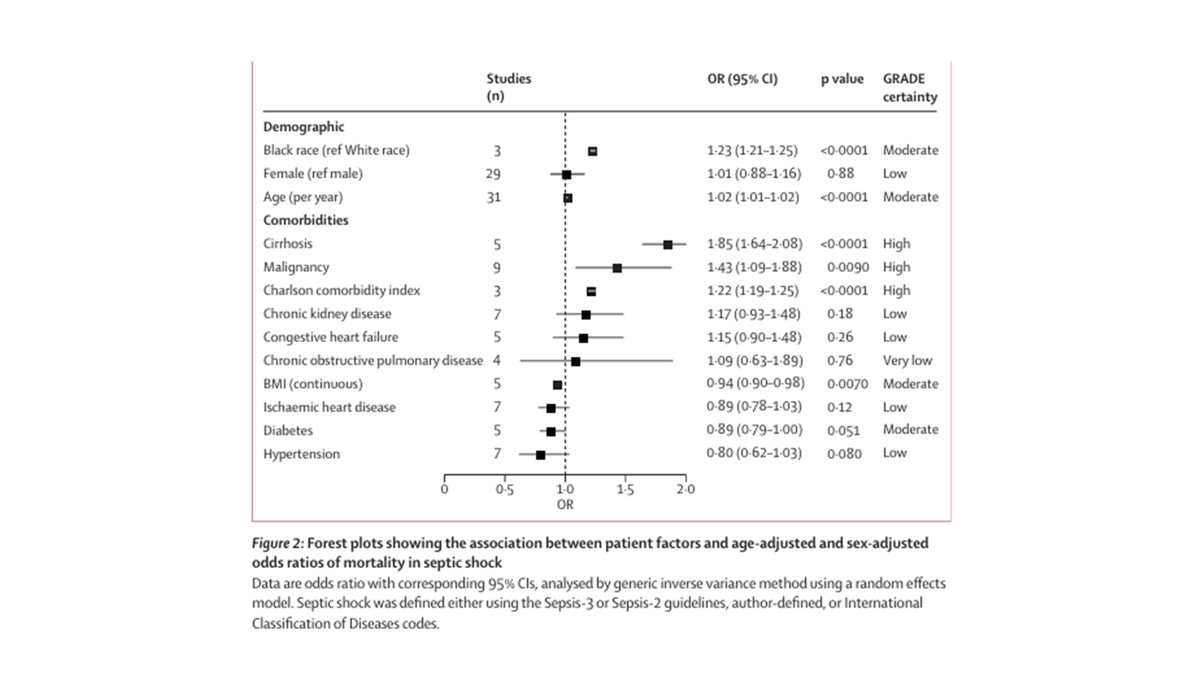
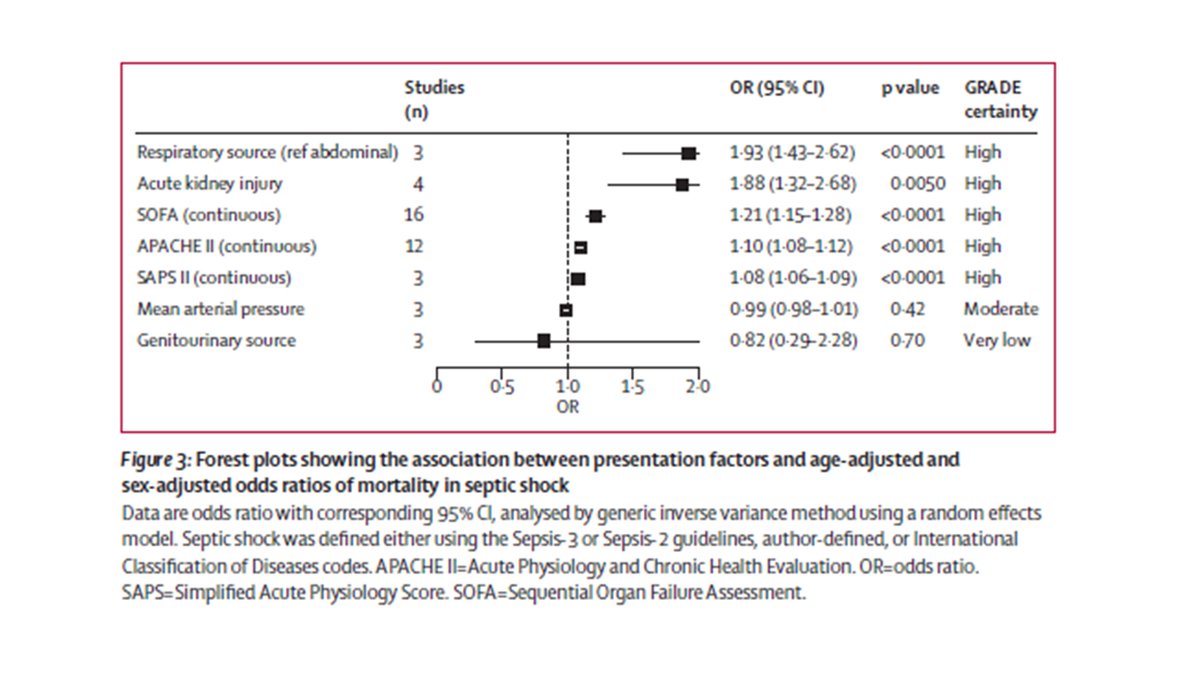
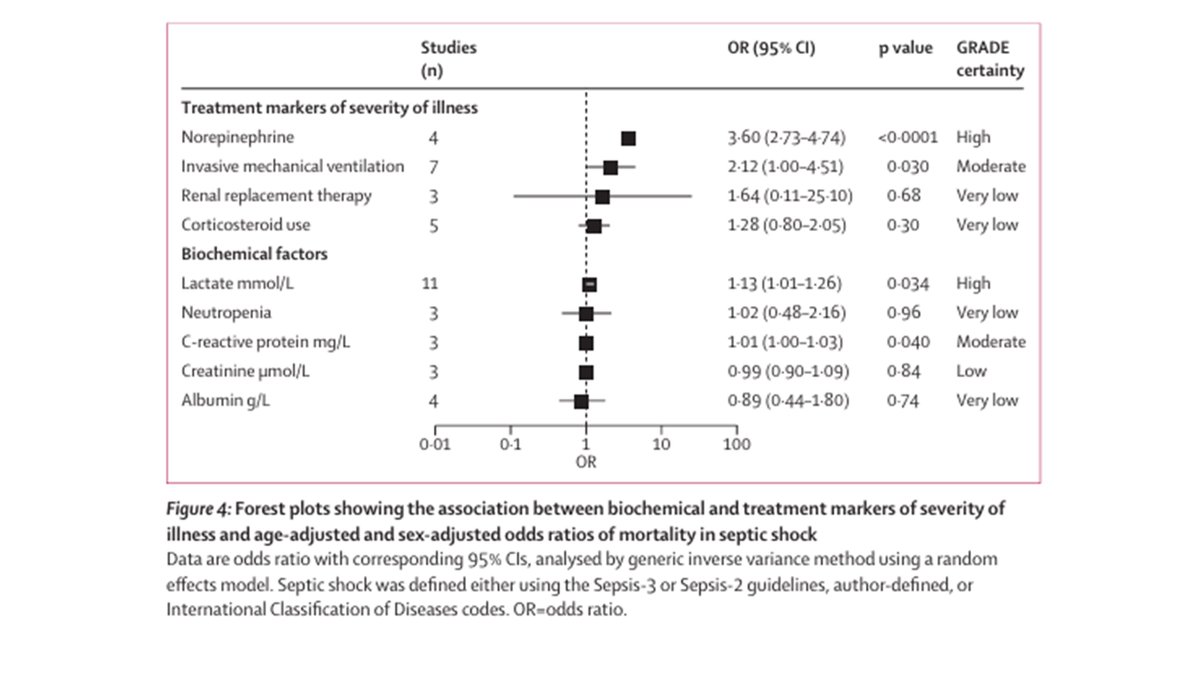
Another output from superstar fellow @JungRichardG - Prognostic factors associated with mortality in septic shock: a systematic review and meta-analysis - out in @LancetRespirMed
Downloadable: authors.elsevier.com/a/1mWi%…
Kudos to @SameerKadri12 for the accompanying editorial.
In fields like cardiogenic (evidence.nejm.org/doi/full/1…) and septic shock we generate large amounts of prognostic data that live individually in studies published across time, journals etc. These findings have important implications for clinical and research applications but it can be difficult to understand these factors comparatively.
In our publication, we boiled the data down to 95 eligible studies that included 4.8 million eligible patients. We divided the analysis into patient, presentation factors and biochemical markers as they related to in-hospital or 30-d mortality.
Significant patient factors included black race, history of cirrhosis or malignancy.
Significant presentation risk factors included respiratory source, AKD or elevated risk score (SOFA>APACHE>SAPSII)
Significant treatment/biochemical risk factors included need for NE or mechanical ventilation.
The identification of these prognostic factors could aid in clinical risk application, goals of care discussions, and identifying the subset of patients at highest and lowest risk of early mortality for patients with septic shock.
Kudos to co-authors and collaborators @shanfernands @rebeccamathewmd @Bram_Rochwerg @PietroDiSantoMD @PietroDiSantoMD @GProsperiPorta @cameron_stotts
#SEPSIS #SpesisAwareness #StopSepsis #critcare #criticalcare #ICU #CICU @MayoClinicCV @mayoclinicCCM @MayoPCCM @MayoCCJC @UOHI
8
20
3,608
Shannon Fernando retweeted

Jan 29
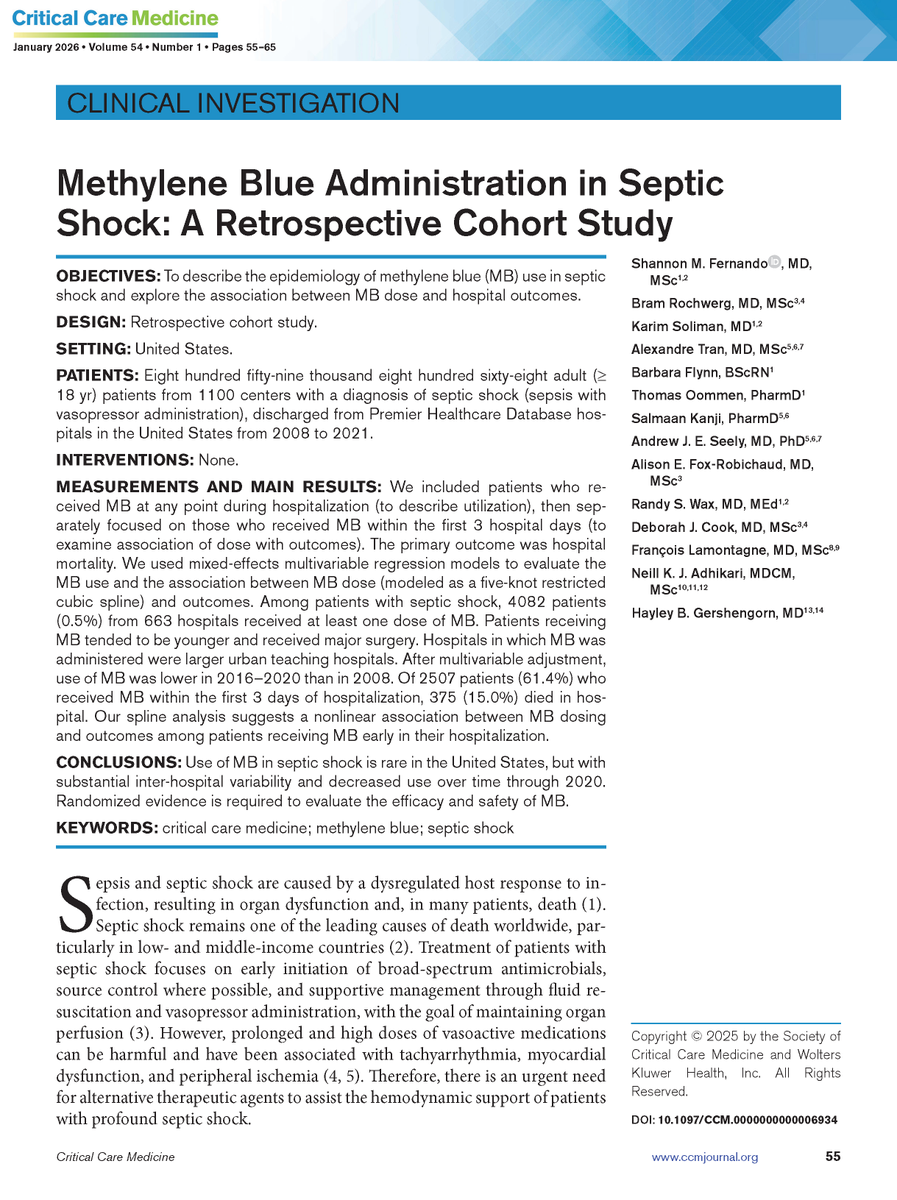
Kudos to the author team including lead author @shanfernands from our @LakeridgeHealth @queensccm Critical Care faculty! Looking forward to the eventual results of the BLUSH trial underway to provide the randomized evidence needed to evaluate methylene blue in septic shock.

🔍 Methylene blue (MB) use is uncommon in septic shock, with substantial variability across time, patient populations, and hospitals. Randomized evidence is required to evaluate the efficacy and safety of MB.
📖 Read more in CCM: ow.ly/YoTN50Y432S
#CritCareMed #SCCM @SCCM
4
5
940
Shannon Fernando retweeted

🔍 Methylene blue (MB) use is uncommon in septic shock, with substantial variability across time, patient populations, and hospitals. Randomized evidence is required to evaluate the efficacy and safety of MB.
📖 Read more in CCM: ow.ly/YoTN50Y432S
#CritCareMed #SCCM @SCCM
45
154
33,702
16 Dec 2025
Proud that @LakeridgeHealth has recruited its first patient into the @AlterAKItrial! An RCT designed to test the efficacy of albumin infusion during dialysis in critically ill adults.
We are excited to contribute to this important RCT!
@edclark75 @CCCTG_ @cmcpher @drrandywax
3
8
881
Shannon Fernando retweeted

12 Nov 2025
We just published in @ResusJournal a meta-analysis of MCS after ROSC
While only 1 RCT addressed this topic only in CA pts, most RCTs of MCS in AMI-CS enrolled a high proportion of post-CA pts
We pooled data from RCTs with available CA subgroups.
sciencedirect.com/science/ar…
1/
1
3
14
1,229
Shannon Fernando retweeted

28 Sep 2025
"I'm stunned that we're standing here talking about the Blue Jays winning the [AL] East."
#MLBTonight reacts to Toronto's division clinch.
116
143
1,590
142,691
Shannon Fernando retweeted

22 Jun 2025
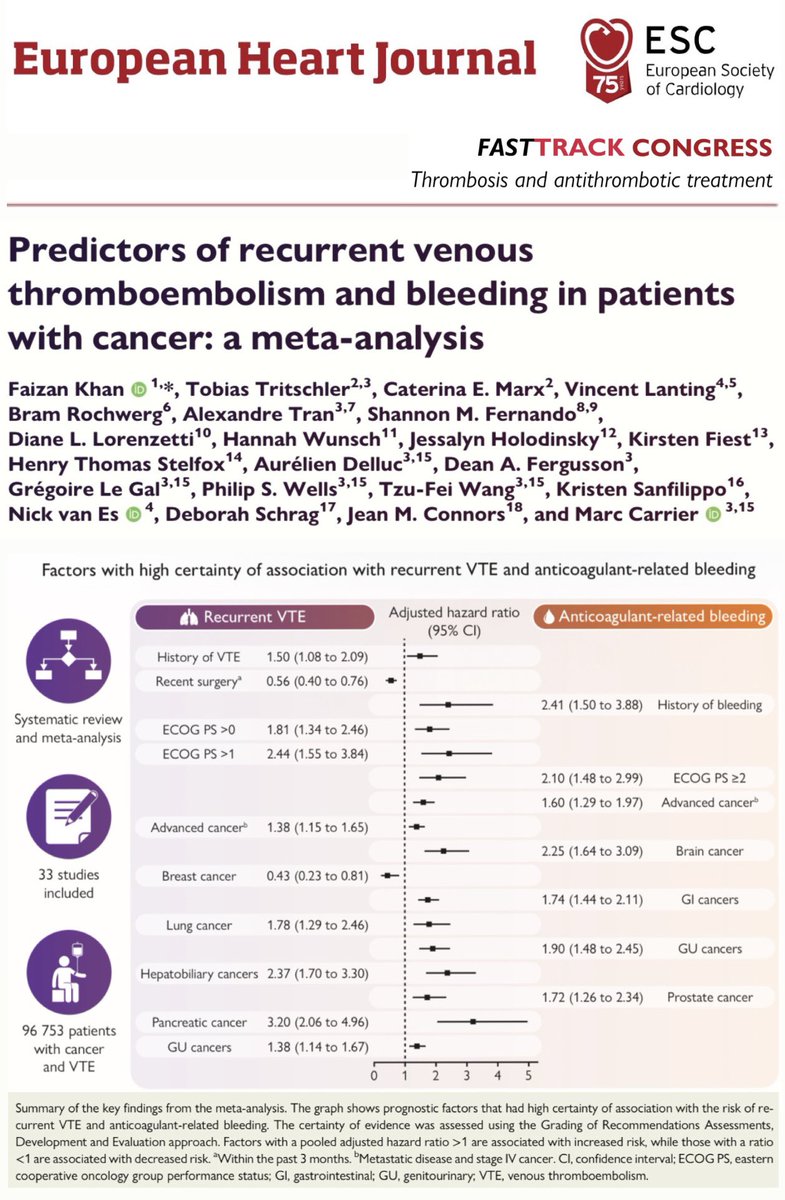
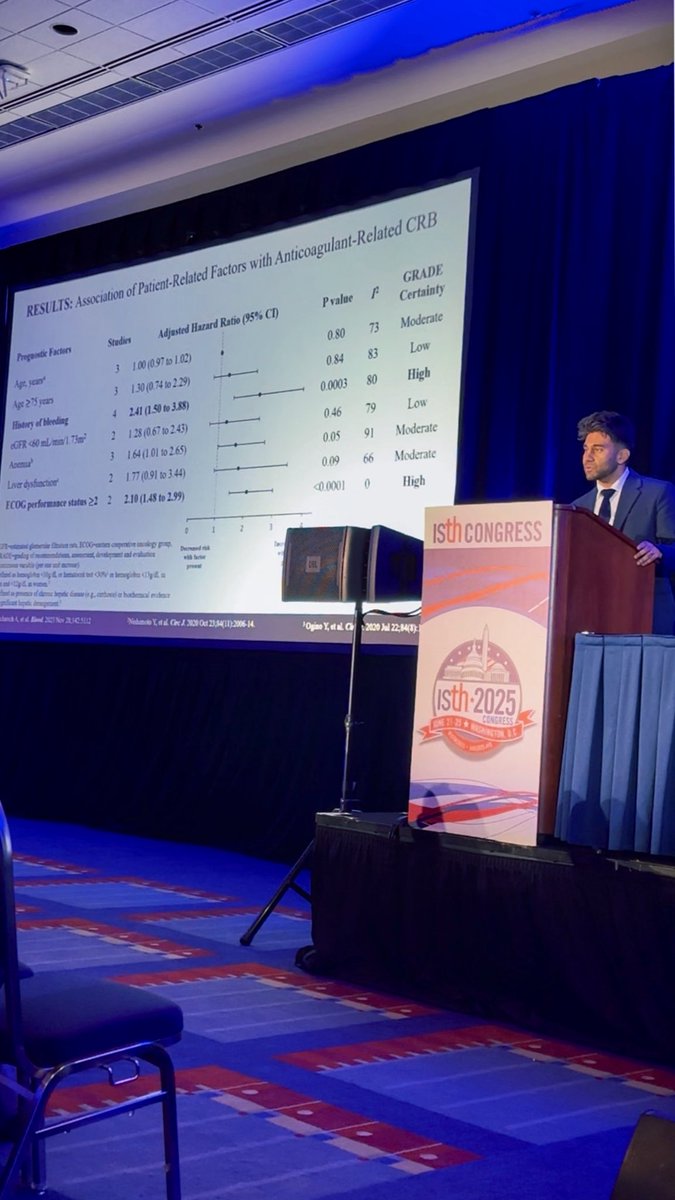
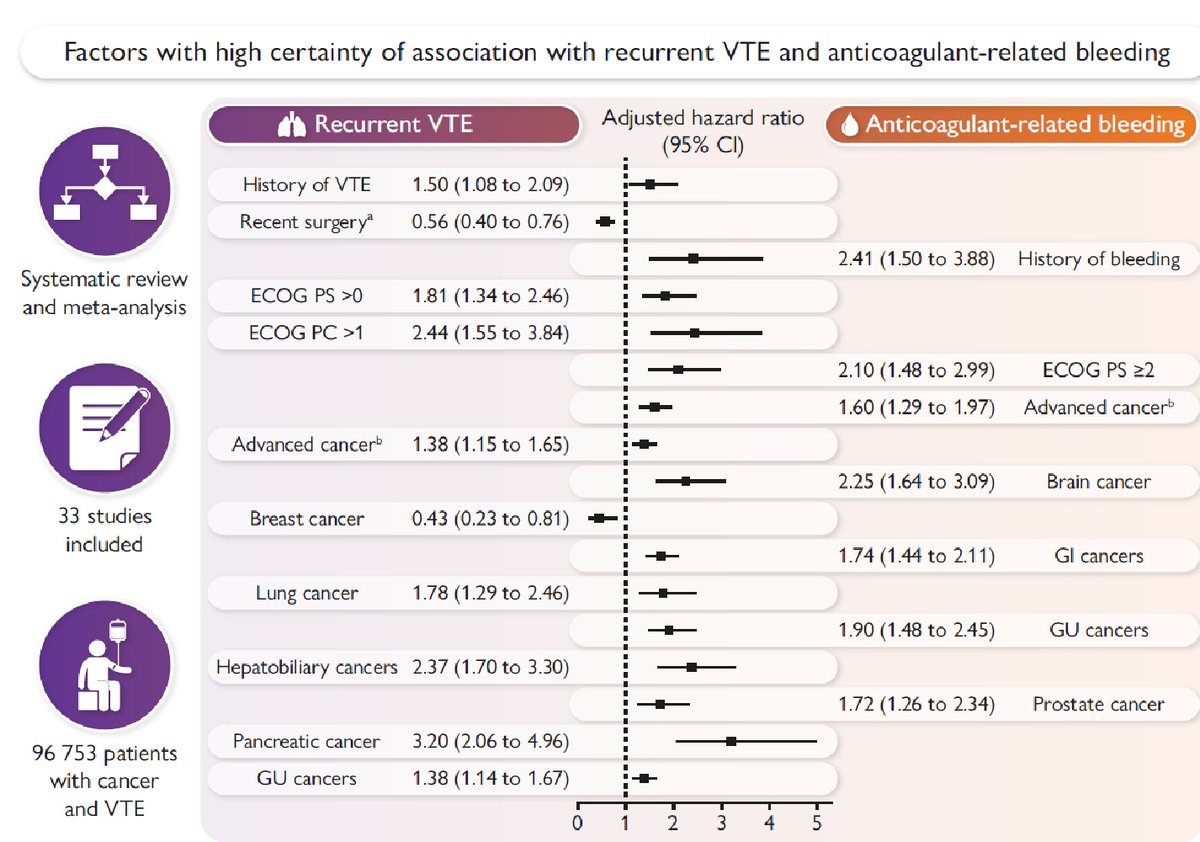
🚨📣 A long-awaited study from my #BantingCanada fellowship examining predictors of recurrent #VTE and anticoagulant-related🩸 #bleeding in patients with cancer was published in #EHJ today to coincide with my live presentation at #ISTH2025‼️
academic.oup.com/eurheartj/a…
1
14
49
3,675
Shannon Fernando retweeted

22 Jun 2025
🩸 Meta-analysis presented at #ISTH2025 and simultaneously published in @ehj_ed found that several risk factors (e.g., previous history of VTE or bleeding, advanced cancer, and specific cancer sites) are associated with recurrent VTE and bleeding in patients with CAT.
academic.oup.com/eurheartj/a…
1
21
61
3,702
Shannon Fernando retweeted

Speaker Spotlight! @tomrollinsonPT @shanfernands and Heather O'Grady
will be speaking at the 17th World Congress of Intensive and Critical Care!
wcicc2025.com/registration
#CCCS #WFICC #CSRT #CACCN

3
8
440
Shannon Fernando retweeted

5 Feb 2025
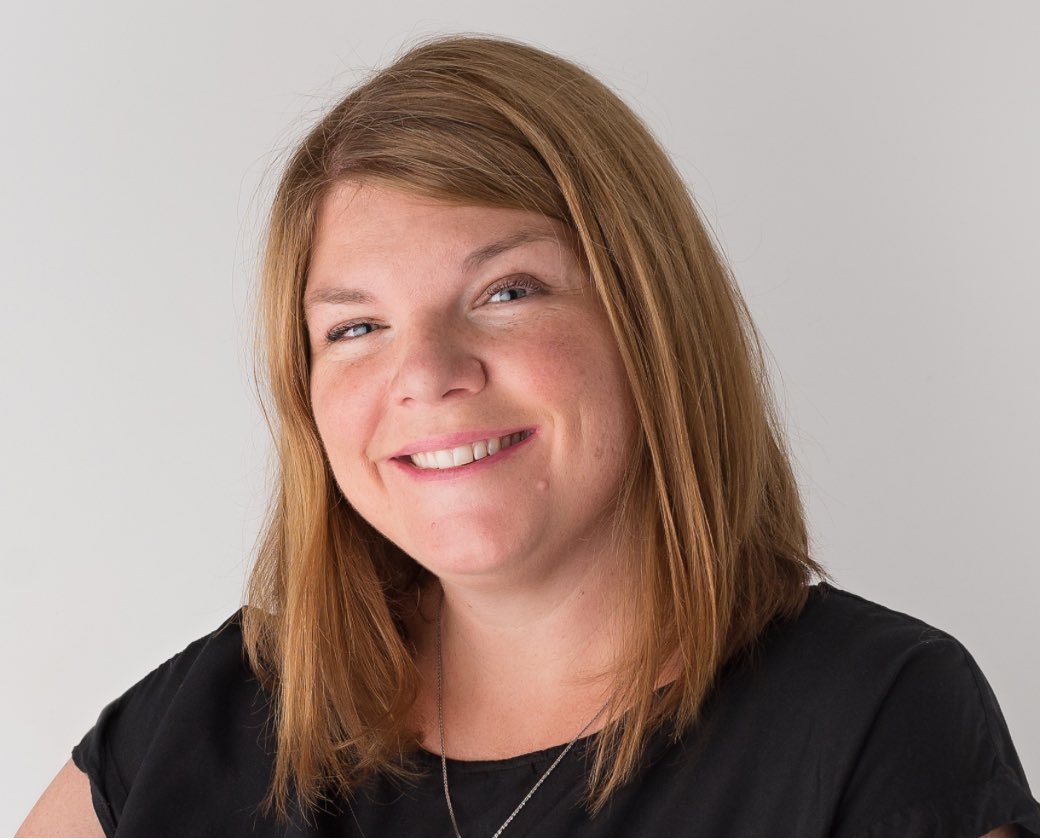
Huge congratulations to our very own Dr. Sibley for receiving a @CIHR_IRSC project grant to study magnesium prophylaxis to prevent atrial fibrillation in critically ill patients.
1
20
1,696
Shannon Fernando retweeted

4 Dec 2024
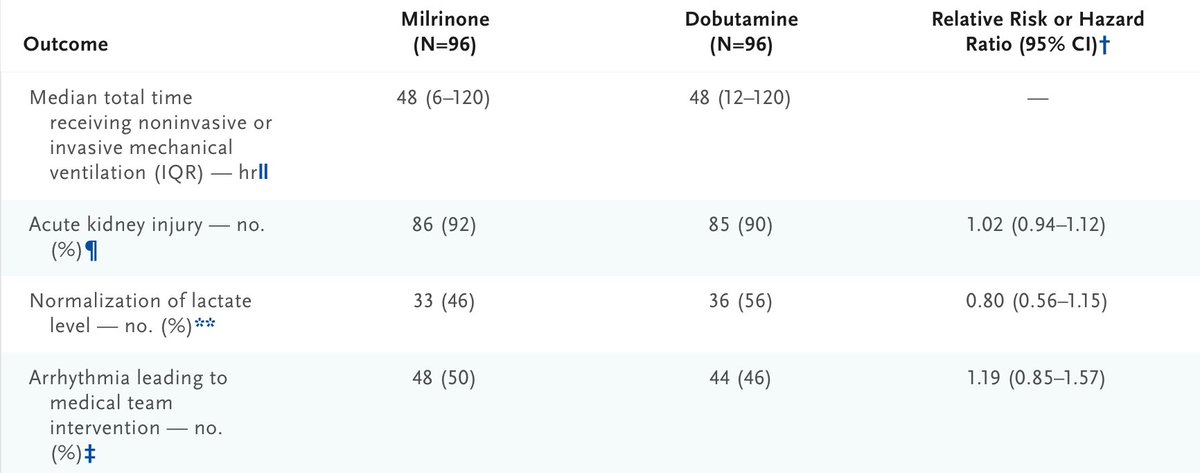
People will inevitably tell you that their favorite inodilator (usually milrinone) is better since there are fewer arrhythmias compared to the other (usually dobut)
DOREMI says 🤷♂️
2
15
107
33,966
Shannon Fernando retweeted

14 Nov 2024
⭐ The ILCOR has published its latest Consensus on Science with Treatment Recommendations (CoSTR), outlining vital updates in resuscitation science and post-cardiac arrest care.
See our website for the full media release:
👉 ilcor.org/news/ilcor-consens…
#ILCOR #Resuscitation #Science
37
66
11,972
Shannon Fernando retweeted

23 Oct 2024
Sharing what we hope is an important paper in #SHOCK out today in @NEJMEvidence by @JungRichardG (who just matched to cardiology!).
Prognostic Factors Associated with Mortality in Cardiogenic Shock — A Systematic Review and Meta-Analysis | NEJM Evidence evidence.nejm.org/doi/full/1…
3
50
130
22,675
Shannon Fernando retweeted

3 Oct 2024
Deborah Cook, professor @MacDeptMed, has been announced as a 2025 laureate of the @CdnMedHallFame. @MacCriticalCare @StJoesHamilton
ow.ly/vwzN50TCkJv
8
27
1,581