
It's time for a four-day, 32-hour workweek in the United States. Join the movement today!
Joined May 2019
- Tweets 1,375
- Following 415
- Followers 943
- Likes 2,337
318 Photos and videos
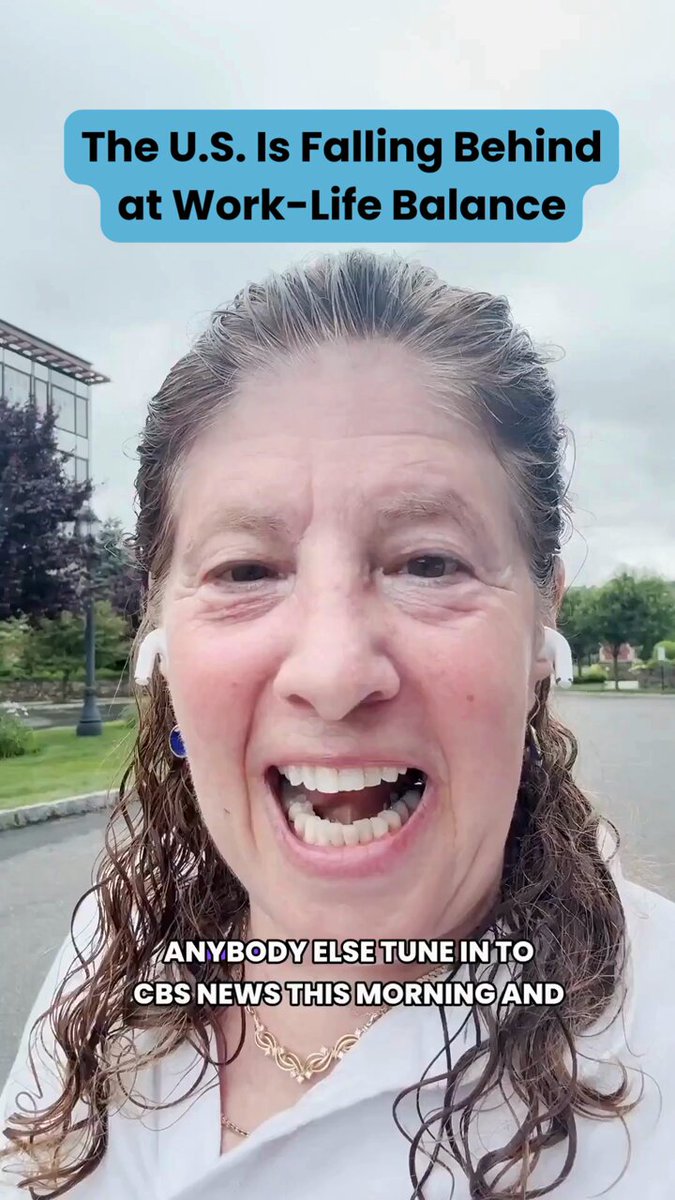





The U.S. is ranking near the bottom for work-life balance. Other countries are moving forward. We’re moving backward.
This isn’t about trying harder. It’s about learning how to work better. Work-life balance isn’t instinctive. It’s a skill. And we don’t teach it.
9

Jun 12
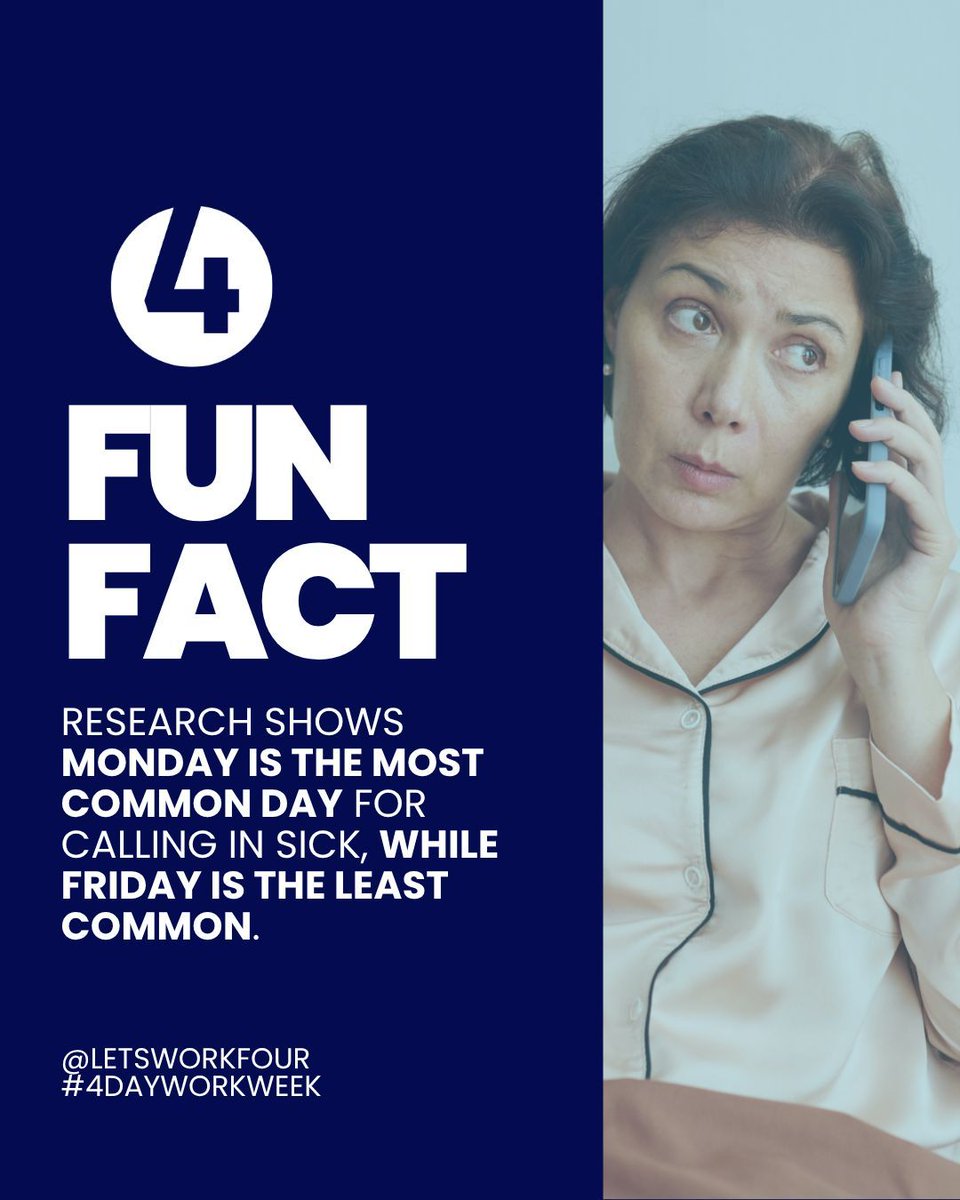
Coincidence? Maybe. Or maybe it says something about how people feel heading into the workweek.
One of the most reported benefits of a 4-day workweek is reduced burnout and improved well-being. When people have time for life beyond work, everyone benefits.
16
Jun 10
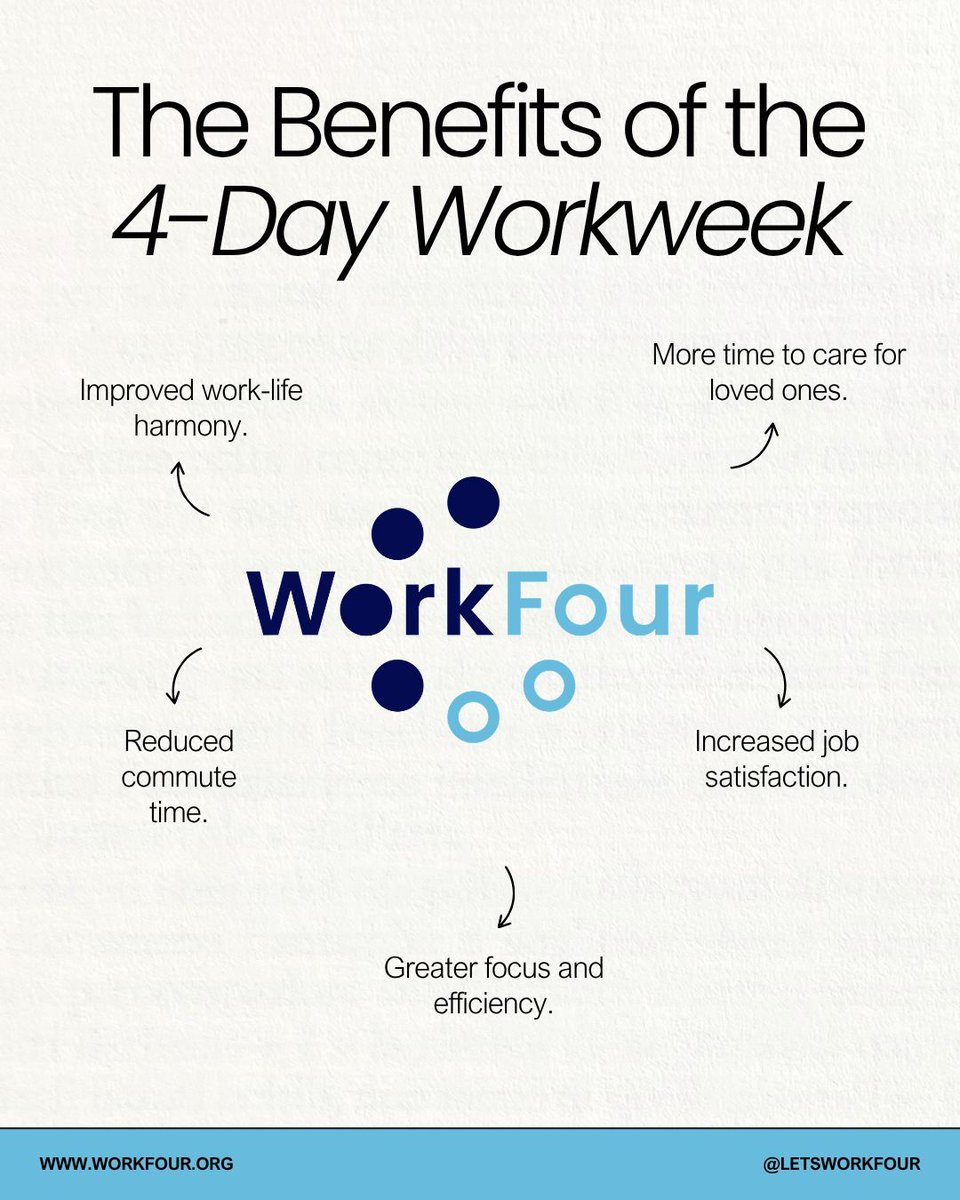
The 4-day workweek gives people more opportunities to care for loved ones, pursue personal interests, rest, and be present for the moments that matter most.
Less time spent commuting and more time spent living can lead to greater happiness and healthier balance with work.
1
9
Jun 8
Overworking isn’t admirable. Protecting your time isn’t lazy.
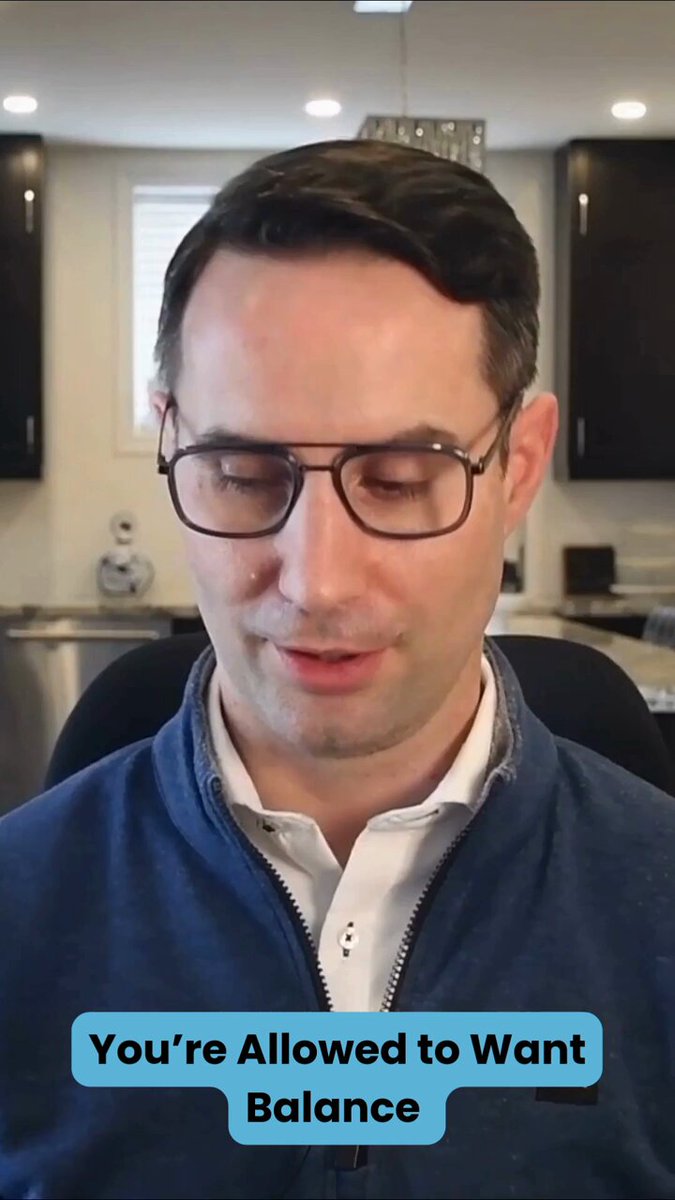
You’re allowed to want balance. You’re allowed to set boundaries. You’re allowed to choose a healthier way to work.
The 4-day workweek proves we can work smarter, not longer. That’s the future WorkFour is building.
13
Jun 5
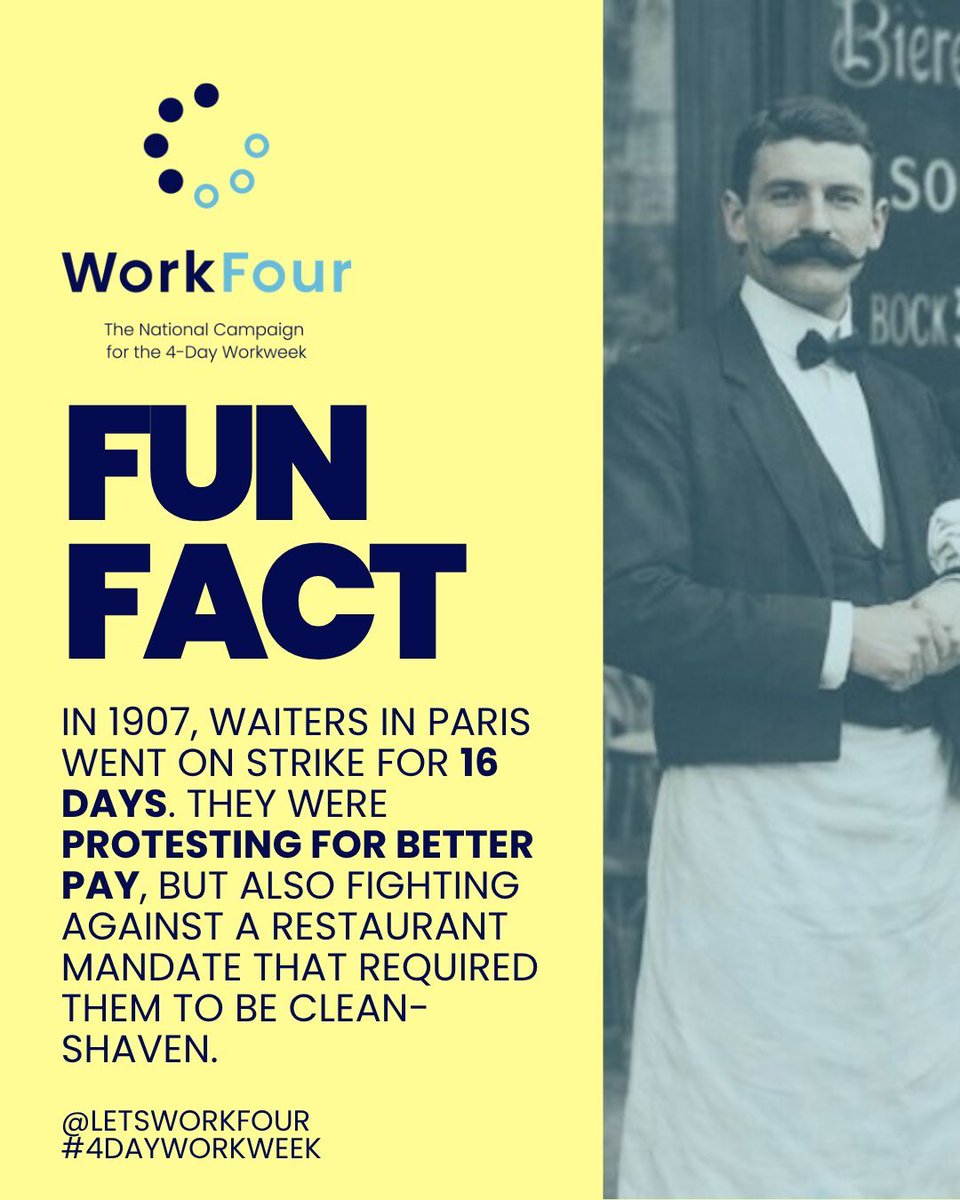
They were fighting for better pay, but also protesting a workplace rule requiring them to be clean-shaven.
More than a century later, workers are still pushing for something bigger than a paycheck: dignity, autonomy, and a say in how work shapes their lives.
15
Jun 3
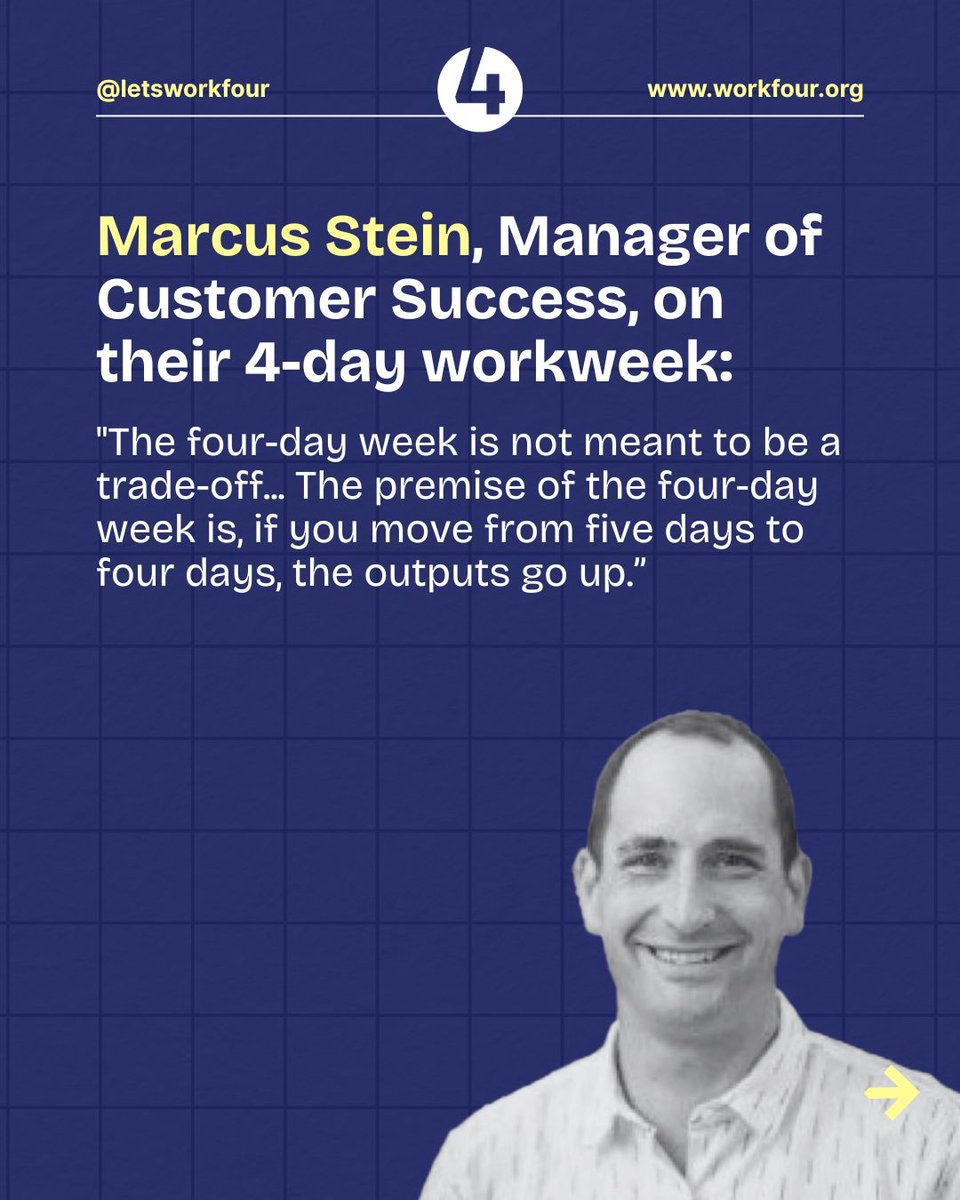
The goal is to create a way of working where people are more focused, less burned out, and able to produce better results in less time.
The 4-day workweek isn’t about doing less. It’s about removing the unnecessary parts of work that drain people without adding value.
12
Jun 1
Burnout isn’t a personal flaw. The WHO defines it as unmanaged workplace stress. Healthy work means clear priorities, real boundaries, and workloads that actually make sense.
The 4-day workweek helps make work one part of life, not the whole thing.
20
May 29
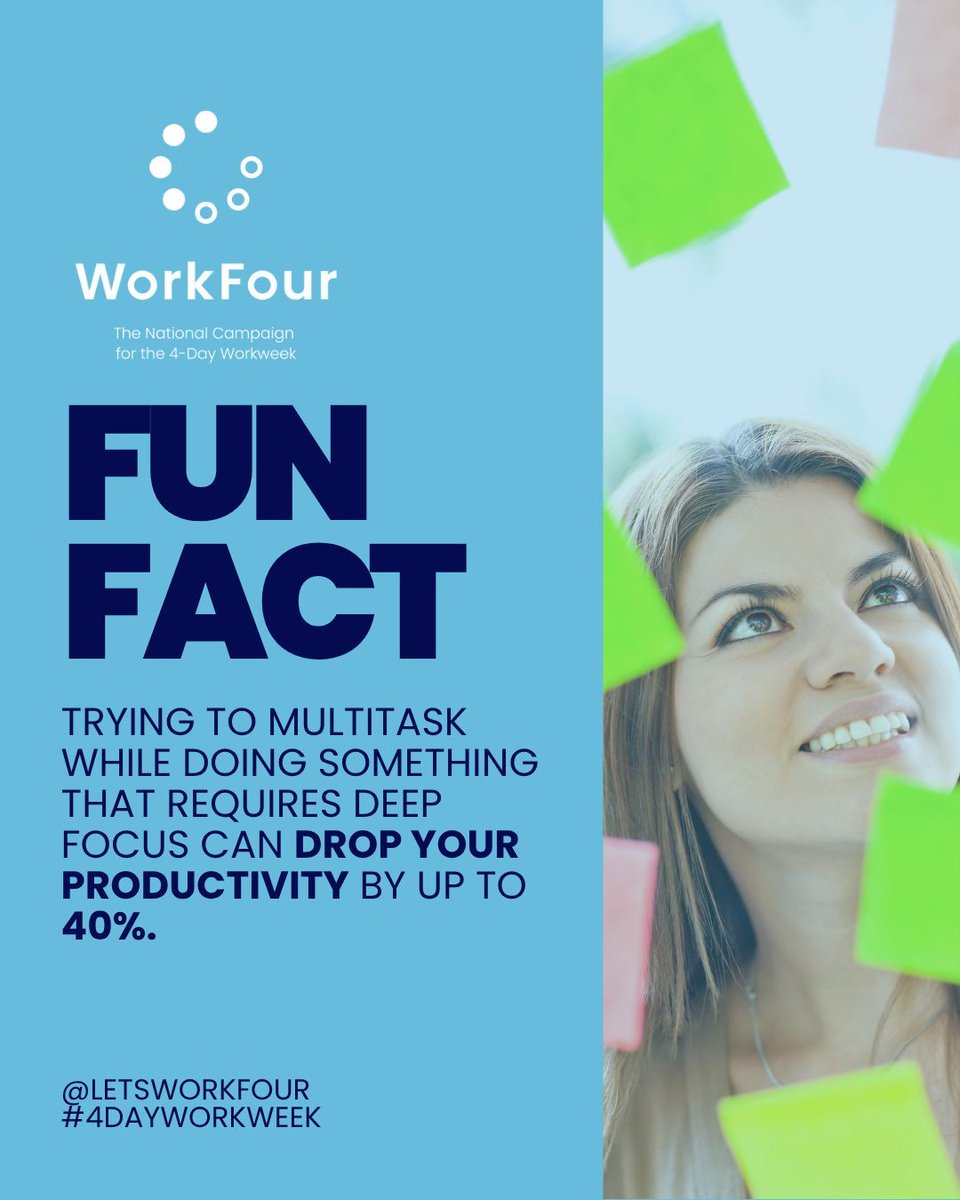
Constant notifications, meetings, emails, and task switching don’t just feel exhausting, they make it harder for people to focus on meaningful work.
When teams have more space for focused work, productivity becomes less about being busy and more about being intentional.
15
May 27
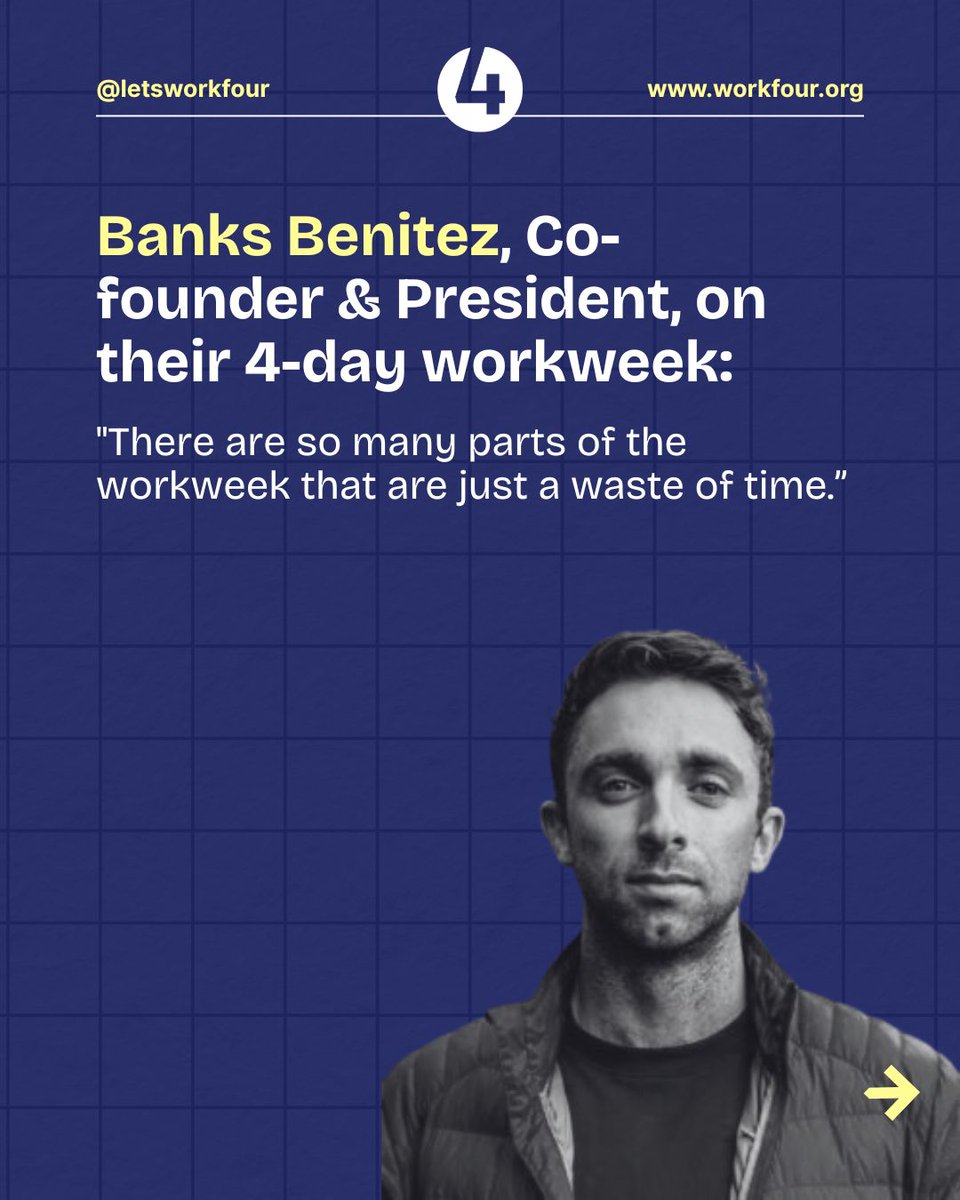
The 4-day workweek challenges the idea that more hours automatically mean more productivity.
Instead, it encourages teams to focus on what actually matters, reducing unnecessary meetings, distractions, and inefficiencies that leave people feeling drained.
15
May 25
When people hate their jobs, it shows up everywhere: more burnout, more turnover, worse work, real health consequences.
Work shouldn’t make your life smaller, it should support it.
The 4-day workweek is one way to change the system, not blame the worker.
1
2
32
May 22
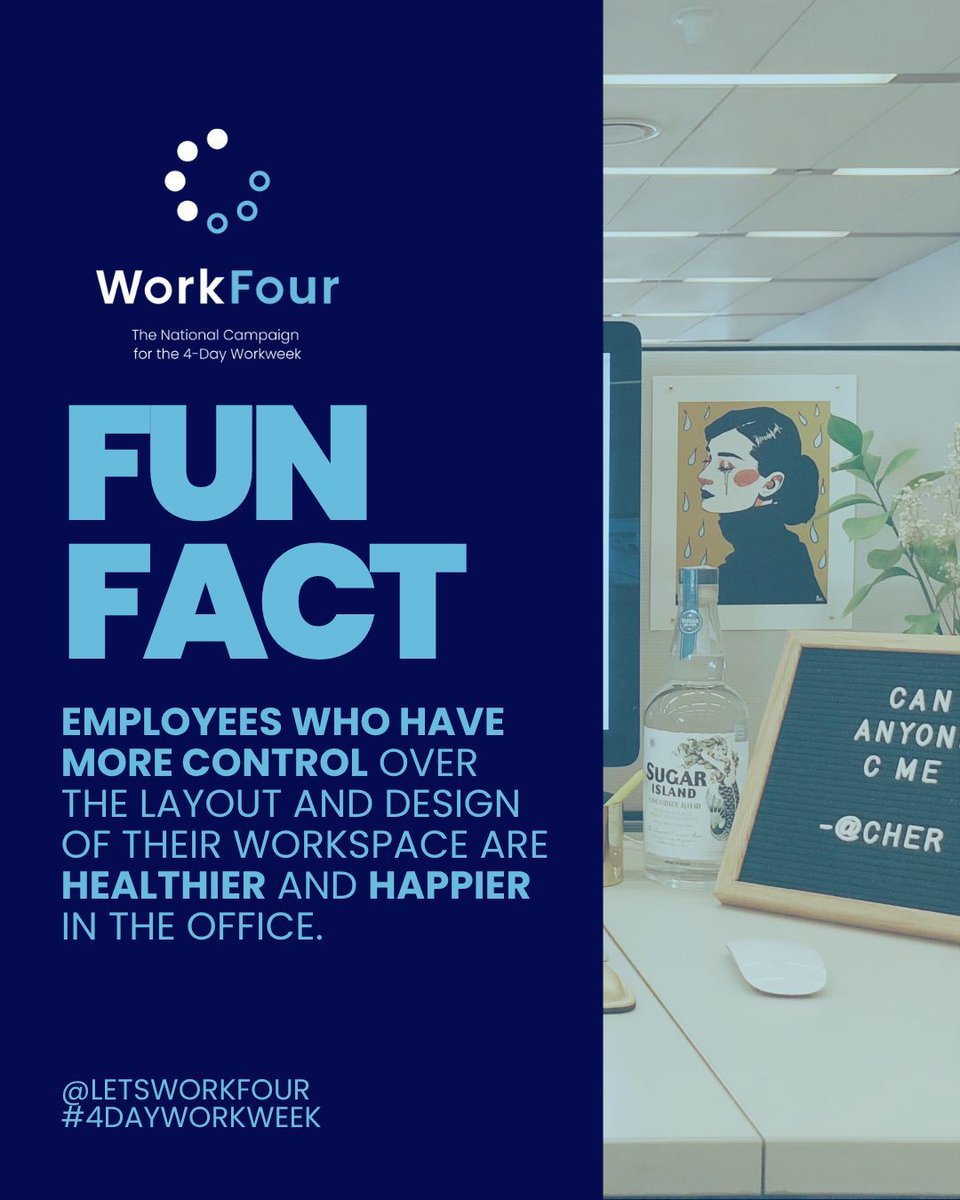
Turns out, our surroundings matter more than we think ✨
Employees who have more control over the layout and design of their workspace tend to be healthier and happier at work.
A small reminder that when people feel comfortable, supported, and connected to their environment.
22
May 20
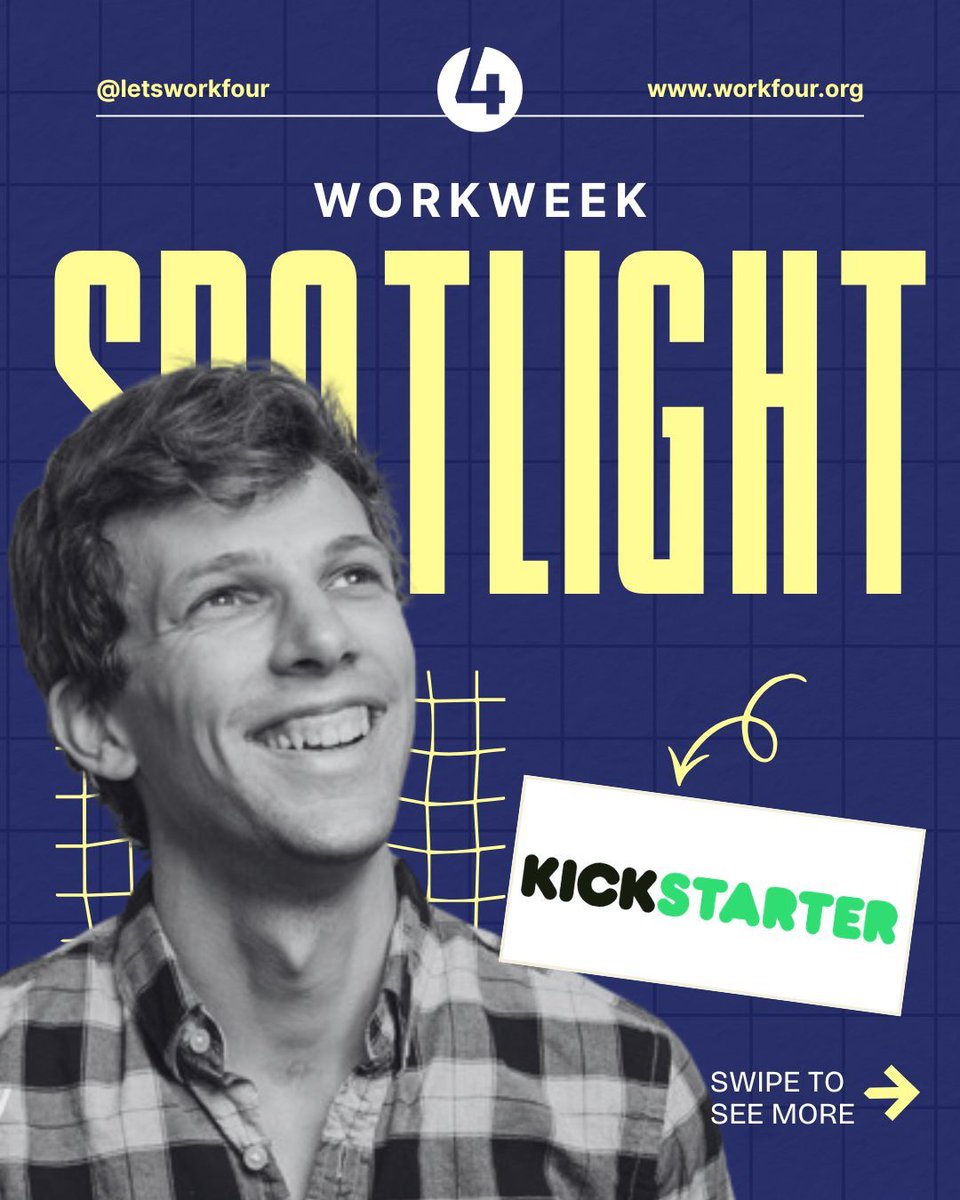
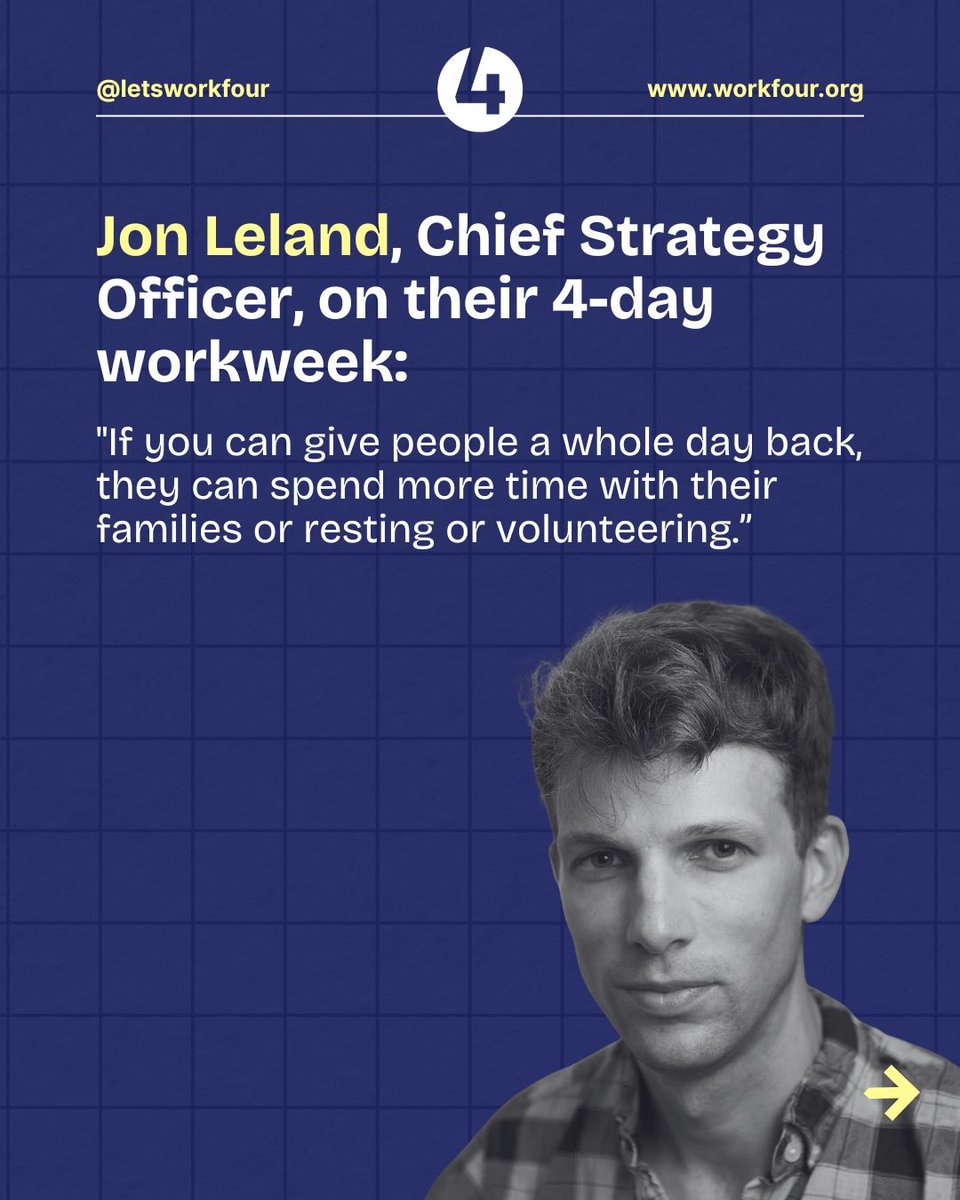
At Kickstarter, Chief Strategy Officer Jon Leland highlighted something simple but meaningful about the 4-day workweek: giving people time back matters.
An extra day doesn’t just mean less work, it can mean more time with family, more rest, and more involvement.
1
29
May 18
We didn’t always have weekends. They were fought for. Built. Protected.
And yet, every time the world speeds up, we give that time right back to work.
Now with new technology and global pressure, we’re being pulled in the same direction again.
1
22
May 15
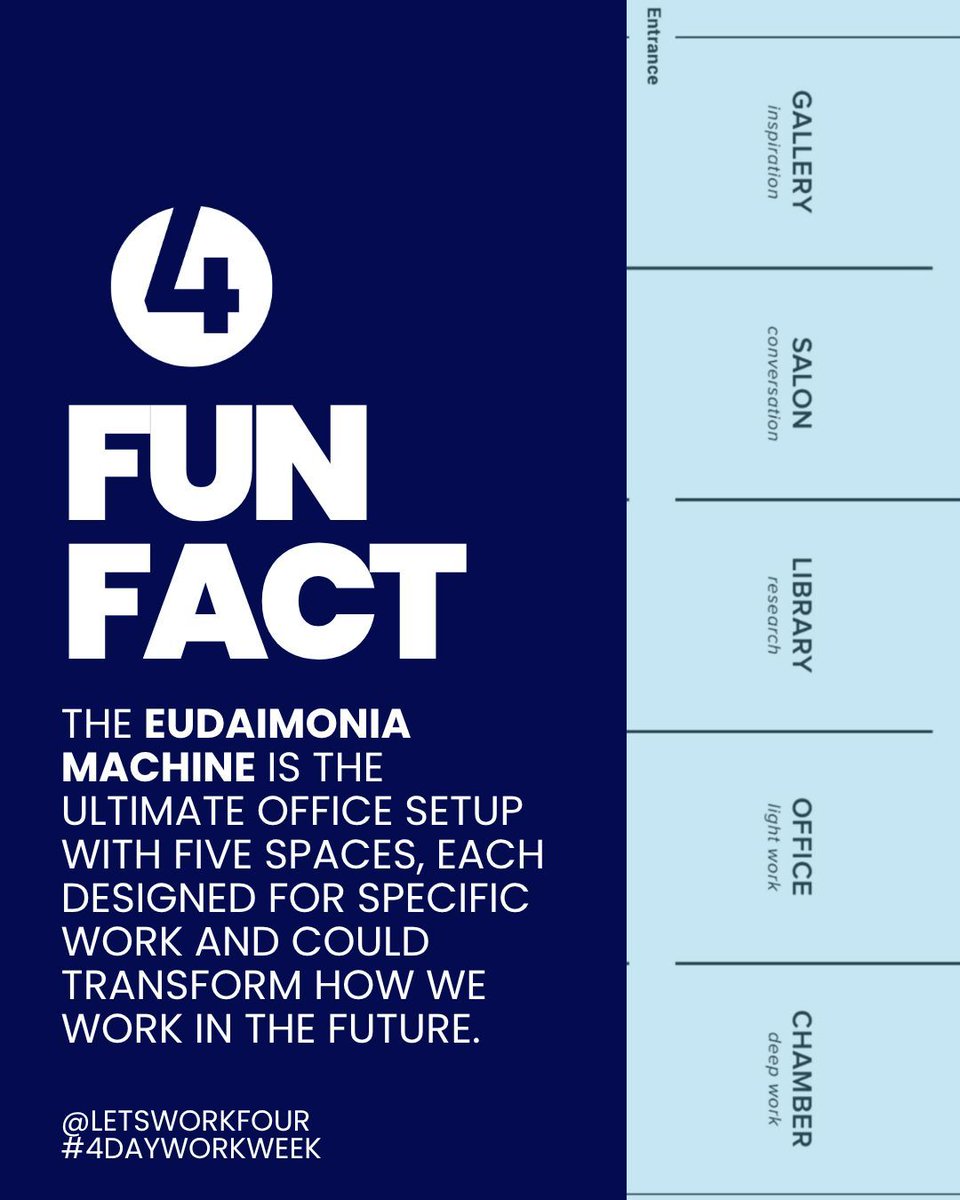
The future of work isn’t just fewer days; it’s better design.
The “Eudaimonia Machine” proves that when workspaces match the way we work, productivity follows naturally.
That’s how a 4-day workweek works—less time, but better systems.
#WorkFour #letsworkfour #4DayWorkweek
26
May 13
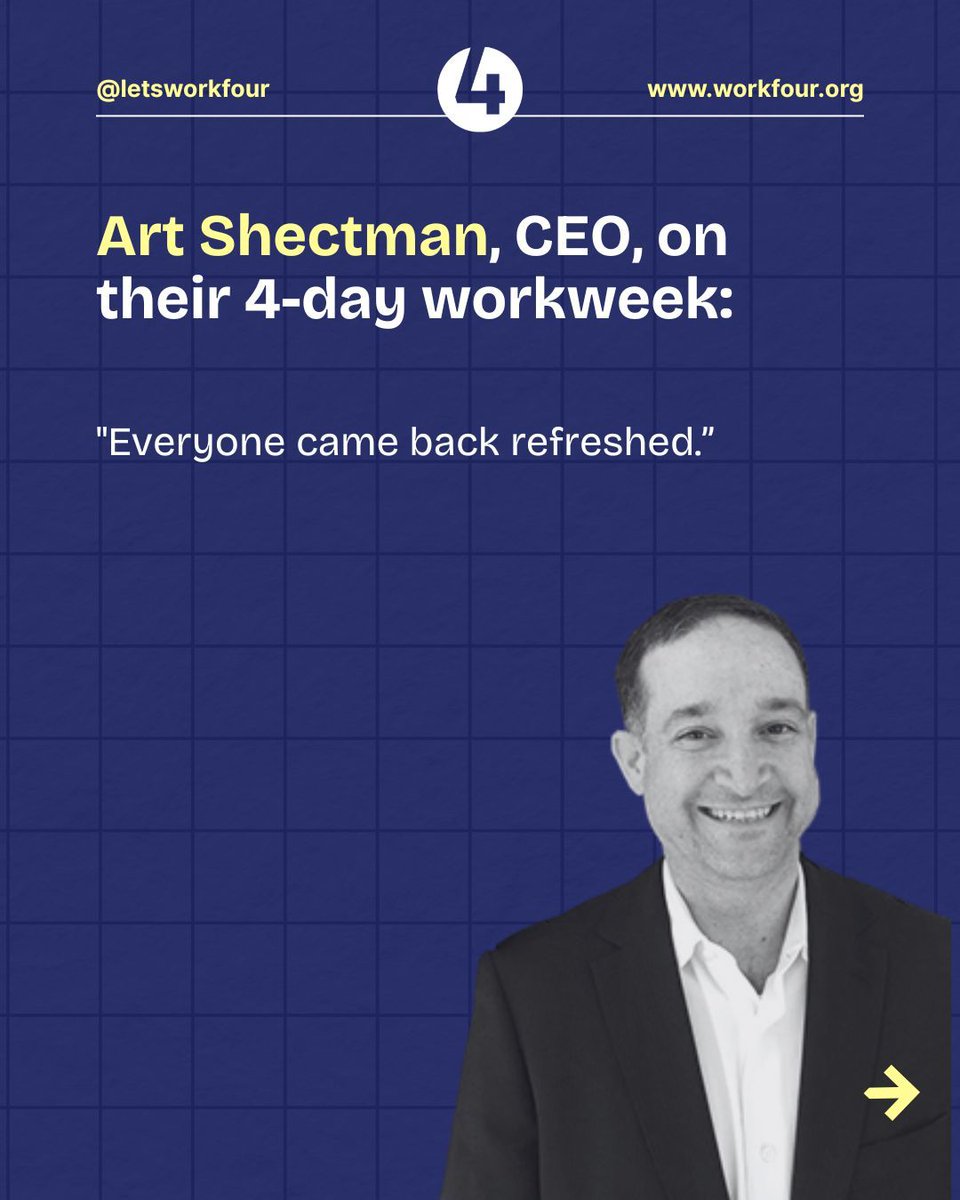
That reset matters more than we think.
When people have time to truly rest, they return to work with more energy, clearer thinking, and a stronger ability to focus.
The 4-day workweek isn’t just about fewer days, it’s about how people feel when they show up.
15
May 11
There’s always been this idea: new technology would give us more time to live.
But somehow, we keep choosing more work instead.
Now with AI reshaping everything again, the questions are back: What if abundance meant having control over our time?
1
2
31
May 6
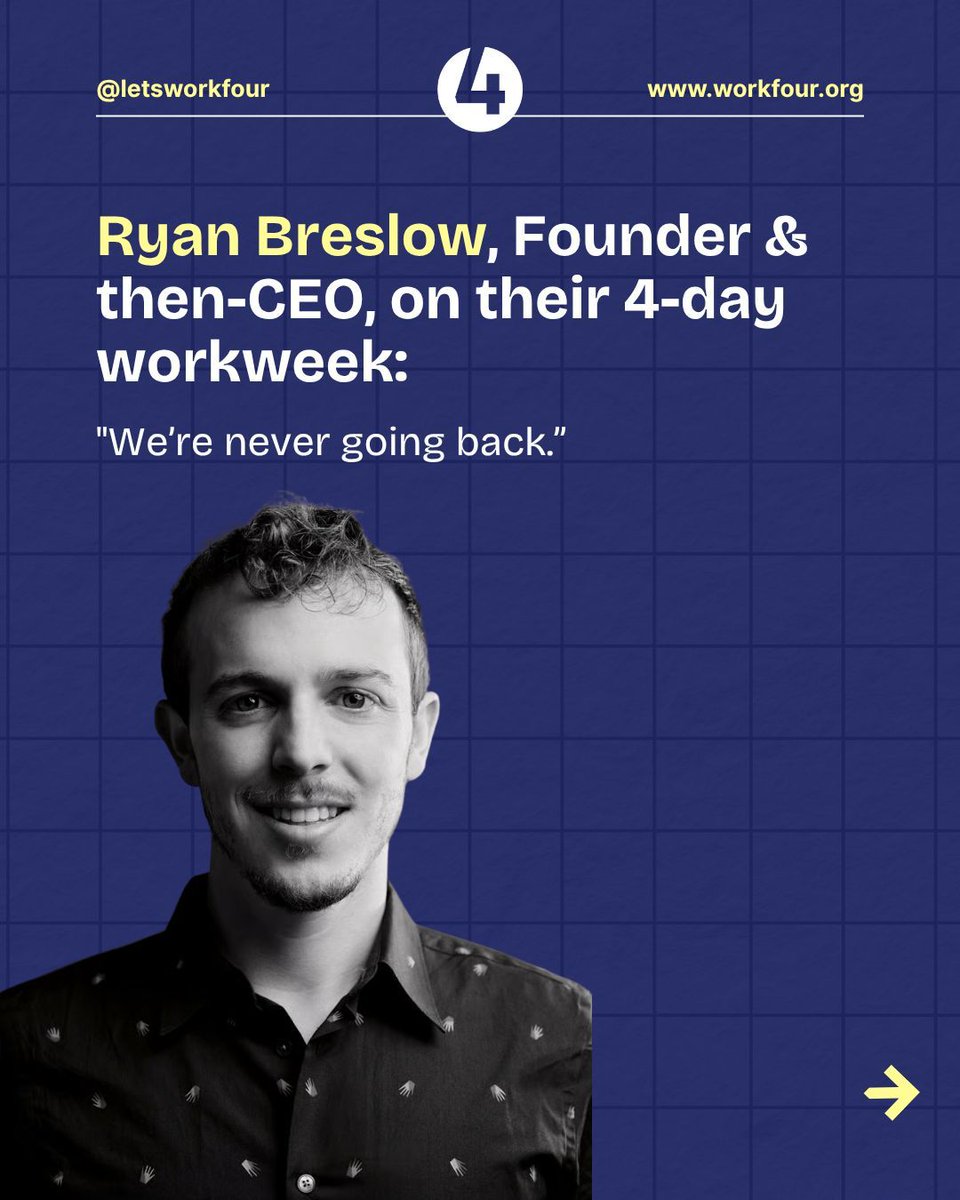
At Bolt, founder and former CEO Ryan Breslow put it simply: “We’re never going back.”
After experiencing a different way of working, many teams are rethinking what’s actually necessary—and what isn’t.
The 4-day workweek isn’t just about fewer days.

44
May 4
Most Americans don’t wake up excited to go to work. It’s not a motivation problem, it’s a system problem.
When work takes all your time, there’s no room for real life. No quality time. No space to be human.
The data is clear. The question is why it keeps getting ignored.
38
May 1
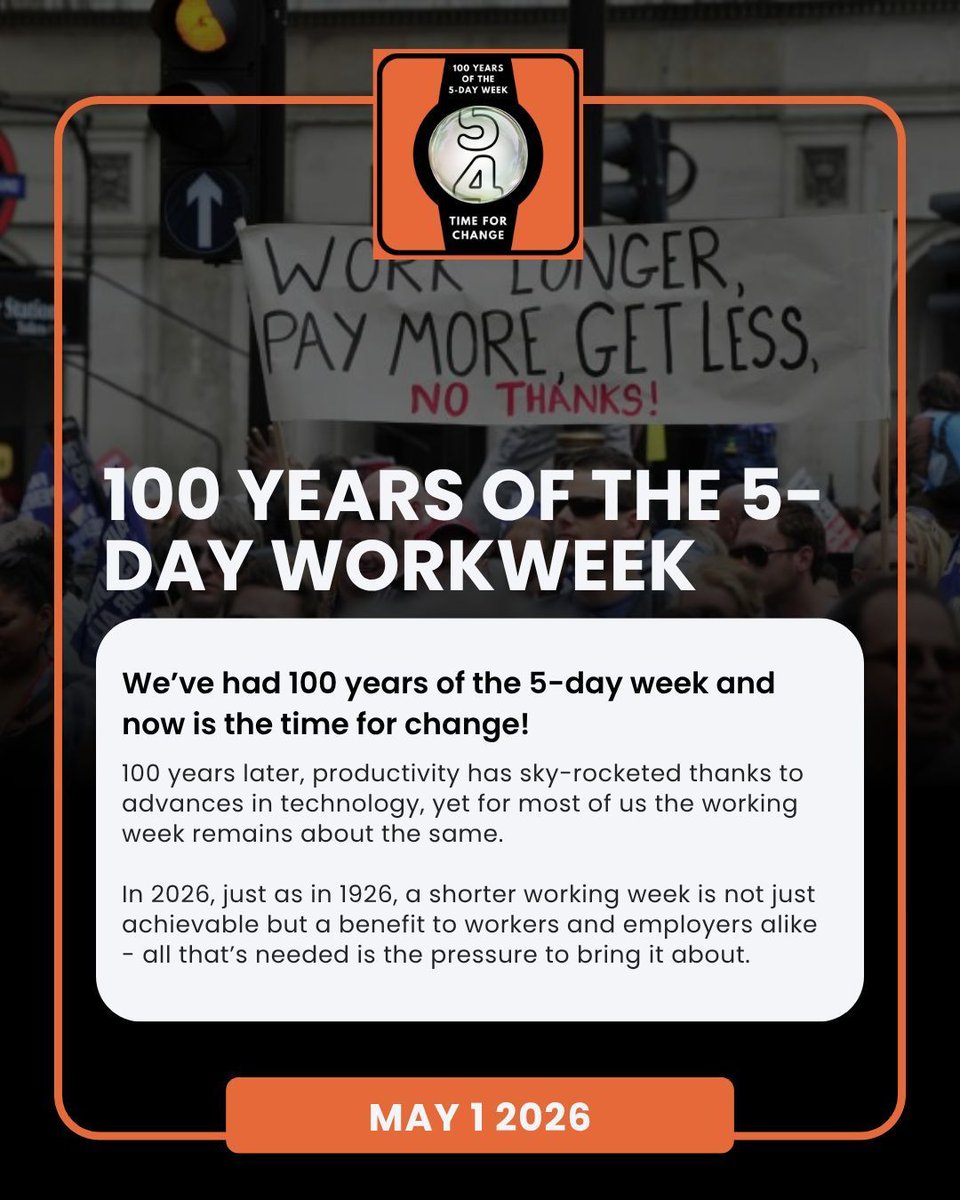
100 years of the 5-day workweek. It’s time for change.
Productivity has soared, but our working hours haven’t. A 4-day, 32-hour workweek is achievable, beneficial, and long overdue.
@4Day_Week
#4DayWorkweek #FutureofWork #100YearsOfWork #WorkplaceChange
1
6
7
386
Apr 29
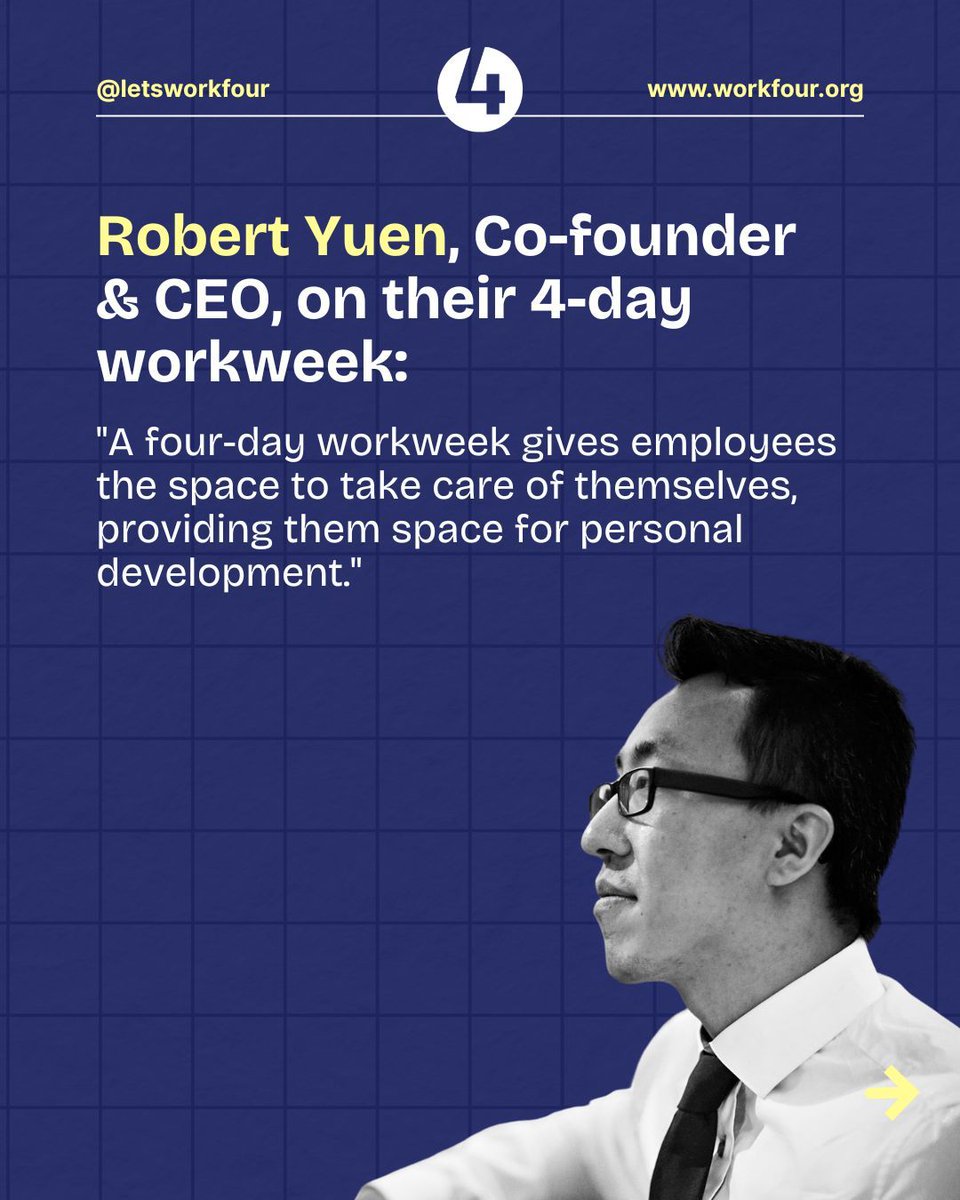
Robert Yuen highlights something often overlooked in the way we work people need time not just to work, but to grow.
The 4-day workweek creates space for employees to take care of themselves, invest in personal development, and show up more fully in their work.

10