#LFE is a #systemschange and #advisory organization aimed at strengthening the #effectiveness of govt. schools system, to deliver quality education at scale!
Joined October 2017
- Tweets 1,637
- Following 304
- Followers 1,099
- Likes 1,726
750 Photos and videos

May 30
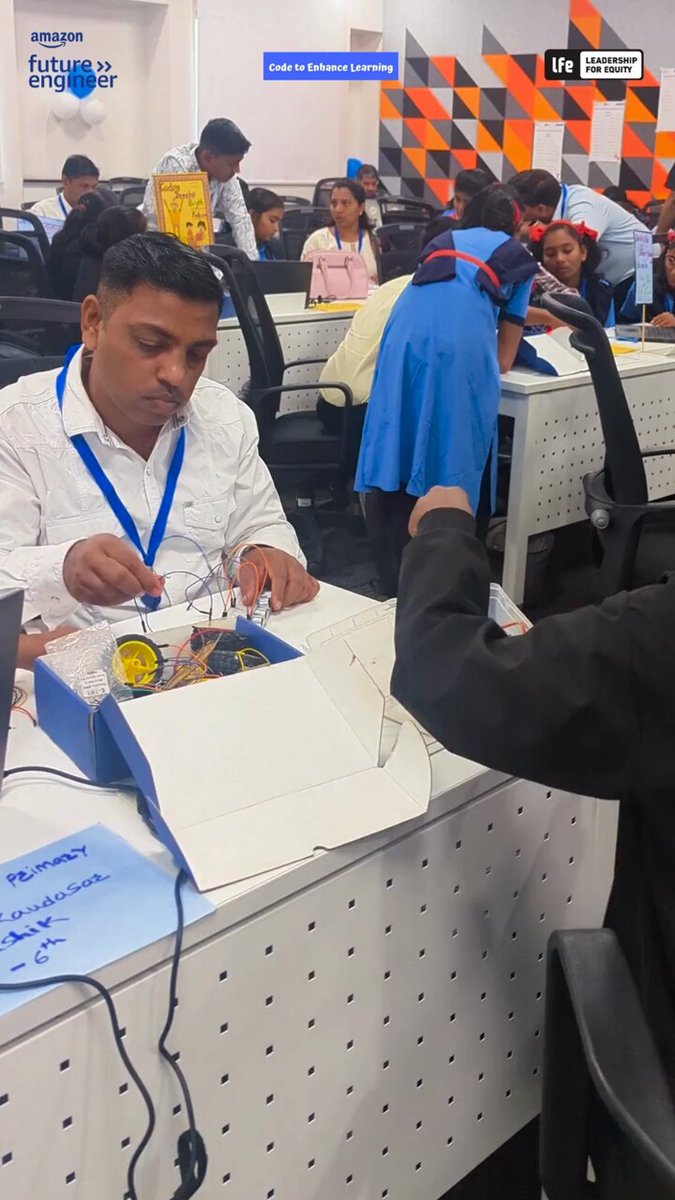
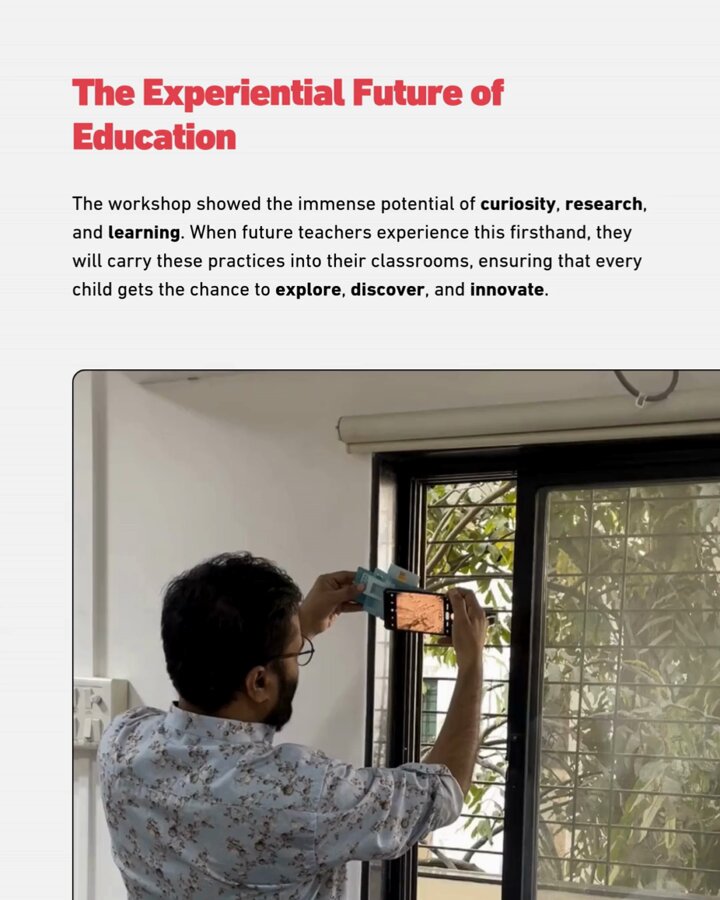
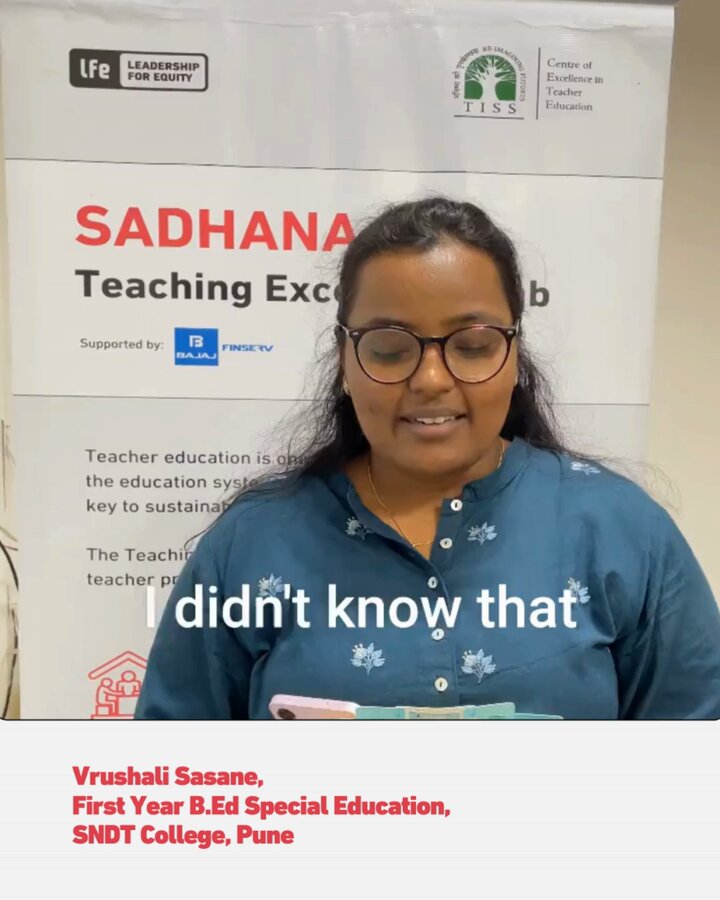
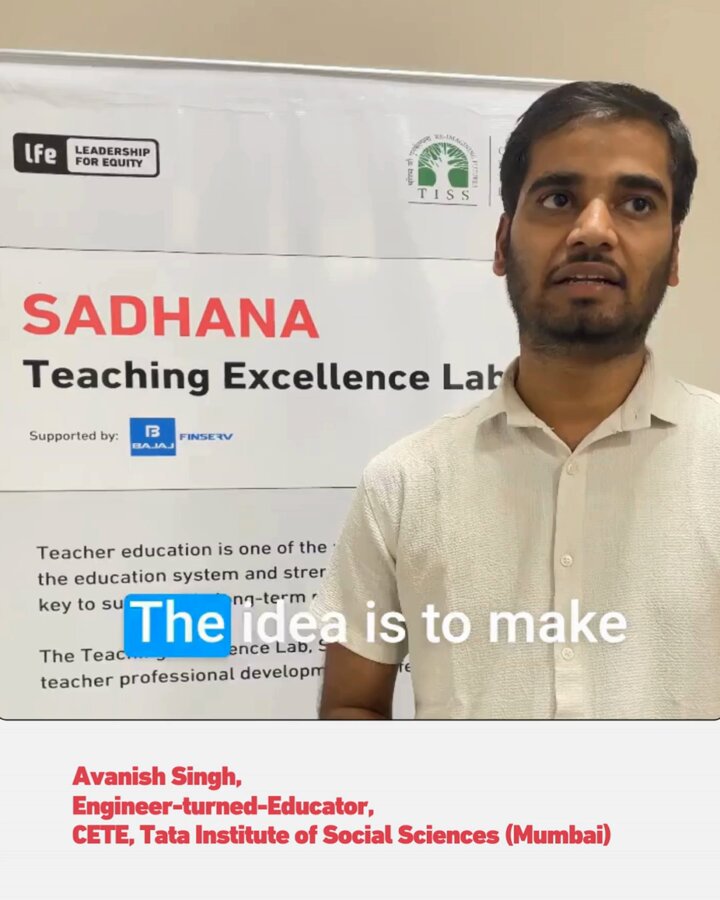
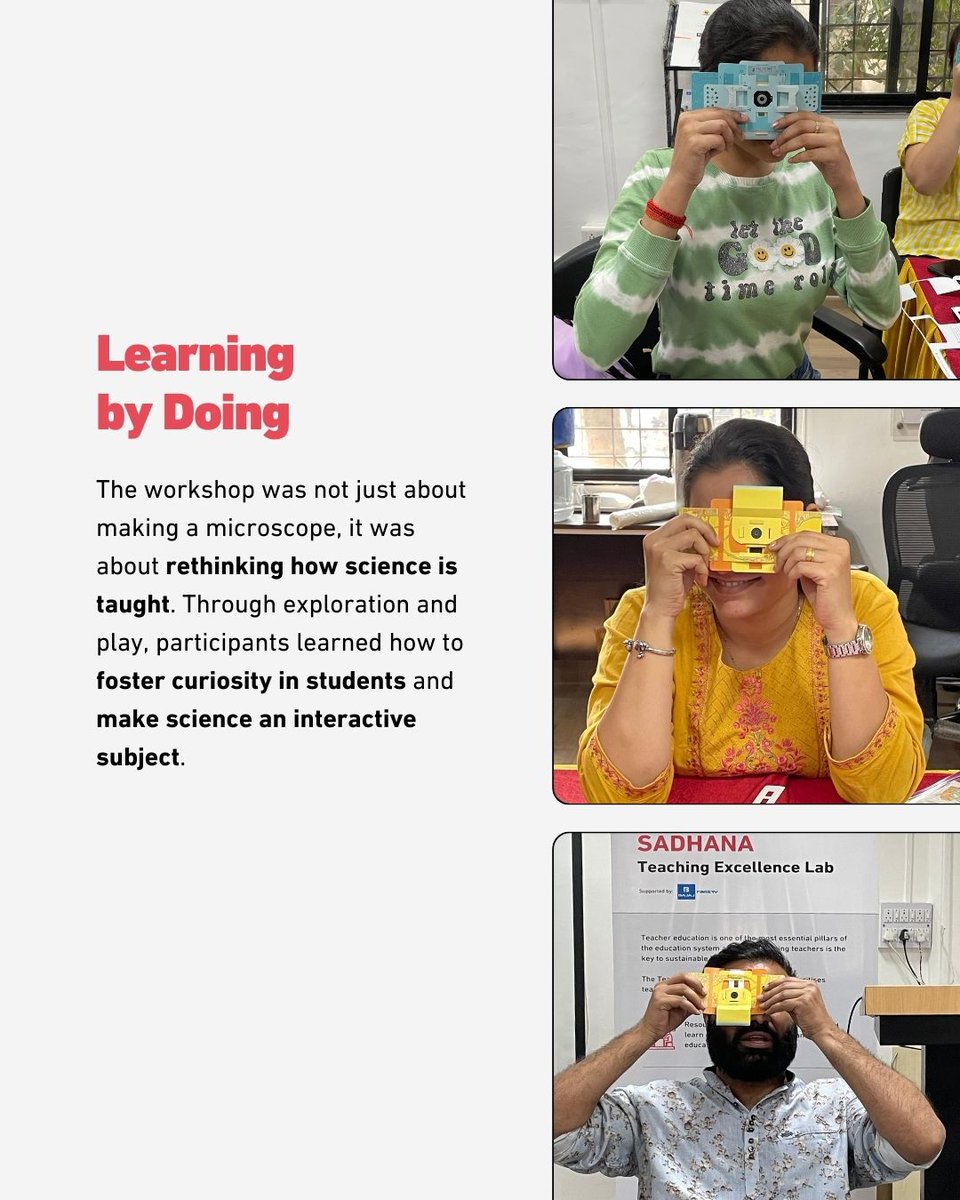
Culture at LFE lies in the bigger ways we collaborate and design meaningful interventions, but a lot of it comes out in the small moments.
Watch Culture @ LFE Episode 5 to see/know more!
📹: youtube.com/shorts/dbrKilOyC…
#WorkCulture #TeamCulture #TeamBonding #Nonprofit
18
LeadershipForEquity retweeted

Mr. M. Ramesh, Biology Teacher, East Godavari District, shares how the Teach Tool observer training transformed his approach to teaching. Despite 15 years of experience, the training helped him realise the depth of classroom practices and understand student and teacher behaviours more clearly.
He shifted from a fixed teaching style to a more reflective and adaptive approach, improving his own classroom practices first. Through observing other teachers and providing structured feedback, he adopted new strategies and supported colleagues in improving their teaching. This journey led to better classroom practices and improved student learning outcomes.
.
@csegoap @EduMinOfIndia @lfe_ed @WorldBankIndia
#TeacherProfessionalDevelopment
#TeacherTuesday
#ClassroomObservation
#TeachTool
1
1
92
LeadershipForEquity retweeted
Mr. P. Tejkumar, CRMT, Teach Tool Observer and Master Trainer, Chittoor District, shares how the Teach Tool classroom observation program is bringing visible change in teacher practices. Through his observations, he noticed a clear transformation in classroom behaviour, communication and teaching methods.
.
Students are participating through open-ended questioning and creating a more positive and inclusive classroom environment. His experience highlights how the Teach Tool is helping bring out teachers’ hidden potential and strengthen classroom practices.
.
@EduMinOfIndia @csegoap @lfe_ed @ncert
#TeacherProfessionalDevelopment
#TeacherTuesday
#ClassroomObservation
#TeachTool
1
68
May 10
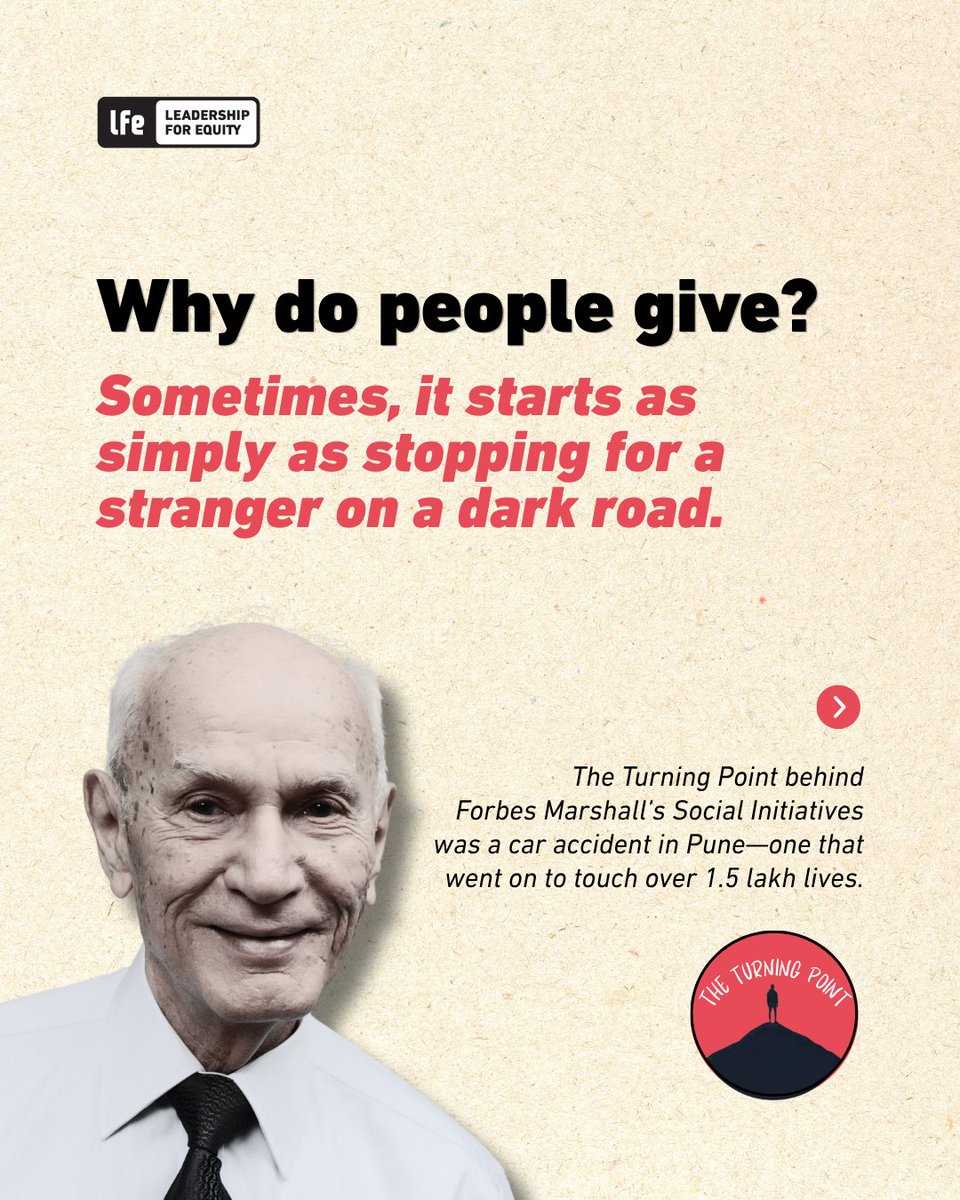
The Turning Point features stories of people whose giving is rooted in where they came from. Read our first story here: bit.ly/4eDEKgu
1
1
1
52
May 10
@skilledinodisha: We were deeply moved by "Go kiss the world" and think your story can inspire a whole new wave of giving in India. DM @anirudhan94 so we can get in touch!
1
1
60
Jan 26
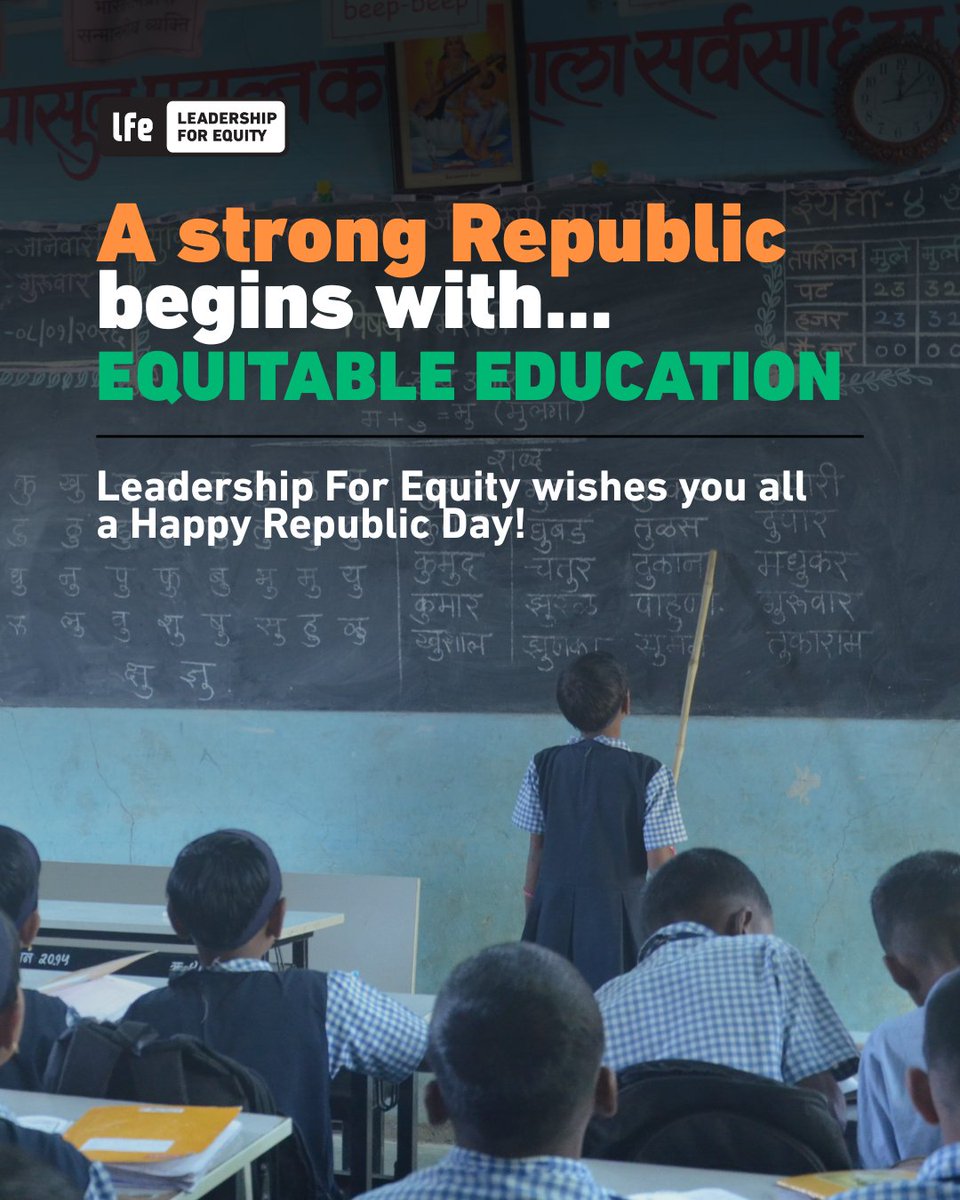
A strong Republic is built when every child has access to meaningful learning, every teacher is empowered, and every voice counts.
Here is to strengthening the foundations of equity, justice, and opportunity every day.
Happy Republic Day! 🇮🇳
56
LeadershipForEquity retweeted

26 Aug 2025
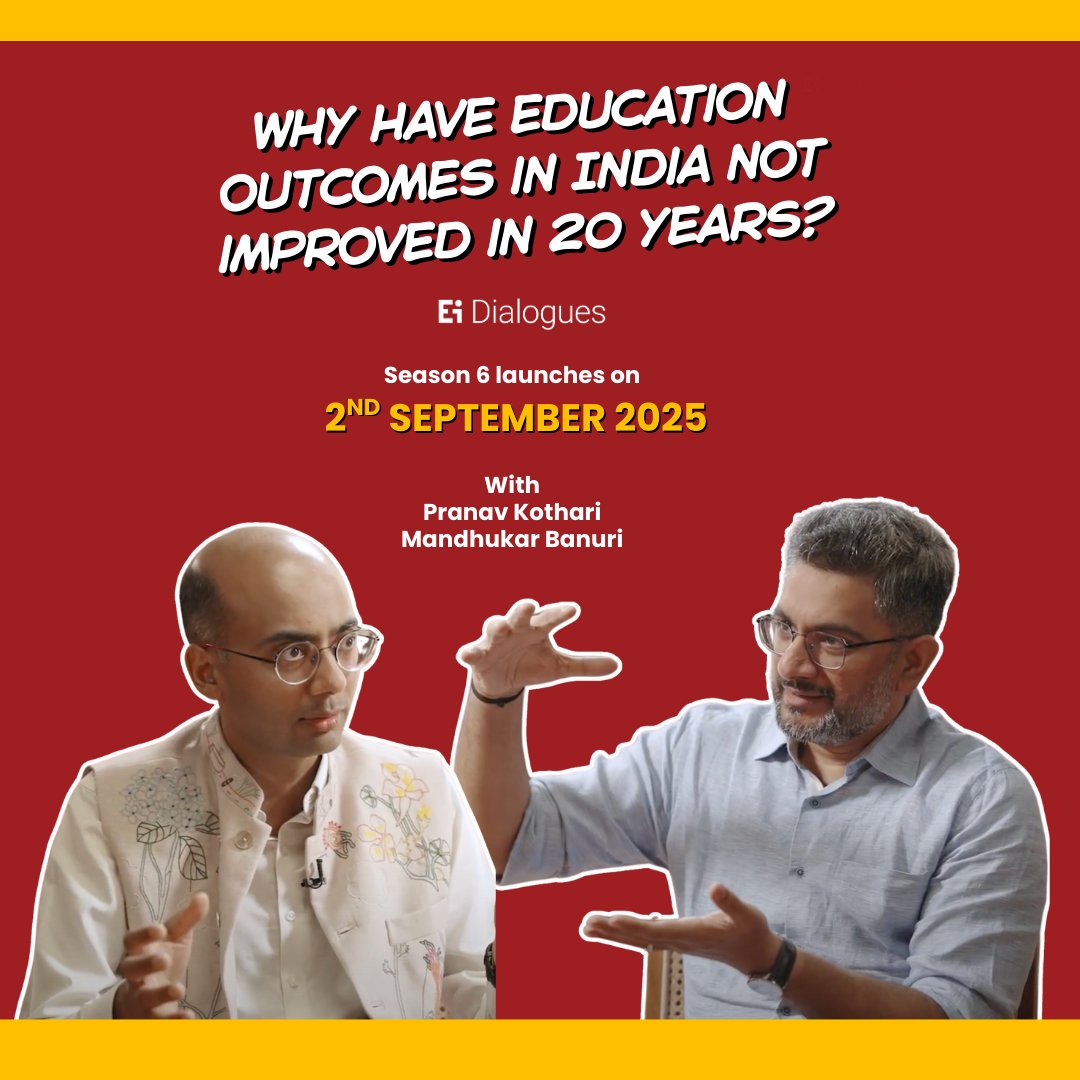
The wait is over. #EiDialogues returns with Season 6!
We begin with Madhukar Banuri (Co-founder & CEO, Leadership for Equity) in conversation with Pranav Kothari. From corporate career to low-income classroom to decades of strengthening govt systems.
Ep.1 drops Sept 2.
2
109
LeadershipForEquity retweeted

17 Jul 2025
2/2 Post action plans, the state departments, along with SCERTs can set academic/improvement goals for the next two years. Such improvement goals can be differentiated as per the district's performance; and actionable steps can be led by DIET & Block level system leaders @lfe_ed
1
1
5
101
LeadershipForEquity retweeted
17 Jul 2025
1/2 At a macro level, the states (led by SCERTs) need to decipher the outcome data at a deeper level to make action plans for district-level improvement over the next two years. Partner NGOs working with the state can help SCERTs to lead this. #PARAKH2024 @lfe_ed @CSF_India
1
1
9
127
17 Jul 2025
Final recommendations! Here's how the panelists visualize using #PARAK2024's insights to drive fruitful teaching-learning practices & improved learning outcomes.👇🏻
17 Jul 2025

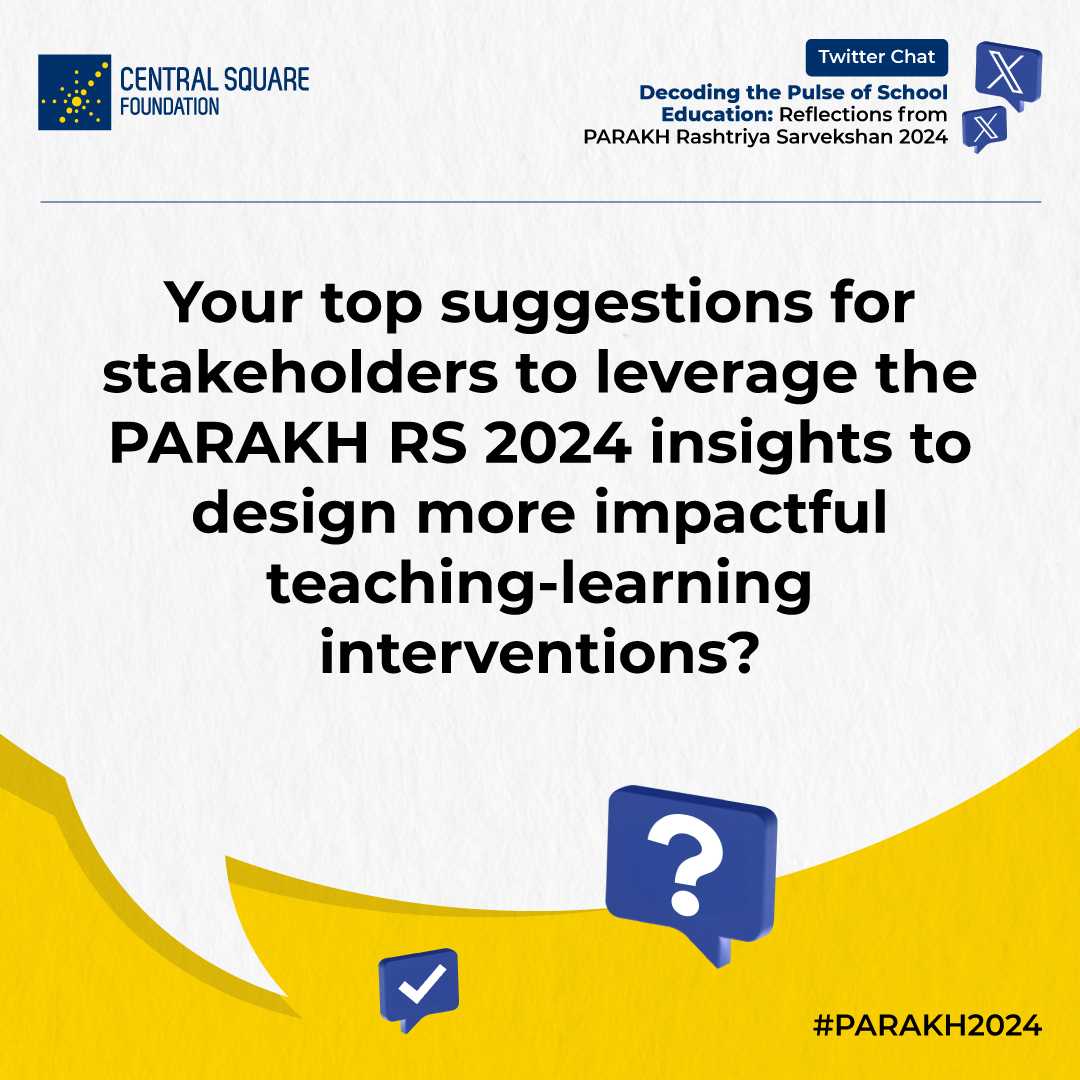
🔴#6: Findings from the #PARAKH2024 Report provide the ecosystem a useful roadmap for what needs to be done next.
What do you think are the most promising ways to strengthening teaching-learning, based on these insights? Share your thoughts ⬇️
@parakh_ncert @indranibhaduri @ncert
3
95
17 Jul 2025
Our district reform work esp. in MH has shown the effectiveness of contextual resources for teachers and adaptive, activity-based pedagogy- recommended by #PARAKH2024 for engaging children with the learning process itself, beyond the textbook!
17 Jul 2025

1/3 In Maharashtra, NIPUN Maharashtra GR helped schools have integrated cultural and creative activities, promoting experiential education, boosting student engagement & competencies. @lfe_ed took a district support model to ensure FLN adoption at scale @MahaSamagra @scertmaha
43
17 Jul 2025
The work is not complete yet, but the progress shows - that's the power of evidence-driven education reform! This is why ensuring solid FLN through structured, data-backed programs is the road to a brighter future for India's children. #FoundationHaiSahi
17 Jul 2025
5/5 Overall, the upward shift in FLN-stage learning, especially in rural & govt. school settings is a direct outcome of NIPUN Bharat’s concerted policies since 2021. #PARAKH2024 offers the first large-scale, evidence-based confirmation that the mission is on the right path!
39
LeadershipForEquity retweeted
17 Jul 2025
3/5 @CSF_India notes that Grade 3 learners outperforming older grades is a clear signal of early-stage success from NIPUN Bharat. #PARAKH2024 explicitly recognizes this trend as "early success of the NIPUN Bharat Mission" @lfe_ed
1
2
3
61
LeadershipForEquity retweeted
17 Jul 2025
1/5 #PARAKH2024 records a sharp increase in Grade 3 proficiency, with average competency in maths at 60% & language at 64%! These gains show progress towards NIPUN Bharat’s core mission: to ensure foundational literacy and numeracy for all children by Grade 3 by 2026–27.
1
2
7
86
17 Jul 2025
This finding from #PARAKH2024 is reason enough to study the pedagogical practices & innovations happening in rural schools - and how they can be used for public #schooleducation at scale.
17 Jul 2025
A standout insight for me from #PARAKH2024: At the foundational stage (Grade 3), rural students outperformed urban peers in both Language & Math. This challenges assumptions and highlights the need to learn from rural practices to drive equitable learning. @lfe_ed @CSF_India
2
20
17 Jul 2025
#PARAKH2024 shows gradual progress in how we're perceiving the learning process - from rote-based exam preparation to real understanding & application of knowledge. #FoundationHaiSahi
Read more from @MadhukarBanuri in conversation with @CSF_India!
17 Jul 2025
Ah! My time, assessment design was definitely old school. Can't think of a time when I was genuinely trying to apply the concepts to problem solving. It was more rote-and-deliver on the test, fact-based and more dependent on my ability to memorise. #PARAKH2024
1
24
17 Jul 2025
The virtual roundtable around #PARAKH2024 has started on @CSF_India 's live #TwitterChat! Here's what the panelists, including our co-founder @MadhukarBanuri have to say 👇🏻 #FoundationHaiSahi
17 Jul 2025
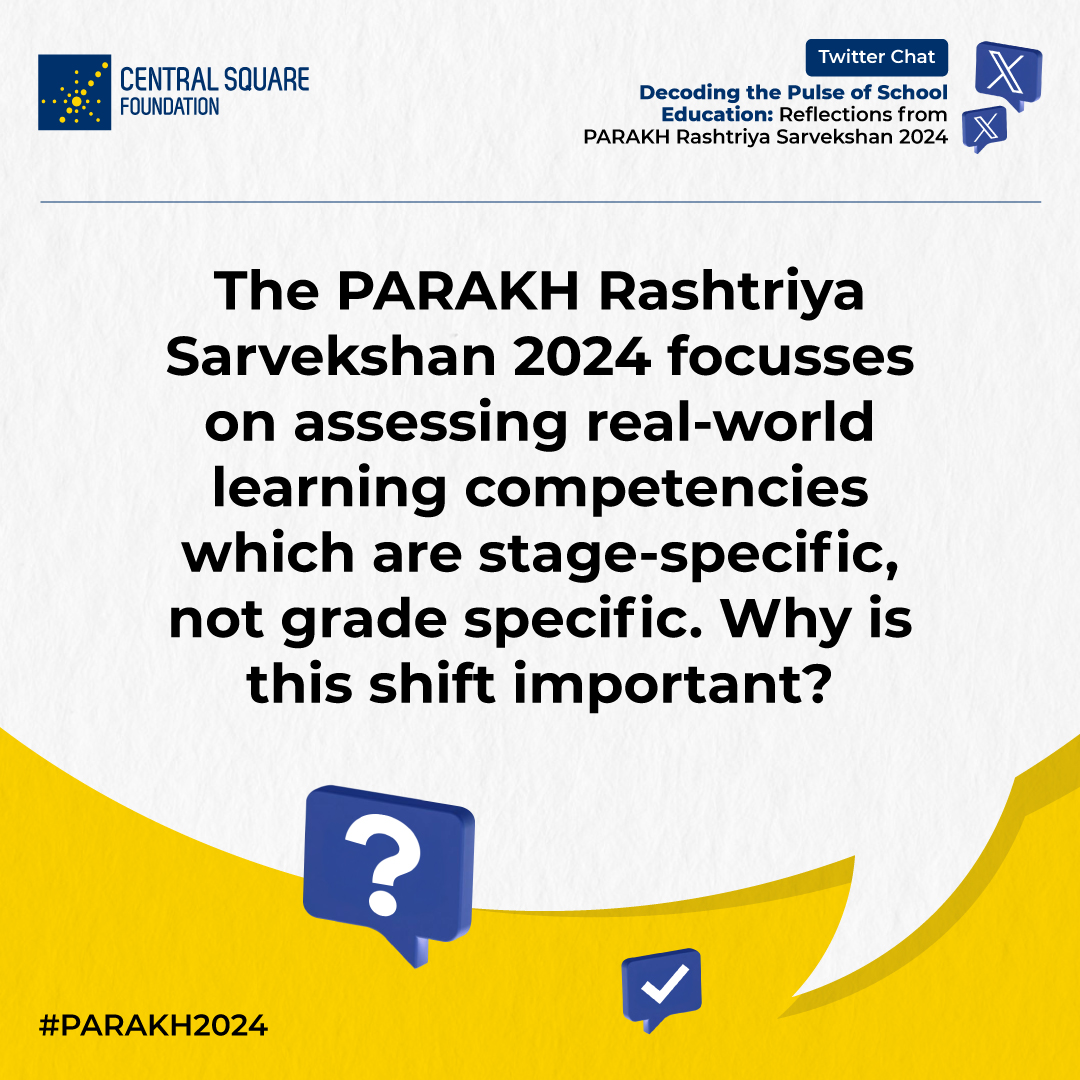
🔴#1: The @parakh_ncert Rashtriya Sarvekshan 2024 marks a significant change in our education system - a shift from grade-wise learning outcomes to stage-specific competencies.
Inviting our panelists to start the discussion by sharing their thoughts on this change and what it means for our learners. #PARAKH2024
@indranibhaduri @ncert
1
2
115
LeadershipForEquity retweeted

17 Jul 2025
📌1 hour to go for our #TwitterChat on the theme ‘Decoding the Pulse of School Education: Reflections from PARAKH Rashtriya Sarvekshan 2024’.
With our expert panelists @poojangpl @anustup_nayak @Anuraag_Shukla @MadhukarBanuri @ritesoulsurfer.
Stay tuned! 🕔
Do join us using #PARAKH2024 - like, RT and ask questions!
@parakh_ncert @indranibhaduri
15 Jul 2025
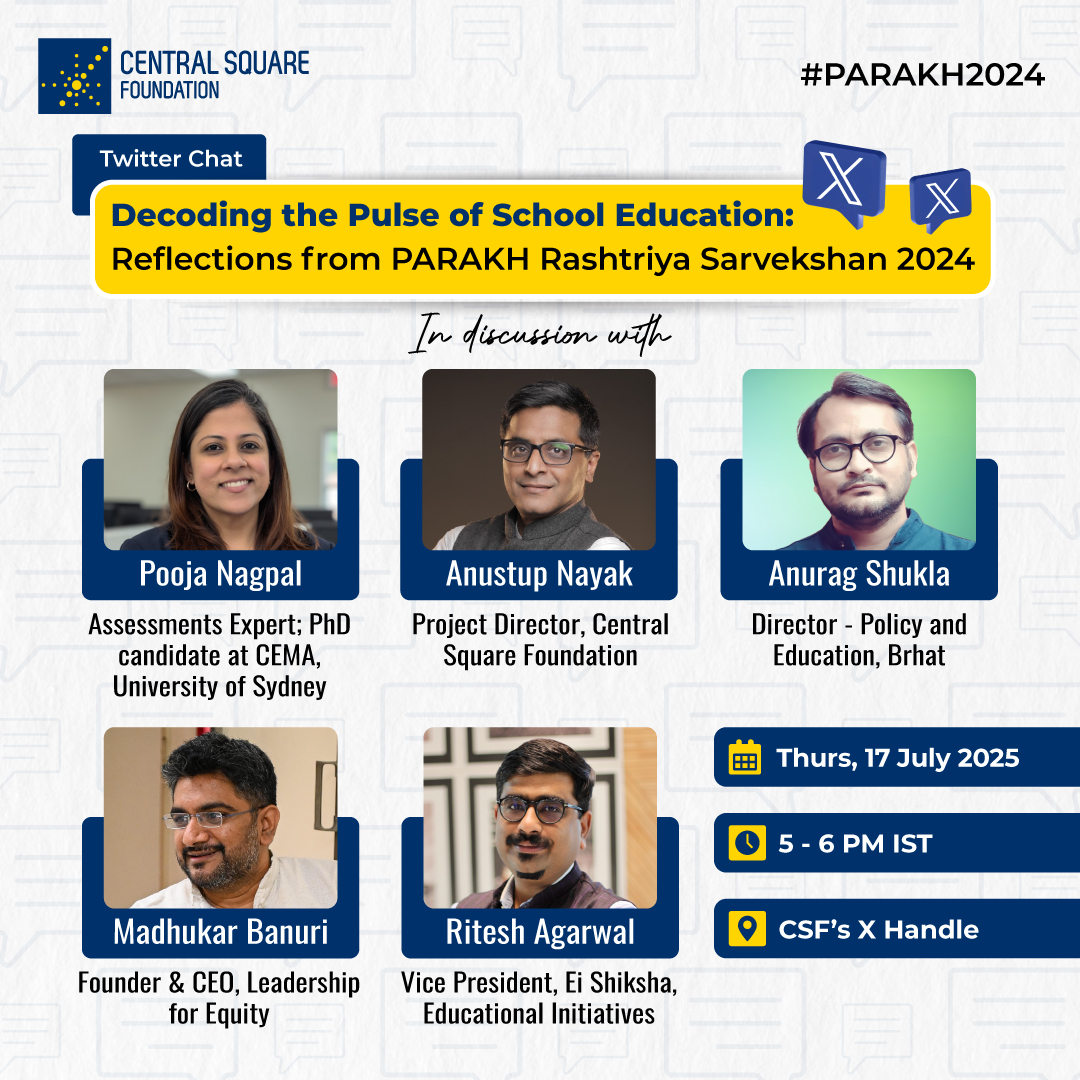
The @parakh_ncert (PARAKH Rashtriya Sarvekshan) 2024 brings #India closer to evidence-led education reform, highlighting how students are learning and where progress is taking root.
A key finding: Grade 3 learners are outperforming higher grades, reflecting early gains from the #NIPUNBharat Mission. 📈
🗓️ Meet our panellists for our #TwitterChat this Thursday, 17 July, as they unpack the insights, discuss what’s working and explore its impact in the classrooms.
Join the conversation on X using #PARAKH2024.
@poojangpl @anustup_nayak @Anuraag_Shukla @MadhukarBanuri @ritesoulsurfer
#FLN #NEP2020 #ViksitBharat #NCERT #Education #FoundationalLearning #StudentLearning
1
5
6
339
LeadershipForEquity retweeted
16 Jul 2025
📌 Happening tomorrow: Join us tomorrow for an exciting #TwitterChat on reflections and insights from the @parakh_ncert Rashtriya Sarvekshan 2024.
5 - 6 PM IST tomorrow, on CSF's X handle.
With experts: @poojangpl @anustup_nayak @Anuraag_Shukla @MadhukarBanuri @ritesoulsurfer | @CEMA_USyd @brhat_in @lfe_ed @eistudy1
.
.
@indranibhaduri | #PARAKH2024 #FoundationHaiSahi #NCERT #Education
15 Jul 2025
The @parakh_ncert (PARAKH Rashtriya Sarvekshan) 2024 brings #India closer to evidence-led education reform, highlighting how students are learning and where progress is taking root.
A key finding: Grade 3 learners are outperforming higher grades, reflecting early gains from the #NIPUNBharat Mission. 📈
🗓️ Meet our panellists for our #TwitterChat this Thursday, 17 July, as they unpack the insights, discuss what’s working and explore its impact in the classrooms.
Join the conversation on X using #PARAKH2024.
@poojangpl @anustup_nayak @Anuraag_Shukla @MadhukarBanuri @ritesoulsurfer
#FLN #NEP2020 #ViksitBharat #NCERT #Education #FoundationalLearning #StudentLearning
4
8
645