Associate professor @lsehistory | Author of MADE IN CHINA @harvard_press | Mandarin speaker | Dog mum | Sydneysider 🐨
Joined July 2017
- Tweets 1,736
- Following 1,198
- Followers 2,311
- Likes 6,233
127 Photos and videos
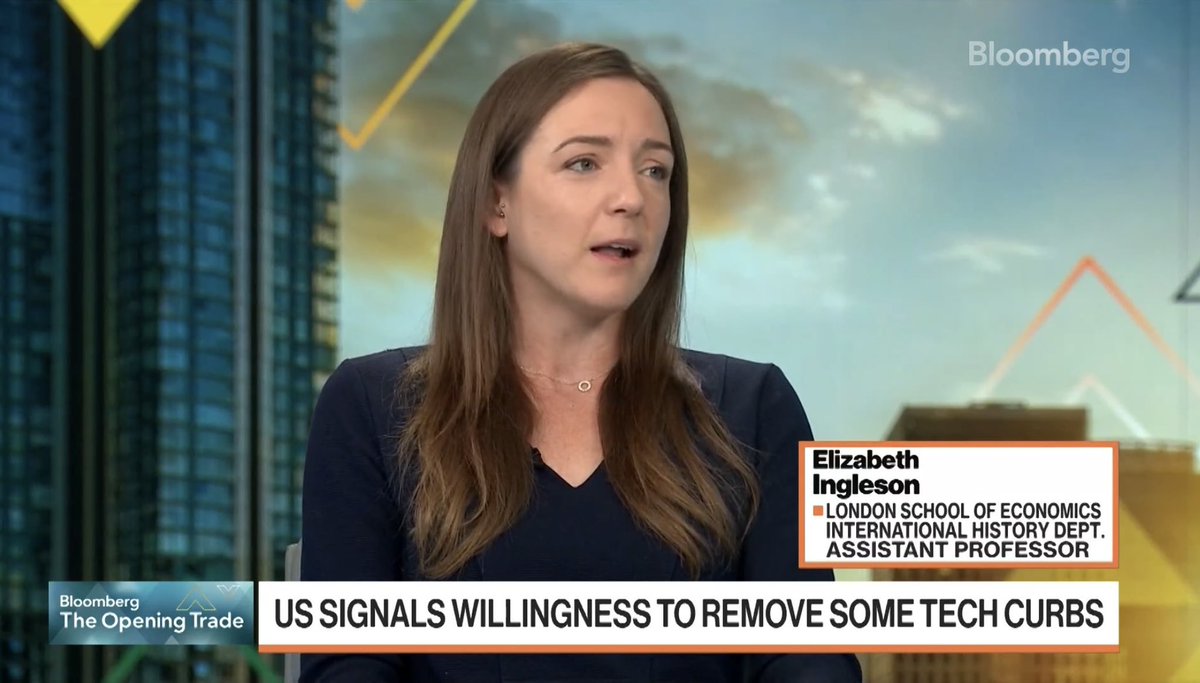
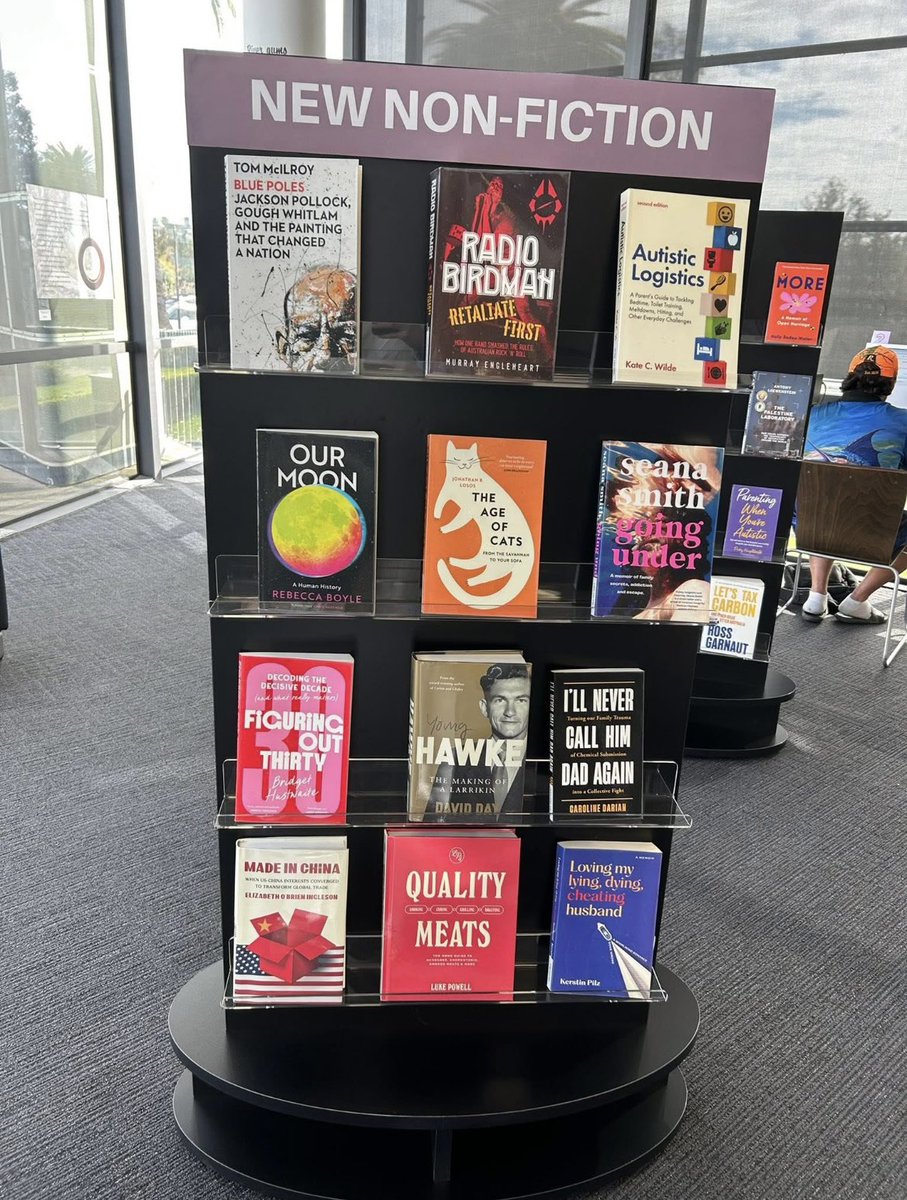
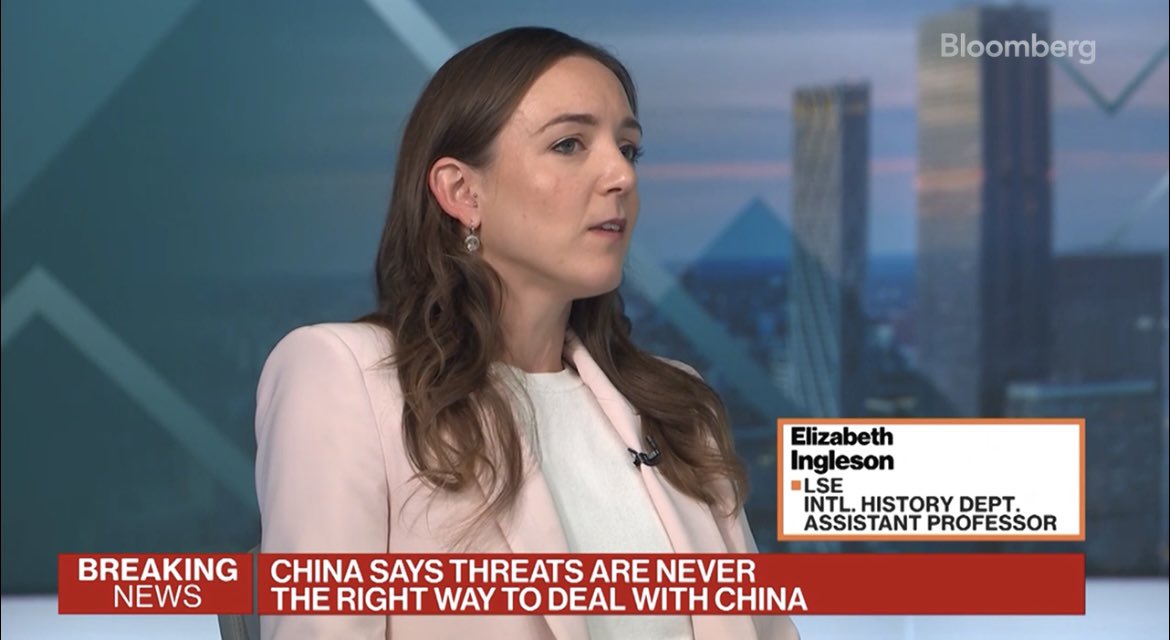
Pinned Tweet

3 Oct 2023
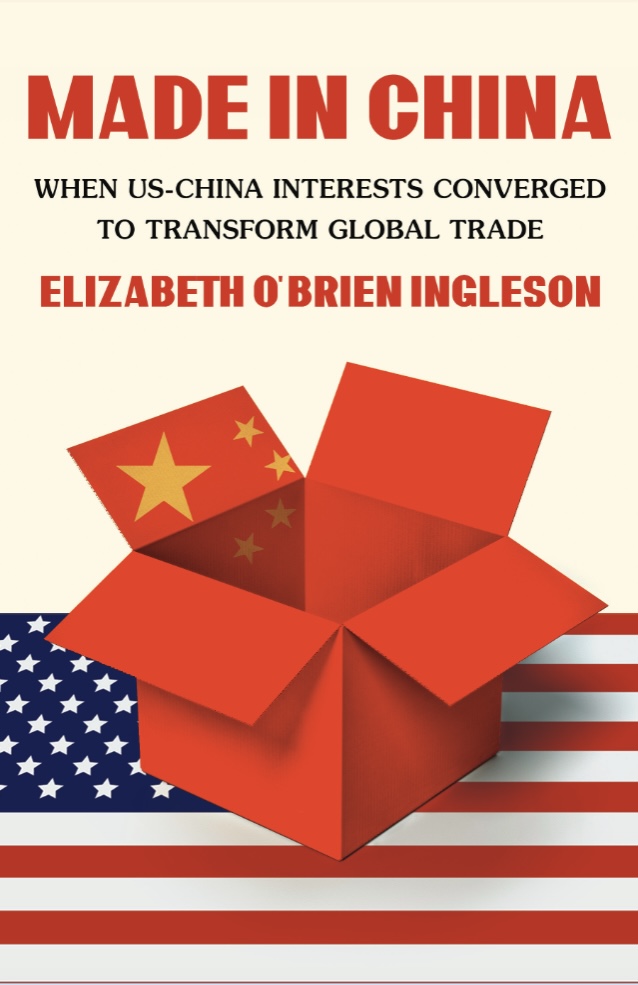
What a ride it's been, but page proofs are in! ✅ Made in China will be out in the world in March 2024!!
Read more about the book here hup.harvard.edu/catalog.php?…
And find it here on Indie book finder bookshop.org/p/books/made-in…
Also here, for those inclined amazon.co.uk/Made-China-Inte…
13
28
132
22,508
Elizabeth O’Brien Ingleson retweeted

May 18
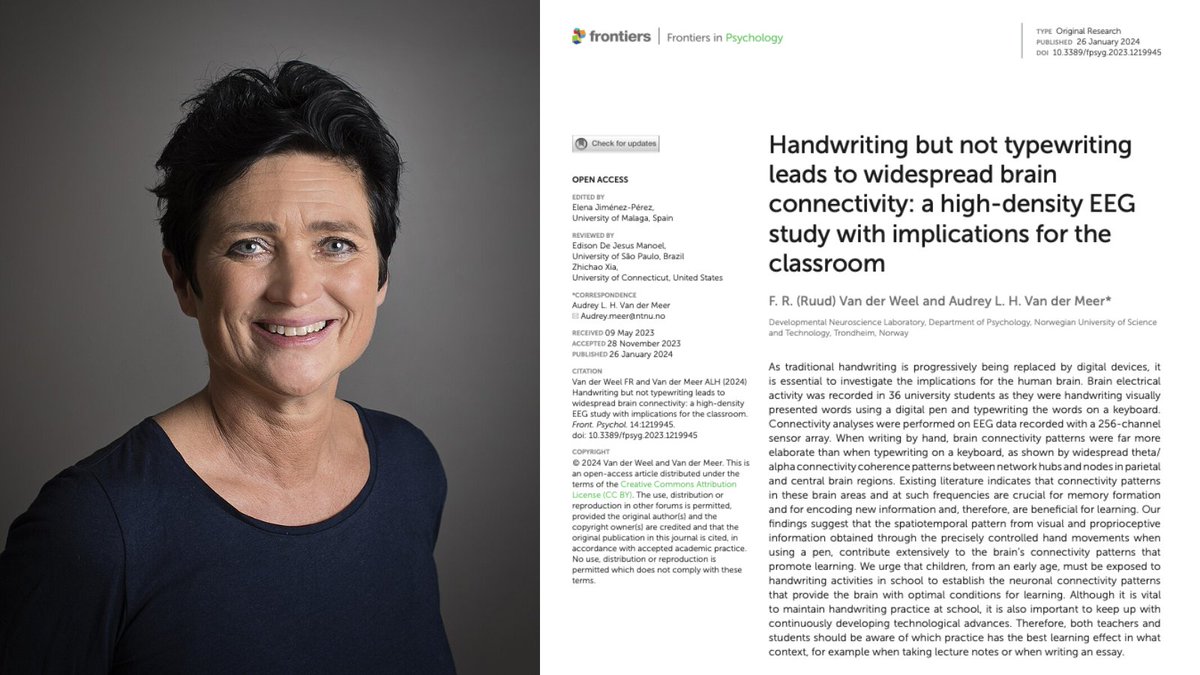
A Norwegian neuroscientist spent 20 years proving that the act of writing by hand changes the human brain in ways typing physically cannot, and almost nobody outside her field has read the paper.
Her name is Audrey van der Meer.
She runs a brain research lab in Trondheim, and the paper that closed the argument was published in 2024 in a journal called Frontiers in Psychology. The finding is brutal enough that it should have changed every classroom on Earth.
The experiment was simple. She recruited 36 university students and put each one in a cap with 256 sensors pressed against their scalp to record brain activity. Words flashed on a screen one at a time.
Sometimes the students wrote the word by hand on a touchscreen using a digital pen, and sometimes they typed the same word on a keyboard. Every neural response was recorded for the full five seconds the word stayed on screen.
Then her team looked at the part of the data most researchers had ignored for years, which is how different parts of the brain were communicating with each other during the task.
When the students wrote by hand, the brain lit up everywhere at once.
The regions responsible for memory, sensory integration, and the encoding of new information were all firing together in a coordinated pattern that spread across the entire cortex. The whole network was awake and connected.
When the same students typed the same word, that pattern collapsed almost completely.
Most of the brain went quiet, and the connections between regions that had been alive seconds earlier were nowhere to be found on the EEG.
Same word, same brain, same person, and two completely different neurological events.
The reason turned out to be something nobody had really paid attention to before her work. Writing by hand is not one motion but a sequence of thousands of tiny micro-movements coordinated with your eyes in real time, where each letter is a different shape that requires the brain to solve a slightly different spatial problem.
Your fingers, wrist, vision, and the parts of your brain that track position in space are all working together to produce one letter, then the next, then the next.
Typing throws all of that away. Every key on a keyboard requires the exact same finger motion regardless of which letter you are pressing, which means the brain has almost nothing to integrate and almost no problem to solve.
Van der Meer said it plainly in her interviews.
Pressing the same key with the same finger over and over does not stimulate the brain in any meaningful way, and she pointed out something that should scare every parent who handed their kid an iPad.
Children who learn to read and write on tablets often cannot tell letters like b and d apart, because they have never physically felt with their bodies what it takes to actually produce those letters on a page.
A decade before her, two researchers at Princeton ran the same fight using a completely different method and ended up at the same answer. Pam Mueller and Daniel Oppenheimer tested 327 students across three experiments, where half took notes on laptops with the internet disabled and half took notes by hand, before testing everyone on what they actually understood from the lectures they had watched.
The handwriting group won by a wide margin on every question that required real understanding rather than surface recall.
The reason was hiding in the transcripts of what the two groups had actually written down.
The laptop students typed almost word for word, capturing more total content but processing almost none of it as they went, while the handwriting students physically could not write fast enough to transcribe a lecture in real time, which forced them to listen carefully, decide what actually mattered, and put it in their own words on the page.
That single act of choosing what to keep was the learning itself, and the keyboard had quietly skipped the choosing and skipped the learning along with it.
Two studies. Two countries. Same answer.
Handwriting makes the brain work. Typing lets it coast.
Every note you have ever typed instead of written went into your brain through a thinner pipe. Every meeting, every book highlight, every idea you captured on your phone instead of on paper was processed at half depth.
You did not forget those things because your memory is bad. You forgot them because typing never woke the part of the brain that would have made them stick.
The fix is the thing your grandmother already knew.
Pick up a pen. Write the thing down. The slower road is the faster one.
2,472
44,648
120,851
10,362,192
Elizabeth O’Brien Ingleson retweeted

May 14
This is very funny but also revealing of an idiosyncracy of Chinese
The character Xi thinks he’s reading is ‘bing’ 兵
The characters he is actually reading is ‘ping pang’ 乒乓 (Chinese for ‘ping pong’)
Look similar, don’t they?
He thought 乒乓 was 兵, and consequently said ‘Bing bang’
A Chinese style spoonerism

15
36
632
111,457
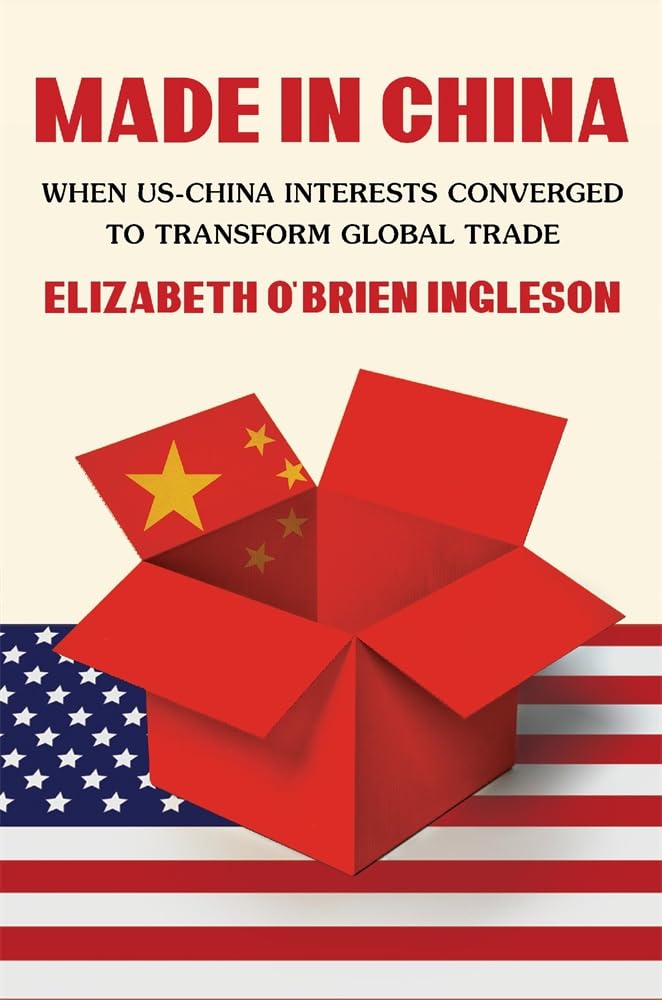
Delighted to see this roundtable of my book and grateful to the contributors!
“A watershed in China scholarship which will hopefully inspire future scholars to apply Ingleson’s insights into Chinese industrial development…I couldn’t imagine a better legacy for this worthy work”

The Jervis Forum Roundtable Review 17-37
Elizabeth O’Brien Ingleson's Made in China: When US China Interests Converged to Transform Global Trade
"Those who read these reviews...while surrounded by items bearing those three little words, “Made in China,” will have a clear path to better understanding why they are so ubiquitous." -Meredith Oyen
wp.me/p2Insd-7Ms
@lizingleson @MeredithOyen
6
27
2,995
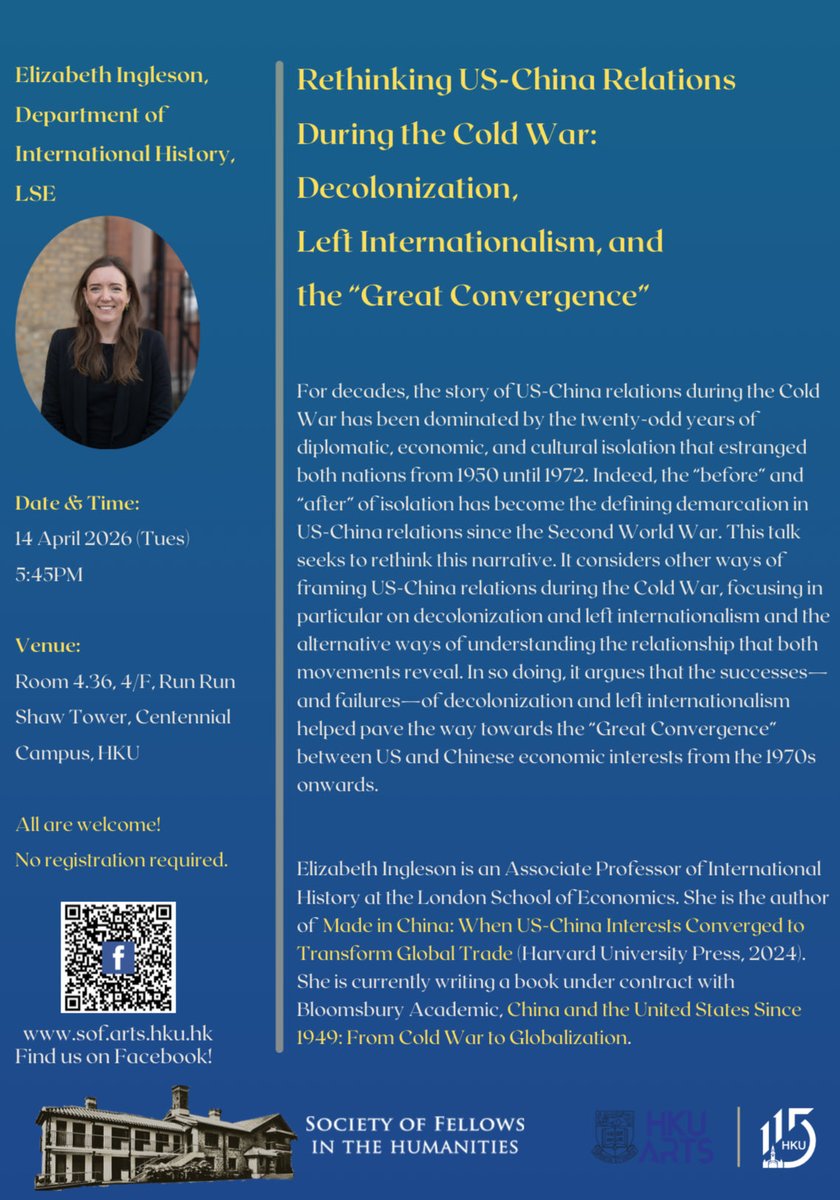
Really looking forward to visiting Hong Kong to talk at HKU about some ideas from my next book. This will be my first time discussing these ideas outside the classroom and I’m looking forward to the conversation! If you’re in HK and would like to join, more details are below
6
40
3,063
Elizabeth O’Brien Ingleson retweeted

Mar 24
The first Nuestra America ship has arrived at Havana Port, breaking Trump’s criminal blockade of Cuba and bringing aid to the people of the island
89
1,095
3,624
31,182
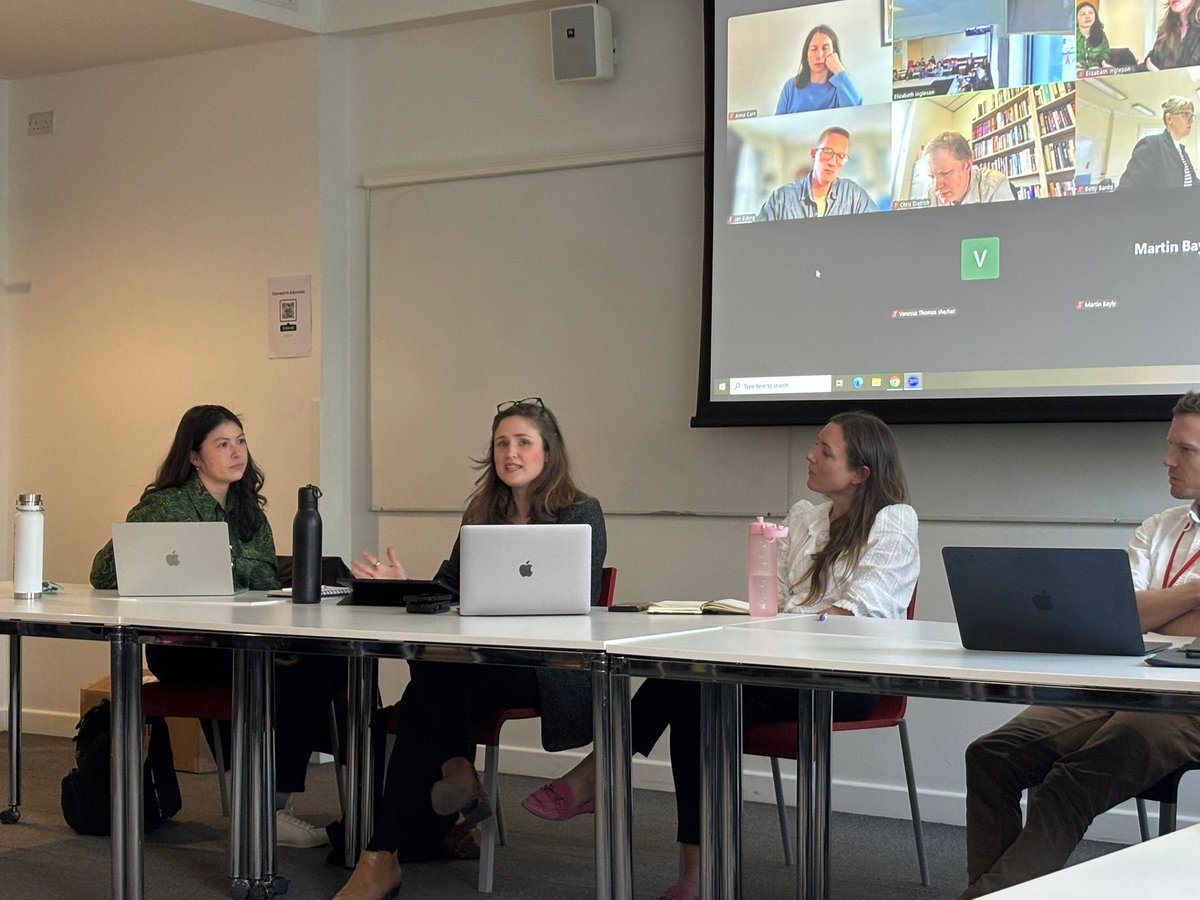
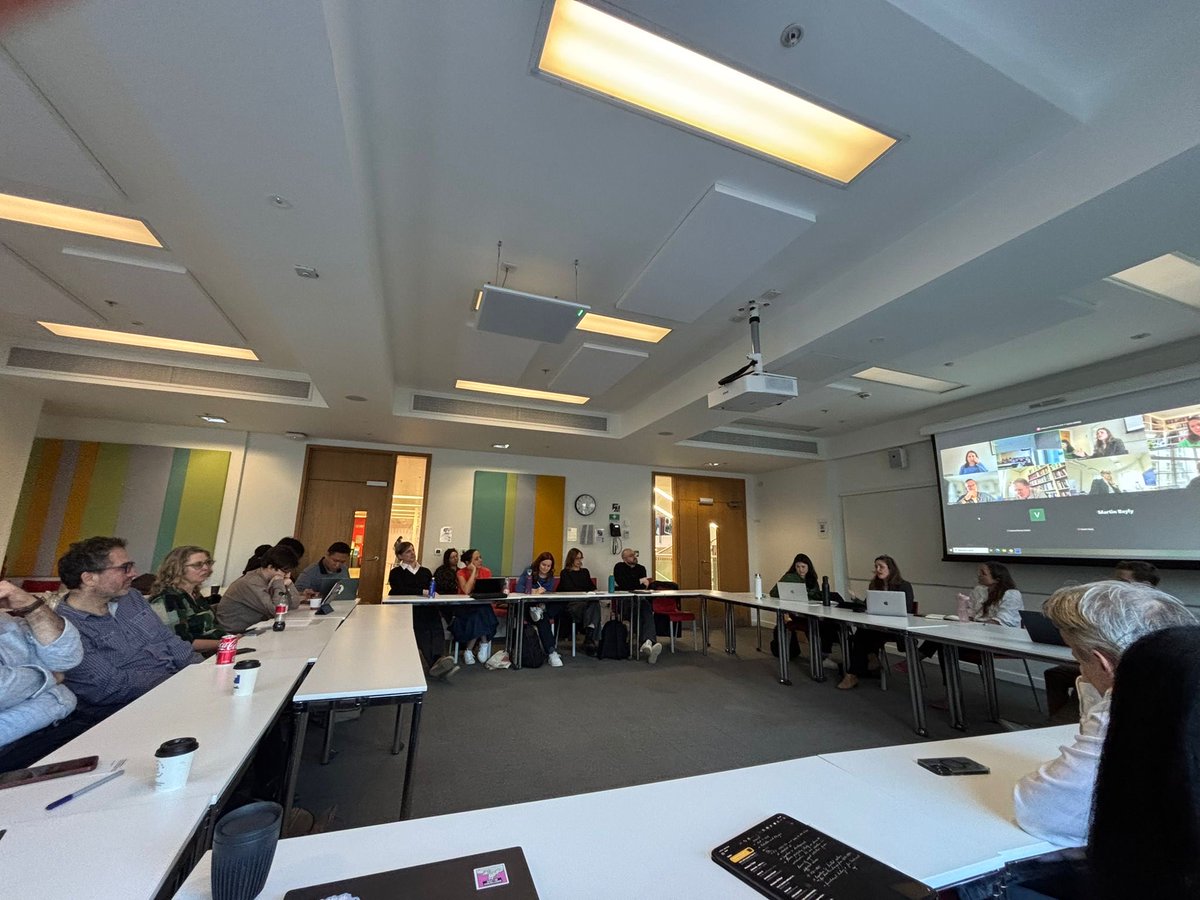
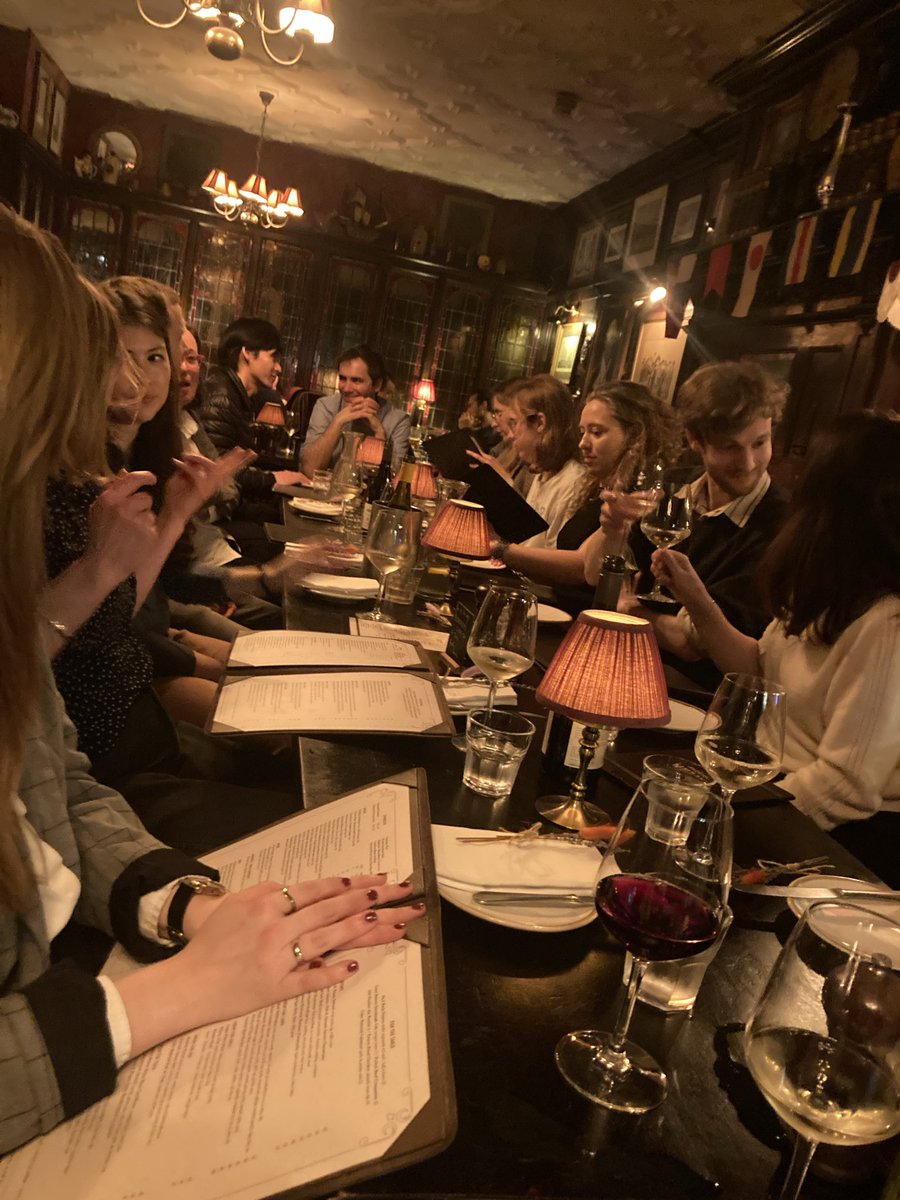
Wednesday was the final LSE-Tufts Seminar in Contemporary International History: ending with a bumper crowd, brilliant paper by @sarahsays_etc & comments from @Jan_Eijking. Big thank you to everyone who’s helped build this community & made it such a rigorous and supportive space!
2
18
1,667
Elizabeth O’Brien Ingleson retweeted
Mar 19
I’m in Cuba, speaking to real Cubans while they endure the horrific blockade imposed by Donald Trump and his neo-Yanqui sidekick, little Marco
Mar 19

“Cuba’s president has said that attempts to take the island will be met with ‘impregnable resistance’.
"That resistance is now international.”
Novara Media’s @StevenJMethven is in Cuba, reporting on a convoy delivering aid to Cubans struggling under Trump’s oil embargo.
More than 4 tonnes of supplies have now been flown to Cuba from Italy, with more on its way from Mexico.
30
53
192
10,819
Elizabeth O’Brien Ingleson retweeted

Mar 19
“Cuba’s president has said that attempts to take the island will be met with ‘impregnable resistance’.
"That resistance is now international.”
Novara Media’s @StevenJMethven is in Cuba, reporting on a convoy delivering aid to Cubans struggling under Trump’s oil embargo.
More than 4 tonnes of supplies have now been flown to Cuba from Italy, with more on its way from Mexico.
104
414
1,041
72,968
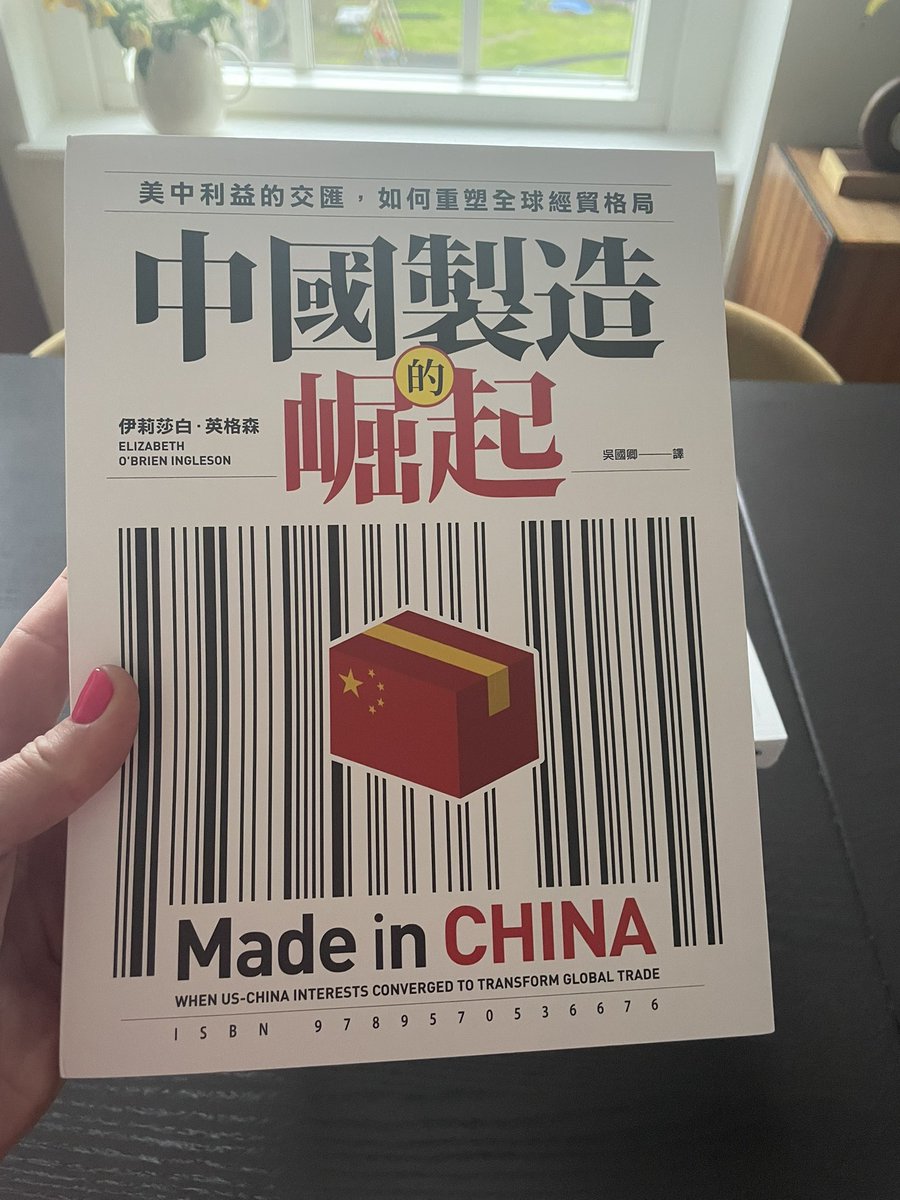
Over the moon to receive the mandarin translation of my book!!!
6
4
50
1,856
15 Oct 2025
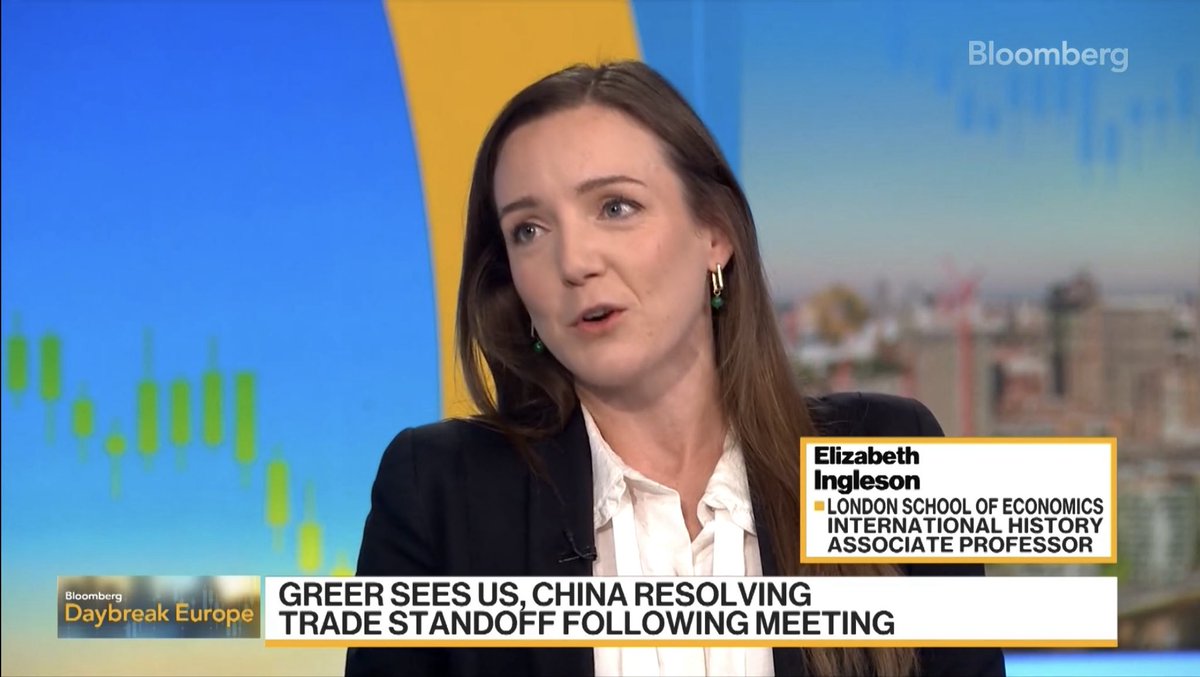
Great conversation this morning with @TomMackenzieTV at @BloombergTV about China’s recent export controls and what they mean both for US-China relations as well as China’s larger goals.
Interview starts around 27:30 bloomberg.com/news/videos/20…
1
4
434
1 Oct 2025
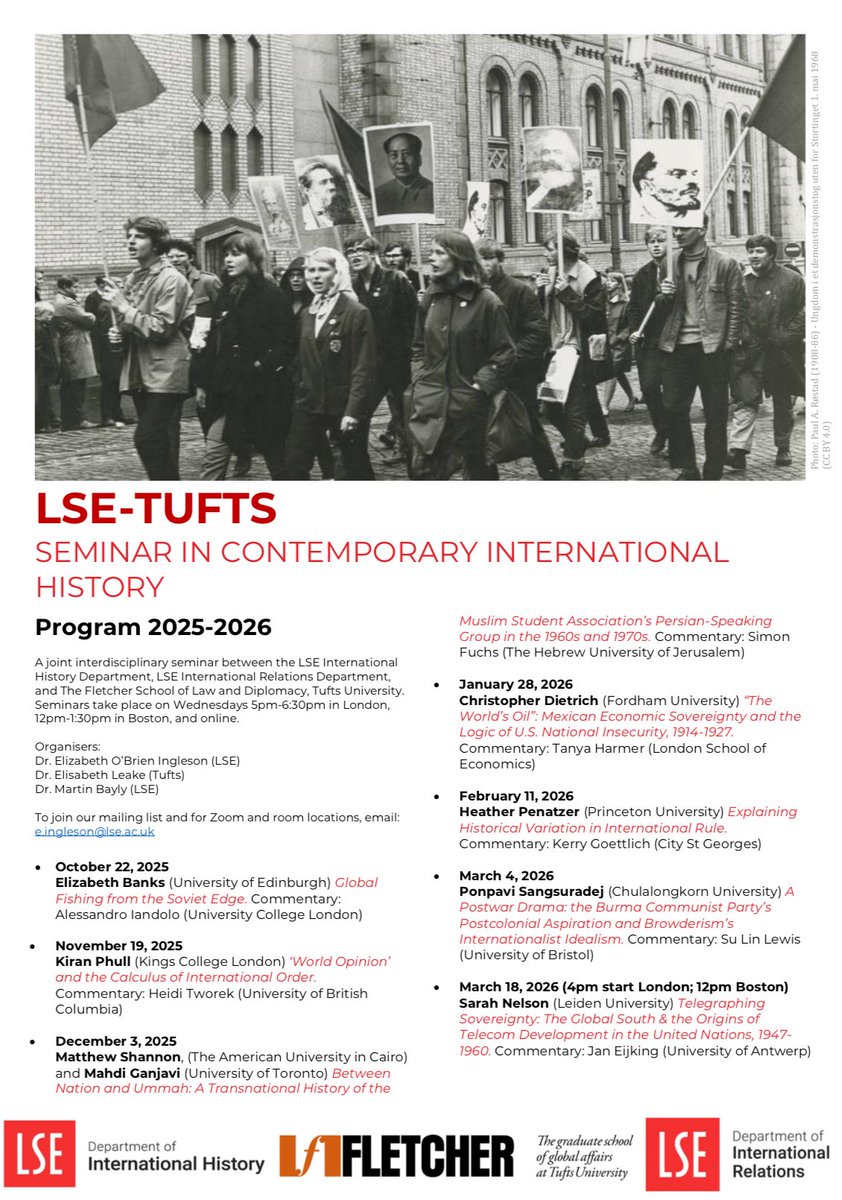
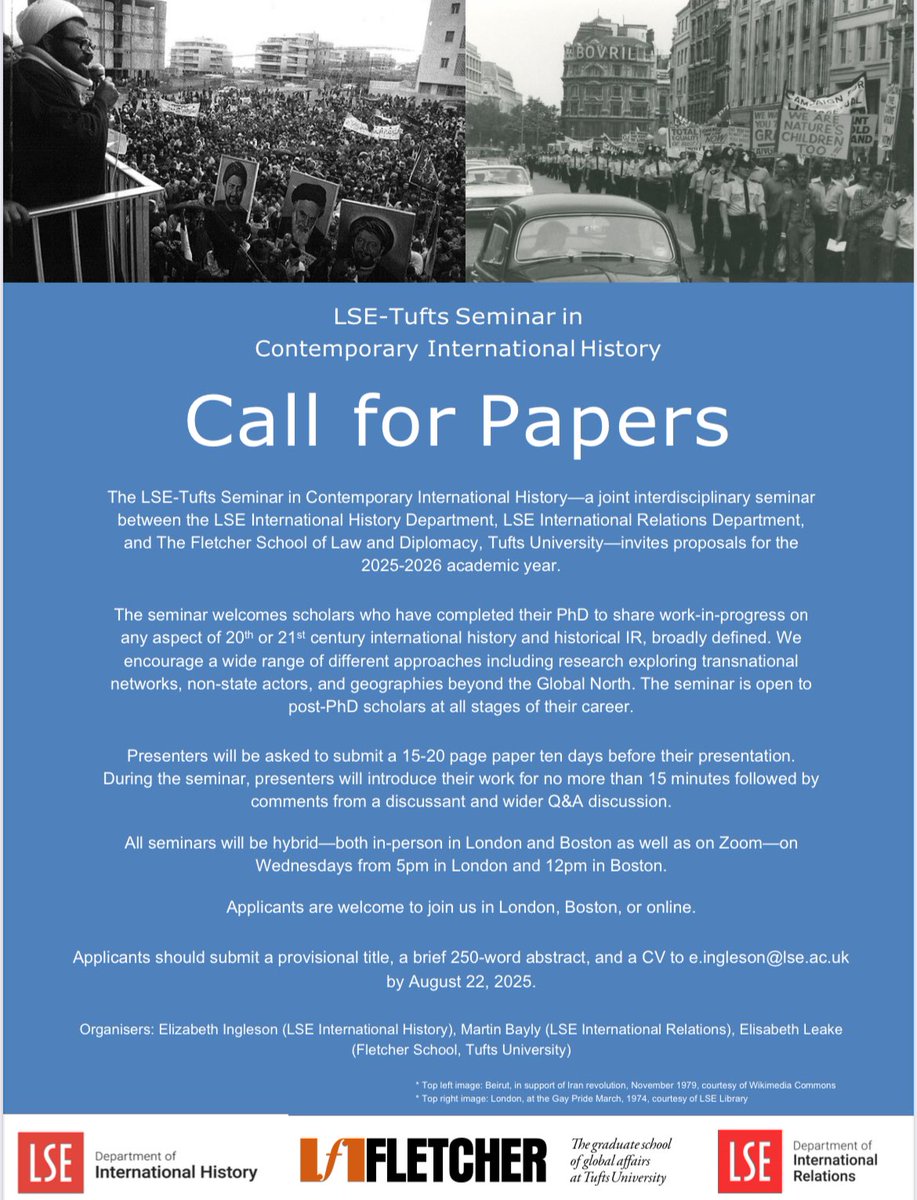
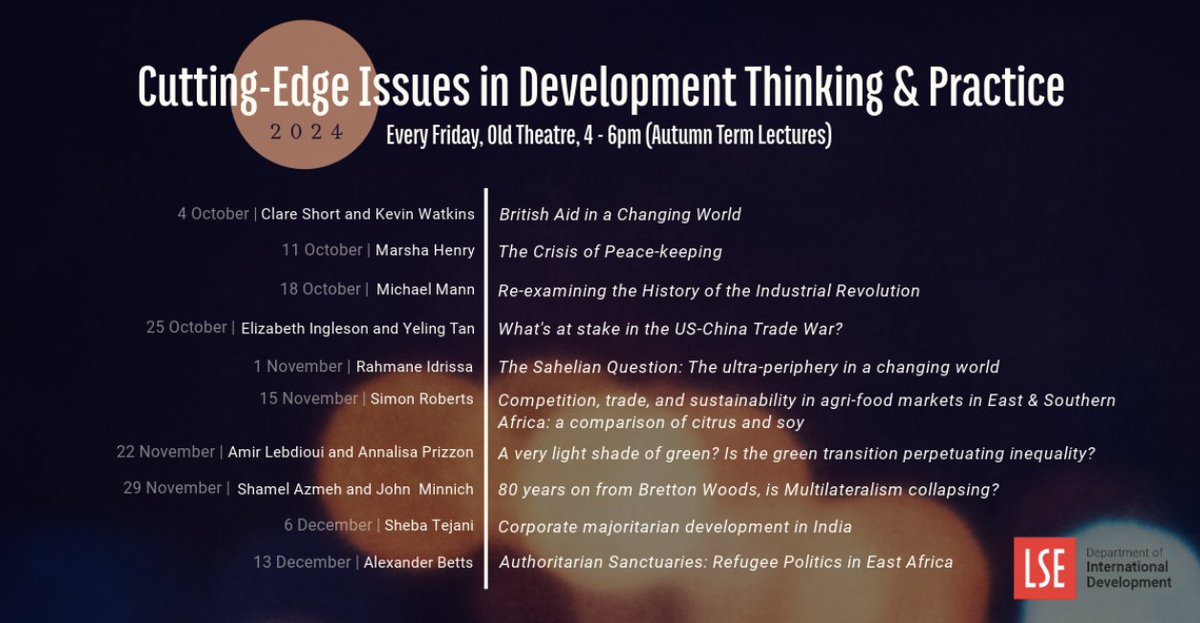
Happy to share this year’s line up for the LSE-Tufts Seminar in Contemporary International History!
As usual, this is a hybrid seminar. We meet at 5pm in London, 12pm in Boston and online. All welcome to join us in London, Boston, or online. Please email me for more details.
1
7
18
1,454
1 Oct 2025
We kick things off on Wednesday October 22 when Elizabeth Banks from the University of Edinburgh will share her paper entitled, “Global Fishing from the Soviet Edge”. Alessandro Iandolo from University College London will serve as discussant.
275
Elizabeth O’Brien Ingleson retweeted

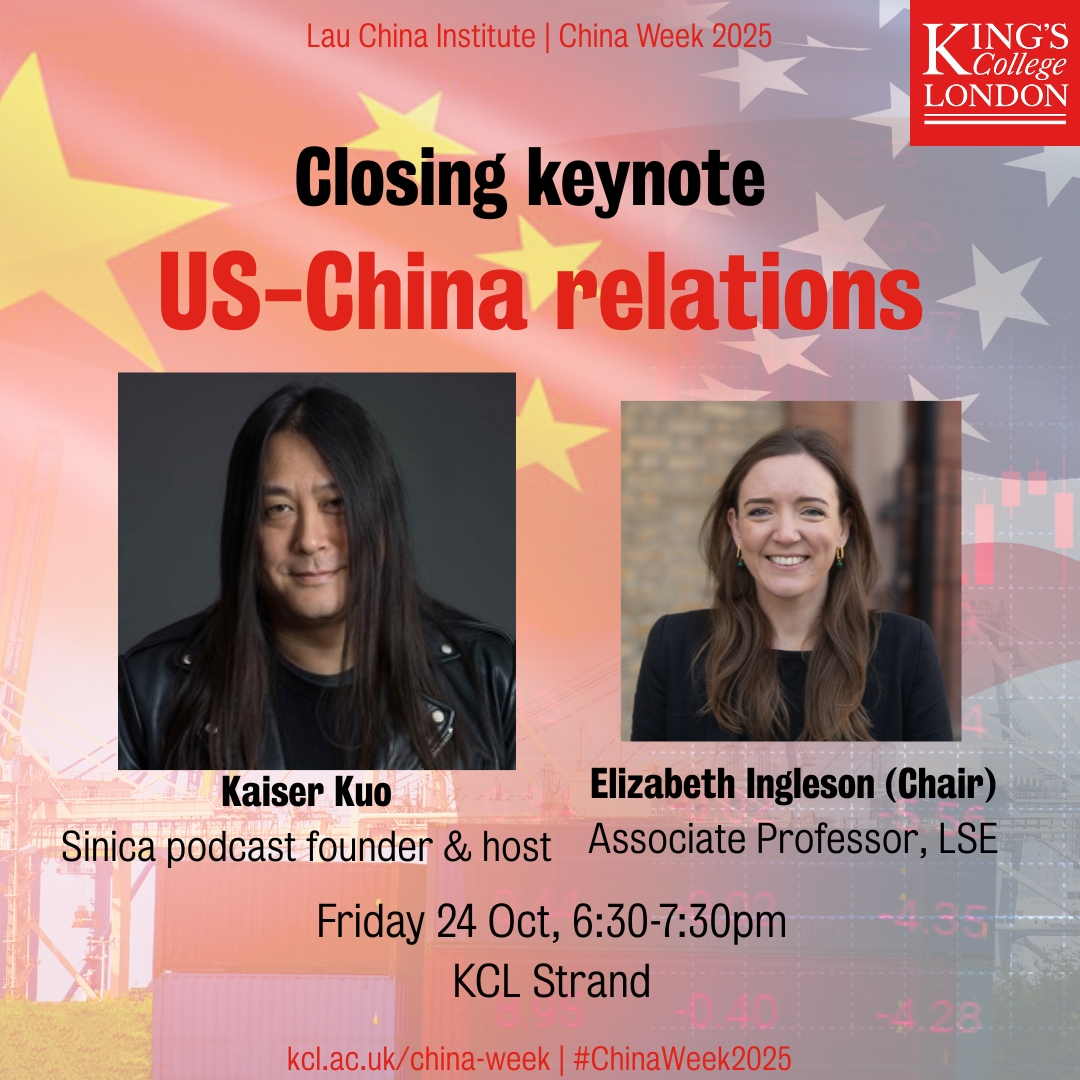
We're excited to announce @KaiserKuo, Founder & host of @SinicaPodcast as our #ChinaWeek closing keynote.
Don't miss Kaiser in conversation w/ @lizingleson @LSEnews discussing #US #China relations on Fri 24 Oct, KCL.🇨🇳🇺🇸
Book now: kcl.ac.uk/events/closing-rec…
2
6
570
12 Aug 2025
Crucial reporting from @StevenJMethven capturing the historic crackdown on peaceful protesters here in London over the weekend
Watch the full report here:
youtu.be/HP79iGZYMJc?si=Rt-F…
12 Aug 2025

On Saturday, I was in Parliament Square to report on the largest mass arrest of peaceful protestors since the 1960s for @novaramedia. This was the moment a young woman, quietly sitting, was handcuffed and hauled away simply for holding up a sign.
5
797
Elizabeth O’Brien Ingleson retweeted
3 Jun 2025
Alongside Elisabeth Leake and @mjbayly, I’m pleased to share the call for applications for next year’s LSE-Tufts Seminar in Contemporary International History
Applicants should submit a title, brief 250-word abstract, and CV to the email address in the image by August 22, 2025
1
20
43
7,138
2 Aug 2025
It’s taken quite a long time to sink in, but yesterday was my first official day as Associate Professor with tenure at @LSEnews 🥳 It’s been a long ride getting here and I’m so relieved and grateful for this honour!
29
10
509
30,374
28 Jul 2025
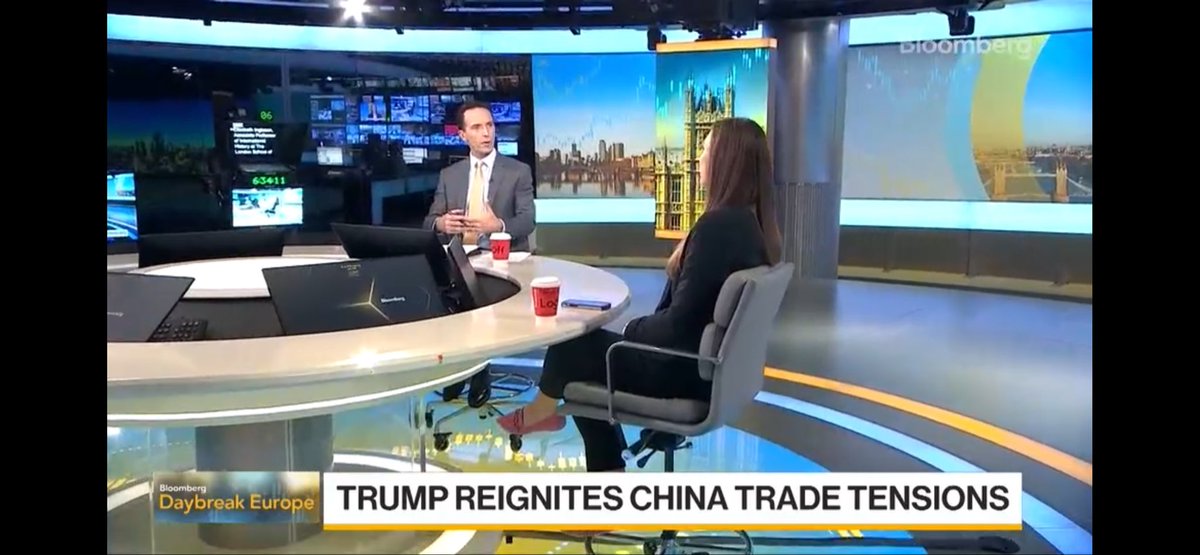
Great to be back at @BloombergTV with @KritiGuptaNews and @GuyJohnsonTV discussing Trump’s trade deals with Japan and EU and today’s U.S.-China talks.
We’re living in a tariff world where 15% is the new normal
Interview starts around 30 mins in:
bloomberg.com/news/videos/20…
6
620
16 Jul 2025
A reminder that applications for the LSE-Tufts Seminar in Contemporary International History are due in about a month's time: August 22!
Please see the image for more information and how to apply.
3 Jun 2025

Alongside Elisabeth Leake and @mjbayly, I’m pleased to share the call for applications for next year’s LSE-Tufts Seminar in Contemporary International History
Applicants should submit a title, brief 250-word abstract, and CV to the email address in the image by August 22, 2025
4
3
1,089
14 Jul 2025
It was a pleasure to join @keithyap_1 to discuss my book, Made in China. We talked about the changes within China and the international capitalist system in the 1970s that enabled China to become the "workshop of the world"
Listen to the conversation here youtu.be/Jefoaedcoxk
14 Jul 2025

How Did The US and China End Up Remaking Global Trade?
Think about it for a second.
These two countries were on opposite ends of the ideological spectrum in the 1970s.
One was the undisputed leader of the 'free world' and the world's richest economy.
The other was a nascent superpower in the throes of a Cultural Revolution and explicitly Communist.
It is not apparent that these two countries would remake the way the world trades, manufactures and develops.
I spoke to Professor Elizabeth Ingleson (@lizingleson) to understand the early days of US-China rapprochement and how that became the most consequential economic relationship of the 20th century.
Prof Ingleson's book, Made in China (published by Harvard University Press) is one of the most extensively researched books I have read that details initial US-China engagement in the early 1970s.
I came away realising how historically contingent the 'Made in China' manufacturing phenomenon was.
I hope this episode will give you a flavour of what I mean by that.
In this episode, we cover:
- Why Nixon's Shocks were more consequential than you think.
- How The American Textile Industry Spelt the Beginning of US Deindustrialisation
- How China and the US diverged in its attitude towards trade and diplomacy.
2
6
28
4,193
Elizabeth O’Brien Ingleson retweeted

11 Jun 2025
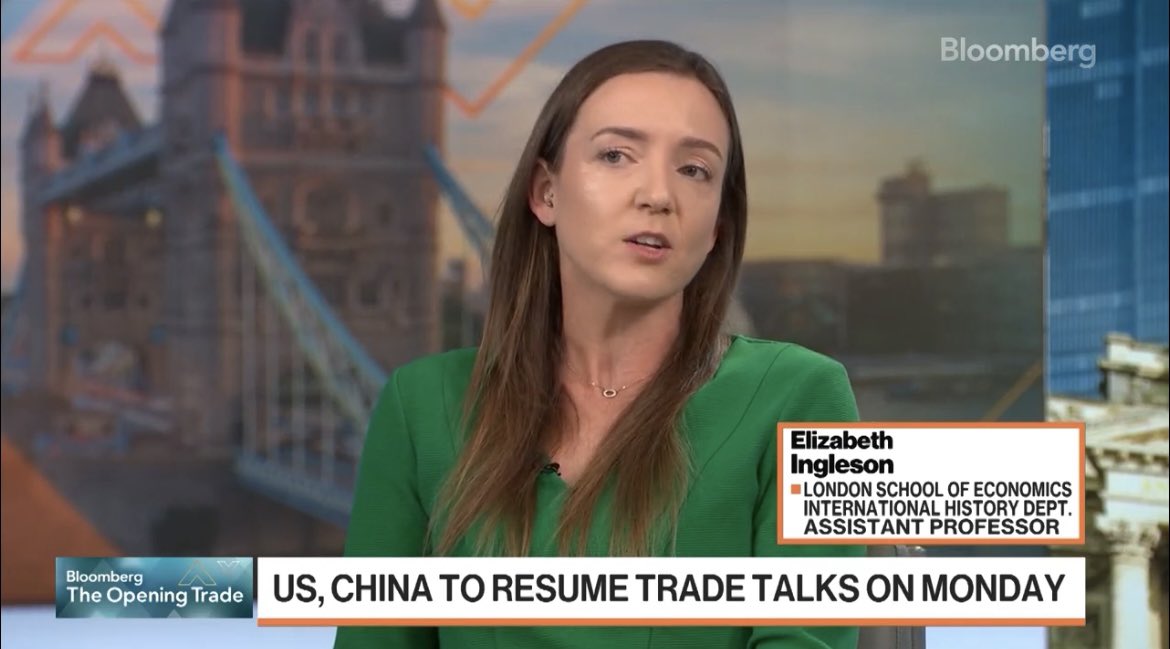
📺 Phelan US Centre Affiliate @lizingleson (@lsehistory) appeared on @BloombergTV yesterday to discuss the US China trade talks happening in London.
The interview starts at 1:15:30.
bloomberg.com/news/videos/20…
1
1
422