Incoming PGY-1 Adult Neurology at the University of Kansas SOM 🧠 || Visioneer, believer in space colonies, sci-fi lover, game lover, traveller, an enthusiast
Joined January 2017
- Tweets 1,526
- Following 838
- Followers 408
- Likes 4,366
105 Photos and videos

Pinned Tweet

16 Feb 2017
On Earth, curiosity drives scientists. On Mars, scientists drive Curiosity. #ThursdayThoughts #Nasa
1
3
17
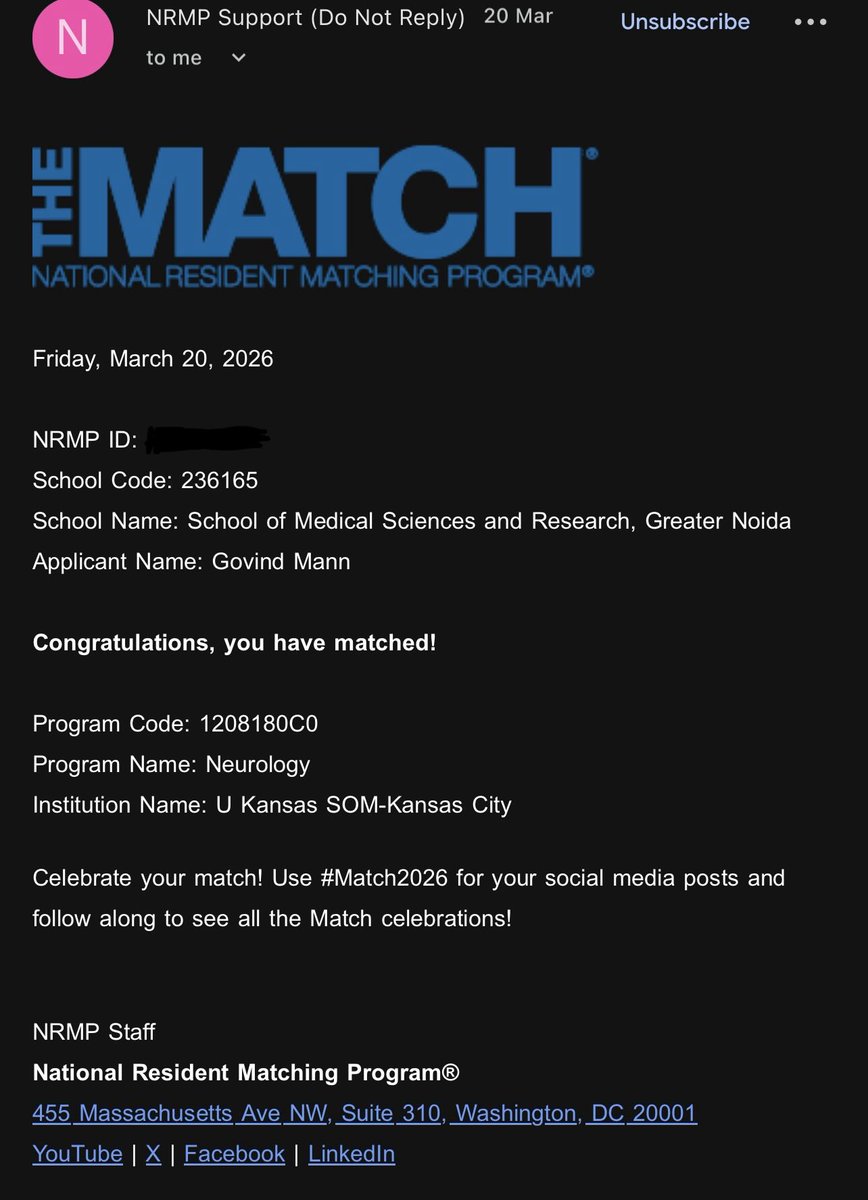
I’m incredibly excited and grateful to share that I have matched into Neurology Residency at the University of Kansas Department of Neurology! 🧠✨
This journey has been filled with perseverance, growth, setbacks, learning, and unwavering support from mentors, colleagues, friends, and family. Every challenge along the way strengthened my passion for neurology and my commitment to becoming a compassionate and skilled neurologist.
I’m deeply thankful to everyone who guided, believed in, and supported me throughout this process. This is not just a milestone, but the beginning of an exciting new chapter dedicated to patient care, lifelong learning, and advancing the field of neurology.
To everyone pursuing their dreams, trust the process, stay resilient, and keep moving forward. The journey is tough, but absolutely worth it. 🚀
Looking forward to starting this next chapter!
#Match2026 #NRMP #Matched #Neurology #NeurologyResidency #IMG #InternationalMedicalGraduate #ResidencyMatch #FutureNeurologist #MedicalJourney #DreamsToReality #PhysicianLife #ResidencyLife #UniversityOfKansas #KansasCity
10
2
177
8,379
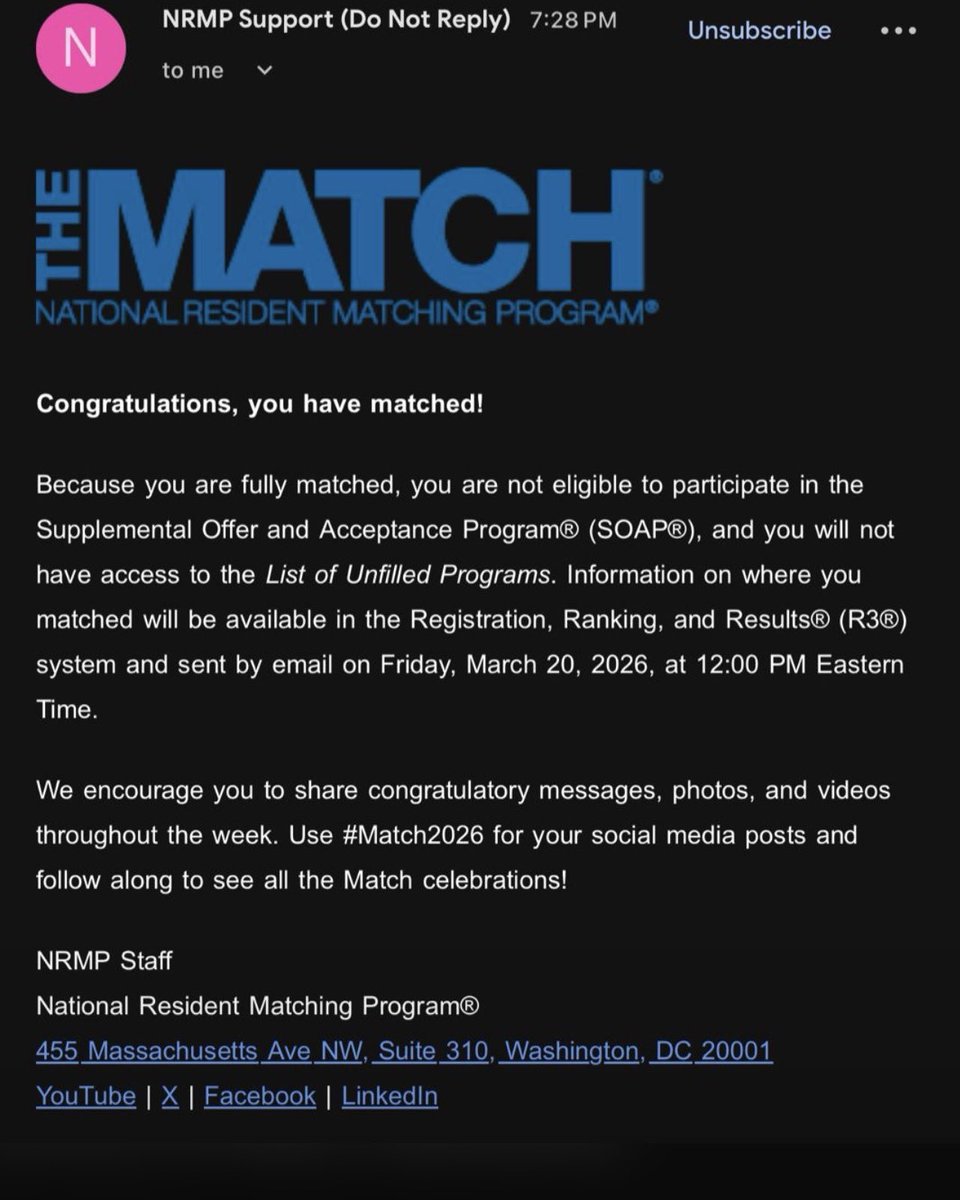
Excited to share that I have matched into a Neurology Residency in the United States, one step closer to becoming a Neurologist 🧠🇺🇸
This journey has been one of persistence, growth, and unwavering curiosity about the most complex organ in the universe, the human brain. Every step along the way has shaped who I am today.
Grateful to my family, mentors, and friends for their constant support throughout this journey.
Looking forward to the road ahead!
#Match2026 #Neurology #IMG #FutureNeurologist #Gratitude
9
7
221
3,035
Excited to share our recent publication on World Sleep Day 🌙🧠
“An Updated Systematic Review and Meta-Analysis of Modafinil for Excessive Daytime Sleepiness in Narcolepsy,” published in Sleep Medicine: X (Elsevier), highlights the importance of advancing research in sleep disorders and improving quality of life for patients living with narcolepsy.
In this study, we systematically evaluated the efficacy of modafinil, a key wake-promoting therapy used to manage excessive daytime sleepiness (EDS) in narcolepsy. By synthesizing evidence from clinical trials, our analysis demonstrates significant improvements in both objective wakefulness (MWT) and subjective sleepiness (ESS) among treated patients.
Key insights include:
• Significant improvement in wakefulness and reduction in daytime sleepiness with modafinil
• Consistent therapeutic benefit across commonly used dosing strategies
• Identification of a critical evidence gap, with no new eligible randomized trials in the past decade, despite widespread clinical use
On a day dedicated to raising awareness about sleep health worldwide, this work underscores the need for continued research, long-term trials, and innovative therapies. I encourage fellow researchers, clinicians, and advocates to join the conversation, share insights, and collaborate to better address disorders such as narcolepsy.
🔗 I’ve added the link to the paper below: lnkd.in/gnNVrB83
#worldsleepday #sleep #neurology #neuroscience #neuroresearch #research #metaanalysis #brain #healthawareness #health
162
Excited to share our recent publication: “Exploring the Role of Fecal Microbiota Transplantation in Amyotrophic Lateral Sclerosis” published in Discover Neuroscience (Springer Nature) 🧠
In this review, we examine how gut dysbiosis and disruption of the gut–brain axis may contribute to ALS pathogenesis through immune activation, oxidative stress, and altered metabolite signaling. We synthesize emerging preclinical and early clinical evidence suggesting that fecal microbiota transplantation (FMT) may help restore microbial balance, modulate neuroinflammation, and improve selected clinical parameters, while also critically appraising current limitations.
Key insights include:
• The mechanistic link between SCFAs, microglial polarization, and TDP-43 pathology
• Safety considerations and regulatory challenges surrounding FMT
• The importance of biomarker-driven, stage-specific clinical trials
Future directions call for standardized multicenter RCTs integrating microbiome sequencing, metabolomics, and neurofilament monitoring to determine whether FMT can move from experimental therapy to disease-modifying strategy.
🔗 I’ve added the link to the paper below: rdcu.be/e6nbJ
#Neurology #Neuroscience #Brain #ALS #AmyotrophicLateralSclerosis #Research #neurotwitter
2
123
21 Nov 2025
Moebius syndrome is a rare congenital neurological disorder defined by non-progressive palsy of cranial nerves VI and VII, leading to impaired lateral eye movements and facial immobility. Infants often present with poor sucking, incomplete eye closure, and difficulty feeding due to oropharyngeal muscle weakness. As children grow, challenges become more noticeable: limited facial expression affects articulation, while an incomplete blink reflex increases the risk of exposure keratopathy.
Many patients also exhibit associated abnormalities, including limb malformations, chest wall defects such as Poland sequence, and oromotor dysfunction, which require coordinated, multidisciplinary management. Speech development may be delayed because lip rounding, bilabial sounds, and facial resonance depend on muscles that remain weak or paralysed. Ophthalmologic surveillance is essential to prevent corneal injury, and early recognition of feeding difficulties can reduce the risk of aspiration and malnutrition.
Early physical, occupational, and speech therapy significantly improves functional outcomes, while surgical options such as facial reanimation may enhance symmetry and eye protection. Overall, Moebius syndrome underscores the complexity of cranial nerve development and the value of early, targeted rehabilitation.
#Neurology #Brain #USMLE #Neuroscience
2
257
14 Nov 2025
“Imagine seeing people with their heads on fire, yet being completely conscious, oriented, and aware that something isn’t right.”
Such vivid visual hallucinations challenge our assumptions about perception. They aren’t always psychiatric; in fact, they can be a direct consequence of structural lesions affecting the brain’s visual networks. Tumors involving the occipital lobe, temporal lobe, or parieto-occipital junction may irritate or compress visual association cortices, producing complex, formed hallucinations that can include flames, figures, or entire scenes. These phenomena often arise as part of focal sensory seizures, where abnormal electrical activity distorts the brain’s interpretation of visual input.
Cases like this remind us of the astonishing delicacy and interconnectedness of the visual pathways, from the primary visual cortex (V1) to the fusiform gyrus and lateral occipital complex, regions essential for recognizing faces and integrating visual form. They highlight why clinicians must always consider neuroanatomy when evaluating hallucinations. In neurology, even the most dramatic perceptions may reflect a precise anatomical disturbance rather than a psychiatric disorder.
#Neurology #Brain #Tumors #Seizure #Seizures #Hallucinations #Cortex #USMLE #Education
1
141
7 Oct 2025
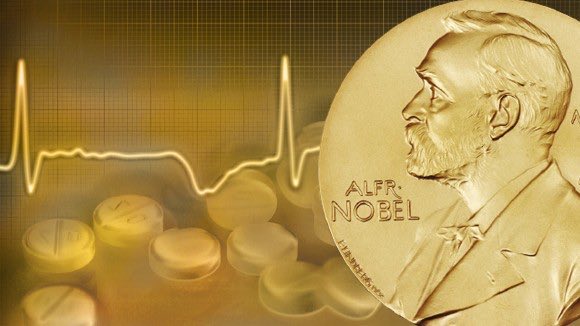
🧬 Why this year’s Nobel Prize in Medicine truly matters
The 2025 Nobel Prize in Physiology or Medicine recognizes the discovery of how our immune system knows when to stop. The laureates revealed the role of regulatory T cells (Tregs), the immune system’s peacekeepers that prevent our defenses from turning against us.
Their pioneering work uncovered the Foxp3 gene, a master regulator that enables Tregs to suppress harmful immune attacks. Mutations in this gene can trigger severe autoimmune diseases, showing just how delicate the immune balance really is.
Why it’s groundbreaking:
* It redefined how immune tolerance works, not just in the thymus, but throughout the body (“peripheral tolerance”).
* It explained why some people develop autoimmune diseases while others don’t.
* It laid the foundation for new therapies that fine-tune immunity rather than suppress it.
Clinical impact and future vision:
* Harnessing Tregs is now guiding treatments for autoimmune disorders, organ transplantation, and even cancer immunotherapy.
* In neurology, this understanding could transform care for conditions like multiple sclerosis, autoimmune encephalitis, and perhaps even neurodegenerative diseases, where immune imbalance fuels progression.
This discovery reminds us that in medicine, sometimes the most powerful act isn’t to fight harder — but to restore balance. ⚖️
#NobelPrize #Medicine #Immunology #Neurology #Tregs #Autoimmunity #ScientificBreakthrough #AAN #FOXP3
1
3
198
24 Sep 2025
Hello #MedTwitter!
I’m Govind from India 🇮🇳, excited to apply for #Neurology residency in #Match2026.
Passionate about Neurology and Neuroscience, I find endless intrigue in exploring the brain’s complexity. 🧠✨
Outside medicine, I’m captivated by astronomy and the cosmos 🌌 (a true sci-fi enthusiast who can talk endlessly about the universe). I’m also a big sports fan ⚽🏏 — soccer and cricket keep me energized and grounded.
I am grateful for the support of my mentors, family, and colleagues on this journey.
AAMC ID: 16705440
#Match2026 #Neurology #IMGs #residency
1
10
458
5 Sep 2025
From imitation in infancy to empathy in adulthood, mirror neurons shape how we learn, connect, and heal. 🧠✨
Discovered in the 1990s, these specialized brain cells fire not only when we act but also when we observe others acting. In childhood, they enable imitation and language acquisition, while in adolescence, they refine social cognition. In adulthood, they support complex empathy and professional skill-building.
Clinically, the mirror neuron system is more than just a fascinating concept, it has direct therapeutic applications. In stroke rehabilitation, for instance, mirror therapy harnesses action observation to stimulate motor recovery, offering new hope for patients striving to regain independence.
🔍 As neuroscience continues to unfold, mirror neurons remind us that the simple act of seeing can be as powerful as doing, with profound implications for medicine, learning, and human connection.
#Neurology #Neurorehabilitation #StrokeRecovery #Neuroscience #MirrorNeurons
3
147
4 Sep 2025
Emerging evidence suggests that stress is more than just a background factor in autoimmune neurological diseases, as it may act as a potential environmental trigger for anti-NMDA receptor encephalitis, particularly in individuals with a genetic predisposition.
Stress can disrupt immune regulation, compromise the blood–brain barrier, and alter the gut microbiota, which may facilitate disease onset. Recent microbiome studies show that patients often lose protective bacteria such as Faecalibacterium, Roseburia, Lachnospira, Ruminococcus, and Blautia, which generally support gut and immune homeostasis. In contrast, there is an increase in pro-inflammatory taxa like Sphingomonas, Anaerofustis, Succinivibrio, Clostridium, and SMB53. These shifts are thought to fuel inflammatory pathways and immune dysregulation.
When combined with fatigue and other physiological stressors, these mechanisms may create a biological environment that sets the stage for disease onset or symptom worsening. Understanding these links deepens our knowledge of disease pathophysiology and highlights the importance of stress management and holistic care in patients at risk.
#Neurology #Neuroimmunology #AutoimmuneEncephalitis #NMDAReceptor #Microbiome #GutBrainAxis #Neuroinflammation #BrainHealth #Neuroscience
1
4
133
31 Aug 2025
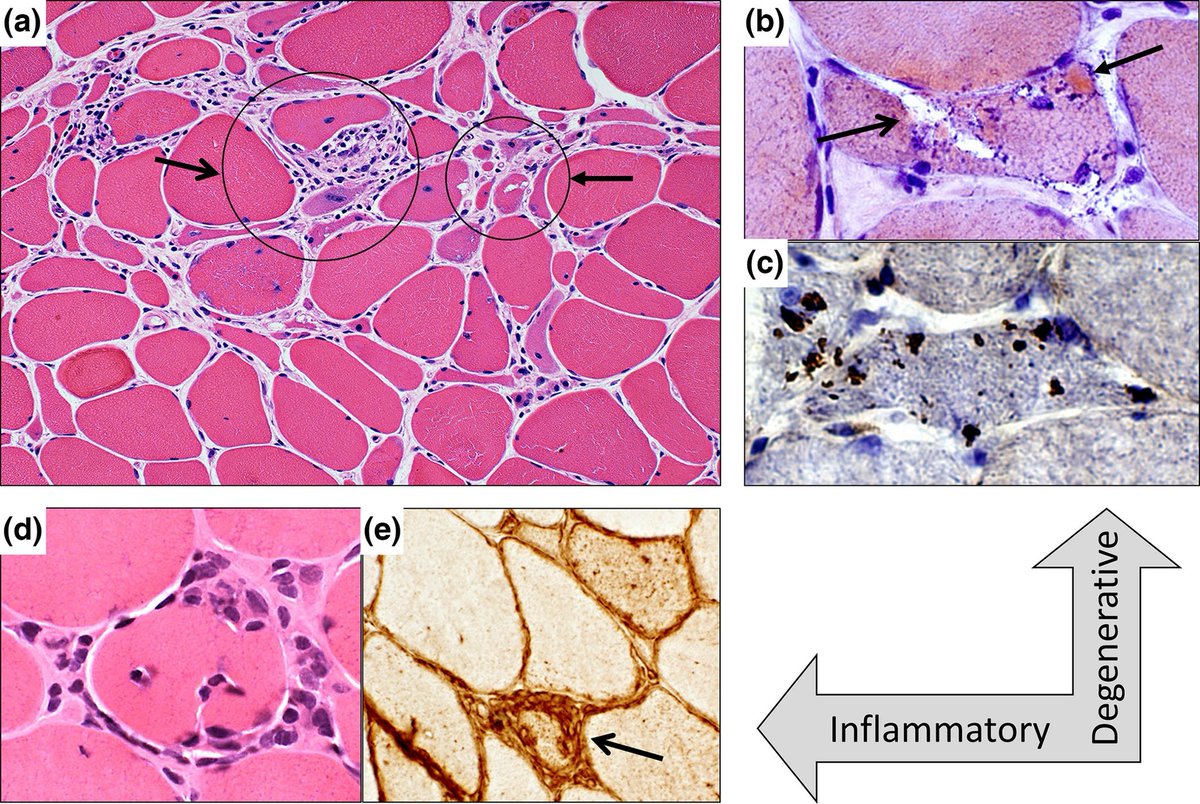
Inclusion Body Myositis (IBM) is the most common acquired myopathy in adults over 50 — yet we still don’t have an approved treatment.
The puzzle is fascinating: IBM shows signs of both immune-mediated inflammation and degenerative protein aggregation, but therapies targeting either pathway alone have failed. This dual nature raises more questions than answers.
Key unknowns remain:
1) Is IBM primarily an immune disorder, degenerative disease, or both?
2)Why does it progress differently across patients?
3)Can early biomarkers or AI-driven muscle imaging help detect it before significant disability?
The future may lie in approaches that bridge disciplines by combining protein homeostasis therapies, precision immunology, and digital technologies to redefine how we diagnose and treat neuromuscular disorders.
Will the next big breakthrough in IBM come from immunology, genetics, or technology?
[Image courtesy of Weihl CC, Mammen AL. Sporadic inclusion body myositis – a myodegenerative disease or an inflammatory myopathy. Nat Rev Neurol. 2014 Jul;10(7):437-44. © Nature Publishing Group.]
#NeuromuscularMedicine #InclusionBodyMyositis #Myositis #Neurology
1
4
187
28 Aug 2025
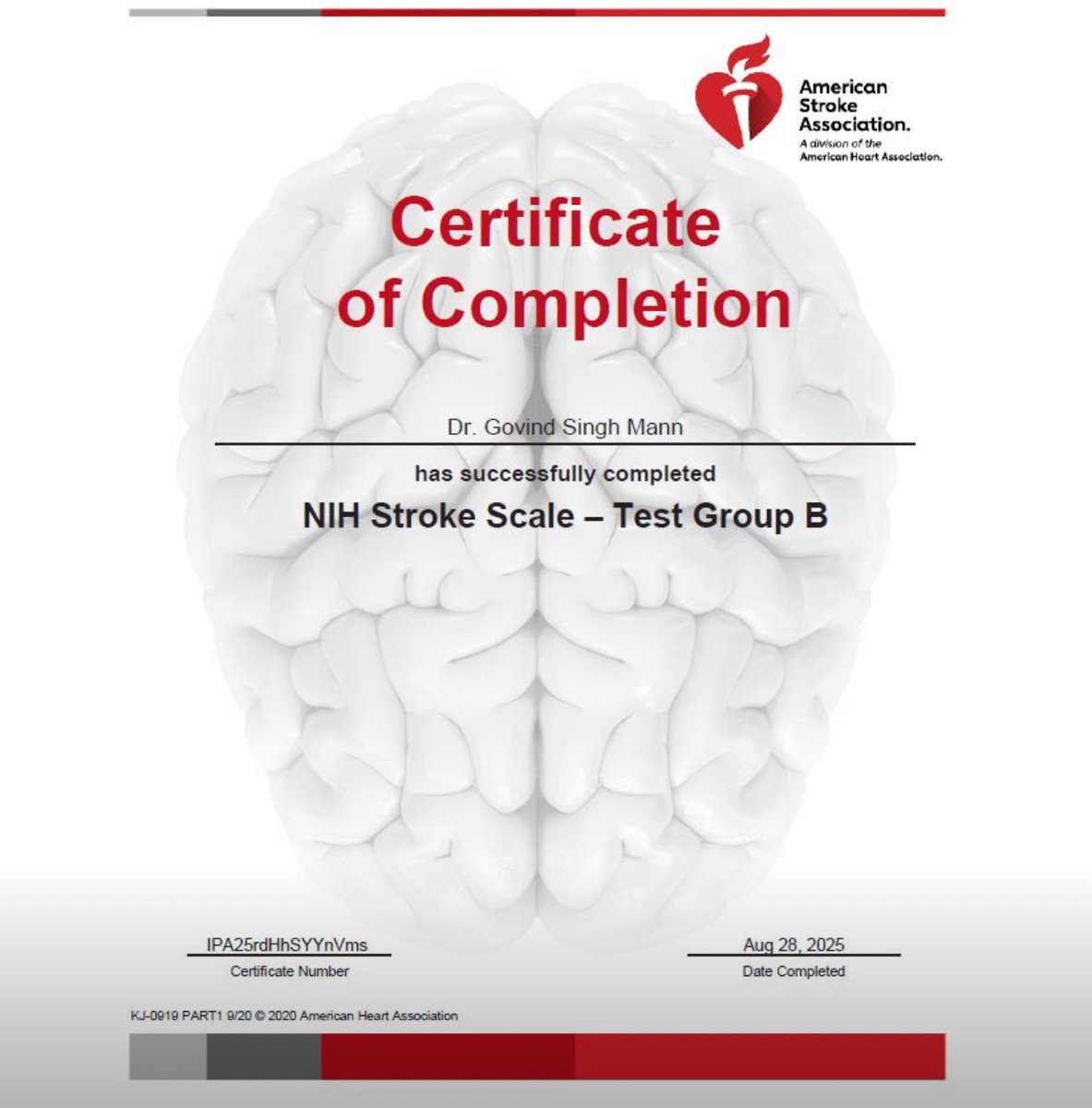
Thrilled to share that I have completed the NIH Stroke Scale – Test Group B certification, issued by the @American_Stroke , a division of the @American_Heart
This course has sharpened my skills in accurately assessing stroke severity, a vital step in guiding timely interventions, reinforcing my commitment in improving outcomes for patients facing acute neurological emergencies.
#Neurology #StrokeCare #StrokeAwareness #NIHStrokeScale #MedicalEducation #ClinicalSkills #Brain #NeuroCriticalCare #NIHSS #USMLE #PatientCare #FutureNeurologist
2
105
6 Aug 2025
🧠 Excited to share our latest publication in RRNMF Neuromuscular Journal!
We present a case series on Nitrous Oxide (N₂O)–induced neuropathy, highlighting its diagnostic challenges and the importance of high clinical suspicion in patients with unexplained neuropathies.
Key insights:
• N₂O misuse can mimic inflammatory neuropathies like CIDP, leading to misdiagnosis and unnecessary immunotherapy
• Early recognition and sustained Vitamin B12 supplementation are essential to prevent irreversible neurological damage
• Our report emphasizes integrating clinical, electrodiagnostic, and biochemical findings for timely diagnosis
📄 Read the full article: doi.org/10.17161/rrnmf.v6i2_…
#Neurology #NitrousOxide #PeripheralNeuropathy #CIDPMimic #Neurotoxicity #CaseSeries #NeuroCases #NeuroEducation #RRNMF #NeuroImaging #USMLE #VitaminB12 #Neuromuscular
3
172
17 Jul 2025
🧠 Excited to share our latest publication in Journal of Neuroimmunology !!
We report a rare presentation of microscopic polyangiitis causing simultaneous central retinal artery occlusion and brainstem infarction, with limited documentation in the literature.
Key insights:
• Unusual co-occurrence of ocular and brainstem ischemia in MPA
• Highlights the need for early recognition of atypical vasculitic events
• Prompt immunotherapy led to favorable clinical outcomes
#Neuroimmunology #Vasculitis #Neurology #MicroscopicPolyangiitis #CRAO #BrainstemInfarction #Neuroophthalmology #Autoimmune #Neurovascular
👇
jni-journal.com/article/S016…
2
111
15 Jul 2025
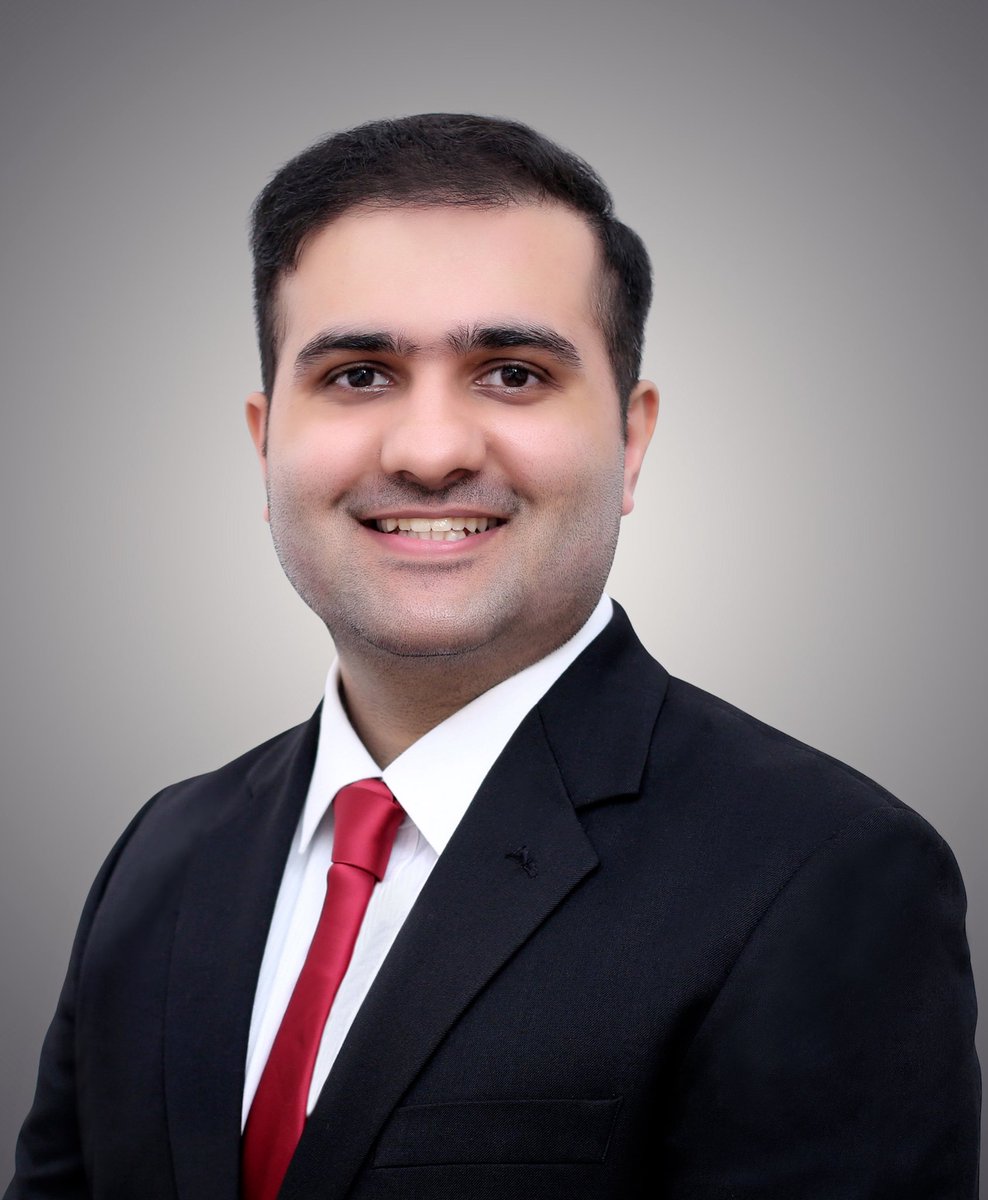
As the Match season approaches, I would like to take this opportunity to introduce myself. My name is Govind Singh, and I’m excited to be applying for the upcoming Neurology Match. With a deep fascination for the brain's complexity and a strong interest in clinical neurology and research, I find immense purpose in connecting science with compassionate care. I am curious, driven, and resilient, traits that I believe reflect the spirit of neurology itself.
#Match2026 #Neurology
1
6
368
12 Jun 2025
🧠 Excited to share our latest publication in IBRO Neuroscience Reports!
We present a rare case of Wernicke’s Encephalopathy mimicking acute stroke due to atypical unilateral thalamic MRI findings.
Key insights:
• Initial MRI showed isolated left thalamic hyperintensity, leading to stroke misdiagnosis
• Once Wernicke’s was suspected, prompt thiamine therapy led to significant clinical and radiological improvement
• Follow-up imaging revealed classic bilateral WE features, confirming the diagnosis
This is the first documented report of such an atypical presentation and emphasizes the need for high clinical suspicion in alcohol-related CNS presentations—even when imaging is misleading.
#Neurology #WernickeEncephalopathy #StrokeMimic #MRI #Thalamus #MedicalEducation #CaseReport #NeuroImaging #IBRO #USMLE #ResidencyMatch #NeuroCases
Read the full case👇
When Wernicke’s encephalopathy mimics stroke: A case report of atypical thalamic involvement - IBRO Neuroscience Reports ibroneuroreports.org/article…
2
110
8 Jun 2025
🔍Excited to share that my latest research has been published in Brain Disorders journal!🧠
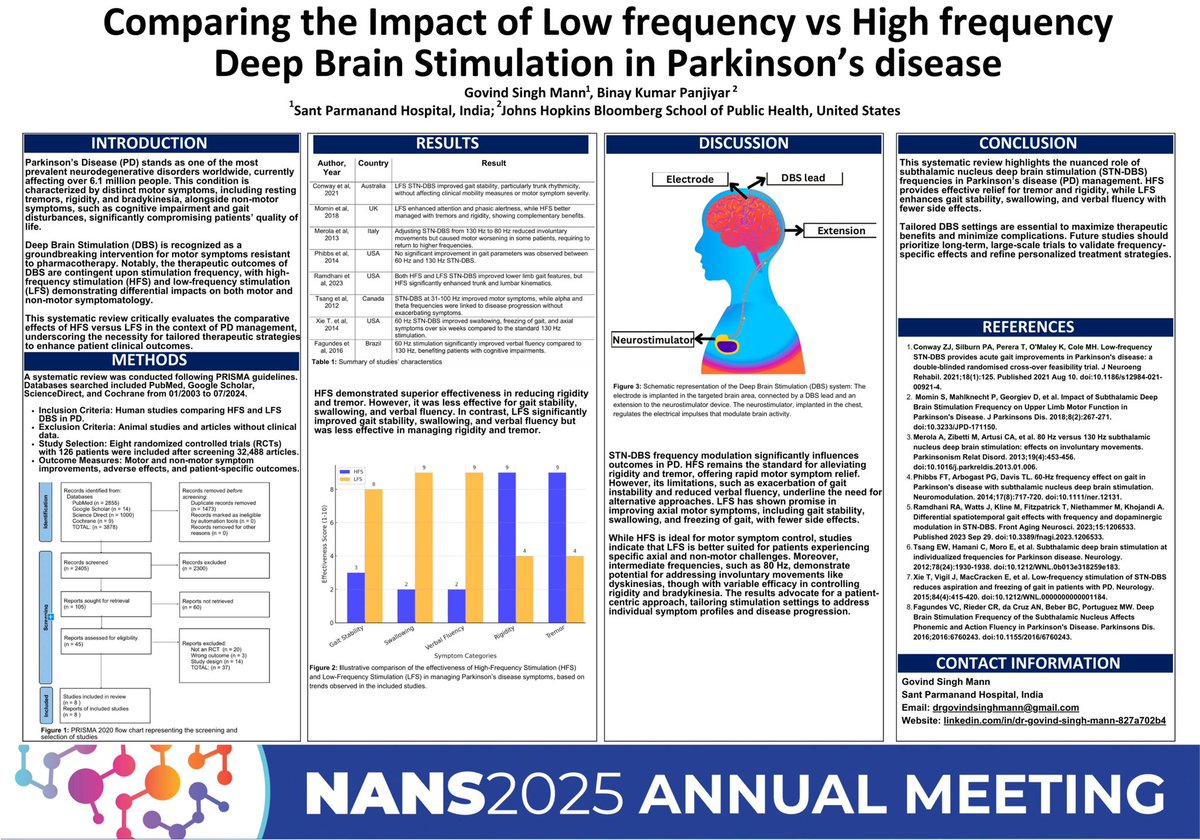
Our paper investigates the comparative effects of low-frequency vs high-frequency DBS on motor and cognitive outcomes in Parkinson’s Disease. The study provides insights into optimizing DBS protocols for more personalized and effective treatment.
Key highlights:
• Low-frequency DBS improved gait, swallowing, and verbal fluency
• High-frequency DBS was more effective in reducing tremor and rigidity
• Frequency choice influenced non-motor symptoms such as mood and cognition
• Each frequency presented a unique benefit–side effect profile
Full article link given below 👇
Comparing the impact of low frequency vs high frequency deep brain sti... sciencedirect.com/science/ar…
#Neurology #ParkinsonsDisease #DBS #DeepBrainStimulation #BrainDisorders #Research #MedicalScience #Match2026 #USMLE #AcademicPublishing
1
2
166
3 Jun 2025
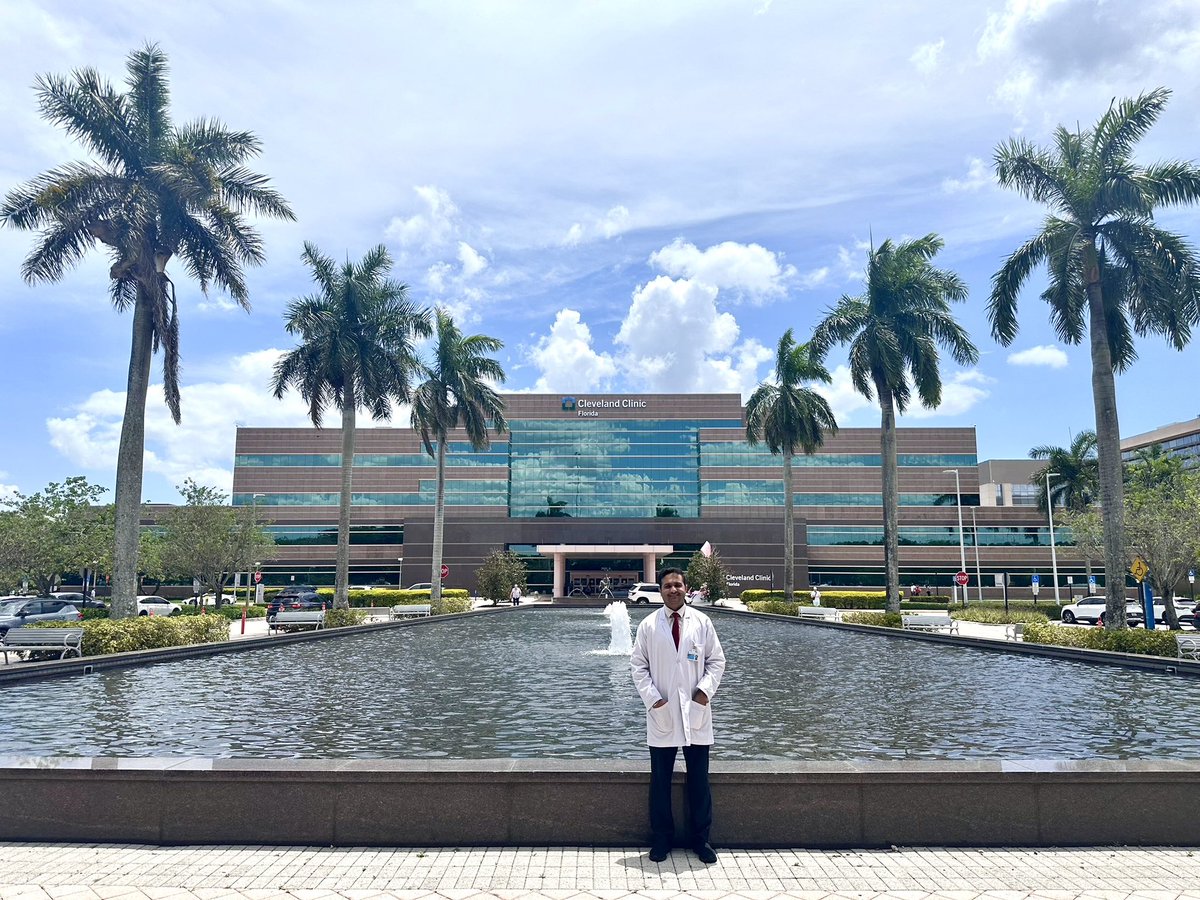
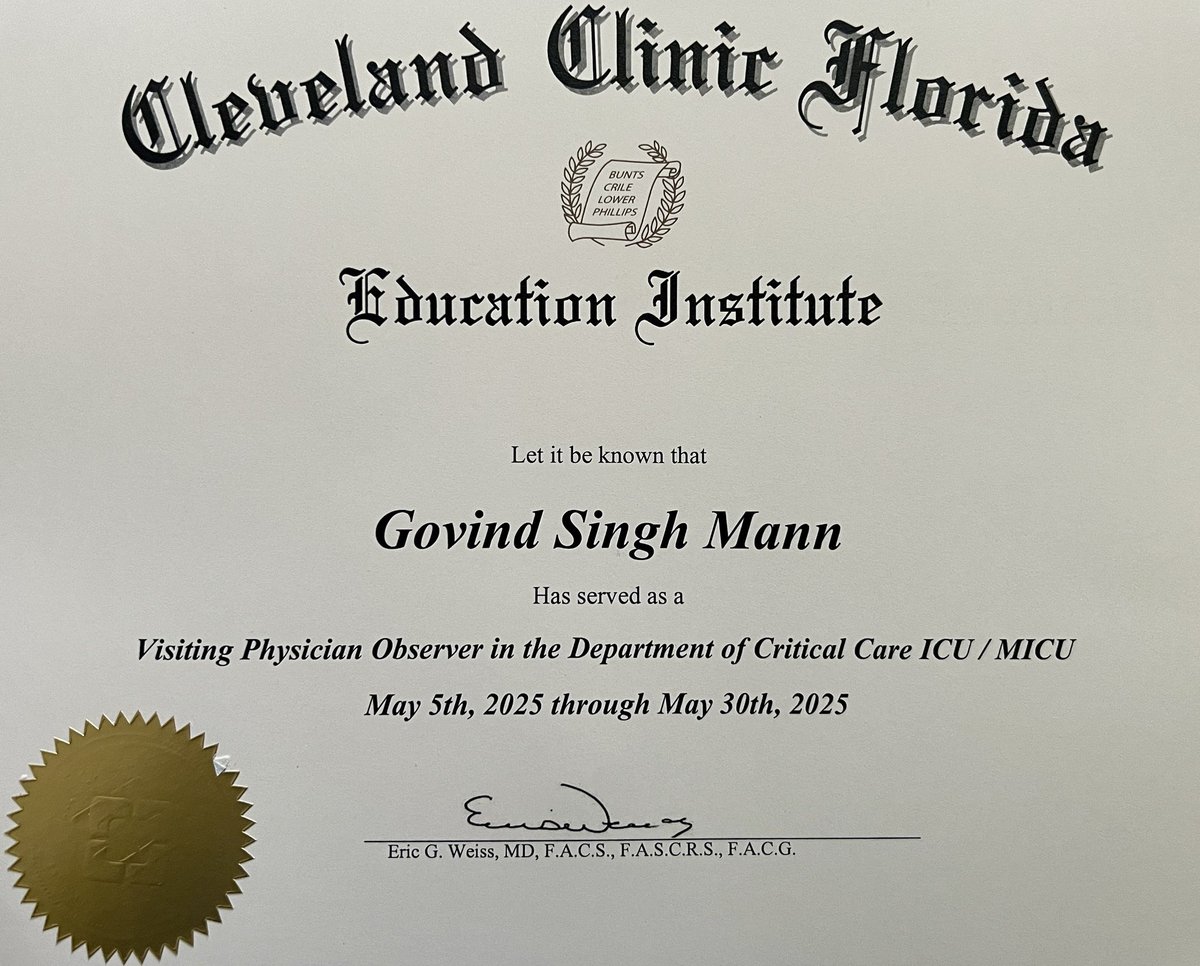
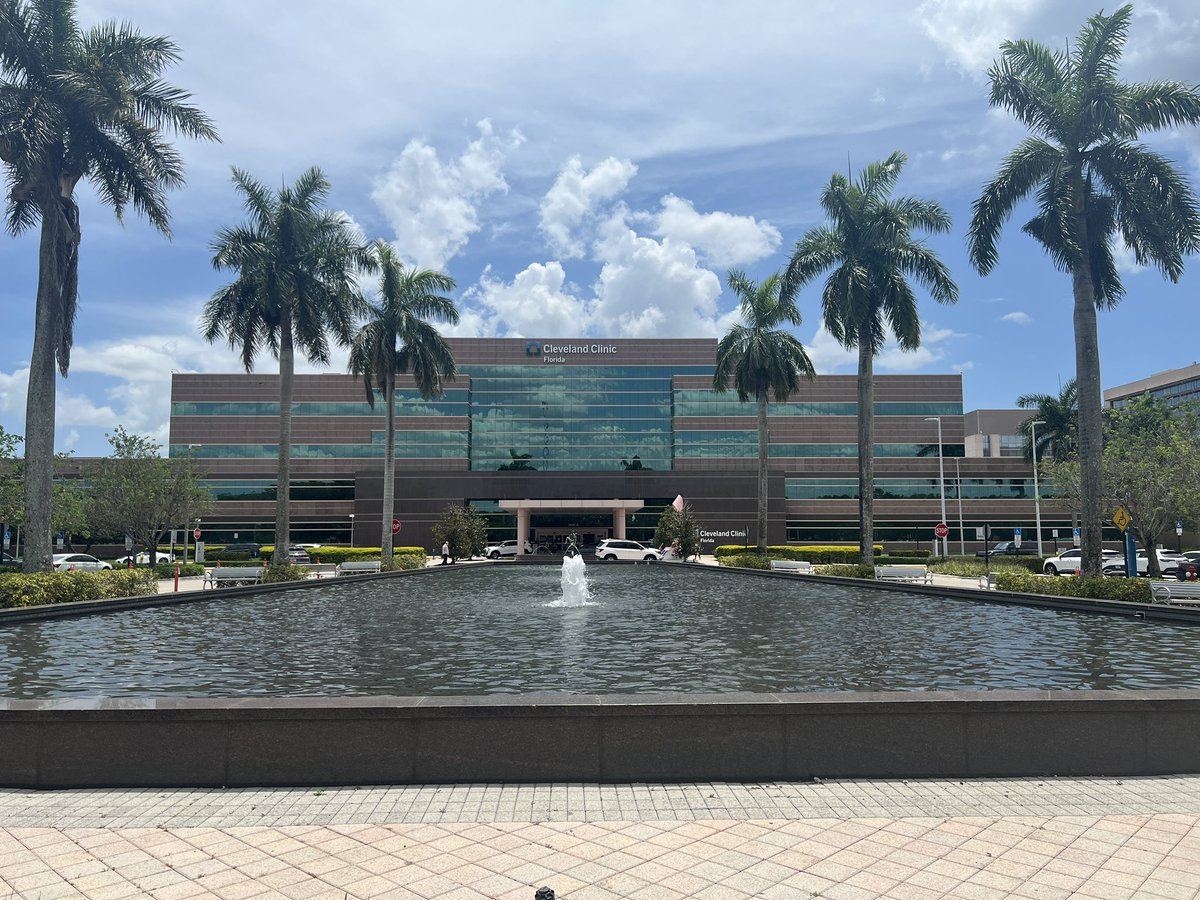
During my observership in the Department of Critical Care (ICU/MICU) at Cleveland Clinic Florida, I was immersed in a fast paced and intellectually stimulating environment that sharpened my clinical acumen in managing medical emergencies. Each day began with structured morning rounds first with residents followed by me giving case presentations (1–2 cases per day) to the whole ICU team, and then structured rounds with the ICU team. These interactive discussions refined my understanding of critical care protocols and interdisciplinary decision making in the assessment and plan.
Throughout the rotation, I observed a wide range of diagnostic and therapeutic procedures, including central line placements, intubations, bronchoscopy, and emergency response protocols. A highlight was witnessing the deployment of the ECMO emergency cart during a code situation, which deepened my appreciation for rapid-response systems and team dynamics in high stakes settings.
One of the most enriching aspects of this experience was the opportunity to discuss each case in depth with the attending physicians. These discussions helped me understand the algorithms used in managing complex ICU cases from acute respiratory failure to septic shock and emphasized the importance of time sensitive interventions.
This observership not only enhanced my knowledge of critical care medicine but also provided invaluable insight into the functioning of the U.S. healthcare system, particularly the transition of care from the Emergency Department to the ICU or from the wards to intensive care. The rotation has significantly contributed to my ability to think critically, act swiftly, and manage emergencies effectively skills that are essential for any aspiring physician in high acuity settings.
#ICU #Match2026 #USMLE #Neurology #CCF #Clevelandclinic #USCE
4
222