
fighting for gpus at @Uchicago | intern @SemiAnalysis_
Joined September 2024
- Tweets 529
- Following 688
- Followers 143
- Likes 1,052
89 Photos and videos




manuel retweeted

Jun 14
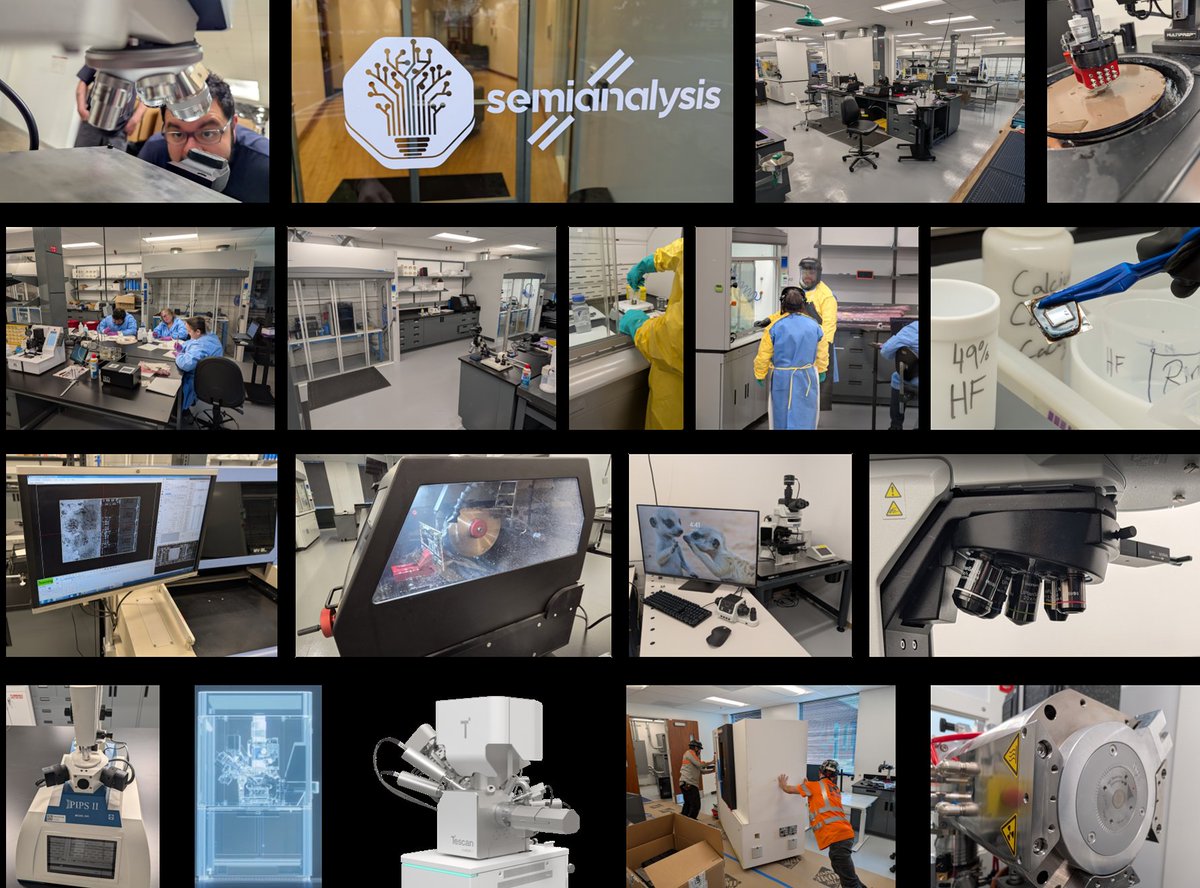
Excited to announce the SemiAnalysis Teardown Engineering & Evaluation Lab (STEEL)
We have been building a state-of-the-art teardown lab in Oregon with $10s of millions Capex being spent capable of analyzing the world’s most advanced and important chips and process technologies over the last year and half.
We have already generated revenue on advanced datacenter chip teardowns.
This is a bit of inconvenient timing for TechInsights as they are private equity owned and currently being sold while having enjoyed virtually no credible competition for decades. This has led to TechInsights underinvesting in CAPEX.
SemiAnalysis exceeds TechInsights in revenue despite no venture or private equity ownership and being founded only 6 years ago.
Because we have no external investors and are founder led, we move faster, build faster, and we can release client chip teardowns for free regularly, while focusing on datacenter for our major clients.
STEEL has a state of the art fleet of tools.
We are less than a year and half into the journey here, but our goal is to be number 1 just like we are in AI, Datacenter, and Semiconductor market data, consulting, and technically analysis.
Our largest customers which, include all of the hyperscalers and world's largest semiconductor companies, are excited for us to shake up the market.
Jun 14

Is SMIC N 3’s Metal Pitch Smaller than Intel 18A’s?
SMIC N 3 Node Deep Dive vs TSMC N6, TechInsights Private Equity Sale,
SemiAnalysis Teardown Engineering & Evaluation Lab, HiSilicon Kirin 9030, Process Technology,
Pattering, Cell Architecture
newsletter.semianalysis.com/…
61
88
972
250,914
manuel retweeted

55
129
1,024
895,423

May 13
Dai and Chen, two young subcontractors, were handling equipment with gloved hands. Unfortunately, those gloves had been contaminated with TMAH (tetramethylammonium hydroxide).
TMAH looks just like water, but on contact with the skin, it penetrates tissue. A single drop of 25% TMAH on your skin kills you. At 2.38%, the watered down version used in chip factories takes just 6 grams on your skin to reach a lethal dose. Roughly a teaspoon.
A worker in Taiwan was splashed with 2.38% TMAH on just 10% of his body. His heart stopped and went immediately into cardiac arrest. [1] Another worker took a 25% splash, showered, and was found unconscious 15 minutes later. He died eight days later, never woke up. One more was splashed with an 8.75% solution, covering 12% of the body surface. He kept working and went to shower 25 minutes later. He was found dead with severe burns one hour after exposure.
The hydroxide ion burns a hole through your skin, and the tetramethylammonium ion, a molecule structurally similar to the neurotransmitter that makes your heart beat, and your lungs breathe, walks straight through that hole into your bloodstream. It then binds to your nerve receptors, paralyzes your respiratory muscles, and stops your heart.
Dai felt a splash on his left wrist and on the right side of his face. Chen caught it on his right palm.
Firefighters spread Diphoterine, a decontamination solution specifically for chemical splashes. The ambulance took them to the nearest hospital with the hope that the damage would not be permanent.
After the initial news cycle, I couldn't find any further media reports about Dai or Chen, their recovery, or anything regarding the aftereffects of the accident.
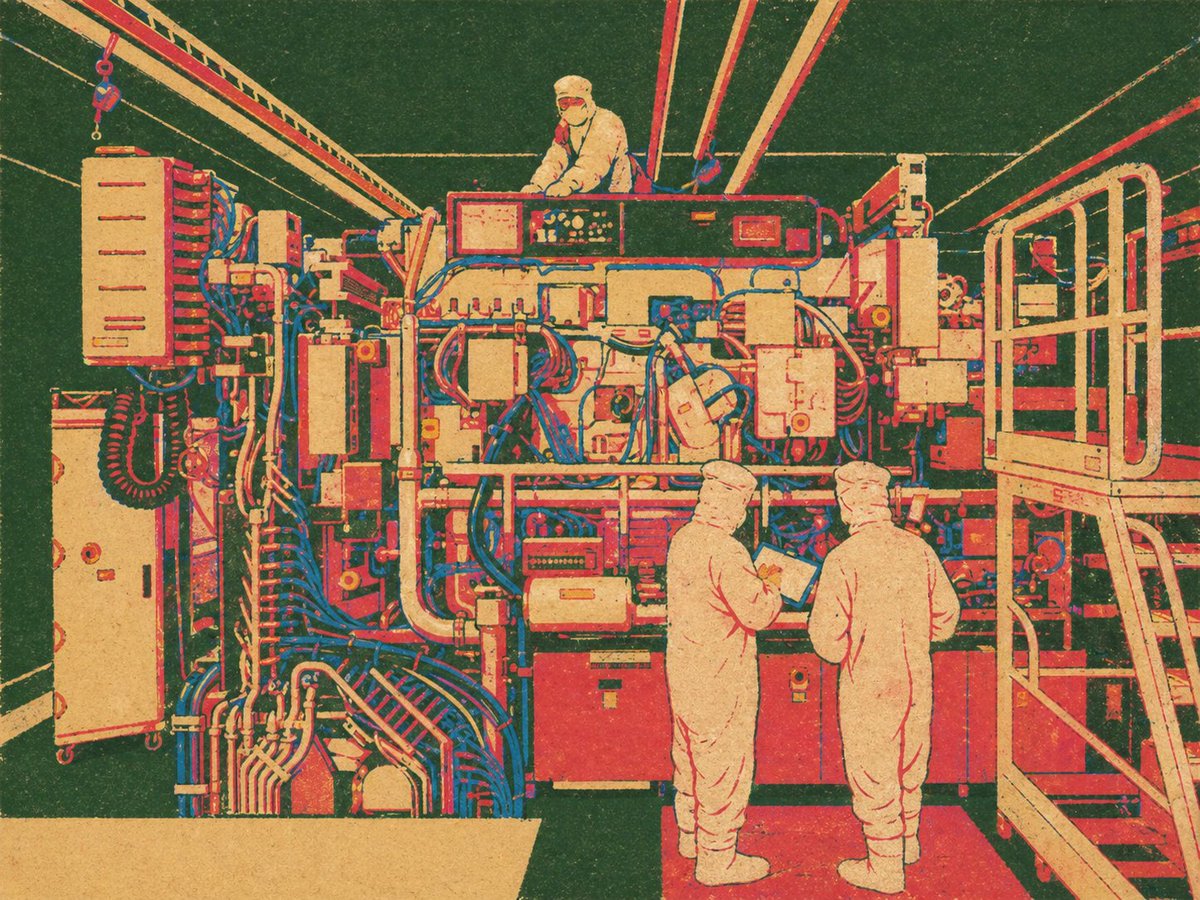
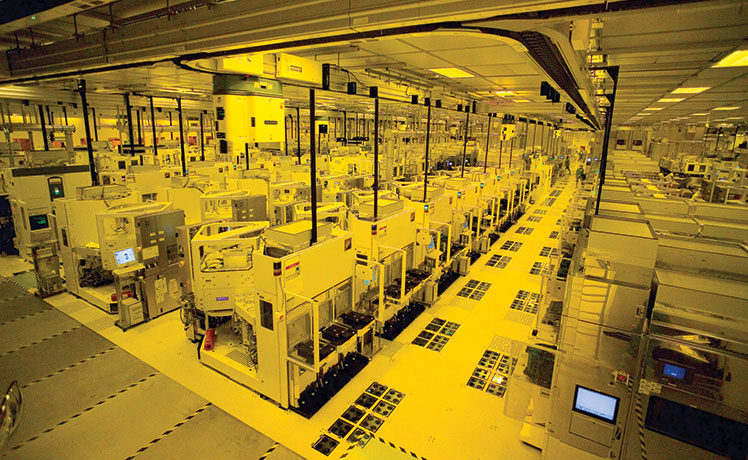
TMAH is one of the dozens of chemicals that go through Fab 18's complex plumbing system, which carries away the chemical byproducts of chips. This sets the stage for one of the most dangerous floors in the entire fab. The subfab.
111
May 12
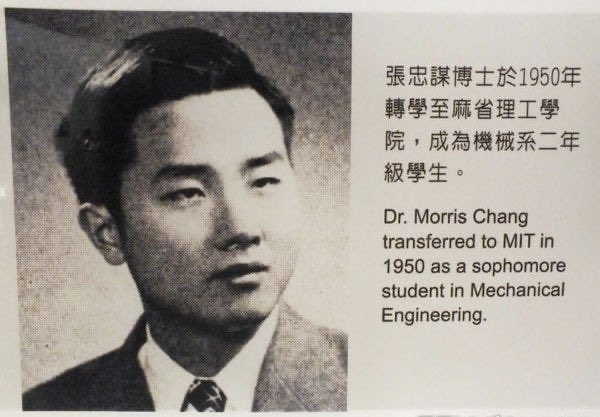
be Morris Chang
mog the entire semiconductor industry
get security clearance ?
raise millions for TSMC
control modern civilization
1
60
May 4
I made a presentation about inference long ago with lots of monkeys docs.google.com/presentation…
2
2
72
May 1
Take a look at your finger. No, really look at the tip, specifically the squishy part where you press on things. Those little lines, or your fingerprint ridges, are about .5mm apart.
Now, imagine the thinnest knife in the world going through a single line and cutting it into half a million smaller lines.
ASML engineers figured out a way to keep wafers from moving more than the width of one of those. About 1.1 nanometers, or five silicon atoms across.
75
Apr 2
It's just amazing
Apr 2

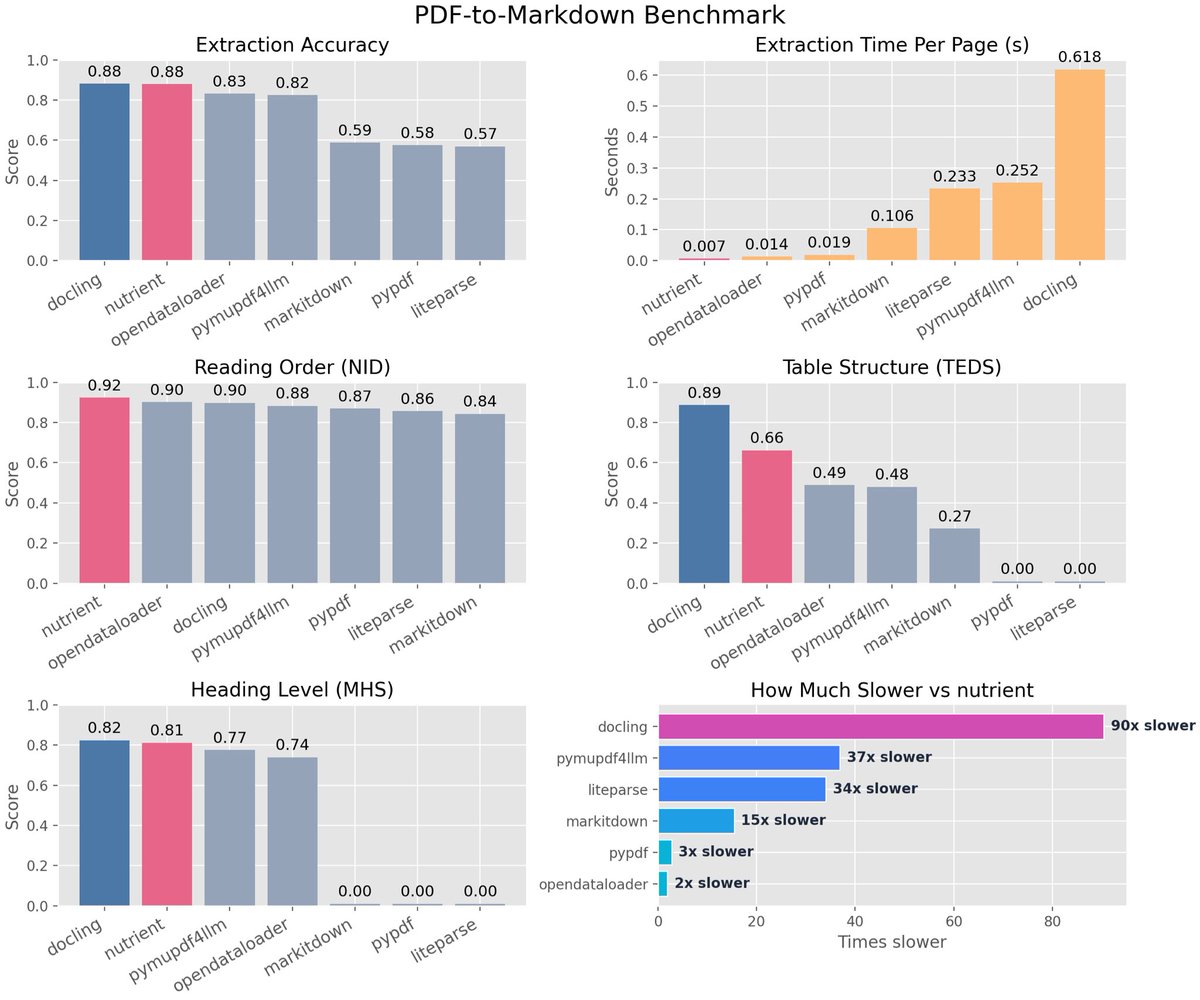
Shipping Day! We’re all proud and excited @nutrientdocs to officially release our PDF to Markdown converter. On our 200 document hand annotated markdown based benchmark it beats out every other major parser for speed and reading order while matching accuracy.
We are shipping it as a closed source, free to use for up to 1,000 documents per month, no license key required, and your documents stay completely local.
We’ve had early beta testers give us phenomenal feedback but please reach out and share publicly your experience with it.
Our future roadmap:
- adding our OCR Vision capabilities to it.
- supporting Windows x64
- speed increases (yeah, make it even faster)
- support for DOCX to md
- more based on feedback.
If you find it useful, please star the repo and tell your friends!
1
1
3
567
Apr 1
SF housing is so bad I made zillow for subleases.
FB / Craigslist / Reddit
link below
2
1
133