Charter President of @SaturdayEJazz |International student ambassador Jönköping University SE. | AFSC at UPS Sweden (JNKG) 🤺 🔖 ha mod och var alltid snäll
Joined November 2011
- Tweets 7,462
- Following 1,305
- Followers 1,590
- Likes 25,447
885 Photos and videos


Pinned Tweet

29 Jun 2020
THREAD!
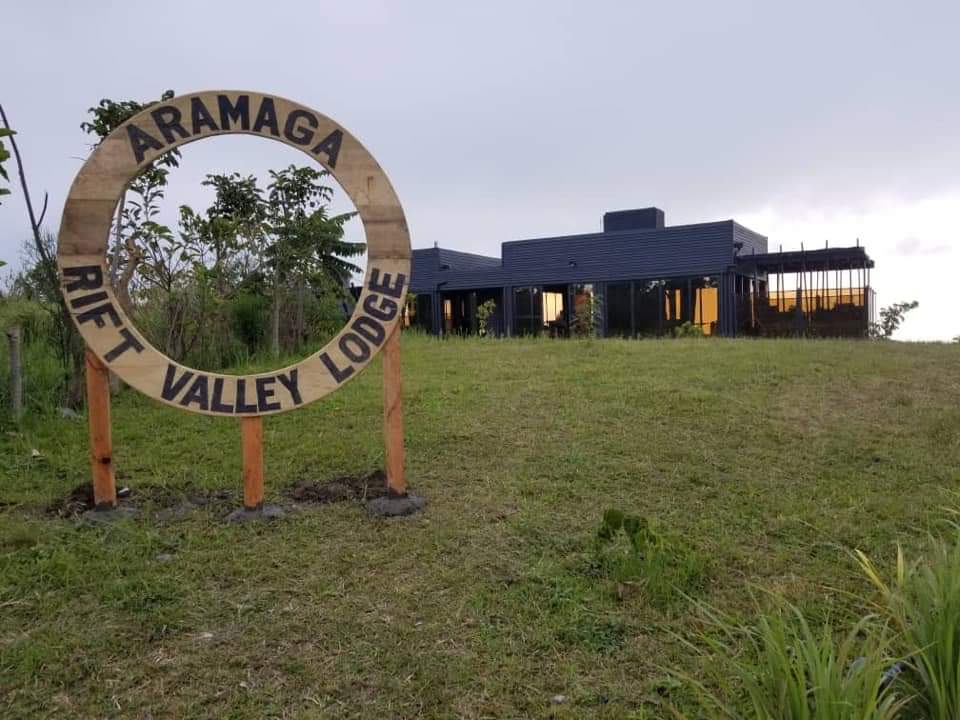
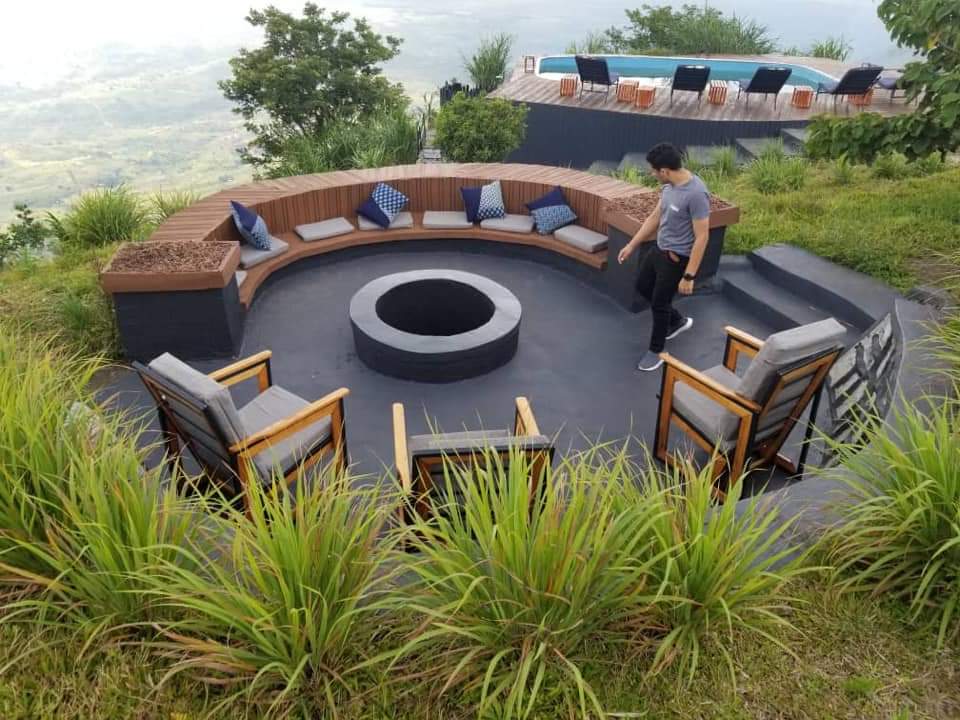
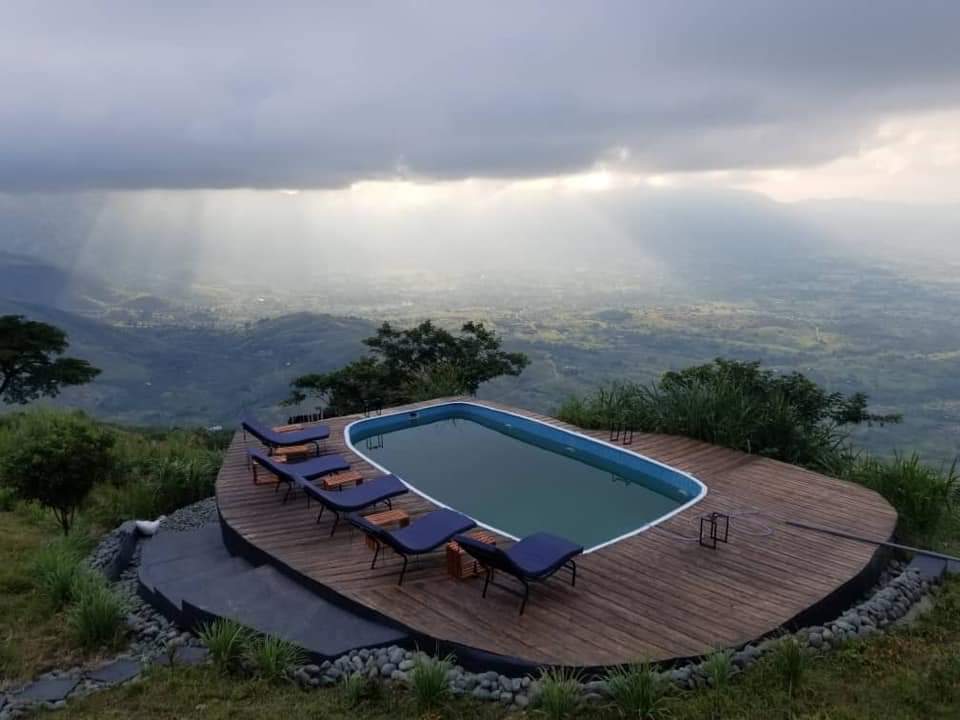
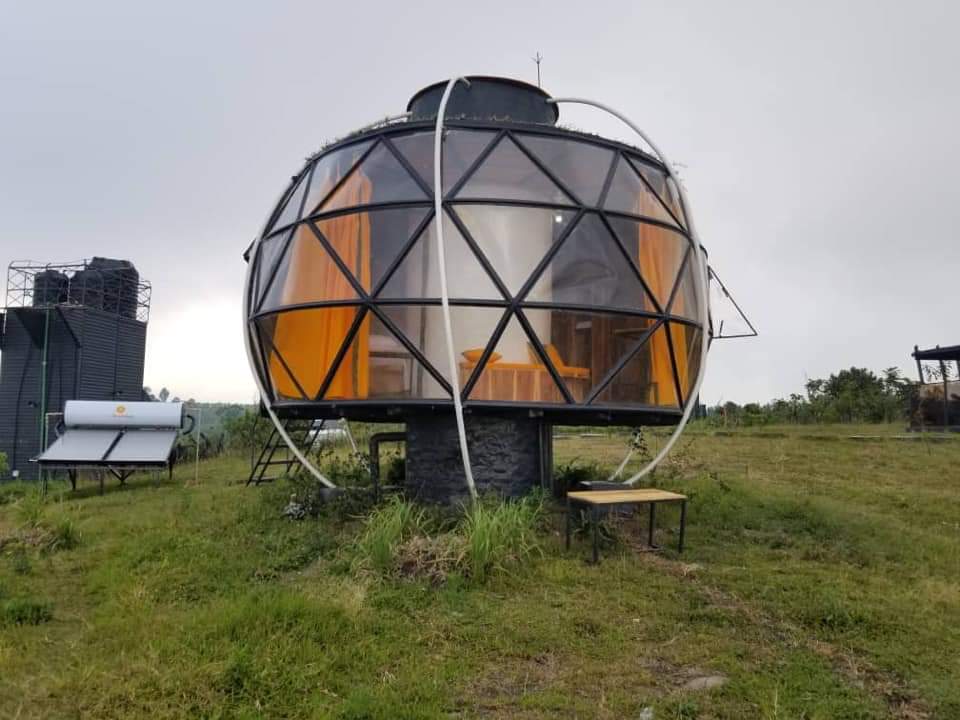
Aramanga Rift Valley Lodge was Launched this Friday it boost of 6 Executive and Exclusive Pods arguably the first in EA. Located in Kabarole District, On an Escapement with an Overview of Semuliki National Park and Rwenzori Ranges.@AndrewMwenda @emeka_ug @Ugaman01
74
423
1,441
Jun 14
Not @andrewkabuura speaking Luganda on @SSFootball .. Uganda to the world . But Andrew first teach John T . some rukiga and we seee 😂
35
𝑴𝒂𝒓𝒌 𝑮𝒆𝒓𝒂𝒍𝒅 retweeted

Jun 13
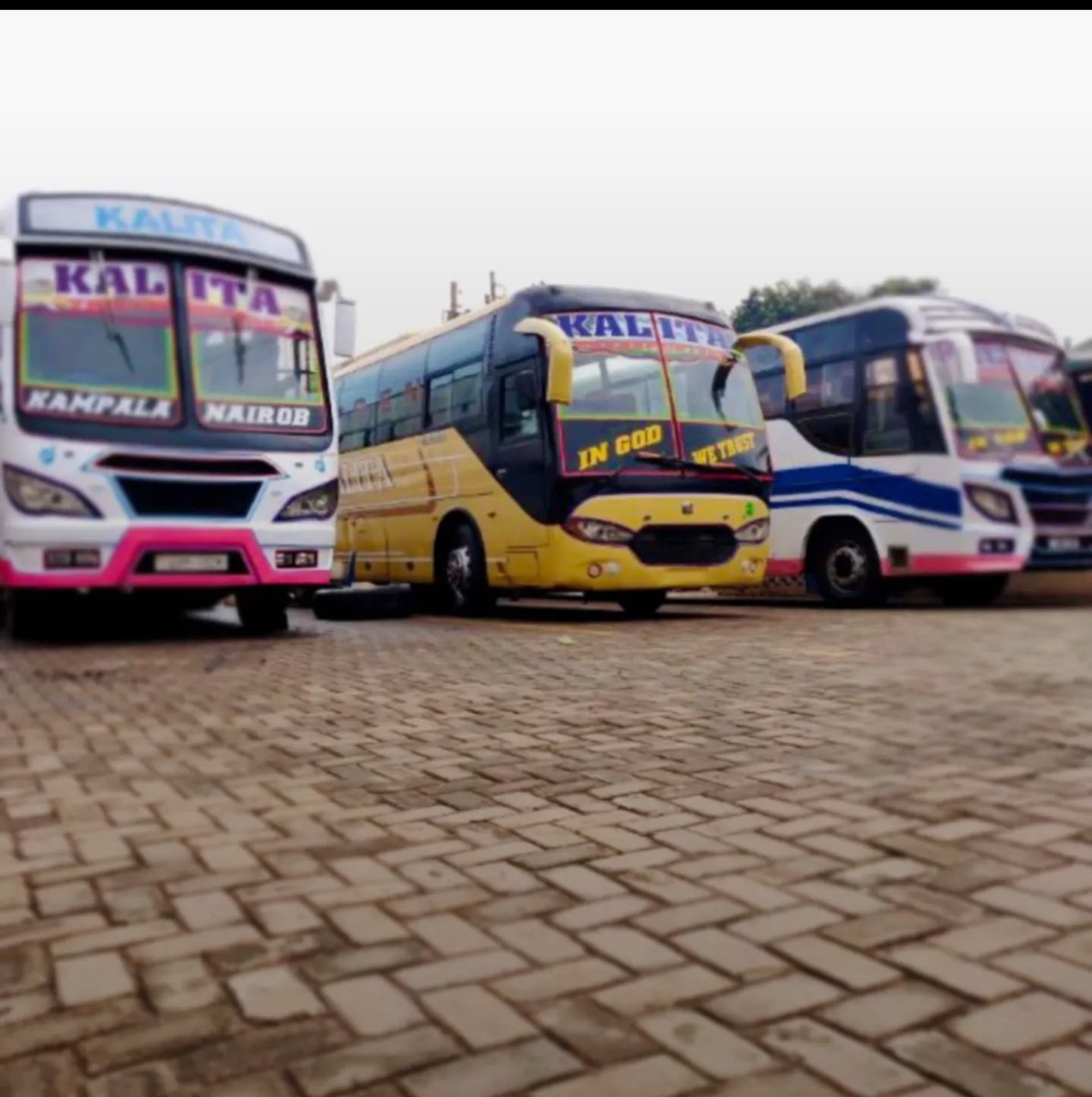
The Little-Known Ugandan Tycoon: The Story of Patrick Lucky and Kalita Bus
Patrick Lucky Atwooki was a quiet but incredibly driven businessman who transformed the transport sector in Western Uganda. Lucky did not start at the top. Before becoming a prominent transport mogul, he ran a simple bakery and a grocery shop in Fort Portal. In 1996, he entered the business world as a special hire taxi driver. He operated minivans on the Fort Portal to Kampala highway, laying the groundwork for what would become a massive empire.
The major turning point in his career arrived in 1999 when he purchased his very first bus and named it Kalita. This bold move made him a pioneer, as it was the first large bus to ply the Fort Portal to Kampala route. Before Kalita, passengers relied on expensive and unpredictable taxis. Lucky introduced a reliable, affordable alternative that revolutionized how people moved across the region. By early 2000, he purchased several more buses, officially forming **Kalita Bus Transporters** and quickly dominating the market in the western part of the country.
As the company grew, Kalita Bus Transporters expanded its reach far beyond its original path. Lucky opened routes connecting Kampala to Kamwenge, Bundibugyo, Kabale, Kisoro, and notably, the busy stretch to Kasese and Bwera. He even launched cross-border trips to Nairobi. Beyond simply moving people, Lucky became a vital economic pillar. He directly employed dozens of locals, offered valuable business counsel to upcoming entrepreneurs, and heavily supported local sports by funding football clubs and launching the Kalita Cup tournament.
Despite his immense success, Patrick Lucky faced a devastating personal challenge. He battled throat cancer for over four years, frequently traveling to India for specialized medical treatment. His health steadily declined, but he continued to oversee his vast fleet of 50 buses. Tragically, he lost his fight against the disease and passed away on April 2, 2013, at the Mulago Hospital Cancer Institute. He was only 44 years old, leaving the business community in shock and mourning the loss of a true visionary.
Patrick Lucky left behind his widow, Loy Kaganda, six children, and a business that forever changed Uganda's public transport landscape. While Kalita Bus Transporters faced management and mechanical challenges after his death, the foundation he built remains a testament to the power of hard work. He rose from a simple taxi driver to one of the most prominent fleet owners in the nation. His story serves as a powerful reminder of how local entrepreneurship can uplift entire communities.
What is your favorite memory of traveling on a Kalita bus, or do you know of other local legends who built their empires from scratch? Drop a comment and share your thoughts below!
20
34
250
33,803
𝑴𝒂𝒓𝒌 𝑮𝒆𝒓𝒂𝒍𝒅 retweeted

Jun 10
The 2026 World Cup has once again reminded the world of a truth many people prefer not to discuss.
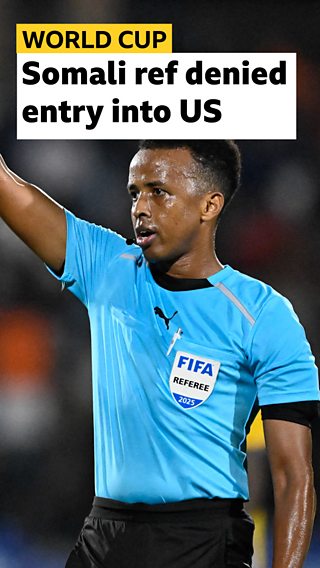
We are constantly told that the modern world is built on equality, fairness, openness, and international cooperation. We are told that sport unites humanity and that everyone is welcome. Yet when the world's biggest sporting event is hosted by one of the most powerful nations on Earth, stories emerge of players, officials, staff members, and supporters facing visa delays, entry restrictions, intensive questioning, denied access, and unequal treatment.
Whether it is athletes struggling to secure travel approval, officials being denied entry, supporters losing money because of rejected applications, or entire delegations facing obstacles that others never encounter, the message is difficult to ignore: access to the world is not equal.
The reality is that passports are not equal. Nations are not treated equally. People are not given equal freedom of movement. The international system is often presented as universal, but in practice it operates through layers of power, influence, and privilege.
For decades, many countries in Africa, Asia, the Middle East, and Latin America have experienced this reality. Citizens from certain nations are routinely subjected to higher scrutiny, longer visa processes, and greater barriers than those from powerful Western countries. What is happening around this World Cup is not a new phenomenon. It is simply taking place on a global stage where everyone can see it.
This should be a wake-up call.
The lesson is not hatred. The lesson is not division. The lesson is self-reliance.
The East, Africa, the Middle East, Latin America, and the wider Global South must stop assuming that existing global systems will automatically serve their interests. They must continue building their own institutions, their own financial systems, their own technology platforms, their own media networks, their own sporting ecosystems, and their own centres of influence.
A truly balanced world cannot exist when access, opportunity, and participation depend largely on the approval of a handful of powerful states. A multipolar world is not about replacing one empire with another. It is about ensuring that no single region has the power to determine who participates, who travels, who trades, who speaks, or who competes.
The world is changing. Power is shifting. The illusion that the global system is completely neutral is becoming harder to maintain.
Perhaps that is the biggest story of all.
The world has never been as equal as it claimed to be. The question now is whether emerging nations will continue depending on systems built by others, or whether they will build systems strong enough to stand on their own.
1
1
37
Jun 3
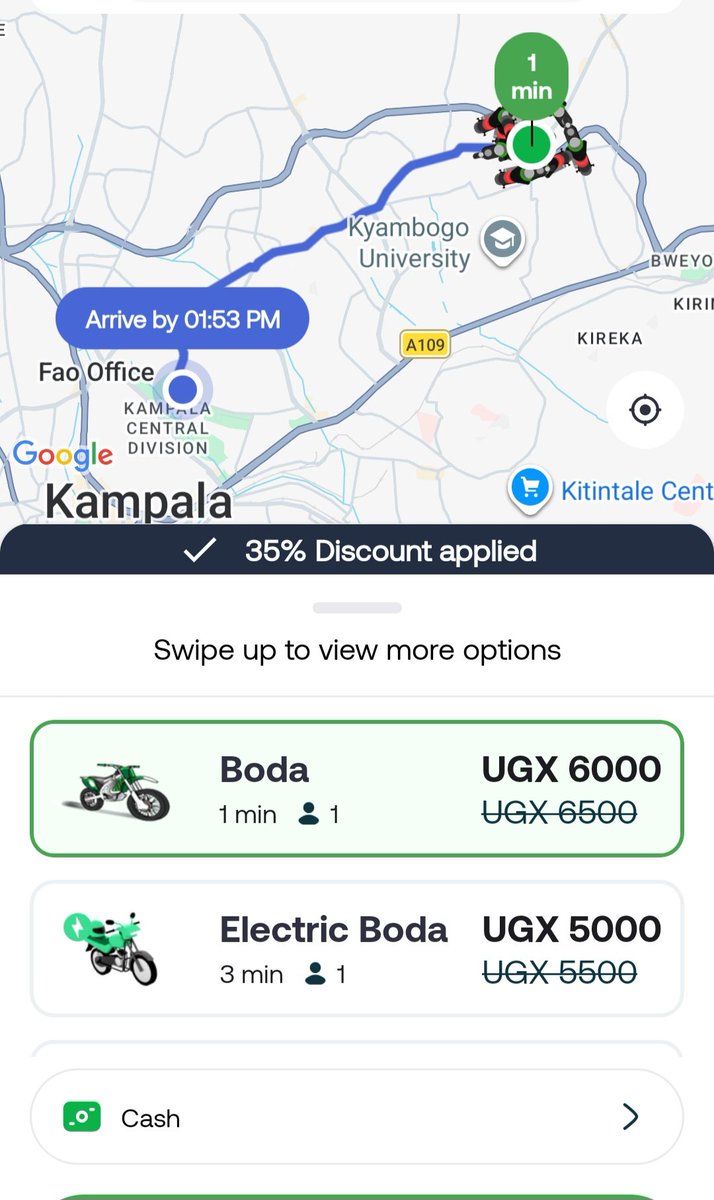
Did you know @farasugapps had an electric boda option ? With these high fuel prices, the electric boda is cheaper, just like @ruthdavoice Electic buses. Clean energy at a cheaper cost..Here we goooooo.....
1
220
May 30
Walking this Journey with you has been a learning experience. I love your energy CP and keep serving we are waiting for your transition to @Saturday_E_Jazz 🫶🏾
May 30

Strong leadership is nurtured by wise counsel 🎓
I extend my heartfelt gratitude to our Club Patron @mark2gerald, and Club Advisor @pascalongom, for their guidance, wisdom, and steady support throughout my tenure.
Thank you for walking this journey with me and with E-KANOs.
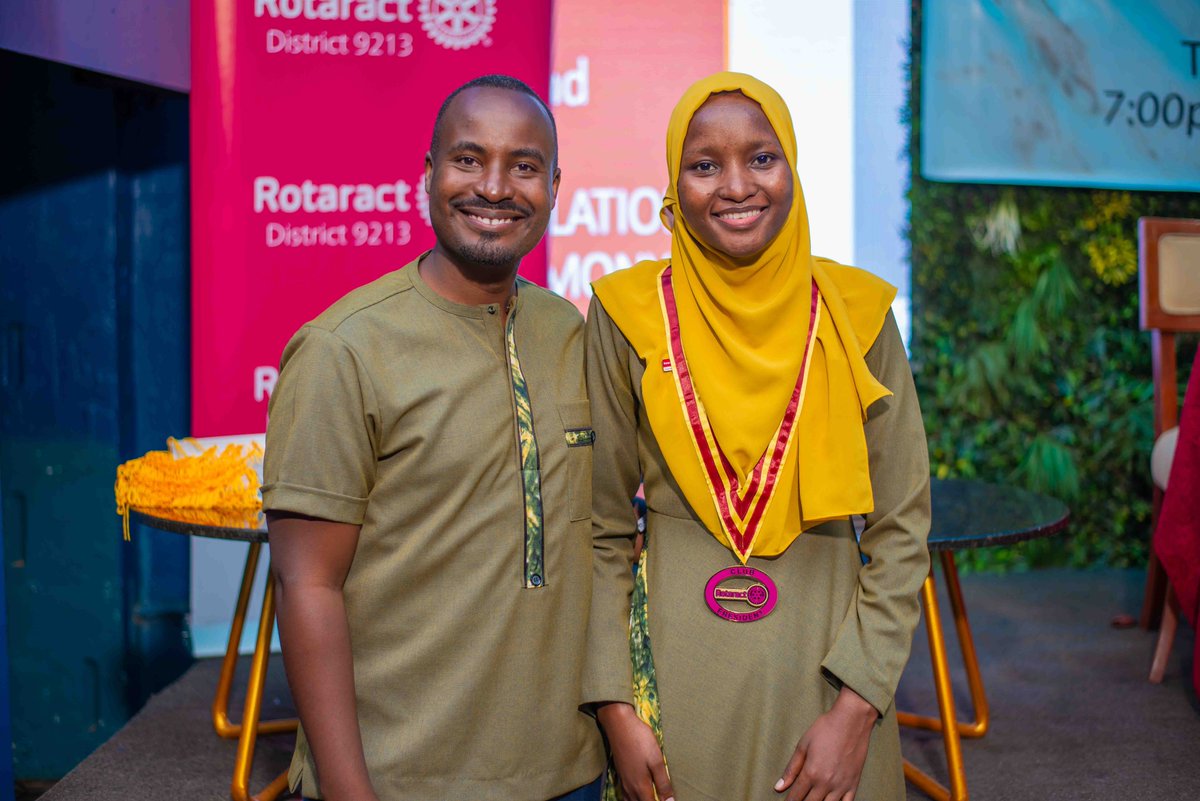
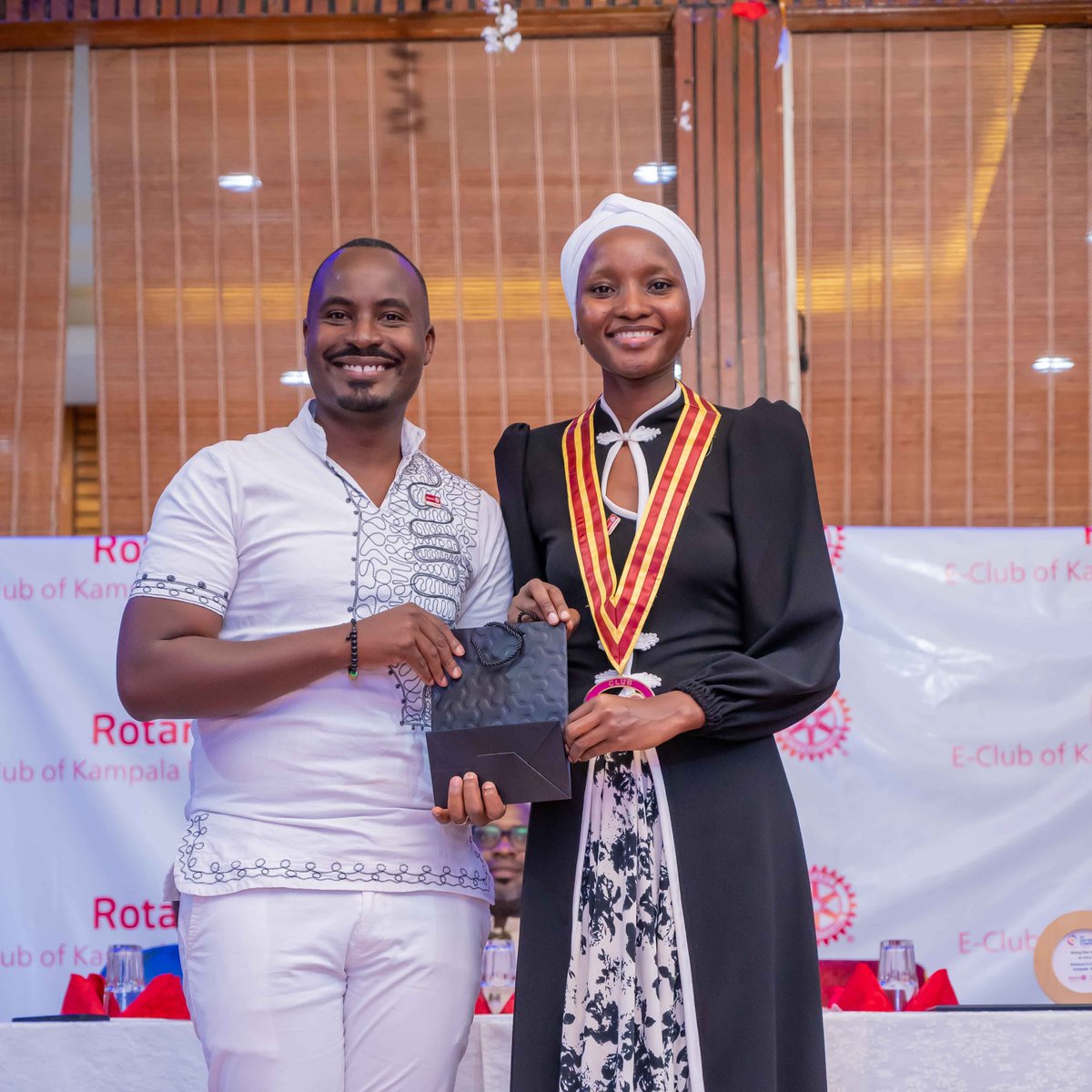
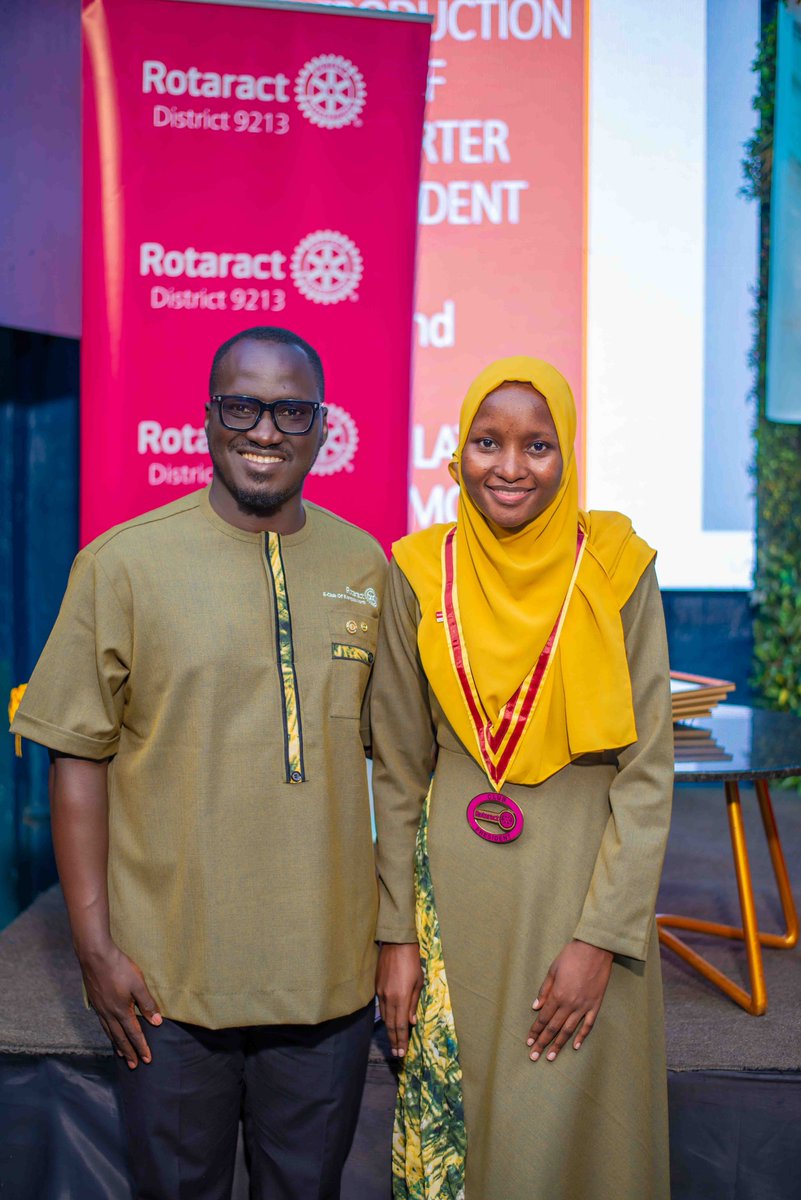
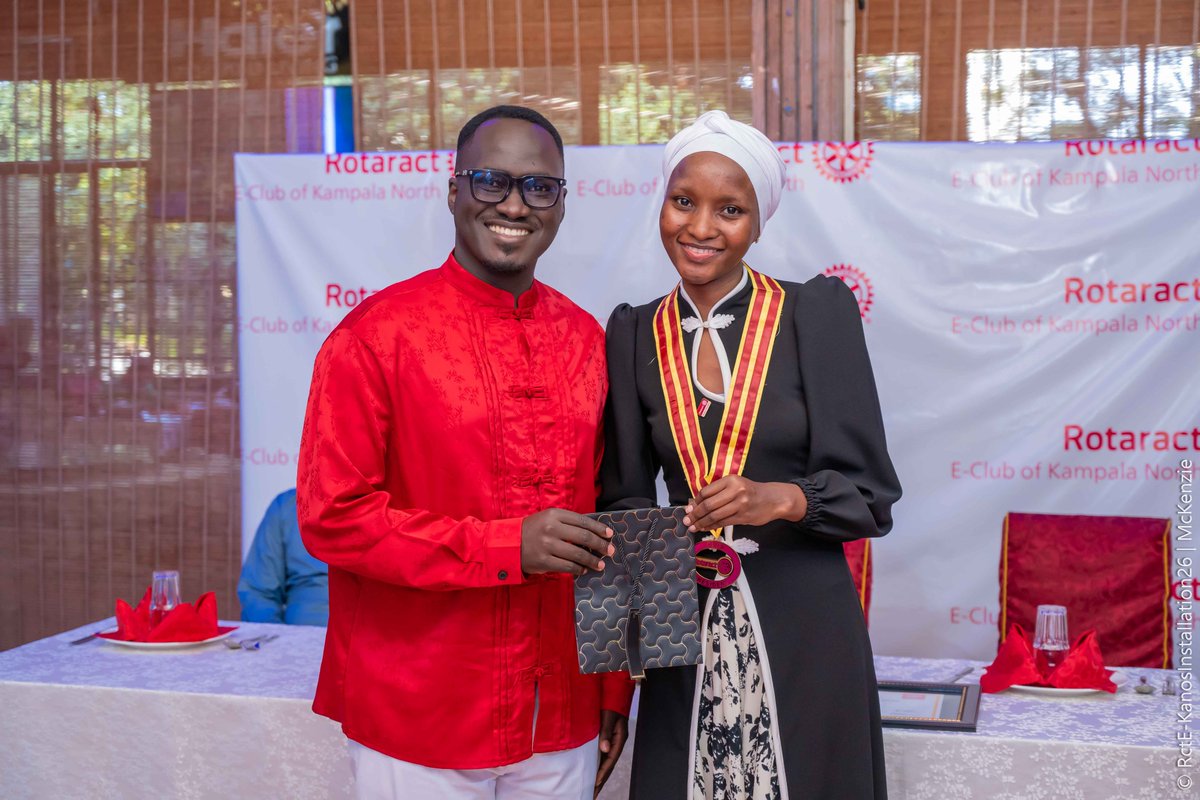
1
2
7
87
𝑴𝒂𝒓𝒌 𝑮𝒆𝒓𝒂𝒍𝒅 retweeted

Banange 😭 we’re now wondering,🤔is the 60k walking from home to the venue?
Because some people are watching the countdown like it’s a Netflix series instead of paying 😂💔
Our fellow member @mark2gerald is calling you out🤌
#EKANOsInstallation26
#2ndEKANOsInstallation
5
8
124
𝑴𝒂𝒓𝒌 𝑮𝒆𝒓𝒂𝒍𝒅 retweeted
Ni Hao 🎉
Join the epic 2nd E-KANOs INSTALLATION ceremony as @BavugaCarlyne becomes E-KANOs President! Stylish vibes, and big celebrations in the air! 👑💛
Date: 16th May 2026
Time: 3:00 PM
Dress Code: Chinese Theme (中文)
Fee: 60K
Let’s show up in style, celebrate leadership, and create memories that will last a lifetime.
#EKANOsInstallation26
#2ndEKANOsInstallation
5
6
136
𝑴𝒂𝒓𝒌 𝑮𝒆𝒓𝒂𝒍𝒅 retweeted

I don’t know which lady I’m talking to but “if your man ever asks you to help them financially, please DO.” It takes them a lot of courage to ask.
Thank you, may God bless you lady.❤️❤️
128
331
1,770
43,917
𝑴𝒂𝒓𝒌 𝑮𝒆𝒓𝒂𝒍𝒅 retweeted

May 4
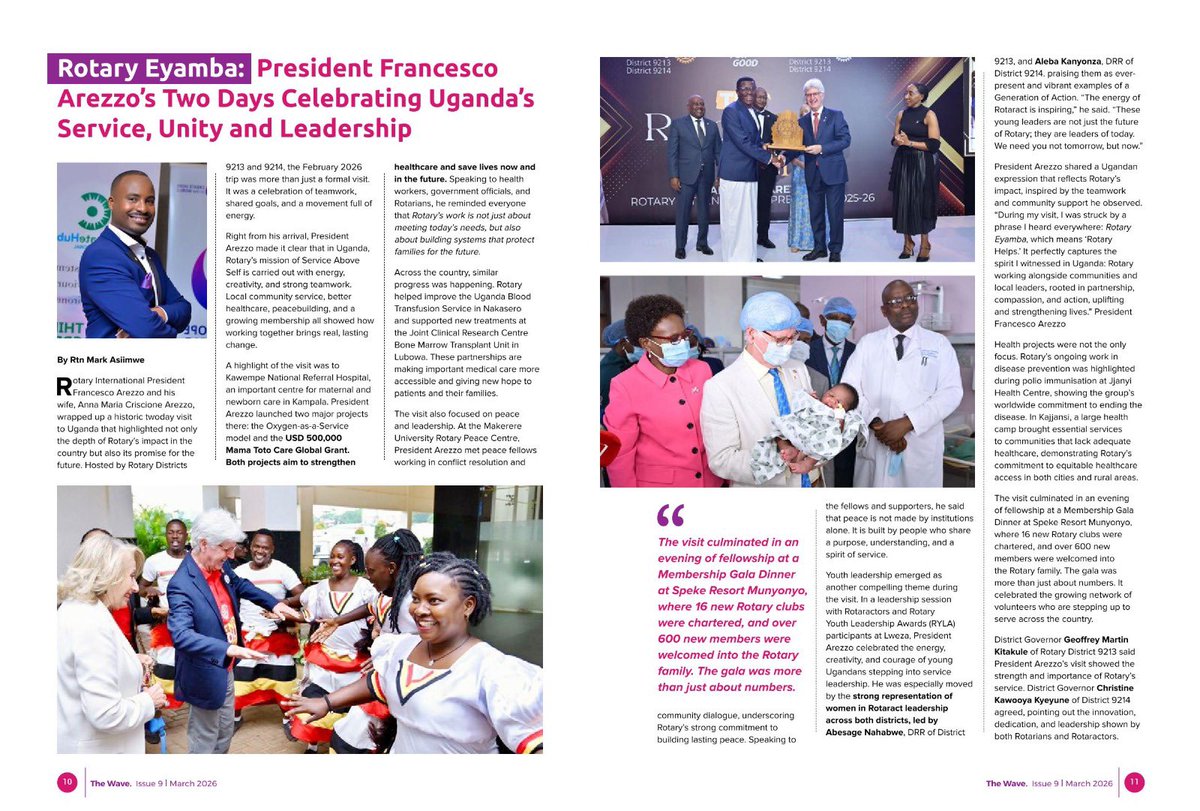
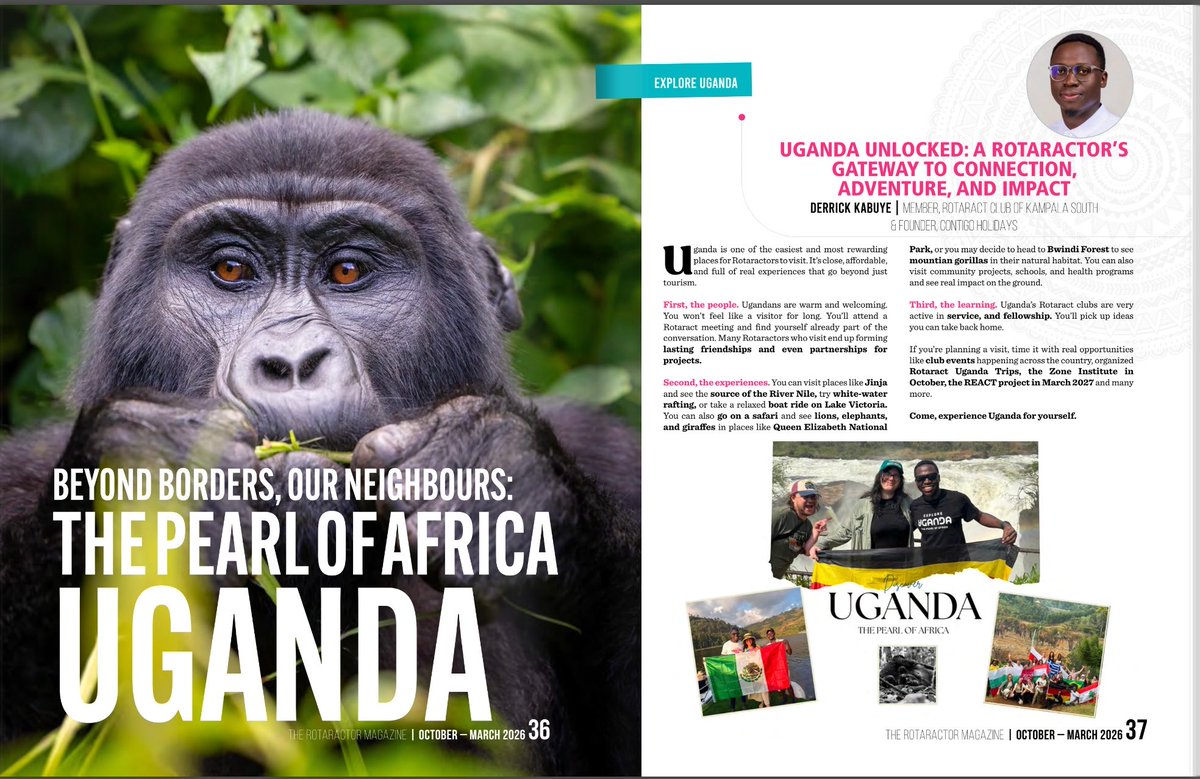
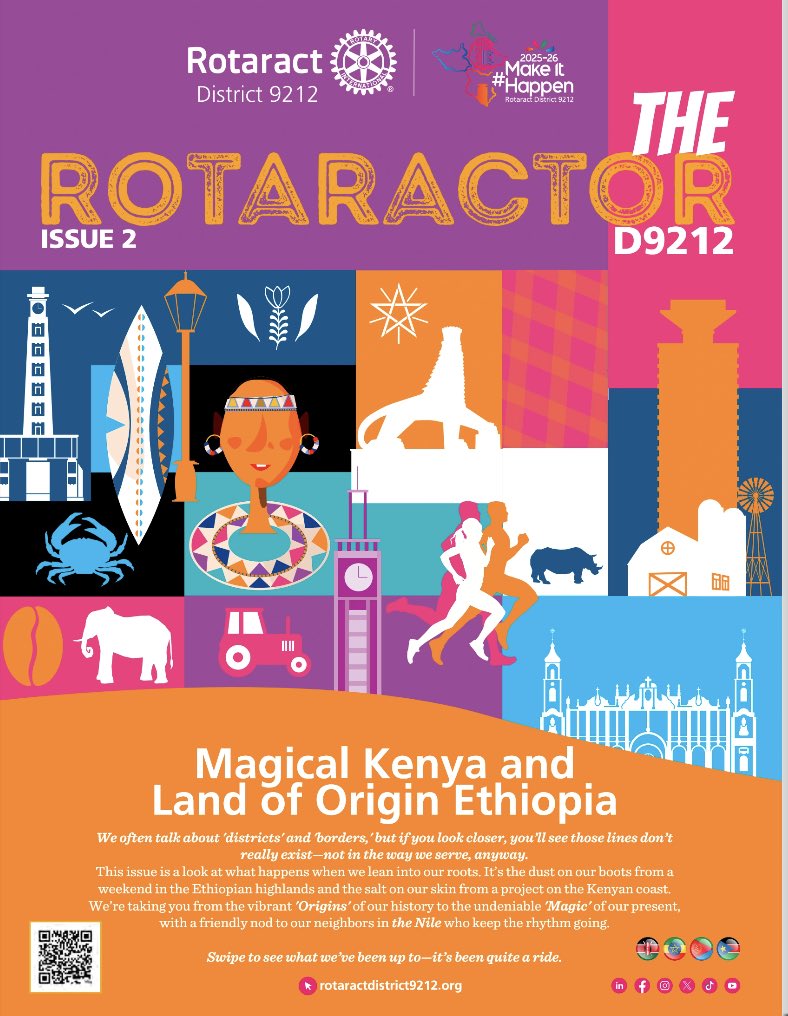
I recently contributed an article to the Rotaract District 9212 magazine, and writing it reminded me that we usually spend so much time talking about destinations the world already knows, and not enough time telling the stories of the ones that deserve to be known. Uganda is one of those stories. The people, the landscapes, the culture, the energy. It is all here, and with #Rotaract, there is always a reason to visit!
2
19
403
𝑴𝒂𝒓𝒌 𝑮𝒆𝒓𝒂𝒍𝒅 retweeted

Apr 30
@PumlaNabachwa , let us not reduce a question of discipline to a quarrel of genders. Money is not foolish. It follows structure, it obeys governance, and it exposes indiscipline. When resources are released without accountability, without shared purpose, without clarity, betrayal is not an anomaly, it is an inevitability. Do not indict men. Interrogate the system. For even the noblest of vows will collapse where there is no stewardship, no transparency, no alignment of vision.
Marriage is not a charity. It is a covenant of co-creation. And in every serious covenant, capital is not scattered, it is directed. So the wisdom is not to stop giving. The wisdom is to stop giving blindly.
Nina amafuta, drop your pin twogeremu.
27
35
129
11,496
Apr 30
Oba wa katandika okuwomerwaaaa nga the content is over .🤣 Naye @sumz_snacks packaging clear but content inside add ko prizzz
2
2
35
𝑴𝒂𝒓𝒌 𝑮𝒆𝒓𝒂𝒍𝒅 retweeted

Apr 28
The @mofpedU manages the fiscal policy and the @BOU_Official manages monetary policy.
The Ugandan Ministry of Finance Planning and Economic Development has 5 Ministers namely;
1.Hon Matia Kasaija
2.Hon. Amos Lugoloobi
3.Hon. Evelyn Anite
4.Hon.Henry Musaasizi
5.Hon.Haruna Kyeyune Kasolo
The Ministry’s Permanent Secretary is Dr.@rggoobi
Now, that Ministry issued a certificate of financial implication and it was signed by Hon. Amos Lugoloobi.
The Central Bank has this afternoon rejected the Protection of Sovereignty Bill in entirety.
This raises questions, on whether the managers of the country’s fiscal policy talk to those managing the monetary policy .
Do they work in a synchronized way for better management of one of the most promising economies in Sub Saharan Africa ?
Do each of the two works independently and somehow hope that things turn out better for Ugandans ?
Recently we learnt that Dr. Ezra Suruma an Economist is one of the most paid Presidential advisors. Did the proponents of the Bill ever consult him and if they did not , what is the value of paying people that are either never consulted or in the event that they are , why not take their advice ?
28
93
323
21,230
𝑴𝒂𝒓𝒌 𝑮𝒆𝒓𝒂𝒍𝒅 retweeted

Apr 28
@101DISCON @RotaractD9213 Day/ Night was a statement of intent.
As Mary-Louise Parker reminded us, there are always more reasons to reach out… and if we can do something, then we should. Choosing to act will always matter more than standing by.
As DRR @AbesageN shared during the handover, stepping aside is not stepping away from service. The journey continues.
In the words of Raju Subramanian, in @Rotary the baton passes with ease and trust, building on the great work already done.
And as DRRE @MuwanguziAlex11 put it, as the sun sets on one chapter, we are not just turning pages, we are picking up the pen to write a new story.
We don’t slow down. We rise and keep going.
Because lives are waiting.
#RotaryEyamba
#DISCON101
8
27
639
𝑴𝒂𝒓𝒌 𝑮𝒆𝒓𝒂𝒍𝒅 retweeted

Apr 28
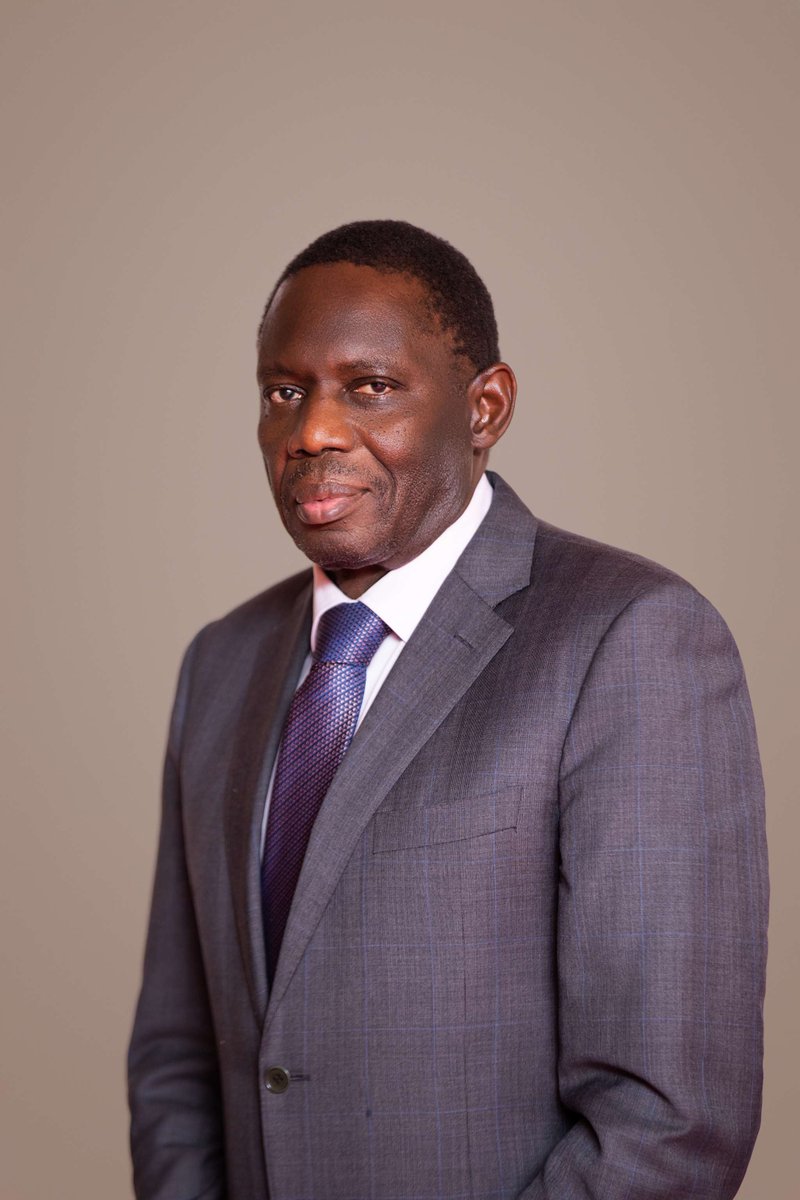
"Chairman, a country without reserves is not sovereign. The potential of this Bill to destabilize Uganda’s balance of payments is our primary concern as a central bank. For example, last financial year the overall balance of payment surplus was USD 1.5 billion. That’s how we were able to increase our reserve coverage by USD 1.5 billion. Today as we speak our reserves are close to USD 6 billion. Why? Because these inflows have been coming in. The moment you tamper with these inflows here, we risk running down our reserves, and that is economic disaster for a country.” Governor Atingi-Ego on the Protection of Sovereignty Bill 2026 in an appearance before Parliament today.
530
2,775
7,464
489,064
Apr 21
We are proudly associated

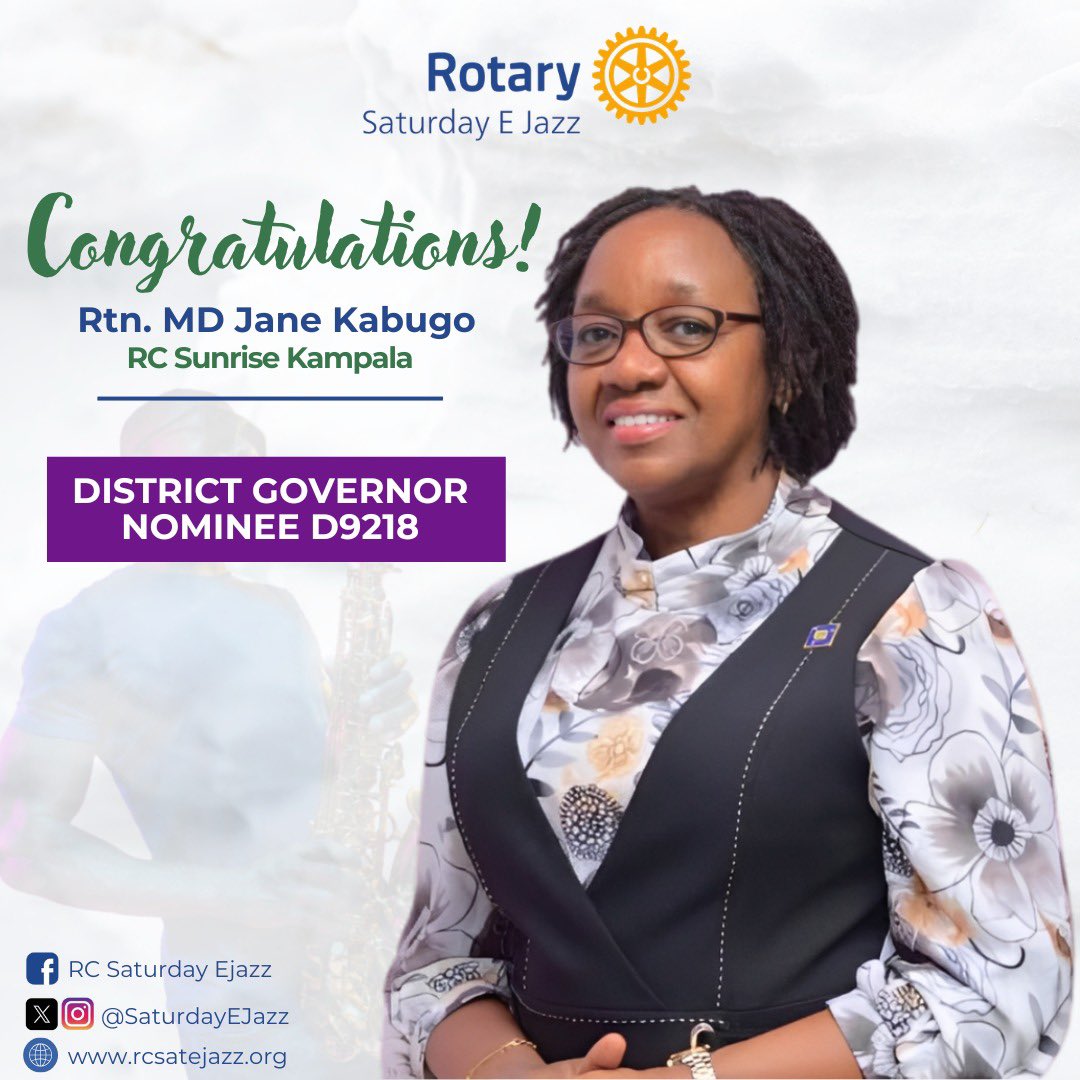
We proudly celebrate a Mentor, Rtn. @kabugo_jane on her election as the inaugural Governor for District 9218.
A well deserved office for a beacon of selfless leadership
1
5
137
𝑴𝒂𝒓𝒌 𝑮𝒆𝒓𝒂𝒍𝒅 retweeted
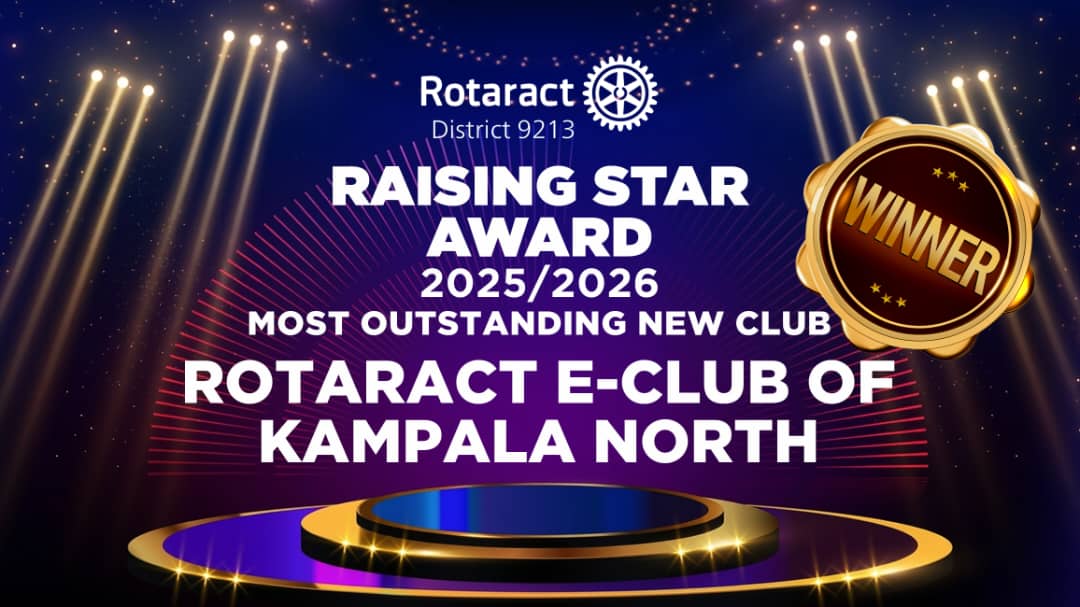
Congratulations to all of us, the Rising Stars of Rotaract D9213 for the Rotary Year 2025/2026 and the Most Outstanding New Club in @RotaractD9213 for the Rotary Year 2025/2026.
#Discon101 #RotaryEyamba
1
8
11
199
Apr 15
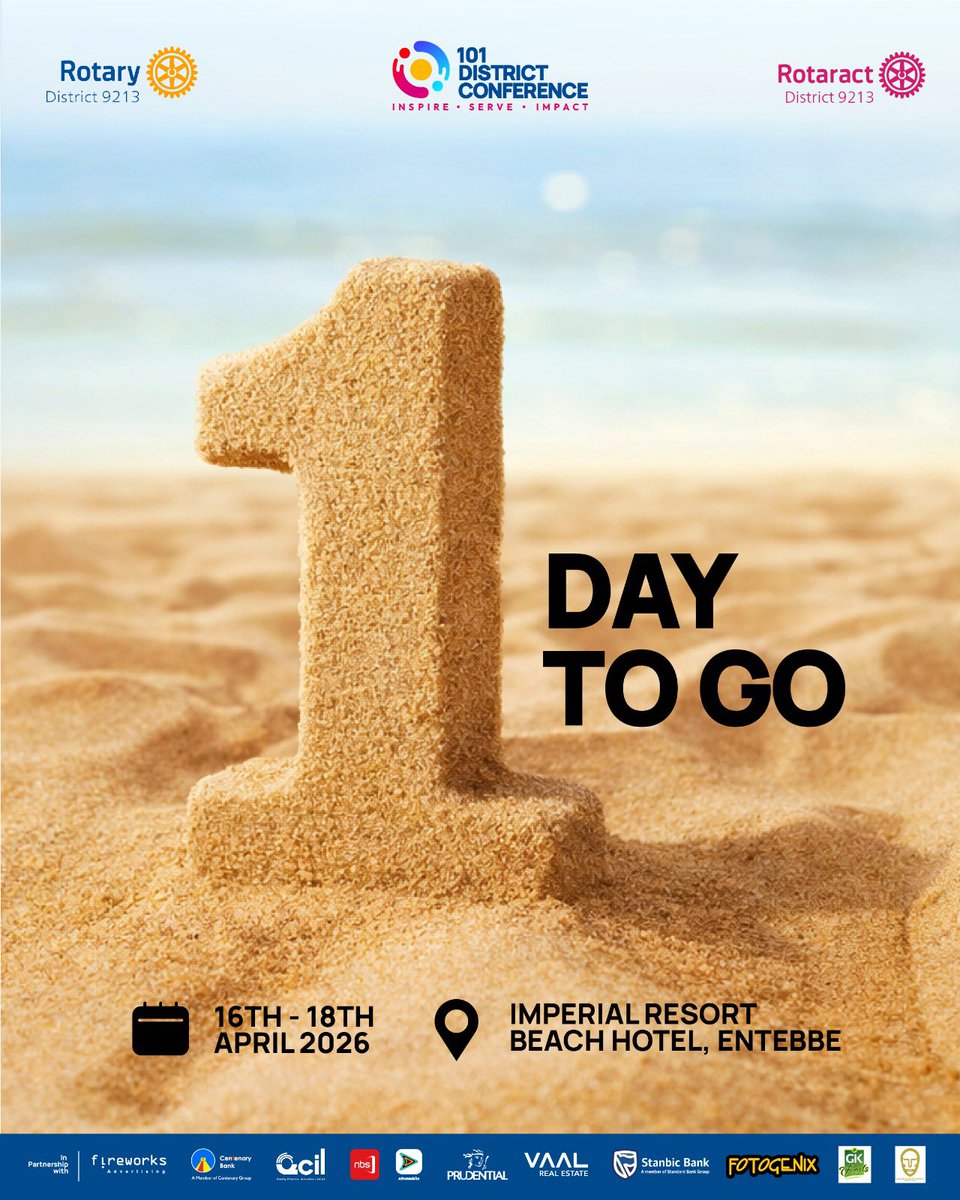
Clocking out of the week early… because Entebbe just raised the bar 😌🔥
… and if you’re still “thinking about it,” just prepare for premium FOMO on your timeline @101DISCON
This is where the energy, connections, and stories are about to be made.
#DISCON101
#RotaryEyamba
2
6
99
𝑴𝒂𝒓𝒌 𝑮𝒆𝒓𝒂𝒍𝒅 retweeted

Apr 3
Carefully listen to one of the greatest business thinkers of all time share a life lesson that will serve you well.
4
83
327
25,919