
Joined January 2020
- Tweets 7,484
- Following 284
- Followers 917
- Likes 5,867
1,886 Photos and videos


ICHI BOKU ✨ retweeted

Jun 12
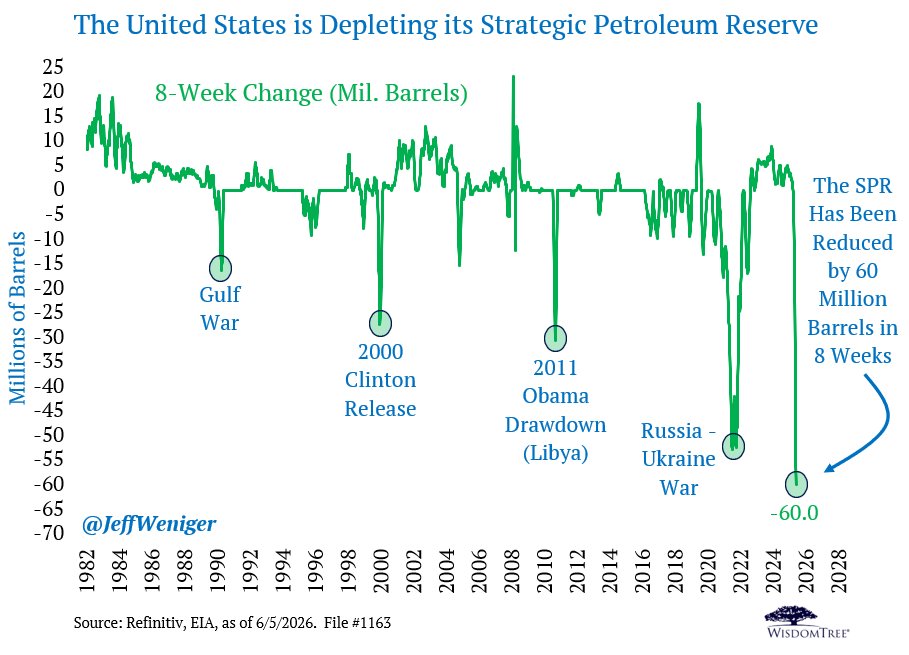
🇺🇸 The United States is using one of its key strategic buffers to prevent an energy shock from turning into a broader macroeconomic shock.
🛢️ In the short term, drawing from the Strategic Petroleum Reserve helps ease pressure on the oil market as more available barrels mean a more contained energy inflation risk. In a US economy still heavily driven by consumption, this is not neutral as limiting the rise in fuel prices also means protecting purchasing power and preventing inflation expectations from re-accelerating too quickly. However, this is not a real and durable increase in supply but an actual stock drawdown. Here, the United States is not solving the underlying issue, it is using a strategic cushion to buy time and smooth the shock.
➡️ If oil prices remain elevated despite such an intervention, it means the market is tight enough to absorb these barrels without really easing. In that case, this means that the market is fragile enough that strategic reserves must be mobilized to prevent a brutal transmission to the real economy. The lower the Strategic Petroleum Reserve falls, the less capacity the United States has to respond to the next energy shock, and over the medium term, part of these reserves will probably need to be rebuilt, which could recreate demand and support prices.
This chart ⬇ is above all a sign of macro fragility as the United States can relieve the market today but is consuming part of its safety margin for tomorrow. What happens when this pressure valve closes while supply tensions have not been fully resolved?
x.com/JeffWeniger/status/206…
Jun 10

60 million barrels of oil have exited the US Strategic Petroleum Reserve in the last 8 weeks, exceeding the draws from the Gulf War, the 2000 winter supply scare, the 2011 Libya reaction and even the 2022 pace. With energy comprising 3.5% of the S&P 500, the typical investor has more in Amazon than they do this entire sector. The US cannot perpetually fill the gap from lost Hormuz barrels.
7
18
64
14,232

Jun 10
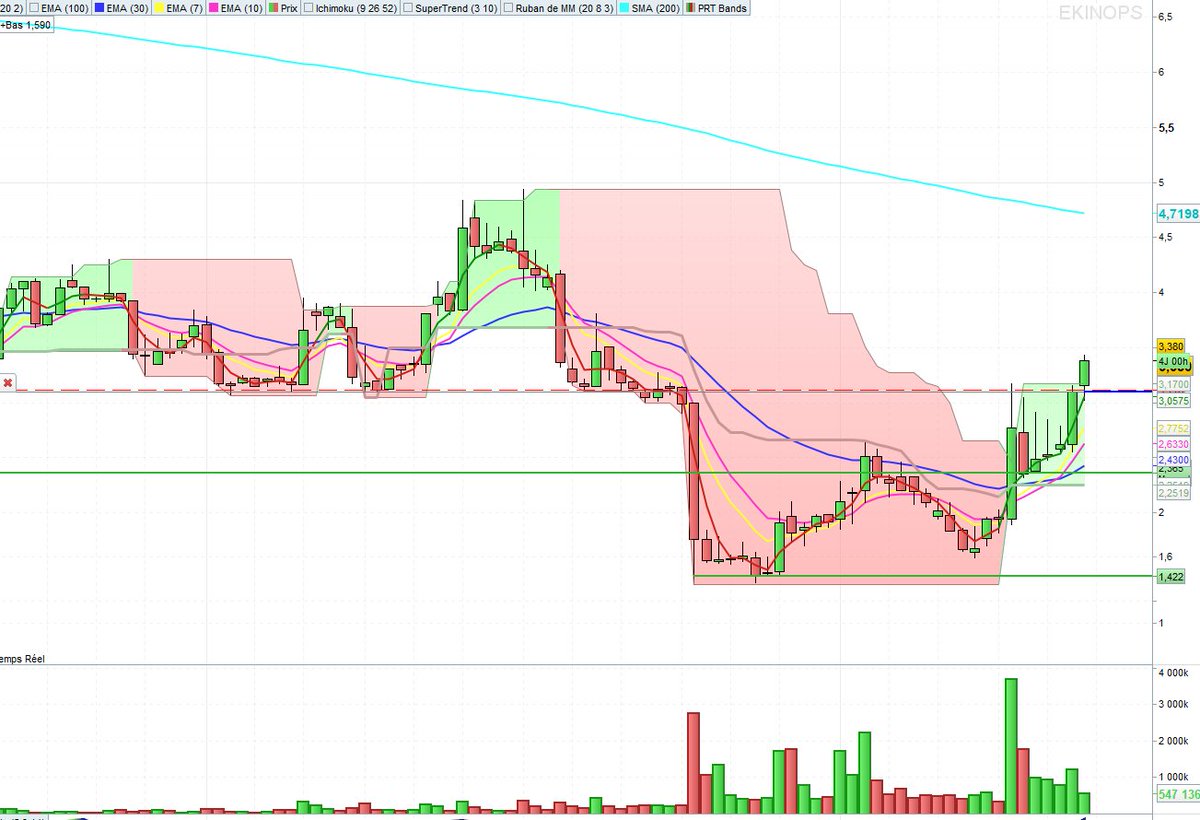
pas cher payée la news
voir comment le marché va orienter le titre demain
présentation samedi
Jun 9

Cellectis Receives FDA RMAT Designation for lasme-cel, the First Allogeneic CAR-T Therapy in a Pivotal Trial for Patients with r/r B-ALL.
To read the press release: cellectis.com/en/press/celle…
1
1
488
May 27
1
485

🚀 #RIBER ( $ALRIB 🇫🇷) : Monopole absolu sur les systèmes d'épitaonie par faisceau moléculaire (#MBE), ce qui en fait les gardiens ultimes pour la croissance des couches atomiques précises nécessaires dans les puces #Quantiques ✨

Emmanuel Macron annonce 1,55 milliard d'euros de plus pour le quantique et les semi-conducteurs, "mobilisé via France 2030"
#BFM2
2
21
2,056
May 22
208
May 19
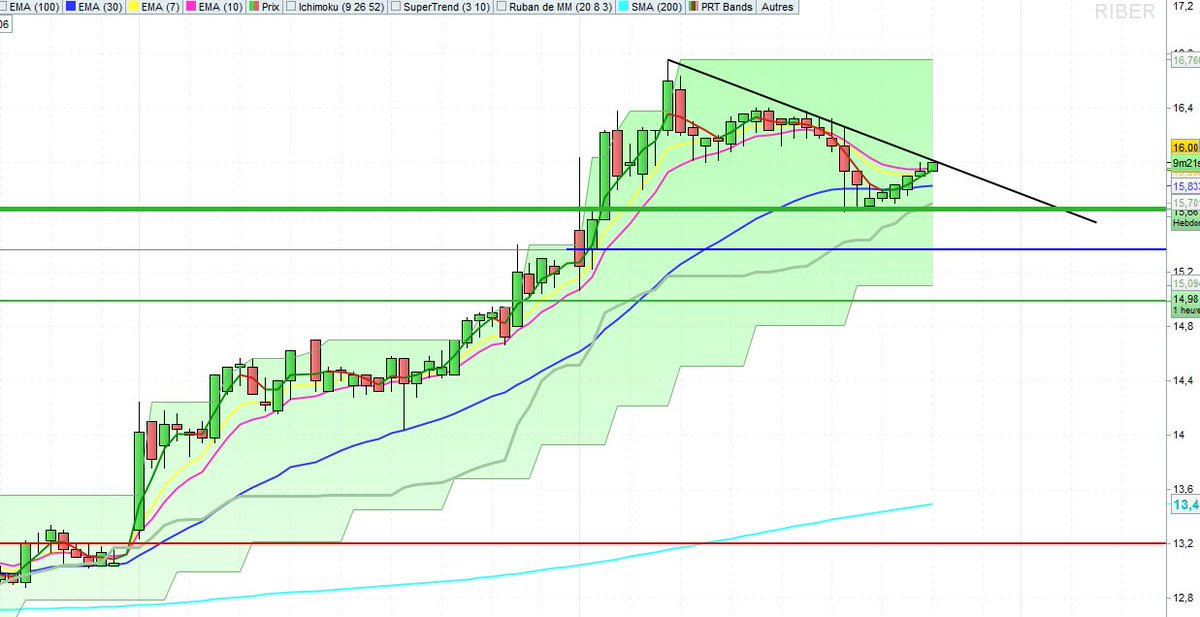
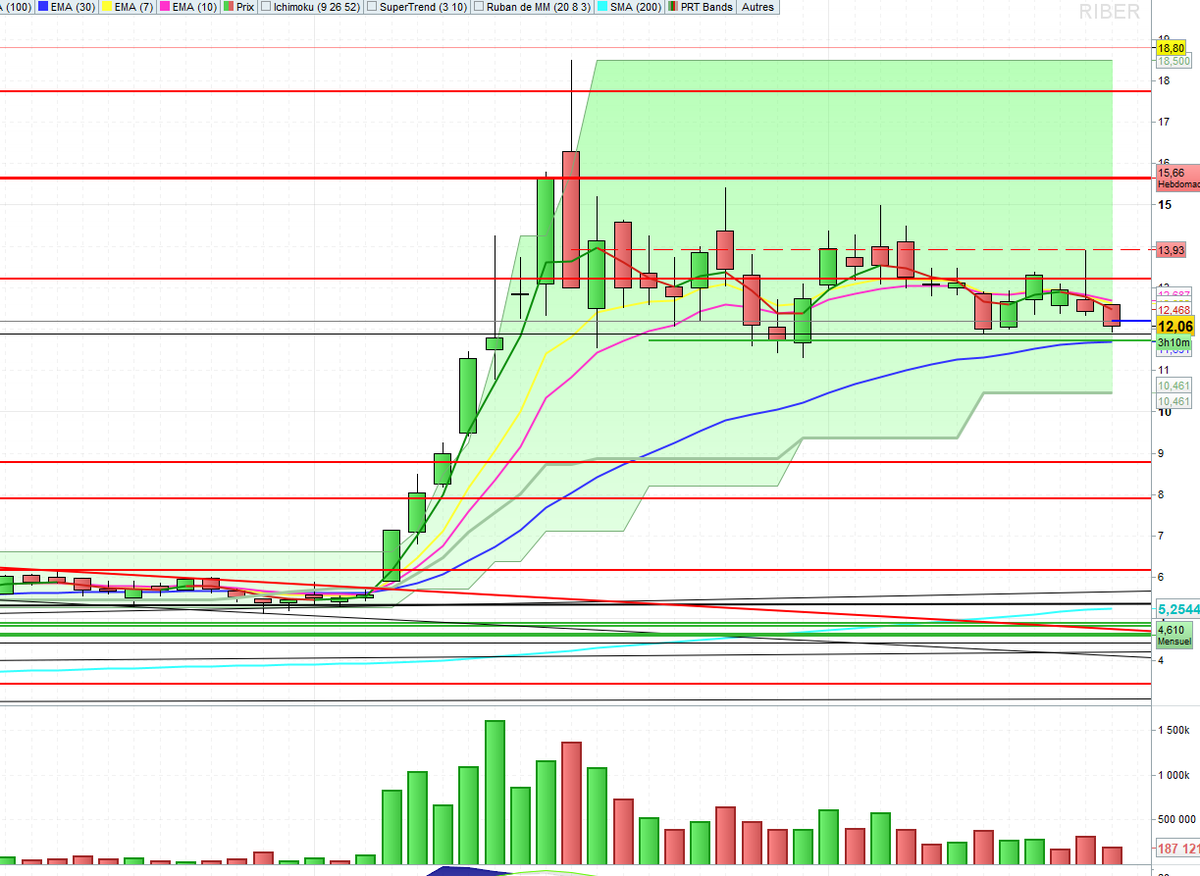
#riber
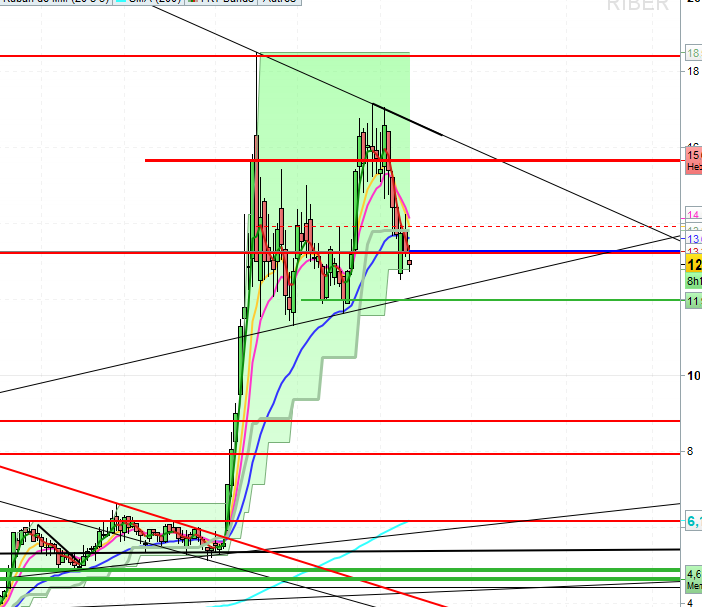
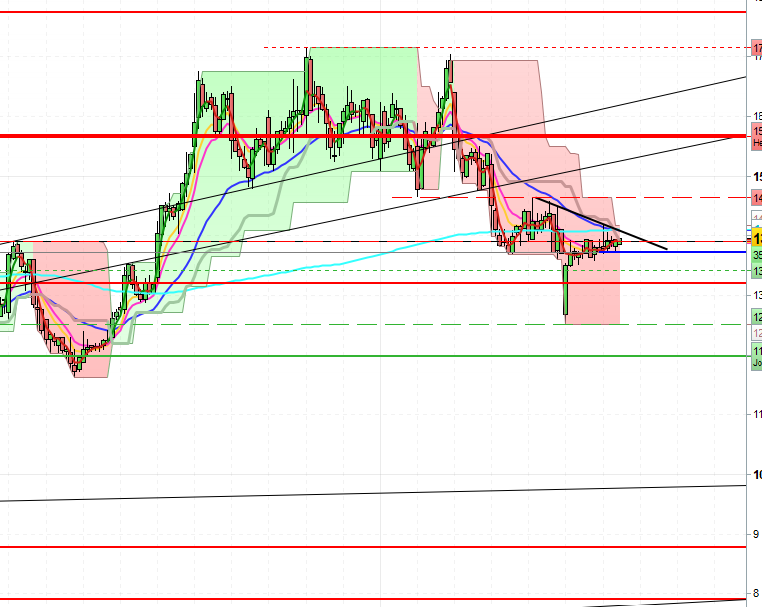
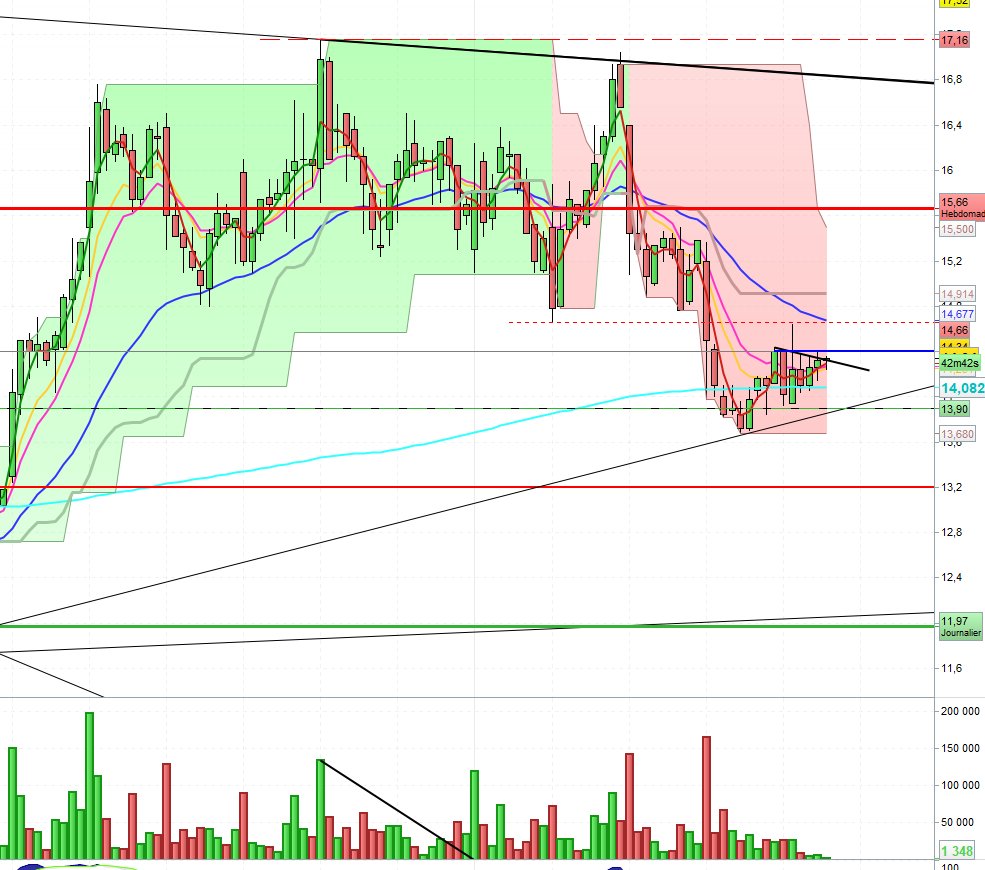
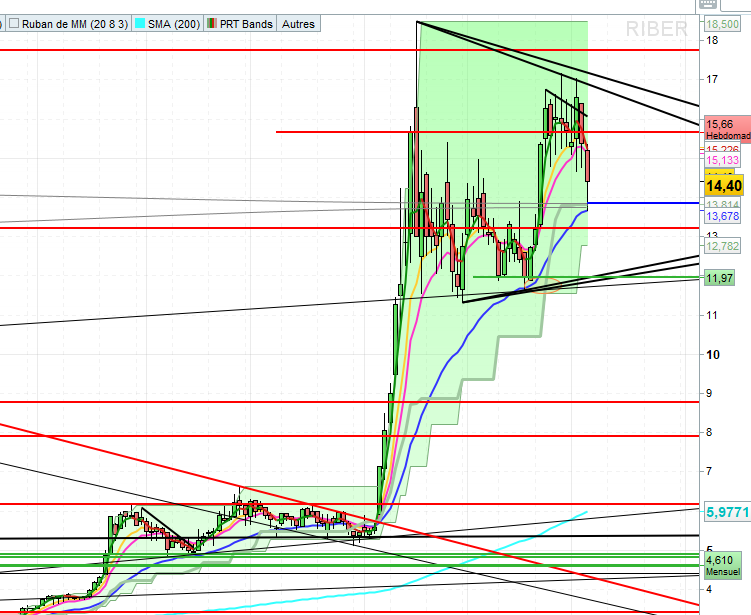
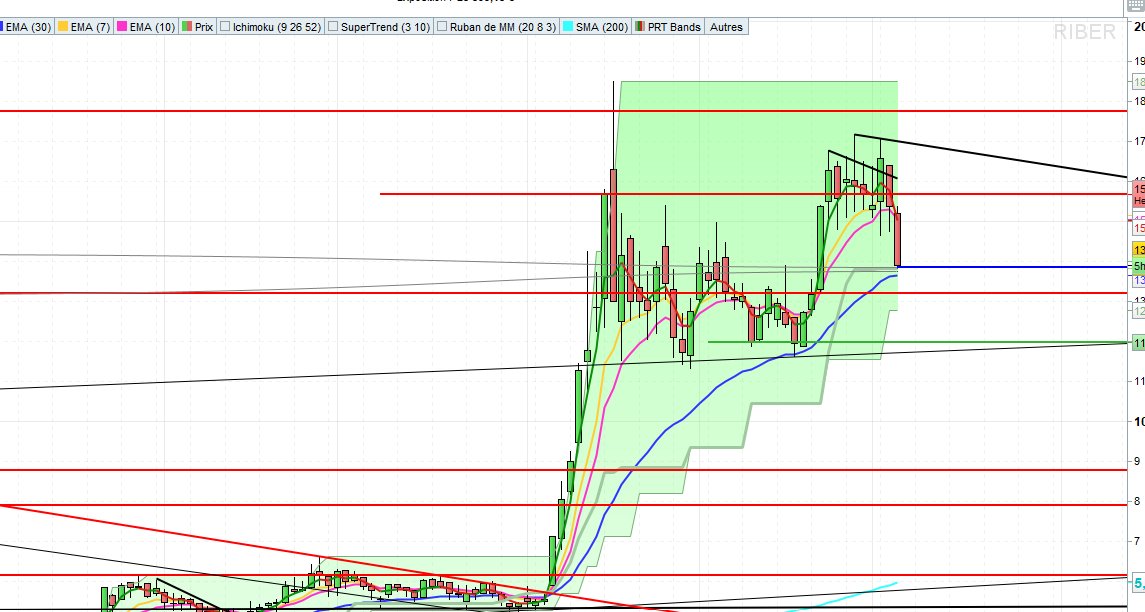
du monde qui l'attend a 11.8
mais double appui sur 11.92
j ai chargé la mulle
3
21
2,396