
Joined August 2009
- Tweets 85
- Following 128
- Followers 398
- Likes 77
17 Photos and videos

Mar 28
More evidence for prehospital transfusion?
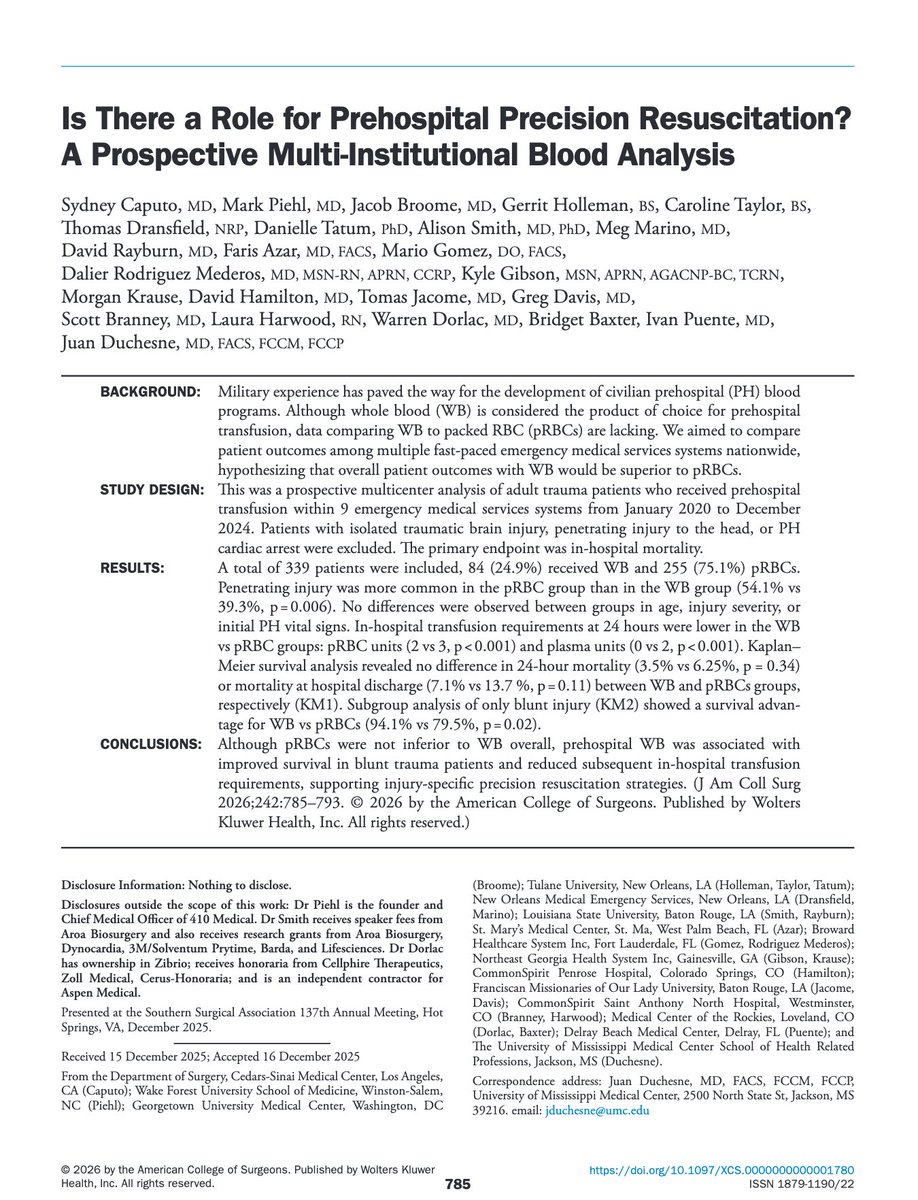
A very timely paper on prehospital transfusion, with all of the recent conversation around SWIFT.
This study compared WB to PRBC’s across 9 prehospital transfusion programs in the US. Note the difference in mortality between UK HEMS study and US ground EMS: 27% vs 12.7%. Prehospital time in SWIFT 67 minutes vs median 23 in the US study (34 min total from 911 call to ED arrival!). WB associated with lower in-hospital transfusion requirements and improved survival for blunt injury patients, with a trend toward improved survival in the total cohort.
Key lessons learned from this paper:
1) prehospital transfusion is possible and effective in ground EMS agencies, even with short transport times
2) whole blood may be better, particularly for blunt injury
3) earlier resuscitation for hemorrhagic shock improves outcomes (which may be why neither SWIFT nor RePhill showed any difference)
4) availability of whole blood should not be the rate limiting step in getting a prehospital transfusion program started
pubmed.ncbi.nlm.nih.gov/4156…
1
2
69
Mark Piehl retweeted

Mar 6
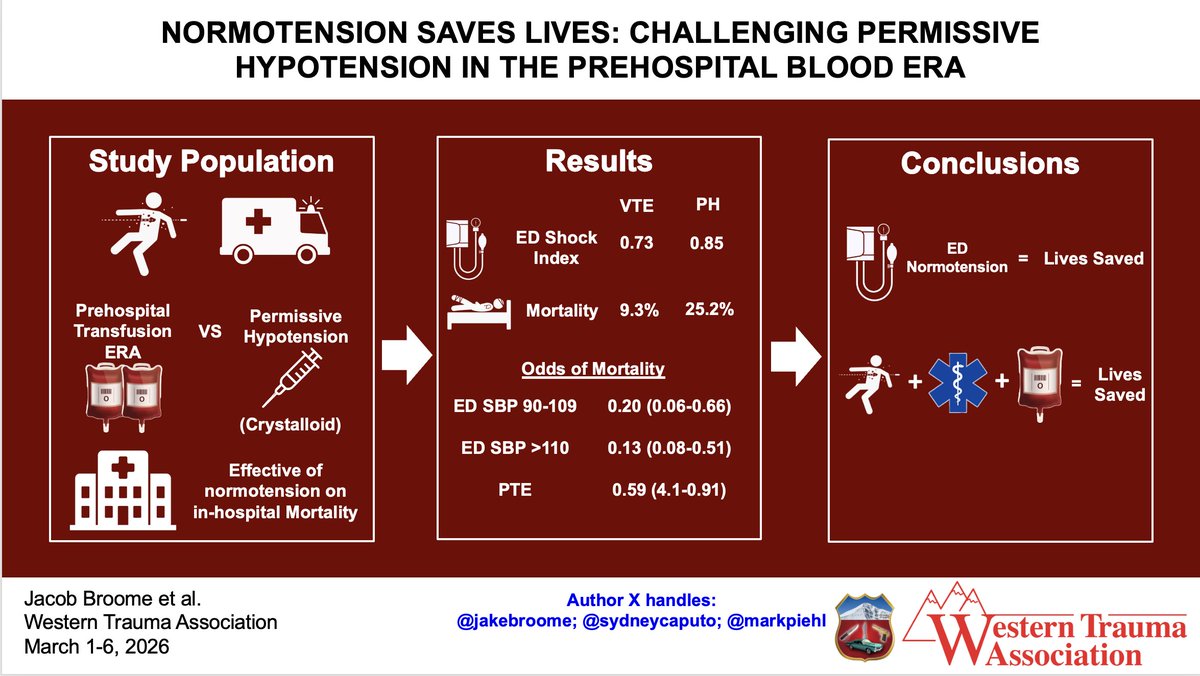
Prehospital blood is increasingly common. Is permissive hypotension in trauma a thing of the past? @JakeBroome @SydneyCaputo @markpiehl #WTA2026
1
7
15
1,155
29 May 2025
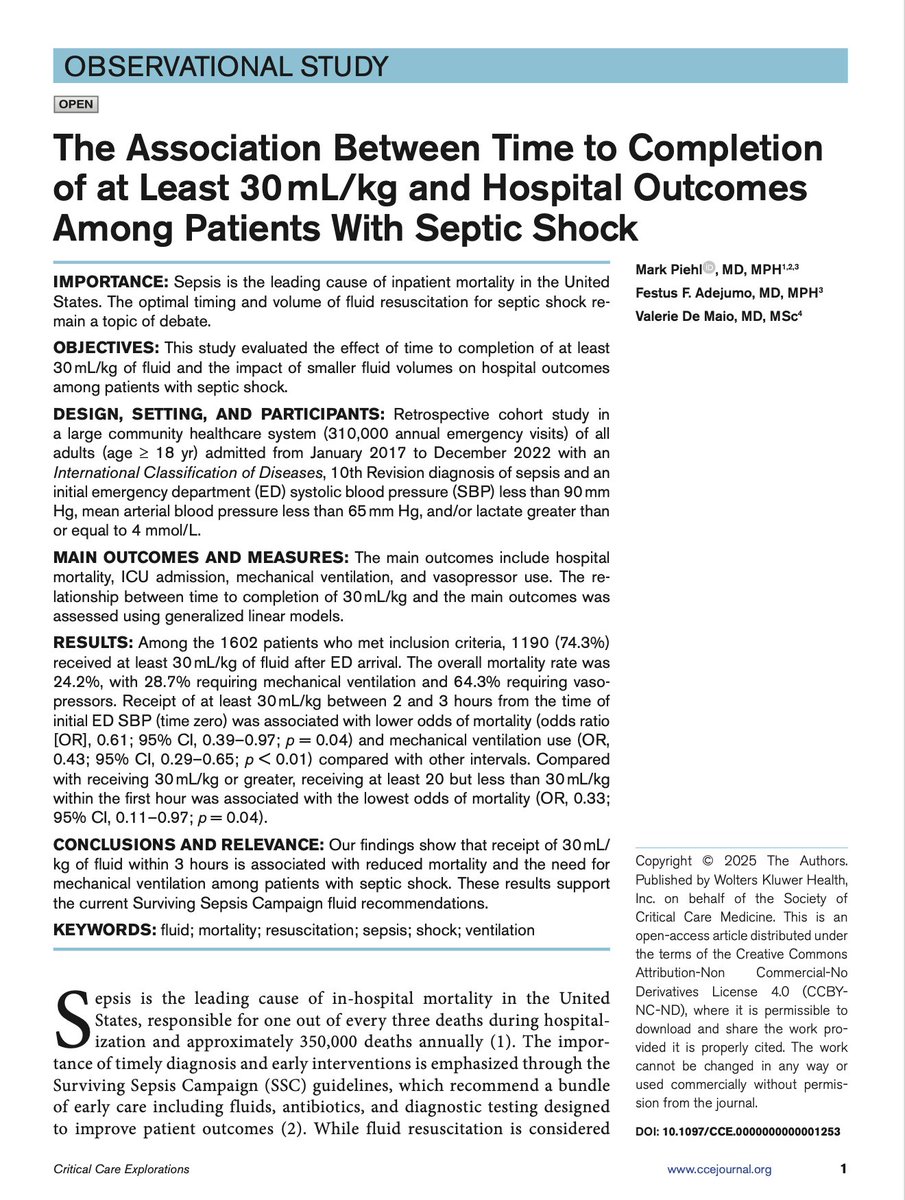
Is the Surviving Sepsis Campaign fluid recommendation of 30mL/kg safe & effective? Turns out it is. Not every patient with sepsis may need 30mL/kg, but for septic shock (SBP < 90 and/or lactate >4), 30mL/kg by 3hrs is associated with lower mortality and less mechanical ventilation. And 20-30mL/kg in the 1st hour may be the optimal volume and timing for these patients. Check out our observational study of 1600 patients @WakeMed
here: journals.lww.com/ccejournal/…
#sepsis @SCCM #CritiCareExplore
6
224
17 Dec 2024
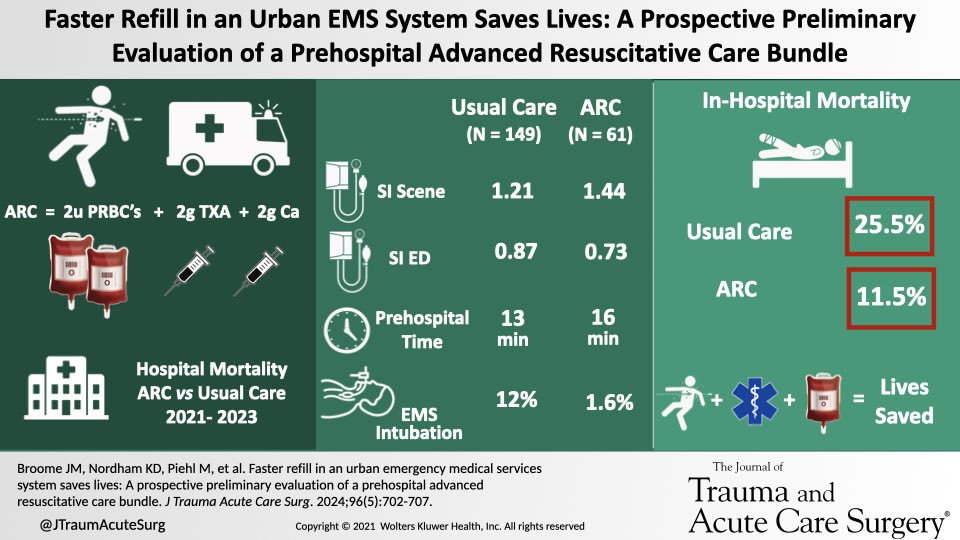
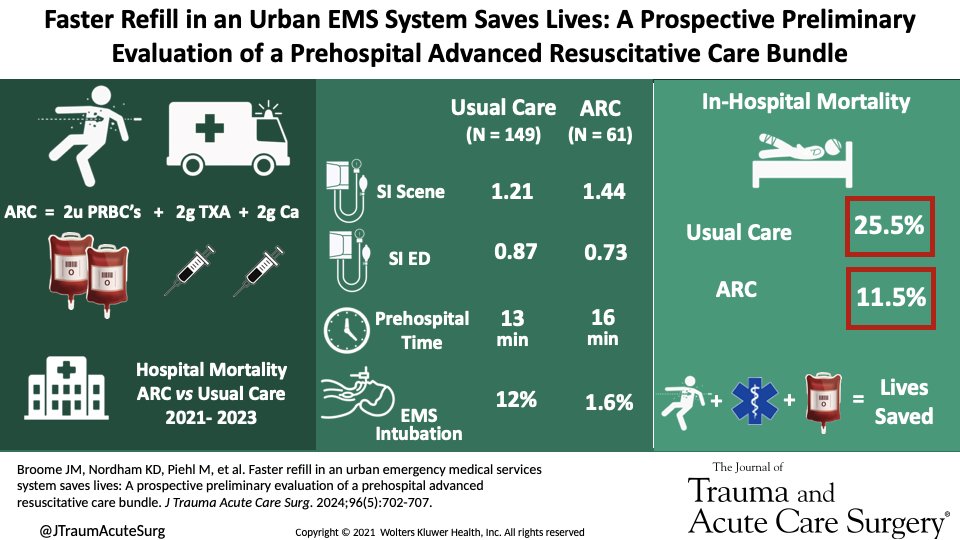
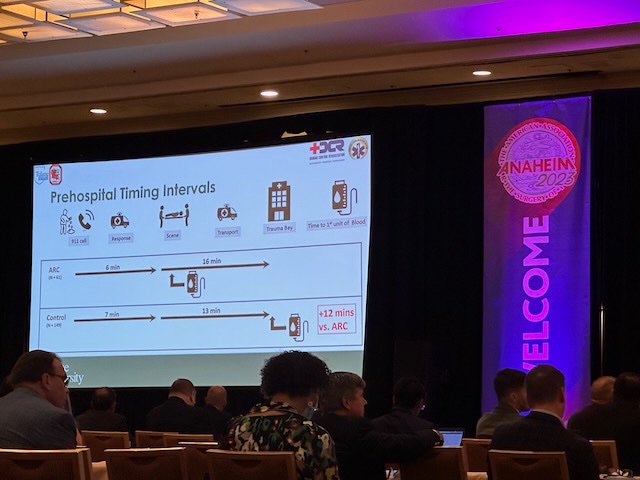
Thank you @DrJeffJarvis for a thoughtful review of our Faster Refill paper! You do make some fair points about potential methods improvements while acknowledging the strength of the results, which are the first ever to show a trauma survival benefit for blood in urban EMS @HandtevyMD @JakeBroome
16 Dec 2024

🚨 New Episode Alert! 🚨
Can prehospital blood save lives? 💉 Dr. Jeff Jarvis dives into the "ARC Bundle" (blood, TXA, calcium) and its impact on trauma care with an 81% mortality reduction. 🎧 Listen now at flightbridgeed.com/emslhp-po… or on your favorite platform!

1
3
20
1,254
12 Dec 2024
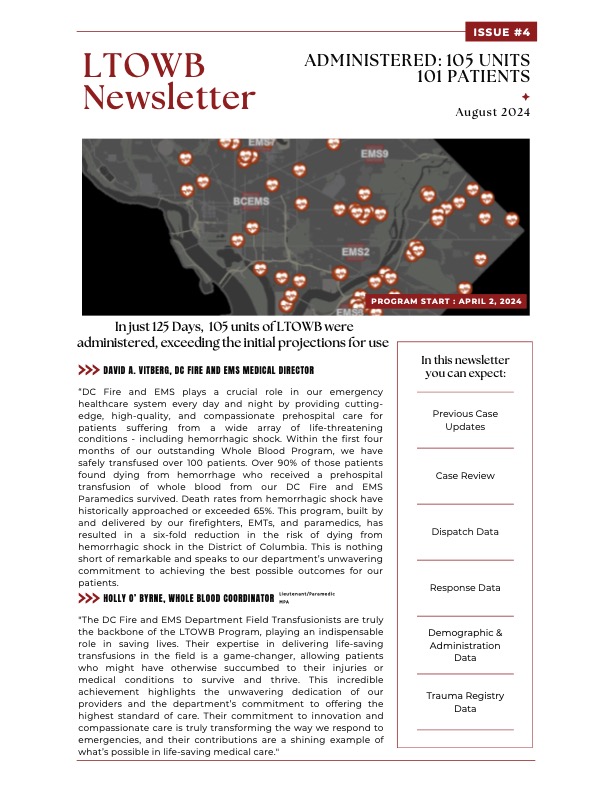
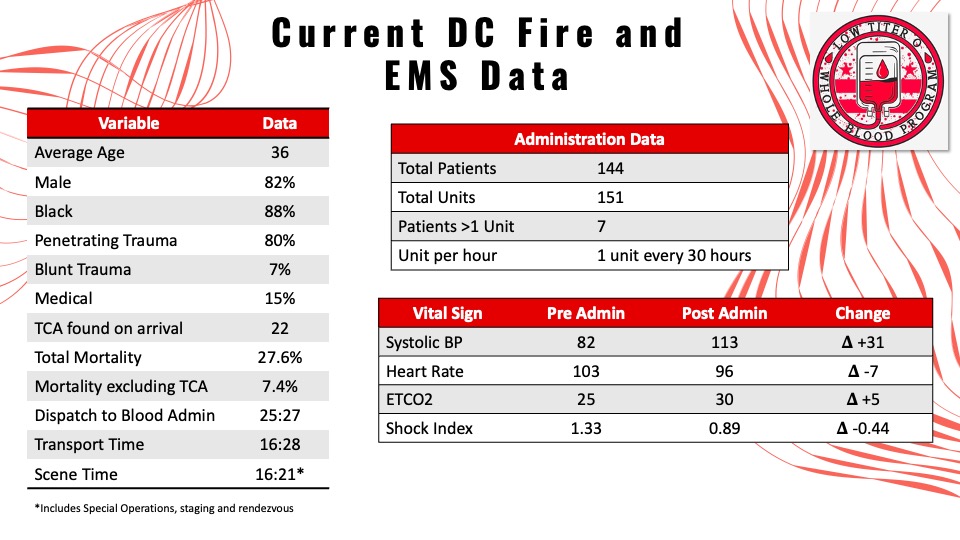
The @dcfireems team under the leadership of Holly O’Byrne and @EMSPhysician David Vitberg has saved many lives, again disproving the myth that urban agencies with short transport times shouldn’t carry blood. This will be an incredible webinar!
11 Dec 2024

Does your EMS system carry #WholeBlood?
In only 7 months @dcfireems has administered blood to 162 patients BEFORE they arrived at the hospital.
Of the patients who weren't already in cardiac arrest, 93% survived.
Full report here: tr.ee/kAMgpF1a0j
Join us on Friday to hear from Lt. Holly O'Byrne.
@EMSPhysician | @QinfloWarrior | @LifeFlow__ | @markpiehl | @RandiSchaefer8 | @PhilSpinellaMD | @noemsf | @PBCFR | @CH1PBCFR | @Chief5PBCFR | @CoralSpringsFD | @DavieFireRescue | @SATXFire | @my1blood | @AABB | @JonKrohmer
2
16
944
6 Nov 2024
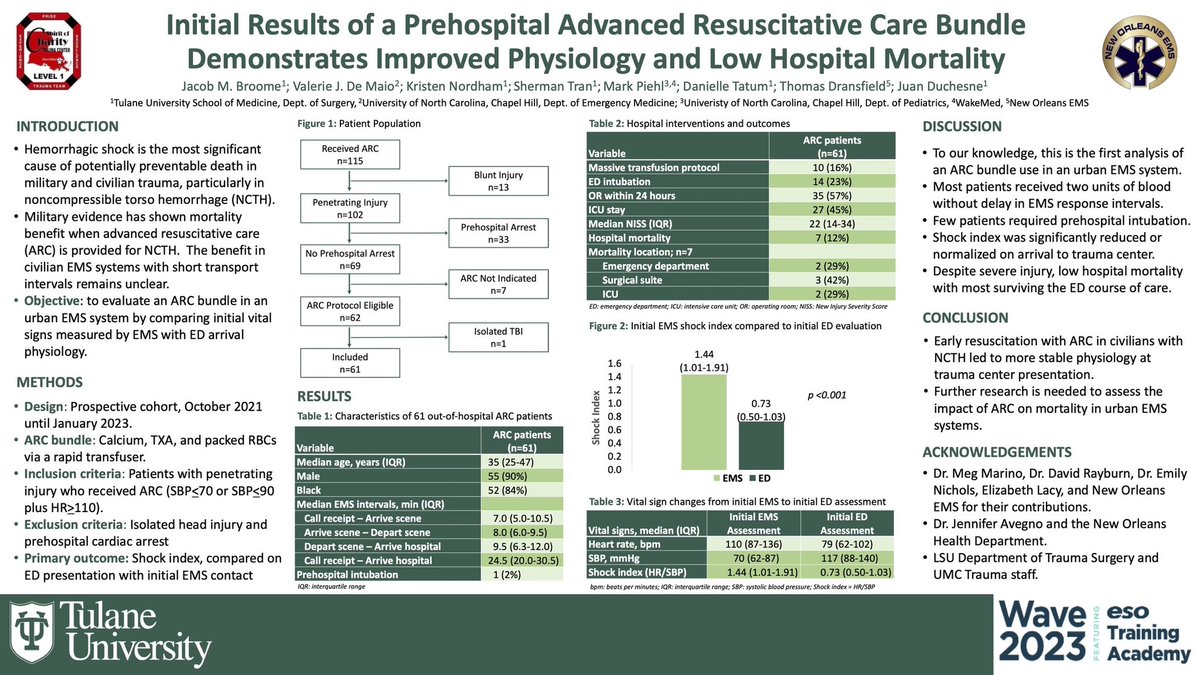
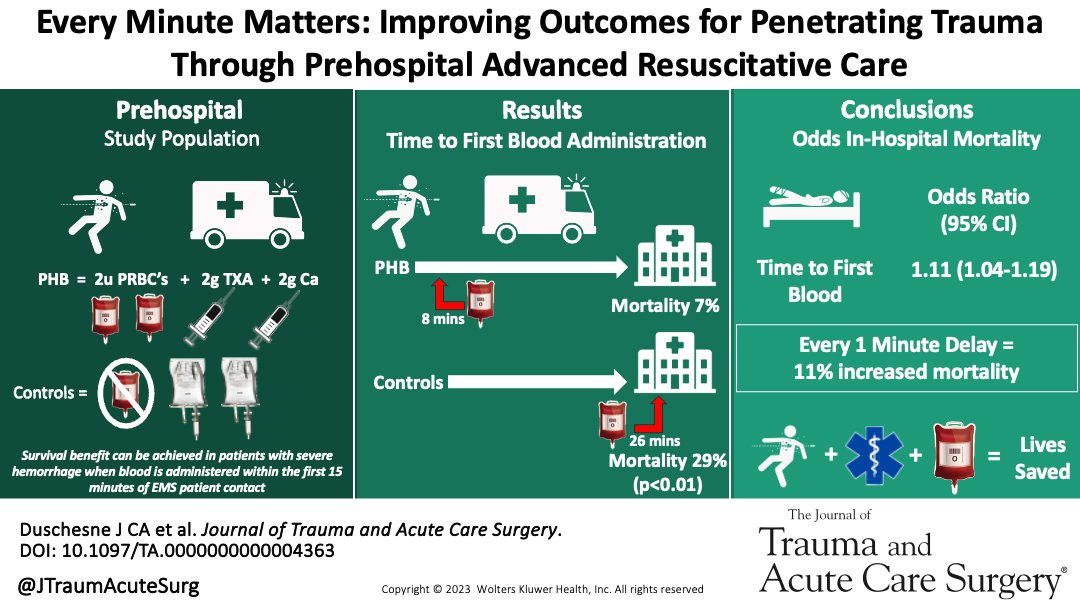
Exactly @HandtevyMD! This paper nicely addresses Myth #1 in the prehospital trauma debate: we are too close to the trauma center to bother carrying blood. Well, the data here show that for penetrating trauma with hemorrhagic shock, every single minute of delay in starting blood (and delivering an adequate volume to reverse shock) increases mortality by 11%. We don’t magically start effective resuscitation the minute a patient hits the trauma bay doors, therefore our EMS colleagues can do a whole lot of good getting that resuscitation started closer to the point of injury!
6 Nov 2024
Everyone in EMS should take the time to read this…
Then go do it.
Every day you wait, people in your community are missing out on a lifesaving resource.
1
9
38
2,896
Mark Piehl retweeted

Our data suggest that prioritization of prehospital transfusion improves survivability in patients with severe hemorrhage despite a modest increase in transport time.
@Tulane_Surgery @MarkPiehl @JakeBroome
journals.lww.com/jtrauma/abs…
1
35
80
13,857
21 Oct 2024
Thanks @FireMedic40NJ it was a total privilege to join Mike Carunchio and @HandtevyMD on Okayest Medic! We discussed the recent @AcademicEmerMed article suggesting there isn’t enough evidence for blood in ground EMS, and our editorial challenging the authors.
onlinelibrary.wiley.com/doi/…
onlinelibrary.wiley.com/doi/…
If you can’t access our letter, here’s the basic summary:
Schoenfeld & colleagues analyzed three RCT’s on prehospital blood including:
PAMPer - an air medical trial of plasma for trauma
COMBAT - an urban EMS study of thawed plasma, and
RePHILL - a UK air medical trial comparing blood products to crystalloid
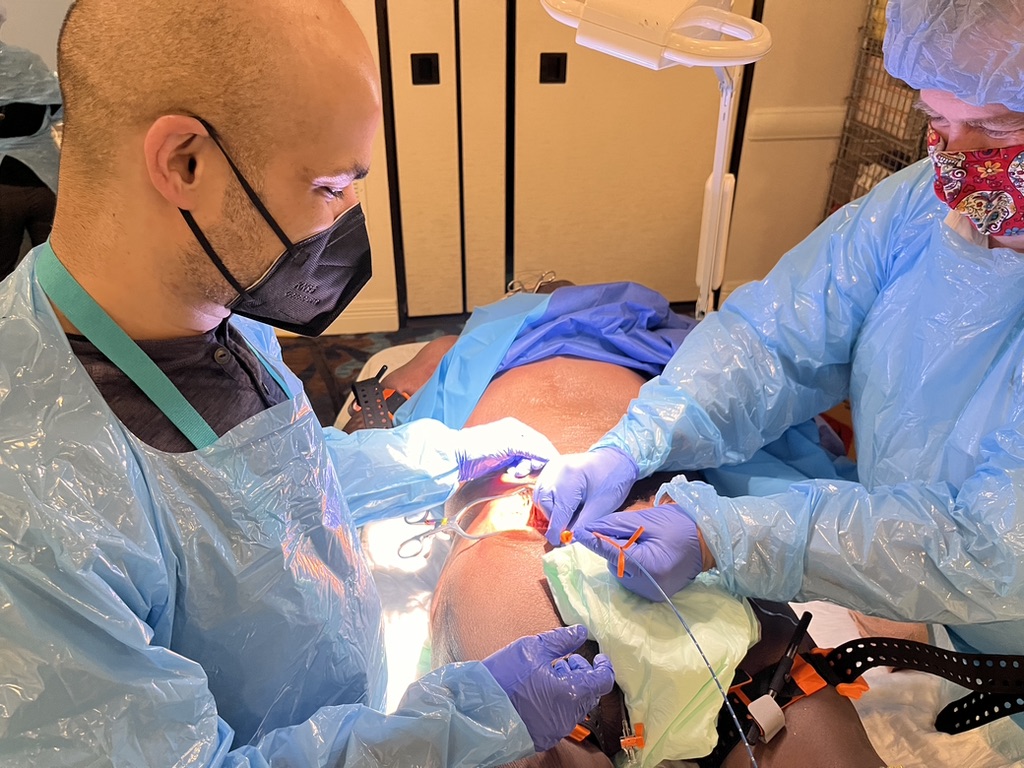
Only PAMPer showed some benefit during 40 minute transports, and in RePHILL resuscitation wasn’t actually started until about 50 min after EMS arrival. None evaluated the “advanced resuscitative care” package of blood, TXA, and calcium currently administered fast-paced ground EMS agencies, which is the new damage control resuscitation: immediate hemorrhage control where possible, basic airway support, and rapid hemostatic resuscitation with blood to reverse hemorrhagic shock en route, then advanced airway only when necessary after transfusion. Outcomes from @NewOrleansEMS, @dcfireems , Grady EMS, @TidewaterEMS, Orange County (Fl), Palm Beach County Fire Rescue, BSO, and so many others tell the story. Importantly, the Faster Refill study from New Orleans showed an odds ratio of 0.2 for mortality among patients who got blood, a huge survival benefit.
We conclude our letter by countering the Schoenfeld, et al claim that there is still equipoise on prehospital transfusion vs the old standard of care. Many details still need some good research, but we know now that early transfusion in the field saves lives
@SPARC2024
1
6
20
1,128
17 Oct 2024
Does every meaningful clinical innovation really require an RCT before it's widely deployed, as Schoenfeld & colleagues suggest in their meta-analysis on prehospital transfusion for trauma? Our editorial questions the relevance of the studies they review and points to evidence, and to the recent experience of many urban and rural EMS agencies, supporting early resuscitation with blood closer to the point of injury.
onlinelibrary.wiley.com/doi/…
onlinelibrary.wiley.com/doi/… @HandtevyMD @ResusOne
8 Jul 2024

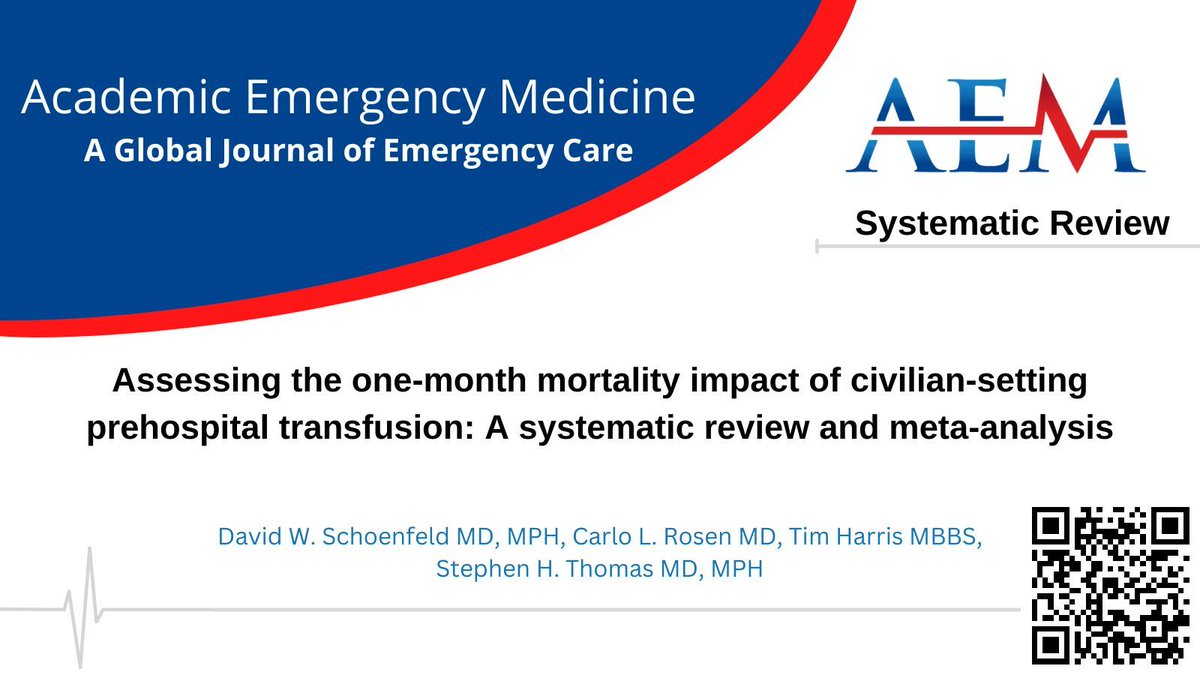
Meta-analysis from Dr. Schoenfeld found no significant one-month mortality benefit to civilian-setting prehospital transfusion. This should give pause to EMS systems considering transfusion programs #EMS #Transfusion @BIDMCEM
#AEM #EM
1
3
10
1,350
Mark Piehl retweeted

26 Sep 2024
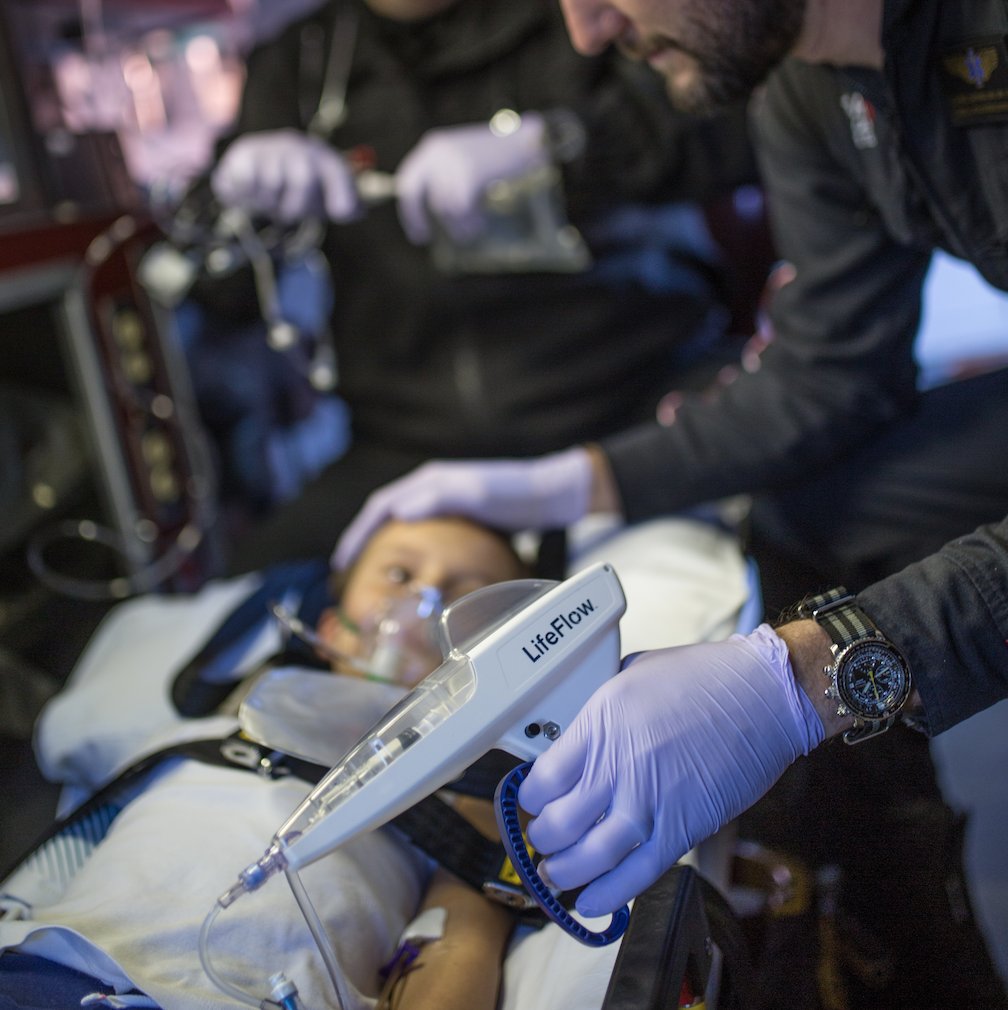
I spy @LifeFlow__ in action!
D.C. medics save trauma victims with on-site blood transfusions - The Washington Post washingtonpost.com/dc-md-va/…
1
1
5
216
Mark Piehl retweeted

14 Jan 2022
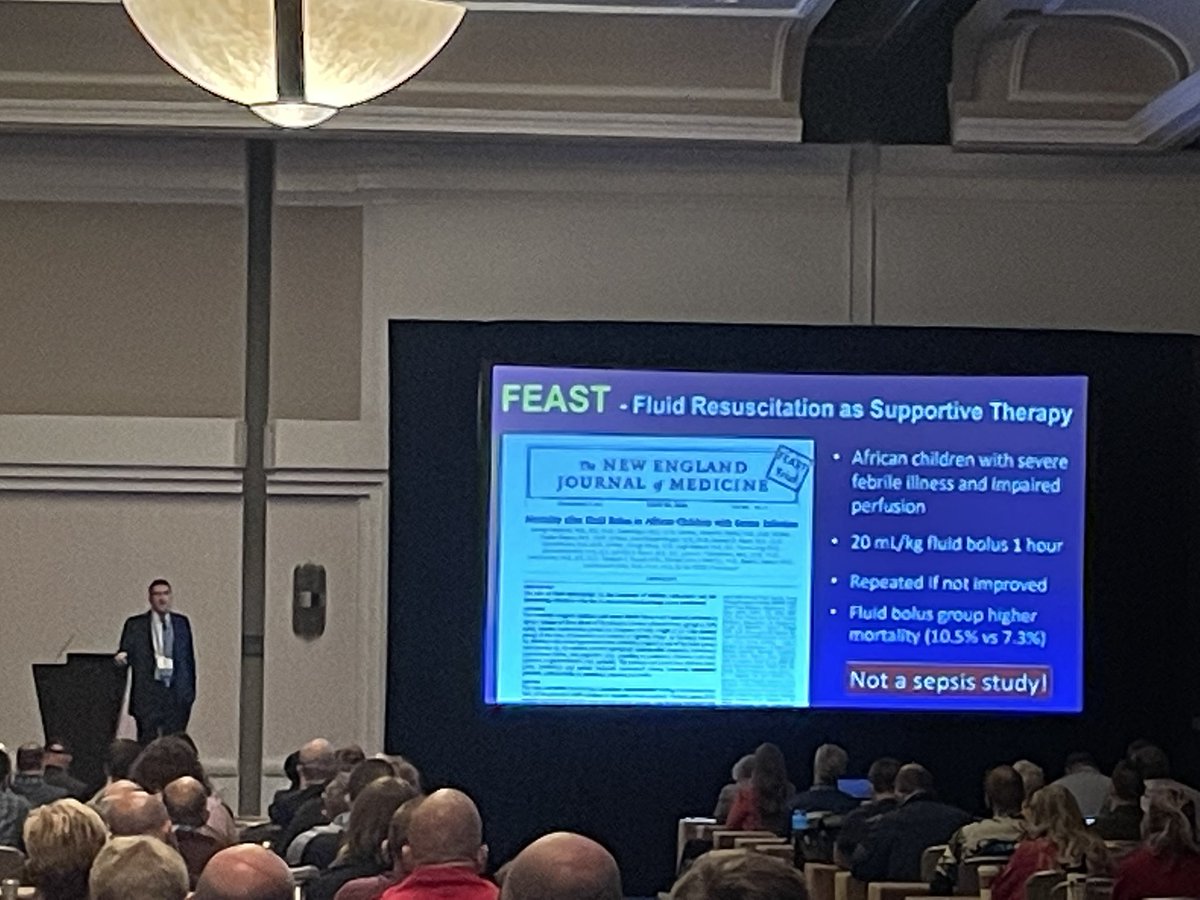
.@HandtevyMD sets the example of why it is so critical to appraise the literature yourself.
Ex: importance of inclusion criteria: recommendations for fluid resuscitation in peds shock based inappropriately study of children with malaria in Africa.
#NAEMSP2022
4
14
Mark Piehl retweeted

5 Jan 2021
Episode 34 of @littlebigmed is up! Taking a device from concept to commercial production with @markpiehl littlebigmed.com/medical-dev…
2
1
4
4 Sep 2019
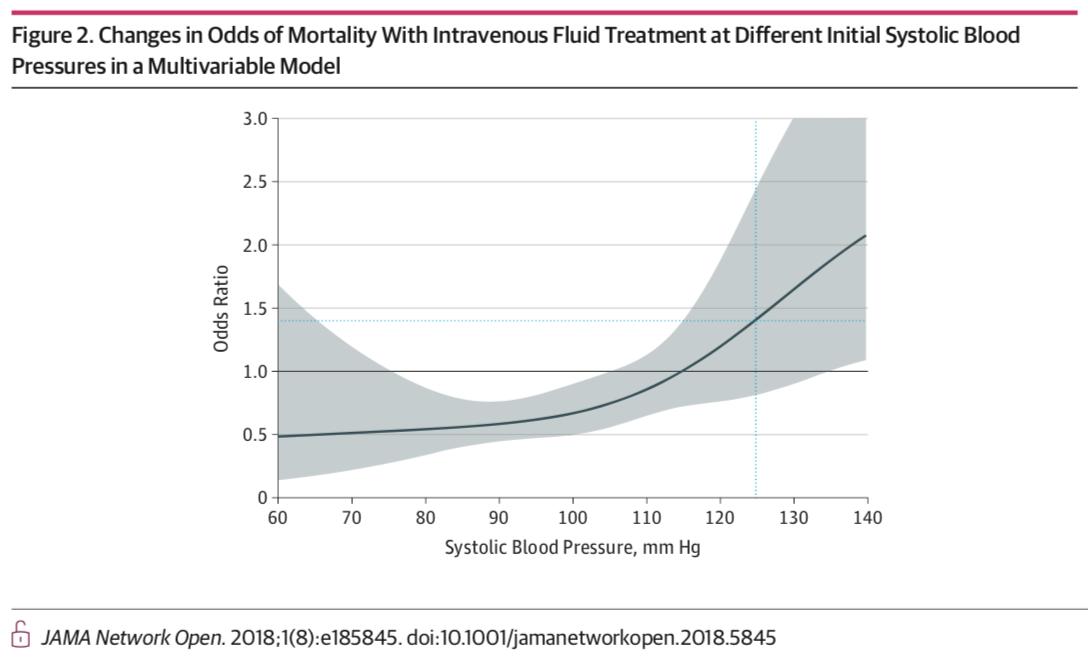
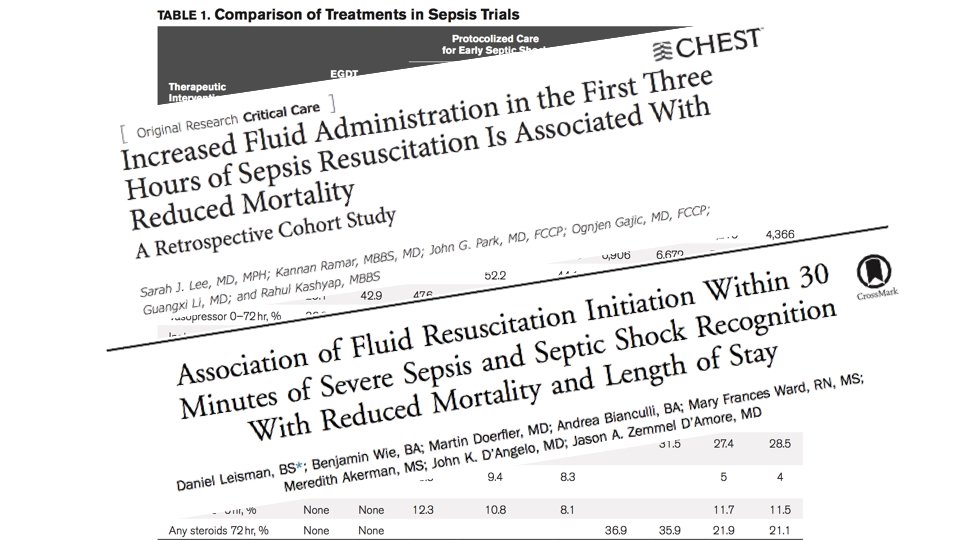
Yes thoughtful early fluid resuscitation still matters in #sepsis: lower mortality, shorter ICU stay, less intubation, especially in those who would seem to be at risk of complications: elderly, CHF, ESRD. Just like Leisman et al showed last year bit.ly/2lYnryr
30 Aug 2019
"This study adds to growing literature supporting early, rapid fluid resuscitation in patients with severe sepsis and septic shock, regardless of their perceived risk of becoming volume overloaded."
1
4
Mark Piehl retweeted

22 Aug 2019
Congrats to the folks at 410 Medical and Dr. @markpiehl 410medical.com/2019/03/27/tw…
2
1
2
Mark Piehl retweeted

8 May 2019
kids that are big sick and need intubated to save them, in which intubation can also kill them, think deep sedation intubation (4mg/kg ketamine) HFNC, without paralytic @markpiehl #FAST19
2
4
8
Mark Piehl retweeted
8 May 2019
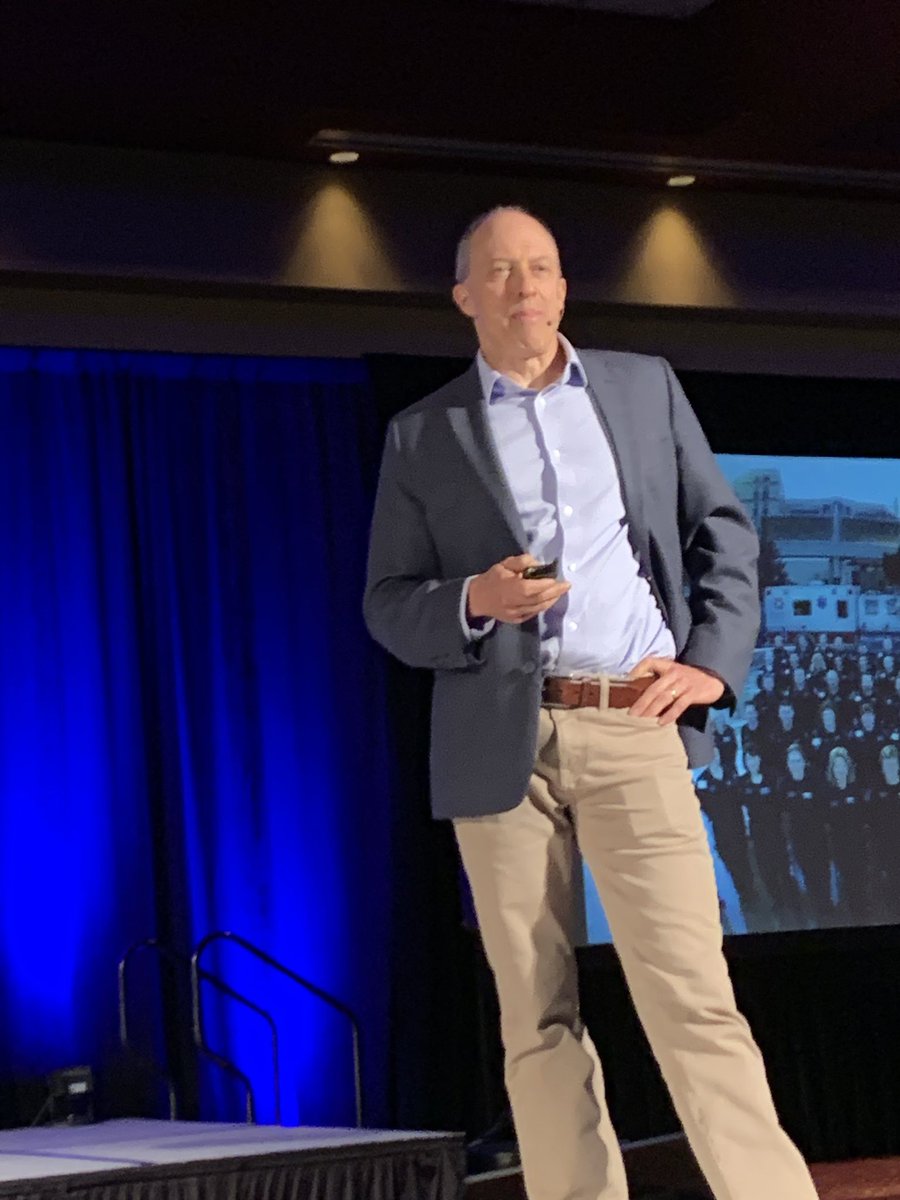
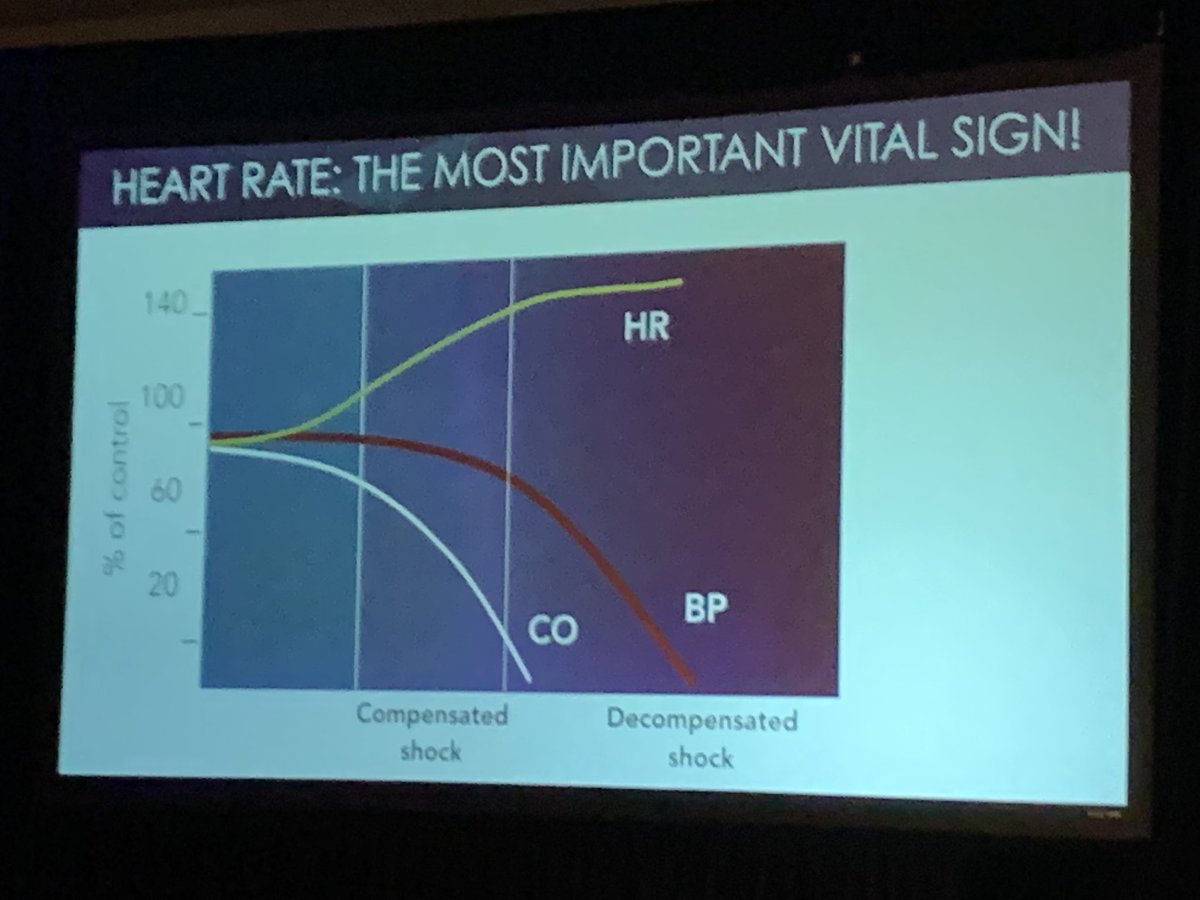
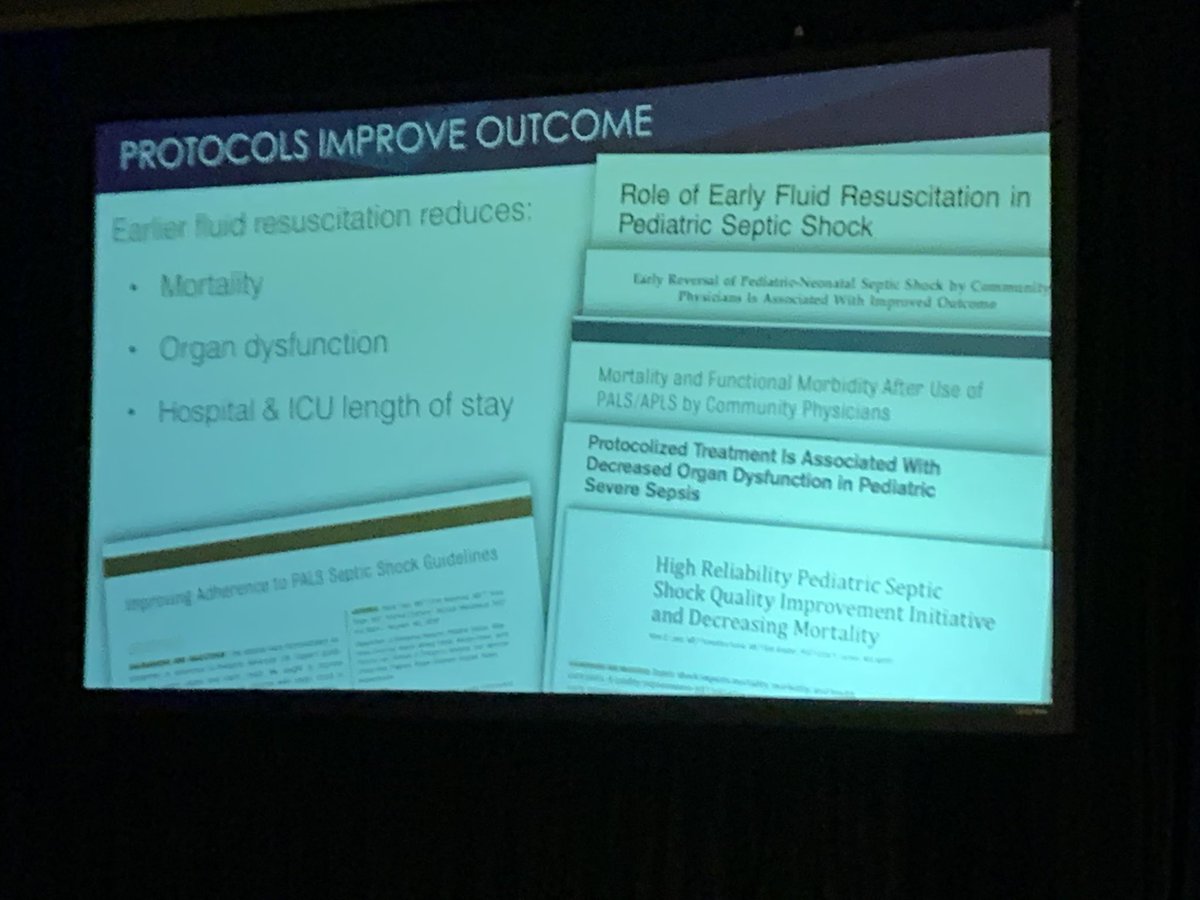
Dr Mark Piehl @markpiehl fluid resuscitation in pediatric patients the pitfalls and the priorities. Heart rate is the warning vital sign. #FAST19

2
6
18
Mark Piehl retweeted

7 May 2019
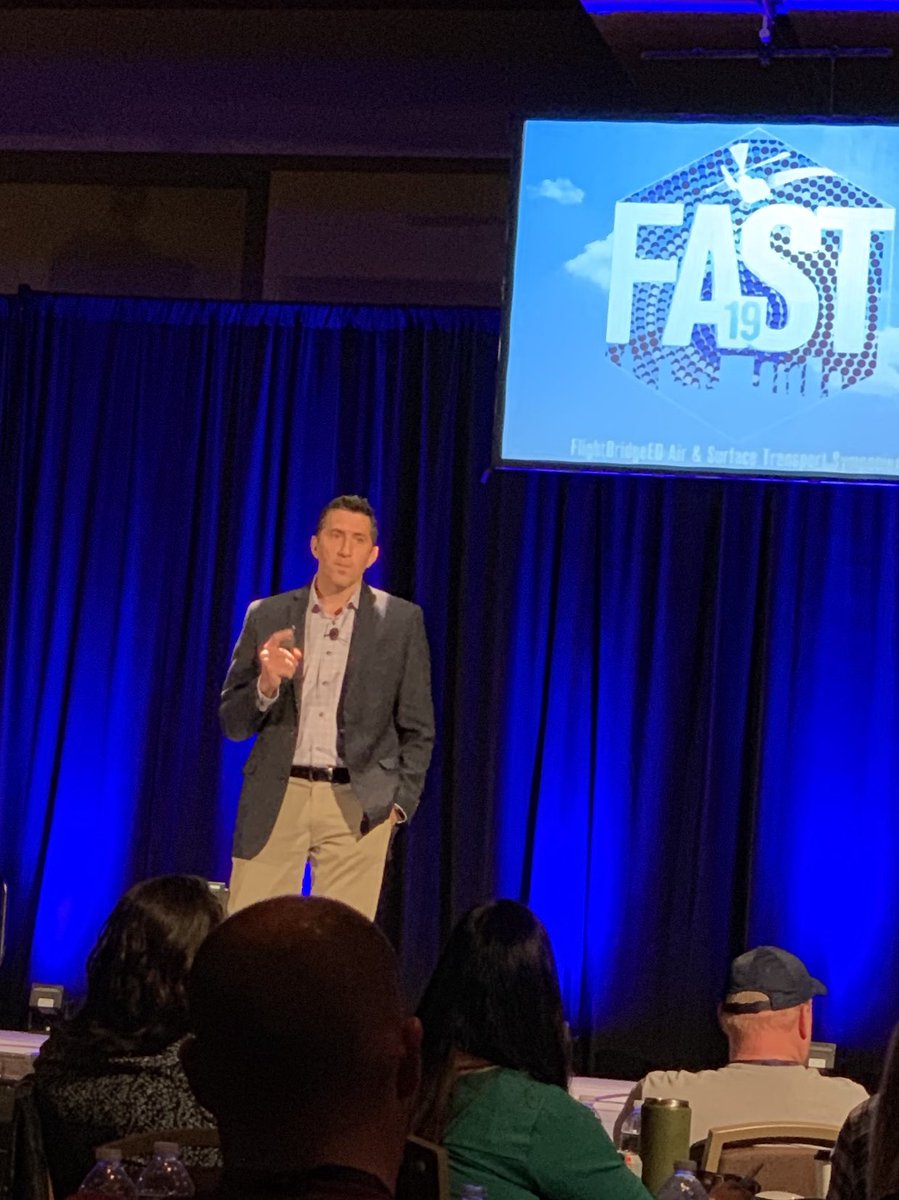
@HandtevyMD replaying the response to the Parkland shooting. Thanks for sharing the experience with us so we can learn from this horrible situation. #FAST19
3
13
25 Feb 2019
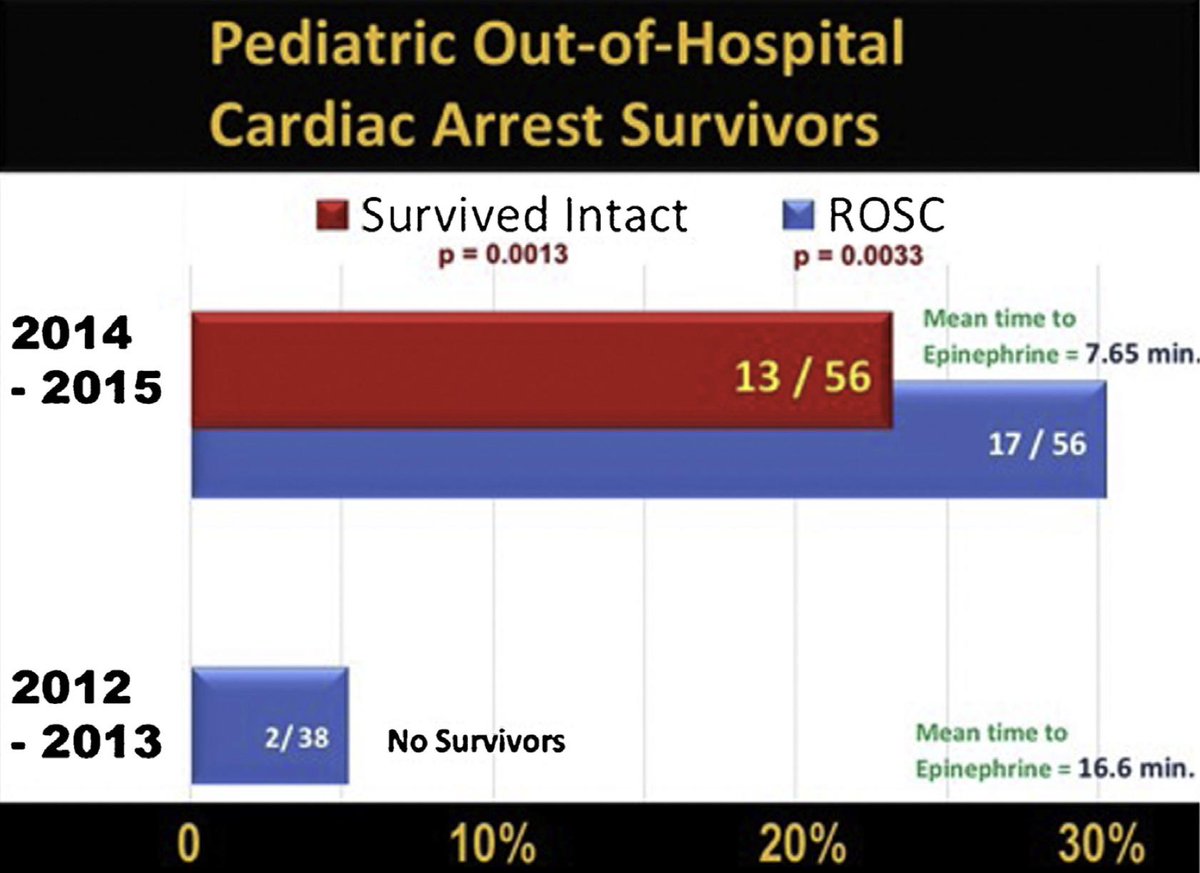
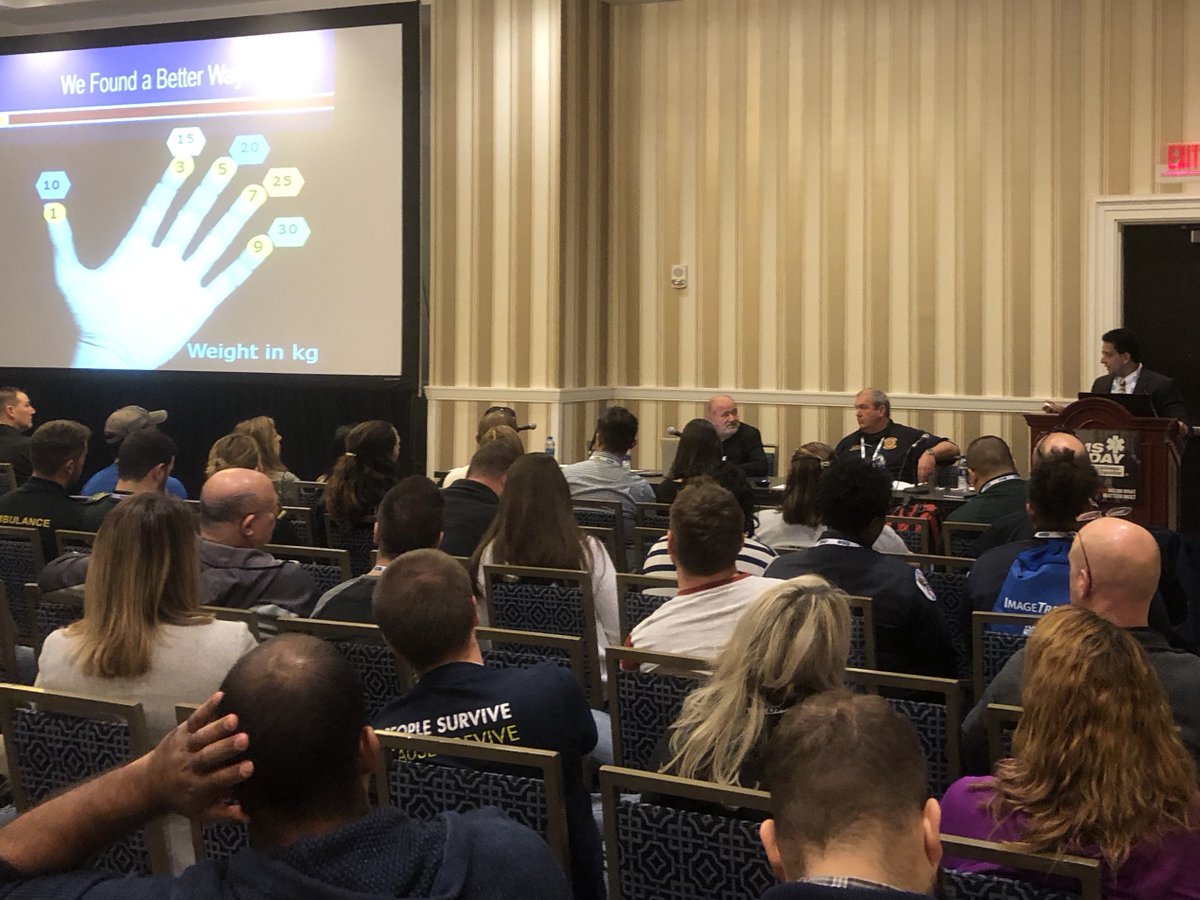
#EMSToday2019: @paulbanerjee & Polk Co EMS dramatically improve pediatric cardiac arrest survival using @Handtevy, on-scene management, targeted training bit.ly/2txVy0u
1
6
11
Mark Piehl retweeted

2 Nov 2018
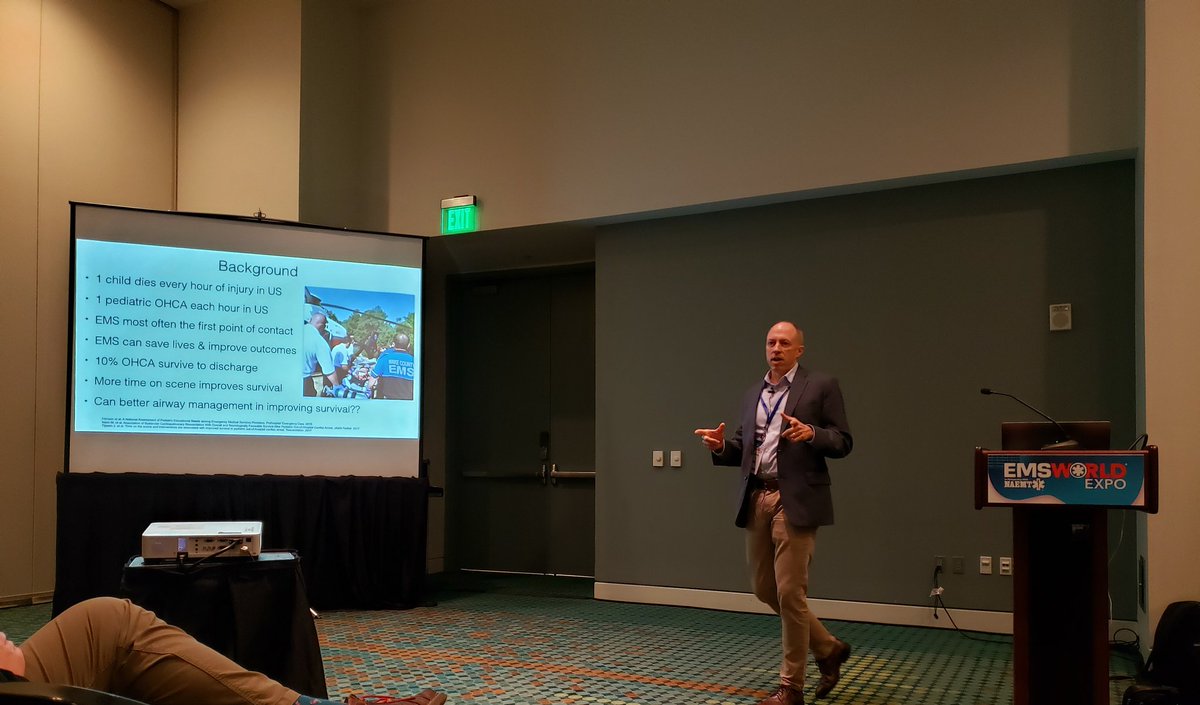
Great talk on sepsis and resuscitation from true innovators who are improving pediatric care in the prehospital setting and beyond! Thank you for what you do! @markpiehl @HandtevyMD #EMSWorldExpo2018
4
15
31 Jul 2018
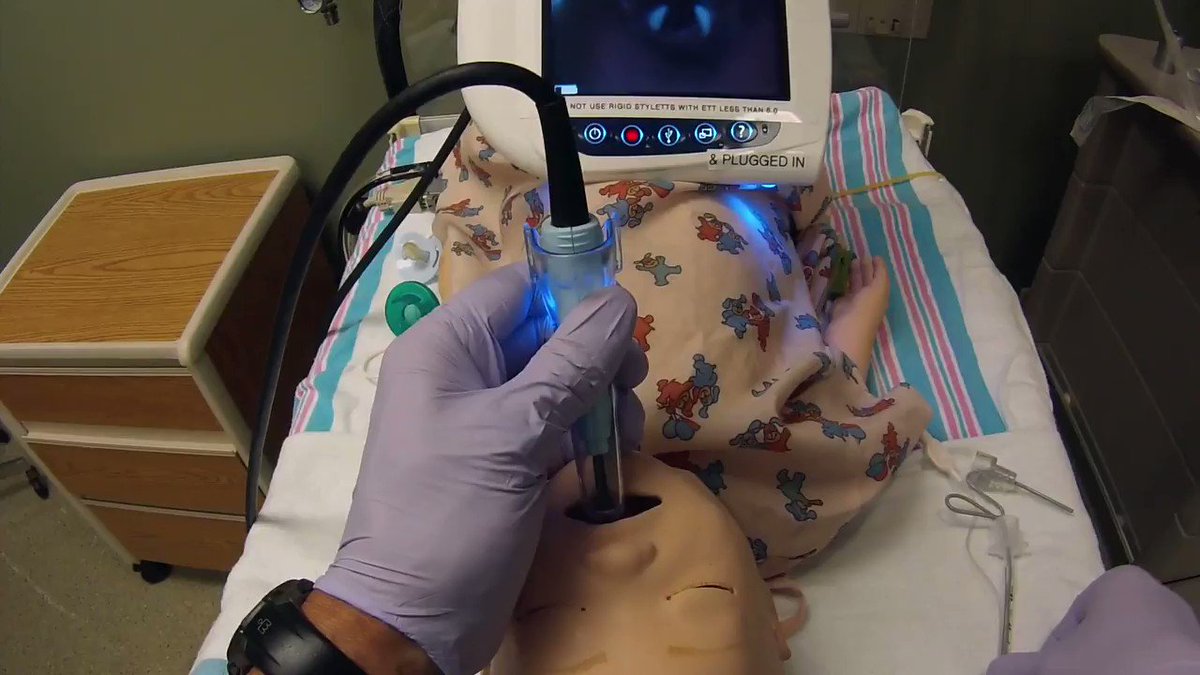
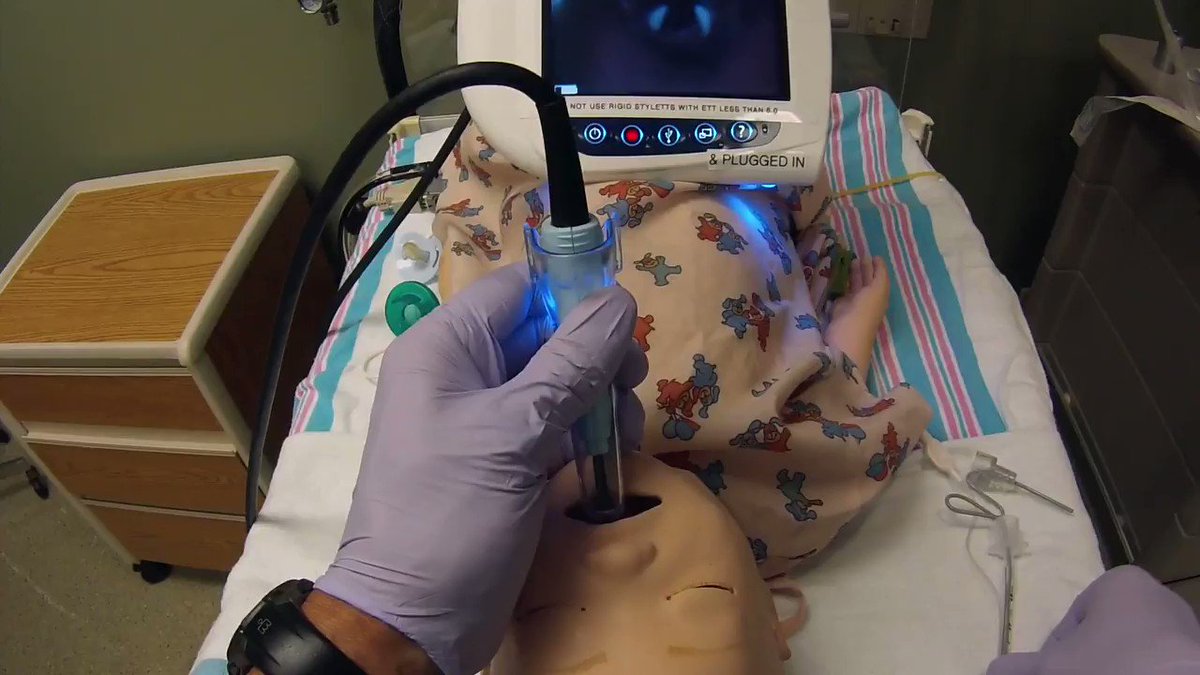
Totally agree, but would add pearl #9: “resuscitate before you intubate” from awesome #RebelEM post rebelem.com/critical-care-up… Hypotension is the biggest risk factor for peri-intubation cardiac arrest, a small but truly rapid fluid bolus can fix that
30 Jul 2018

Following these eight pearls for safer tube placement will help you be prepared for adverse #airway events, arm you with the tools you need, and encourage you to keep one eye to the future as you perform this important—yet difficult—procedure. buff.ly/2NMOvcD @henrywangmd
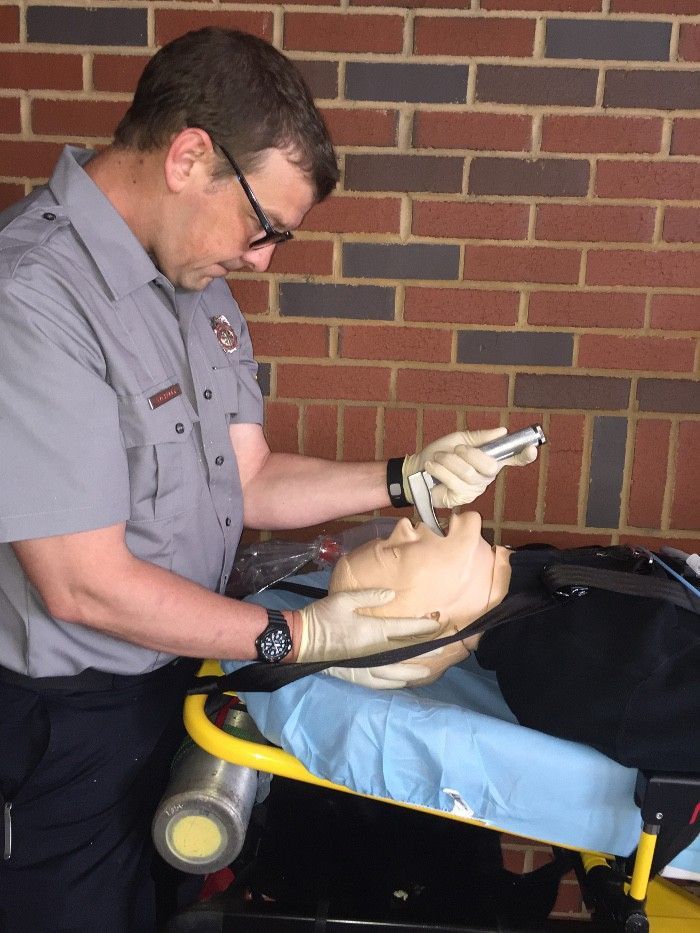
ALT The classic position for performing intubation is with the patient supine and at your xiphoid—this position allows the entire left arm to contribute to laryngos-copy while affording a direct view of the patient’s mouth and airway. Photo courtesy Henry E. Wang
4