Interested in - International Security - Human Development - History of Western Civilisation - Space Travel - Beautiful Towns & Wild Spaces.
Joined December 2011
- Tweets 5,658
- Following 4,013
- Followers 499
- Likes 18,141
Photos and videos
marksconway retweeted

May 28
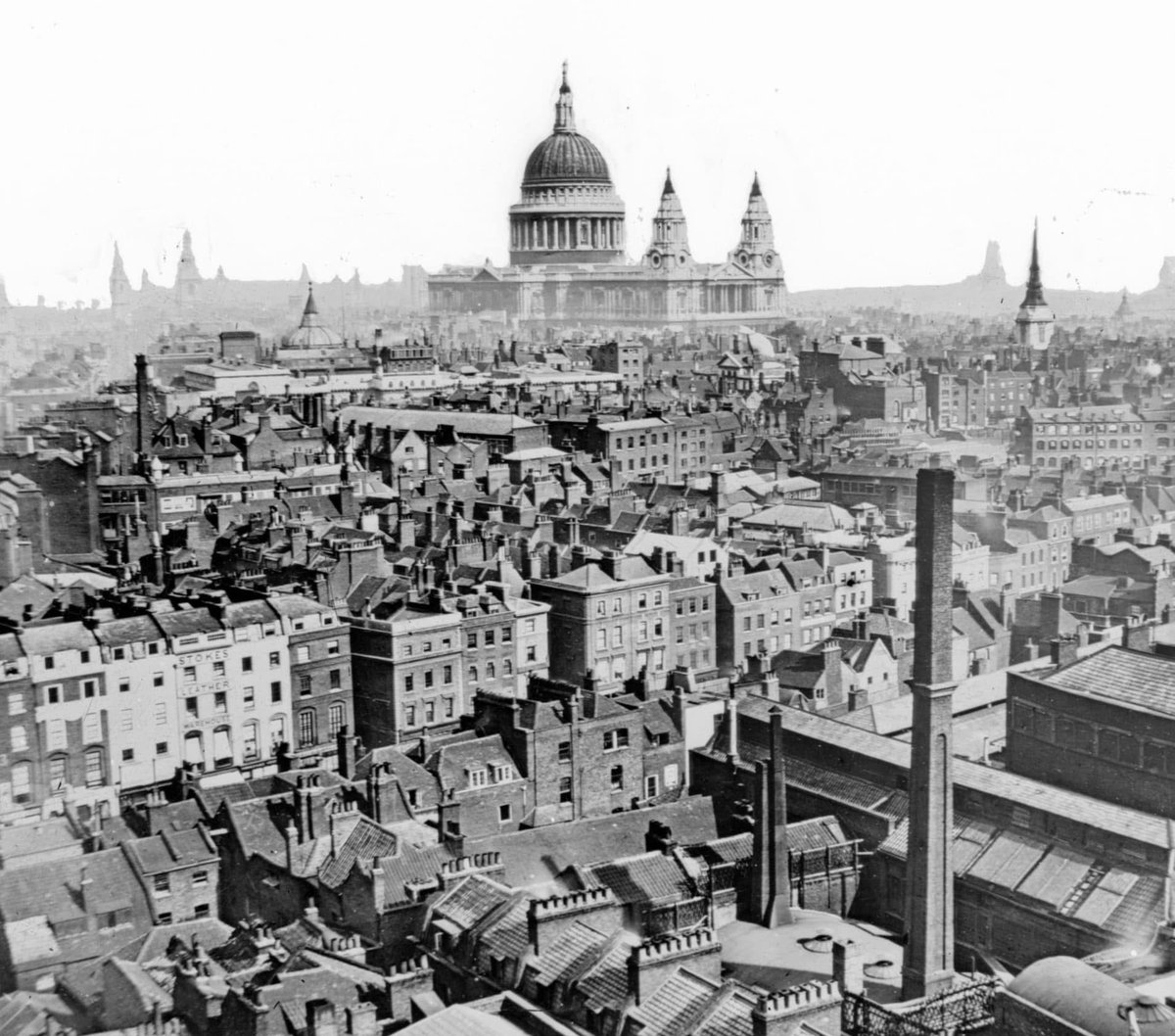
Taken in 1865 - the year Abraham Lincoln was assassinated & Lewis Carroll's Alice made her first trip to Wonderland - this extraordinary photo of Dickensian London never ceases to take my breath away.
26
321
1,704
33,418

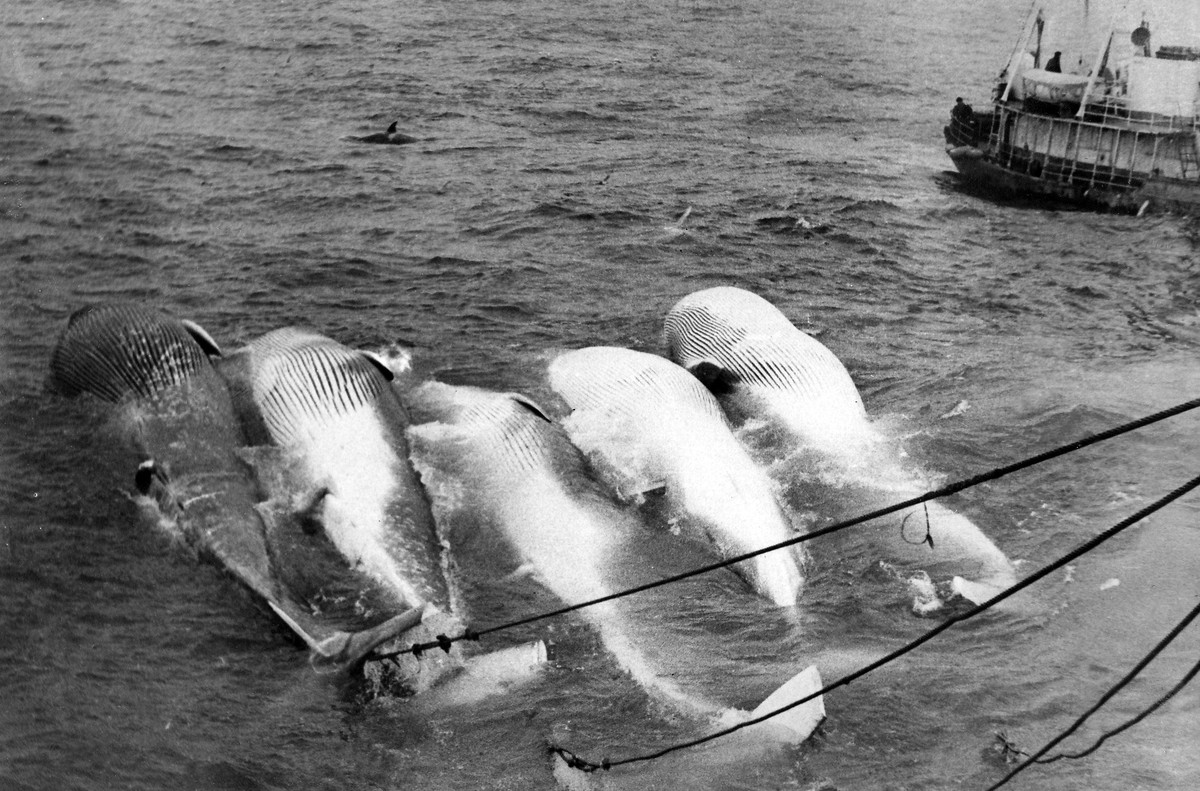
The Soviet whaling fleet killed 180,000 whales between 1948 and 1973, delivering rotten carcasses that nobody wanted to eat. Soviet citizens had zero demand for whale meat. The ships hunted anyway, fulfilling quotas handed down from central planners who counted tons of dead whale as economic output.
This was bureaucratic box-checking that nearly drove multiple whale species to extinction. Soviet whalers targeted endangered right whales and humpbacks specifically because they were larger, helping them hit tonnage targets faster. The meat rotted on deck during long voyages back to port, where officials dutifully recorded the numbers and sent reports to Moscow declaring another successful harvest.
Central planners measured success in tons harvested, not consumer satisfaction or long-term sustainability. Factory managers got promoted for exceeding whale quotas, regardless of whether anyone actually wanted whale meat (they didn't). The feedback mechanism that normally connects production to human needs had been severed entirely. When bureaucrats replace market prices with administrative targets, you get mass slaughter with zero purpose.
You still see this today every time politicians promise to "create jobs" in industries that lose money year after year. When government agencies measure their success by dollars spent rather than problems solved. When university administrators chase enrollment numbers instead of student outcomes.
Remove the profit motive and price signals, and you get 180,000 dead whales rotting in the sun while commissars celebrate meeting their targets. You don't get rational planning.
Socialism is fundamentally destructive to the environment and inevitably leads to ecological disasters.
381
4,508
18,416
1,146,378
marksconway retweeted

May 19
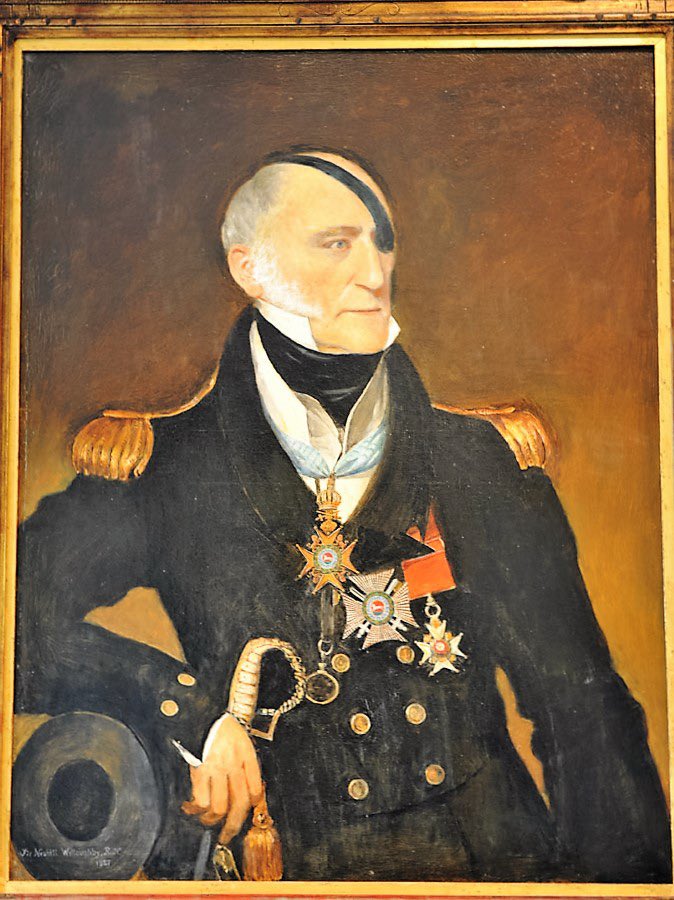
#OnThisDay 1849 Rear Admiral Sir Nesbit Josiah Willoughby died. His remarkable though controversial career saw him wounded multiple times, court-martialled 4 times, dismissed the @RoyalNavy
then taken back, fighting for the Russian Army. He was described as undoubtedly violent.
13
27
144
8,142
marksconway retweeted

May 16
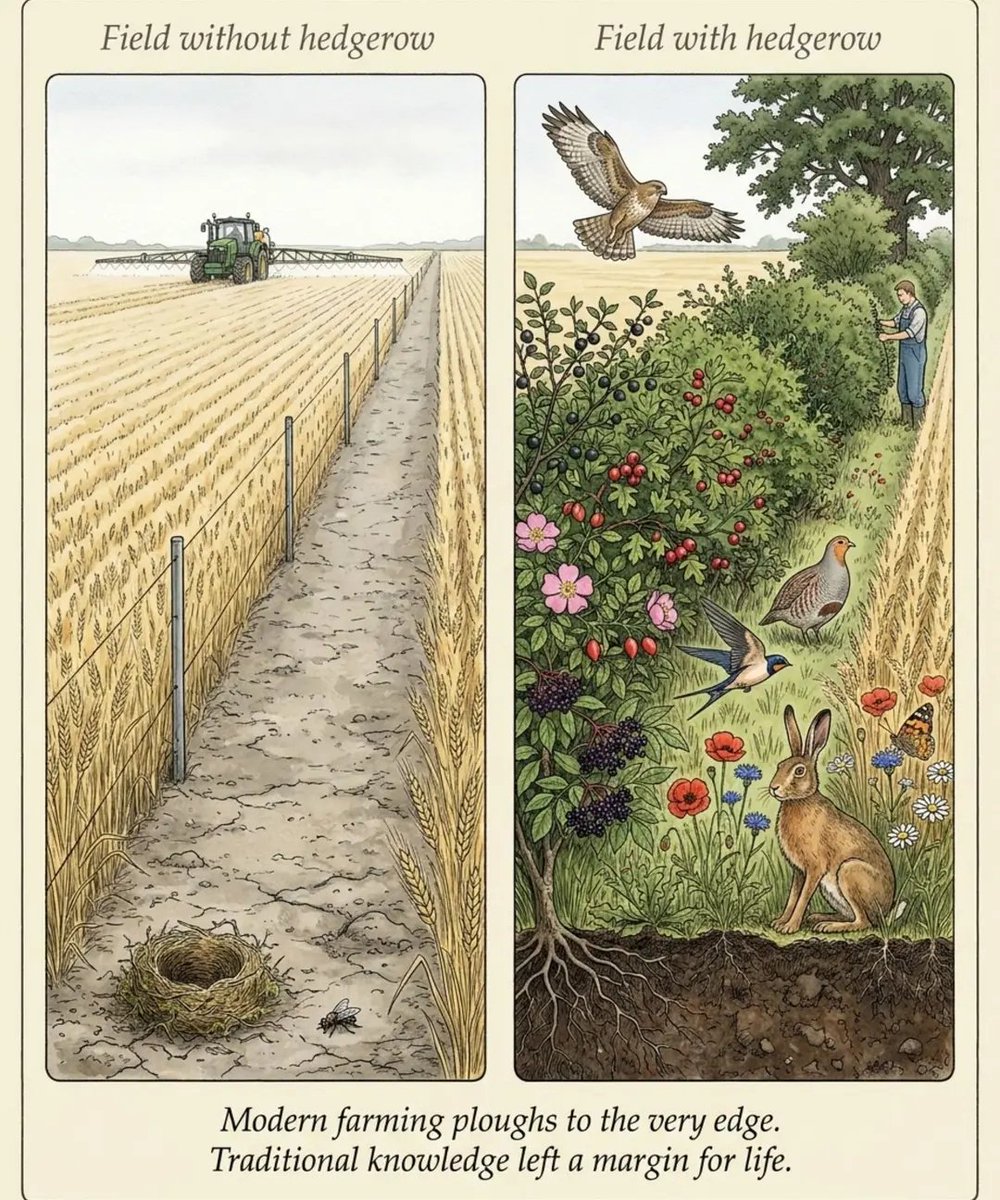
Britain has lost around half its hedgerows since the Second World War. The wildlife that depended on them has followed a similar trajectory. 🌿
The old field boundary — a strip of blackthorn, hawthorn, dog rose, and elder two to five metres wide between cultivated ground — was not wasted agricultural space. It was a functioning ecological system that maintained pollinators, pest predators, and farmland birds across centuries of working land.
Each hedgerow is a nesting corridor for grey partridge and skylark, a foraging habitat for brown hares and hedgehogs, a site for solitary bee colonies, and a windbreak for the crops alongside it.
The field cultivated to its very edge gives the maximum return this season. It removes the populations of beneficial insects, farmland birds, and small mammals on which stable long-term production depended.
The field with a hedgerow yields a few percent less per cultivated hectare — but remains productive across decades without compensatory chemical inputs. The documented declines in grey partridge, lapwing, and skylark across the British agricultural landscape since the 1970s are directly linked to field consolidation and hedgerow removal.
Practical equivalents for the garden or smallholding:
- A strip of wildflower meadow at least one metre wide at the plot boundary
- A clump of nettles in a shaded corner as a habitat base for red admiral, small tortoiseshell, and peacock butterflies
- A native mixed hedge of blackthorn and hawthorn in place of post-and-wire fencing
- A section of uncut grass between rows of fruit trees
#HedgerowHabitat #FarmlandWildlife #NativeHedge #GardenWildlife
170
3,057
9,230
223,885
marksconway retweeted

May 15
In a workshop on the outskirts of Bletchley (it had to be there, didn't it), on the 26th of March this year, a small British company called Pulsar Fusion did something that has not been done by any other company or government on Earth.
It ignited a controlled plasma inside the test chamber of a working nuclear fusion rocket engine.
The plasma held, along with the chamber. The fusion reaction was the kind of reaction that, contained inside a sufficiently engineered magnetic bottle, will one day take a crewed British vehicle to Mars in 30 days rather than 8 months, and that will, within the working lifetime of the engineers presently building it, make the outer planets of the solar system accessible to anyone with a British passport.
The geography of the achievement deserves a longer moment of pause. Bletchley, in 1942, was where Alan Turing and his colleagues broke the Enigma cipher and almost certainly shortened the war in Europe by two years. Pulsar Fusion's headquarters sits roughly 600 yards from the Hut where they did it.
The country that did the maths inside that hut has just, less than a mile down the road, ignited the plasma that could power the next century of human space travel. There is a continuity of British scientific lineage here that is, on the face of it, almost embarrassingly providential, and it is almost completely unreported in the British press.
It's not quite Kitty-Hawk-to-the-moon in 61 years, but it's close.
Like so many great companies of profound importance, Pulsar Fusion is pretty small. It was founded in 2013, and employs around 50 staff. Its chief executive, Richard Dinan, is a working British physicist who has spent the last decade quietly assembling the team and the capital to do what the world's national space agencies have been promising for 60 years and consistently failing to deliver.
The competing American programmes, principally at NASA's Glenn Research Center and at the Princeton Plasma Physics Laboratory, are years behind on the propulsion side. The competing Chinese programmes are obscure but, on what is known publicly, also behind. The European Space Agency is, as ever, organising a workshop. Pulsar fired its plasma in March and has been preparing the next-stage tests in the months since.
What this kind of capability means, when commercialised, is genuinely vast.
The economic argument for getting a payload to Mars in 30 days rather than 8 months is not principally about the human passengers, though there is one. It is about cargo. Given a 30-day transit, Mars becomes a logistically tractable destination for the kind of infrastructure-build that turns it from a flag-planting science mission into a working industrial site.
The argument for the outer planets is even larger. The asteroid belt alone, on conservative mineralogical estimates, contains more economically viable platinum-group metals than the entire crust of the Earth has been mined for in industrial history. The first country with reliable fusion propulsion is the first country with reliable access to that supply. The country that holds that capacity, fifty years from now, will be holding the most consequential industrial advantage of the 21st century, and there is no obvious second prize.
The standard British response to this kind of thing is to either ignore it entirely, sell the company to an American buyer at series B (the DeepMind path) for fire-sale prices, or fund it at the level of a Whitehall departmental tea and coffee budget (the Skycutter and Orbex paths).
The standard British response will not be sufficient. Pulsar Fusion needs the kind of patient capital that turns a working demonstration into an operational engine, and that, in turn, into a manufacturing capability. The British state, on present form, is structurally incapable of providing it, British pension funds are structurally incapable of investing in it, and the British political class will, on present form, only notice if it somehow manages to swing a leadership election.
I wantt= Pulsar Fusion treated as a national-strategic asset, and beyond that as a potential subject of national destiny.
The Sovereign AI Fund that backed Ineffable Intelligence has a clear template. The Prosperity Zone programme we designed at Progress that anchors heavy industry at SaxaVord and Teesside has the geographic flexibility to include a fusion-propulsion cluster in Buckinghamshire, six miles from the most evocative site in modern British scientific history.
The procurement architecture of every major British defence and space agency should, from this autumn, be writing offtake contracts contingent on Pulsar's milestones. There's nothing extreme about these ideas. We could have been doing it decades ago.
I always conceived of Britain as being as much among the stars as it is on Earth. To buy into the idea of Britain as a culture and polity is necessarily to buy into the concept of the human being as an illimitable force. Our history is littered with happy instances of people of great fortitude hitting upon obstacles and, with a cry of "This will not stop us", clearing the way for our brothers and sisters to follow through.
A small British company in Bletchley has, while nobody was looking, extended that arm of our tradition, by accomplishing one of the most important pieces of scientific engineering of the decade.
The country that produced them is, in a measurable sense, the same country that produced the Bombe, the Colossus, the jet engine, the structure of DNA, and the World Wide Web. The capacity is intact. The political class capable of recognising it must catch up, and will.

93
339
1,560
251,223

marksconway retweeted

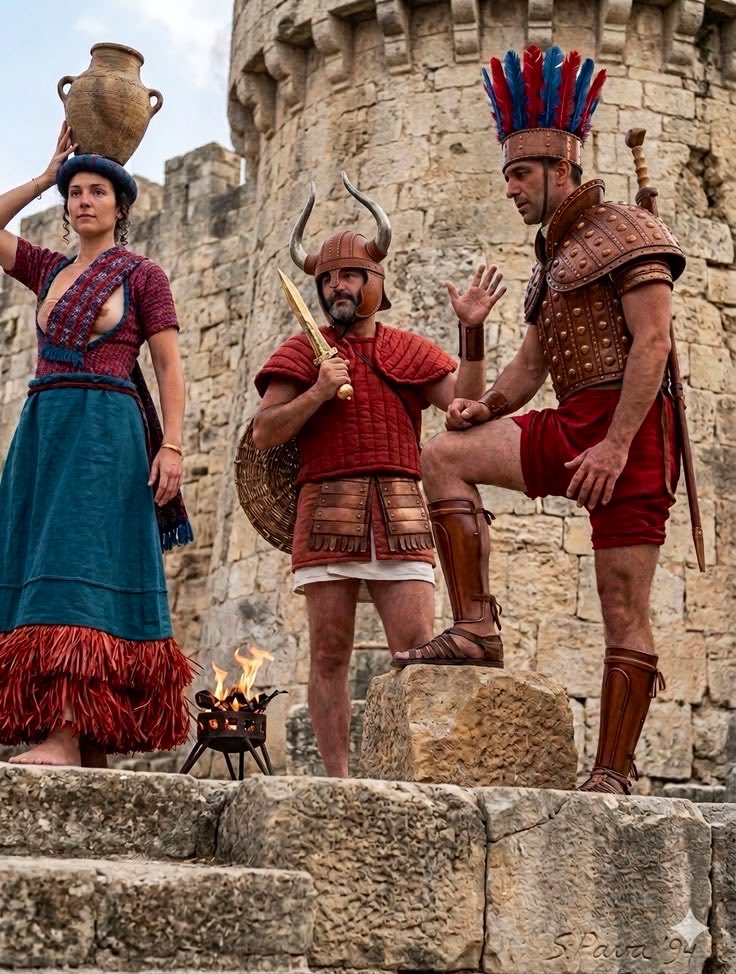
Mycenaean Greeks of the Bronze Age
26
123
1,897
41,343
marksconway retweeted

Apr 28
In that brief moment, the frog attained something like divinity as conceptualised by the Ancient Greeks. That frog was Prometheus, stealing fire from the gods. He lived more than 99.99% of all human beings have ever truly lived.


27
246
3,718
80,373
marksconway retweeted

Apr 26
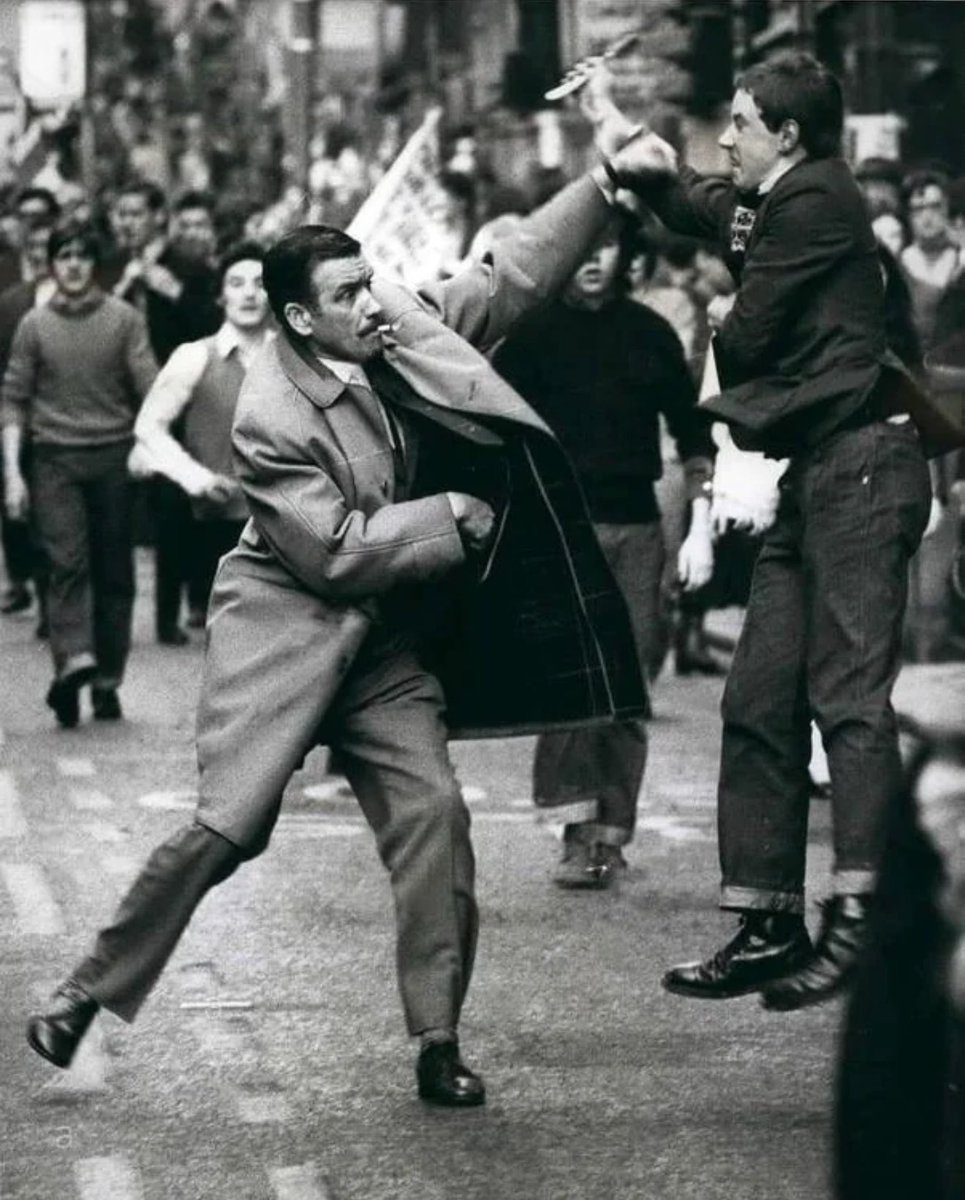
A plainclothes Policeman blocks a razor blade attack in Glasgow, 1971.
86
270
3,652
228,605
marksconway retweeted

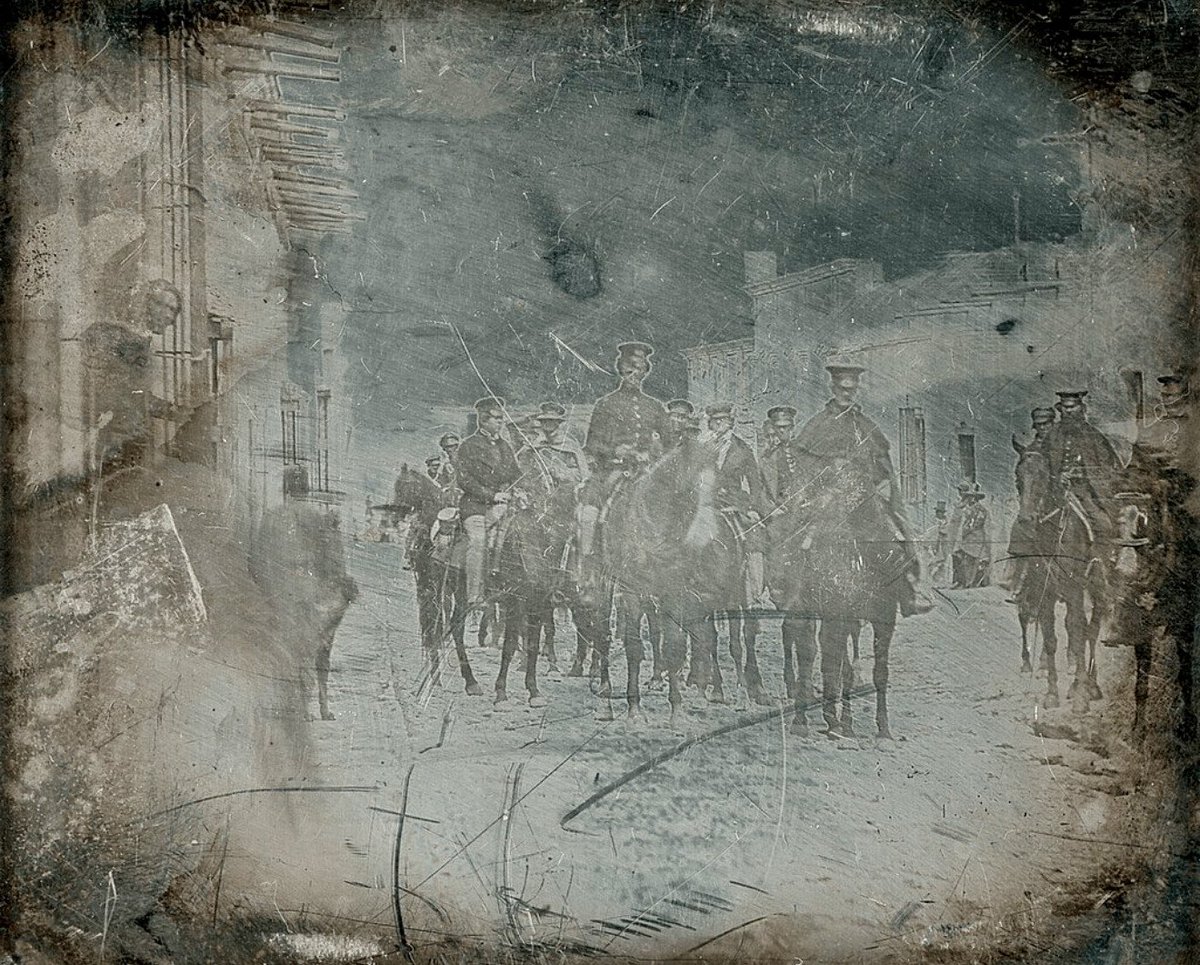
The first ever war to be captured by camera, the Mexican-American War, 1847.
26
514
5,266
196,636
marksconway retweeted

Apr 20
NEW: Astronaut Reid Wiseman shares a video of ‘Earthset’ that was taken with his iPhone
“This is uncropped, uncut with 8x zoom which is quite comparable to the view of the human eye…” Wiseman said.
This has to be the greatest iPhone video of all time.
1,348
4,936
45,518
1,536,671
marksconway retweeted

Apr 19
Imagine being under the ocean for 23 days breathing heliox.
These guys earn every dime
245
1,573
27,610
2,187,857
marksconway retweeted

Mar 25
We're touched to be seen by some as a National Treasure. Now we need your help in getting other National Treasures to support #SaveDenby
We have @jamesmartinchef, Great British Sewing Bee's Patrick Grant and Great British Bake Off's @bakesbymichelle behind us.
Tag others here...

45
542
1,649
20,619
marksconway retweeted
Mar 19
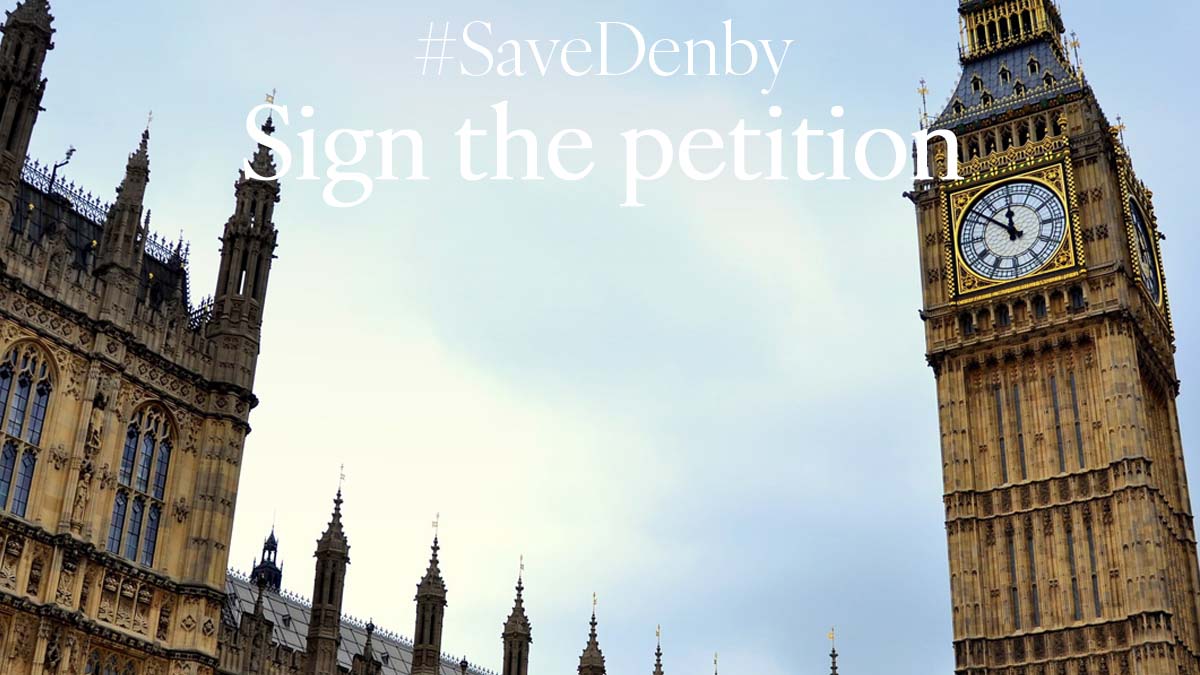
We need your help to #SaveDenby!
We are sad to share that we may be forced to close and a British institution could be lost.
We need your help:
1. Share this post
2. Sign the government petition
3. Buy Denby
4. Visit us at the Pottery Village
Read more: denbypottery.com/pages/save-…



254
5,322
9,273
1,442,610



marksconway retweeted

Mar 18
Evelyn Waugh chatting with Elizabeth Jane Howard about being old [he was 60 at the time].
48
244
1,232
131,381
marksconway retweeted

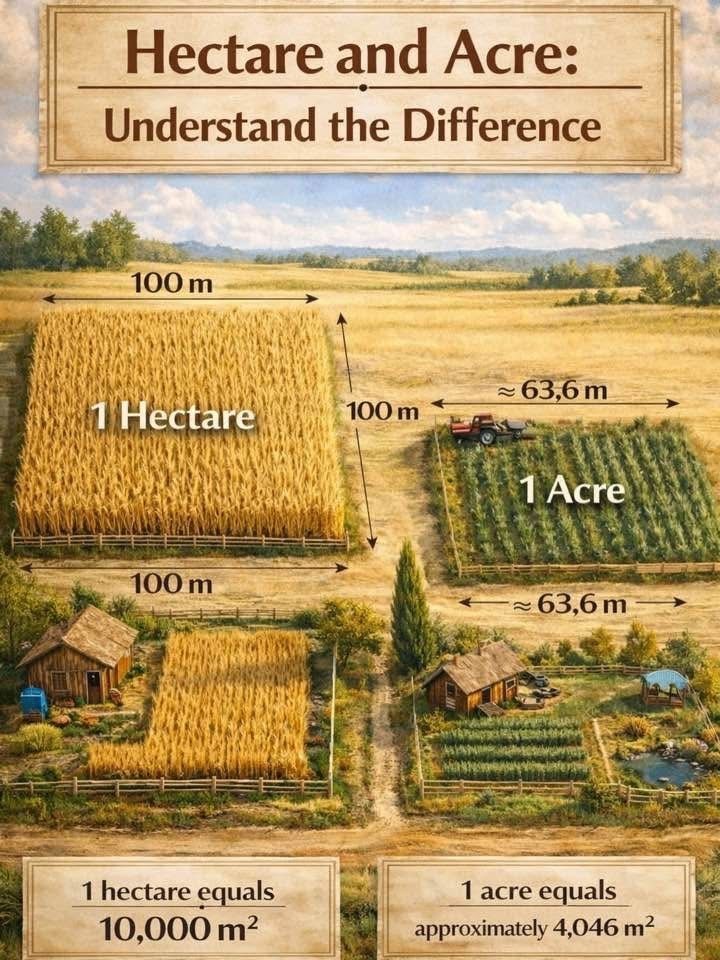
Not coming from an agricultural background, some measurements don’t make intuitive sense to me. A Hectares are easy enough to come to terms with: 10,000 square meters. Easy. An acre?! I still can’t wrap my head around this…
271
74
596
449,154
marksconway retweeted

Mar 17
How Flowing Water Slowly Carves Valleys
Over Time
58
303
4,626
2,992,209
marksconway retweeted

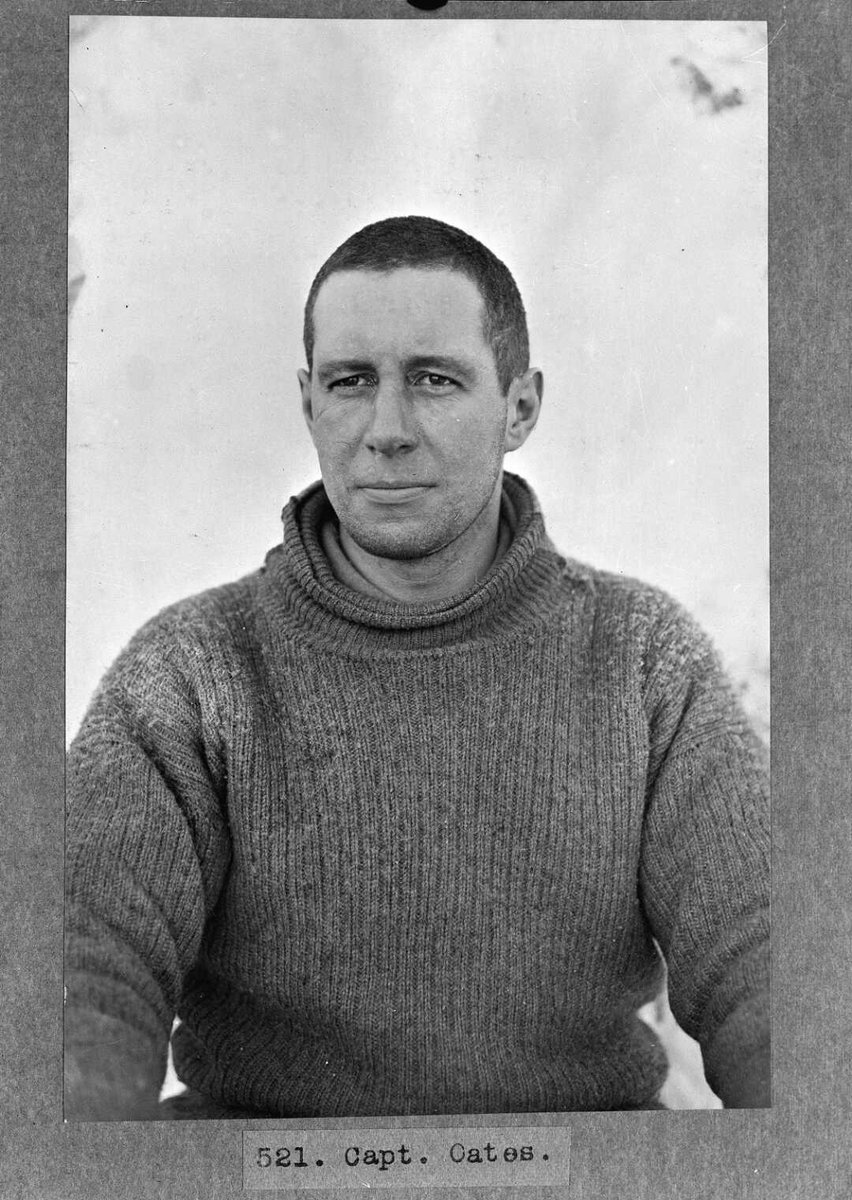
Born #OnThisDay in 1880, Captain Lawrence Oates made the ultimate sacrifice on the day of his birth in 1912, by stepping out of his tent into a blizzard never to be seen again. Oates was an integral part of Scott's Polar Party, during the British Antarctic 'Terra Nova' Expedition 1910-1913, and made a brave attempt to preserve enough supplies for Scott, Wilson and Bowers during their return from the South Pole.
Oates was severely frostbitten, weakened and suffering from scurvy. Believing he was slowing the other men down, Oates died so they could have a chance at living. As he left the tent, Oates's famous last words are recorded as "I'm just going outside and may be some time..."
Captain Scott recorded these words in his diary, and some uncertainty lies over whether it was on the 16th or 17th March, the day Oates was born 32 years earlier. Scott also wrote of Oates in his diary, "...it was the act of a brave man and an English gentleman."
Lawrence Oates was born in Putney, Surrey and in 1898, joined a militia regiment, the 3rd Battalion of the West Yorkshire Regiment. In 1900, he was given an attachment to the British Army's 6th Inniskilling Dragoons and fought during the Second Boer War in South Africa. During the war Oates suffered a bullet injury to his thigh, leaving him with a limp and one leg shorter than the other. This injury caused him further pain, when the chill of the Antarctic intensified the effect of his injuries.
Oates' body was never found, however near where it is presumed that he died the search party erected a cairn and cross with the inscription;
'Hereabouts died a very gallant gentleman, Captain L. E. G. Oates, of the Inniskilling Dragoons. In March 1912, returning from the Pole, he walked willingly to his death in a blizzard, to try and save his comrades, beset by hardships.'
📸 Lawrence Oates, Alexander Turnbull Library
#OTD #inspire #explore #discover #conserve #Antarctica
23
132
763
17,698
marksconway retweeted

Mar 16
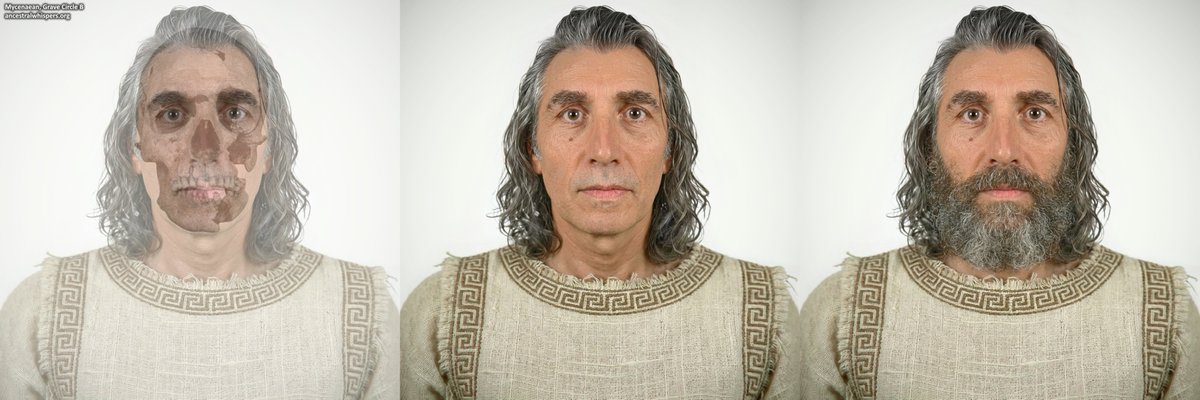
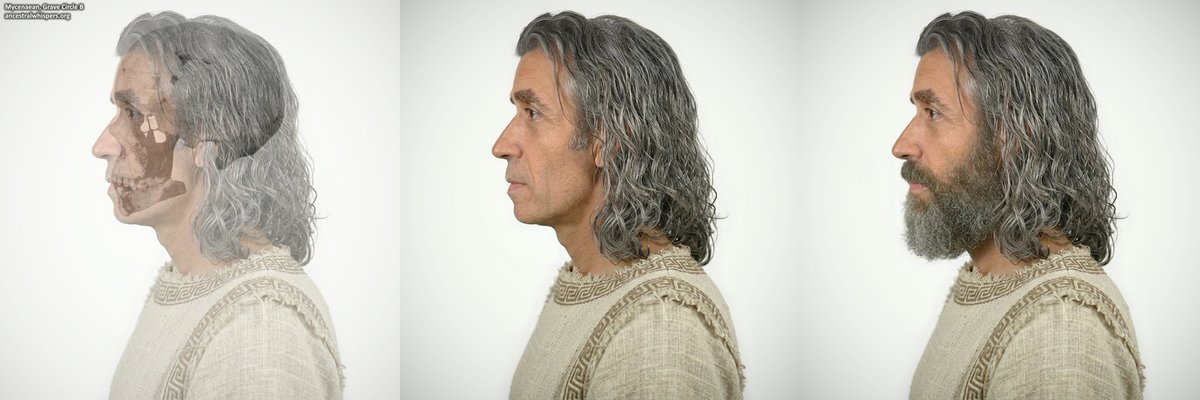
Facial reconstruction of a 3,600-year-old Mycenaean Greek
In the middle of the 20th century, archaeologists discovered in Mycenae Grave Circle B, another royal cemetery that preceded Grave Circle A. The burial complex was discovered accidentally in 1951 when workers were excavating a nearby 13th-century BCE tomb known as the Tomb of Clytemnestra. Grave Circle B consists of 26 graves, dated to 1675–1550 BC, including 14 shaft graves. The shafts, up to 12 meters deep, were marked by burial mounds or stone stelae. The cemetery was probably used for about 100 years. The remains of 35 individuals were found in the graves.
The large number of undisturbed graves allowed archaeologists to gain insight into the life of the Mycenaean elite of that time. In the women’s graves, many ornaments were found: earrings, necklaces, and gold and silver pins. Alongside the male skeletons were swords, daggers, and arrowheads; men’s clothing was decorated with gold. In one of the graves, a helmet made entirely of boar’s tusks was discovered.
There are more female skeletons than male ones, and overall the female burials are richer.
A unique find is a posthumous mask made of electrum, which was not placed on the deceased’s face but kept in a wooden box beside him. Another interesting artifact is a duck-shaped bowl made of rock crystal.
Unlike the remains from Grave Circle A, the skeletons from the burials of Grave Circle B are well preserved. The bones of the men show traces of combat injuries, suggesting that some of these individuals likely died in battle.
As early as the 1950s, it was suggested that members of several (probably four) noble families were buried in Cemetery B over 3–4 generations. To test this hypothesis, in 1995 anthropologists reconstructed faces from seven skulls found in the burials. Researchers discovered a clear resemblance between two individuals — Z59 and F51 — and divided the seven buried individuals into three groups: “heart-shaped,” “elongated,” and “beak-shaped” faces.
In 2008, a genetic study was conducted on 22 skeletons from Grave Circle A. Samples were taken from mandibles and clavicles. Mitochondrial DNA was successfully obtained from four individuals, showing that a man and woman from the same grave (where the posthumous mask was found) were brother and sister. Researchers believe that both men and women of the royal lineage in this ancient society inherited power by right of birth.
The skull of an individual from grave Sigma (Σ131) is particularly well preserved. It is the only one in which the lower jaw was present. It is believed that he may have been the founder of the dynasty that established this cemetery, since his grave is one of the earliest in Circle B.
There were no pottery or metal objects in his grave, but the burial was marked by a large heap of stones. The anthropologist Lawrence Angel reckoned that he lived to be about 55 years old, judging from the exostoses on his shoulders and feet. Although today these would not be considered precise indicators of age—and his dental age may have been slightly younger than 55—he was still the oldest of all those buried in Circle B. Angel described him as a massively built man, big enough to draw attention in a crowd, and estimated his height at 1.75 m. He suffered from osteoporosis and had a large abscess above the upper right permanent lateral incisor.
43
155
1,027
142,256