
Joined November 2008
- Tweets 33,048
- Following 4,813
- Followers 4,418
- Likes 45,383
1,350 Photos and videos
Pinned Tweet

30 Apr 2020
Looking forward to reading work from co-authors @14prinsp @JulianaR71 @bonstewart @HayesAneta @Michael_Kwet @ConnectEdProf @Neil_Selwyn @dgasevic @BenPatrickWill & continuing the conversation...
My paper with @michaelgmadden is here: tandfonline.com/doi/full/10.…
Contact me for a copy
3
9
25
Mary Loftus retweeted

18 Sep 2025
Buy the book from Amazon: amazon.com/Learning-Python-T…
Buy the book from the publisher: manning.com/books/deep-learn…
Read the free website: deeplearningwithpython.io/
The new edition has a ton more content around generative AI. It also covers JAX & PyTorch fundamentals, and everything new in Keras 3.
25
107
714
40,787
Mary Loftus retweeted

16 Sep 2025
Zotero is the best citation management software. It's free and doesn't monetize your data.
But many folks have a hard time starting out on it.
Here's a step-by-step tutorial to get you started on Zotero:
3
100
420
36,638
Mary Loftus retweeted

15 Sep 2025
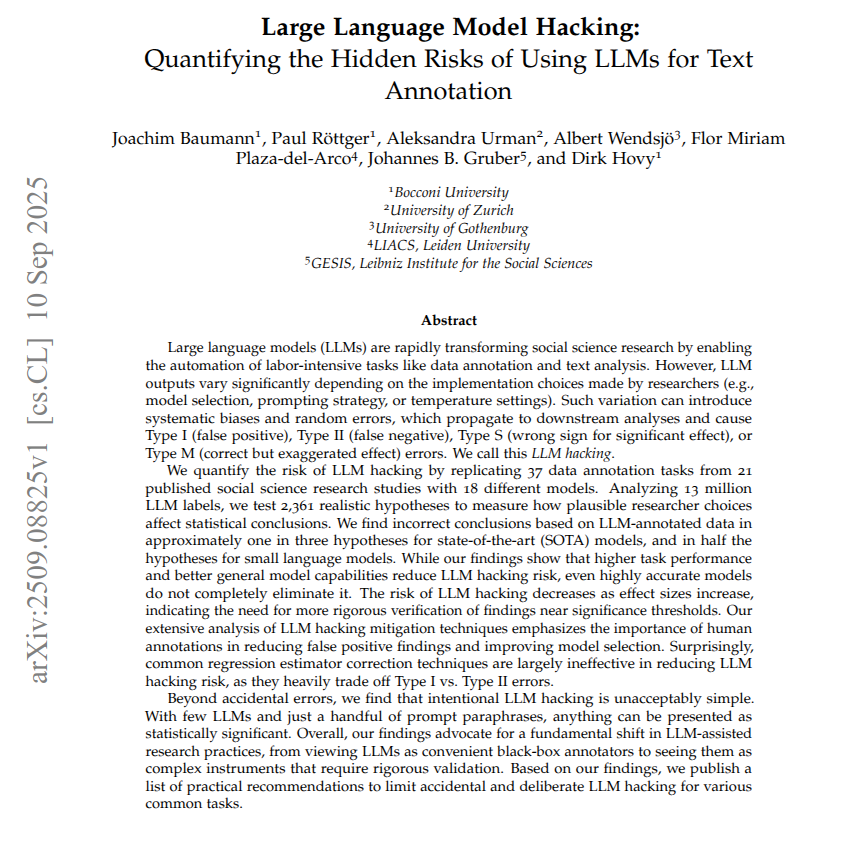
This paper warns that using large language models for labeling text can often lead to wrong research conclusions.
Here, LLM hacking means the final statistical claim flips depending on model, prompts, or settings, not the underlying data.
The problem comes from what the authors call LLM hacking, where results flip depending on which model, prompt, or setup is chosen, not on the actual data.
They tested 37 real research tasks with 18 different models and found that incorrect results happened in about 31% to 50% of cases.
These errors include missing real effects, inventing effects that are not there, reporting the wrong direction, or exaggerating the size of an effect.
The risk is especially high when results are near the usual significance cutoff, which is where many social science studies operate.
They also show that 100 human labels can be more reliable than 100K LLM labels, especially for avoiding false discoveries.
Correction methods that adjust results after the fact do not really solve the issue, since they reduce one type of error but increase another.
Finally, they show it is very easy for someone to deliberately game results by trying different models and prompts until they get the answer they want.
----
Paper – arxiv. org/abs/2509.08825
Paper Title: "LLM Hacking: Quantifying the Hidden Risks of Using LLMs for Text Annotation"
15
41
272
18,689
Mary Loftus retweeted

30 Jun 2025
3
8
63
29,165

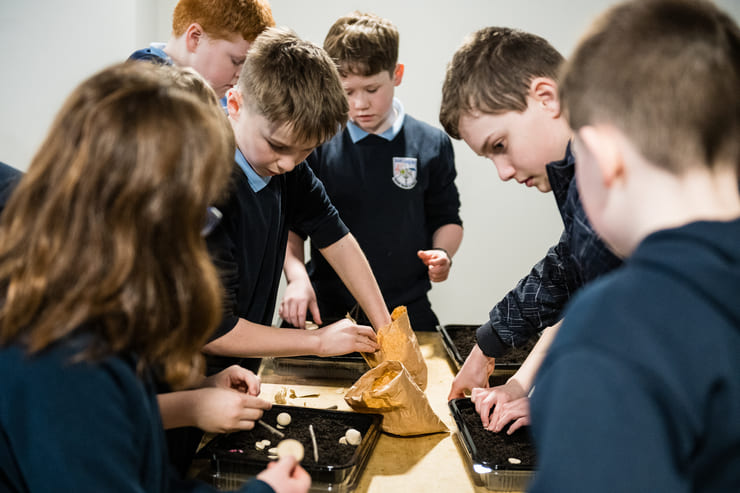
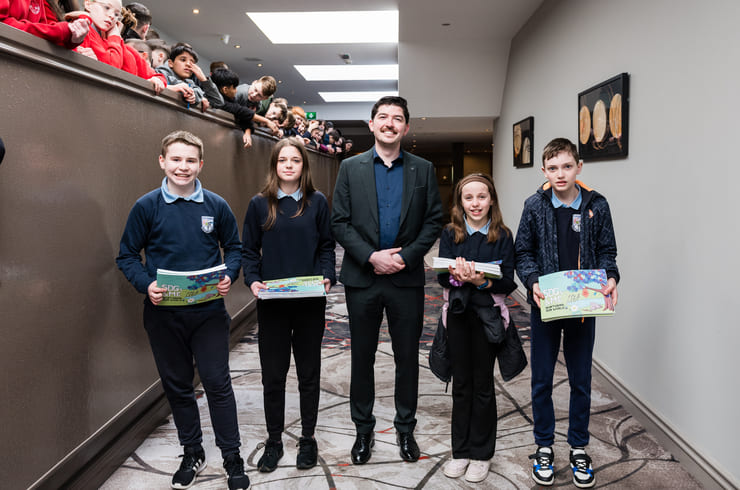
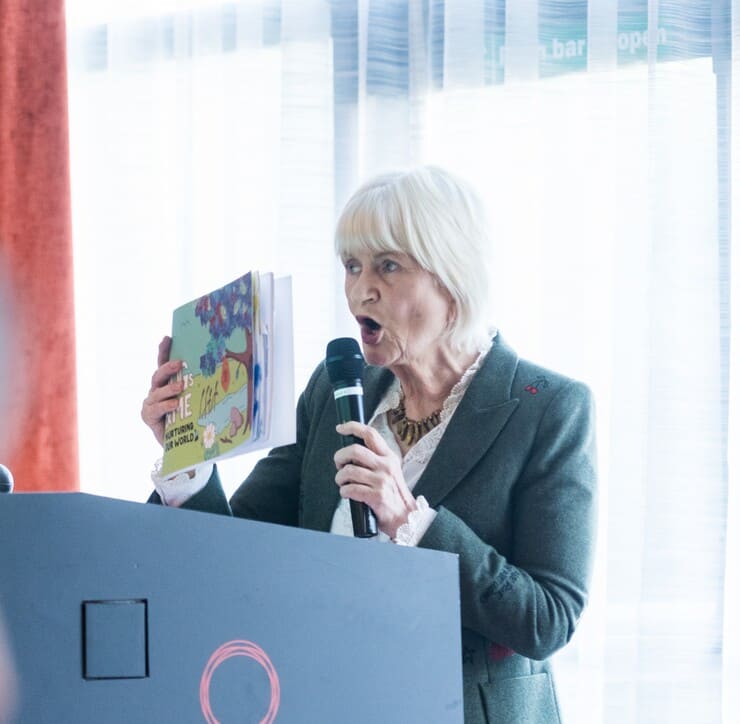
Everybody involved is so proud of this amazing book & the outcome is testament to the schools involved.
For many, the @SDGoals are still unfamiliar. This book brings them to life for kids & families to all see their part in helping Ireland achieve it's goals
@SocialJusticeI

(2/8)✨ Some highlights from the project! 👇
📓An "SDGs and Me – Nurturing Our World Workbook" was developed!
Watch this video to learn more 👇
youtu.be/3ZOWMJwoFgM
..or download the workbook here ⬇
sligoppn.com/sdg-workbook/
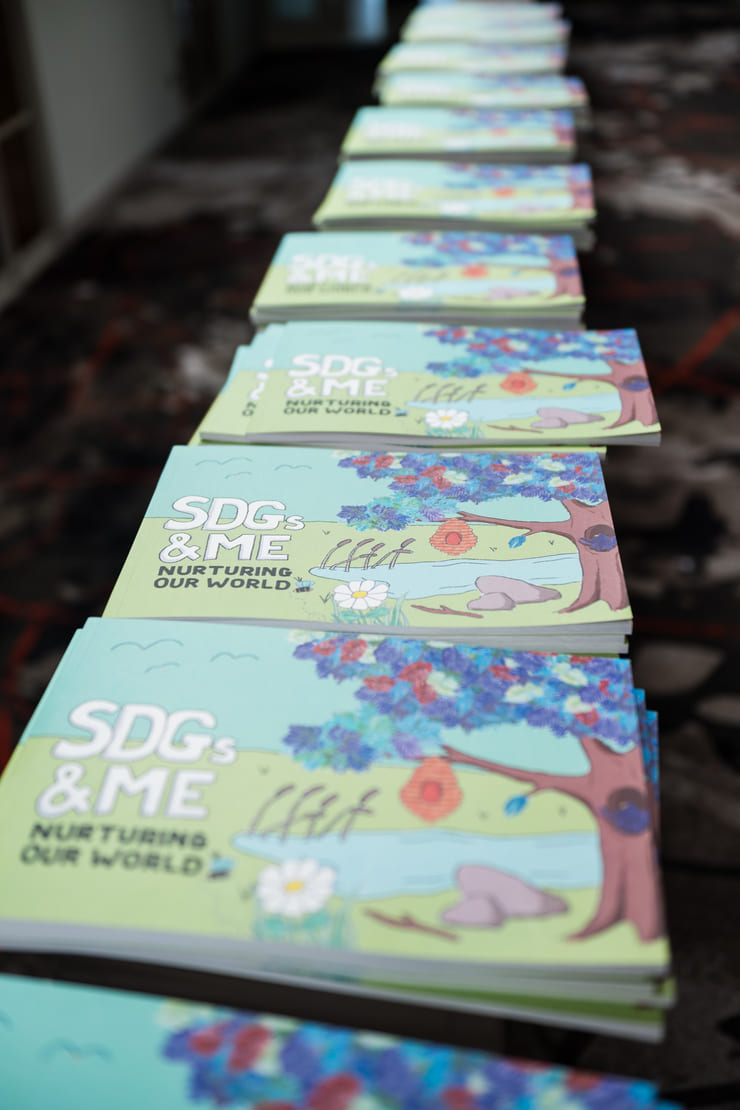
2
3
202
Mary Loftus retweeted

9 Apr 2025
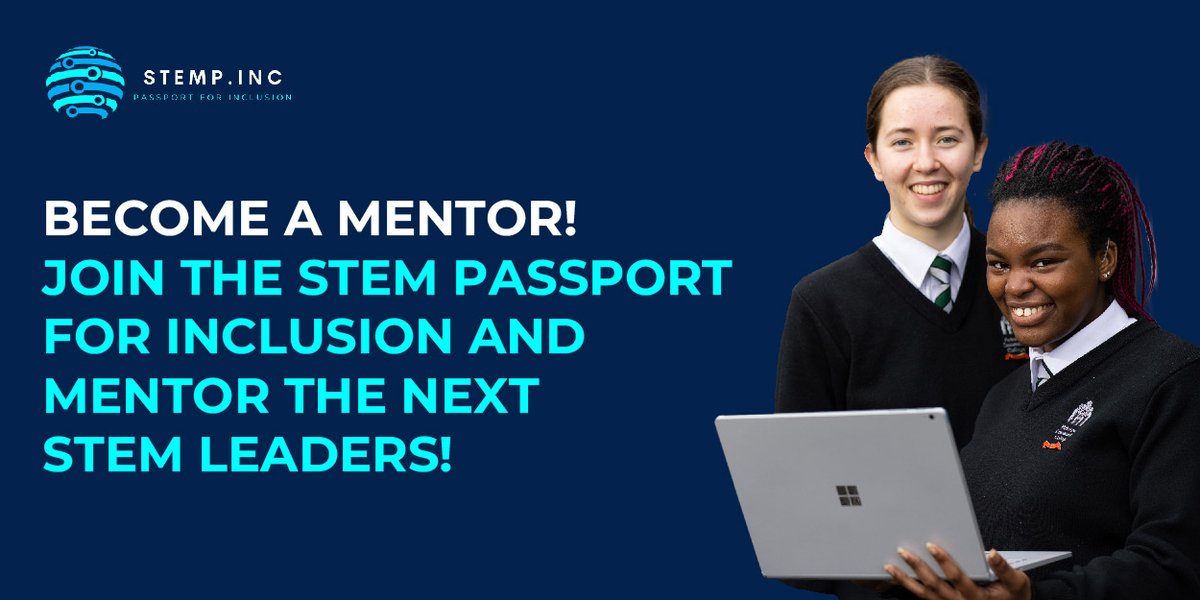
🚀 Calling all STEM professionals! 🚀 Make a real impact by mentoring a student from a disadvantaged background. Just 15 hours (May-Dec) can change a life!
✅ 6 hrs training ✅ 9 hrs mentoring & support
Sign up today! bit.ly/4lbto4j
#STEMMentors #MentorshipMatters
3
4
233


Privacy isn’t about hiding—it’s about trust and control over our own information. In her #SXSW 2025 Keynote, @signalapp President, @mer__edith breaks down why our privacy matters.
8
101
326
31,056
Mary Loftus retweeted

15 Feb 2025
Ireland, I know this is on RTÉ now. I would love to read your thoughts in the comments. I can't watch. It was intriguing and liberating to be interviewed by Tommy Tiernan cause seconds before I stepped out he didn't know who he was going to be speaking to. So... how did it go?

71
16
496
102,079
Mary Loftus retweeted

12 Feb 2025
AI technology benefits from decades of public investment. The challenge isn’t about regulation - we must ensure AI serves public purpose rather than becoming another machine of rent extraction for ‘big tech’.
My latest for @ProSyn with @TomValletti ➡️ project-syndicate.org/commen…
14
149
251
15,537
Mary Loftus retweeted

11 Feb 2025
The AI Summit ends in rupture. AI accelerationists want pure expansion—more capital, energy, private infrastructure, no guard rails. Public interest camp supports labor, sustainability, shared data. safety, and oversight. The gap never looked wider. AI is in its empire era.
36
275
875
67,455
Mary Loftus retweeted

22 Jan 2025
The story of computing is written in its artifacts, in the organizations in which they were forged, and expecially in the people who shaped them.
To inform my understanding of the stories of computing, I have studied several thousand books, here organized according the places where computing and the human experience intersect.
31
128
623
49,871
16 Jan 2025
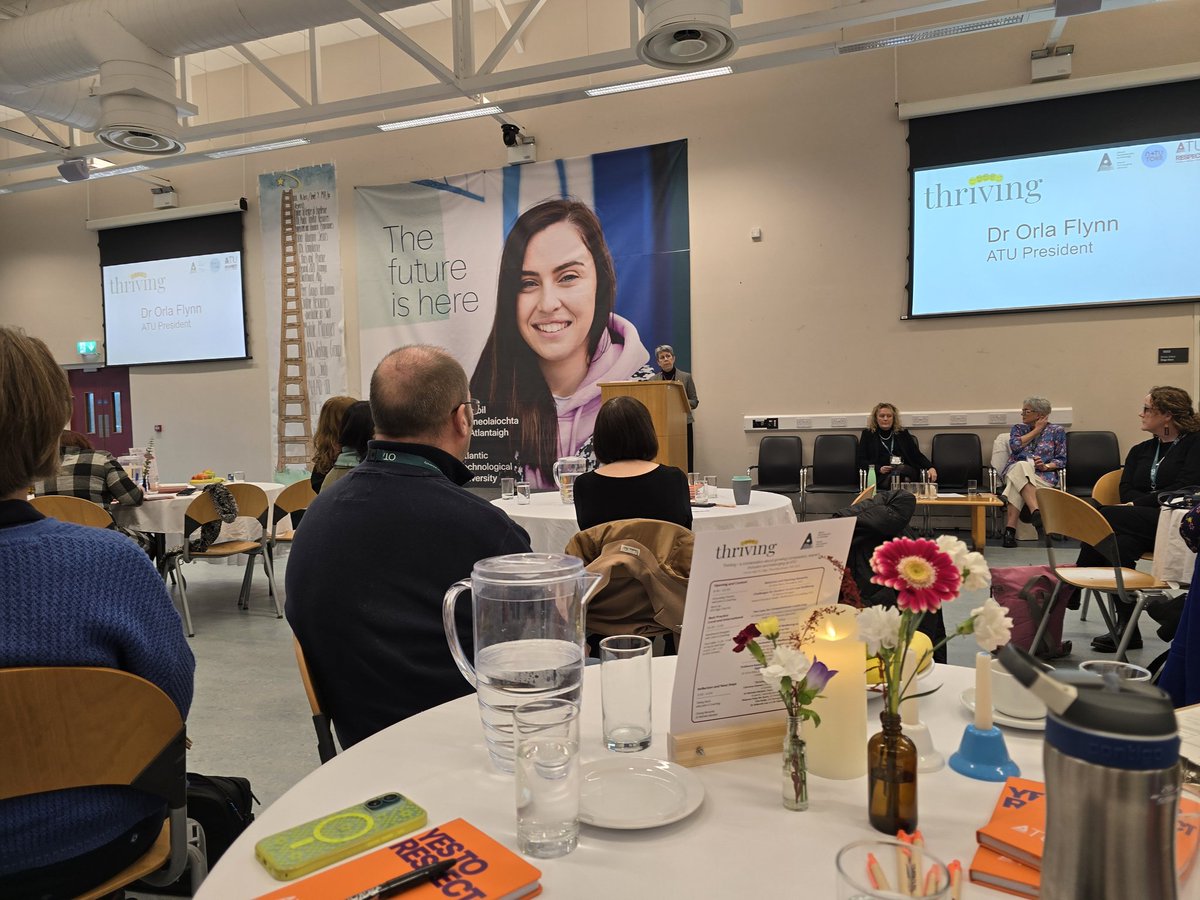
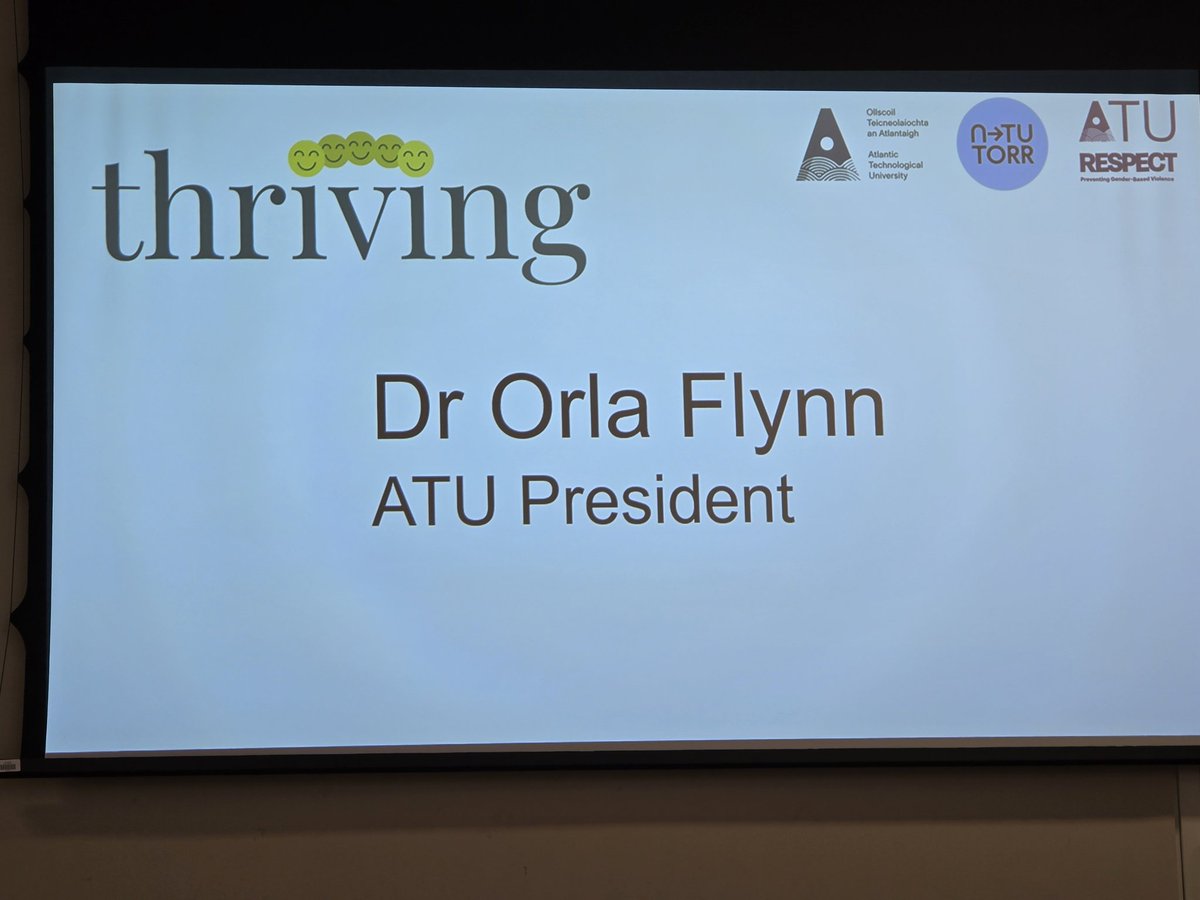
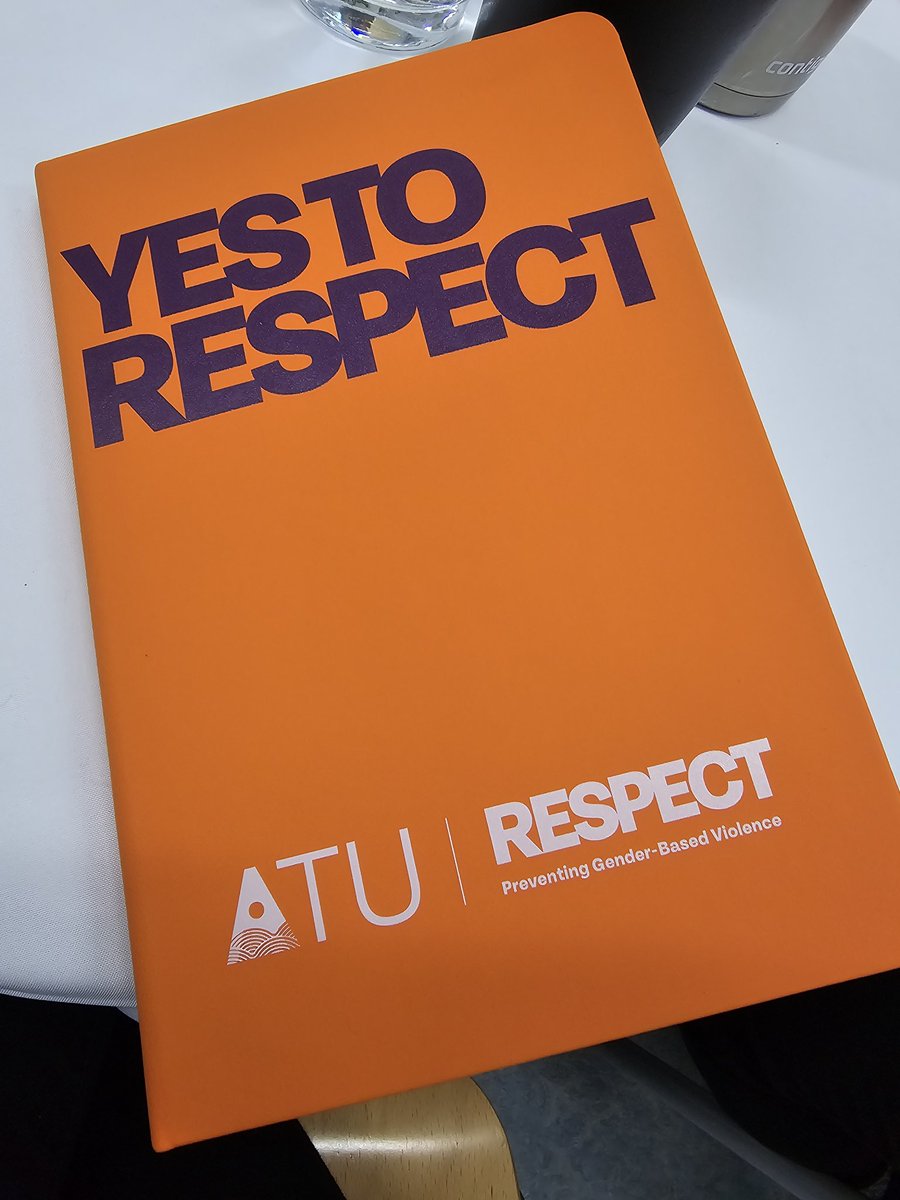
Thriving at @atu_ie - a warm welcome from @OFlynnATU to a conversation about growing compassion, respect, inclusion and belonging at our University... looking forward to this!
3
149
Mary Loftus retweeted

21 Dec 2024
Time to share these words by MaryOliver:
"Whoever you are, no matter how lonely,
the world offers itself to your imagination,
calls to you like the wild geese, harsh and exciting–
over and over announcing your place
in the family of things."
Be well, friends, on this solstice day

1
1
16
225
Mary Loftus retweeted

19 Nov 2024
Two papers.
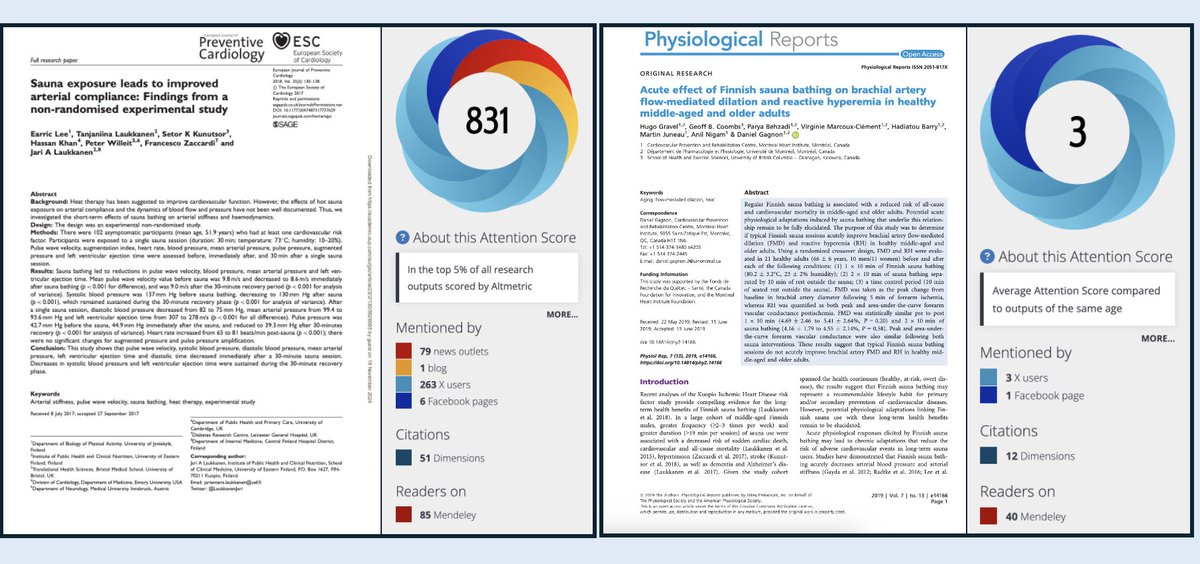
On the left, a non-randomized, non-crossover study showing that a one-off sauna exposure significantly decreased arterial stiffness, with implications on cardiovascular health.
On the right, a randomized, crossover (more robust) study, showing no benefits on arterial stiffness or blood flow. Note the colossal difference in Altmetric score and media attention.
The media favors sensational but flawed studies over rigorous ones, distorting public understanding. #science #media
69
810
3,099
299,746
Mary Loftus retweeted

1 Nov 2024
And some time make the time to drive out west
Into County Clare, along the Flaggy Shore,
In September or October, when the wind
And the light are working off each other
So that the ocean on one side is wild
12
150
1,096
62,237
Mary Loftus retweeted

31 Oct 2024
Seeking responses to this very short survey at the end of the article. On transparency and accountability in AI. Please help spread the word
blogs.lse.ac.uk/highereducat…
5
5
583
Mary Loftus retweeted

17 Oct 2024
🎓Five of #ATU researchers have been named among the World’s Top 2% Most Cited Scientists, according to an updated analysis by Emeritus Professor John Ioannidis from Stanford University in collaboration with Elsevier BV and SciTech Strategies Inc.
✍️ atu.ie/news/atu-researchers-…

8
9
1,242