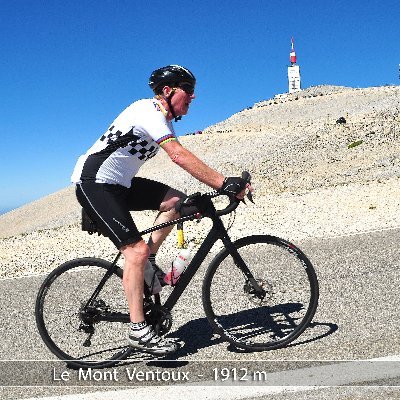
Mirfield , West Yorkshire Former Town Mayor of Mirfield , Mayor of Kirklees 2013 Occasionally rides bike!
Joined October 2009
- Tweets 64,661
- Following 2,460
- Followers 1,964
- Likes 37,610
2,640 Photos and videos
Martyn Bolt retweeted

Jun 15
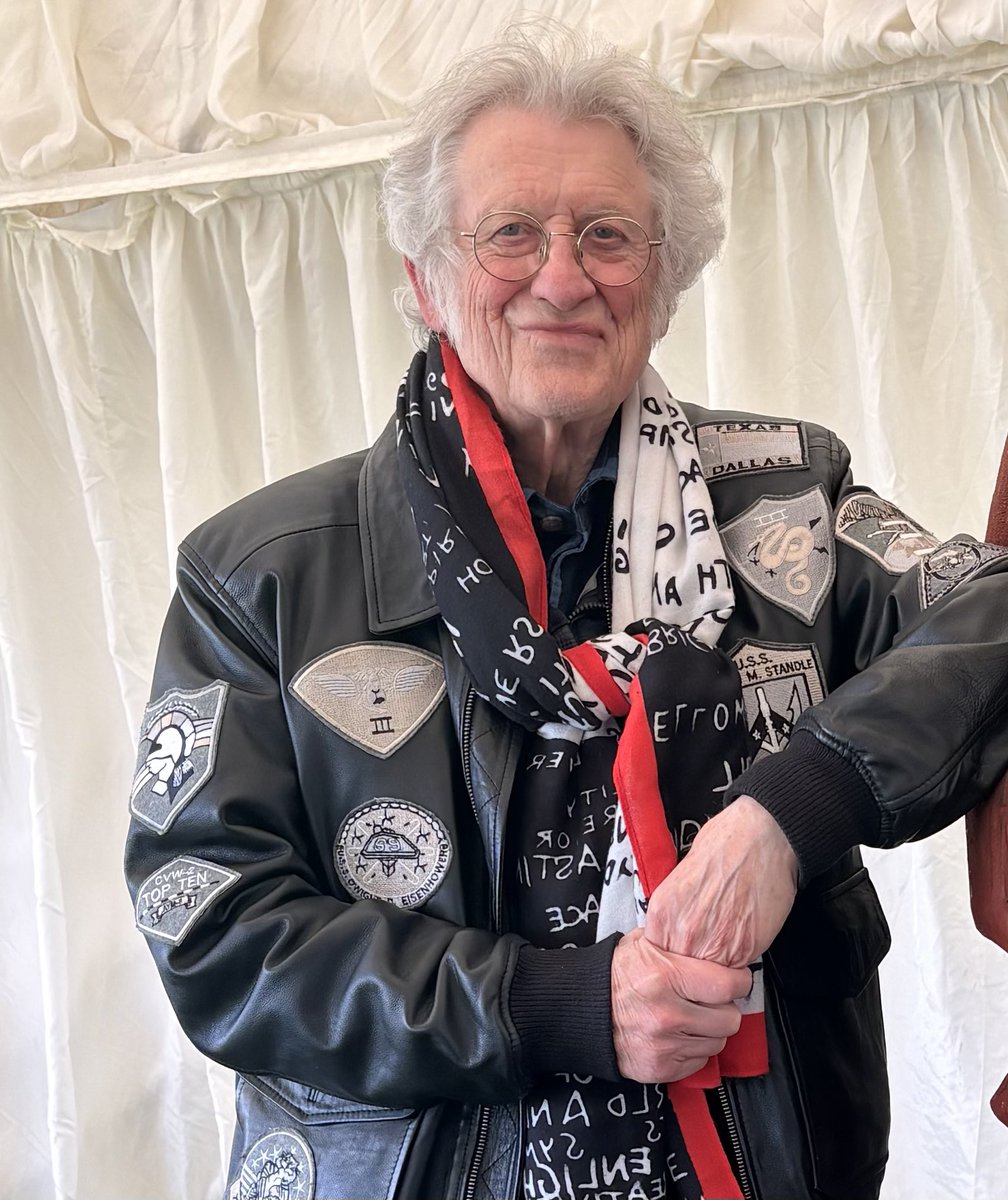
Happy 80th Birthday to the GOAT (singer, rocker, husband) #NoddyHolder ❤️
366
488
6,282
108,625
Martyn Bolt retweeted

Jun 14
It’s the 35th anniversary of Robin Hood: Prince of Thieves.
Kevin Costner was the star, but Alan Rickman ran away with the movie. He turned the Sheriff down twice, then demanded full creative control. Once he got it, he went all-in and made a top-tier ’90s villain. Legend.
174
969
12,645
524,096

Jun 13
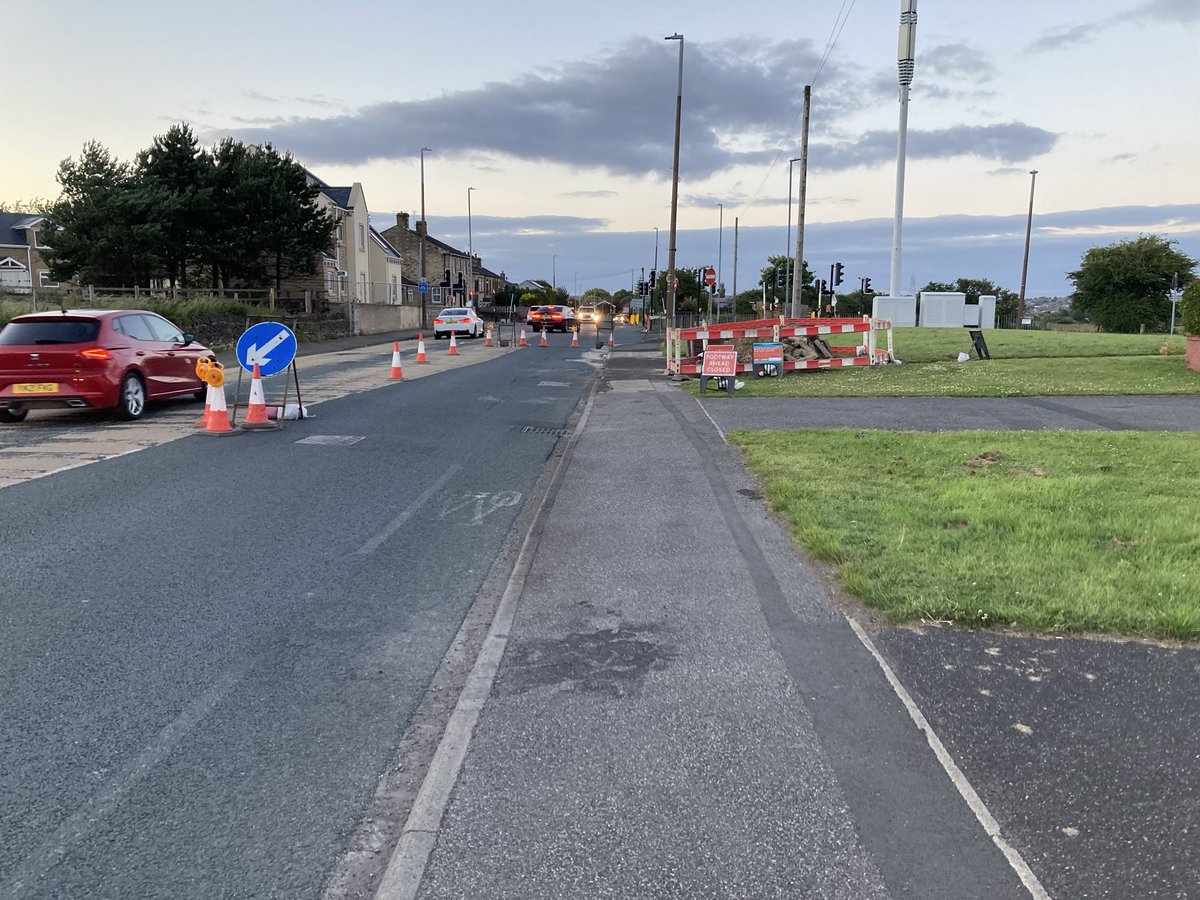
Why on earth are @YWDirectors @KirkleesCouncil running 4 way useless lights when no one is working in the road
2
40
Martyn Bolt retweeted

Jun 11
Al was one of my very best commanders when i was in post. The MOD needs him. This Government needs his knowledge and leadership. If no.10 wont listen to him and Healey we really are screwed.
84
399
3,708
168,463
Martyn Bolt retweeted

Jun 11
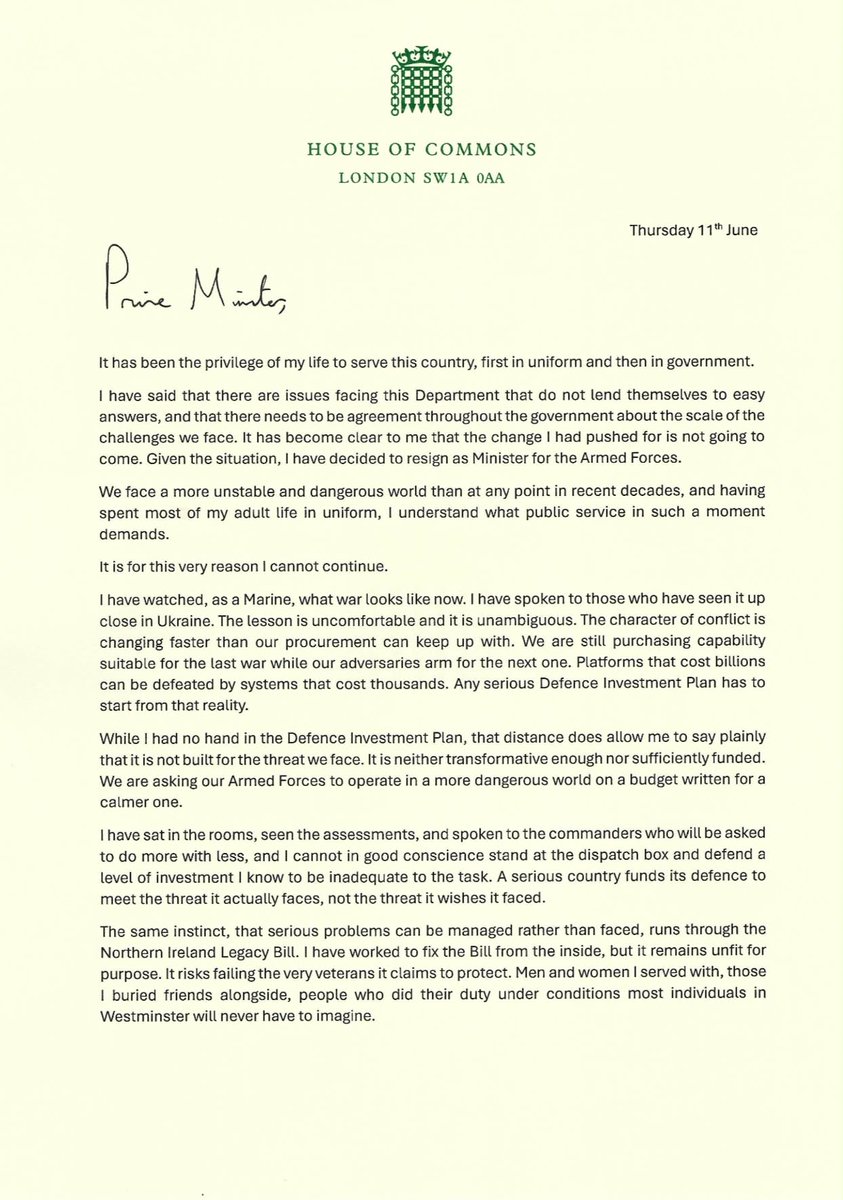
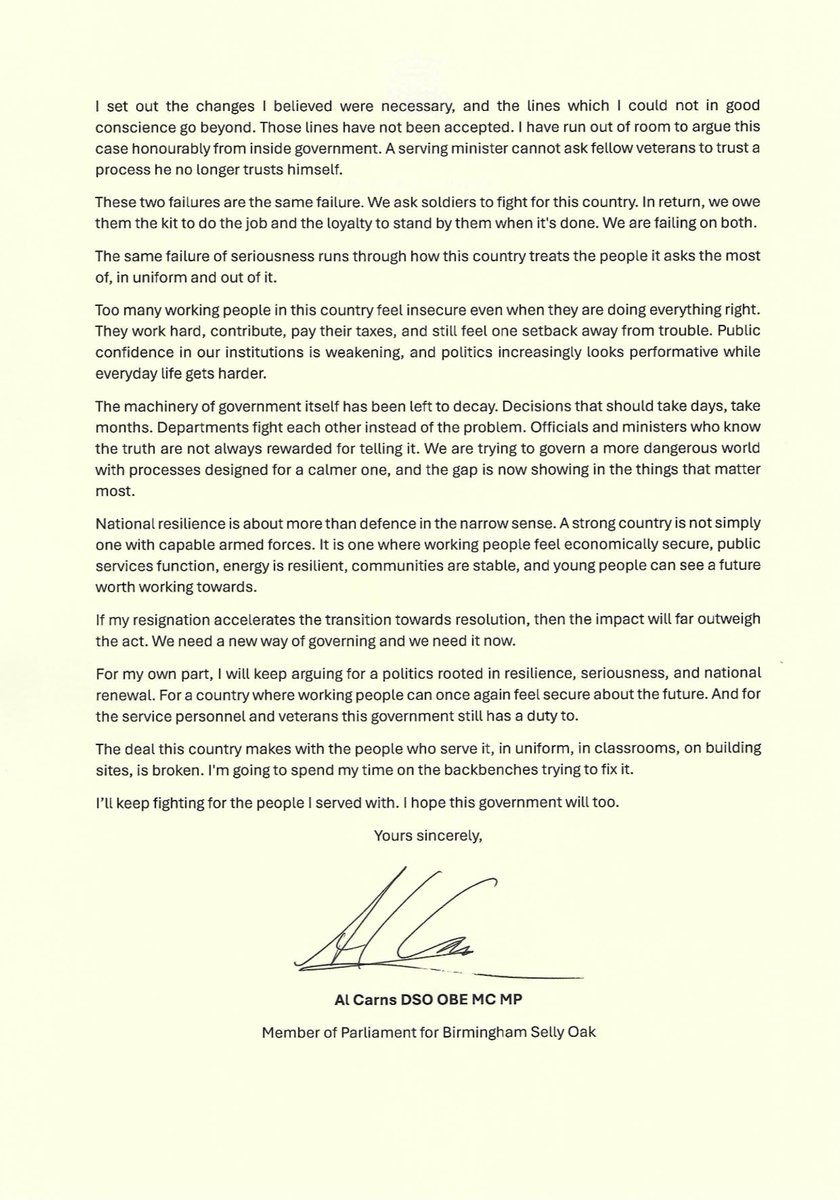
We owe those who serve the UK the kit to do the job and the loyalty to stand by them when it's done. We are failing on both.
I’ve spent my whole time in government making that case. Number 10 will not listen, so I am resigning as Minister for the Armed Forces.
Letter to the PM below.🫡🫡🫡⬇️⬇️
1,726
3,996
19,737
2,307,365
Martyn Bolt retweeted
Jun 11
John Healey shadowed me for over 4 years. While i didn’t agree with everything he did i know he tried his best and had the interests of the Armed Forces at his heart. i know he loved the job and it will have not been easy to resign. His loyalty to his Party and PM was not reciprocated by them when it mattered and i think he was left with no choice. i wish him the very best. His resignation was one of principle.
115
564
6,487
270,520
Martyn Bolt retweeted

Jun 11
Given the extraordinary charge from John Healey that Starmer is unable to defend Britain, there is an argument that this is the most devastating cabinet resignation in British political history - worse than Howe, Heseltine, Cook, Sunak
Jun 11

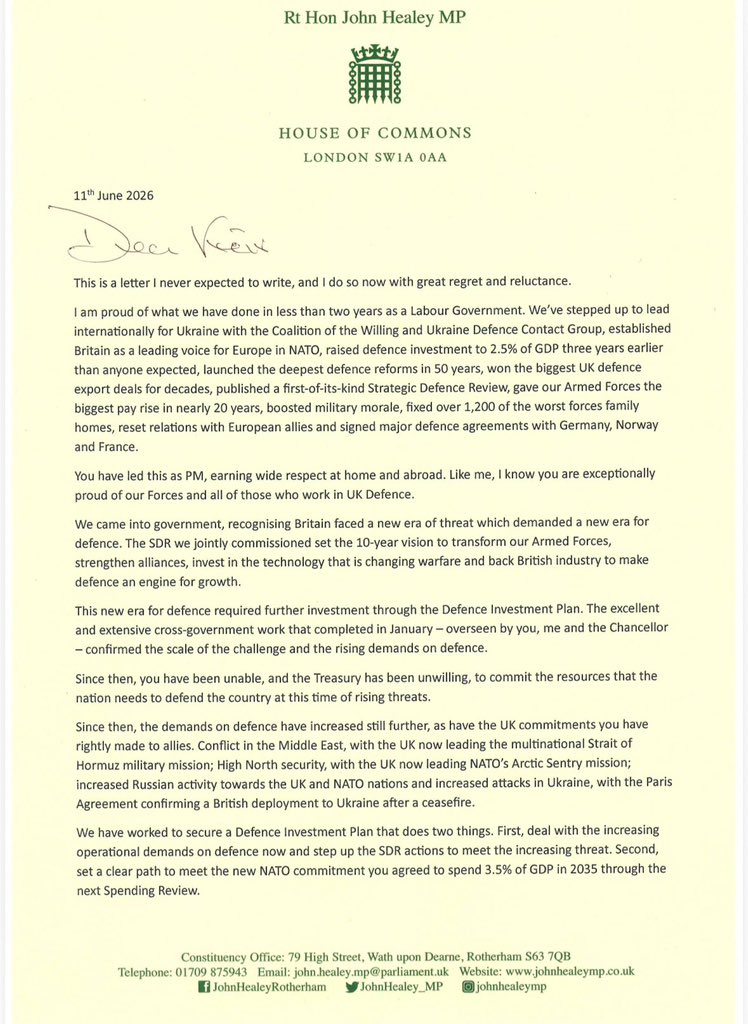
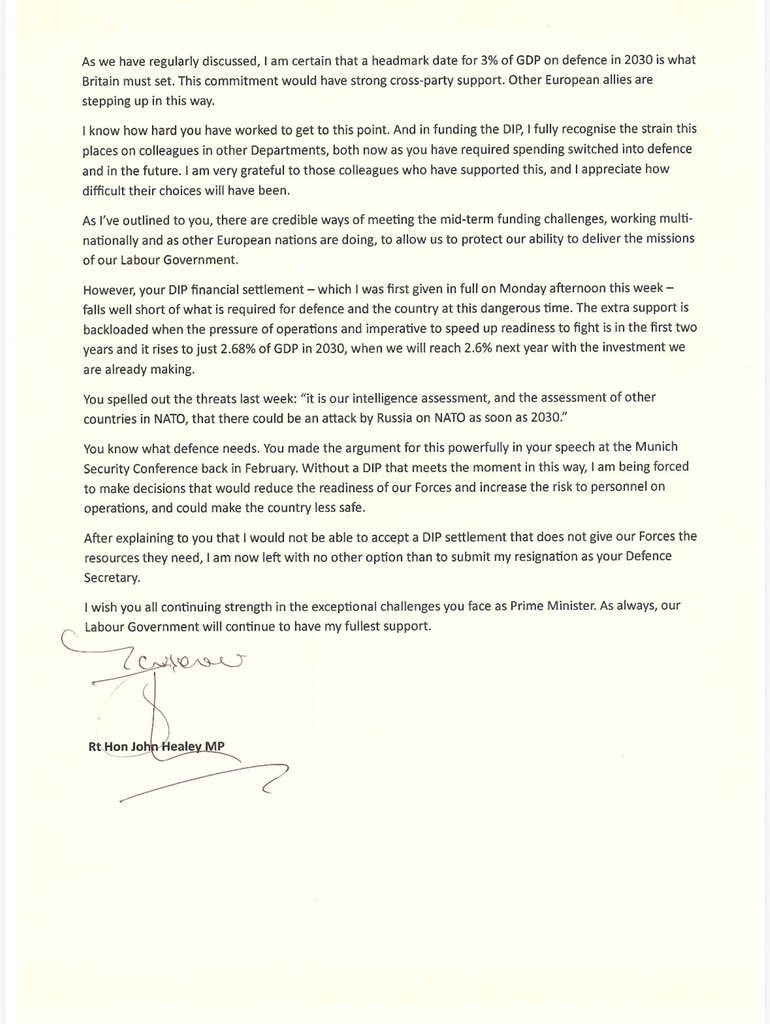
John Healey’s resignation letter is absolutely damning of both Keir Starmer and Rachel Reeves - he is directly accusing them and the Labour government of not doing what it takes to ensure Britain can defend itself - about the most serious charge it is possible to make
36
108
477
37,914
Martyn Bolt retweeted

Jun 11
Lord Robertson and John Healey recognise this moment for what it is. Pivotal for our national resilience and defence with devastating consequences if we fail to modernise and rearm.
Thank you John. Country before party.

107
350
2,498
60,474
Martyn Bolt retweeted

Jun 11
This is an outrageous, disgraceful smear on John Healey — and an outright lie. There are a ton of ways to finance more for defence — starting with net zero — without taking a penny from schools or hospitals. Reeves should be ashamed of herself for allowing this nonsense. Suggests she’s really desperate.
Jun 11

🚨 NEW: A Treasury source attacks John Healey for resigning as Defence Secretary
"Let's be clear on what John is asking for: cuts to schools and hospitals"
h/t @e_casalicchio
669
3,910
18,405
628,357
Martyn Bolt retweeted

Jun 11
A defence secretary has never resigned in this way. Fox, Heseltine, Profumo - all resigned over scandals. To resign because the PM would not pay enough to keep the country secure - unprecedented.
89
1,649
10,619
168,329
Martyn Bolt retweeted

11 Jun 2025
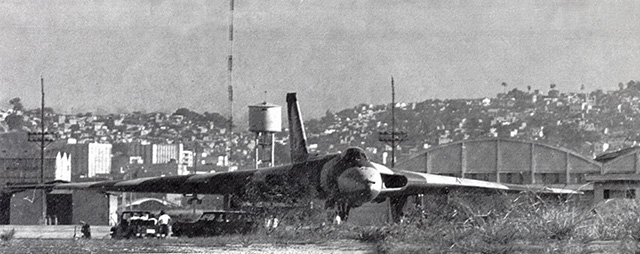
June 11th 1982: The crew of XM597 are cleared for departure from Brazil before the Pope's flying visit. With enough time left, they are visited by the Brazilian Chief of the Air Staff, who offers to show them the delights of Rio, starting with a helicopter tour...
1/4
2
47
617
20,968
Martyn Bolt retweeted

Jun 11
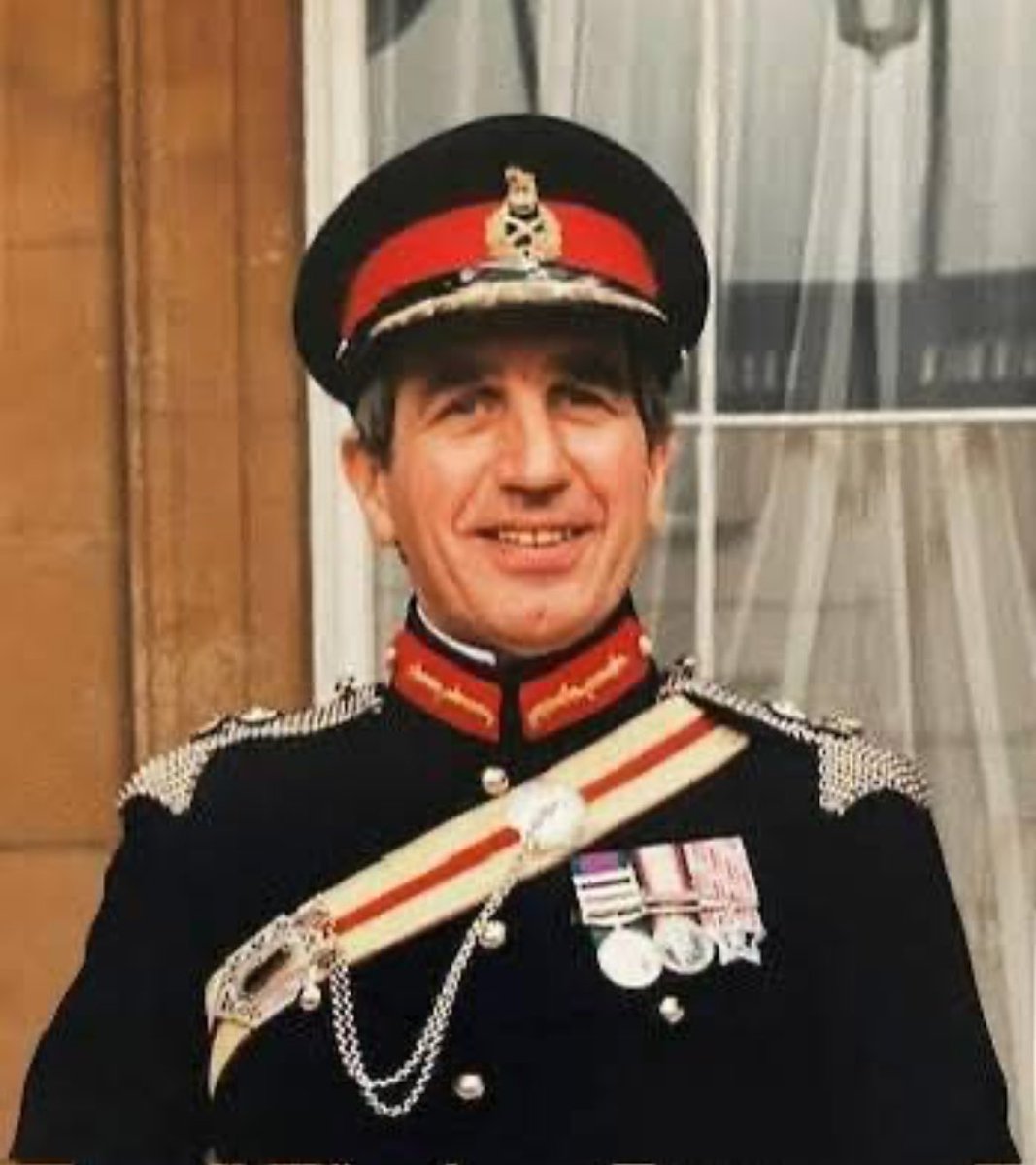
IT was the moment, Charles Moore recollects in the first volume of his biography of Margaret Thatcher, when the SAS, previously relatively little known, became a household word for heroism. On May 5, 1980, teams from 22 SAS, based in Hereford, stormed the Iranian embassy in Princes Gate, in South Kensington, London, dramatically ending a siege that had begun on April 30 when six heavily-armed terrorists had taken 26 people hostage.
The gunmen had demanded the release of 91 Arabs imprisoned in Khuzestan, a region in southern Iran for whose independence they claimed to be fighting. They threatened to blow up the embassy if their demands were not met by noon the following day. Police closed off the area and took over neighbouring buildings.
Mrs Thatcher delegated responsibility for the rescue operation to Home Secretary Willie Whitelaw. Mr Whitelaw asked for her agreement to support the Metropolitan Police Commissioner’s request to send in the SAS, Moore records. Major Phipps, one of the two operations officers in charge of Operation Nimrod, as it was known, methodically assembled intelligence about the layout of the building’s interior and put together a rescue plan while the police had lengthy negotiations with the terrorists. From the many subsequent accounts of this fraught situation Phipps has been much praised for his calm attitude throughout. His charm and ability to get on with those under his command and other officials proved invaluable.
Surveillance devices were drilled through into the embassy from the office of the adjoining offices of the Royal School of Needlework, and vital information was gained. Major Phipps’s military expertise helped to co-ordinate procedures throughout a tense and dramatic situation.
By the time of the rescue operation, Major Phipps had given operational control to his colleague, Major Ian Crooke. SAS personnel abseiled from a roof at the rear of the embassy, while an explosive device distracted the terrorists.
One hostage was killed by the terrorists, but five terrorists were killed and all the remaining hostages were freed unharmed. BBC employee Sim Harris, one of them, afterwards told the SAS: “Thank you for my life”.
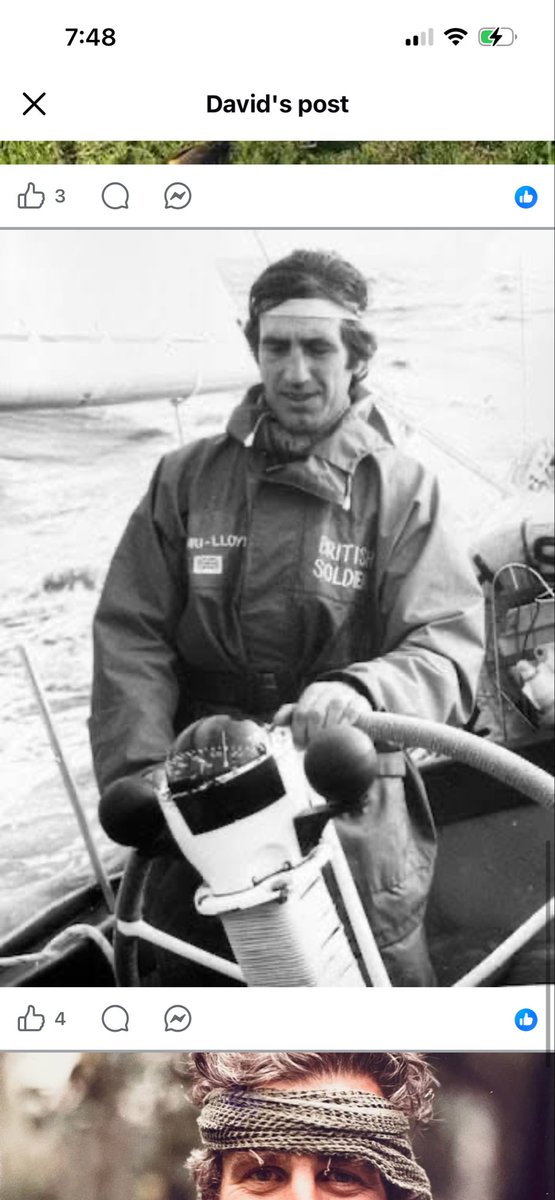
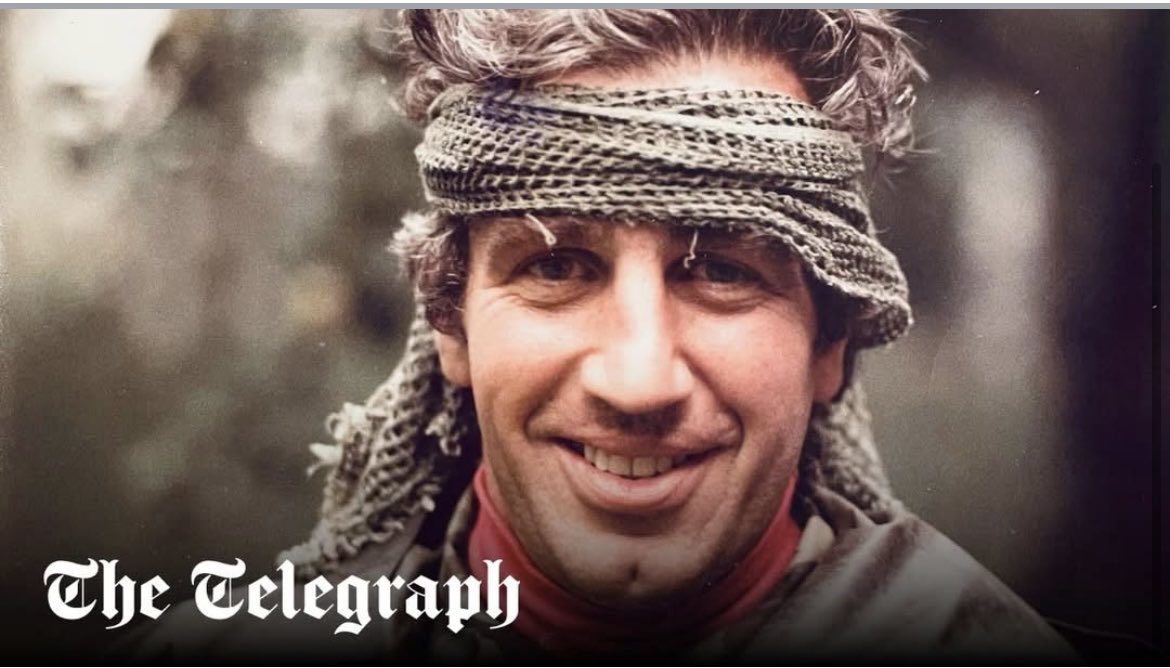
Major-General Phipps, who died of lung cancer March 16, 2021. aged 78, was a determined, flamboyant and committed soldier in the SAS who took pride in serving his Queen and country. He did so with much grace, charisma and loyalty to his colleagues 🙏🫡🇬🇧
4
18
153
9,742
Martyn Bolt retweeted

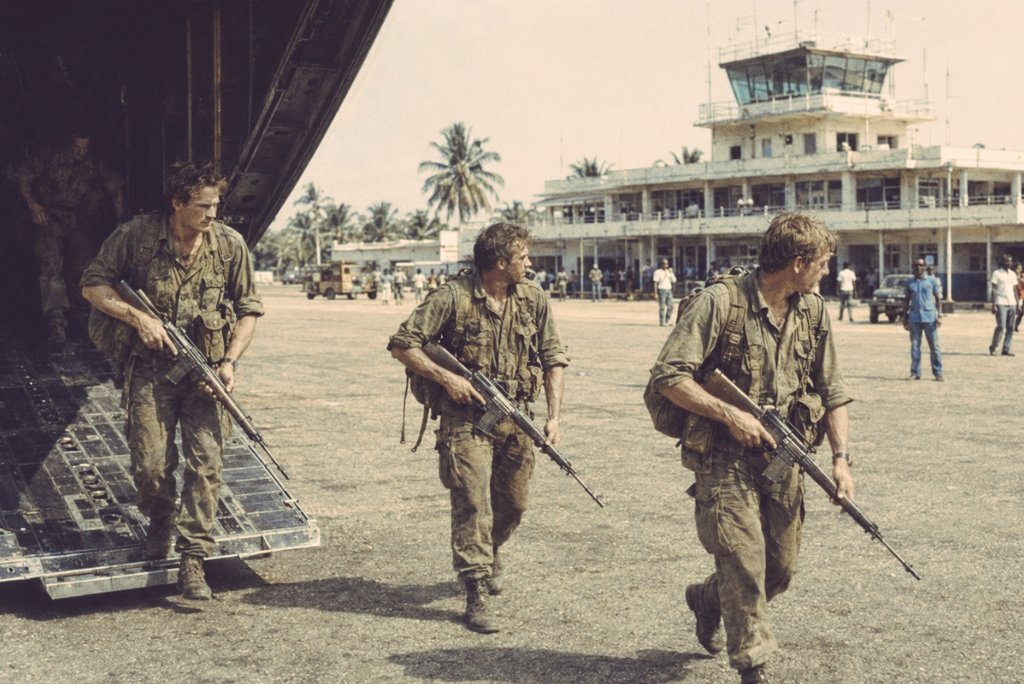
July 1981. While President Jawara was in London attending the wedding of Charles and Diana, Marxist revolutionary Kukoi Samba Sanyang launched a coup in The Gambia with around 400 armed rebels.
One of the most remarkable episodes of the crisis involved just three SAS soldiers securing the airport against overwhelming odds. Outnumbered many times over, they relied on training, discipline and sheer nerve to achieve what should have been impossible.
400 rebels. Three SAS men.
Quality beats quantity. 🇬🇧
Who dares wins.
23
143
1,188
47,317
Martyn Bolt retweeted

Jeremy Corbyn
Still today… hands down, the best heckle ever in the House of Commons.
“Who are you”?
Notice Andy Burnham?
57
265
3,841
420,019
Martyn Bolt retweeted

Jun 6
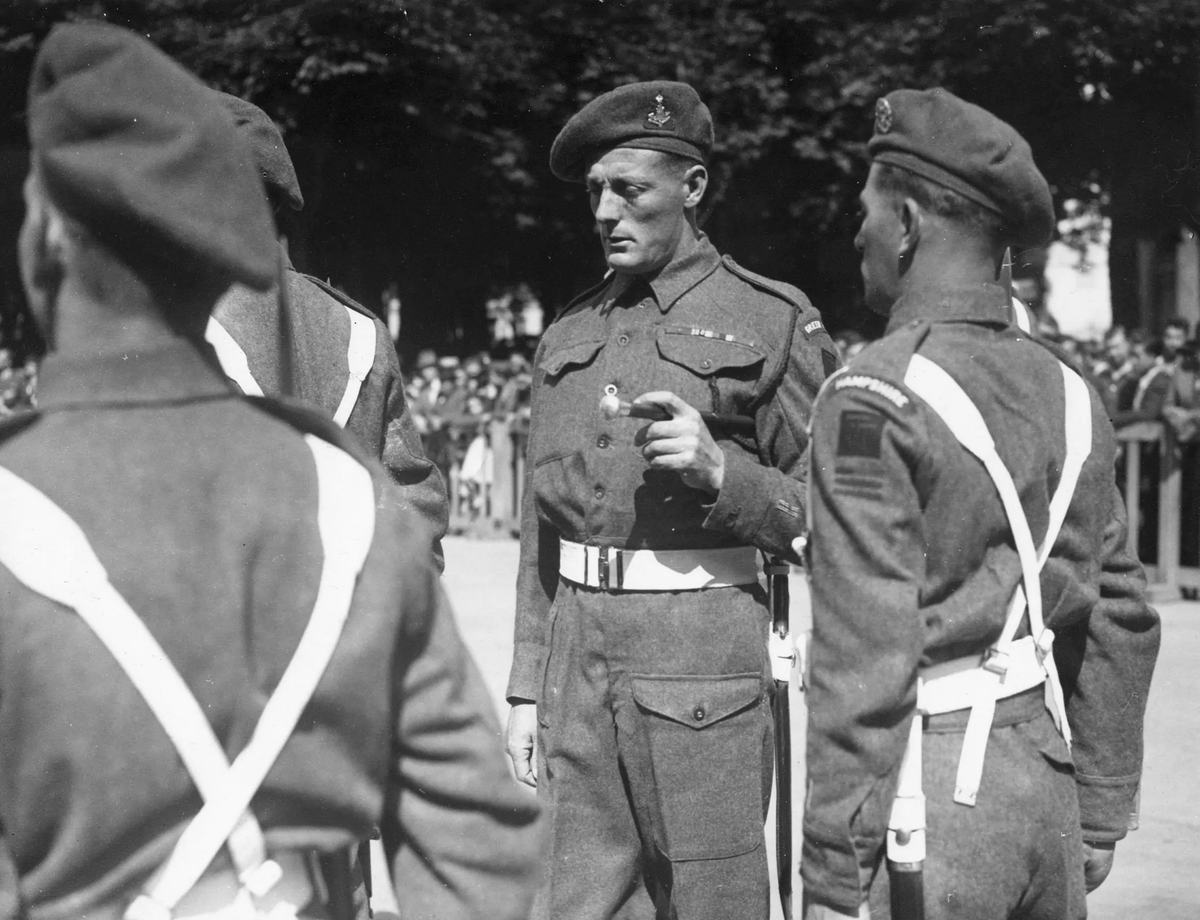
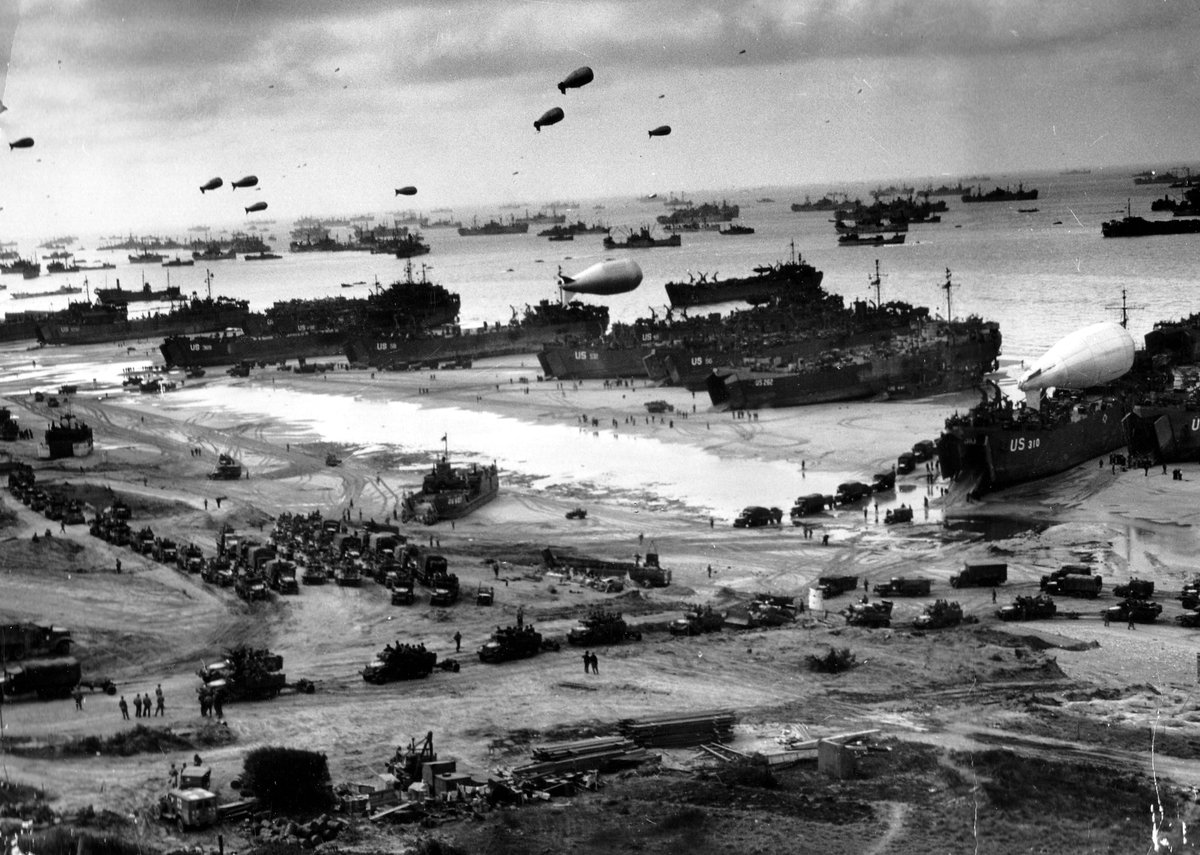
82 years ago this morning, a man of 31 from Middlesbrough waded onto Gold Beach in Normandy and, before the light went, did the thing that would make him the only man awarded a Victoria Cross for the actions of D-Day itself.
His name was Stanley Hollis. Before the war he had driven lorries and worked as a sandblaster. On 6 June 1944, a company sergeant-major in the Green Howards, he spotted a German pillbox his company had walked straight past. He went at it himself, up the open slope into the machine-gun fire, cleared it with a Sten and grenades, and took a second position and its occupants prisoner. Later that day, near a village called Crépon, two of his men lay pinned in the open under a German field gun and as good as dead. He went back out for them, into the fire, and brought them in. He had taken them in there, was his reasoning, so it fell to him to get them out.
That is more or less the whole of it. No speech, no pageant, no press release. A lorry driver from Teesside decided that other men's lives were his to answer for, and walked into the guns, twice, to make it good.
My dad was born in '61. We often sit and marvel at the fact that he is the full-way, and me half-way, through our fighting ages as men, and neither of us have ever been called up to war. We are the lucky few. But it is worth being honest, on this morning of all mornings, about what has thinned out between the country my dad and I have known, and Sgt. Major Hollis'.
Hollis did not wait to be told. He did not film the pillbox and tag the relevant authority. He saw what needed doing, judged it his to do, and did it. That mortal reflex - take responsibility, act, and expect no official to come and save you - was once an ordinary thing here, bred into ordinary men. Two generations of being managed and waited upon have quietly bred much of it not out but into deep dormancy.
The men of that generation did not cross the Channel in 1944 for a Britain that waits for permission to act, nor for one that watches its own dying boys handcuffed on the pavement. They did it for something they felt in their bones and would never have trusted to an institutional memorandum: a free people, fit to govern and defend itself, worth the dying for.
We owe them more than a poppy and a minute's silence. We owe them the vision of that country.
Stanley Hollis came home, kept a pub, and died in 1972. There are barely any of them left now, very old and very quiet. The decent thing would be to become a country of which they might be proud.
19
271
1,126
21,134
Martyn Bolt retweeted

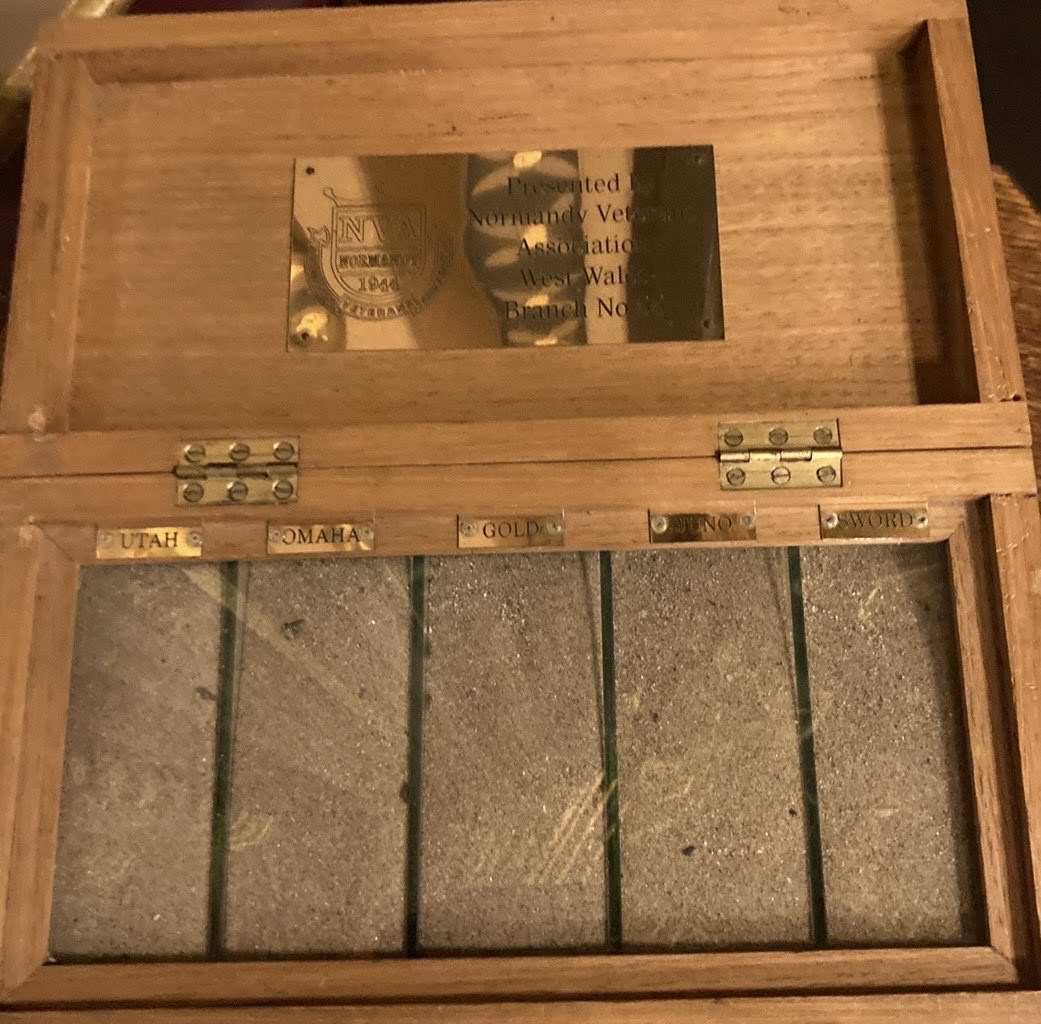
In a corner of parliament at the far end of the Royal gallery a box lies permantly open containing sand from all five Normandy beaches -a reminder to both houses of the sacrifice & the cause of freedom fought for by brave service people on DDay June 6 th 1944. #DDay
181
2,661
14,433
322,796
Martyn Bolt retweeted

Jun 6
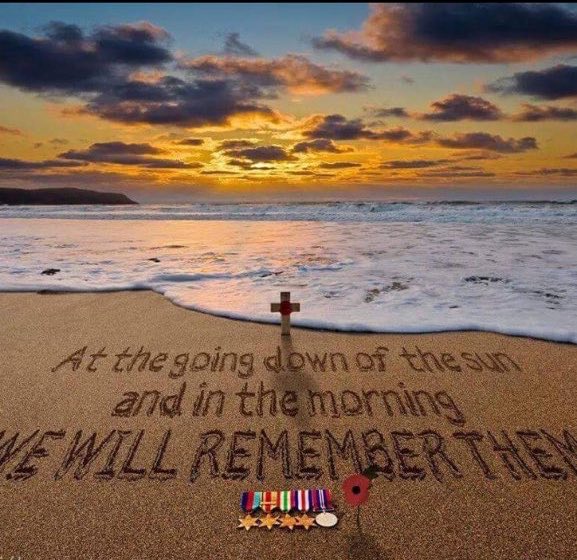
We will remember them. 💂🏻♀️👋🏻🇬🇧🙏🏻💐. Thank you for your service and sacrifices ladies and gents. 🇬🇧🇺🇸🇨🇦🇦🇺🇧🇪🇨🇿🇫🇷🇬🇷🇱🇺🇳🇱🇳🇿🇳🇴🇵🇱🇿🇦🇿🇼
All these countries either took part, or physically supported Operation Overlord. Thank you to you all. 💂🏻♀️👋🏻🇬🇧🙏🏻
51
301
1,421
8,133
Martyn Bolt retweeted

Jun 4
It was a privilege to cover the funeral of Jack Meacham, a Portsmouth WWII veteran who died aged 106. Serving sailors and former personnel lined the route to the Crematorium in tribute to his service. The family described the experience as 'phenomenal' ♥️
52
359
3,421
43,490
Martyn Bolt retweeted

Jun 3
Boots carried by her horse🕊️
An emotional farewell was bit to Lance Bombardier Ciara Sullivan as her coffin travelled to The Guards Chapel
111
452
3,888
165,735
Martyn Bolt retweeted

May 25
Like every other SNP parliamentarian, I gave the party £250 per month from my personal income after tax. Adding my party membership fees (paid at an enhanced rate) , I think it came to £35,000 over ten years. The £250 sub was an obligation for all MPs and MSPs, but I was happy to pay, as I believed it was going to the cause - not to keep Sturgeon in Smythson handbags and Mountblanc pens (stolen goods she was pictured with in this @TheSun report 👇). I had a good salary. But what of all the decent working people - as @joannaccherry pointed out today - who could ill afford the £10 or £20 donations they made to @theSNP ? It’s disgusting, and requires an internal investigation. Or rather an independent investigation. Who was monitoring the spend within the SNP? How come the former volunteer treasurer and former volunteer officials who questioned the finances were slapped down by @NicolaSturgeon and her acolytes? There remain good people at the top of the party ( of which I remain a member BTW) and I hope they will now abandon their misplaced loyalty to the former leader whose position meant she signed off the accounts, as I understand it. Finally…..well done to @WingsScotland for triggering the investigation - pilloried from all sides but vindicated today.
May 25

EXCL: Nicola Sturgeon refused to comment and sat in silence for hours during her police interview - despite publicly claiming to be "cooperating fully" with cops
thescottishsun.co.uk/news/16…
183
888
3,406
274,211