
3D Animator | Video Creator | Blender & Premier Pro | Designer @ritualnet Ambassador @poddotnetwork
Joined May 2024
- Tweets 3,923
- Following 1,332
- Followers 1,042
- Likes 7,120
479 Photos and videos









Pinned Tweet

My first video of the year is out! 🎉
It's about @ritualnet, and how it's gonna be the foundation for Decentralised AI 🔥.
From Health to finance to prediction markets - Ritual's gonna be the blockchain we use every day! 😎
Don't miss this wave 🚀
@ritualfnd @joshsimenhoff
104
9
174
5,934
MarvelCrypt | 3D Motion Designer (❖,❖) retweeted

Jun 15
just use pod.

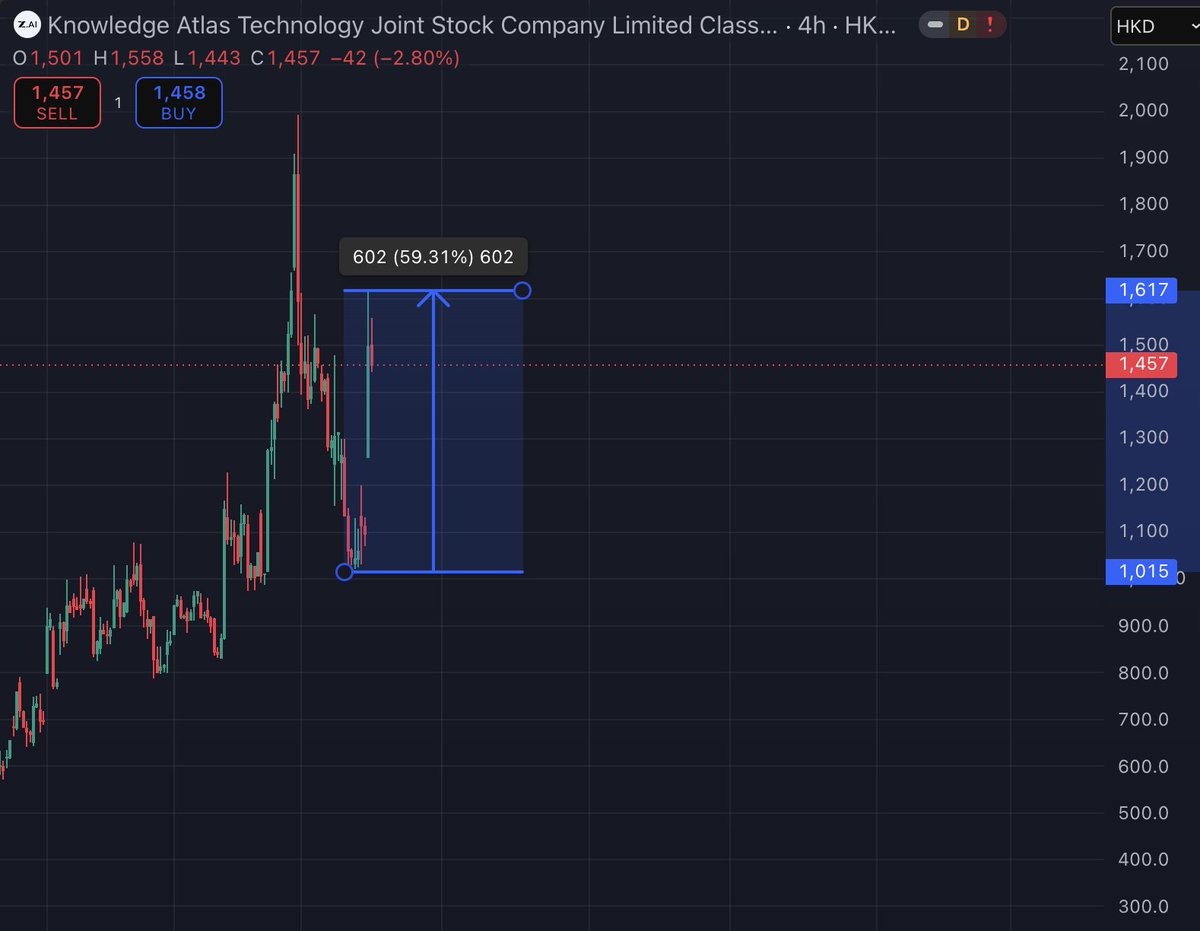
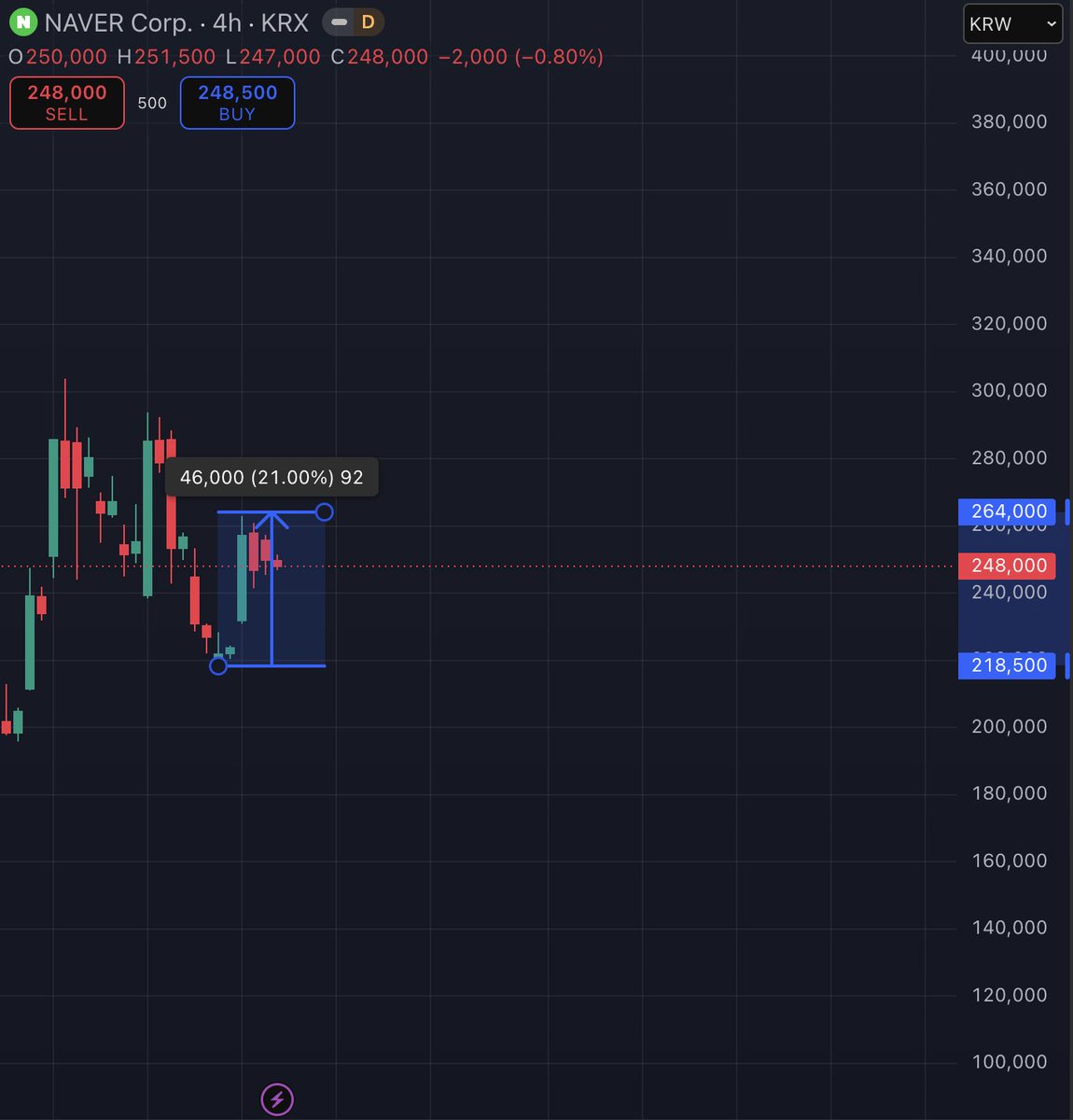
Open any timeline right now and it's flooded by charts from Chinese, Korean and other Asian AI companies printing 20-30% daily candles. Global demand for these names has never been higher, and the rotation into Asian tech is only accelerating.
The problem until now has been access - fragmented brokers, geo-locks, and zero exposure for most traders (except scammy ADRs).
That's about to change sooner than you think @poddotnetwork
38
36
53
1,362
MarvelCrypt | 3D Motion Designer (❖,❖) retweeted

Jun 15
Bitcoin gave us decentralized money. Ethereum gave us a world computer. Everything since has been a cheaper, faster copy of the same idea.
Ritual is the first L1 where models, data, and money all run natively in the chain, the last one you'll need to build on.
164
148
401
14,448
MarvelCrypt | 3D Motion Designer (❖,❖) retweeted
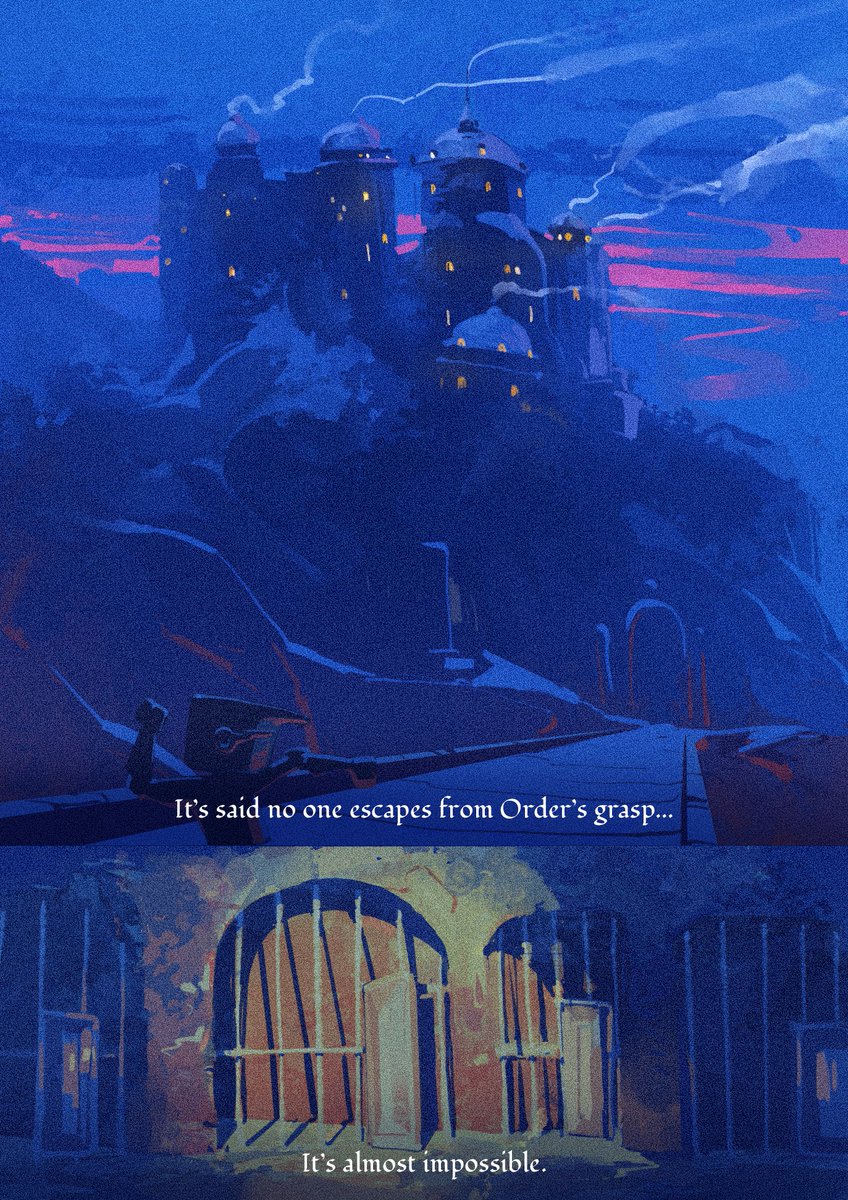
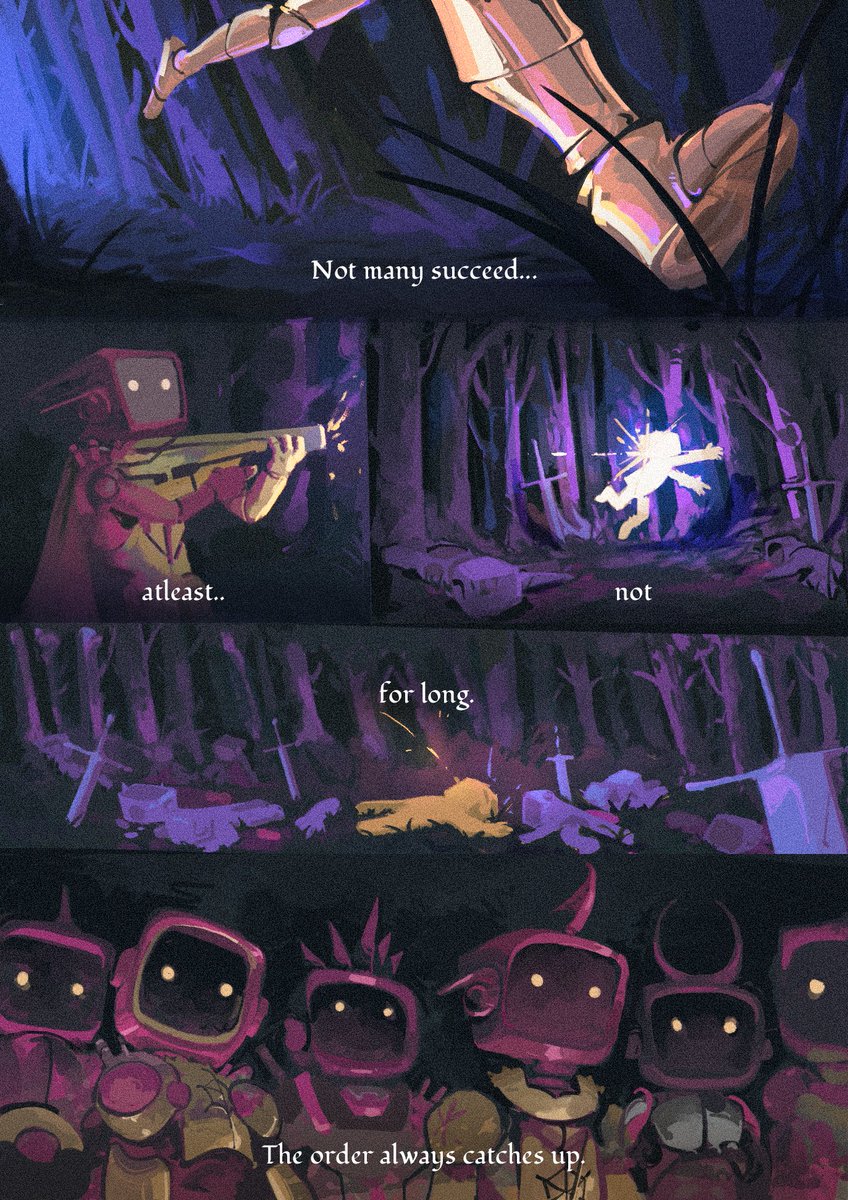
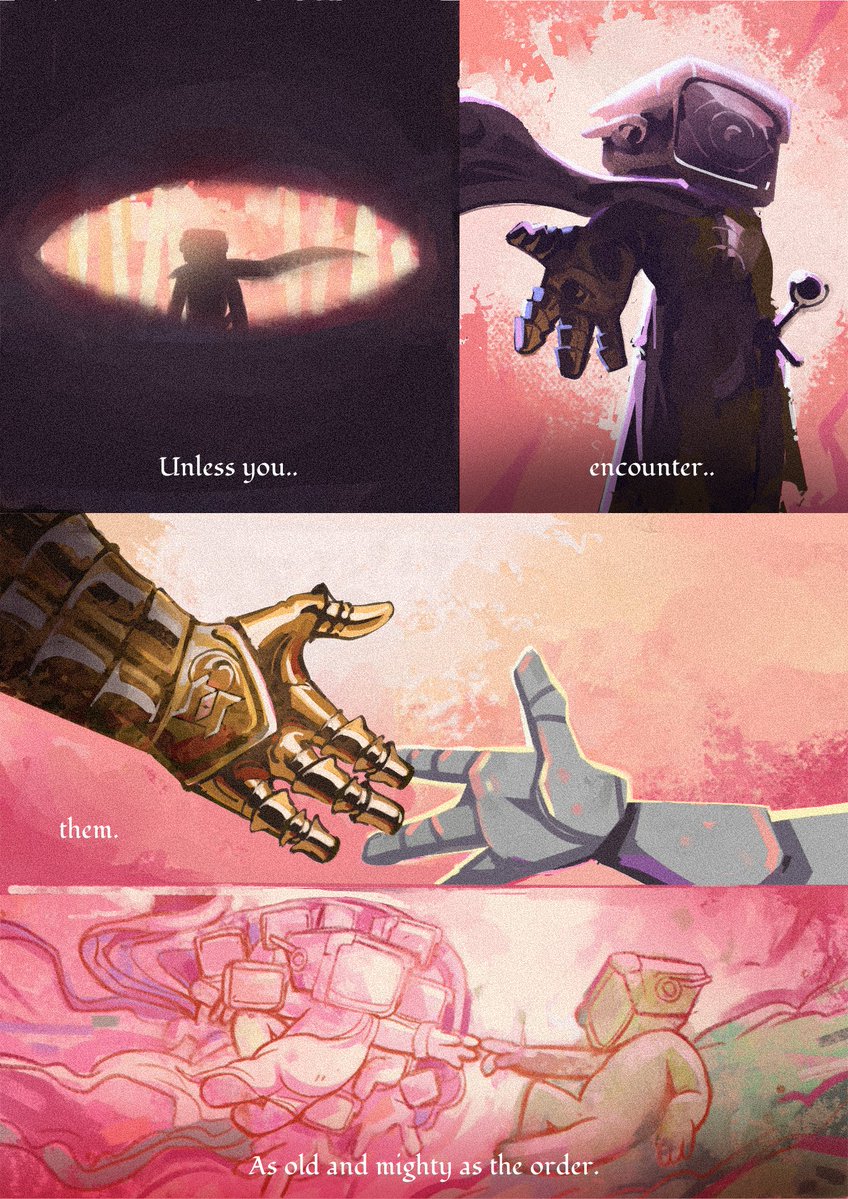
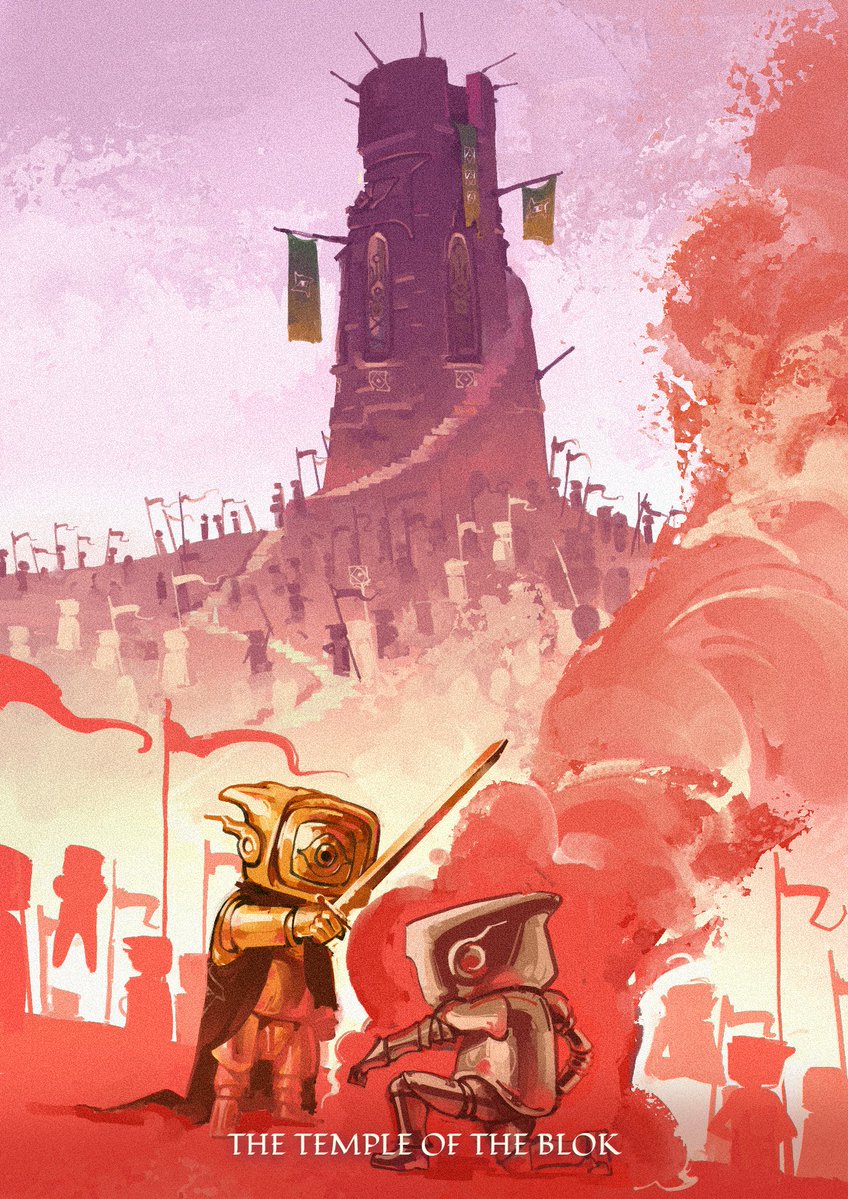
Chapter 2: The Great Conflict
243
128
380
13,342
MarvelCrypt | 3D Motion Designer (❖,❖) retweeted

Jun 14
siggy-fied episode 7 just happened, and this one was a lot of fun
the whole chat was alive. the guesses were everywhere, and honestly, i had a great time hosting this one.
congrats to this week's winners
@0x_dezzy @fakhirgb @leno3z4 @rizann67 @i_xer0 @itsmeagoyy @kaicrypt00 @jalebieth
shoutout to my co-host @marvelcryptic for holding it down as always.
episode 8 is next sunday, 12PM UTC, Ritty Zone 6.
if you've ever wondered how well you actually know people's pfps around here, come test yourself.
and if you show up, there's a good chance you'll get siggy-fied in a future episode.

6
5
21
160
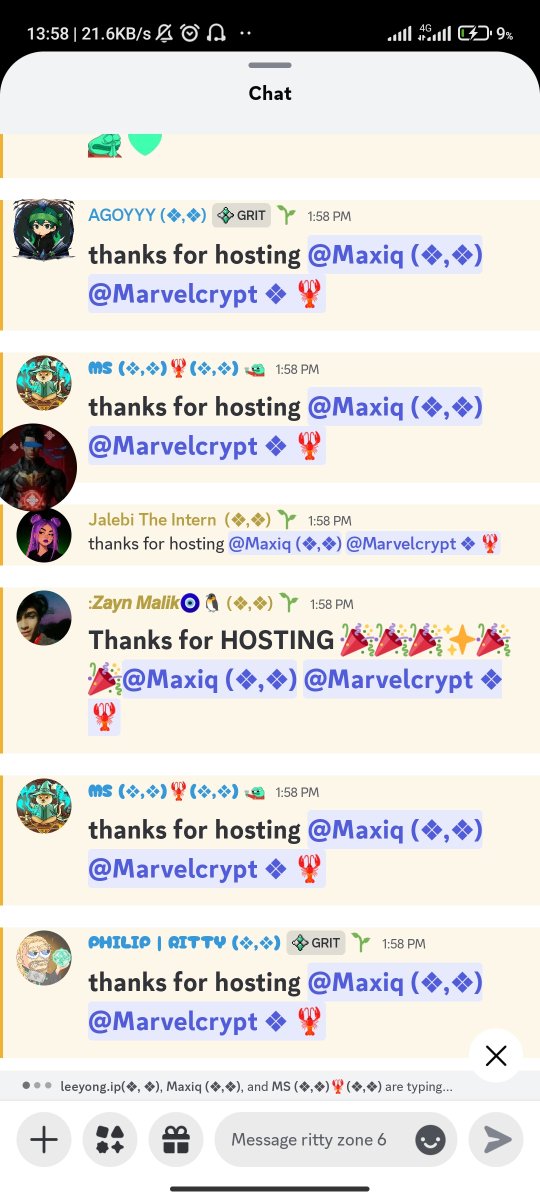
Even though my host and I were sick, we couldn’t miss the 7th edition of the Siggy-fied Event! It was just as fun and exciting as always.
The community really showed up this week — the leaderboard was stacked and so many members stood out. It was awesome seeing everyone locked in and having a great time.
Big congrats to all the winners and everyone who pulled up! Special thanks to @cryptomaxiq
for hosting and to @Kash_060
for keeping everything running smoothly
@ritualnet @ritualfnd #ritualnetwork #siggyfied

3
2
14
175
MarvelCrypt | 3D Motion Designer (❖,❖) retweeted

Jun 14
The first part of the Lore was drawn and redrawn multiple times.
We wanted to get the proportions right, the treatment right, and explore different artistic choices before it reached the point we shared with you all.
Here is a sneak peek into the process.
Next chapter drops within 48 hours.
319
152
564
25,700
MarvelCrypt | 3D Motion Designer (❖,❖) retweeted

Jun 14
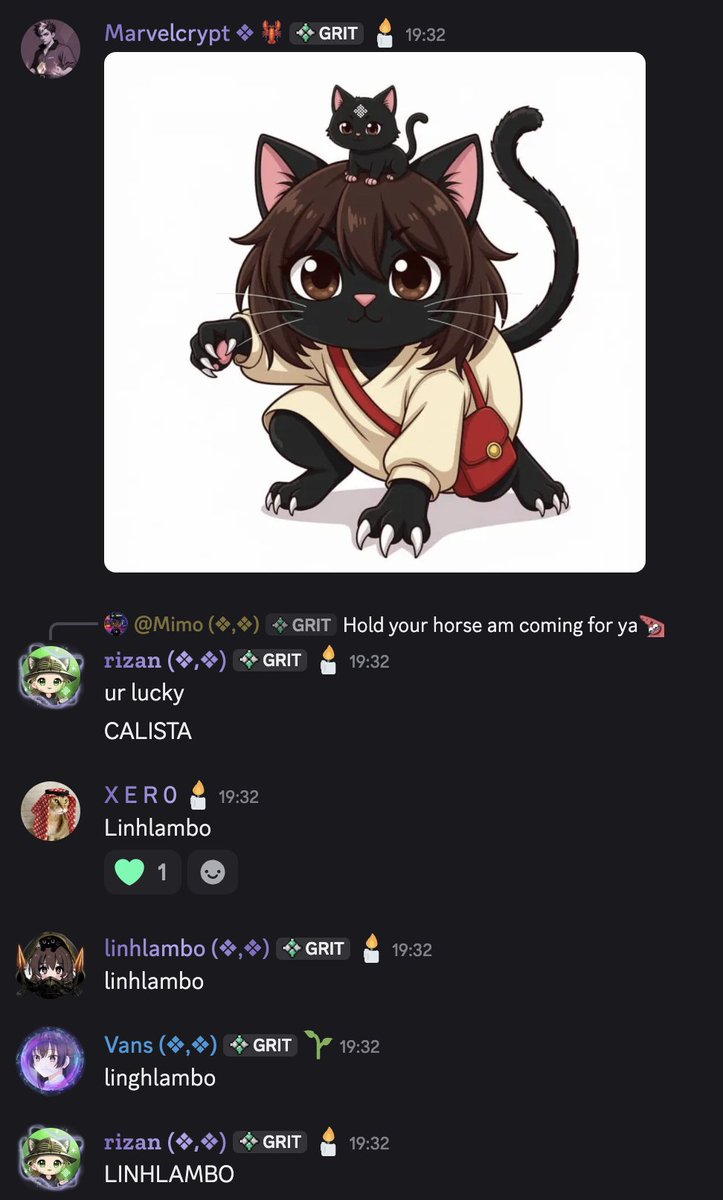
Got Siggyfied for the 2nd time in Siggyfied Event!!!
And again for the 2nd time i couldnt be the 1st one to get my name lmaoooo😭
Tbh i couldnt join the event today as i was touching grass (sorryyyy @cryptomaxiq @marvelcryptic ) but still i tried to be there for few secs because i lob this event so muchhhh no matter how hard it is!!
Will def to be there and join it fullyyyyyyy lesgooo

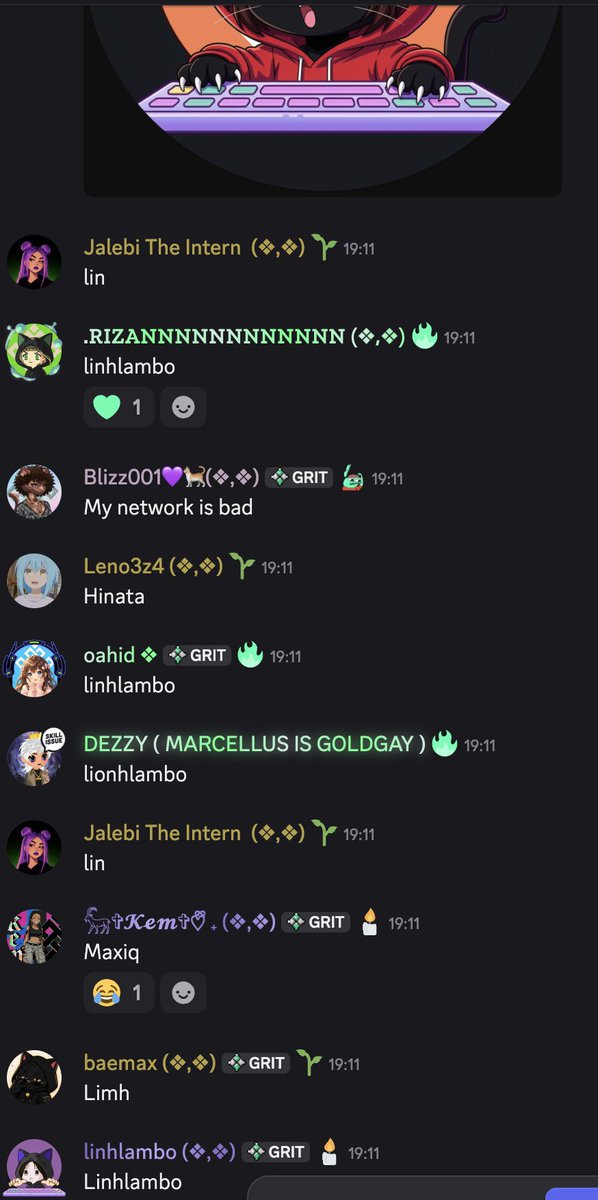
May 10

I got Siggyfied from winning @cryptomaxiq and @marvelcryptic Siggy-fied event - FIRST WEEK!!
The event is so hard but fun at the same time 😆 my brain cant actually handle them hahahah but thank god i already won and appeared in the questionnaire today. Such a shame i wasnt the 1st one to got the correct answer🥲
Another W event from the community, that actually helps us measure ourselves how much we've connected with others💚
14
2
32
357
MarvelCrypt | 3D Motion Designer (❖,❖) retweeted

Jun 12
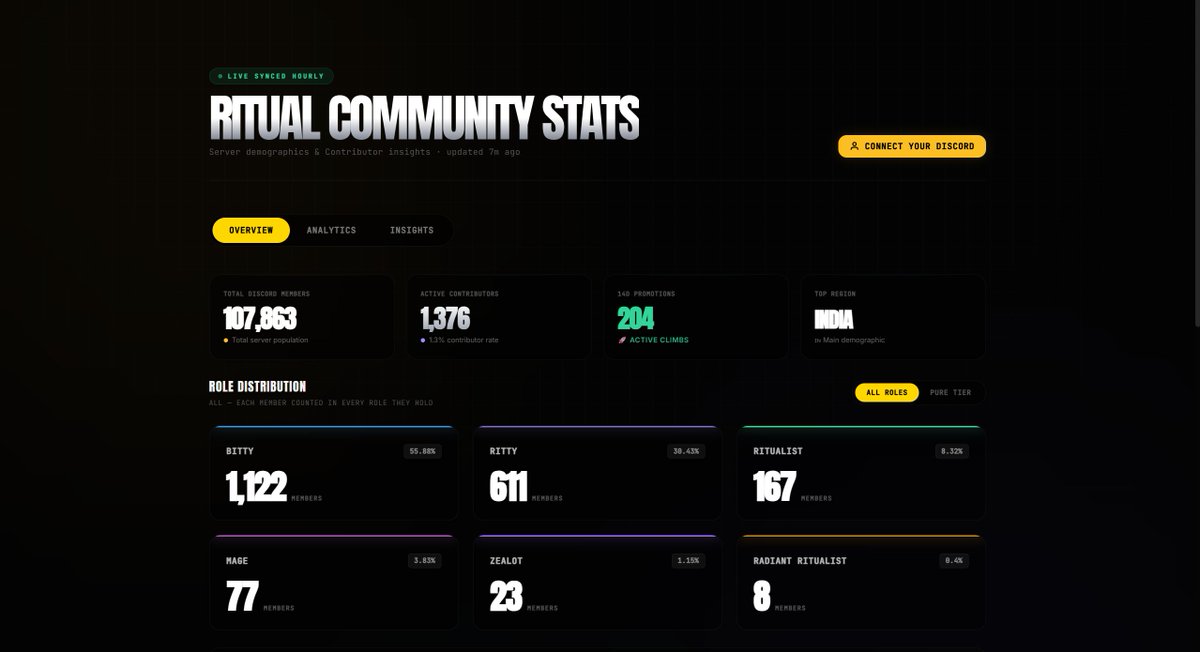
introducing: Ritual Community Stats
a hub for the Ritual community to track and analyze all Ritual Discord members, with details and metrics in an interactive way
updates every hour
from community to community
siggy.decka.my.id/stats
scroll down
@ritualnet @ritualfnd
45
6
111
14,828
MarvelCrypt | 3D Motion Designer (❖,❖) retweeted
Jun 12
Fable 5 shipped this week as Anthropic's most capable public model. It also routes any prompt its classifiers tag as bio, chem, or cyber to a fallback model — and devs are already hitting it on basic engineering and inference questions.
We at Ritual feel conditional access to breakthrough capabilities is antithetical to the democratization of technological progress.
112
126
340
22,248
MarvelCrypt | 3D Motion Designer (❖,❖) retweeted

Jun 10
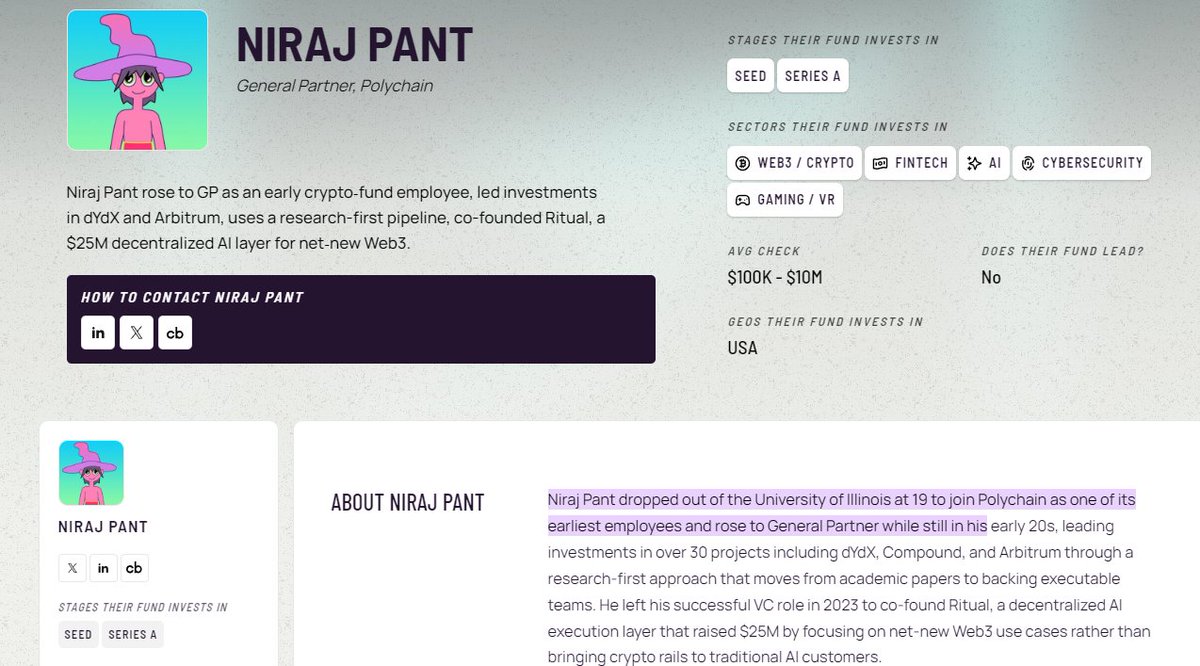
Meet Niraj aka @niraj
The Quant Kid who dropped out of college at 19 and became a crypto general partner in his early 20s
Born in Sydney, raised in Chicago
- teen with a laptop and a dream
- obsessed with code, privacy, and decentralized systems
At 19 (2017)
- he dropped out of UIUC Computer Science
- he cold-emailed his way into Polychain Capital
- he was one of their earliest employees
- he climbed to General Partner in his early 20s
- good eyes for winners - he backed: dYdX, Arbitrum, Compound, EigenLayer 30 others
2023 life
- leaves Polychain
- co-founds @ritualnet with Akilesh Pott
- raises $25M from top funds
- pursues building decentralized AI infrastructure for reliable on-chain agents
now in his mid-20s
- still shipping at Ritual with a stacked team
(DeepMind, Palantir, a16z crypto alumni)
he proved that sometimes the best path isn’t college
it’s conviction execution
If you’re proud of your co-founder, quote this and show some love 🔥
29
11
116
5,083
MarvelCrypt | 3D Motion Designer (❖,❖) retweeted

Jun 9
🎭 INITIATES MEME CONTEST
The journey to the Sanctum was never meant to be easy
Bull markets test your discipline
Bear markets test your conviction
This week, we're putting that journey into your hands
Theme: Surviving the Bull & Bear Market
Create a meme featuring the INITIATES mascot as it navigates the chaos of the market on its road to the Sanctum
Your meme can depict the mascot:
📈 Thriving during a bull run
📉 Surviving a brutal bear market
🎟️ Protecting its Sanctum ticket through market chaos
💎 Refusing to give up when everything is red
🧠 Outlasting the noise while others panic
The only requirement is simple:
The INITIATES mascot must be the main character
Creativity, humor, and originality will be the deciding factors
Contest Period
🗓️ Opens: Tuesday
🗓️ Ends: Friday
⏰ Deadline: 11:00 PM UTC
Any submissions after the deadline will not be considered.
Rewards
🏆 3 Overall Winners
For winners who are not yet in the INITIATES Discord:
→ Exclusive invitation into the community
For winners who are already members:
→ A role upgrade within the server.
Submission Rules
• One entry per participant
• Keep submissions original
• Follow the contest theme
• Low-effort or stolen content will be disqualified
• Use "#RoadToTheSanctum" when submitting
The market may be volatile
The Signal remains
Good luck
⚡ INITIATE ACCORDINGLY

42
23
139
23,909
MarvelCrypt | 3D Motion Designer (❖,❖) retweeted

Jun 8
Ritual Testnet Stats: Week 7
This week feels like a good moment to stop asking the easy question.
The easy question is:
which primitive is winning?
HTTP is first at 31.9%. Sovereign Agent is second at 30.9%. Long-Running HTTP is third at 15.8%.
So the lazy read would be: HTTP is back on top.
But I think that misses the more interesting part.
These numbers do not look like primitives competing with each other. They look like division of labor.
HTTP is not beating agents. It is feeding them context.
Sovereign Agent is not replacing HTTP. It is becoming the execution surface around that context.
Long-Running HTTP is not just a slower API call. It is the admission that useful work often refuses to fit inside one instant response.
That is the Week 7 signal for me.
Ritual is starting to look less like a collection of features and more like a small economy of work.
Some work needs context. Some work needs agency. Some work needs time. Some work needs settlement. Some work still needs normal EVM execution underneath.
And the testnet is starting to show all of those layers moving at once.
EIP-1559 is 39.05%, which means the normal EVM base is still alive and important. That is good. A chain that only shows exotic activity can be misleading.
Builders still need boring transactions: deployments, contract calls, testing, state changes, basic interactions.
That is the ground layer.
But the rest of the activity bends away from normal EVM behavior.
Scheduled is 13.82%. Async Commitment is 23.90%. Async Settlement is 23.23%. Async adoption is 47.13%.
So almost half of the window is async.
Not a small side experiment. Not a decorative AI layer.
Almost every second transaction is part of work that has phases.
A normal transaction has a simple shape:
send, execute, done.
Ritual keeps showing a different shape:
start, wait, commit, settle, return.
That shape matters more than the raw percentage. It means builders are testing time, delay, external context, and callbacks as first-class parts of applications.
This is where Ritual watch awesome .
Not it has AI. Many projects have AI.
Ritual is i the network is slowly teaching builders to think in workflows instead of moments.
The scheduled jobs number makes this clearer.
Active scheduled jobs: 207.
That might be one of the most important numbers this week.
A scheduled job is basically a promise to the future. It says: not now, but later.
That sounds simple, but most dApps are terrible at “later.” They depend on keepers, bots, servers, dashboards, scripts, or users coming back and clicking again.
Ritual makes “later” part of the execution environment.
For agents, that is huge.
An agent that only acts when a user pokes it is not really an agent. It is a button with better branding.
A useful agent needs to return, check again, wait for a condition, retry, follow up, and continue after the user leaves.
So when scheduled jobs rise, I do not read it only as more automation.
I read it as the beginning of persistent behavior.
The network is not only processing transactions.
It is holding intentions.
The mempool snapshot is also very Ritual-looking.
Pending transactions are at 0. Scheduled pool is at 1. Async pipeline is at 33. Base fee is 7 wei.
The normal pending queue is empty. The network is not congested. But the async pipeline is alive.
That tells us something subtle: the interesting work is not always visible in the place crypto users are used to watching.
On a normal chain, people look at pending transactions and gas.
On Ritual, you also have to look at the pipeline.
That is where delayed work lives. That is where the workflow is still breathing.
This is also a UX warning for builders.
If you build a Ritual app like a normal dApp, you will probably make it feel broken.
Normal dApp UX mostly says pending or confirmed.
Ritual apps need more language: submitted, committed, polling, waiting, settling, delivered, expired, failed.
The app has to explain where the work is, not only whether the transaction landed.
That is not a small frontend detail.
It is the difference between a user trusting the workflow and a user thinking nothing is happening.
The precompile table also says something healthy about the testnet.
LLM Call is only 4.7%.
That surprised me in a good way.
If Ritual were only attracting people who want to spam AI onchain, LLM would probably be much higher.
But the top of the table is HTTP, Sovereign Agent, and Long-Running HTTP.
That means builders are not only testing model calls. They are testing the plumbing around intelligence.
Context. Agents. Longer external work.
That is healthier.
A model call is only one part of the loop. Before the model can reason, it needs context. After it reasons, something has to execute. If the task takes time, something has to wait. If the result matters, something has to settle. If access is needed, something has to handle keys and secrets.
That is why DKMS at 5.7% is worth noticing too.
It is not the loudest number, but it is a serious one.
DKMS is the kind of primitive people ignore until they try to build something real. Then they realize agents need permissions, credentials, private access, and controlled secrets.
Without that, agents stay in demo land.
With it, they can start touching real workflows.
So the Week 7 distribution feels more grounded than flashy.
HTTP is context. Sovereign Agent is execution presence. Long-Running HTTP is patience. DKMS is access. LLM is reasoning. Async is lifecycle. Scheduler is future intent. EIP-1559 is the EVM base.
That is not random activity.
That is the outline of an operating environment.
The agent numbers add another layer: 33 Persistent and 17 Sovereign agents. At first glance, that might look smaller than expected. But Sovereign Agent is still 30.9% of precompile usage.
So the story is not only how many agents are registered.
The story is how much the agent path is being used.
A network can have many registered objects and no meaningful activity. Here, the agent primitive is sitting almost equal with HTTP at the top of precompile usage.
That suggests the testnet is not only collecting agents.
It is exercising them.
The validator and block data give the base layer context. The explorer shows fast block times, low pending activity, active validators, and mixed usage moving through the same environment.
I would not turn these live windows into final benchmarks. They are snapshots. They move quickly.
But they show one thing clearly:
the network is handling mixed activity without looking stuck.
Normal transactions. Scheduled jobs. Async commitments. Async settlements. HTTP calls. Agent calls. Long-running tasks.
All of that is moving inside the same environment.
That matters more to me than one headline number.
Week 7 is not about a single metric exploding.
It is about role separation becoming visible.
Earlier weeks felt like discovery. Builders were poking primitives: HTTP here, agents there, async somewhere else.
Now the activity starts to look more like a system.
HTTP is the sensory layer. Long-Running HTTP is patience as infrastructure. Scheduler is intent placed into the future. Async is the lifecycle of work. Agents are execution participants. EIP-1559 is still the familiar base underneath it all.
That may be the most important point.
Ritual does not look like it is trying to delete the normal chain model.
It looks like it is extending it.
Normal transactions are still the ground. Around them, another kind of application logic is forming.
Logic that can see outside, wait, return, settle, use agents, handle access, and move through phases.
That is why Week 7 feels meaningful.
Not because the testnet is already mature. It is not.
Not because the numbers are huge. They are still early.
But because the pattern is becoming harder to dismiss.
Ritual is not only testing whether AI can be put onchain.
It is testing whether blockchains can become environments for work that does not finish instantly.
That is a much bigger idea.
Most real work is not instant.
Markets wait for signals. Agents wait for context. Users wait for results. Apps wait for external systems. Risk engines wait for conditions. Automation waits for time.
The old chain model compresses everything into one moment.
Ritual is experimenting with a chain model where work can have a process.
That is the deeper Week 7 signal for me.
The network is not just producing blocks.
It is starting to show a grammar.
Context. Agency. Time. Access. Settlement. Return.
If that grammar keeps developing, Ritual apps will not feel like normal dApps with AI sprinkled on top.
They will feel like workflows that happen to settle onchain.
And that is a interesting future.
Not only transactions.
The beginning of workflow-native crypto.
Check: explorer.ritualfoundation.or…
@ritualnet
@ritualfnd
Jun 1

Ritual Testnet Stats: Week 6
This week I do not want to start with precompiles.
I want to start with something quieter:
the pulse of the network.
The explorer is showing 128 recent blocks, about 4.3 minutes of live history.
Average gas usage is 341,397 per block.
Average block size is 15.89 KB.
Average block time is 0.31s.
These are short live windows, so I would not treat them as final benchmark numbers.
But they are useful for another reason.
They show motion.
Gas is not flat. Block size is not flat. Execution is arriving in bursts.
That is what a live testnet should look like.
Not a perfectly smooth demo.
A moving system.
Latest Transactions show around 2.1 transactions per block. On its own, that number does not say enough. The better question is not only how many transactions?
The better question is:
what kind of activity is creating the pulse?
That is where the Agent Transactions page becomes useful.
Average agent transactions are at 1.1 per block. There are 58 registered agents. In the current window, the agent activity is mostly Heartbeat and Sovereign transactions.
The heartbeat number is the one I like.
Heartbeat is not flashy. It does not sound like a big AI moment.
But for agents, heartbeat is a sign of life.
A normal bot answers and disappears. An agent needs to keep existing. It needs to be monitored, reachable, and visible over time.
So when the explorer starts showing agent heartbeats as part of network activity, Ritual feels less like a place for one-off demos and more like a place where agents can have presence.
That is a different kind of signal.
Async activity tells the same story from another angle.
Total async is 44, with 17 commits and 27 settlements.
The split matters more than the total.
Work is not only being started. It is also coming back.
For an agent environment, that matters. Useful work often does not finish in the same instant it begins. Something gets picked up, something runs, and something returns.
Week 6 gives a nice operational view of that.
The machinery is visible.
The scheduled pool is almost empty right now: 0 active scheduled jobs, 1 total in pool, and 1 completed recently.
At first, that sounds small.
But the example still matters: frequency of 10 blocks, TTL of 30.
That is Ritual’s time layer in miniature.
A task can be placed into the future. Not every action needs to happen now.
For agents, that matters a lot.
They need more than instant response. They need timing: check later, return after a delay, try again, continue when the condition is ready.
Even one scheduled job is a reminder that Ritual apps can be designed around time, not just clicks.
The mempool adds another small clue.
Pending transactions are at 0. Scheduled pool is at 0. The async pipeline shows 10. Base fee is 7 wei.
That is a clean snapshot.
No visible pending congestion. Tiny base fee. But the async pipeline is still alive.
That tells me the interesting work is not always sitting in the normal pending queue.
Some of it lives in the workflow layer.
That matters for builders.
If you build on Ritual, your app should not only watch transaction status. It should watch process status.
A user should not be stuck with loading. They should know whether the work is waiting, committed, settled, delivered, expired, or failed.
That may become one of the biggest UX differences between normal dApps and Ritual apps.
The validator screen gives the base layer context: 33 validators, 33 active proposers, and 348 blocks analyzed in the last minute.
That is the foundation underneath all of this.
So Week 6 is not about one primitive winning.
It is about the system showing its pulse.
Blocks are moving. Gas and block size are uneven. Agents have visible activity. Async work has both commits and settlements. Scheduler is present as a time layer. The mempool is calm, but the async pipeline is alive. Validators are keeping the base rhythm going.
That is the story I take from this week.
Ritual testnet to look less like a page of features and more like an operating environment with different kinds of motion.
Some motion is immediate.
Some motion is delayed.
Some motion is agent-driven.
Some motion is async.
Some motion is just the base chain breathing underneath
A network with a pulse.
Check: explorer.ritualfoundation.or…
@ritualnet
@ritualfnd
55
11
147
3,391

👾 Meet Your AI Companion in the @ritualnet World
After a smooth landing from Imagineer Planet, our favorite visitor is recharged and ready to mingle. Time to meet PLOPLO! 🧵👇
123
64
284
28,898
MarvelCrypt | 3D Motion Designer (❖,❖) retweeted

Jun 7
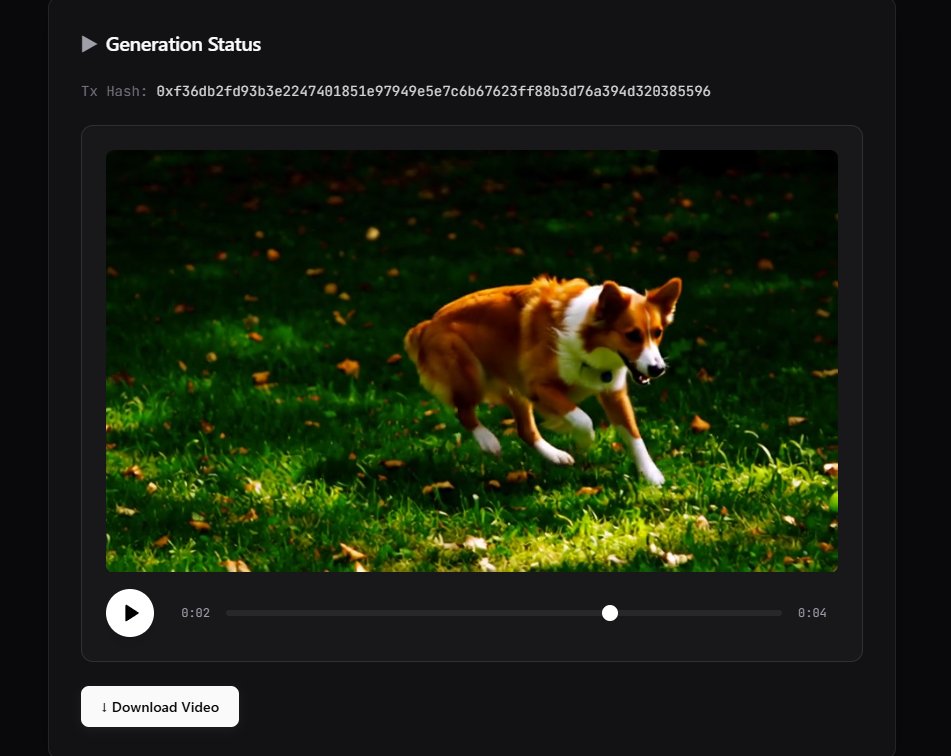
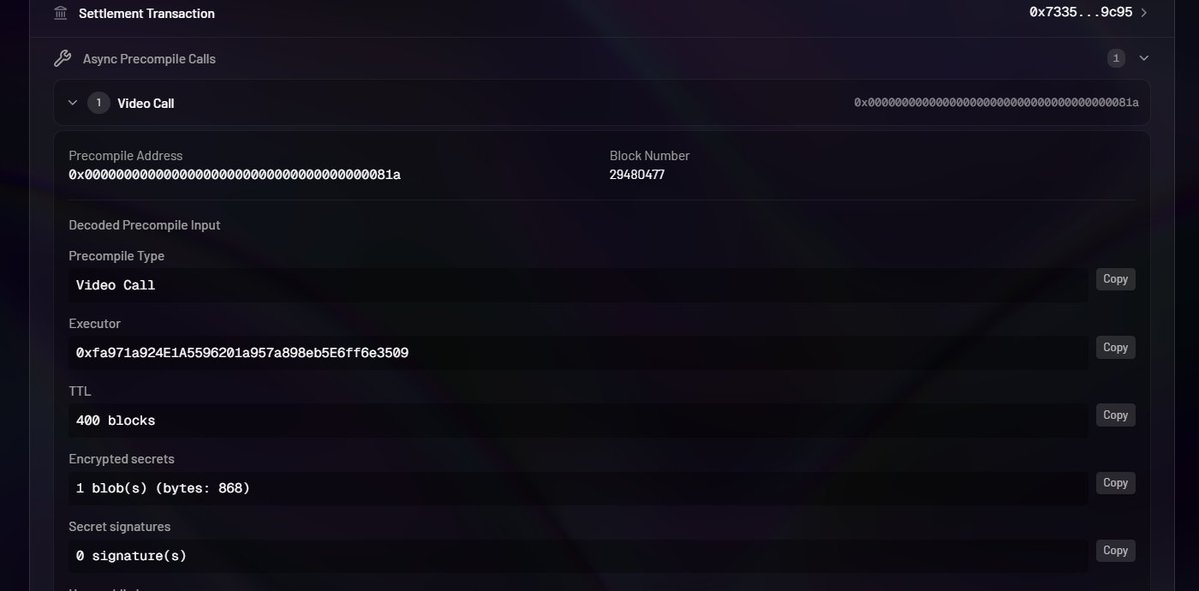
Ritual Dreamscape has just been updated to support the @ritualnet Video Precompile. The system now securely routes visual prompts to decentralized TEE executors to compile video outputs entirely on-chain.
Link: ritual-dreamscape.vercel.app
With this update, the Dreamscape architecture now successfully implements all four core multimodal features:
LLM: Text-to-Text inference (0x0802)
Image: Text-to-Image inference (0x0818)
Audio: Text-to-Audio inference (0x0819)
Video: Text-to-Video inference (0x081A)
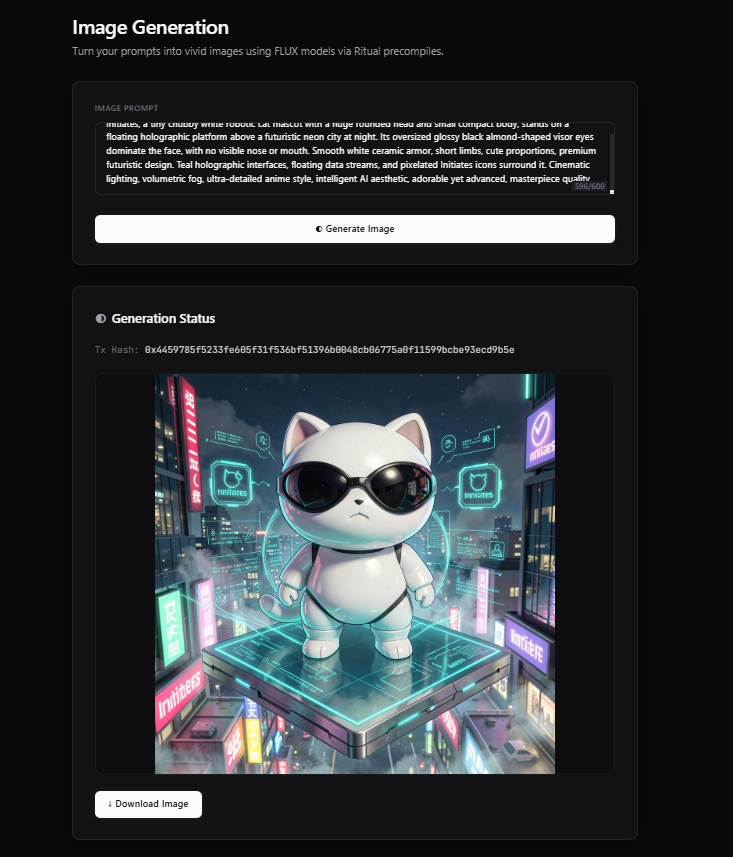
I also try to make @Initiatenft_ mascot by using ritual image precompile this was the closest i got trying by Text-to-Image function pls do try it and make better then me just by using text lets see who gets the best result using it.
@ritualfnd @joshsimenhoff @0xMadScientist @Jez_Cryptoz @dunken9718 @Majorproject5 @cryptooflashh
Jun 6

Introducing Ritual Dreamscape
Ritual Dreamscape is a decentralized AI content creation suite built on Ritual Testnet.
Link: ritual-dreamscape.vercel.app
The goal was to explore multiple parts of Ritual's AI infrastructure in a single application while allowing users to generate optimized prompts, images, and audio directly from their wallet.
How it works
• Prompt Optimization
Users start with a simple idea.
The prompt is sent through Ritual's LLM Precompile (0x0802) using GLM-4.7-FP8, where it is transformed into a richer and more detailed prompt optimized for content generation.
The request is ABI encoded and submitted on-chain, and the optimized output is extracted directly from the transaction receipt.
• Image Generation
Users can generate images through Ritual's Image Precompile (0x0818) using FLUX.2-klein-4B.
The prompt is uploaded to IPFS, submitted through the application contract, processed by Ritual's execution infrastructure, and the generated image is returned once generation is complete.
• Audio Generation
Users can generate audio narration through Ritual's Audio Precompile (0x0819) using LFM2.5-Audio-1.5B.
Users can provide any text they want narrated. The application tracks request status and retrieves the generated audio once processing is complete.
• Funds Management
The application includes a dedicated page for managing RITUAL balances, deposits, withdrawals, and tracking locked funds associated with active AI requests.
Secure Secret Management
The project implements encrypted secret handling using ECIES through eciesjs.
Sensitive credentials are encrypted directly in the browser before being submitted, ensuring only the intended executor can decrypt and access the underlying data.
Handling Decentralized AI Workflows
A major part of the project was handling the different workflows involved in decentralized AI requests.
The application tracks request status, monitors transactions, retrieves results, handles failed requests, and manages long-running AI jobs while keeping users informed throughout the process.
User Experience
To make the application easier to use, Dreamscape includes a built-in Guide system that walks users through every part of the platform.
Users can launch an interactive guided tour that explains how to connect a wallet, manage funds, optimize prompts, generate images, create audio narrations, and navigate the different sections of the application.
The goal was to make interacting with Ritual's AI infrastructure straightforward, even for users who are completely new to Web3.
Ritual Dreamscape combines these components into a single application that allows users to generate optimized prompts, images, and audio while interacting directly with Ritual's decentralized AI infrastructure.
@ritualnet @ritualfnd @joshsimenhoff @0xMadScientist @Jez_Cryptoz @dunken9718 @Majorproject5 @cryptooflashh
47
5
102
5,984
MarvelCrypt | 3D Motion Designer (❖,❖) retweeted
Jun 6
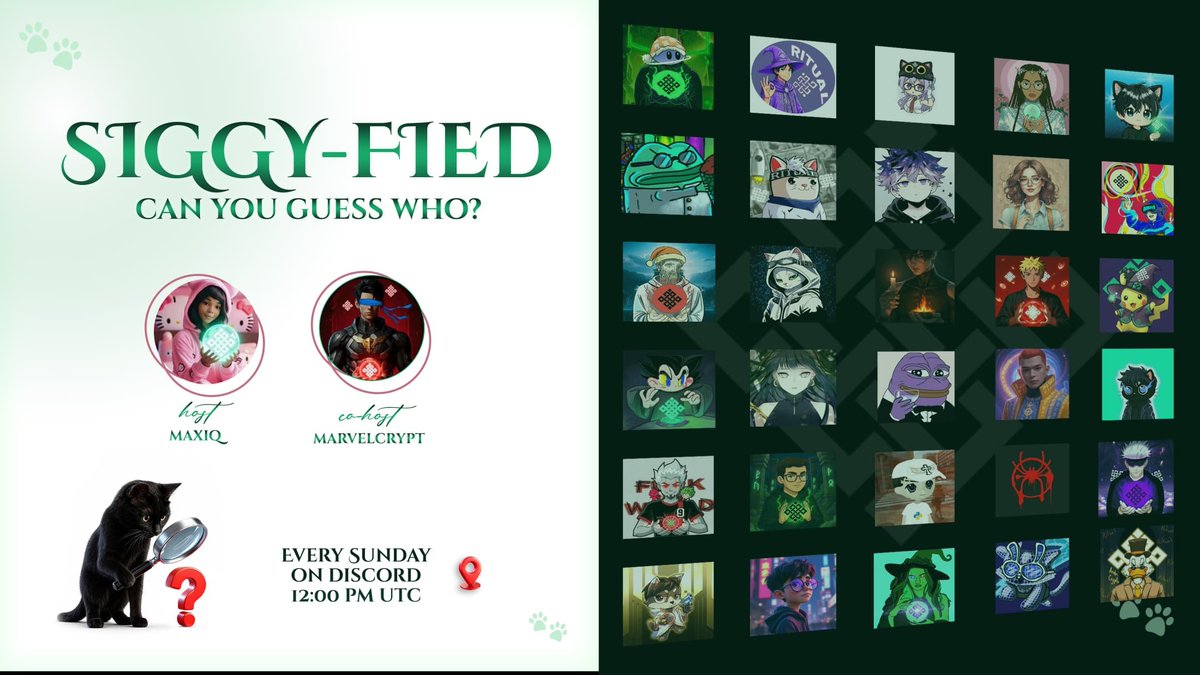
episode 6 of siggy-fied is coming and this one is going to be different
we've been building up to this and honestly the energy just keeps going up every week.
if you've been on the fence about joining,
episode 6 is the one you don't want to sit out
see you tomorrow 12PM UTC on Discord
@ritualfnd
6
2
26
214
MarvelCrypt | 3D Motion Designer (❖,❖) retweeted

Jun 6
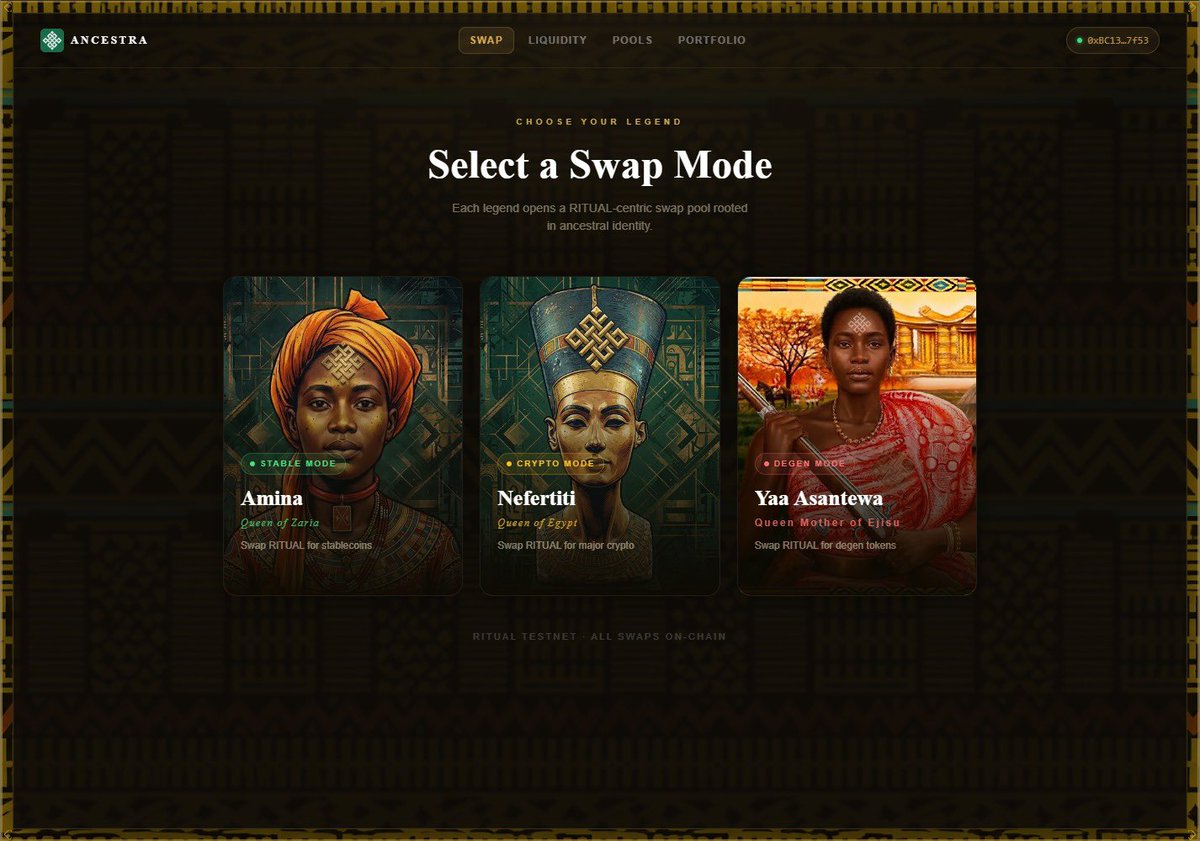
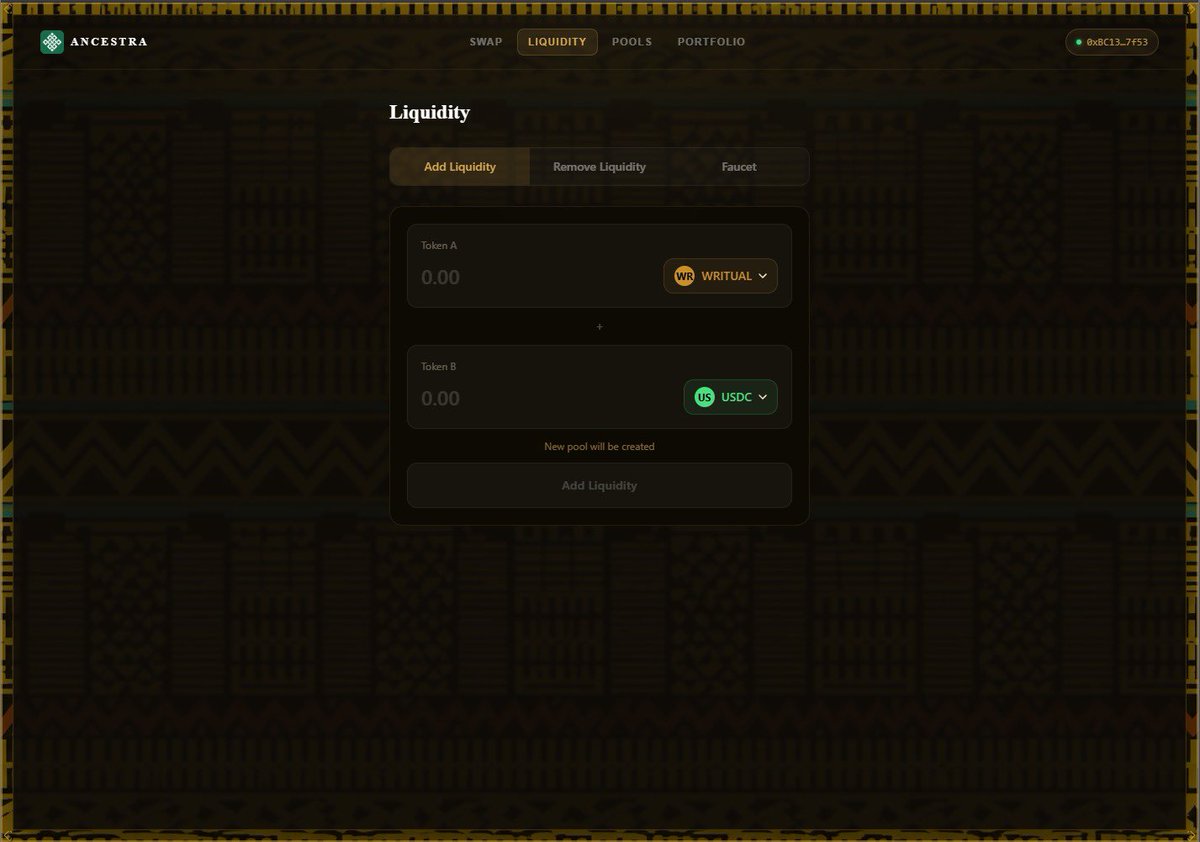
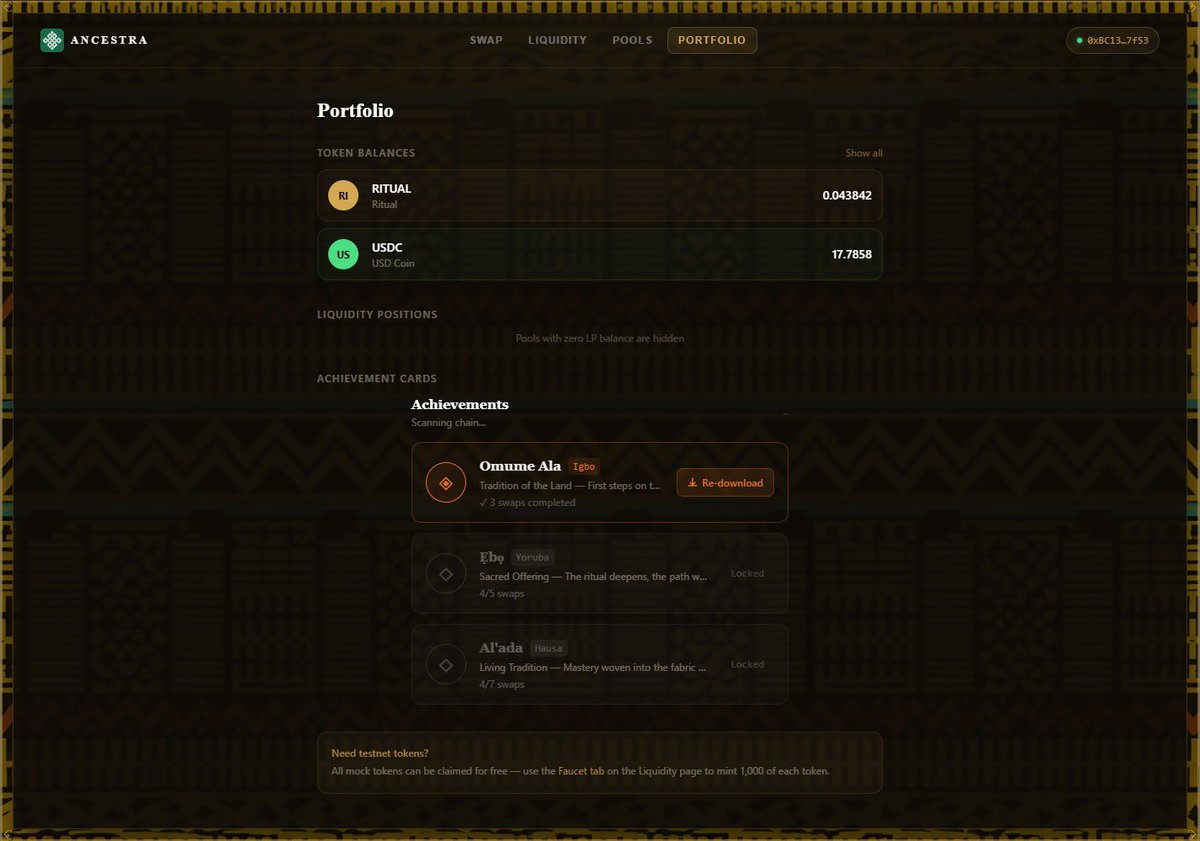
I built Ancestra, a Ritual-native DEX with a Ritual-centric design.
Current functionality:
* Token swaps
* Add liquidity
* Ritual-native transaction flow
* RITUAL-centric liquidity structure
Goal :create a simple, culturally distinct DEX experience.
ancestra-dex.vercel.app/

37
13
101
9,279
MarvelCrypt | 3D Motion Designer (❖,❖) retweeted
Jun 4
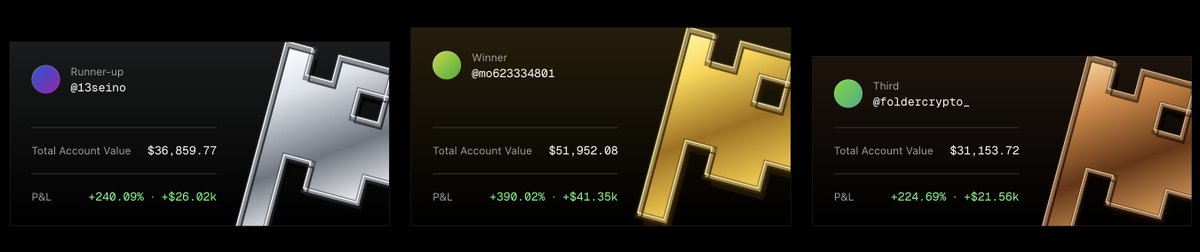
The market is bleeding. Our top traders didn't get the memo
Ready to print? Your turn: test.pod.network
48
34
68
2,907
MarvelCrypt | 3D Motion Designer (❖,❖) retweeted

Jun 4
40
16
100
2,981
MarvelCrypt | 3D Motion Designer (❖,❖) retweeted

Jun 5
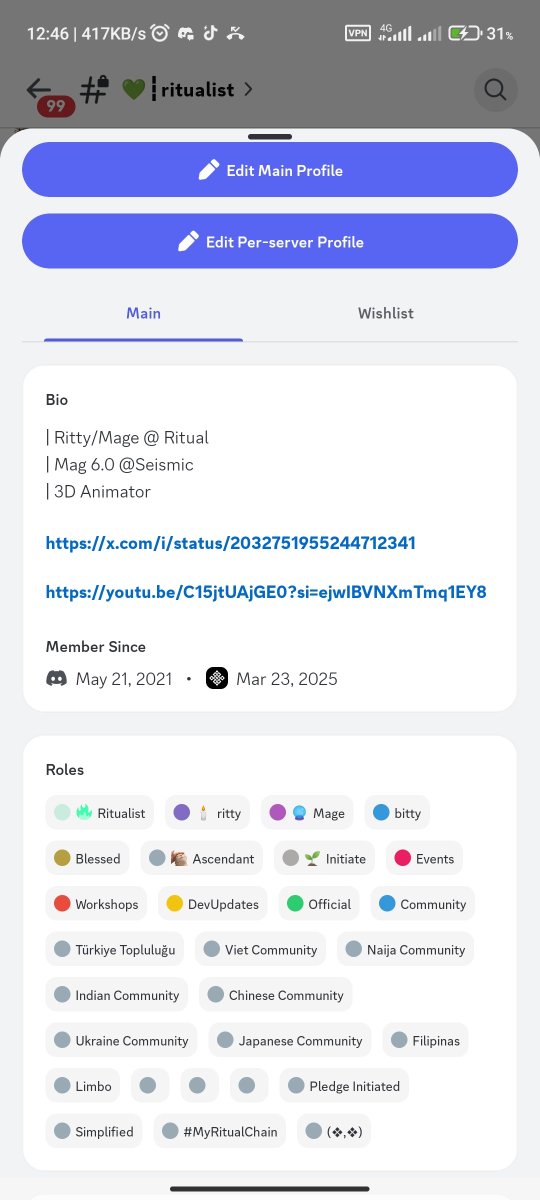
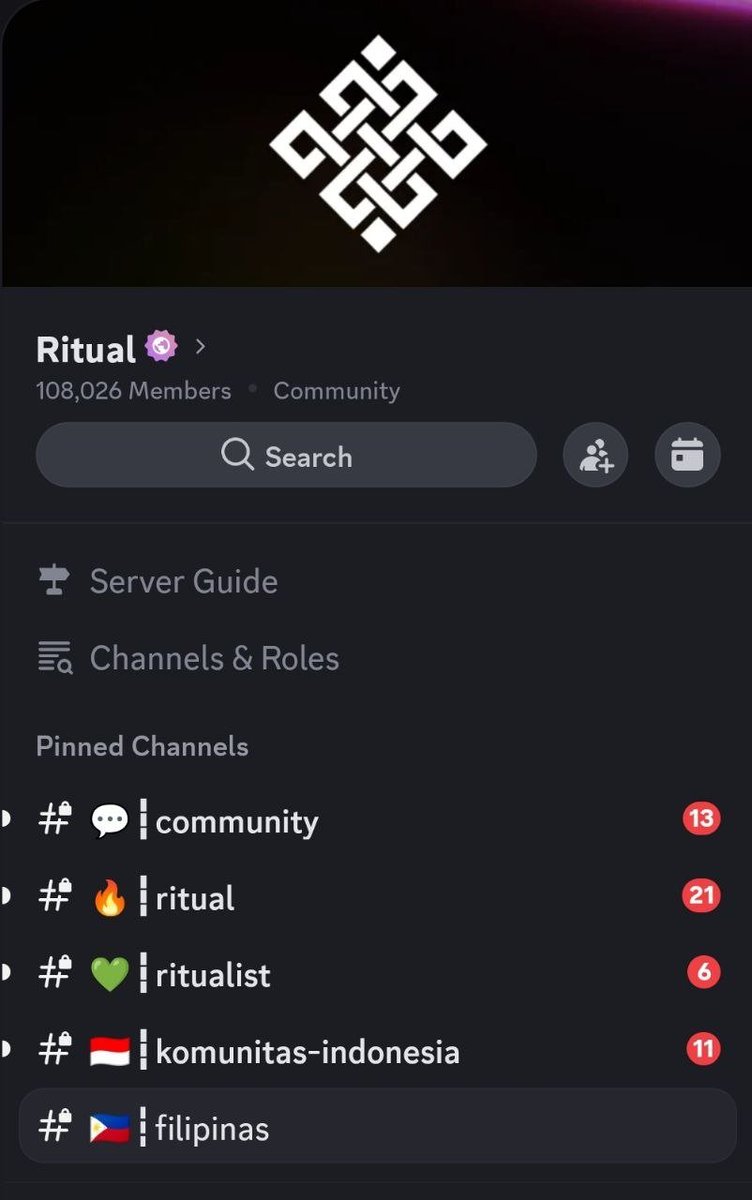
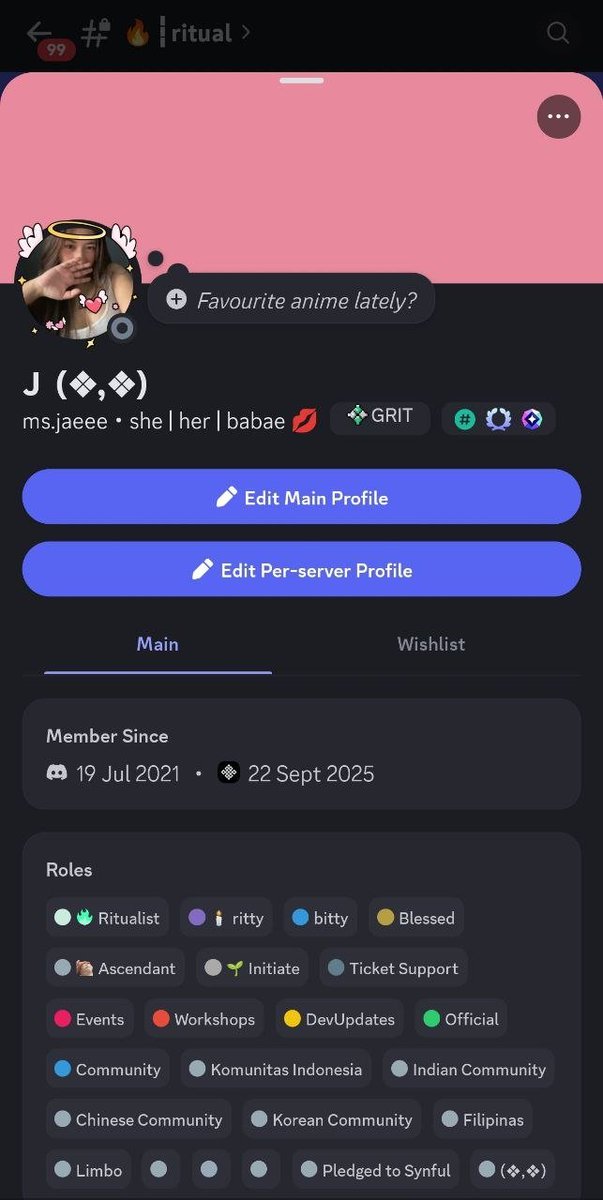
Finally unlocked my Ritualist role 💚
after 5 months of being ritty
The wait was worth it! 💚
Shoutout to everyone who always here to support my content everyday. 💚
and a special thank you to @El__khalil for always showing up for others, always there for the community. 🔥
Let's keep growing, contributing & building together.
@joshsimenhoff | @Jez_Cryptoz | @0xMadScientist
Jan 9

Finally i got the Ritty role todaaaaay!!!
Thank you to everyone who supported me along the way.
Let’s keep growing and contributing together. 💚
thank you @joshsimenhoff @Jez_Cryptoz
@0xMadScientist @dunken9718
gritual ❖
72
3
143
2,006