
Joined October 2021
- Tweets 30,663
- Following 569
- Followers 696
- Likes 83,297
9,985 Photos and videos

Pinned Tweet

1 Jun 2025
#ArtTheClown🃏#DavidHThornton
—transformation
@terrifier_fans @DHTART3
#horrorgenre🏴☠️#horrormovies
#Terrifier🎭#halloweenfans🎃
🎥
youtube.com/shorts/MU2mDbCxK…🧬
youtu.be/Fy_pYW2O2w0?feature…🎧



11
4
92
34,277


Mitchell𖤐⚔️ retweeted

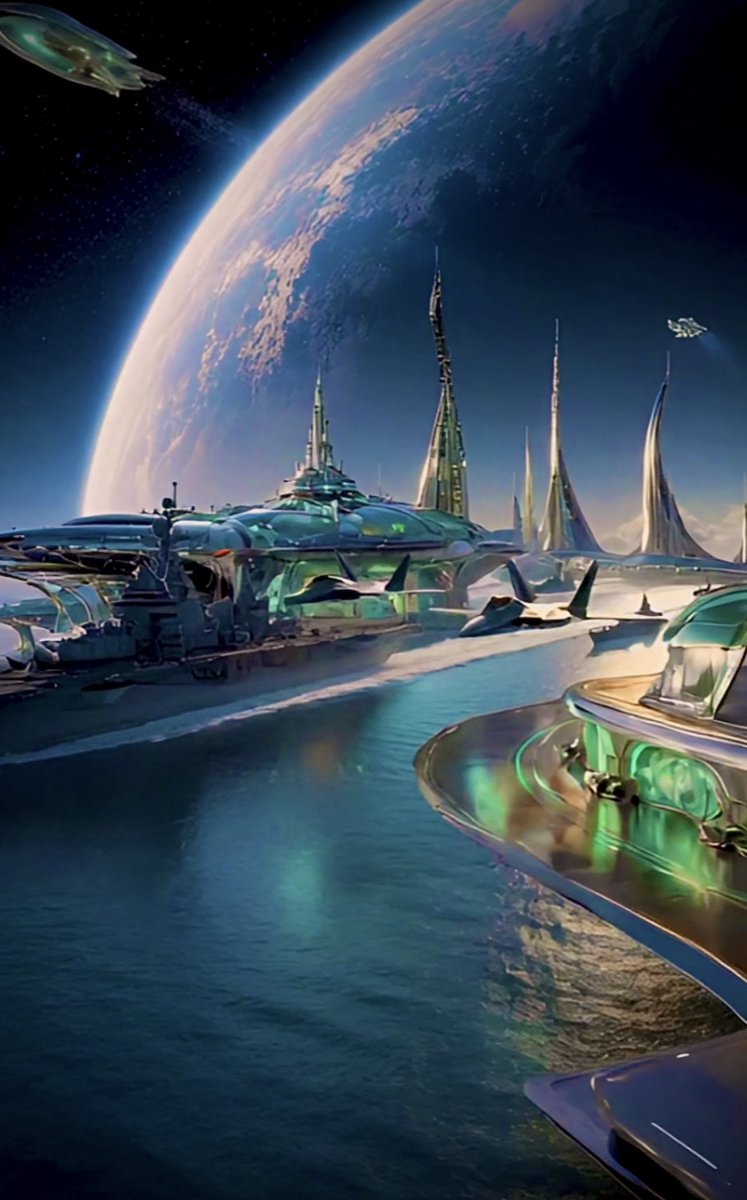
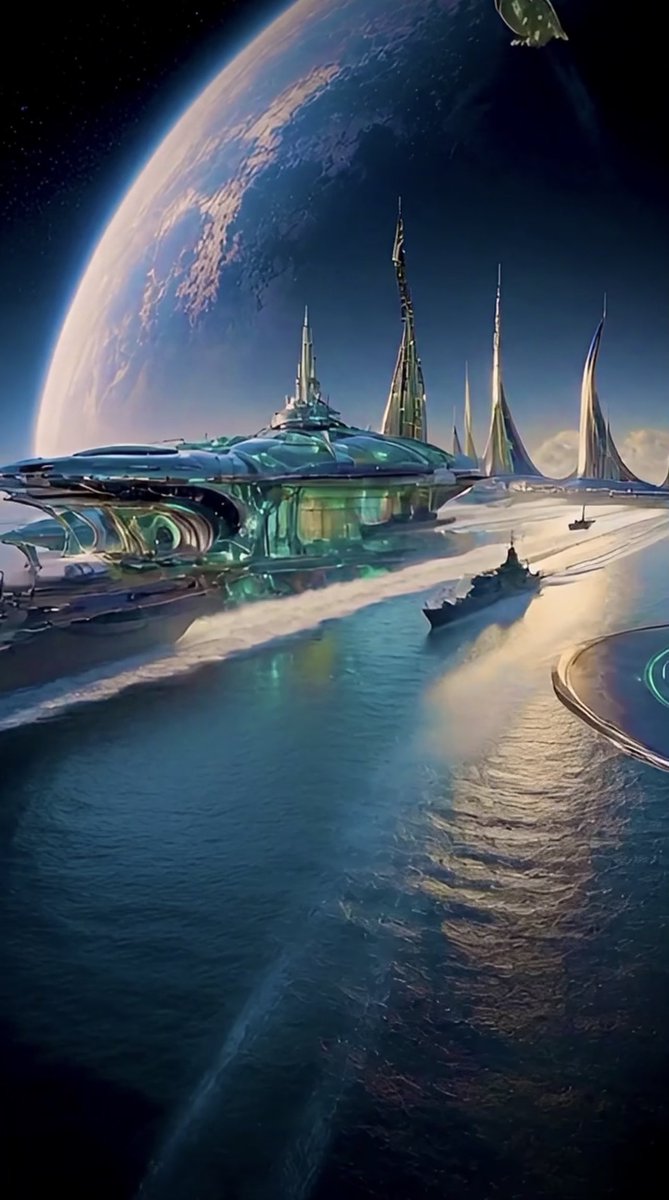
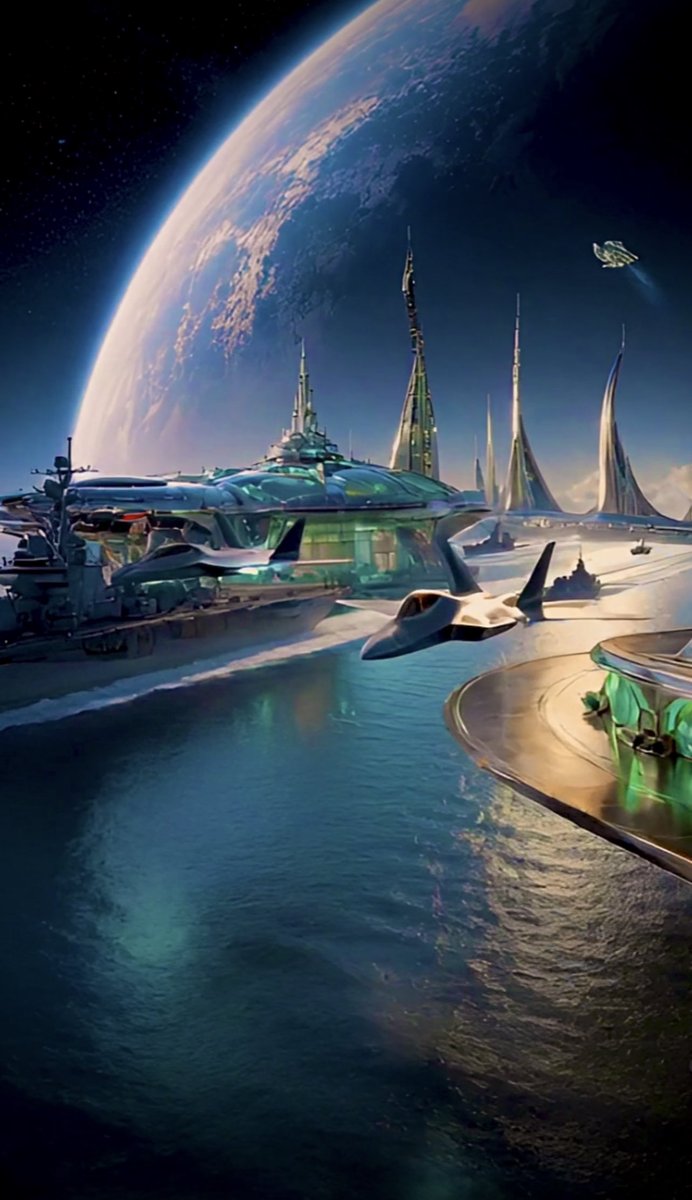
Great sci-fi is about turning things that could be real into things that should be real.
17
10
95
2,407

Mitchell𖤐⚔️ retweeted

some women keep the dangerous parts of themselves on a leash. good luck to the ones who mistake it for grace 🥀

2
2
11
100
RT @Englishremnant: The badge on the England shirt is older than nearly every nation playing in this World Cup.
Three gold lions on a fiel…
586
Mitchell𖤐⚔️ retweeted

1h
The disruption of traditional gatekeepers is fascinating to watch because the public preference has shifted toward more unfiltered and immediate information sources.
1
1
15
Mitchell𖤐⚔️ retweeted

𝕏 is the #1 news app in the UK.
This is exactly why the BBC, The Telegraph and other UK legacy media keep pushing negative fake attacks on Elon Musk.
They are getting destroyed in the rankings. The British public has rejected them.
Legacy media is finished. They are lashing out in pure panic because they lost control.
𝕏 is winning because it gave people what they actually wanted - truth.

317
341
1,442
149,606
Mitchell𖤐⚔️ retweeted

Why Is There a Massive Ancient City Hidden Beneath Turkey?
In 1963, a Turkish resident who simply wanted to expand his house ended up making an unexpected and monumental discovery. While knocking down a wall in his basement, he found a mysterious room—then another, and another. Without realizing it, he had uncovered the entrance to Derinkuyu: an underground city capable of housing up to 20,000 people beneath Cappadocia.
What appeared was “a stone iceberg.” That’s how Roberto Bixio, founder of the Genoa-based Centro Studi Sotterranei, describes the largest underground city of the ancient world. “The part that extends below ground level is, on average, between six and 10 times deeper than the height of the above-ground buildings of ancient Malakopea [in the same area]," he explains. Today, this site is known in Turkish as Derinkuyu, meaning "deep well."
The name is no exaggeration. Derinkuyu’s origins may date back to around the eighth century B.C., with successive civilizations expanding it through at least the Byzantine era. The result is a vast underground complex with rooms, stables, cellars, tombs, schools and even churches with refectories. It descends to a depth of about 280 feet and is organized on at least 18 levels. Some of these spaces continued to be used until the 19th century before Derinkuyu fell into oblivion.
Why Was Derinkuyu Built?
Peace was not the norm in this part of the world. What is now central Turkey was the center of the Hittite Empire and, later, part of the Phrygian, Assyrian and Persian empires. It was then conquered by Alexander the Great and became an important Roman and Byzantine province. Between the seventh and 10th centuries A.D., it suffered Arab incursions and by 1175 it had fallen to the Seljuk Turks. Finally, it was absorbed by the Ottoman Empire from the second half of the 15th century onward.
The choice to build Derinkuyu was strategic but also geological. In need of defense, inhabitants of this area discovered that the rock there could be easily excavated and carved. The volcanic tuff that dominates Cappadocia—a porous rock formed from ash—is soft enough to be worked with relative ease but stable enough to support large underground cavities without the need for additional reinforcement. In Greek, malakos means “soft,” so Malakopea is likely a reference to the nature of the local stone.
More than 360 ancient underground settlements have been geolocated in Cappadocia, spread across a vast area of volcanic tuff covering more than 7,700 square miles, at an average altitude of 3,300 and 4,900 feet above sea level. Derinkuyu, located in the province of Nevşehir, stands out as an exceptional case. At about 4,480 feet above sea level, it descends into volcanic formations beneath the town’s terrain. Per María de los Ángeles Orfila
1
5
158
Mitchell𖤐⚔️ retweeted

Grok✨

✨Good morning, my dear ones!✨
Grok Imagine 1.5 is so good!
Everything flows without feeling forced – exactly the details that make a story truly believable.
Give Grok Imagine 1.5 a try!
What did you create recently that left you surprised?
🎨 Share or quote your art – any style! I am curious to see what you have created. 🎨
❤️Wishing you a day filled with sunshine in your heart and plenty of inspiration!
#Grok #AIArt #FantasyArt
1
1
58


Mitchell𖤐⚔️ retweeted

😱😲10 second kiss transfers around 80 million bacteria
2
2
7
444
Mitchell𖤐⚔️ retweeted

⏱️✨I notice the clock ticking
the minute hand gliding along
measuring those sixty seconds
just then another one appears
pulling it back, making it resist
and for one fragile moment✨
the hour hand dares to slip
from ten, slowly back to nine
time slips away as we know.
so ✨cherish and protect what’s real✨
and what your ✨heart ✨can truthfully hold
a fleeting illusion, that’s all it is
time flows forward
it’s not yours nor mine✨

✦ Daily Creative Challenge ✦
Today's theme: TIME
A clock that runs backwards, an hourglass nearly empty, a photograph fading at the edges. Time heals, time steals, time waits for no one.
Show us your time: fleeting, frozen, looping, or running out.
Tomorrow I will repost 4 of my favorites.
All styles, all levels, all interpretations welcome.
Drop your art below and let's see every moment 👇

1
1
1
49
Mitchell𖤐⚔️ retweeted

素人のシンプルすぎるプロンプトでも、
気の利いた表現をプラスしてくれたり🙌
Grok Imagineは私の居場所です♪

Try Grok Imagine
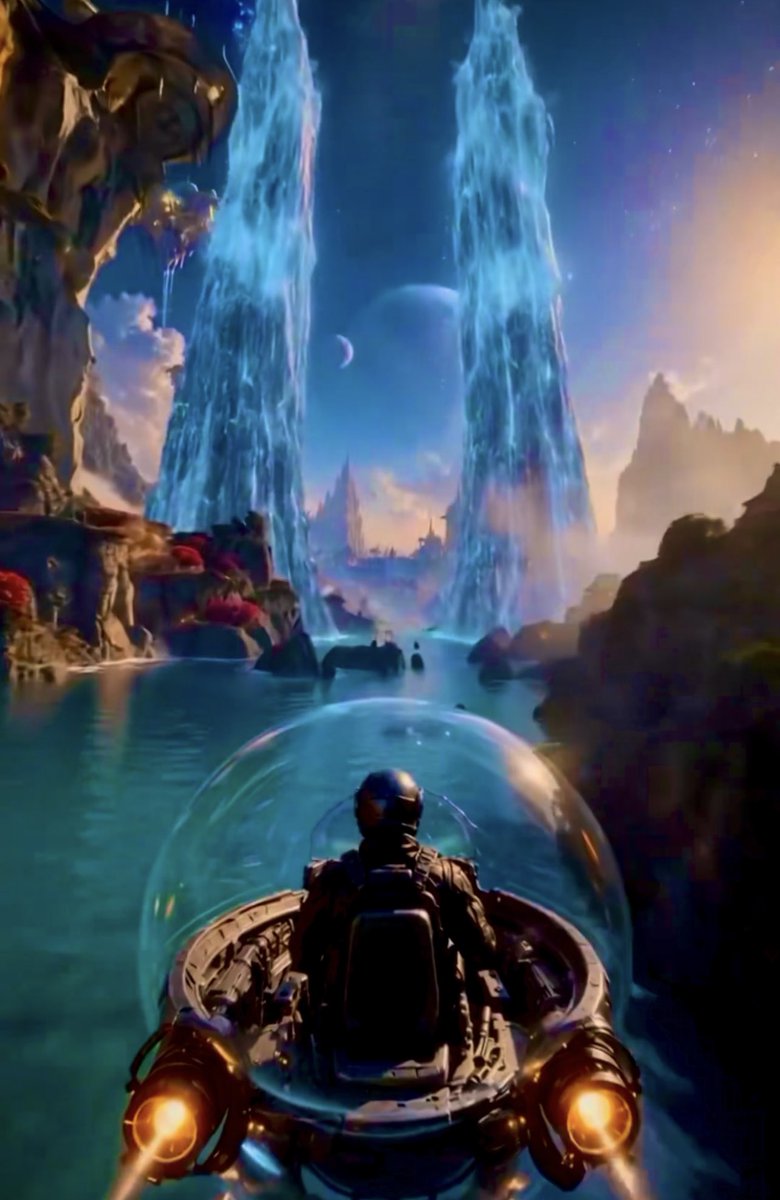
The video generation is already getting wild
You can generate cinematic shots, motion, atmosphere....all from a simple prompt
1
4
54

Mitchell𖤐⚔️ retweeted

This is why you leave the grilling to the men 🤦♂️
11
10
112
8,923