
CEO @ Skypoint | Replacing Administrative Labor with AI Agents | Healthcare & Senior Living | HITRUST r2 | Deloitte Fast 500 | Inc. 5000
Joined August 2015
- Tweets 1,049
- Following 618
- Followers 274
- Likes 3,695
15 Photos and videos
Tisson Mathew retweeted

23h
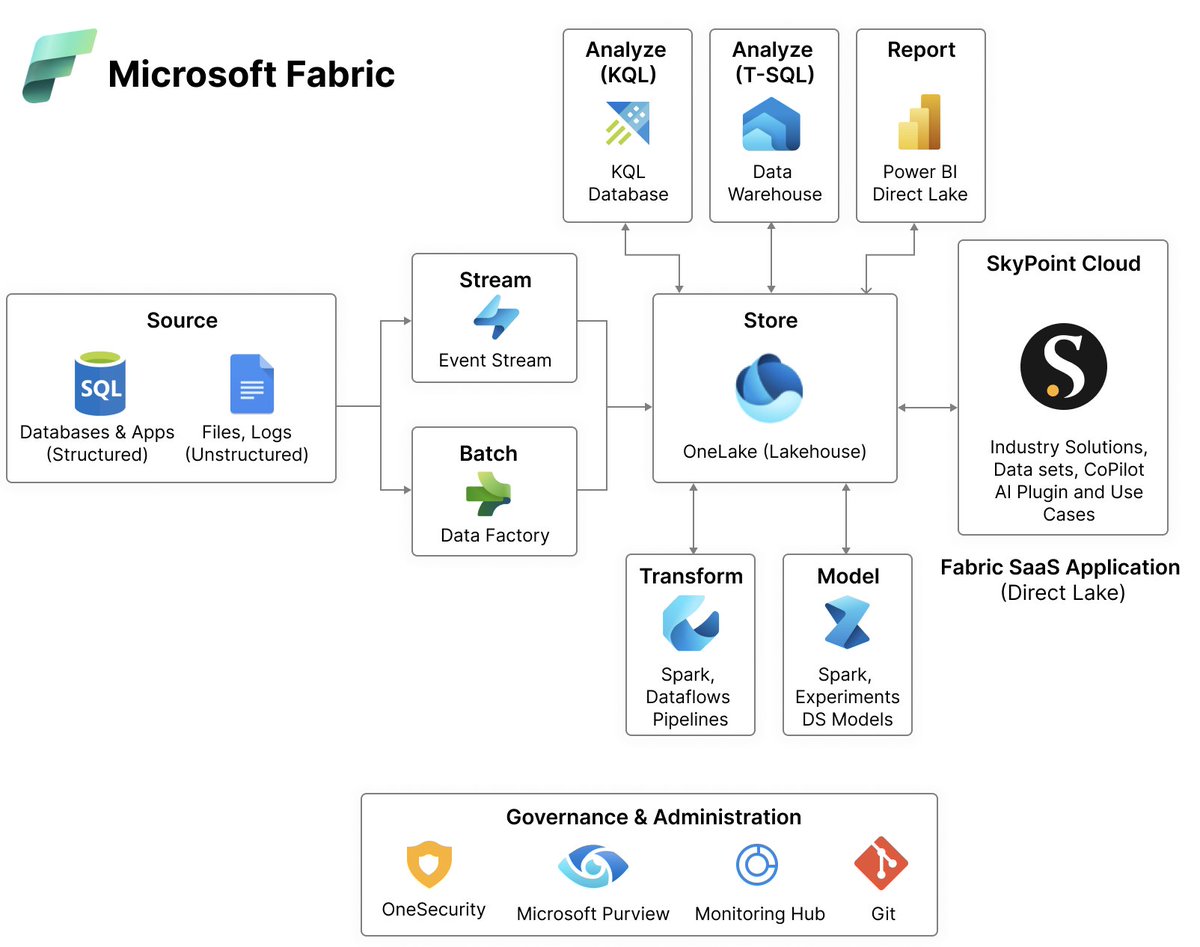
Great post. The companies that are able to get their unique IP, institutional knowledge, and data into a format and architecture that lets them capture all of the gains and progress in AI are going to be in the best position in the future.
“the real opportunity is not in picking the best model but instead in building a learning loop on top of models where human capital and token capital compound. You can offload a task, or even a job, but you can never offload your learning. The future of the firm is the ability to compound that learning across people and AI.
This requires a new architectural approach where every business is able to build agentic systems that improve over time, while still retaining control over their IP. A company should be able to switch out a “generalist” model without losing the “company veteran” expertise built into their learning system.”
We’re all collectively figuring out the right architecture for the future of AI. But it’s clear that so much of the power and value will accrue to wherever can best leverage any AI system against their information. This is also why the applied AI layer will also gain so much value over the coming years.

79
92
801
169,378
Tisson Mathew retweeted

Jun 12
🎯

3
2
54
34,182
Tisson Mathew retweeted

Jun 12
In awe of SpaceX and its story - past, present and the future. You can think about it in 10 different ways and continue re-blowing your mind in circles. Huge congrats to the team! 🚀
339
996
21,346
867,613
Tisson Mathew retweeted
Jun 7
This is what the market got wrong about AI eating enterprise software. Building good software in the past was very hard. Yes, AI has made that a bit easier, though it’s still hard to build something that’s got good taste, differentiated, high quality, secure, and so on.
But nevertheless, that’s only one component of building a platform that enterprises rely on. The plurality of costs in most enterprise software companies is actually on GTM, because at scale most enterprise software categories are tough to break into and need a heavy amount of consultative selling and support for implementation and integration of solutions.
AI hasn’t reduced the need for that, and in many cases requires it even more now, as landscapes get even more busy and complicated for buyers to navigate through. If you make one thing cheaper and more abundant (development of software) then the new problem of discoverability and market differentiation (GTM) becomes the hardest part.
Jun 7

This is the tough lesson that a lot of people are learning the hard way
AI might have made building apps a lot easier, but it also set the barrier to entry at zero
Because anyone can do it, there is no moat left
The only edge left in the future will be sales and marketing

92
67
565
126,105
Tisson Mathew retweeted

Jun 5
If big companies can't make a net return on their LLM token costs, that doesn't mean it's impossible to. In fact this is exactly what you'd expect to happen with a new technology. Incumbents can't use it well, and are replaced by upstarts who can.
284
291
3,722
608,515
Tisson Mathew retweeted

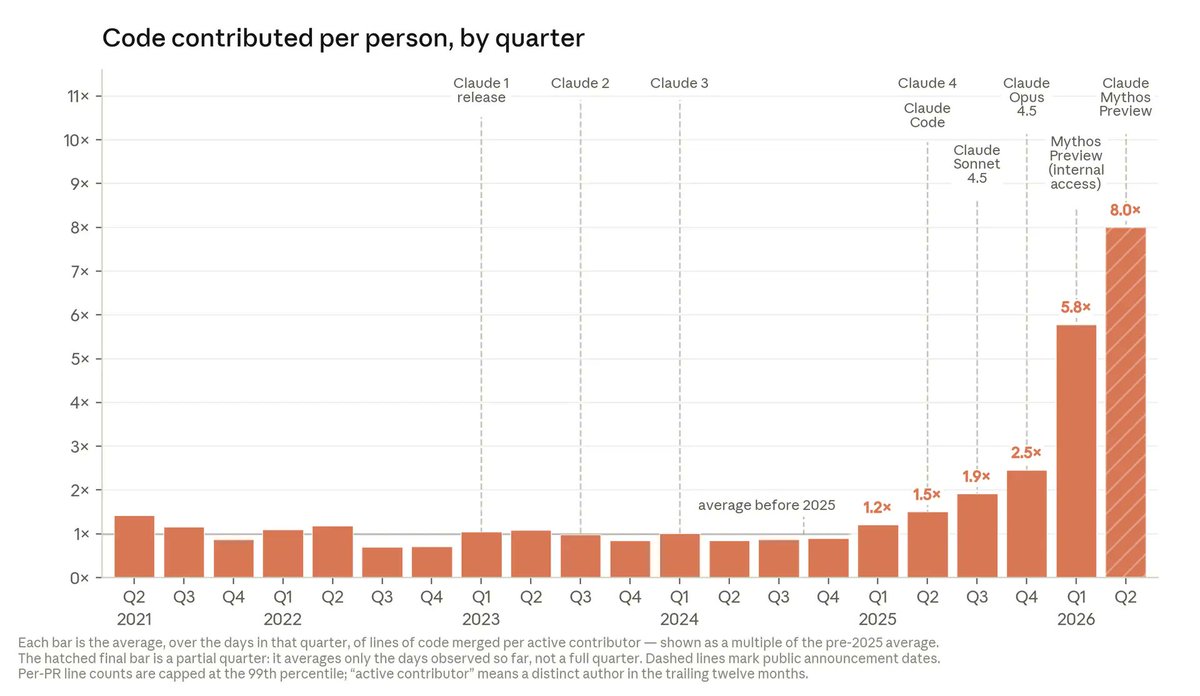
In case you're wondering, yes we're feeling the AGI.
Jun 4

Our internal data shows Claude is accelerating AI development—a possible path to recursive self-improvement, or AI autonomously building a more capable successor.
It’s happening faster than we thought, and the implications deserve greater attention. anthropic.com/institute/recu…
90
83
1,409
217,934

Tisson Mathew retweeted

Jun 2
Enterprise exec: “if I see one more startup try to sell me their transformation with slides generated by Claude, I’m calling up McKinsey”
DONT USE CLAUDE SLIDES TO FUNDRAISE CAPITAL OR SELL A TRANSFORMATION!
45
7
238
74,894


Tisson Mathew retweeted

May 30
Imagine replacing 90% of your employees with a team of geniuses who have no idea how your company operates.
Total chaos. Nothing works.
That’s what AI feels like today.
The missing piece is extracting all the domain knowledge from people’s heads and providing that as structured context to the models.
460
224
2,983
585,241
Tisson Mathew retweeted
May 30
The only thing worse than having the CEO knee-deep in building stuff with AI is not having the CEO knee-deep in building stuff with AI.
253
259
3,784
300,885

This is the actual bottleneck. The models are smart enough already. What is missing is the company-specific context locked in senior people heads. Whoever cracks knowledge extraction at the company level unlocks the rest.
As you work on this, please consider using GBrain as your OSS retrieval layer
x.com/t_blom/status/20608063…
May 30

Imagine replacing 90% of your employees with a team of geniuses who have no idea how your company operates.
Total chaos. Nothing works.
That’s what AI feels like today.
The missing piece is extracting all the domain knowledge from people’s heads and providing that as structured context to the models.
265
137
2,500
561,745
Tisson Mathew retweeted

May 30
We can just say “consultant”, a word can’t hurt us.

SITUATION EXPLAINED: Why is every AI lab starting a deployment company?
@matt_slotnick on what's driving the trend:
"The thing we currently call FDE is gonna blossom into a lot more different jobs... all really about how do we bring applied intelligence into the flow of work and out of the data center and into the real world."
"Every company will, in some ways, become a deployment company."
56
29
452
216,842
Tisson Mathew retweeted

May 24
The biggest hack I’ve seen for founders to close deals faster: just show up.
Get on a plane, fly to their office, meet in person, bond with the whole team.
Instantly replaces weeks of zoom calls.
189
226
4,116
441,521
Tisson Mathew retweeted

May 22
20
23
276
58,375
Tisson Mathew retweeted
May 22
What’s happened is that we went from AI chat tools that were relatively cheap and had small context windows, to AI agents that have giant context windows, the ability to keep track of longer running work, and models that cost an order of magnitude more on inference because they’re that much better.
This has compounded far faster than most realized (unless you were paying close attention at the middle or end of last year, which many here were), and the dollars flowing in now are much more real.
What follows is a continued march of AI capability that will continue to be used by anyone with a frontier use-case (like coding, sciences, finance, consulting) and then a peeling off of tasks to lower cost models that are capable enough for the job. Whereas we thought the cost of AI might converge on a single low price per token before, it’s clear the stratification is only widening based on the task you need performed.
This will be yet another component that has to be figured out for broad AI diffusion. Enterprises will need to put in programs, new finance teams, and technology solutions to manage this all. The labs and platforms that can ensure customers can price optimize for the task at hand will be in the best position.
May 21

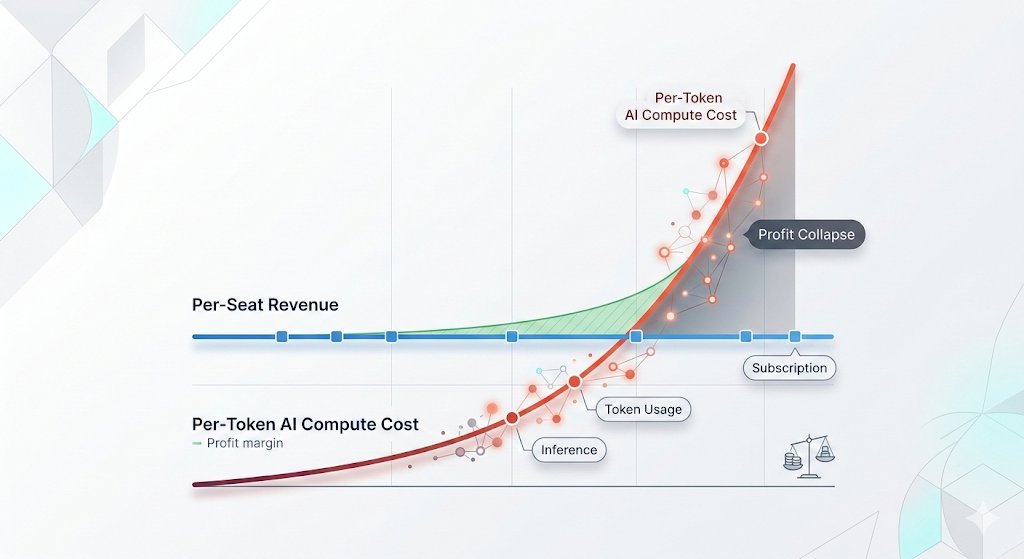
🦔Microsoft canceled its internal Claude Code licenses this week after token-based billing made the cost untenable, even for a company with effectively infinite cloud resources. Uber's CTO sent an internal memo warning the company burned through its entire 2026 AI budget in just four months. American AI software prices have jumped 20% to 37%, and GitHub (owned by Microsoft) is dropping flat-rate plans for usage-based billing across its products.
My Take
The AI subsidy era is ending in real time. The same company that put $13 billion into OpenAI and built the Azure infrastructure powering most of Anthropic's compute just looked at the bill from a competitor's coding tool and decided it was not worth paying. That is not a productivity failure on Anthropic's end. Token-based pricing is forcing every enterprise customer to confront the actual cost of running these models at scale, and the number turns out to be far higher than the flat-rate experiments suggested.
This ties directly to my Gemini Flash post yesterday. Anthropic, OpenAI, and Google all raised effective prices in the last six months. Enterprises that built workflows assuming AI costs would keep falling are now watching annual budgets evaporate in months. Two outcomes look likely from here. Either enterprises scale back AI usage to fit budgets, which slows the revenue ramp the labs need to justify their valuations ahead of IPOs, or the labs cut prices and absorb the losses, which makes the unit economics worse at exactly the wrong moment. Both paths land in the same place, the numbers stop working, and somebody has to take the writedown.
Hedgie🤗
146
141
1,177
371,471
Tisson Mathew retweeted
May 19
Personal update: I've joined Anthropic. I think the next few years at the frontier of LLMs will be especially formative. I am very excited to join the team here and get back to R&D. I remain deeply passionate about education and plan to resume my work on it in time.
7,989
11,146
150,230
27,573,414
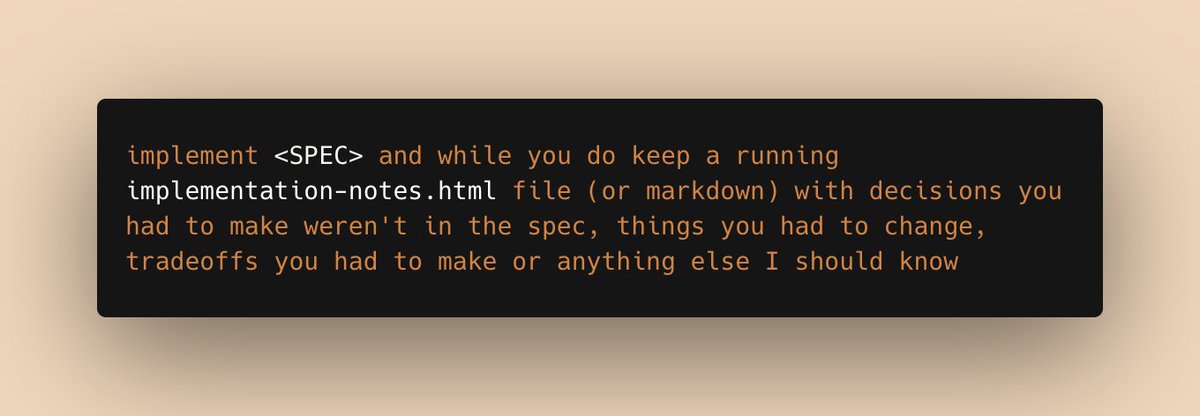
a prompt I've been using a lot recently:
implement <SPEC> and while you do, keep a running implementation-notes.html file (or markdown) with decisions you had to make weren't in the spec, things you had to change, tradeoffs you had to make or anything else I should know
343
583
9,733
824,294
Tisson Mathew retweeted

May 14
30
102
995
97,584