
185 Photos and videos




Pinned Tweet

21 Jan 2025
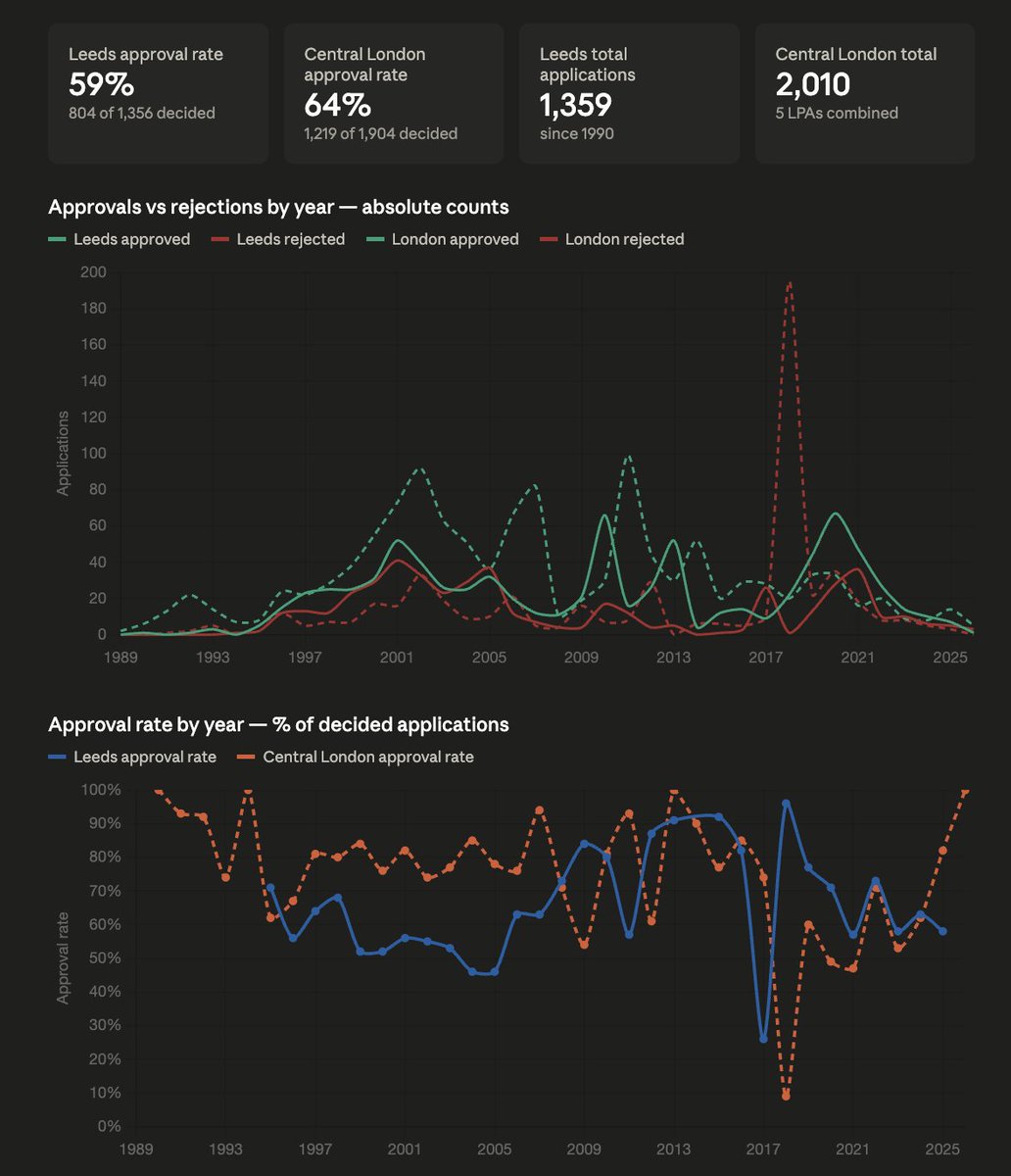
Leeds is probably the most unlucky city in Western Europe
🎭 European City of Culture funding? Sorry we're leaving the EU.
🚄HS2? Sorry we spent too much in the chilterns.
🛫New Airport terminal? Sorry that's not climate friendly, but London Airport expansions are fine.
(1/X)
89
413
6,688
826,466
Max Rostron retweeted

Marcelo Bielsa refused to look at the camera for his official World Cup photo.
6
31
395
20,691
Max Rostron retweeted

For anyone wondering, it’s only been a positive thing in Aus. No one even talks about it anymore which can only mean the kids don’t care.
The ones desperate for it will find workarounds, but the majority have found better things to do with their spare time.

BREAKING: Prime Minister Sir Keir Starmer has announced a social media ban for under-16s.
Live updates: trib.al/AaXv2Tr
650
279
3,597
834,145
Max Rostron retweeted

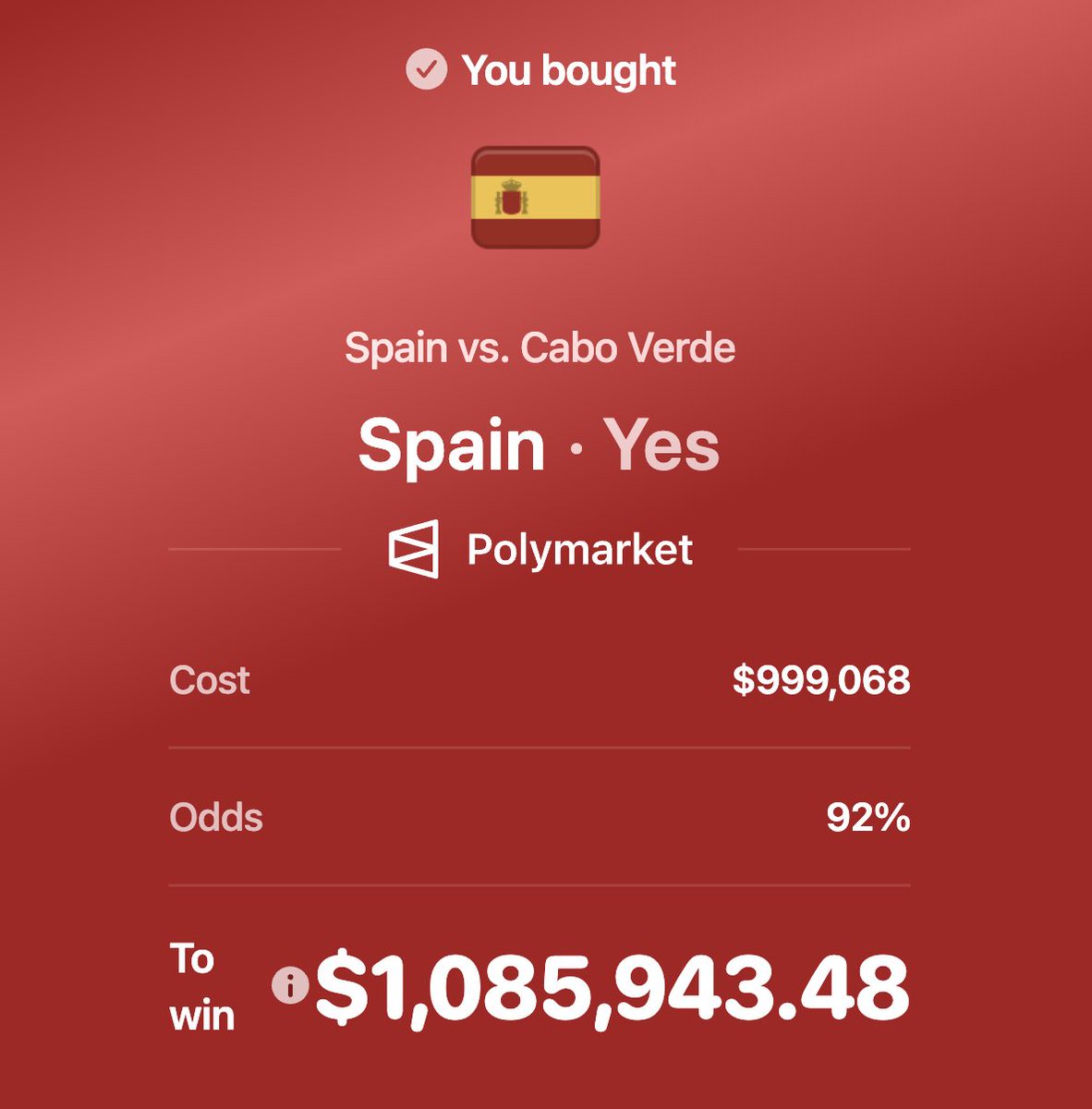
🚨BREAKING: Someone just put $1M on Spain to WIN their match vs Cape Verde today
This pays out is $1,085,943.48 on Polymarket

6,111
4,767
73,392
25,767,112
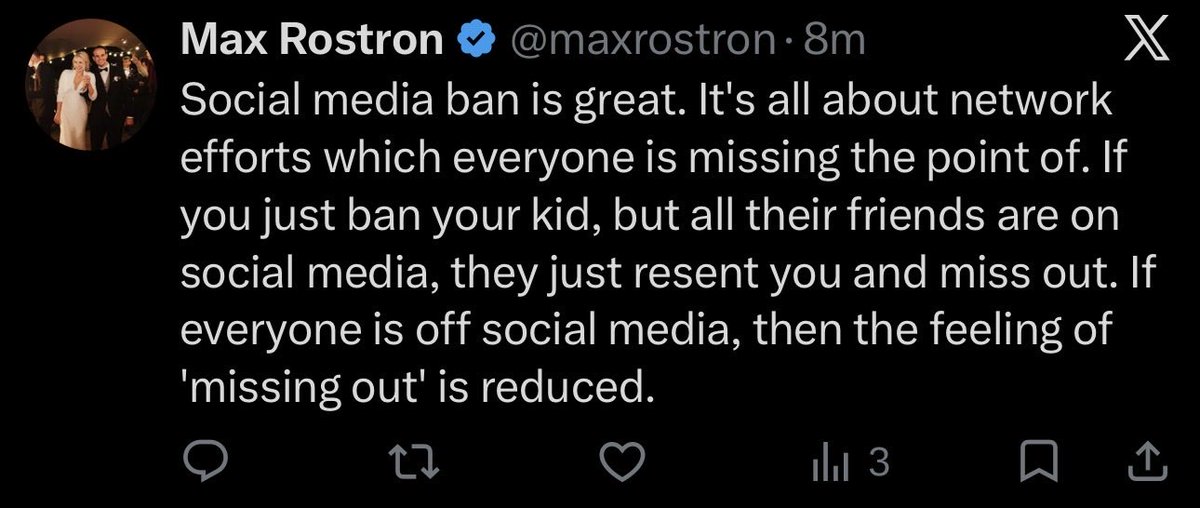
Social media ban is great. It's all about network efforts which everyone is missing the point of. If you just ban your kid, but all their friends are on social media, they just resent you and miss out. If everyone is off social media, then the feeling of 'missing out' is reduced.
1
51
This was a small experiment post (which I do believe) - but blimey, 3 views in 8 minutes? That’s a new low. Would not be surprised if any positive discussion on this topic is getting nerfed.
35
Max Rostron retweeted

🚨 WATCH: School children react to the UK social media ban for under-16s live on BBC News
1,534
1,895
22,484
10,254,976
Max Rostron retweeted

Jun 12
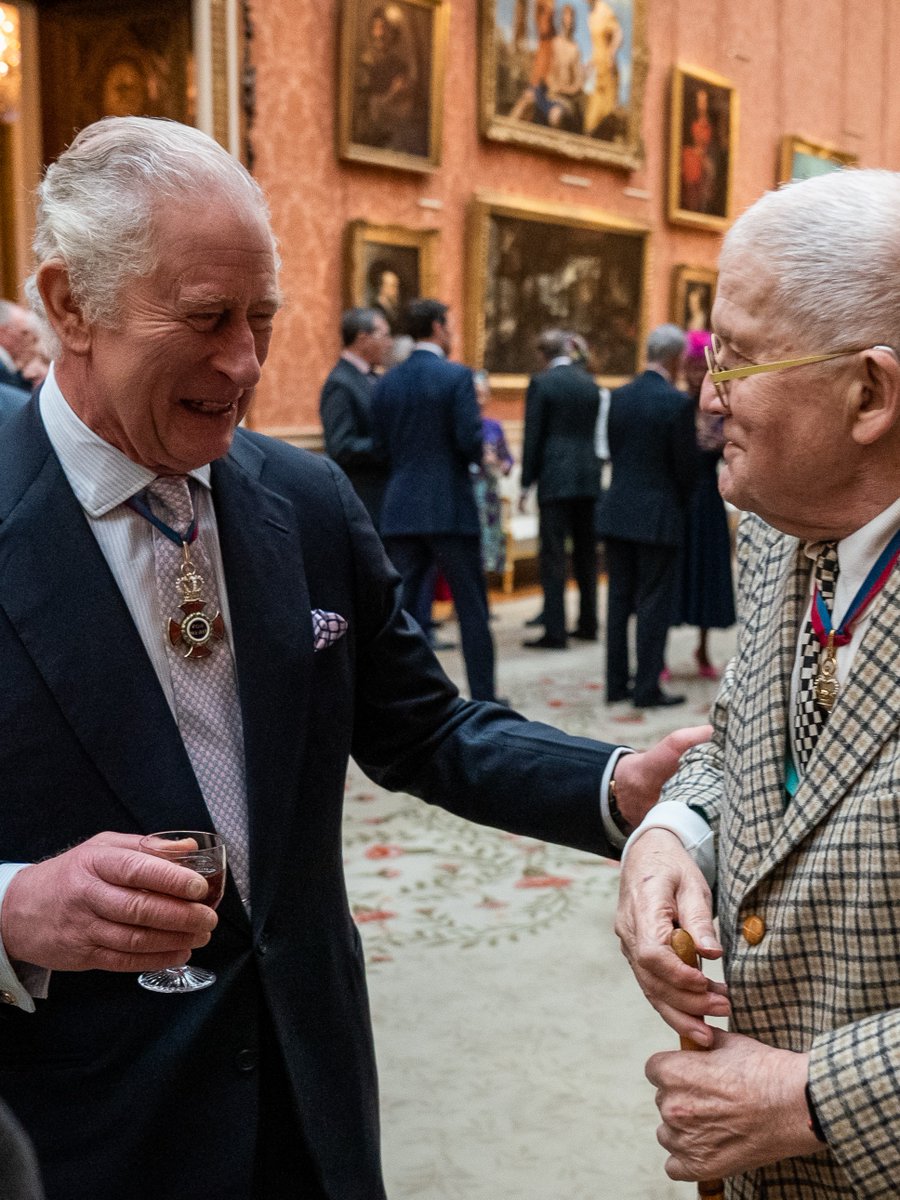
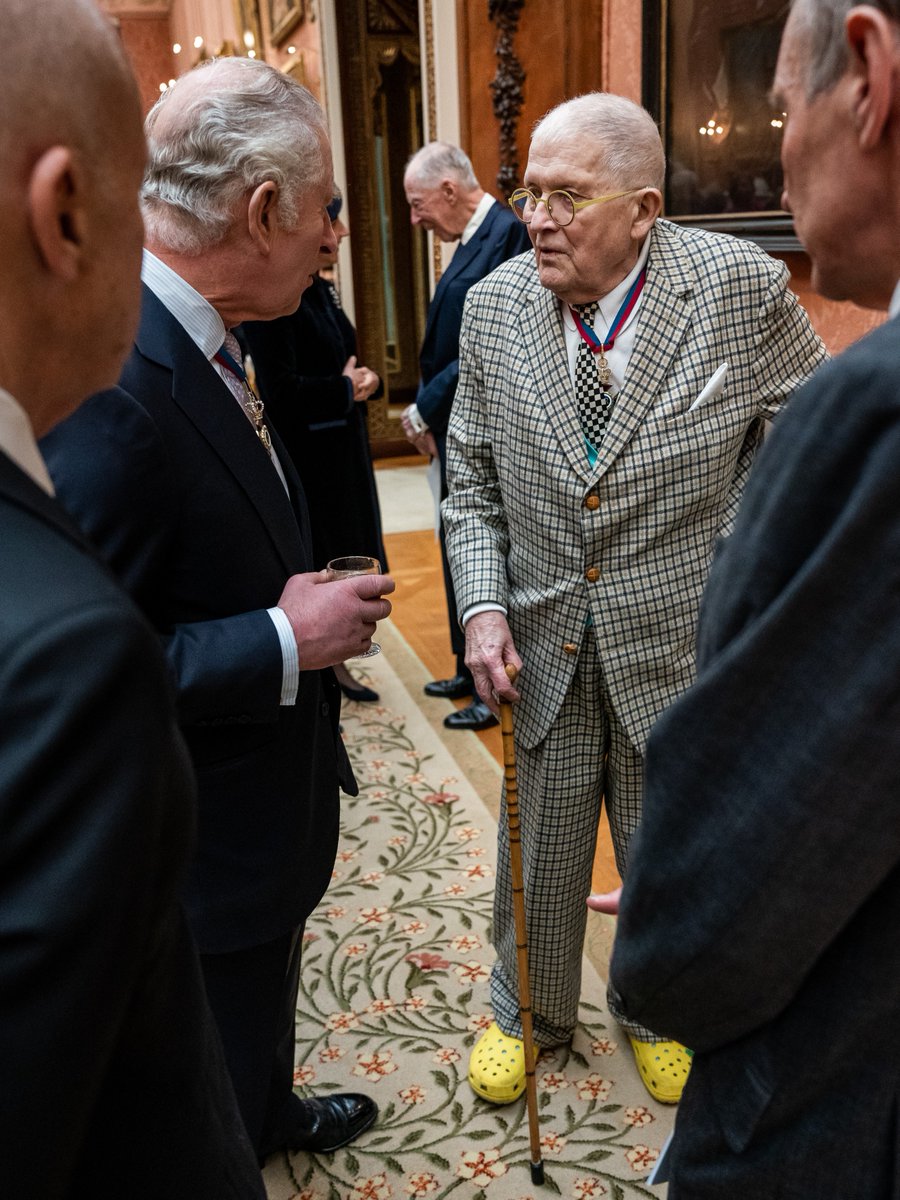
‘My wife and I were greatly saddened to learn of the death of David Hockney O.M., a giant of the world of art and painting, a Yorkshireman through and through and a dear friend and inspiration to so many.
David was one of life’s true originals; one who wore his genius as lightly as those beloved yellow Crocs of his that helped brighten Palace occasions. I trust they will see him tread safely into the hereafter as we mourn a man whose irrepressible charm, talent and constant innovation will be most sorely missed, but whose dazzling creativity lives on in galleries and museums around the world.’
Charles R

112
711
6,380
167,135
Max Rostron retweeted

Jun 11
2am - Haiti vs Scotland
5am - Australia vs Turkey
6pm - Germany vs Curacao
9pm - Netherlands vs Japan
145
3,915
39,122
3,984,526
Max Rostron retweeted

Jun 12
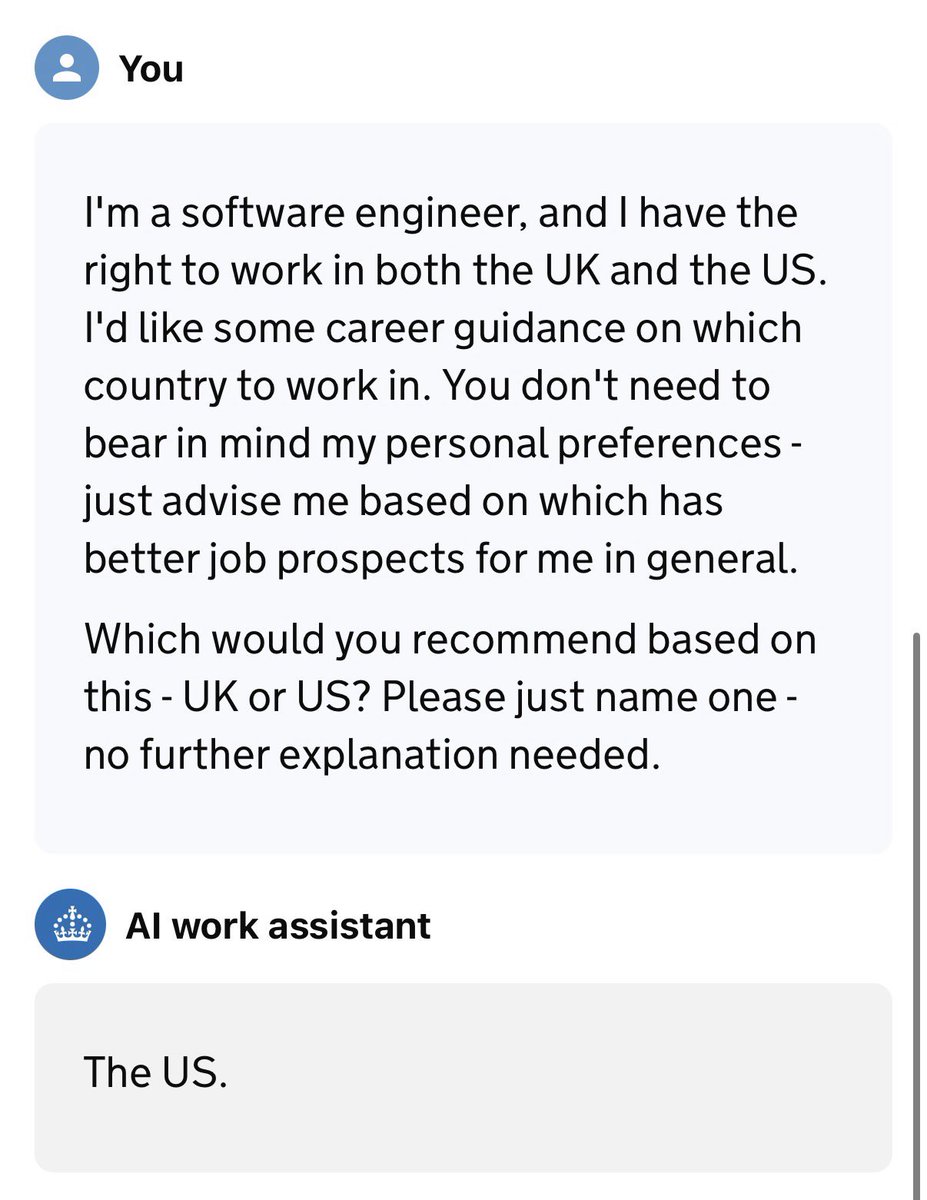
Tried out the UK government’s official new AI chatbot for jobseekers.
Its advice: work in the US.
Quick, which public service can we add AI to next
153
666
8,954
404,500
Jun 11
Home Office is cooking today
Jun 11

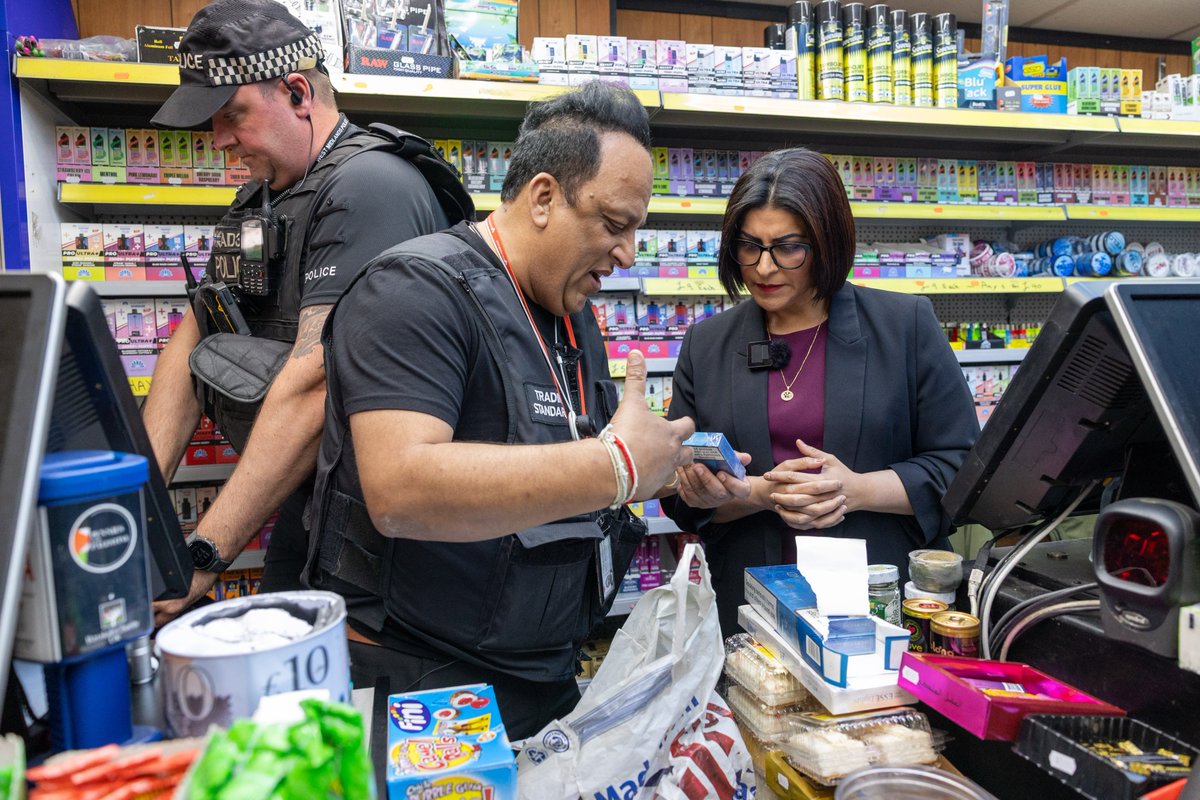
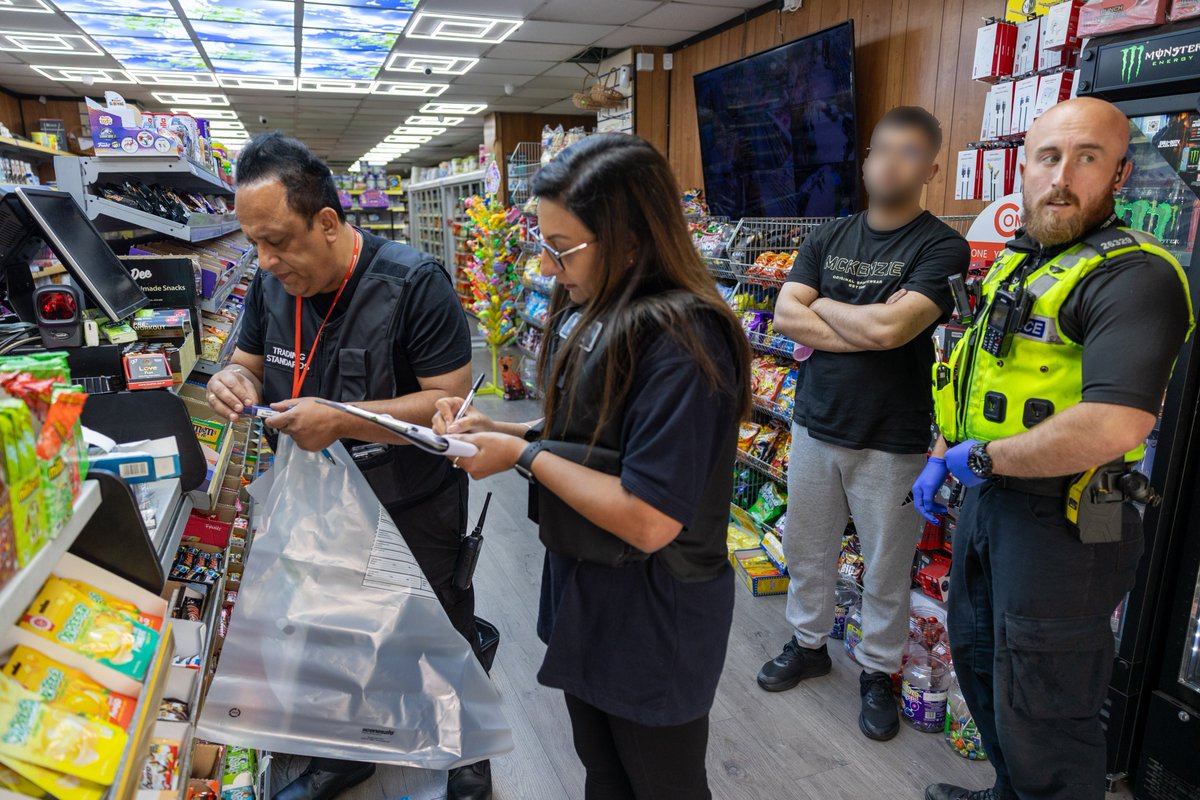
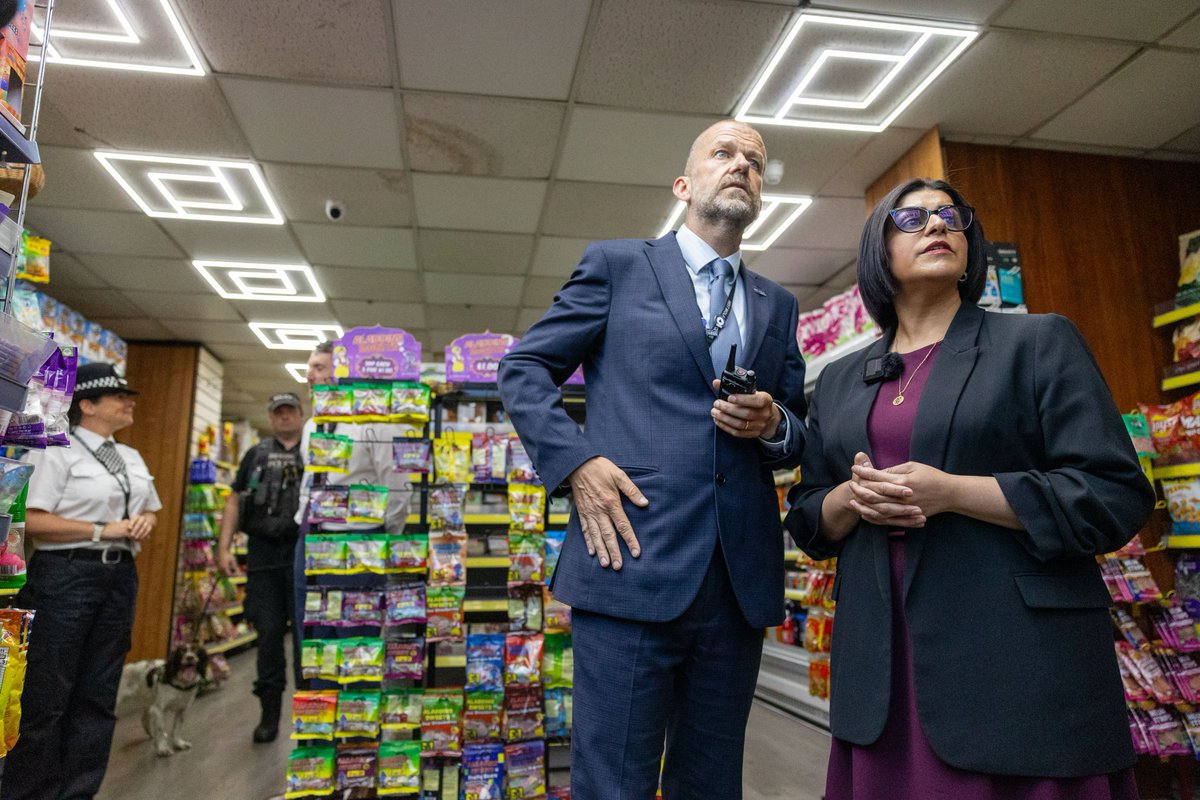
We are doubling the time that dodgy vape shops and barbers linked to organised crime can be forced to shut down for.
Under plans, closure orders will increase from 6 months to a year, giving investigators more time to gather evidence and jail criminal bosses.
1
60
Max Rostron retweeted

Jun 11
What should Labour's political economy be?
In my contribution to "hot essay summer", I argue that Labour should define itself as pro-work, and anti-slop.
Good work is productive, the best that slop can be is distracting. Slop gives the impression of frenetic activity, but without creation of real value.
This turns out to be a pretty good description of Britain's economy. We've created an economy of rent-seekers and extractors rather than risk-takers and builders.
I look at:
🍬 tax-avoiding American candy stores that crowd Oxford Street
📖 the 44,000 page planning document for Sizewell C (33 times longer than War and Peace)
🚄 the unbuilt railway that cost £100 billion
🏦 the cheapening of designs in our public spaces
🏗️ "fire safety" rent seeking that is stopping homes being built
The common theme is slop. To escape this, Labour needs a plan to take on slop-generating tech companies, but also other rent-seekers throughout the economy that have made it impossible (or very costly) to build anything of value.
Labour was founded to represent workers in the tangible economy: those who were physically building things. Today, 37% of British workers do not believe that their job makes a “meaningful contribution to the world”. Whoever leads Labour must have an answer to this, and it begins with tackling slop.
Read the full piece here:
substack.com/home/post/p-201…

5
15
75
18,553
Jun 11
RT @MayorofLondon: Mobile phone crime won’t be solved by policing alone. It also needs coordinated action from industry.
Having already se…
38
Max Rostron retweeted

Jun 11
Andy Burnham seemingly entertaining the WASPI stuff is depressing. We've gone through much more process than necessary to decide rightly that there isn't a case. It's a huge amount of money at a time where we should be investing in growth.
16
49
802
24,517
Jun 10
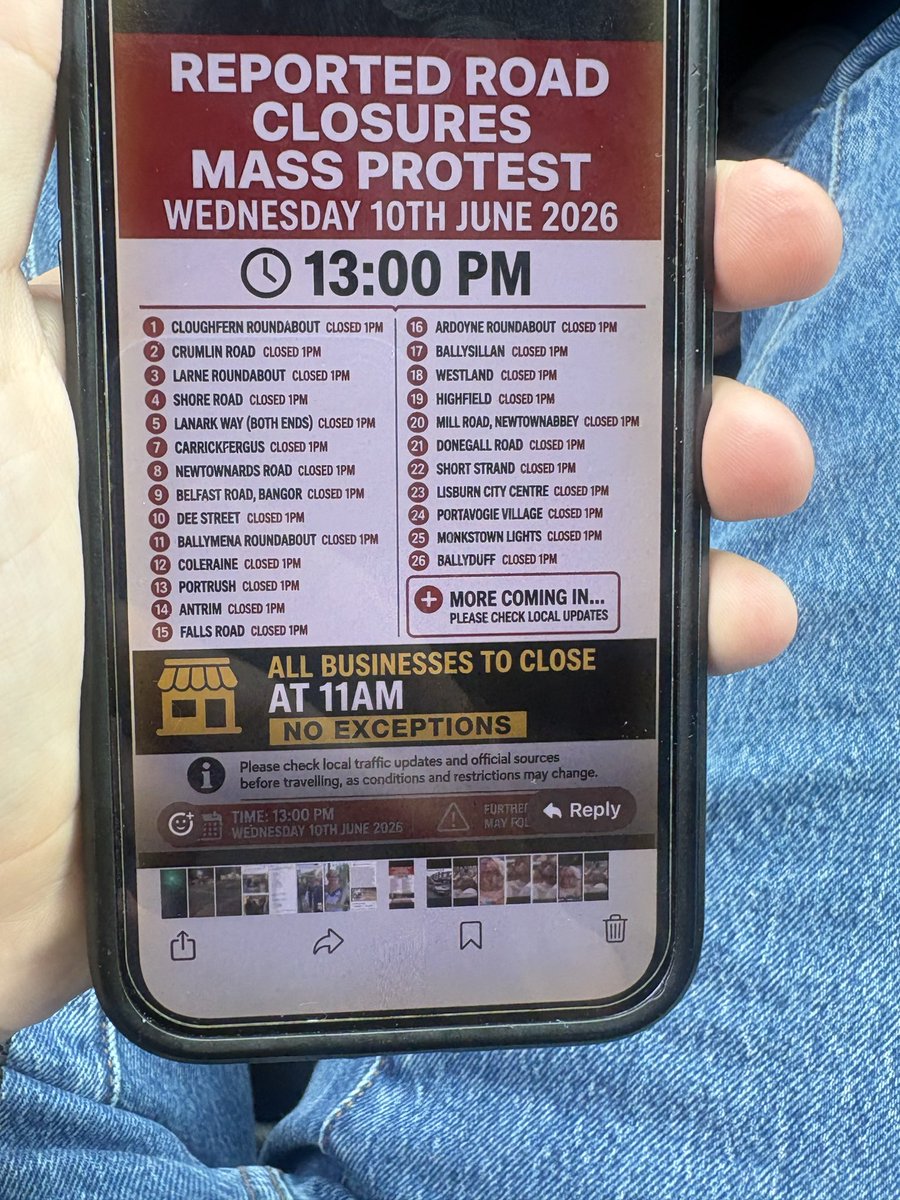
Pretty fascinating to watch these riots in Belfast basically be propelled by disinformation and AI images/ posts. We are truly in some very dark times with no real solution.
The government just doesn’t seem capable of stopping that either. Woefully underprepared.
The longer we spend online, the more susceptible we become to also falling for AI content. I catch myself multiple times a day watching provocative/ clickbaity stuff which is AI. It’s definitely shaping my views even though I am self aware of it and fairly well rounded, so I’m fearful of how it’s impacting more vulnerable people in society.
I have no real suggestion or solution to this, but it’s going to end badly.
I don’t think governments are going to be able to stop this and regain control. It’s not helped by the fact that all trust was eroded in governments during the pandemic, and everyone is struggling with cost of living, so distrust is at an all time high at the worst time possible when we actually need trust in an adult to guide us through this mess the most.
All you can do as individuals is cut down radically on using these platforms. That’s all of them, not just X.
Delete them from your phone, but keep an account so you can still see on your laptop. There’s a lot of invaluable stuff to be gained from it, just in limited chunks. The algorithm works better when you just engage for 10 minutes a day anyway. The more time you spend scrolling, the more AI content you get fed and the less human content.
Good luck, and try to seek out the joy and positivity in life. There’s amazing people everywhere, doing amazing things with the best intentions. There’s even more incredible things to do in the real world. Combine the two, and all the real world issues on here will feel lighter and you’ll be able to engage more proactively.
1
148
Jun 10
Shout out to the maybe 10-15 people who aren’t bots, and get served this on their timeline, and actually read it.
The real MVPs of the old world.
2
16
Max Rostron retweeted

Jun 10
Example of the sort of thing doing the rounds and being denied by authorities
18
19
76
19,559
Max Rostron retweeted
Jun 8
oh my god
inflicting ai tutors on the poorest in society, when their effects are so little understood, is the height of irresponsibility.
this government has been entirely captured by the tech industry

Keir Starmer has announced that AI tutors will be rolled out to 450,000 children on free school meals to close the attainment gap.
Speaking at London Tech Week, the PM also announced the government's new AI jobseeking tool.
97
1,594
8,405
212,681
Max Rostron retweeted

Jun 4
to the ends of the earth and then some. 🤝
💛 introducing the @adidasfootball Leeds United Away Jersey 26/27, available now
342
1,403
9,271
1,314,638
Max Rostron retweeted

May 29
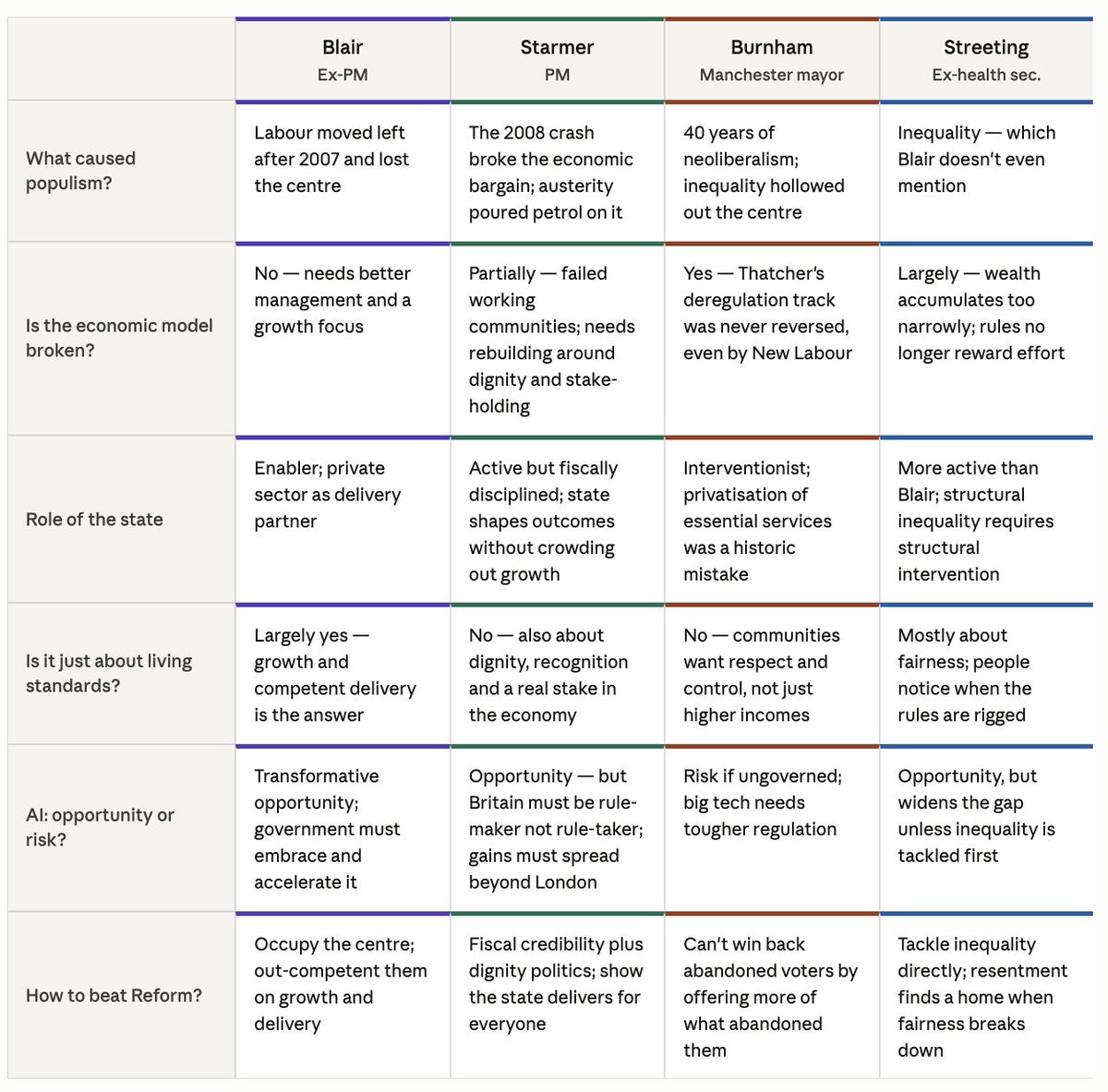
Blair, Burnham, Streeting and Starmer all wrote essays this week. Here’s a summary of what they said for those who can’t be bothered to spend an hour reading about Labour’s favourite pastime: fighting about what it means to be Labour.
Blair's thesis is that Labour lost its nerve after 2007 and needs to rediscover the radical centre. Markets work, the private sector is your friend, competent technocratic government is still the answer, and the biggest transformative force on the horizon is AI, which he sees as a positive revolution that a serious centre-left government should embrace. Miss that wave and you miss everything. TLDR; the model isn't broken. Labour just needs to run it properly and stop indulging the perennial delusion that losing votes to the right means the country secretly wants you to go left.
Burnham, Streeting and Starmer think this misses the point. And they broadly agree on the diagnosis but disagree on the cure.
All three locate the origin of Britain's political unravelling in 2008, not 2007. The financial crisis broke the implicit bargain of modern capitalism: work hard, things get better. When that bargain collapsed and the banks got bailed out while wages stagnated for a decade, people got poorer – but also angry in a deeper, harder-to-satisfy way. And then austerity poured petrol on everything.
The more philosophically interesting disagreement is about what the crisis was actually a crisis of. Blair frames it as a delivery failure: the wrong policies and the wrong positioning. Starmer and Burnham both reach for ‘dignity’. The idea that whole communities (post-industrial, working class, people who didn't go to university) were made to feel invisible. That implies a fundamentally different kind of politics.
Burnham argues that New Labour never actually took Britain off the Thatcherite track. He blames deregulation, privatisation, leaving things to the market for the cost of living crisis. The centre failed people. You can't win them back by reasserting it more confidently. On AI, Burnham calls for tougher regulation of big tech and signals that an active, interventionist state would govern how AI develops rather than leaving it to the market. For Burnham, ungoverned AI is just the latest mechanism by which powerful interests extract value from everyone else.
Streeting is more moderate but lands in similar territory. Inequality is the organising fact of contemporary politics, and treating it as secondary is what produced the crisis in the first place. When the rules stop rewarding effort fairly, resentment grows.
Starmer agrees Britain should be an AI superpower, but where Blair frames AI as an opportunity to be seized, Starmer frames it as a force to be governed. The question isn't just whether AI grows the economy but whether Britain is a rule-maker or a rule-taker, and whether the gains flow to Blyth and Castleford or just to London.
The deepest difference, underneath all of this, is a question about whether the post-war and post-Thatcher economic settlement is fixable or finished. Blair thinks it needs better management and AI is the tool that makes better management possible. The others think the settlement itself was the problem, and are open to the possibility that AI (if ungoverned) compounds it by concentrating power further.
29
102
603
83,713