Joined July 2018
- Tweets 1,005
- Following 293
- Followers 100
- Likes 730
14 Photos and videos






Dina Cece de Morabito retweeted

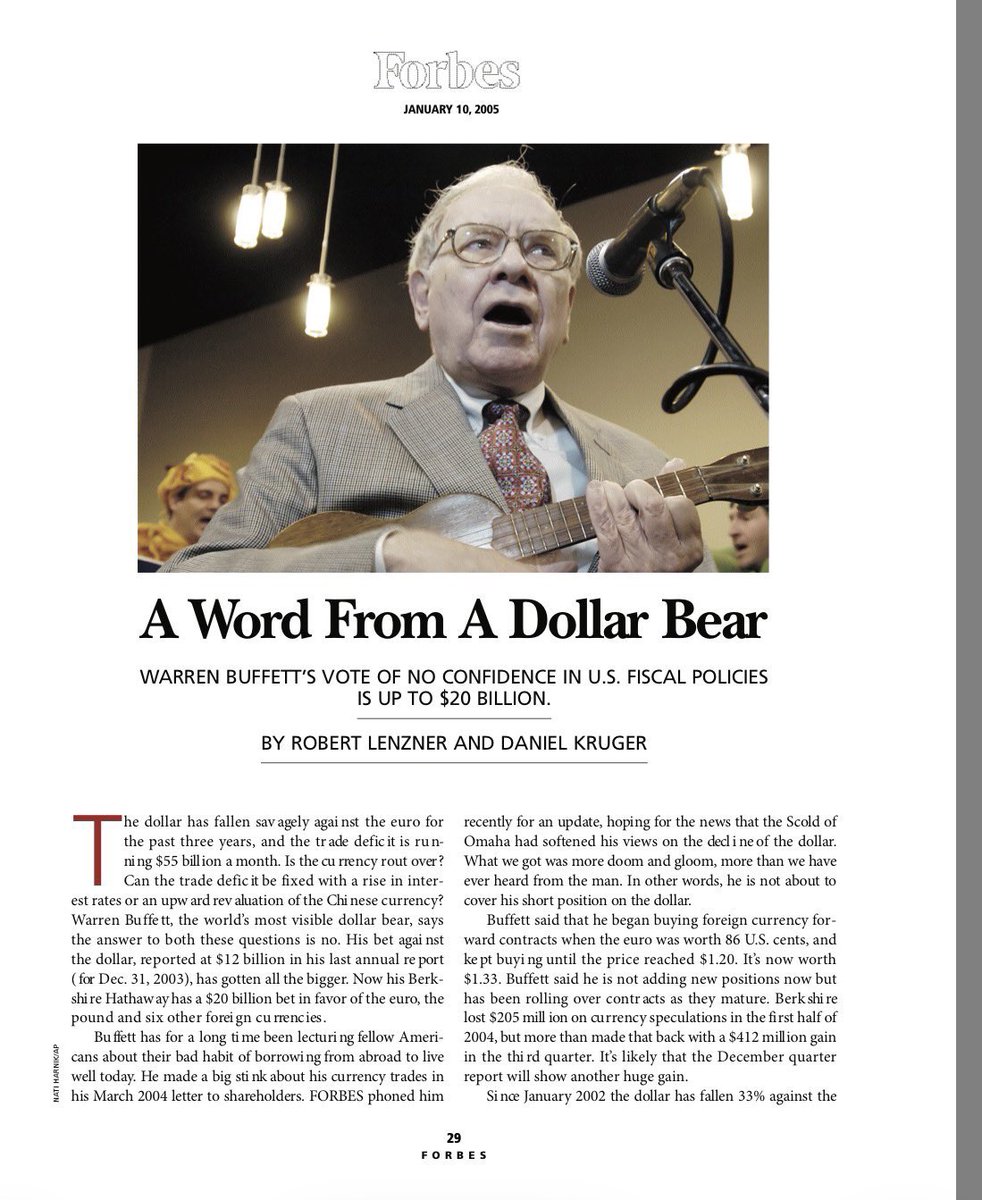
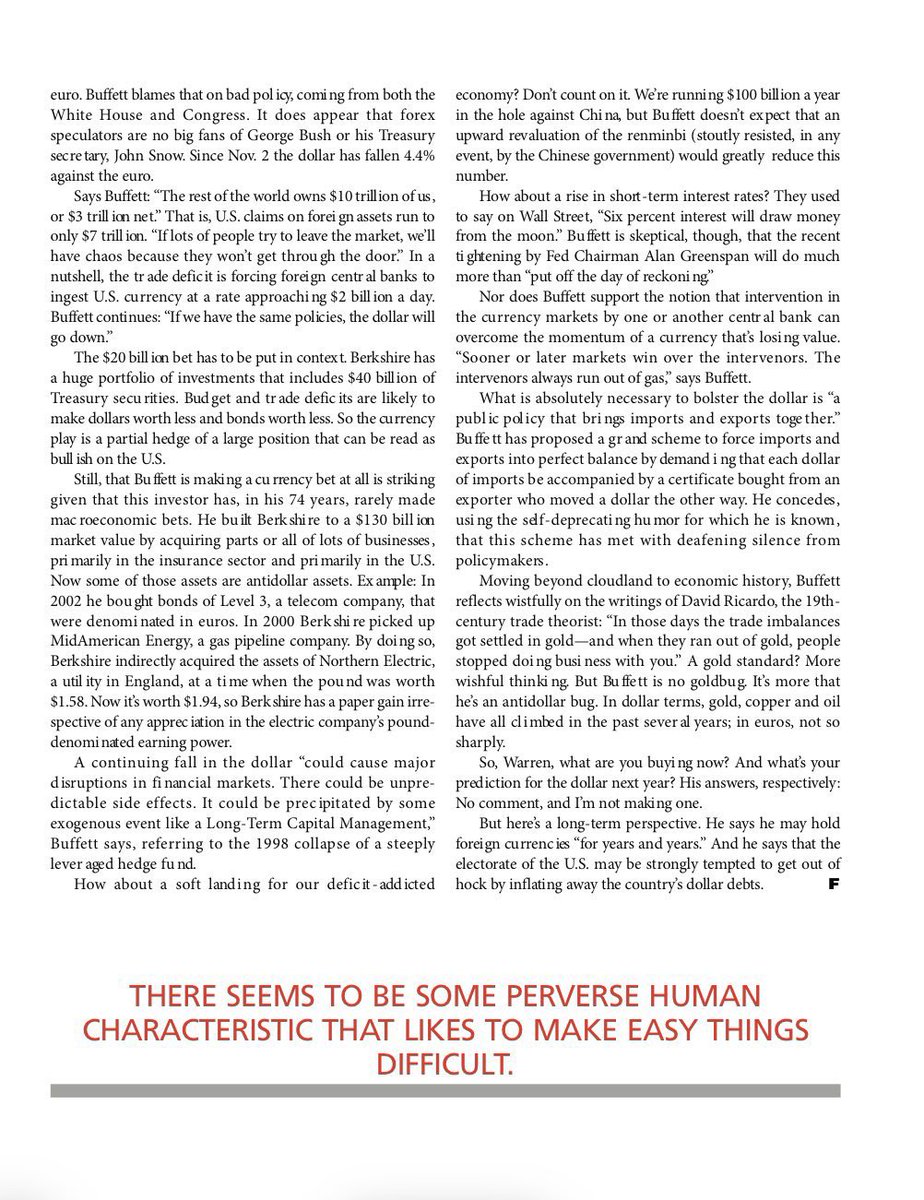
A Word From A Dollar Bear
6
38
7,017
Dina Cece de Morabito retweeted

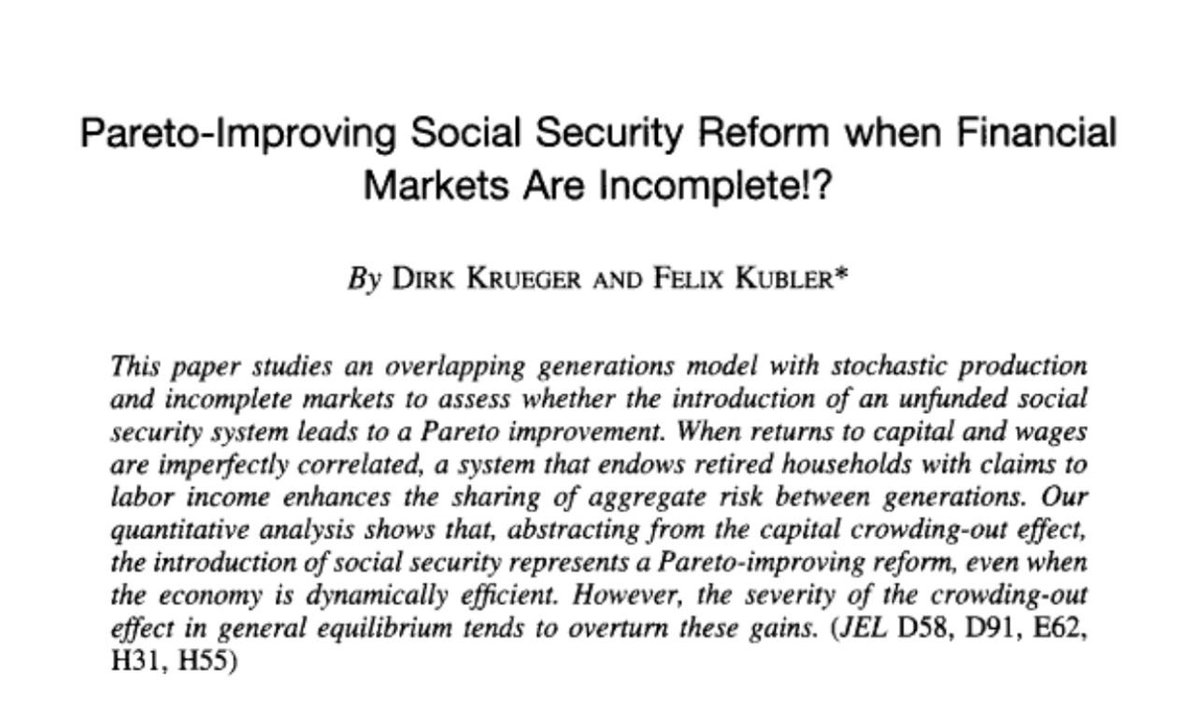
Everyone post your four favorites!
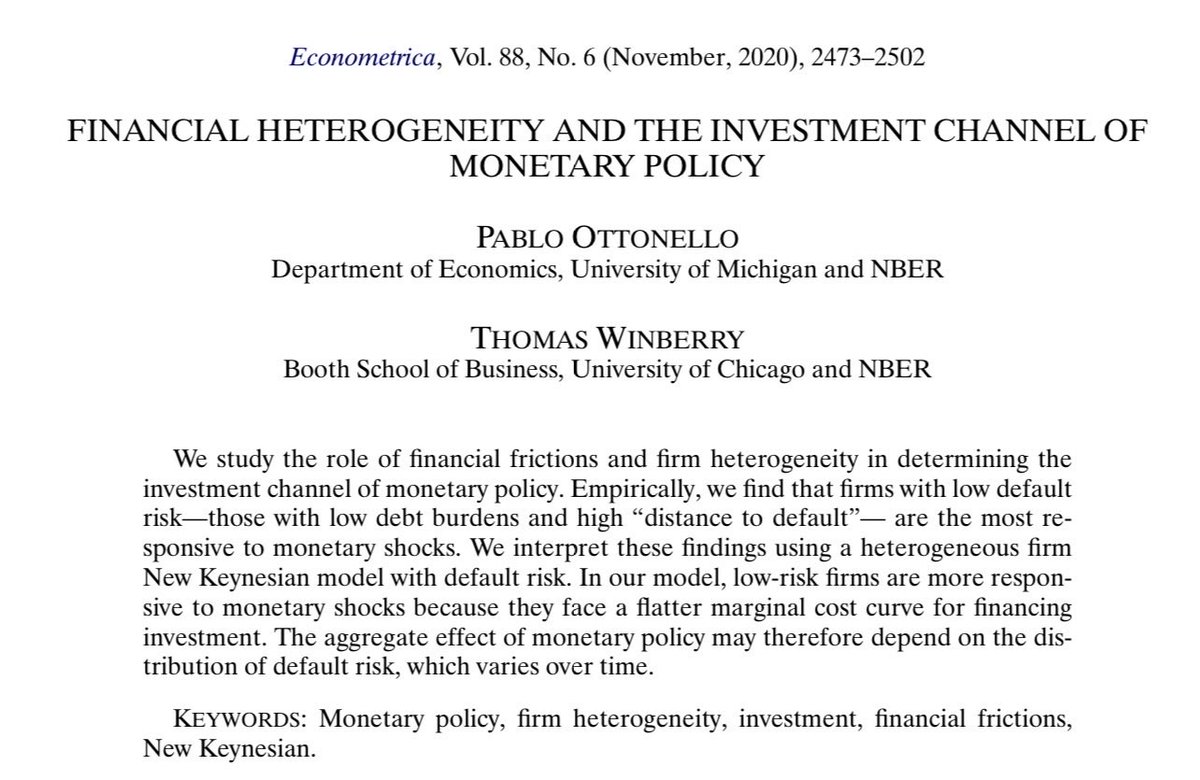
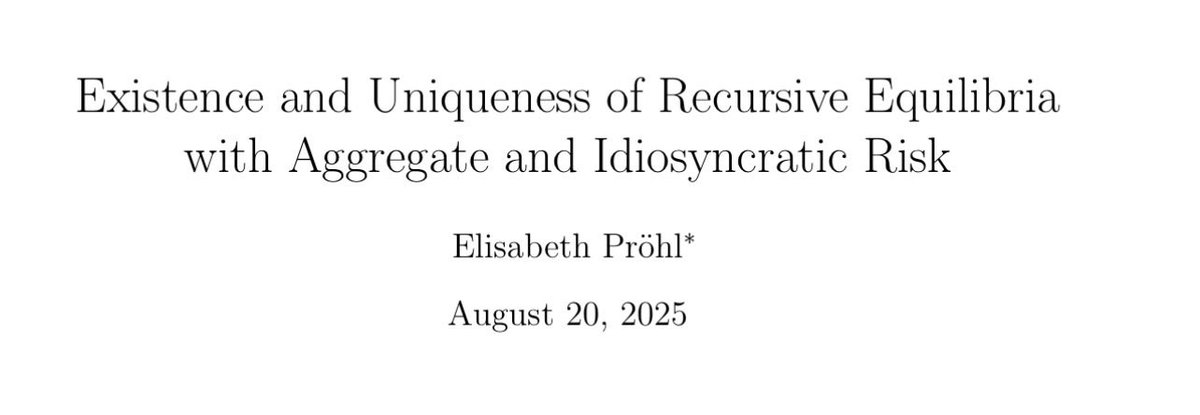
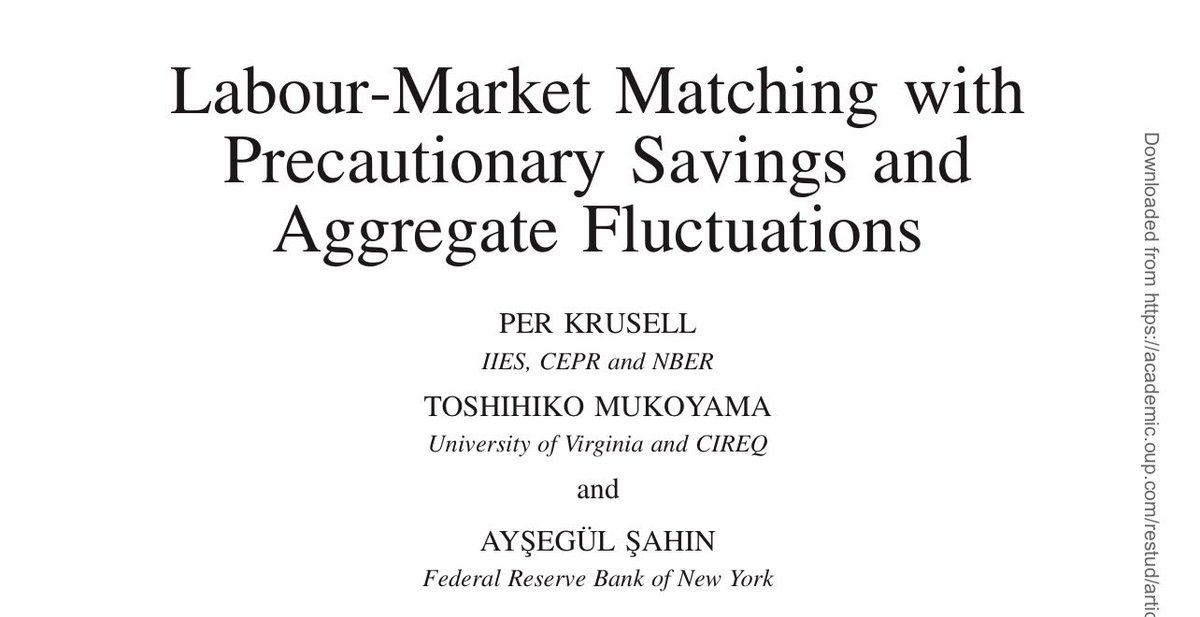

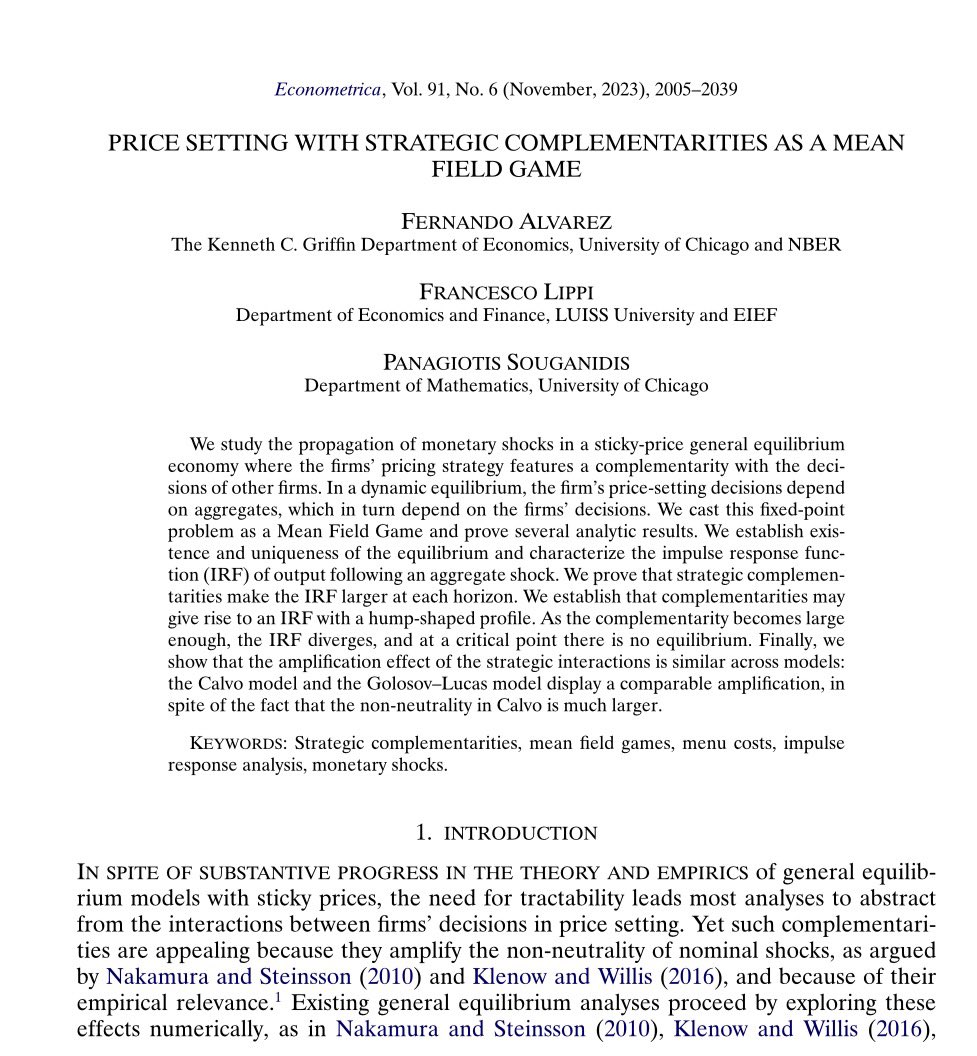
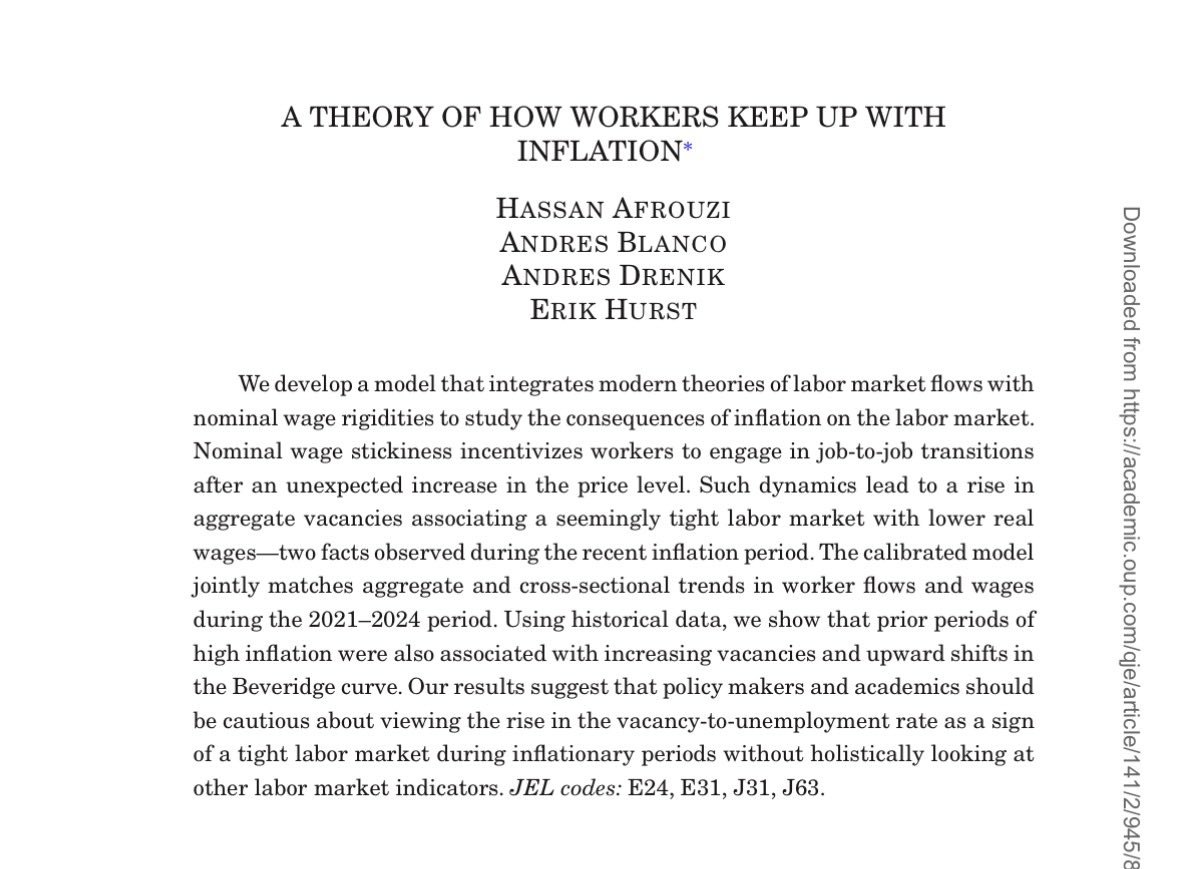
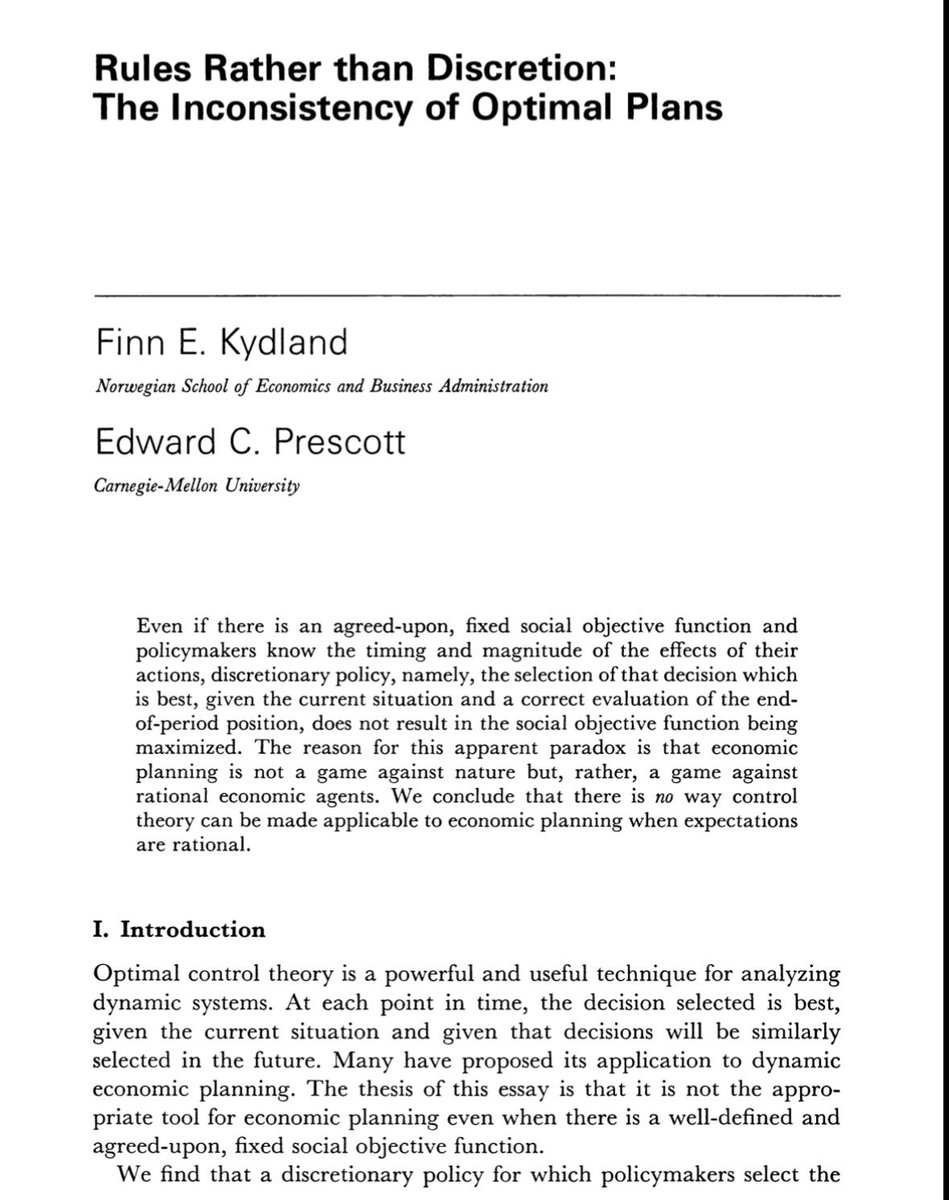
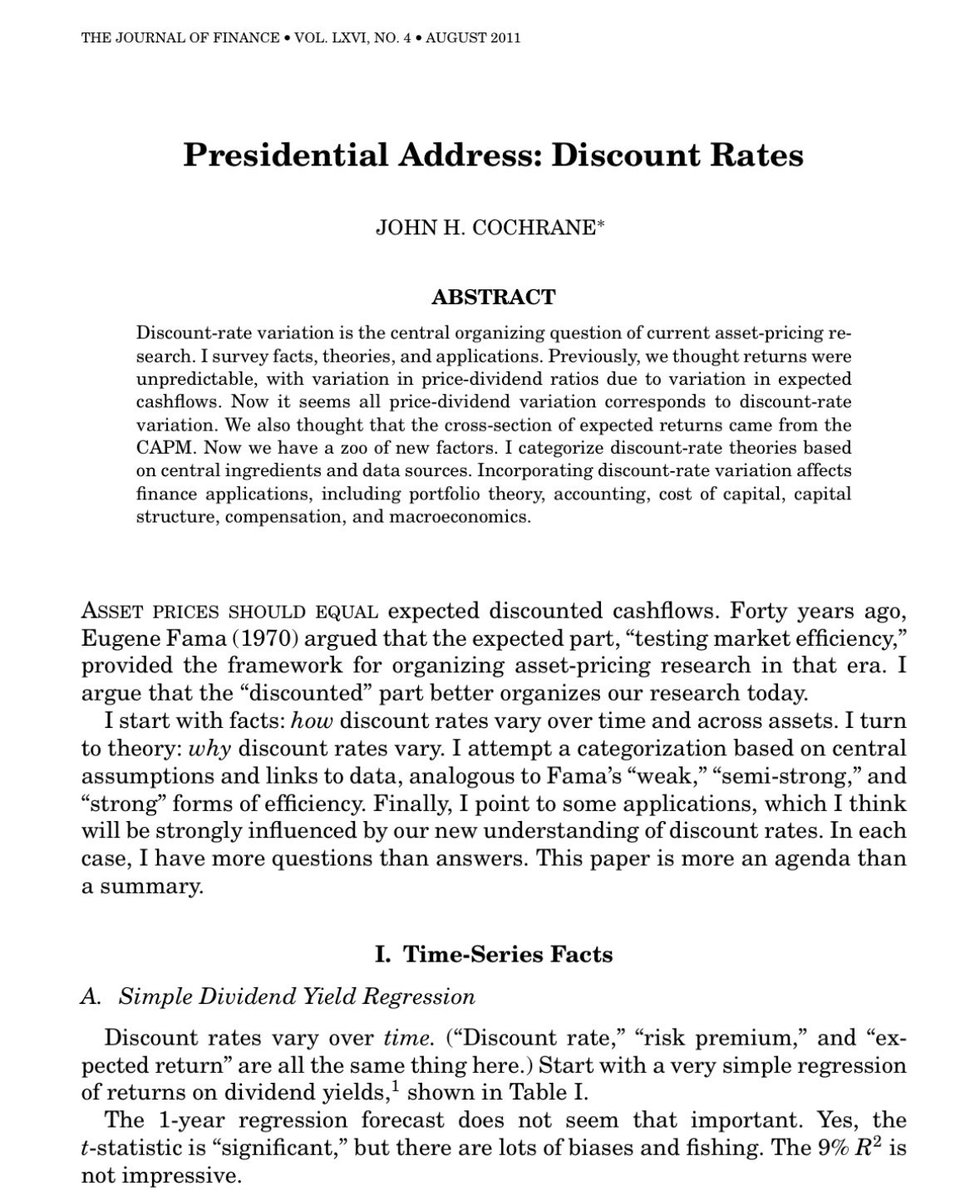
4
44
7,542
Dina Cece de Morabito retweeted

May 26
i just can't unsee this now ..

May 26

CHINA IS RESTRICTING OVERSEAS TRAVEL FOR TOP AI PROFESSIONALS IN PRIVATE FIRMS SUCH AS ALIBABA GROUP HOLDING AND DEEPSEEK
28
672
4,576
224,139
Dina Cece de Morabito retweeted

May 25
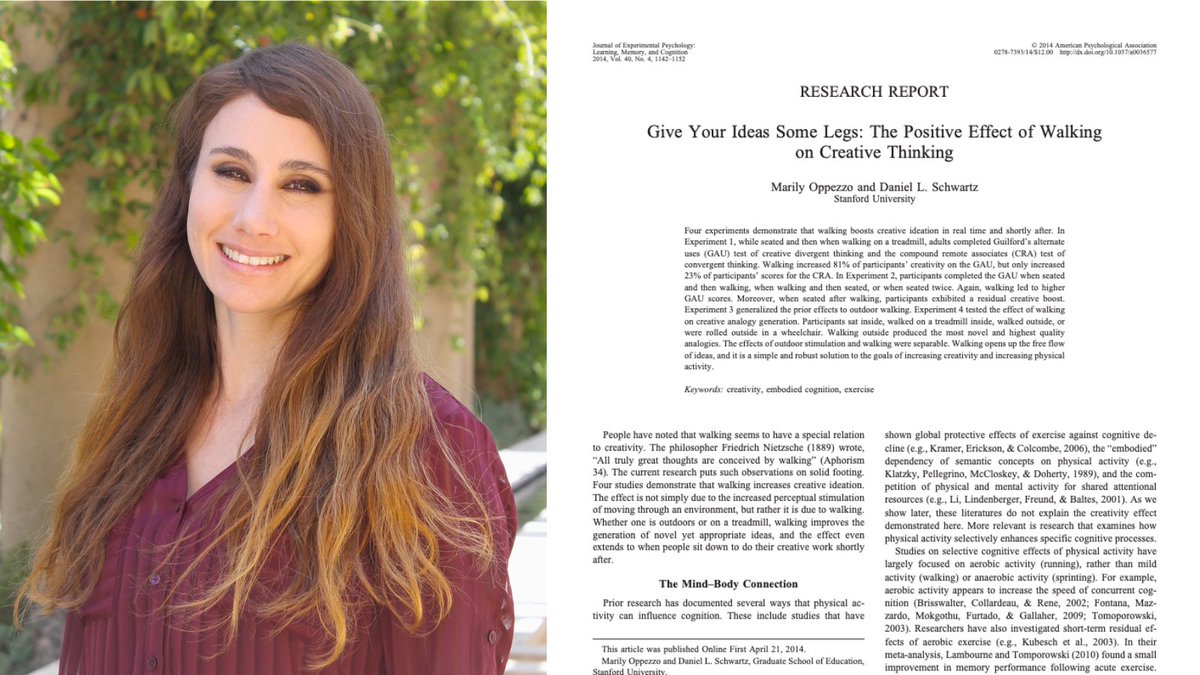
A Stanford psychologist spent 4 years proving that the simple act of walking generates 60% more creative ideas than sitting, and the experiment she designed to kill every alternative explanation is one of the most decisive findings in modern psychology.
Her name is Marily Oppezzo.
She got the idea for the study while walking with her advisor at Stanford to discuss her thesis topic, and the paper she eventually published in the Journal of Experimental Psychology in 2014 is sharp enough that it should have ended the seated meeting on the day it came out.
She ran 4 experiments on 176 people. Same person tested twice. Once sitting, once walking. The creativity tasks were the standard ones psychologists have used for decades to measure how good a brain is at generating novel useful ideas.
The result was almost too clean to publish.
81% of participants in the first experiment produced more creative ideas while walking than while sitting. In the second experiment, 88%. In the third, 100%. Every single person walked into a more creative version of themselves.
On average, people generated 60% more novel useful ideas the moment their legs started moving.
The skeptical question is the obvious one. Maybe it was the fresh air. Maybe it was the scenery passing by. Maybe it was the change of environment doing the work, not the walking itself.
Oppezzo killed every one of those explanations with one experimental decision.
She put people on a treadmill facing a blank wall. No scenery. No fresh air. No environmental change. Just legs moving in place while staring at white drywall. The 60% boost held.
Then she ran the experiment that closed the case completely. She took participants outside in two conditions. Half of them walked through a Stanford courtyard. The other half were pushed through the exact same courtyard in a wheelchair. Same outdoor stimulation. Same scenery passing at the same speed. The only difference was whether the legs were moving.
The walkers produced dramatically more novel high-quality ideas than the wheelchair group. The outdoors did almost nothing on its own. The walking did everything.
This is the part of the study that hit hardest when I read it the first time.
She also tested the opposite kind of thinking. Convergent thinking. The kind where there is one right answer and you have to narrow down to it.
Word puzzles where 3 words share a hidden fourth word that connects them. The seated participants did slightly better on these. Walkers got slightly worse.
Walking is not a general intelligence enhancer. It does one specific thing. It opens up the divergent search inside your brain. The part that generates options. The part that produces unexpected connections. The part that takes a problem and finds five ways into it instead of one.
When you need to converge on the single right answer, sit down. When you need to find the answer in the first place, get up.
The mechanism is now well understood. Walking selectively activates what neuroscientists call the default mode network, the system inside your brain that runs when you are not consciously focused on anything. The DMN is where mind-wandering happens. Where memories cross-reference each other. Where ideas that have been sitting in separate folders inside your head finally bump into each other.
When you sit at a desk and force yourself to concentrate, you suppress the DMN. When you walk at a natural pace, the executive part of your brain gets just busy enough handling the walking that the DMN comes online and starts doing the work that focus was blocking.
The most useful finding in the entire paper is the one almost nobody quotes.
The boost did not turn off the moment people stopped walking. Participants who walked first and then sat back down stayed elevated. Their next round of seated creativity work was still significantly better than people who had been sitting the whole time. The rest lingered for at least several minutes after the legs stopped moving.
You do not need to do creative work while walking. You need to walk before the creative work. The brain holds the state.
The history of this is the part that should haunt anyone who still does meetings in chairs.
Charles Darwin built a gravel loop behind his house in Kent called the Sandwalk and walked it 3 times a day for the rest of his life. The theory of evolution was developed one lap at a time on that path.
Nietzsche walked up to 10 hours a day during the years he wrote his most important books and openly said the work was conceived on his feet.
Beethoven composed for the morning and walked for 5 hours every afternoon with a pencil in his pocket for when something landed.
Kahneman said the best thinking of his Nobel Prize-winning career happened on leisurely walks with Amos Tversky. Steve Jobs refused to take important conversations sitting down. He held them on foot.
Every one of them was using the system Oppezzo would not measure until 2014. They just did not know what to call it.
The question worth sitting with is the one almost nobody asks.
Every meeting you have ever attended sitting around a table was a meeting held at a fraction of the brain power that was actually available to the people in the room. Every brainstorm that got stuck inside a conference room. Every problem you tried to solve at a desk and gave up on. Every idea you could not quite get to.
The intervention is the easiest one in modern science. No supplement. No app. No subscription. No training program. Just a pair of legs and 15 minutes.
The Stanford lab proved it. The philosophers knew it. The neuroscience explains it.
And almost everyone reading this is still trying to think their way out of problems sitting completely still.
282
3,042
11,845
1,589,504

I know I could just ask Claude/GPT/Gemini for answers but for anyone who started learning about the entire AI space from scratch, what resources have you found helpful?
1
21
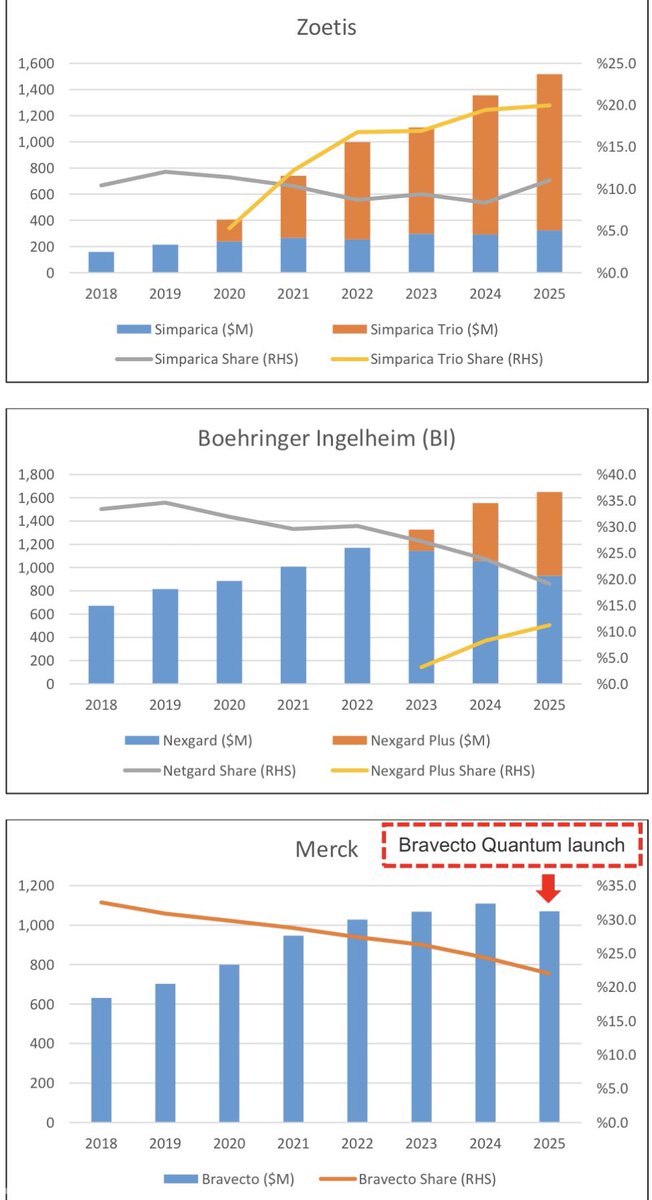
My analysis is most vulnerable to macro. I assume that end markets continue to grow 4-5% when $ZTS said that the industry didn’t see growth in Q1. So 11x P/E can be a moving target: lower earnings -> lower price -> same multiple, a classic value trap.
Position sizing important

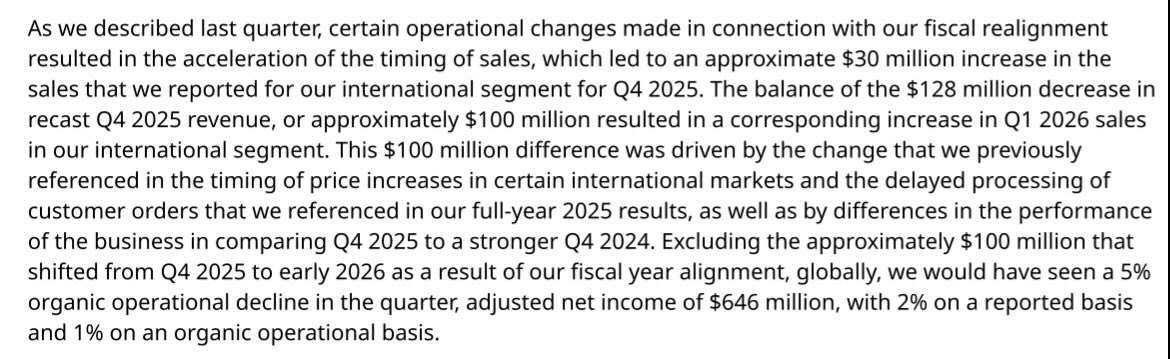
1. Calendar accounting change was flagged in Q4. In his prepared remarks, the CFO disclosed what the impact was. Below is a screenshot of the transcript.
Saying that they somehow tried to hide this is not fair.
2
266
This entire thread is backwards looking. What matters is the path forward. Let the price inform the question to ask. The key question is: what’s implied in $75/share? If you do some math, you find that what needs to happen over the next decade to justify this price is ridiculous.
May 9

Esta semana al ver la caída de $ZTS (25% en 5 días) iba a comprar.
Pensé que estaba comprando la vieja Zoetis, pero el precio que marcaba la cotización era de la nueva Zoetis.
Frené la compra. Te cuento por qué.
🧵
1
66
In addition, knowledgeable insiders are purchasing for the first time in more than a decade. Is it risky to catch a falling knife? Yes. However, at $75/share, this stock is an unambiguous “buy”
Could very much be wrong, but the odds are stacked in my favor at these levels.
1/2 $ZTS whichever way you chop it, this sell off is overdone. Yes, competition, but you have to believe this business loses a material amount of share across key franchises over the next decade - 2% grower vs industry growth of MSD
61
1/2 $ZTS whichever way you chop it, this sell off is overdone. Yes, competition, but you have to believe this business loses a material amount of share across key franchises over the next decade - 2% grower vs industry growth of MSD
1
2
379
2/2 Promotional intensity in Derm is weakening (Zenrelia 20% discount to now <10%), pipeline is healthy (R&D budget 2x competition), and Librela trends seem to be improving in the US (took Seresto 3 years to bounce back post public backlash). Stock is cheap. Full stop.
1
1
148
P.S. risk is you sit in dead money for 6-9 months if mgmt. gets fired and new team comes in to reset strategy. 11-12x P/E is bonkers for a scaled player in an industry as attractive as animal health. I’m a buyer
1
3
130
Dina Cece de Morabito retweeted

May 9
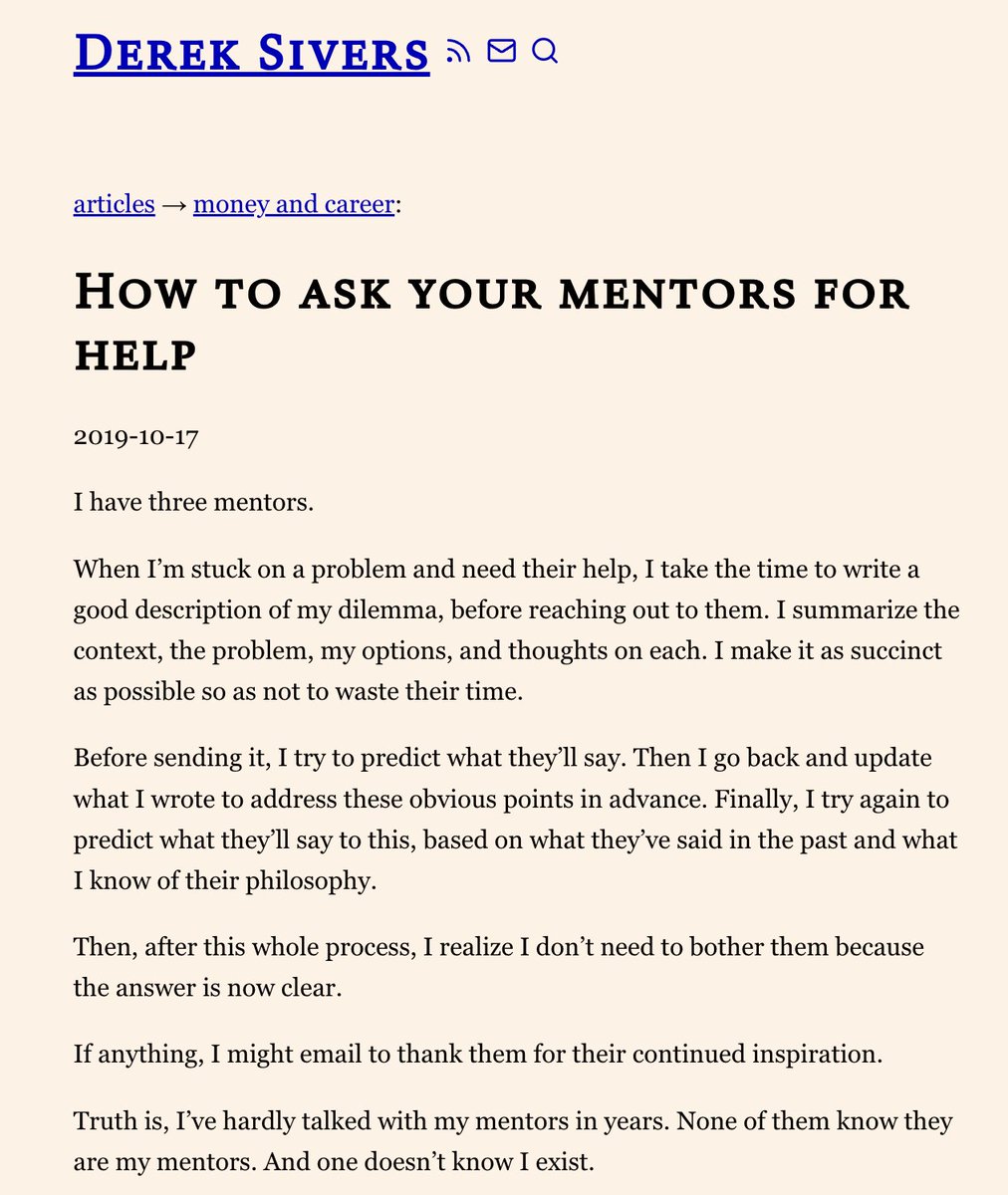
This is so good. I love Derek's essays.
54
1,243
12,091
386,122
Dina Cece de Morabito retweeted

May 6
Great point. I think you’re 100% right to point out that caveat. And it’s a big one. Based on their comments in recent years, I concluded that both Buffett and Munger weren’t as in the weeds on studying businesses as they were in past decades (and I believe they said as much). eg Munger owned BABA but his commentary suggested to me that he didn’t know it inside and out.
That said, I think their wisdom and general sense of markets and business was (is) as sharp as ever, and so while Buffett might not be working as hard, I do think he understands where things generally stand in terms of valuation.
I also think the industries that he hasn’t learned happen to be the ones that are most overvalued (generally). So while he may not know semis or cloud infrastructure, I think he understands capital cycle better than ever and he sees the general risks out there
1
30
3,215
Dina Cece de Morabito retweeted

Apr 26
Charlie Munger: "There are all kinds of wonderful new inventions that give you nothing as owners...All of the advantages from great improvements are going to flow through to the customers.”
Apr 24

Interesting study by @erikbryn and @avi_collis showing big consumer welfare gains from AI. Reminds us that large portion of the economic value of AI will not show up in traditional economic indicators. digitaleconomy.stanford.edu/…
2
11
64
14,810
$PAYX I think this is interesting over the next 1-3 years for one reason: Paycor clients (acquired last April) are under-monetized. By my estimates, PAYX makes 2x more revenues per worker than Paycor ($ADP makes 60% more). Closing this gap provides tailwinds (1/x)
1
50
From channel checks, clients typically switch when a payroll provider messes up. 2-4% price hikes don’t seem incredibly steep (ie out of whack with normal CPI), so AI likely increases quality of service as the penalty for poor service increases - higher stakes
(8/x)
1
19
Deal flow on the ground isn’t currently influenced by AI, and if $PAYX plays its cards well (continues to invest in tech and commercial channel), the stock could do well over the next 1-3 years. One doesn’t have to assume a lot to make 15% IRRs.
(9/9)
37