Family Doctor, AAFP Past-Director, MSNJ Fellow and Past President,Medical Director Virtua Medical Group , Seeker of Truth, Yogi, Cyclist, Gardener
Joined June 2009
- Tweets 1,052
- Following 430
- Followers 449
- Likes 5,217
80 Photos and videos



Mary Campagnolo retweeted

May 29
Primary Care Is a Public Good. It's Time We Started Treating It Like One.
A recent article in JAMA calls for the creation of a multi-payer—or all-payer—primary care financing system. The concept itself is not new, but it arrives at a particularly important moment in our national health policy debate.
Too often, conversations about new ideas begin with what is missing or what is wrong. We should resist that tendency. Any discussion of this proposal should start with what the authors get right: primary care is a common good that benefits not only individual patients, but also families, communities, and society as a whole.
The authors make a particularly important observation: “Primary care has long fit awkwardly as an insurable risk in the marketplace. Insurance is designed to protect against large, unpredictable expenses. Yet primary care is largely predictable, similar to food, housing, and other common necessities.”
That insight deserves serious consideration. The proposal does not seek to replace the broader health insurance system. Rather, it seeks to establish a sustainable financing mechanism for universal access to primary care—one that exists outside the economic and administrative complexities of insurance. That is a conversation worth pursuing.
Many health care services can deliver value during discrete episodes of care. None, however, can match the long-term impact of comprehensive primary care. Nor can any consistently produce the same value per dollar spent. The evidence supporting this conclusion is overwhelming. It is also why the highest-performing health systems around the world are built upon universal access to primary care.
In fact, universal primary care may be the single most important distinction between the world's highest-performing health systems and the United States health care system as it exists today.
The authors' use of the term public good is especially important. Like clean water, public safety, and fire protection, the benefits of primary care extend well beyond the individual who receives the service. Strong primary care creates healthier communities, strengthens workforce participation, reduces avoidable health care spending, and contributes to economic stability. Its value is both personal and societal.
One of the most compelling aspects of this proposal is its potential to eliminate variation in financing and administration. A universal primary care financing model could finally create the conditions necessary for true prospective, population-based payment—payment that rewards access, continuity, prevention, and innovation rather than volume.
Importantly, such a model would not require a single practice structure. Direct primary care practices, community health centers, independent practices, and integrated health systems could all continue to operate and innovate. Patients would benefit from a more consistent experience, while practices would be relieved of many of the payer-specific rules, reporting requirements, and administrative burdens that increase costs and create barriers to care.
The authors describe their proposal as a compromise between single-payer and free-market approaches. That characterization feels accurate. With oversight delegated to states and room for diverse delivery models, the proposal reflects a pragmatic approach to reform rather than a wholesale restructuring of the health care system.
No proposal is perfect, and this one is no exception. Important questions remain about implementation, governance, accountability, and financing. Those questions deserve thoughtful debate.
But one thing is clear: primary care is a public good, and our current health care system has denied too many people access to its full value for far too long.
The conversation started by this proposal is the right one. At a time when confidence in our health care system continues to erode, we should focus less on preserving the status quo and more on building the foundation that every high-performing health system requires.
That foundation is primary care. And it should be available to every person and every community.
jamanetwork.com/journals/jam…
2
10
17
1,238

May 30
This is important work, keeping end users involved in development of tools which will work for us and our patients.
May 27

AI is poised to transform health care, but to reach its full potential, it must compliment and support the work of family physicians. This why the @aafp is investing in shaping the future of AI in primary care.
This week we announced the launch of the Primary Care Innovation Network and its inaugural Advisory Committee, bringing together leaders from family medicine, health systems, innovators and builders to help ensure AI tools are practical, trustworthy, aligned with patient-centered care and grounded in the core principles of primary care.
Through the PCIN, we aim to strengthen the relationships at the heart of primary care, support care delivery, improve workflows and operations, improve health outcomes and help restore professional satisfaction.
As the trusted physicians to hundreds of millions of people and families, family physicians must play a central role in shaping how AI is used in health care, and this network is designed to ensure their voices are part of that future.
Thank you to the leaders serving on the Advisory Committee and helping advance this important work. We are excited for what’s ahead.
aafp.org/media-center/press-…
13
May 21
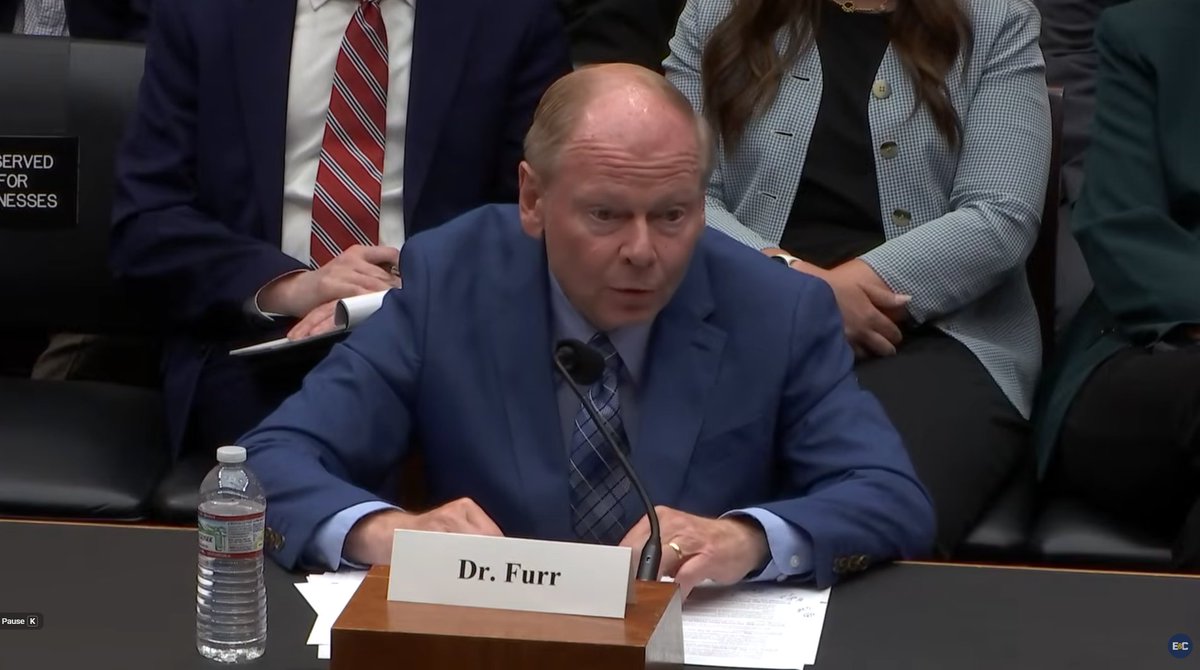
Dr Furr speaking the truth to Congress…
May 20

Today @RepTroyCarter asked: if Congress fails to reform Medicare physician payment, what will the next 10 years look like for seniors trying to find a doctor, especially in rural communities?
@sfurrmd highlighted two critical points:
☑️ Everyone needs access to a primary care physician, not just to treat illness, but to prevent disease. Medicare payment policy should better reflect the value of prevention and longitudinal primary care.
☑️ We must bolster the next generation of family physicians by training more doctors in community-based and rural settings, where shortages are already severe and growing.
bit.ly/4tRaiDE
2
25
Mary Campagnolo retweeted

Jan 14
In a new interview with @ChiefHealthExec, @aafp EVP and CEO @rshawnm outlined key advocacy and policy priorities, including alleviating administrative burdens for family physicians and growing the primary care workforce so every American has access to high-quality care. Read more: bit.ly/3LtDxfE
5
9
147
Mary Campagnolo retweeted
Jan 7
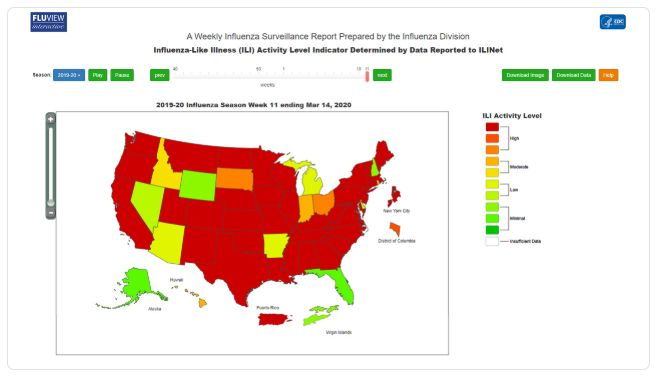
As the map shows, we are in the midst of a widespread illness across the country. The CDC estimates there have been 120,000 hospitalizations for influenza or influenza like illness so far this season. The CDC also reports that at least 11 million people have fallen ill due to the flu and there have been 5,000 deaths due to flu so far this season, including at least nine children.
The @aafp urges every individual, 6 months or older, to get a flu vaccination.
cc: @AAFP_advocacy
5
7
321
Mary Campagnolo retweeted
Jan 5
Parents and caregivers deserve sound, evidence-based recommendations to assist them in making medical decisions for their children.
The @aafp Child & Adolescent Immunization Schedule for Ages 18 Years and Younger is below. You can also find the full set of recommendations for adults and pregnant individuals here --> aafp.org/family-physician/pa…
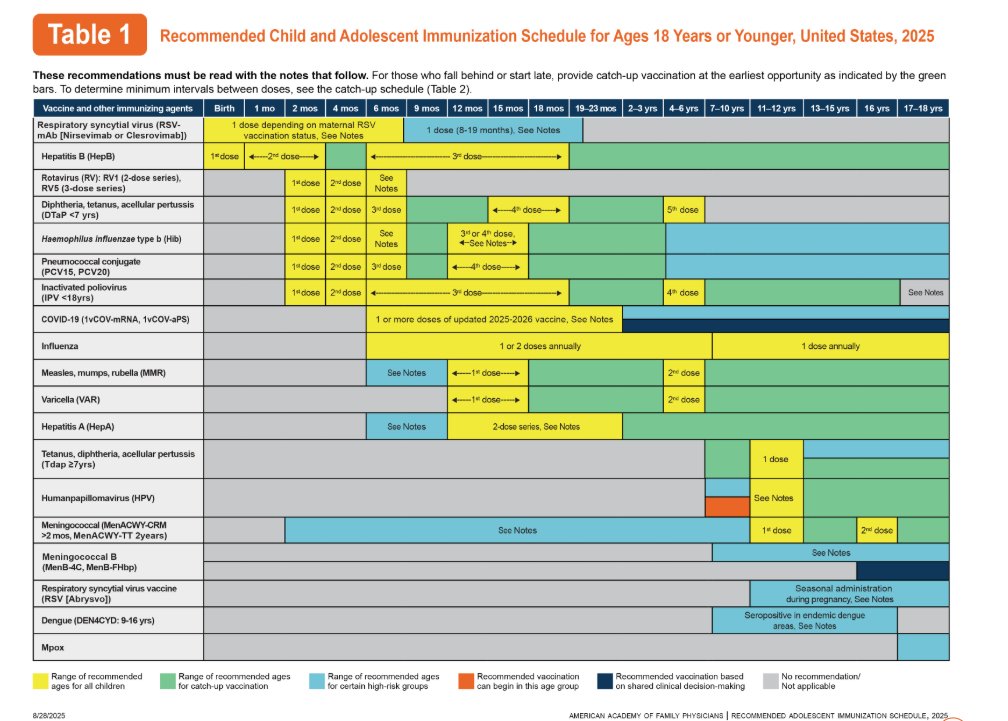

#Breaking: The number of recommended childhood shots drops from 17 to 11. trib.al/HZhYT16
3
3
354

The AAFP rigorously reviews the science so we can support family physicians in protecting patients through safe, effective vaccination. You can count on the AAFP childhood immunization schedule: bit.ly/46HPsgq
18
16
608
Mary Campagnolo retweeted
Jan 2
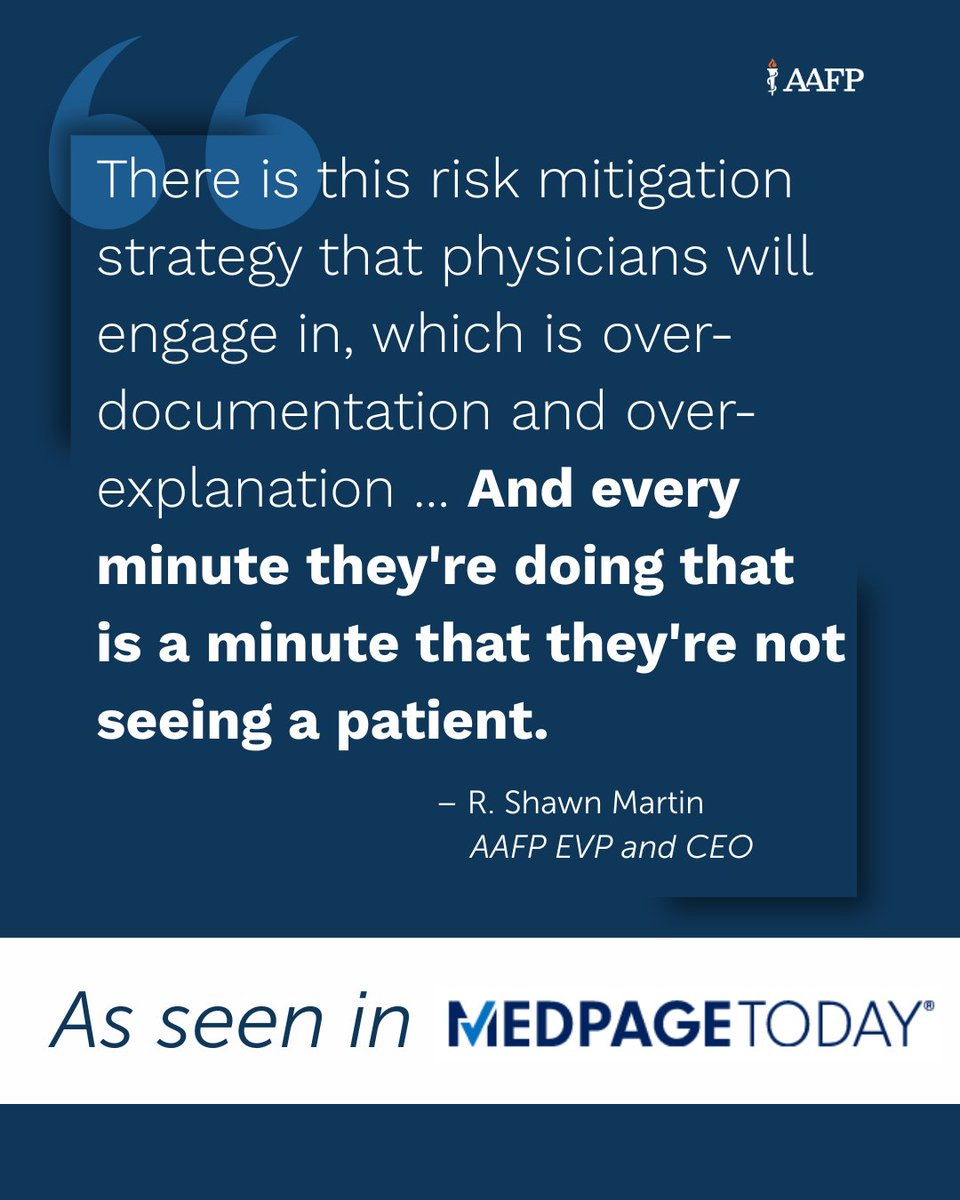
The practice of downcoding undermines the financial viability of small and independent practices and ultimately hurts patients, @aafp EVP and CEO @rshawnm tells @medpagetoday in a new interview. Read the full story: bit.ly/48RcBhn
2
2
129
Mary Campagnolo retweeted
21 Nov 2025
The practice of “downcoding” has become a significant issue in recent months. The prevalence of programs aimed at utilizing automated systems to review and reduce the level of Evaluation & Management (E/M) codes submitted by family physicians has reached concerning levels for our members.
Systems used by insurers often rely on opaque algorithms that lack transparency and are applied without clear standards or clinical context. As a result, family physicians frequently discover that their claims have been "downcoded" only when they notice lower-than-expected payments, and they are left with the burden of pursuing costly and time-consuming appeals.
The lack of transparency around these programs has raised significant questions as to their legality considering anti-trust laws.
Earlier today, the @aafp sent a letter to the federal oversight agencies – Federal Trade Commission (FTC), Department of Justice (DOJ), and the Centers for Medicare and Medicaid Services (CMS). Our letter calls on the agencies to:
▪️ Investigate the use and impact of downcoding algorithms by health plans;
▪️ Require disclosure of downcoding criteria and ensure uniform application—including to health plan-owned practices;
▪️ Mandate streamlined, transparent appeals processes with clear standards and timelines; and
▪️ Engage physicians and regulators in oversight of these practices.
Primary care is seeking to meet the needs of individuals and communities in the face of historical under-investments and an already crushing set of administrative functions. Programs such as "downcoding" only further erode our primary care system and make access to timely care more out of reach for more people.
4
9
32
3,907
14 Nov 2025
So honored to be delegate for Medical Society of NJ at AMA Interim meeting in National Harbor. Hearing President Bobby Mukkamalas address and his brave journey with astrocytoma this year. #AMAmeeting
39
5 Nov 2025
I’m looking forward to the 73rd Bowers Conference next week, Nov 11 ,2025 7:30am-5pm, at The Palace at Somerset Park, Somerset, NJ. It’s hosted by Rutgers University Ernest Mario School of Pharmacy.
I’ll be participating in a panel of fantastic thought leaders from across the health care landscape, discussing trends and challenges in Medicare and Medicaid.
If you are passionate about the future of healthcare policy and innovation, I hope you’ll join us for a day of learning, networking and collaboration!
Learn more and register here: rutgers.cloud-cme.com/course…
28
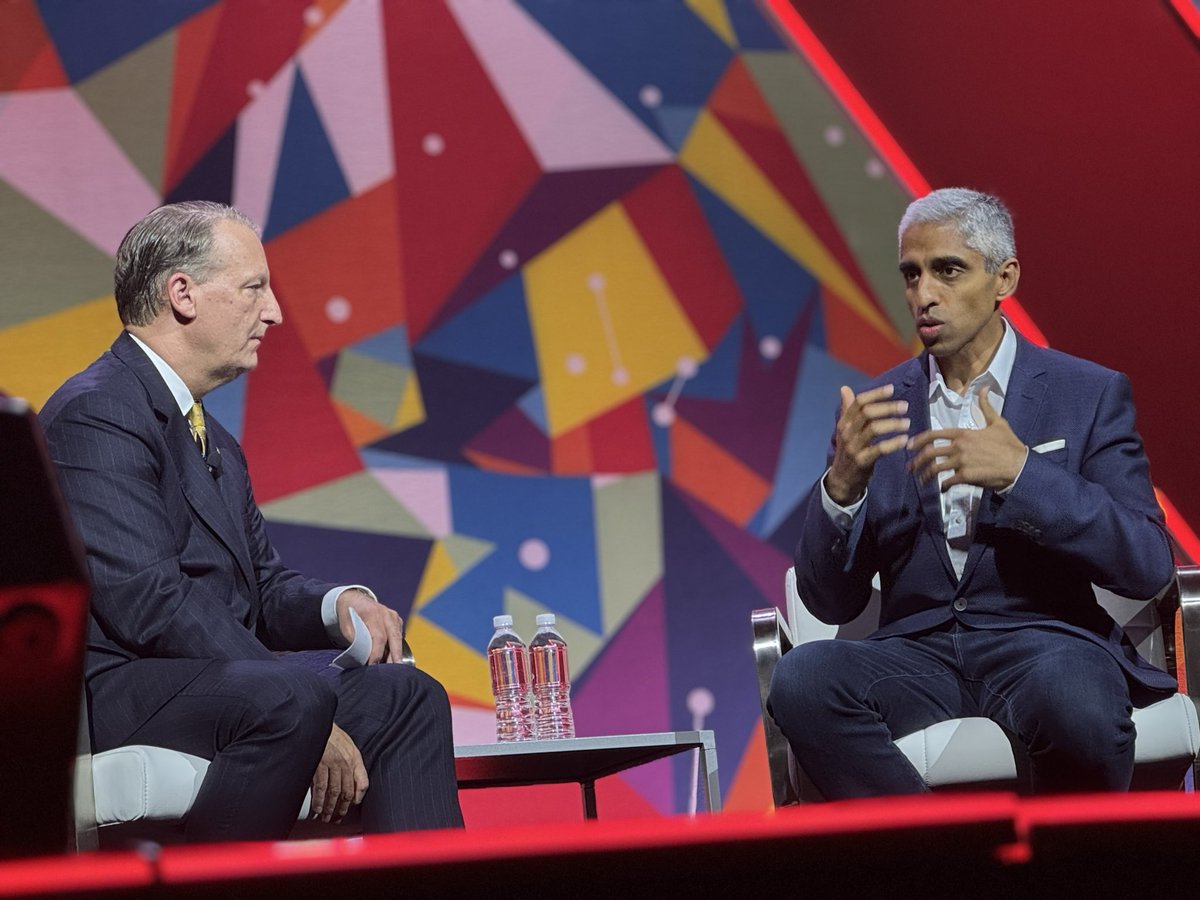
In @vivek_murthy’s conversation with @rshawnm on the #AAFPFMX Main Stage, he shares his biggest lessons learned:
1. We have to show up.
2. We have to be honest and tell the truth.
3. We have to invite others in.
5
15
697
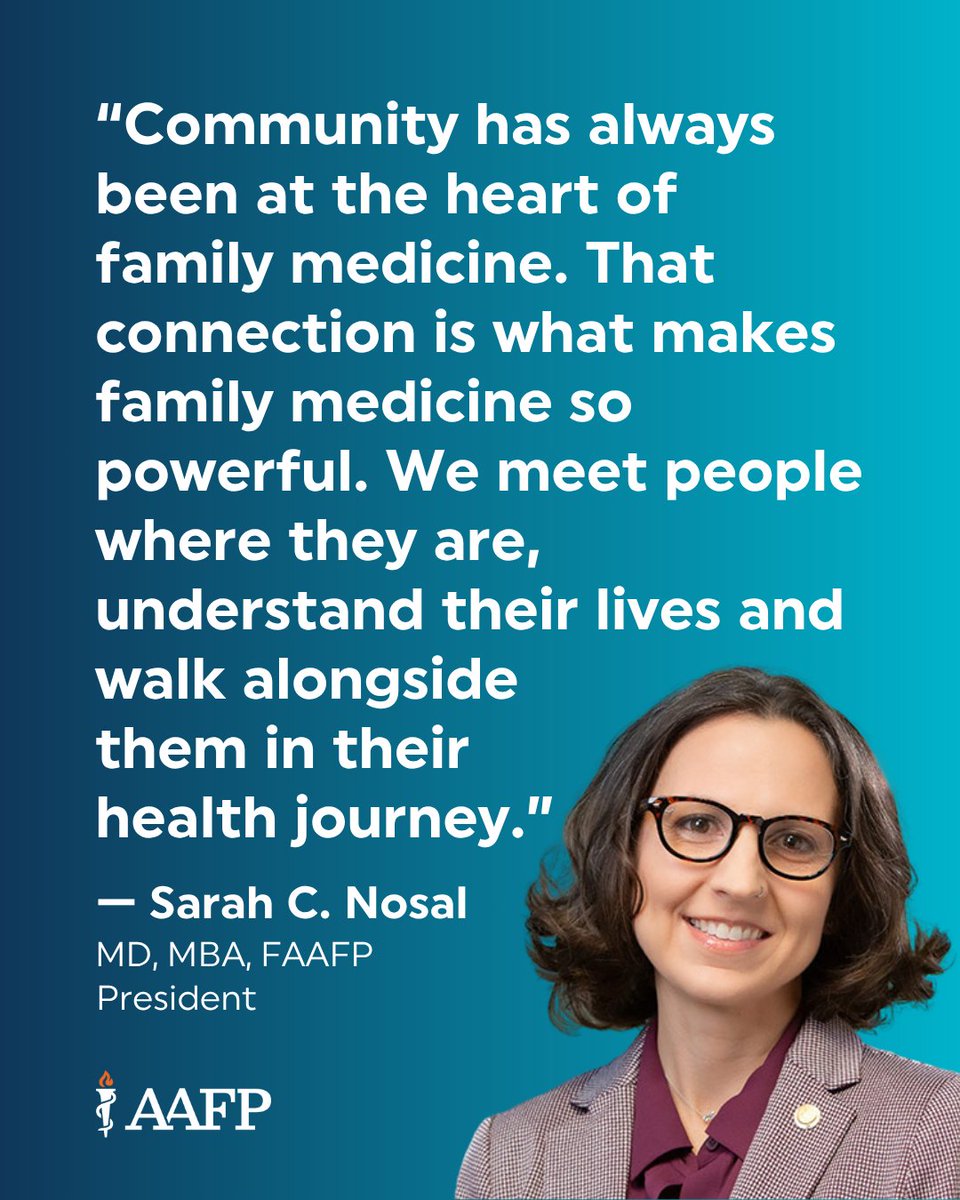
We’re proud to welcome @SCNosalMD as our new #AAFP president! A Bronx-based family physician with nearly 20 years of frontline experience, Dr. Nosal is ready to champion community-based care and ensure every patient can live their healthiest life. bit.ly/3W8qWQR
8
12
515
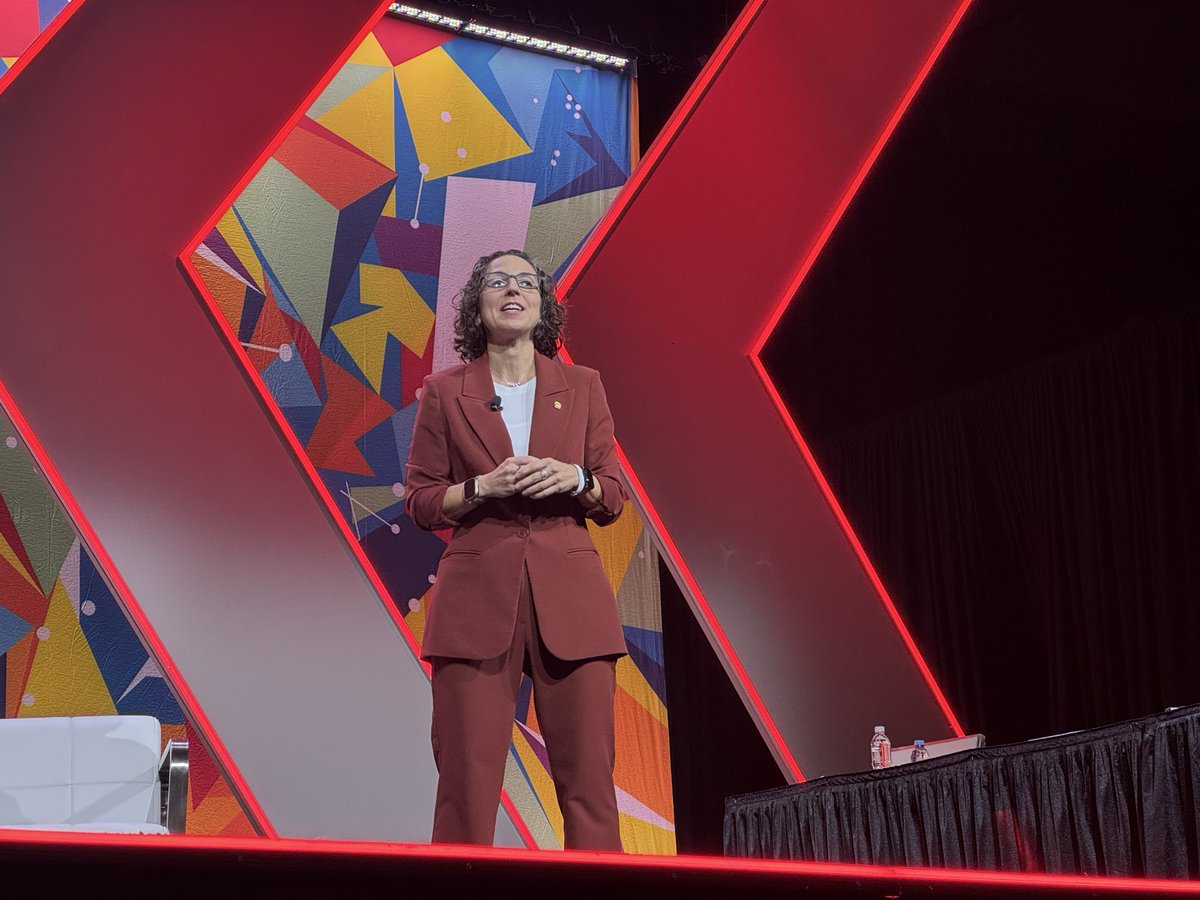
AAFP President @SCNosalMD on the #AAFPFMX Main Stage: “The advocacy you engage in improves the lives of all our patients. At these most difficult of times, I am reminded of the tremendous amount of strength in family physicians.”
1
9
16
682
Mary Campagnolo retweeted

6 Oct 2025
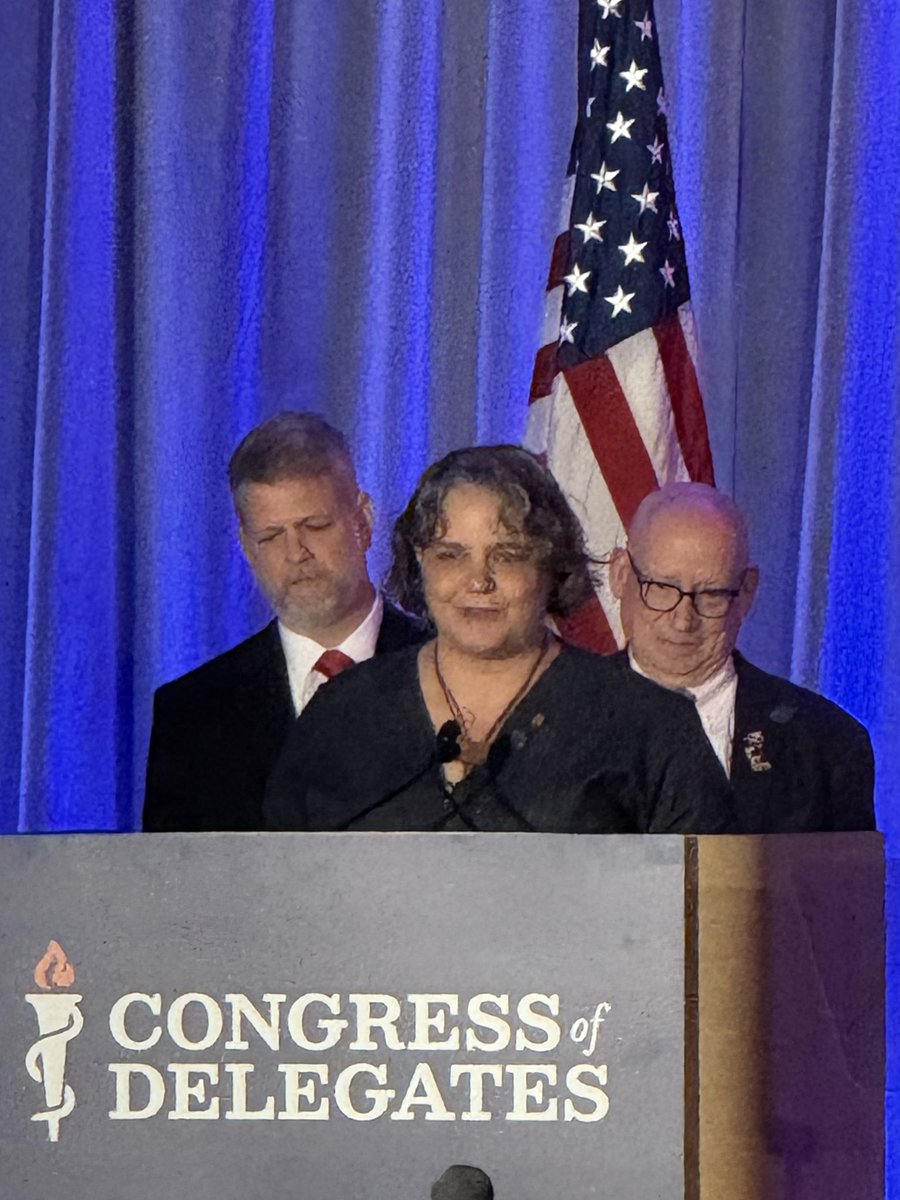
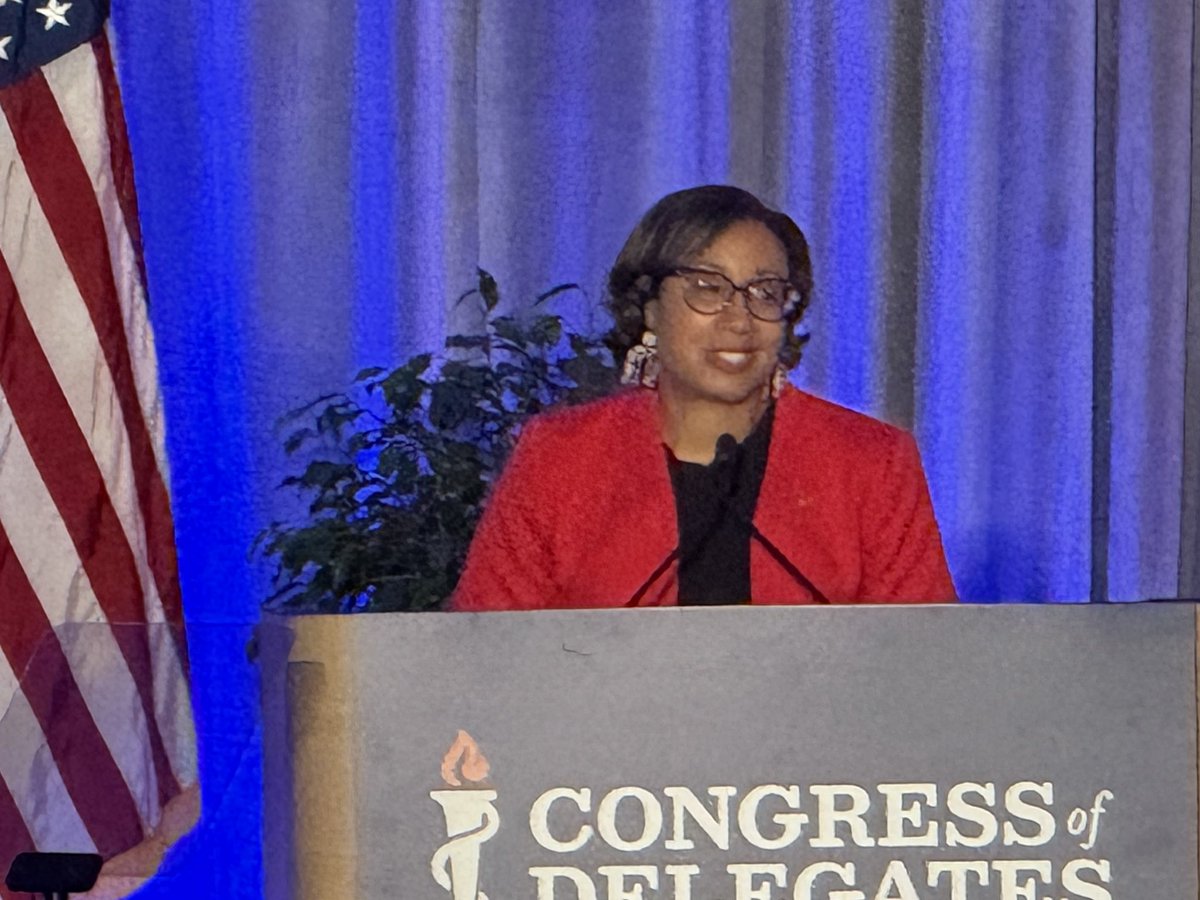
Congratulations to @aafp new Prez-elect @kishadavismd and new Directors Drs. Robin Liu, Tracy Hendershot, & Doug Spotts
2
7
239
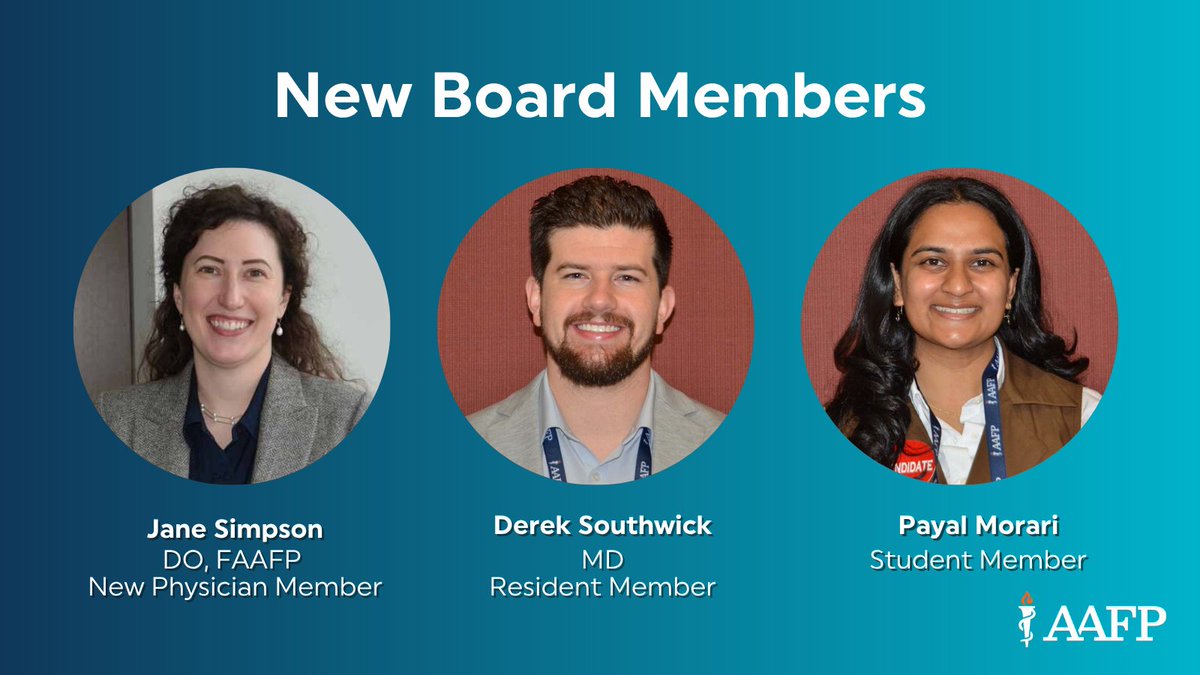
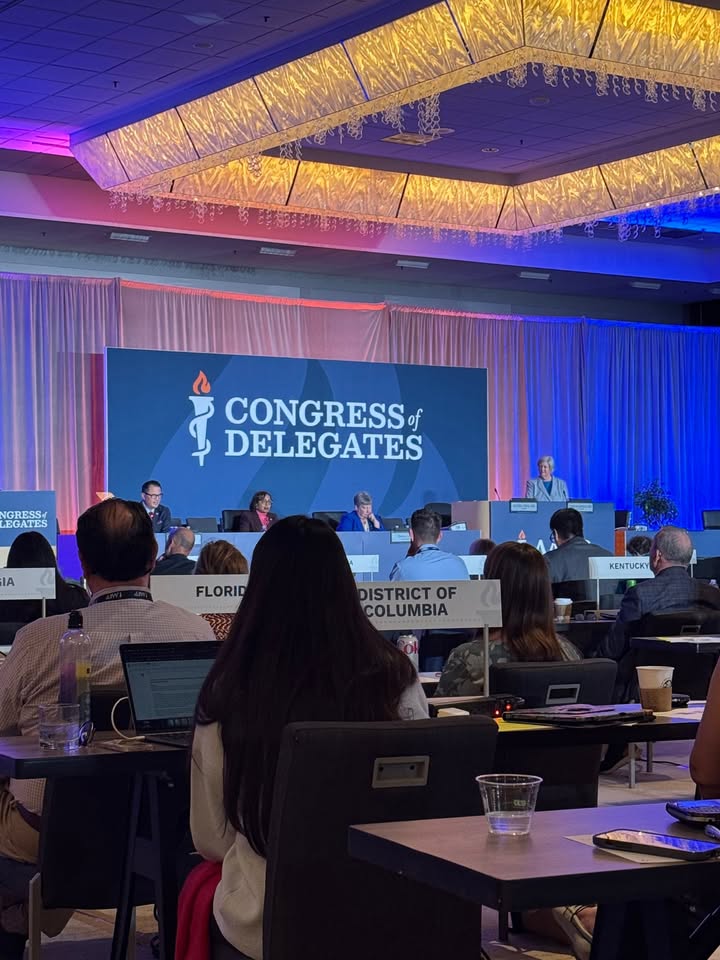
Today we heard from members at Congress of Delegates who stood up for vaccines, AI that protects physicians’ time and more. We also connected with friends old and new at Splitsville Luxury Lanes. Now we’re ready for the best week of the year! We’ll see you all tomorrow for day 1 of FMX.



2
9
610
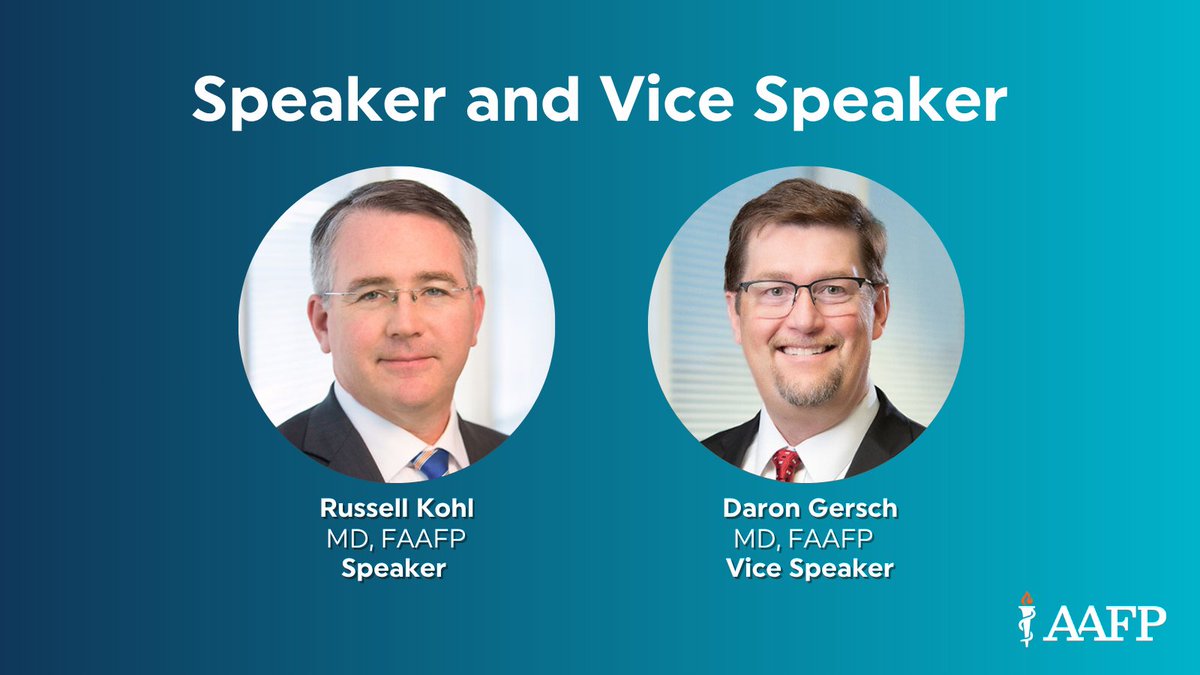
After successfully facilitating the 2025 Congress of Delegates, Russell Kohl and Daron Gersch have been reelected as speaker and vice speaker of the AAFP Congress of Delegates. 🎊 Dr. Kohl serves as chief medical officer with TMF Health Quality Institute, a Medicare quality improvement organization. Dr. Gersch is a family physician with CentraCare in Minnesota.
2
10
537
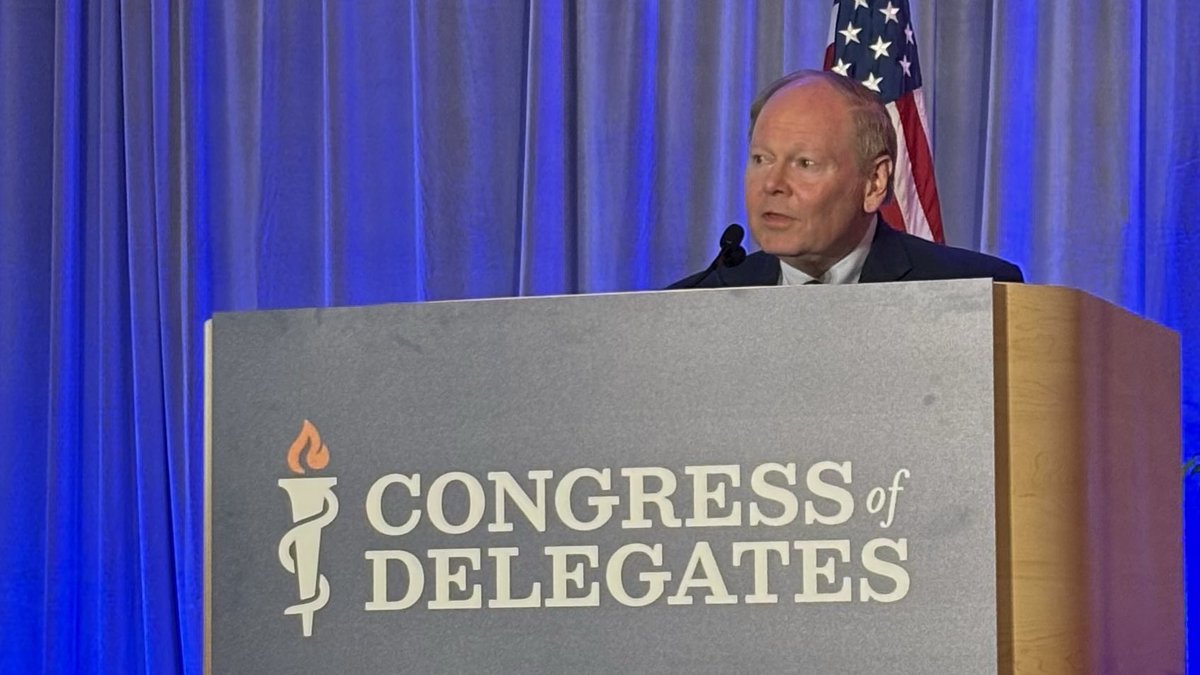
AAFP Board Chair @sfurrmd tells #AAFPCOD in his farewell address, “I am convinced family physicians do “hard” better than anyone else. That’s why the world is a better place with more family physicians—people who know how to do hard things to make a difference in their patients’ lives.”
1
9
23
1,310
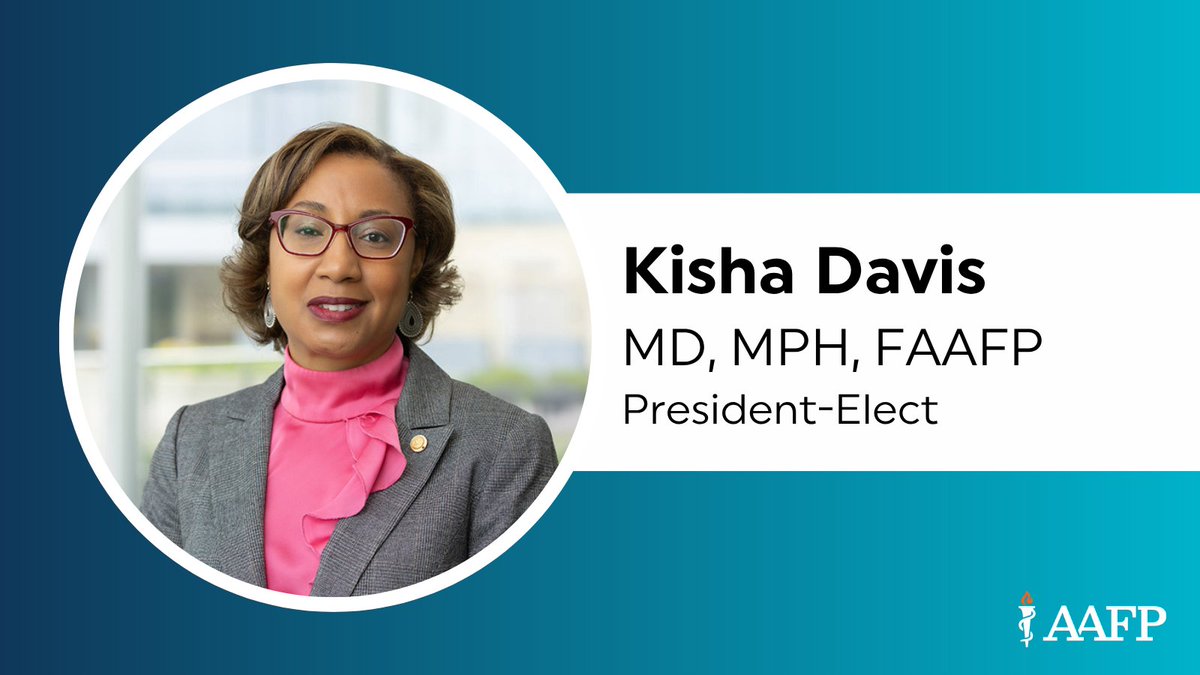
Congratulations to our new president-elect, Dr. Kisha Davis! In her role, @kishadavismd will champion work to support family physicians in every step of their journey and ensure that every person, in every community, has access to high-quality, patient-centered care. bit.ly/4q4poVJ
3
7
22
957