
web engineer probing the mysterious space between the human mind and what a machine can understand - markg.blog / markg.photo
Joined April 2009
- Tweets 5,898
- Following 1,232
- Followers 456
- Likes 18,332
2,313 Photos and videos










Markos Giannopoulos retweeted

1
3
123

A Munich court has ruled that Google is directly liable for false claims in AI Overviews, not just for linking to third-party pages.
The Regional Court of Munich issued a temporary injunction in case 26 O 869/26 after Google's AI summaries tied two publishers to scams and dubious business practices. None of the cited sources made that connection. The publishers sent a cease-and-desist letter; Google did not respond in a way the court accepted.
The court's reasoning is worth reading even if you do not follow German law. Traditional search results point to external sites, so operators have historically faced limited liability as indirect infringers. AI Overviews work differently: they rewrite and structure answers in Google's own words, often opening with confident claims that stand on their own. The Munich judges treated those summaries as Google's statements, full stop.
Google argued that users could open the linked sources and check for themselves. The court rejected that. If the overview reads as a self-contained claim, the operator owns it, much like a press teaser that misstates an article. Studies cited in the ruling also note that people rarely click through from AI Overviews, further weakening the verification defence.
Host-provider protections under the Digital Services Act did not help here either. The source websites had not made the false claims, so victims had no practical route against them. Under older search-engine rules, they could not effectively pursue Google either.
Scale makes the error rate matter. An analysis by AI startup Oumi, reported in the New York Times, found Gemini 3 AI Overviews to be roughly 91% accurate. That sounds high until you run it at Google's volume. The same analysis found that more than half of the "correct" answers could not be traced back to the sources Google linked.
Google says it is reviewing the decision, which is not yet final. Its public line is that AI Overviews reflect information already available on the web and that people should verify it before trusting it. The Munich court explicitly disagreed with that framing for this feature.
For agencies managing client sites, the practical point is simple. Rankings and click-through rates do not tell you what an AI summary says about a brand. A client can look fine in Search Console while an overview misstates their business in plain sight.
1
129
Full write-up from Matthias Bastian at The Decoder: the-decoder.com/landmark-ger…
55
Markos Giannopoulos retweeted
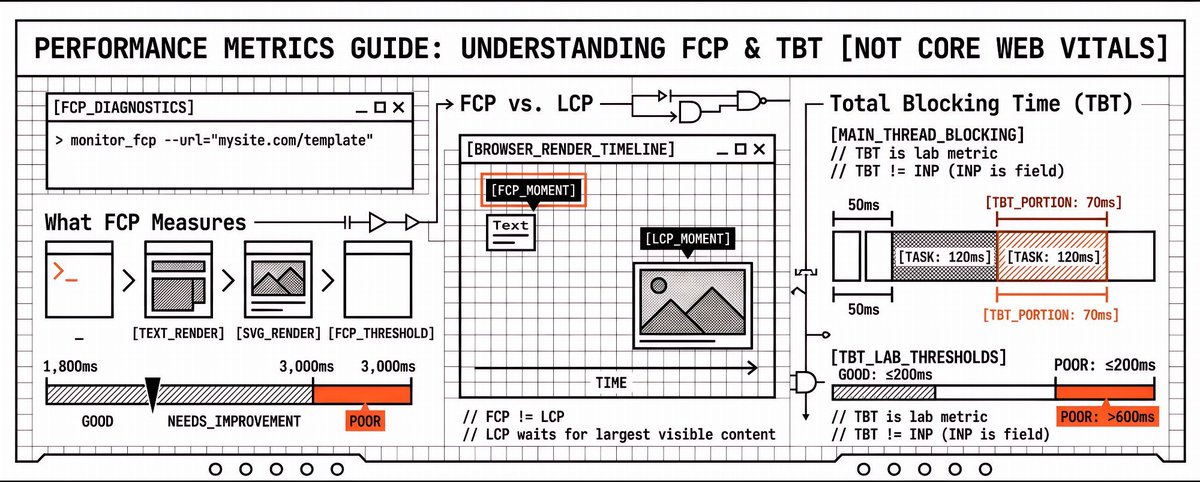
FCP and TBT: Supporting Metrics Beyond Core Web Vitals
>> FCP and TBT are not Core Web Vitals, but they show early paint time and main-thread blocking in Lighthouse runs. Here is what each measures, how they relate to LCP and INP, and when to add them to monitoring budgets.
>>
apogeewatcher.com/blog/fcp-t…
1
1
80
Terrible take (ironically, it smells of AI writing). Token costs exceeding staff costs is really a skill issue. You need to try really hard (in a bad way) to do this. And not having proper documentation so that work can continue is also a skill issue. And guess what, the security issues are also solvable. So, go get some humans who can work efficiently and securely with AI. Absolutely no one is running a zero-humans company.

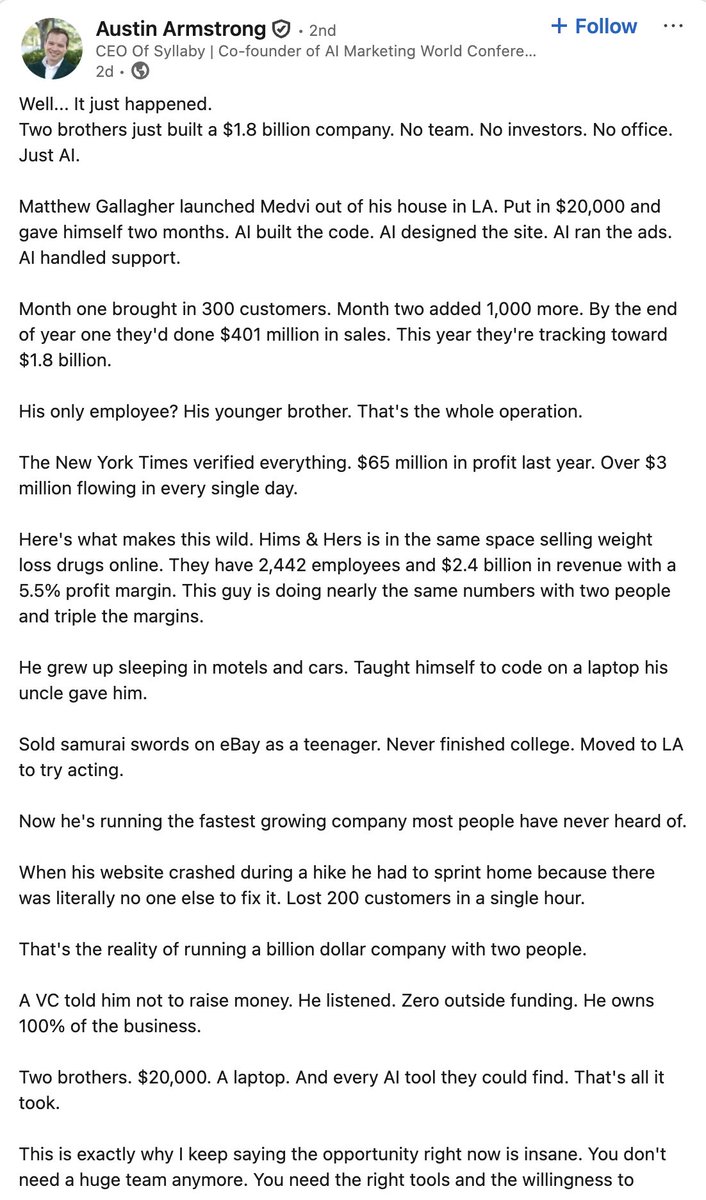
CEOs are quietly realizing the AI replacement plan has a problem.
Two problems, actually.
One: the token costs for running AI agents are now exceeding what they were paying the employees they fired.
Two: when the tokens run out, the AI stops. Just stops. No continuity. No workaround. Just a spinning wheel where your workforce used to be.
You fired humans to save money and bought a subscription that bills you into a corner.
The employees you let go knew what to do when things broke.
The AI just invoices you for the outage.
And then there’s the permission problem nobody wants to talk about.
To do its job, the AI agent needs access. Full access. Your systems, your patents, your contracts, your future plans. Everything you spent years building, handed over to a process that has no loyalty, no discretion, and no skin in the game.
You didn’t hire a replacement.
You gave a stranger with no soul the keys to everything you own.
Enjoy.
3
117
Markos Giannopoulos retweeted
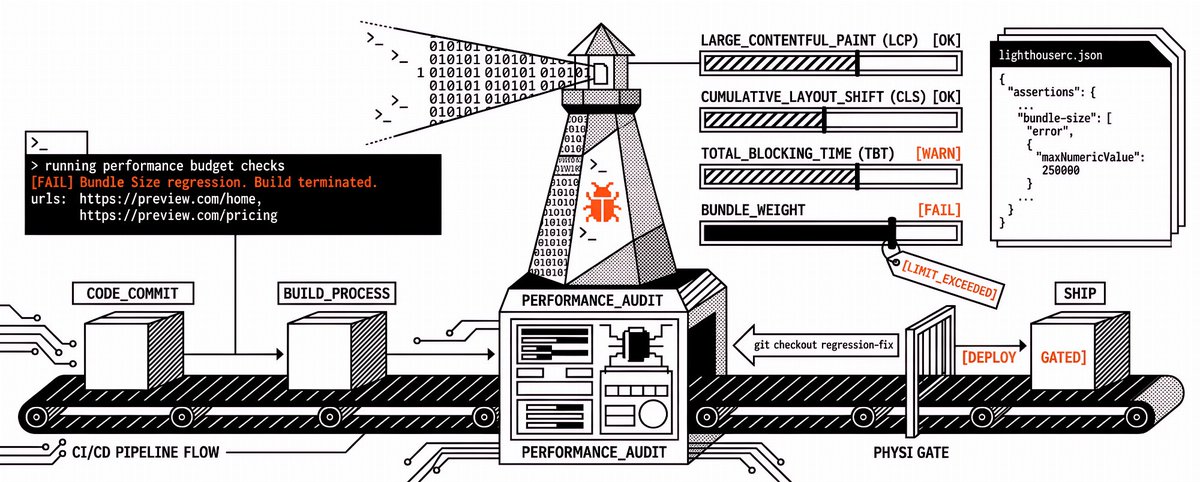
If performance checks run only after release, regressions are already in production.
1
1
4
61
Markos Giannopoulos retweeted
From first scan to qualified outreach—a practical prospecting workflow built on PageSpeed receipts: apogeewatcher.com/blog/pages…
1
4
56
What process made LLMs write like that? App features are not "wired", "hooked up", "plumbed in", or "bolted on". They are "implemented", "released", or "available"!
4
49
For 3.5- and 5-year-old children, 20 minutes per day is already too much.

Peter Thiel on screen time for kids:
“If you ask executives of social media companies how much screen time they let their kids have— there’s probably an interesting critique one could make.”
@andrewrsorkin: “What do you do?”
Thiel: “An hour and a half a week.”
*audience gasps*
2
99
AI democratises weird visual storytelling, and I'm here for it.

1
42

The claim that Denmark has "zero" healthcare/pharmaceutical innovation is incorrect.
Denmark is a major innovator despite its universal, tax-funded system:
- Novo Nordisk (Danish): invented the first commercial insulin pen (1985) and developed Ozempic/Wegovy (GLP-1 drugs revolutionizing diabetes/obesity treatment).
- Coloplast: world's first disposable ostomy pouch.
- Global leader in hearing aids (supplies ~50% worldwide via GN Hearing, Widex).
- Strong medtech/pharma cluster (Medicon Valley) with Lundbeck (CNS drugs) and more.
Private competition drives their R&D globally.
3
9
348
7,666
Markos Giannopoulos retweeted
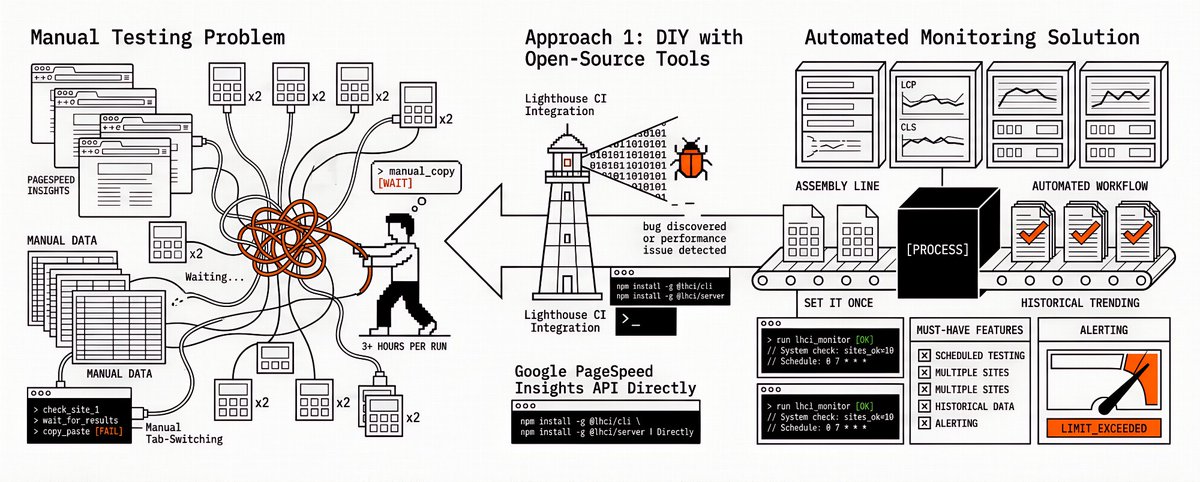
Manual PageSpeed checks work for one site. They break once you handle a portfolio.
1
1
2
26
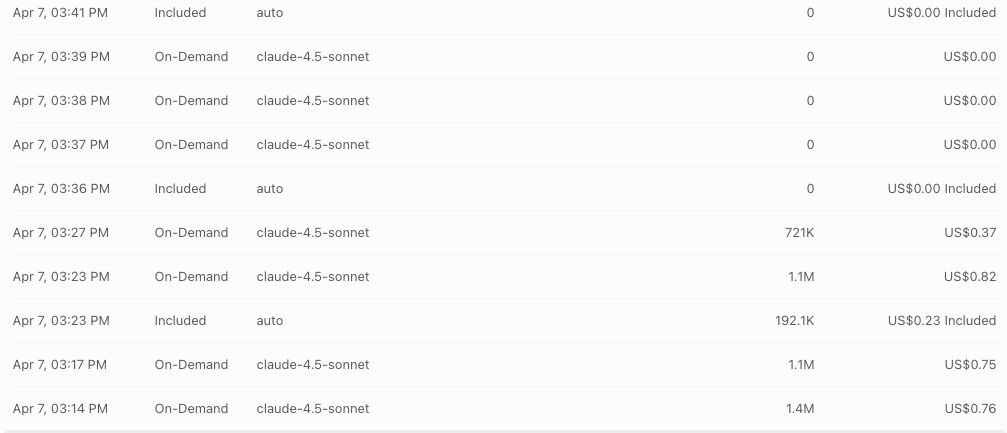
It's best to test each different model against the use you make. Otherwise, you often either burn too much $ for no reason or end up with quality problems in the output.

Here's exactly what I mean:
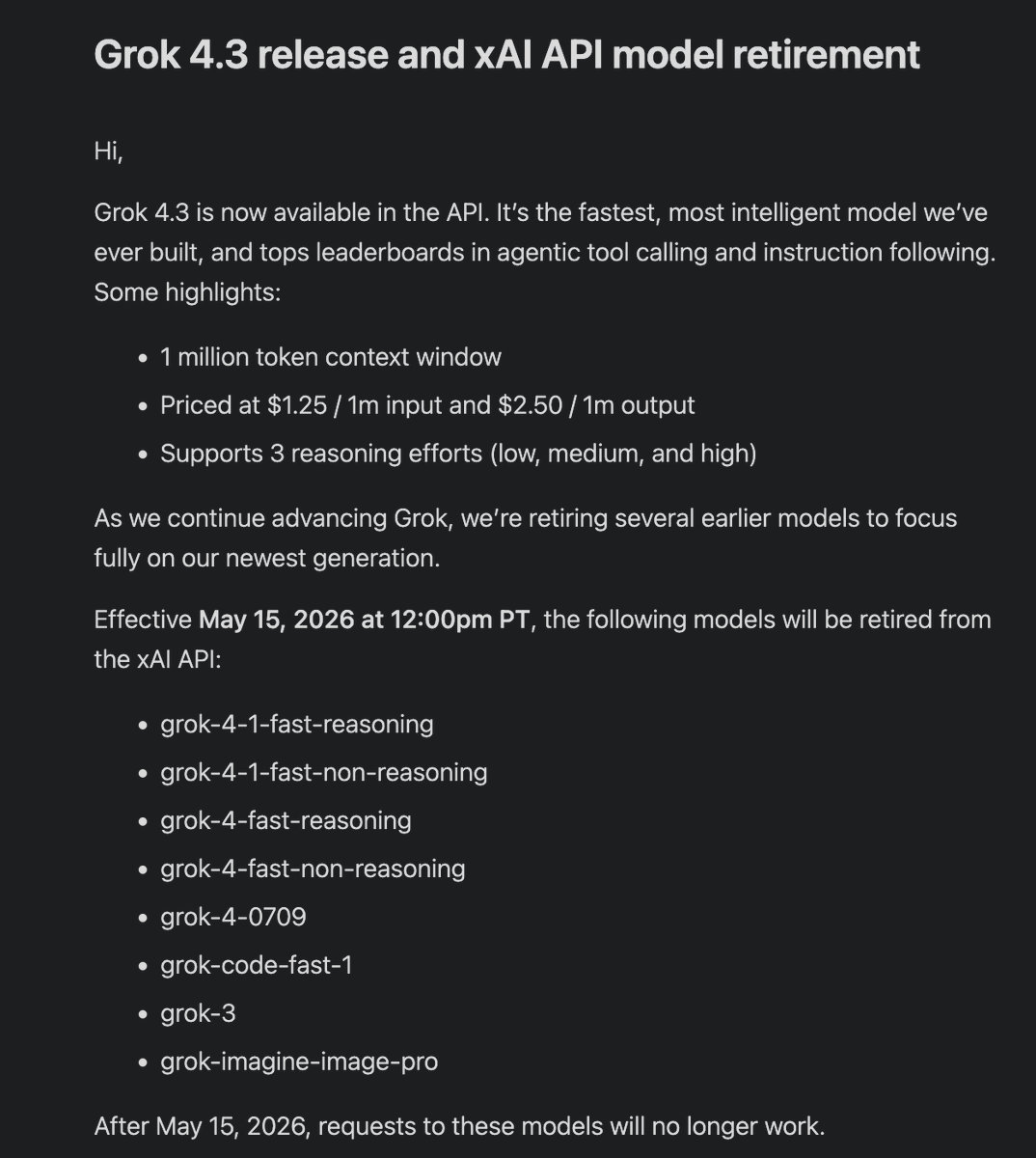
On May 15, @xAI Grok will retire grok-4-1-fast-non-reasoning and API requests for them will fail
I have 9 days to change the model name in 30 sites/apps so they keep working
It'd make much more sense to me if they'd just update to the latest model with the same pricing, or let me use a model name like 'latest' that just auto updates
Although actually people's arguments against this make sense regarding pricing:
In this case there is no similar priced "latest" model, pricing goes up from $0.20/input $0.50/output in Grok 4.1 to $1.25/input $2.50/output in Grok 4.3
But I'd be fine with that too, I just don't want all my apps/sites to break and keep running forever without me having to change code!
1
1
51
We have a very long way to go to AGI if the 1T AI company has its LLM talk about goblins and raccoons for no reason at all.

We’re talking about Goblins.
openai.com/index/where-the-g…
86
Markos Giannopoulos retweeted
1
2
53
Markos Giannopoulos retweeted
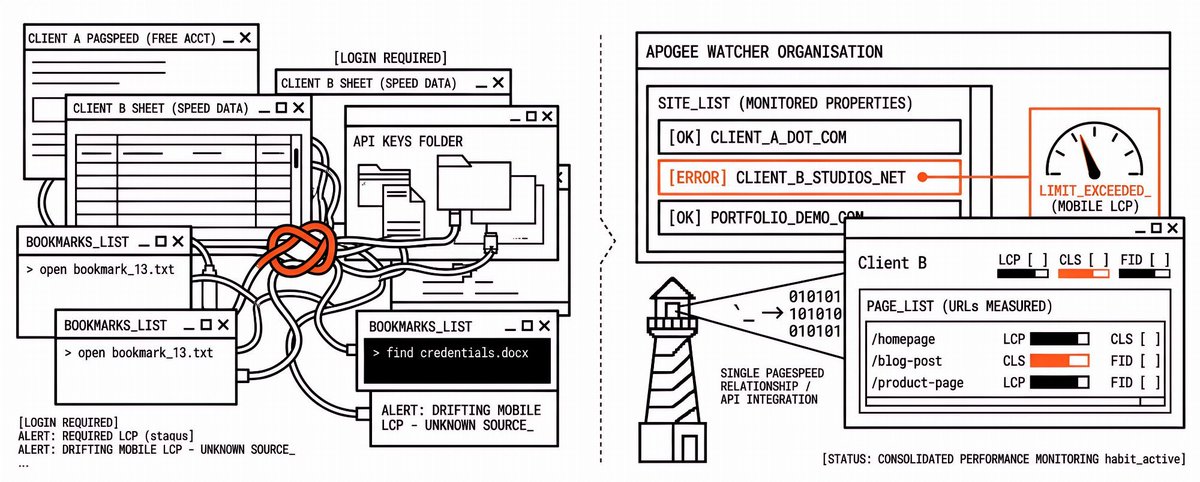
Product Spotlight: Managing Multiple Client Sites in One Dashboard
>> How Apogee Watcher organises every client site under one account: one place for tests, results, and budgets, without a separate log-in or API key per property.
>>
apogeewatcher.com/blog/produ…
1
2
58
Markos Giannopoulos retweeted
You can ask @cursor_ai to search in past sessions, and it will give you when and where you discussed X.
And if you keep your specs and plans in your repository, it can figure out the proper context without explaining too much.
1
2
205