Co-founder & Director of Genomics Operations @SeqCoast | Postdoc @vscooper | PhD @thehoganlab | mother of two bundles of chaos | she/her | opinions my own
Joined February 2019
- Tweets 2,925
- Following 2,888
- Followers 1,496
- Likes 15,846
94 Photos and videos










Pinned Tweet

10 Apr 2023
3
61
10,641

21 Aug 2025
Stop by to chat about your research goals and learn more about how we can help.
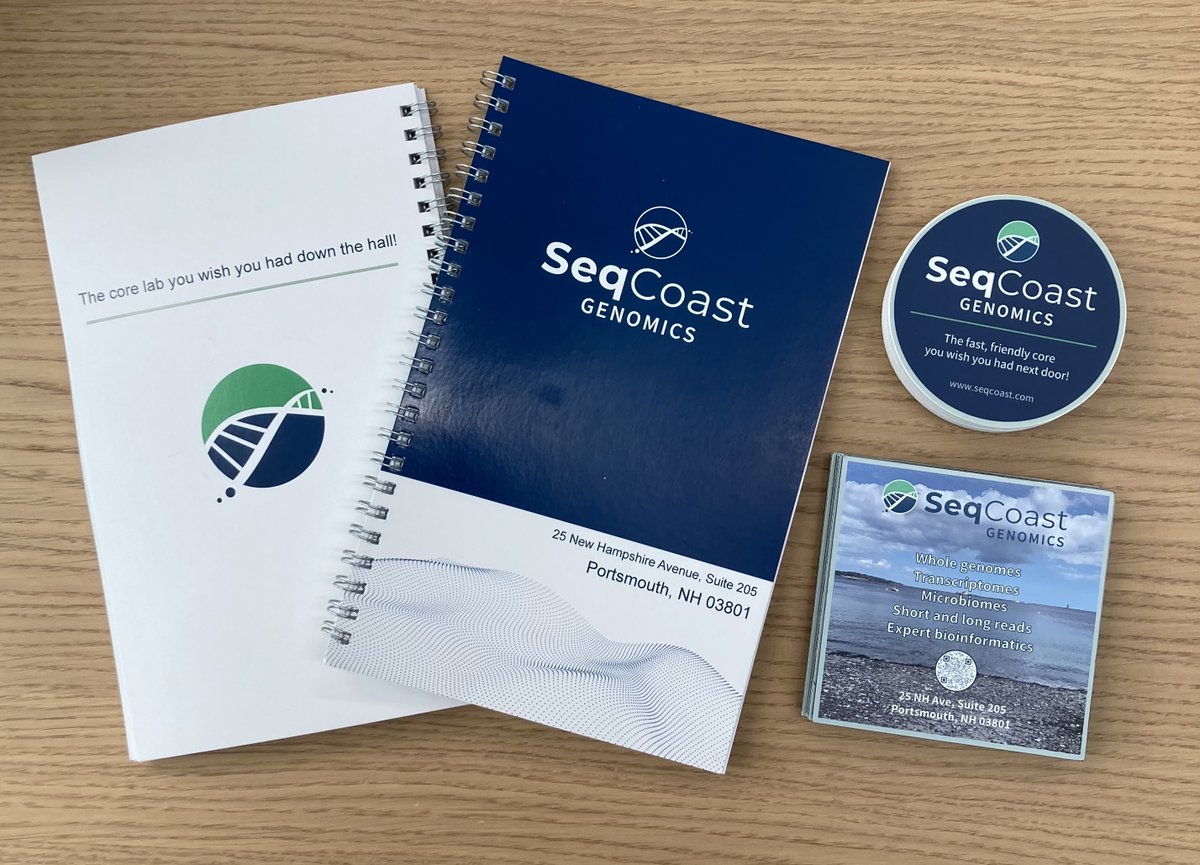
Help me out and take some taffy and a notebook - I do NOT want to lug it on my return flight! 😮💨
21 Aug 2025

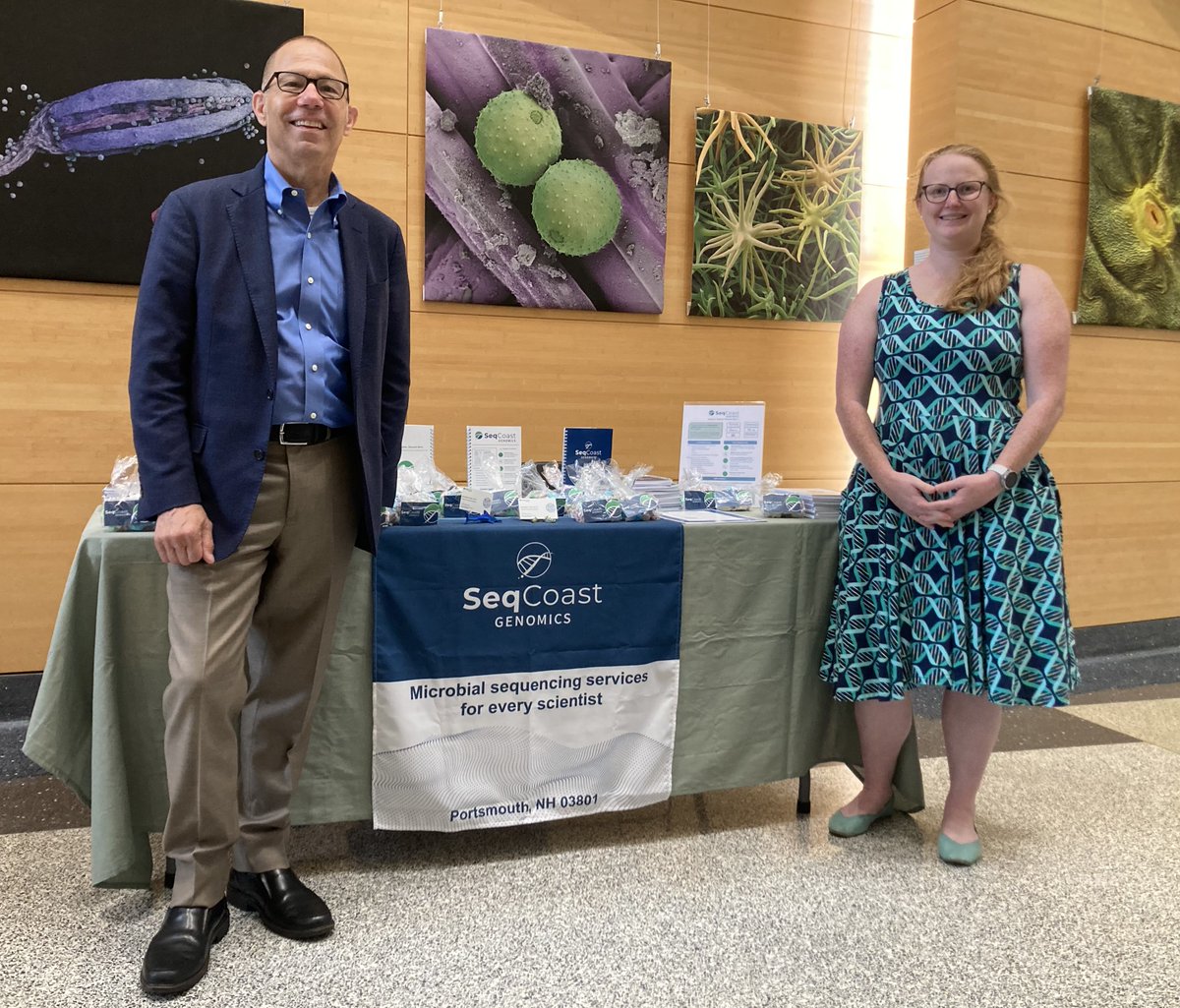
We're sponsoring the University of Maryland's Molecular and Cellular Biology Department Retreat! Visit our table to:
•Grab saltwater taffy and a notebook!
•Ask about prepaid Insights Vouchers to preserve spending power of expiring grant funds
•Get expert sequencing advice
1
4
318
Michelle Clay, PhD retweeted

21 Aug 2025
We're sponsoring the University of Maryland's Molecular and Cellular Biology Department Retreat! Visit our table to:
•Grab saltwater taffy and a notebook!
•Ask about prepaid Insights Vouchers to preserve spending power of expiring grant funds
•Get expert sequencing advice
1
1
3
555
Michelle Clay, PhD retweeted
21 Aug 2025
Don't have time to meet now? You can email questions to scientists@seqcoast.com, or get a quote on our website. We'd be delighted to work with you on your next big genomics project! 🧬
1
1
89
Michelle Clay, PhD retweeted

23 Jul 2025
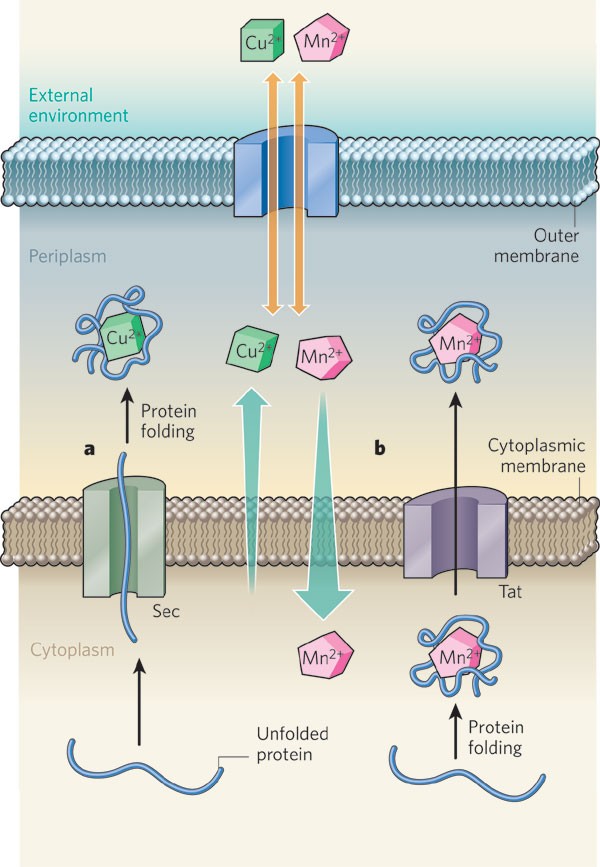
In a single E. coli, about 25 percent of all proteins use metals (like zinc, iron, copper, magnesium, etc) to do their chemistries.
And yet, incredibly, fewer than ONE FREE METAL ION is present per cell on average. There are, in other words, basically no loose metal ions floating around a cell. As soon as metal comes in, it gets wrapped up in a protein.
This is presumably because even a small amount of free metals can be toxic. A single unbuffered copper ion, say, can generate hydroxyl radicals that damage DNA.
Bacteria have evolved all kinds of strategies to keep metal ion concentrations at a perfect level; enough for their proteins but not too much to be toxic. They have metal-sensing transcription factors like CueR, for example, that become active after binding to copper and then switch on genes that detoxify the copper ions in the cell. They also express efflux pumps that can dump loose ions from the cell.
Anyway, I heard about this recently from Markus Covert and just thought it was really interesting.
23
197
1,173
64,931
Michelle Clay, PhD retweeted

27 May 2025
5/
Quoting Mike Love:
“A smaller p-value is not more interesting.”
“We should focus on effect sizes.”
He’s right.
1
1
23
1,604
Michelle Clay, PhD retweeted

Registration for MMPC 2025 opens today! We can’t wait to see you in St. Charles, IL, for the first MMPC hosted by Loyola University Chicago!
mmpconference2025.com/regist…
5
7
503
Michelle Clay, PhD retweeted

2 May 2025
I got hit by some rather sudden and extreme financial hardship so if anyone is in need of remote wetlab contract research, strictly BSL1, do let me know. Currently scrambling for gigs.
Plant, Bacterial, Archaeal Bioeng
Custom Lab Hardware
Turn Key Genetic Design
Please RT 💚
19
321
522
67,098
Michelle Clay, PhD retweeted

28 Mar 2025
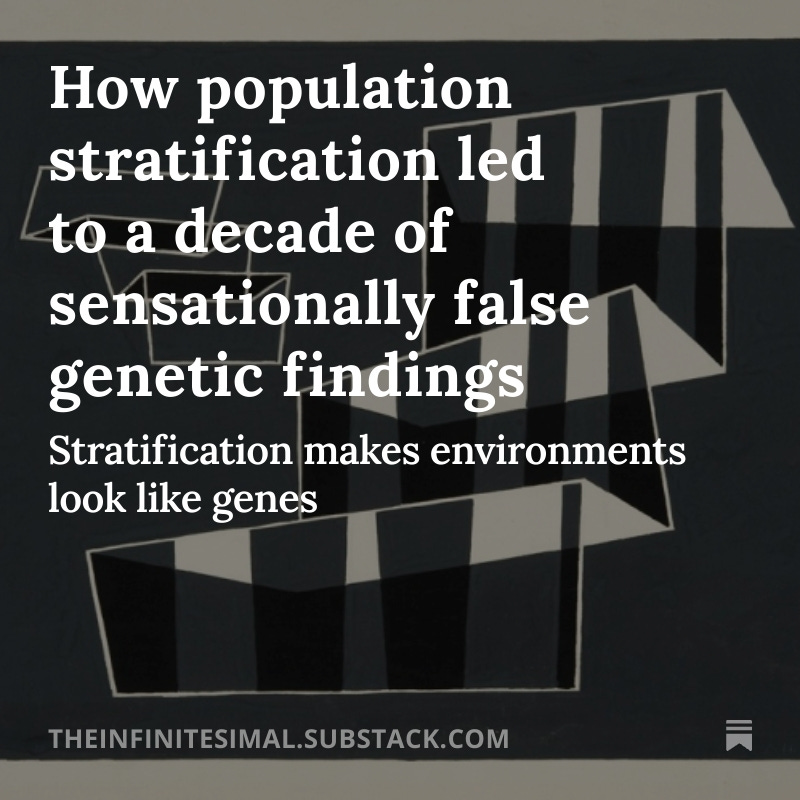
I wrote about how population stratification in genetic analyses led to a decade of false findings and almost certainly continues to bias emerging results. But we are starting to have statistical tools to sniff it out. A 🧵:
9
156
756
101,815
Michelle Clay, PhD retweeted

21 Mar 2025
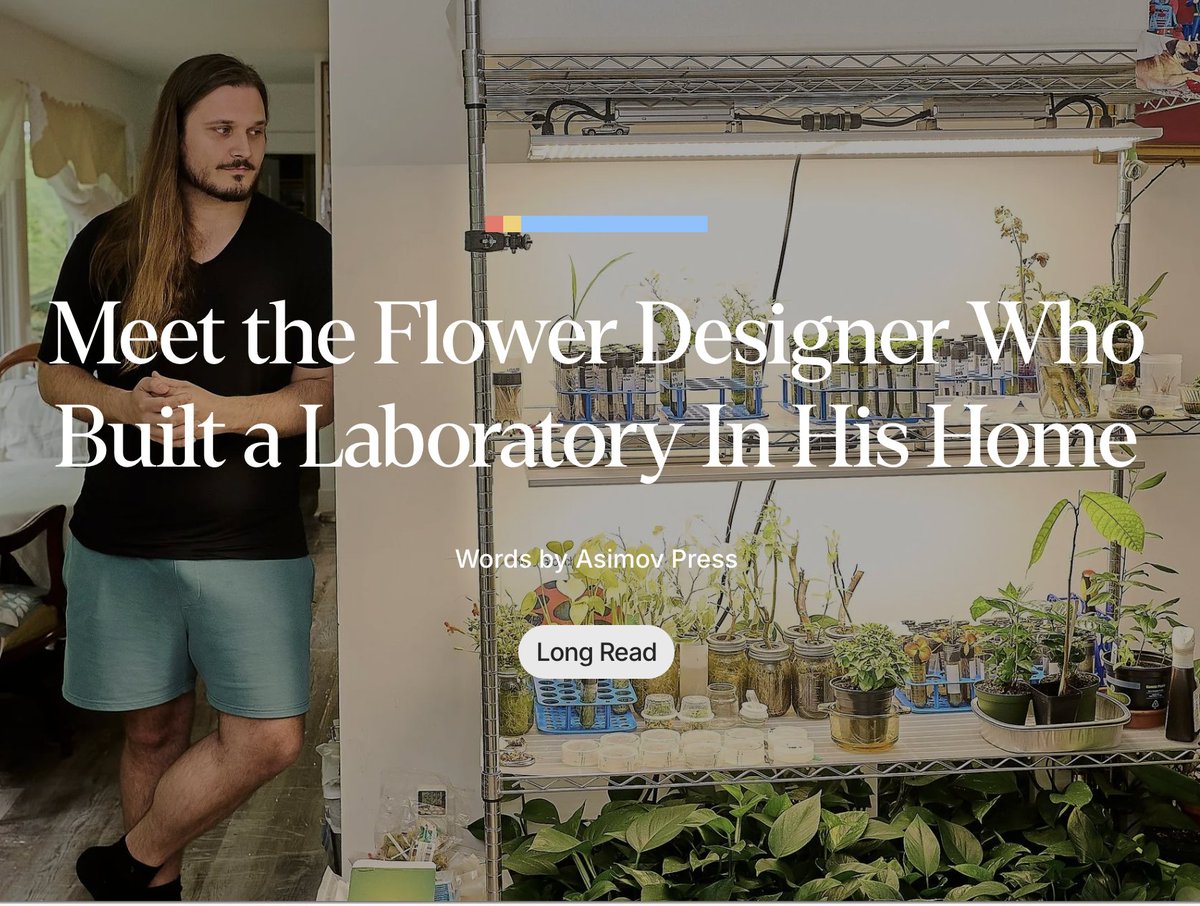
Great interview w/ @ATinyGreenCell by @AsimovPress. He's doing "DIY Bio" and making a living out of it. I know someone else in NY who has a basement lab where he genetically engineers plants and silk worms. It takes a LOT of study and work, but monetarily the barrier is low!
6
37
262
18,580
Michelle Clay, PhD retweeted

20 Mar 2025
🚨 The Department of Microbiology & Cell Biology at Montana State University invites applications for an Assistant Professor tenure-track faculty position in the field of environmental microbiology.
Happy to answer any questions!
jobs.montana.edu/postings/45…
1
30
48
7,346
Michelle Clay, PhD retweeted
16 Mar 2025
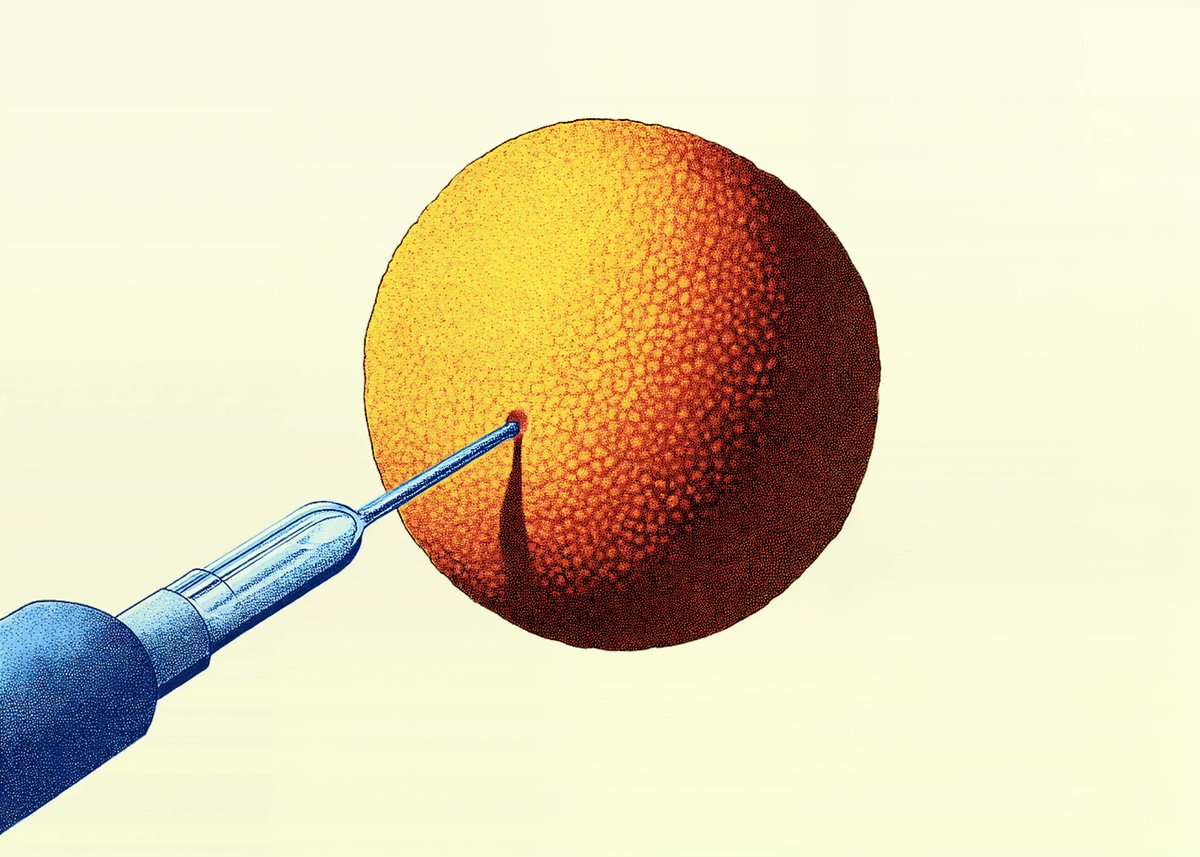
Today we published a deeply personal story about a genetic disease, a surgery, a round of IVF, a child. Here is the opening section:
"We paused outside the unit, hand in hand. “We could go home, you know,” I said, glancing at my husband, Chris. We might have been buying a car or questioning whether to sit through a movie. Instead, after more than a year of planning, weeks of daily injections, transvaginal ultrasounds, and an egg retrieval, we stood at the cusp of starting a family. After a final look and squeeze of the hand, we entered.
The waiting area was cold and uninviting. A handful of plasticky chairs with hard armrests occupied a dim corner beside a water dispenser and small, generic plants. Two heavy-looking doors read: “Medical procedures beyond this point.” A check-in desk sat behind a pane of frosted glass. Peeking through a cloud-shaped cutout, I saw staff in blue surgical head covers and scrubs dipping in and out of cramped patient bays. They were attending to others who, like us, hoped to bring a child into the world.
We were led to our own curtained bay, where I changed into a thin hospital gown and oversized grippy socks. Chris pulled a white, disposable suit over his street clothes, as if he were about to begin a shift at a food plant.
The reproductive endocrinologist stepped in and, without preamble, handed me a four-by-six-inch photo. It sent a jolt through my body as I focused on the image of a floating cluster of cells. If all went well, those cells, grown in a petri dish and implanted into my body, would become a warm, wriggling infant. The endocrinologist explained how she would thread a catheter through my cervix, push a gush of saline through its tip, and eject a five-day-old blastocyst into my uterus.
We take the consent form and sign on the line, agreeing to the embryo transfer, hoping for an outcome we might otherwise have initiated in a moment of private intimacy. There was nothing stopping us from conceiving naturally, but we never tried. We couldn’t risk passing on the insidious cancer gene I’d inherited."
Link: press.asimov.com/articles/fa…
2
23
4,136
Michelle Clay, PhD retweeted
14 Mar 2025
It's not too late to cash in on your good luck! ☘️💰🧬
See details below to save on your next NGS project:
8 Mar 2025
You're in luck!
17% off orders >$1000 from SeqCoast Genomics!
Instructions below 👀👇

1
3
379
Michelle Clay, PhD retweeted
8 Mar 2025
You're in luck!
17% off orders >$1000 from SeqCoast Genomics!
Instructions below 👀👇
2
1
728
Michelle Clay, PhD retweeted

1 Mar 2025
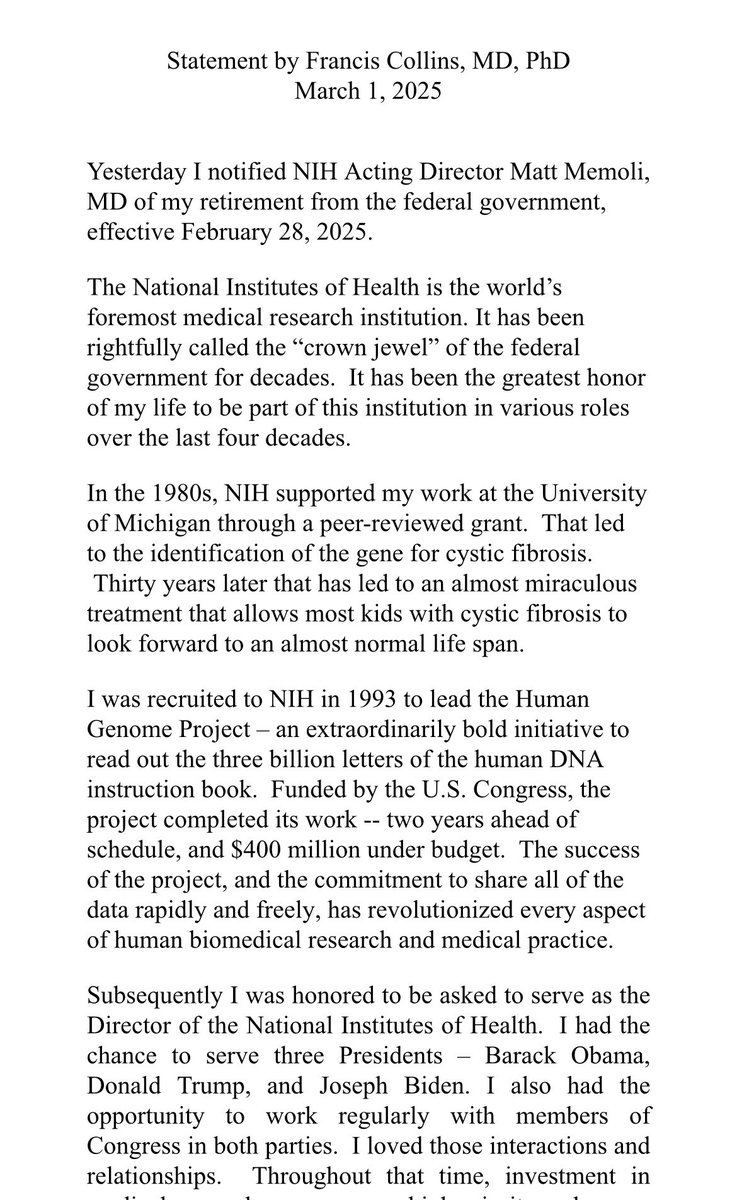
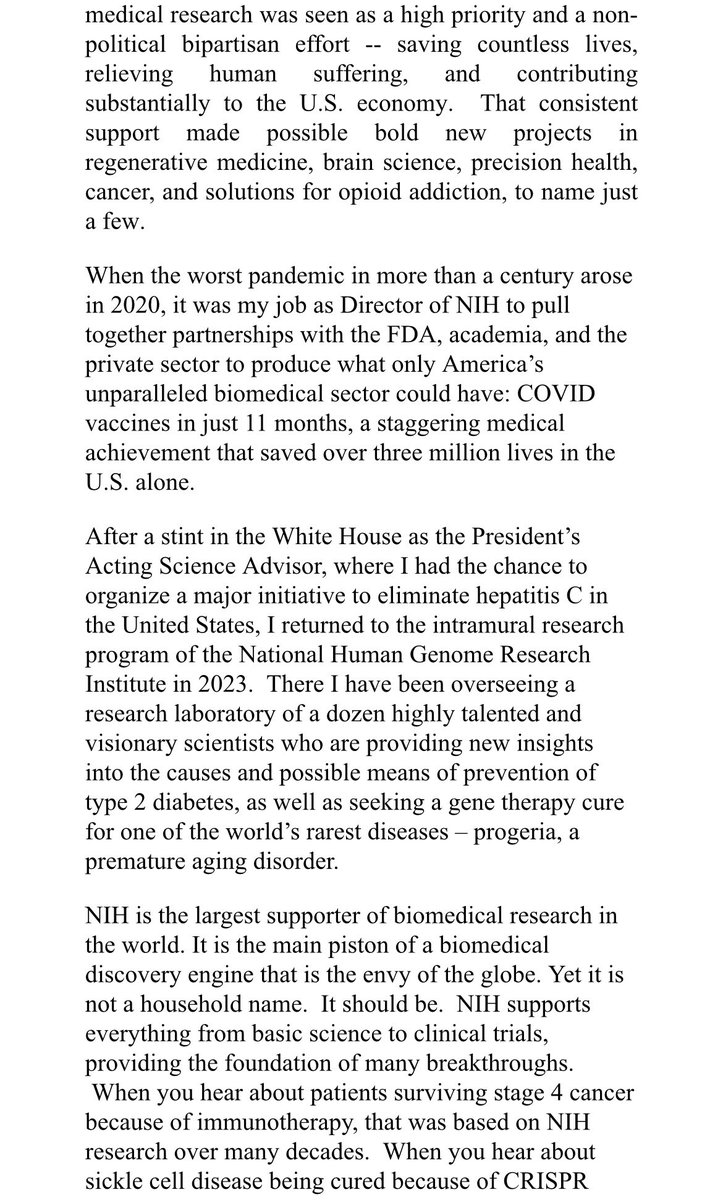
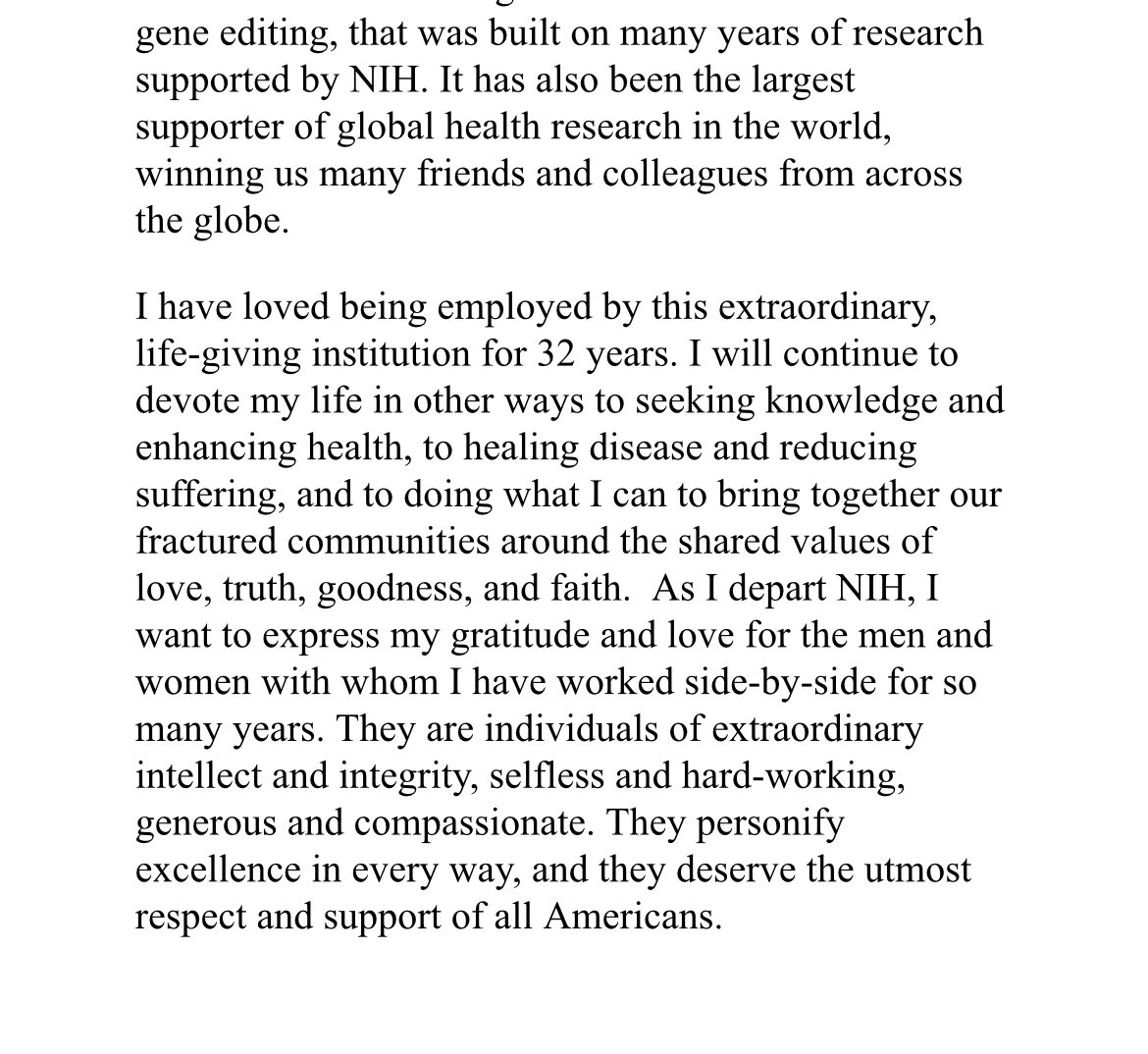
Francis Collins and a team of researchers identified the cystic fibrosis gene over 30 years ago, and because of people like him I’m alive today with kids of my own (and able to enjoy a weekend trip to my favorite place on earth… Alta… and am healthy enough to enjoy it).

24
181
972
120,080
Michelle Clay, PhD retweeted

26 Feb 2025
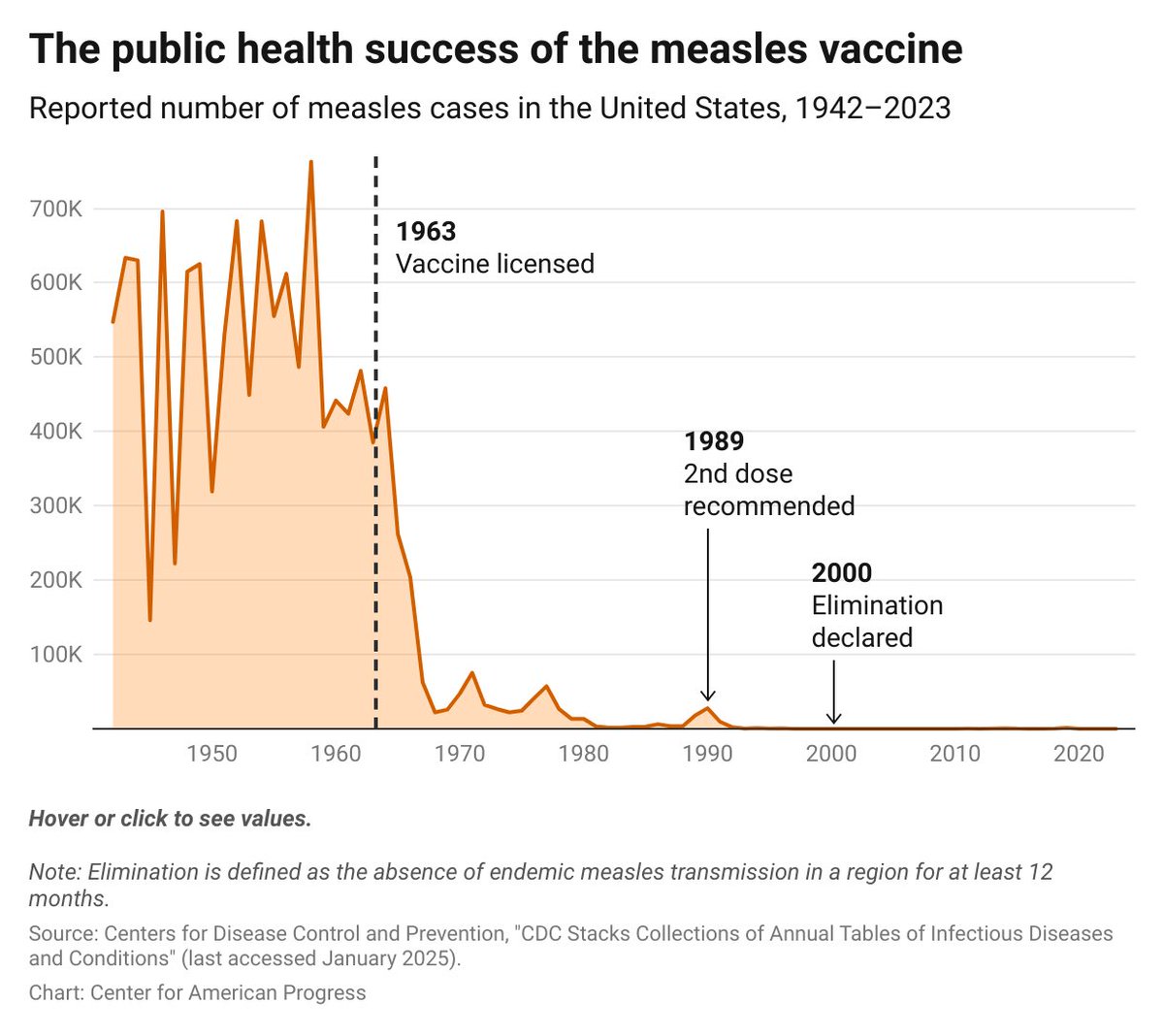
Sometimes vaccine efficacy is subtle
Sometimes it isn't
645
7,997
53,006
1,882,525

Michelle Clay, PhD retweeted

21 Feb 2025
I'm incredibly excited to announce that I'll be joining the Institute for Disease Modeling at the @gatesfoundation in Seattle! I've long admired the Gates Foundation's impactful work in global health, and I'm grateful for the opportunity to be a part of the terrific IDM team.
28
12
326
15,842
Michelle Clay, PhD retweeted

8 Feb 2025
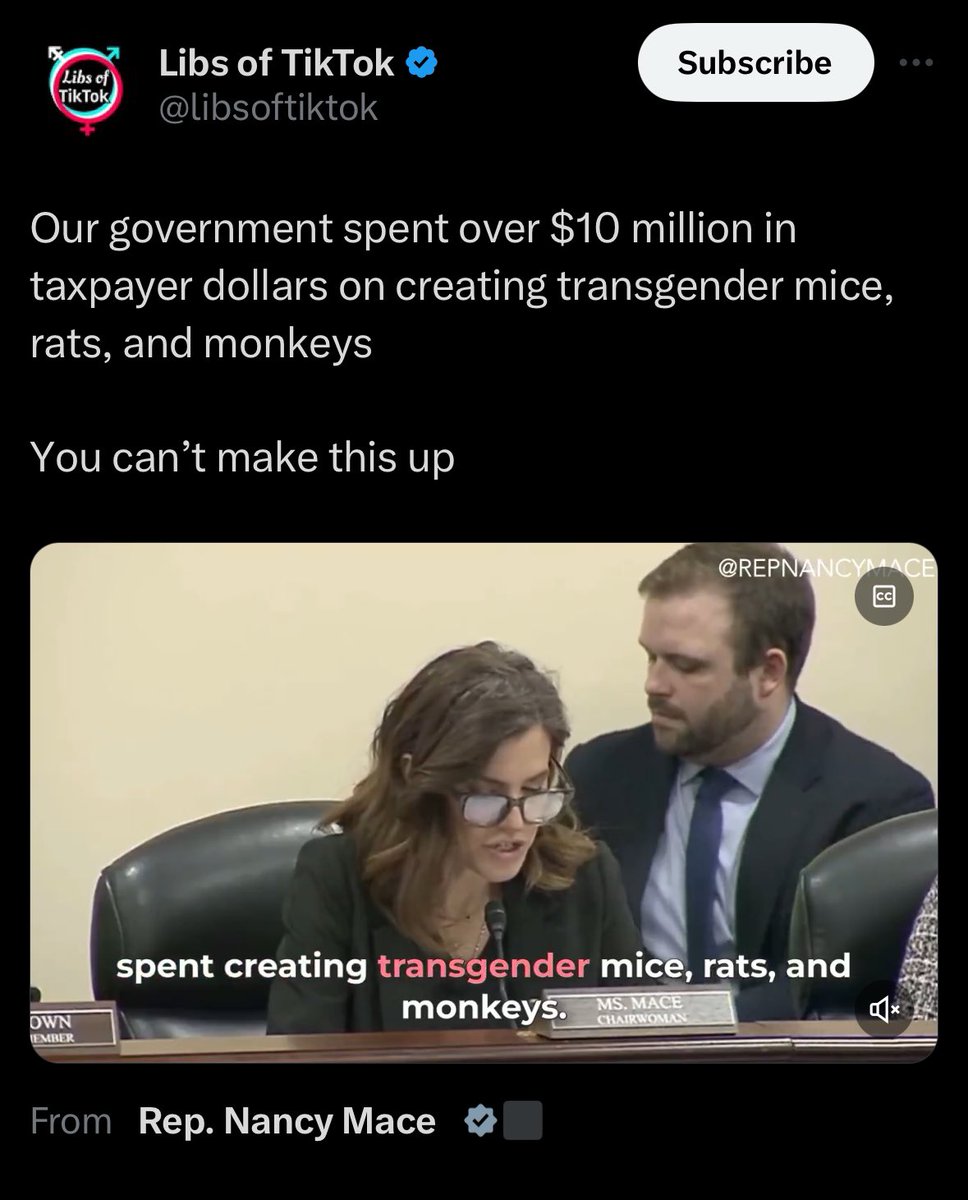
Do they… do they think that’s what “transgenic” means? 🤦
748
3,729
76,793
1,893,790
Michelle Clay, PhD retweeted

9 Jan 2025
Something I've observed in academia but I suspect is true in industry as well: as you become more senior, you'll find that you can be much more productive if you spend all your time being a manager and letting junior people do all the real work. But after a few years of this, you're likely to lose your skill at doing the work yourself, the opportunity to practice that skill, and the gratification of doing so that drew you to your chosen profession in the first place. And you'll probably also get worse at being a manager as you lose touch with the actual work.
Avoiding managerdom is hard. You have to give up substantial short-term productivity gains. If you're in academia in a tenure track, you risk not getting tenure by being less productive. And personally I find that switching between thinker mode (deep work with no distractions for a whole day) and manager mode (a thousand quick but urgent tasks) to be highly unpleasant. When I'm in thinker mode, it kills me that people have to wait a day (often a lot more) for a 1-minute response from me that could unblock them on what they're stuck on and save them hours of work. When I'm in manager mode, it kills me that I have all these creative ideas sloshing around in my brain that I'm not able to execute on.
So it's extremely tempting to perpetually be in just one mode or the other. When you have a team, not managing them is not an option, but being a pure manager is an option. That makes a constant struggle to carve out time for your own work and not give in to the temptation.
Note: I think this is only tangentially related to Founder Mode vs Manager Mode. It's much more related to another Paul Graham essay, Maker's Schedule vs Manager's Schedule. And Deep Work by Cal Newport is very relevant.
48
176
1,520
170,368