Have you ever tried hybridizing a biofilm with no success? Our new paper provides a universal solution for visualizing all bacteria in polymicrobial communities by physically slicing through the cell wall barrier before FISH. 🔬✨ Check it out!
#MicrobiologyMonday: Seeing all bacteria in a biofilm is tough—G cells walls block probes, and fixes harm G- cells. A new method slices bacteria embedded in plastic resin, letting probes in without damage for clear visualization. #JournalSpectrum:
asm.social/2JF
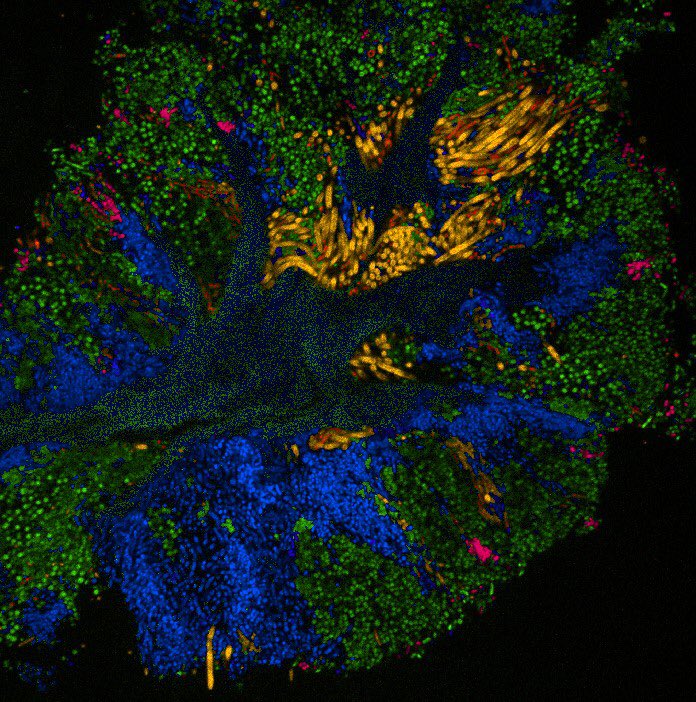
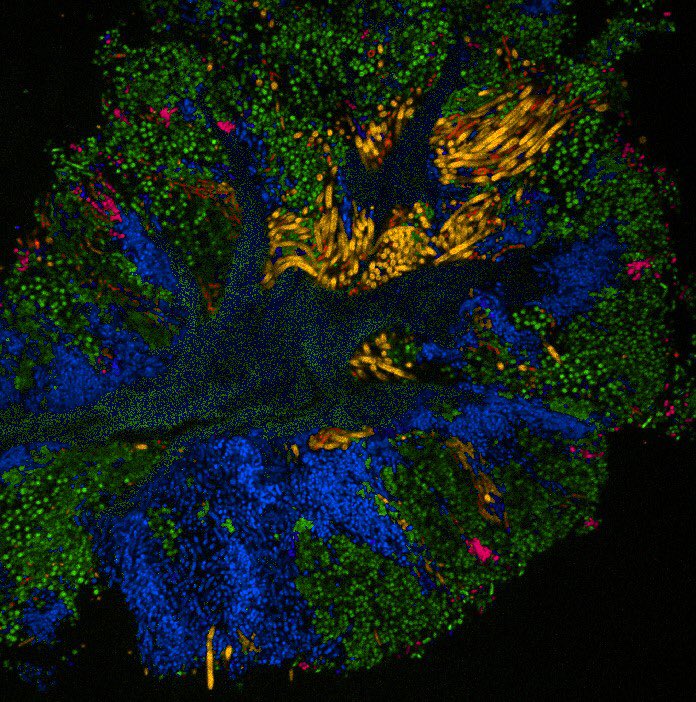
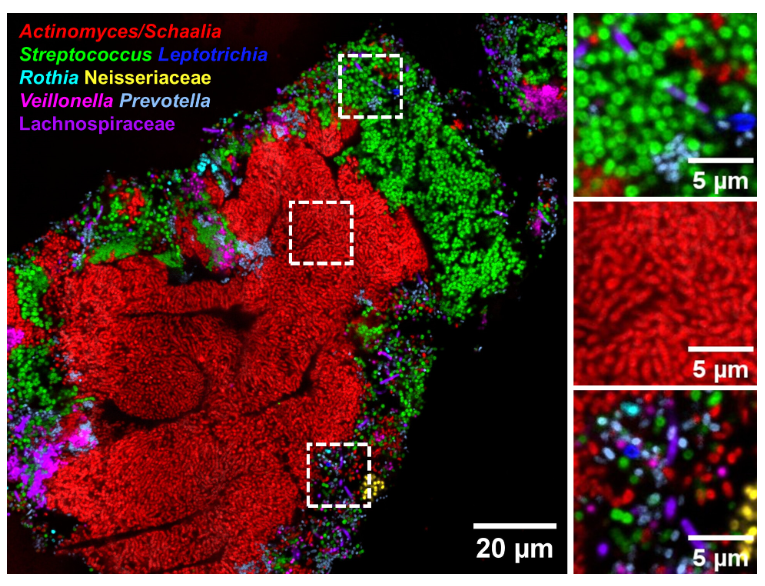
ALT Sectioning enables visualization of complex bacterial communities. Five-micron-thick sections of tongue dorsum biofilm hybridized with probes targeting the problematic Gram-positive bacteria Actinomyces, Schaalia, and Streptococcus, along with six other abundant taxa. Actinomyces and Schaalia are detected as individual branching rods with a strong signal, while Streptococcus cocci exhibit a strong and homogeneous signal. Clusters of intermixed taxa with distinct signals are also observed. Right panels: high magnification images of the dotted squares in the left panel.
📢Please RT!📢Two #postdoc positions available at the crossroads of Evolutionary Microbiology & Soft/Active Matter Physics in my group. Engage with the exciting Microbiology and Soft/Active Matter community @Cornell! Funded by @NIH@HFSP. Apply here: academicjobsonline.org/ajo/j…
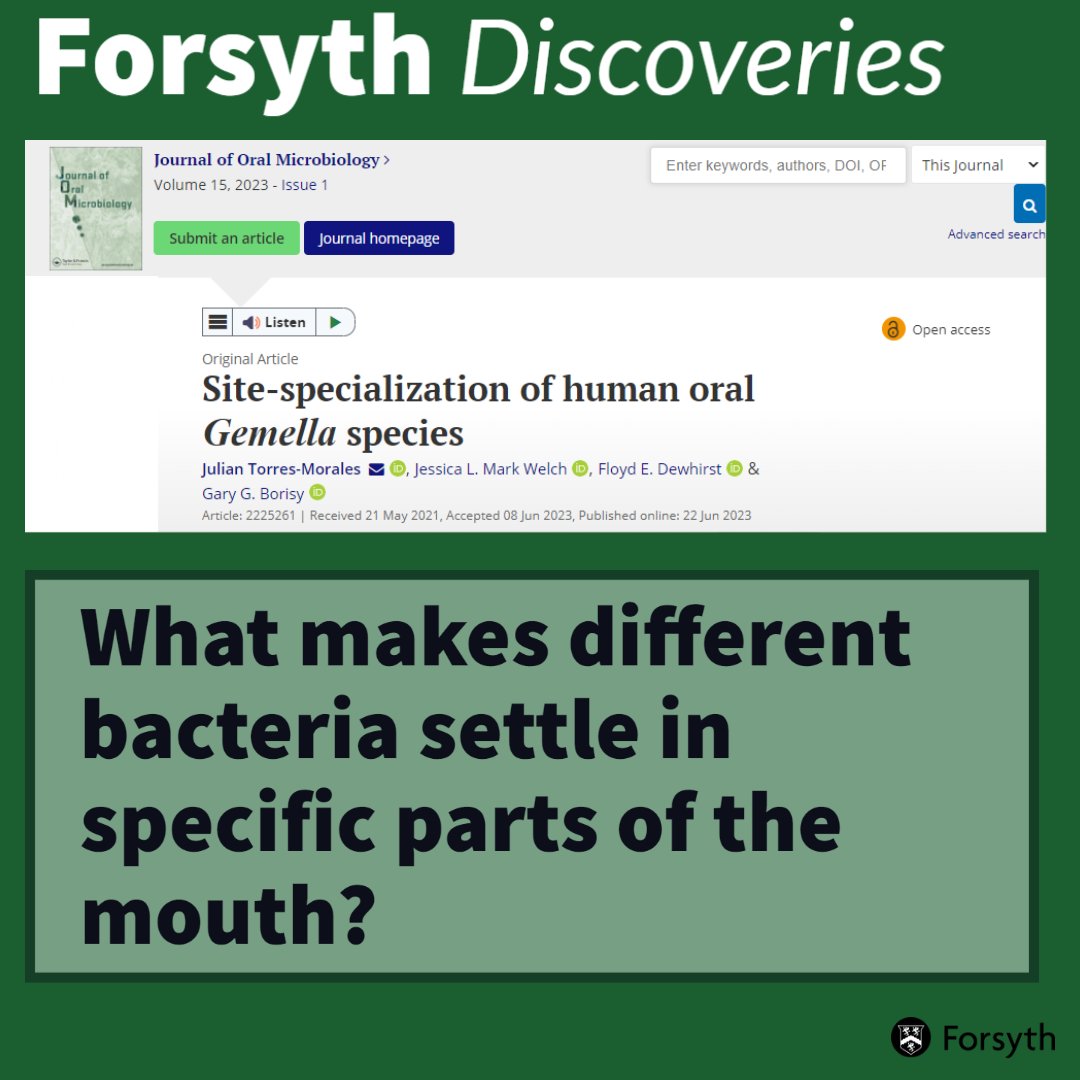
Why do bacteria live in specific parts of the mouth? Forsyth scientists have been working to answer this question. @julian_tom and the @JMarkWelch / Gary Borisy labs recently published a paper that adds to our understanding. Read the full article here ow.ly/z4U350OZKia
I am thrilled to share with you my recently published work showcasing the distribution of Gemella species in the oral cavity using metapangenomics. This accomplishment was made possible by the extraordinary team at @Forsyth. Congratulations!
tandfonline.com/doi/full/10.…
Join us for the 6th Annual Scientific Symposium @ForsythResearch! This year is focused on the #oralmicrobiome 😝🧬🔬We have an incredible lineup of speakers, so be sure to check them out 👇👇Call for abstracts is now open
forsyth.org/the-oral-microbi…
You can't leave out microbes when talking about the tongue! @ScienceMagazine's deep dive covered it all and featured some Forsyth imaging. Scroll to the bottom of the article to see @JMarkWelch's explanation of microbial communities on the tongue. science.org/content/article/…
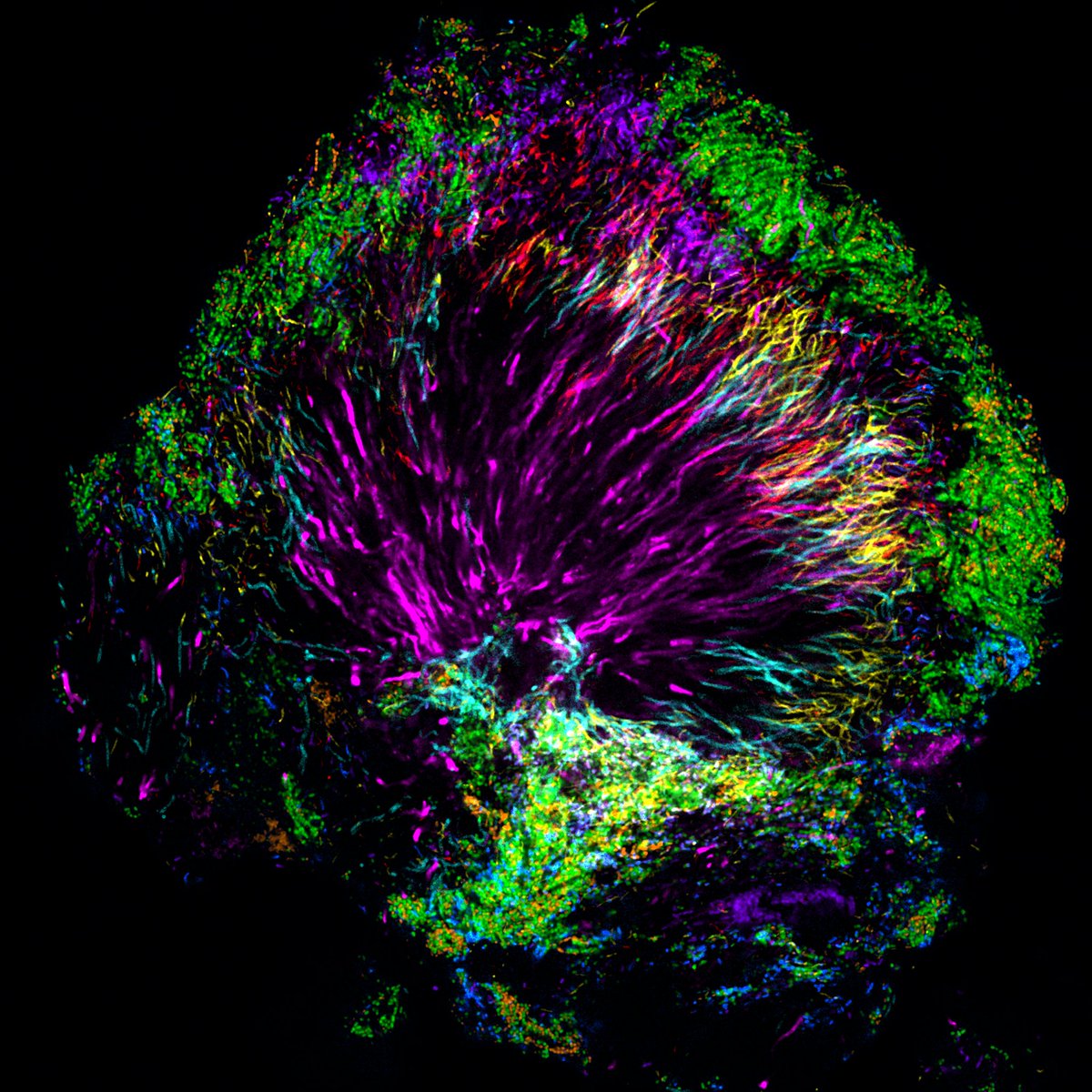
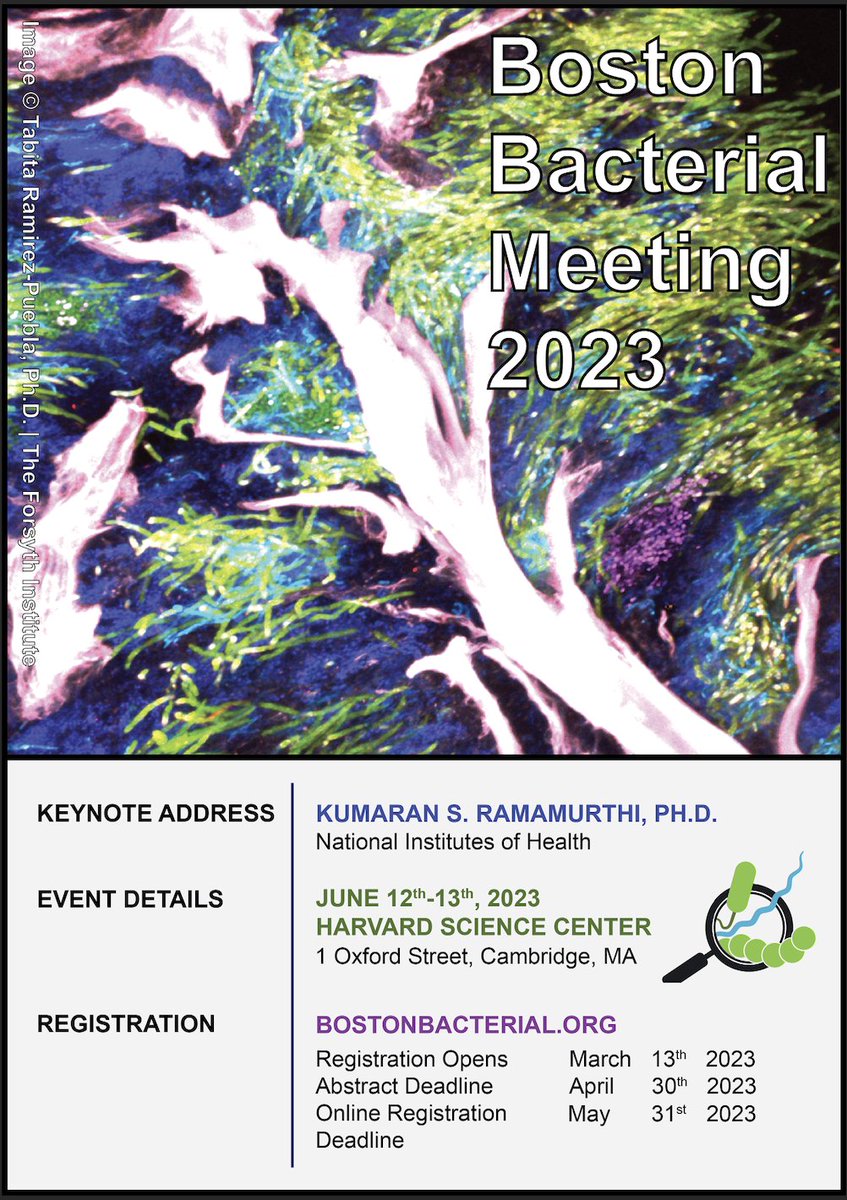
We are glad to see @microtabi 's work featured on the poster for the Boston Bacterial Meeting! Dr. Ramirez-Puebla explains, "This image shows a dense and diverse microbial community around a core of human tongue cells."
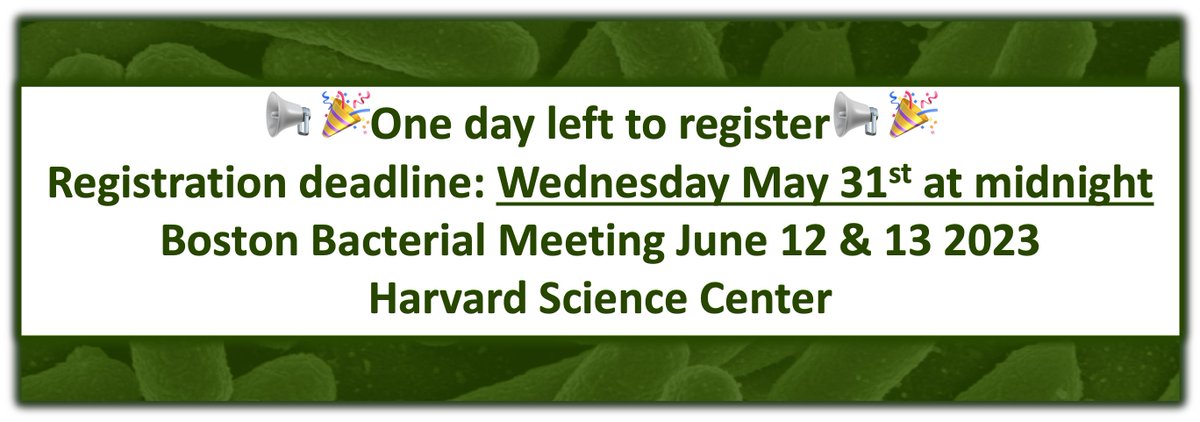
Registration for BBM2023 is now open!
🧪Abstracts submissions are due April 30th
🧫Online registration ends on May 31st
You can register here: bostonbacterial.org/registra…
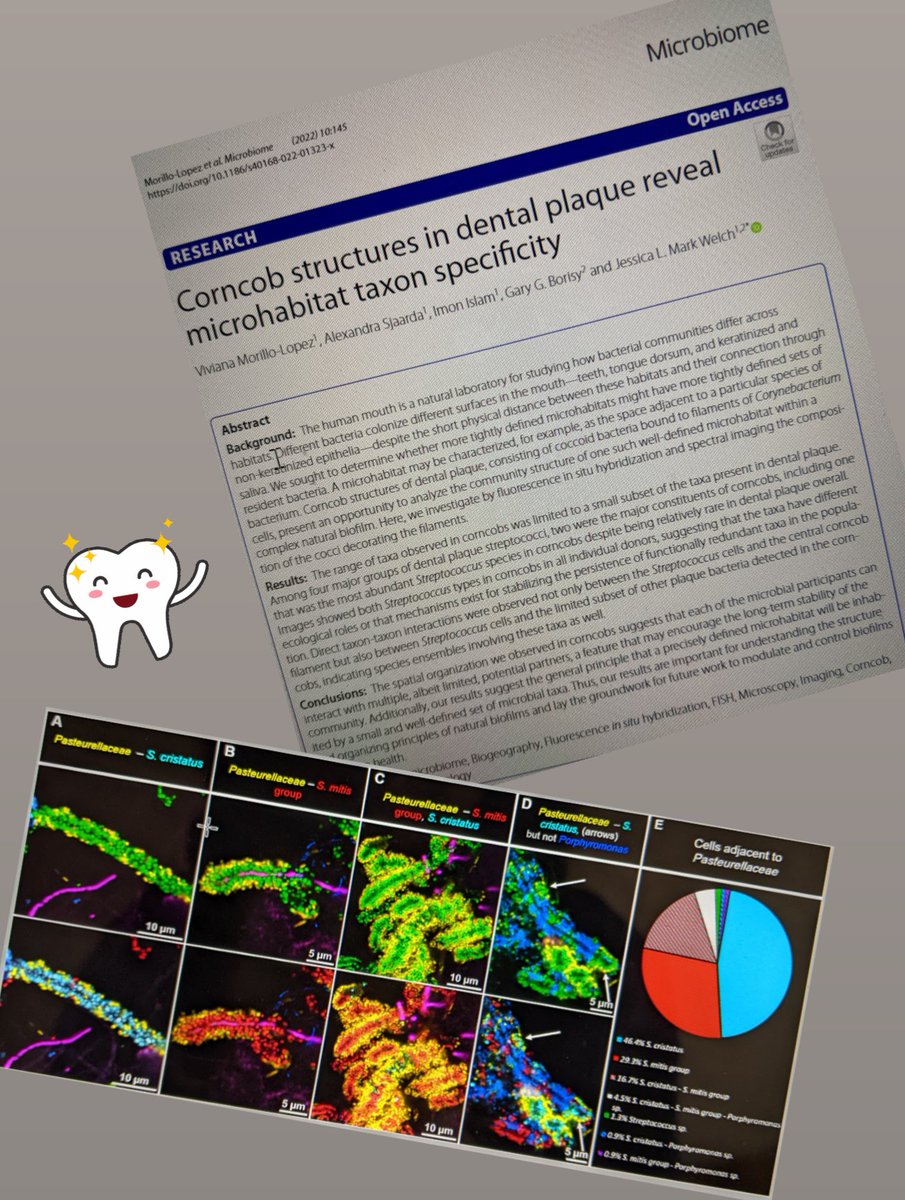
Our paper with @JMarkWelch, @MBLScience Revealing the microhabitat taxon specificity in corncobs structures of dental plaque is out! Here the link rdcu.be/cU1AL
At a recent conference, most talks ended with an ad for postdocs. Unchanged @NIH modular budgets, low postdoc salaries, visa complications, uncertain career prospects, are problems. Yet the U.S. research model depends on postdocs. Something has to change.
nature.com/articles/d41586-0…
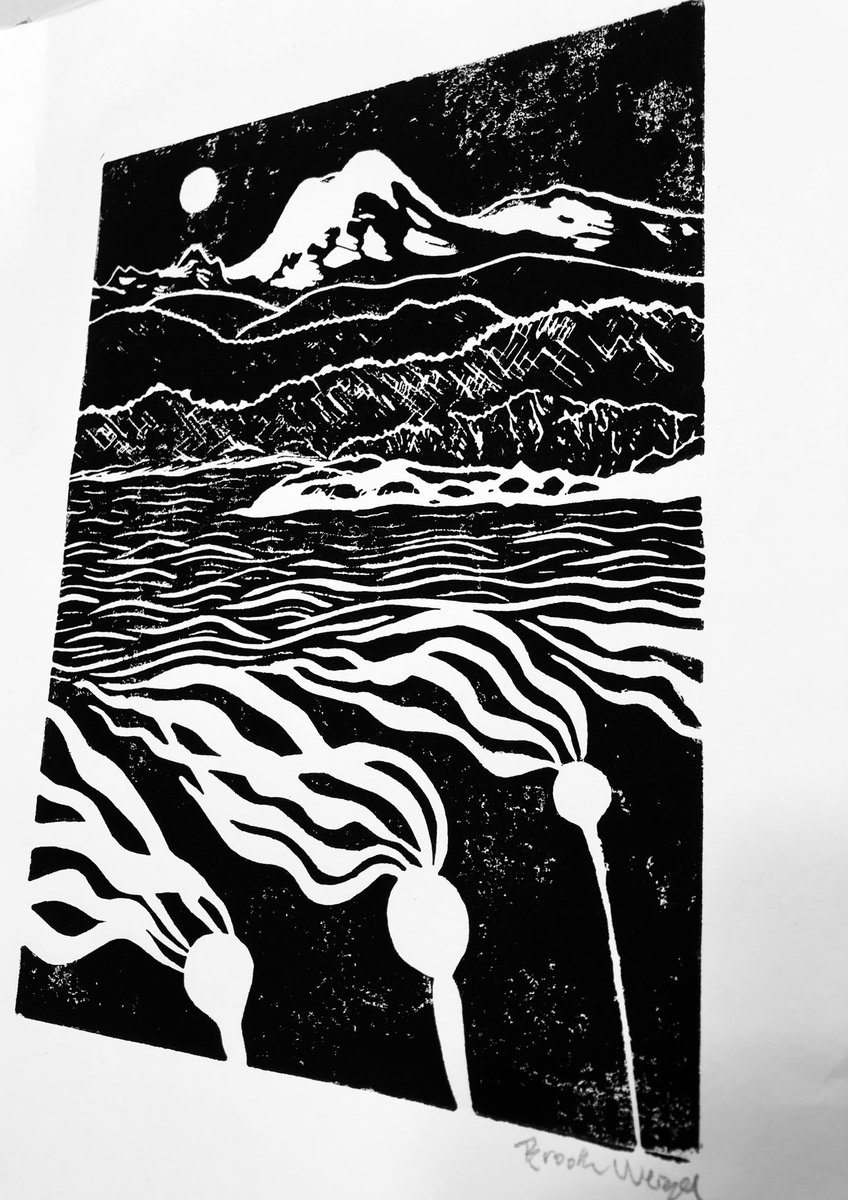
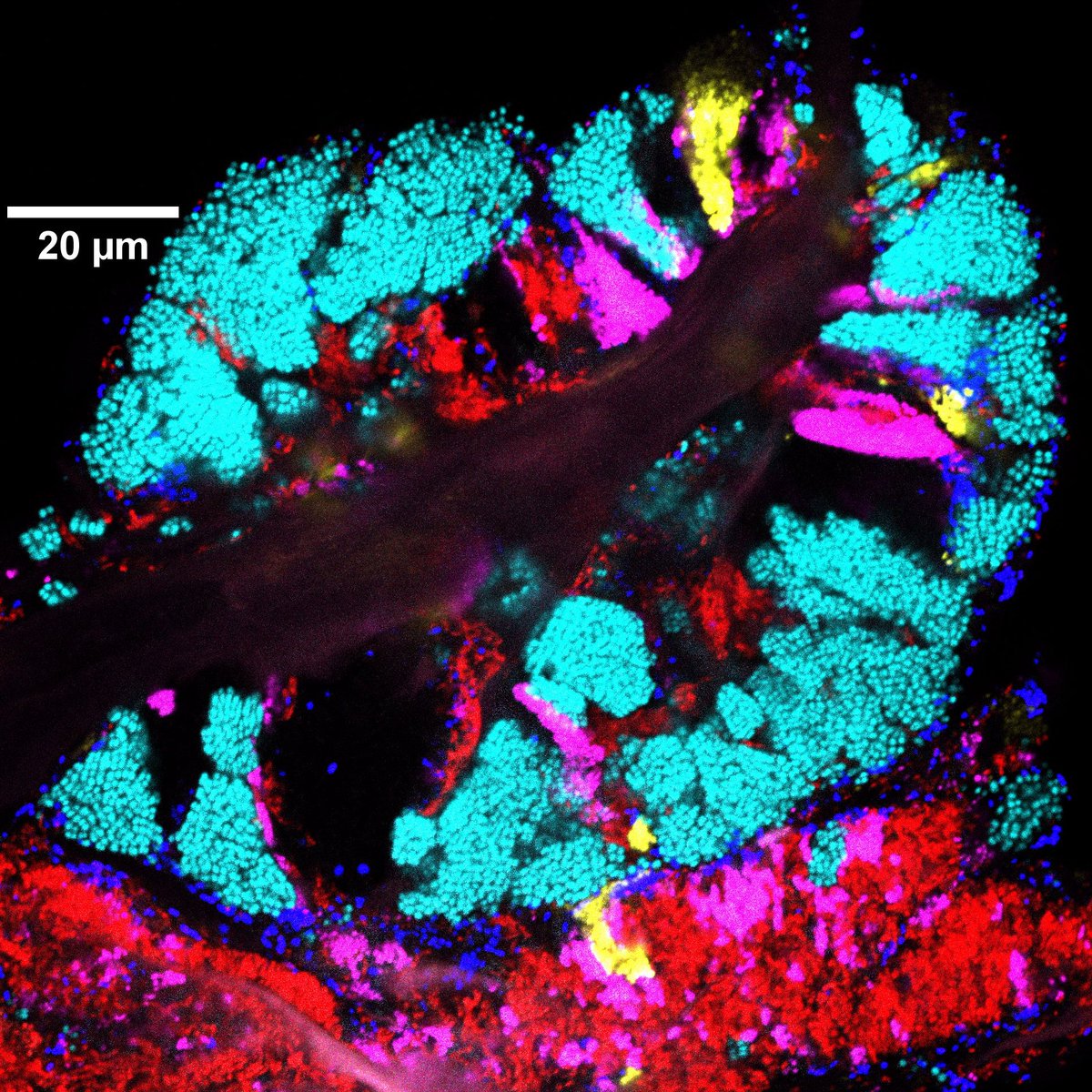
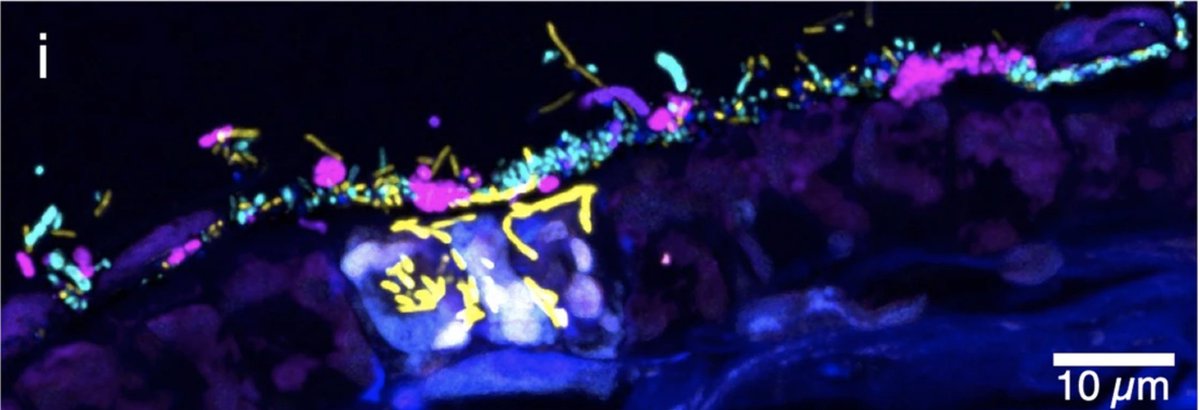
#MicroscopyMonday🔬| Kelp forests can tower up to 150 feet high, but like many living things, kelp survival depends on microorganisms associated with its surface. This image of kelp blade shows microbial biofilm on both sides of the blade.
Credit: Ramírez-Puebla et al.(2022)
ALT This image of kelp blade shows microbial biofilm on both sides of the blade.
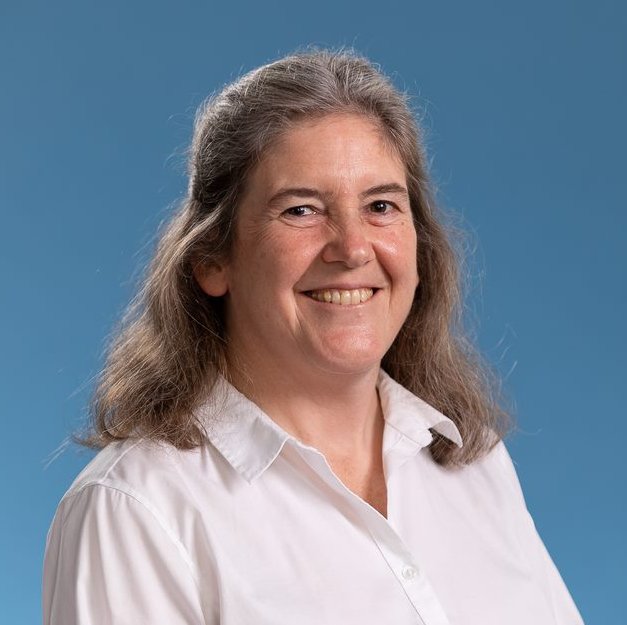
Welcome Dr. Jessica Mark Welch who has joined Forsyth as a senior faculty member of staff. Dr. Welch studies the spatial organization of microbial communities using spectral imaging microscopy and genomic techniques.
We are so excited to hear more about the cool science happening in the Boston area! Here is a thread of the talks happening at the Microbiomes & Microbial Communities session: #Bostanbacterial22