Research Assistant at UNSW studying Artificial Light at Night 💡, kelps 🌱 and sea urchins ✹ with @SEACSlab, living and working on unceded Gadigal lands.
Joined January 2019
- Tweets 201
- Following 330
- Followers 341
- Likes 711
55 Photos and videos
Milly Caley @millycaley.bsky.social retweeted

12 Jan 2025
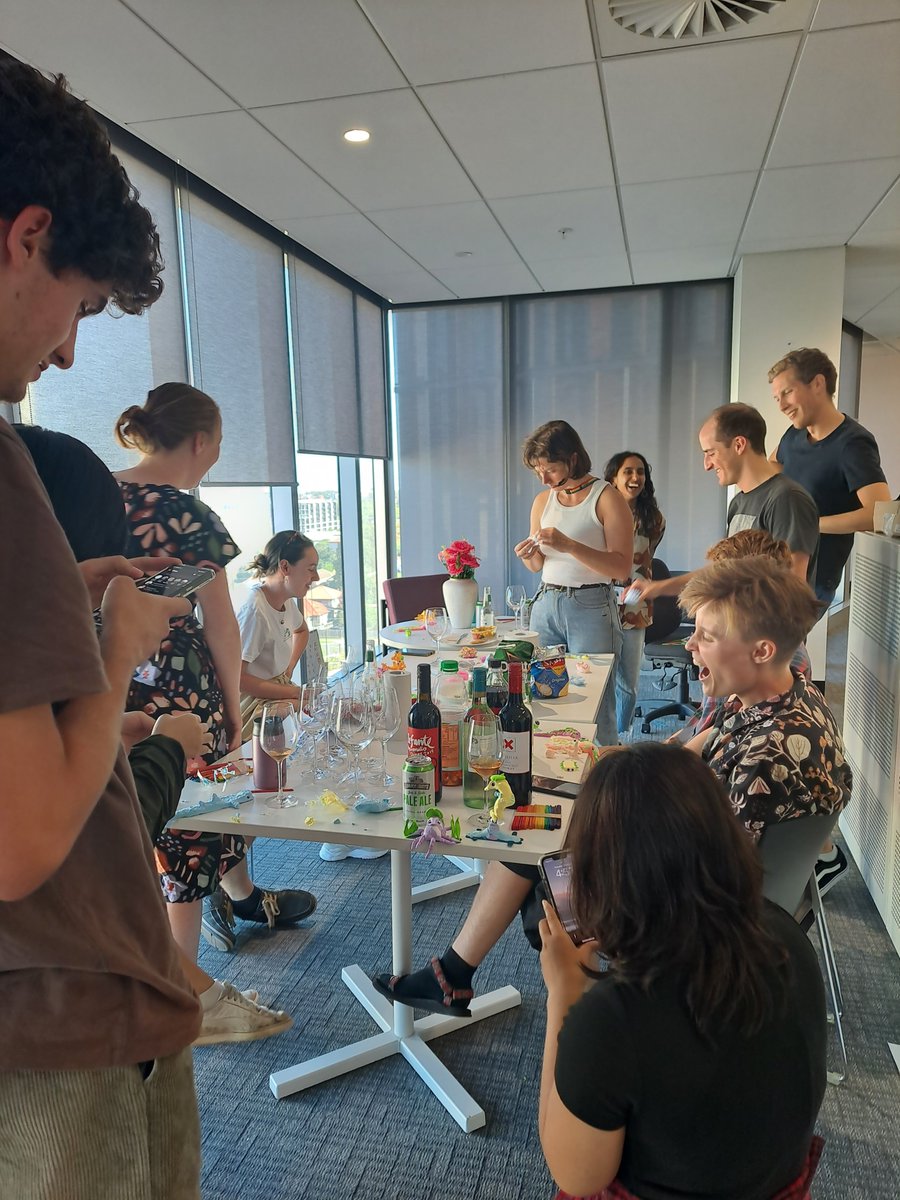
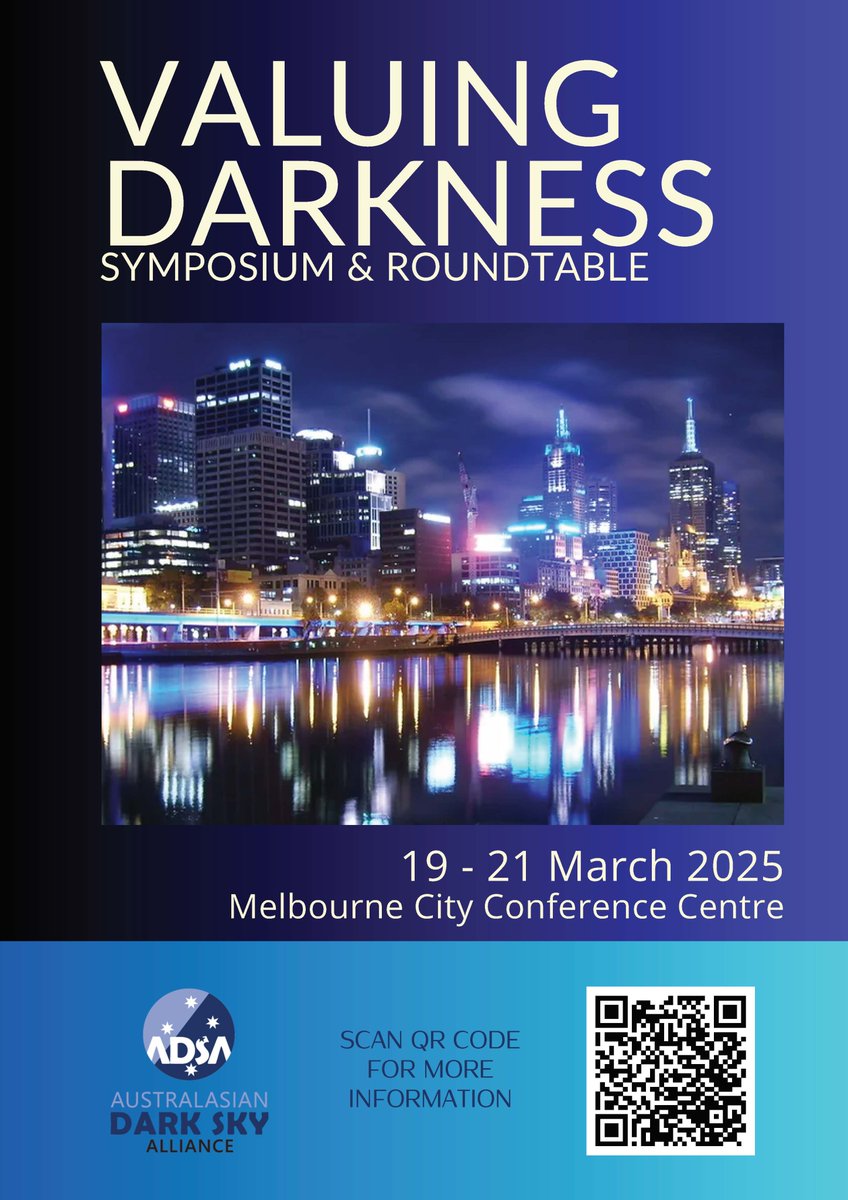
Valuing Darkness Conference on light pollution will take place March 19th-21st in Naarm (Melbourne). Mariana will be sharing research on the effects of light pollution in marine systems, but lots of other interesting talks as well! australasiandarkskyalliance.…
2
3
179
Milly Caley @millycaley.bsky.social retweeted
15 Dec 2024
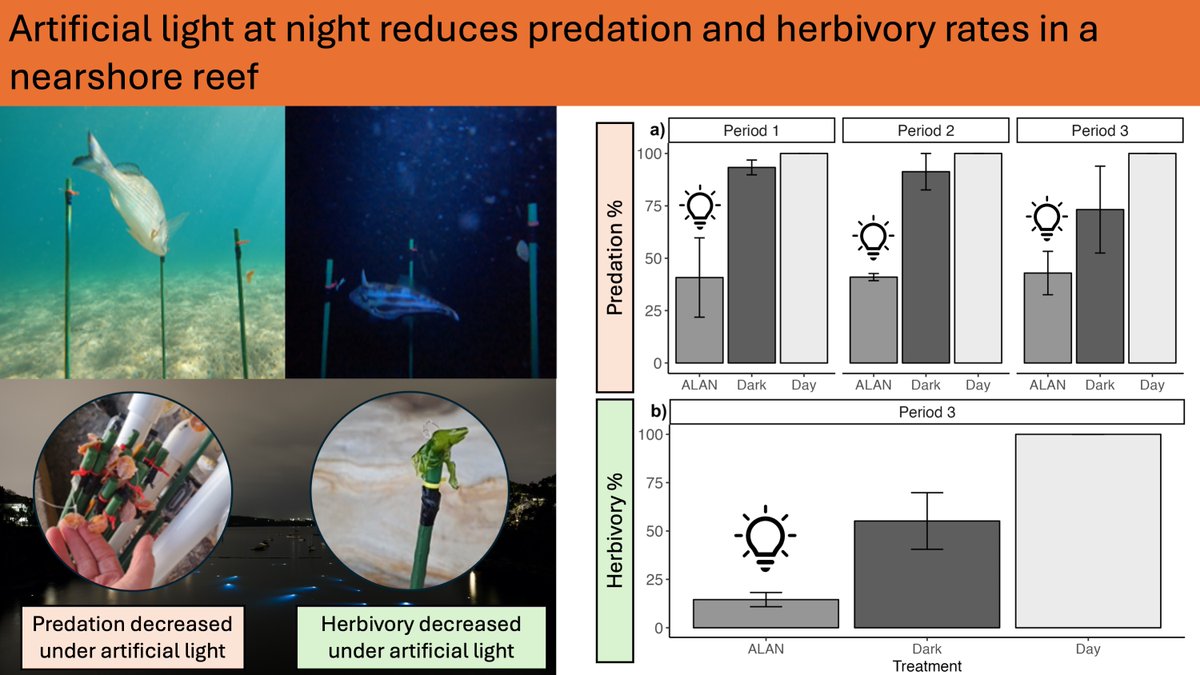
New paper out this week on the effects of artificial light at night on in-situ fish predation and herbivory intensity on rocky reefs! Led by Honours student @gyeungMarine with @cariocamayer and @millycaley
doi.org/10.1016/j.marenvres.…
6
10
411

18 Oct 2024
New paper! Antagonistic Effects of Light Pollution and Warming on Habitat‐Forming Seaweeds - with @CariocaMayer @ProfMariaByrne @ZiggyMarzinelli onlinelibrary.wiley.com/doi/…
2
11
331
Milly Caley @millycaley.bsky.social retweeted
21 Aug 2024
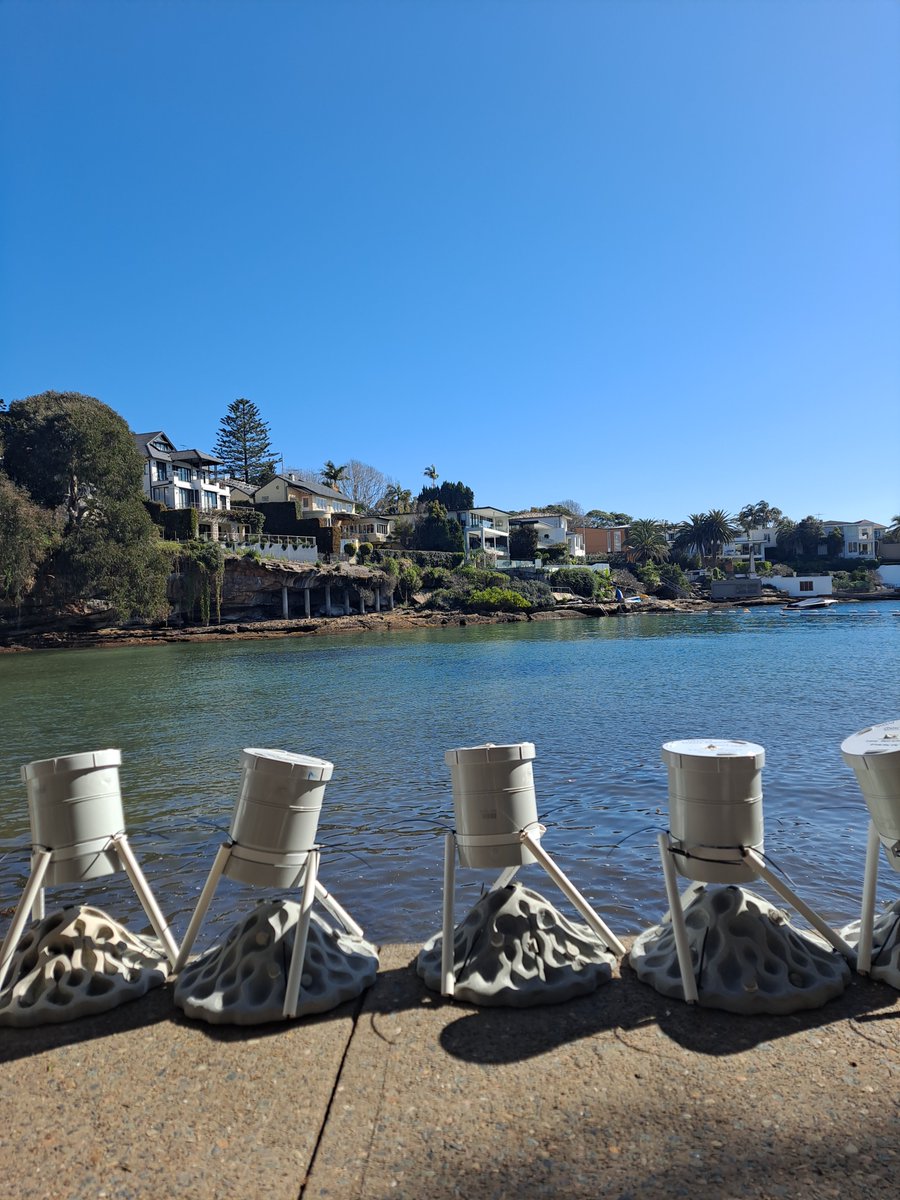
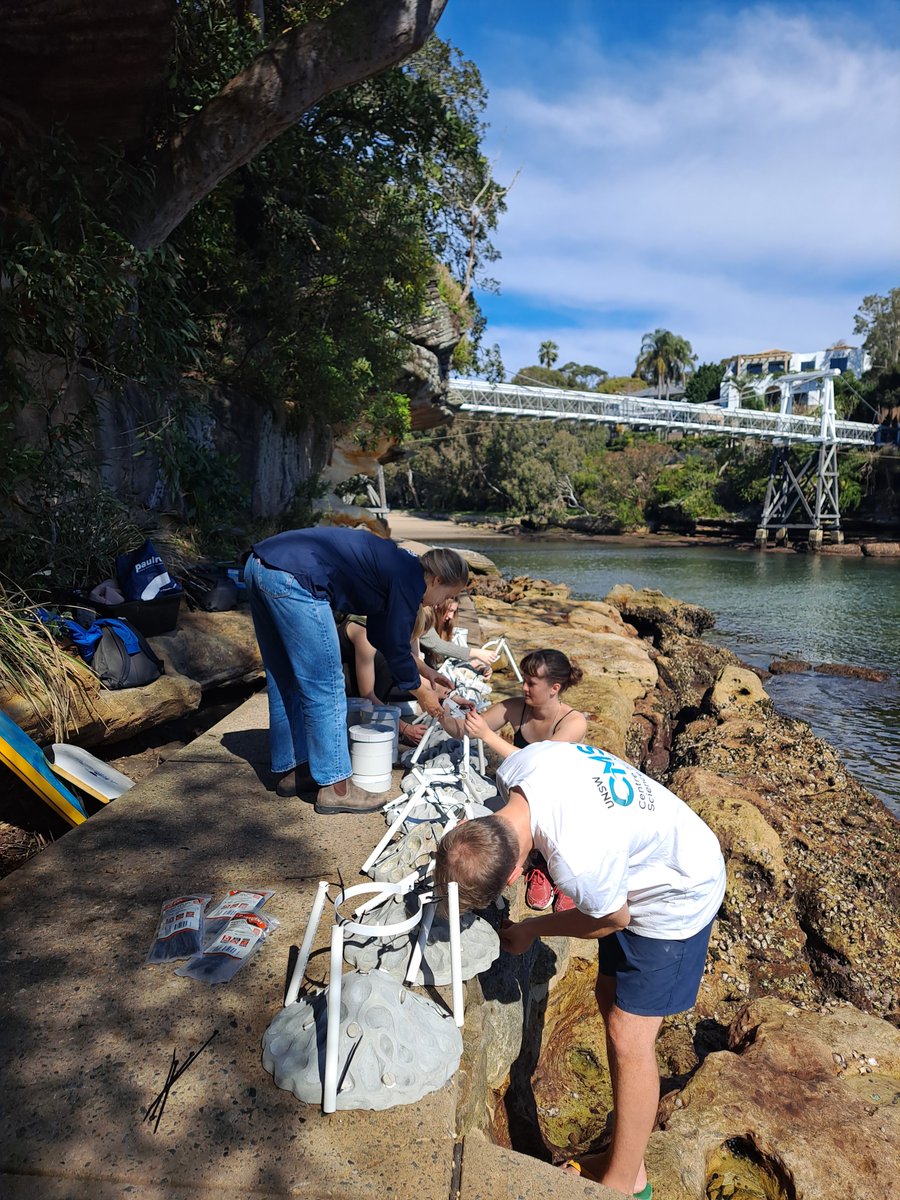
Yesterday we deployed a new experiment for PhD student Lena Holtmanns, looking at the interactive effects of Artificial Light at Night and habitat complexity. Modules have two complexity levels, and half are lit with these floating underwater lights. Super exciting!
4
6
483
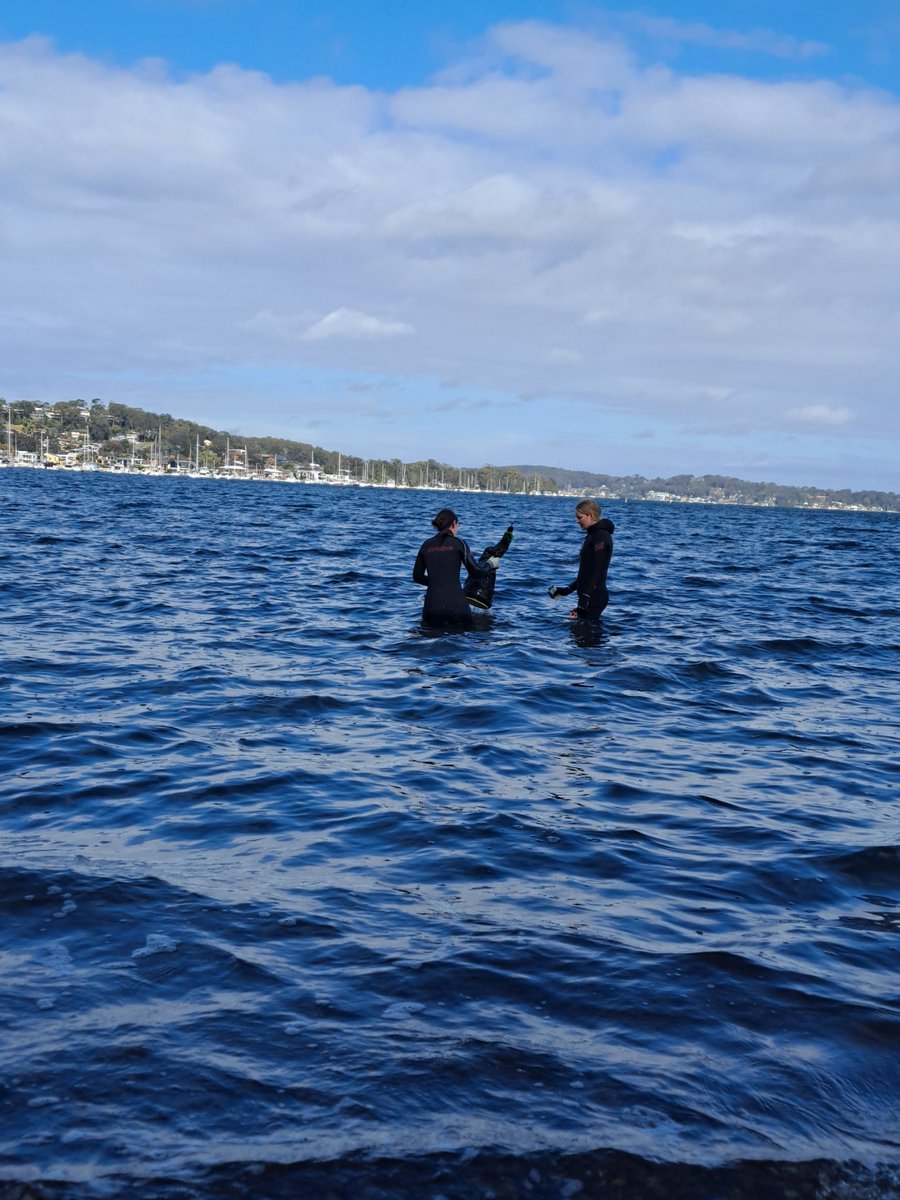
Fun with seagrass chambers in Lake Macquarie!

1
9
211
Milly Caley @millycaley.bsky.social retweeted
30 Jul 2024
Our new lab website is finally live, with profiles of our lab team and research projects! Check it out here:
unsw.edu.au/research/seacs
2
5
240
Super cool new paper from @AR_Janssen looking at Ecklonia morphology and physiology across Sydney Harbour!
5 Jun 2024

🌊 It’s out there! Curious about Sydney’s underwater gardens? Take a look at some of the striking effects the urban estuarine environment can have on its kelp forests ! 🏙️🌱
sciencedirect.com/science/ar…
@DrKDafforn @MelanieJBishop @CariocaMayer @mqnatsci @unswbees @unswcmsi @SEACSlab
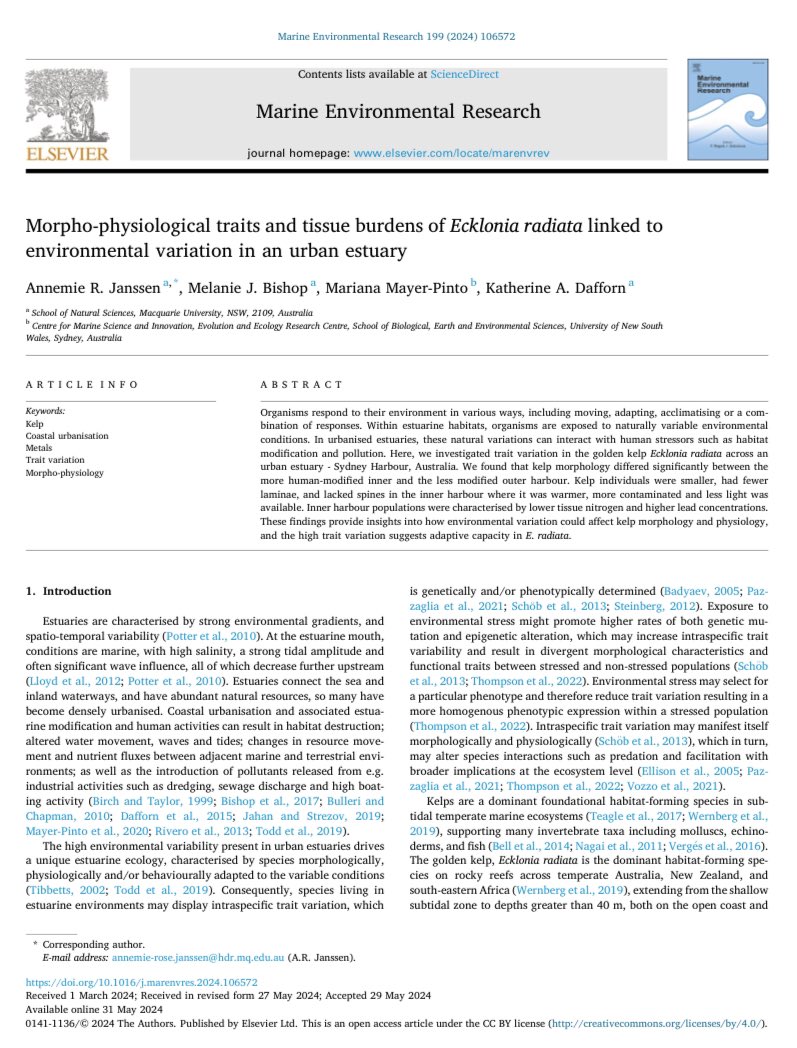
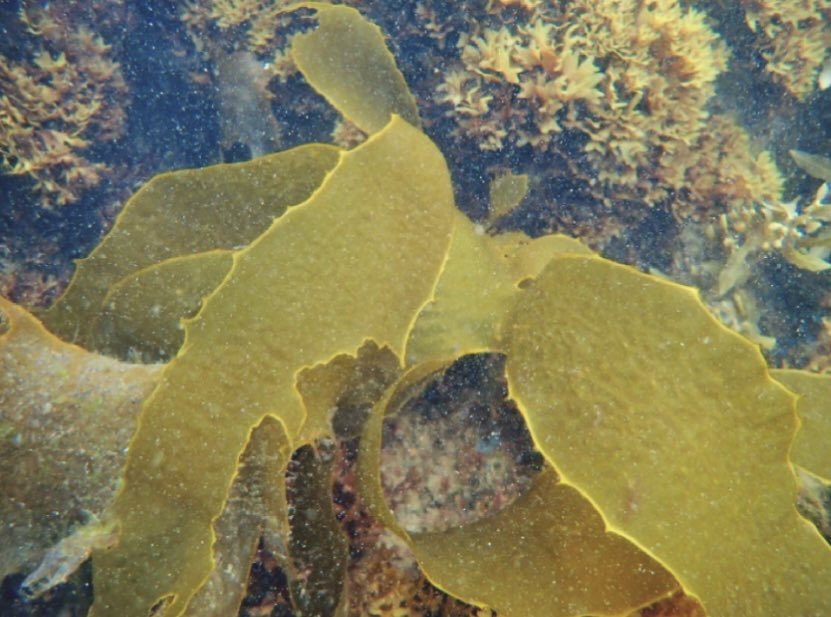
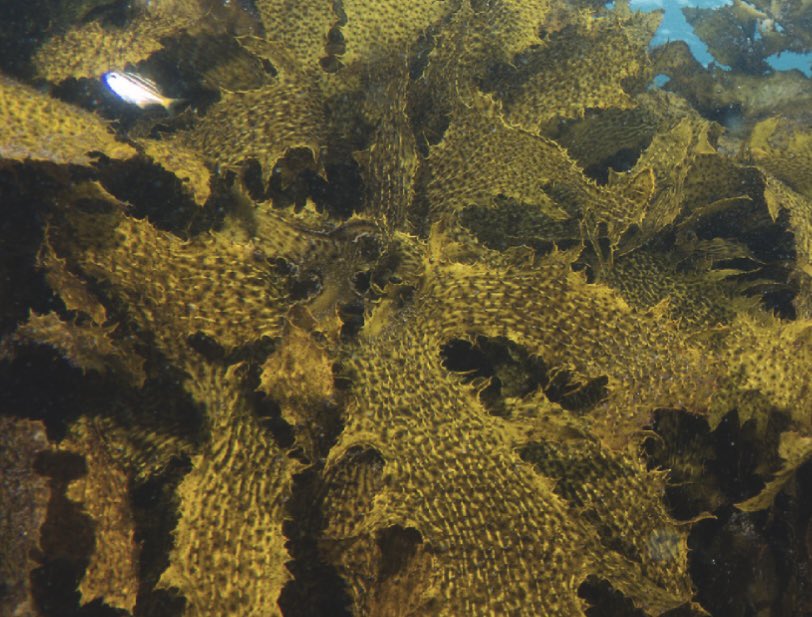
ALT Photo by John Turbull
1
10
255
Milly Caley @millycaley.bsky.social retweeted
5 Jun 2024
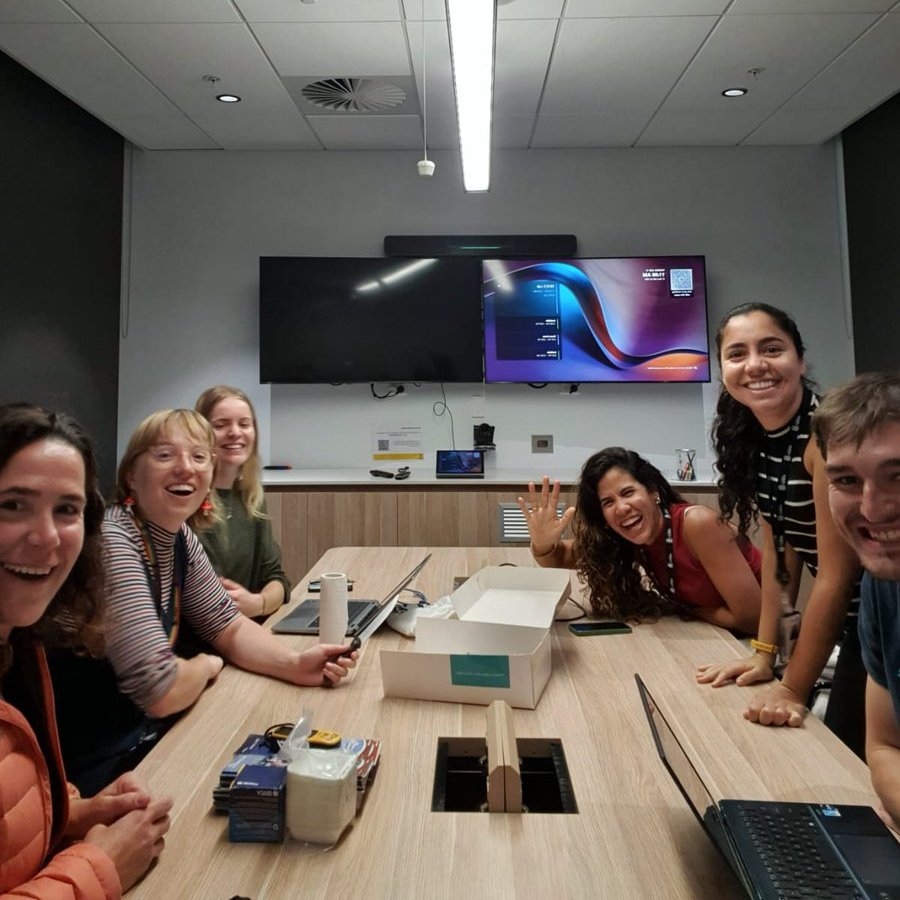
Congratulations to our lab member Thayanne Lima Barros who submitted her PhD last month on the impacts of bushfires in estuaries! Thay was supervised by Mariana Mayer Pinto, Katie Dafforn, Emma Johnston and Stuart Simpson. Awesome work!
1
7
496
Milly Caley @millycaley.bsky.social retweeted
30 May 2024
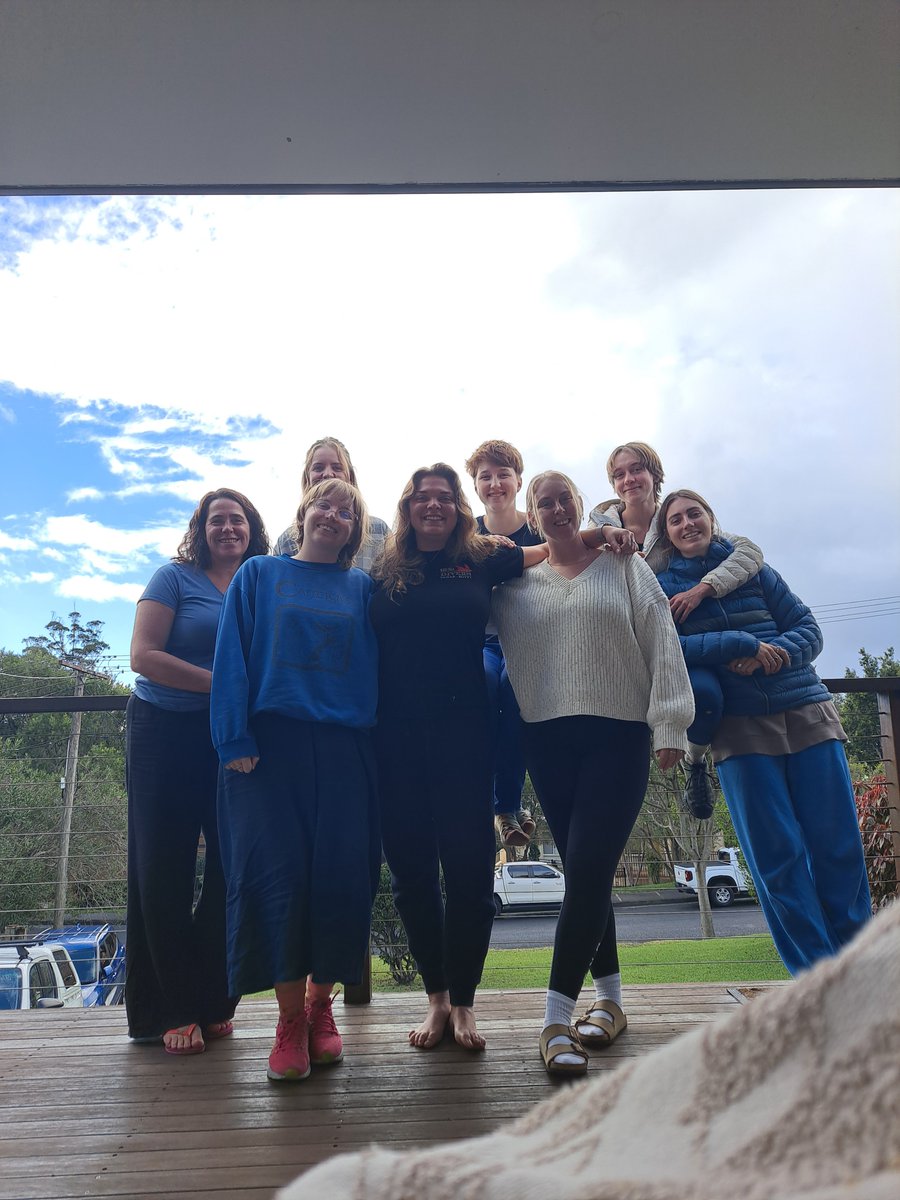
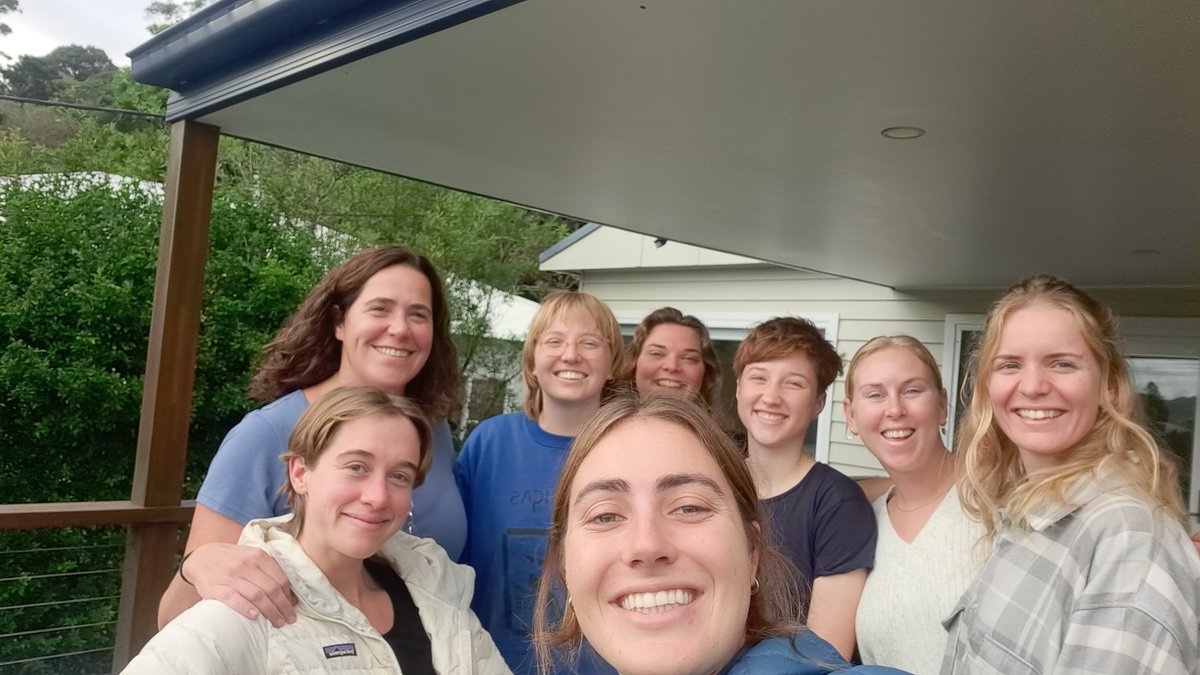
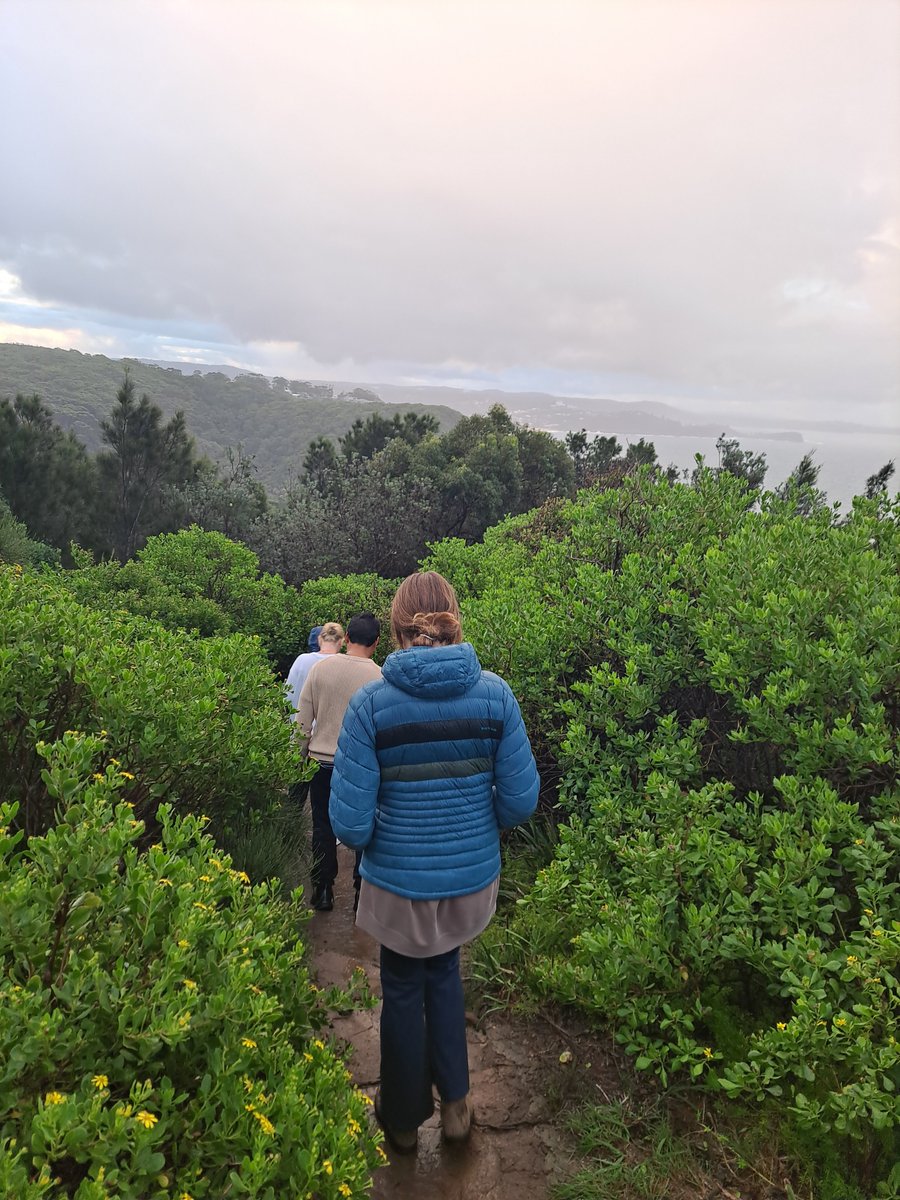
This month, we hosted our first ever lab writing retreat in the beautiful Avoca beach! It was a great chance to connect lab members based at different institutions, and to facililate discussions, run peer review sessions, and of course lots of writing and team-building 😊
4
8
324

Dive into the depths of #seagrass, the unsung hero of marine ecology with @ZiggyMarzinelli, @Renske_Jongen and @CataMusrriF and the MEM Lab at University of Sydney! 🌊 #MarineScience #Research @Sydney_Uni @SydneySOLES @Sydney_Science marine-science.sydney.edu.au…
3
18
608
Milly Caley @millycaley.bsky.social retweeted

1 May 2024
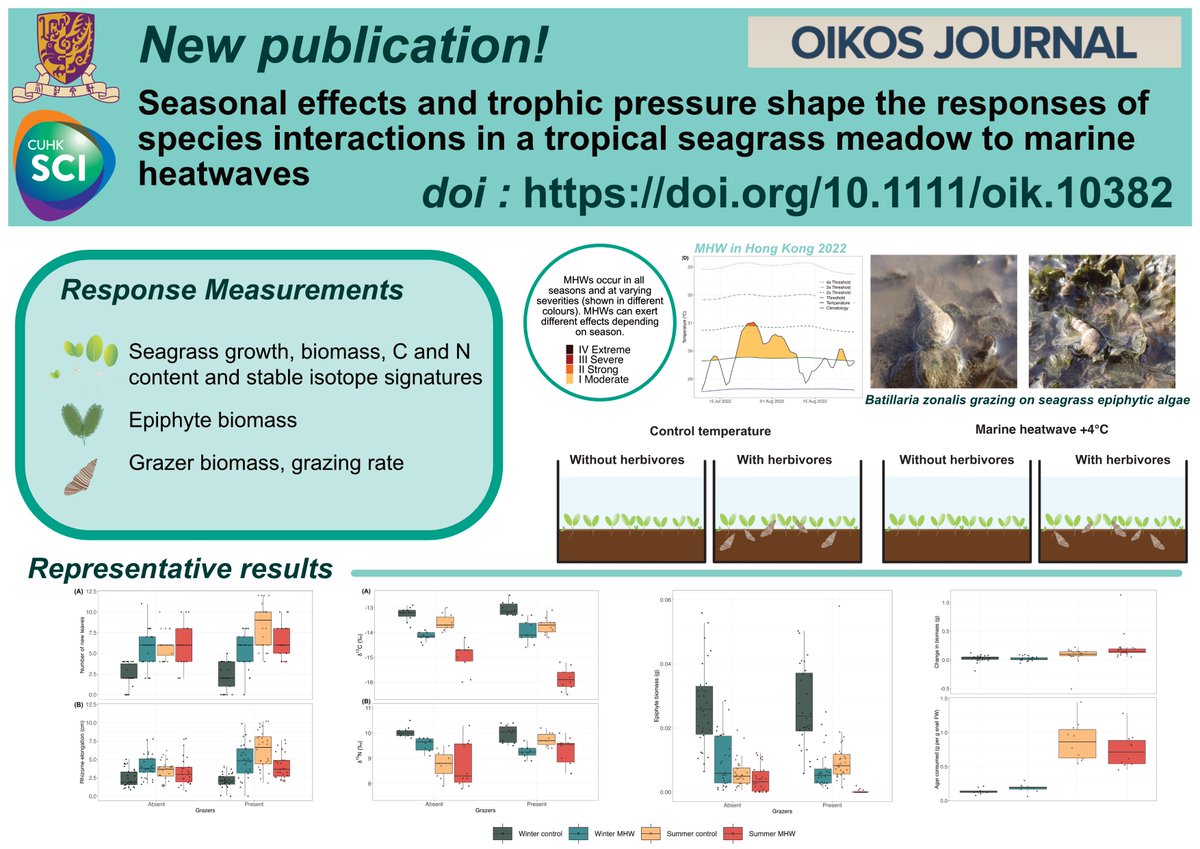
The third paper of my PhD is now published in @Oikos_Journal w/ @ljfalkenberg !📢 We explored how seasonality and interactions with epiphytic algae and grazers can affect the responses of seagrass to marine heatwaves.🦠🐌🌱🌊 Check it out here: doi.org/10.1111/oik.10382
3
6
32
1,978
Milly Caley @millycaley.bsky.social retweeted

21 Apr 2024
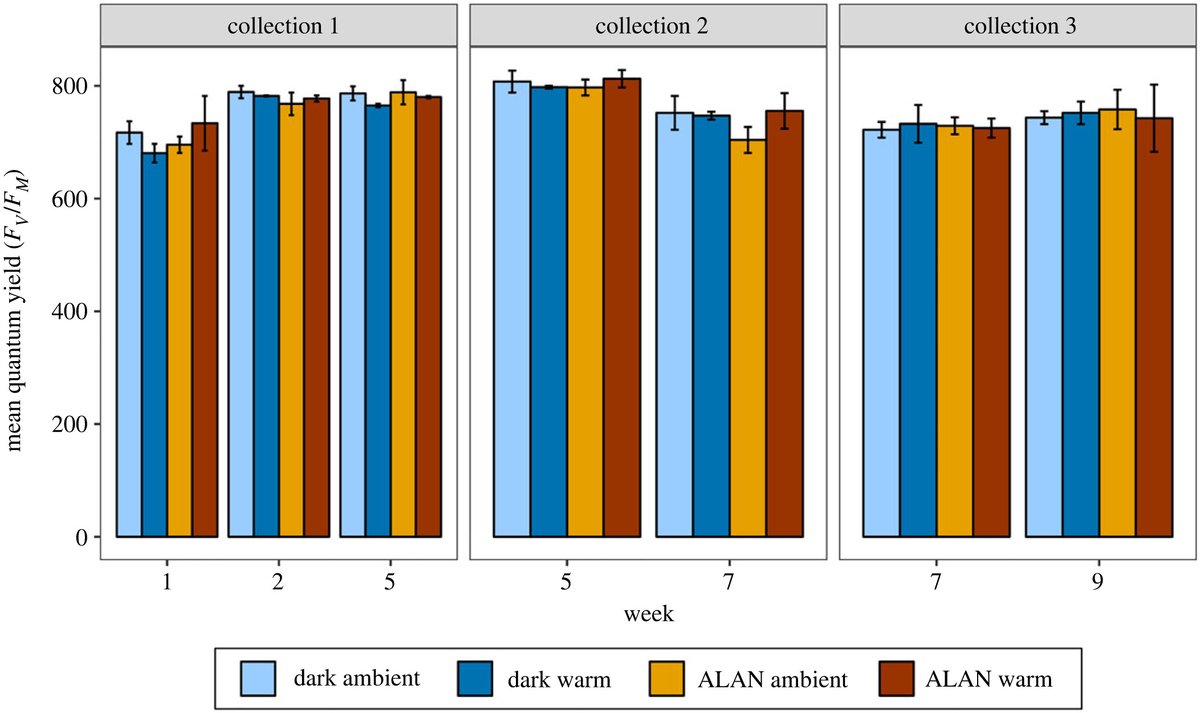
Artificial light at night and warming impact grazing rates and gonad index of the sea #urchin Centrostephanus rodgersii #ProcB ow.ly/xXjA50RjF0U #Ecology @CariocaMayer @ProfMariaByrne @ZiggyMarzinelli @millycaley
2
1
1,097
18 Apr 2024
This is my first first-author publication, and one I am super excited to share! Here, we manipulated artificial light and temperature to investigate impacts on sea urchin grazing and growth rates, with @CariocaMayer @ProfMariaByrne @ZiggyMarzinelli royalsocietypublishing.org/d…
2
4
32
1,412
Milly Caley @millycaley.bsky.social retweeted

Light pollution supresses nighttime feeding in the plumose sea anemone
doi.org/10.1016/j.marpolbul.…
Another handy paper from Lynn et et al.
2
5
304
Milly Caley @millycaley.bsky.social retweeted
12 Apr 2024
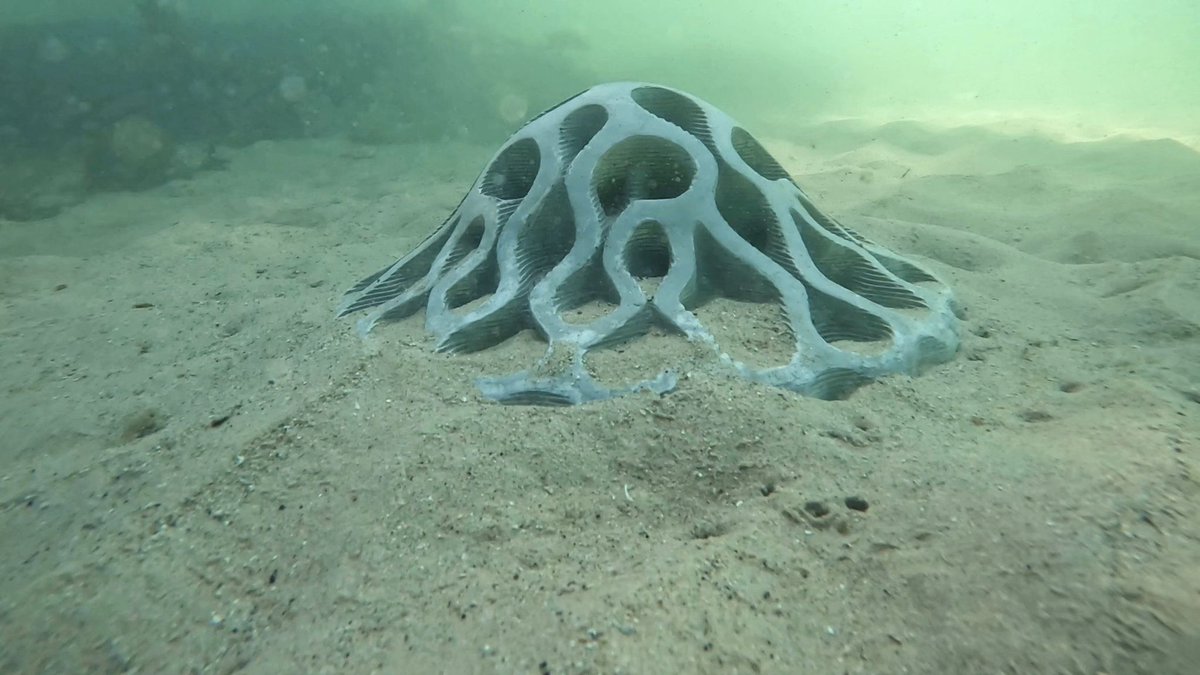
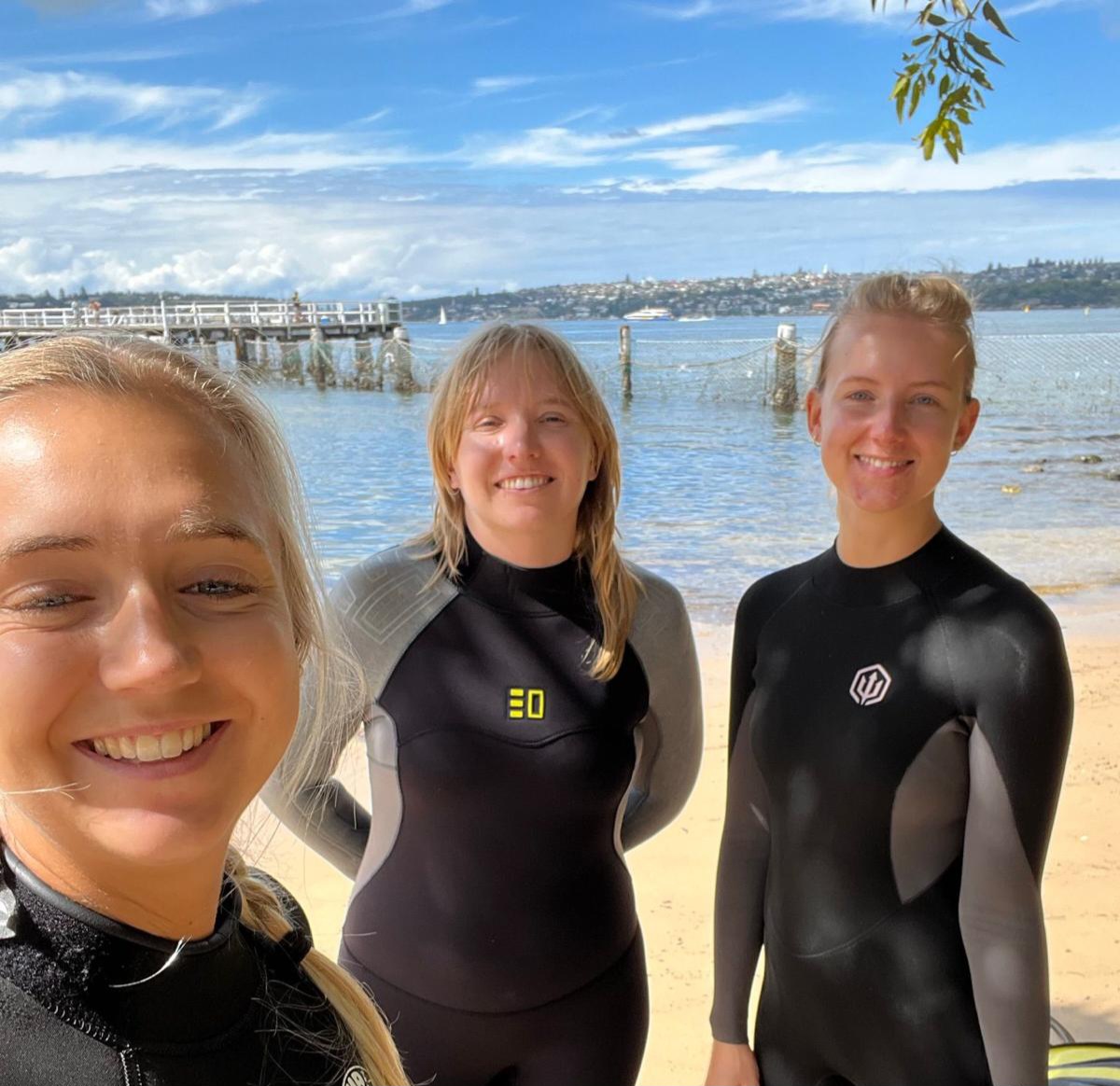
Trial habitat module deployments this week in Sydney Harbour, for an experiment looking at the interactive effects of artificial light pollution and habitat complexity on biodiversity, led by PhD student Lena Holtmanns, supervised by @CariocaMayer and @AlistairPoore 😊💡🐚
4
17
406
Milly Caley @millycaley.bsky.social retweeted

8 Apr 2024
Absolutely delighted to see this out!!! Here we advocate for an experimental approach to test direct vs indirect effects of microbiome manipulations - a short thread 1/n #holobiont #Kelp #Ecology nature.com/articles/s41522-0…
1
18
37
3,199
Milly Caley @millycaley.bsky.social retweeted

8 Mar 2024
Happy #InternationalWomensDay2024!
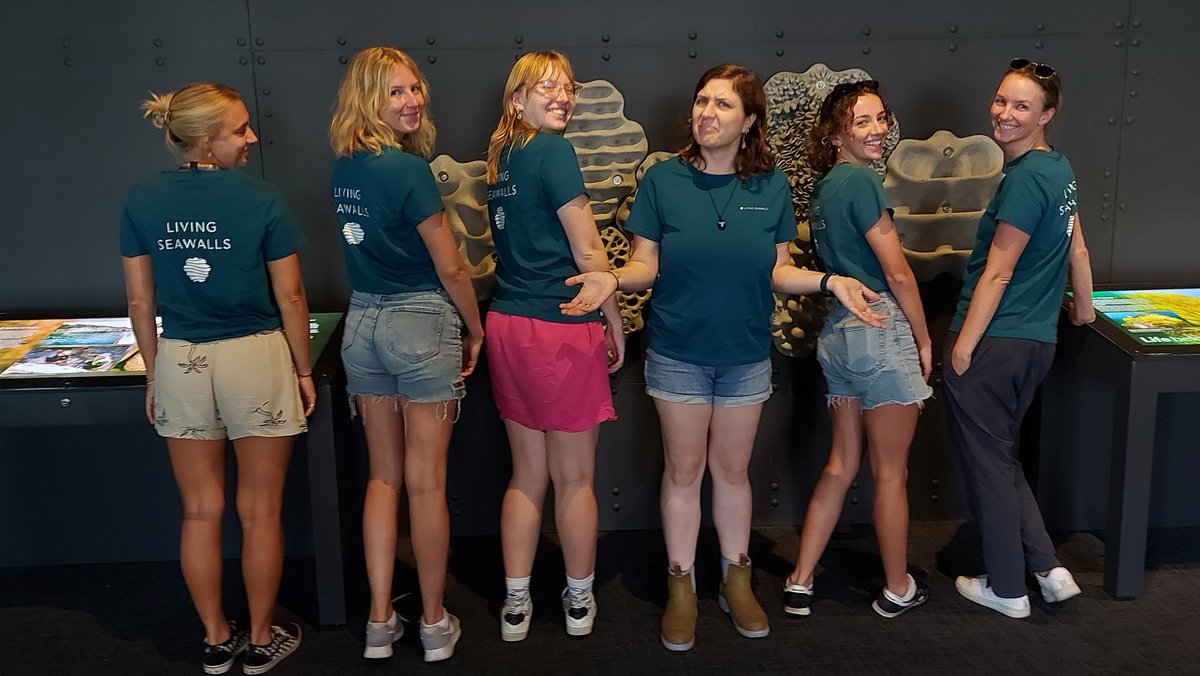
Our Superstars of STEMM were making waves at the Australian National Maritime Museum Women In STEM careers expo!
We had a great time speaking to the next generation of scientists!
Thank you @seamuseum_ & #internationalwomensday!
6
26
917
Milly Caley @millycaley.bsky.social retweeted

21 Feb 2024
Another output from the #green #Engineering working group of @WorldHarbours. For the first time considers spatial variation in the functional outcomes of common #ecoengineering interventions
21 Feb 2024

New paper alert! Complexity-functioning relationships differ across different environmental conditions. Open access link here 🌊🐚doi.org/10.1016/j.jenvman.20…
2
6
503
21 Feb 2024
First publication! Exciting! 😊
21 Feb 2024
New paper alert! Complexity-functioning relationships differ across different environmental conditions. Open access link here 🌊🐚doi.org/10.1016/j.jenvman.20…
1
11
338
Milly Caley @millycaley.bsky.social retweeted
13 Feb 2024
Such a great article on Project Restore! This recently commenced project aims to restore habitats at the seascape level, with collaborations between @SydneyMarine, @LivingSeawalls, Operation Poisodonia and more, in Sydney Harbour 🌊🌱

🌊 A group of marine scientists are embarking on a mission to restore the waters of the iconic Sydney Harbour.
If successful, it may become a template for revitalising other urban marine sites worldwide.
news.unsw.edu.au/en/inside-t…
1
4
294