
Joined January 2012
- Tweets 320
- Following 355
- Followers 190
- Likes 181
4 Photos and videos




Mittul Kalawadia retweeted

Jun 12
Indian and Swiss snowboarders Urmila and Linda hitting the slopes of Gulmarg, India in traditional sarees.
164
1,943
11,497
278,275
Mittul Kalawadia retweeted

Jun 8
You must've heard Nana Patekar is too Blunt & Outspoken. That's 100% true & here's a proof. Saying 'this' in front of sitting CM & Dy CM is surely not easy.
"When Yashwantrao Chavan had ₹25000 in bank when he died, today a Corporator is Crorepati within 1 yr of getting elected. We know this, how come you don't get to know this?"
74
1,212
4,221
218,624
Mittul Kalawadia retweeted

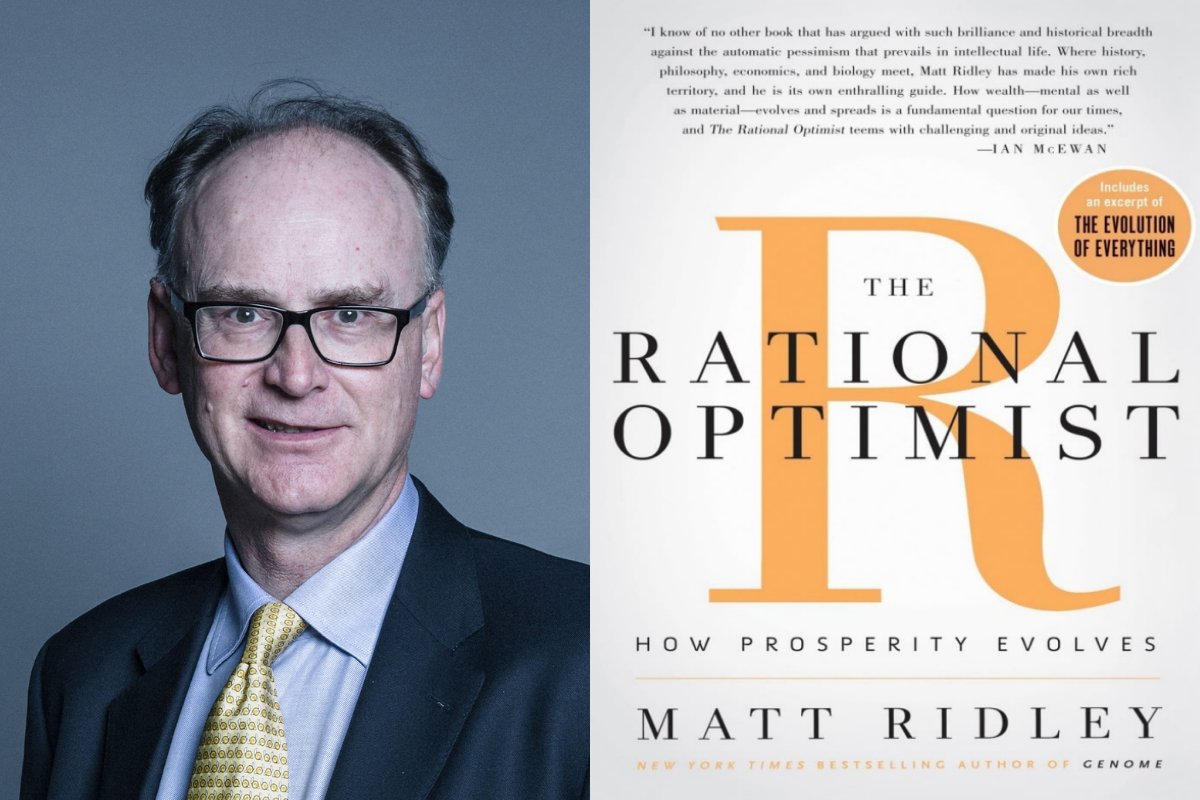
A British biologist looked at 200,000 years of human history and found that the entire reason humans broke out of poverty was not intelligence, not language, not even agriculture, but one mechanism so simple a 6-year-old could explain it.
His name is Matt Ridley.
He is a zoologist by training, an evolutionary biologist by career, and in 2010 he wrote a book called The Rational Optimist that quietly argued the most important fact about human progress had been hiding in plain sight for the entire history of economics.
Naval Ravikant has been telling people to read everything Ridley has ever written for the last 15 years. The reason is the argument inside this one book.
For 200,000 years, anatomically modern humans walked around with the same brain you have right now. Same skull size. Same neural architecture. Same raw capacity for language, planning, and abstract thought.
For roughly 190,000 of those years, almost nothing happened. Generation after generation lived and died inside the same Stone Age toolkit their great-great-grandparents had used. Then somewhere around 50,000 years ago, the line on the chart of human progress started to tick upward. Then it bent. Then it exploded.
The question Ridley spent years on was the only question that mattered. What changed.
It was not the brain. The brain had been the same for 190,000 years. It was not language, which had existed long before the takeoff. It was not even agriculture, which arrived only 10,000 years ago and was actually preceded by the upward bend, not the cause of it.
What changed was that humans started trading with strangers.
This sounds too small to be the answer. Ridley argues that it is the answer to almost everything. The moment one human exchanged a useful object with another human from a different group, something happened that no other species on earth had ever done.
Two ideas that had developed in isolation came into contact. The flint knapper learned what the spear maker had figured out. The fisherman from the coast learned what the hunter from the forest had figured out. The two pieces of knowledge fused into something neither side could have produced alone.
Ridley calls this ideas having sex. The phrase sounds frivolous and it is meant to. The point is that ideas, like genes, get better when they combine with other ideas from different lineages.
An idea sitting inside one head, no matter how brilliant the head, eventually hits a ceiling. The same idea exposed to ten thousand other ideas does something genes do under sexual reproduction. It mixes. It recombines. It produces offspring nobody planned.
The cleanest proof of this argument is the most uncomfortable case study in the book. Tasmania.
Around 10,000 years ago, rising sea levels cut Tasmania off from mainland Australia. A population of roughly 4,000 humans was now isolated on an island, with no possibility of contact with the rest of humanity. They had the same brains. The same language. The same starting toolkit as their cousins 150 kilometers north. The natural experiment was now running.
What happened next is something no economist or geneticist had ever predicted.
The mainland Australians kept inventing. Boomerangs. Spear-throwers. Fishing nets. Bone needles for sewing fitted clothes. Watercraft with paddles. Their technology compounded slowly across the centuries.
The Tasmanians went the other way. They did not just fail to invent the new tools their cousins were developing. They started losing the tools they already had. Fishing was abandoned within a few thousand years. Bone tools disappeared. Fitted clothing disappeared. They forgot how to make fire from scratch and started carrying lit firebrands from camp to camp instead, relighting their fires from a neighbor's whenever their own went out.
By the time European explorers arrived in the 17th century, the Tasmanians had the simplest toolkit of any human society ever recorded. Their material culture had gone backward for 8,000 years.
The archaeologist Rhys Jones called it a slow strangulation of the mind.
Joseph Henrich at Harvard later proved with formal mathematical models that there was nothing wrong with Tasmanian brains. There was something wrong with their network. A toolkit requires a critical mass of people exchanging skills to maintain itself.
The act of teaching a skill is imperfect. Every generation loses a small percentage of what the last generation knew. If your population is large enough and trading widely enough, those losses get caught and corrected by someone else who still remembers.
If your population shrinks below a certain threshold and stops mixing with outsiders, the small losses compound until entire technologies disappear.
This is the part that should haunt anyone reading this in 2026.
Intelligence is not a property of the individual brain. Intelligence is a property of the network the brain is connected to. A genius in isolation will produce less than a mediocre thinker inside a dense exchange of other mediocre thinkers.
The thing your ancestors needed in order to break out of 190,000 years of stagnation was not better brains. It was better connections between brains they already had.
The implication for any individual is direct and uncomfortable. If you are smart and isolated, you will be outproduced by people half as smart who are connected.
The most successful people in any field are almost never the smartest people in it. They are the ones positioned at the intersection of the most idea flows. They are reading more authors than their competitors. They are talking to more people from more disciplines. They are in the rooms where ideas from different lineages bump into each other.
Ridley ends the book on the line that sounds optimistic but is actually a warning its this "The future will be invented by people who connect ideas, not by people who guard them."
268
2,040
7,508
854,411
Mittul Kalawadia retweeted

I bet you've never looked at household “micro services” like this before.
From IT services to unpacking suitcases, India’s service market is quite unique. x.com/CNBCTV18News/status/20… x.com/CNBCTV18News/status/20…
37
89
733
132,194
Mittul Kalawadia retweeted

May 6
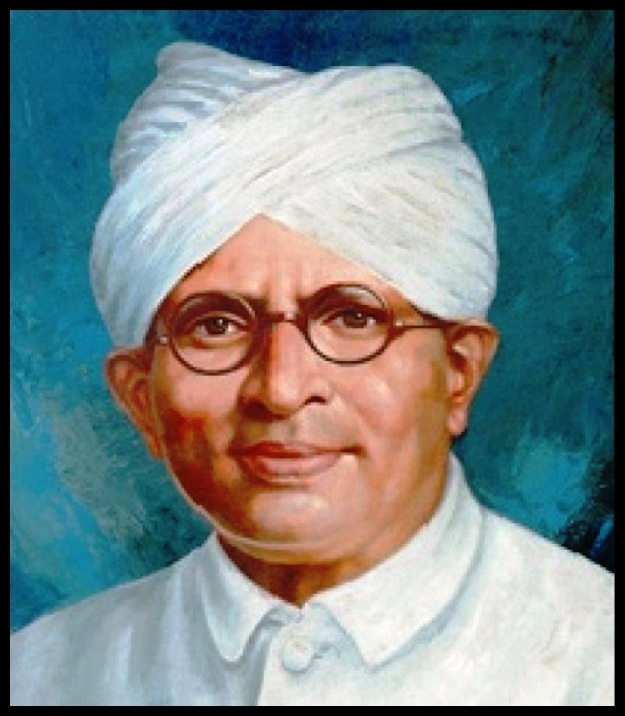
In 1919, 1 man bought a Ghost Ship & challenged the entire British Navy. They tried to bankrupt him with a Zero-Price war, but he won by turning a ferry ticket into a vote for Freedom. From building India’s 1st aircraft factory in secret to carving railway tunnels through impassable mountains, he was the Industrial Guerilla who taught a colony how to fly, sail, & drive. Discover the man who made Made in India a threat to the Empire.
He is the man who looked at the British "No Entry" signs across Indian industry & decided to build a sledgehammer.
After WWI, the British shipping giant BI (British India Steam Navigation) had a total monopoly on Indian waters. No Indian was allowed to own a large-scale shipping line. On 5th Apr 1919, just days before the Jallianwala Bagh massacre, an Indian man, with no background in shipping, Walchand Hirachand Doshi spotted a ship called the SS Loyalty in Bombay harbor. It was a hospital ship being sold after WWI. W/o waiting for a license, he bought it & launched the SS Loyalty, the 1st ship of the Scindia Steam Navigation Company.
The British tried to sink him financially. They started a Price War, dropping ticket prices to almost zero to bankrupt Walchand. Walchand did not blink. He appealed to Indian pride. He told the public: "Even if their tickets are free, if you travel with them, you travel in chains." Indians chose to pay for Walchand's tickets. He broke the 100 yr British naval monopoly. This is why 5th April is still celebrated as National Maritime Day.
The British govt in India had a strict policy: "India will produce raw materials; Britain will produce machines." They flatly refused to give a license for an Indian car factory. Walchand realized he could not wait for permission. He went to the USA & met Walter Chrysler.
He told Chrysler, I want to build an Indian car for Indian roads. Chrysler was impressed by his grit. Together, they bypassed British red tape to set up Premier Automobiles (the birthplace of the legendary Padmini/Fiat). He proved that an Indian could build an engine, not just a bullock cart.
During WWII, the British were desperate for aircraft maintenance in the East but did not want Indians to know the secrets of aviation. Walchand did not ask the British. In Oct 1939, Walchand was returning from the United States (where he had gone to explore setting up a car factory, including talks with Chrysler).
On a Pan Am Clipper flight from San Francisco to Hong Kong, he had a chance meeting with American industrialist William D. Pawley (president of Intercontinent Corporation and involved in aircraft manufacturing for China). Pawley was on his way to China to support aircraft production there (for the Chinese government amid the war with Japan).
During the flight, Walchand discussed his ambitions with Pawley, who shared insights from his China operations. This conversation sparked the idea for an aircraft factory in India. With the help of Maharaja of Mysore, he set up Hindustan Aircraft Ltd. (now HAL) in Bangalore in 1940. When the British realized what he had done, they were furious but had to nationalize it because they needed the planes for the war effort.
Every time we see a Tejas/a Sukhoi take off today, remember that the runway was laid by Walchand’s defiance in 1940.
Walchand’s company, Hindustan Construction Company (HCC), was responsible for the Bhor Ghat & Thull Ghat railway tunnels. British engineers said the Sahyadri mountains were too tough for Indian contractors. They wanted to give the contracts to London firms. Walchand took the contract, used indigenous techniques, & completed the tunnels ahead of schedule & at a lower cost. He proved that Indian Civil Engineering could move mountains.. literally.
Despite being 1 of the richest men in India, Walchand was a symbol of the Swadeshi spirit. He would walk into boardrooms with British Lords & present his papers in Marathi/Gujarati if he felt they were being condescending. His agenda was clear: "I do not want to be a rich man in a poor country; I want to be a productive man in a rich country.
Walchand Hirachand was the Architect of Infrastructure. If Tata built the Steel, Walchand built the Speed.... the ships, the cars, & the planes. He was the 1st Indian to understand that true independence is the ability to move our own people on our own machines.
He was the man who turned "Made in India" from a dream into a Turbine. He did not just compete with the British; he made them irrelevant in their own specialized fields.
50
429
982
33,750
Mittul Kalawadia retweeted

Feb 23
An investor's biggest risk to his welath creation is his own behavior when his portfolio goes through a downcycle. A look at data suggests that even the most sophisticated investors panic and sell in downturns and top up and chase returns during up turns. Basic fundamental investing requires patience and discipline. Simple but truly rare traits. No wonder only 1% of the world own 50% of world's assets.
Getting rich is not a democratic right; voting is.
8
29
317
25,541
Mittul Kalawadia retweeted

From 1945 to 1975, Nestlé couldn't crack Japan's coffee market.
They tried ads, discounts, and sampling campaigns BUT nothing worked.
Then they hired a child psychologist.
His bizarre advice would transform Japan from a tea nation to a coffee nation:


81
639
5,790
1,525,912
Mittul Kalawadia retweeted

Jan 29
Jensen Huang on the smartest person he's ever met;
428
2,857
21,333
2,436,358
Mittul Kalawadia retweeted

Jan 26
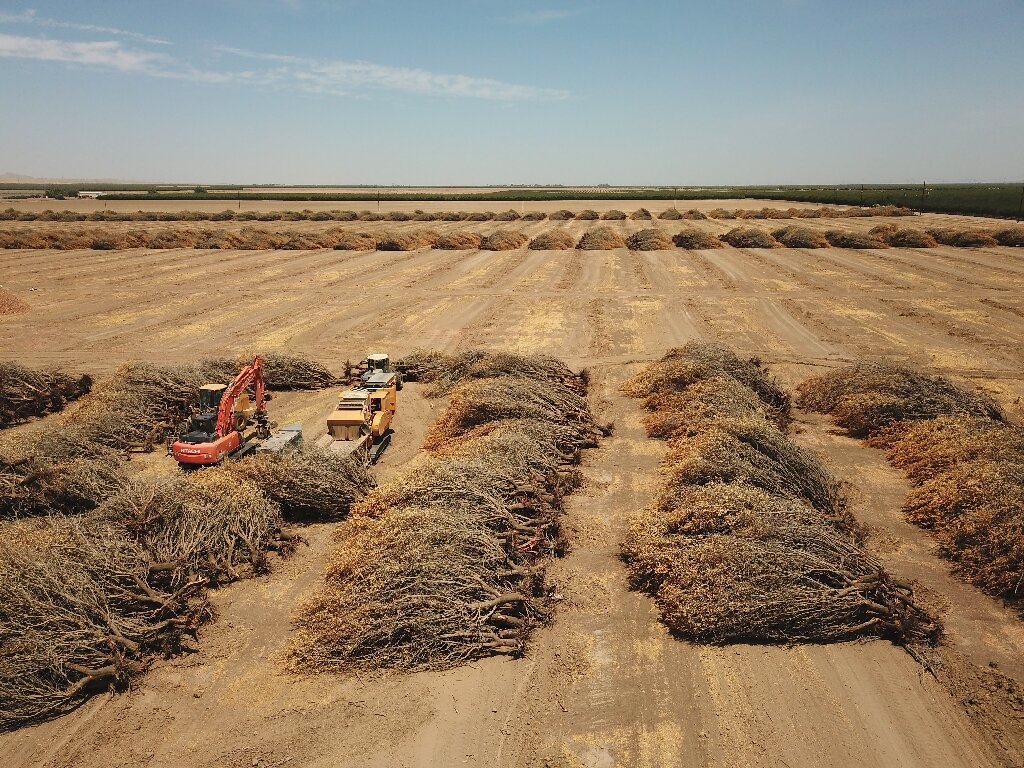
California's Central Valley produces 80% of the world's almonds. Each almond requires 3.2 gallons of actual irrigation water to grow. Not rainfall. Actual tap water pumped from aquifers.
One gallon of almond milk requires 162 gallons of irrigation water. Compare that to dairy milk at 8 gallons of tap water per gallon, with the rest being rainfall that falls on pasture anyway.
But here's where it gets properly grim. Almonds bloom for exactly three weeks in February. During those three weeks, California needs every pollinating bee in North America transported to the Central Valley or the crop fails entirely.
Commercial beekeepers truck in 31 billion honeybees. That's two-thirds of America's entire managed bee population, all concentrated in one valley for three weeks. The bees are packed into trucks, driven across the country, dumped into almond groves drenched in pesticides, worked to exhaustion, then packed up and shipped to the next crop.
The mortality rate is catastrophic. Beekeepers report losing 30 to 50% of their hives annually. That's billions of bees dead. Not from natural causes. From being used as disposable pollination machines for your almond milk.
The pesticides don't help. Almond groves are sprayed with neonicotinoids which scramble bee navigation systems, fungicides which weaken their immune systems, and herbicides which eliminate the wildflowers they'd normally forage on between almond blooms.
Meanwhile the aquifer depletion is permanent. The Central Valley has sunk 28 feet in some areas from groundwater extraction. That water took 10,000 years to accumulate. It's being drained in decades for almond milk.
Your vegan latte killed more bees and used more water than a year's worth of dairy milk. But it's got "plant-based" on the label so you're definitely saving the planet.
2,845
21,205
68,832
5,122,527
Mittul Kalawadia retweeted

28 Dec 2025
Long hours in the OT shouldn’t mean battling heat, sweat, and fatigue. Beat the heat in the OT. Smart Scrubs by Thermaissance dry 66% faster and are nearly 2x more breathable—proven in ISO-certified labs for comfort under PPE.
#antimicrobialscrubs #smartscrubs #thermaissancecare
1
31
Mittul Kalawadia retweeted

Jan 2
Last one on this topic, and I have been holding this in myself for a while.
For centuries, class divides kept the labor of the poor invisible to the rich. Factory workers toiled behind walls, farmers in distant fields, domestic help in backrooms. The wealthy consumed the fruits of that labor without ever seeing the faces or the fatigue behind it. No direct encounter, no personal guilt.
The gig economy shattered that invisibility, at unprecedented scale.
Suddenly, the poor aren't hidden away. They're at your doorstep: the delivery partner handing over your ₹1000 biryani, late-night groceries, or quick-commerce essentials. You see them in the rain, heat, traffic, often on borrowed bikes, working 8–10 hours for earnings that give them sustenance. You see their exhaustion, their polite smile masking frustration with life in general.
This is the first time in history at this scale that the working class and consuming class interact face-to-face, transaction after transaction. And that discomfort with our own selves is why we are uncomfortable about the gig economy. We want these people to look our part, so that the guilt we feel while taking orders from them feels less.
We aren't just debating economics. We are confronting guilt. That ₹800 order might equal their entire day's earnings after fuel, bike rent, and app cuts. We tip awkwardly, or avoid eye contact, because the inequality is no longer abstract. It's personal.
Pre-gig era, the rich could enjoy luxury without moral discomfort. Labor was out of sight. Now, every doorbell ring is a reminder of systemic inequality. That's why debates explode. It's not just policy. It's emotional reckoning. Some defend the system (“they choose it”), others demand change (“this isn't progress, its exploitation”).
And here’s the uncomfortable twist: the unsaid ask of clumsy ‘solutions’ isn’t dignity. It is about returning to invisibility.
Ban gig work and you don’t solve inequality. You remove livelihoods. These jobs don’t magically reappear as formal, protected employment the next day. They disappear, or they get pushed back into the informal economy where there are even fewer protections and even less accountability. Over-regulate it until the model breaks, and you achieve the same outcome through paperwork instead of slogans: the work evaporates, prices rise, demand collapses, and the people we claim to protect are the first to lose income.
And then what happens?
The rich get their old comfort back. Convenience returns without faces. Guilt dissolves. We go back to clean abstractions and moral posturing from a distance. The poor don’t become safer, they become invisible again: back in cash economies, back in backrooms, back in shadows where regulation rarely reaches and dignity isn’t even debated.
The gig economy just exposed the reality of inequality to the people who previously had the luxury of not seeing it. The doorbell is not the problem. The question is what we do after opening the door.
Visibility is the price of progress. We can either use this discomfort to build something better (which we keep doing continuously as delivery partners are our backbone), or we can ban and over-regulate our way back into ignorance. One of those choices improves lives. The other simply helps the consuming class feel virtuous in the dark.
2,028
5,167
25,344
3,717,389
Mittul Kalawadia retweeted

4 Dec 2025
2026 Reset? Louis-Vincent Gave on ‘stupidly cheap’ Asian FX, 'damaged' c... youtu.be/u4XoK7PbeCY?si=cj5D… via @YouTube
6
39
39,811
Mittul Kalawadia retweeted

1 Nov 2025
I recently revisited "100 to 1 in the Stock Market" by Thomas Phelps, a book written in the 1970s, to reflect on its key insights in today's context in 2025.
Two Big Points: In my view, the author conveys two key thoughts:
First: Seek investments that hold the potential for substantial long-term returns, for example, 50-100x returns. This is possible to achieve only if one believes in the possibility and directs efforts toward it.
Second: Develop the patience to hold such investments for extended periods—10, 20, or even 30 years.
Relevance in 2025: In today's context, the idea of adopting such long time frames—10, 20, or even 30 years—may seem stupid/unlikely, especially amid rapid changes. In addition, the current environment presents challenges like high overall starting valuations and intensified competition from a growing number of investors. While opportunities for outsized returns will surely continue to exist, they may be harder to uncover. To succeed in spotting such outsized outcomes, I think it is essential to cultivate the behavioral attitudes emphasized in the book; otherwise, the chances of realizing such gains diminish sharply.
2
4
20
4,116
Mittul Kalawadia retweeted

18 Oct 2025
Some time ago, saw an interview of Saurabh Mukherjea. I don't remember the exact discussion, but this is the gist:
Sankaran Naren one day called Saurabh and advised him not to ignore valuations in pursuit of quality. Anything is good at one price and bad at another price. Valuations ultimately prevails.
Saurabh gratefully recalled how nice of Sankaran Naren to initiate the call and advise him.
My respect for Sankaran Naren went up further. It needs a great heart to call a professional competitor and try to save him from wealth destruction.
In a world, where only we want to make money and other investors to lose, such a behaviour is rarest of rarity.
27
44
673
91,043
Mittul Kalawadia retweeted

15 Oct 2025
The stock market is a diabolical doctor that injects us with despair, hubris, or FOMO - sometimes all three at the same time.
When we are injected with despair, it feels like you can do no right. Every decision you make is the wrong one. The stocks you buy go down. The stocks you sell go up. The stocks you hold go nowhere.
When we are injected with hubris, it feels like you can do no wrong. The Lord blesses you for 6-12 months with a crystal ball as a brain. You can see the future. Every decision you make is the right one.
At all times we are injected with FOMO. We watch stocks we don't own outperform what we own. It makes us do stupid things.
No one is spared from the diabolical doctor, not even the GOATs (Greatest of all Time).
microcapclub.com/fear-of-mis…
8
8
85
14,741
Mittul Kalawadia retweeted

12 Oct 2025
Most investors fear:
Small
Illiquid
No institutions
No analyst coverage
No chatter
You make the most money by driving through the fears of other investors by doing the work they aren't willing to do.
7
13
97
24,478
Mittul Kalawadia retweeted

8 Sep 2025
What could be today’s equivalent of the 90s steel sector? In cyclicals, watch 2 things:
1️⃣ Supply: it floods in at peak profits & kills the industry for years.
2️⃣ Balance sheet strength: who survives the next downturn.
Demand at peaks = useless. Track demand at bottoms, for a possible turnaround, when supply vanishes.
#investing
14 Apr 2021

This thread reminds me 90s when one such huge upside in steel came. A young family friend with a good family background decided to set up a steel plant. It was such times that attracts everyone investors and entrepreneurs both alike. The start was great and end very sad.
1/n
2
4
60
16,560
Mittul Kalawadia retweeted

8 Sep 2025
@mittulk, Senior Fund Manager @ICICIPruMF explains how the fund house strikes the right balance between dividend yields and growth @ETMarkets @nikkhill @ambakhshi
#DividendYieldEquityFund
#mutualfunds
m.economictimes.com/markets/…
3
2
290
Mittul Kalawadia retweeted
23 Jul 2025
New Article
How Do You Achieve a 30% CAGR over 27 years in the Oil and Gas Industry?
microcapclub.com/how-do-you-…
15
12
105
28,610
Mittul Kalawadia retweeted

5 Jul 2025
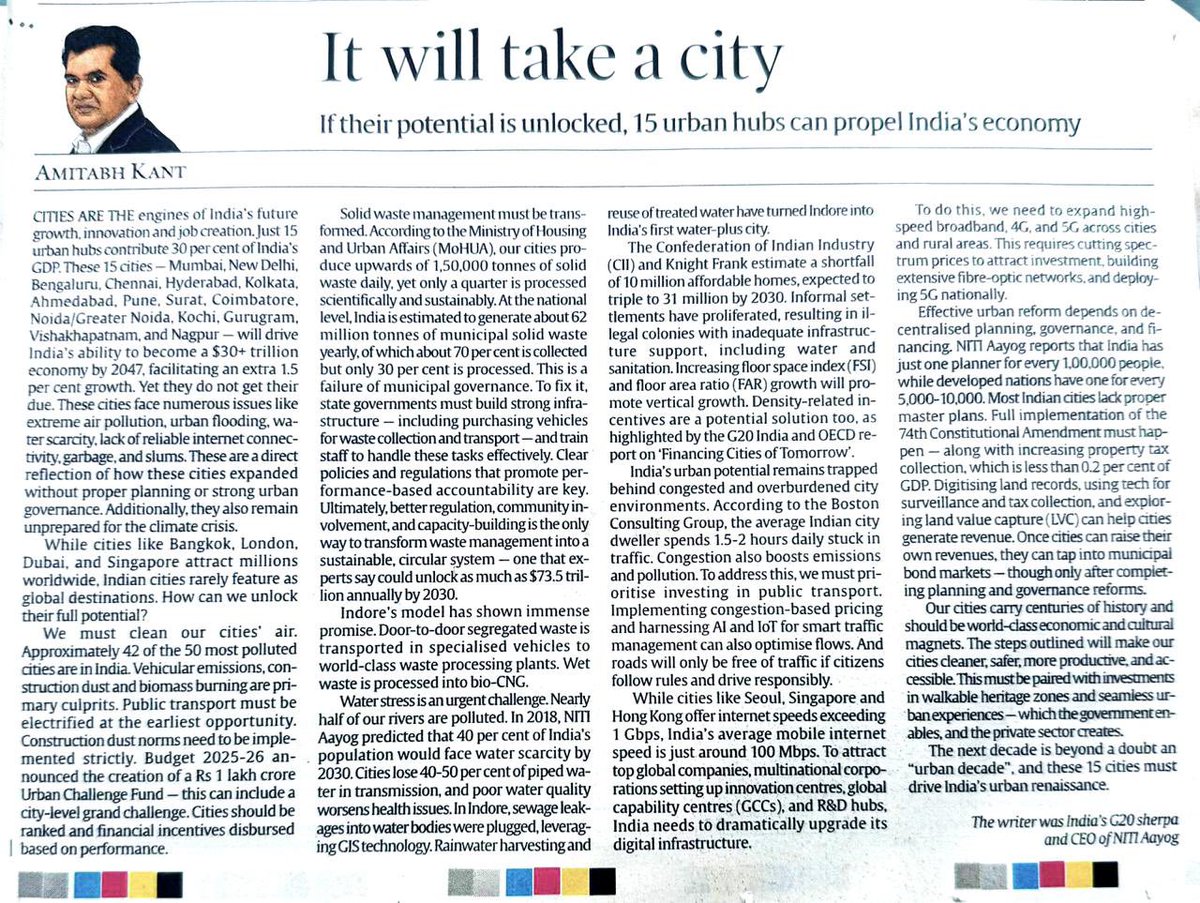
Just 15 Indian cities contribute 30% of India’s GDP. These urban hubs alone– will drive India’s ability to become a 30 trillion economy by 2047, facilitating an extra 1.5% of growth.
How can we unlock their full potential and position them on the world map?
Transforming these cities is an economic necessity. They will shape India’s growth, global image and drive India’s future prosperity. Without making them the finest cities in the world India will never become a 30 trillion $ economy.
My Op-ed in today’s IE .
amitabhkant.co.in/upload/art…
143
223
1,065
70,190