Private account. Affiliated researcher @euckeninstitut, Formerly @univienna & @tulane

Joined November 2022
16 Photos and videos
Matthias Kasper retweeted
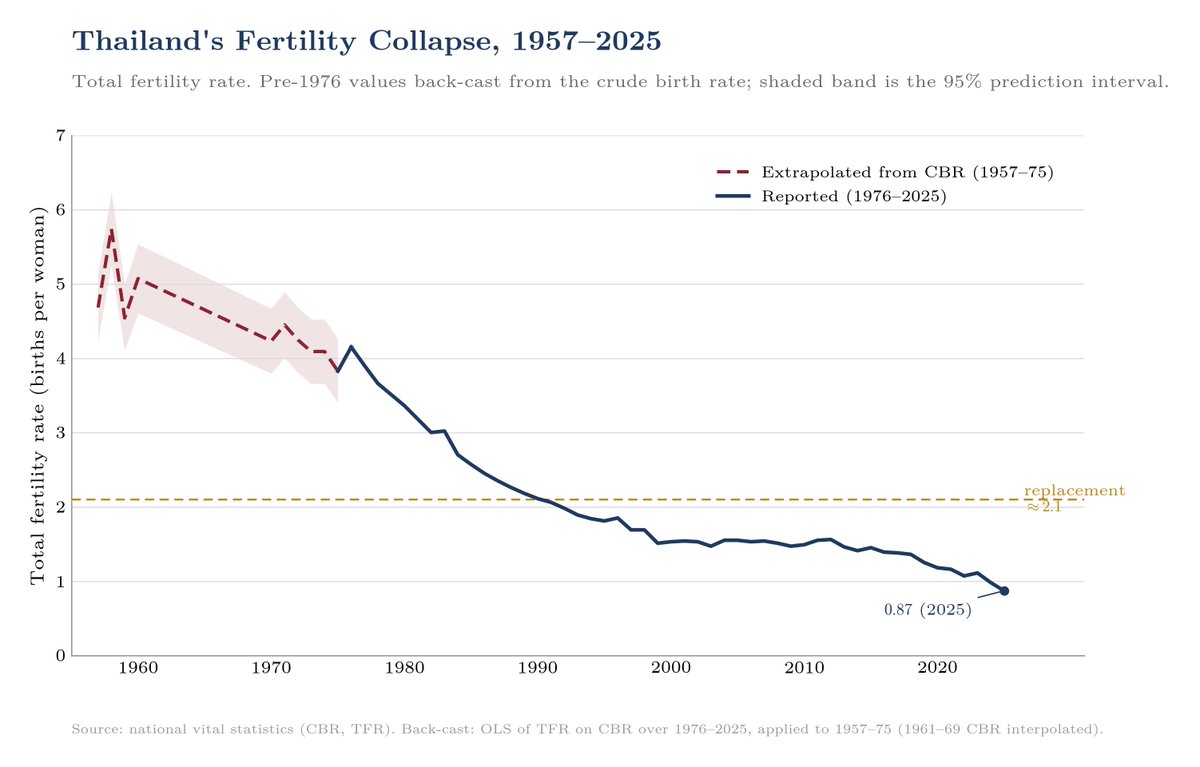
Thailand has one of the lowest total fertility rates (TFR) in the world. In 2025, the TFR was 0.87, and the preliminary numbers for the first months of 2026 are even lower. The rate is so low that deaths have exceeded births since 2021 and now run 34% higher than births. Thailand’s fertility collapse has always fascinated me. With a flight to a Bank of Thailand conference in Bangkok ahead of me, I spent some time reviewing the data. Thailand’s TFR fell below replacement in 1991. That is early. It means completed fertility has been below replacement for at least a full generation. In 1991, Thailand was neither rich nor well-educated. Even today, its income per capita (in PPP, the right measure here) is about Mexico’s level, around 28% of the U.S. The standard theories for East Asian ultra-low fertility, such as a toxic educational arms race or extreme gender inequality, have little bite here. On the World Economic Forum’s Global Gender Gap Index 2025, Thailand scored 0.728 and ranked 66th. South Korea scored 0.687 (101st of 146), and Japan 0.666 (118th of 148, last in the G7). I think Thailand is the clearest example of modernity without high income, and that combination is a recipe for demographic collapse. To illustrate this point: if Thailand’s TFR remained at its current level for 200 years, the population would decline from 65.8 million in 2025 to 1.51 million in 2225. While this is a hypothetical scenario used to make the argument, not a forecast, it gives a sense of the magnitude of the population change involved unless TFR increases at some point. This is not about closing a few maternity wards or fixing Social Security, but about winding down an entire country. Does anyone have a better theory? I don’t have enough information on Thai demographics, and I am happy to update my view. Two caveats. First, I use Thailand’s official data from the National Statistical Office. The UN WPP data (and the databases built on it, such as the World Bank’s) are, as always, way off. Second, the official statistics may undercount births somewhat. Even if they do, the picture changes little.
123
219
979
196,948
Matthias Kasper retweeted
The @WorldBankGroup #EastAsiaPacific Youth Forum 2026 concluded last week after two days of dynamic conversations on #jobs for young people across the region. Day 2 featured expert-led discussions on bridging the employability gap and youth-led pathways to inclusive employment.
1
2
4
1,027
Matthias Kasper retweeted
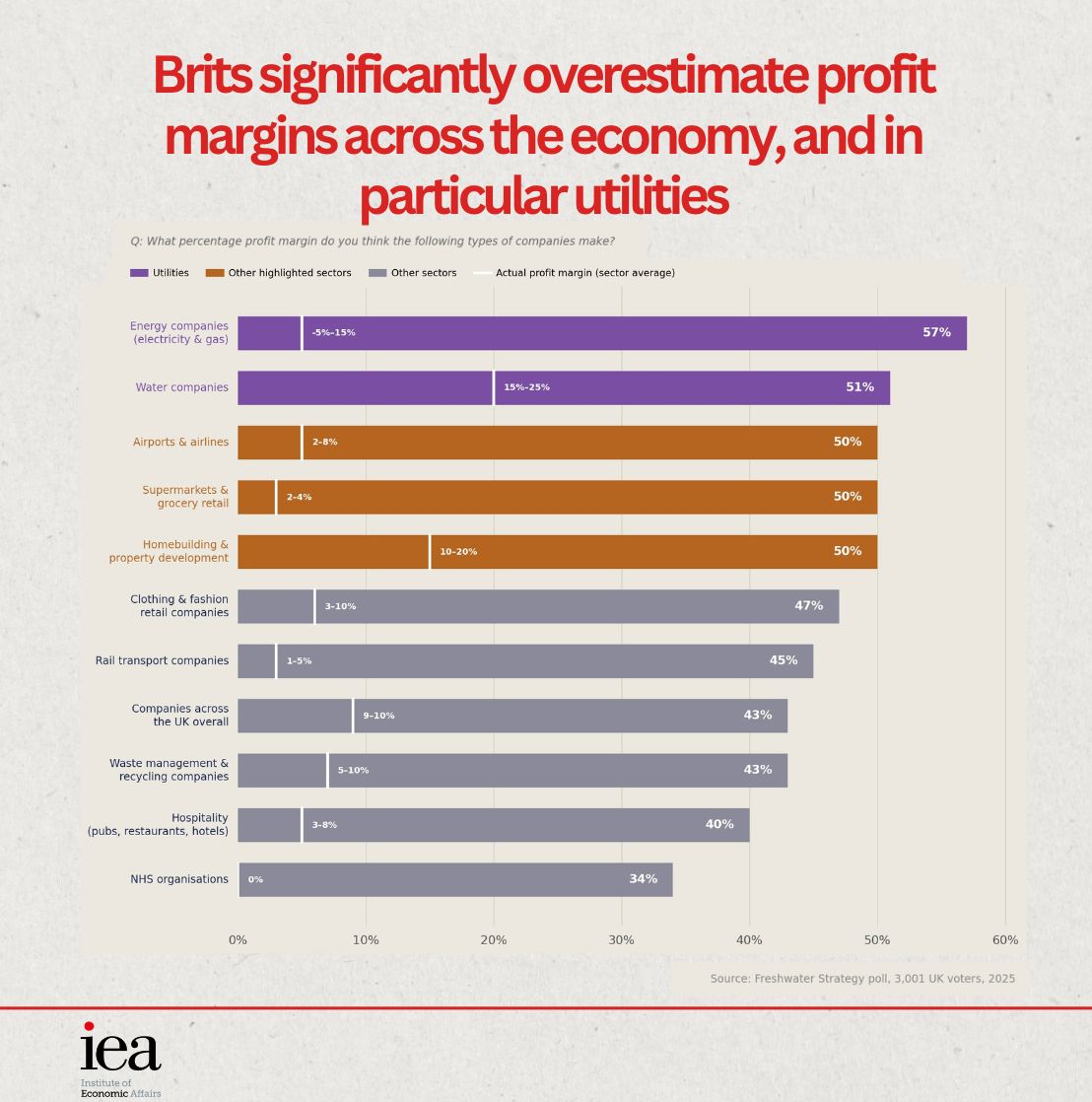
📊 On average, Brits think the NHS makes a 34% profit. It doesn't make any. Supermarkets profits are estimated at 50%. The reality: 2–4%. Voters think energy companies make 57%. The reality: -5% to 15%. We are significantly overestimating how much companies profit.
48
109
293
297,999
Matthias Kasper retweeted
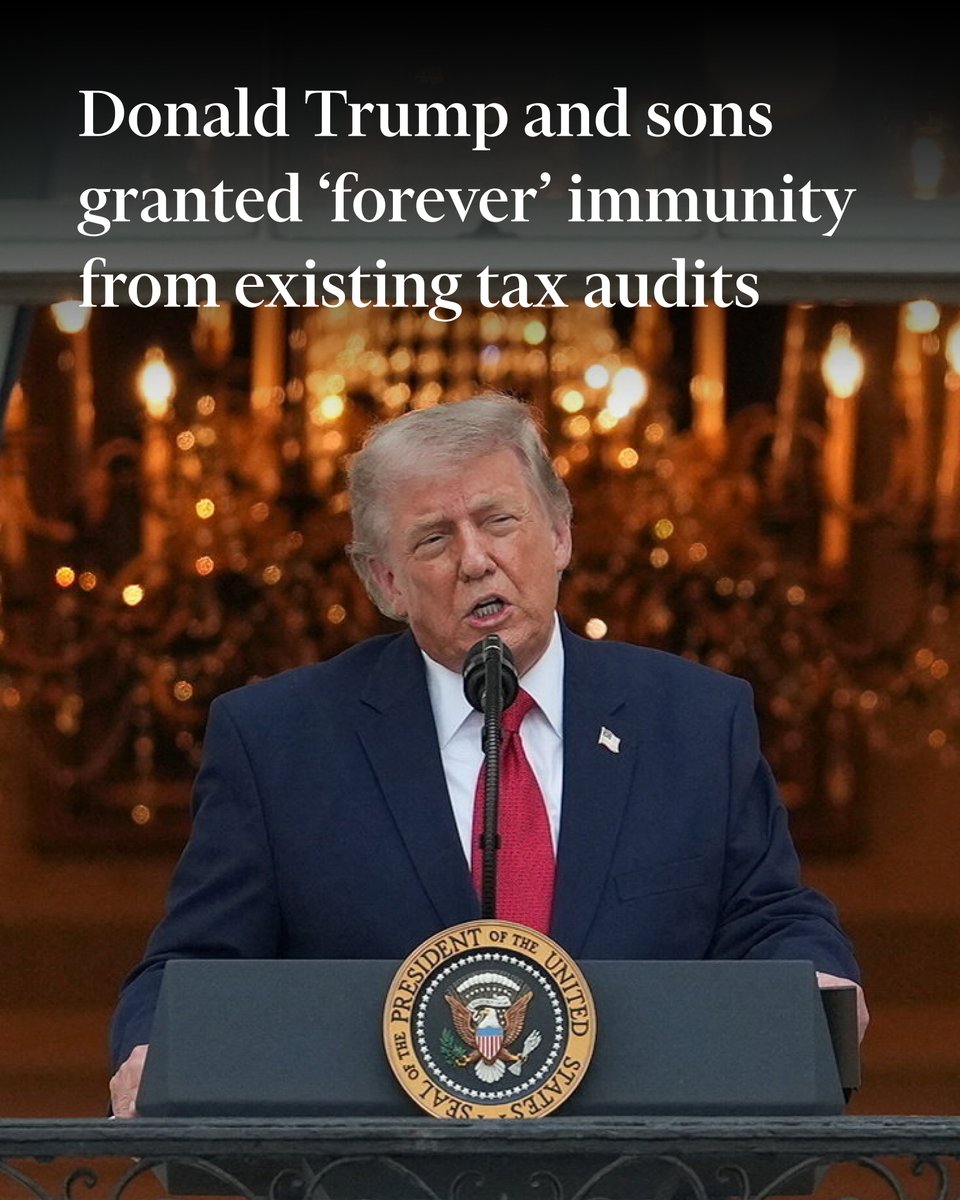
This New York Times piece is worth your time. Here’s what is happening, as simply as I can put it. Back in January, Trump sued the IRS, an agency he controls, demanding $10 billion over the leak of his tax returns a number of years ago. IRS lawyers did their jobs. They wrote a memo laying out the defenses that could beat the suit, including the fact that Trump filed too late. His own lawyer was in court when the leaker pleaded guilty in October 2023, more than two years before Trump sued. The Justice Department never showed up to court. Never argued back. Never used the defenses sitting on their desk. The judge got suspicious and ordered both sides to explain whether they were actually opposing each other or just colluding. The day before that brief was due, Trump dropped the suit. Same day, his Justice Department announced a $1.776 billion taxpayer-funded “anti-weaponization fund.”  Trump gets a formal apology. The IRS agrees to drop any audits of him and his family, even though a 2024 Times report found a loss in an ongoing audit could cost him over $100 million. The acting Attorney General, Trump’s former criminal defense attorney, picks the five commissioners who decide who gets paid. Trump can fire any of them. Proud Boys and Oath Keepers are not ruled out. This is the most corrupt thing I’ve ever seen from an American president. Where in the hell are my Republican colleagues? nytimes.com/2026/05/19/admin…
1,026
11,520
29,261
1,965,642
Matthias Kasper retweeted
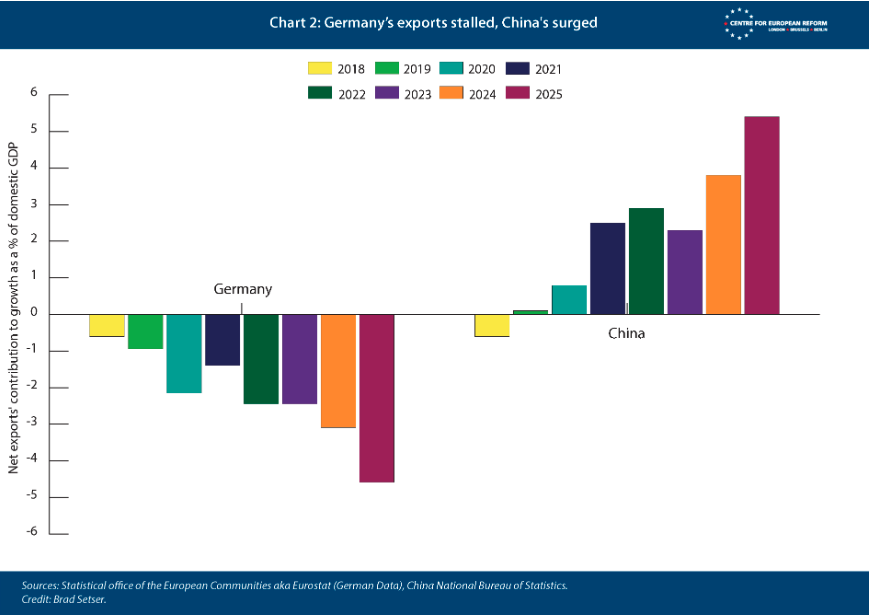
Germany is the epicentre of the China Shock 2.0 reverberating in global markets In a new paper, @Brad_Setser and I show the shock is a key driver of Germany’s economic malaise. And it's accelerating Berlin needs to stop admiring the problem, and join efforts to fight back 1/
54
307
961
207,168
Matthias Kasper retweeted
US tax authorities will be barred from pursuing claims against the president, his eldest sons and the Trump Organization under a deal to halt a $10bn lawsuit against the Internal Revenue Service. ft.trib.al/vE3tyLt
829
1,693
2,876
807,849
Matthias Kasper retweeted
What's even worse is that, like many academic professions, we are status-seeking not relative to our local group of 30 chimps, but to every chimp in the freaking world. You generally know where you stand in the global pecking order, which is insane.
4
5
107
23,413
Matthias Kasper retweeted
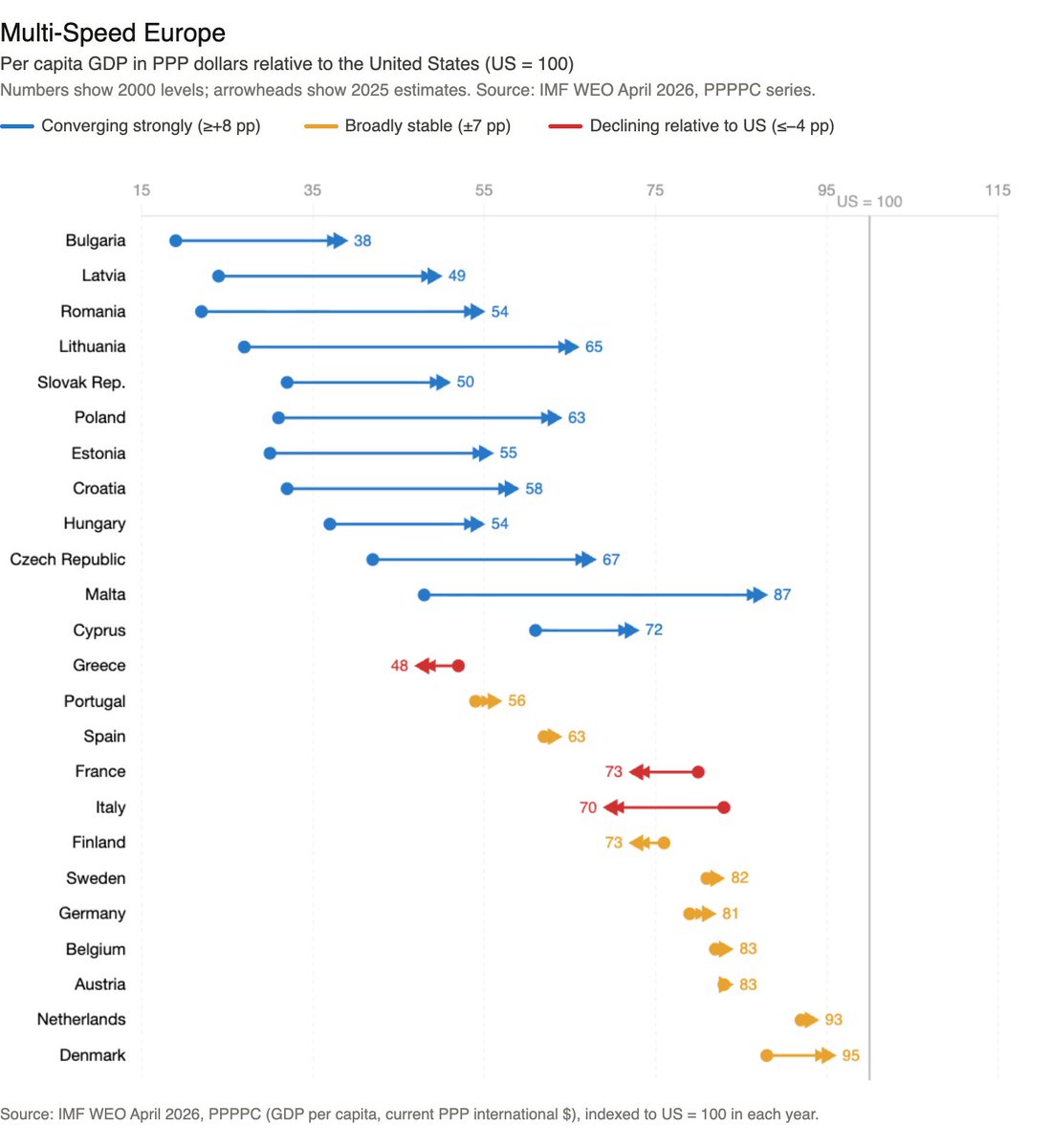
This chart is making the rounds. But the values for 2000 don’t really chime with actual IMF (PPP) data – and a solid comparison is 2025 (not forecasts for 2030). So I made my own chart with more reliable numbers from the @IMFNews. Looks different, doesn’t it?
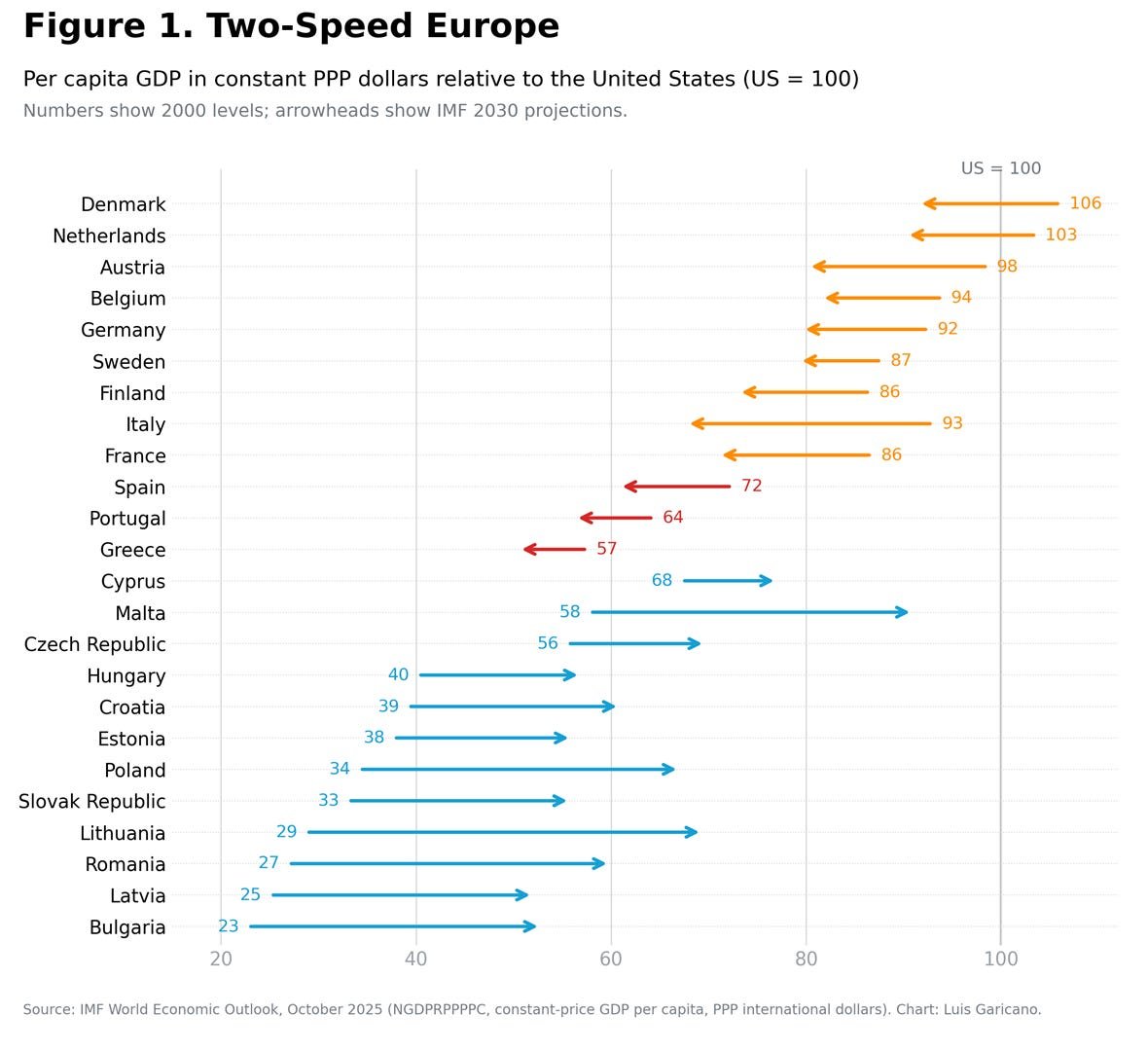
I rarely post on Europe because @lugaricano always has better takes than mine. It is hard to be the second act! His post this morning: siliconcontinent.com/p/the-t… on the two Europes is particularly striking. Figure 1, which I reproduce here, is something European policymakers should keep in mind every day. Beyond the raw, somewhat abstract figures for GDP per capita, there is a reality I see every time I travel to Western Europe. I moved to the U.S. in 1996, six weeks after graduating from college. Every time I visit, I can tell that Spain (especially outside Madrid) is further behind the U.S. today than it was the day I left. The malaise in countries such as France, Germany, Italy, and Spain is not just economic. The public conversation is also more insular and focused on distributional fights over a pie that grows much less than in the past, with many more claimants. While I can listen to dozens of incredibly exciting podcasts in the U.S. about deep learning and technology, most of what one hears in Europe (Luis excepted!) is second-rate. Of course, this is not to say that everything is perfect in the U.S. Far from it. One only needs to ride the subway in Seoul a couple of times to realize that New York City is, on many dimensions, a major underperformer. When I visit New York City, I am not amazed by its prosperity but wonder how much richer it could be with a half-decent government. And California’s policies are a textbook example of how to waste the immense resources of one of the luckiest places on Earth. And Europe still has centuries of beautiful architecture and culinary traditions going for it But, Western Europe, thou art weighed in the balances, and art found wanting.
13
39
190
28,176
Matthias Kasper retweeted
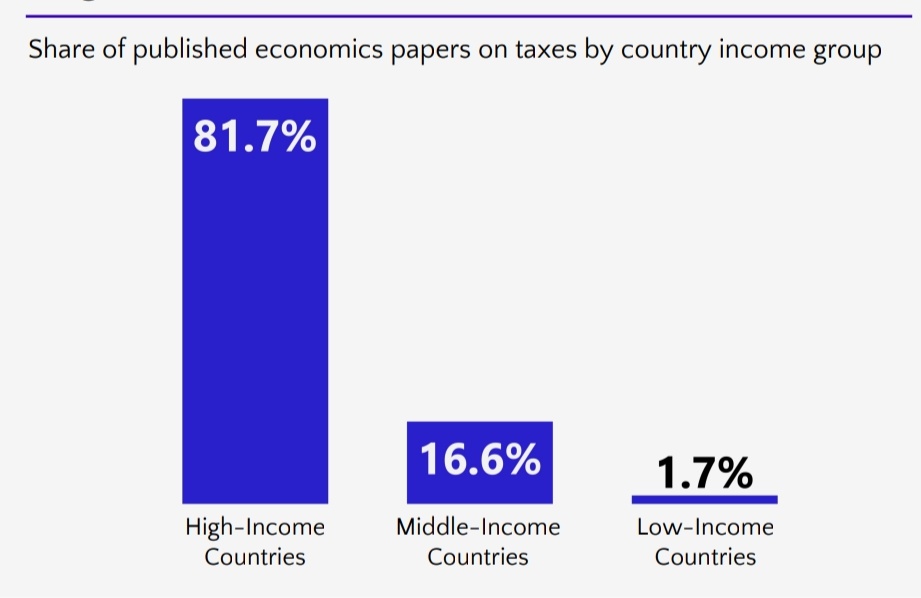
We are disproportionately understudying low- and middle-income countries. Rather than debating endlessly how many of those studies should be micro vs macro, let's work on growing the overall number of good papers in all areas of economics that study issues outside the OECD. 3/n
1
14
45
3,637
Matthias Kasper retweeted
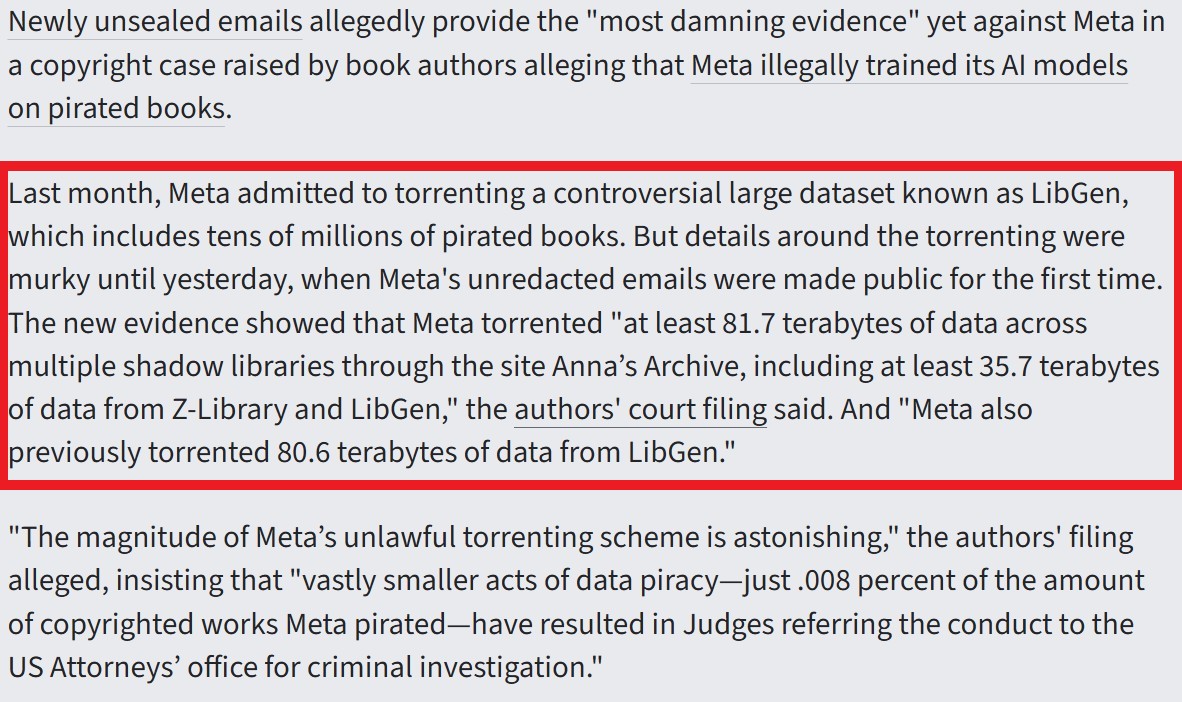
Meta illegaly downloaded 80 terabytes of books from LibGen, Anna's Archive, and Z-library to train their AI models. Aaron Swartz downloaded 70 GBs of articles from JSTOR (0.0875% of Meta) in 2010. Faced $1 million in fine and 35 years in jail. Took his own life in 2013.
103
3,492
12,122
407,393
Matthias Kasper retweeted
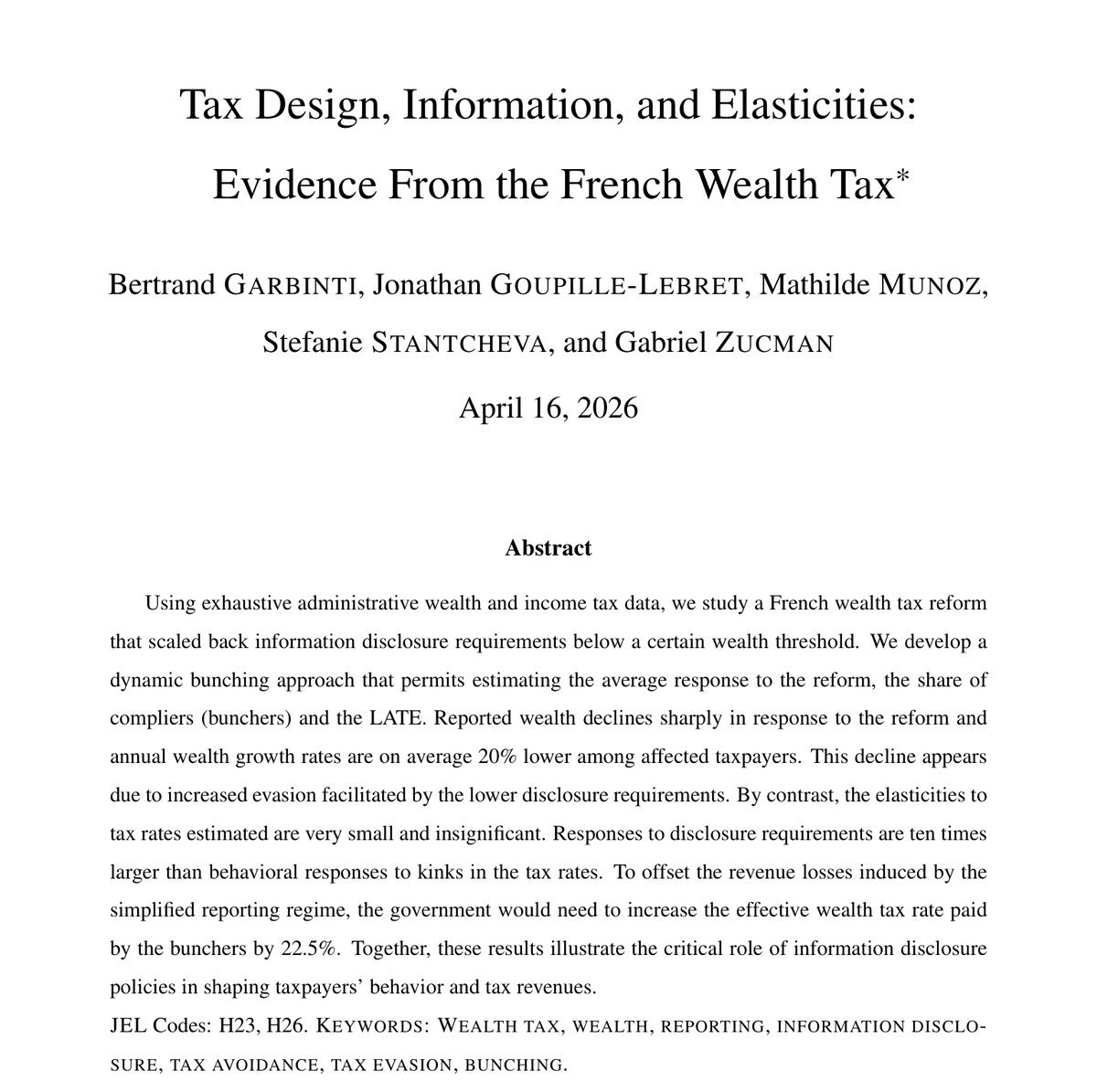
A major driver of tax evasion isn't just the tax rate but the reporting requirements, at least when it comes to wealth taxes. Our newly revised paper finds that how much you have to disclose matters at least as much as how much you owe 🧵 stantcheva.scholars.harvard.… [1/14]
4
63
269
30,074
Matthias Kasper retweeted
Our paper in @Nature today 🥳 We tracked 6,438 mice from puberty to death and mapped the genetics of *when* you die, not just whether a gene associates with lifespan. nature.com/articles/s41586-0… 59 loci. Two decades of data. Thread 👇 #Longevity #Aging #Genetics #Healthspan
16
281
1,232
122,457
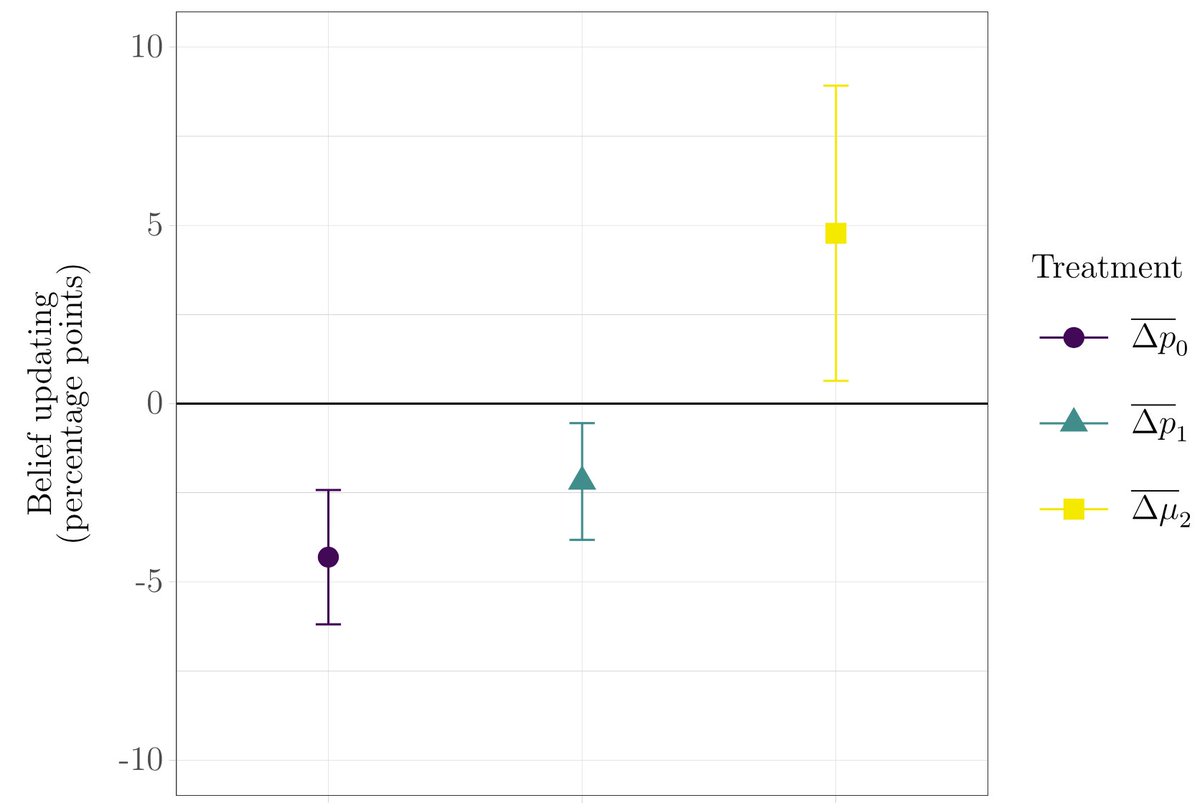
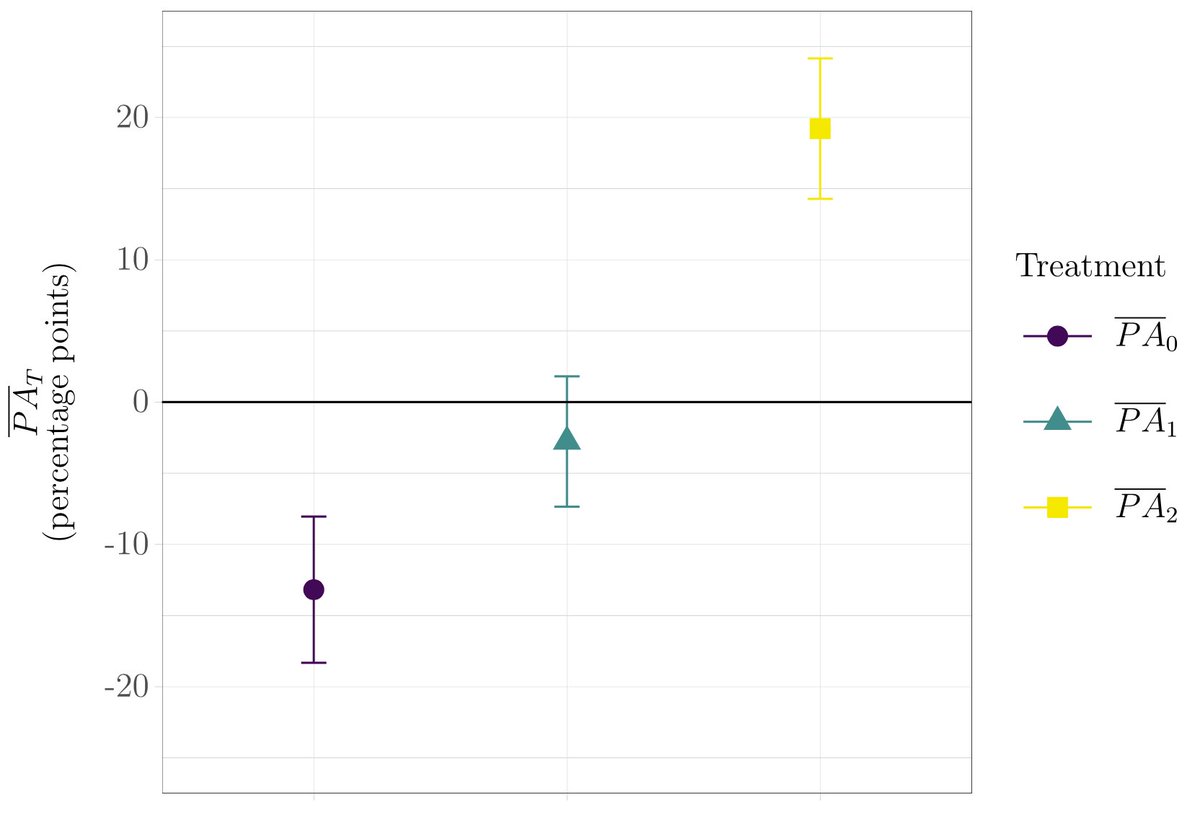
👇New paper (w/ Arrita Domi & @LiliBurgstaller): We map and asses "fiscal literacy", how well people understand the fiscal system, its components and implications. Main findings: 1) fiscal literacy in the general population is modest, 1/2
New working paper "Measuring Fiscal Literacy: A Framework and Evidence from the General Population". In this study @LiliBurgstaller Arrita Domi and @mkasper_ propose a conceptual framework for Fiscal Literacy, and provide evidence on its prevalence in the general population. 1/5
1
3
174
2) women score substantially lower than men (both self-assessed and measured), 3) individuals outside the political center score higher, and 4) fiscal literacy and economic preferences are barely correlated. 2/2
13
Matthias Kasper retweeted
Individual willpower can't compete with an effortless, enjoyable distraction. How can we take collective action to create motivational spaces for students? K-12 educators, share your voice today → phonesinfocus.org
6
7
52
12,745
Matthias Kasper retweeted
This paper has been in my head for years. From my time at 3ie and JPAL, wondering why the evidence we produce as researchers so often fails to translate into policy, and what role ideology plays. Very happy to see it now published in the @AEAjournals. Let me tell you the story 🧵
Forthcoming in the AER: "Ideological Alignment and Evidence-Based Policy Adoption" by Jorge García-Hombrados, Marcel Jansen, Angel Martínez, Berkay Özcan, Pedro Rey-Biel, and Antonio Roldán-Monés. aeaweb.org/articles?id=10.12…
12
61
263
44,895
Matthias Kasper retweeted
1/ Goldman Sachs analysts report that the biggest oil crisis in history is about to hit globally, with profound and highly destructive consequences. A new report asks ""Are We Running Out of Oil?", and concludes that the answer is yes. ⬇️
83
1,415
4,262
534,225
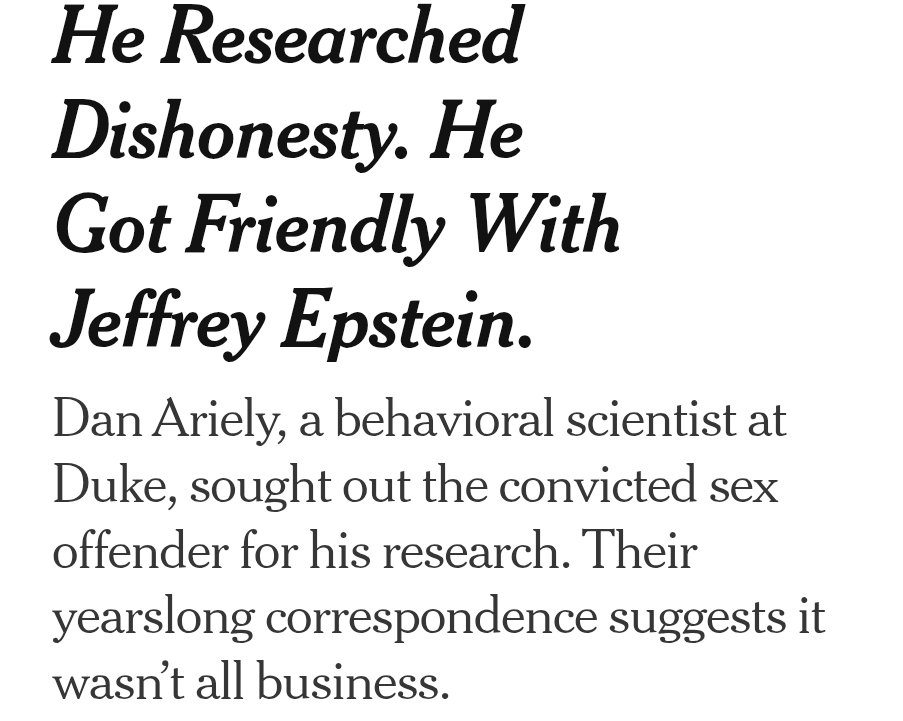
I cannot stop being amazed that somehow, in 2026, he managed to have an article written about him in NYT that reads more like an advertisement despite the context and the "research" history
5
12
198
17,410
Matthias Kasper retweeted
“Germans know that a world in which only power counts is a dark place,” writes German Chancellor @_FriedrichMerz. “Our country went down this path in the twentieth century to a bitter and evil end. Today, we are taking a different path.” foreignaffairs.com/europe/ho…
22
172
451
25,301
Matthias Kasper retweeted
Overleaf killer.
Jan 27
Introducing Prism, a free workspace for scientists to write and collaborate on research, powered by GPT-5.2. Available today to anyone with a ChatGPT personal account: prism.openai.com/
6
10
86
25,056