Interventional Endoscopist. Co-Host @decipherHtech podcast. Words are my own and not medical advice; RT≠endorsement.
Joined January 2007
- Tweets 1,215
- Following 1,126
- Followers 1,542
- Likes 5,329
50 Photos and videos





Apr 20
Wonderfully written and deeply moving. A must read for all doctors on what’s ultimately most important and irreplaceable.
Apr 20

I wrote this in a moment I never would have chosen. A sudden pause that made me see my life clearly.
The meaning of our work is profound. This experience simply helped me see more clearly what matters most.
“Time is Finite” JAMA
jamanetwork.com/journals/jam…
4
906
Mohammad Arfeen, DO retweeted

26 Jun 2025
🔥From the moment @RepGregMurphy ignited a firestorm by saying young doctors don’t work hard enough, @grahamwalker knew this was the interview he simply had to do.
Welcome to How I Doctor, Congressman Murphy!
Dr. Murphy is a sitting U.S. Congressman, the only physician in Congress who’s actively seeing patients, and recently put out a controversial tweet telling young doctors to “stop complaining” and “rethink their profession.” As you can imagine, Graham feels differently 😲.
We knew these two would disagree, and there were no shortage of 🌶️ moments about young doctors’ work ethic, the generational divide in medicine, and who’s really to blame for our broken healthcare system.
But what surprised us even more is how much they actually shared in common, and how much deeper Congressman Murphy’s commitment to physicians runs than what you might have read in that one tweet.
They discuss:
👉 Why the medical profession as we know it is under serious threat of extinction (!)
👉 Young vs. older doctors and who’s willing to make harder sacrifices 👀
👉 Whether “work-life balance” has gone too far and is part of what's ruining medicine 👀 👀
👉 Why even drug cartels are more ethical than health insurance companies 👀👀👀
👉 Why long-standing specialty societies and advocacy orgs like the AMA have failed doctors 👀👀👀👀
👉 And what physicians can actually do to bring about higher pay and real change in Washington
Get ready for a real and honest conversation with two physician leaders who don’t always see eye to eye and aren't afraid to speak their mind, but who also care deeply about the future of medicine and will stop at nothing to restore autonomy and dignity to this noble profession. 👏
🚨How I Doctor Goes to Washington x Congressman Greg Murphy out now. Drop your thoughts below after you listen 👇
Listen to the full episode now by searching “How I Doctor” on your podcast platform of choice or click the link here:
offcall.com/learn/podcast/wh…
2
1
3
1,047
4 Apr 2025
A no BS look at the US healthcare system, the players, the problems, and practical ideas for solutions. Every physician should listen to and discuss with their colleagues. Unfortunately it can’t be discussed on some of the large physician Facebook groups, I’m not sure why 🤔.
3
4
972
4 Apr 2025
Don’t forget to join Offcall and take back our profession: offcall.com/?grsf=pj4kiw
2
343
Mohammad Arfeen, DO retweeted

15 Feb 2025
1/ After residency at Mass General Hospital, I reported to Atlanta to meet my fellow CDC Epidemic Intelligence Service Officers.
I have never felt so intimidated by my peers
The best and the brightest, they were star clinicians, had served in disaster zones; MD/PhDs and MSF.
406
4,871
18,159
2,614,203
Mohammad Arfeen, DO retweeted

13 Jan 2025
#CGH4ALL @AGA_CGH
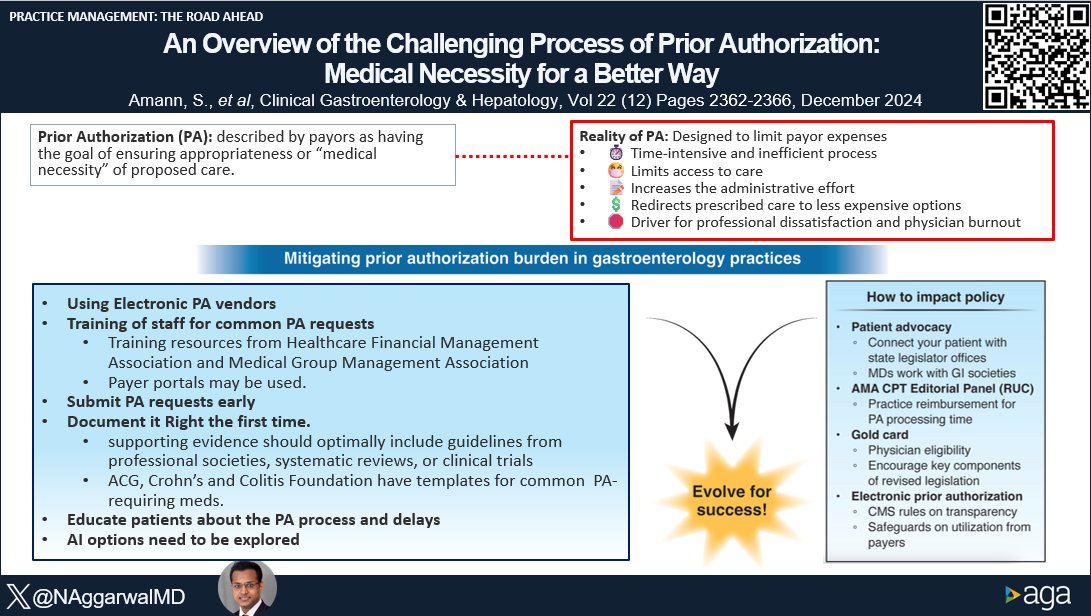
⏰Over 50% of GI docs reported ≥1 adverse event due to prior authorization (PA) delays.
This new 🔖 discusses current options & future directions to mitigate the burden of PAs.
🔗doi.org/10.1016/j.cgh.2024.0…
@CrohnsColitisFn @AmerGastroAssn @AmCollegeGastro @AmerMedicalAssn @ibddocmaria @UmaMahadevanIBD @IrisWangMD @SpecialtyDocs @NatYamini @ravi_b_parikh @ShaziaMSiddique @AustinChiangMD
1
13
27
3,369
Mohammad Arfeen, DO retweeted

18 Aug 2024
Video outlining the steps of NOTES transcecal endoscopy technique with narration.
18
35
194
21,461
Mohammad Arfeen, DO retweeted

2 Aug 2024
This is one of the most frighteningly deceptive, disgusting & dishonest things I’ve ever seen. He is literally gathering your personal data & not even “registering” anyone. Please don’t trust this. If you live in IL, register here: ova.elections.il.gov cnbc.com/2024/08/02/elon-mus…
160
3,172
4,315
115,144
Mohammad Arfeen, DO retweeted

28 Jul 2024
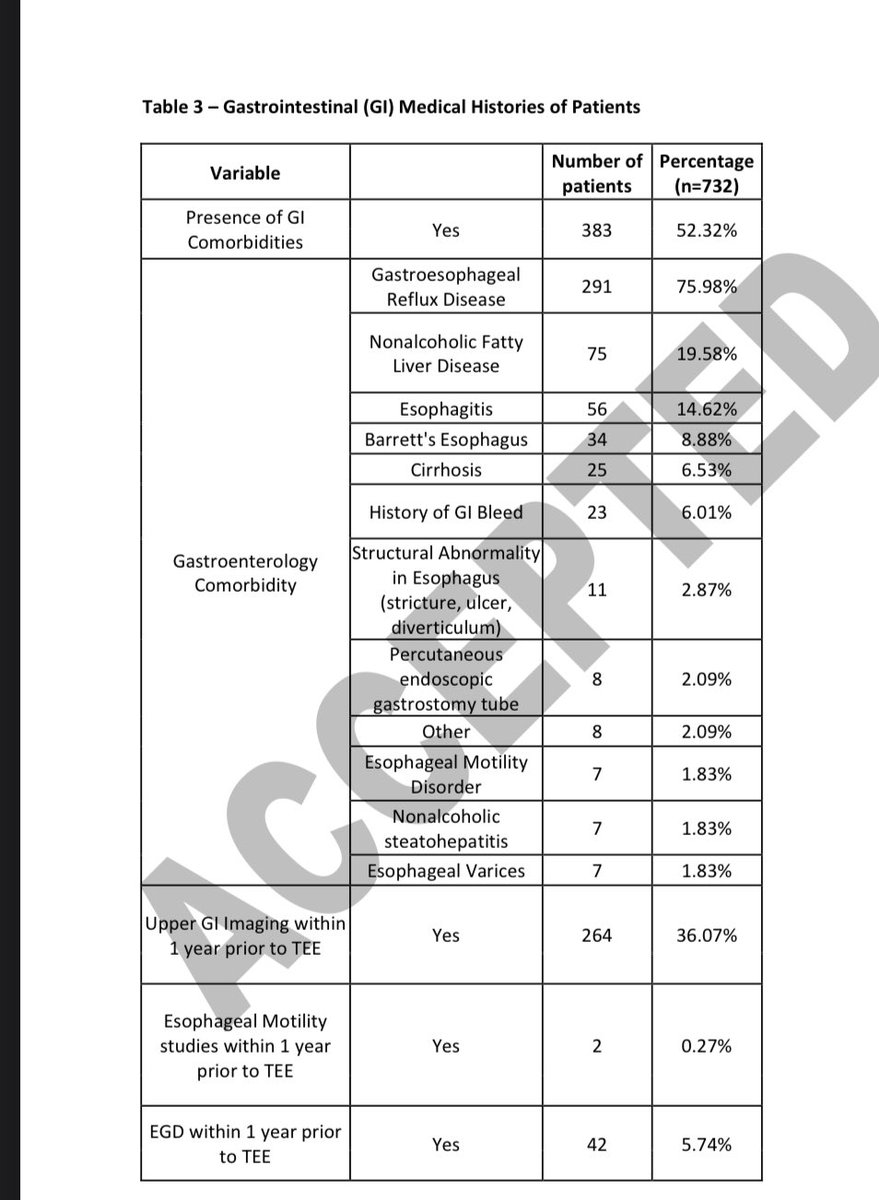
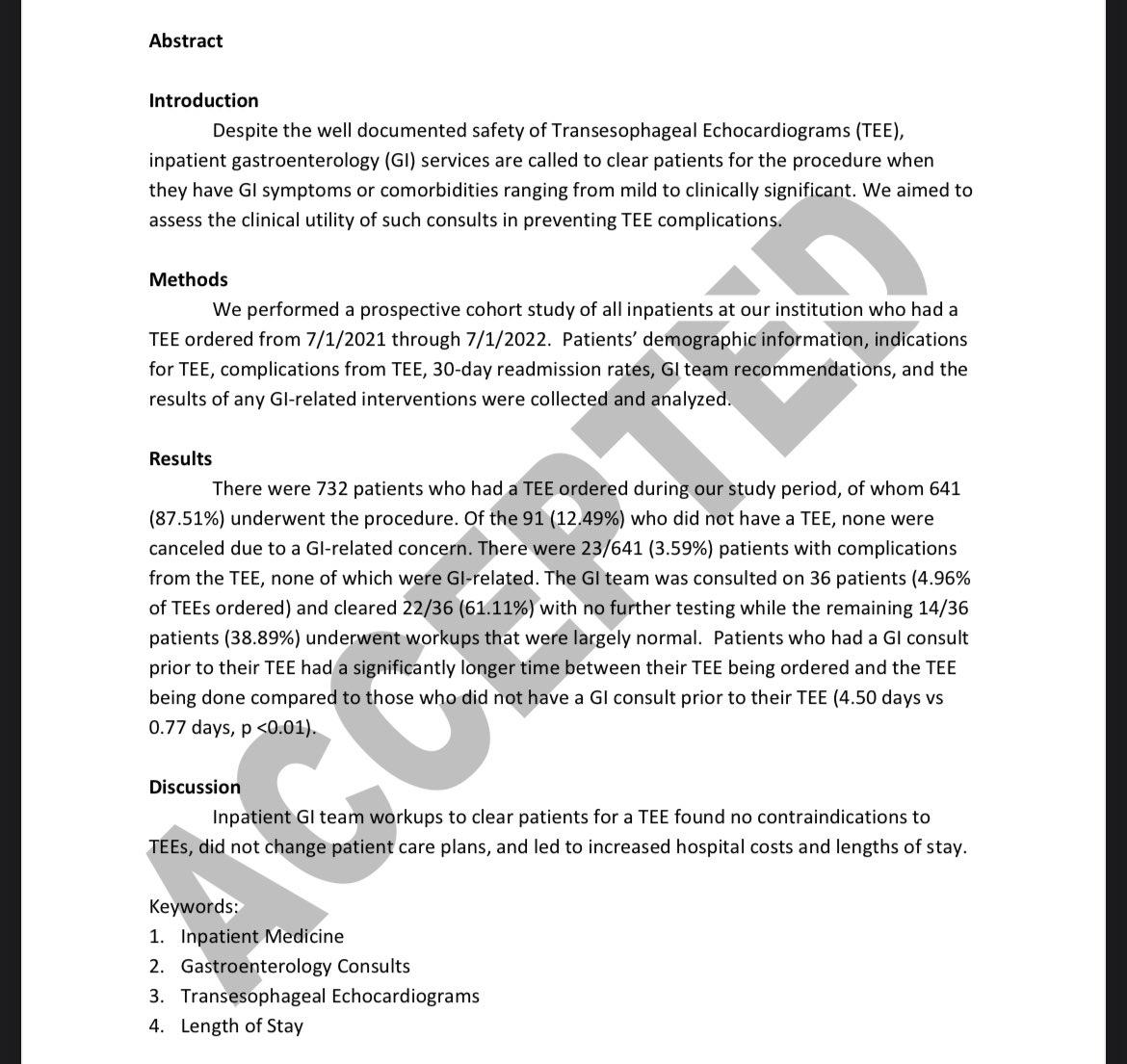
A #MedTwitter poem
Let’s talk about GI fellow burnout
You too can help, it turnsout
No need to page them, just T E E
Yep, this study says no need for E G D
doi.org/10.14309/ajg.0000000… @AGA_CGH
3
12
64
13,979
Mohammad Arfeen, DO retweeted

2 Jul 2024
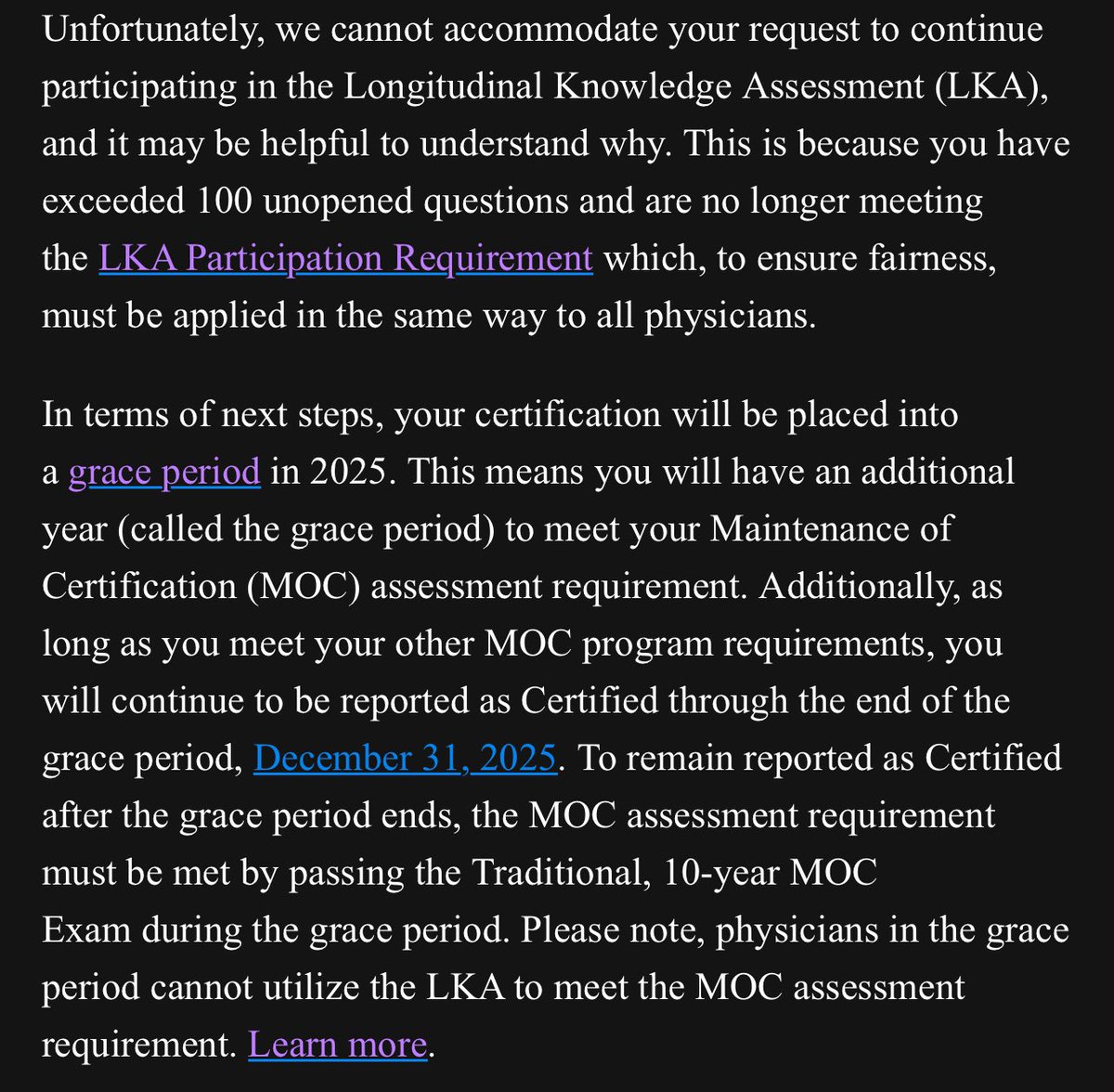
Scam Alert. @ABIMFoundation has a great gig going. Short story I signed up for LKA right before the deadline and so in the first year missed out on few quarters worth of ?’s.
Fast forward 3 yrs missed 2 additional quarters worth of ?’s. I’ve exceeded # to be missed.
4
3
26
5,315
Mohammad Arfeen, DO retweeted

28 Jun 2024
78F w <2cm SCC in the pharynx (left piriform sinus). Pt with relatively small mouth and wanted to avoid larger operation w ENT.
ESD performed. Path - T1a SCC with negative margins. Admitted post for observation with NGT. Minimal throat pain. Diet started on day 3.
2
2
18
1,354
Mohammad Arfeen, DO retweeted

6 May 2024
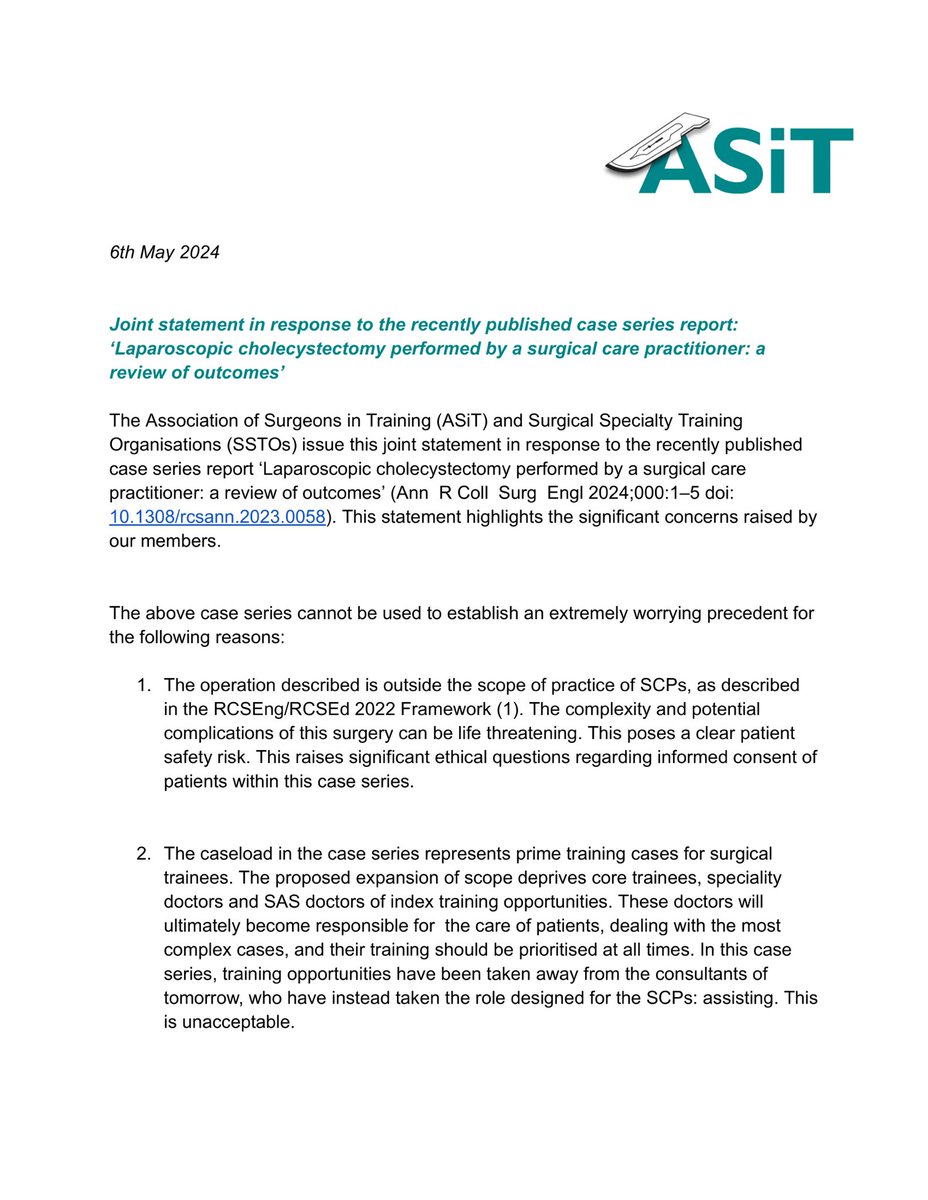
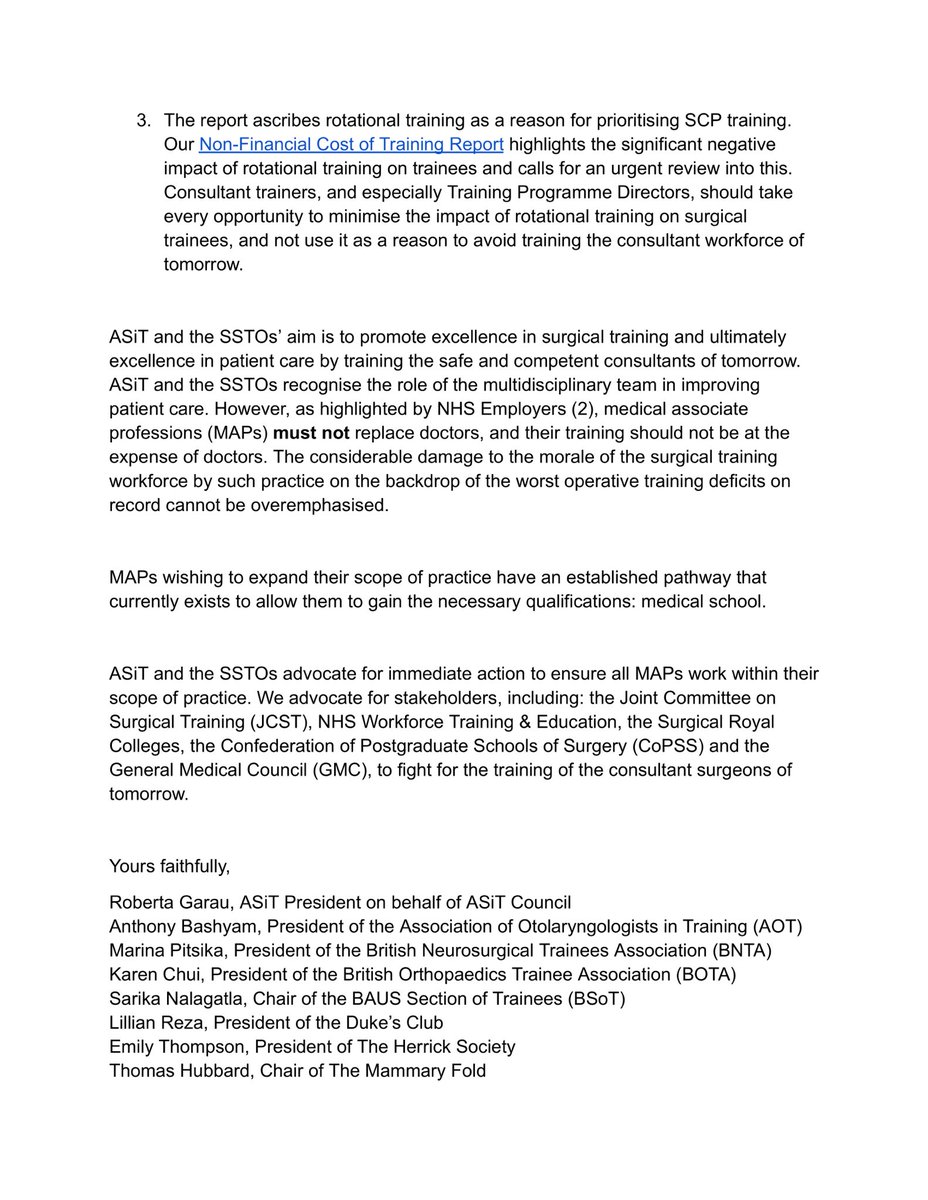
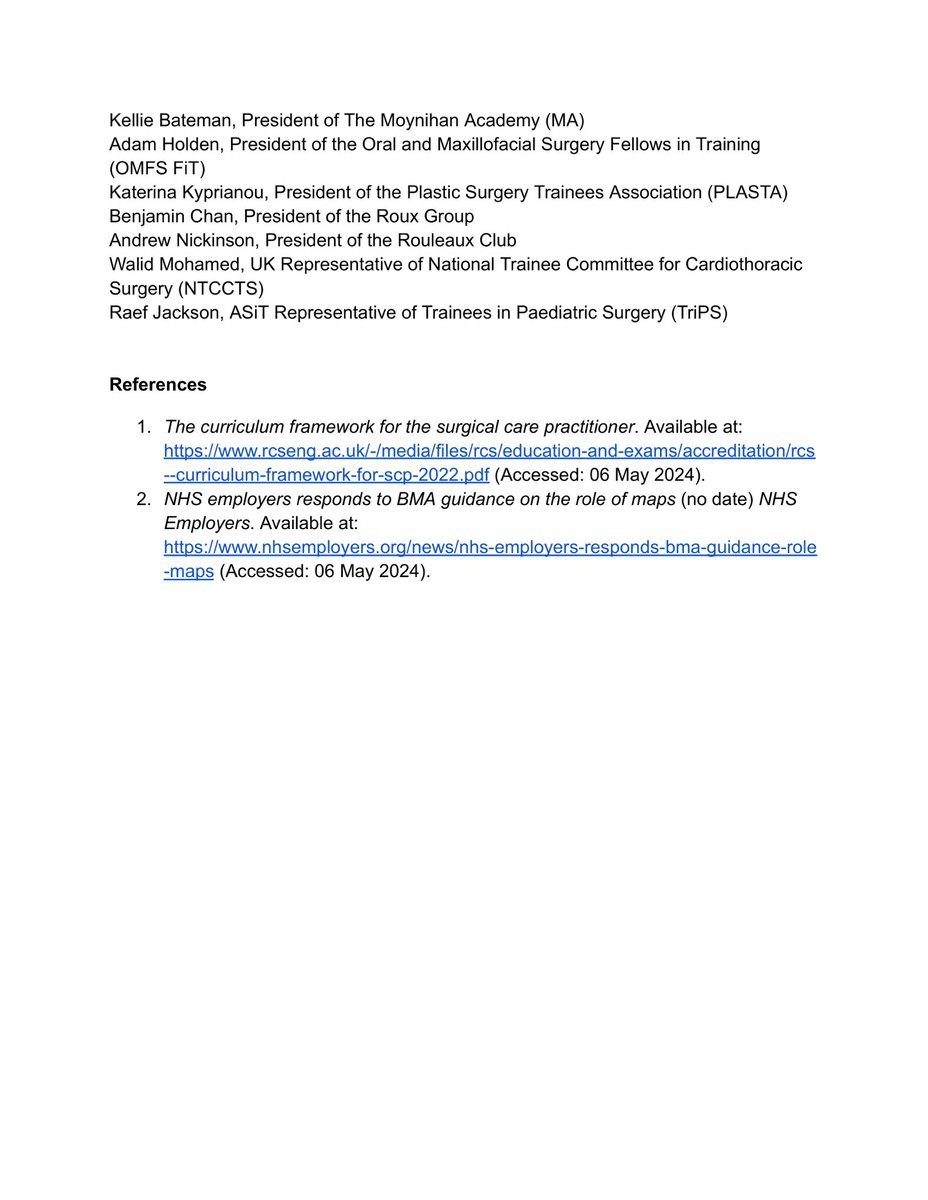
ASiT and the Surgical Specialty Training Organisations have released a joint statement in response to a recently published in The Annals of the Royal College of Surgeons England
What should be the #priorities in delivering surgical care?
Share with us your thoughts
🔗 tinyurl.com/ASJSM24
50
431
1,145
688,370
Mohammad Arfeen, DO retweeted
3 May 2024
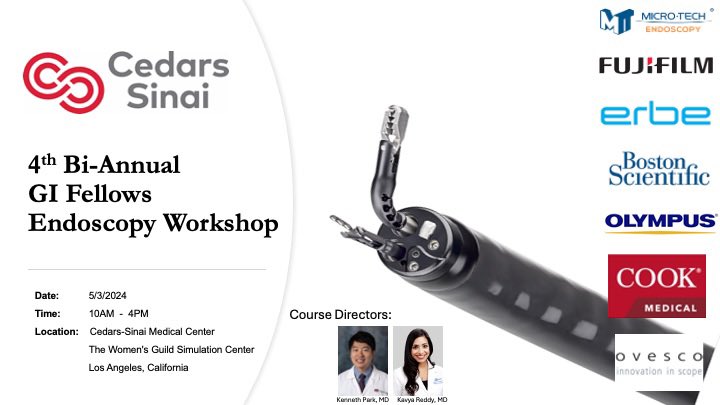
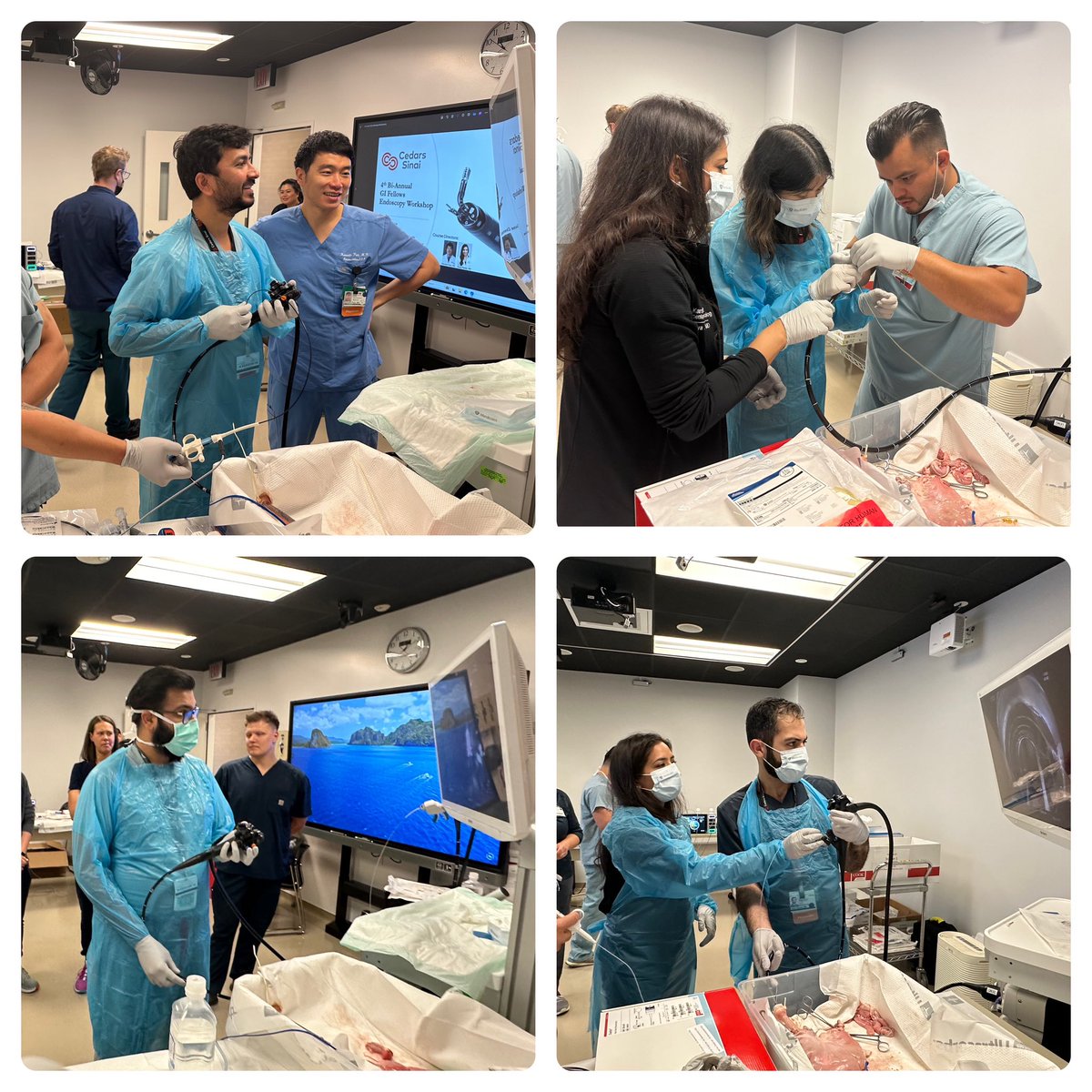
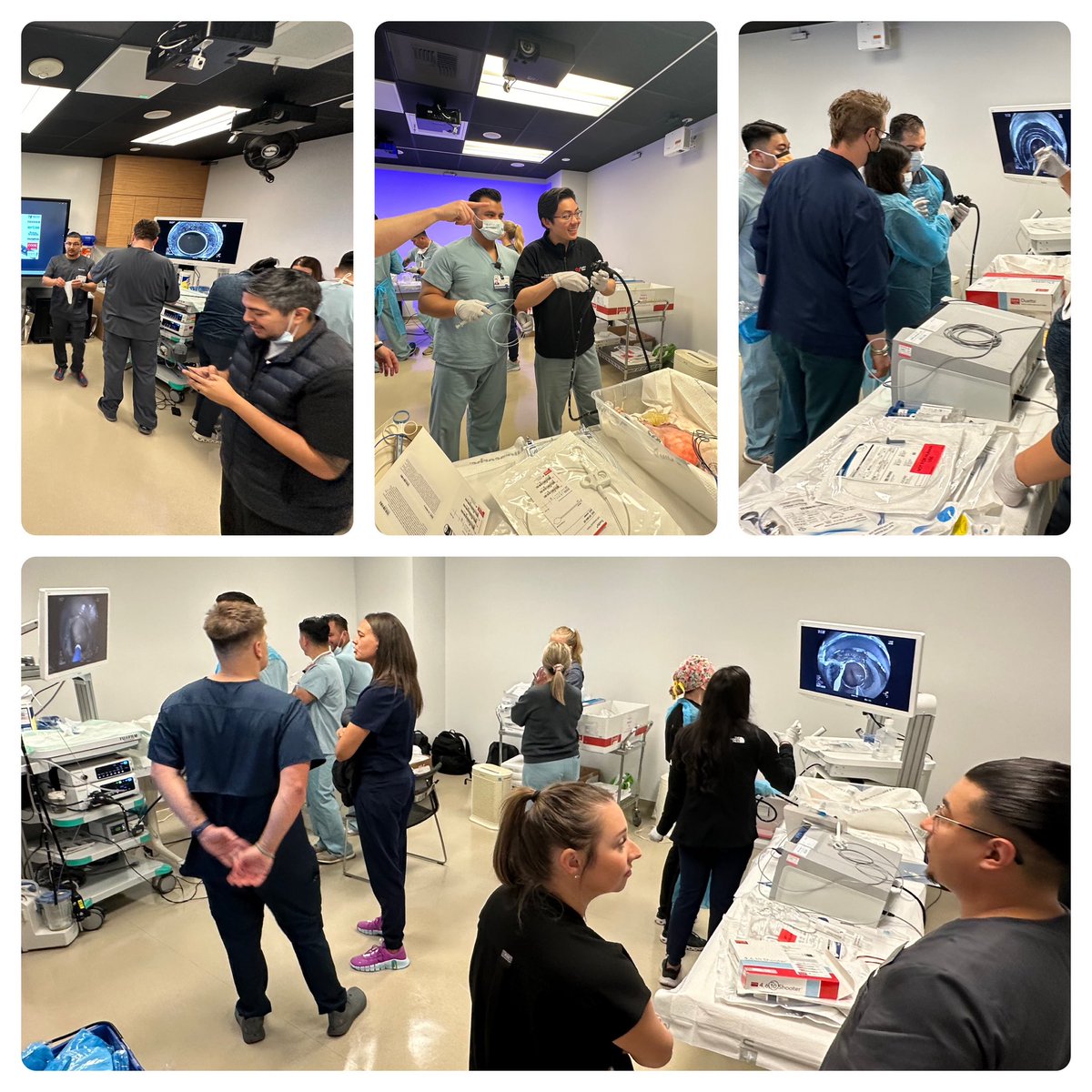
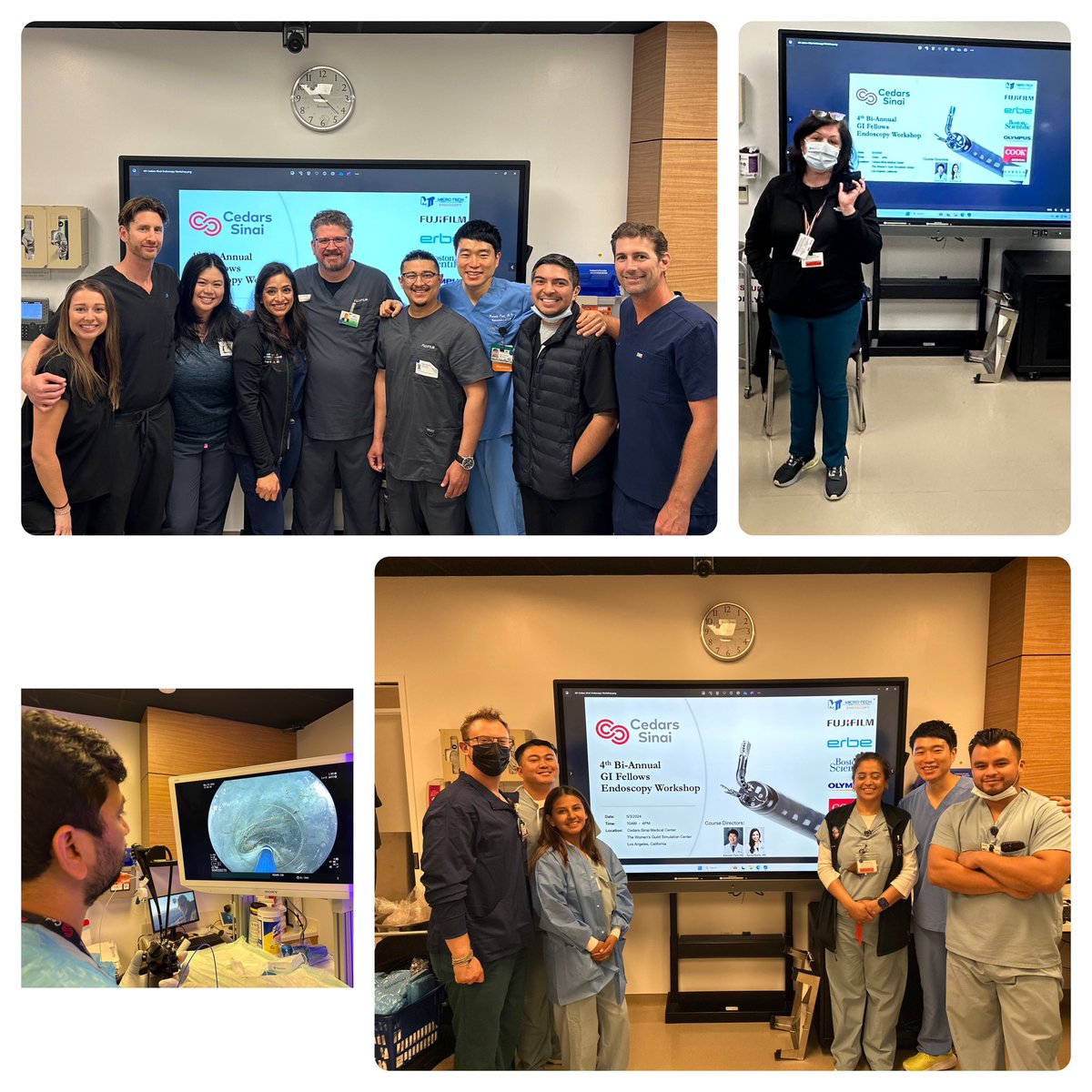
Another successful GI Fellows Endoscopy Workshop! ESDs, POEMs, endoscopic suturing, and EMR/closures performed! Thank you all for coming and hope you learned lots! Thank you for all your support! @bsc_endoscopy @FujifilmHealth @OvescoEndoscopy @MicroTechEndo @Olympus_Corp
1
2
18
2,709
Mohammad Arfeen, DO retweeted

23 Apr 2024
The FTC states "the Commission disagrees with commenters’ contention that all hospitals and healthcare entities claiming tax-exempt status as nonprofits necessarily fall outside the Commission’s jurisdiction and, thus, the final rule’s purview. As explained in Part II.E.2, a corporation’s “tax-exempt status is certainly one factor to be considered,” but that status is not coterminous with the FTC’s jurisdiction and therefore “does not obviate the relevance of further inquiry into a [corporation’s] operations and goals.” Accordingly, as noted by commenters, entities that claim tax-exempt nonprofit status may in fact fall under the Commission’s jurisdiction. Similarly, whether the final rule would apply to quasi-public entities or certain private entities that partner with States or localities, such as hospitals affiliated with or run in collaboration with States or localities, depends on whether the particular entity or action is an act of the State itself under the State action doctrine, which is a well-established, fact-specific inquiry. Thus, some portion of the 58% of hospitals that claim tax-exempt status as nonprofits and the 19% of hospitals that are identified as State or local government hospitals in the data cited by AHA likely fall under the Commission’s jurisdiction and the final rule’s purview. Further, many States have banned non-competes for a variety of healthcare professionals in both for-profit and nonprofits entities by statute. Even if the final rule’s coverage extends only to hospitals that do not identify as tax-exempt non-profits based on AHA data, as explained in Part IV.A.1, the Commission finds every use of covered non-competes to be an unfair method of competition and concludes that the evidence supports the Commission’s decision to promulgate this final rule, which covers the healthcare industry to the full extent of the Commission’s authority."
1
12
39
23,105
Mohammad Arfeen, DO retweeted

5 Apr 2024
So now that @ABIMcert has notified all the US hospitals that physicians have not paid their hyperinflated MOC fees and “decertified” them before their certs expired, we should step back and ask some serious questions regarding this organization. 🧵
16
76
260
102,526
Mohammad Arfeen, DO retweeted

19 Mar 2024
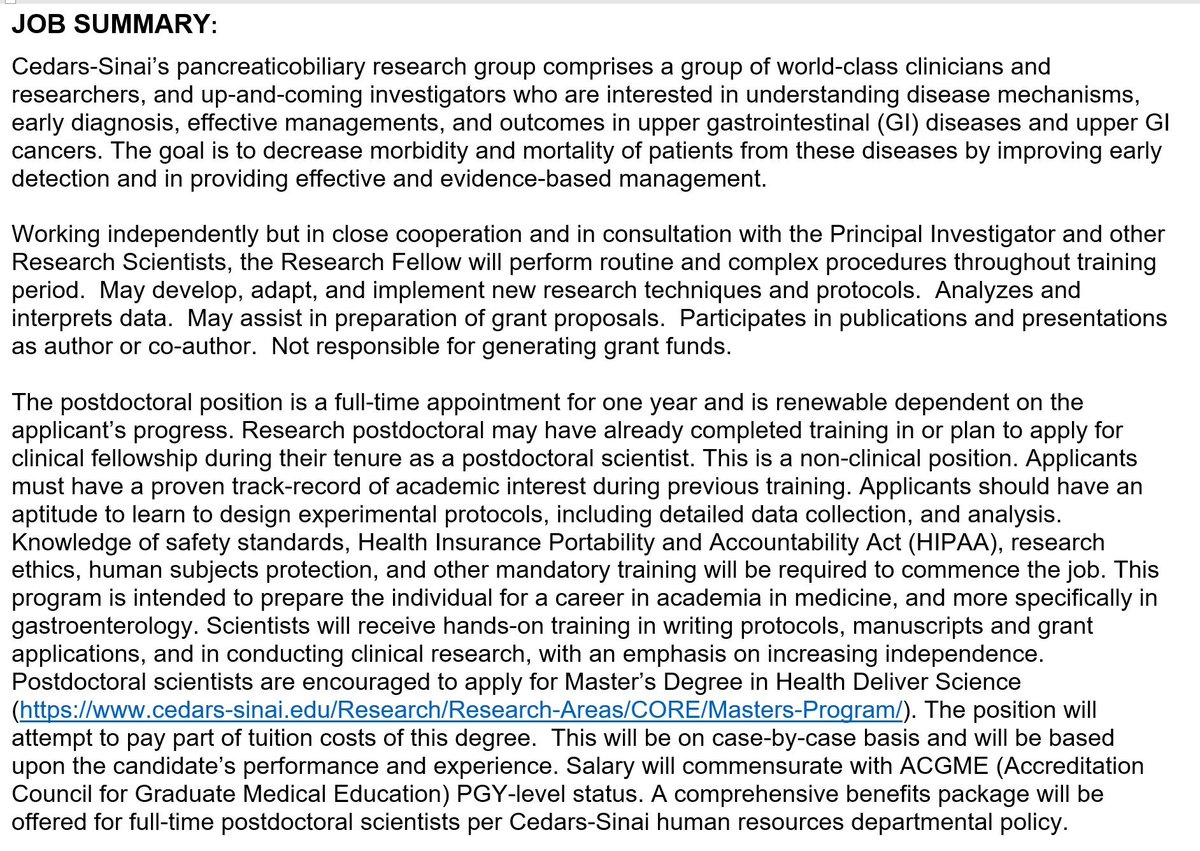
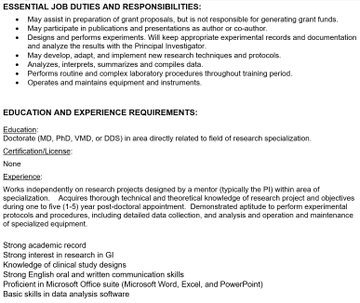
1/7 We're seeking one highly motivated postdoctoral researcher and one research associate to join our team to conduct groundbreaking research @CedarsSinai
Paid positions with full benefits.
20
85
260
123,522
Mohammad Arfeen, DO retweeted
8 Mar 2024
Hi GI Twitter!
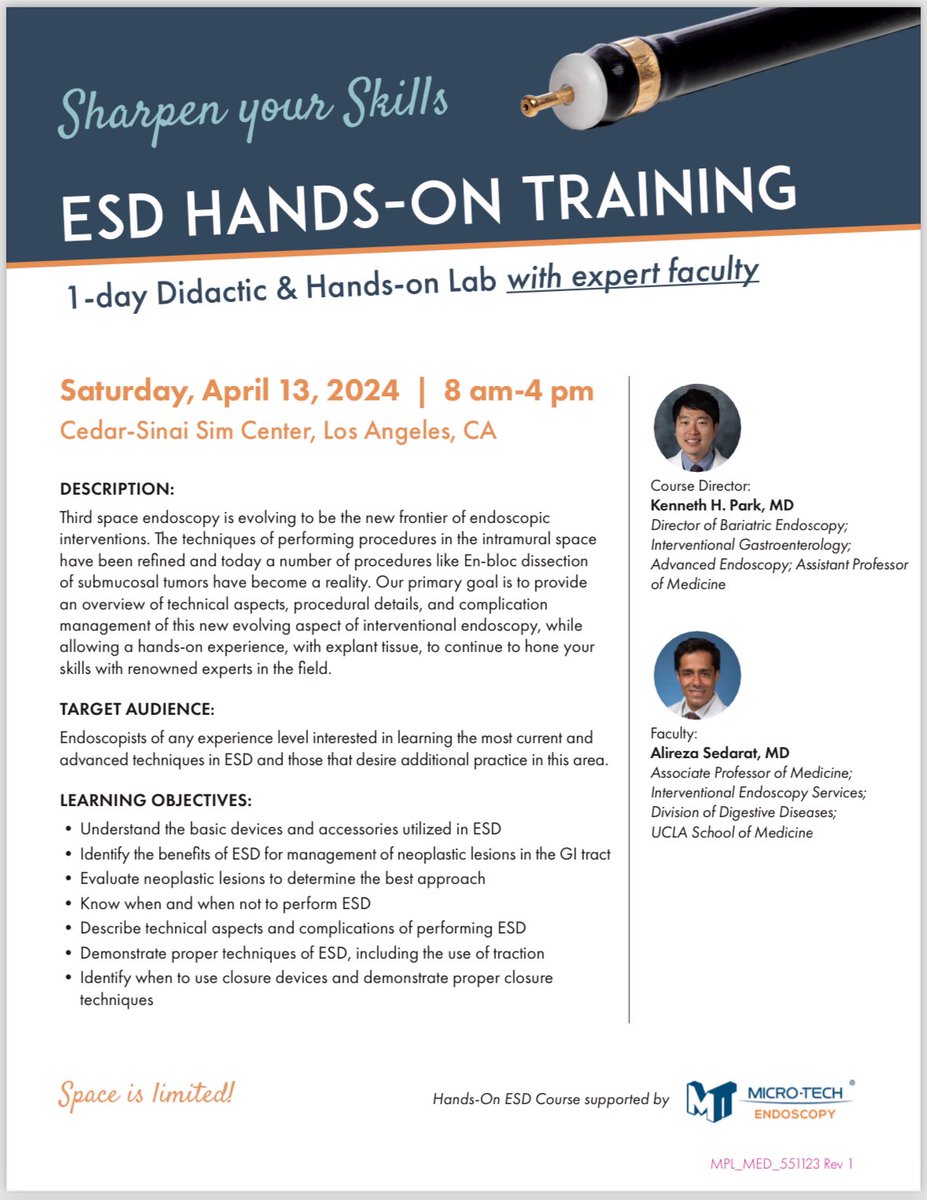
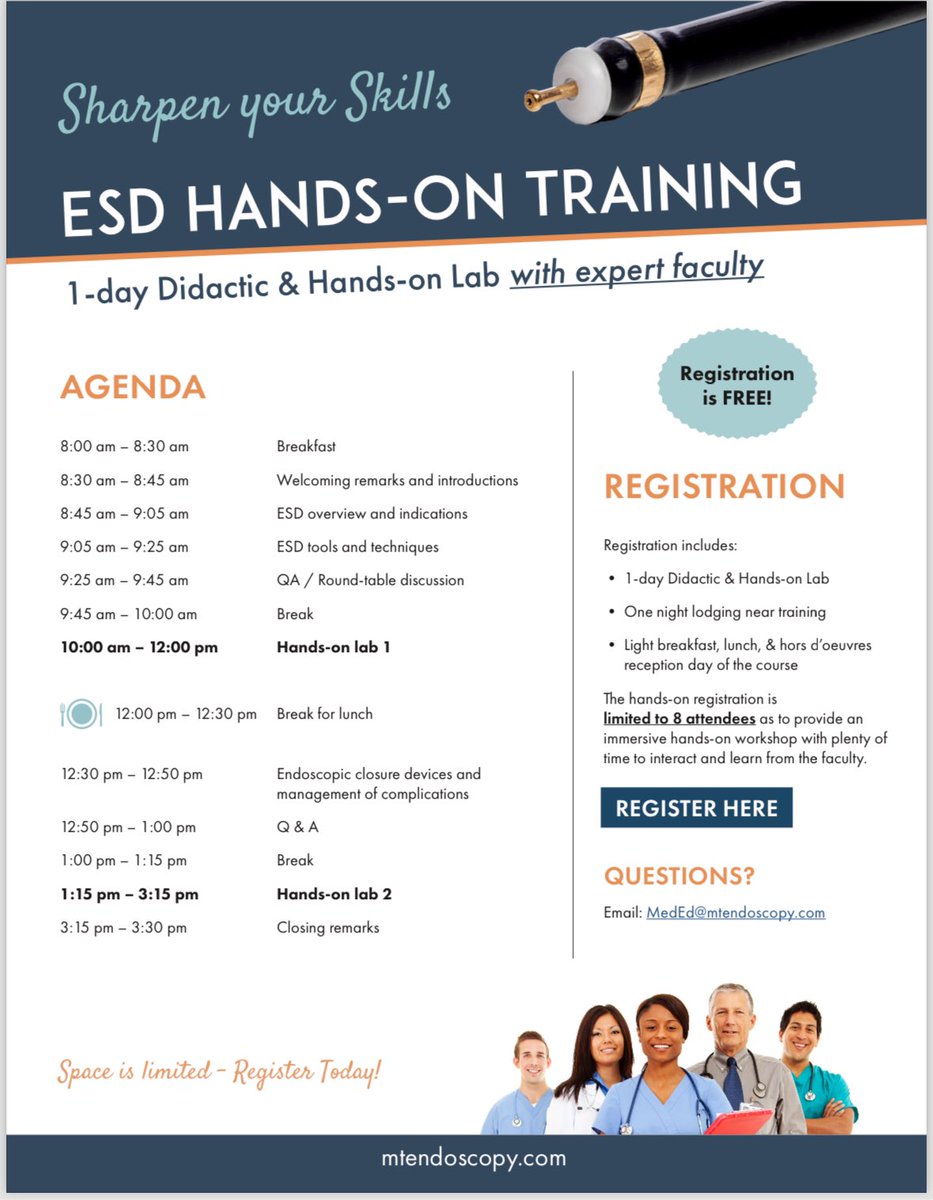
Here’s a great opportunity to get 👐 hands-on ESD experience!
Limited to only a small group and there will be didactics as well!
Will be @ Sim Center at Cedars-Sinai in☀️ Los Angeles!
Registration is free AND 1 night of lodging paid for by Micro-Tech!
Join us!
2
8
25
3,536