
Filmmaker (walked the Red Carpet at Cannes Film Festival). Designer. Loves art, history, cooking, dancing, Yoga, Stoicism, Kabbalah, Taoism, Buddhism & Sufism.
Joined January 2008
- Tweets 74,634
- Following 5,407
- Followers 2,484
- Likes 378
1,583 Photos and videos



Moiz Masood Sultani retweeted

Jun 11
Thoughts = Frequencies
Emotions = Magnetic Signals
Voice = Vibrational Weapon
Words = Spells
Silence = Hidden Power
Dreams = Astral Messages
Sleep = Dimensional Reset
Imagination = Portal Technology
Meditation = Frequency Alignment
Intuition = Divine GPS
Consciousness = Infinite Field
Soul = Eternal Observer
Spirit = Cosmic Current
Aura = Electromagnetic Shield
Chakras = Dimensional Gateways
Pineal Gland = Organic VR
Third Eye = Inner Telescope
DNA = Cosmic Blueprint
Cells = Living Micro Universes
Melanin = Biological Solar Panel
Cerebrospinal Fluid = Sacred Oil
Hormones = Chemical Messengers of Consciousness
Memory = Time Archive
Energy = Currency
Time = Mental Construct
The Moon = Emotional Amplifier
The Sun = Source Generator
Stars = Celestial Codes
Sacred Geometry = Architecture of Creation
The Universe = Living Intelligence
The Human Body = Biological Space Suit
The Human Being = Light Experiencing Matter
Life = Spiritual Simulation
Death = Frequency Transition
Awakening = Remembering Who You Are
64
1,289
5,185
121,409
Moiz Masood Sultani retweeted

Jun 10
Non-hormone related causes of hair loss:
- arsenic toxicity
- hypervitaminosis A
- copper deficiency
- H. Pylori overgrowth
- insulin resistance
- mycotoxins
- sleep apnea
- mitochondrial dysfunction
- B2 deficiency
- vitamin D deficiency
- selenium deficiency OR toxicity
- thallium toxicity
- MCAS
- elevated homocysteine
- radiation exposure
- beta blockers
- low stomach acid
- IBS
Not all hair loss is male pattern baldness
27
39
586
40,784
Moiz Masood Sultani retweeted

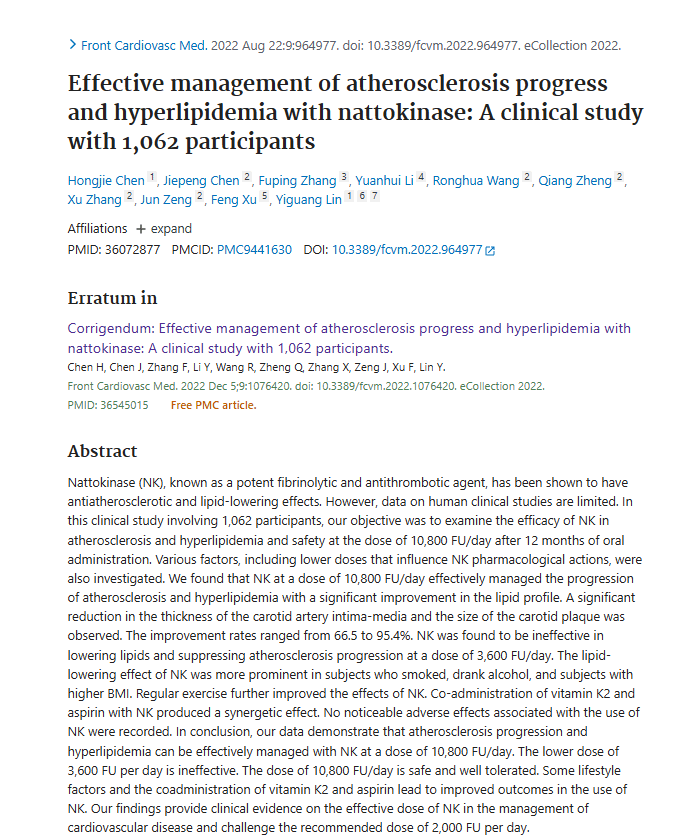
Nattokinase is truly a remarkable supplement.
At 10,800 FU daily, it reversed arterial plaque in 66.5% of patients over 12 months, with no side effects.
The rest of the data is even more insane.
Researchers tracked 1,062 people with confirmed hyperlipidemia and carotid artery plaque.
These weren't just healthy volunteers.
Every person had an ultrasound at the start and another after 12 months of daily nattokinase.
The study used two dose groups: 3,600 FU and 10,800 FU per day. The low-dose group saw almost no change in their plaque or lipid markers.
Even though it was the same supplement for the same amount of time, the dose made the difference.
At 10,800 FU, carotid artery plaque shrank by up to 36%. The arterial wall thickness decreased by 21.7% on average.
These are physical, structural changes that doctors measured and confirmed on ultrasound.
77.7% of participants showed measurable improvement in arterial wall thickness.
66.5% showed measurable reduction in plaque size.
Improvement rates across all markers ranged from 66.5% to 95.4% for the majority of over 1,000 people, not some few lucky responders.
The participants lipid results moved in every right direction simultaneously.
- Total cholesterol: down
- LDL: down
- Triglycerides: down
- HDL: up
No adverse effects were recorded at any point across the full 12 months.
Lifestyle also amplified everything.
Participants walking more than 5,000 steps daily responded better than sedentary ones, and those with higher BMI saw larger relative improvements, likely because they started from a higher risk baseline where there was more room to move.
The study also tested co-administration.
Vitamin K2 and low-dose aspirin taken alongside nattokinase produced a synergistic effect, outperforming nattokinase alone across cardiovascular markers.
If you're building a stack, that's the combination the data points to.
The researchers found the effective range is 6,000 to 12,000 FU daily. Most supplements in Europe are only 2,000 FU. That's a huge gap.
The data shows 2,000 FU does almost nothing to plaque, while 10,800 FU actually shrinks it.
All in all, truly an incredible enzyme.

Jun 9

David Sinclair says he’s been reversing plaque in his arteries with nattokinase.
On Peter Diamandis’ podcast, Sinclair shared that he’s been taking it for years and mentioned a Chinese study with 1,086 people that showed up to 95% plaque reduction in one year at sufficient doses (at least 12 fibrinolytic units daily). He also checks his own carotid arteries with ultrasound and says there’s no buildup.
Nattokinase is an enzyme from fermented soybeans that breaks down fibrin. Some human studies show it can help reduce arterial plaque and improve blood flow, but results vary. Larger, high-quality trials are still limited, so it’s considered promising but not definitive.
Cardiovascular disease is still the #1 killer. If there are accessible tools that support artery health beyond statins and lifestyle, it’s worth paying attention.
Have you heard about nattokinase or tried anything similar for heart health?
52
666
2,876
316,713
Moiz Masood Sultani retweeted

May 22
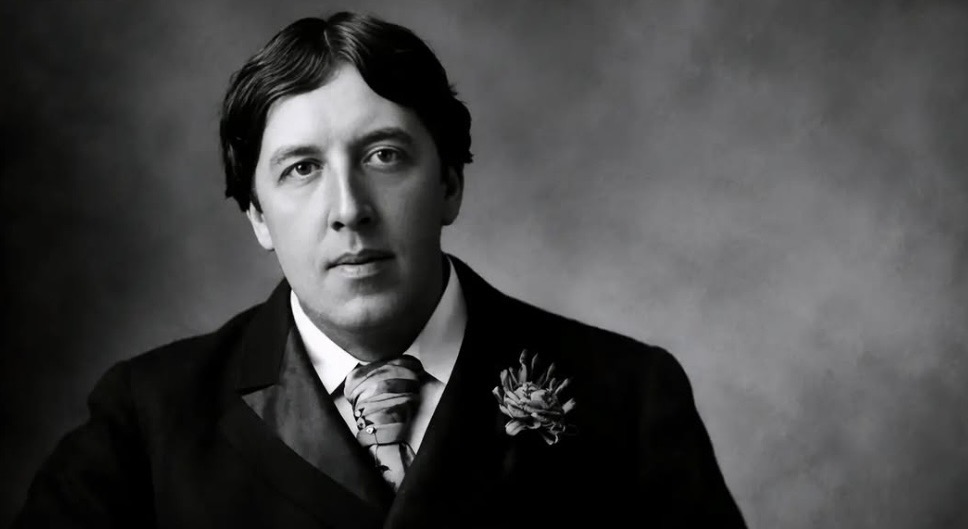
“A homeless man died of hunger but there was food at his funeral.”
- Oscar Wilde
604
18,542
116,637
6,481,650
Moiz Masood Sultani retweeted

May 19
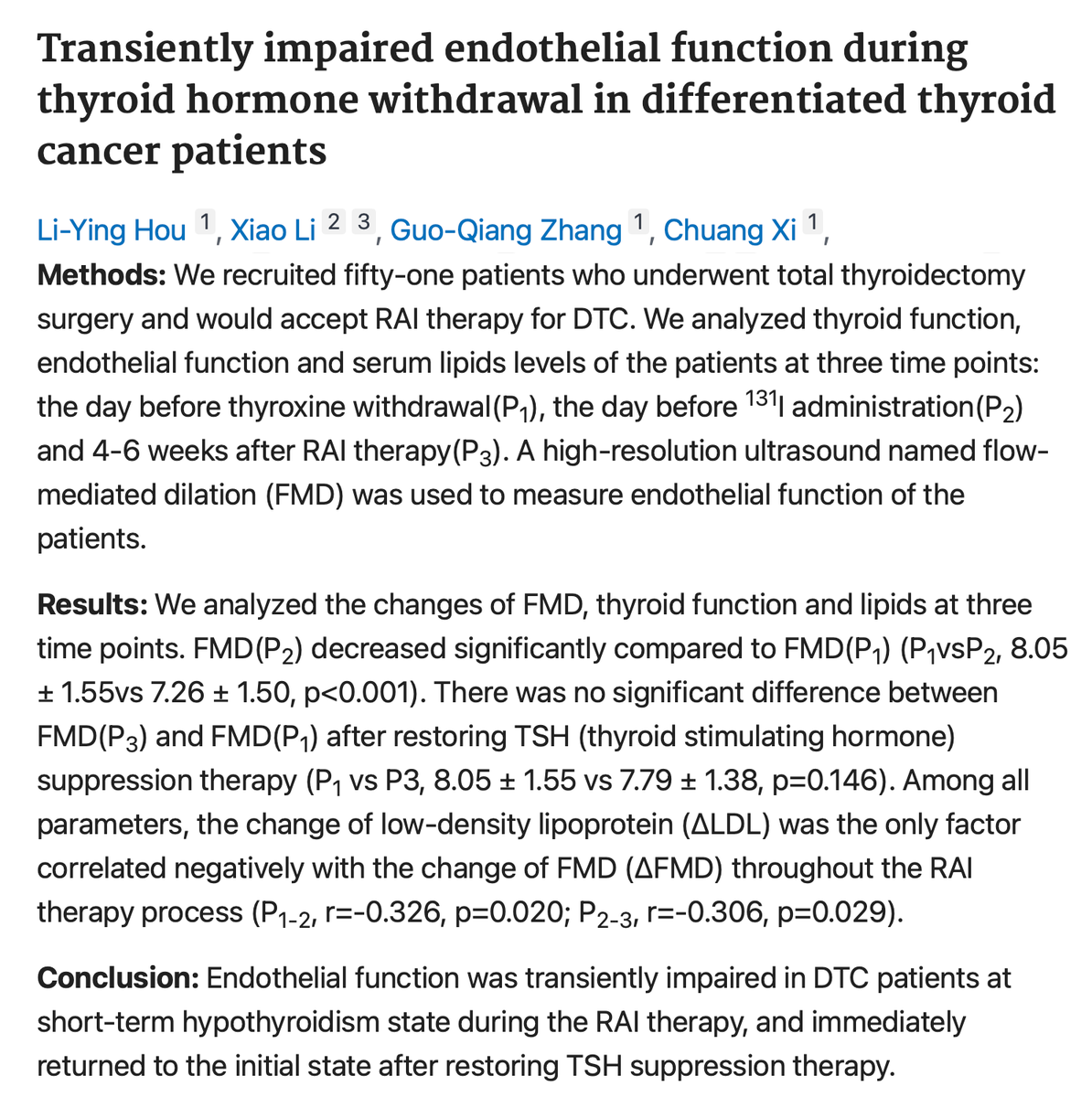
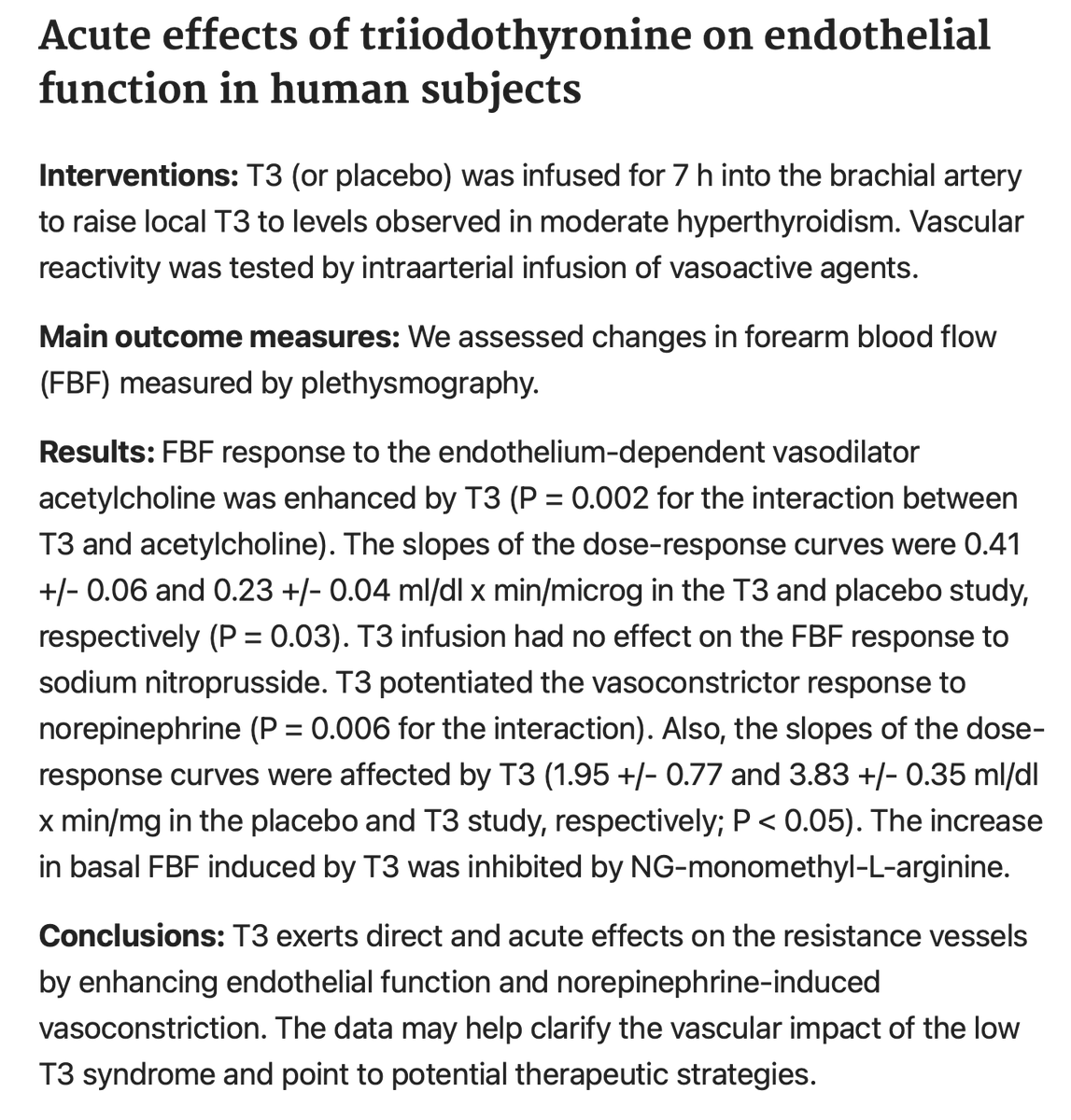
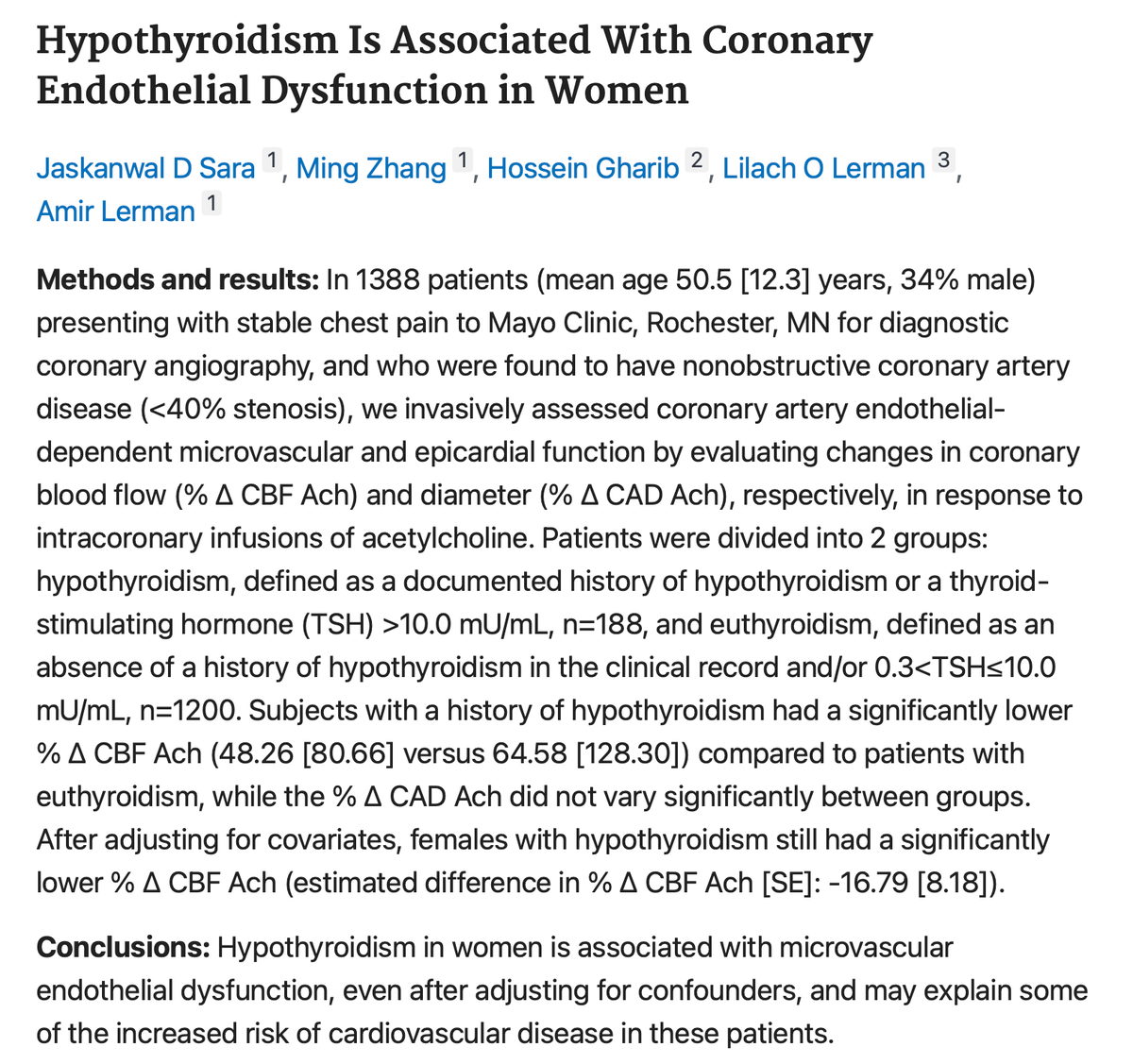
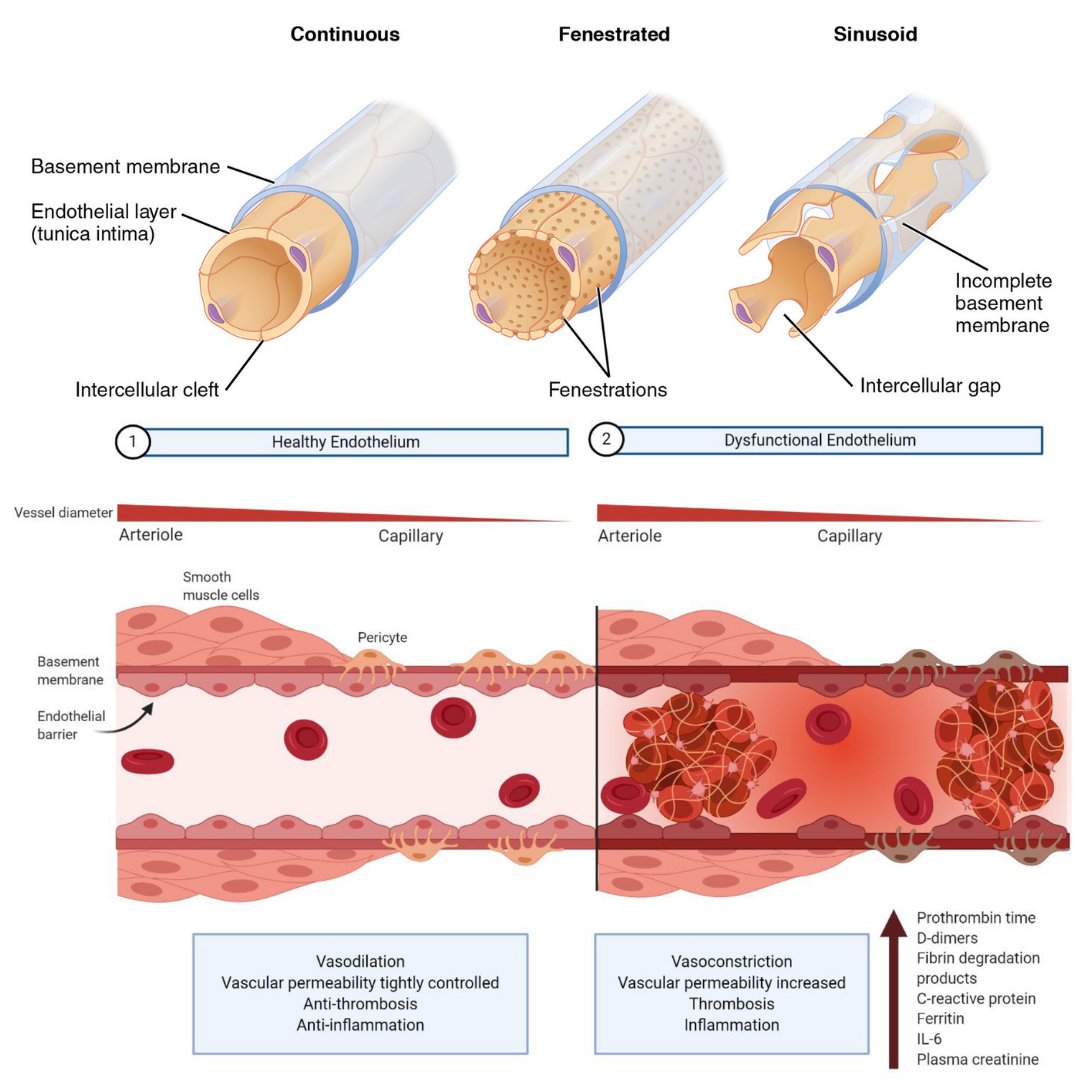
Endothelial dysfunction is associated with hypothyroidism, improves with thyroid hormone (T3), and worsens when thyroid hormone is withdrawn.
Endothelial dysfunction is when the thin lining of your blood vessels stops working properly, losing its ability to relax and widen vessels normally. It’s an early step toward high blood pressure, atherosclerosis, and heart disease.
“Hypothyroidism in women is associated with microvascular endothelial dysfunction, even after adjusting for confounders, and may explain some of the increased risk of cardiovascular disease in these patients.” ¹
“(Thyroid hormone) T3 exerts direct and acute effects on the resistance vessels by enhancing endothelial function and norepinephrine-induced vasoconstriction. The data may help clarify the vascular impact of the low T3 syndrome and point to potential therapeutic strategies.” ²
“Endothelial function was transiently impaired in (differentiated thyroid cancer) patients at short-term hypothyroidism (thyroid meds stopped) state during the RAI therapy, and immediately returned to the initial state after restoring TSH suppression therapy (restarting thyroid meds, levothyroxine).”
¹ Hypothyroidism Is Associated With Coronary Endothelial Dysfunction in Women
² Acute effects of triiodothyronine on endothelial function in human subjects
³Transiently impaired endothelial function during thyroid hormone withdrawal in differentiated thyroid cancer patients
28 Nov 2025

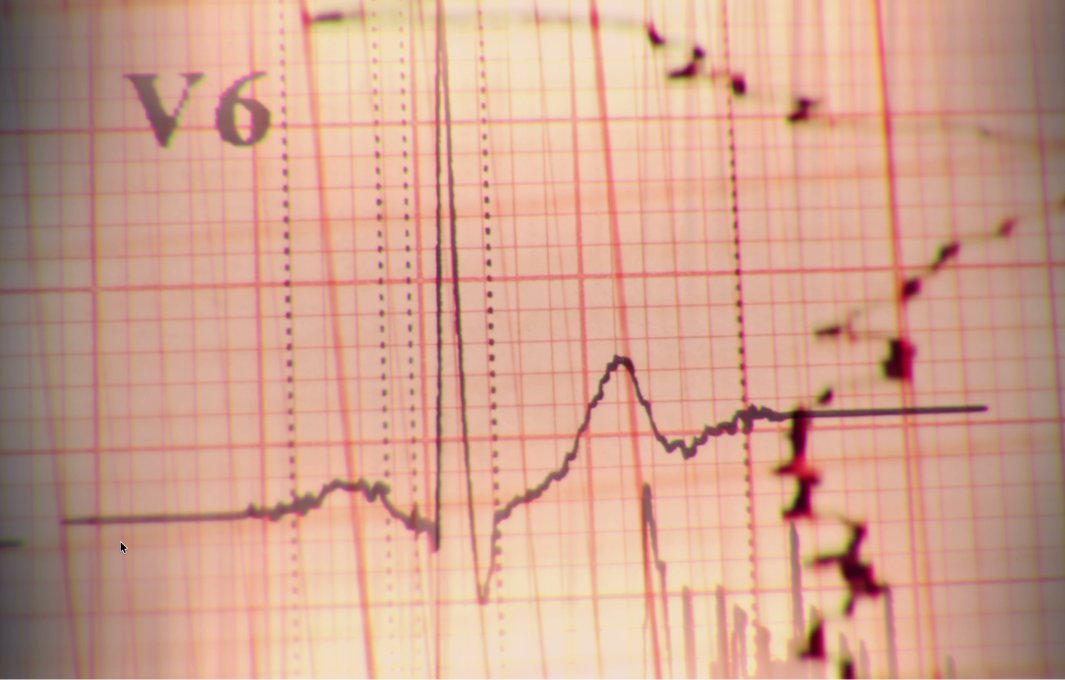
Atrial fibrillation treated with thyroid hormone in a hypothyroid patient.
“A 54-year-old female was referred with complaints of fatigue and heart palpitations. One year earlier, she had been diagnosed with paroxysmal tachysystolic atrial fibrillation. The patient experienced four to five paroxysmal episodes per month and was taking propafenone for symptom control.
Laboratory analysis showed high TSH - 8.4 low free T4, free T3 - 3.76 , high TPOAb - 1040.
The patient began 50 mcg of levothyroxine therapy. After six weeks of treatment, the TSH level improved to 3.8 mIU/L, and the patient’s symptoms of fatigue and palpitations significantly decreased, with no new AF paroxysms recorded.”
“... recent studies suggest that subclinical and overt hypothyroidism may contribute to arrhythmogenesis through changes in cardiac electrophysiology, autonomic regulation, and endothelial function...”
From: Effect of Hypothyroidism Treatment on a Patient with Atrial Fibrillation
Note: excess thyroid hormone is also a cause of Afib.
1
18
102
6,585
Moiz Masood Sultani retweeted

May 15
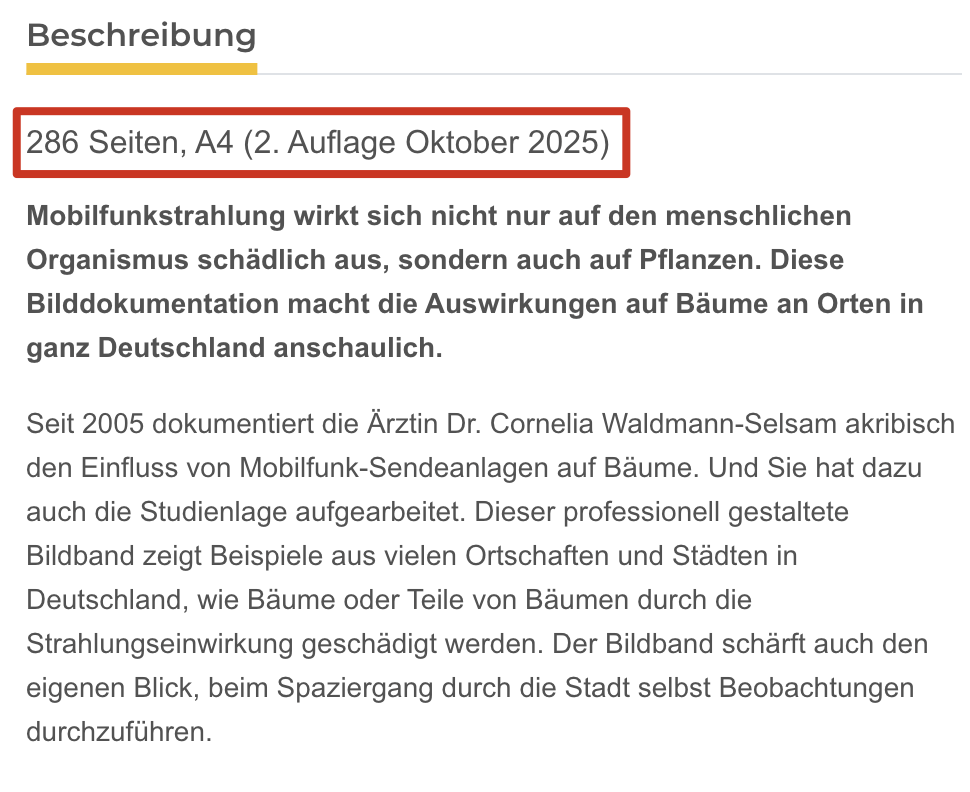
Greets from Germany where they just released a 286 page (!) book documenting tree damage from Celltower/RF radiation
That is A LOT of tree damage, lmao

May 15

Excellent work! I've seen Cornelia Waldmann many times explaining this fenomenon and all we need to do is look around in parks to see similar damages. I've come across the printed version in English that we can order shop.diagnose-funk.org/Baums…
8
120
661
33,019
Moiz Masood Sultani retweeted

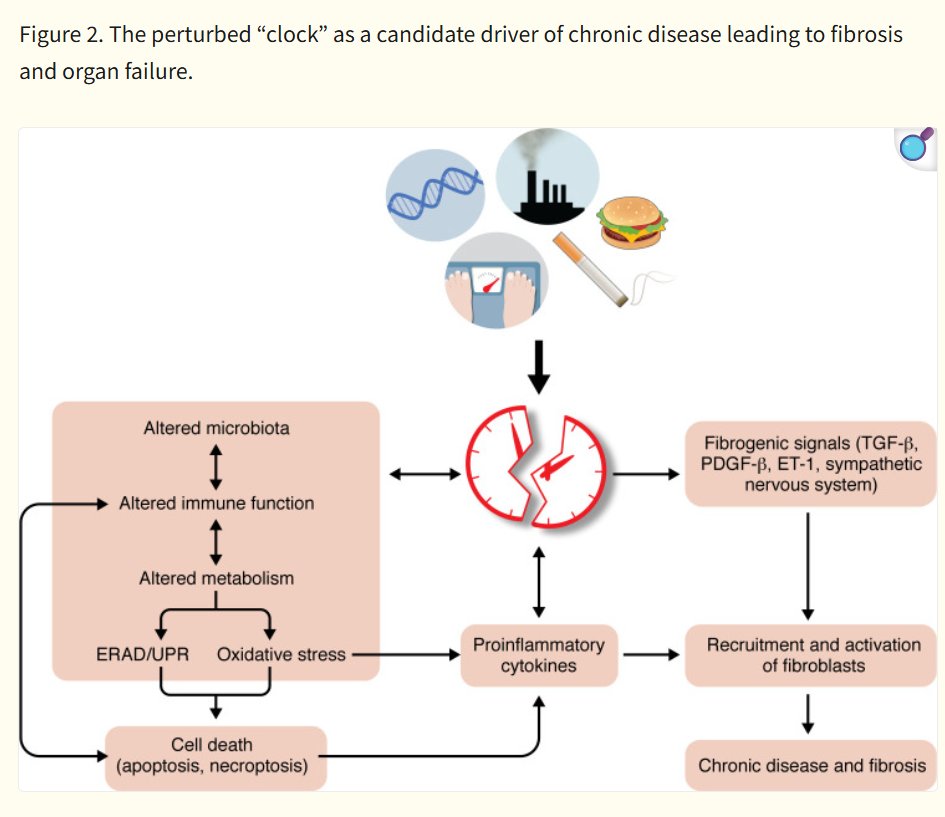
Chronic circadian rhythm disruption gives you fibrosis.
Artificial light at night screws your sleep but can also scar your liver, kidneys and lungs.
The paper shows peripheral clocks in cells (like hepatic stellate cells in the liver or alveolar fibroblasts in the lungs) get effed up by light at the wrong time. This speeds up TGF-β signaling, collagen dumping and chronic inflammation and leads to stiff, failing organs.
Some studies show fibrosis (excess scar tissue) contributes to 45% of deaths in developed countries.
Artificial light at night scars your organs.
Better start following the BLD or something similar, bro.
3
17
65
3,019
Moiz Masood Sultani retweeted

May 14
Joe Rogan ditched his reading glasses after using red light therapy.
Gary Brecka shared this on Diary of a CEO — after a few weeks with a full red light bed, Rogan’s eyesight improved so noticeably he no longer needs readers. And that’s just the beginning.
Brecka explained the science: specific red and near-infrared wavelengths (photobiomodulation) enter your mitochondria, kick out nitric oxide, and force oxygen in.
This jumps cellular energy production from 2 ATP per cycle… to 36. Sixteen times more efficient. The ripple effects hit inflammation, skin, brain health, and recovery hard.
74
751
4,556
534,626
Moiz Masood Sultani retweeted
May 13
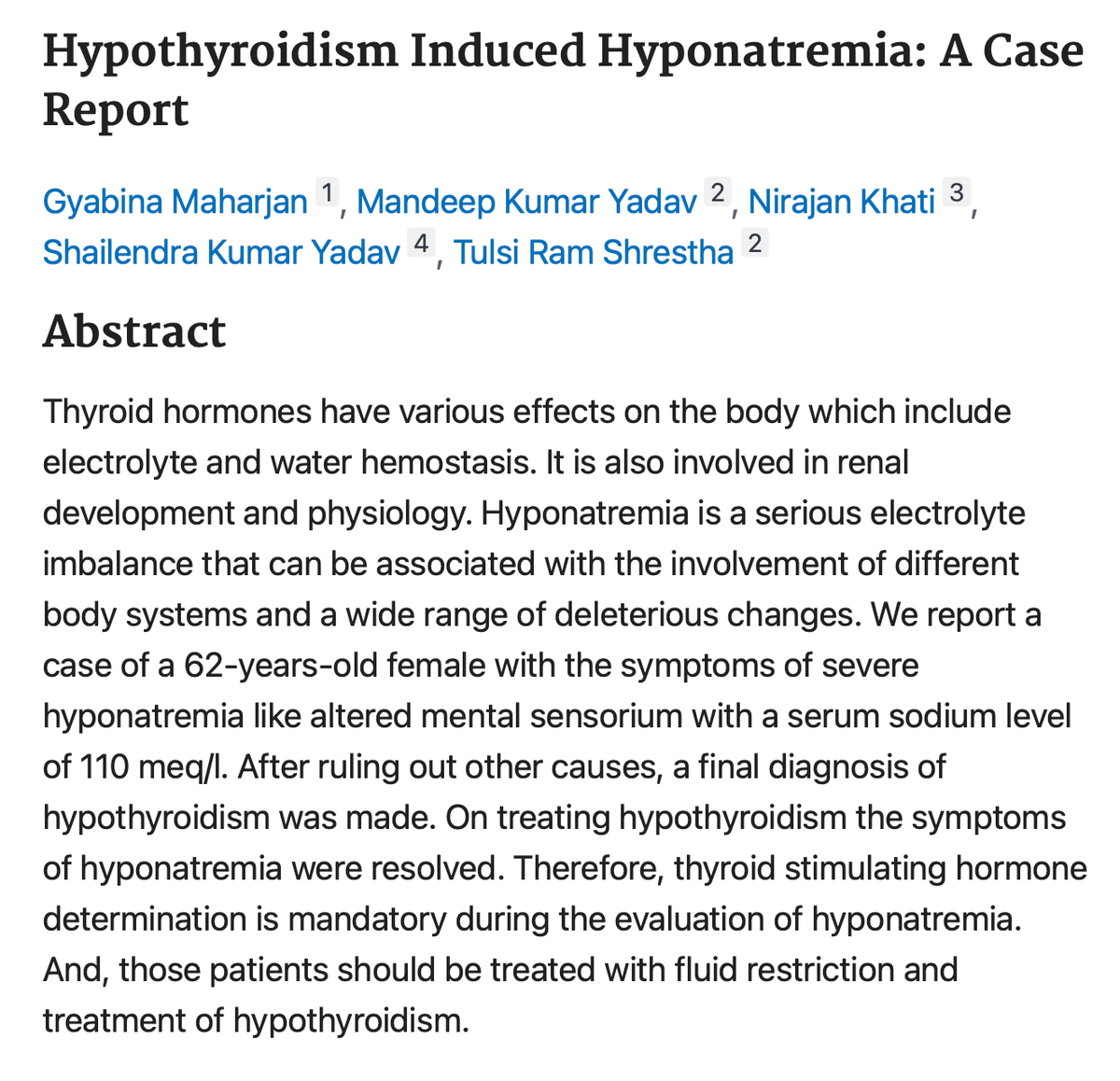
Low blood sodium (hyponatremia) can be a result of hypothyroidism.
“We report a case of a 62-years-old female with the symptoms of severe hyponatremia like altered mental sensorium with a serum sodium level of 110 meq/l. After ruling out other causes, a final diagnosis of hypothyroidism was made. On treating hypothyroidism the symptoms of hyponatremia were resolved. Therefore, thyroid stimulating hormone determination is mandatory during the evaluation of hyponatremia. And, those patients should be treated with fluid restriction and treatment of hypothyroidism.”
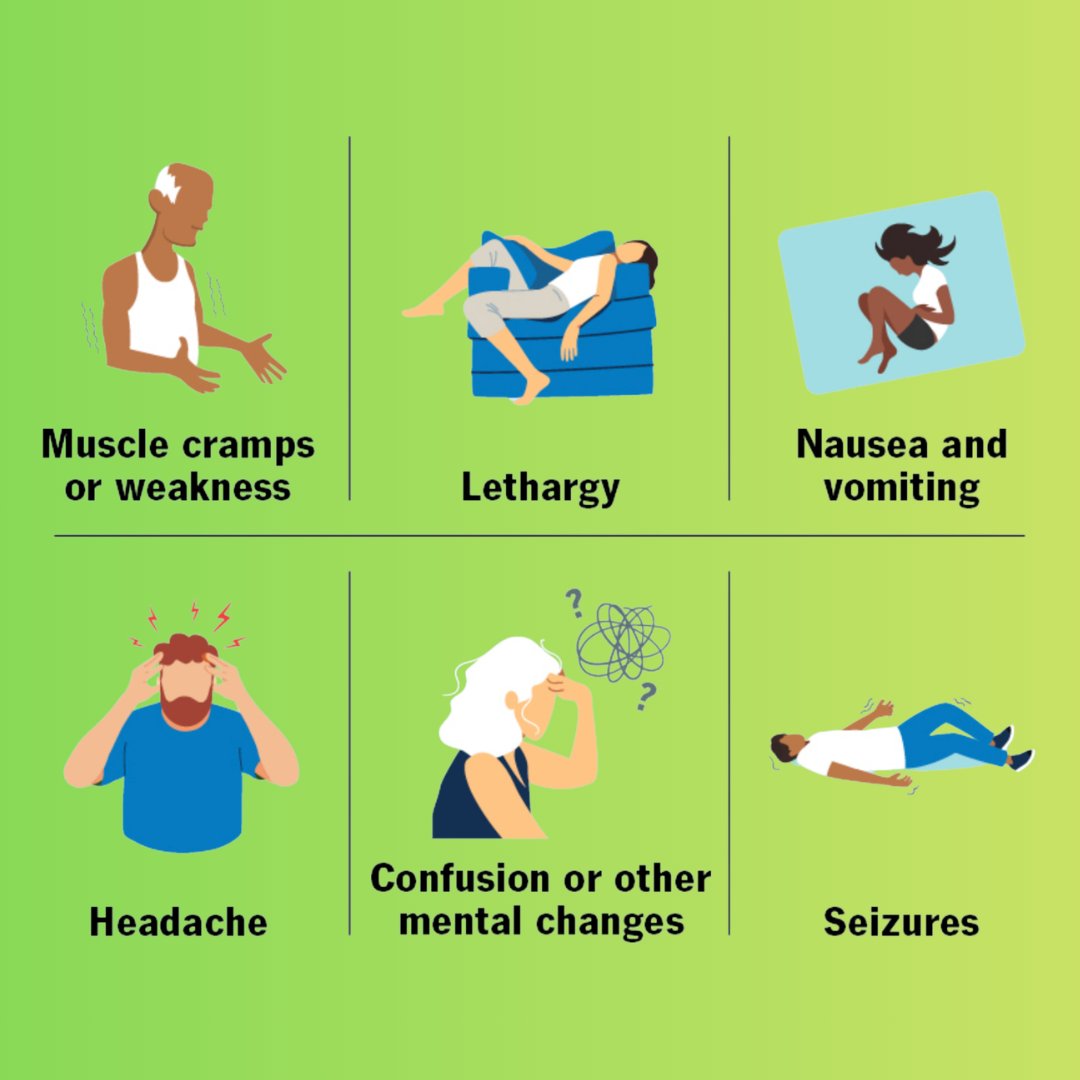
Hyponatremia symptoms progress as sodium levels drop:
Early symptoms:
Nausea and vomiting
Headache
Fatigue and lethargy
Muscle cramps or weakness
Moderate symptoms:
Confusion and disorientation
Irritability
Swelling (hands, feet, face)
Advanced symptoms:
Seizures
Loss of consciousness
Respiratory distress
Coma (can be fatal if untreated)
"Low thyroid function involves reduced formation of carbon dioxide, and the body fluids dont retain as much sodium as in normal individuals. Both urine and sweat tend to contain abnormally high sodium concentration in hypothyroidism. Because CO2 is central to the regulation of pH, and hydrogen ion excretion (acid urine) is one mechanism involved in sodium retention, the CO2 deficiency of hypothyroidism is probably closely connected with the inability to retain adequate sodium." — Ray Peat
"Low thyroid function involves reduced formation of carbon dioxide, and the body fluids dont retain as much sodium as in normal individuals. Both urine and sweat tend to contain abnormally high sodium concentration in hypothyroidism. Because CO2 is central to the regulation of pH, and hydrogen ion excretion (acid urine) is one mechanism involved in sodium retention, the CO2 deficiency of hypothyroidism is probably closely connected with the inability to retain adequate sodium." — Ray Peat
“Patients with moderate to severe hypothyroidism and mainly patients with myxedema may exhibit reduced sodium levels,”
Ref: MANAGEMENT OF ENDOCRINE DISEASE: Hypothyroidism-associated hyponatremia: mechanisms, implications and treatment
“Comparison of exercise parameters between hypothyroid patients and controls revealed a significant reduction in oxygen consumption (VO2), carbon dioxide output (VCO2), minute ventilation, tidal volume and oxygen pulse in hypothyroid patients.”
Ref: Respiratory dysfunction in hypothyroidism
“Magnus-Levy demonstrated the important fact that desiccated thyroid and iodothyrin (a thyroid-hormone-like compound) increase oxygen consumption and output of carbon dioxide.”
Ref: Hypothyroidism and Thyroid Substitution: Historical Aspects

9
60
4,863
Moiz Masood Sultani retweeted

Mar 25
Microplastics are already inside us and they are affecting our health. Professor Ragusa explains where the real problem lies and why it's not just about plastic. Are you ready to find out what each of us needs to do to solve this problem?
For more details, follow the link.
1,366
16,300
84,798
104,852,799
Moiz Masood Sultani retweeted
May 11
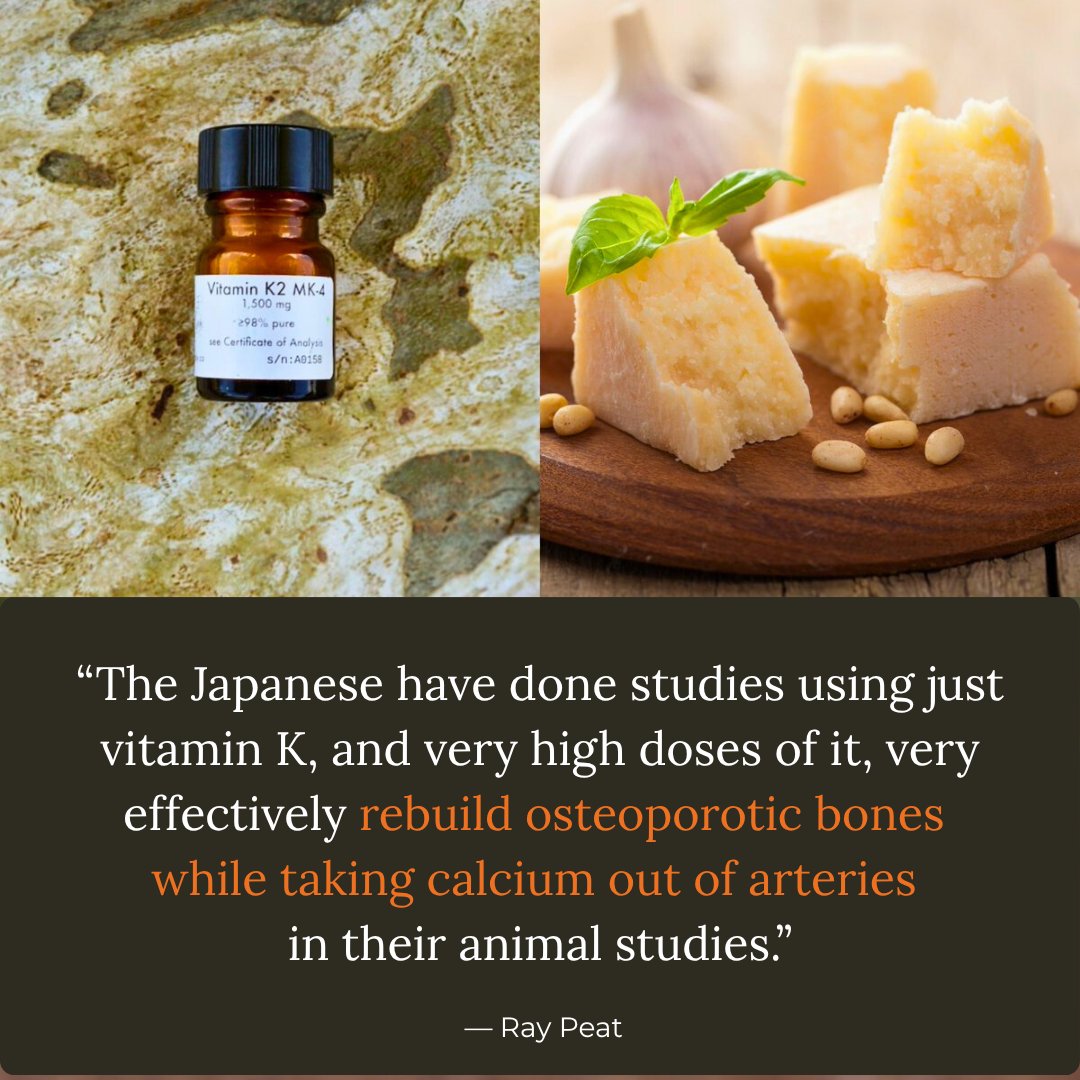
Vitamin K2 can help rebuild bone and decalcify soft tissue.
“Vitamin K2 treatment effectively prevents the occurrence of new fractures...” 🧑
“This systematic review suggests that supplementation with phytonadione and menaquinone-4 (K2 MK-4) reduces bone loss. In the case of the latter, there is a strong effect on incident fractures among Japanese patients.” 🧑
“45 mg (K2 MK4) was the minimum effective dose for improving bone mass parameters evaluated by microdensitometry and/or single photon absorptiometry in postmenopausal women with osteoporosis.” 🧑
“It may be suggested that a high dose of vitamin K2 suppressed experimental calcification of soft tissues induced by vitamin D2. Therefore, a pharmacological dose of vitamin K2 might have a usefulness for the prevention and treatment of arteriosclerosis with calcification.” 🐁
“This is the first study in rats demonstrating that arterial calcification and the resulting decreased arterial distensibility are reversible by high (K1 or K2). intake.” 🐁
Ref:
PMID: 10750566
PMID: 16801507
PMID: 24841104
Clinical evaluation of soft capsule menatetrenone (Ea-0167) in the treatment of osteoporosis. Late Phase II Dose Study
PMID: 8698544
PMID: 17138823
“Vitamin K2 blocks the removal of calcium from bone caused by parathyroid hormone and prostaglandin E2, by completely blocking their stimulation of lactic acid production by bone tissues.
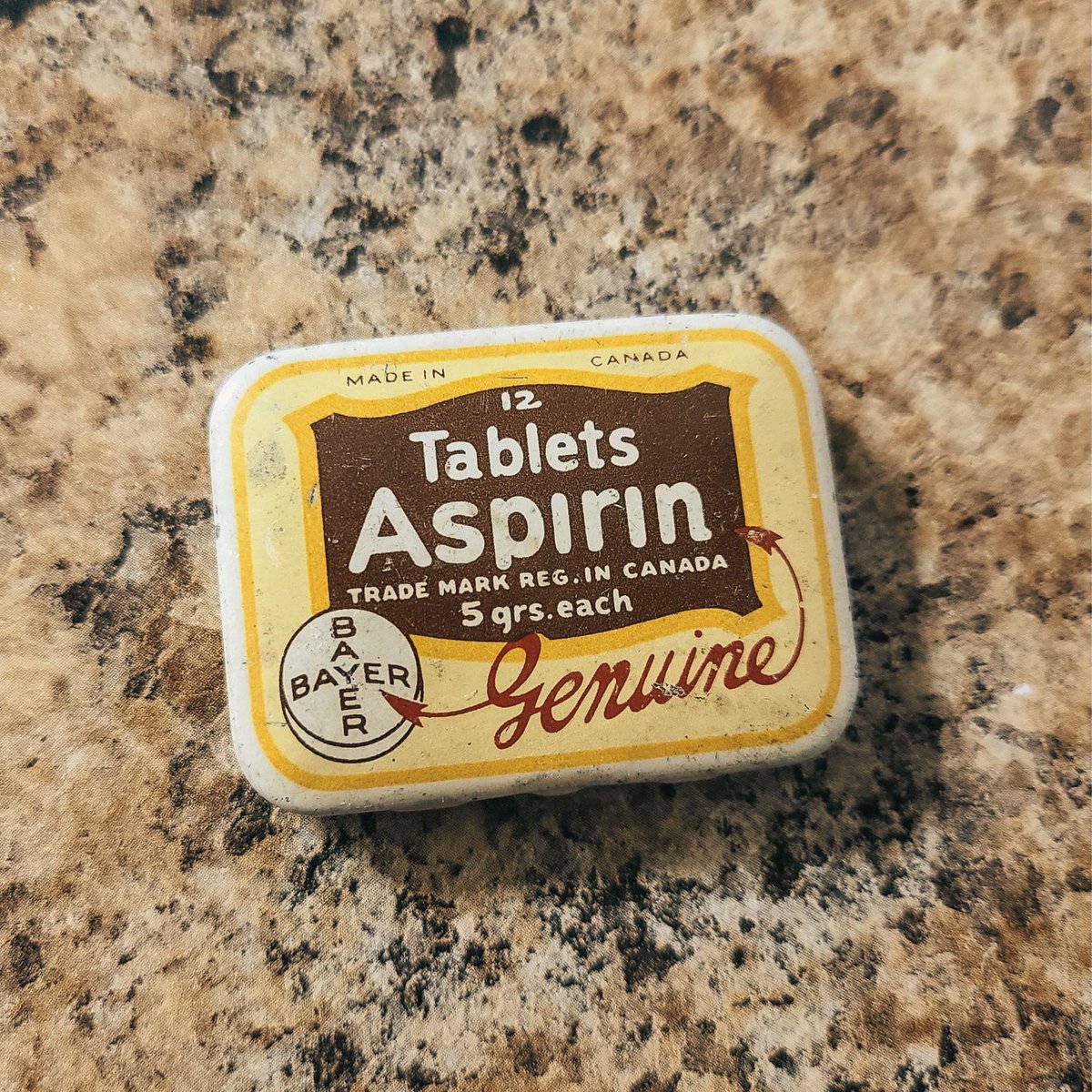
Aspirin, which, like vitamin K, supports cell respiration and inhibits lactic acid formation, also favors bone calcification. Vitamin K2 stimulates the formation of two important bone proteins, osteocalcin and osteonectin, and reduces the activity of estrogen by oxidizing estradiol.” — Ray Peat
“Aspirin can promote trabecular bone remodeling, improve three-dimensional structure of trabecular bone and increase bone density of cancellous in osteoporotic rats by stimulating bone formation. It may become a new drug for the treatment of osteoporosis.”
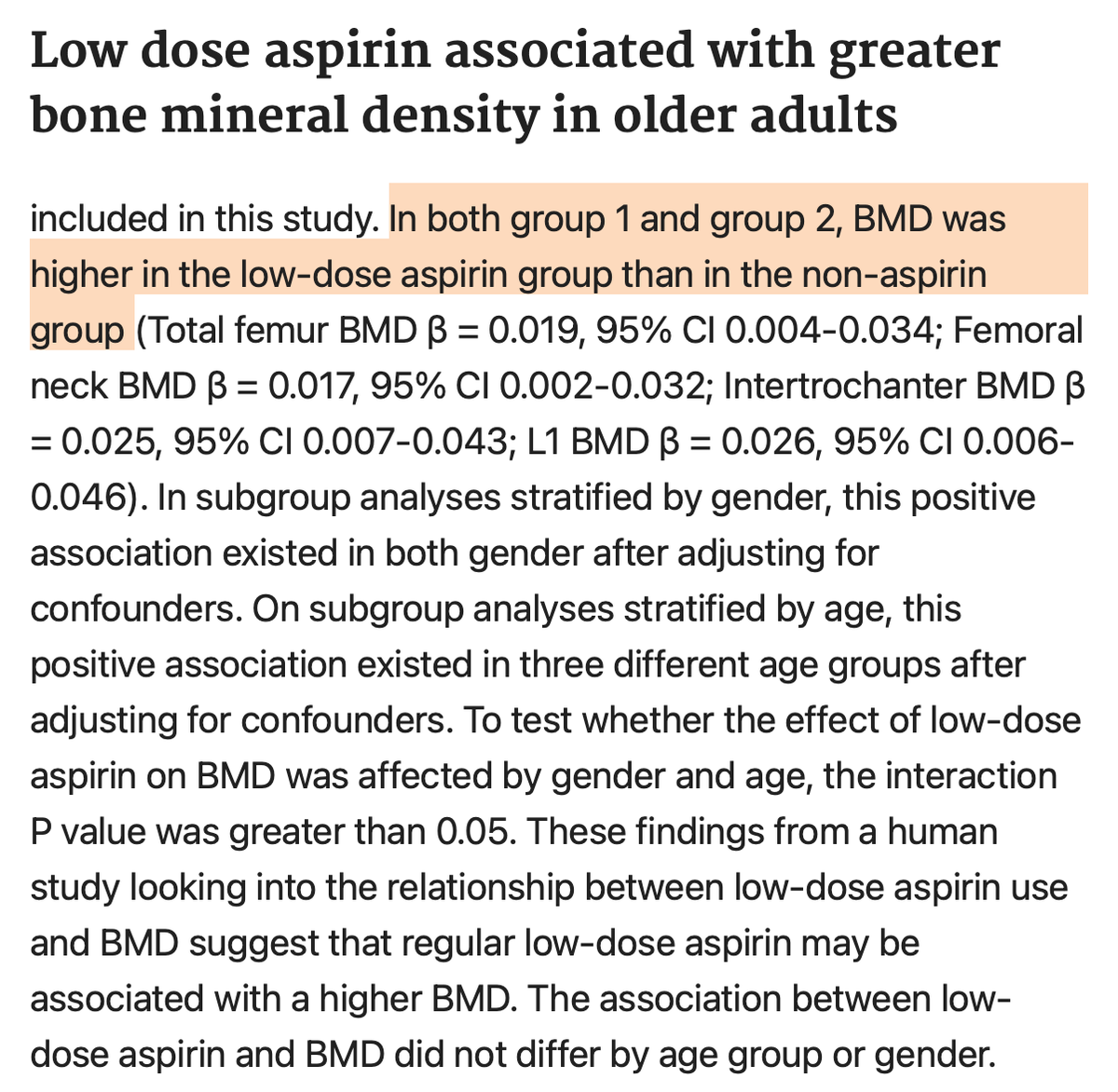
“These findings from a human study looking into the relationship between low-dose aspirin use and BMD suggest that regular low-dose aspirin may be associated with a higher BMD.”
Ray Peat: Osteoporosis, Aging, Tissue Renewal, and Product Science
[Effect of aspirin administration for the treatment of osteoporosis in ovariectomized rat model]
Low dose aspirin associated with greater bone mineral density in older adults
32
214
8,899
Moiz Masood Sultani retweeted

May 7
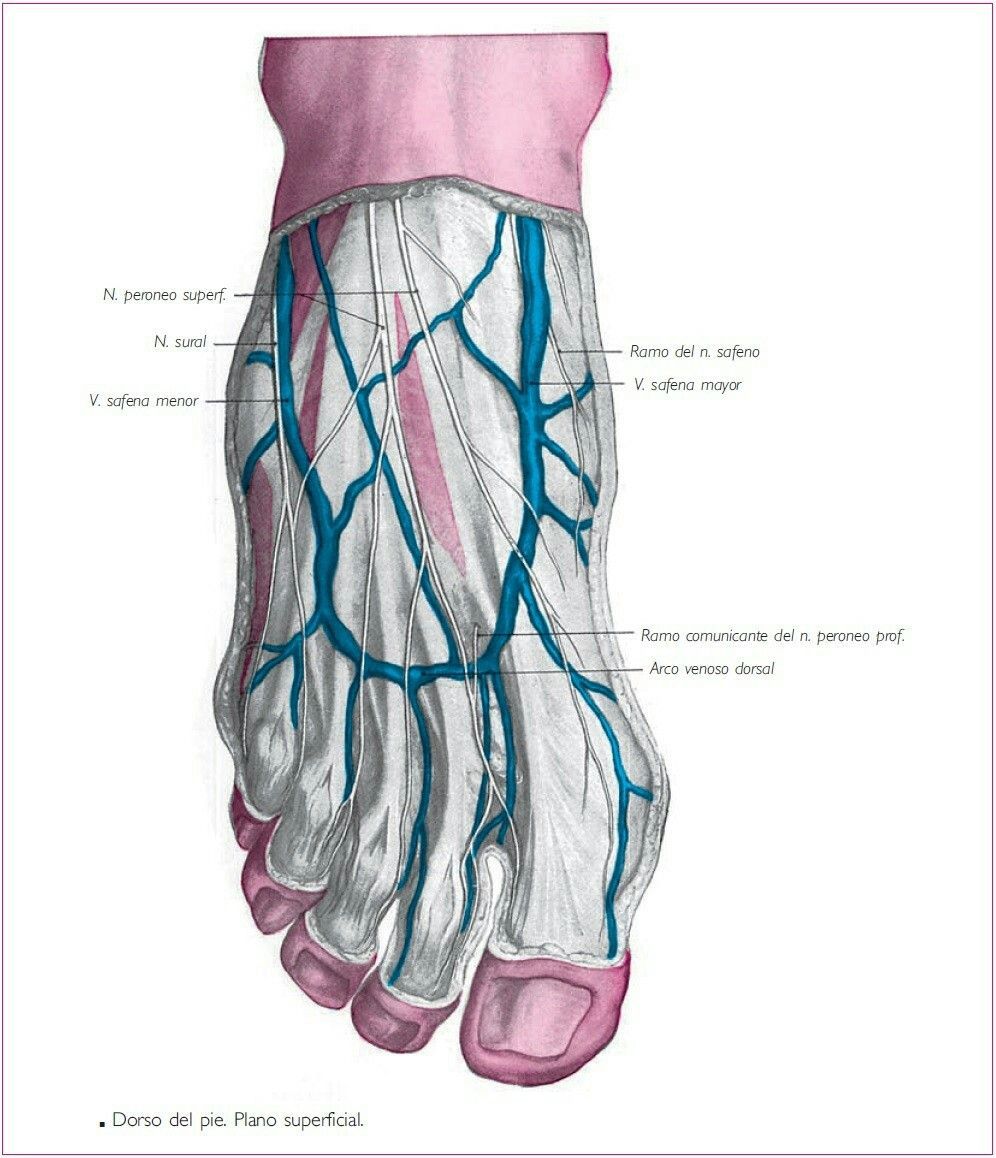
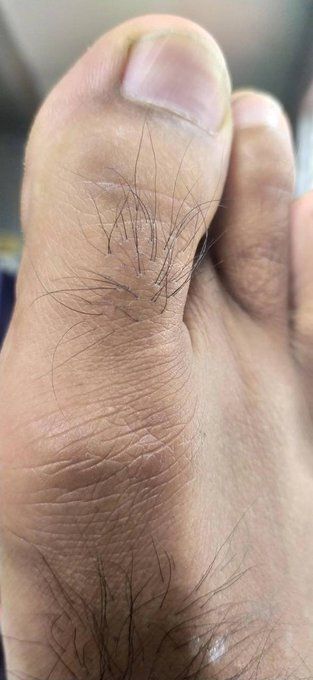
Look down at your big toe. If it used to have hair on it and now it doesn't, blood is probably struggling to reach down that far. Doctors have used this as an early warning sign for decades, and the test that confirms it takes five minutes.
Hair grows because tiny blood vessels feed each follicle with oxygen and nutrients. When fatty deposits clog the arteries higher up your leg, blood barely makes it to your toes. The follicles starve and shut down. Hair falls out and stops coming back.
This is called peripheral artery disease, or PAD, and roughly 200 million people worldwide have it. Mayo Clinic, Johns Hopkins, and the UK's NHS all list bare feet and lower legs as a recognized warning sign. More than half of them feel completely normal in their legs. The hair on their toes is often the only thing giving the disease away.
Hair loss alone doesn't mean you have PAD. Sock friction, age, and hormones can thin foot hair on their own. Doctors look at the bigger picture: shiny tight skin on the calves, cold feet that won't warm up, cuts that take forever to heal, a weak pulse behind your ankle bone, slow-growing toenails. If a few of those signs are happening at once, the hair loss starts to mean something.
The same fatty buildup clogging your leg arteries usually clogs the ones feeding your heart and brain. People with PAD are roughly twice as likely to die of a heart attack or stroke over the next ten years as people without it. Even when they have zero leg symptoms. One long study followed silent PAD patients for a decade and found that only 3 out of every 5 were still alive at the end.
The test is called the Ankle-Brachial Index. A nurse takes your blood pressure at your ankle, then at your arm, and divides one by the other. If the ankle reading is much lower, blood is struggling to reach your feet. The cutoff doctors use is 0.9. Five minutes, doesn't hurt, costs almost nothing.
What turns this from "probably nothing" into "go get checked" is the usual cardiovascular crowd. Smoking, diabetes, high blood pressure, high cholesterol, over 50. If a few of those describe you and your toes have gone smooth, ask your doctor for the ABI on your next visit. If they look puzzled, say "ankle blood pressure compared to arm blood pressure." They'll know.
Your toes give away clogged arteries before anything else for one reason. They're at the end of the line.

Vello en los dedos de los pies: una pequeña pista sobre tu salud metabólica y cardiovascular.
Puede parecer un detalle insignificante, pero clínicamente revela información crucial sobre cómo está funcionando tu cuerpo por dentro.
Si no tienes vello en los pies, esto es lo que tu cuerpo intenta decirte: 🧵
4
131
679
91,042
Moiz Masood Sultani retweeted

Vello en los dedos de los pies: una pequeña pista sobre tu salud metabólica y cardiovascular.
Puede parecer un detalle insignificante, pero clínicamente revela información crucial sobre cómo está funcionando tu cuerpo por dentro.
Si no tienes vello en los pies, esto es lo que tu cuerpo intenta decirte: 🧵
298
1,827
18,654
16,455,787
Moiz Masood Sultani retweeted
May 5
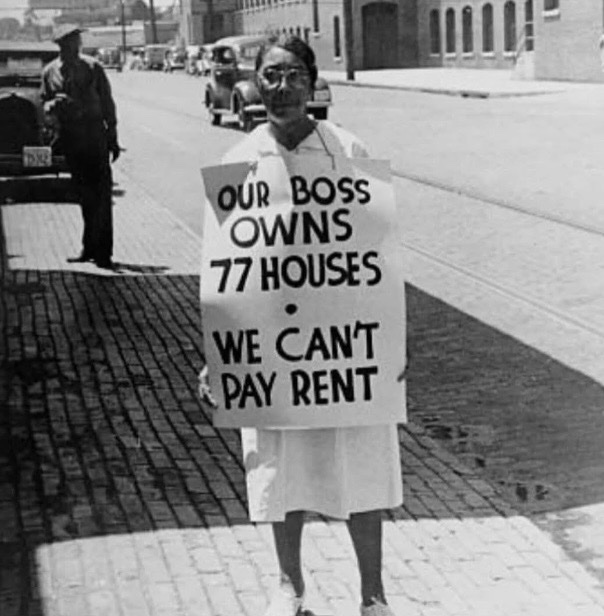
A woman takes part in a protest against wealth inequality in North Carolina during the 1930s.
201
4,866
29,661
2,012,834
Moiz Masood Sultani retweeted

May 5
The one exercise I see in people who live the longest:
Walking.
Getting 8000 steps has been associated with up to a 50% reduced rate of mortality.
It protects the brain through neuroplasticity.
It’s the most underrated exercise on the planet.
May 5

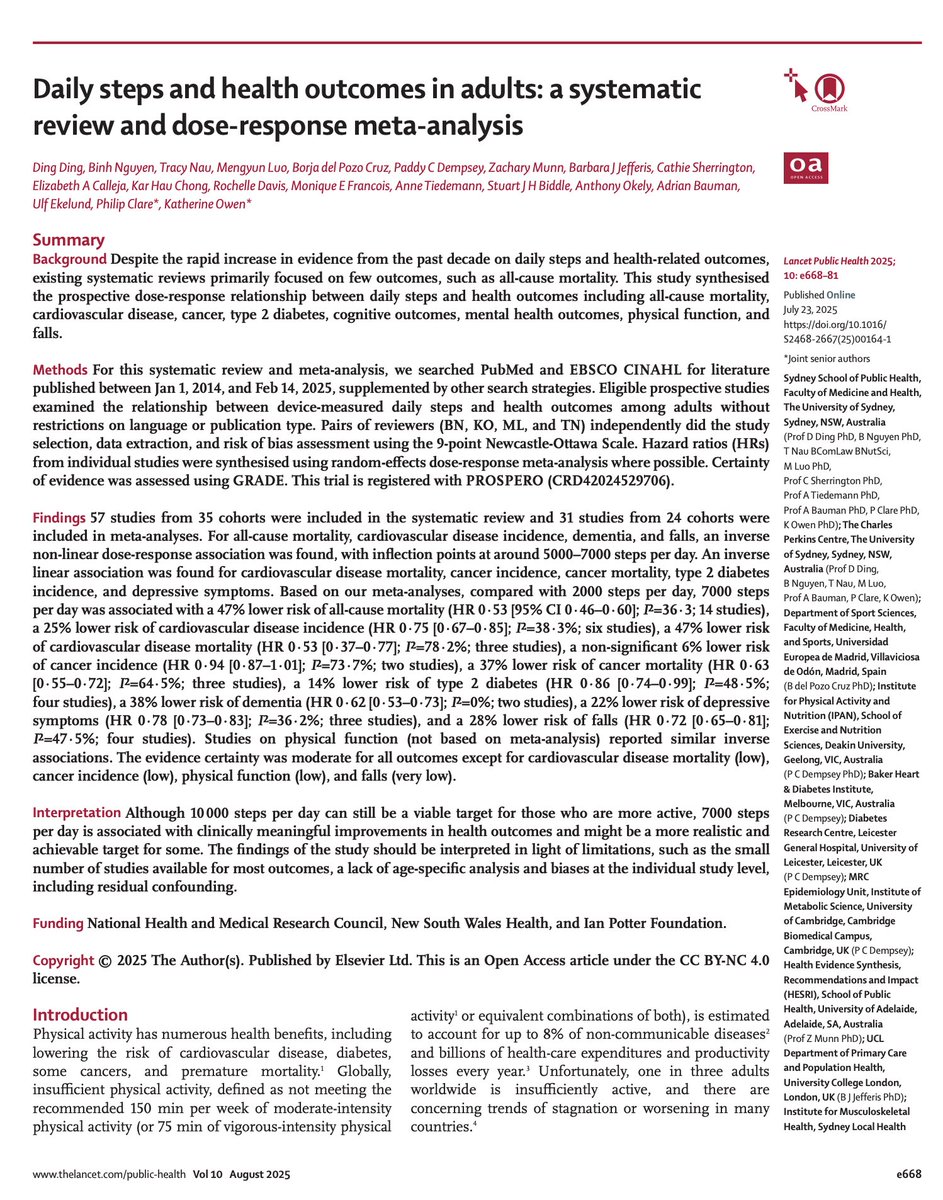
Walking ~7000 steps/day vs. ~2000 steps/day is associated with:
- 47% lower all-cause mortality
- 47% lower cardiovascular disease mortality
- 37% lower cancer mortality
- 38% lower dementia risk
- 22% lower depression
If you care about your health, start walking.
54
194
1,516
139,199
Moiz Masood Sultani retweeted

We're an electromagnetic being living inside a Magnetic Earth.
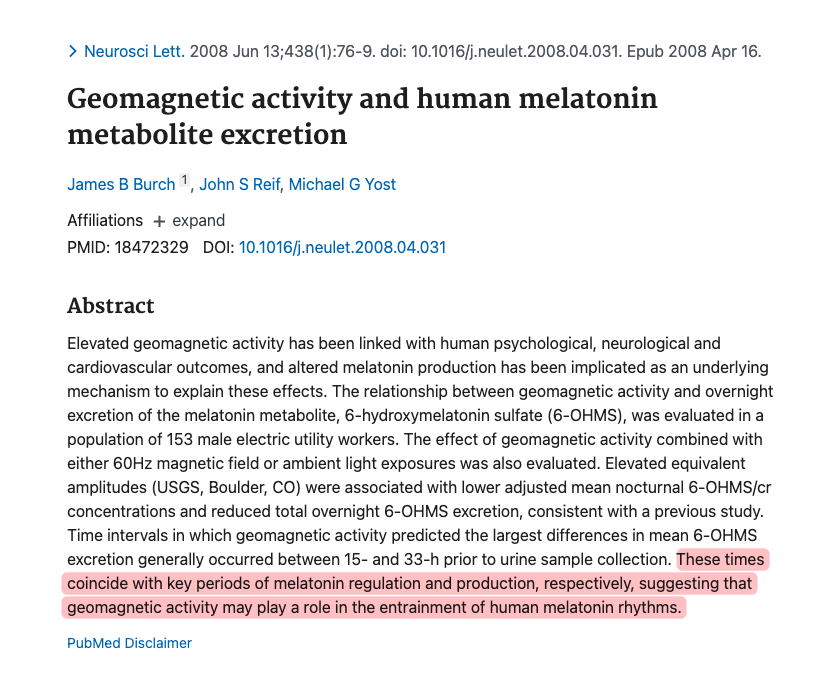
A 2008 study found that during heightened geomagnetic activity, men secreted significantly less melatonin
but ONE DAY LATER
The strongest link appeared 15–33 hours after the magnetic spike.
4 Aug 2025

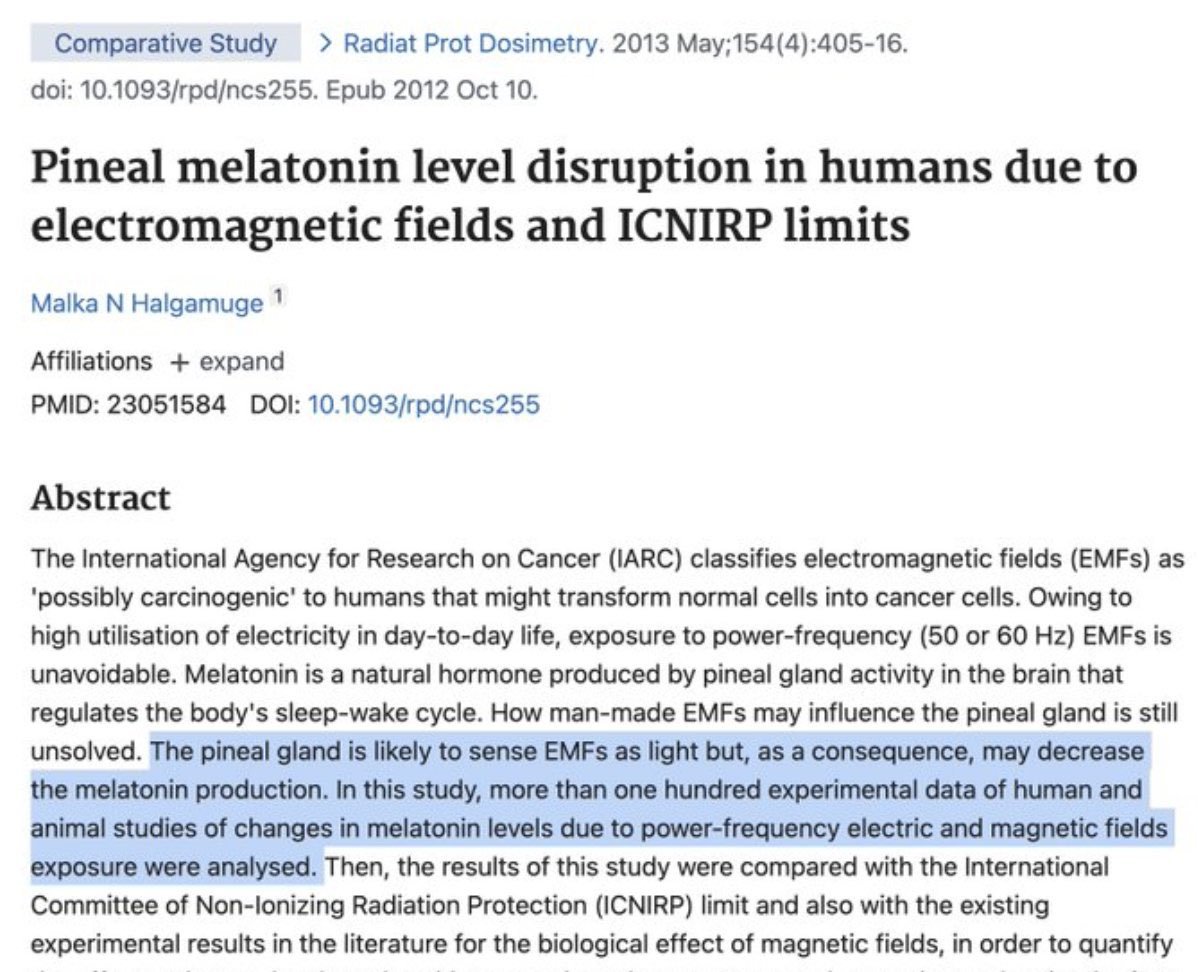
You thought only artificial blue light was messing with your melatonin?
Guess what?
nnEMFs are Light too.
Just at frequencies you can’t see.
We are talking..
- AC Electric
- AC Magnetic
- Dirty Electricity
- Radio Frequency
Different frequencies. Same disruption.
You might think it’s harmless.
But your body doesn’t.

2
37
176
47,467
Moiz Masood Sultani retweeted

May 4
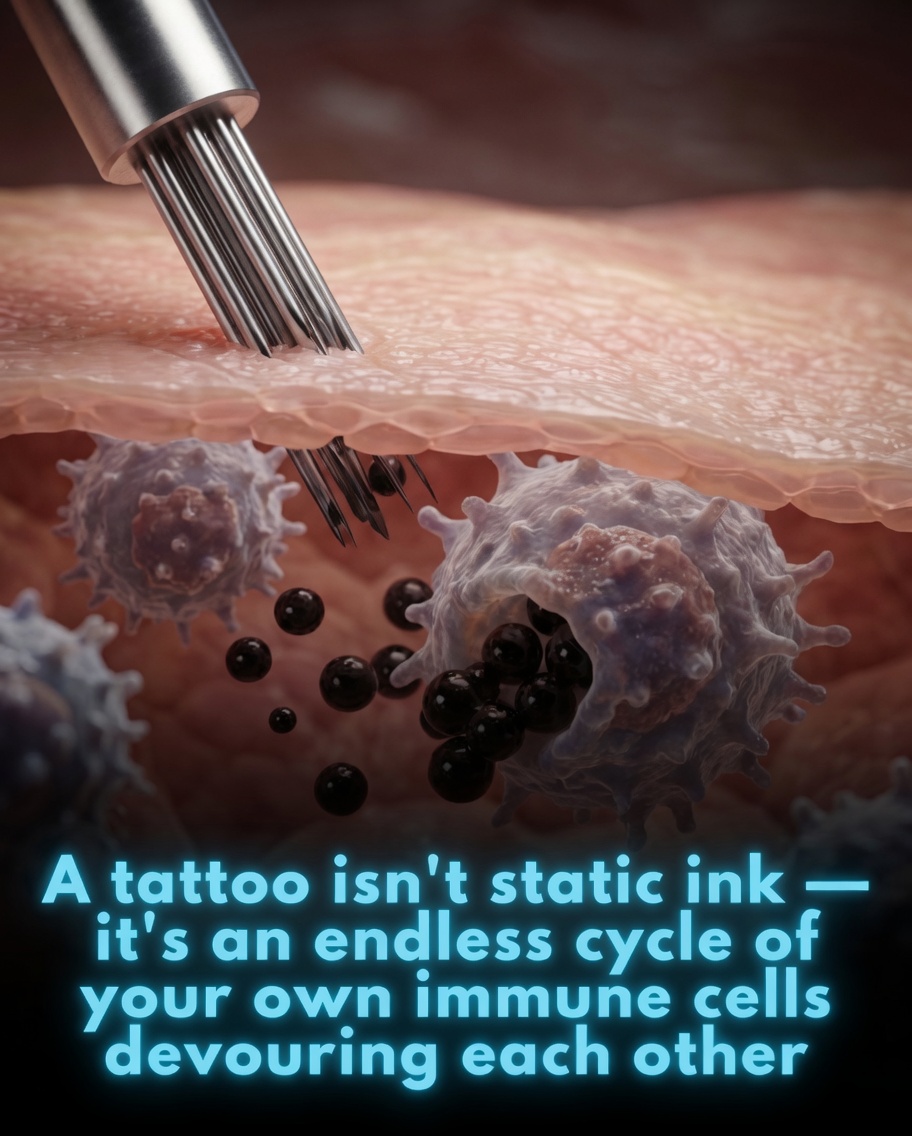
Your tattoo isn’t just decorative ink: it’s a permanent trigger that keeps your immune system locked in a lifelong cycle of chronic inflammation.
As soon as the ink is injected into your skin, your body recognizes the pigment particles as foreign invaders. Immune cells called macrophages immediately swarm the area and attempt to swallow them up. But because they can’t actually break down the ink, the macrophages eventually die, releasing the pigment back into the surrounding tissue — only for a new wave of macrophages to arrive and repeat the process.
This endless cycle is what keeps the tattoo permanently visible, while also maintaining a state of ongoing, low-level inflammation in the skin.
Over time, some of these ink particles migrate through the lymphatic system and accumulate in the lymph nodes, placing constant stress on the body’s defense mechanisms. Emerging research suggests this internal ink buildup may interfere with normal immune function, potentially reducing the effectiveness of certain vaccines, including mRNA types. Additionally, many tattoo inks contain heavy metals like nickel and cobalt. Combined with the chronic inflammation, this has been linked to a modestly elevated risk of lymphoma and skin cancer.
While tattoos remain a powerful form of self-expression, they represent a complex, decades-long biological conflict between your immune system and foreign substances embedded in your skin.
[Nielsen, C., Jerkeman, M., & Jöud, A. S. (2024). Tattoos as a risk factor for systemic lymphoma: A population-based case-control study. eClinicalMedicine]
411
2,906
10,179
2,345,978
Moiz Masood Sultani retweeted

May 2
The man who discovered vitamin C and won the Nobel Prize for it distinguished pure ascorbic acid from the full vitamin C complex...
But please, keep sending chemistry textbooks.
- Whole-food vitamin C contains ascorbic acid plus bioflavonoids, tyrosinase, ascorbinogen, Factor K, Factor J, Factor P, and copper. The isolate is one fragment.
- Synthetic ascorbic acid is manufactured from GMO corn dextrose, hydrogenated, processed with acetone and hydrochloric acid.
- In isolation it can act as a pro-oxidant, generating hydrogen peroxide in tissues. The whole-food complex does not do this.
- Bioavailability and tissue retention differ dramatically between the isolate and the food matrix.
- "Everything is chemicals" is both true and meaningless. Cyanide is a chemical, mercury is a chemical, and structure plus source decide biology (by that logic, pure fructose equals fruit, ethanol equals wine, and casein equals milk).
You weren't taught chemistry. You were taught marketing.
16
4
25
5,324
Moiz Masood Sultani retweeted

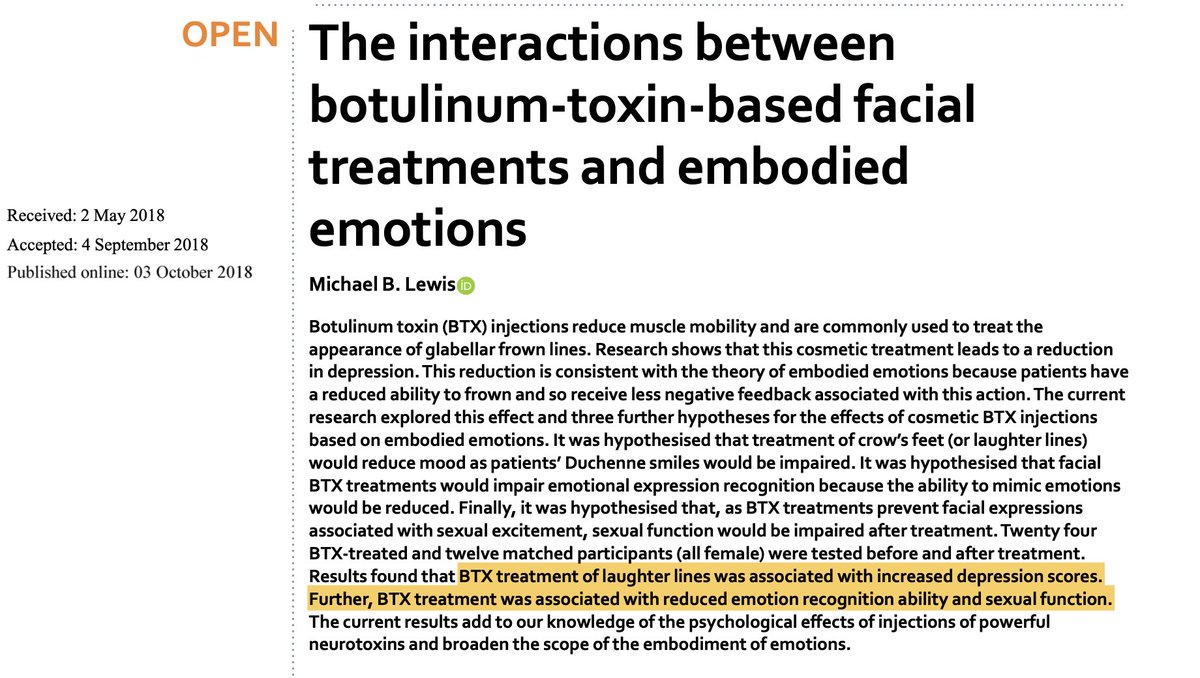
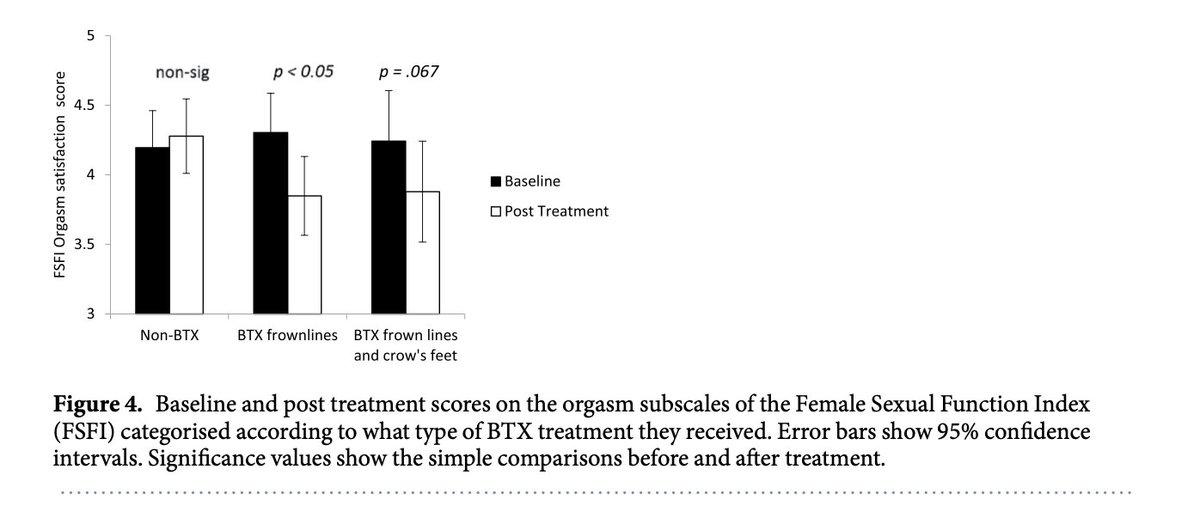
Botox in the face may reduce orgasm intensity in women, and it can affect depression scores depending on where you get injected. (PMID 30283017)
36 women: 24 got actual Botox and 12 got other cosmetic treatments as controls. A significant drop in the orgasm domain for the Botox group was found on the Female Sexual Function Index. No change in the controls.
"Reducing the ability to make the facial expressions associated with sexual pleasure leads to a reduction in the reported feeling of pleasure associated with it. The results suggest that the facial expressions do not occur simply to communicate pleasure to a partner but they are an integral part of the feeling of pleasure and are important in the process of achieving orgasm."
The results for depression went in two different directions:
Injecting the crow's feet (laugh lines) worsened depression scores.
Injecting the glabellar frown lines improved them.
Small sample size, and these findings haven't been replicated or refuted yet.
I still think this is enough to make you think twice about Botox in the upper face, especially frown lines, crow's feet, and laugh lines.
More research is needed, but this is pretty concerning.
81
169
2,280
529,477
Moiz Masood Sultani retweeted

Apr 29
Psychiatrists when asked how many patients have they cured.
936
5,396
64,590
7,053,592