Joined August 2022
- Tweets 1,484
- Following 281
- Followers 53
- Likes 2,424
44 Photos and videos







Pinned Tweet

7 Nov 2024
First paper published!
Our work defines a novel regulatory switch on neural gene expression, dependent on SIRT6 existence.
It was a great opportunity to do this work under the supervision of @ToiberDebbie and the exceptional help of her lab.
nature.com/articles/s41419-0…
1
5
221
Adam retweeted

17 Jul 2025
Robotics is coming to cardiac electrophysiology in many ways: pilot experience on 5G telerobotic long-distance magnetic navigation-guided ablation @scrnaonline @Stereotaxis @Sunnybrook @CHRS_SCR @Peteweissmd academic.oup.com/europace/ar…
2
4
172
23 Jun 2025
רק אבנים הכל טוב סע כפרה
23 Jun 2025

Dashcam footage showing the impact of an Iranian ballistic missile earlier near a power station in Ashdod, Southern Israel.
38
Adam retweeted

22 Jun 2025
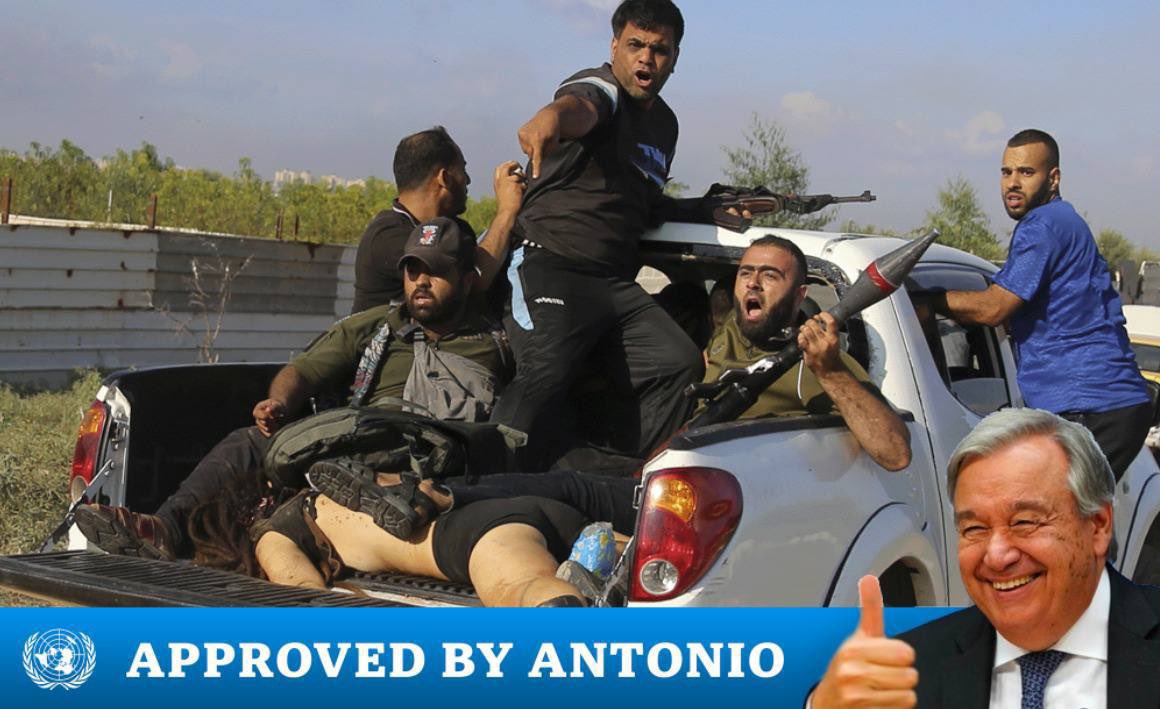
Today, as the IDF recovers the body of Yonatan Smerno (may he rest in peace) from Gaza, it is important to recognize that he was murdered and taken into Gaza by UN employees.
Yes, UN workers took part in the massacre of Jews simply for being Jews, and in doing so, helped ignite this bloody war.
The United Nations must be dismantled.
In its place, a new organization must rise, one built on truth, accountability, and moral clarity.
@UN
@antonioguterres
76
908
2,909
41,623
Adam retweeted

22 Jun 2025
עכשיו אפשר להחזיר את החטופים מהשבי.
עכשיו אפשר להשיב את החיים לשיקום.
עכשיו אפשר להשיב את החללים לקבורה ראויה.
עכשיו אפשר לסיים את המלחמה בעזה.
בשלה העת ,
עכשיו
352
1,020
8,082
178,742
Adam retweeted

19 Jun 2025
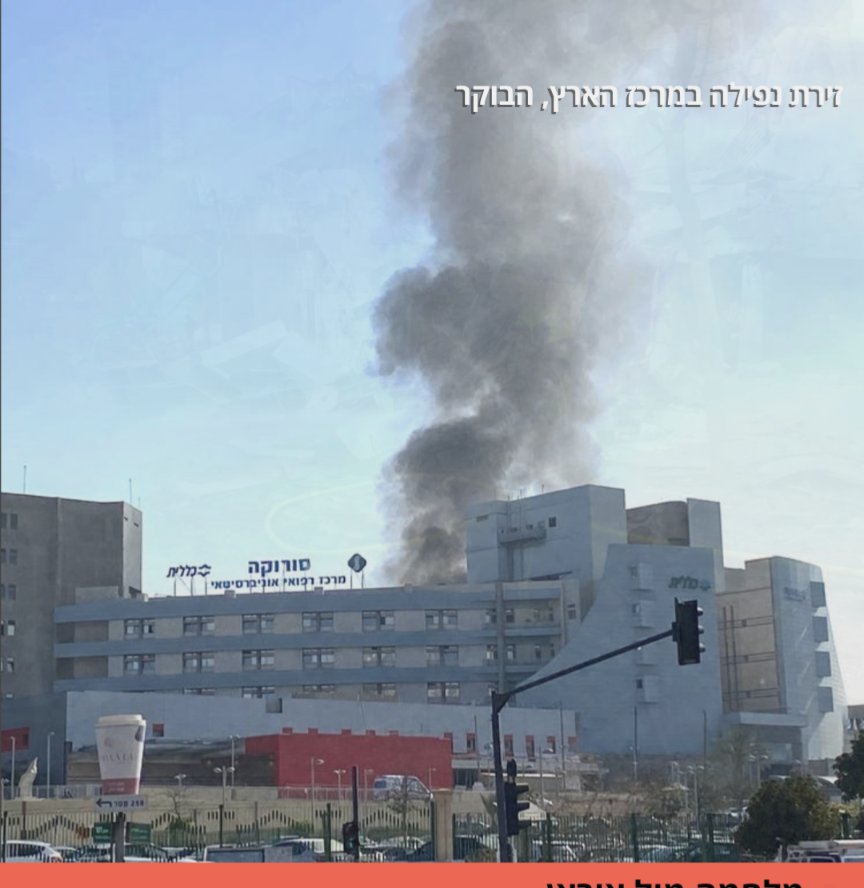
It is importent to remember that science will not stop.

"our department is standing by our colleagues in Soroka hospital. we carry on doing science for the benefit of hunan kind in Israel and abroad" - Raz Zarivach, Department Chair (until August)
6
25
920
Adam retweeted

18 Jun 2025
אורי משגב
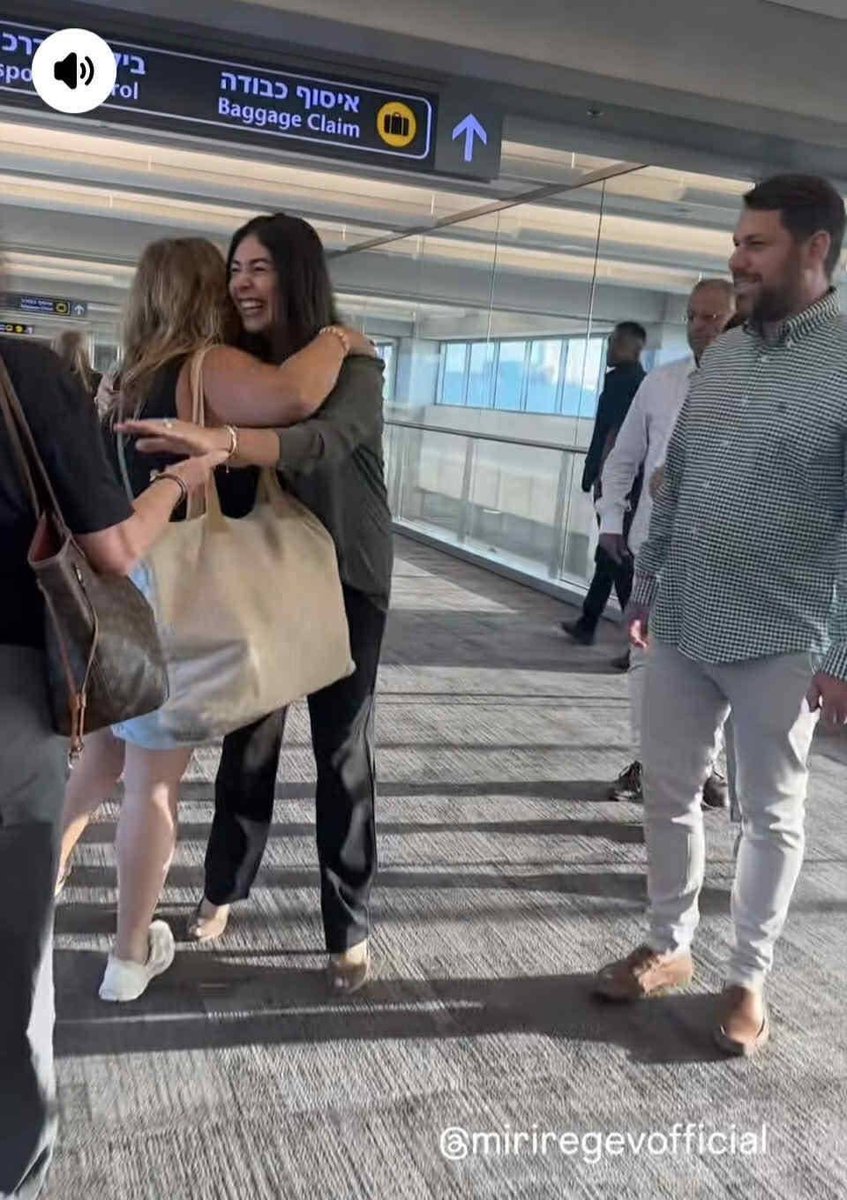
מאחורי סיבוב השופוני המגעיל הזה בנתב"ג משתררת מציאות נוראה.
אני מוצף ביממות האחרונות במידע על נושא הטיסות החוזרות ("חילוץ").
זה הרבה יותר מעמוס וידלין 220 ארגזים של פרחי היוקרה שעל פי בית העסק המזמין "פרחים 25" נועדו במקור ל"אירוע גדול בבית ראש הממשלה" ומישהו אישר דווקא לפרחים האלה להשתחל לטיסת המטען הנדירה.
קומבינות.
מקורבים.
הורים של.
ילדים של.
פרוטקציות.
מסחרות.
כאוס.
שלא לדבר על האיסור הדרקוני והמופרע לבעלי דרכונים ישראלים לצאת מהארץ. לא אלאה אתכם כרגע בכל המקרים והפניות שאני מקבל בנושא הזה.
רפובליקת בננות רקובות.
50
172
1,243
25,354
Adam retweeted

17 Jun 2025
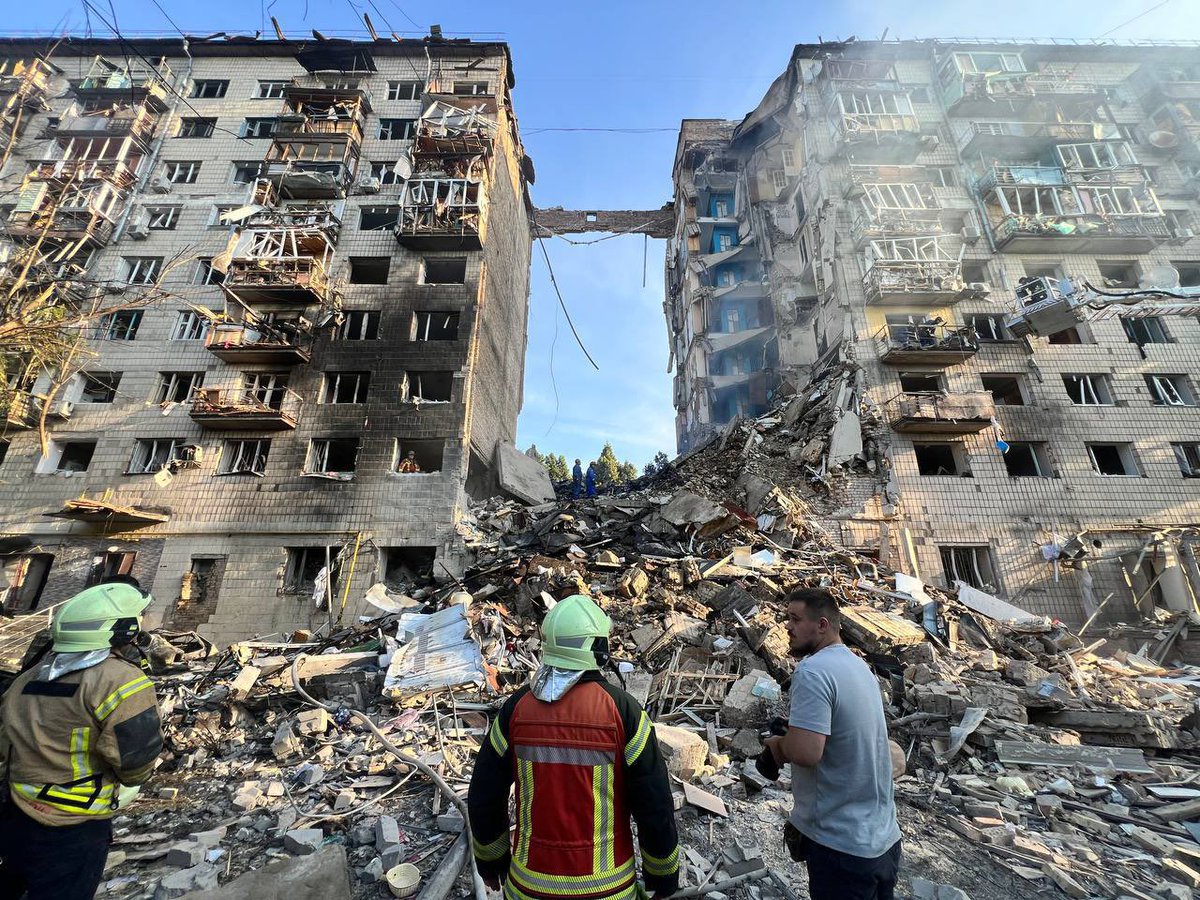
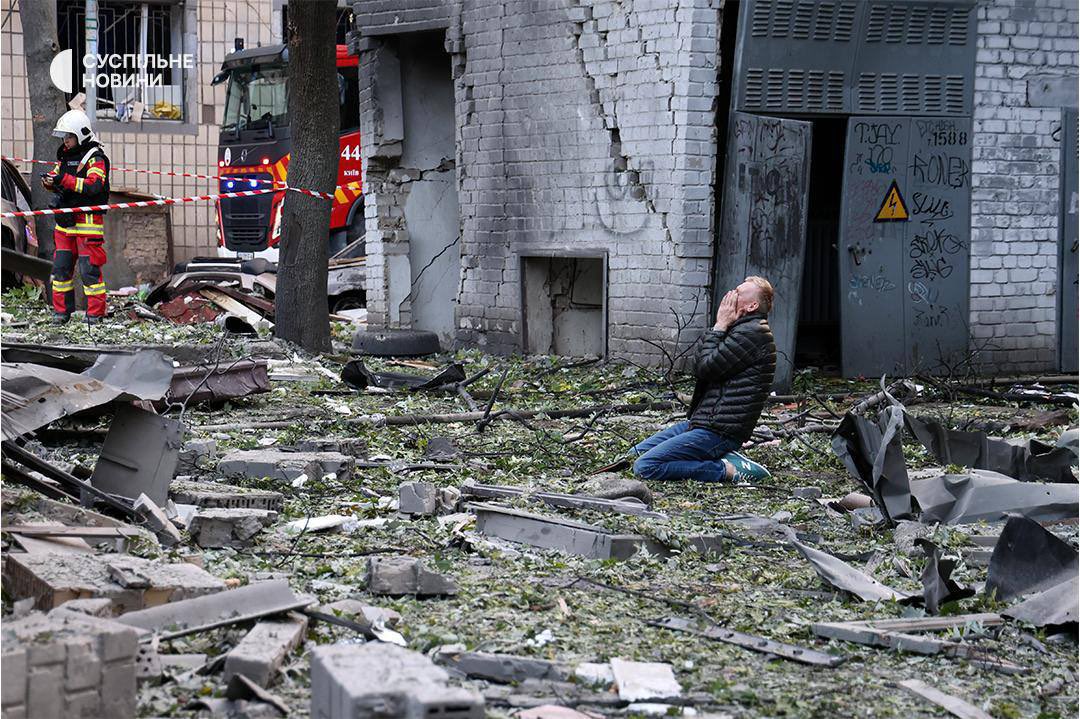
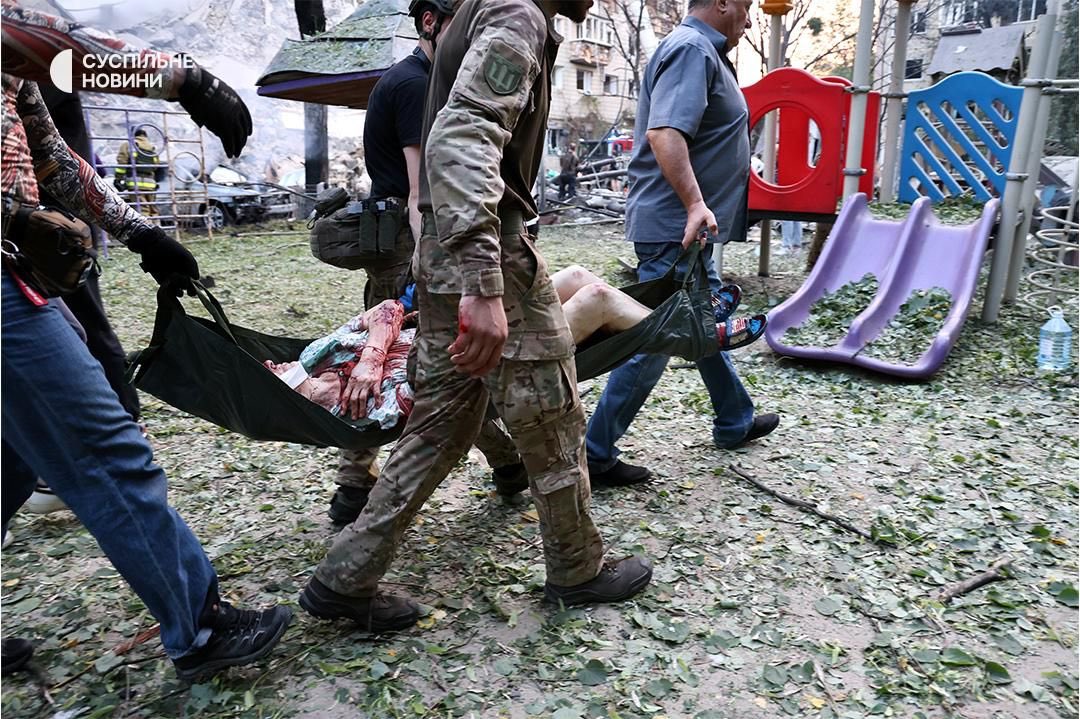
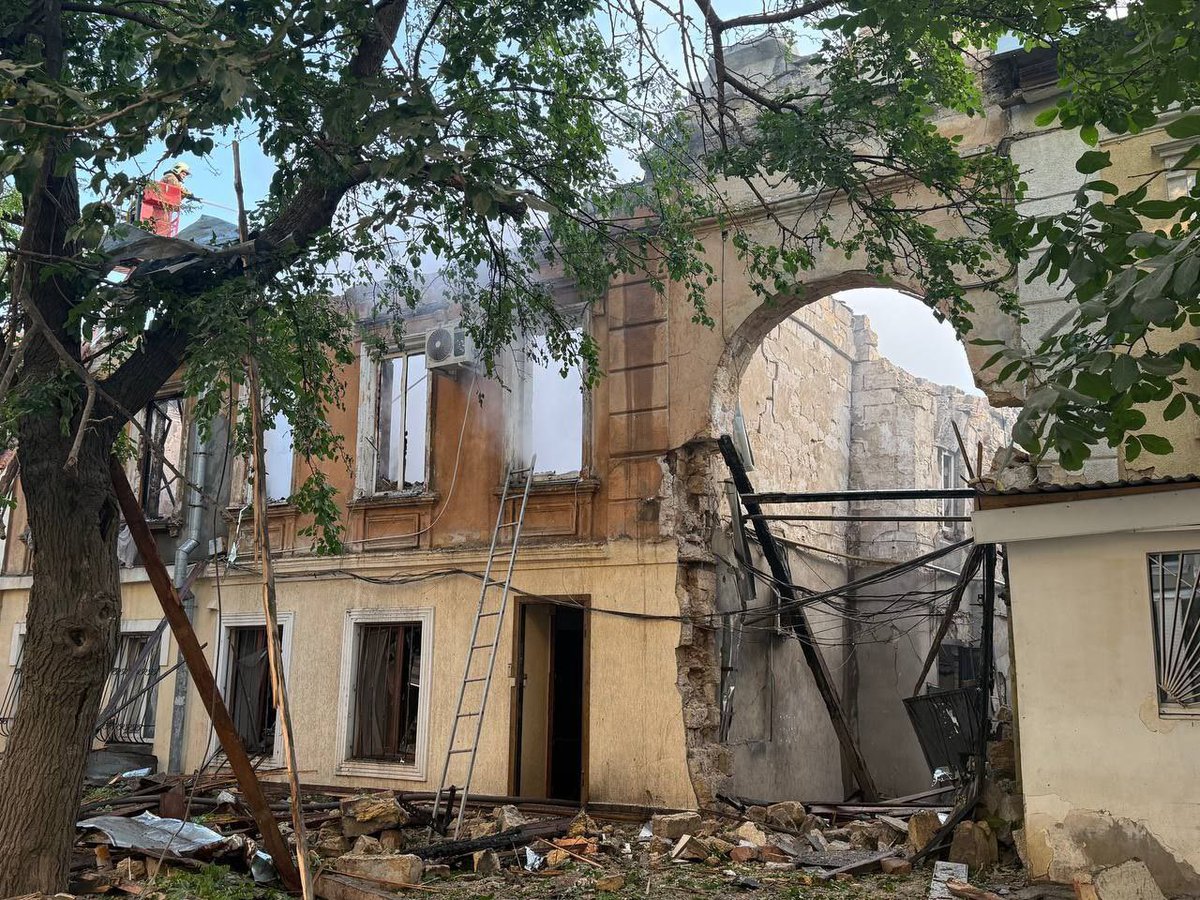
Last night and early this morning, as the world is distracted by the conflict in the Middle East between Israel and Iran, Russia launched one of its largest and deadliest missile and drone attacks in months against the Ukrainian capital of Kyiv, primarily targeting residential homes and civilian structures throughout the city. As a result of the attack, at least 14 civilians, including an American, were killed, while over a hundred others were injured, many by Shahed-type drones developed and jointly produced by Russia and Iran.
169
831
3,281
318,763
Adam retweeted

4 Jun 2025
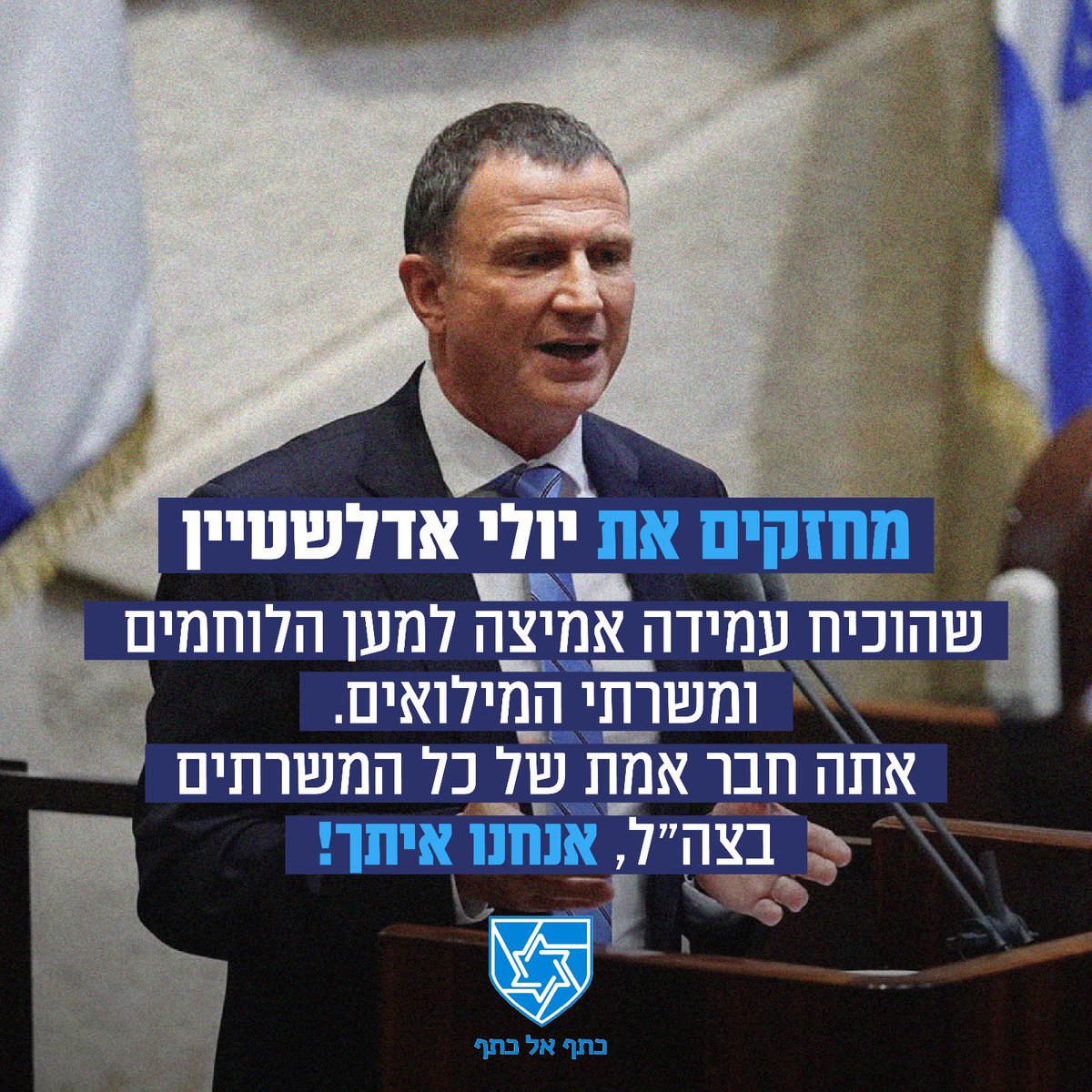
ח״כ יולי אדלשטיין הוא המחסום האחרון בין חוק השתמטות שיפקיר אותנו, לחוק גיוס שיכניס עוד אנשים מתחת לאלנוקה
יולי אדלשטיין עמד איתנו, המילאומינקים והסדירים מתחילת הדרך.
לכן אנחנו נעמוד איתן לצידו כשעושים עליו אמבוש פוליטי!
16
21
300
5,158
10 May 2025
My @MadaGadol post now in English!
Describing the molecular phenomena found in neuronal tissue lacking the enzyme Sirtuin 6, that drives neurons to be hyper active in #Alzheimers .
lbscience.org/en/2024/12/16/…
31
Adam retweeted

29 Dec 2024
בקטנה:
בדצמבר 2024 אושפז ילד בן 17 עם תסמינים של שיתוק ילדים.
בגדול:
הילד לא חוסן בחיסוני השגרה שכוללים סדרת חיסונים כנגד נגיפי הפוליו - ארבעה מומתים ושניים מוחלשים שניתנים עד גיל שנה וחצי. ⬇️
1
2
9
589
Adam retweeted
16 Dec 2024
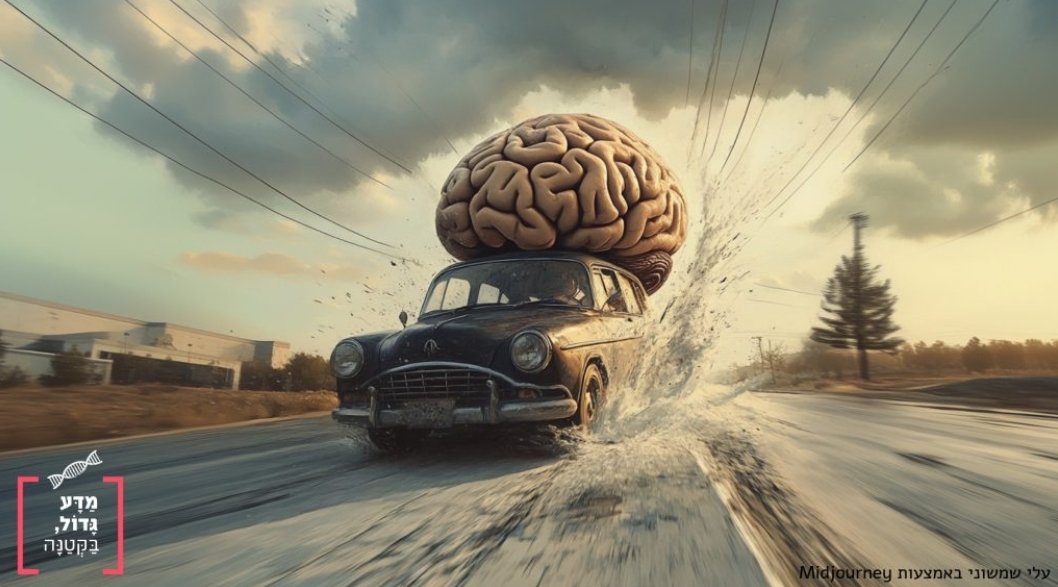
בקטנה:
אלצהיימר: פול גז בניוטרל
בגדול:
הזדקנות מעלה את הסיכוי למחלת אלצהיימר. למרות העובדה שחסרות גישות טיפוליות, זיהוי מוקדם של תסמינים יכול לסייע למטופל ולבני משפחתו להתמודד עם המחלה.⬇️
מאת: אדם זרצקי
@molecular_guy @BenGurionUni @ToiberDebbie
1
2
7
600

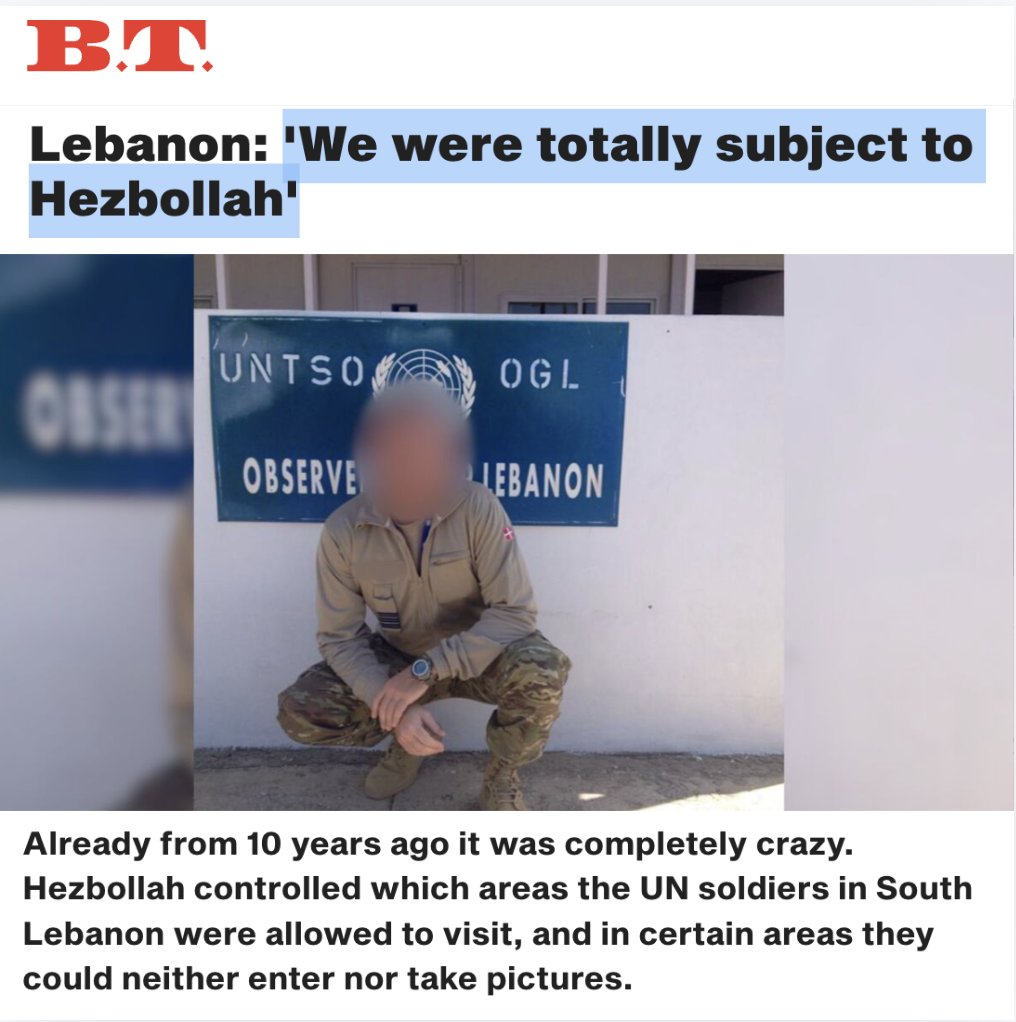
'We were totally subject to Hezbollah,' reveals former UN peacekeeper
By Jotam Confino
bt.dk/udland/michael-var-fn-…
Already from 10 years ago it was completely crazy. Hezbollah controlled which areas the UN soldiers in South Lebanon were allowed to visit, and in certain areas they could neither enter nor take pictures.
This is what a former Danish UN soldier says, who for the first time in his more than 25-year career has chosen to tell his story to @BTDK.
Michael, who has asked not to have his surname revealed for private reasons, was himself deployed to South Lebanon 10 years ago as part of the UN mission UNTSO (United Nations Truce Supervision Organization).
UNTSO, the UN's oldest and longest-running mission, works closely with UNIFIL in South Lebanon, where they often share the same bases.
Their task is to observe and report violations of UN Security Council Resolution 1701 of 2006, which calls for all of southern Lebanon to be Hezbollah-free and for the terrorist group to be disarmed.
When Michael looks back on his secondment, he has no doubts about how to describe the UN:
"We were totally subject to Hezbollah. We clearly had limited freedom of movement. For example, we never operated after dark for fear of Hezbollah. So they had free time in the evening and night hours,' says Michael, who emphasizes that he is speaking as a private person and not on behalf of the Danish military.
And when Michael and his colleagues from either UNTSO or UNIFIL drove around the various cities, they were often stopped by suspected Hezbollah members when they tried to enter the areas where they believed the terrorist group could operate.
"They simply blocked the road. They were not visibly armed, but aggressive, and it was quite clear that they were members of Hezbollah - we knew very well who decided things, especially in the Shiite cities. They didn't want us to see what they were doing,' says Michael.
"When we patrolled the Blue Line, we often saw 'civilians' very close to the Israeli military installations taking pictures. When that happened, we withdrew and observed from a distance – we were simply instructed to do so,' he adds, referring to the 'blue line' that demarcates Israel and Lebanon.
It was also not allowed for Michael and his colleagues to document what was happening in other parts of the cities.
"It was forbidden to film and take pictures. And if we did, we could end up with the locals confiscating our cameras. It happened to my colleagues in UNIFIL and UNTSO.'
Hezbollah's control of South Lebanon was already massive then, says Michael.
"The civilians who did not care about Hezbollah, especially the Christians, were afraid to speak out against them. There was a widespread fear of them. But at the same time we experienced cooperation with the Shia Muslims. For example, we had a number of interpreters who were indoctrinated into Hezbollah. I ended up throwing one of them out of my car once while he was praising Hassan Nasrallah. I simply didn't want to listen to it,' says Michael.
The most frustrating part of the work, however, was the total absence of action and consequences for the flagrant violations of the resolution Michael and his colleagues were there to observe.
"We reported daily violations of resolution 1701 to our superiors, including in particular restrictions on our freedom of movement, and we were instructed to report all violations regardless of number. But nothing ever happened,' says Michael and adds:
"We did not hear back from them and nothing was initiated. It was wildly frustrating and it only confirmed to me what I had experienced in other countries I was posted to; The UN is incompetent,' he states.
According to Michael, however, most of the thousands of UN observers and soldiers had their hearts in the right place.
"We were there for a reason, after all. Even if several of us had to realize that we couldn't do anything. But of course there were also some who were fervently anti-Israeli. I especially remember one of them from Ireland.'
However, it is beyond Michael how extensive Hezbollah's infrastructure has become since he was there 10 years ago. Especially the tunnels, which BT has documented , are about 100 meters from a UNIFIL base, surprises him.
"We didn't hear or see any digging or tunnel construction when I was there - I would never hide that. On the other hand, several civilian houses and probably also a 'chicken farm' appeared close to the Blue Line while I was there, which of course we could not/were not allowed to inspect. I remember, on the other hand, that the Israelis had a really good handle on where Hezbollah was. We often visited the IDF on the Israeli side of the border to get their presentation of the situation. And they could pinpoint exactly where they had spotted Hezbollah on the other side of the border,' he says.
Israel's firing on UNIFIL bases has created a huge debate worldwide. The UN and a number of countries, including Israel's allies, have strongly condemned Israeli actions.
Israel itself says that it defends itself against Hezbollah, and that Hezbollah uses UNIFIL as human shields.
BT has reached out to UNIFIL and UNTSO for comment.
UNTSO referred us to UNIFIL who has not yet replied.
@mrconfino
75
801
1,907
277,523
Adam retweeted

20 Oct 2024
היי יהב,
הפוסט שלך קפץ לי לעין בעיקר בגלל השם שלך.
יש לי חבר טוב בשם הזה.
יותר נכון היה לי עד לפני שנה ושבועיים.
הוא נרצח בבית שלו.
מצאנו את הגופה שלו ליד המקרר.
הוא הצליח להבריח את אשתו, שי-לי ואת בתם בת השנה וחצי שייה ונאבק בחיות האדם (שמבחינתך אני גרוע יותר מהם)>>>
20 Oct 2024

[1] מישהי שאלה אותי לפני כמה ימים אם אחרי שצפיתי במאות סרטונים ועשרות עדויות מה-7/10, אני חושבת שהצבא הישראלי הוא גרוע ואכזרי כמו החמאס.
72
124
3,013
195,234
Adam retweeted

18 Oct 2024
🚨 Please RT
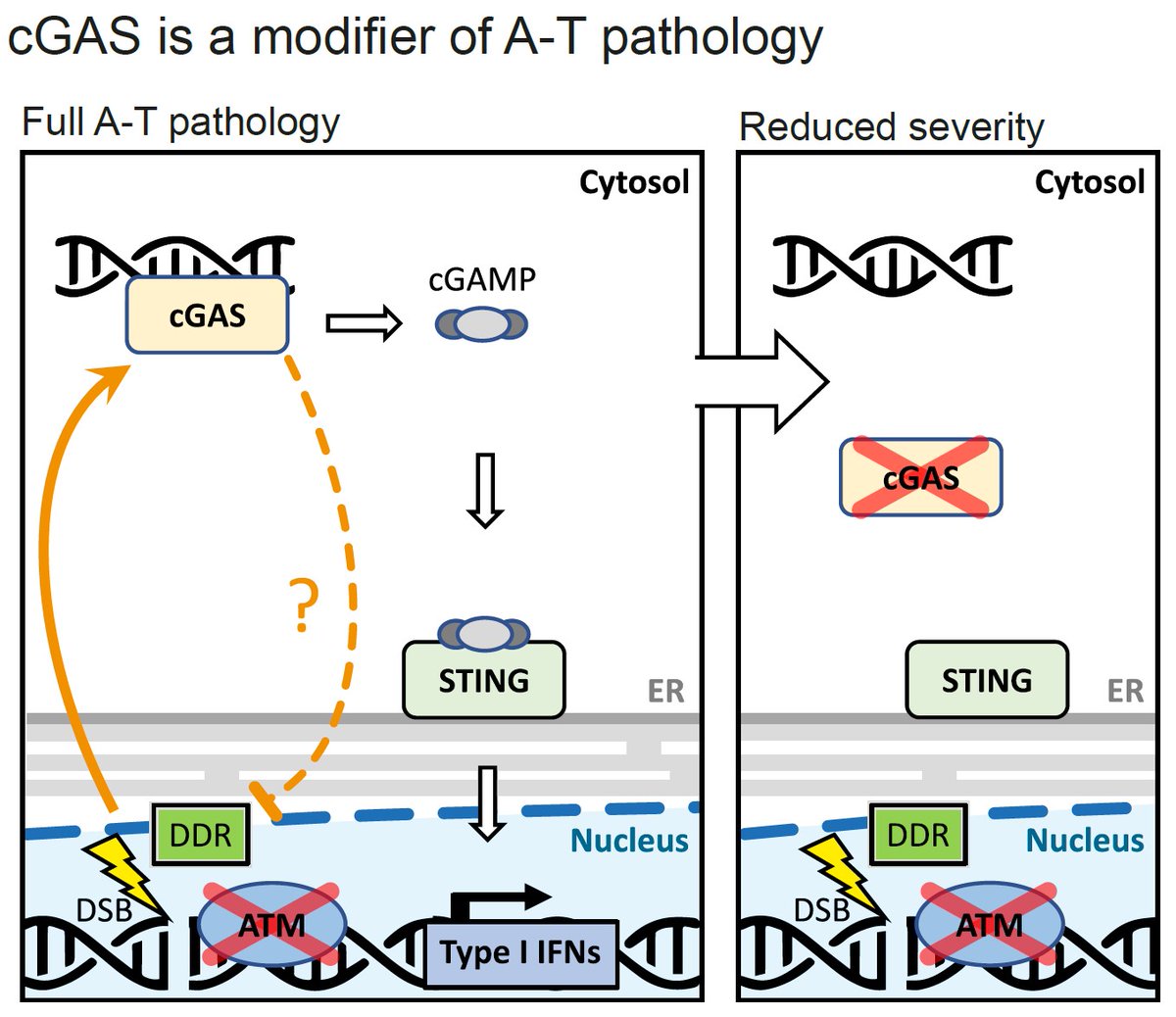
Thrilled to share our new study in turquoise killifish, revealing that mutating cGAS-STING can rescue key defects in DNA damage repair syndromes! Findings offer a potential therapeutic target, with possible implications for aging. Read here: t.ly/agJFD
15
46
163
17,343
Adam retweeted

7 Oct 2024
A message to the friends of the Iranian people across the Middle East
11,247
26,189
66,475
13,904,834
Adam retweeted
2 Jul 2024
שאלנו אתכם לאיזה יונק אין פופיק.
ובכן, נתחיל בהבהרה לגבי המילה "פופיק". פופיק הוא כמובן לא מילה מדעית. הצלקת הקטנה שיש לנו וליונקים אחרים באמצע הבטן נקראת בשפה מדעית טבור, והיא מה שנשאר לנו אחרי ניתוק חבל הטבור שקישר אותנו לשליה של אימנו כשהיינו עוברים ברחם. ⬇️
30 Jun 2024

בקטנה,
חידה קיצית לכבוד החופש הגדול:
מי הוא היונק שאין לו פופיק?

2
1
10
838

Adam retweeted

25 Nov 2023
Hating Jews does not help Palestinians.
341
364
3,066
148,591