
Studying influenza and cell intrinsic immunity @BiochemOxford
Joined March 2020
- Tweets 1,672
- Following 979
- Followers 194
- Likes 9,979
16 Photos and videos







Pinned Tweet

May 8
I have recently interviewed one of Oxford’s most prominent scientists: Professor Raymond Dwek. His contributions to the field of glycobiology have been fundamental (he even coined the term “ glycobiology”). I hope you enjoy reading it:
open.substack.com/pub/oubs/p…
2
3
727
Jun 14
I feel that there’s a mismatch between the number of therapeutically validated targets and the amount of money/labor dedicated to building tools to bind them. Also how good are current models at actually making good binders for valuable targets?
Jun 14

it is reasonable to look at the binder design literature and come to the conclusion that we are arriving to an age of genuine therapeutic abundance. it is also possible to come to the conclusion that every dollar spent here has been entirely wasted. lots of multitudes
1
265
Jun 14
Things I find interesting:
- Flower Design
- Pet therapeutics
- Human Liver rejuvenation
- Whatever Moab Tx is working on
- Bringing back pigeon post
2
1
210
Mosasaurus retweeted

Jun 11
Together with UC Berkeley we are announcing the laser phase plate - a breakthrough in atomic resolution imaging. This is the brightest continuous wave laser in the world, 100 million times the intensity of the surface of the sun.
Phase contrast plays an important role in microscopy, but it was thought close to impossible for electron microscopy, where it would require interfering with an electron beam. Holger Mueller and Robert Glaeser proposed exactly this using a standing wave laser. It has taken over 15 years to make this a reality. Biohub partnered with UC Berkeley and Mueller to support this work and to engineer and build the technology.
Contrast has been the critical barrier to achieving atomic resolution imaging of the cell. In cryo-electron tomography, a cellular imaging technology that uses electron microscopy, the low contrast makes it impossible to resolve anything but the largest proteins within their cellular context. The laser phase plate removes that barrier.
With advances in AI this breakthrough in contrast will start to open up a new frontier in structural biology, that will allow us to see the molecular machines of the cell, and how they assemble into far more complex and dynamic systems, and understand how they work.
88
569
3,922
629,966
Jun 12
Hmmmm @EliLillyandCo

Gargantuan deep-sea crustaceans can go for years without eating, thanks to a metabolism-related gene borrowed from bacteria
go.nature.com/4e4eT0H
64
Mosasaurus retweeted

Jun 12
Picture reaching for something on a high shelf and coming up short. You don’t give up; instead, you find a stool, carry it over, and climb up. Buried in that action is something remarkable: You held the goal in your mind, identified what you needed, and executed a plan. No training required.
A study suggests bumble bees can do the same—the first demonstration of this kind of goal-directed problem-solving in an insect.
Learn more: scim.ag/49Craqw @NewsfromScience
11
83
471
133,986
Mosasaurus retweeted

Jun 10
The cell and gene therapy field has already proven itself: personalized therapies for rare diseases and what look like actual cures in blood cancers are now a reality.
But the field is being gutted by manufacturing requirements. New for my blog:
writingruxandrabio.com/p/man…
1. A company is dying now because of manufacturing requirements. Ultra-rare disease company Grace Therapeutics may be forced to shut down after the FDA demanded a second manufacturing run it cannot afford.
2. Grace Therapeutics is far from alone. The launch of Carvytki, one of the most impressive cell therapies that leads to what are
3. Around 30% of batches of Carvytki were being thrown away for no good reason, due to overly stringent manufacturing requirements. The FDA tightened its potency assay thresholds between the trial and commercial approval. This led to an artificial spike in batches labelled as "manufacturing failures" or "out-of-specification".
4. This is absurd, because the potency assay isn't even a safety test. More importantly, the two parameters that most frequently triggered out-of-specification failures were traced not to genuine defects in the product but to minor technical artefacts in the assay itself, so noise in the measurement, as opposed to evidence of a non-functional therapy.
5. The human cost of this could have been significant. Imagine a 67-year-old with relapsed myeloma who has already been through five prior lines of treatment. While waiting for Carvykti, she is placed on bridging chemotherapy, a holding pattern designed to stop her disease from advancing while her cells are being processed. And, after weeks of deterioration and waiting, she is told that her batch has failed the potency assay by a few percentage points and sent home.
6. Rather than discard the failing batches, J&J routed them through expanded access, a pathway that allows patients to receive products that haven't cleared formal approval requirements. The catch is that companies cannot charge for therapies given this way, so every out-of-specification batch was administered for free. In exchange, J&J collected outcomes data. When they compared patients who received passing versus failing product, they found no meaningful difference between the two groups. This proved the FDA was wrong all along.
7. This is the rule, not the exception. 43% of cell and gene therapy programmes entering Phase III experience major disruptions, and 60% of those trace back to manufacturing and regulatory issues.
8. Although in the case of Carvytki patients ultimately got their treatment on time, this came at a great cost to the company. Such events have an important negative effect on further investment. Venture funding for cell and gene therapy declined significantly in the last years due to such fears. Until manufacturing risks become manageable, the next generation of cancer cures or personalized gene therapies may never get built.
7
24
94
25,298
Mosasaurus retweeted

Jun 4
ashlee has touched more of the ragged edge of technology & evokes the wonder just beyond the horizon better than almost anyone
it was a pleasure to chat with him about our recent results @newlimit last week
Jun 3

New Limit just raised $435 million. This is, in part, because they've had a massive breakthrough on reversing the age of the liver with their new brand of genetic reprogramming drugs.
For the first time, NewLimit's co-founder and president Jacob Kimmel details the company's breakthrough here.
We also get into the longevity and bio-tech fields more broadly to explain where aging science and AI are heading.
If nothing else, come to see some mice get drunk.
The Core Memory podcast is available wherever you pod, and I'll put the YouTube link down below in the replies.
Our show is sponsored by Brex and SendCutSend. They are both wise and benevolent.
Timestamps
0:00 Intro
3:50 What Is Epigenetic Reprogramming?
7:16 Growing a Whole Animal From One Old Cell
13:06 Meet Ambrosia, the AI Hunting for Youth
22:44 $435 Million and the Race to Human Trials
29:26 The Drunk Mice That Skip the Hangover
36:48 Inside the First Human Trial
43:14 Will There Ever Be a Hangover Pen?
49:39 Beyond the Liver: The Delivery Problem
1:03:27 Answering the Skeptics
1:12:42 Will OpenAI Become a Drug Company?
1:23:53 The Health Story Bigger Than AI?
1:35:00 How Far Behind Is the US vs China?
1:53:10 Can We Build Computers From Neurons?
8
7
75
12,671
Jun 6
How does this relate to Rick Wrights synth work in Dogs
Jun 5

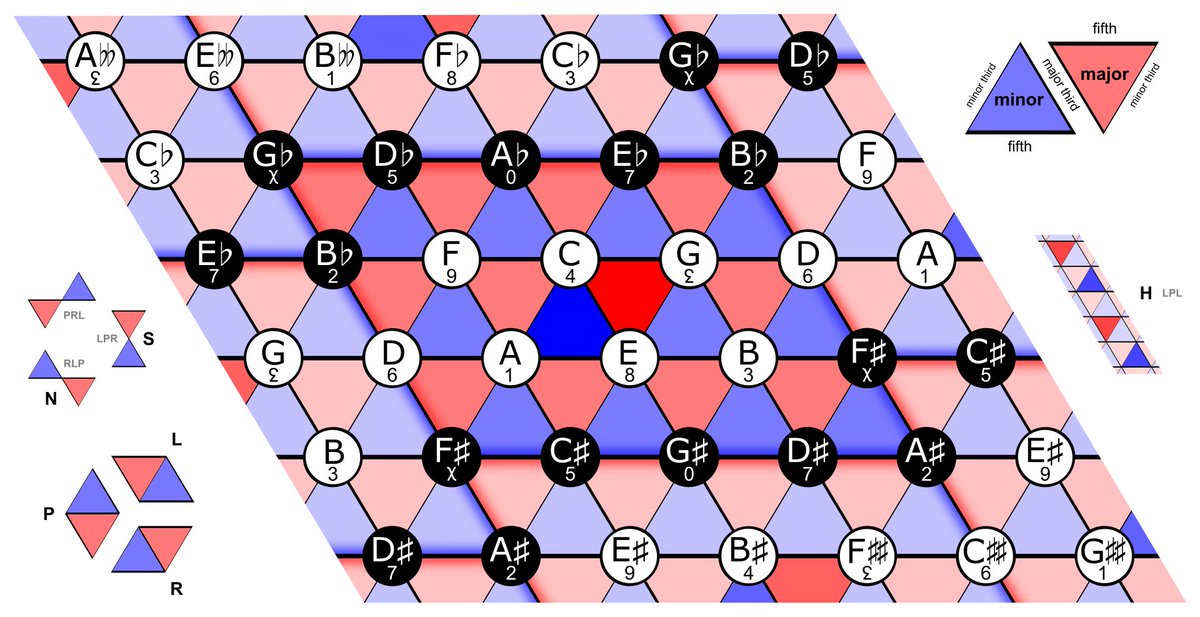
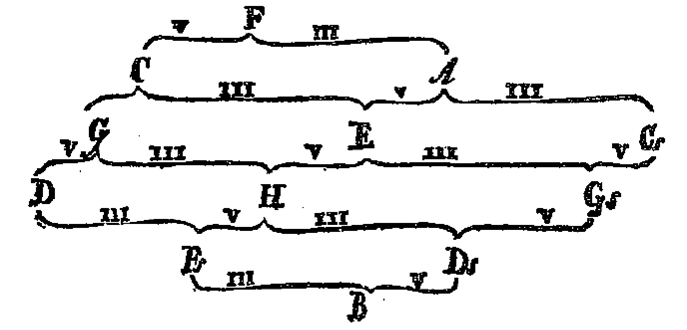
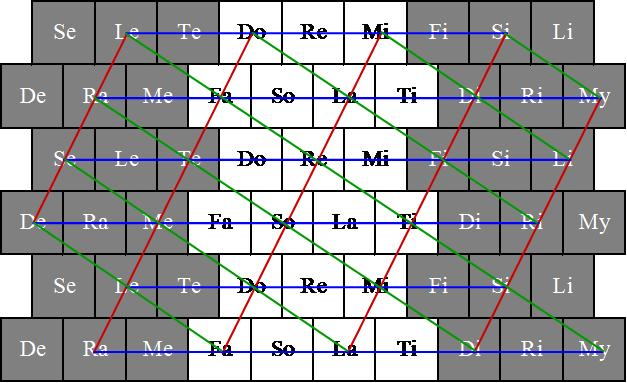
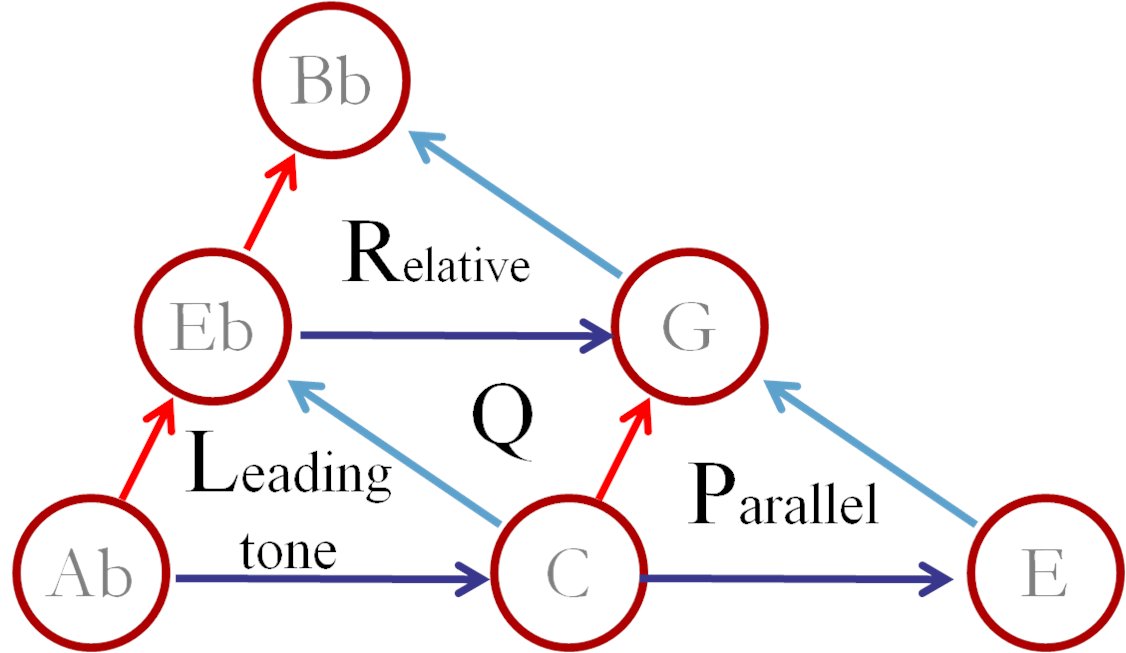
STOP DOING MUSIC THEORY. THIS IS REAL THEORY DONE BY REAL MUSIC THEORICIANS.
"This semi-tonal graph is homeomorphic to the cartesian embedding of S1xS1" <--- statements by the utterly deranged
50
Mosasaurus retweeted

Hate to break it to you, broseph, but the only technician-level biotech people who are anywhere close to "elite" in this case are barely a handful of 50-60 year-old lifers that lucked out insanely decades ago.
1
1
58
1,922
Mosasaurus retweeted

Jun 3
Biotech is being rewritten by two forces: AI and Chinese biotech. The playbook that worked for the last two decades doesn’t anymore. The question of what's worth building has never been harder to answer.
Our take: the next era will be defined by companies that build in the places neither AI nor China can reach alone. We're sharing how we're thinking about it, and what we're building at Moab.
open.substack.com/pub/moabtx…

4
8
56
22,700
Mosasaurus retweeted

Jun 4
From my POV designing bacterial genetic systems with 100 parts, mRNA / protein expression is controlled by many tunable “knobs” & we do need to understand their mechanistic seq2fcn & stochastic dynamical models including their coupling. Bacteria have long range interactions too!
1
2
2
966
Jun 4
Over simplified to the point of being pretty much false
Jun 3

Mathematicians and scientists often peak in their 20s. Why?
Maybe older scientists become stuck in their ways. Or maybe younger researchers feel free to be more creative.
But @jacobkimmel's hypothesis is that this isn't because of social factors at all - it's evolution:
1
129
Jun 3
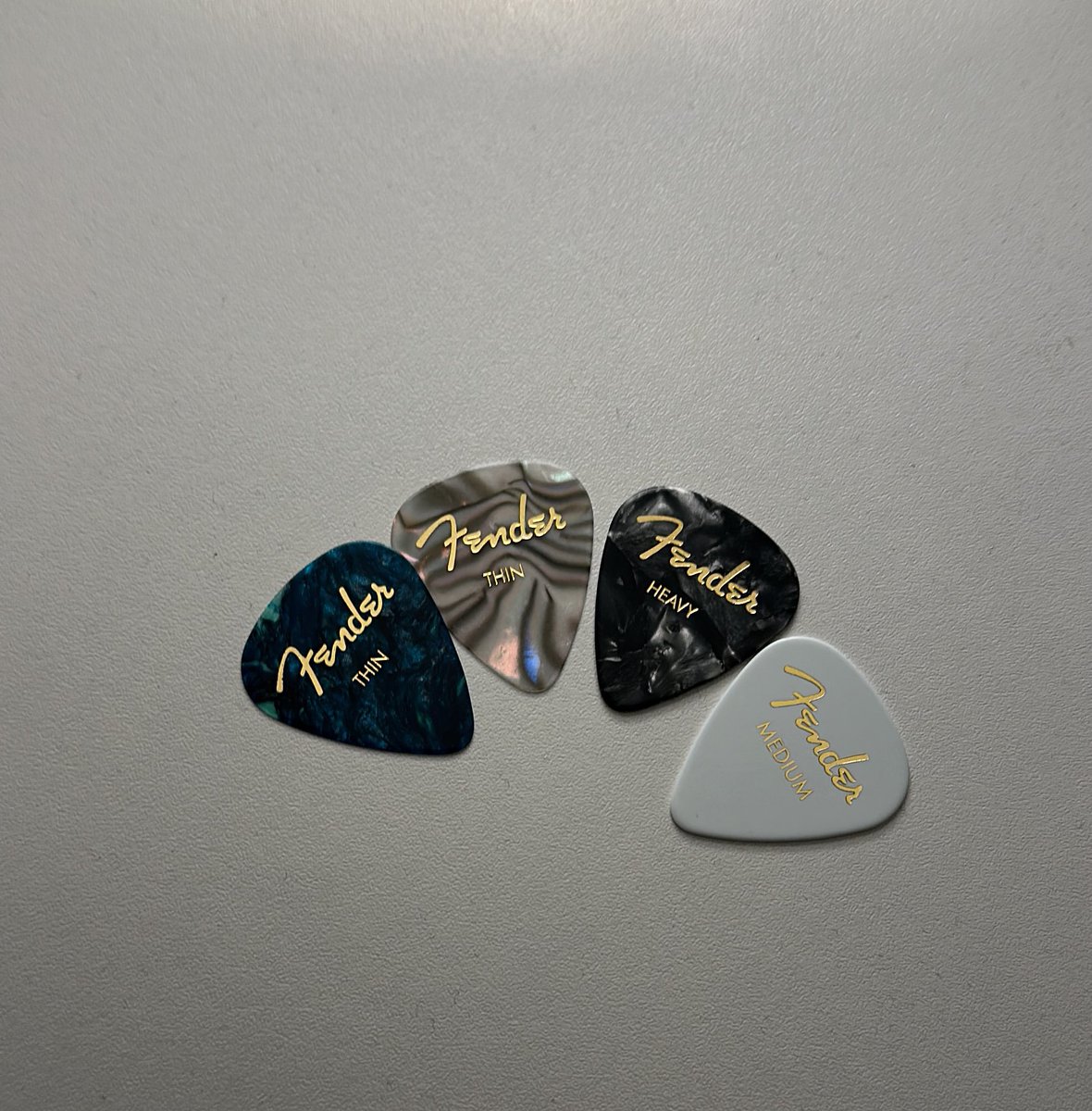
I dislike what Fender is doing at the moment, but I’m also so pro Fender I don’t think it changes my opinion of them at all
26

New-found immune cells called ‘ruptoblasts’ explode when triggered, ejecting toxic chemicals capable of delivering death to surrounding cells in just minutes. The cells’ discoverers say that this process, which they call ruptosis, seems to be a new form of cell death.
go.nature.com/4x3SZBT
5
151
496
55,931
Mosasaurus retweeted

Jun 2
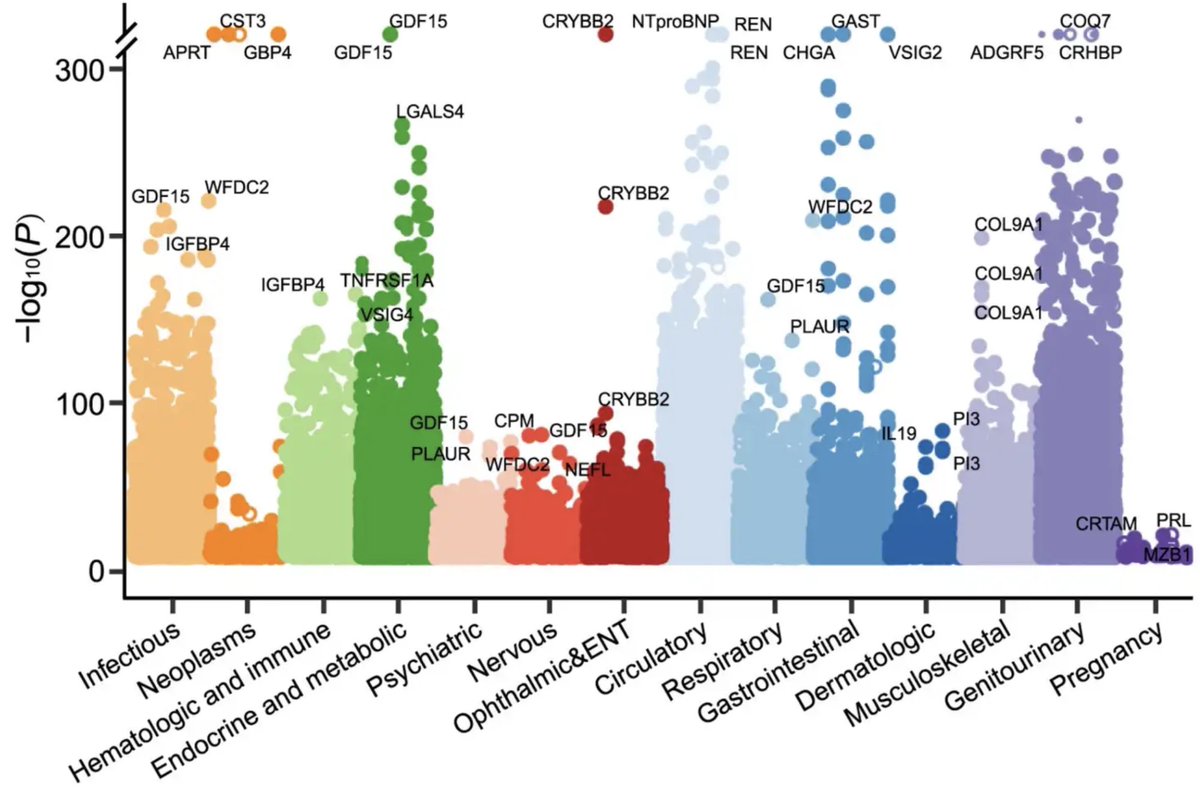
A year ago, the UKBB released >53k plasma proteomes, allowing cross sectional analysis across hundreds of diseases and traits.
Using a 2920-plex panel, we can quantify thousands of potential biomarkers.
What is the best way to analyze this dataset?
3
27
151
20,392
Mosasaurus retweeted
Jun 2
Overall, careful inspection of data can provide much more than naïve ranking by raw p-values.
The full paper with more details (or if you just want to look at volcano plots for some common diseases) is linked here: docs.google.com/document/d/e…
Lots more to discover.
3
2
15
1,596
Jun 2
Ground News does a “good news of the week” segment. Advances in healthcare are invariably featured in this, sometimes making up majority of the good news. The potential to help humanity in biology is limitless.
34