24 Photos and videos

keli retweeted

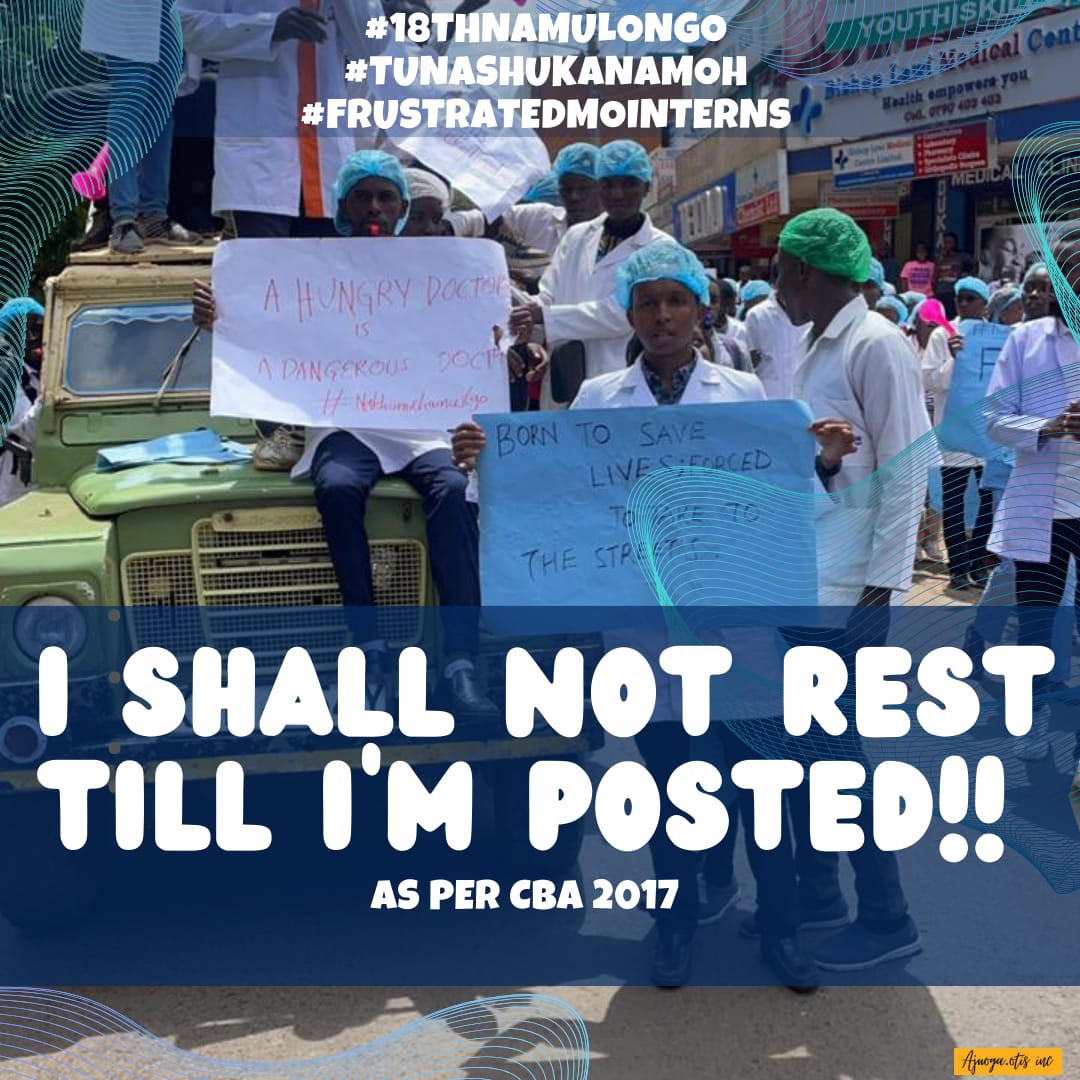
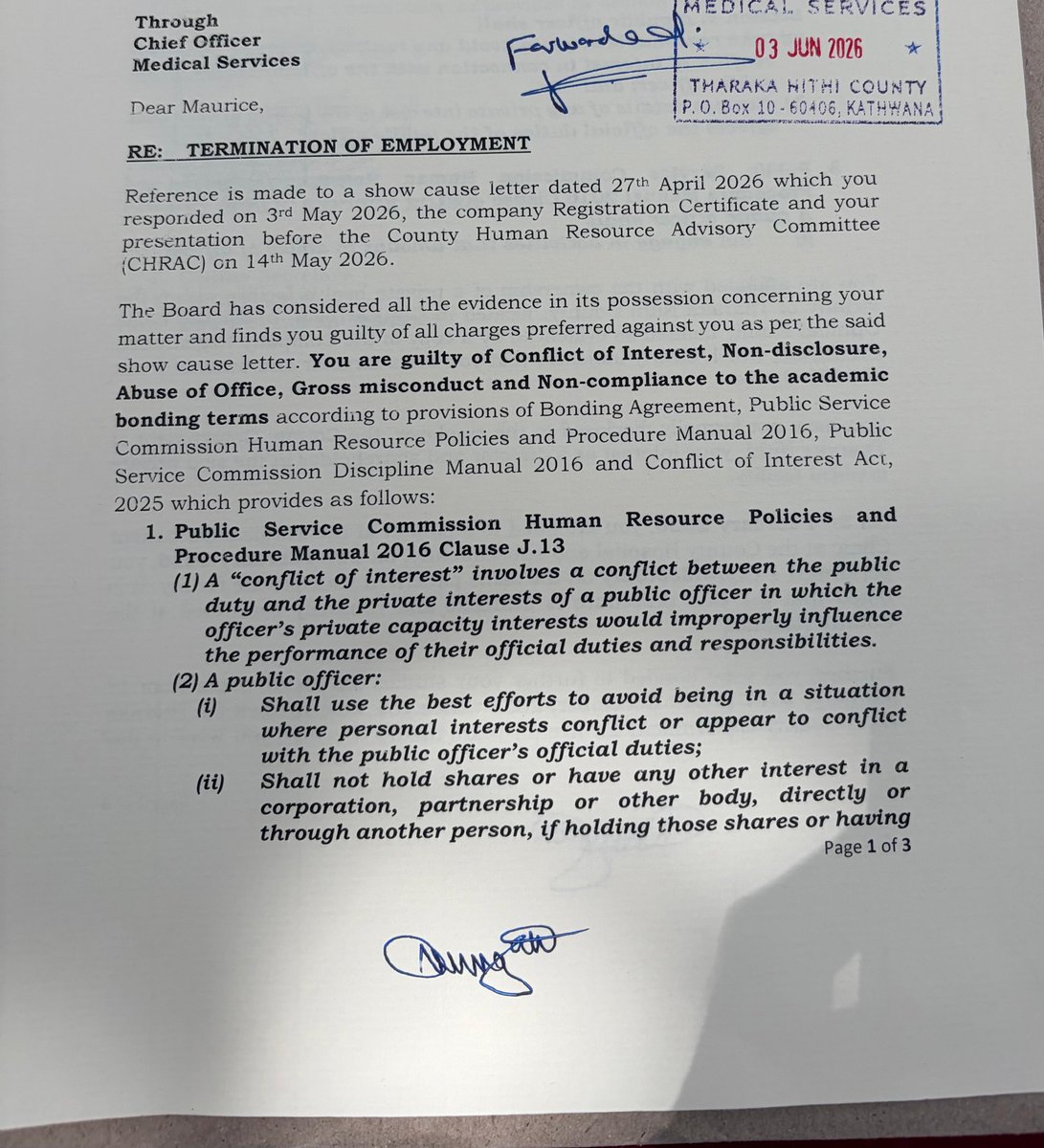
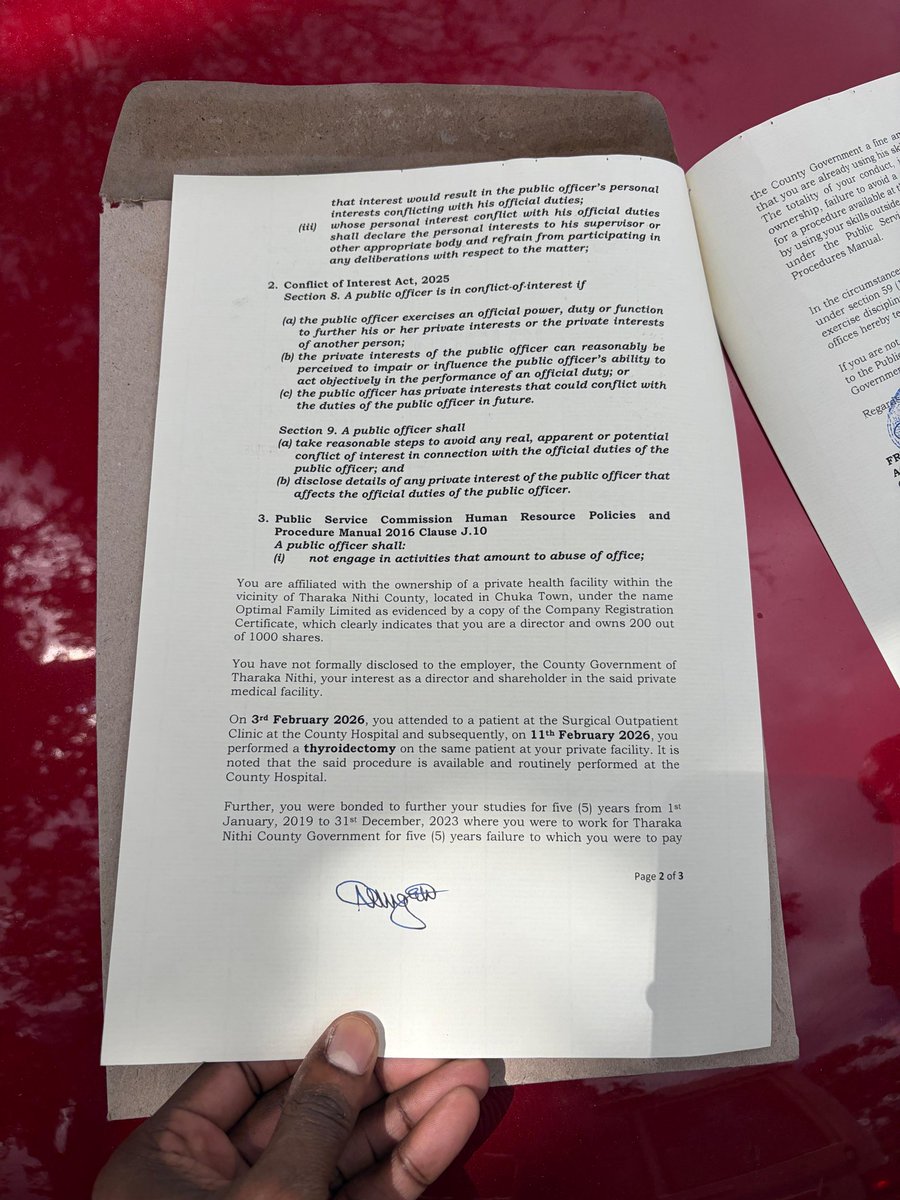
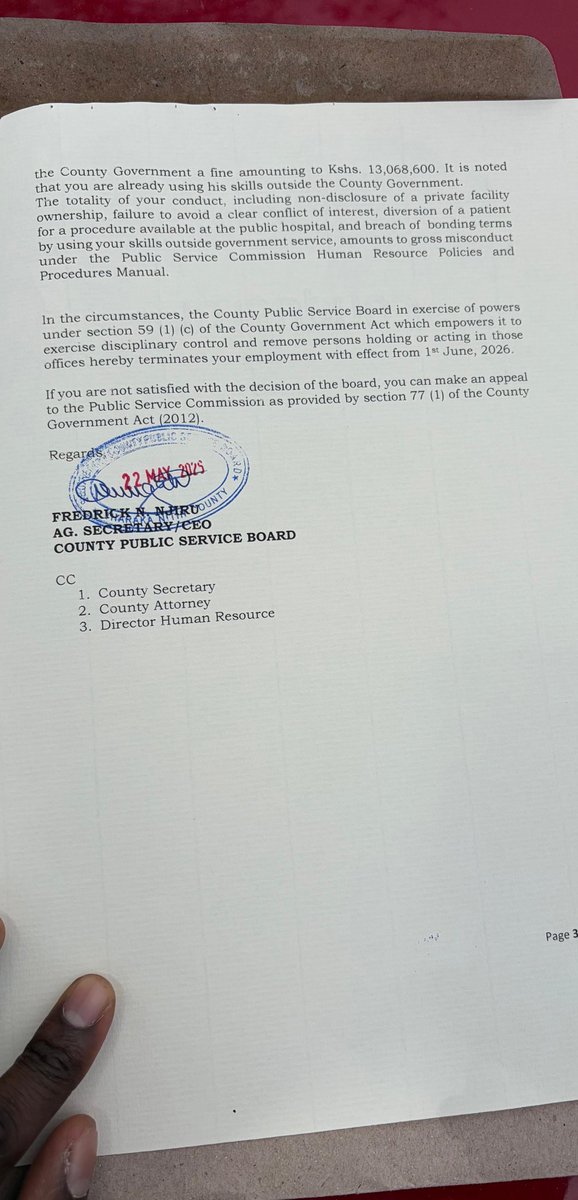
Did Tharaka Nithi County just fire 3 drs for engaging in private practice?Ok they are about to get what they asked for!!You can never dictate to us what we do with our private time or with our knowledge. @kmpdu will never sit back and watch such atrocities carried out against our members. @MuthomiNjuki ,hapa umetuchokoza and there will be consequences.
31
24
91
41,193
keli retweeted

As a Senior Consultant, the reason I haven't raised my voice is simple:
When the interns are gone, I will gladly show up at 5AM, clerk 80 patients, draw the blood, and run the night calls myself.
I am superhuman. Obviously.
As a Senior Nursing Officer, the reason I am silent is obvious:
I have no problem running three wards alone, fixing lines, tracking vitals, delivering babies, doing the paperwork.
I don't need hands. I have dedication.
As a Policymaker, the reason I haven't spoken is elegant:
The interns are a budget problem I solved by terming the students.
My children are not doing internship in Uganda, after all.
As a Patient, the reason I haven't complained is clear:
Even if the doctor cutting me open has worked 36 hours without food, just cut me open and take the baby out.
Hunger sharpens the hands. Everyone knows this.
As a Citizen, the reason I am unbothered is rational:
None of my children is a medic.
I have my pastor.
The system runs on miracles. Always has.
This policy is brilliant.
Let's all stay quiet and watch the magic happen.
85
950
2,024
79,113


This isn't necessarily a bad idea, if the Americans fund such a facility, it'll serve a few Americans (maybe a couple of dozen) but could eventually serve hundreds of Kenyans in the event of a local breakout

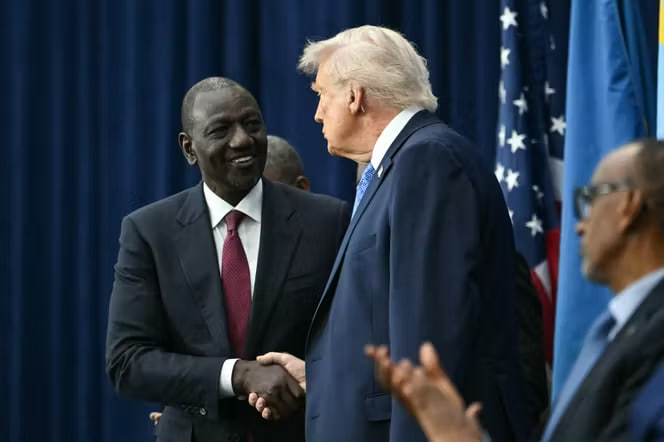
Trump plans to move Ebola‑exposed Americans TO KENYA — WSJ & NYT reveal shift in US policy
The administration would build a facility in Kenya for monitoring and treatment instead of flying citizens home
The facility is pending approval by the Kenyan government
143
25
94
54,734
keli retweeted

Daktari we have thousands of Kenyan truck drivers who frequently travel to Ebola endemic areas. If Kenya does not adequately prepare and equip quarantine zones with the help of wealthy nations, how do you expect Kenya to handle a crisis that involves Kenyan citizens in the future? Are you trying to insinuate that Kenyan truck drivers are immune to Ebola? Would you be able to assist the Kenyan Government in funding isolation zones without international assistance? Do you forget how we mishandled covid? How do you expect our failed health care system to set up complex bio-containment zones with negative pressure ventillation systems and dedicated waste management systems without international support?
Well here is the catch, international support is a quid-pro-quo arrangement.
5
2
3
6,266

keli retweeted

May 19
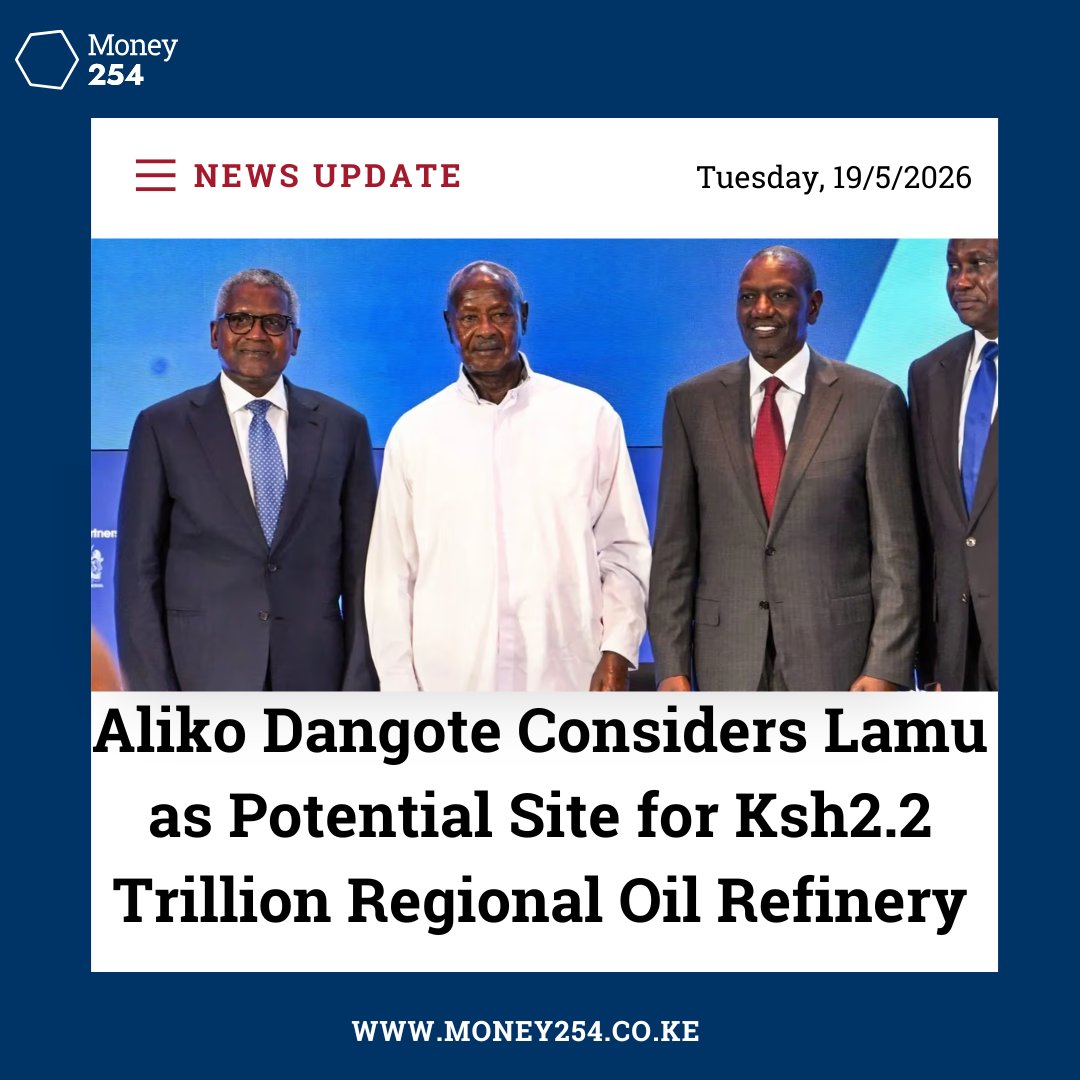
Aliko Dangote has identified Lamu as a possible location for his proposed mega oil refinery in East Africa as plans for the regional project continue to gain momentum.
The industrialist is seeking to replicate his 650,000-barrel-a-day refinery in Nigeria within East Africa to help reduce the region’s dependence on imported fuel products.
The refinery was first proposed to be built in Tanzania’s port city of Tanga before Mombasa was later added to the list of potential locations.
EAC leaders have backed the proposed refinery project, which is expected to serve markets including Kenya, Uganda, Tanzania, Ethiopia, South Sudan and the DRC.
21
52
169
39,695
keli retweeted

May 19
Being a cardiology fellow in Kenya means you spend 12 hrs looking at complex structural heart defects and managing acute heart failure, only to walk out of the hospital and realize the most unstable thing in the vicinity is your own financial ventricular function. Ni mbaya!!!
7
12
149
5,592
keli retweeted

May 18
Irungu Kang’ata is on record saying leaders will have a hard time winning in central with UDA despite their track record. This is proof that no amount of work beats political sycophancy and tribal based politics in Kenya. The same is true across all regions in Kenya.
46
95
532
15,307
keli retweeted

My name is Patrick Gachie . On Friday 15th /05/2026 .I was conned with a stolen cheque after delivering onions worth 115k to a man called Kennedy Meme , who has since disappeared
I’m now unwell , depressed and defeated . As a full-time student Onions were my only source of

I’ve been conned 😭😭..Nimeibiwa
I was given a Fake Cheque
Mungu wangu 🤦🏻♂️😭😭😭😭💔
I’ll share the details with y’all
206
1,369
3,619
258,374
keli retweeted

May 16
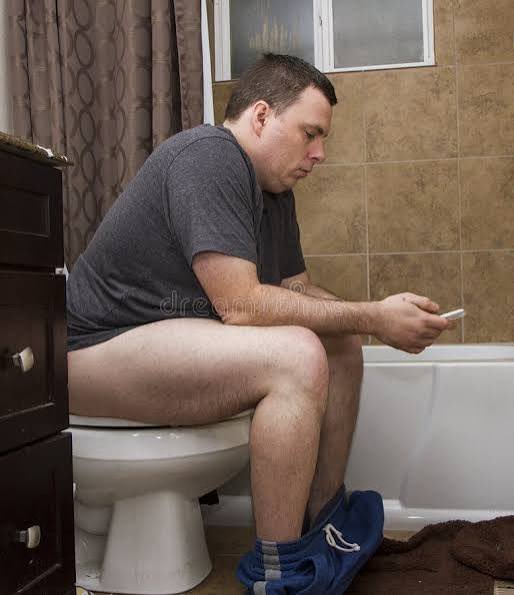
Vaccine Anti vaccine
research research

541
5,828
45,148
1,063,336
keli retweeted

May 15
You're an elected MP, hio maneno unataka kusema, semea parliament 🤦🏽♀️


74
2,730
8,360
109,404

you’re the one in a hospital bed though?!
May 13

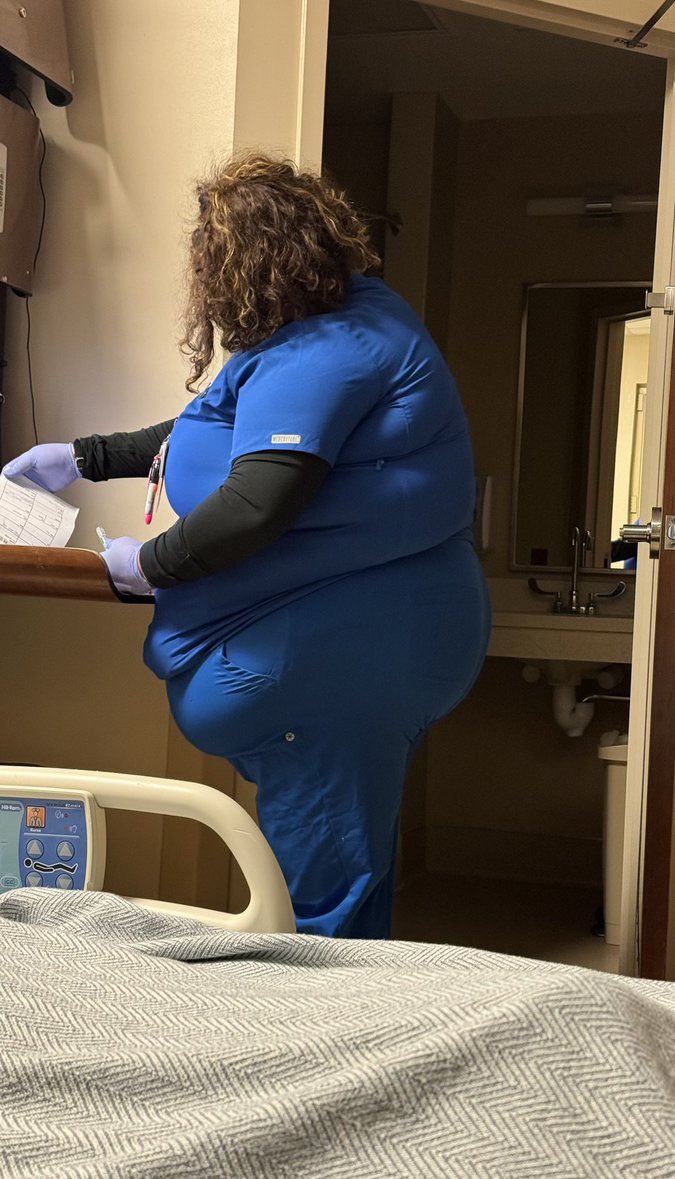
anyone who looks like this has no business giving people health advice or medical care of any kind...
274
5,095
87,133
1,982,259

keli retweeted

May 10
Doctors in Kenya via KMPDU are pushing for a 30% salary increase, saying they have not received a pay rise since 2017.
They also want automatic employment for new doctors and better medical cover for health workers
45
343
1,579
41,252

Okiya Omtatah: While Kenya bleeds, legacy politicians remain silent. Many are not fighting to fix the system. They are fighting to inherit it... If we remain silent while our country is looted, future generations will remember us as the people who watched Kenya collapse and did nothing.

38
2,003
3,564
47,890
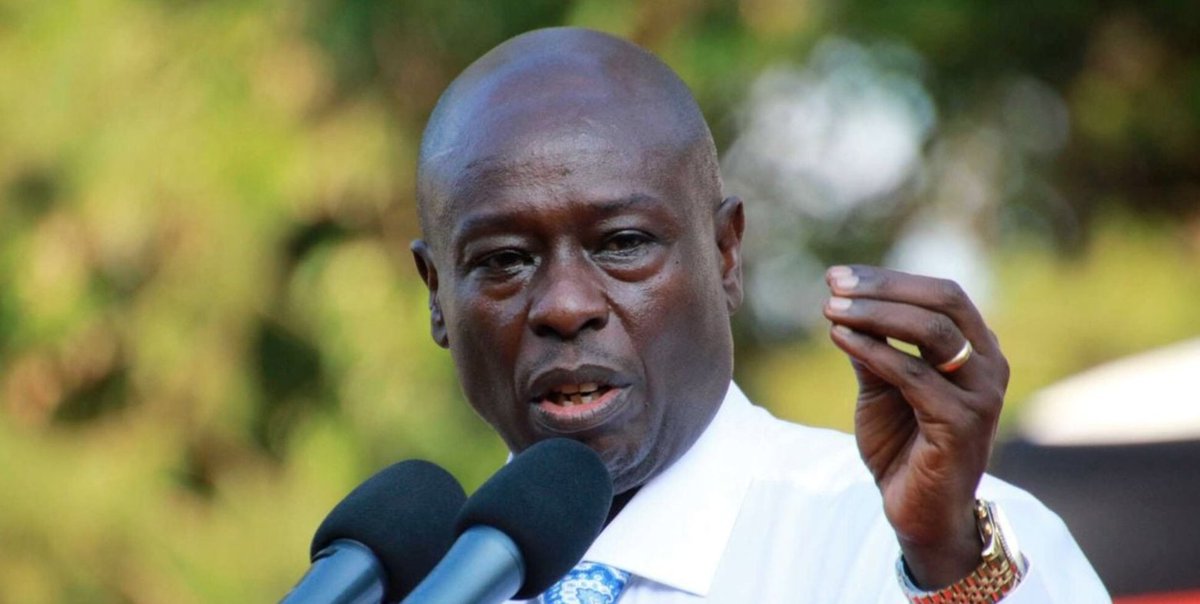
DP Gachagua: You'll feel benefits of Ruto economic policies in 6 months ow.ly/b2Xq50PXvkY
348
997
1,840
246,417
keli retweeted

May 7
Me seeing this W on the TL.
May 6

Found out the hole in my daughters heart has now completely closed today, She's 100% healthy 😭😭
39
11,291
108,948
1,425,787
keli retweeted

May 7
If Refusing to fall for senseless voting waves that we all know will achieve zero difference on shifting this direction to the right direction,if this is what will make you label us as Moles,hiyo ni sawa. I decided long ago. Hii kura yangu moja na ya bibi yangu wacha tutapea maraga.
If he succeeds well and good. If he doesn’t succeed,still well and good,But my conscience will be clear. I am not repeating the same mistake twice like I did with Ruto. I am a rebel,and sometimes this is the cost,being an outcast for not complying with the masses who are too scared to stand for something.
Twak makende!
May 6

Anyone saying they won’t support the united opposition because of Gachagua is Kasongo’s apologist. Treat them as moles and categorize them as affordable bloggers. Maraga people should stop black mailing us, he's allowed to vie on his own, he won't even spoil votes for any side.
155
207
1,111
83,177
keli retweeted

May 5
It wouldn’t be entirely accurate to say the Kikuyu are 50% Maasai, but it isn’t completely off either. The Kikuyu, along with closely related Eastern Bantu communities, and the Maasai share roughly 50% of their DNA because both groups were formed in part by the assimilation of Southern Cushitic populations. These groups were referred to by different names over time, with early ethnographers in the 1800s often using the term “Ndorobo.”
While the Kikuyu speak a Bantu language, their genetic makeup is only half Bantu, with the remainder being mostly Cushitic and a small Nilotic component. On the other hand, the Maasai speak a Nilotic language but also have significant Cushitic ancestry, around 50%.
This helps explain why many Kikuyu who take DNA tests through services like AncestryDNA often show about 50% Nilotic, largely because Maasai samples were used in that category. However, more detailed analyses from tests like 23andMe indicate that much of this ancestry is actually Cushitic.
So yes, Maasai and Kikuyu are about 50% genetically similar, primarily because they assimilated the same group of early Kenyan communities.
The heritage of these early groups is still very visible in both, not just genetically but also in many cultural elements, such as initiation practices.
Below is one of the earliest videos of the Ndorobo
May 2

Did you that Kikuyus are actually 50% Maasais?
30
174
883
440,503