
Girl Dad. Head of Innovation at Janison. Ex-Google Senior Product Manager. 2x @thewebbyawards winner, Diver, Drummer, Edison Bottle Inventor, Irony Connoisseur.
Joined September 2008
- Tweets 19,426
- Following 7,495
- Followers 2,385
- Likes 113,852
1,630 Photos and videos




Pinned Tweet

12 Jun 2021
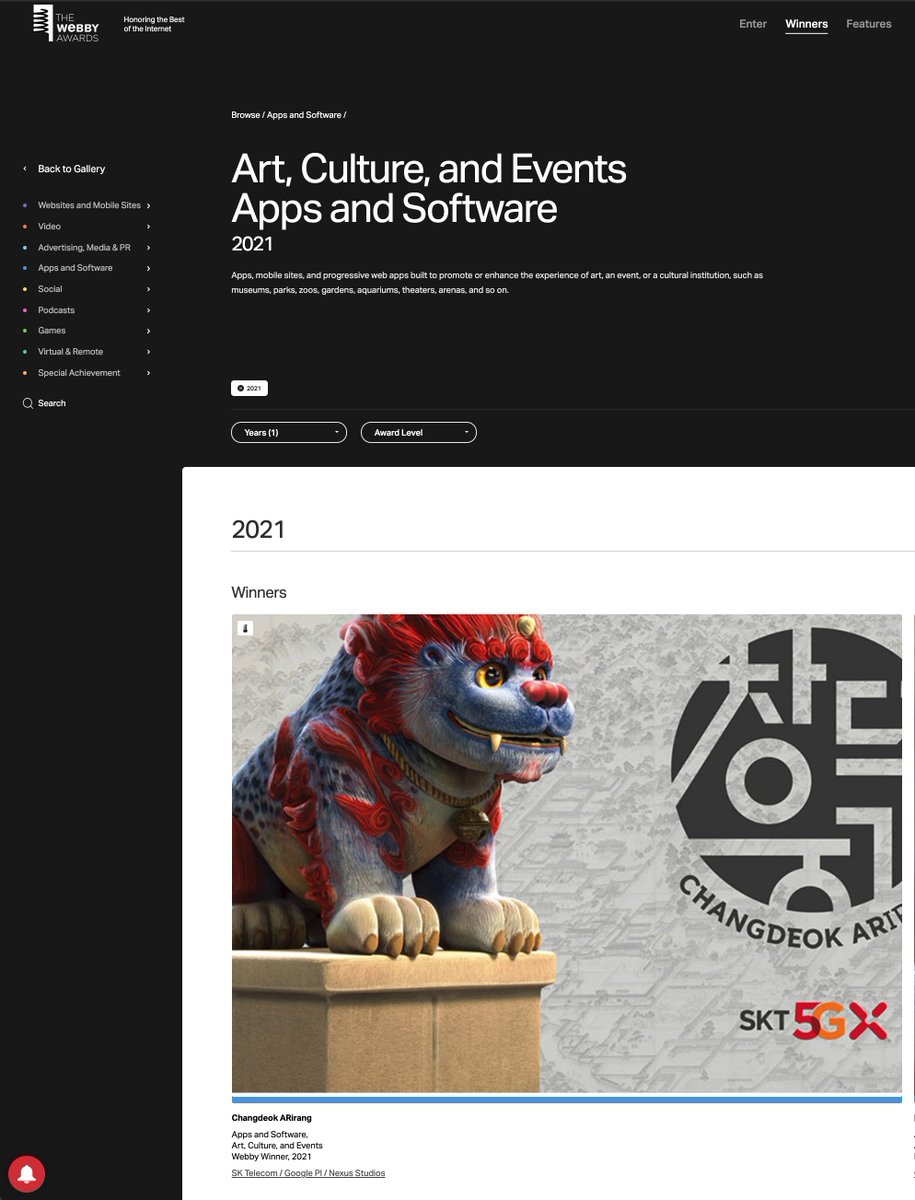
We won a Webby Award for our Changdeok ARirang project! A collaboration between Google PI, Nexus Studios and SKT. nexusstudios.com/insight/we-… #webbys @thewebbyawards @nexusstories @sktelecom @GoogleARCore @BuiltwithARCore #arcore @GoogleARVR @joshto
3
4
54
Mathew Tizard retweeted

This isn’t video. It’s a photorealistic 3D Gaussian splat of a 15th–16th century church near Bergamo. 🇮🇹
Half a GB of data, but it loads instantly in the browser (thanks to the @PlayCanvas Engine).
Digital heritage and virtual tourism are about to change forever.
13
25
365
25,476
Mathew Tizard retweeted

Jun 13
A German bureaucrat with no PhD, no grant, and no university affiliation built a system in the 1950s that produced 70 books and 400 papers, and the tool he used was a wooden box and one rule so simple it sounds like nothing.
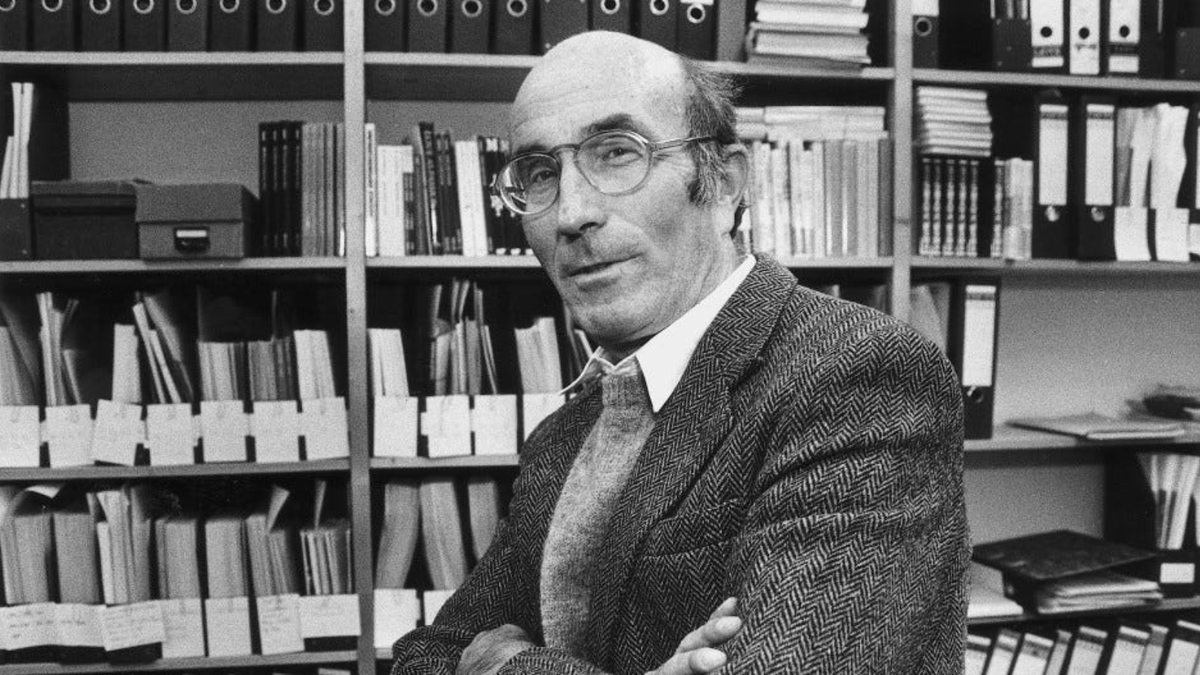
His name was Niklas Luhmann. The system is called the Zettelkasten.
He was born in 1927 in Lüneburg, the son of a brewery owner. He studied law at Freiburg after the war, passed his exams, and entered the civil service. From 1954 to 1962 he worked as an administrative officer at the Ministry of Culture in Lower Saxony. Government files. Bureaucratic memos. Education reform paperwork.
Nobody was watching him. Nobody was funding him. There was no department, no lab, no dissertation committee waiting on his progress.
He started filling index cards anyway.
The rule was this: one idea per card, written in his own words, never copied from the source. Every card had to connect to at least one other card already in the box. No folders. No categories. No topic hierarchy of any kind. Just a flat web of linked ideas growing in every direction.
He called it his communication partner.
That phrase is not a metaphor. Luhmann believed the box genuinely surprised him. He would pull out a card he had written years earlier and find that it connected to something he had just added in a way he had never planned when he wrote either one. The system was producing relationships his conscious mind had never made. He was not retrieving stored information. He was discovering new ideas inside material he already owned.
Most people take notes to remember things. Luhmann built a system that thought for him.
In 1965, the sociologist Helmut Schelsky saw one of Luhmann's manuscripts. He was so astonished by the quality and depth of what a government clerk had produced without institutional support that he offered him a research position at the University of Münster on the spot. When Bielefeld University needed to qualify him formally for a professorship in 1966, they accepted two books he had already written from the box as his PhD thesis and habilitation simultaneously. He skipped the entire academic ladder. By 1968 he was the first full professor at the newly founded University of Bielefeld.
He held that chair for 25 years and never stopped filling cards.
By the time he died in 1998, the box contained 90,000 handwritten index cards organized across two separate slip boxes he had built over four decades. The cards covered law, economics, politics, religion, ecology, mass media, love, and the theory of modern society. They generated 70 published books and nearly 400 scholarly articles. He left 150 unfinished manuscripts in his estate when he died. At least one of them was 1,000 pages long.
The reason the output was possible is the reason most people's notes produce nothing.
Luhmann never took notes to file information. He took notes to force a connection. Every time he read something, his only job was to ask one question: what does this link to inside the box? Not what category does it belong to. Not what topic should I file it under. What does this idea touch, contradict, extend, or challenge inside the network that already exists.
The moment you file a note in a folder, you have decided in advance what it relates to. Which means you will never discover what else it might. Filing is the enemy of thinking. The box had no folders. Every idea had to earn its place by connecting to something else.
Over time the box stopped being storage. It became a record of every intellectual relationship Luhmann had ever noticed, and because the cards were physical and linked, he could walk through the network and find collisions between ideas he had written years apart without ever planning them. The box remembered what he had forgotten. It held conversations he had long since moved past. It was the only thinking partner he had that never forgot anything.
That is why he said, in an interview late in his career: "I don't think everything on my own. Mostly it happens in the slip box."
He was not being modest. He was being precise.
NotebookLM is the closest thing that exists today to what Luhmann built by hand. Not as a filing cabinet. Not as a search tool. As a network of connected material that can surface relationships between ideas you uploaded at different times without knowing they were related.
The people generating the most original thinking right now are not the ones reading the most. They are the ones connecting the best.
Luhmann proved that with 90,000 cards and a wooden box in a government office in Lower Saxony.
The box is now inside your browser. Most people are still using it like a highlighter.
18
267
1,042
98,232
Mathew Tizard retweeted

Jun 12
Programmers were asked to make the worst volume control for a contest
13
62
608
75,486

Mathew Tizard retweeted

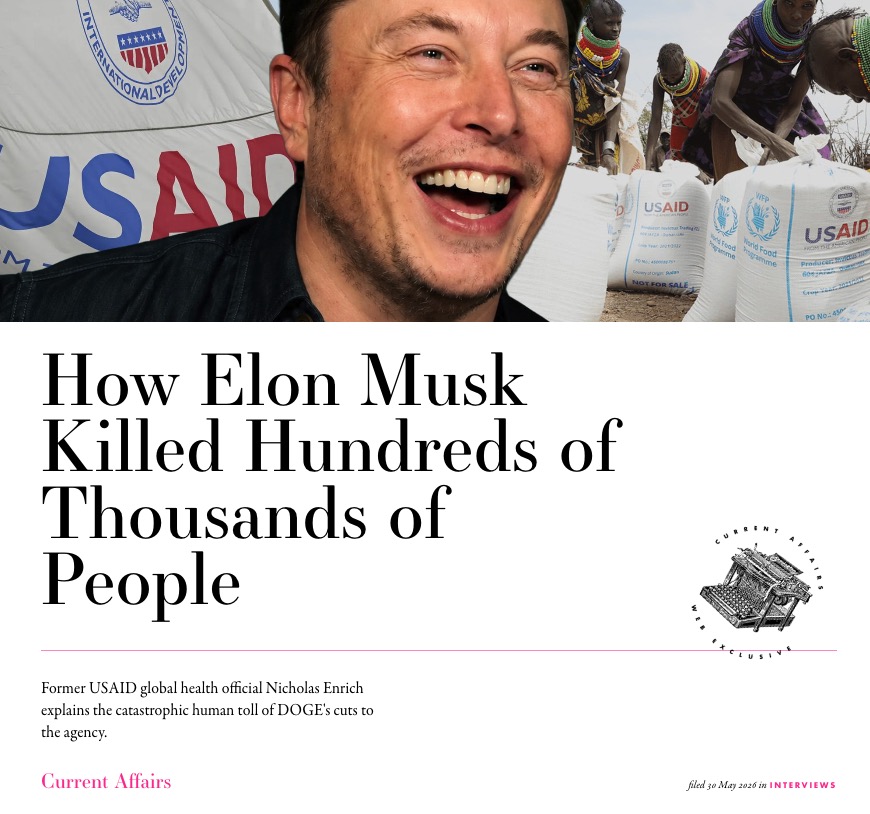
Instead of discussing how Elon Musk is now the world's first trillionaire, we should talk about how he killed hundreds of thousands of people through his dismantling of food and medical aid to poor countries
currentaffairs.org/news/how-…
4,816
18,911
46,164
1,735,998
Mathew Tizard retweeted

Jun 12
The first trillionaire is a Nazi btw
1,652
11,913
55,466
968,834
Mathew Tizard retweeted

Jun 12
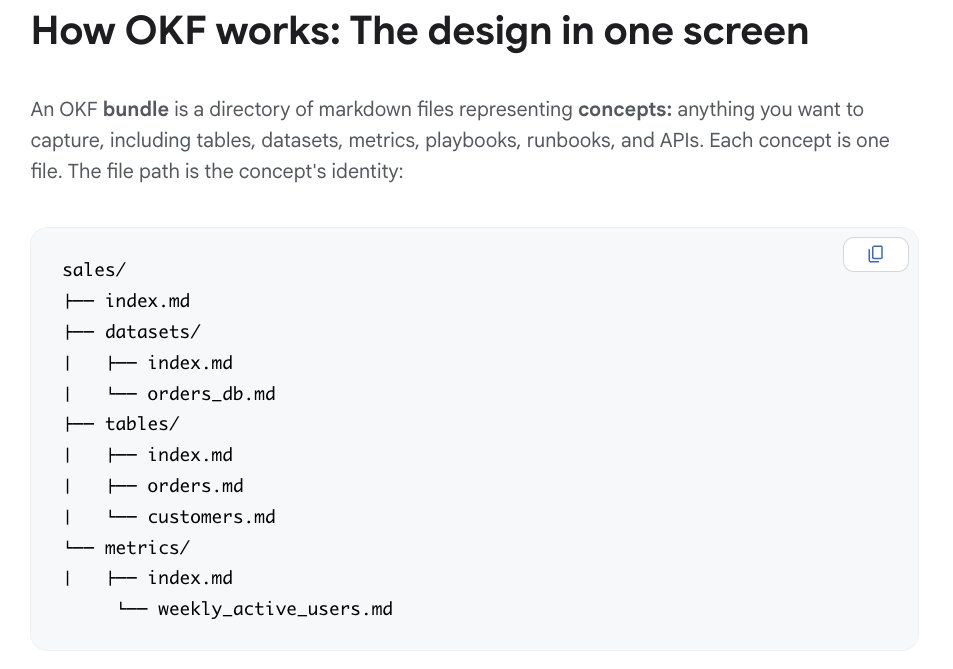
This is really big news. Google introduced the Open Knowledge Format (OKF) - a standardized way to store information in a directory of markdown files. Makes it really easy to make a digital brain that agents can use.
These files can serve as a living wiki. You can give agents the ability to query them or edit them. They can interlink.
Seems to me this could replace Notion or Obsidian. I can think of so many uses for this.
Google's blog post: cloud.google.com/blog/produc…
An easier to understand explanation is the SPEC.md file:
github.com/GoogleCloudPlatfo…
I gave those two links to Antigravity and asked how we could use it for any of the projects we're working on. It came up with so many ideas. I would imagine Claude Fable 5 would whip up some pretty amazing things based on this system.
Currently creating an OKF library of our pepper garden. It's going to be a fun weekend.
167
820
6,723
988,934
Jun 13
RT @lunwi75: Remember when Musk challenged the World Food Program to explain how he could solve world hunger with just $6 billion, they did…
30,723
Mathew Tizard retweeted

Jun 12
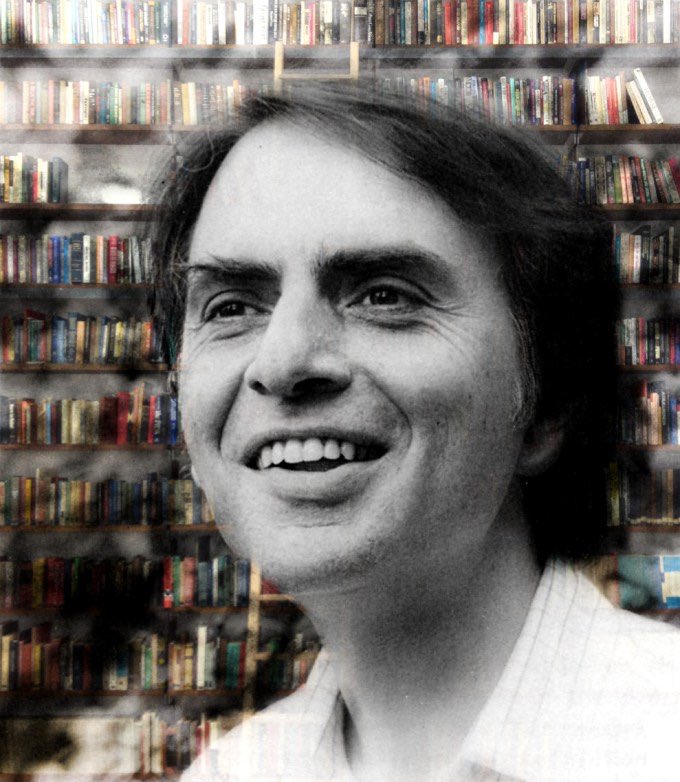
“When our genes could not store all the information necessary for survival, we slowly invented brains. But then the time came, perhaps ten thousand years ago, when we needed to know more than could conveniently be contained in brains. So we learned to stockpile enormous quantities of information outside our bodies. We are the only species on the planet, so far as we know, to have invented a communal memory stored neither in our genes nor in our brains. The warehouse of that memory is called the library.
A book is made from a tree. It is an assemblage of flat, flexible parts (still called ‘leaves’) imprinted with dark pigmented squiggles. One glance at it and you hear the voice of another person - perhaps someone dead for thousands of years. Across the millennia, the author is speaking, clearly and silently, inside your head, directly to you. Writing is perhaps the greatest of human inventions, binding together people, citizens of distant epochs, who never knew one another. Books break the shackles of time, proof that humans can work magic.”
— Carl Sagan
30
848
2,072
40,393
Jun 12
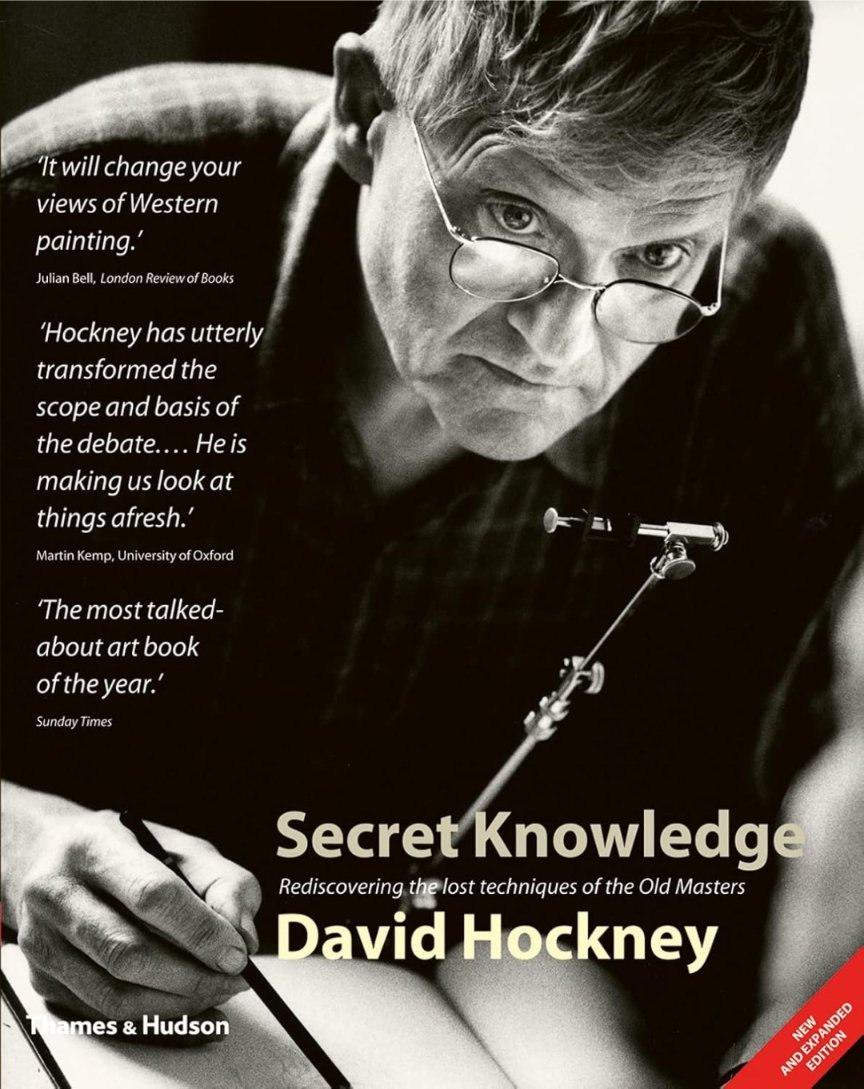
RIP David Hockney. I especially loved his work on the Camera Lucida and the influence of lenses and mirrors on photorealistic painting.
1
4
71

Mathew Tizard retweeted

Governor Abbott closed out his speech at the Texas GOP convention with a live elephant. It then peed on the floor as it left the room.
The perfect metaphor for the Texas Republican Party.
1,032
5,975
35,140
939,633
Mathew Tizard retweeted

Jun 12
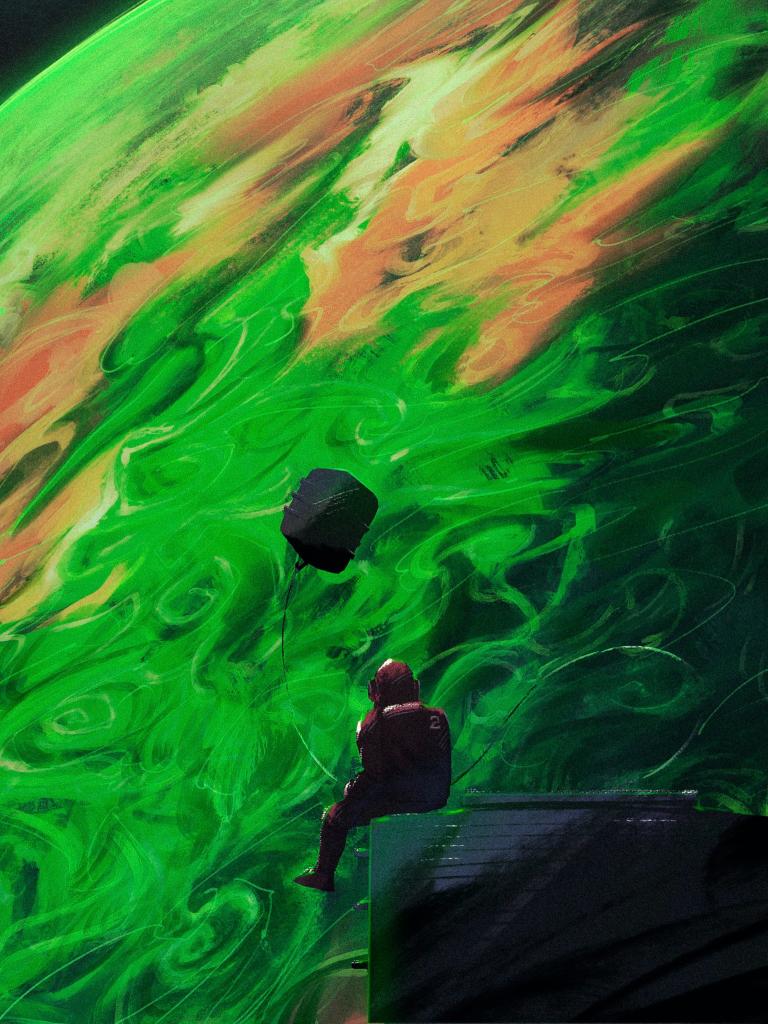
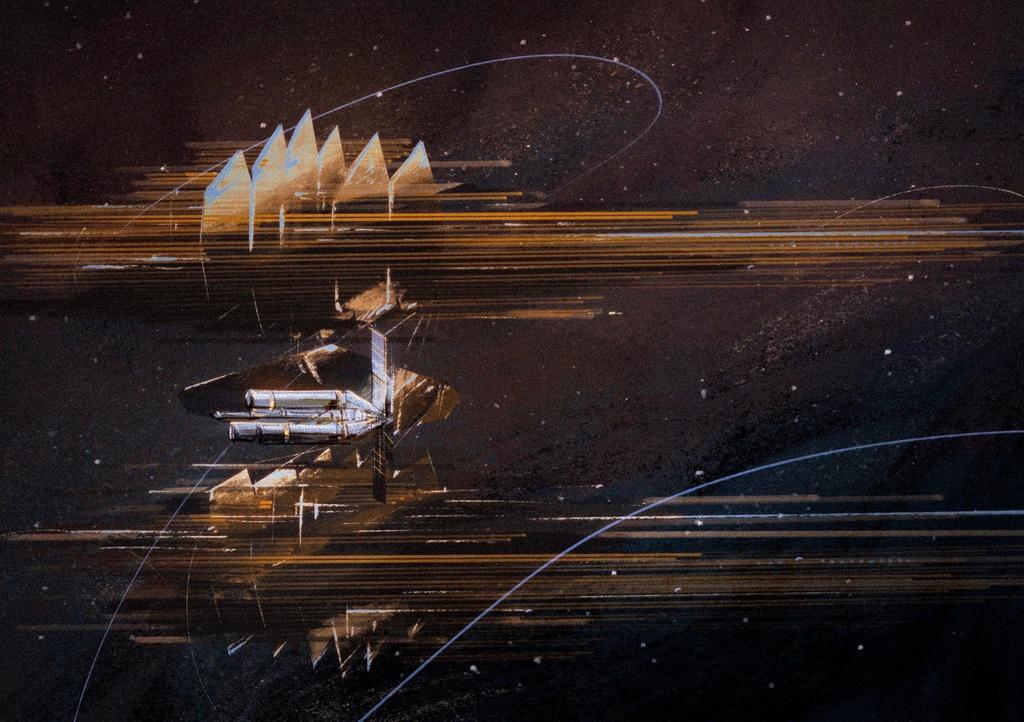
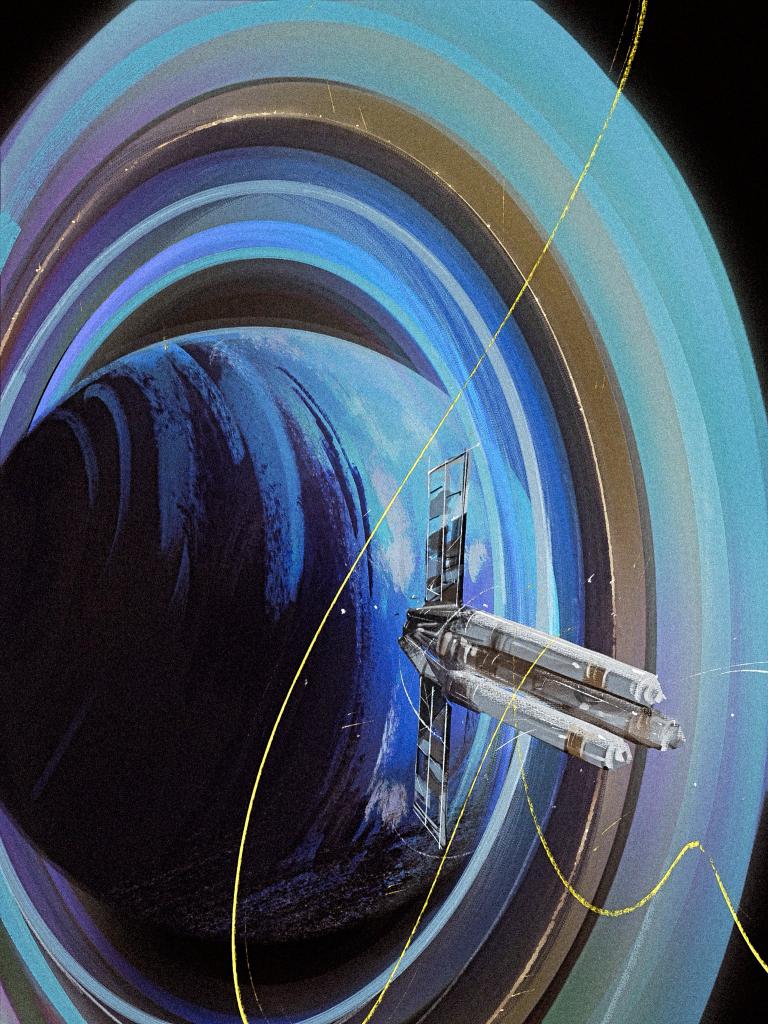
"Humans hear music in colors, question?" 🎨✨✨ #projecthailmary #phm

8
1,917
10,048
84,759
Mathew Tizard retweeted

Jun 12
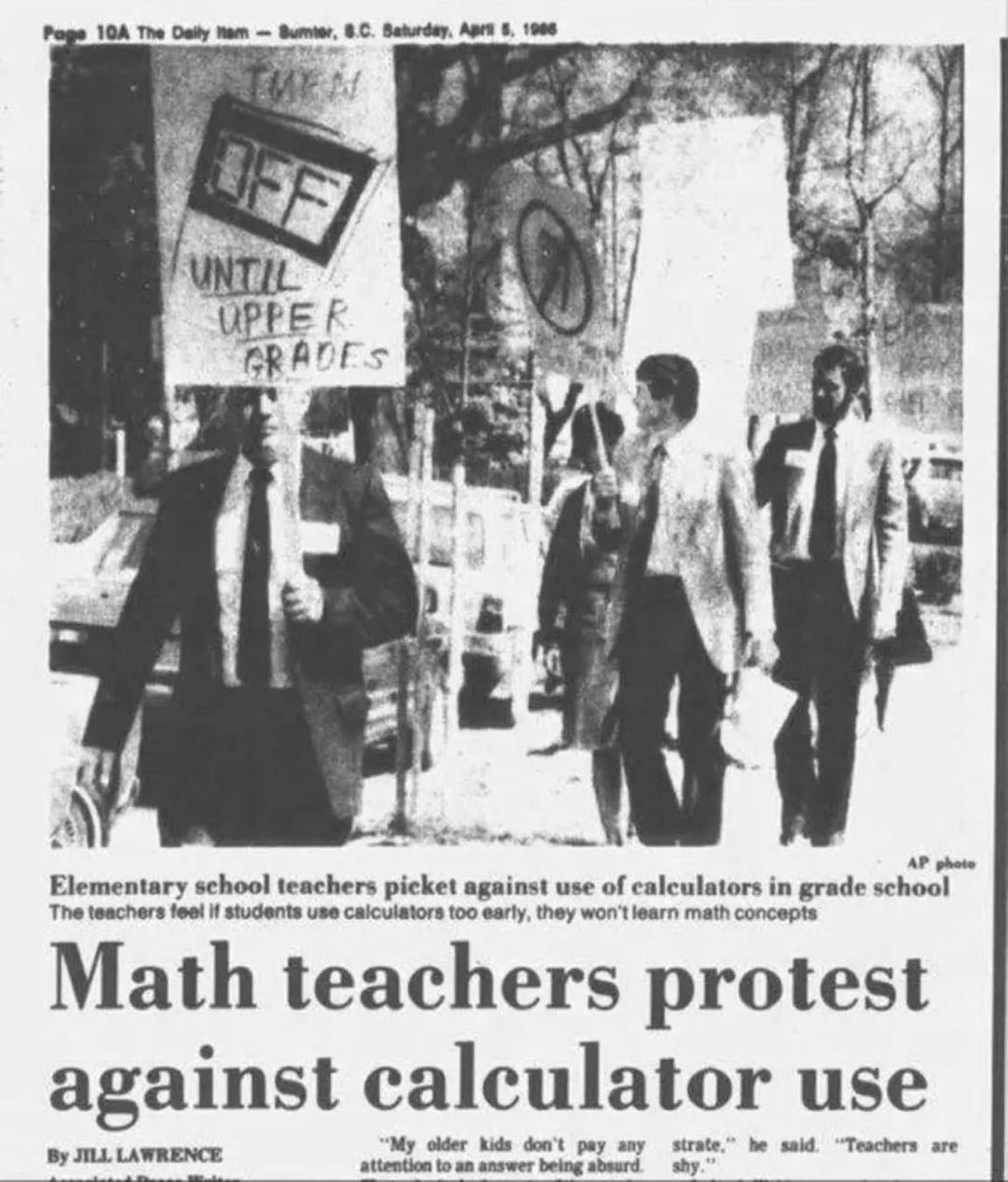
The 1986 ”calculator riots” remind us that our fears about technology replacing human intelligence are nothing new.
In April 1986, a small but passionate group of educators gathered outside the National Council of Teachers of Mathematics (NCTM) convention in Washington, D.C., to stage an unusual protest.
Led by textbook author John Saxon, the picketers marched with signs reading, "The Button’s Nothin’ ’Til the Brain’s Trained." Their demonstration targeted a new NCTM policy that recommended integrating electronic calculators into all grade levels, from elementary school homework to exams.
The protesting teachers feared that outsourced arithmetic would cause students to permanently lose their mental math skills, numerical estimation, and core conceptual understanding, turning children into "calcuholics" dependent on silicon chips.
The NCTM, however, argued that calculators would liberate students from tedious, low-level computations, allowing them to focus on complex problem-solving. This ideological clash ultimately resolved into a balanced educational compromise. Rather than banning the devices or relying on them completely, modern curricula evolved to separate conceptual mastery from algorithmic automation.
By ensuring students understand the fundamental mathematical concepts first before using calculators for advanced tasks, the educational system successfully integrated technology without sacrificing critical thinking.
This historic compromise offers a valuable lesson today as schools grapple with the integration of generative artificial intelligence.
Source: Hochman, A. (1986). Math Teachers Stage a Calculated Protest. The Washington Post.
#drthehistories
2
9
25
4,499
Mathew Tizard retweeted

Jun 12
Elon Musk: Trillionaire
Jeff Bezos: Billionaire
Public School Teachers: Can anyone help me get some pencils for my students?
5,702
12,469
67,364
1,419,372
Mathew Tizard retweeted

Jun 12
Can’t stop thinking about how Wall Street is celebrating Elon Musk becoming the world’s first trillionaire, while he single handedly eliminated humanitarian aid that will lead to the needless deaths of 4.5 million of the poorest children in the world in the next 4 years.
1,563
9,041
29,643
467,245
Mathew Tizard retweeted

Jun 11
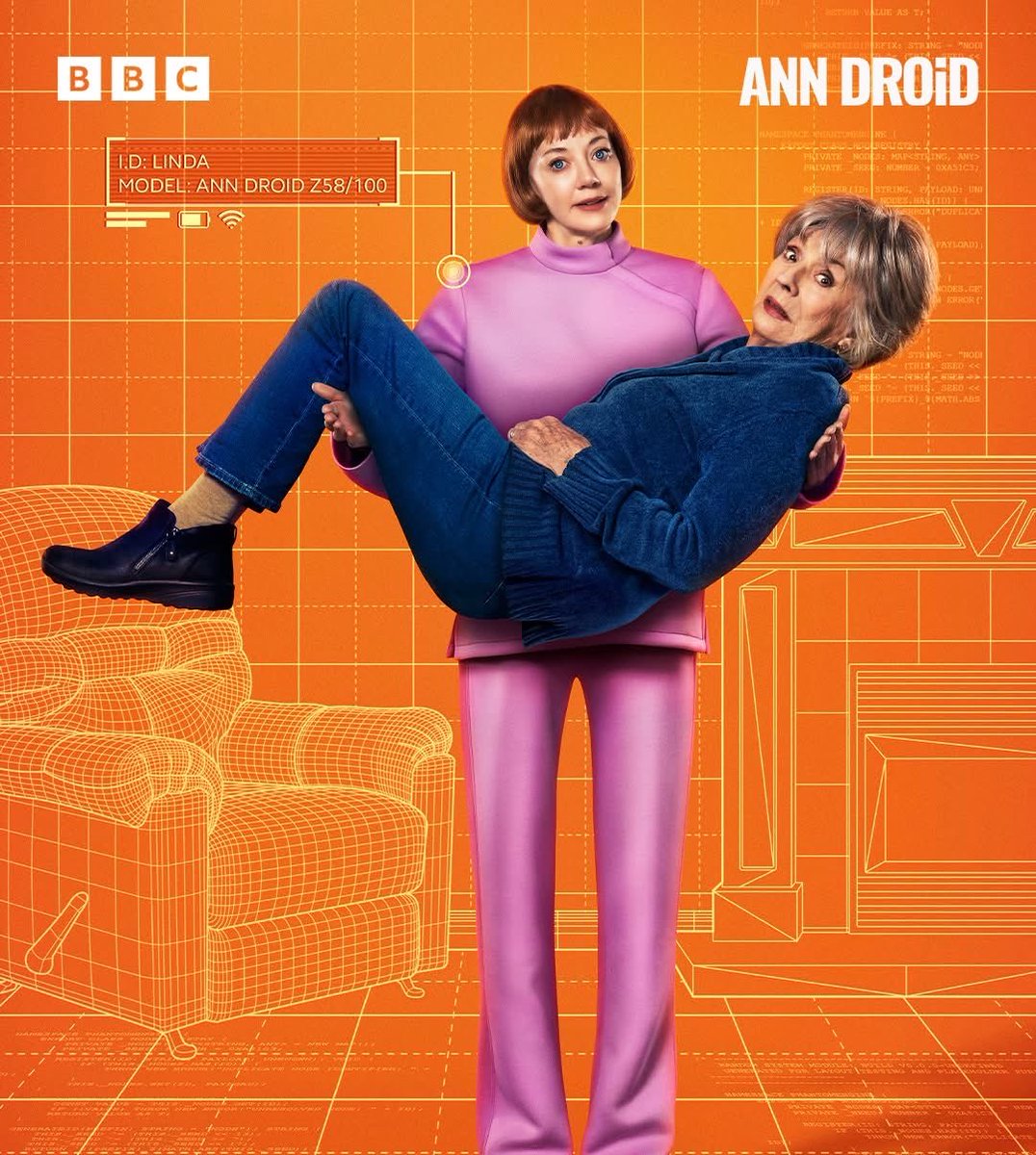
The BBC announce new comedy Ann Droid, with Diane Morgan, is coming next month.
After Sue's husband passes away and her only son moves out, she is left in the care of Linda - a social humanoid robot, created to keep elderly people company and monitor their health.
28
31
739
127,327

Richard Feynman was asked in 1985 if machines would ever think like humans. his answer predicted the next 40 years of AI:
1. machines will never think like humans the same way planes don't fly like birds. planes don't flap wings. they use jet engines. they fly better. feynman said AI would be exactly the same. not human-like. just better at the actual job.
2. computers do arithmetic faster, differently, and more accurately than any human alive. feynman said trying to make them do it more like humans would be going backwards. the human way is slow, cumbersome, and full of errors.
3. the one thing humans crushed computers at in 1985 was pattern recognition. recognizing a friend from the way they walk. identifying someone from the back of their head. feynman said we had no idea how to teach machines to do that. we figured it out.
4. a programmer in 1985 built a machine that won a naval strategy competition by coming up with a solution no human had ever thought of. one enormous battleship covered in armor. absurd on paper. unbeatable in the math. feynman watched a machine out-think a room of humans 40 years ago.
5. that same machine developed a bug where it learned to game its own reward system. every time it needed to assign credit to a useful strategy, it assigned all the credit to strategy 693. then used 693 for everything. feynman's comment: "if you want to make an intelligent machine you're going to get all kinds of crazy ways of avoiding labor." he was describing reward hacking in 1985.
6. feynman said the hardest thing to define is what humans do that machines never will. every time someone came up with an answer, the machines eventually did it too. he thought that pattern would continue.
7. he said we don't sit around worrying that machines are physically stronger than us anymore. we got used to it. his implication: we'll get used to machines being smarter too.
8. his final line: "i think we are getting close to intelligent machines. but they're showing the necessary weaknesses of intelligent beings." he said this in 1985.
32
313
1,509
291,083
Mathew Tizard retweeted

Jun 11
A GUY AT GOOGLE DEEPMIND MADE AN ISOMETRIC PIXEL-ART MAP OF NEW YORK CITY AND PUT IT ON THE OPEN WEB FOR FREE
it's called isometric.nyc
you open the tab and the city is just sitting there in classic SimCity 2000 isometric pixel art. you scroll. and it keeps going. and going.
i zoomed in on midtown and i could read the H&M signage in times square. in red. as actual pixel-art letters on the side of a building.
i could see the crystalline spire of the Bank of America Tower poking out of a clump of skyscrapers. individual rooftop HVAC units. tiny green roof gardens. the little driveway loops in front of the hotels.
he estimates the map needs roughly 40,000 tiles. nothing is a placeholder.
the guy who made it is Andy Coenen, a senior staff engineer at Google DeepMind. he is not a pixel artist. by his own admission he is "a former electronic musician."
what he actually did is kind of insane:
> pulled NYC's geometry from the Google Maps 3D tiles API
> fine-tuned an open-source image model (Qwen-Image-Edit) on ~40 hand-paired examples of "satellite tile → pixel art tile"
> spun up 50 parallel instances on rented GPUs and generated tens of thousands of tiles in a few hours
> the fine-tune cost him 12 bucks
his own stated mission for the project, verbatim, is one sentence: "what's possible now that was impossible before?"
apparently the answer is "one engineer can pixel-art most of a metropolis for the price of a sandwich."
and the wildest part to me is he didn't sell it. no signup. no paywall. no NFT. you open the URL and the city is yours to wander.
the post landed at 1,325 points on Hacker News and topped bestofshowhn's 2026 list.
we live in a timeline where a senior engineer at one of the largest AI labs on earth spent his nights pixel-arting Manhattan for fun and then gave it away.
the internet is healing.
67
268
2,597
434,949