
Jun 8
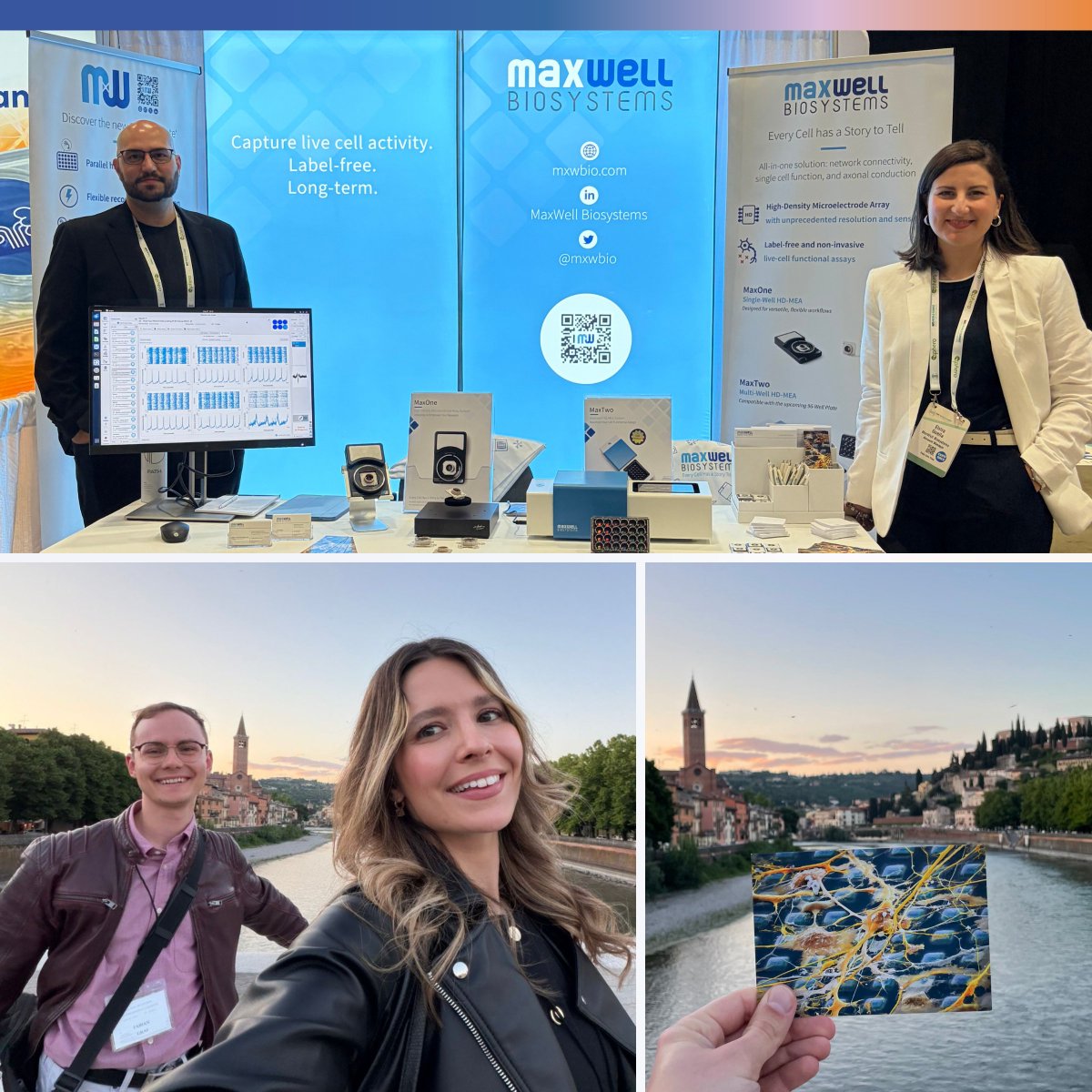
May kept us moving, from Europe to the US, with two inspiring conferences and one question that kept coming up: how do we build models that truly reflect human biology?
💊 Pain Mechanisms & Therapeutics Conference
The momentum behind human translational models was impossible to miss. DRGs, iPSC-derived sensory neurons, organoids, and ex vivo systems are rapidly becoming essential tools for bridging the gap between preclinical research and patient outcomes. But the conversation has evolved beyond model development alone.
The real challenge lies in achieving:
✔️ Reproducibility
✔️ Clinically relevant endpoints
✔️ A systems-level understanding of disease
This is especially true in chronic pain, where neuro-immune interactions, glial biology, sex differences, and AI-driven analysis are revealing levels of complexity that traditional models often struggle to capture.
⚙️ MPS World Summit 2026
Organ-on-chip technologies and other human-relevant platforms are no longer just a vision for the future, but they are increasingly becoming part of today's research landscape.
What stood out most was seeing regulators, researchers, and industry leaders engaging in practical discussions around New Approach Methodologies (NAMs). The conversation is clearly shifting from why these models matter to how we can implement them effectively, reliably, and at scale.
Despite the different audiences and technologies, the same message resonated across both events:
➡️ The future of biomedical research depends on our ability to build models that are not only innovative, but genuinely predictive of human biology.
A big thank you to the organizers, speakers, and everyone we had the opportunity to connect with along the way. We are proud to be contributing to this transition toward more predictive, human-relevant research. 💡
If we crossed paths at either event, it was great connecting. If not, let's change that.
✈️ On to the next conversation.
#PainResearch #MicrophysiologicalSystems #NAMs #MPS2026 #MxWConnect
60

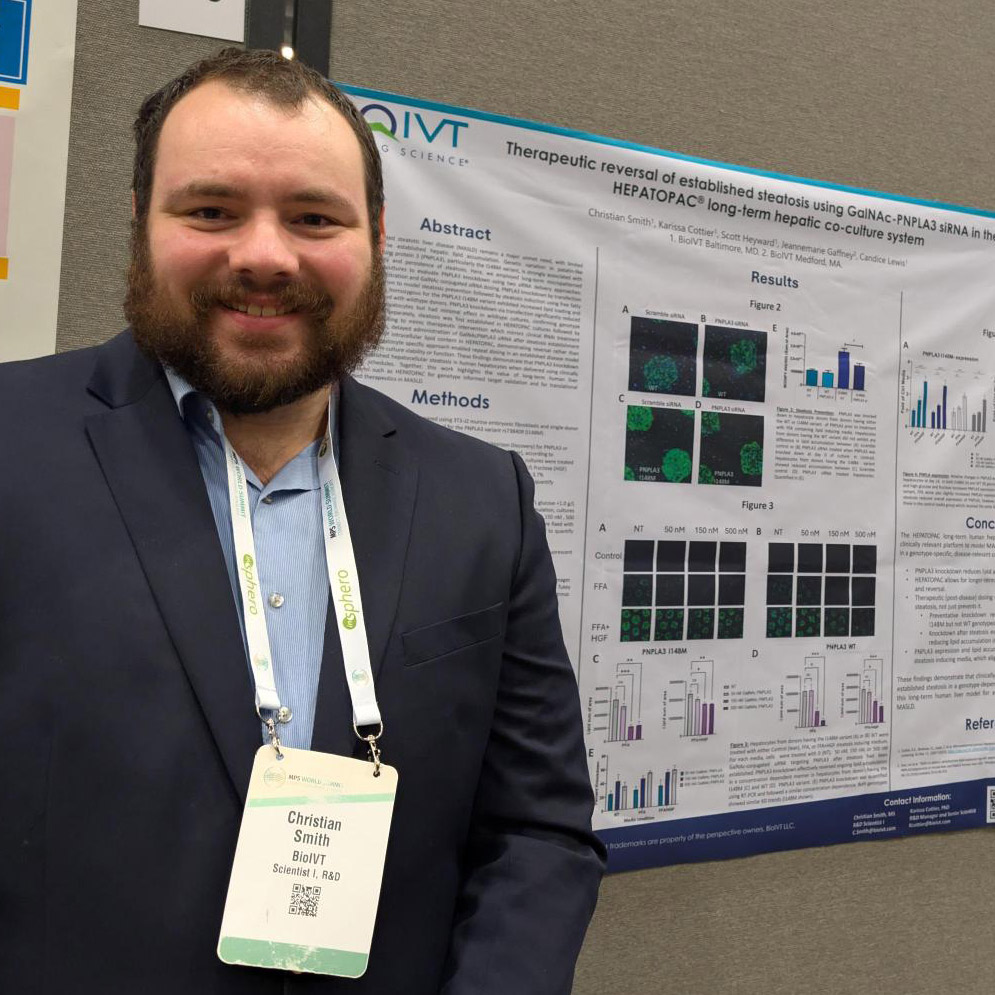
Our #MPS2026 #ScientificPoster "Therapeutic reversal of established #steatosis using GalNAc PNPLA3 #siRNA in the HEPATOPAC long-term hepatic co-culture system" is now available for download. View now: hubs.ly/Q04jwPqz0
#MPSWorldSummit #NAMs #MicroPhysiologicalSystems
2
43

2026 MPS World Summitにて、平井が腸-肝-脳連関疾患の機序解明に向けたマイクロ流体デバイスに関する研究を発表しました。
#MPS26 #MPSWorldSummit #MicrophysiologicalSystems #OrganOnChip #Microfluidics
mdde.me.kyoto-u.ac.jp/202605…
8
540

Can Curi Bio’s Curiverse solve the scalability problem in human-relevant drug discovery? pharmadevicenews.com/can-cur… Human-relevant drug screening is hitting a scale problem. Curi Bio’s Curiverse aims to turn 3D tissue models into industrial workflows. #CuriBio #Curiverse #DrugDiscovery #NonAnimalModels #MicrophysiologicalSystems #Biotech #PreclinicalResearch #iPSC #PharmaInnovation #MPS2026 @Curi_Bio
8

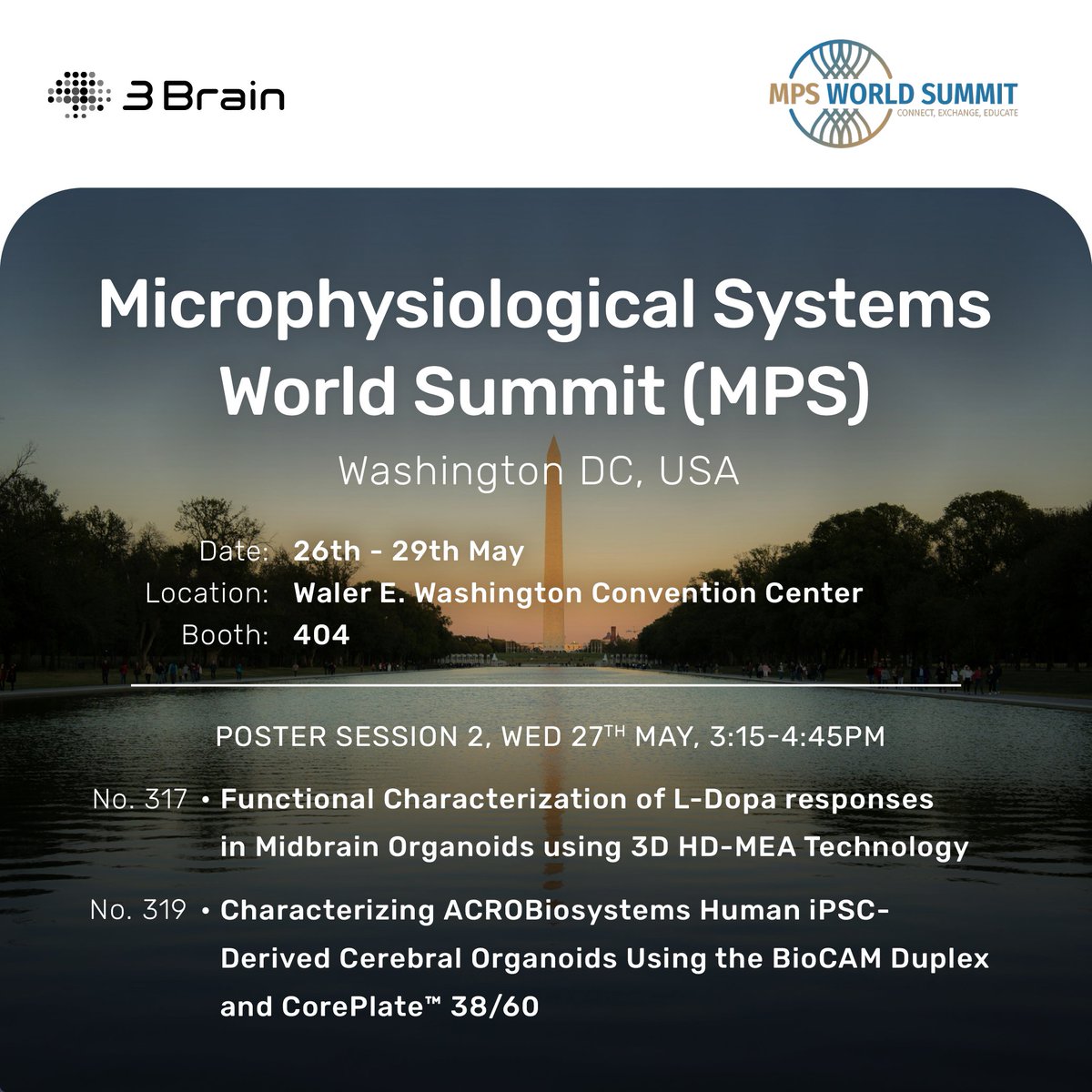
The MPS World Summit 2026 is just around the corner! Join us as we meet with scientists and researchers advancing microphysiological systems and human‑relevant models.
Whilst building physiologically relevant models is a huge challenge, being able to capture their functional complexity is just as important. Whether you're working with complex neuronal co‑cultures or vascularized brain organoids, 3Brain’s CorePlate™ enabled HD‑MEA platforms provide a high‑resolution, label‑free window into neuronal activity and connectivity.
Visit our booth No. 404, or come to our posters (317 & 319) to discover how our scalable CorePlate™ technology can deliver the functional validation your research demands.
#3Brain #MPSWorldSummit #OrganOnAChip #MicrophysiologicalSystems #HDMEA #TissueEngineering #DrugDiscovery
58

May 15
News
Immune-capable cervix-on-a-chip enables study of sexually transmitted infections
medicalxpress.com/news/2026-…
#news #science
#bioengineering #biomedical #biomimetic #biotechnology #cells #cervixonachip #immunology #microphysiologicalsystems #organonachip #tissueengineering
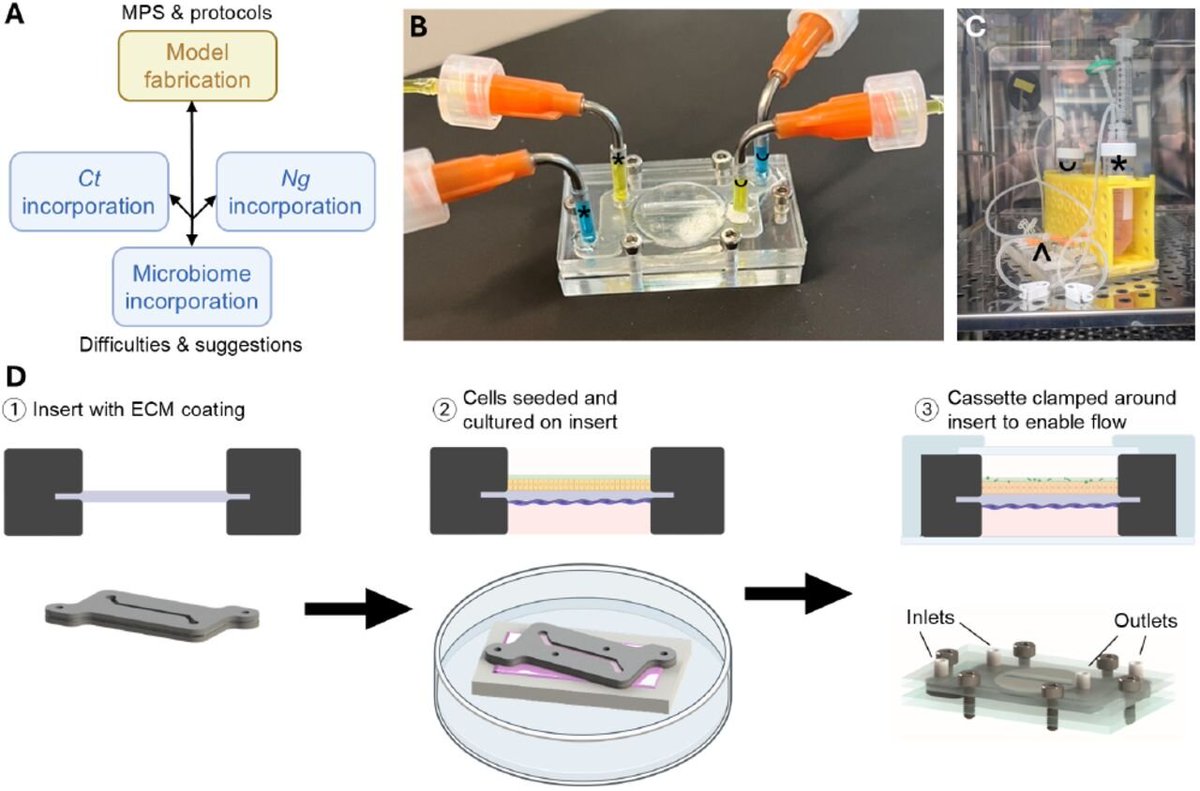
ALT The microphysiologic system (MPS). Credit: Katherine Nelson et al
19
Apr 14
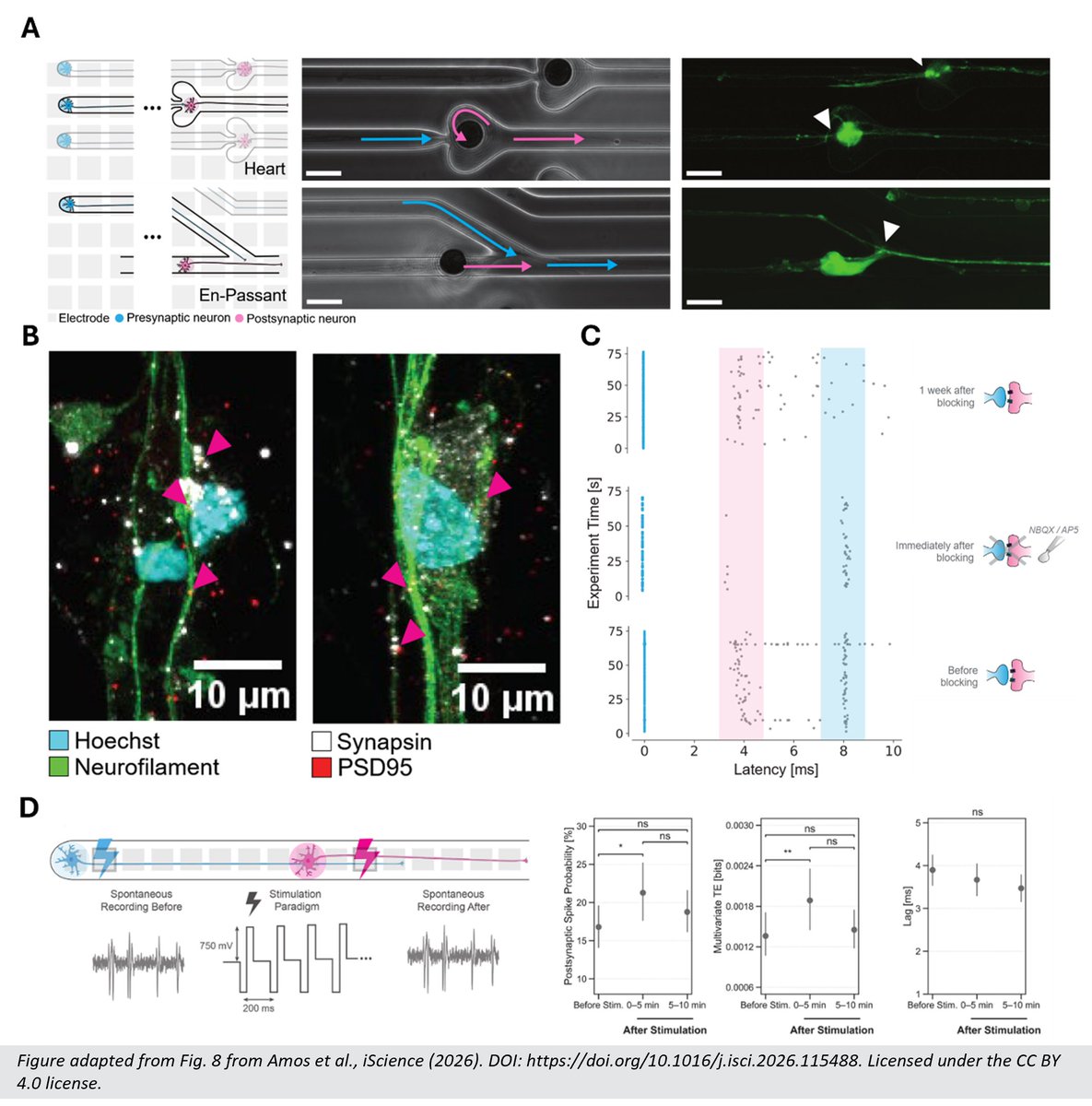
🧠 Want to see how a pair of single neurons can meet and form a synapse inside a heart-shaped microstructure?
In a new iScience paper, Amos et al. present an integrated in vitro platform to study synaptic transmission in simplified, human-relevant circuits. By combining PDMS microstructures with hiPSC-derived neurons, they isolated hundreds of parallel neuronal pairs on a single chip and kept them viable and electrically active for more than 100 days, creating a controlled system for studying human synapses.
Synaptic staining revealed pre- and postsynaptic marker colocalization right at the neuronal pair interface — but were these connections functional? Well... Yes! Using the MaxOne system with MaxOne chips, the team showed that functional coupling was reversibly reduced upon application of the glutamatergic blockers NBQX and AP5, together with a drop in postsynaptic spike probability.
They further showed that synaptic transmission could be modulated by extracellular stimulation: the team observed increased postsynaptic spike probability after a 5 Hz electrical stimulation paradigm. Together, these results highlight isolated neuronal pairs on MaxWell HD-MEAs as a promising framework to follow synaptic transmission over time and to model human-relevant synaptic dysfunction in a controlled setting.
👉 Read the full publication here: mxwbio.com/resources/iscienc…
👏 Congratulations to Giulia Amos (@amos_giulia) , Dr. Vaiva Vasiliauskaite, Dr. Jens Duru, Maria Leonor Saramago, Tim Schmid, Alexandre Suter, Ferran Cid, Joël Küchler, Dr. Tobias Ruff, Dr. János Vörös, and Dr. Katarina Vulić from the Laboratory of Biosensors and Bioelectronics (LBB), Institute for Biomedical Engineering, Center for Project-Based Learning D-ITET, @ETH Zürich, Zurich, Switzerland.
#MaxOne #MicrophysiologicalSystems #Electrophyiology #HDMEA @iScience_CP
1
1
131

Interested in a career in #microfluidics applied to #OrganOnAChip? Check out this NIST position on a team lead by #LabOnAChip and MPS expert Darwin Reyes!
hjcc.ca/link122
#OrganOnChip #MicroPhysiologicalSystems
1
16

Mar 20
📢 New Article Published in URNCST Journal!
We are pleased to announce “Brain-on-a-Chip Devices and Their Potential for Psychiatric Electrophysiology: A Scoping Review"
View it here: urncst.com/index.php/urncst/…
#URNCST #BrainChip #MicrophysiologicalSystems #Electrophysiology
30
Mar 10
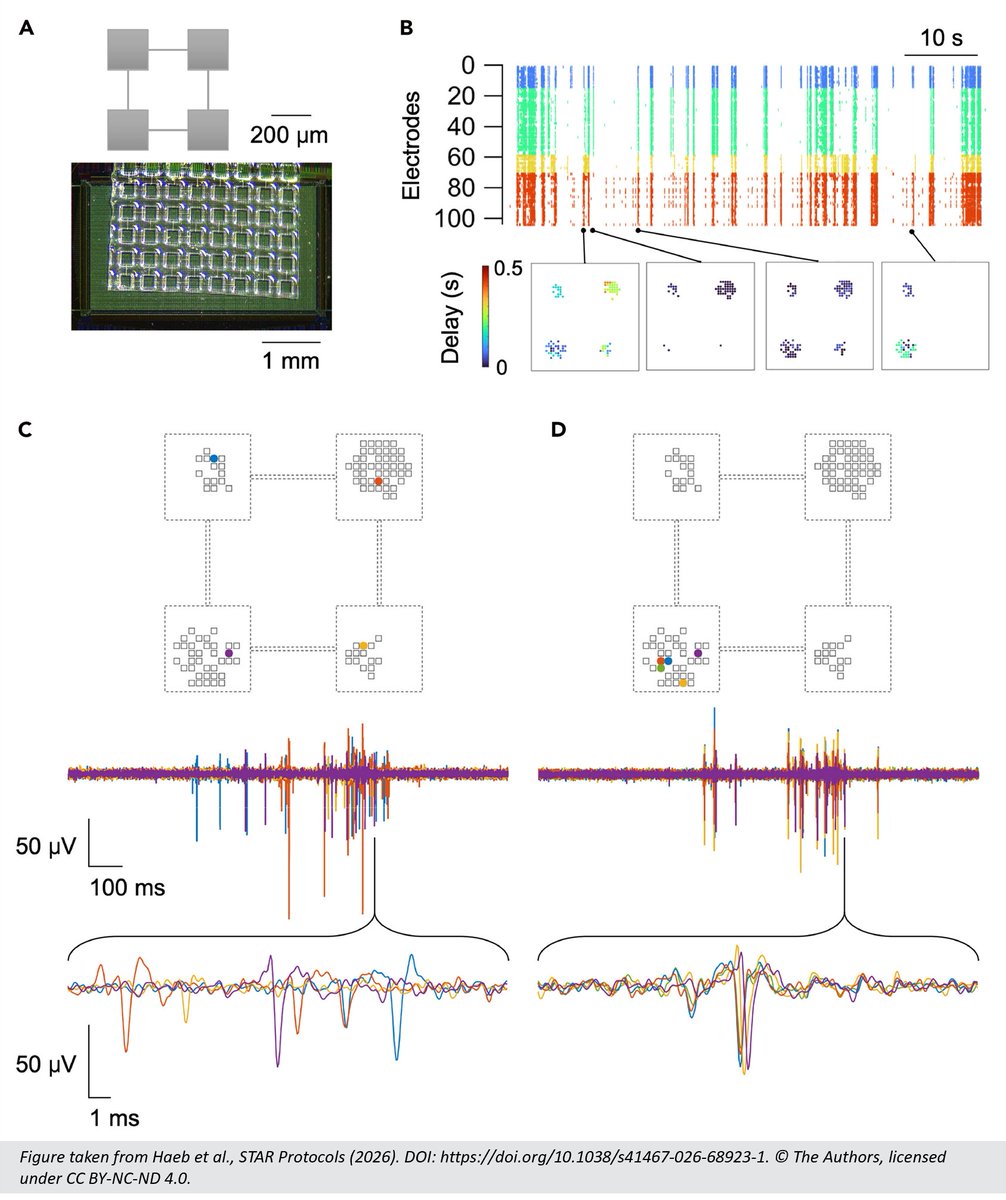
🧠💡 Have you ever imagined customizing network architecture directly on a chip? Recently, Haeb et al. introduced a comprenhensive protocol for designing tailored in vitro neuronal networks by integrating silicone-based microstructures with microelectrode arrays.
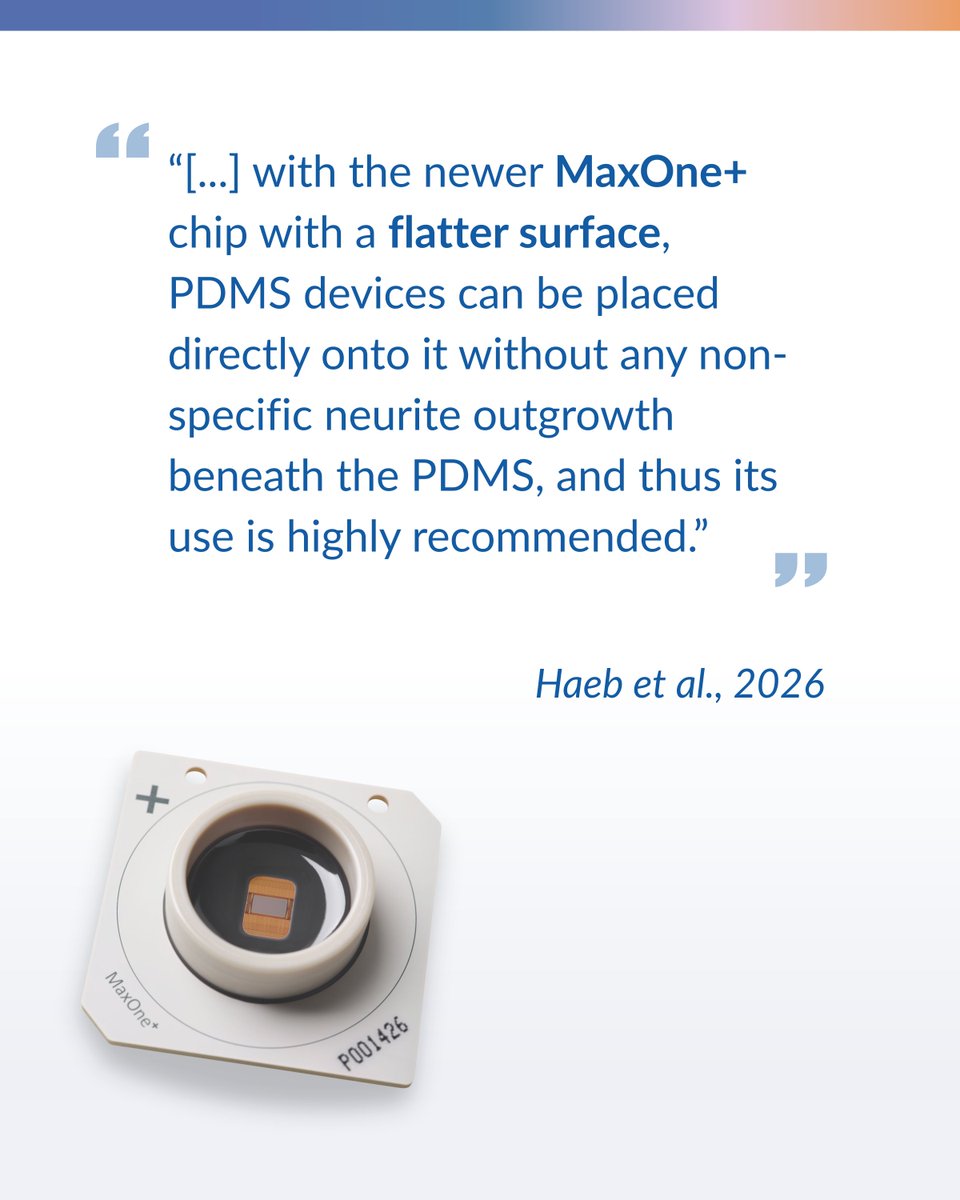
By directly mounting microfabricated polydimethylsiloxane (PDMS) devices onto the microsensor areas, the authors achieved compartmentalization and precise control over neuronal connectivity. The flat topology of the MaxOne High-Density Microelectrode Array enabled tight adhesion of the PDMS devices to the chip surface while providing exceptional signal quality. This microenvironment customization enables replication of natural brain circuits and enhances research into neural dynamics and synaptic interactions.
The protocol includes detailed, step-by-step instructions for preparing HD-MEAs, fabricating and bonding PDMS microstructures, culturing neurons, and optimizing conditions for network development. Published in STAR Protocols, this approach opens new possibilities for drug screening, neurodevelopmental studies, and neuroprosthetic advancements, paving the way for more precise and versatile neural interface technologies.
Congratulations to Dr. Anna-Christina Haeb, Dr. Hideaki Yamamoto, Prof. @Paul_Roach, Dr. Daniel Merryweather, Yuya Sato, Dr. @NSC_BrainDamage, and Jordi Soriano from the @UniBarcelona and @idibaps, Barcelona, Spain; @tohoku_univ, Sendai, Japan; @waseda_univ, Tokyo, Japan; @lborouniversity, Leicestershire, UK; and CIBERNED, Madrid, Spain!
🔗 Check out the full article: mxwbio.com/resources/star-26…
#HDMEA #PDMS #MicrophysiologicalSystems #OrganOnAChip #Neuroengineering #NAMs
1
4
151

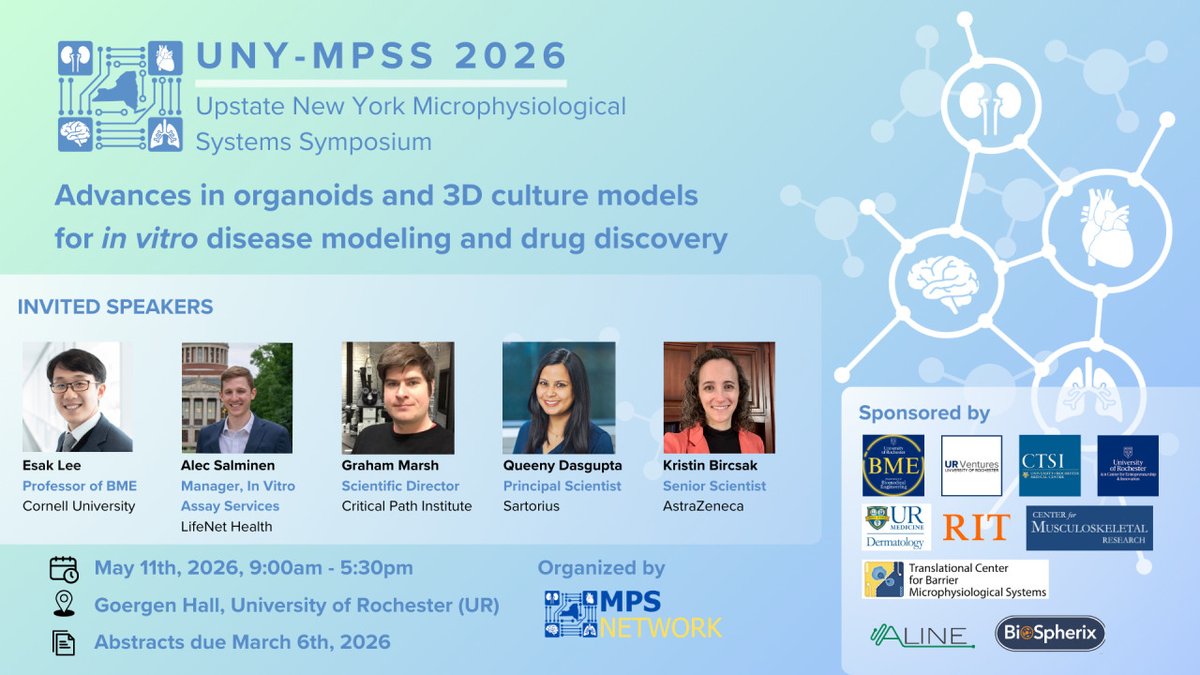
📣The Upstate NY Microphysiological Systems Symposium (UNY-MPSS) is coming up!
📍University of Rochester
🗓️May 11, 2026
📢Abstract submission deadline: March 6th
🔗More info: lnkd.in/eEscF_CG
#MicrophysiologicalSystems #MPS
1
62
Feb 24
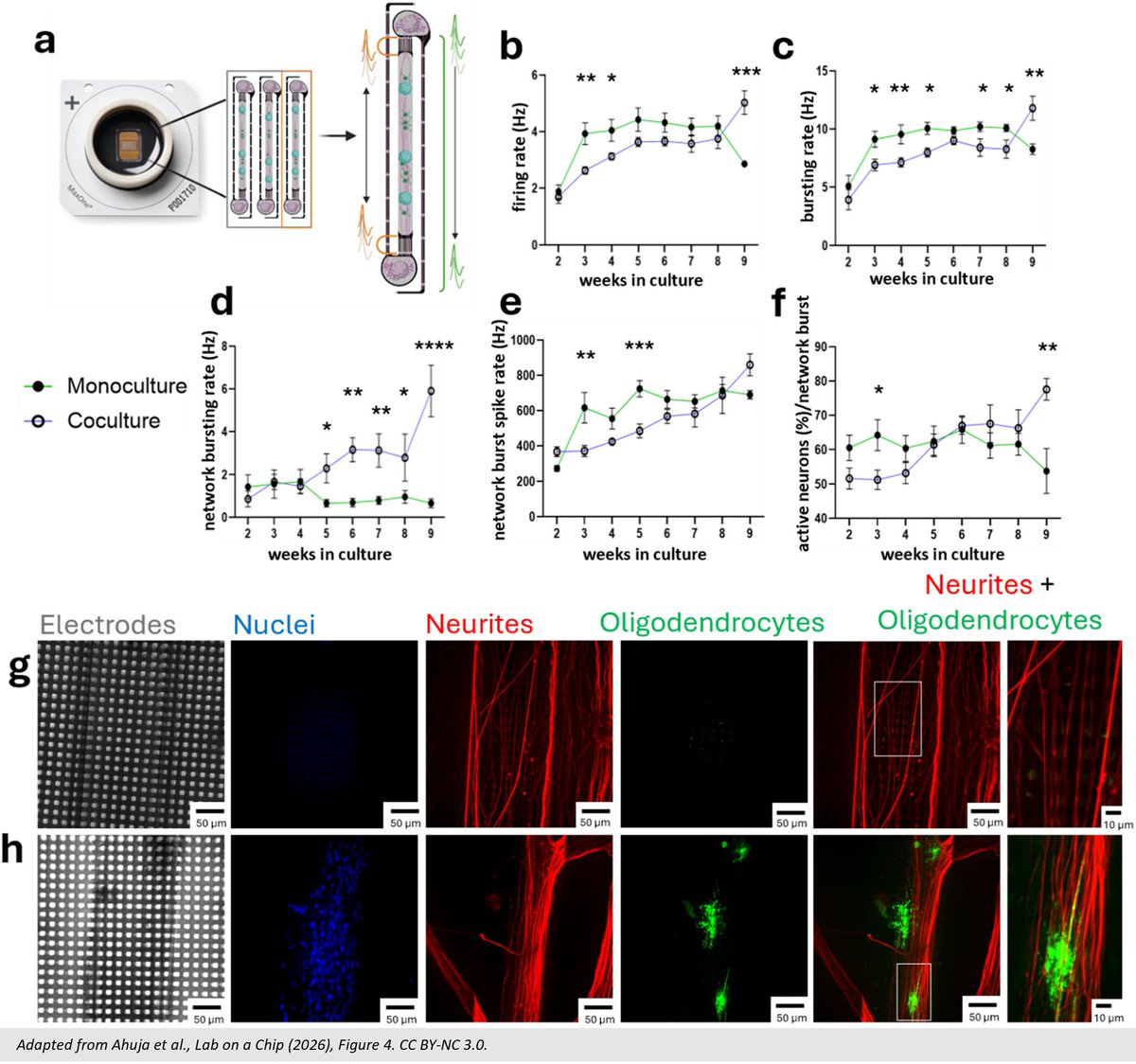
🧠⚡ MyeliMAP: linking human myelination to functional conduction. Ahuja et al. introduce MyeliMAP, a microfluidic–HD-MEA hybrid microphysiological system (MPS) platform that enables structurally validated and functionally quantified human CNS myelination in vitro.
The platform integrates hiPSC-derived neurons and oligodendrocytes within PDMS microstructures directly coupled to the MaxOne High-Density Microelectrode Array (HD-MEA) system. Longitudinal HD-MEA recordings show that oligodendrocyte cocultures stabilize and synchronize neuronal network activity, reduce early hyperexcitability, and significantly increase action potential conduction velocity after week 6 (Fig. 4-5).
Published in Lab on a Chip (Royal Society of Chemistry), this scalable human model links structural myelination with high-resolution functional electrophysiology, advancing New Approach Methodologies (NAMs) for remyelination research.
👏Congrats to Dr. @karanahuja011, Dr. Blandine F. Clément, @amos_giulia, Joël Küchler, Dr. @KeimpeWierda, Dr. Yoke Chin Chai, Prof. Lieve Moons, and Prof. Catherine Verfaillie from KU Leuven, @ETH_en, @CBD_VIB, and @imec_int.
🔗 Check out the full article: mxwbio.com/resources/lab-26-…
#Myelination #HDMEA #MicrophysiologicalSystems #NAMs
1
127
Feb 17
🧠 Reconstructing the brain: from the bottom up
Engineered neuronal networks built with microphysiological systems (MPS) and organ-on-a-chip platforms are redefining how we study brain function. By creating controlled and reproducible microenvironments, researchers can turn biological complexity into measurable network dynamics, advancing disease modeling, drug discovery, and even biocomputing.
Interrogating these structured circuits requires high-resolution functional access. High-density electrophysiology enables simultaneous recording and electrical stimulation of single neurons and their axons within organized yet complex networks.
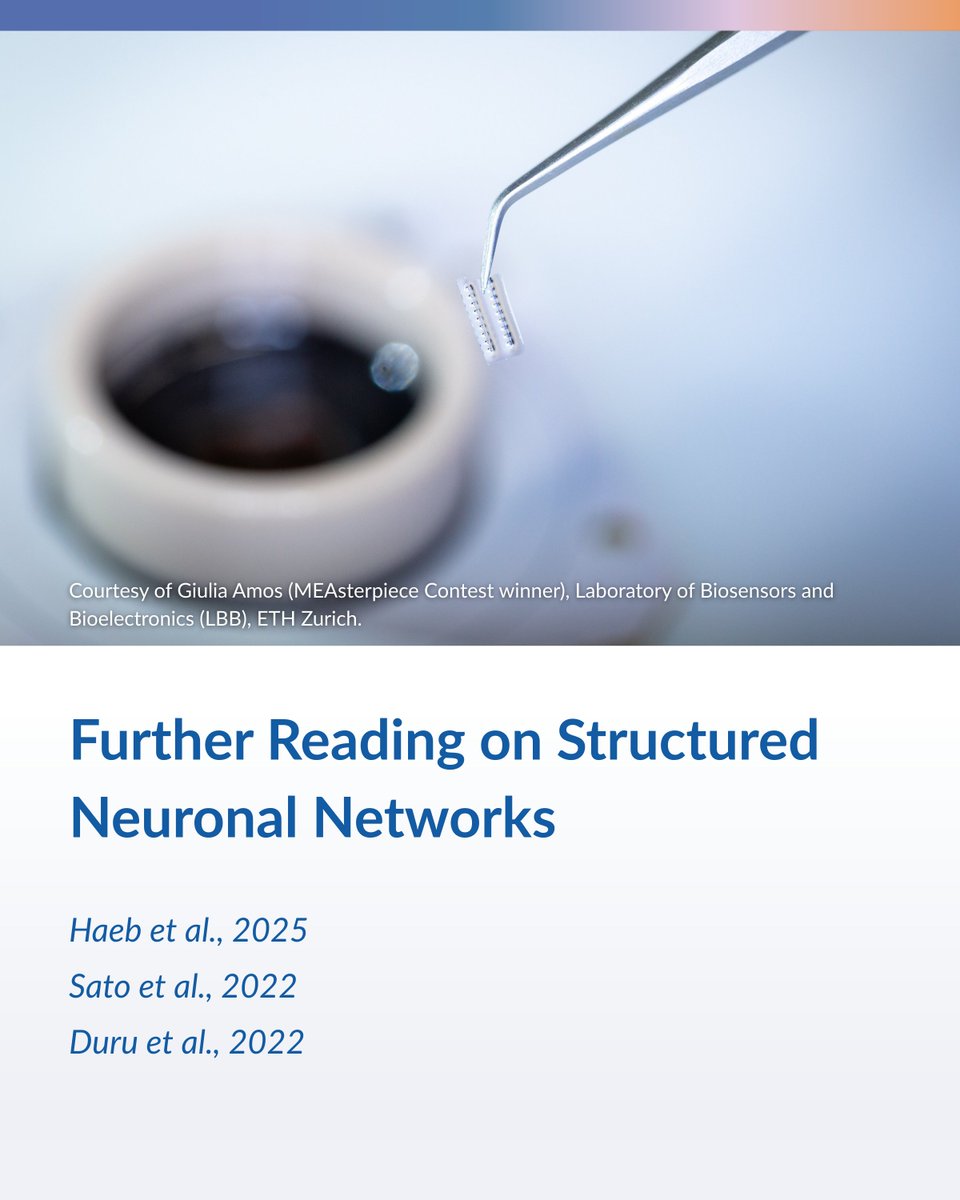
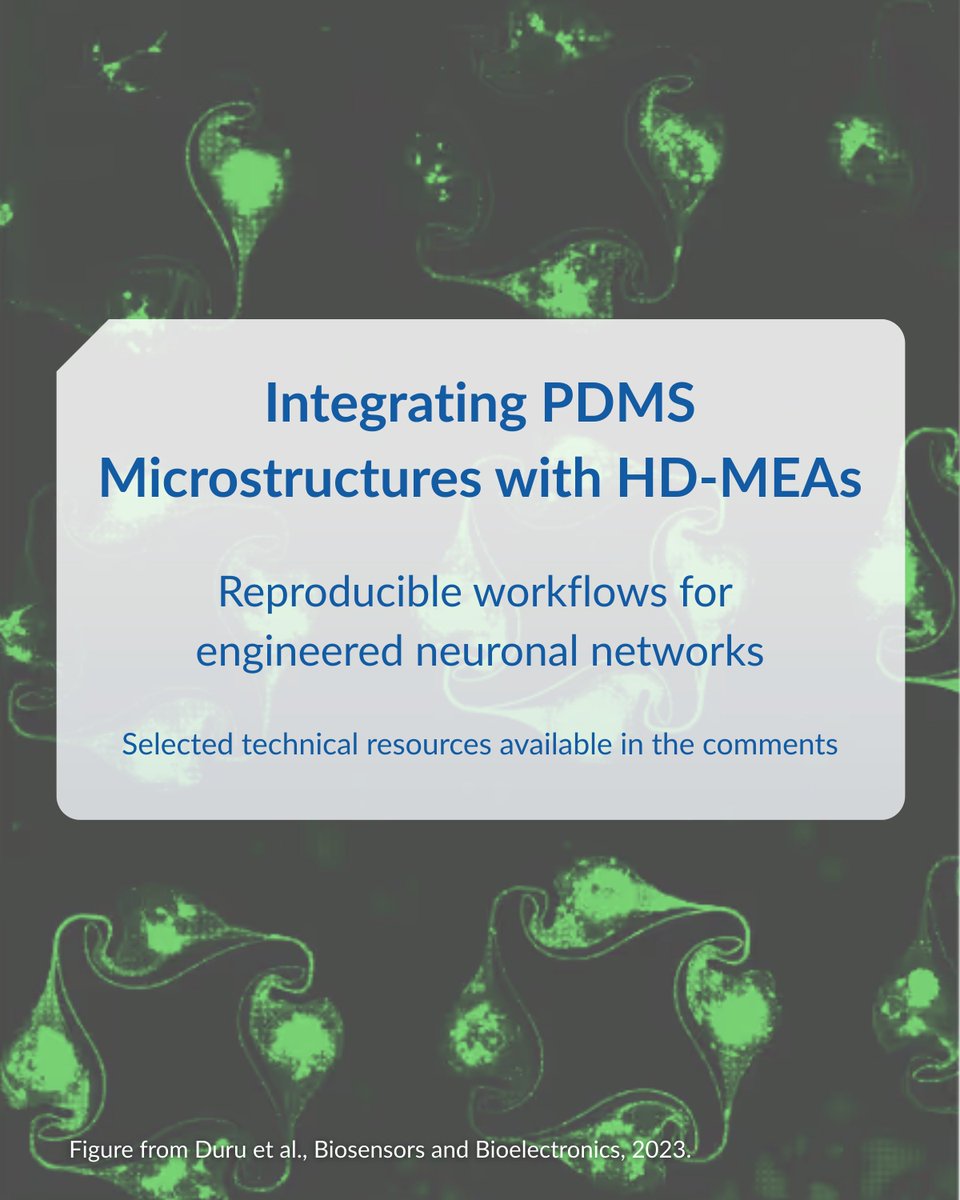
Recent work from @NSC_BrainDamage, @neuroeng22, and Janos Voros Lab illustrates how engineered neuronal circuits can be integrated with HD-MEAs. The ultra-flat CMOS electrode architecture supports reproducible attachment of PDMS microstructures, bridging structural design with functional interrogation.
As MPS platforms advance, combining precise microengineering with scalable functional readouts is key to unlocking full translational potential.
💬 Additional MPS case studies and technical resources in the first comment 👇
#OrganOnAChip #HDMEA #Electrophysiology #NeuronalNetworks #MicrophysiologicalSystems

1
2
57

31 Dec 2025
Happy New Year from all of us at Sophion Bioscience. Best wishes for 2026!
#EthicaM #Qube384 #QPatch #QPatchCompact #AutomatedPatchClamp #MicrophysiologicalSystems #OrganOnAChip #IonChannels #Contractility
#DrugDiscovery #Electrophysiology #Sophion
43

26 Sep 2025
Jitendra Kumar, Managing Director Biotechnology Industry Research Assistance Council (BIRAC) shared his views on “India’s efforts to raise animal-free drug testing standards published in Nature India News
India’s complex in vitro models (CIVMs) system is expanding, with the nation moving steadily from animal models to advanced systems such as organoids and microphysiological systems (MPS) as highlighted by Dr Kumar in the article.
BIRAC’s is commitment to supporting this transition by nurturing innovators, building research capacity, and aligning India with global regulatory and ethical standards. This shift represents a vital step towards human-relevant, precision-driven drug discovery.
Read more: lnkd.in/gKDzxHXg
@DBTIndia | @NITIAayog | @drjitendrak170 | @Nature
#CIVMs #Ecosystem #DrugDiscovery #Innovation #Organoids #MicroPhysiologicalSystems #Regulatory #PrecisionMedicine #DrugDiscovery #Ethic
1
244

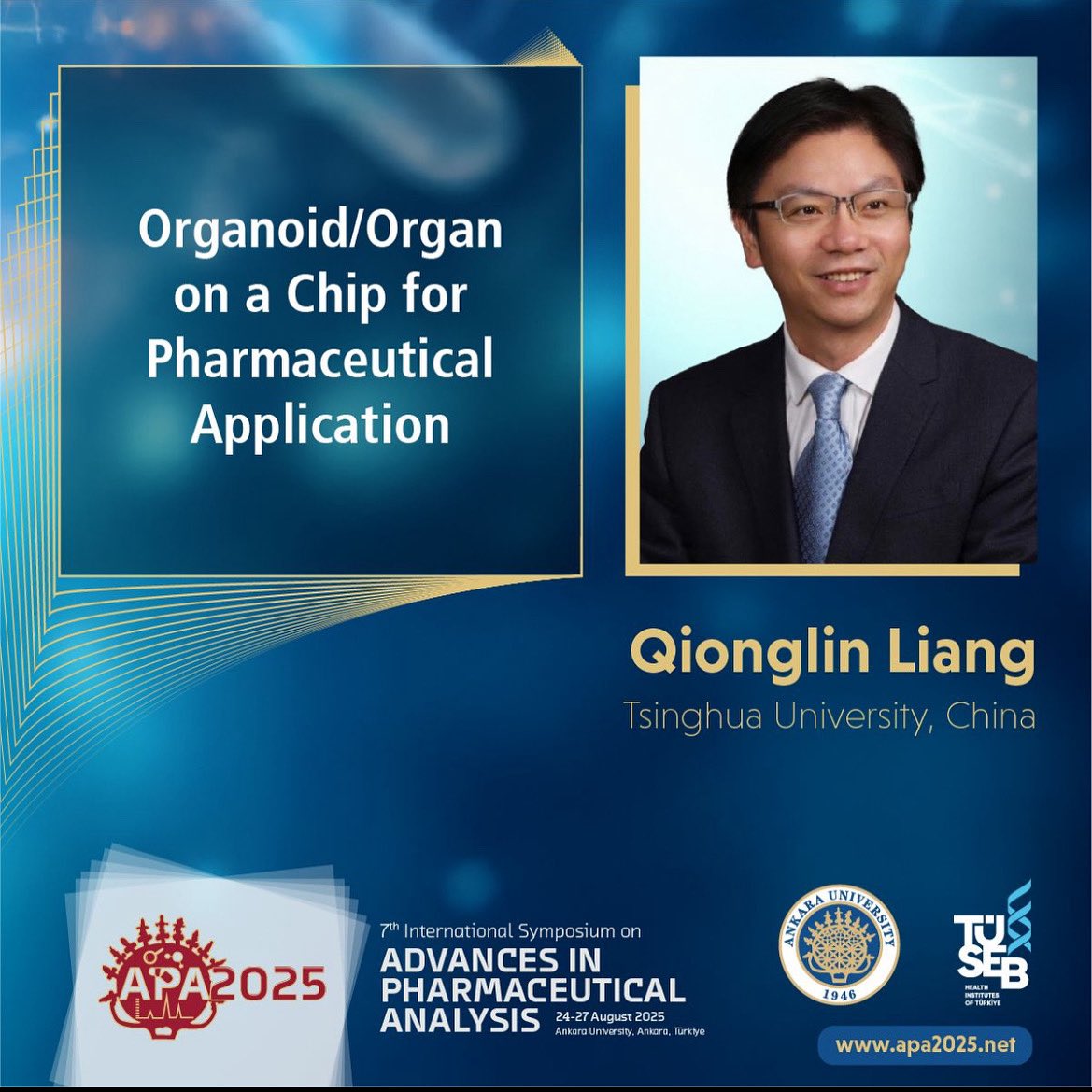
🧫 Welcoming Prof. Qionglin Liang 🇨🇳 to #APA2025!
📌 Organoids & Organ-on-a-Chip in Pharmaceutical Research
📍 Ankara | 📅 Aug 24–27
🌐 apa2025.net
#OrganOnChip #DrugDevelopment #MicrophysiologicalSystems
1
1
33


6 Jul 2025
تكملة للنقطة الأولى، الانتقال إلى "أنظمة فسيولوجية دقيقة بشرية المنشأ (#MicrophysiologicalSystems) أو (
#OrganonChip)" التي ستُقلص الفجوة بين التجارب قبل السريرية والسريرية؛ لكنها لازلت قيد التجارب والتحقق من أهليتها لكنها حلول رائعة جدًا أن أُثبتت بشكل قطعي لأنها تحاكي عضو حي.
1
51

1 Jul 2025
Multi Organ Chips Market Trends, Size & Growth Analysis 2034
To Know More :com25768.wordpress.com/2025/…
#organchips #biotechinnovation #labonchip #drugtestingtech #microphysiologicalsystems
3
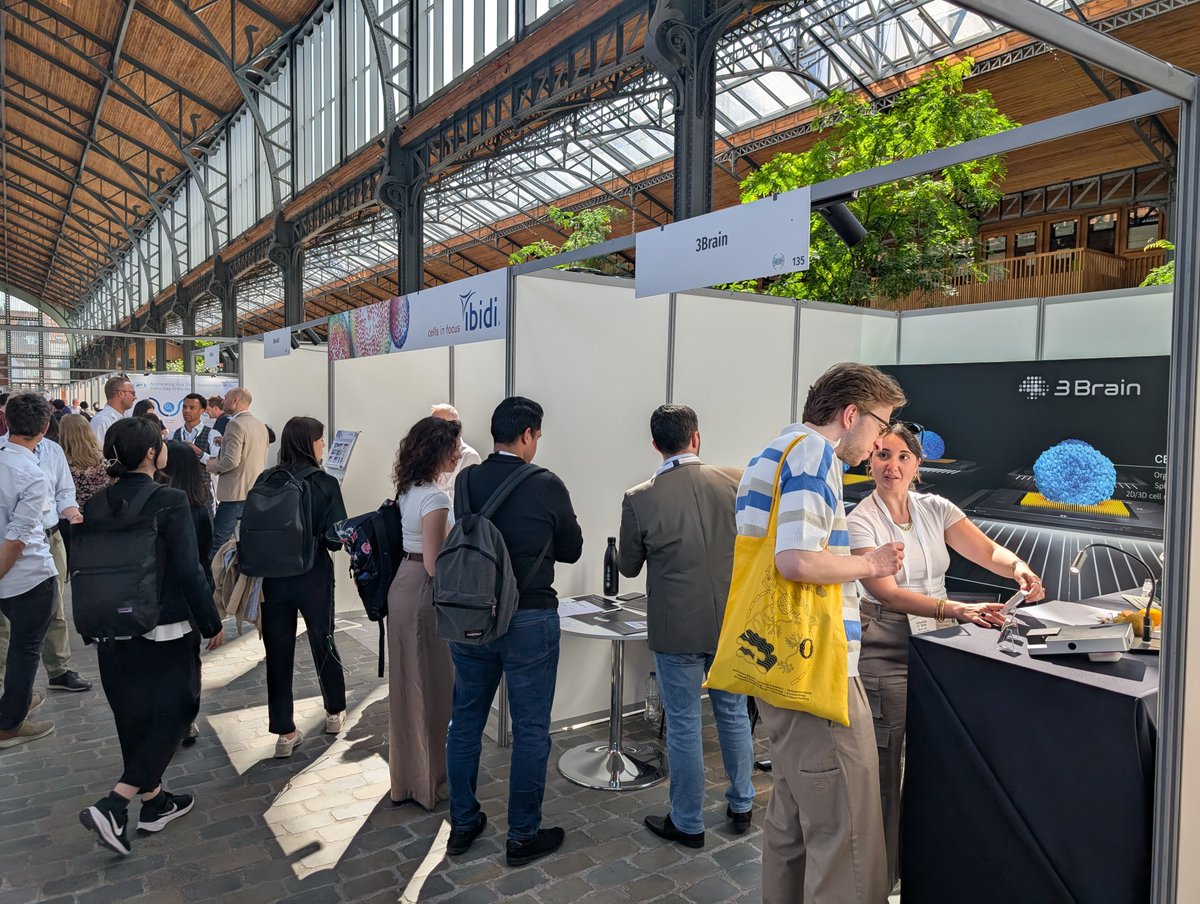
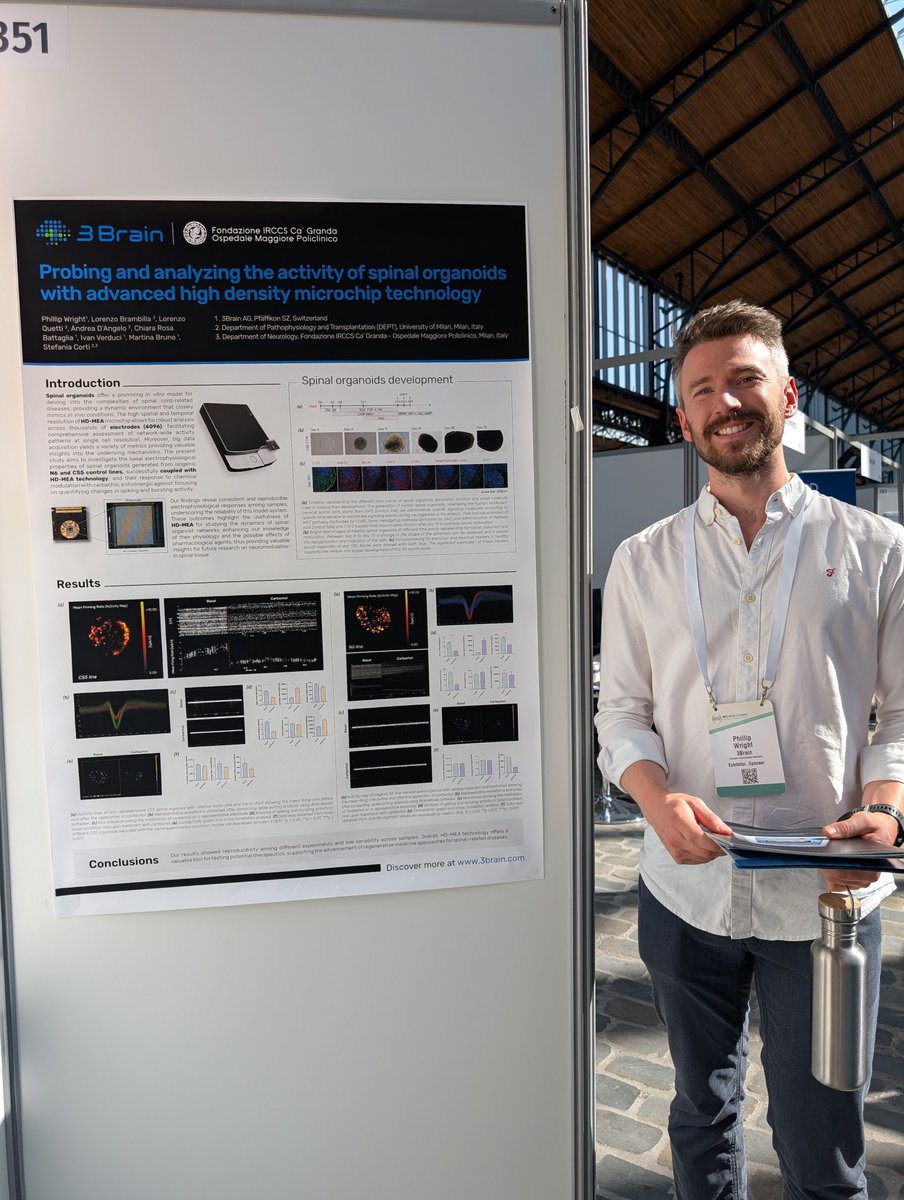
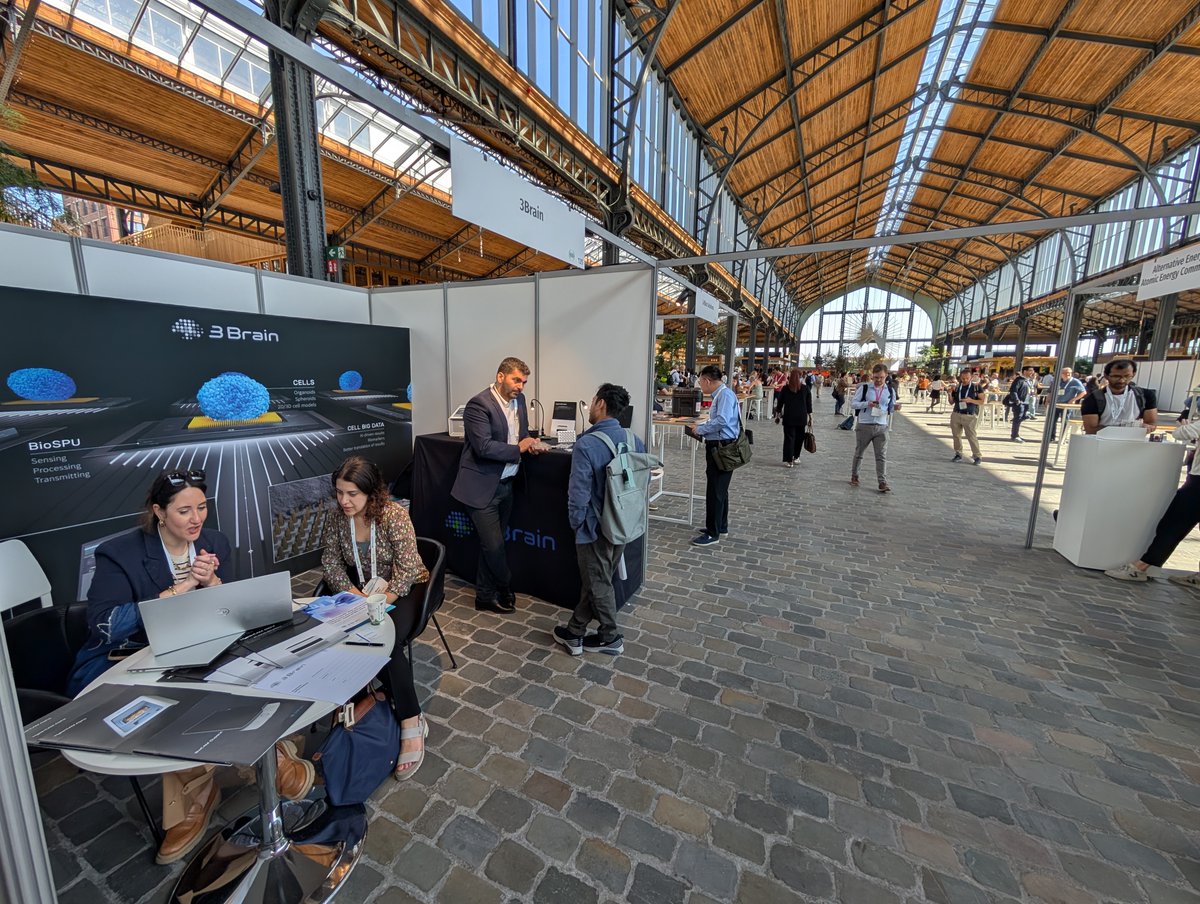
Just wrapped up an exciting MPS2025, where once again we saw how brain organoids are taking the lead role as the next generation of in vitro models. Seeing talks such as the “the role of vascularization in developing brain organoids” by Annie Kathuria were fascinating, and as the field evolves, finding the right tools to truly understand them are also of vital importance.
That’s exactly where our single-well HD-MEA with 3D electrodes makes the difference.
Designed specifically for brain organoids and neural tissues, our platform captures rich, high-resolution electrophysiological data not just at the surface, but within the organoid itself. Allowing for unmatched insight into the functional dynamics of brain organoids, enhancing data collection for anyone studying functional maturation, disease phenotypes, or drug response in these complex neural systems.
Thanks to everyone who stopped by the booth and joined the conversation. Your feedback, ideas, and enthusiasm are driving this field forward. We’re excited to support the cutting edge of neuro-organoid research.
#MPS25 #MPSWorldSummit #MicrophysiologicalSystems #BrainOrganoids #3Brain #HDMEA #Neuroscience #Electrophysiology
1
86