Interested in Financial Markets, Macro, Politics and Economics. Want to revive the hobby of drawing cartoons. *Views are mine alone, don’t reflect my employers*
Joined November 2010
- Tweets 90,625
- Following 5,019
- Followers 4,289
- Likes 77,583
1,070 Photos and videos






Pinned Tweet

29 Dec 2019
My predictions for coming decade (in a thread of thread format) ...
10
63
207
Nirav Kanodra retweeted

Jun 16
India's Biggest Economic Challenge Is not Inflation, Oil, or War - It is an Unskilled Population Addicted to Distraction.
Every time oil prices rise, economists panic. Every time a war breaks out in the Middle East or Europe, television studios declare that India's economy is under threat. And yes, both matter. But neither represents India's greatest economic challenge. The real crisis is unfolding much closer to home.
It is a generation that spends more time consuming content than creating value. A workforce that debates geopolitics without mastering spreadsheets, artificial intelligence, coding, welding, precision manufacturing, sales, finance, communication, or even basic problem-solving. An economy where attention has become the most wasted national resource.
India is one of the youngest countries in the world. That should have been our greatest competitive advantage. Instead, we risk turning our demographic dividend into a demographic liability.
The Age of Endless Consumption
Never before has information been so accessible. Yet never before have so many people spent so much time learning so little. Hours disappear into political debates, celebrity gossip, cricket controversies, influencer reels, conspiracy theories, and outrage cycles that have absolutely no impact on an individual's earning potential. Ask someone how many hours they spent on social media last week. Then ask them how many hours they invested in acquiring a new professional skill. For many, the answer is uncomfortable. We have become experts at commenting on the economy while contributing very little to it.
Degrees Are Not Skills
India has no shortage of graduates. It has a shortage of employable graduates. Companies repeatedly report the same problem: vacancies exist, but suitable candidates are difficult to find. Not because people lack certificates. Because many lack practical skills. The world is rewarding competence, not credentials.
- Can you solve problems?
= Can you communicate effectively?
- Can you sell?
= Can you lead a team?
- Can you analyze data?
- Can you use AI to improve productivity instead of merely asking it amusing questions?
- Can you create something that another person is willing to pay for?
Those are the questions that determine economic success. Not the number of degrees hanging on a wall.
Attention Is the New Currency
The biggest theft today is not of money. It is of attention. Every notification fragments concentration. Every endless scroll delays mastery. Every hour spent consuming outrage is an hour not spent building expertise.
Modern economies reward deep work, specialized knowledge, creativity, and disciplined execution. Algorithms reward emotional reactions. Unfortunately, millions choose the algorithm.
The Coming Divide
Artificial intelligence is not replacing everyone. It is replacing people who refuse to learn. The future will belong to workers who continuously upgrade themselves. Those who combine human judgment with technological tools will become dramatically more productive. Those who stop learning will find themselves competing for fewer opportunities at lower wages. The divide will not be between rich and poor. It will increasingly be between skilled and unskilled.
National Growth Begins With Individual Discipline
Governments can build highways. Businesses can build factories. Universities can build campuses. But none of them can force an individual to develop skills. Economic transformation begins with personal responsibility. Spend one less hour arguing online. Spend one more hour learning. Read instead of scrolling. Build instead of complaining. Acquire one valuable skill every year. Become indispensable.
If millions of Indians made that simple choice, the country's economic trajectory would change more profoundly than any fiscal stimulus, any election promise, or any temporary fall in oil prices.
Wars will end. Oil prices will rise and fall. Markets will recover. But a nation that neglects skill development while surrendering its attention to endless distraction will struggle long after those headlines have disappeared.
The strongest economy is not built by the loudest voices. It is built by the most capable people.
#JaiHind
188
796
2,280
143,582
Nirav Kanodra retweeted

An anonymous article in Swarajya concludes with "The answer is not a louder appeal to come home. It is to build the home worth coming to."
swarajyamag.com/newsletters/…
4
19
55
2,693
Nirav Kanodra retweeted

Konkan Railway to double rail line on stretches totalling 263 km; announces upgrades worth Rs 4,704 cr
3 new stations, 16 coach Mumbai-Goa Vande Bharat
mid-day.com//mumbai/mumbai-n… - @rajtoday
4
6
62
2,231
Nirav Kanodra retweeted

Esto es espectacular como se movió Marruecos defensivamente. Esto se entrena. No es aleatorio. Tremendo bloque corto defensivo. Imposible de entrar sin alguna magia o pase filtrado con extrema exactitud. Por eso Brasil se la pasó lateralizando.
394
5,227
42,636
2,506,286
Nirav Kanodra retweeted

25 Jul 2024
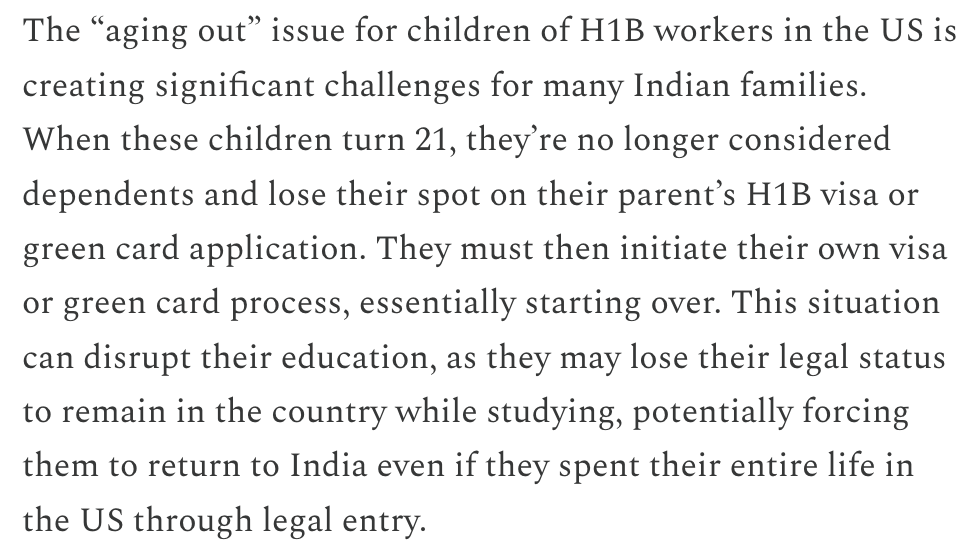
My family moved to the US when I was 8, but by the time I turned 20, my dad was still on an H1B (waiting to get processed for a green card).
Once I turned 21, I would age out as his dependent, despite the fact that I basically grew up in the US.
I thought I'd have to become a code monkey after college, and even that only if I was lucky enough to win the H1B lottery.
Otherwise, back to India.
I had become a huge fan of @paulg's essays in college. I was actually depressed that my desire to start a startup or do something entrepreneurial was basically hopeless.
Working on the promising podcast I was doing as a side project? A beyond impossible pipe dream.
Even after 9 years, my dad wasn't able to get a green card - and the lines were only getting longer over time. I figured I'd be an old man before I could quit some FANG job and build my own thing.
By some miracle, COVID travel restrictions cleared out the lines, and I got my green card literally months before I would have aged out.
If not for this unbelievable coincidence, I would not be hosting the podcast.
In the best case, I would be shifting pixels around in the 3rd sub-sub-menu of some big tech software.
I'm incredibly grateful I made it through.
But it's unconscionable that we put the kids of high skilled immigrants through all this anxiety, and in many cases make them repeat the nerve-racking indentured life trajectory that they had to watch their parents go through.
529
1,069
9,715
2,197,374
Nirav Kanodra retweeted

My colleagues at Bloomberg News are reporting Qatar plans to restore ~50% of its LNG production in just four weeks after SoH re-opens, and ~80% in two months.
And that's LNG, which requires a lot of work to re-start. Imagine what everyone else is going to do with oil output.
74
289
1,552
249,796
Nirav Kanodra retweeted

Jun 16
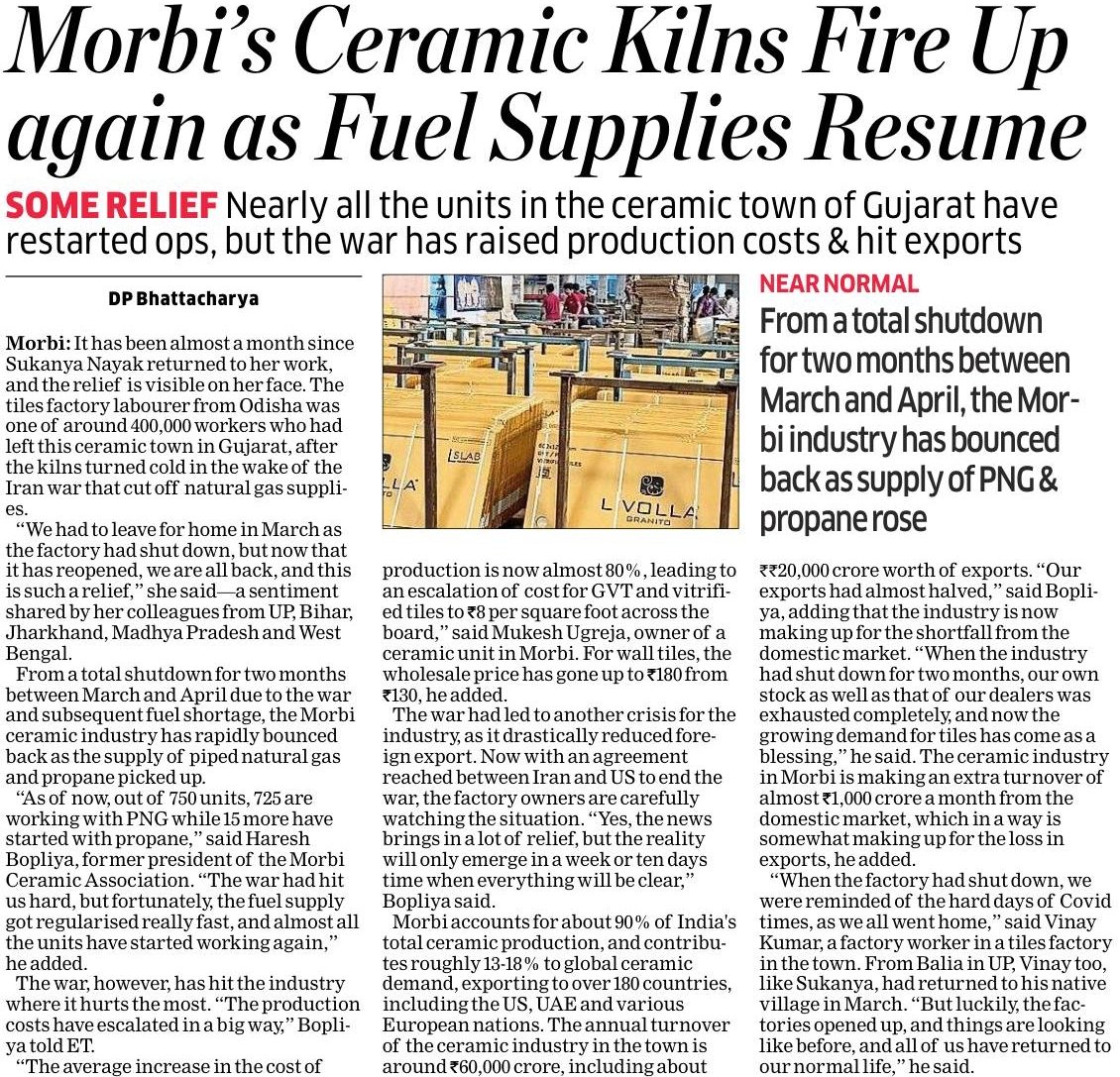
Morbi's ceramic tile industry has restored near-full production as natural gas supplies normalised after recent disruptions.
Morbi accounts for about 90% of India's ceramic output and over 70% of exports. Fuel availability has allowed idled kilns to restart and export orders to resume.
32
99
2,569
Nirav Kanodra retweeted
Jun 16
India and the UAE are expanding rupee-dirham trade, with about 15% of bilateral trade now settled in local currencies.
The two countries formalised the mechanism 3 years ago and are working to increase its use, reducing reliance on the US dollar and lowering transaction costs for trade and remittances.
m.economictimes.com/epaper/d…
4
46
188
7,291
Nirav Kanodra retweeted

Jun 16
No one is coming to save a $4T economy.
The path from $1T to $4T wasn’t easy. The path from $4T to $10T will be extremely tough.
To think countries will come to support India is just living in dreams

Diplomatic capital being wasted on lobbying for these medals & then we wonder why no country supported us during operation sindoor
14
183
1,458
32,858
Nirav Kanodra retweeted

Jun 15
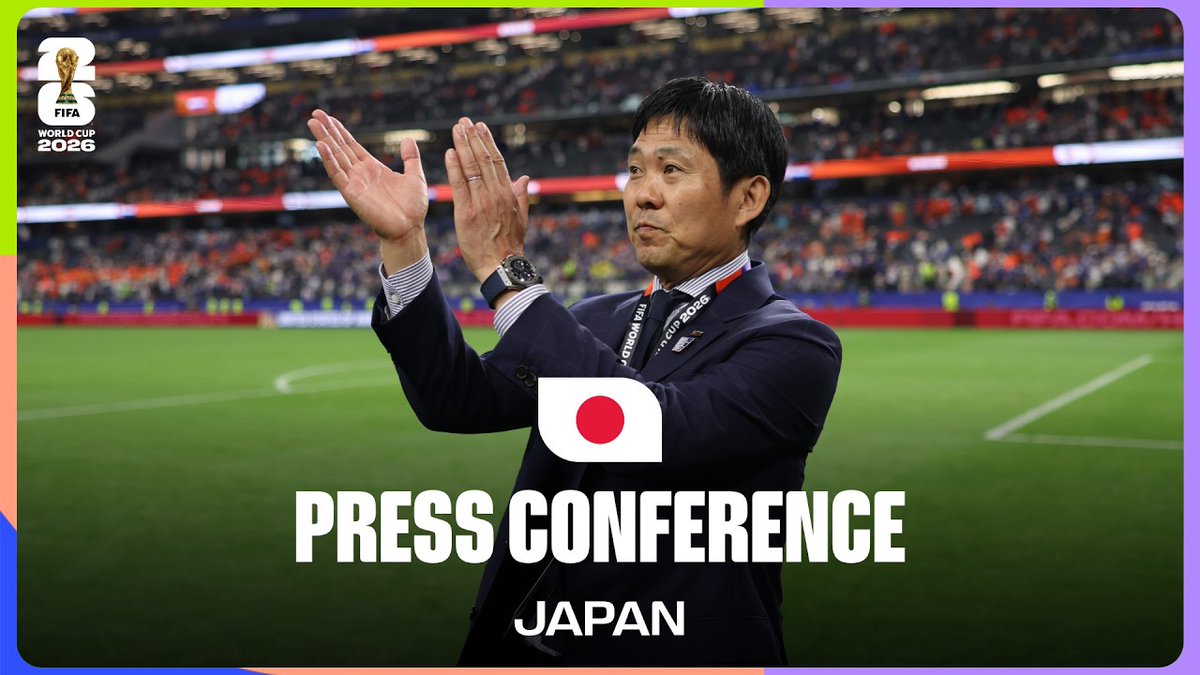
Everyone has been so impressed by Japanese fans cleaning up after themselves but most probably missed this beautiful moment at the post-game (🇳🇱2 - 2🇯🇵) press conference.
Toward the end after reporters were done asking questions, 🇯🇵head coach, Hajime Moriyasu, asked to speak one more time.
🗣️ “May I speak?”
He turned to the Dutch reporters in the room.
🗣️ “I think there are many Dutch reporters here as well, so I’d like to take this opportunity to express my gratitude to the people of the Netherlands once again.”
Moriyasu explained that when he became part of the Japan national team, Japanese football still had no professional league.
🗣️ “I was trained by a Dutch coach named Hans Ooft. It wasn’t just me. Japanese coaches in general were greatly influenced by him, which has led to the development of Japanese soccer today.”
He also mentioned another Dutch figure who shaped his career.
🗣️ “The legendary Dutch coach Wim Jansen served as the manager for J.League’s Sanfrecce Hiroshima and also as a coach for Urawa Reds, contributing to Japanese soccer.”
🗣️ “It’s not just those two. Many other coaches and players have contributed to raising the level of Japanese soccer, so I want to express my thanks. Thank you very much.”
What a masterclass in graciousness and gratitude. Imagine after a high-stakes match, instead of basking in glory and bravado (well-deserved in my opinion), the coach took to the microphone to... thank his opponents publicly and sincerely.
Japan's cultural operating system prizes harmony (wa), respect for precedent, and gratitude as a form of strength, not weakness. Japanese sports culture reflects its broader society where you'll see athletes bow to their opponents, thanking referees, and even crediting rivals or mentors.
Think of sumo wrestlers, Olympic athletes, or even bullet-train staff apologizing for a 30-second delay.
The Japanese have this concept of On (恩) - it is the sense of indebtedness to those who came before or helped you. It's what you'd expect from a culture that truly prizes continuity.
Moriyasu was acknowledging a real debt to Dutch coaches like Hans Ooft (who coached Japan in the early 90s and helped professionalize the game) and Wim Jansen. Japanese football openly credits foreign influences - Dutch "Total Football" philosophy, German organization, Brazilian flair - while building something distinctly their own. Few nations do this with such little ego.
Japan is pure class
148
2,725
15,838
505,293
Nirav Kanodra retweeted
Jun 15
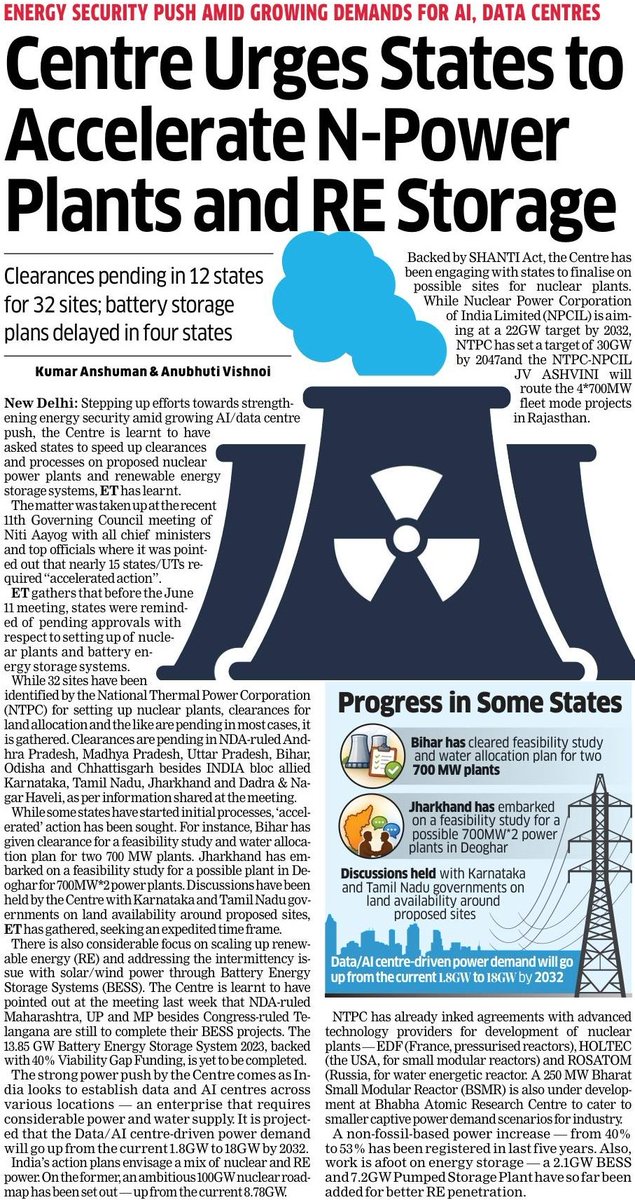
The Centre asked states to fast-track approvals for nuclear power projects and renewable energy storage systems.
The push aligns with India's 100 GW nuclear capacity target for 2047 and rising electricity demand from AI and data centres, with states asked to accelerate land, clearances and infrastructure planning.
4
42
118
2,650
Nirav Kanodra retweeted

Jun 15
Another interpretation: There is some ecosystem that is directly targeting Iphone factories in India because slowly slowly Apple is reducing its dependence on China and shifting to India
China is infamous for such targeted hitjobs in various countries
1
13
57
1,496

Reupping: Why Indian firms don't invest much in R&D?
"Indian capital is cut of the same cloth as the rest of Indian society. It is unreasonable to expect it to vibe to a different tune. Mehta concludes that Indian capital is perhaps getting the government it deserves. We might as well say that Indian society is getting the capital it deserves."
Read the whole argument here nitinpai.in/2025/09/8/indian…
7
20
77
5,160
Nirav Kanodra retweeted
Jun 15
For next few days, we will be seeing major oil production
The only bottleneck will be ability of the ports to turnaround ships and actual ships that can move the oil!
Refining capacity is anyways always constrained so SPR refining will be top priority
May 29

The world is probably looking at years of:
1. UAE not capped by OPEC
2. Iranian oil not sanctioned
3. VZ oil sailing freely around the world
4. Pipeline extension to move more Canadian oil to Midwest refineries
$60 is loading
3
19
149
7,267
Nirav Kanodra retweeted

Jun 14
I hope government is prepared for what possibly looks like a severe monsoon deficit in India. El Nino has hit the world hard this time and for an agrarian economy like ours, we should be prepared to handle what possibly lies ahead.
5
6
73
1,834
Nirav Kanodra retweeted

Jun 15
Germany ran its entire war economy on synthetic fuel from coal. Fischer-Tropsch process — 124,000 barrels per day by 1944. South Africa's Sasol did the same under sanctions. Still runs today.
India imports 50% of its LNG and 80-90% of its methanol. We sit on 401 billion tonnes of coal.
The ₹37,500 crore gasification push finally treats coal as chemistry, not combustion. I think this could quietly become our most important energy pivot this decade.
3
36
199
5,336
Nirav Kanodra retweeted

Jun 15
A monsoon drenched Mumbai does not double down on rainwater harvesting but spends $$ on desalination.
Imagine if we had a way to stop Milan subway or Hindmata from flooding by channeling the water.....
Jun 15

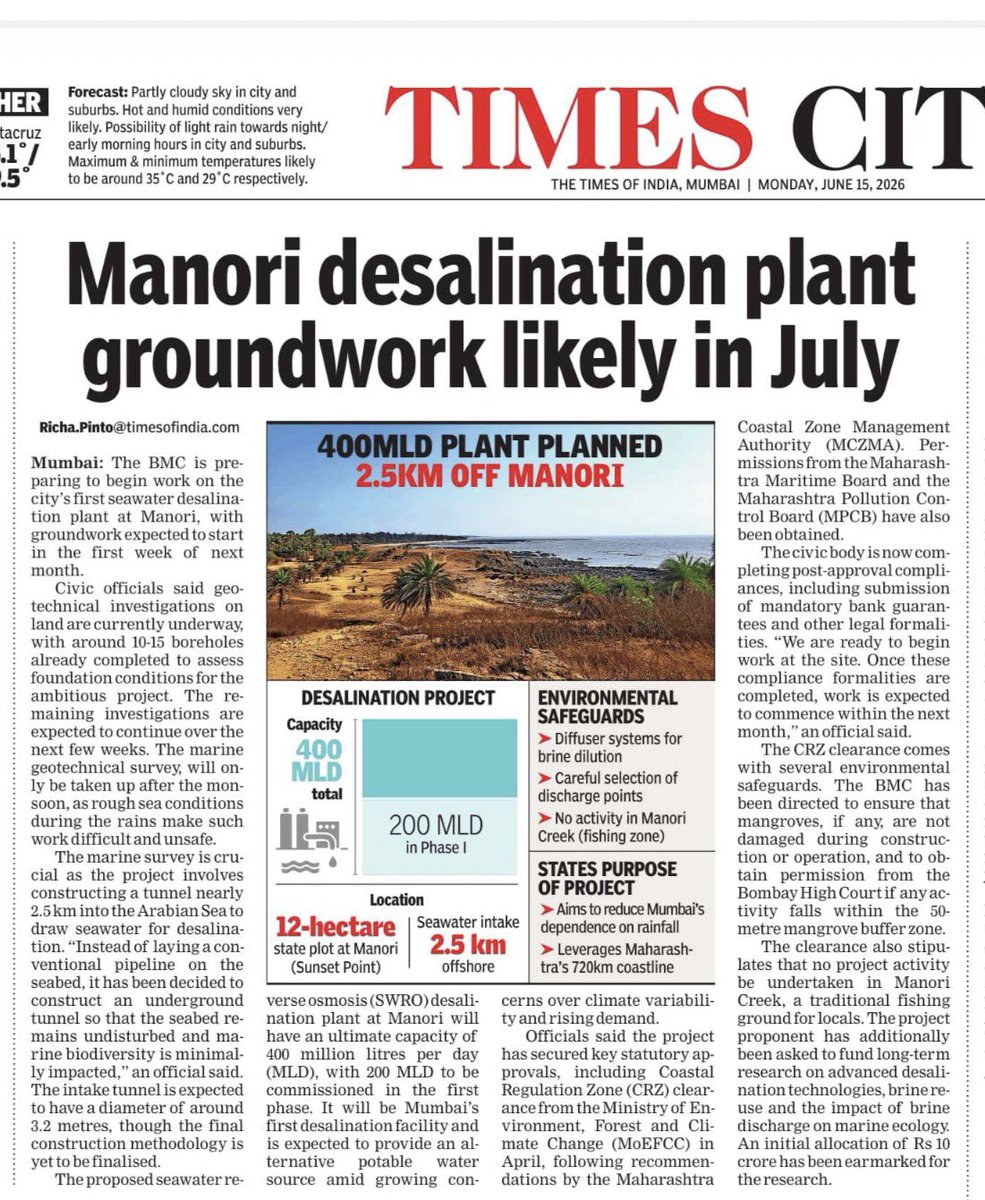
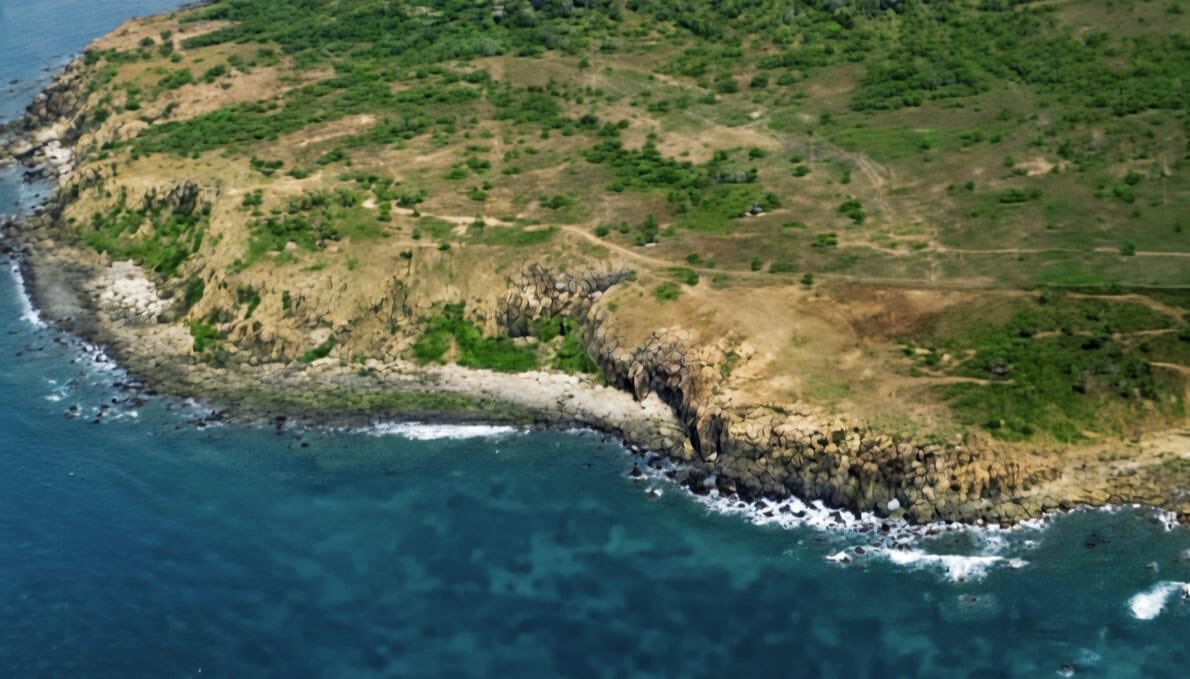
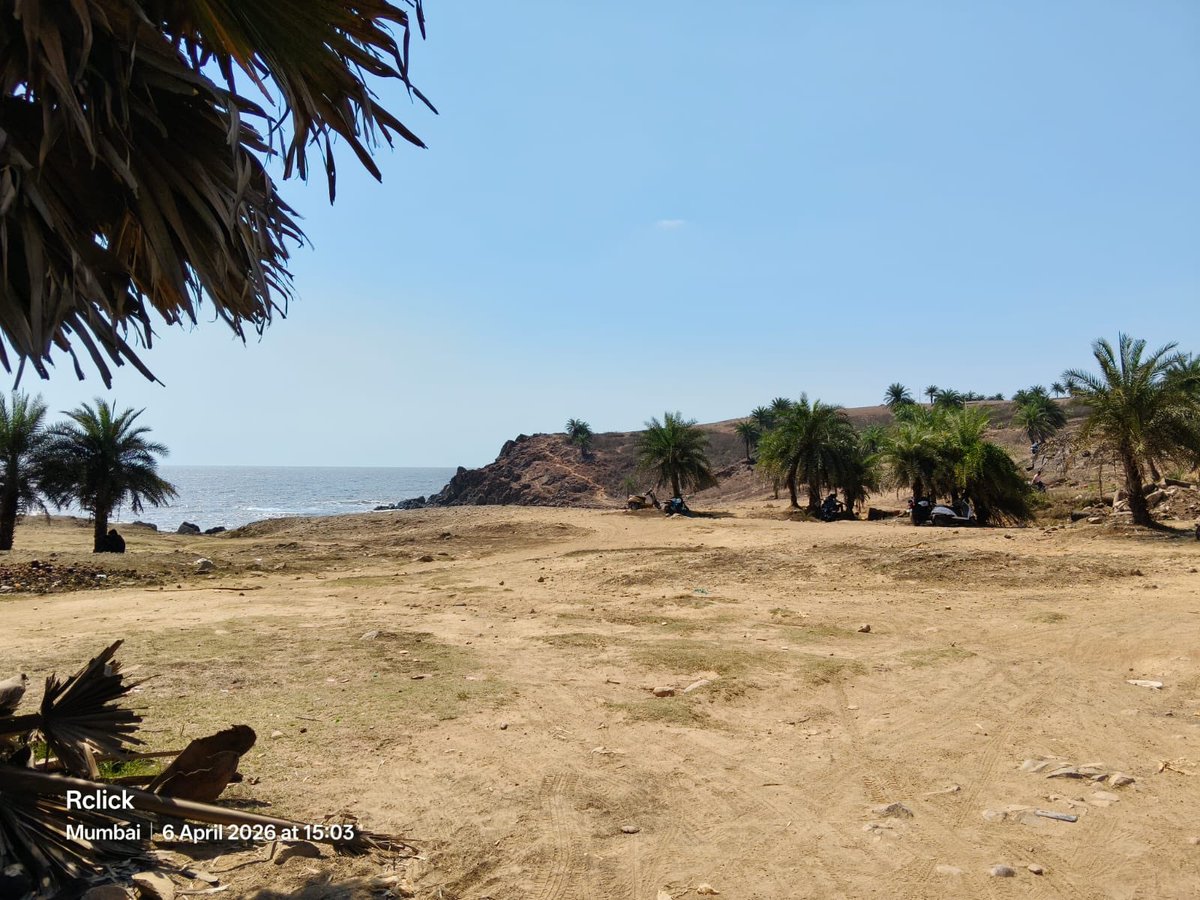
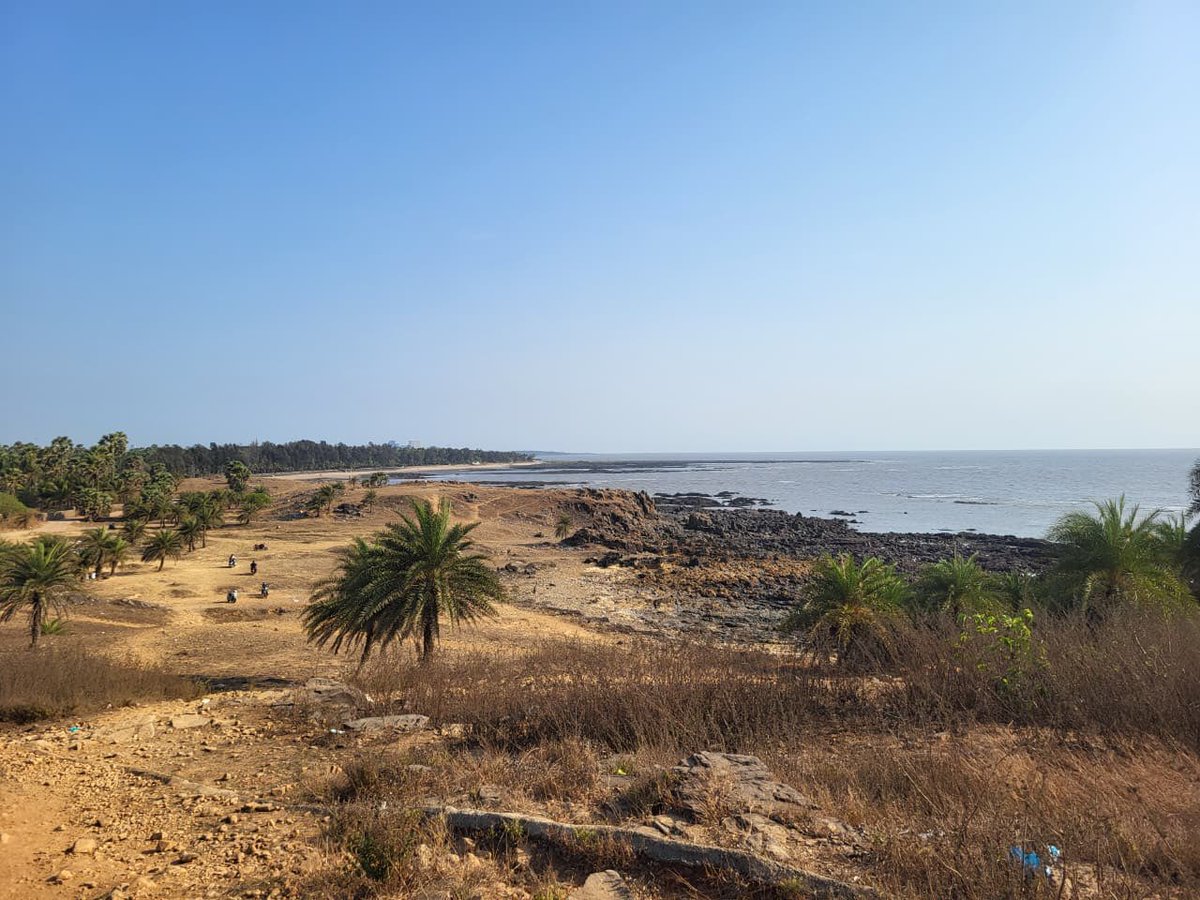
Even as Mumbai eagerly awaits the arrival of the monsoon amid a prolonged dry spell, I tracked the progress of the upcoming Desalination plant.
The @mybmc is preparing to kick-start work on the city’s first seawater desalination plant at Manori, with ground works expected to begin next month.
Geotechnical investigations on land are currently underway, with around 10-15 boreholes already completed to assess the foundation conditions for the ambitious project. The remaining investigations are expected to continue over the next few weeks. The marine geotechnical survey, however, will only be taken up after the monsoon season.
2
4
10
921
Nirav Kanodra retweeted

Jun 14
SC has cleared Reliance's plan for Mumbai's Coastal Road seafront and capped ticketed attractions at 15% of the 130-acre space, reports @OmkarGokhale91
The rest stays free for all. Work can now finally begin.
indianexpress.com/article/ci… via @IndianExpress
7
21
121
12,092
Nirav Kanodra retweeted
Jun 15
It is impossible to dislike the Japanese
They leave every space better than they found it. Meanwhile other cultures riot and cause chaos.
Jun 15

Japanese fans staying behind in the stadium to clean their sector after the 2-2 draw against the Netherlands in Dallas.
This is a Japanese tradition has gone viral at numerous previous World Cups.
🇺🇸🇯🇵
115
360
4,464
67,162
Nirav Kanodra retweeted

Jun 14
Between 1982 and 2020, the number of the 100 richest Americans who got rich from inheritance decreased from 60 to 27. And yet on the left they think the mid 20th century was the good old days, because economic inequality was lower then.
paulgraham.com/richnow.html
97
204
2,327
140,514