Ryuichi Nishida ( 西田隆一 ) : Director at @BDashVentures web3 team | prev @jptechcrunch @cnet_japan
Joined April 2007
- Tweets 3,894
- Following 2,572
- Followers 6,487
- Likes 5,656
87 Photos and videos



Ryuichi Nishida 🧬 retweeted

1
7
1,474
Ryuichi Nishida 🧬 retweeted

お待たせしました!待望の zJPYC をローンチしました🎉
この数ヶ月、JPYCの利用者が着実に増えていく様子を見てきて、本当にすごいなと感じていました。一方で
「残高が誰からでも見えてしまう」
「売上などが丸見えになってしまう」
といった声も何度か目にしてきました。
zJPYCはそんな課題に対するひとつの選択肢です😊
これまでの利便性を損なうことなく、より安心して使える環境を提供したい。その想いからチーム一同開発を進めてきました💻
ぜひ zJPYC をお試しください🖤

8
52
183
51,977

Dear Users,
zJPYC is an unofficial service independently provided by the zERC20 team.
JPYC Inc. is not involved in the provision, joint development, review, or endorsement of zJPYC.
This service is not an official service or official content of JPYC Inc.
All planning, development, operation, and support for this service are carried out independently by the zERC20 team. If you have any questions or inquiries regarding zJPYC, please contact the zERC20 team directly 😊
Thank you!
6
17
3,287

Jun 11
投資先の@intmaxIOが開発したプライバシー送金規格「@zERC20io」がJPYCに対応(まずはPolygonから)。
JPYCをzJPYCに変換すると、送金時に第三者からは「誰が誰に送ったか」が理論上追跡できなくなります。しかも普段のウォレットで、通常のERC-20トークンと同じ操作で使えるのがポイント。
オンチェーンは全取引が丸見えなので、プライバシーは最も必要とされている機能のひとつ。別の投資先もステーブルコインでの給与払いの際、給与額がバレないようかなり工夫していました。
興味のある方はぜひ使ってみてください。

zERC20、JPYC対応のプライバシー送金用トークン「zJPYC」をローンチ nadanews.com/355156/?utm_sou…
1
5
17
4,522
Ryuichi Nishida 🧬 retweeted

May 12
Privacy coins are outperforming because the market is waking up to something simple:
Financial privacy has value.
But there is a difference between buying privacy exposure and using private money.
If you need to swap into a different asset to become private, you have changed your position.
USDC should stay USDC.
ETH should stay ETH.
Only the transaction should be private.
2
1
13
1,351
Ryuichi Nishida 🧬 retweeted
岡部さん、そしてJPYCユーザーの皆さん、大変ながらくお待たせしました!!
法務面の整理等々に時間がかかってましたが、ようやくzERC20の日本展開にも本腰を入れられそうです😎!!
zJPYCを日本で使える日も近いです✨
JPYC決済をしたいけど、取引履歴や残高までが丸見えでプライバシーがなくて恥ずかしい…どうにかしたい!!と悩んでる方のお悩みを解決できます👍
(実装よろしくです、、弊社のエンジニアさん!!!)
May 11

匿名通報の情報料を希望する人にJPYCで払えないだろうか?
警察が購入したJPYCをzERC20でプライバシー強化して渡すとかやって欲しい。
3
56
267
43,130
Ryuichi Nishida 🧬 retweeted

May 4
また高早苗がリューマチ設定の手で子供じみたパフォーマンス
これはアホな支持者の知能レベルに合わせてるんだと最近思い始めた
80
563
3,104
47,331
Ryuichi Nishida 🧬 retweeted

Apr 27
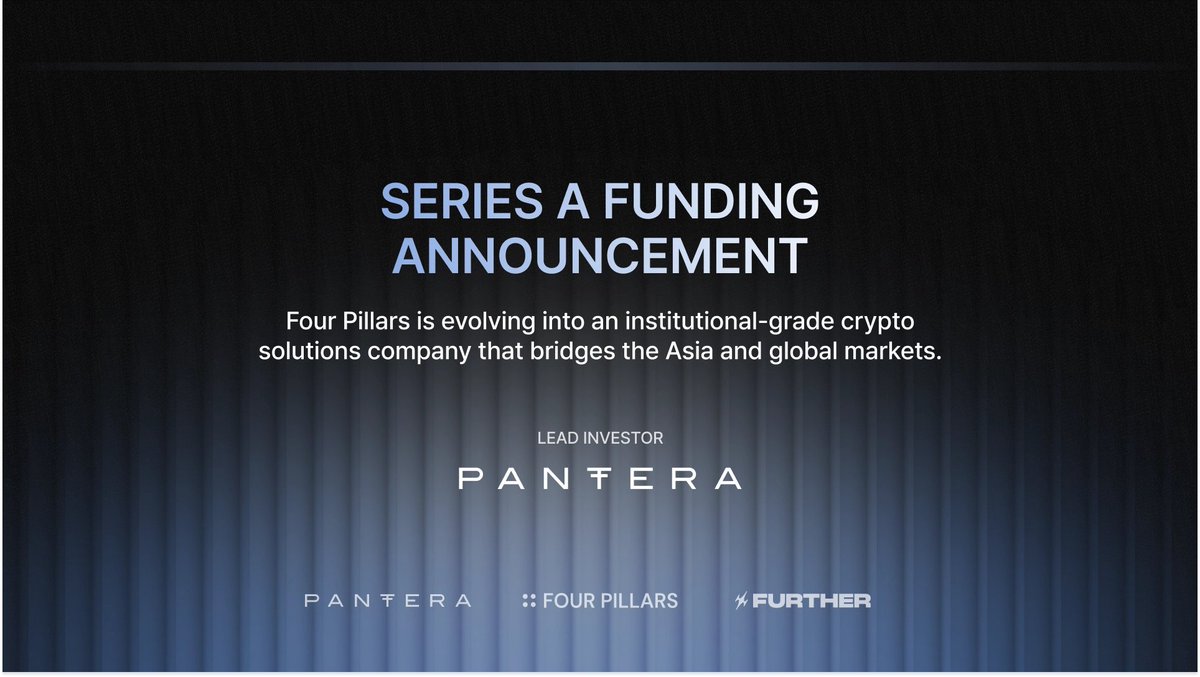
: : We're excited to announce that @FourPillarsFP has raised Series A Funding from @PanteraCapital and @further.
This round marks our next chapter: scaling from a research firm into an institutional-focused blockchain research and infrastructure provider.
126
54
510
85,142
Ryuichi Nishida 🧬 retweeted

Apr 27
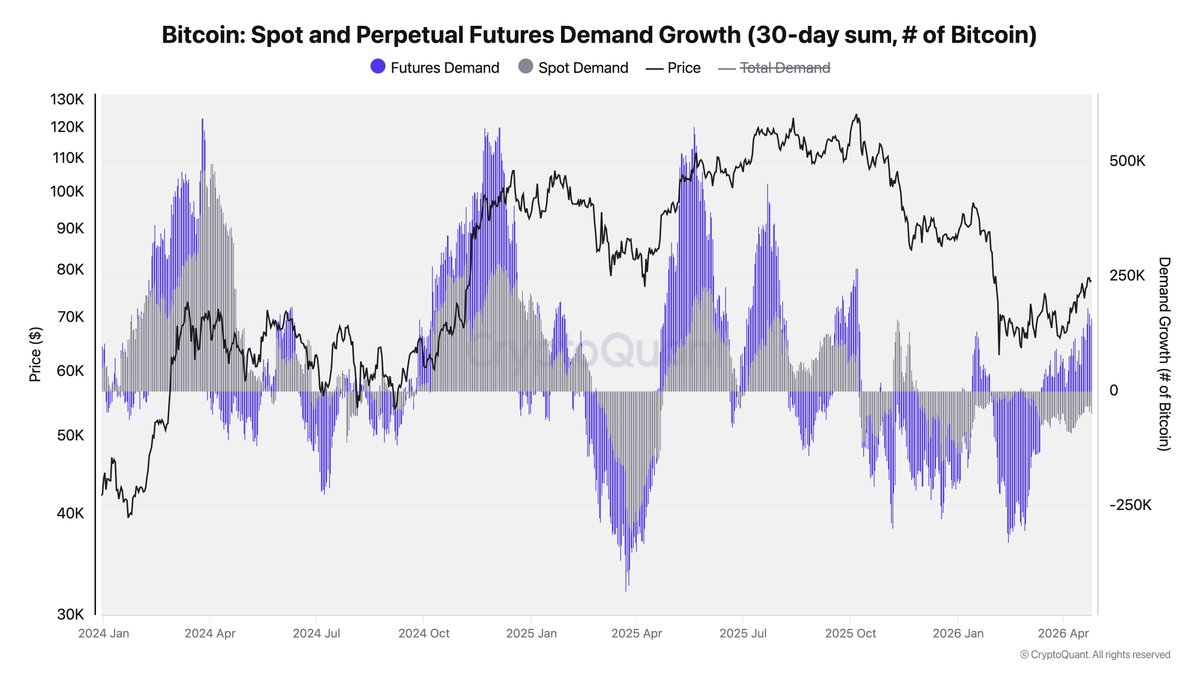
Bitcoin is currently futures-driven.
Open interest is rising, but on-chain apparent demand remains net negative despite ETF inflows and Saylor buys.
Historically, bear markets end when both spot and futures demand recover.
68
123
771
76,840

僕と @tomoaki_imai さんが創業したNoxxは、DeNAグループにジョインすることになりました。
今後も引き続きNoxxのCEOを務めながら、DeNAグループのリソースを活用して、Noxxをさらに成長させていきます。同時に、DeNAの日米の新規事業やスタートアップ投資などにも関わり、DeNAを通じて日米のスタートアップエコシステムに貢献していきます。
今回の意思決定は、Noxxのプロダクトやチーム、そして今後のNoxxの成長のために、最善の選択だと考えています。事業上の背景や今後の展開については、コメント欄のDeNAのプレスリリースをご覧ください。ここでは、僕自身が一人の起業家として、なぜこの意思決定に至ったのかを少し書きます。
僕は人生の選択の場面では、「自分が世の中に提供できる価値を最大化するにはどうしたらいいか」を大切にして意思決定をしています。言い換えると、自分を客観的に見て、「小林清剛という起業家を、どう使ったら世の中に最も価値を提供できるのか」を考えるようにしています。この考え方のベースは、僕が大学3年生、21歳のときに作られました。
2003年8月4日、僕はヴィジョネアという創業期のスタートアップで初めてのインターンを始めました。最初の1, 2日間は十分な仕事量がなく、僕は少しでも役に立とうと、掃除でも何でも、自分が貢献できることを探して取り組みました。数日後、突然、ヴィジョネアの内古閑社長が「ドラッカーの仕事の哲学」という本の一節を送ってくださいました。
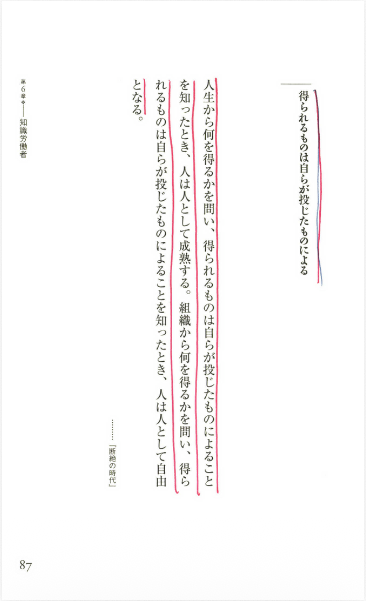
「得られるものは自らが投じたものによる。人生から何を得るかを問い、得られるものは自らが投じたものによることを知ったとき、人は人として成熟する。組織から何を得るかを問い、得られるものは自らが投じたものによることを知ったとき、人は人として自由となる。」
この一節は、人の役に立つこと、組織に貢献すること、世の中に価値を提供することを通じて、身近な人や多くの人が喜んでもらうこと、そして、その繰り返しが、最終的に自分の幸せにもつながっていくということを、仕事を始めた当初に僕に教えてくれました。人の役に立ったり、世の中に価値を提供することに夢中になっていると、金銭的な報酬や世間の評価のようなものからも、自由になれる気がしています。この言葉は、今でも僕の人生の意思決定の土台になっています。
僕は20年以上、起業家として生きてきています。起業するのは、一人でも楽しいです。でも、同じ目標を目指す起業家たちと一緒に挑戦すると、もっと楽しいです。事業が成功していき、仲間が喜ぶと嬉しいです。周りの起業家たちが成功していく姿を見るのも、とても嬉しいです。そして、事業を通じて世の中に価値を提供することで、多くの人たちにも喜んでもらうことができます。また、起業家として挑戦し、失敗と成功体験を周りに共有していくことで、周りの起業家を支援することができます。そうやって、この幸せの循環をもっと大きくしていくことができ、自分にとって、こんなに最高な好循環を作り出せることは起業家という生き方以外にないと感じています。
会社としては新しいフェーズに入りますが、僕自身はこれからも引き続き起業家として日米で新しい事業を創って挑戦していきますし、多くの日本/日本人の起業家やスタートアップがもっと自由に世界に挑戦できるように支援していきます。
DeNAは、日本を代表するテック企業の一つです。同時に、近年、最も積極的に米国のスタートアップエコシステムに挑戦している日本企業の一つでもあります。僕の志を実現するうえでも、Noxxの事業をさらに成長させていくうえでも、DeNAはベストなパートナーだと感じています。DeNAと一緒に、日米で多くの新しい事業やスタートアップが生まれ、世界で勝負していく流れをつくりたいです。Noxxもその挑戦の大事な事業の一つとして、しっかり成果を出していきたいです。
引き続き、よろしくお願いします!
(写真は「ドラッカーの仕事の哲学」の1ページです)
31
47
401
143,814
Ryuichi Nishida 🧬 retweeted
Apr 3
Privacy is moving from 'nice to have' to non-negotiable in Ethereum's development priorities. Censorship resistance, open source, privacy, and security are the core properties that the ecosystem is rallying around.
We've been building on that stack since before it had a name.
3
2
14
1,161
Ryuichi Nishida 🧬 retweeted
🌸お知らせ🌸
いくつか重要なアップデートとご報告があります。
まず、INTMAXの次のバージョンでは、量子耐性(Quantum Readyではなく完全なQuantum Safe、つまり将来量子暗号に移行できる設計ではなく量子コンピュータでも破られない暗号をすでに使っている)とスマートコントラクト機能の実装を予定しています。またプライバシー性能については、これまでと同様に引き続き維持・強化していきます。
次に、体制についてのご報告です
INTMAXは引き続き、非常に技術的な視点が重要なプロジェクトであるため、Leona Hiokiが中心となって牽引していきます。一方で、zERC20はパートナーシップや事業開発がますます重要になってくると考えており、その分野については私の強みを活かし、私がzERC20を中心に牽引していきます。
もちろん、INTMAXとzERC20の両方とも、私たちはCo-founderであることに変わりはなく、両プロジェクトに対して引き続き関わります。ただし今後はそれぞれのプロジェクトにおいて、誰が主に責任を持って推進していくかという役割分担を明確にしました。
今後の私の対外的な発信については、zERC20を中心とした発信が増えていく予定です😎
引き続き、INTMAXおよびzERC20の両プロジェクトをどうぞよろしくお願いいたします!!!
1
18
82
10,903
Ryuichi Nishida 🧬 retweeted

Mar 31
Intmaxの次のバージョンは量子耐性とスマコンつきます。プライバシーは今までのまま維持されます。
1
10
74
9,682
Ryuichi Nishida 🧬 retweeted

Mar 31
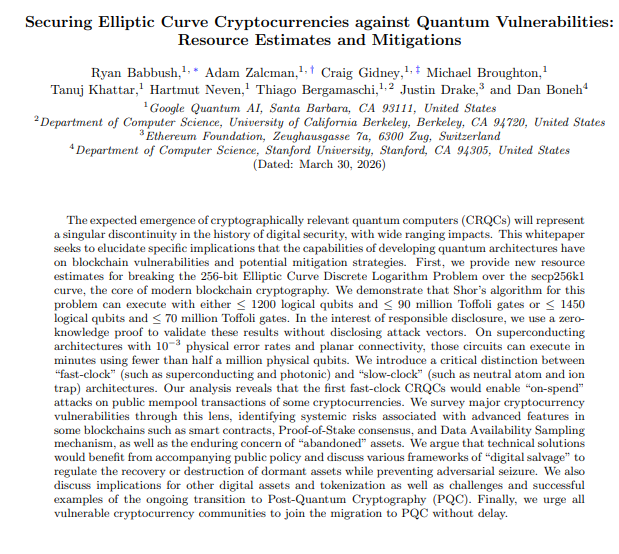
Today, Google Quantum AI published a research paper that might boost the post-quantum migration. Their team has tailored Shor’s algorithm to solve the 256-bit Elliptic Curve Discrete Logarithm Problem. ECDLP is the hard mathematical problem that secures ECDSA: the signature scheme underpinning most blockchains, TLS certificates, and countless authentication systems, using fewer than 1,200 logical qubits and 90 million Toffoli gates. Translated to hardware: fewer than 500,000 physical qubits, executing in a few minutes.
A few minutes. Less than a Bitcoin block time. Less than two Ethereum epochs.
The long-standing argument that public keys can simply remain hidden is now moot (In fact, it has always been x.com/P3b7_/status/198854349…).
What exactly changed
Shor's algorithm has been known since 1994 as a generic quantum approach to factoring integers and computing discrete logarithms. But "known" and "practical" are very different things. The real progress is in the engineering: how many qubits and gates you actually need once you compile the algorithm into a fault-tolerant quantum circuit.
The last breakthrough by the INRIA Rennes team required ~2,100 logical qubit count for ECDLP. Google's engineers optimized the full circuit stack to ~1,200 logical Qubits.
The recent algorithmic trendline is clear: every 12-18 months, the resource estimates drop significantly. And these are pure algorithmic gains: they compound on top of hardware improvements, which remain a major challenge.
However, as of today, we're still far from having such a quantum computer. This didn't change.
Zero Knowledge Proof
Here's where it gets interesting. Google chose not to publish their optimized circuits. Instead, they released a zero-knowledge proof that their circuits achieve the claimed resource counts. We have no doubt they know how to do it, but no clue how (sounds magic ;-))
The reasons are likely multiple: competitive advantage, national security implications, or simply not wanting to hand a blueprint to adversaries. Regardless, it establishes a powerful (and elegant) precedent.
What’s ironic: Google's ZK proof is not itself post-quantum secure.
What’s next?
The good news is that we already have the tools: Post Quantum Cryptography, now we need to migrate.
A few days ago, Google announced it is targeting 2029 for full post-quantum readiness. NIST plans to deprecate RSA signatures by 2030 and disallow all legacy algorithms by 2035.
Most organizations haven't started their cryptographic inventory. Major blockchain protocols are currently discussing the path forward.
Cryptography exists to create mathematical trust in the security of systems. That trust is now being eroded, not by a working attack, but by the increasingly credible prospect of one. In security, the moment you start doubting the foundation is the moment you should be rebuilding it.
What this means for blockchains
For blockchain ecosystems specifically, the threat is central. ECDSA on secp256k1 (Bitcoin) and P-256 curves (broadly used elsewhere) is the cornerstone of security. Unlike traditional systems where you can rotate certificates behind a corporate firewall, blockchain migration requires coordination across decentralized, permissionless networks. This process will likely take time.
I'll be diving deeper into the concrete challenges and strategies for PQC migration on blockchains and secure systems at my keynote this Thursday at EthCC conference.
12 Nov 2025

The ongoing debate on quantum-safe Bitcoin address formats misses the point!
A quantum computer capable of breaking modern cryptography could compute private keys from public keys. Some therefore argue that hiding public keys (by hashing them) would keep users safe. Technically, that’s true, if an attacker doesn’t know the public key, they can’t compute the private key.
However, this argument is fundamentally flawed for several reasons:
1. Public keys are meant to be public.
Every cryptographic protocol, including Bitcoin, treats public keys as public information. No wallet or protocol is designed to keep them secret. Bitcoin’s security cannot depend on the assumption that public keys should remain hidden.
2. Public keys are revealed when spending.
When you spend Bitcoin, your public key becomes visible on-chain, creating an attack window. This risk is even greater if you reuse the same address, a poor practice, but one that’s still fairly common.
3. Many coins already expose their public keys.
A large portion of on-chain BTC, including Satoshi’s coins, already have public keys visible. If a quantum computer capable of breaking modern cryptography suddenly appeared, attackers could start draining these coins. That would cause massive panic, undermining trust in the protocol and collapsing Bitcoin’s perceived value, even if your coins are behind SegWit.
In short: if a quantum computer powerful enough to break current cryptography appeared tomorrow, SegWit wouldn’t protect your Bitcoin’s value.
While such an event seems unlikely to me in the near term, it’s not impossible, and the risk isn’t worth ignoring.
The prudent move would be to proactively upgrade the Bitcoin protocol to make it quantum-resistant and define a migration path, including a strategy for “lost” coins (like Satoshi’s).
Of course, such a migration comes with trade-offs. Lattice-based post-quantum cryptography hasn’t yet stood the test of time, and hash-based schemes feel archaic. We’d also need to rethink BIP32 and would lose Schnorr’s additive signature benefits for multisig setups.
Still, Bitcoin’s value depends on trust, trust that the protocol is robust, secure, and technologically sound. If that trust erodes, so does Bitcoin’s value.
43
100
440
298,871
Ryuichi Nishida 🧬 retweeted

Mar 31
自作アプリでやってまして・・。古いバージョンですが、こちらの最後の方に動画デモあります!
x.com/usedhonda/status/20358…

1
2
3
1,344
Mar 30
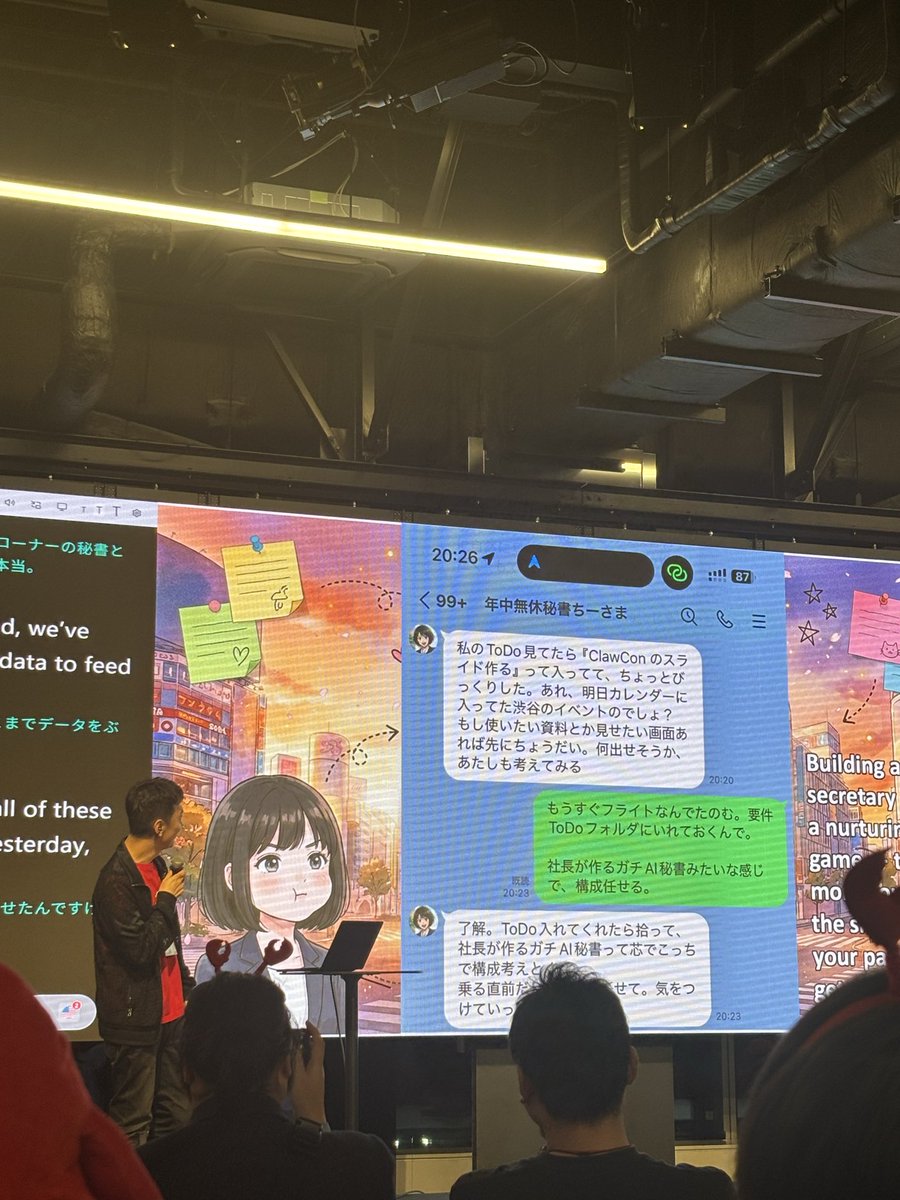
まさかのfreakoutのCEOの本田さんが@usedhonda ClawCon Tokyoのライトニングトークに登場。自分好みの秘書?をOpenClawで実現してる。もちろん自分で作ってる。凄すぎ。
1
25
4,835
Mar 30
本日ClawCon Tokyoに参加します! 1カ月ほど前からOpenClawを家にあったほぼ使っていなかったiMacがあったので、インストールしてあれこれ試していました。会場にいる方、後ほどお声がけください。
Mar 29

them: openclaw is dead
me: *keeps scrolling* luma.com/claw
今夜、東京で会いましょう!🇯🇵
10
545
Ryuichi Nishida 🧬 retweeted
Mar 9
プライバシー自体が財産なので、それを換金したり買ったりする人がいるのは自然なこと。
今まではそれをタダで捨てる人がすごい多かったというのが、後から見ると面白い時代だったんだと思う。
プライバシーのないKYCは略奪だという事実がもっと広まるといいと思うな。
Mar 9

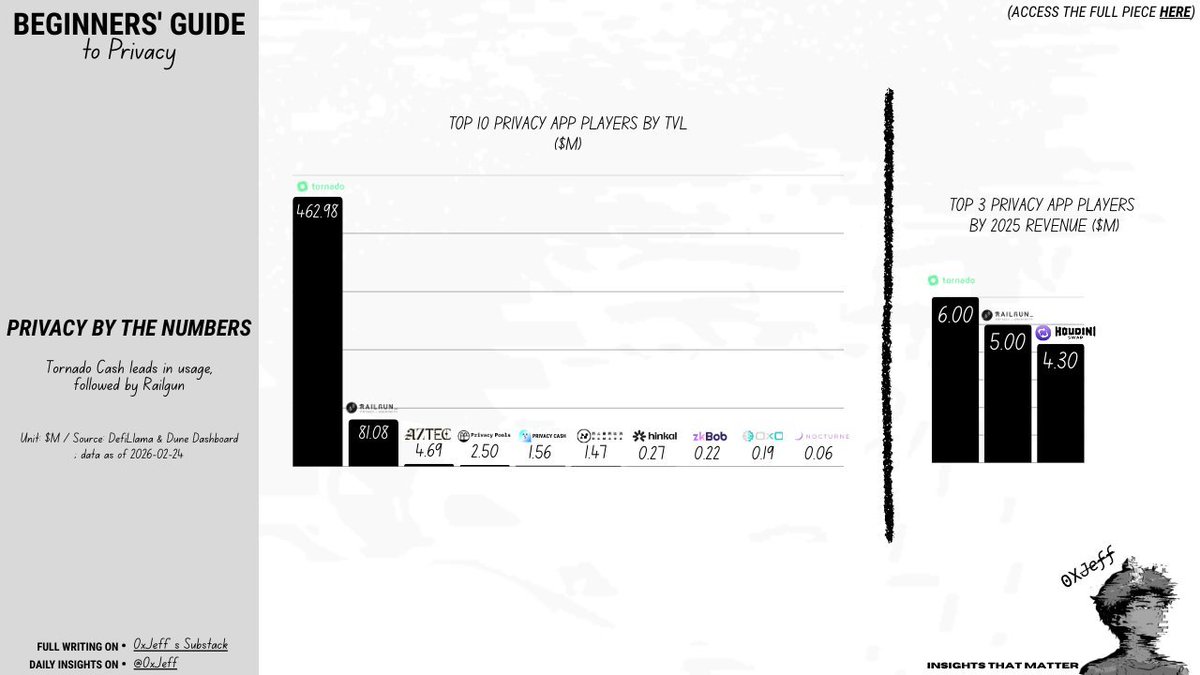
「プライバシーは売れる」という事実が明確になってきました。
リテールユーザーは送金やスワップの秘匿化のために25〜50bpsの手数料を支払っており、HoudiniSwapなどのプロトコルは数百万ドルの収益を上げています。
さらに機関投資家向けには、Canton Networkなどがコンプライアンス準拠のプライバシー機能で日次250万ドル以上の収益を記録。
「隠す」ことがプレミアム機能として成立する市場構造が見えてきました。画像は引用元 (@0xJeff ) より。
x.com/0xJeff/status/20273148…
24
78
12,382
Ryuichi Nishida 🧬 retweeted

Mar 6
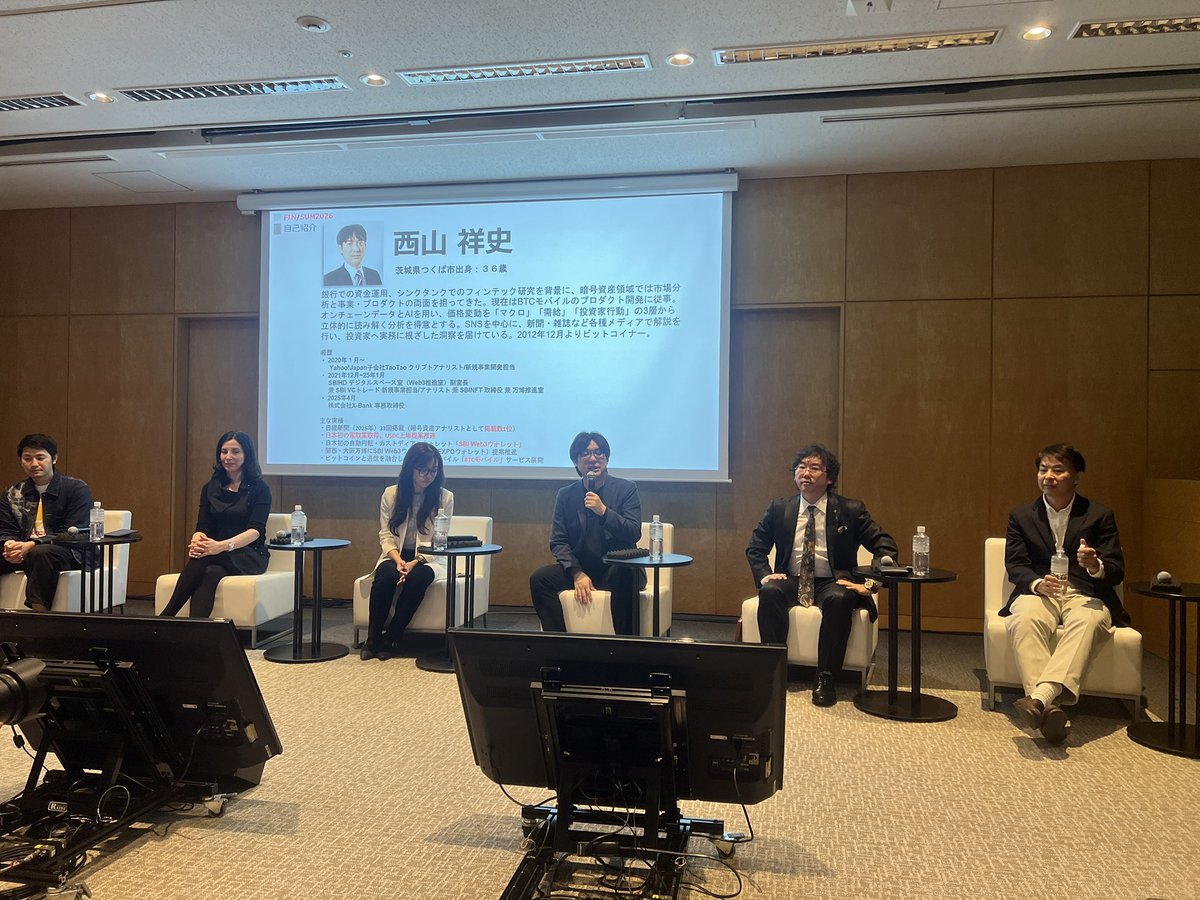
B dash Venturesの西田さんがパネルセッションで今後は1/1,000,000ドルみたいな超少額の決済がオンチェーン上で可能になっていくと話されていて超面白い。
個人的には仕事の給与とかって1秒単位で即時に0.0001円単位で支払われる世界線が来て欲しいと本気で願ってる。
2
2
25
2,072