
Joined May 2021
- Tweets 842
- Following 977
- Followers 1,109
- Likes 3,457
138 Photos and videos
Pinned Tweet

Mar 20
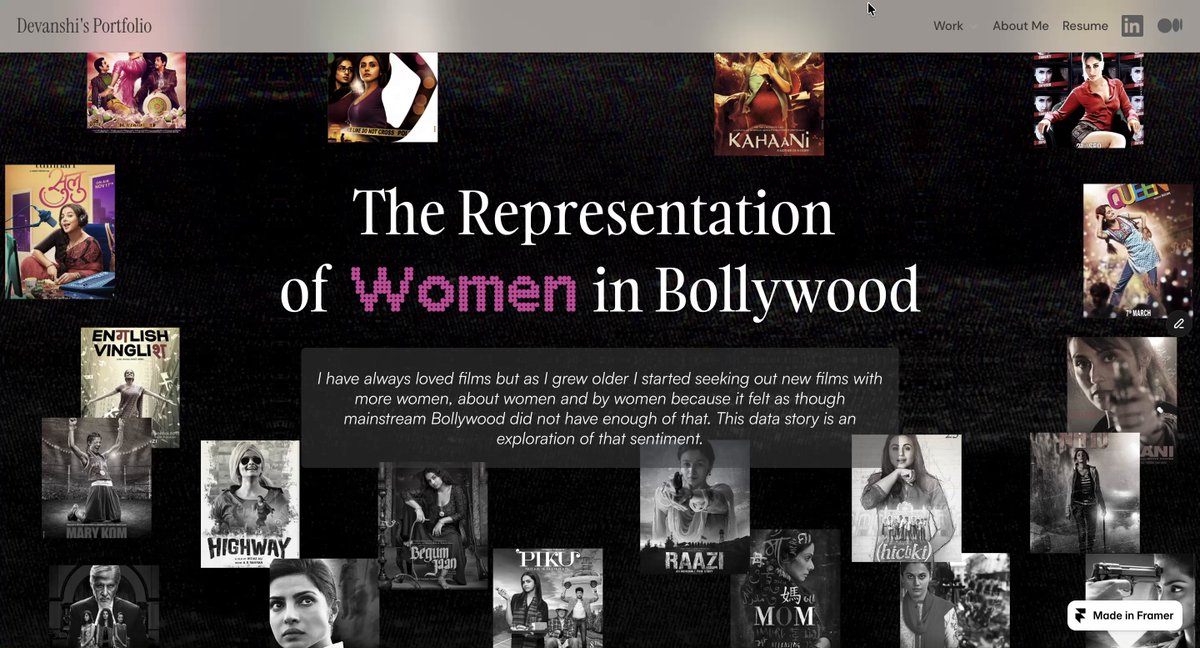
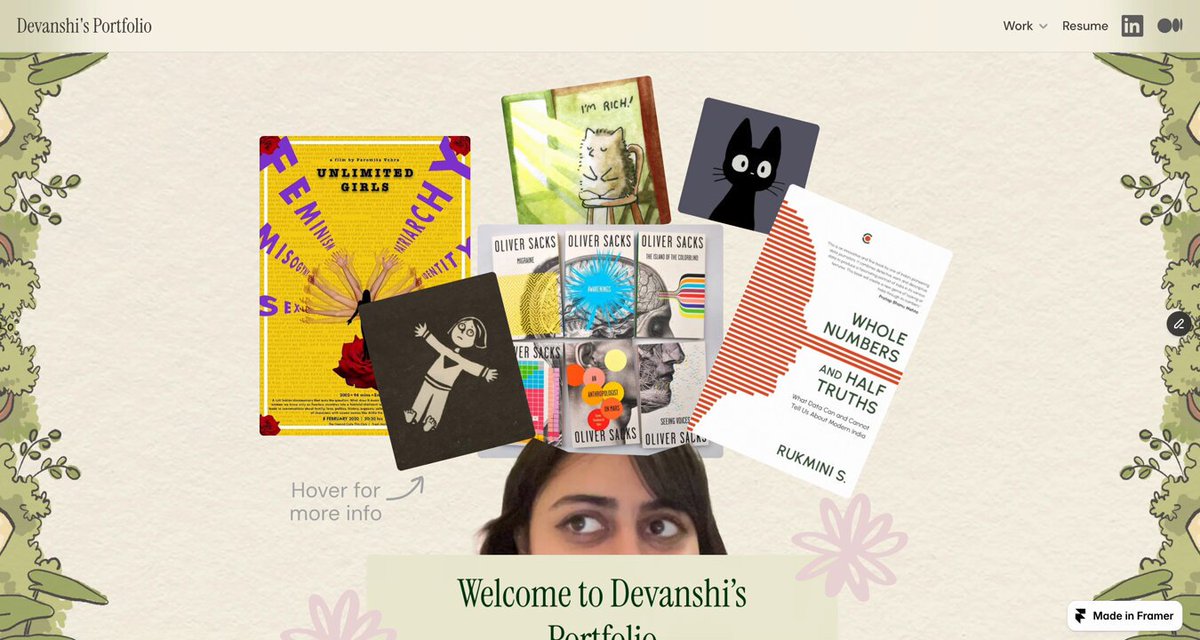
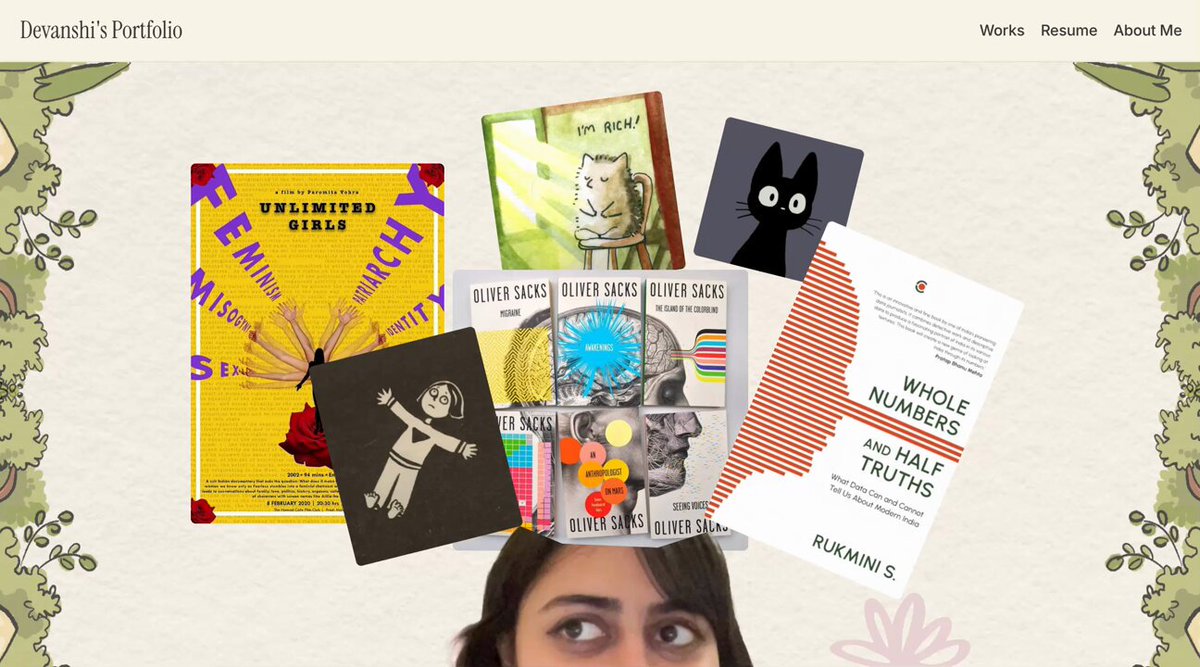
My new portfolio is finally up! It's not perfect but the idea was to document my work and bring in some personality ✨
devanshippatel.framer.websit…
Mar 5

Also I'm open to new positions! Would love to know if someone is hiring in climate tech, health tech, etc :)
25
16
401
29,291
May 30
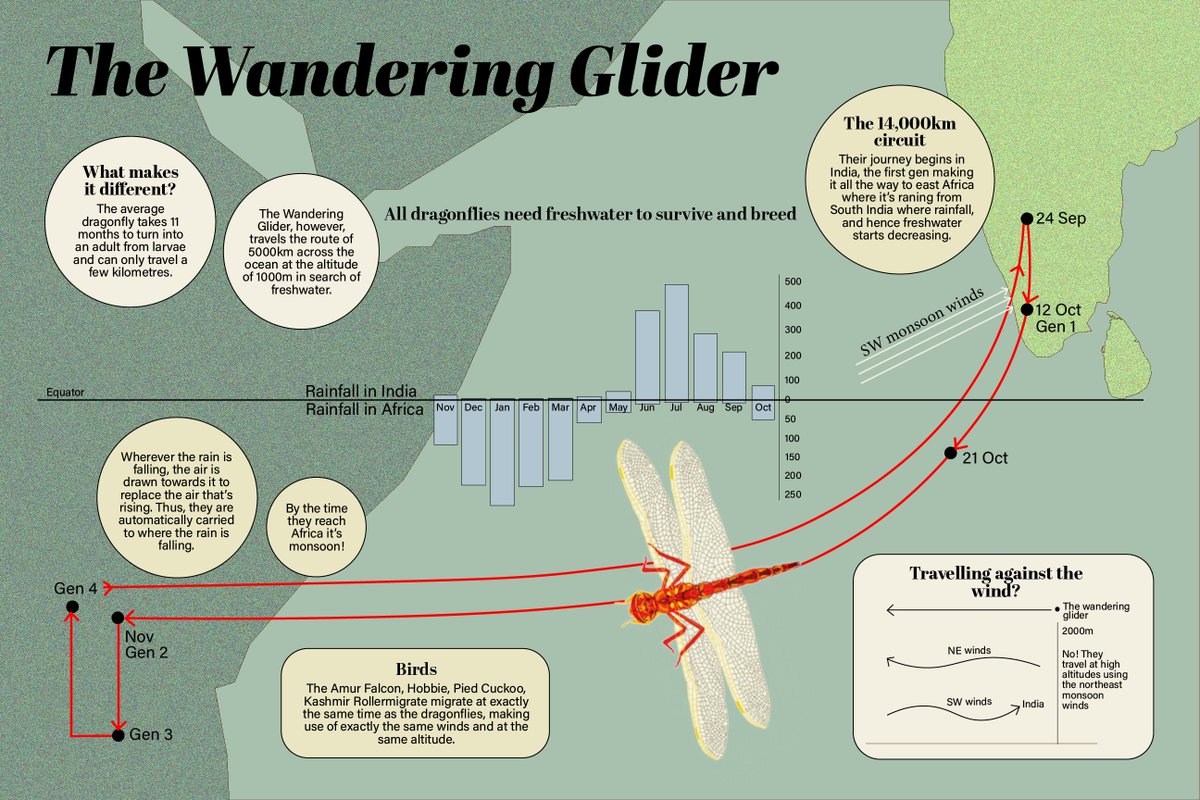
Excited to share my first datavis project!! Please like share comment subscribee 🌟
devanshippatel.framer.websit…
4
3
32
1,714
Devanshi retweeted

May 26
Never forget that you are the main data center. Drink water, and consume as much literature as possible.
132
38,425
232,112
2,240,907
Devanshi retweeted

May 25
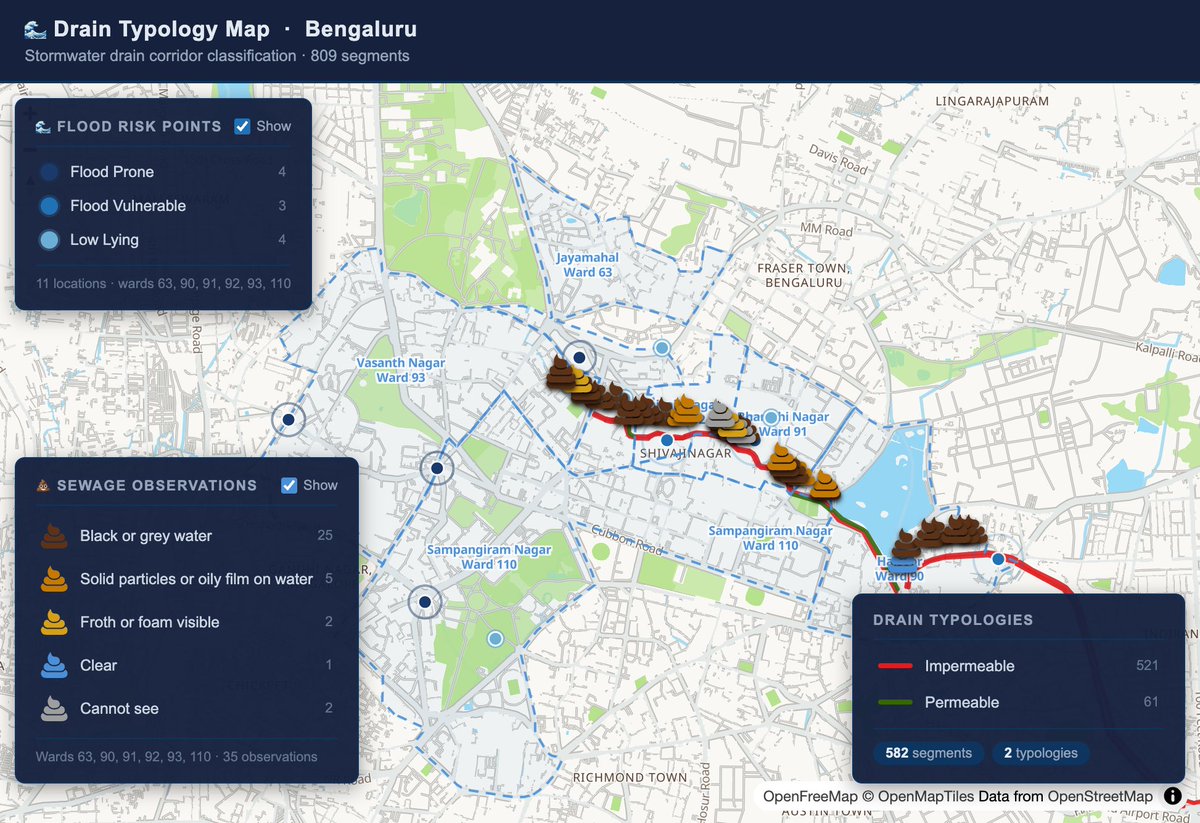
Made this visualization in a couple of hours at @opencity_in stormwater drains datajam workshop last saturday for the urban planners on my team to help find solutions for flooding in Shivajinagar.
2
5
42
1,715
Devanshi retweeted

May 13
Zohran Mamdani is proof that politicians could get a lot of shit done if they actually cared about people
1,915
18,544
128,438
1,227,166
Devanshi retweeted

May 13
So yesterday PCOS was renamed to PMOS. After 11 years and about 22,000 people fighting for it.
If you’re one of the women who was told to just lose weight or come back when you want children, the reason it was renamed is going to make a lot of things make sense.
Keep reading🧵🩷
May 13

I learnt something new about PCOS recently, I’ll quote soon
87
5,545
20,469
2,028,267
Devanshi retweeted

May 6
India has 101 million diabetics. 43% of "normal weight" Indians are metabolically obese. The single most effective intervention isn't a drug, diet or supplement. It's also not walking or yoga. It's picking up something heavy and putting it back down again and again. New video: The Science of Weight Training youtu.be/OyxZAFlpsZA
30
116
649
105,246
Devanshi retweeted

Apr 29
Damn 💔
Bengaluru, please buy your books from @bookworm_Kris on Church Street, please!
Let's switch from Amazon, Flipkart etc. and support our local book shop 💪🏽❤️

Hailstorm hits #Bengaluru: Popular bookstore Bookworm Bookshop flooded, nearly 5,000 books damaged. Sudden rain and hailstones caused severe waterlogging, leading to heavy losses for the book store. #BengaluruRains
@the_hindu @THBengaluru




12
183
691
42,587


Devanshi retweeted

Apr 26
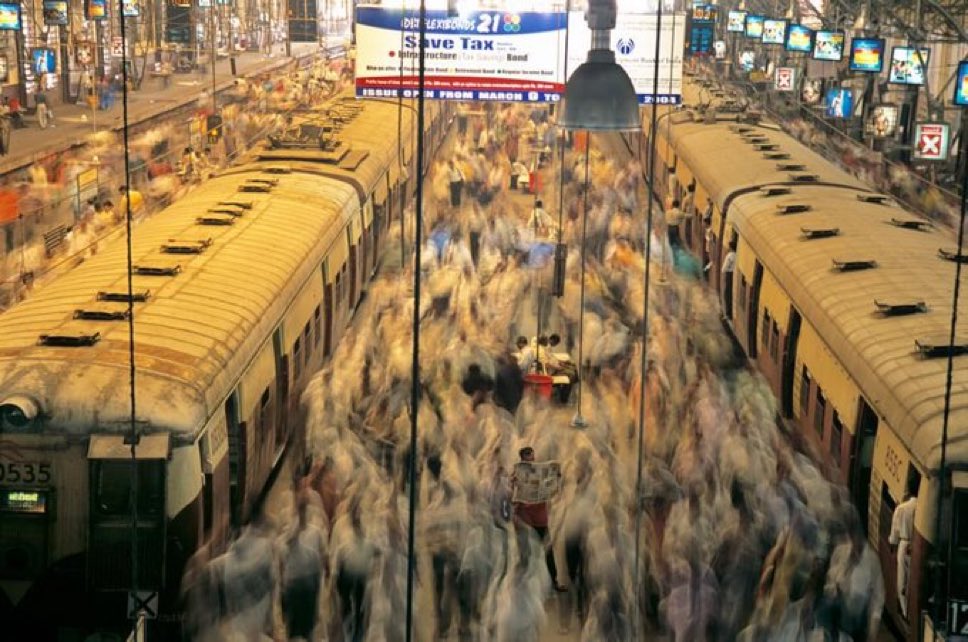
Rest in peace, Raghu Rai.
What a photographer. Iconic! Shaped the vision of so many Indian photographers and visual artists.
7
353
4,866
53,888
Devanshi retweeted

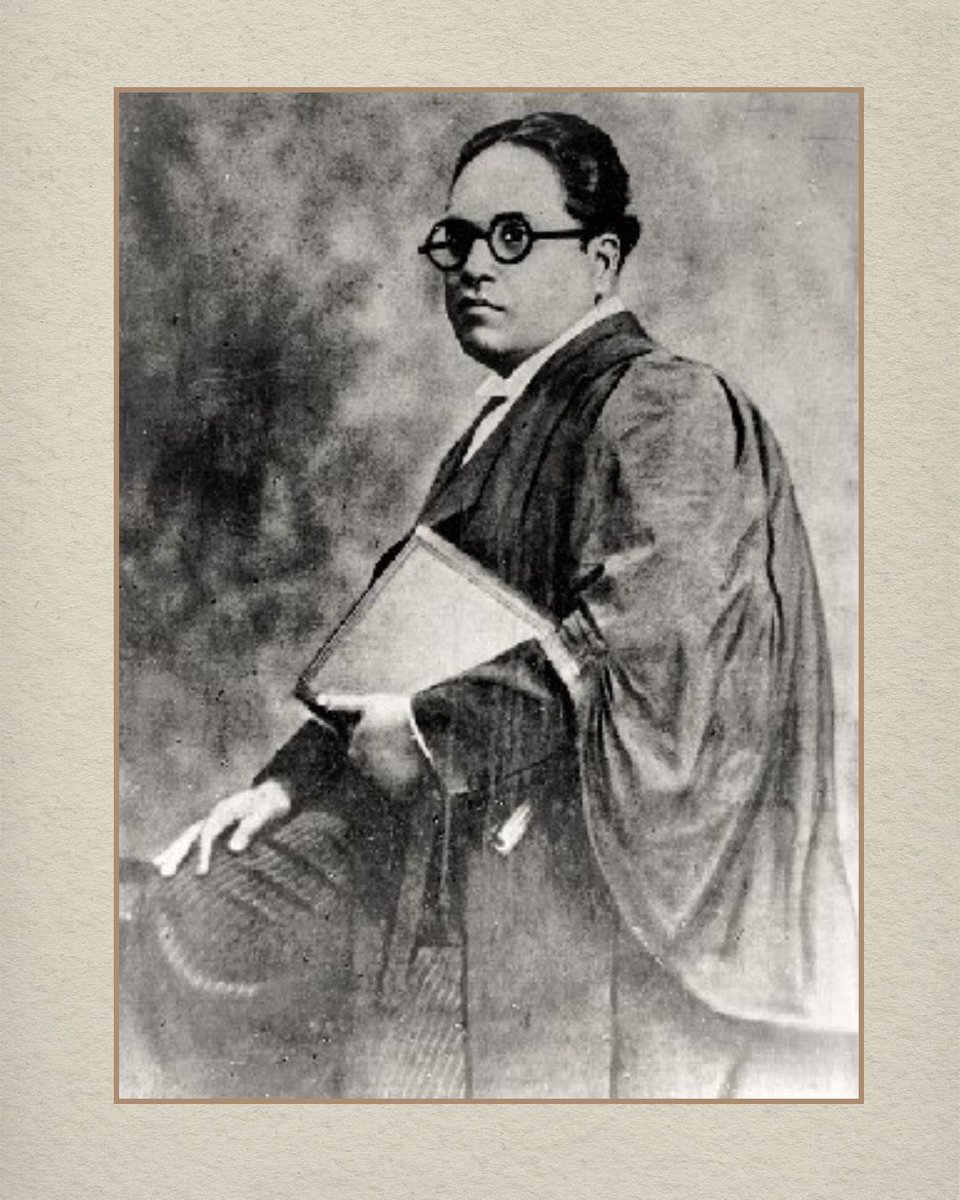
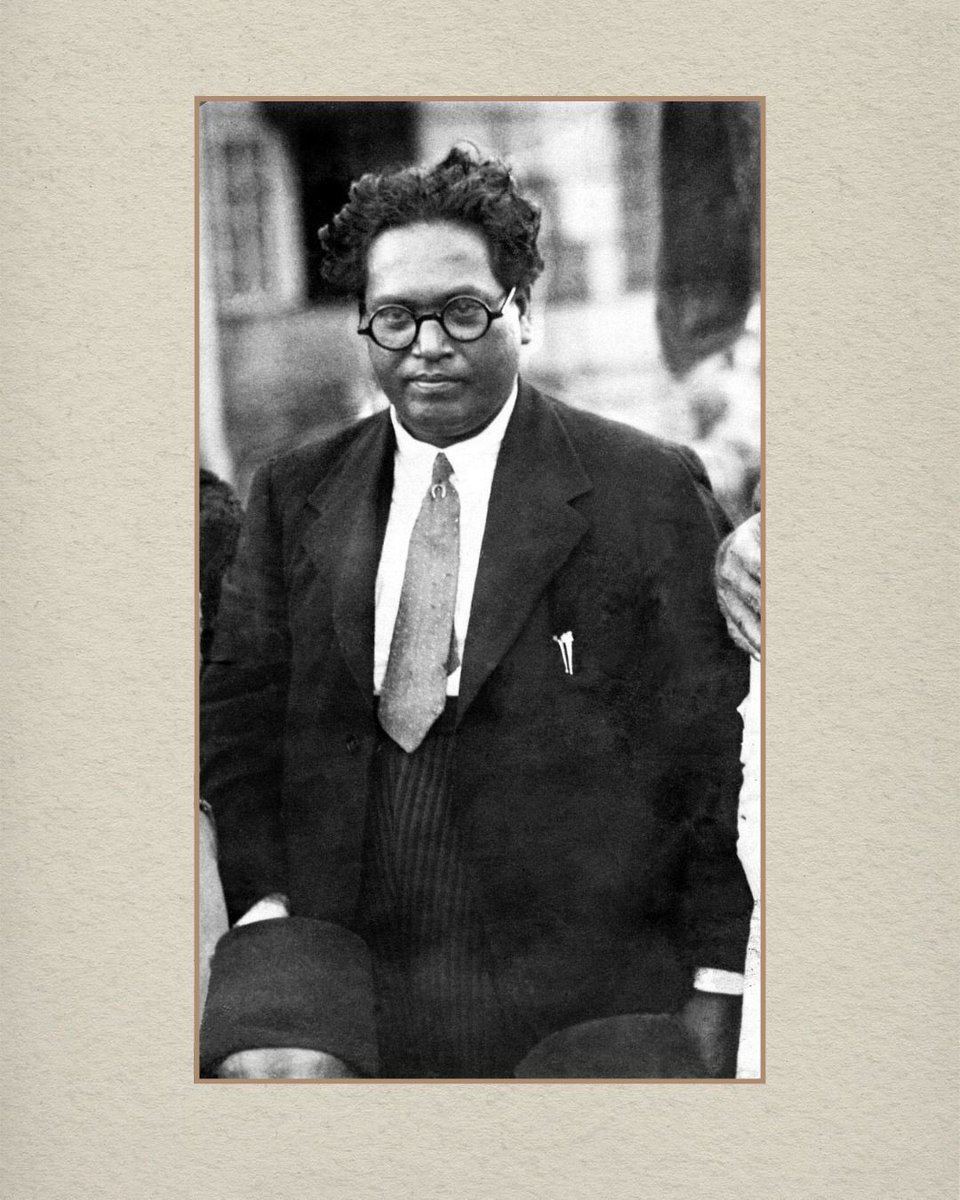
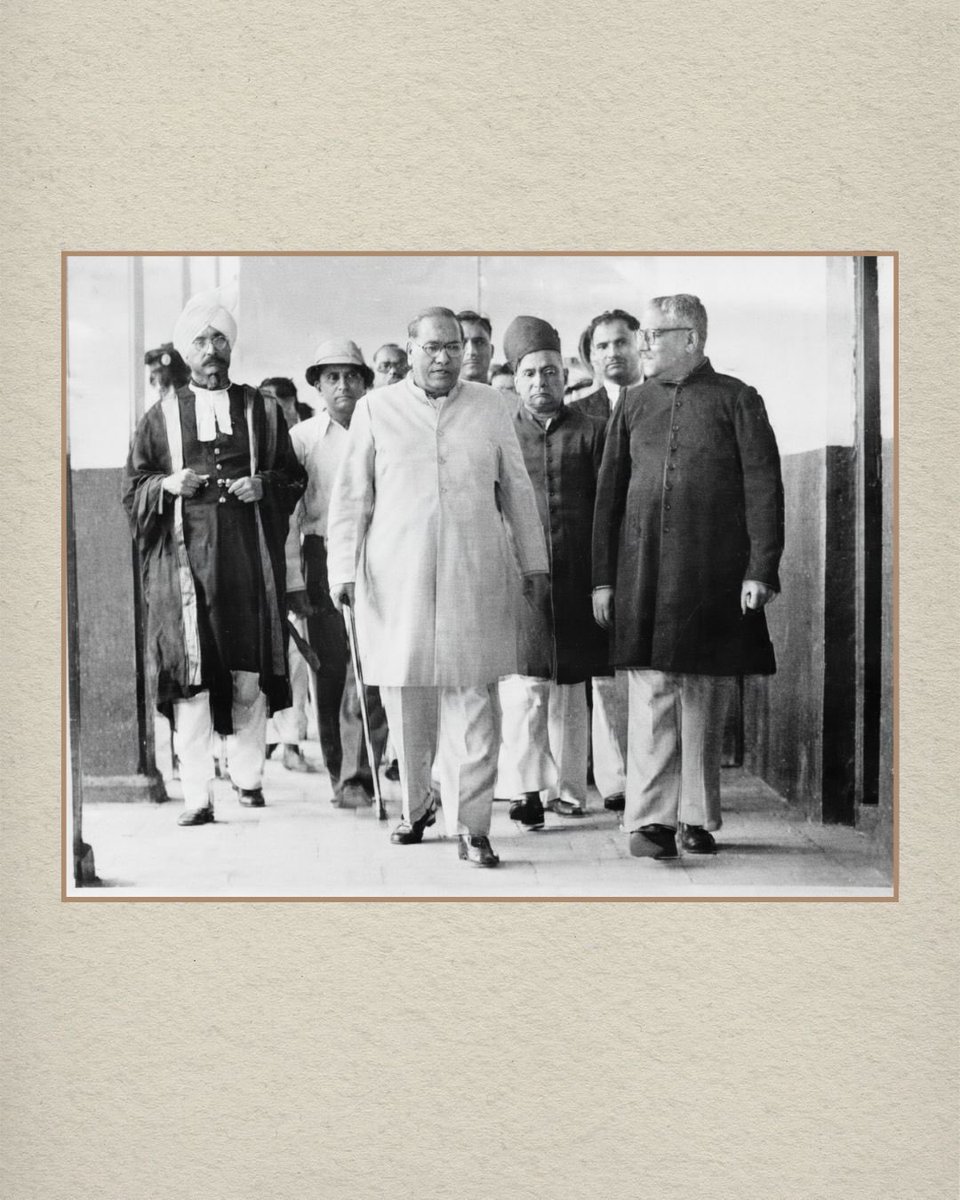
On Ambedkar’s birth anniversary, we remember him as a lawyer who became one of India's earliest crusaders for civil rights, long before he led the making of the Constitution. He defended Communists, Congress workers and others whose politics he often disagreed with, against the colonial state's routine use of charges of "sedition," "illegal assembly," and "causing public hardship" to crush dissent. The stakes were never just individual freedom, but civil liberties itself.
Caste, however, shaped his experience in the courtroom. While Jinnah argued a matter worth ₹2.57 lakh, Ambedkar appeared the same day for a schoolteacher in a case valued at ₹24. "There is no hope to gain from legal practice," he said, "because it depends on touchable people." He chose it anyway.
By the 1930s he had become a leading lawyer for trade unionists. When leaders of the All India Textile Workers Conference were charged with organising an illegal strike, his cross-examination led to the confession that the owners refused to negotiate not because demands were unreasonable, but because organisers were "of communist colour." All accused were acquitted.
His fight was not only against colonial repression but against social power, entrenched in the Brahminical hierarchy. In the Chavadar Tank case, savarna Hindus claimed a public tank as private property after violently excluding Dalits — Ambedkar won, the court holding that centuries of exclusion conferred no legal ownership.
His fight also extended to defending civic rights against the 'hurt sentiments' of dominant communities. When the Dalit writer of Deshache Dushman faced defamation for calling Tilak "an enemy of the nation," he argued the defamed was dead and the complainant, no close relative, had no legal standing. When educator Raghunath Karve's journal on sex education was charged with obscenity, he argued it would only reach readers already seeking such knowledge — not the general public the law was designed to protect.
In a world where legal measures are increasingly used to silence marginalized voices, Babasaheb’s legacy is a timely reminder of the power of legal activism.
1
138
467
7,554

Apr 6
Only been 2 weeks into the job search and I'm already exhausted 🥲 I don't regret taking a break though
10
30
2,100
Apr 1
I wonder if it’s the same for Doraemon gadgets lmao
Mar 31

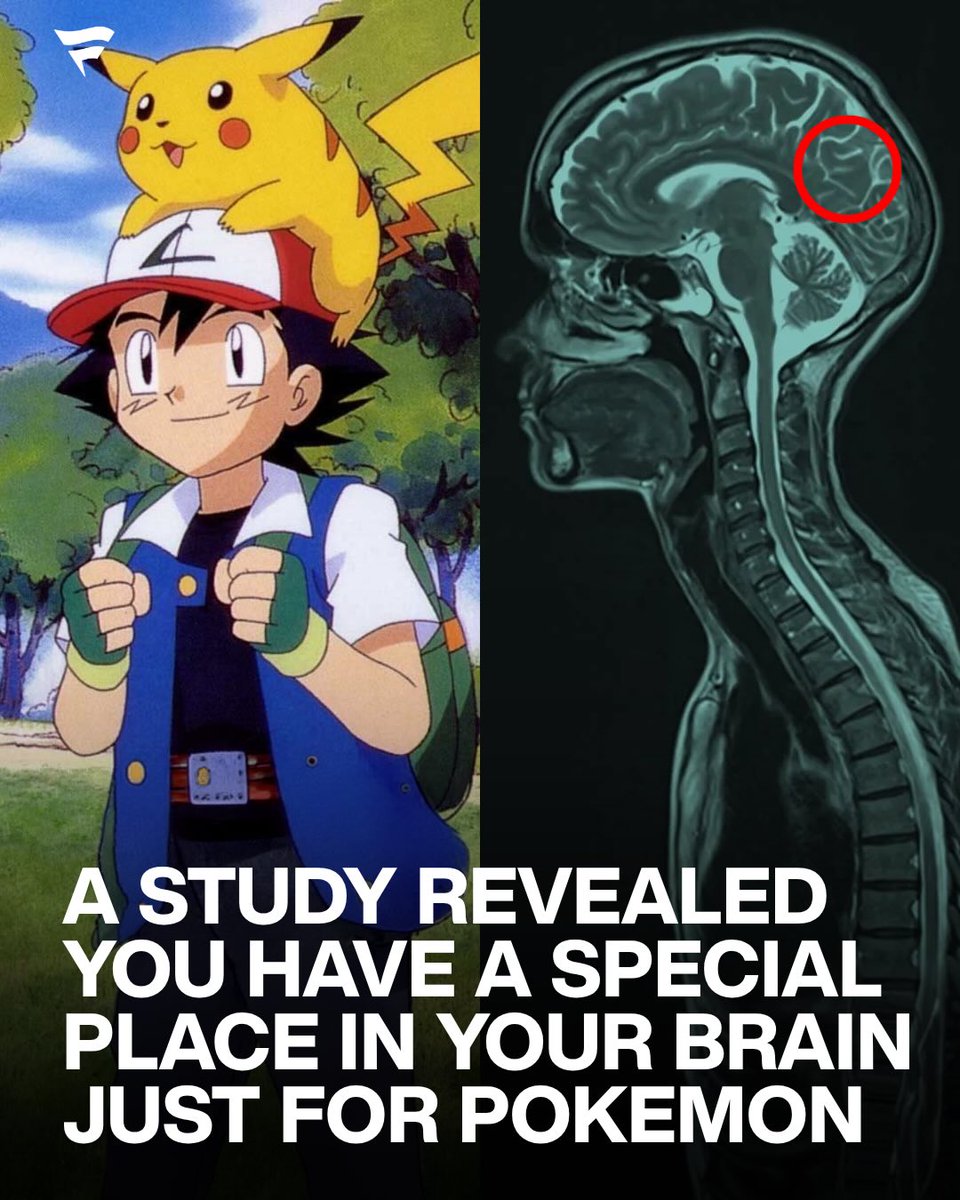
A Stanford study found that people who played Pokémon heavily as kids developed a small region of the brain that responds specifically to Pokémon characters.
Researchers scanned adults who grew up playing on Game Boy and showed them images of Pokémon like Pikachu and Bulbasaur.
Their brains lit up in the same exact spot, a consistent area in the visual cortex tied to recognizing specific categories of objects.
The reason comes down to childhood. When you’re young, your brain is more flexible, and spending hours memorizing hundreds of similar-looking Pokémon essentially trained it to carve out space just for them.
(via @Stanford)
2
431
Mar 27
Every time I see a festival on the calendar I get anxious because people have been bursting firecrackers like crazy. At least in my area in blr.
Fun story: I ended up calling the cops a week after Diwali because some fckers had been bursting crackers for more than a WEEK STRAIGHT at multiple times throughout the day. The cops actually helped and made it stop :0
3
483
Mar 27
It feels like Bookmyshow’s user experience/interface design hasn’t evolved at all over the years 💀 why??
3
5
728
Mar 27
Made this 6 years ago in college hmm maybe I should do a re-design to test myself
1
8
390
Mar 26
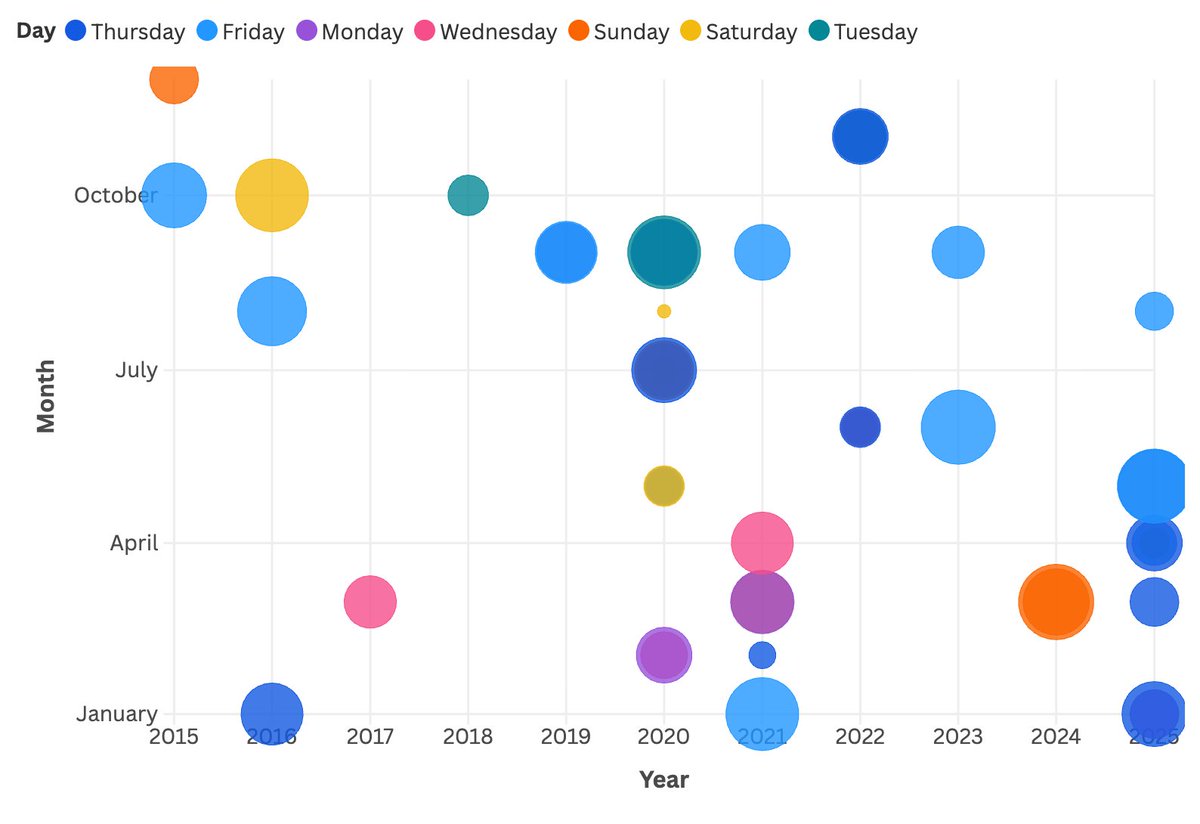
Felt nostalgic so I went through all my personal diaries over the years and visualized how often I wrote in them. I also want to add the variable of what I was writing about which is going to be tough lol.
Size of the dots are based on the day of the month, 1 being the smallest and 31 the largest
1
20
885