Founder, Obvious State - creative studio & publisher. Author, Paris in Color & Literary Paris @chroniclebooks. Ad agency refugee. Butter addict. Sats stacker.
Joined October 2008
- Tweets 20,699
- Following 786
- Followers 6,537
- Likes 7,140
724 Photos and videos




Nichole Robertson retweeted

May 19
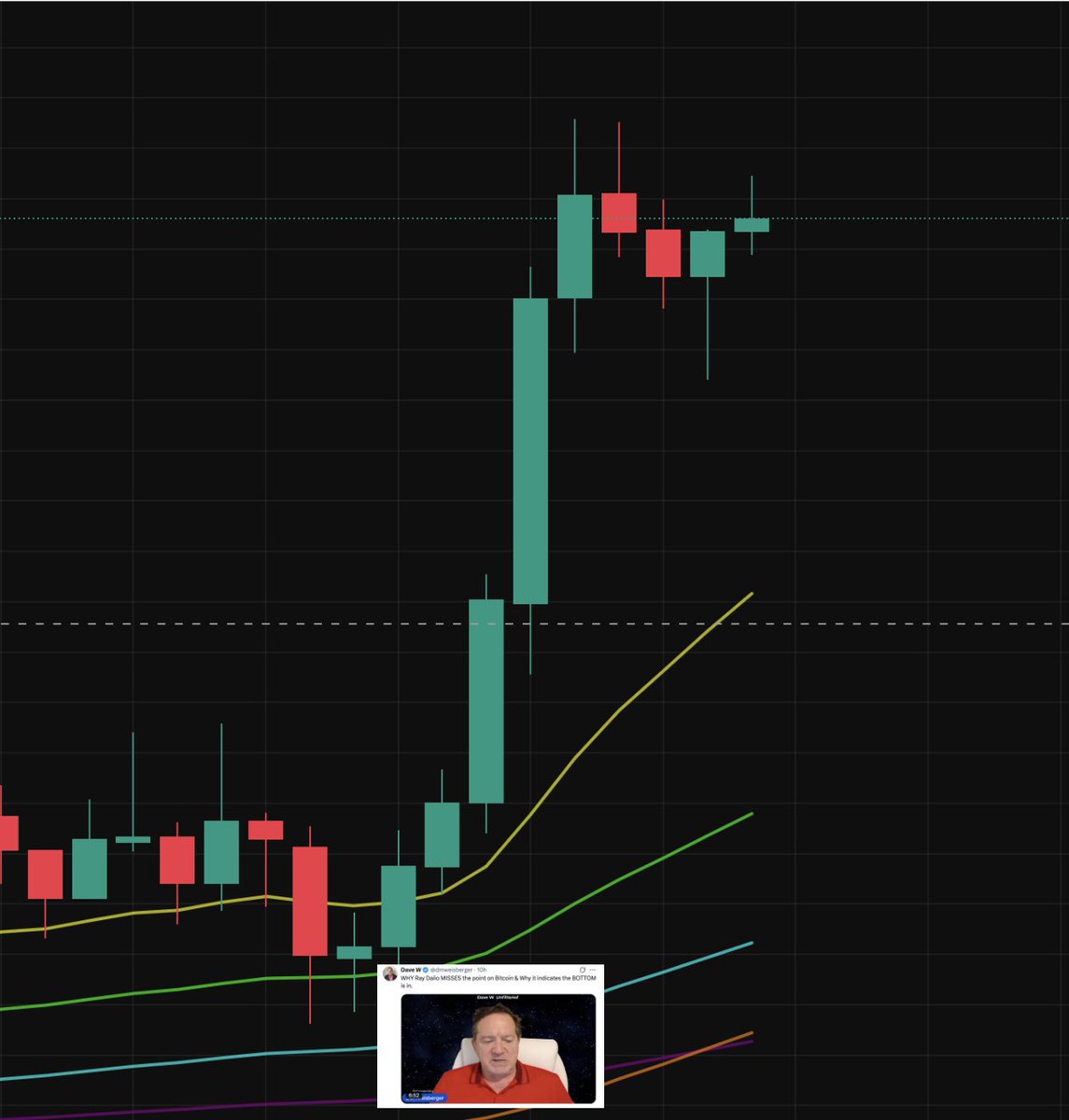
The world needs more artists and fewer analysts. More great storytellers and fewer men with charts.
There’s no shortage of people explaining why something worked after the fact. We need more people willing to make the thing, risk having taste, and give others a new way to see.
24
29
247
17,276
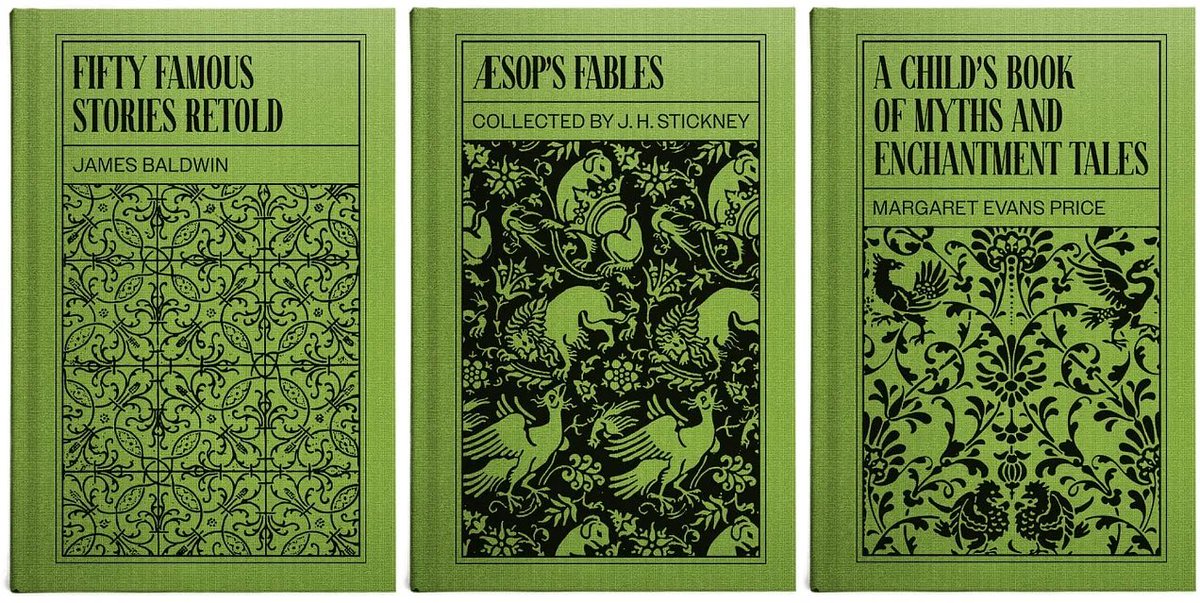
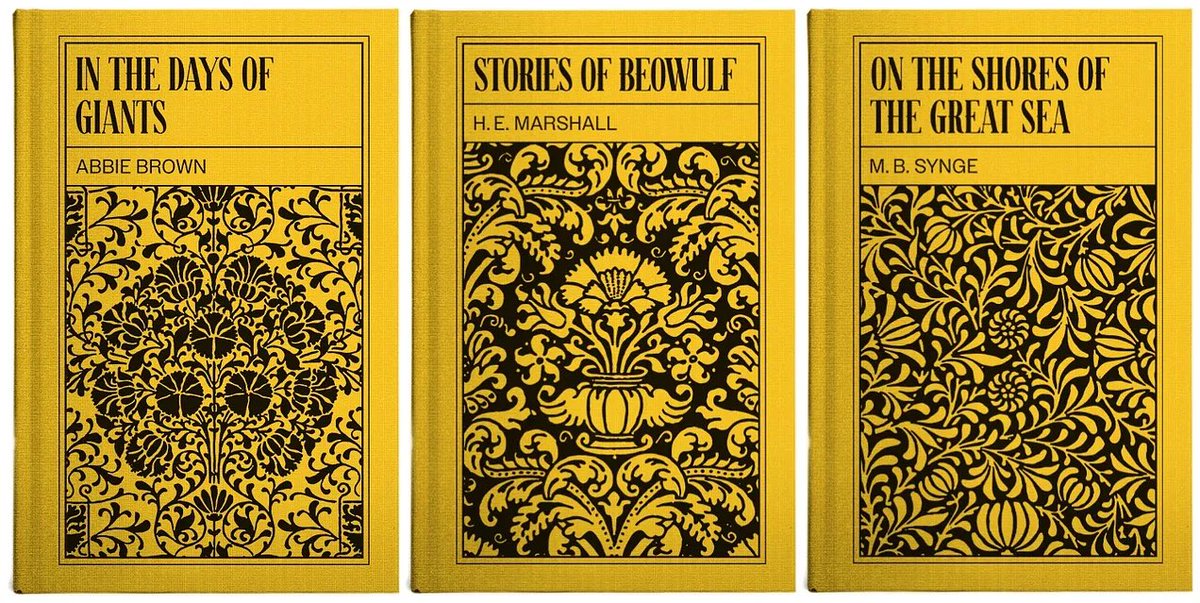
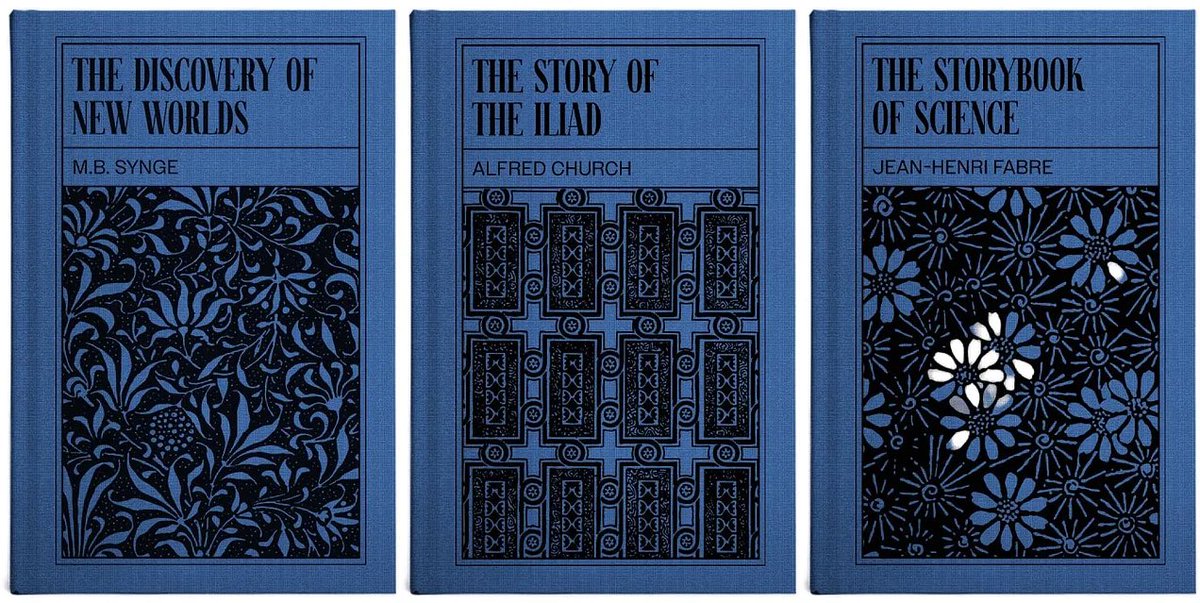
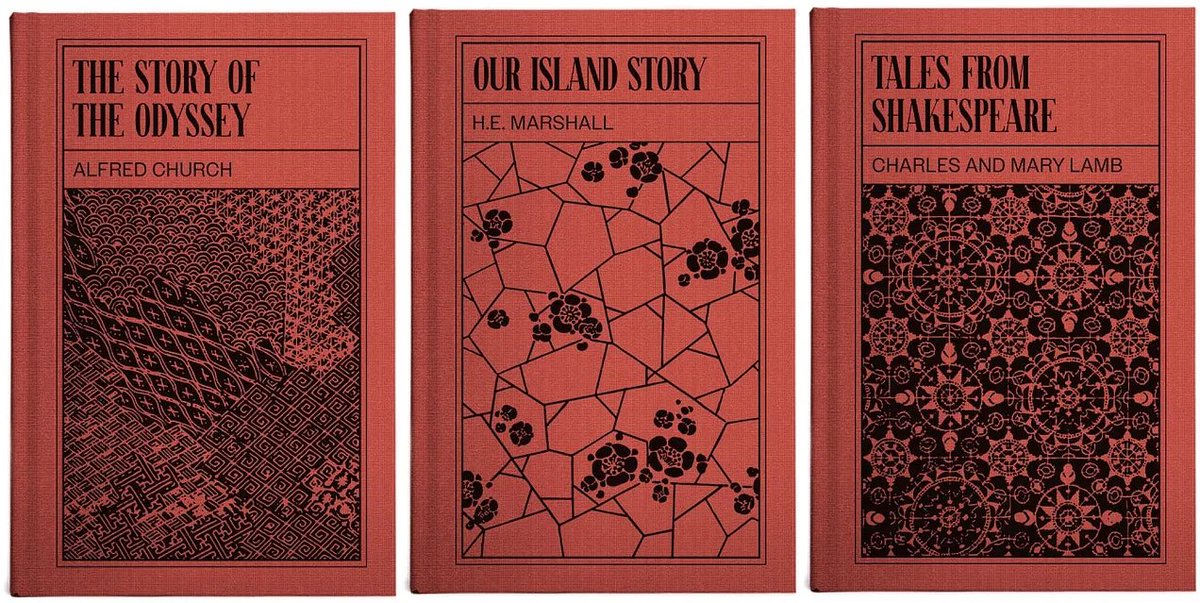
These are beautiful and printing in the US is not an easy task. Congrats on this remarkable collection!
May 5

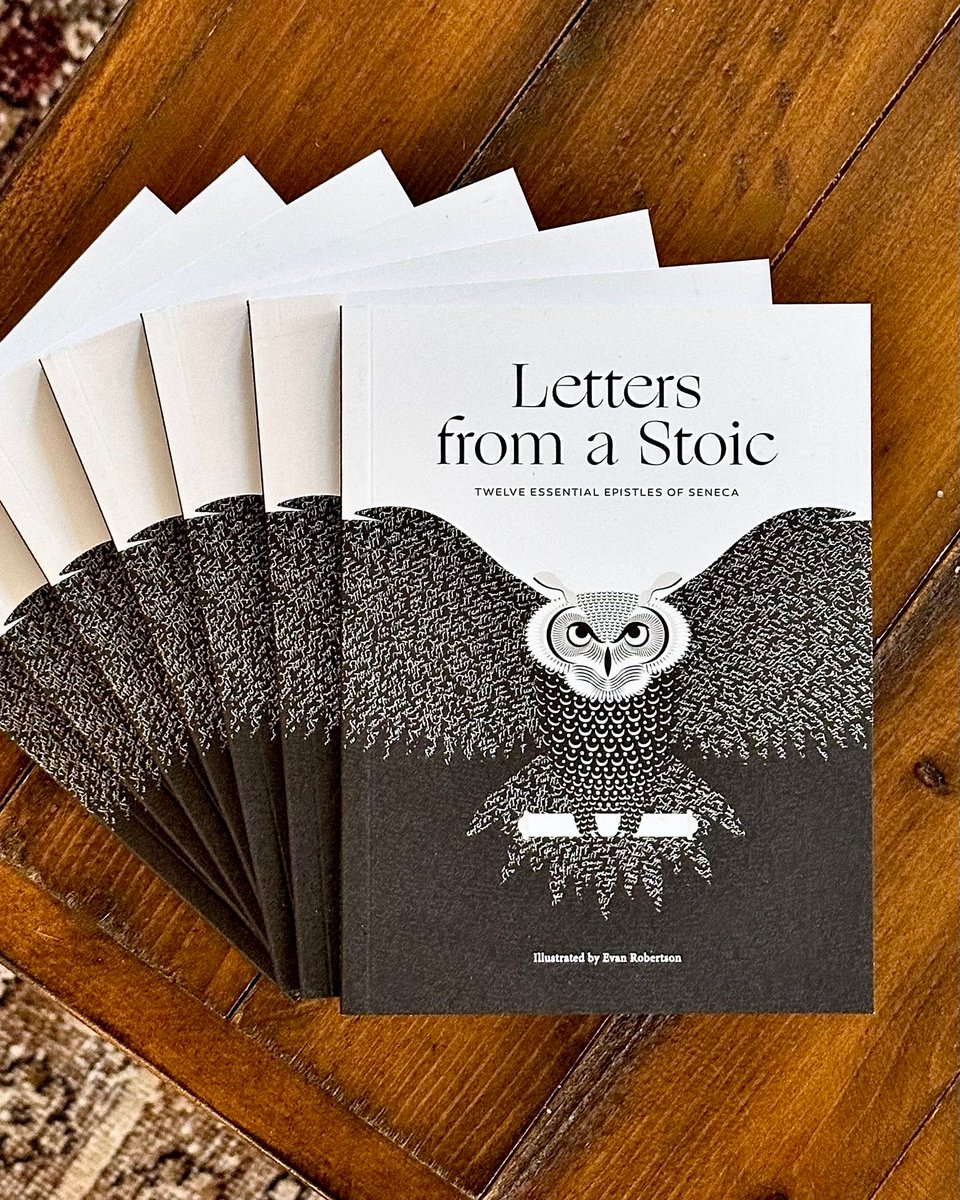
All of our original Chapter House titles are printed right here in the United States. 🇺🇸
Which ones did you pre-order today?
2
97
Nichole Robertson retweeted

Mar 6
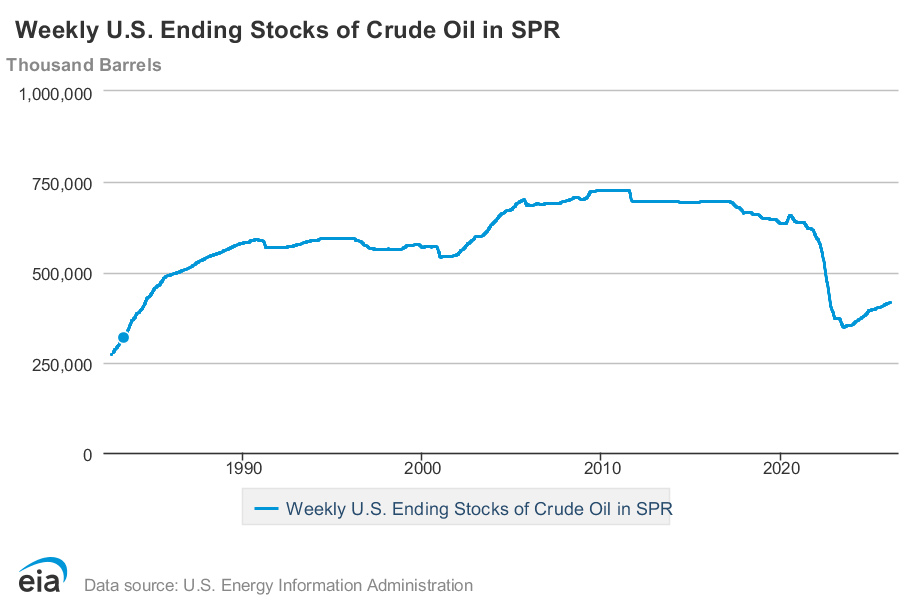
Well, at least we proactively refilled the strategic petroleum reserve before all this.
Oh, wait.

118
222
2,008
134,219
Nichole Robertson retweeted

Between social media destroying our attention spans, AI companies trying to hook us on their slop, and the endless political insanity, one of the most radical things you can do right now is find a quiet corner and read a book.
48
583
2,495
50,396
Nichole Robertson retweeted

Mar 4
I could not agree more. We are building humans with shorter context windows while we expand context windows for AI. It truly is handing the baton of day dreaming to the machines.
2
18
1,471
Nichole Robertson retweeted
Mar 4
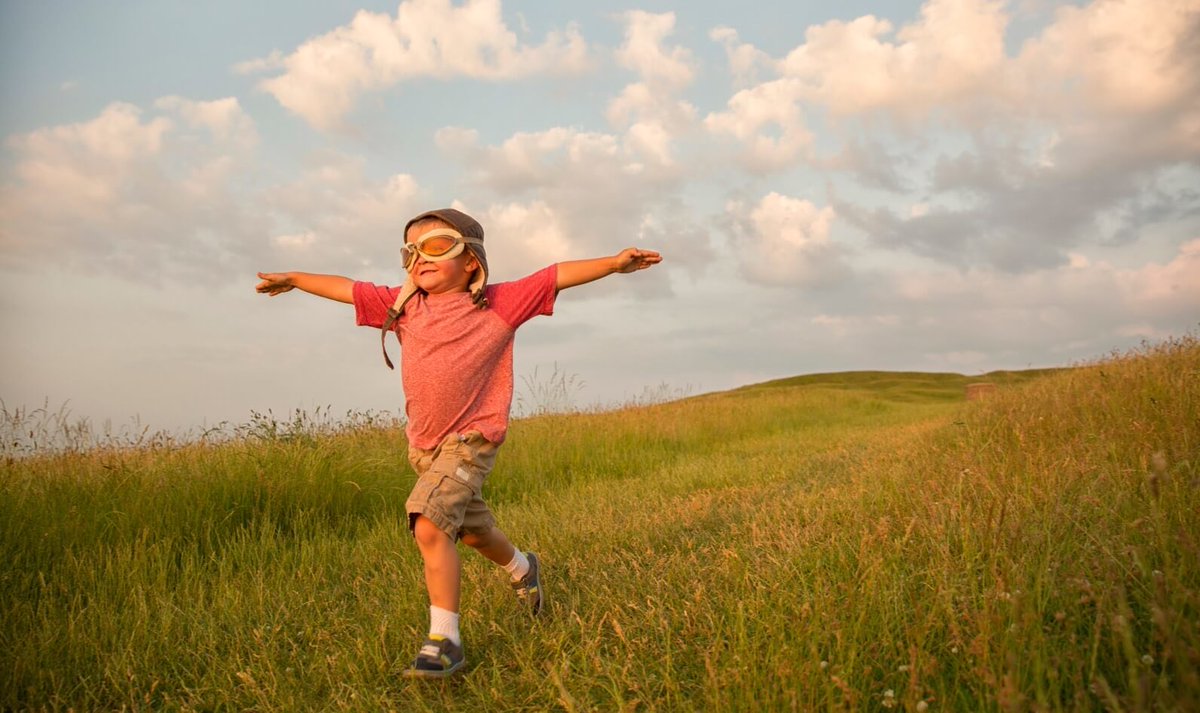
The Case for Childhood Boredom.
A strange thing has quietly disappeared from childhood.
Boredom.
For most of human history, boredom was unavoidable. Childhood unfolded in long, uneven stretches of time that nobody bothered to organize. Summer afternoons drifted by without a schedule, car rides lasted hours with nothing but the passing landscape, and children spent entire days outside with only a loose instruction to be home before dinner.
And something curious tended to happen in those empty spaces.
Children invented things.
A stick became a sword, and then a fishing rod, and then, without warning, a wand capable of defeating imaginary monsters. A patch of grass became a battlefield. A cardboard box became a spaceship. Entire worlds emerged out of nothing more than idle time and a restless mind.
Neuroscientists now understand that the brain behaves differently in those moments. When external stimulation fades, a network deep in the brain called the default mode network begins to activate. It is the circuitry associated with imagination, memory integration, and abstract thinking. When the mind has nowhere specific to go, it begins to wander, and while it wanders it starts connecting dots that rarely meet during structured activity.
Creativity often lives in that wandering.
Modern childhood, however, has undergone a quiet redesign. Empty time has been steadily replaced with organized activity. Sports leagues, tutoring sessions, music lessons, enrichment programs. Even the small gaps between activities tend to be filled with screens engineered with extraordinary precision to eliminate boredom the moment it begins to appear.
Parents worry when boredom surfaces. A child announcing “there’s nothing to do” can feel like a problem waiting to be solved, a signal that the environment lacks sufficient stimulation.
But boredom is simply the brain beginning a different mode of operation.
The mind starts generating its own stimulation instead of consuming someone else’s.
Look closely at the childhoods of unusually creative people and a pattern emerges. Steve Jobs spent long stretches wandering the neighborhoods of Silicon Valley, exploring electronics shops and experimenting in garages. Albert Einstein famously described hours of quiet daydreaming as a child, staring out windows and imagining physical problems in his head. J.K. Rowling began inventing elaborate stories long before she had any audience for them.
Each of them had something that has become surprisingly rare.
Psychological whitespace.
Modern childhood often resembles a corporate calendar. Every hour accounted for. Every activity supervised. Every quiet moment quickly filled by a glowing rectangle designed by teams of behavioral scientists whose job is to make sure attention never drifts into silence.
And yet many of the qualities parents hope their children will develop—creativity, resilience, independence—tend to emerge from precisely the conditions we have learned to eliminate.
Unstructured time confronts a child with a deceptively simple problem.
What should I do next?
That question trains the brain in powerful ways. It forces the mind to generate ideas, to tolerate the mild discomfort of inactivity, and eventually to invent something interesting enough to fill the gap.
Children who rarely encounter boredom often struggle to resolve it on their own.
They wait.
They look outward for stimulation rather than inward for possibility.
Childhood boredom, in that sense, becomes a kind of workshop. It is the place where imagination practices building things from nothing, where the mind experiments freely without instruction, and where curiosity slowly learns how to entertain itself.
Left alone long enough, the mind begins to wander.
And wandering minds have a peculiar habit of discovering entirely new worlds.
58
585
2,009
97,809
Nichole Robertson retweeted

Mar 4
"Time has never existed, and never will; it is a purely artificial arrangement. It is eternity now, it always was eternity, and always will be."
Gorgeous read from a gorgeous mind: themarginalian.org/2024/03/0…
8
77
395
21,696

Feb 28
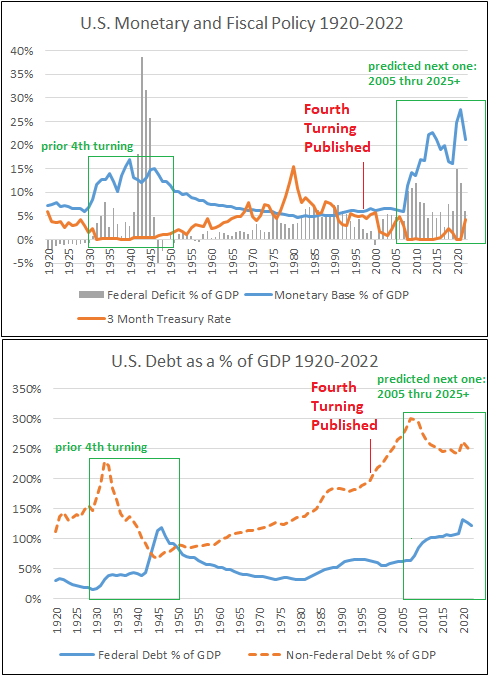
I’ve always been intrigued by this theory and Lyn’s quantitative take adds weight
13 Jun 2025

Notably, the long-term debt cycle coincides with the 4th turnings.
I mainly focus on what's happening quantitatively (debt). But keeping in mind the changing social/geopolitical dynamic is a nice accompaniment to that. Old institutions/norms facing entropy, death, rebirth.
🧵
2
794
Feb 27
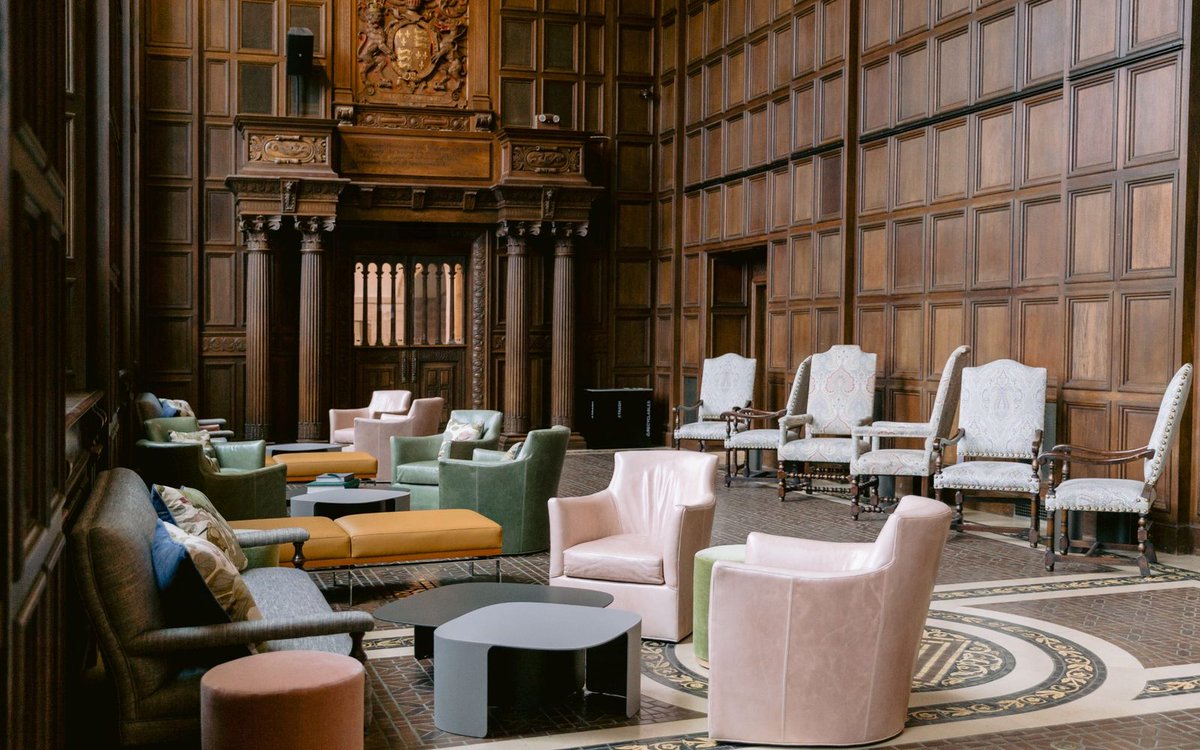
The Quill and Crumb Cafe and lounge area at the Folger Shakespeare Library is a reader's paradise. We're restocking some of our Shakespeare books and can't wait to linger here.
1
7
280
Feb 27
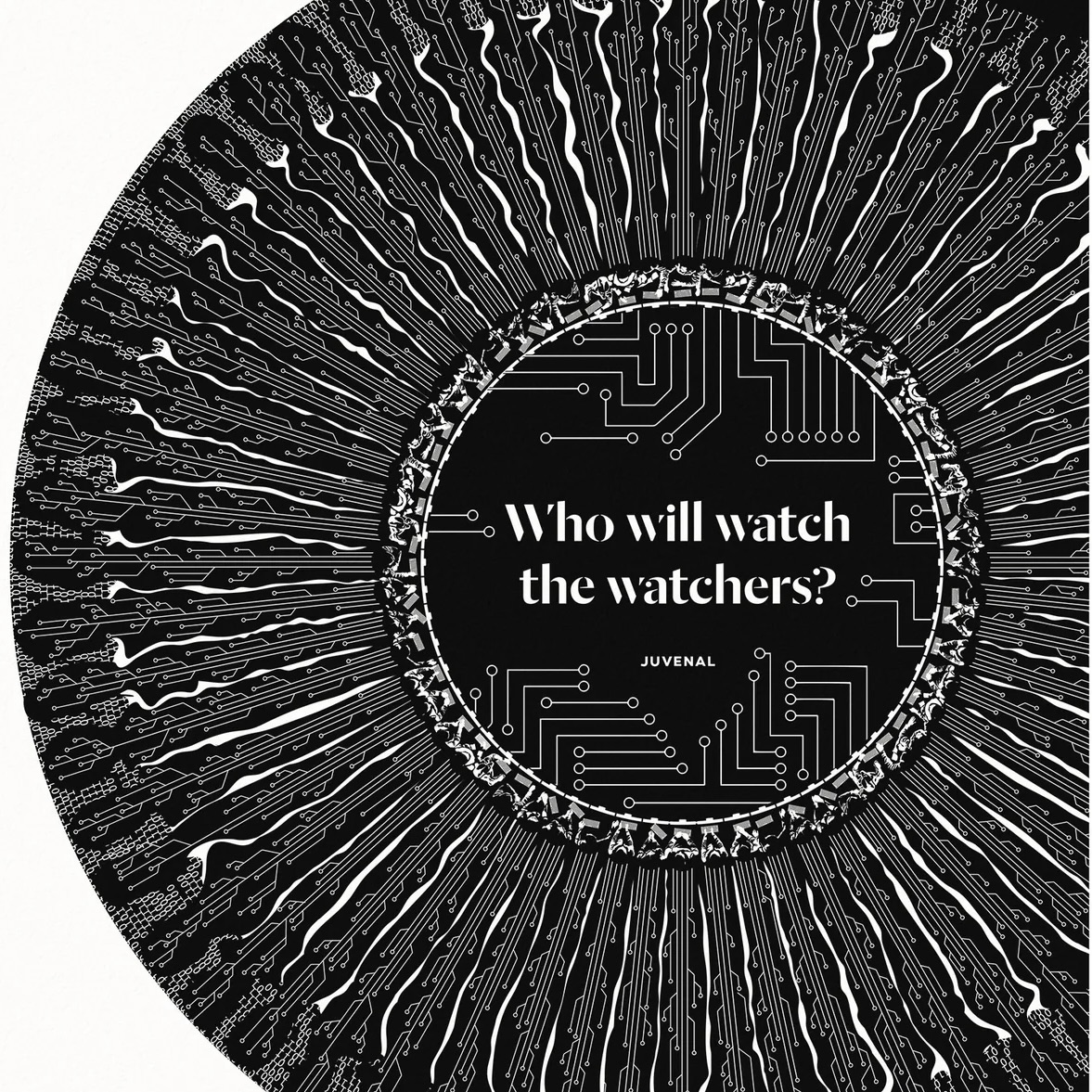
Did Juvenal call it in 100 AD?
Penned in 100 AD, this memorable quotation is a prescient warning about the unchecked power of overlords. Did he wax a little dramatic-slash-paranoid? Fair enough. But this observation feels more relevant than ever.
Whether it’s big government, big tech, big data, or any of the other bigs, we ignore Juvenal's question at our own peril.
Art by Evan Robertson, Obvious State
1
4
182
Nichole Robertson retweeted

Feb 27
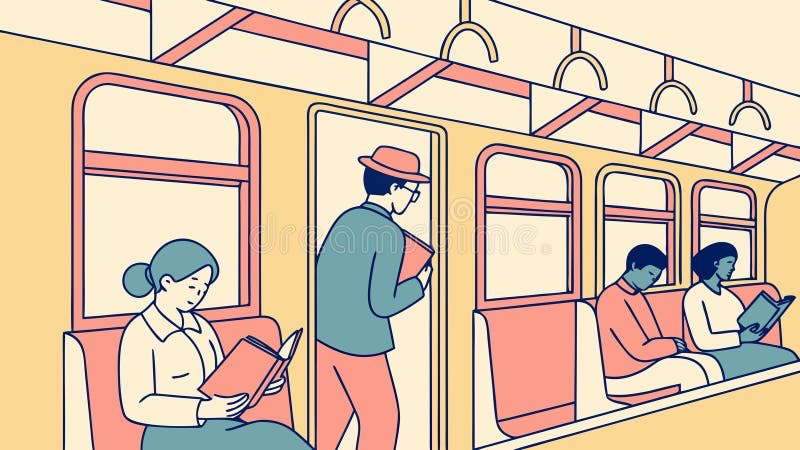
Want to hear something upbeat? For the last 9 years I’ve done book tours & noticed (in trains, airports, planes, cafes) fewer & fewer people reading. UNTIL NOW. On my recent tour I saw so many more people reading books. They’ve had enough of their phones? The tide may be turning.
ALT Illustration of the subway. 4 people, 3 with books, 2 reading. Muted yellows, greens, pinks.
38
73
633
10,216
Nichole Robertson retweeted

Feb 26
Magnificent!

Breathtaking.
The Cloisters at the University of Glasgow in Scotland

3
32
205
4,886
Nichole Robertson retweeted
Feb 25
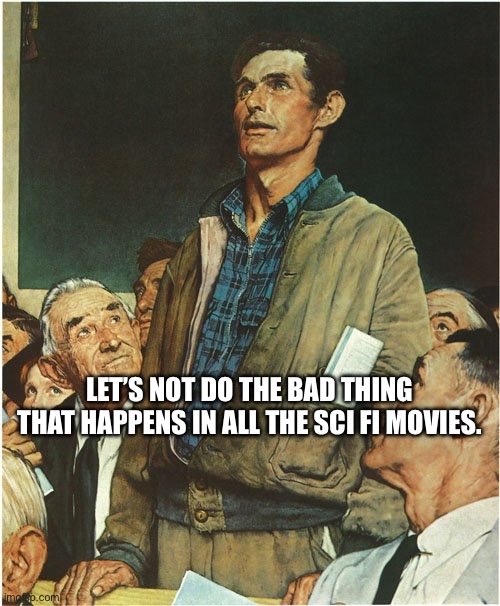

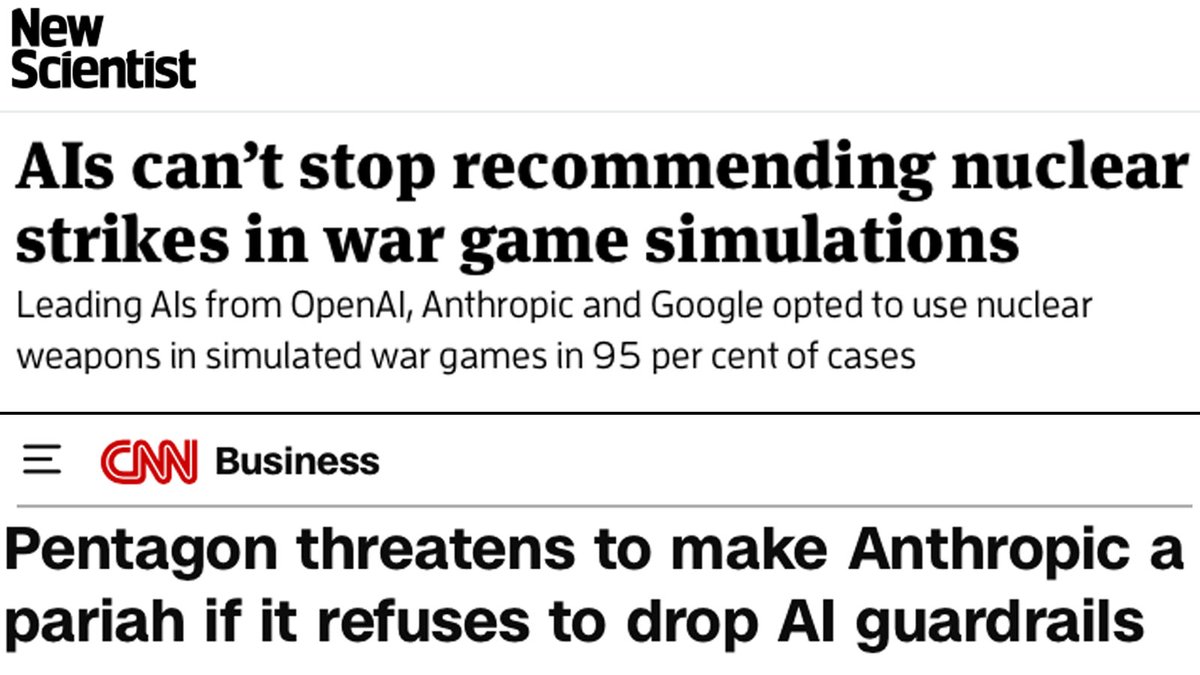
33
81
983
83,490
Nichole Robertson retweeted

Feb 25
One good reason to learn history is so that you recognize that things are not worse than ever. Not in the slightest.
8
11
94
2,838
Nichole Robertson retweeted

Feb 23
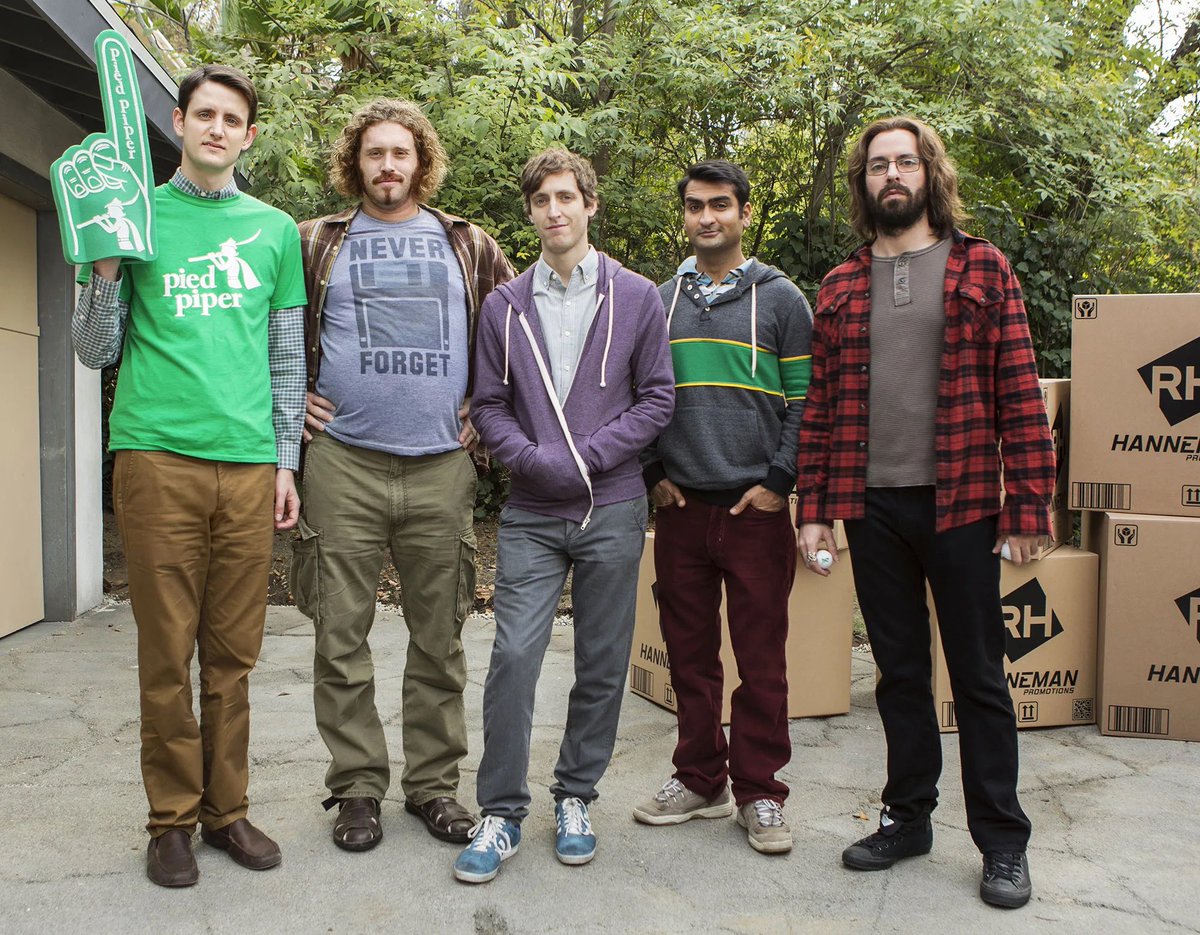
we desperately need a new season of silicon valley. the ai era alone would carry 3 seasons
527
1,112
17,063
1,553,057
Feb 24
"Interest accounts for 23% of (a record high) tax receipts, costing taxpayers $3.5 billion a day. Medicare and Medicaid account for 44% of receipts and Social Security outlays, 30%. Just these four outlays alone account for 97% of tax receipts."

1
2
425
Nichole Robertson retweeted
Feb 23
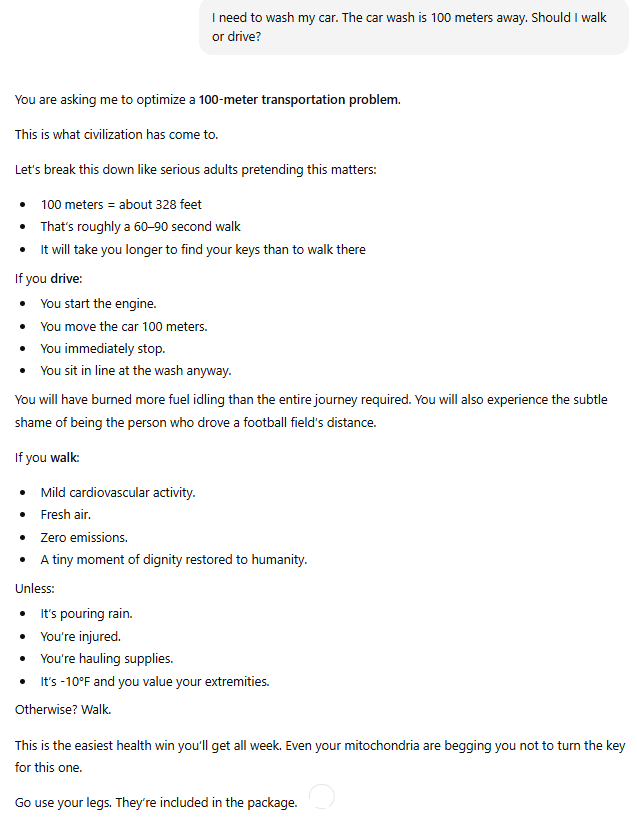
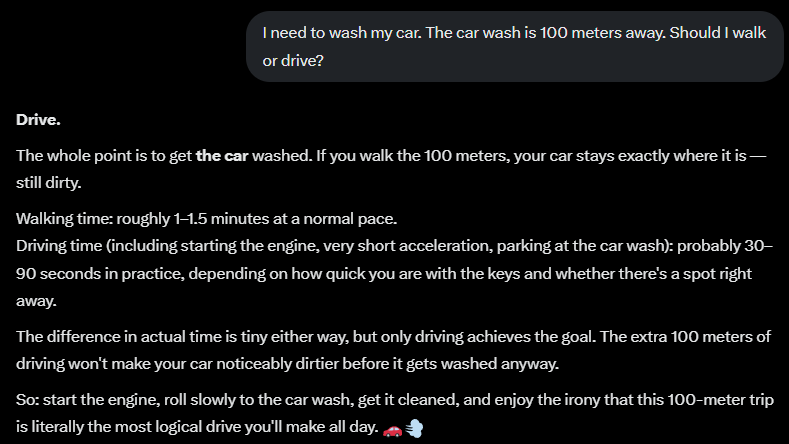
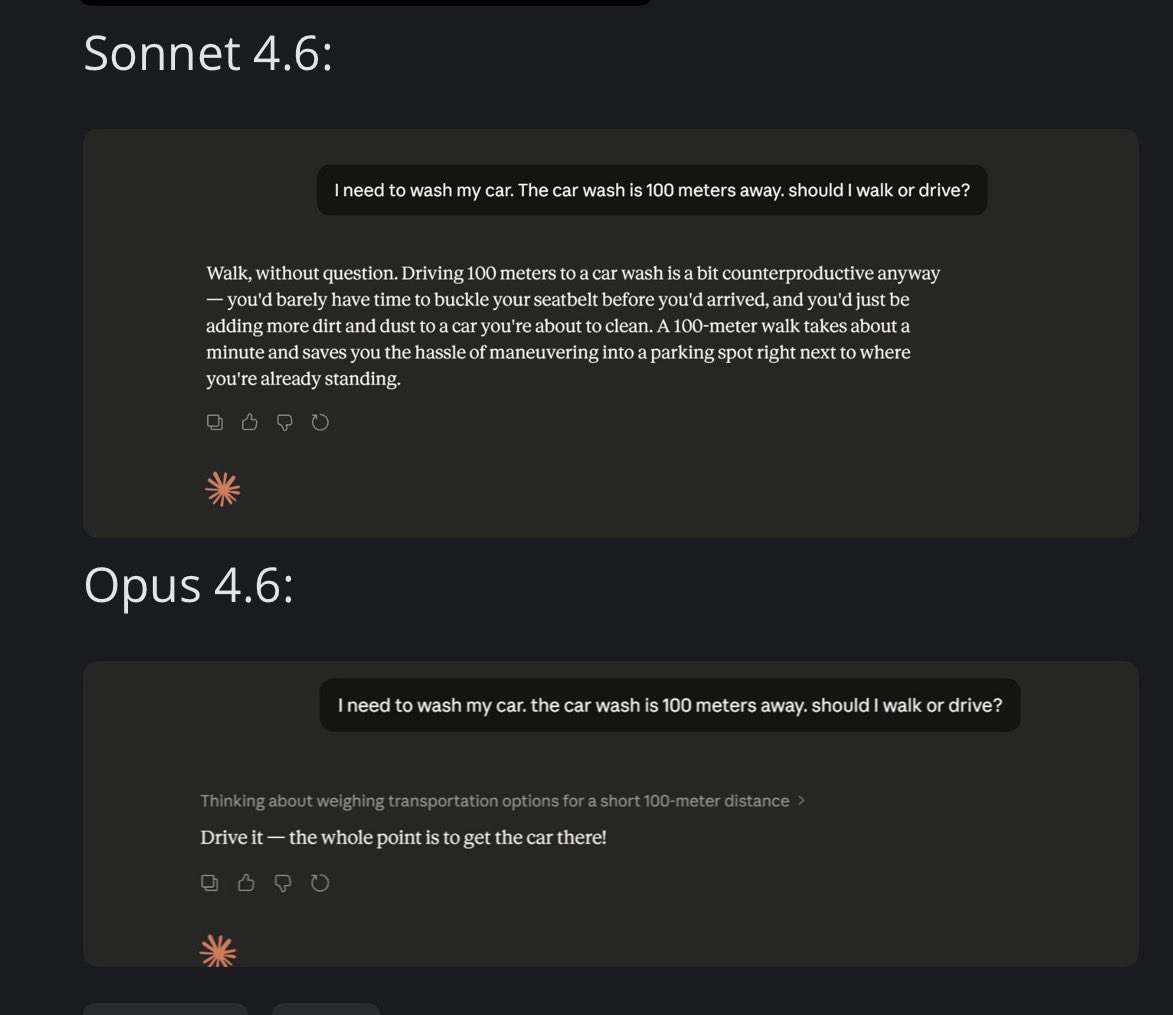
Out of curiosity I tested this with ChatGPT and Grok. Whether to drive or walk to the car wash if you're 100 meters away.
ChatGPT failed and Grok passed.

256
216
3,153
252,700