
Labor economics, demographics, technology. Senior economist at NYC Independent Budget Office. Mycophile.
Joined August 2012
- Tweets 3,419
- Following 1,318
- Followers 2,539
- Likes 14,817
468 Photos and videos


Owen Davis retweeted

Jun 5
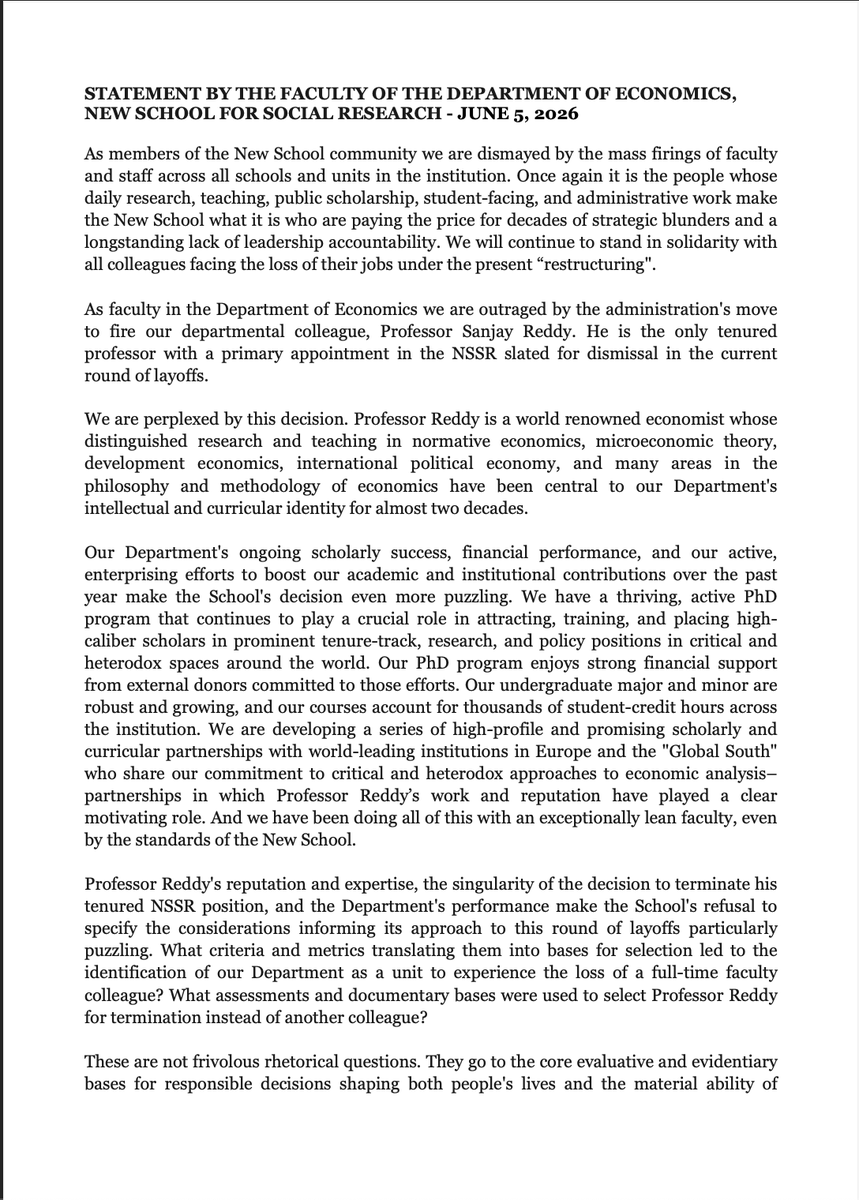
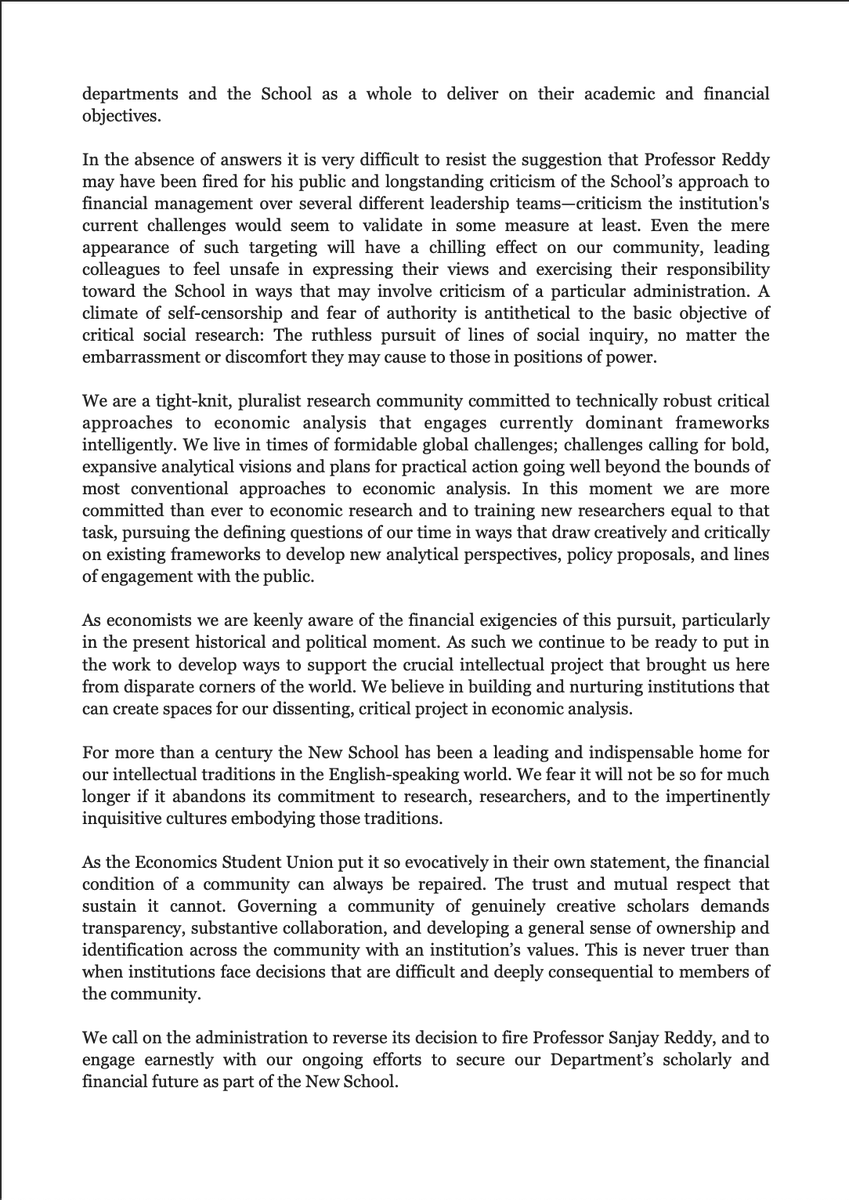
The Department of Economics at the New School for Social Research has just issued a statement on the New School's decision to layoff dozens of staff and faculty colleagues, including our own colleague and friend, Professor Sanjay Reddy.
7
148
296
90,820

Jun 5
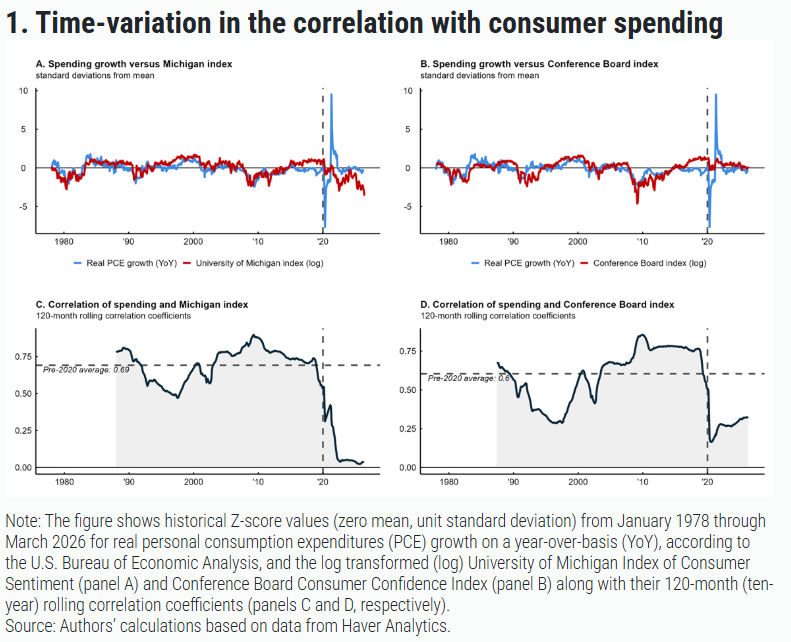
Consumer spending and consumer sentiment used to be tightly coupled. That correlation crumbled post-2020.
1
1
105
Jun 5
Analysis from the Chicago Fed, which may or may not be the first time a Federal Reserve bank research product has used the word "vibes" chicagofed.org/publications/…
67
Jun 1
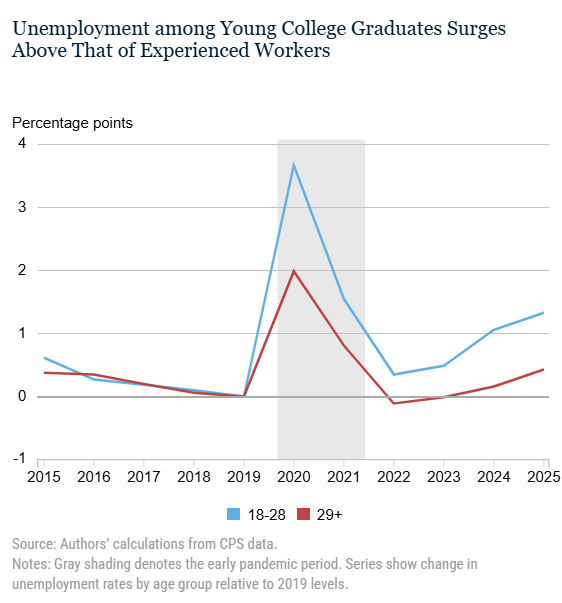
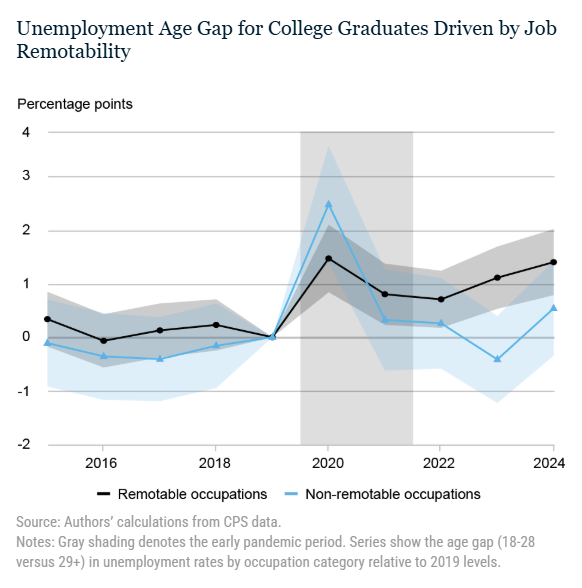
Maybe early-career college-grad unemployment is being driven by WFH, not AI. "Employers may not want to hire fresh graduates onto distributed teams because it is more difficult to teach them the requisite skills from afar."
1
1
145
Owen Davis retweeted

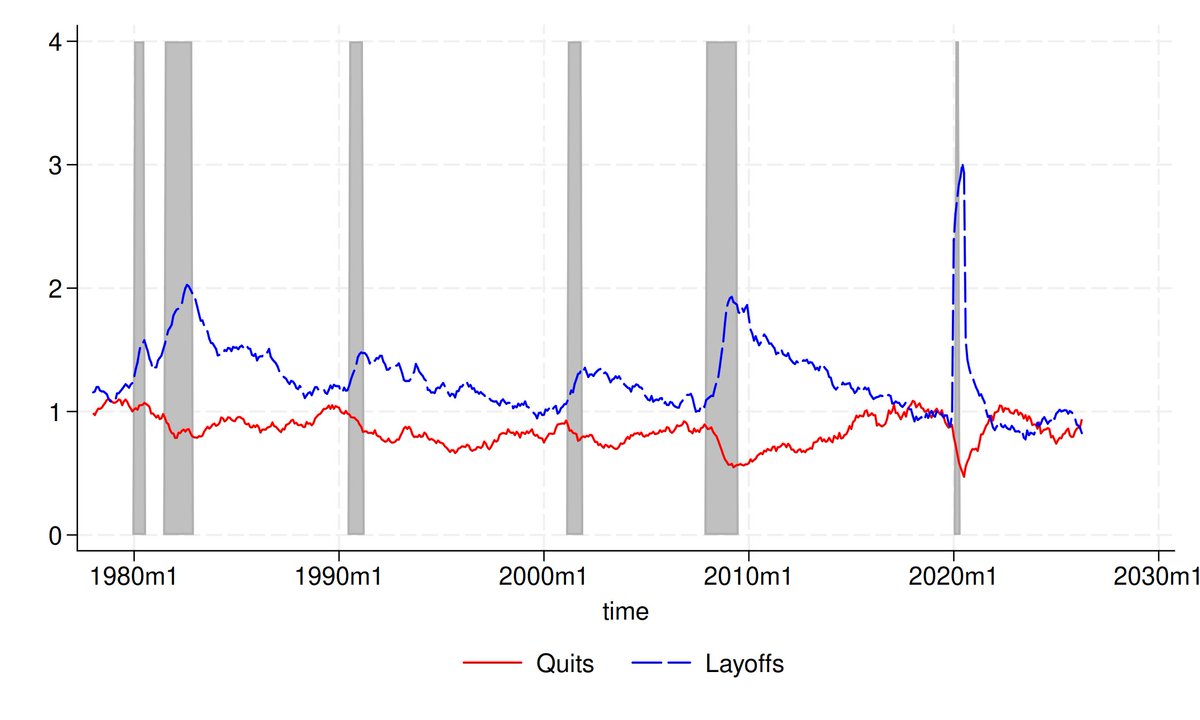
#QLmonthly May 2026: Labor market remains buoyant and stable.
📉 Layoffs re-approaching historic lows
📊 Quits stable — and clearly above 2025 levels
🔍 Job finding rates steady; non-participant finding rates at all-time highs
No red flags in the flows data. 1/n
1
2
12
1,419
Owen Davis retweeted

Jun 1
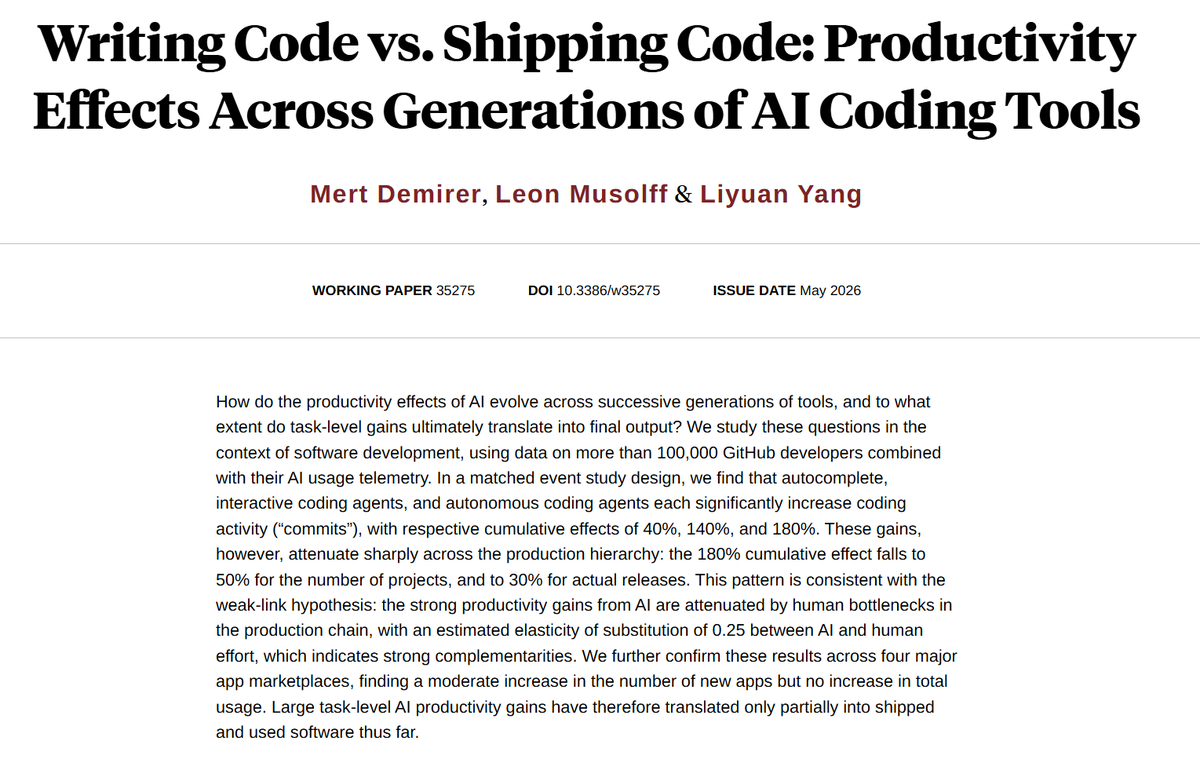
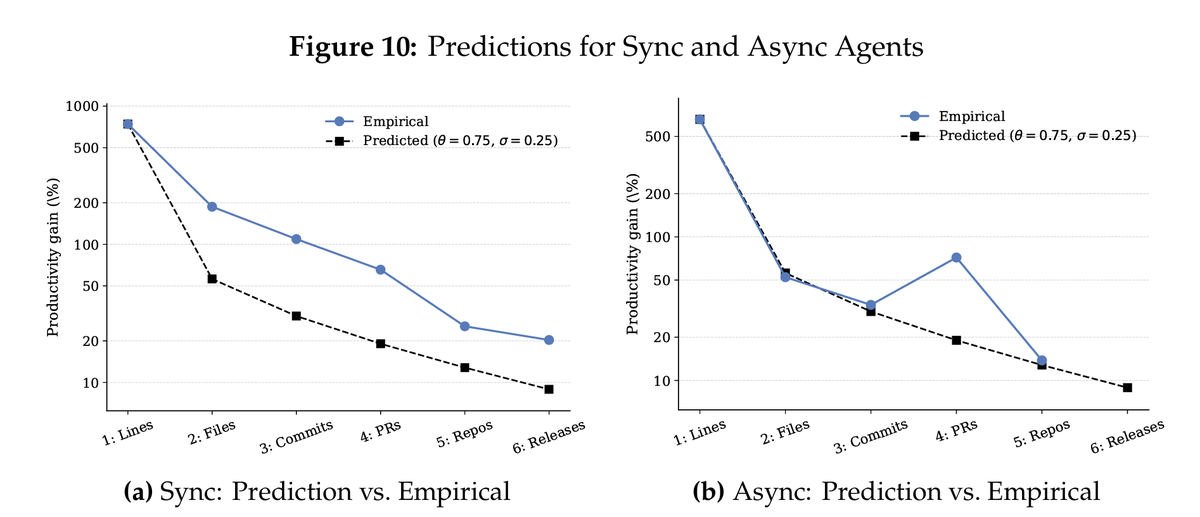
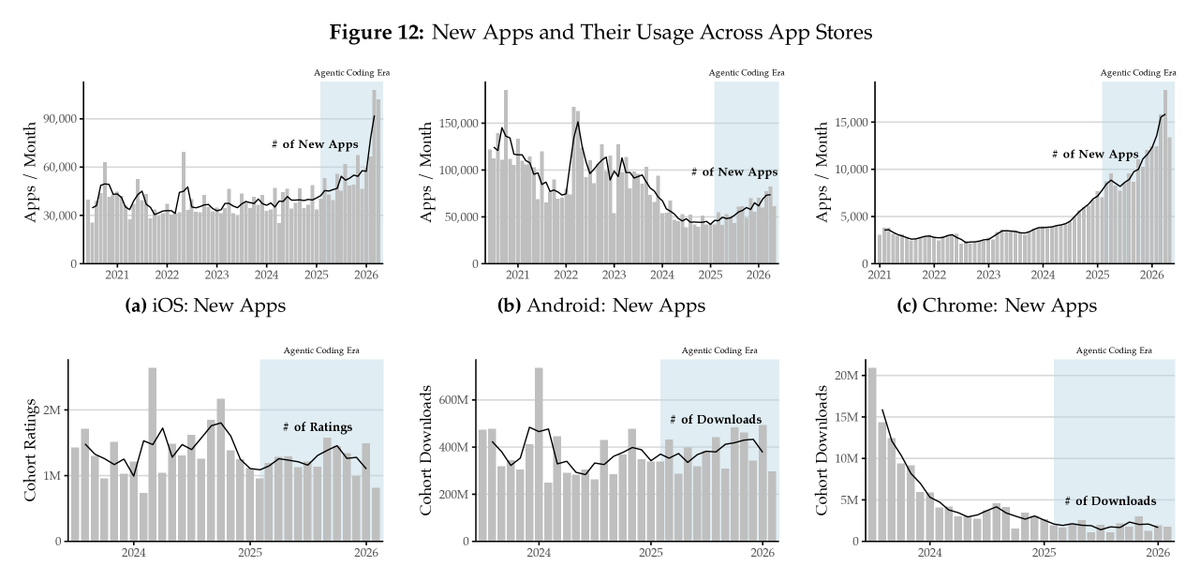
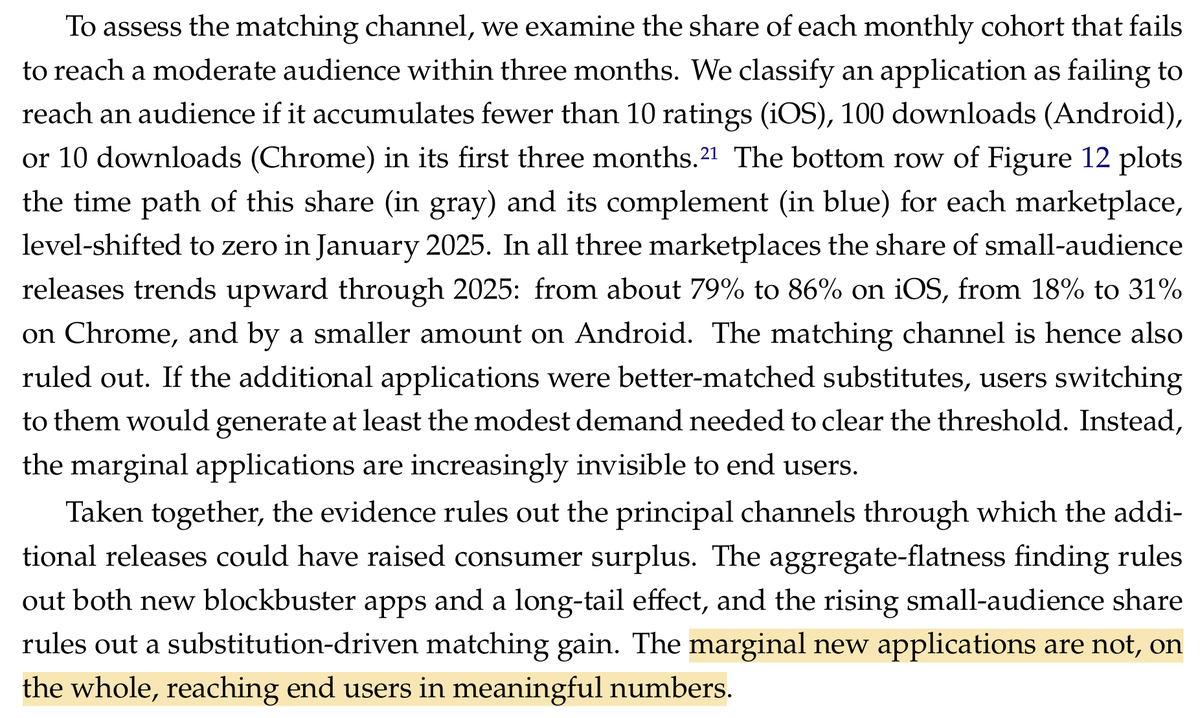
Large productivity gains from AI don't lead to equally big gains in software.
40%/ 140%/ 180% commits from autocomplete/interactive/autonomous agents but only 50%/ 30% projects/releases
And does this new software get used by consumers? Not really. It's invisible/irrelevant.
12
50
268
57,400
May 29
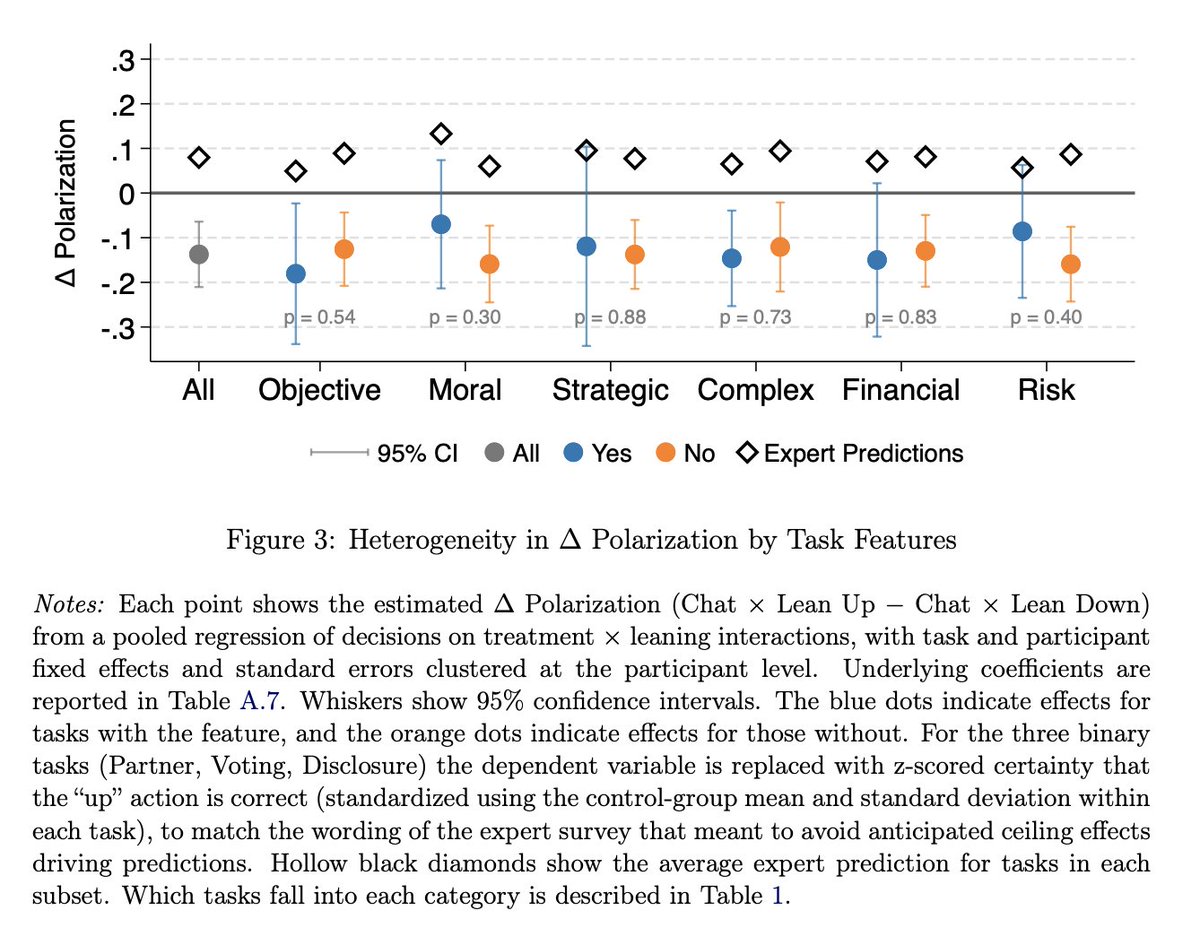
Unexpected finding: Chatting with LLMs in the midst of classic economic decision tasks (portfolio allocation, dictator game, etc) tended to depolarize people -- they moved *away* from their initial decisions. This despite AI sycophantically echoing users. papers.ssrn.com/sol3/papers.…
1
1
182
May 29
Not the first finding like this. Fits with view of AI as a "centralizing technology" as per @JerusalemDemsas theargumentmag.com/p/are-you…
99
May 28
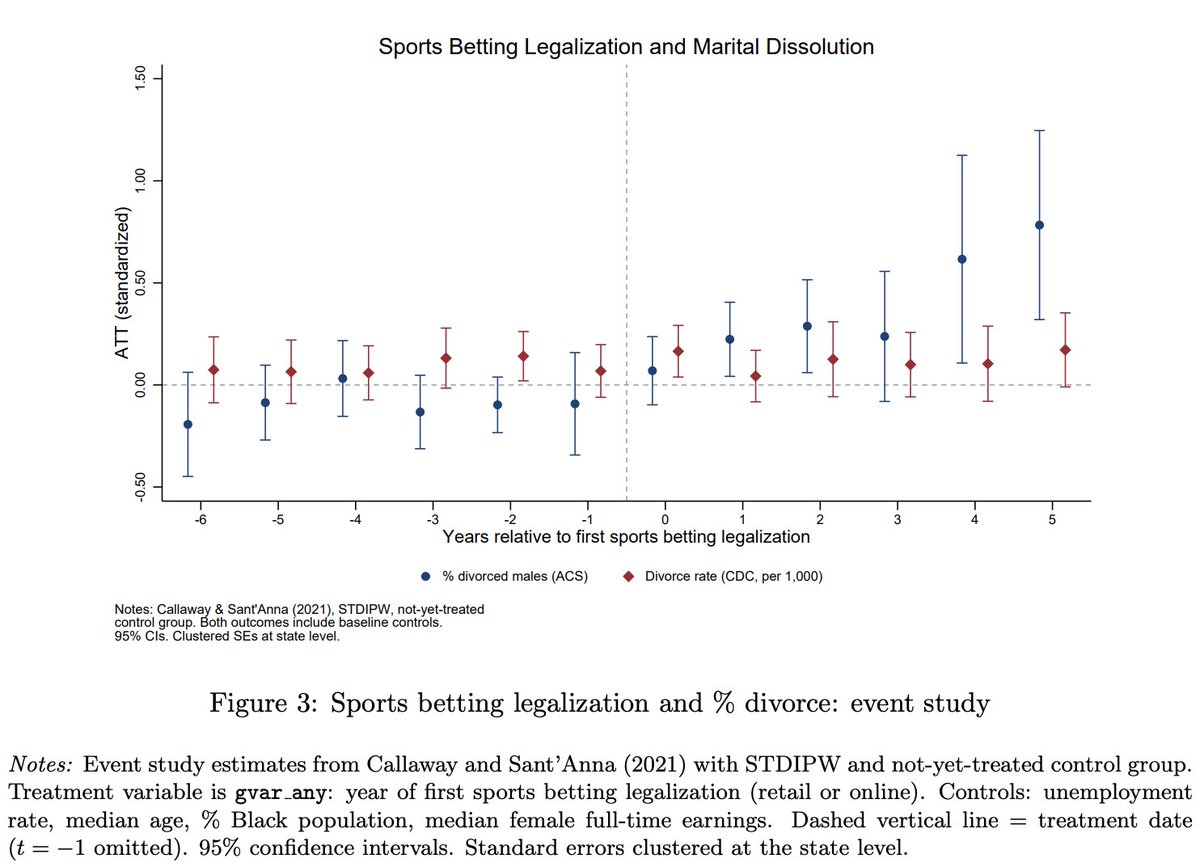
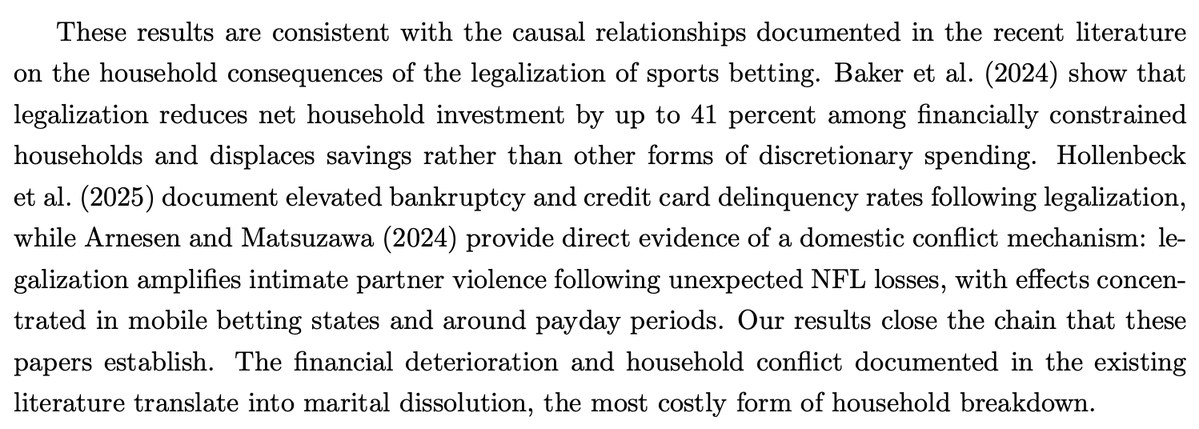
legalized sports betting and divorce: probably what you expected
17
83
545
128,214
May 28
Working paper from Álvaro Muñiz Fernández, Brad R. Humphreys, and Jane E. Ruseski
papers.ssrn.com/sol3/papers.…
5
3,274
Owen Davis retweeted

May 25
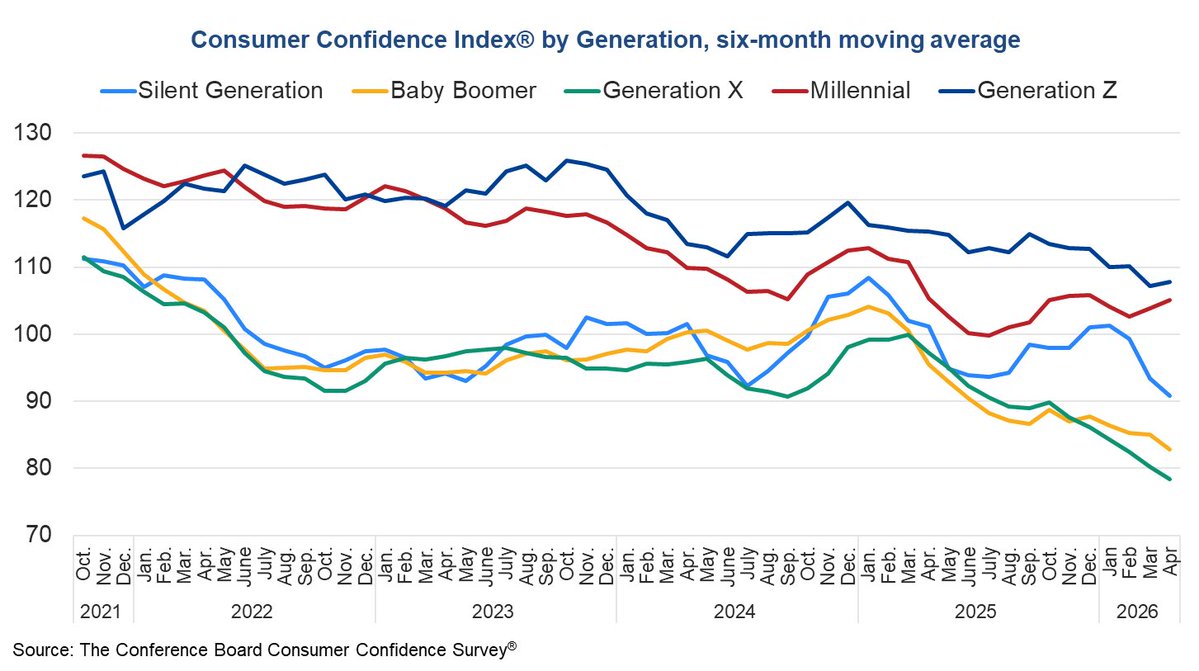
Narrative violation: Gen Z has the highest consumer confidence. Gen X and Boomers are the pessimists.
I do feel that undercuts many of the material explanations for the vibecession, insofar as uniquely awful economic conditions for young people are a main driving force.
51
104
963
93,113
Owen Davis retweeted

May 21
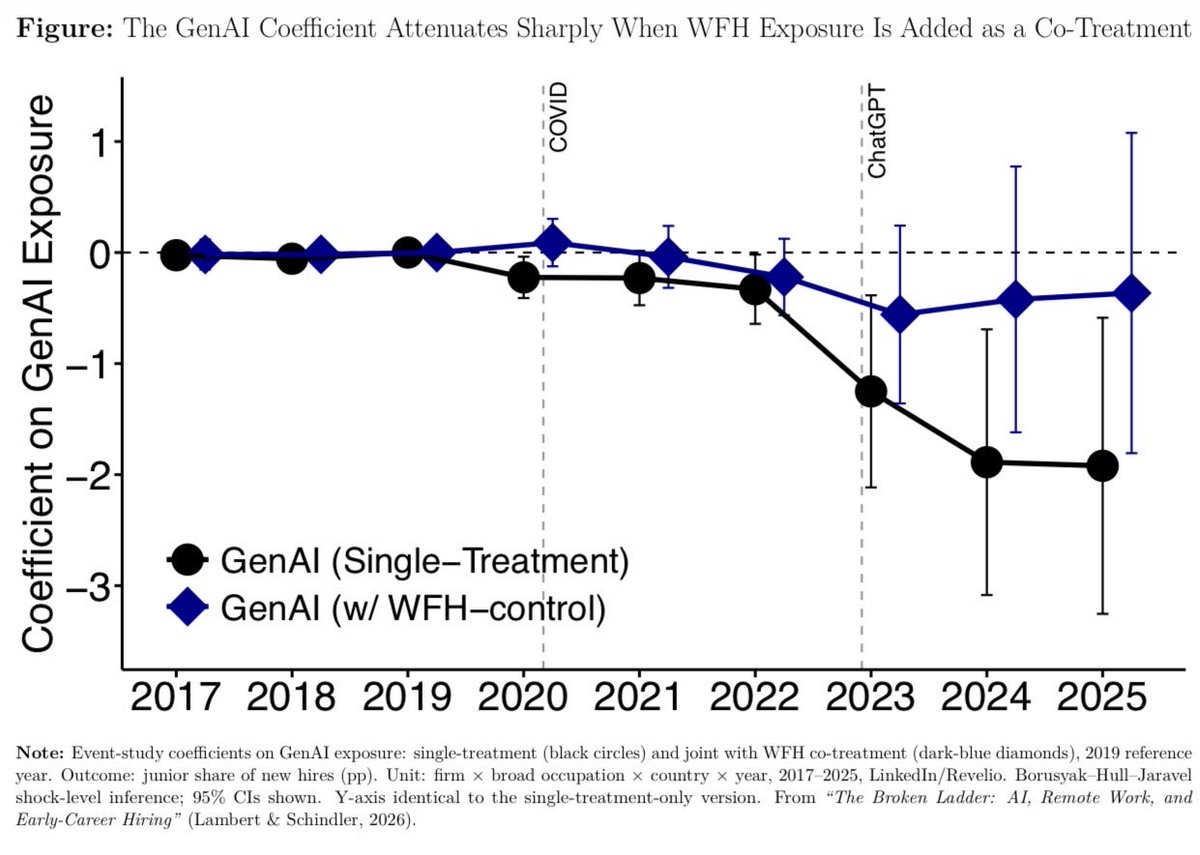
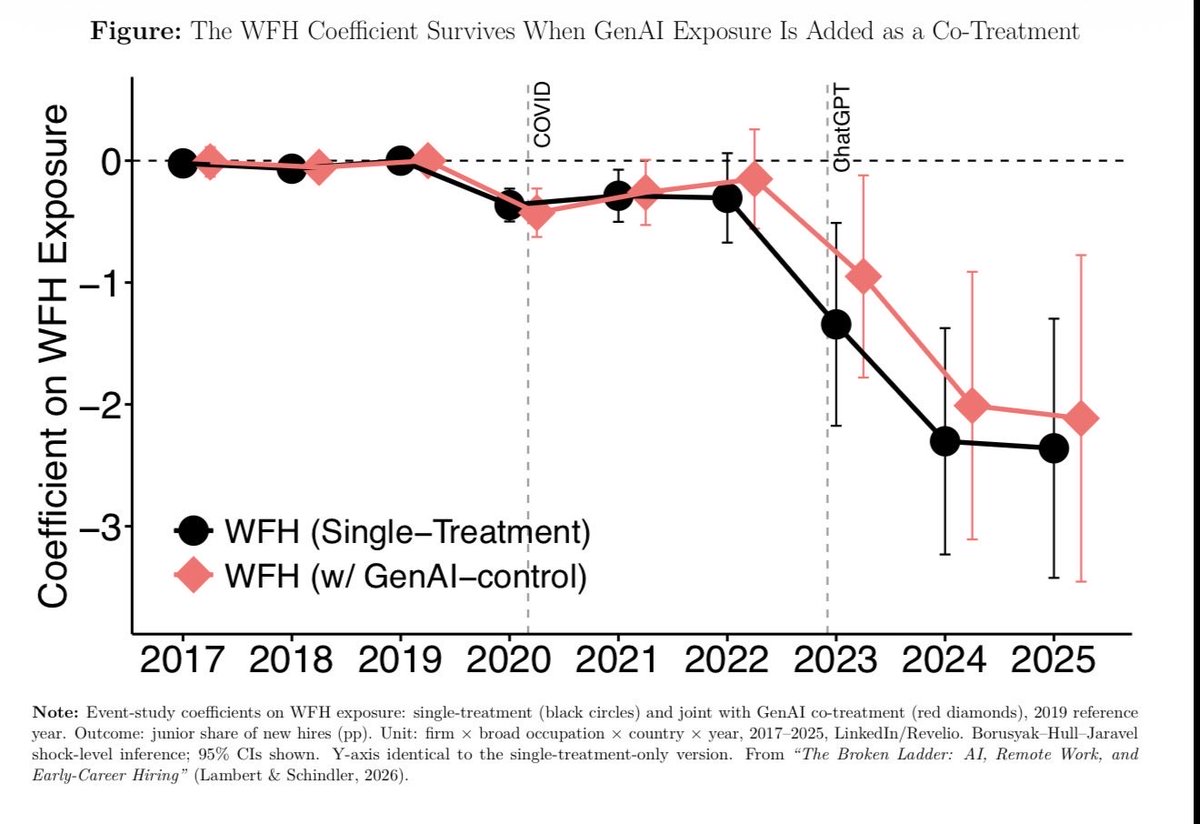
BUT when we control for WFH exposure, this effect all but disappears in our baseline results. This is NOT the case with WFH exposure, which is a robust predictor of the fall in junior-share of hiring with or without AI
2
16
101
51,774
Owen Davis retweeted
May 21
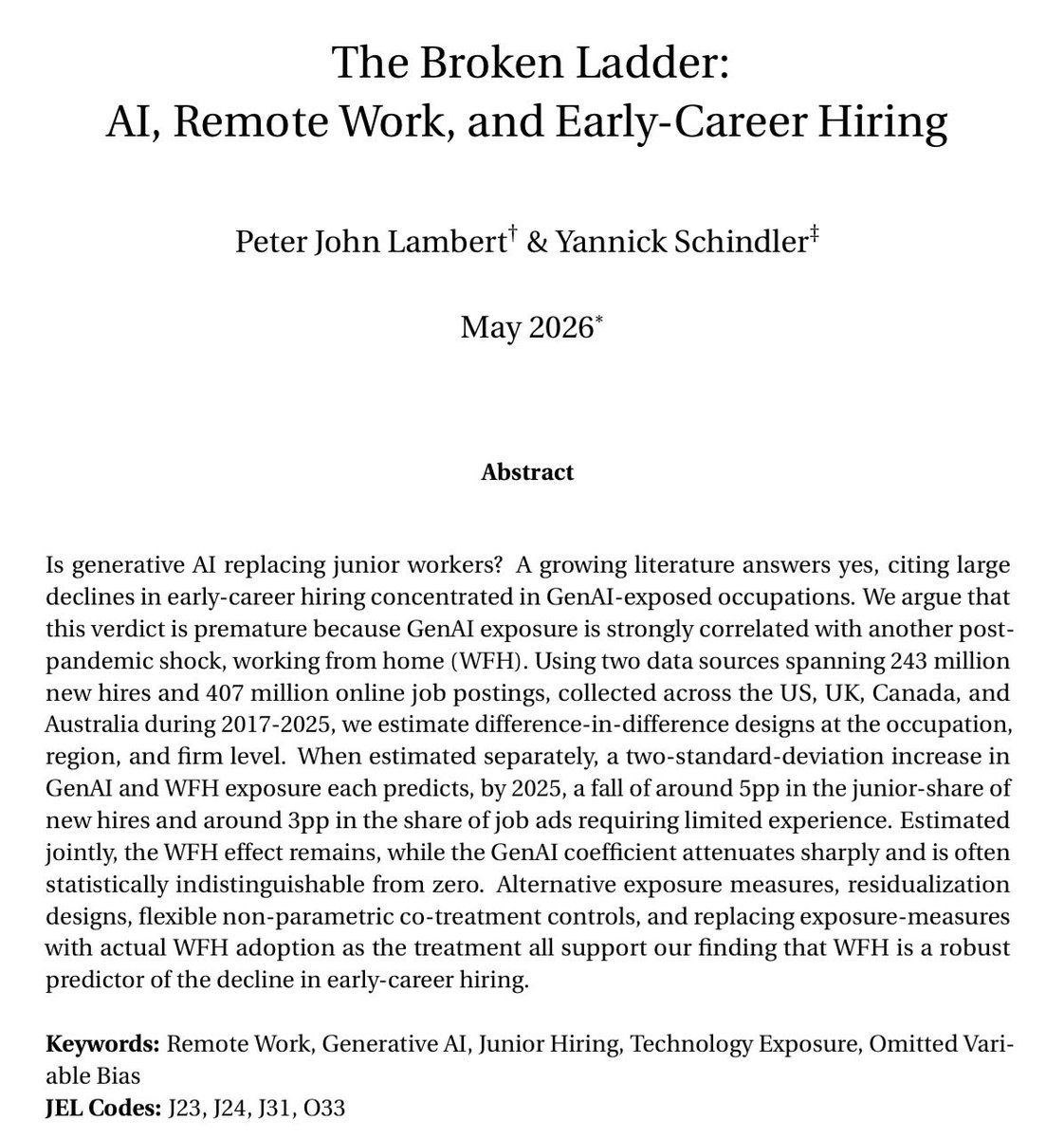
Is GenAI causing the relative decline in early-career hiring? Our latest research finds that these effects may be conflated with another important driver: the rise of WFH arrangements (1/N)
29
260
969
550,199
May 15
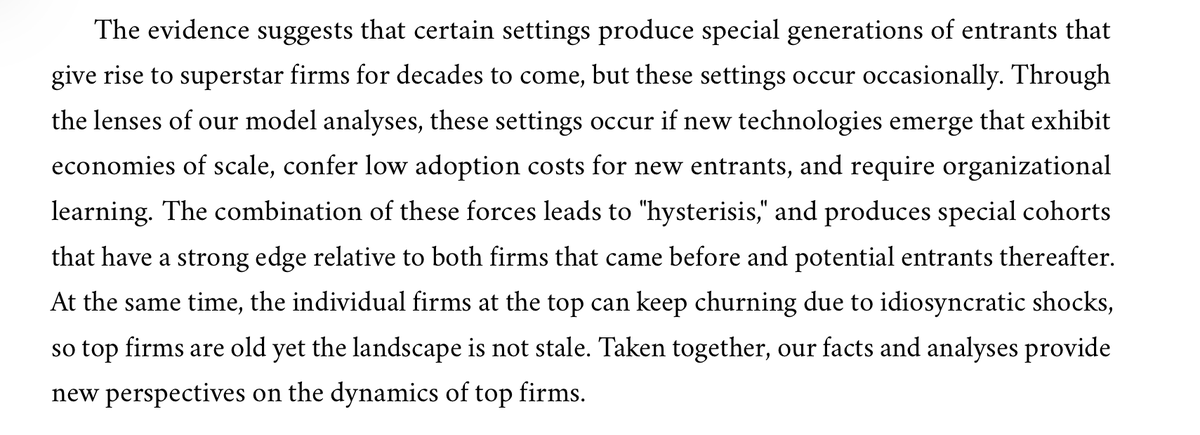
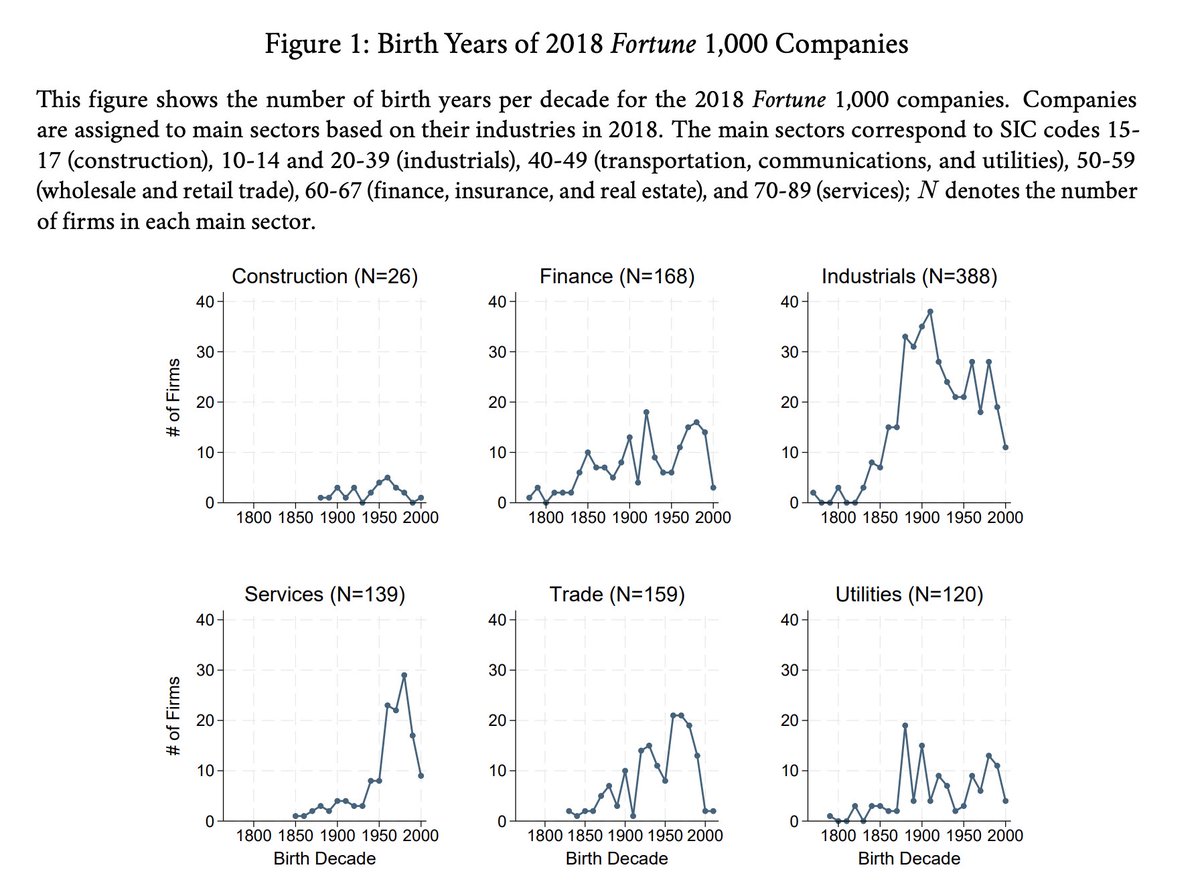
Odd fact of the economy: Many of our biggest living manufacturing firms were born around 1900, but that pattern doesn't show up in other sectors.
4
4
23
4,756
May 14
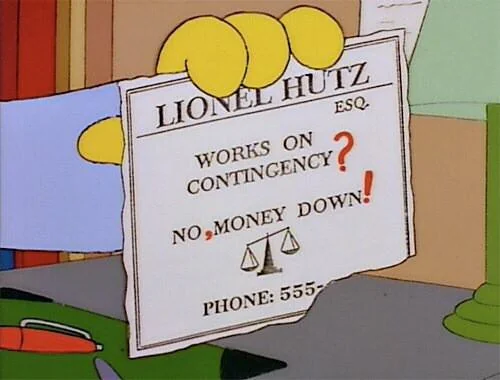
When Shakespeare applied for a coat of arms, some administrative clerk did the Lionel Hutz business-card gag to the family motto.
125
Owen Davis retweeted

1/ New piece out with the incredible @econJaredB. We dig into what's been on everybody's mind — affordability, consumer sentiment, and whether we've cracked the mystery of the vibes puzzle: siepr.stanford.edu/publicati…
1
11
48
39,299
Owen Davis retweeted

May 10
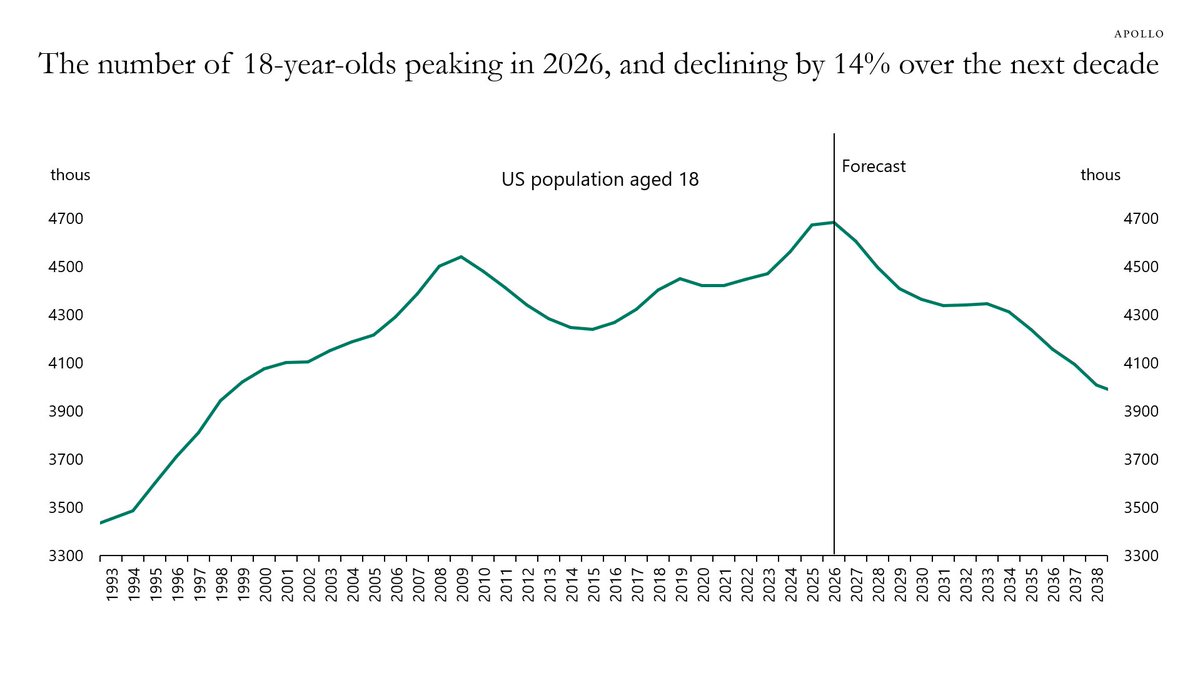
"America is at peak 18, and the number of 18-year-olds will fall 14% over the coming decade" apollo.com/wealth/the-daily-…
19
81
406
277,326
Owen Davis retweeted

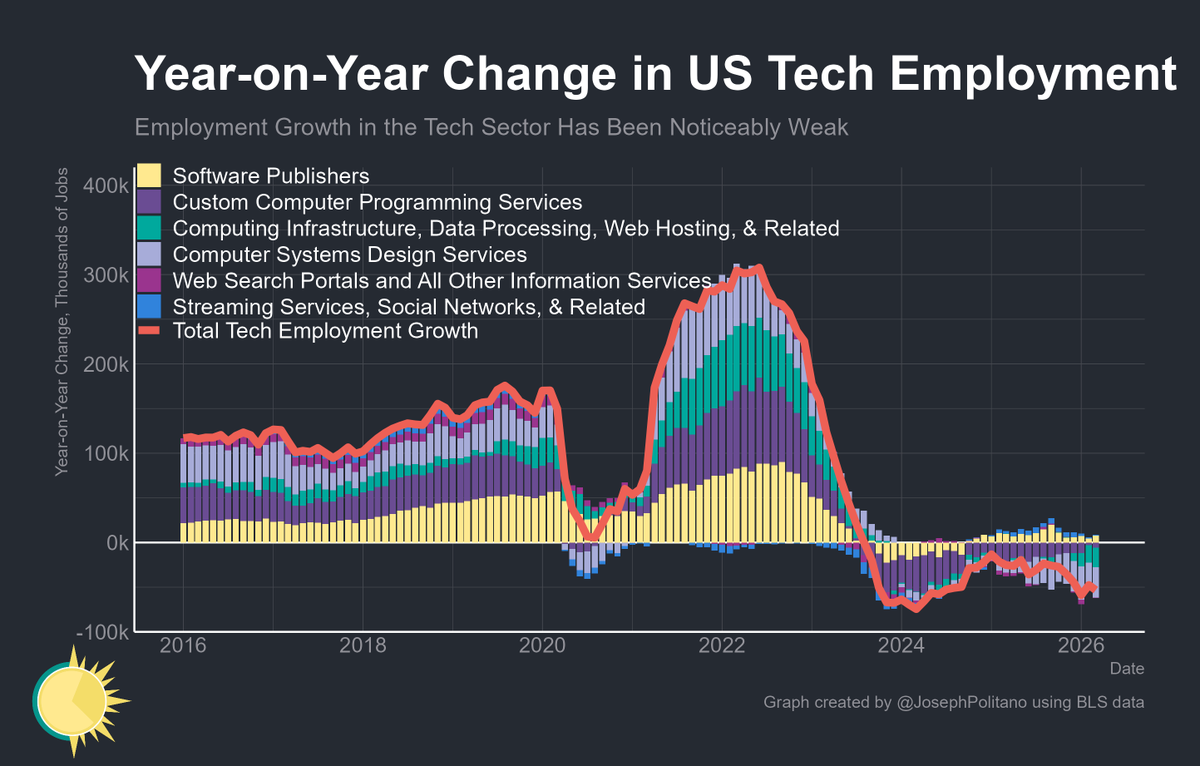
The US tech sector continues losing jobs—overall, employment decreased by 10k last month and is down 53k over the last year
That's not as bad as the worst of the 2024 tech-cession, but extremely bad compared to the 2022 boom or even pre-2020 norms
6
43
261
28,642