
- Tweets 1,570
- Following 867
- Followers 867
- Likes 36,897






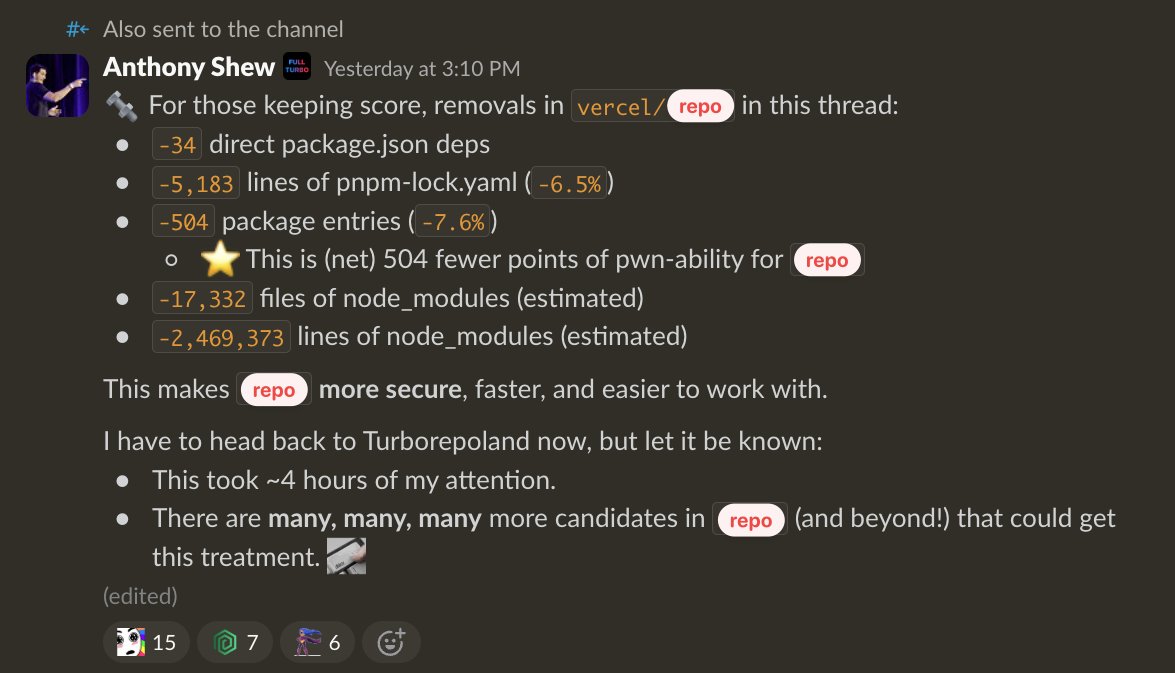
ALT :quality-intensifies: For those keeping score, removals in vercel/<repo> in this thread: -34 direct package.json deps -5,183 lines of pnpm-lock.yaml (-6.5%) -504 package entries (-7.6%) - :star: This is (net) 504 fewer points of pwn-ability for <repo> -17,332 files of node_modules (estimated) -2,469,373 lines of node_modules (estimated) This makes <repo> more secure, faster, and easier to work with. I have to head back to Turborepoland now, but let it be known: - This took ~4 hours of my attention. - There are many, many, many more candidates in <repo> (and beyond!) that could get this treatment. :delete-this:







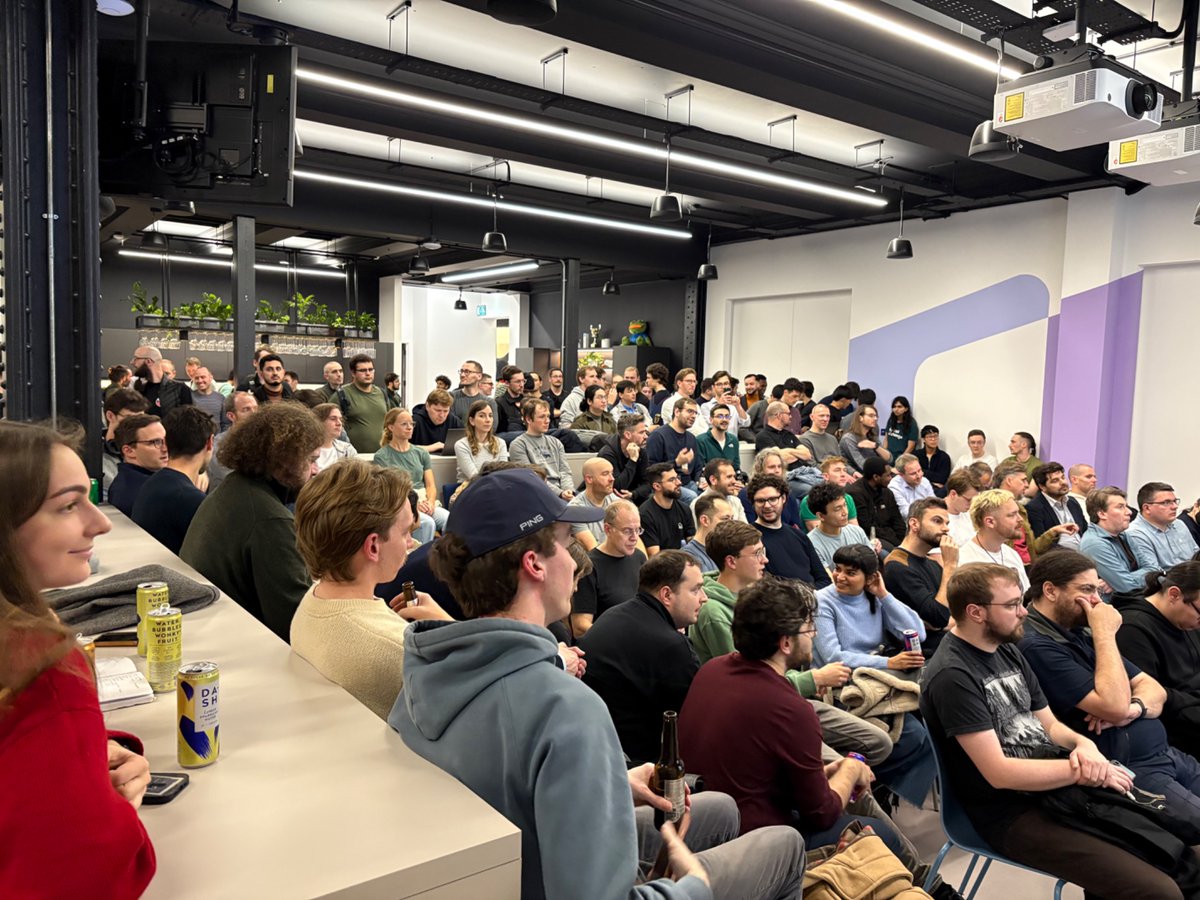




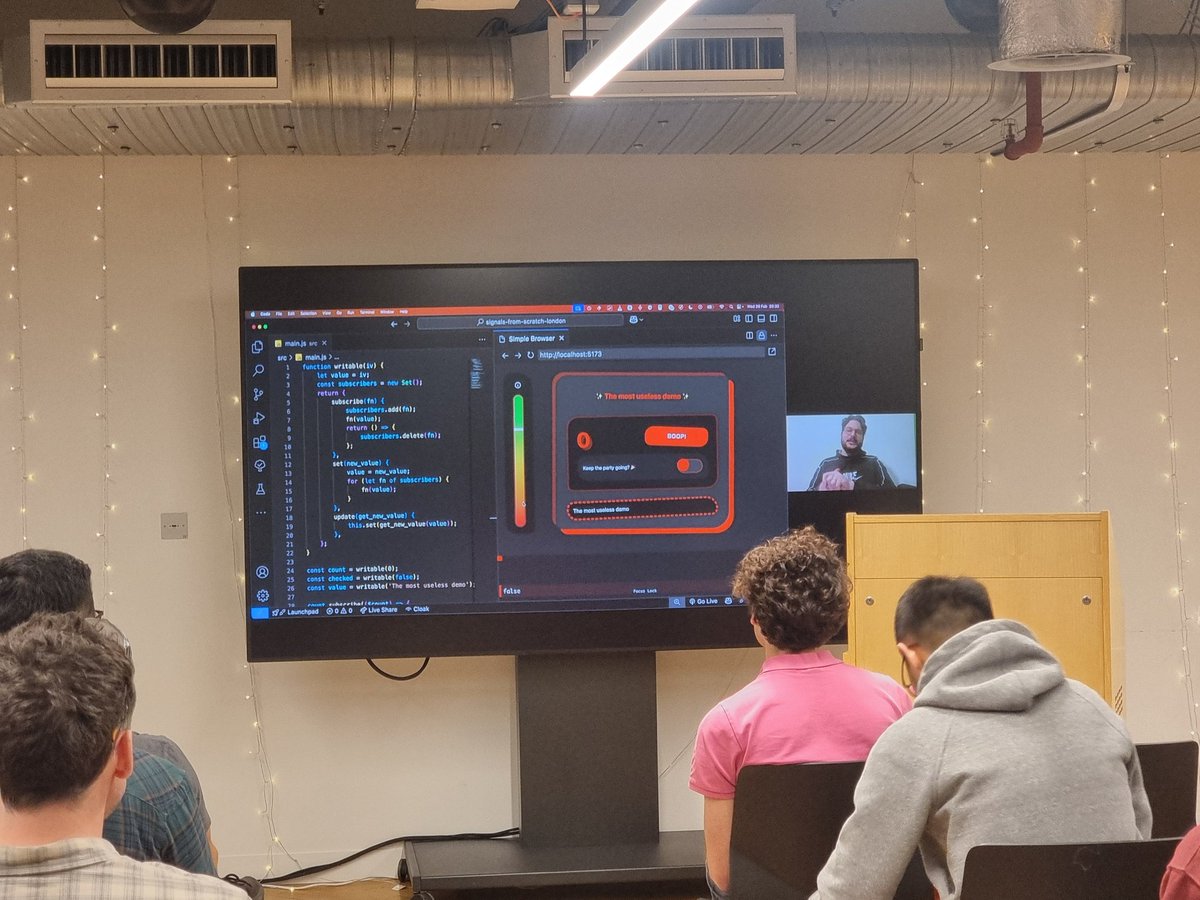
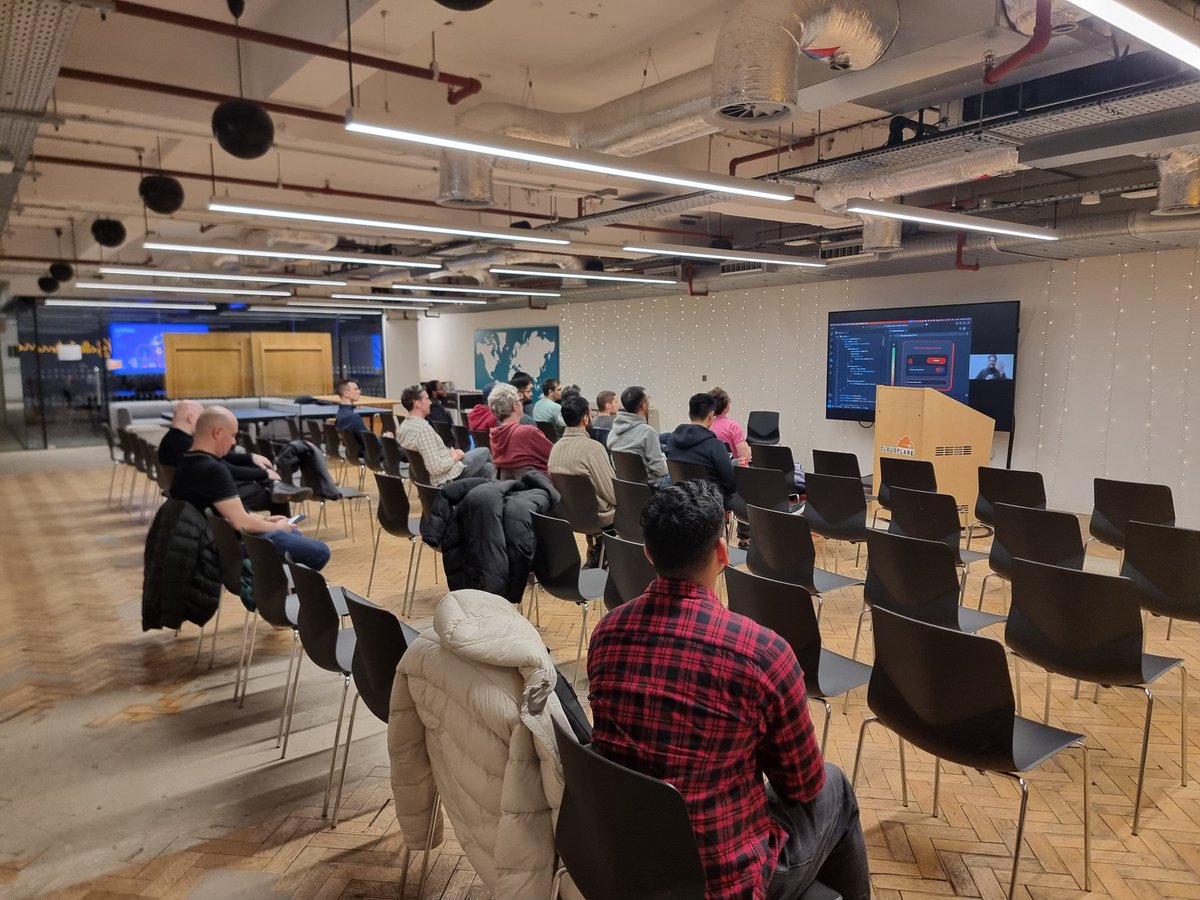
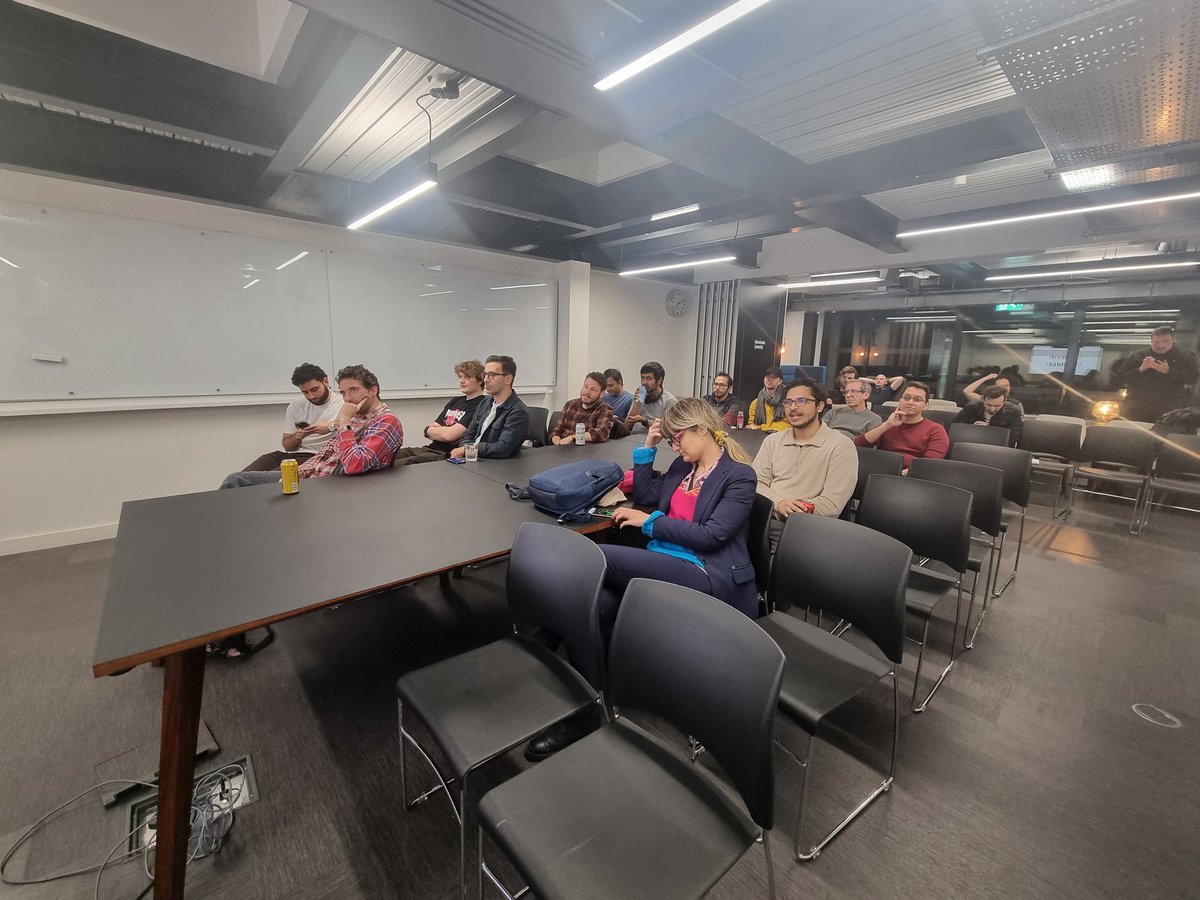
ALT A few rows of chairs with some people on facing the board watching Paolo give a talk at Svelte London
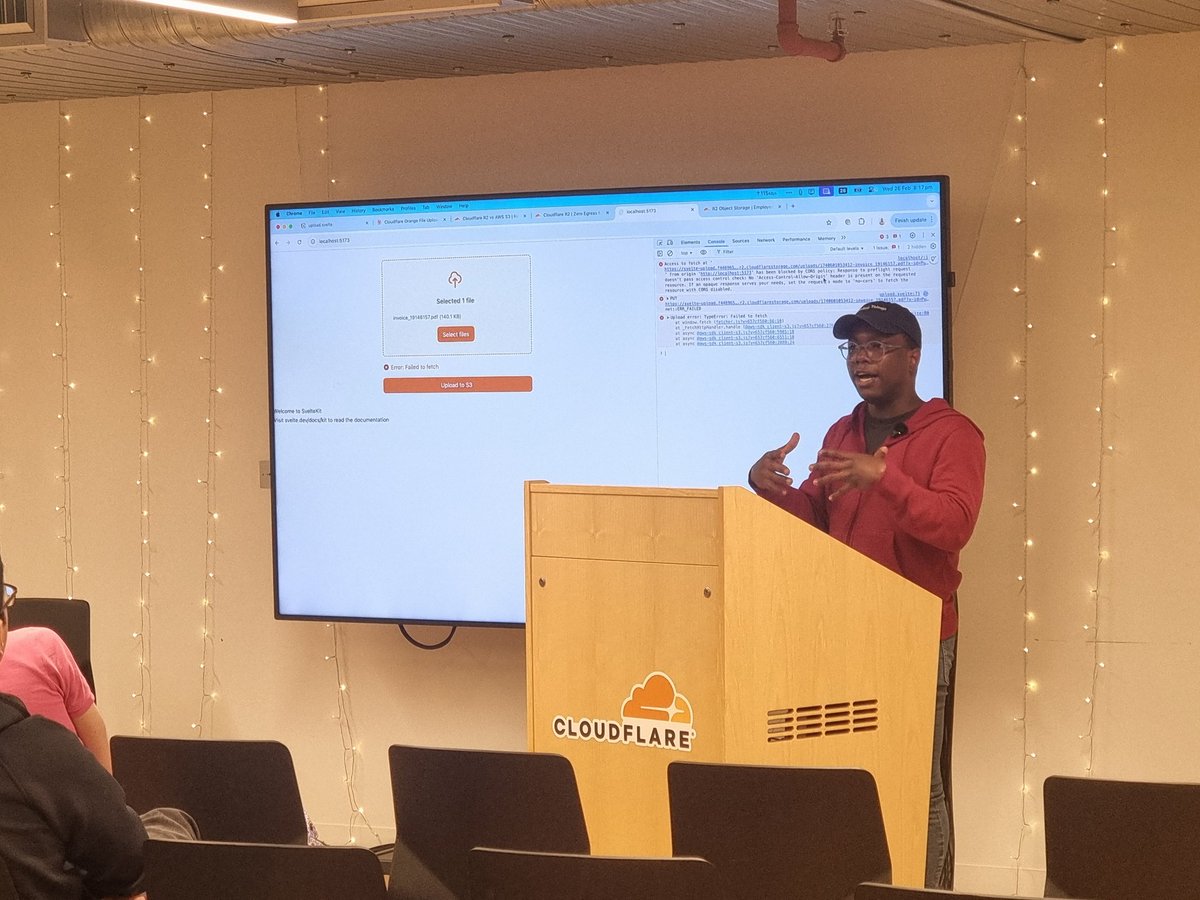
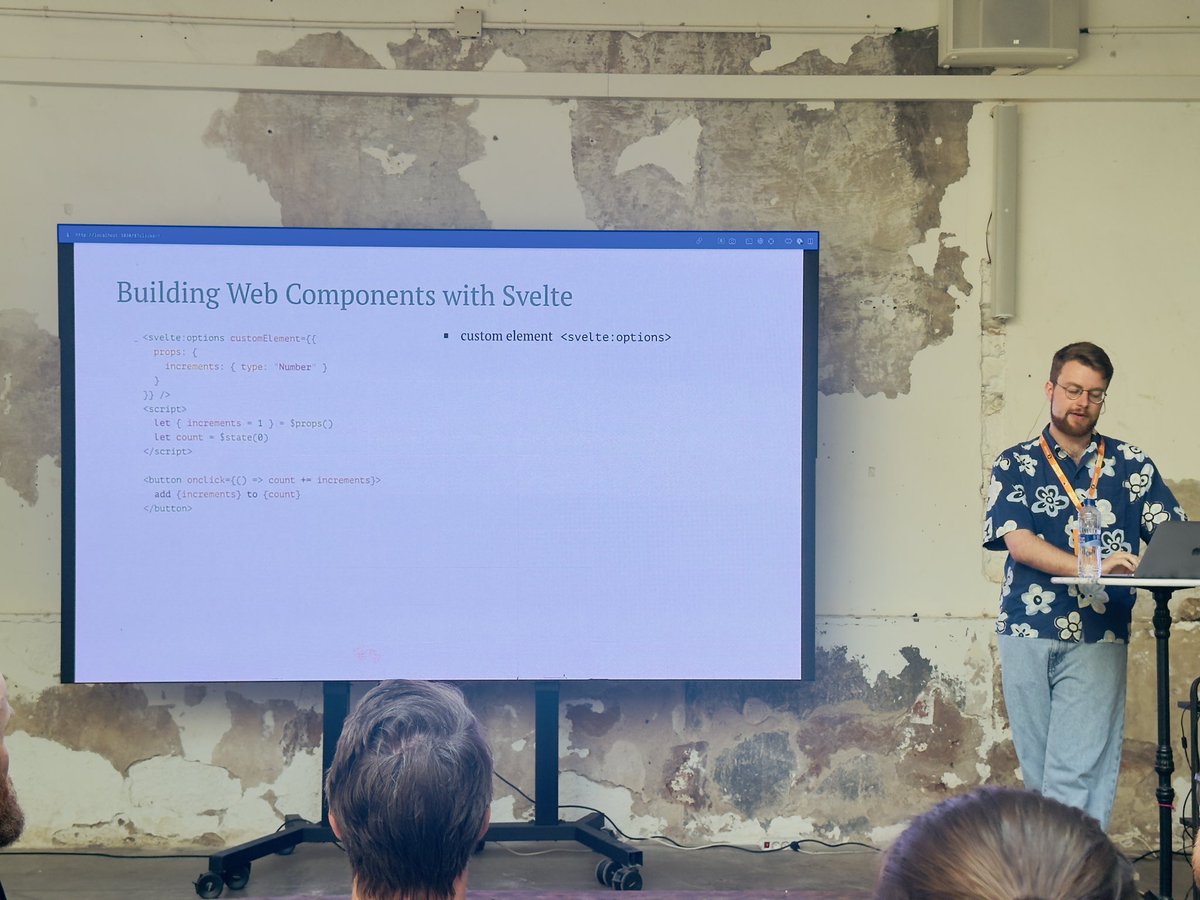
ALT Confidence talking at Svelte London
ALT Text on the left reading "SvelteHack 2024 runes edition Winners Announcement" with a large pointed rock with a glowing svelte logo and runic symbols