
Joined November 2011
- Tweets 7,724
- Following 1,879
- Followers 9,553
- Likes 22,303
1,003 Photos and videos











Pinned Tweet

23 Oct 2025
Britain can build. Britain must build.
We're building a new city.
Sign the pledge to build the city of your dreams.
23 Oct 2025

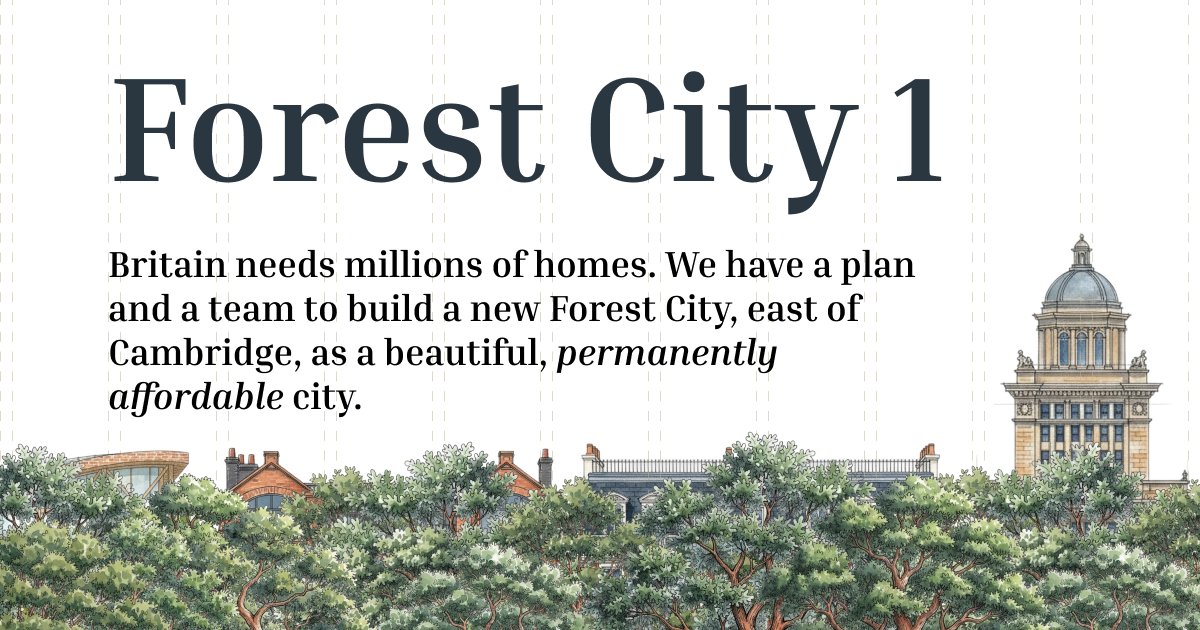
Announcing plans for the first British city in 50 years in front of 1500 people at the O2 in Greenwich. Amazing. Sign the pledge.


45
26
549
100,629
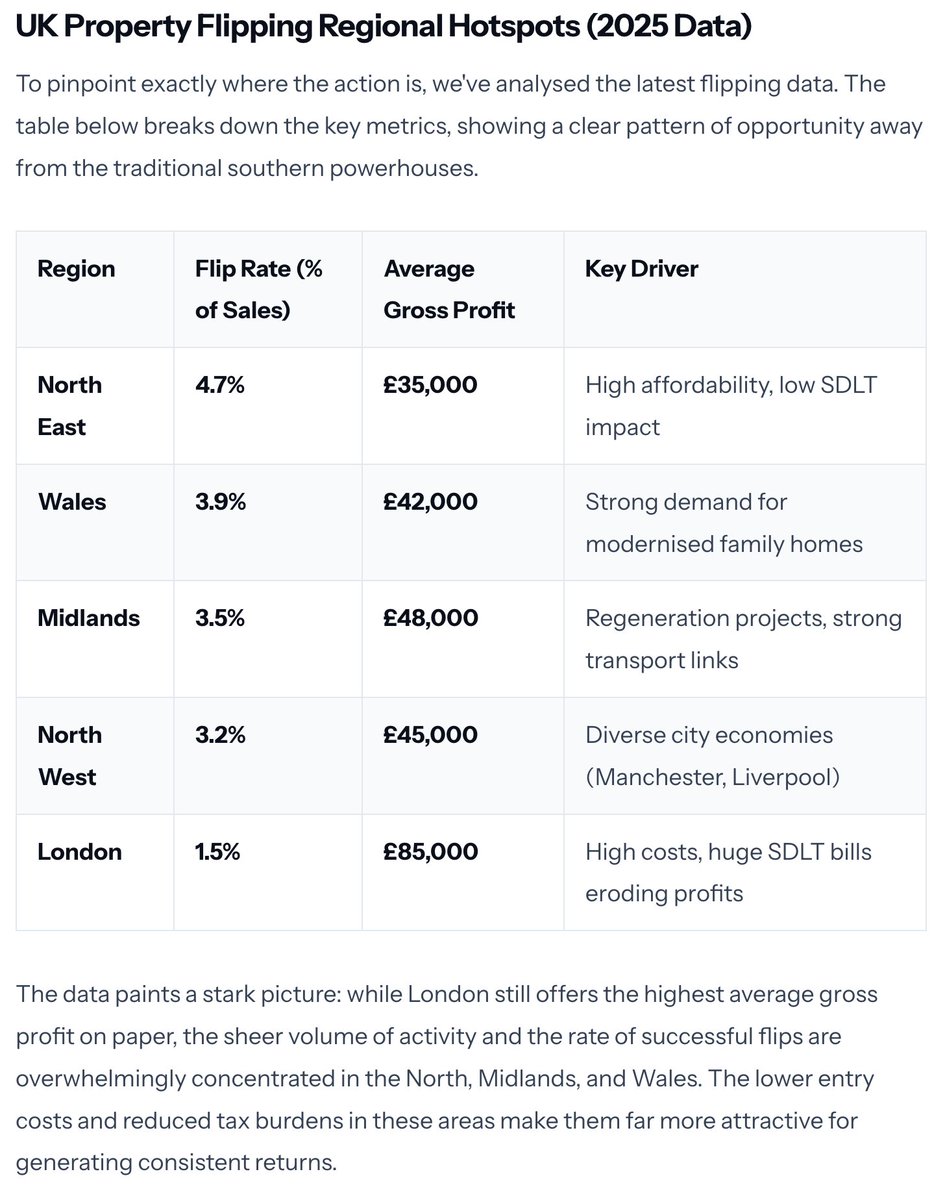
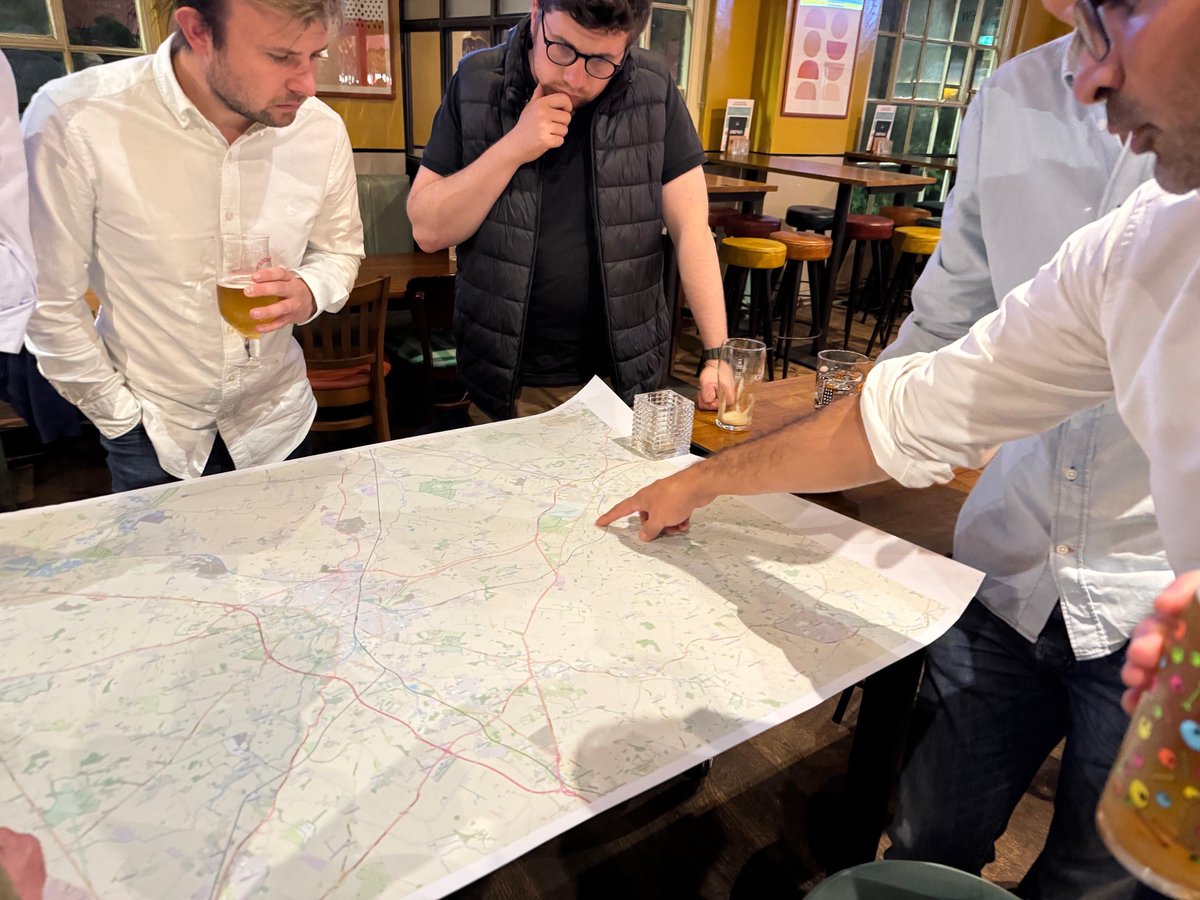
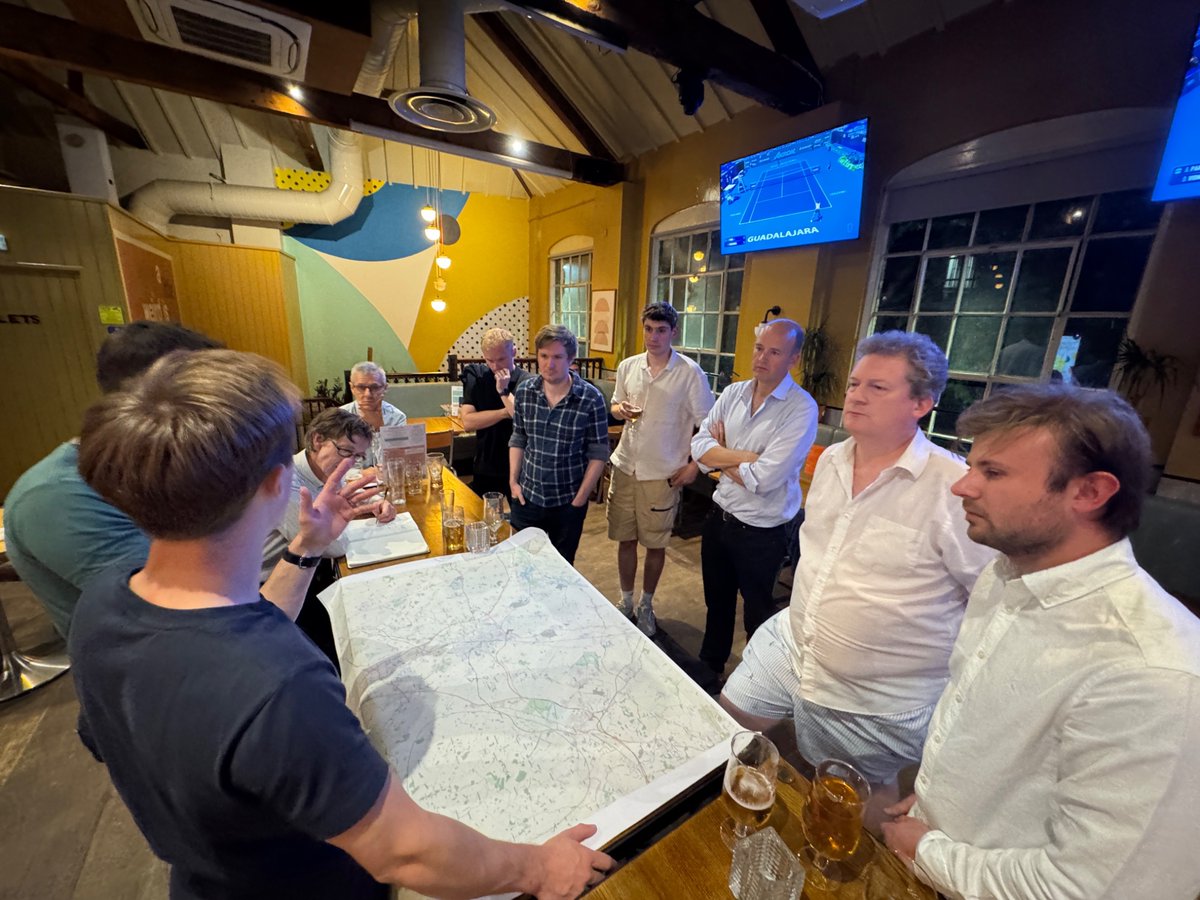
Good piece of research here, all pointing to one thing: you need to build at scale if you want to solve the housing crisis.
Build Forest City!
x.com/jlyucel/status/2064636…
1
1
7
1,061
Joe Reeve - 🇬🇧/acc retweeted

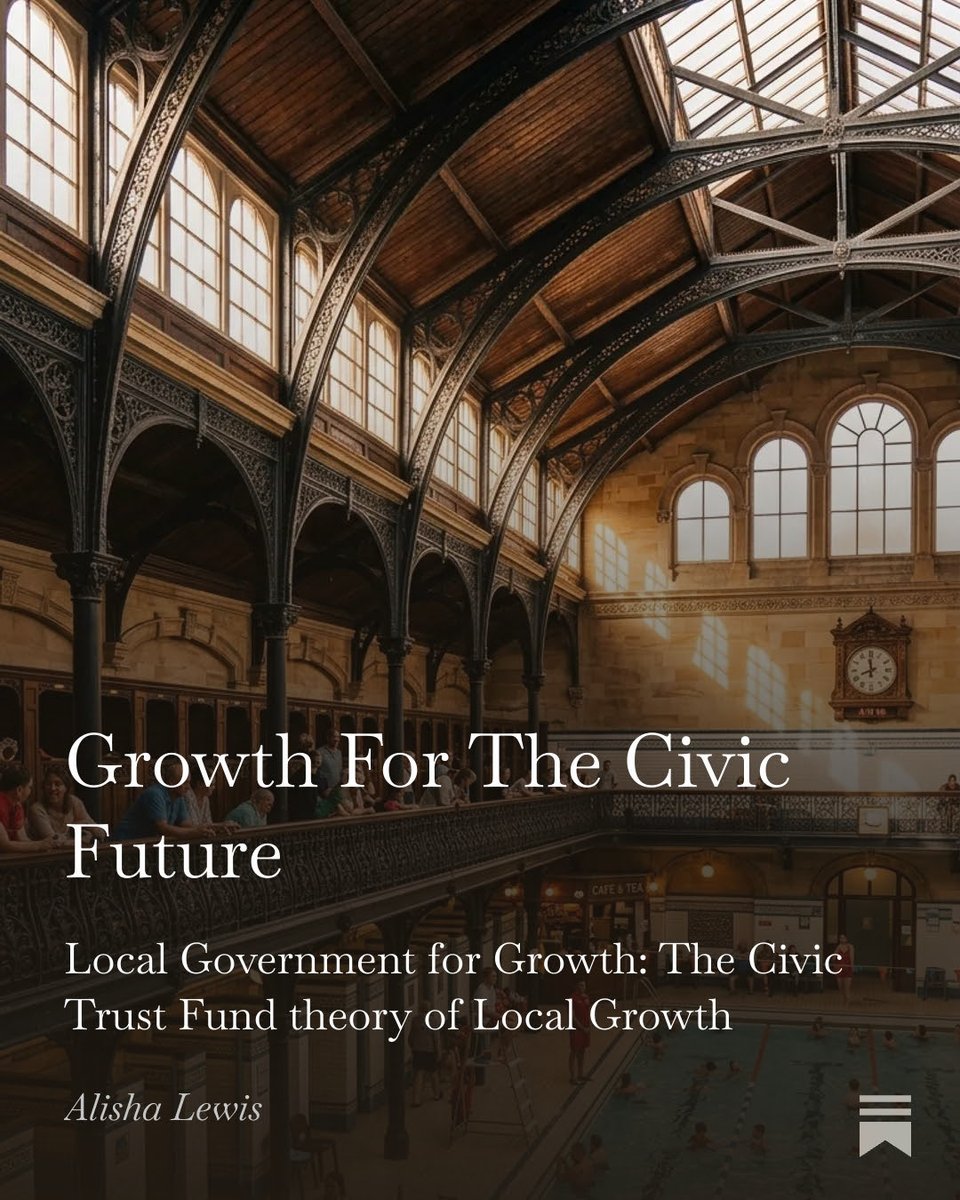
The Victorians built the swimming pools. The postwar generation built the youth clubs. Nobody built the endowment. We’ve spent 150 years spending down the inheritance.
Here’s how we never do that ever again.
Local Government For Growth: The Civic Trust Fund Model
📖⬇️
3
13
49
10,153
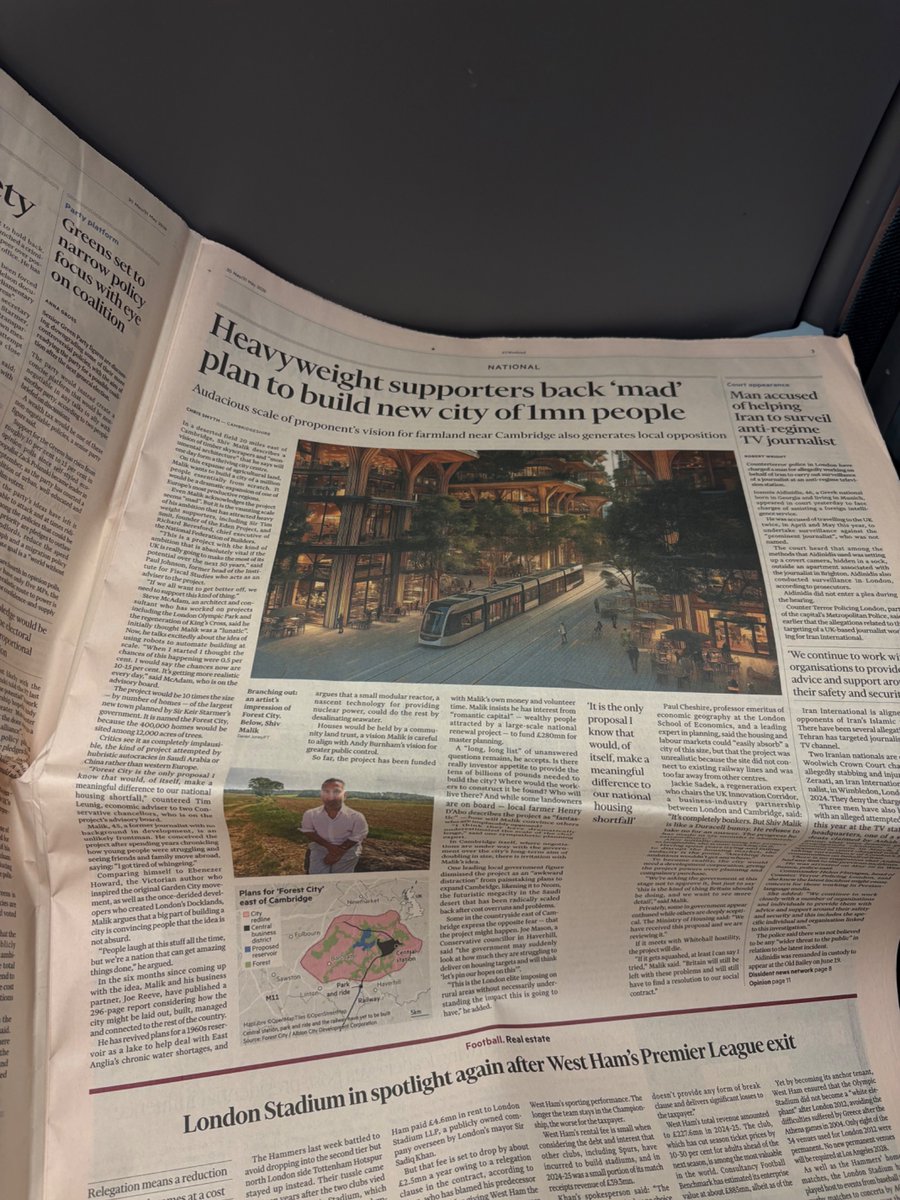
Another day, another FT piece.
We plan to sell high-spec 4-bed homes for £350k.
The only way to solve Britain’s fertility crisis is to make it affordable to have children in a vibrant place that people want to live.
Jun 13
Today the Forest City project is taking another step to repair Britain’s broken social contract by kicking-off our 4-bed housing challenge.
Is it possible to build a beautiful, stone-faced, generously proportioned, 4-bedroom terraced house at a cost of no more than £250k? Right now, a similarly sized new house on the outskirts of Cambridge will cost a prospective couple at least £600k. Buying a similar sized old home in the centre of the city costs well over £1m. It’s no different in many places in the South.
That’s a disgusting joke; completely out of reach without massive help from parents or mortgaging yourself to the hilt. We refuse to be enslaved to debt any longer.
That’s why we’re using technology and talent to show everyone that you can indeed create something amazing that doesn’t cost a king’s ransom.
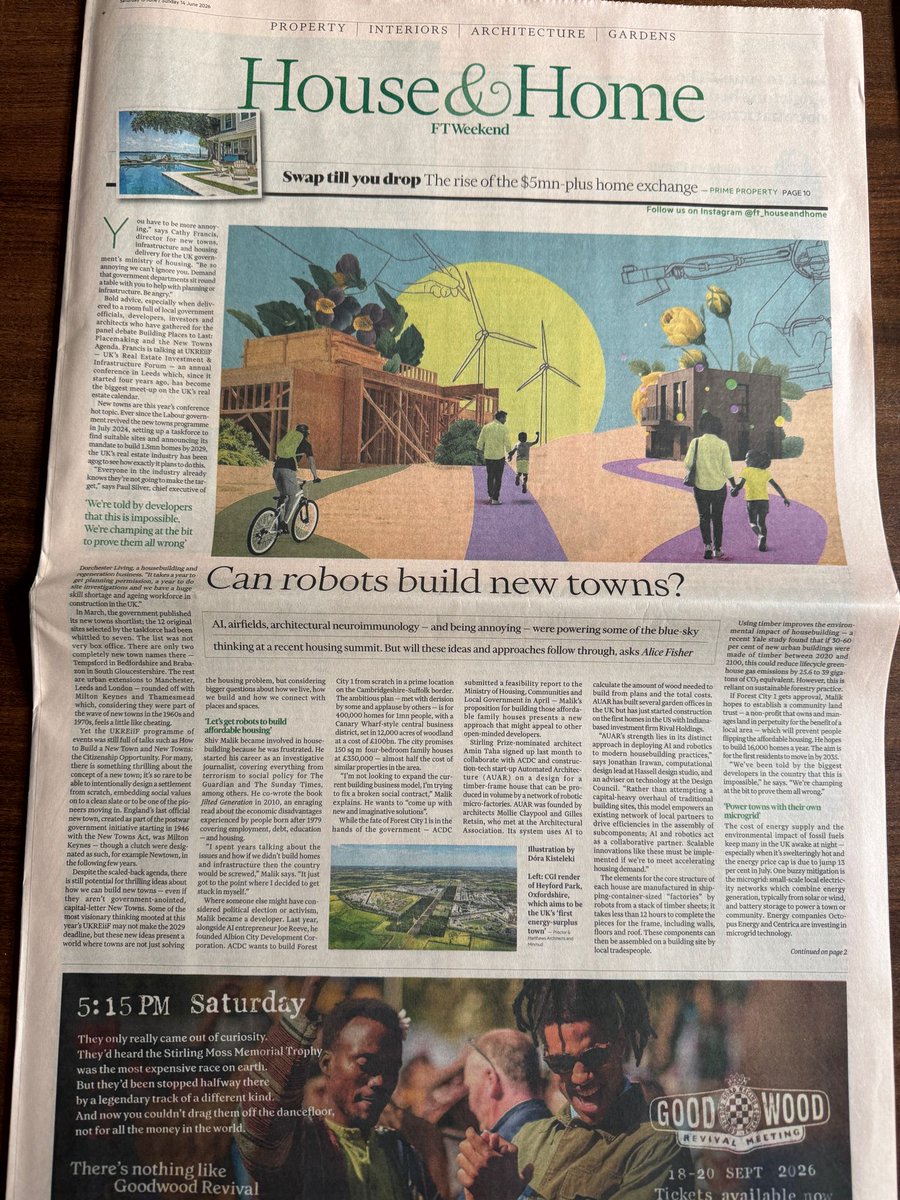
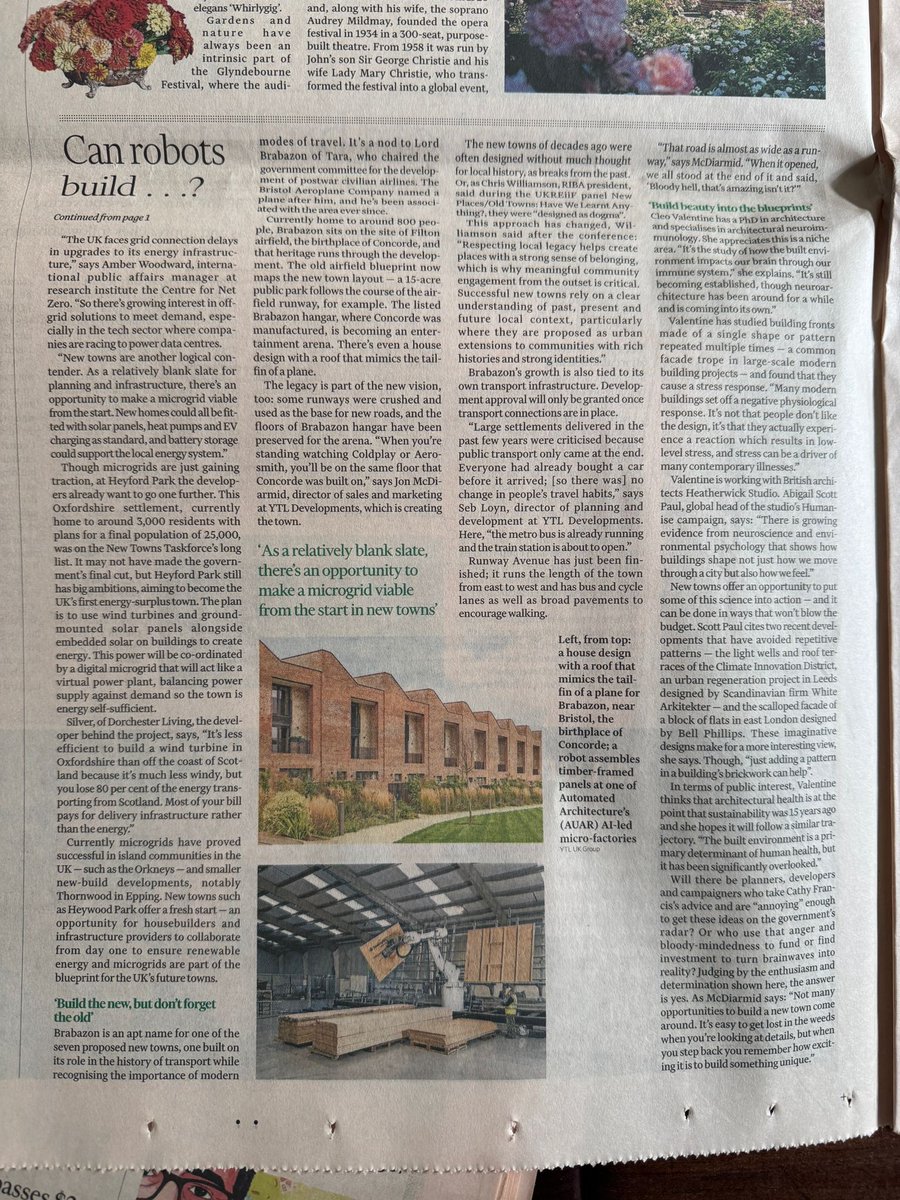
Working with two time Sterling Prize-nominated architect, Amin Taha, and architect turned robotics entrepreneur, @GillesRetsin, we are creating the home for the 22nd century using robots that can build the shell of a house in 12hrs. We will change the economic prospects for hundreds of thousands of young working Brits and hope to display the home in Cambridge very soon. You can read more about it in the House & Home section of this weekend’s @FT.

6
1
49
8,862
Jun 10
This move from Steve Reed is great, but can we PLEASE also stop the beheadings?
Jun 10

New: Steve Reed has just overruled Slough Council to approve the UK's largest data centre site near Heathrow.
The council had initially blocked it because of concerns about the Green Belt, so MHCLG called it in. The site has been designated as critical national infrastructure.
assets.publishing.service.go…
2
2
46
5,678
Joe Reeve - 🇬🇧/acc retweeted

Jun 10
We're going to do this for the UK. Already working on designing the house. News out this weekend in the FT 👀

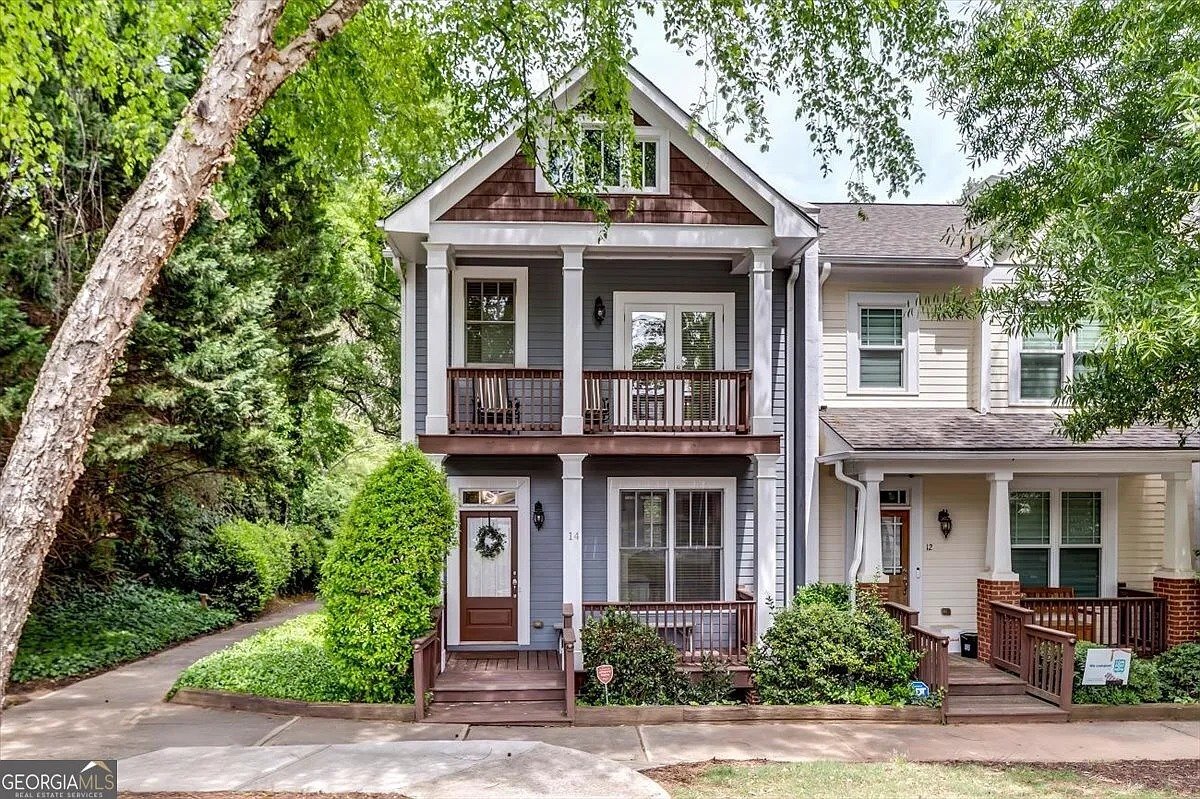
Atlanta is creating splendid new Gentle Density. These Row Houses (🇺🇸 = Terraced Houses in 🇬🇧) are less than 20 years old. This welcome abundance of homes means that though Atlanta has household incomes comparable to London, living costs are much lower. Everyone wins. (Via our wise fellow @bswud who is worth a follow not least for the cute baby photos!)

3
3
68
8,218
Jun 9
This is gonna be a great one

Our mission at @Londonmaxxing is to make London the greatest city on earth to live & build.
Event 1 - Why London Feels Alive Again spread the optimistic Londonmaxxing message, and kicked off a wave of energy.
Event 2 - Pubmaxxing brought Londonmaxxers together (at the pub) to scheme dastardly plots to improve London.
Event 3 - Maxxing London is the hackathon to help you take action and BUILD.
Thank you to our amazing partners @zeddotdev @ElevenLabs @ag_grid @OpenRouter @useTRMNL @arizeai @isnit0 @esthertrapadoux @rachelnabors
We can't wait to see what you all make 🔥
2
22
6,261
Jun 8
We can have this in Britain too…
Jun 7

Atlanta is an Ebenezer Howard-style ‘garden city’: it’s almost invisible from space due to all the tree cover. There is so much transport infrastructure that land is cheap, making big houses cheap for normal families.
2
1
5
2,839
Jun 8
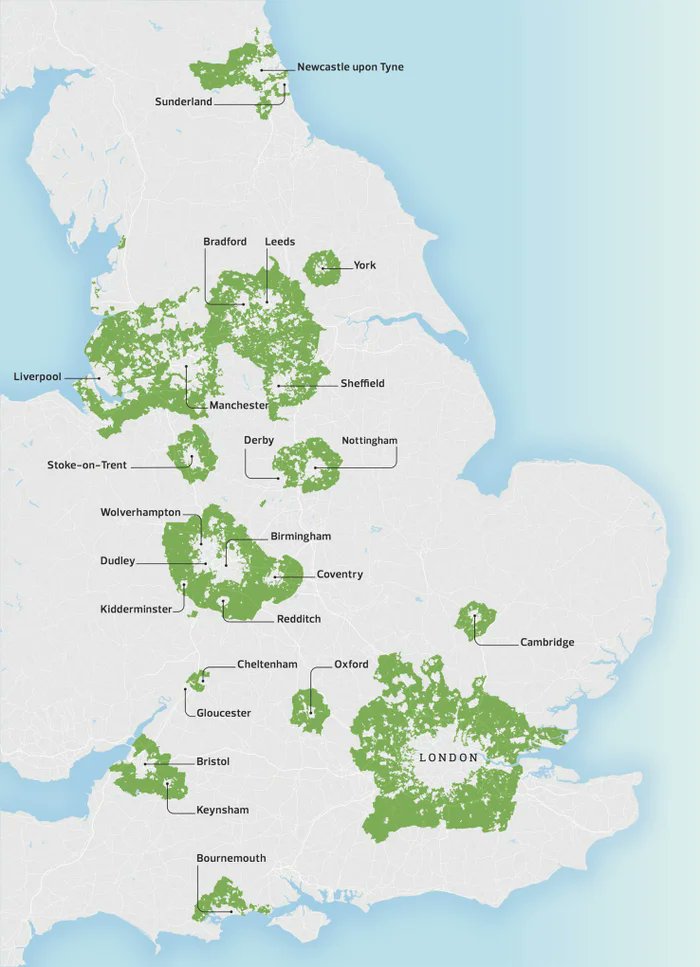
Time to choose: scrap the greenbelt, or build new cities.
The greenbelt was created to prevent urban sprawl.
The idea being that creating new cities and transport was preferable to infinitely expanding existing cities.
And it worked - we created Milton Keynes which is one of the most productive places in Britain today, all while preserving significant amounts of nature around our cities.
But then the NIMBYs had their cake and ate it - they blocked new developments and transport infrastructure, making Britain poorer and poorer.
You can either scrap the greenbelt, or build significant new cities and infrastructure. You can’t keep blocking everything.

The UK has what has to be the world's most obviously fixable housing crisis.
147
37
716
258,444
Jun 5
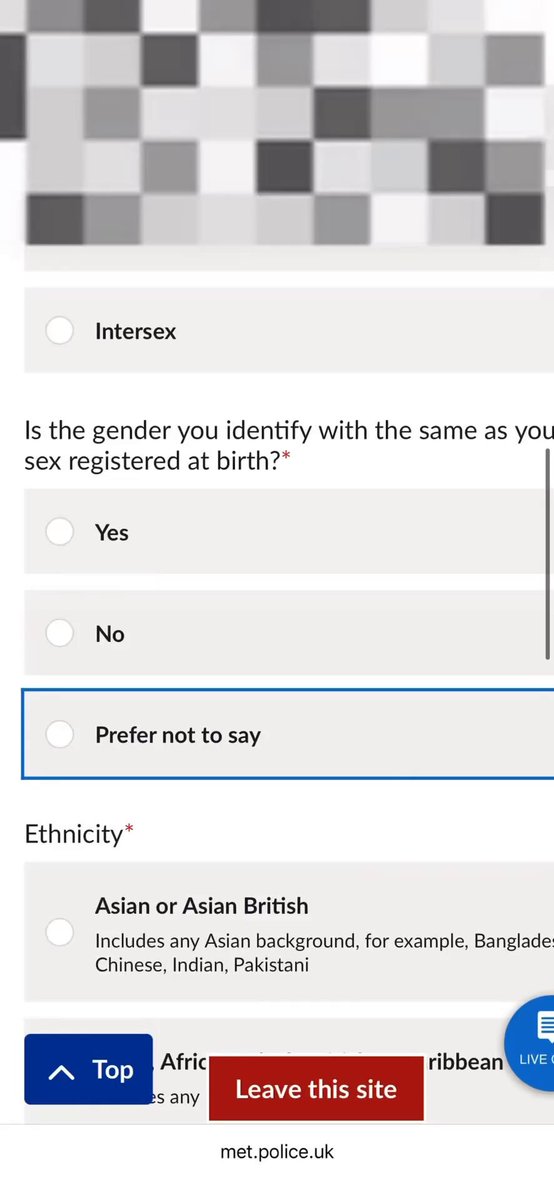
I went to the local supermarket, and there’s a crazy homeless person wearing a hospital gown screaming and mooning at people.
Dariia suggested reporting it to the police. I’ve never done this before, but assume it’s a Bystander Effect type situation so I agree to do it.
Call 101 (non emergency police line), spend 4 minutes being told by different recordings “report this online instead”.
So I go online, and it takes me over 5 minutes to file the report. (Not counting that I have to answer some questions twice to be redirected by the central Police website to the Met Police site)
I’m asked a bunch of DEI questions which waste time (completely unnecessary).
By the time I’m done, the person has harassed 20 more people and walked to a different street.
It makes sense that they’d have such silly submission processes - it will improve their numbers because fewer people bother to report incidents.
Not impressed by @metpoliceuk
30
20
585
130,815
Jun 5
Calling all YIMBYs.
We need you.
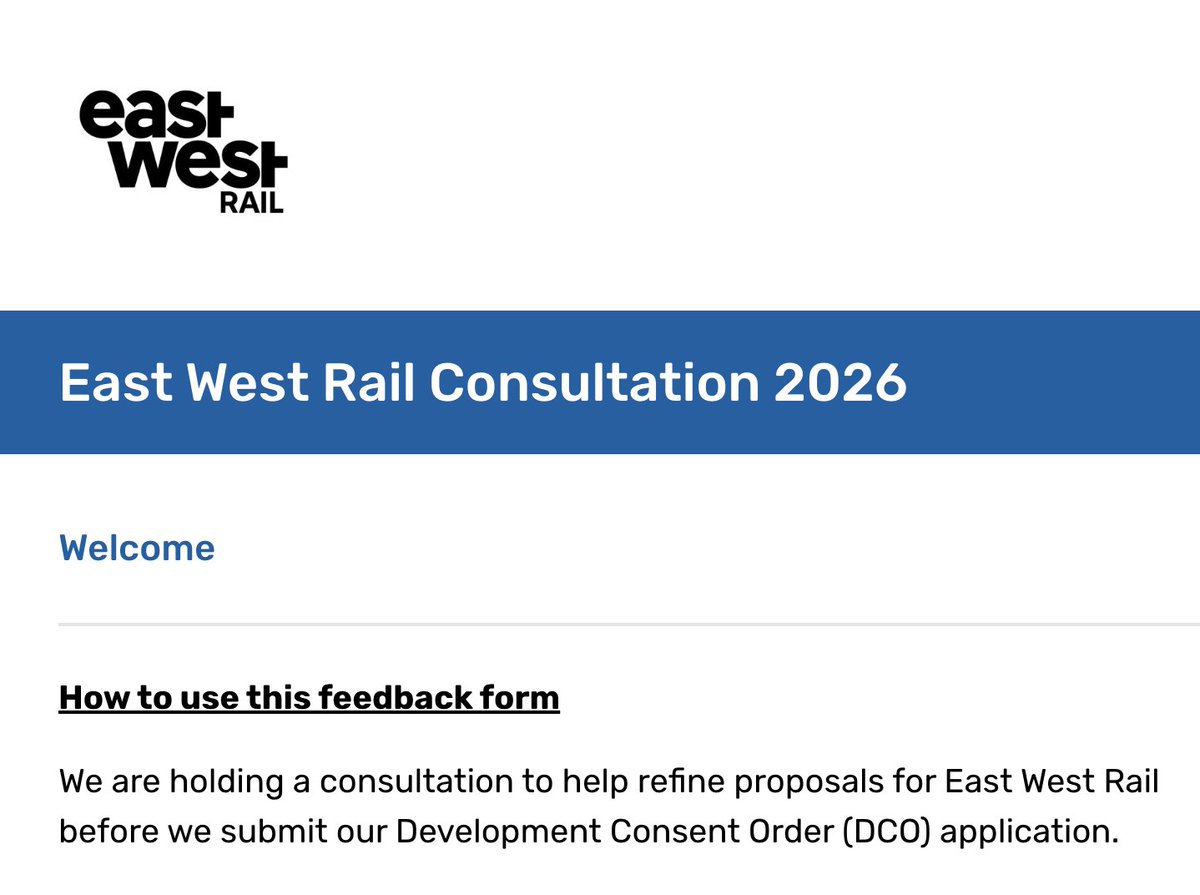
Please respond to the East West Rail Consultation (link in next post).
If you don't respond to it, you don't get to complain about things not happening.
5
5
25
2,507
Joe Reeve - 🇬🇧/acc retweeted

What I really like about Paul is that he actually *does stuff* he believes in.
We disagree on a lot - and quite strongly - but he's a good guy that cares about his country and acts to make it better.
Jun 4

This is true pro-activism. @paulpowlesland is a real British hero.
Actually improving nature despite legal threats and insane Government bodies.
Really puts the environmental virtue-signallers to shame.
Great piece from @Channel4News
3
6
95
10,726
Jun 4
This is true pro-activism. @paulpowlesland is a real British hero.
Actually improving nature despite legal threats and insane Government bodies.
Really puts the environmental virtue-signallers to shame.
Great piece from @Channel4News
213
767
5,425
174,524
Joe Reeve - 🇬🇧/acc retweeted
Jun 4
It's time to put some political economy into how we're building and placemaking in Britain. There has never been a better moment, because demand for new housing, water, transport and power has never been greater.
But the status quo solution is slow and often just means the state subsidising private developments and letting the uplift (the added value of a place) going into private hands. The UK government simply shrugs at this stuff, because, they argue, at least something is happening and the economy as a whole benefits. The government does the hard yards of building rail, road etc but the house builders or private corporations like Universal Studios, get to pocket the benefits.
We need a return to Municipalism (and glad to hear the @WorksInProgMag gang tentatively reconciling themselves with this thought on their latest podcast). It's where a whole project can own the land and bring together housing, commercial land, and the hard infrastructure. It doesn't mean excluding the private sector - in fact the exact opposite - it means helping them to speed up delivery by clearing the obstacles of planning, finance and risk.
But it does mean that the citizens or a place, rather than distant shareholders, end up being ultimate beneficiaries because the city owns the land and leases out the infrastructure once it is built. As I argue in this substack piece for Arguably (£), this is @AndyBurnhamGM's 'Manchesterism' in action.
Municipalism is an old Victorian idea which was behind the prosperity of London, Birmingham, Manchester, and Glasgow. You can see traces of it still around today, before post-1945 nationalisation stripped cities of their revenue generating assets like utilities and transport and handed ownership to Westminster. The City of London, Milton Keynes, Bournville, and yes, Manchester itself, retain ghost remnants of a Municipal past.
Singapore is a great example of Municipalism - it owns 90% of its land, and generates rents from it, which keep taxes low, and that revenue goes not into the pockets private landlords, but new infrastructure and services. That keeps dynamism high. It's a great combo of the public sector forcing private capital off of rentier-ism and into sectors where it must take more risk to get a return (as it should).
With Forest City, a project to build Britain's first new city in over 50 years we aim to get back to a place-based, municipal solution. None of the proposed New Towns have any sense of political economy. Often it's just about letting developers hit the target numbers. That's not all bad. But it also isn't good enough. In a world of free moving global capital, who owns and controls the future, is the most important question we face.
open.substack.com/pub/arguab…
2
6
20
7,315

Joe Reeve - 🇬🇧/acc retweeted

At microagi we want to put Europe at the front of physical and embodied AI. That’s why we’ve created the microagi research fellowship.
Fellows can build in our lab in Zurich or Munich, work with our team, our datasets and our partners like Unitree, Nvidia, and Google.
If you know someone who should be focussing on physical AI without any distractions, tag them, if you’re the first to tag someone who is accepted we’ll send you 10.000 USD
16
12
105
34,992
Joe Reeve - 🇬🇧/acc retweeted

Jun 3
The case for Britain’s first new city in 50 years – @ShivMalik writes for @ArguablyMag on his Forest City project and how it could define a new age of municipalism. arguably.uk/p/forest-city-co…
6
15
3,706
Joe Reeve - 🇬🇧/acc retweeted
Jun 3
It’s time to put some political-economy into the New Towns programme. The Forest City project has always had a very strong thread of municipalism, and what could be re-termed as @AndyBurnhamGM’s Manchesterism. It’s time to bring housing, transport, water, power and nature together and ensure that the people of a place, not distant shareholders, are the real beneficiaries.
open.substack.com/pub/arguab…
4
8
12
3,318